Expos-ed: Andre Dawson and the 25 Greatest Montreal Expos
By (Contributor) on July 22, 2010
3,400 reads
Andre Dawson's induction into the Hall of Fame on Sunday will mark just the second time Cooperstown will honor the legacy of the Montreal Expos.
For a time in the late 1970s and early 1980s, the best organization in baseball resided north of the border; where Dawson, fellow Hall of Famer Gary Carter, Steve Rogers, Tim Raines and Warren Cromartie were the vanguard of a team that sprouted prospects and fielded competitive teams that spent many a September in the heart of the National League East pennant chase.
While the team fell a game short of the World Series in 1981, Montreal's greatest team was the 1994 edition that bolted out to a 74-40 record before the strike delivered what would prove to be the death knell to the franchise's existence in Canada.
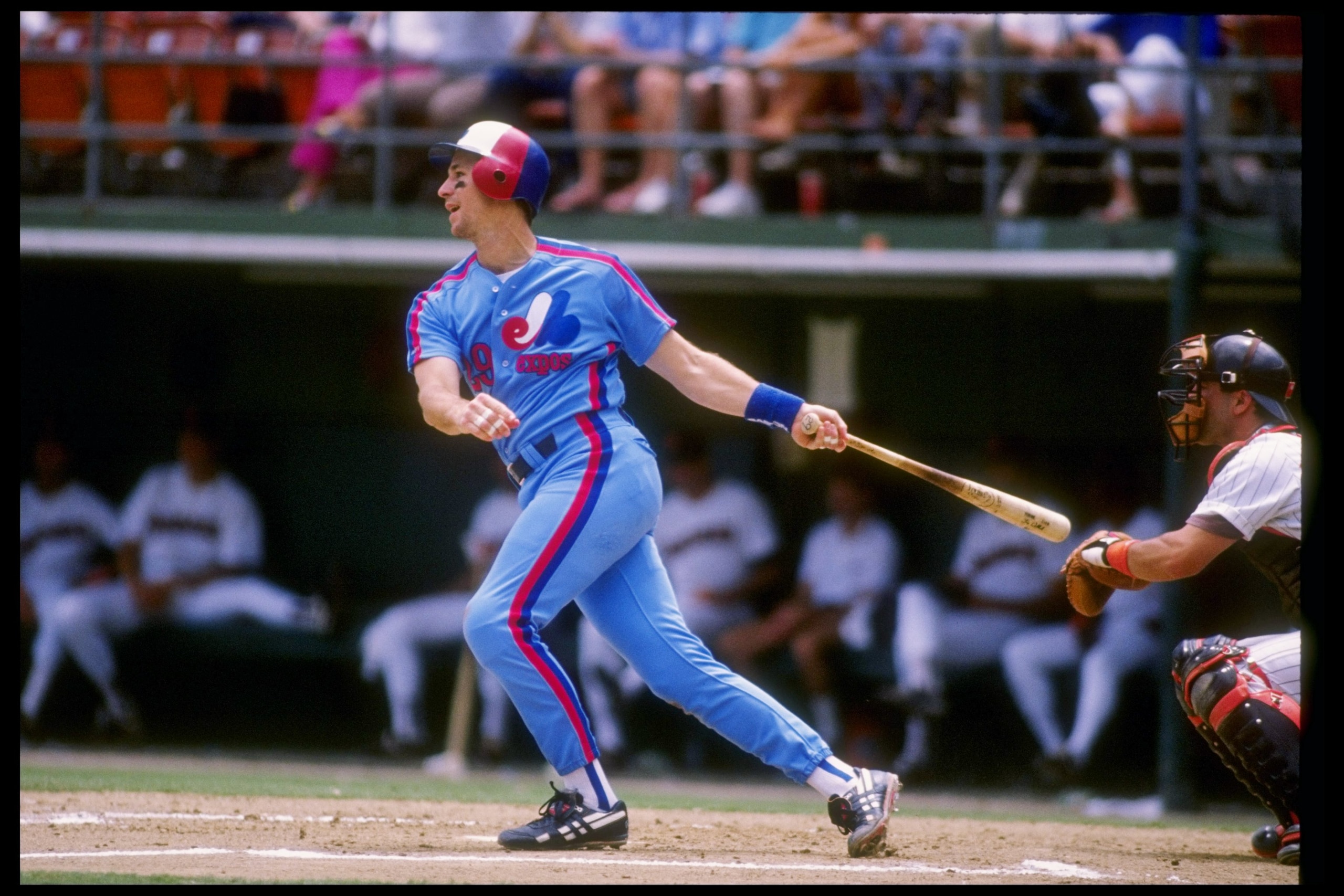
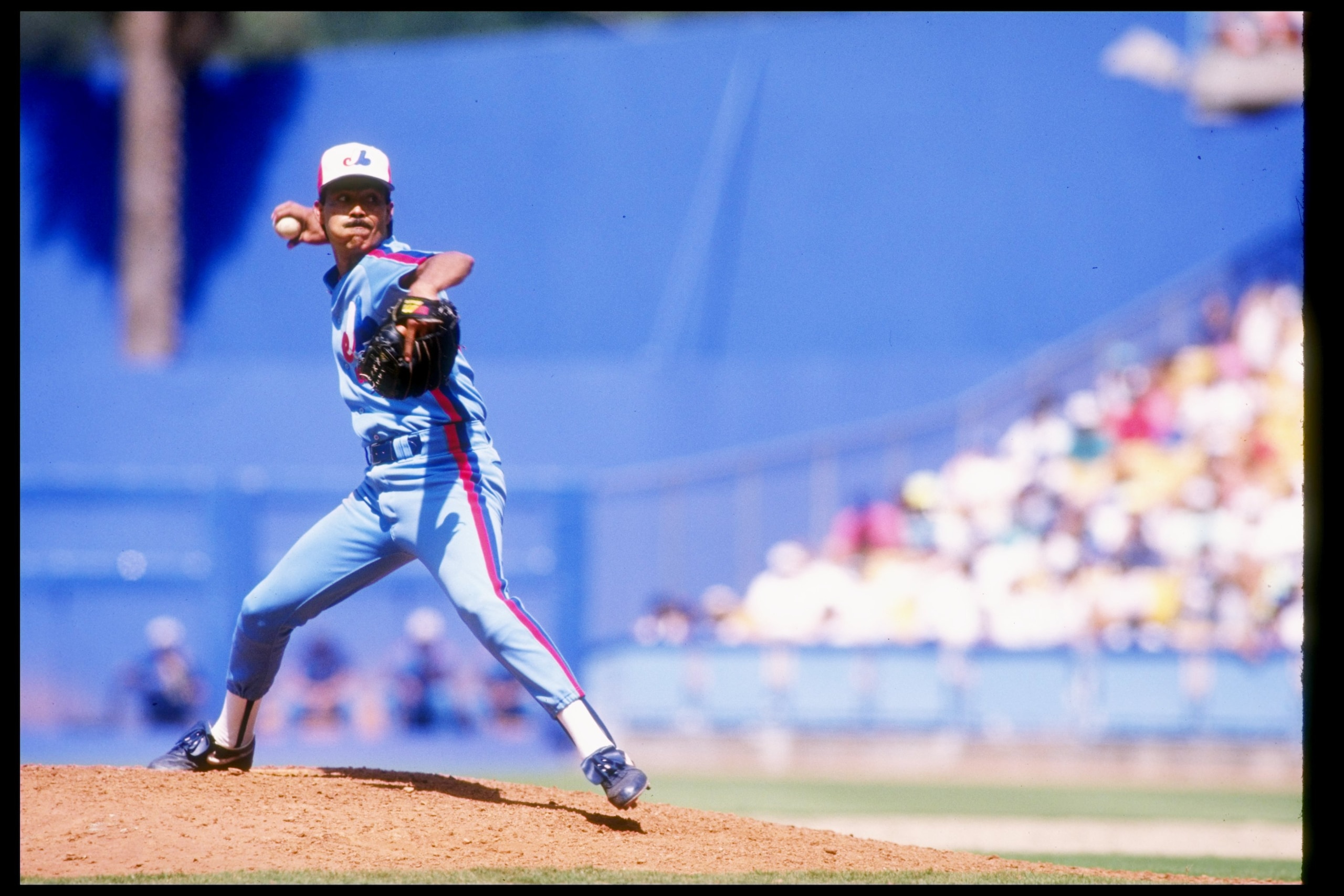
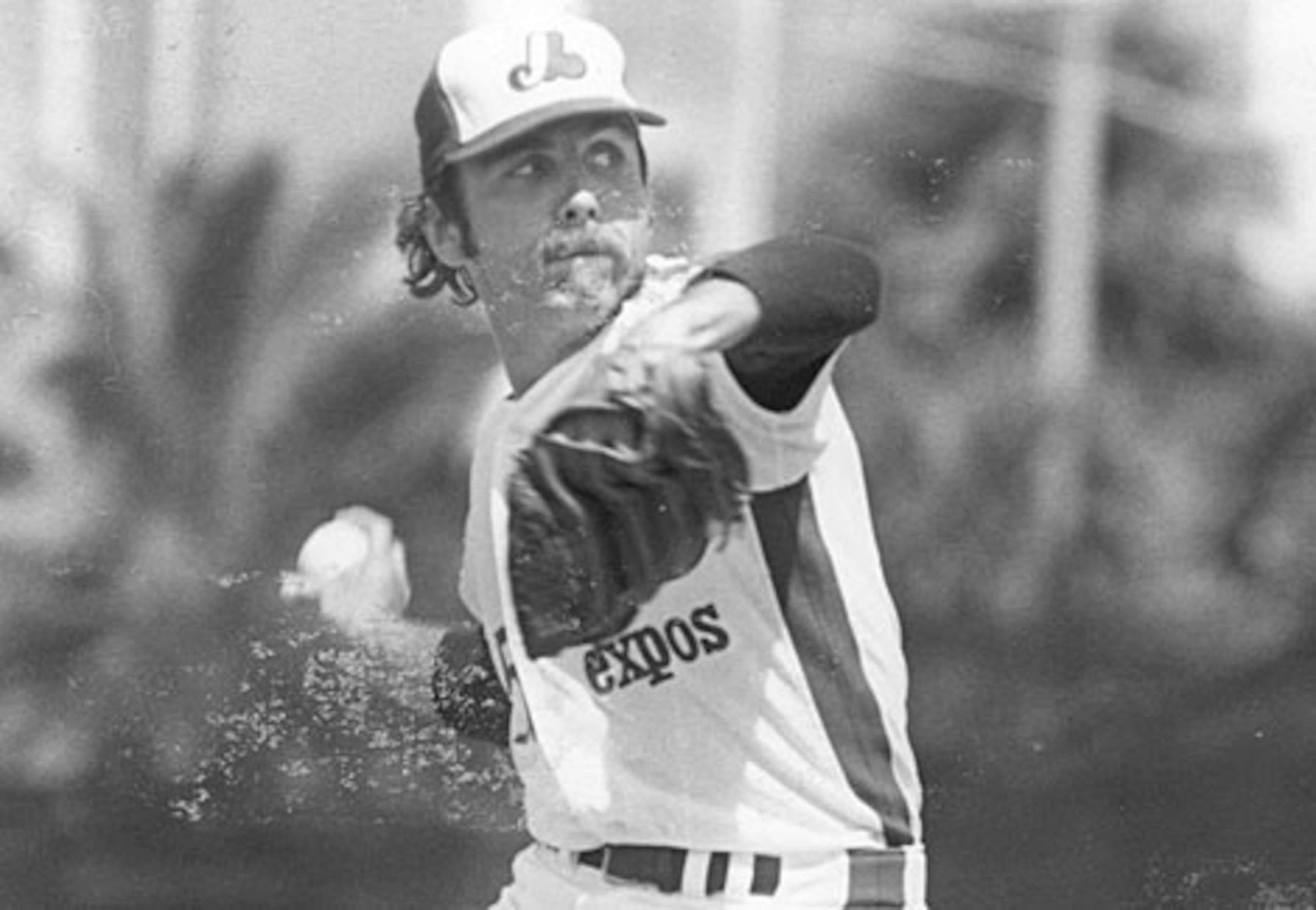
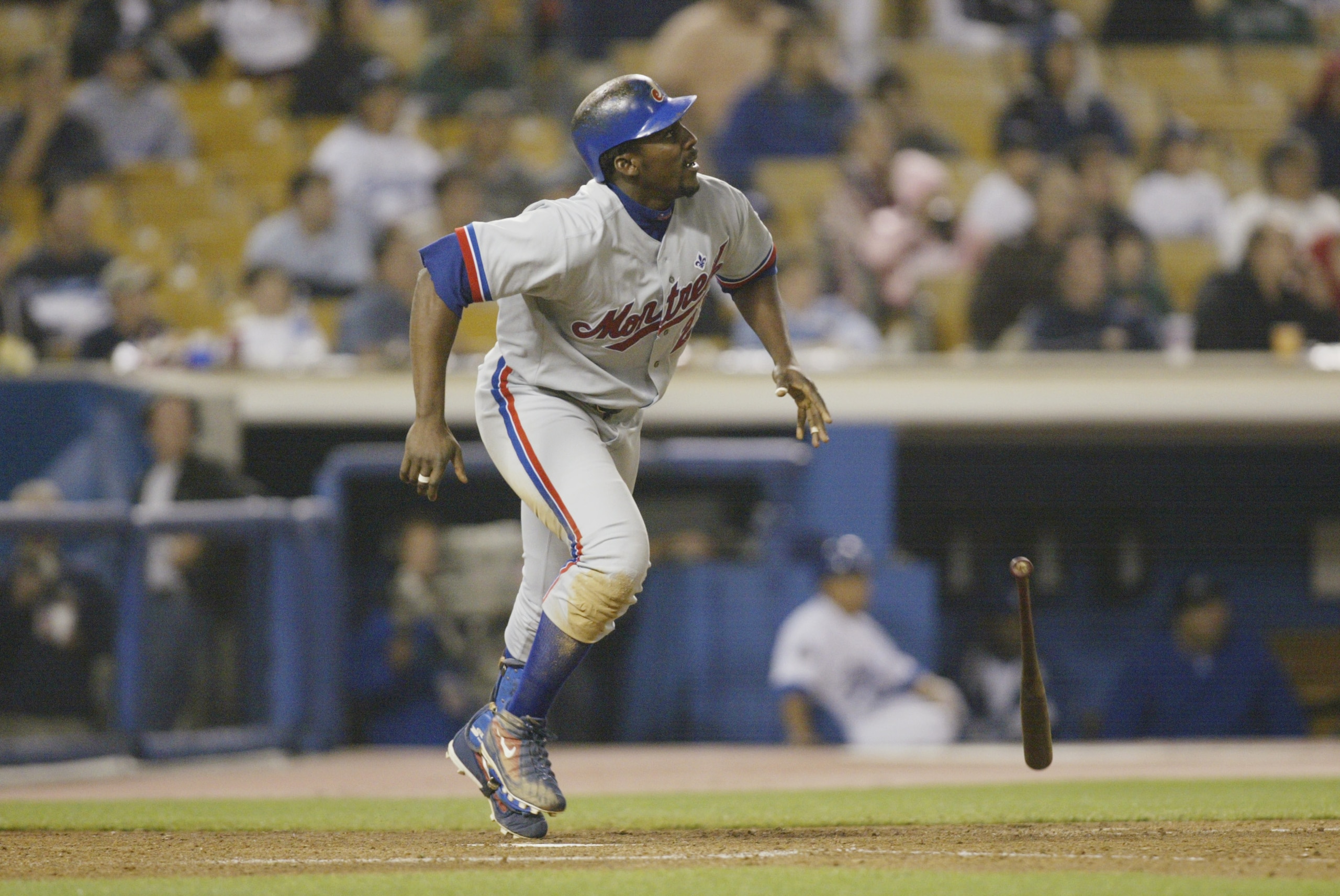
Currently disguised as the Washington Nationals and featuring several players (Stephen Strasburg, Ryan Zimmerman) who may one day merit Cooperstown consideration, the club's heart will always belong in Montreal, which is why we take the time to salute the 25 greatest players who donned the blue, red and white from 1969-2004.
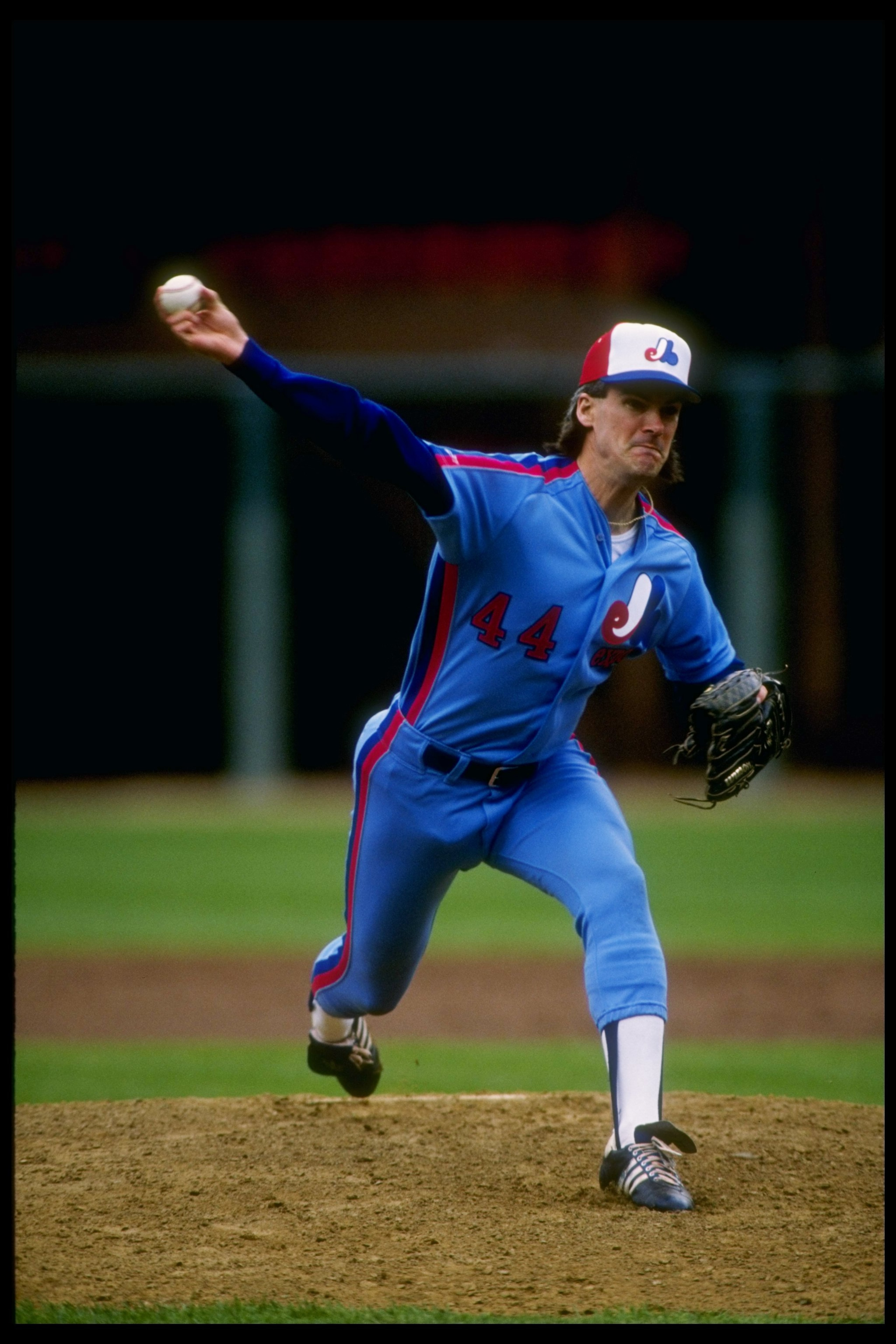
No. 25: P Tim Burke (1985-91)
The rubber-armed righty established his credentials as a rookie, pitching in a major league-high 78 games in 1985. He stayed in middle relief one more season before taking the closer's role the following campaign, going 7-0 with 18 saves and a 1.19 ERA.
Burke's best season came in 1989, where he earned his only All-Star berth en route to a 9-3 record with a career-best 28 saves and a 2.55 ERA.
He remains atop the franchise's record books with a 2.61 ERA and 425 games pitched. Burke is sixth all-time with 101 saves.
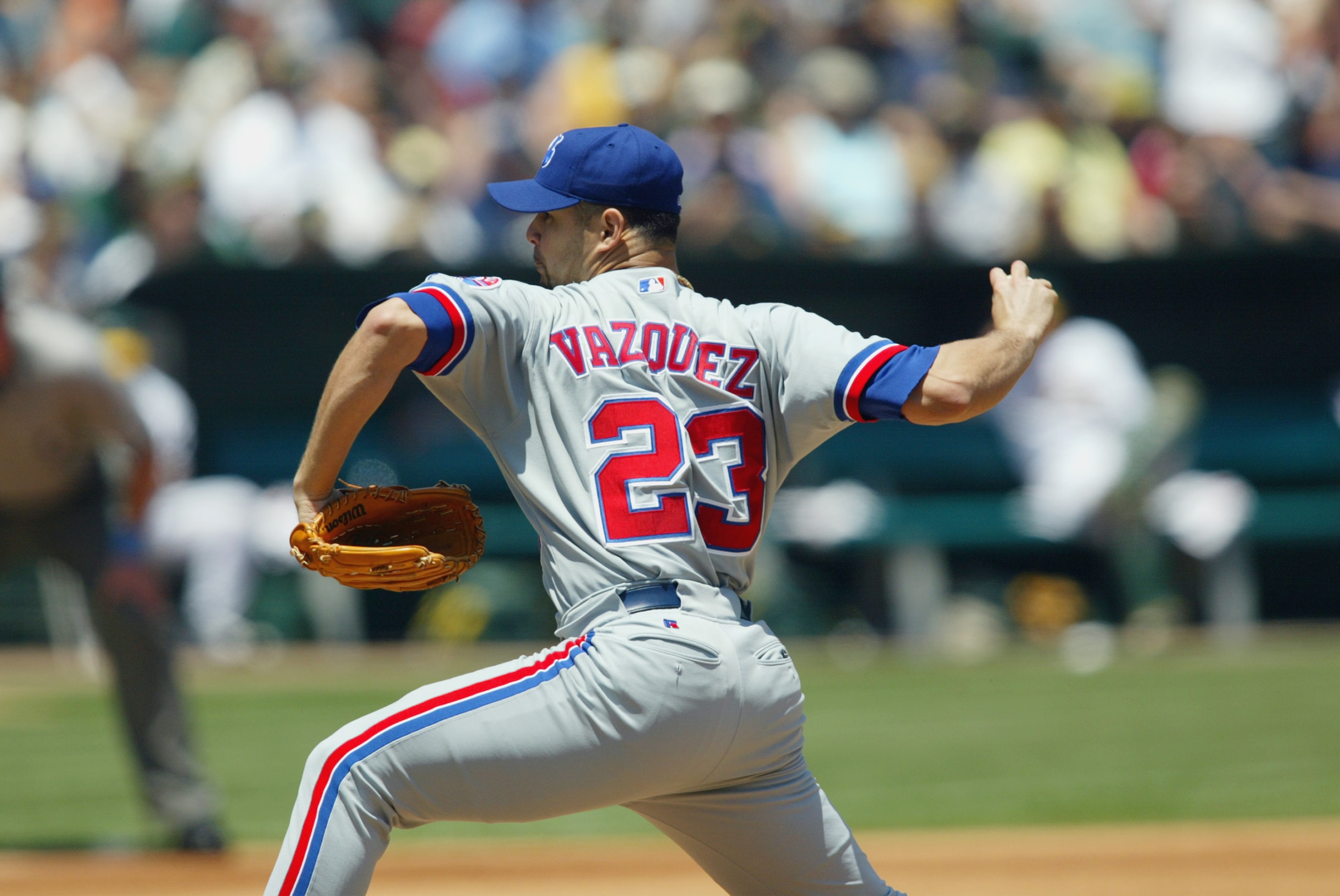
24. P Javier Vazquez (1998-2003)
Sixth on the club's career win list with 68, Vazquez was one of the National League's top workhorses from 2000-2003, pitching at least 217 innings and making at least 32 starts each season.
Vazquez's best season in an Expos uniform came in 2003, when he finished with a 3.24 ERA and a career-high 241 strikeouts, but recorded just a 13-12 record.
23. OF Ken Singleton (1972-74)
Acquired from the Mets for Rusty Staub right as the 1972 season began, Singleton's best season came in 1973, when the slugger from New York City belted 23 homers, drove in 103 runs while batting .302 and leading the National League with a .425 OBP.
Singleton finished ninth in voting for the NL Most Valuable Player, becoming the first Expos player to finish in the top 10. He played one more season in Montreal before being traded to Baltimore for P Dave McNally.
His .393 OBP is third among all Expos, while his .285 batting average is ninth all-time.
No. 22: P Jeff Fassero (1991-96)
Fassero began his career as a middle reliever, developing a knack for extinguishing fires. His versatile arm found a home in 1993, serving as a swing man who made 15 starts among his 56 appearances en route to recording a 12-5 record with a 2.29 ERA.
He made the full transition to the rotation the following season, going 8-6 (2.99 ERA) as part of a stellar Expos rotation that sparked the team's run to a 74-40 record before the strike hit. Fassero went 13-14 in 1995 before rebounding with a 15-11, 3.30 mark in 1996 that saw him finish in the top 10 in NL Cy Young voting.
Fassero won 58 games in Montreal, seventh-best in team history. His 3.20 career ERA placed him ninth.
21. 3B Larry Parrish (1974-81)
Thrust into the starting lineup at 21, Parrish batted .274-10-65 in 1975, finishing third in National League rookie of the year voting. He remained a fixture at the hot corner, stringing together seasons of double-digit home runs before his power finally blossomed in 1979.
Parrish hit a career-best .307 with 30 homers and 82 RBI as the Expos chased the Pittsburgh Pirates into the final weekend for the NL East title. He earned a trip to the All-Star game and finished fourth in voting for the NL MVP award.
He was never able to come close to repeating the magic of '79 in his last two seasons in Montreal before departing to Texas and becoming one of the top designated hitters of the decade.
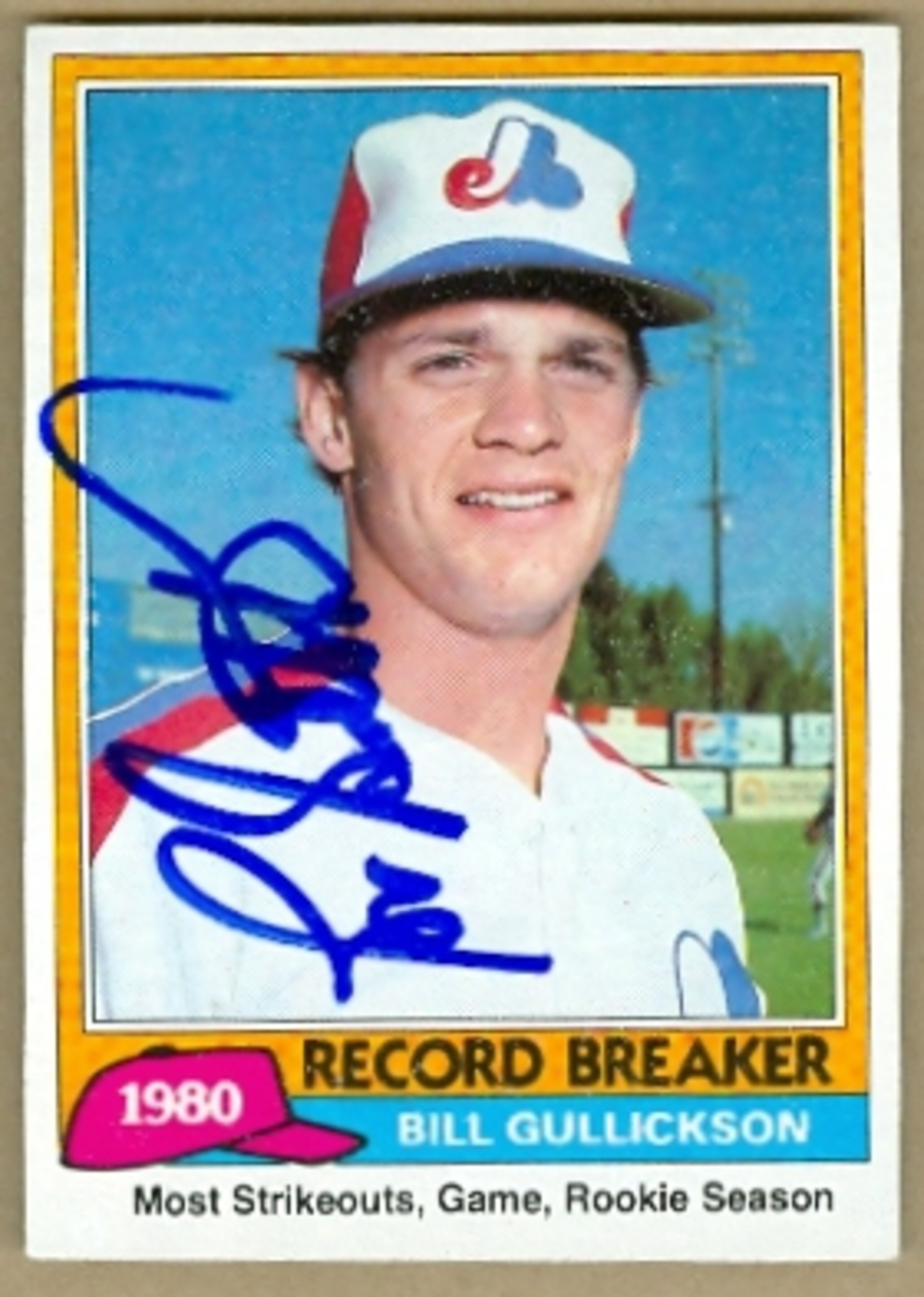
No. 20: P Bill Gullickson (1979-85)
Gullickson won 72 games during his stint in Montreal, but Expos fans remember him most for his outing against the Cubs on September 10, 1980. Chicago's bats had no answer for the young right-hander, who set a then-rookie record with 18 strikeouts en route to a 4-2 win.
The club's first round pick in 1977 appeared to be on his way to bigger things when he finished 17-12 in 1983, but after winning a combined 26 games over the following two seasons, Gullickson was dealt to the Reds after the 1985 campaign.
Gullickson remains fourth on the career wins list and is sixth all-time with 1186.1 innings pitched.
19. P Bryn Smith (1981-89)
A reliable hurler with more steak than sizzle, Smith was a fixture in the Expos' starting rotation for much of the 1980s, winning 81 times during the decade.
Smith's best season came in 1985 when he finished 18-5 with a 2.91 ERA, allowing just under eight hits per nine innings while tossing a pair of shutouts over a career-best 222.1 innings.
He is currently third on the team's career win list and is also third with 1400.1 innings pitched.
18. 1B Andres Galarraga (1985-91, 2002)
Many remember Galarraga as part of Colorado's famed "Blake Street Bombers" in the mid-1990s, but the feared slugger got his start in Montreal, where his bat began to display its potential when he batted .305-13-90 during the 1987 season.
Galarraga flexed his muscles the following year, making the All-Star team and winning a Silver Slugger award by hitting .302-29-92 while leading the NL in hits (184) and total bases (329). He would record two more seasons of at least 20-plus homers before the Expos tired of his prolific strikeout numbers and traded him to St. Louis for P Ken Hill after the 1991 season.
He found himself back in Montreal near the end of his career, batting .260-9-40 in 104 games in 2002.
No. 17. P Ken Hill (1992-94)
Traded from the Cardinals for Andres Galarraga after the 1991 season, Hill enjoyed the three best years of a 14-season career in Montreal, capped by his 1994 campaign that saw him go 16-5 with a 3.32 ERA when the strike pulled the plug on the Expos' NL title run.
Hill, who was leading the majors in wins at the time, was on pace for a 25-8 season and might have overtaken Atlanta's Greg Maddux for the NL Cy Young. Instead, he finished second and was left—like all Montreal fans—to wonder what might have been.
Hill had gone 16-9 in 1992 and 9-7 during an injury-shortened 1993 with respective ERAs of 2.68 and 3.23. His .661 winning percentage (41-21) is the best in Expos history, while his 3.04 ERA is third.
16. OF Warren Cromartie (1974, 1976-83)
The uncle of current New York Jets DB Antonio Cromartie was one of the National League's top defensive outfielders in late 1970s, leading the league with in assists in 1978-79. He and Andre Dawson comprised one of most feared combination of outfield arms in recent memory, as both possessed rocket arms that made baserunners think twice about taking extra bases.
He was also a solid offensive threat, ranking in the NL's top 10 in hits three times and recorded two seasons of 40 or more doubles.
A career .280 hitter for the Expos, Cromartie left Montreal for a lucrative contract in Japan after the 1983 season.
15. 2B Jose Vidro (1997-2004)
The three-time All-Star was a solid hitter for much of his career in Montreal, hitting above .300 from 1999-2003, including a personal best .330 in 2000.
That same season, Vidro reached career-highs with 24 homers and 97 RBI and scored 101 times. He swatted at least 12 bombs from 1999-2004, establishing himself as one of the game's top offensive middle infielders.
Vidro is one of three Expos with a career average above .300 (.303). He is in the top 10 in career slugging (.459), runs scored (614), hits (1280) and total bases (1953).
14. P John Wetteland (1992-94)
Wetteland lasted just three seasons in Montreal before being dealt to the Yankees and becoming the tutor to future Hall of Famer Mariano Rivera, but was a dominant closer in that span.
Blessed with an upper-90s heater and a devastating cutter, Wetteland saved 105 games and averaged 10.8 strikeouts as an Expo, including a career-best 43 saves and 113 Ks in 1993.
Wetteland remains fifth on the club's career saves list.
13. Marquis Grissom (1989-94)
Grissom evolved from a one-dimensional running threat into one of the game's top offensive threats during his stint with the Expos. While he led the NL in steals in both 1991 and 1992 (144 combined swipes), he also won two of his four Gold Gloves in a Montreal uniform.
His best season came in 1993, when he batted .298 with 19 homers, 95 RBI, 104 runs scored and 53 steals, finishing ninth in the NL MVP race. Grissom was on his way to another stellar campaign in 1994 (.288-11-45, 36 SBs, 96 runs scored) when the strike hit.
After the strike, Grissom—like most of the club's stars—was moved in order to pare costs, as the Expos sent him to Atlanta in the spring of 1995.
12. OF/1B Rusty Staub (1969-71)
The first All-Star in Expos history, Staub recorded 531 of his 2,716 career hits en route to becoming the only player to have at least 500 hits with four different teams.
Acquired from Houston at the start of the 1969 season, Staub batted .302-29-79 for the expansion Expos before following up with 30 homers and 94 RBI in 1970. His final season in Montreal consisted of .311-19-97 and his third All-Star trip in as many years.
Playing in at least 158 games in each of his seasons in Montreal, Staub's .295 average is fourth all-time in Expos annals, while his OBP (.402) and slugging (.497) are second.
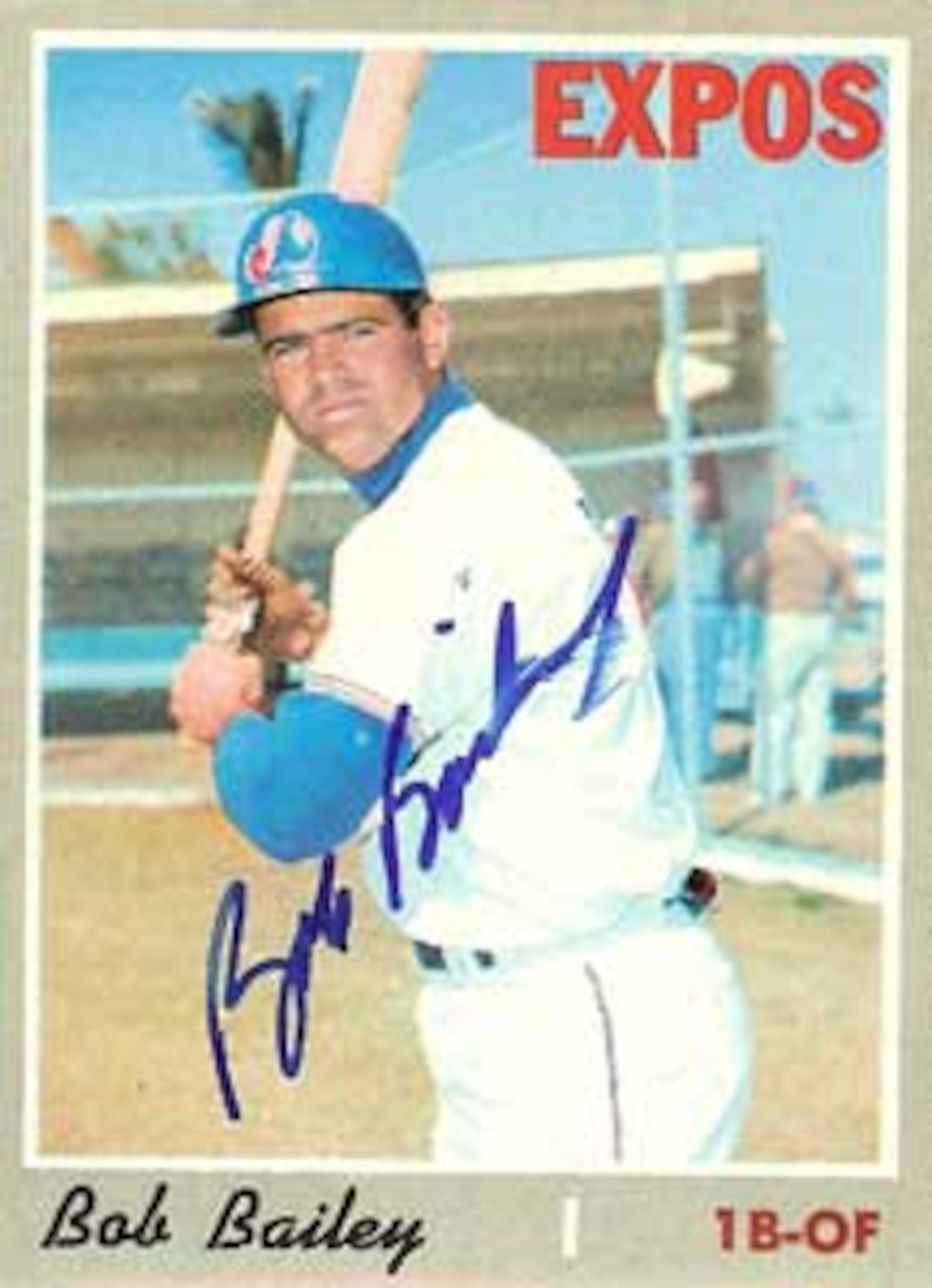
11. 3B/1B/OF Bob Bailey (1969-75)
One of the club's first stars, the onetime Pirate and Dodger broke out with a .287-28-84 campaign in 1970, the first of his three 20-plus homer seasons in Montreal.
Bailey's versatility proved valuable to the young franchise, as he bounced between first and third base as well as all three outfield positions. He hit 118 of his 185 career homers in Montreal and is fifth on the team's career list.
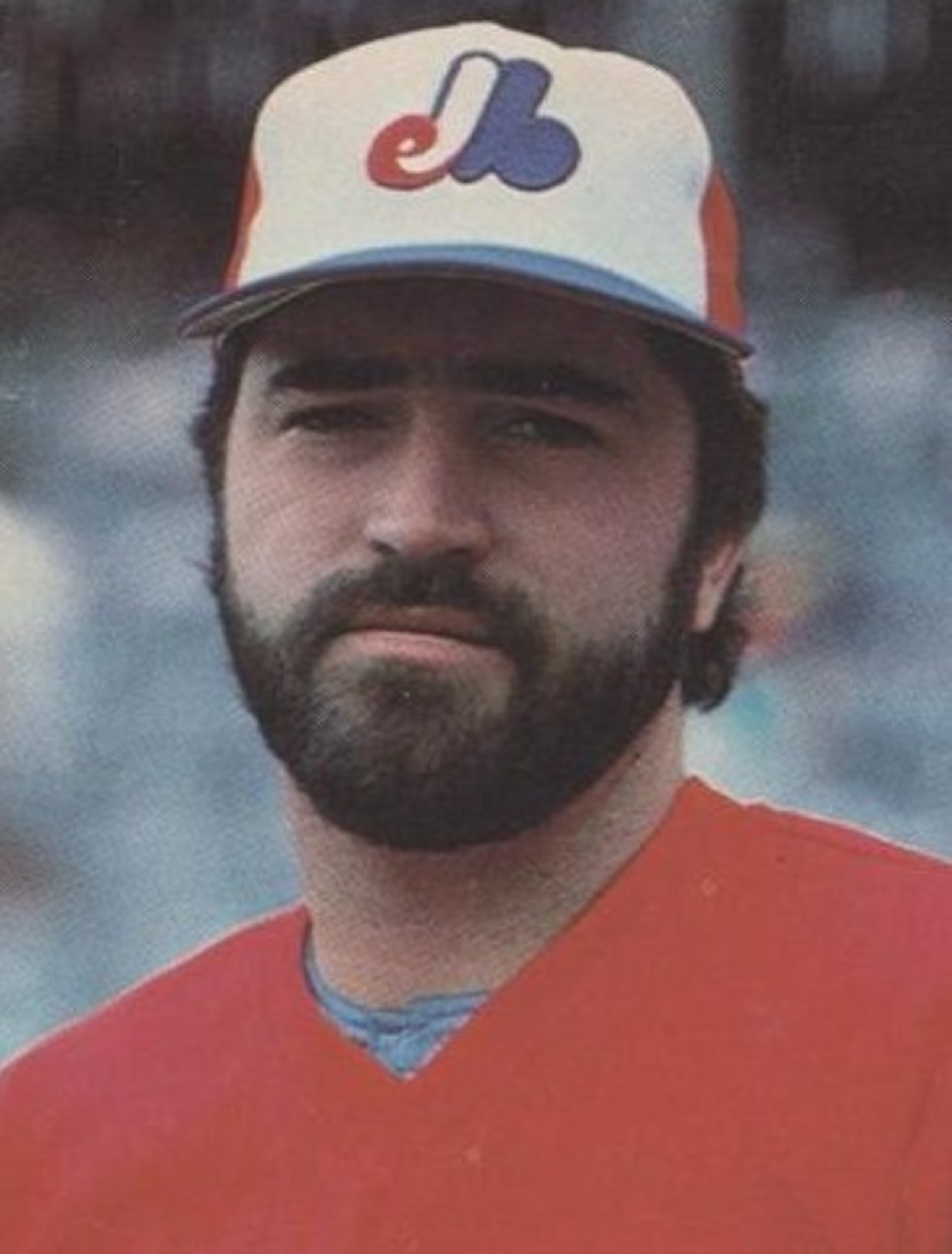
10. P Jeff Reardon (1982-86)
Reardon remains one of the most popular Expos, as fans fondly remember the bearded closer whose appearance meant "Lights Out" for opposing hitters.
Turning the lights out a club-record 152 times during his five years in Montreal, Reardon established himself as one of the game's premier closers and helped increase the value of the position. His best season came in 1985 where despite a 2-8 record, he led the National League with 41 saves.
Reardon's 2.84 ERA is second on the franchise's career list while his 359 appearances rank fourth among all Expos pitchers.
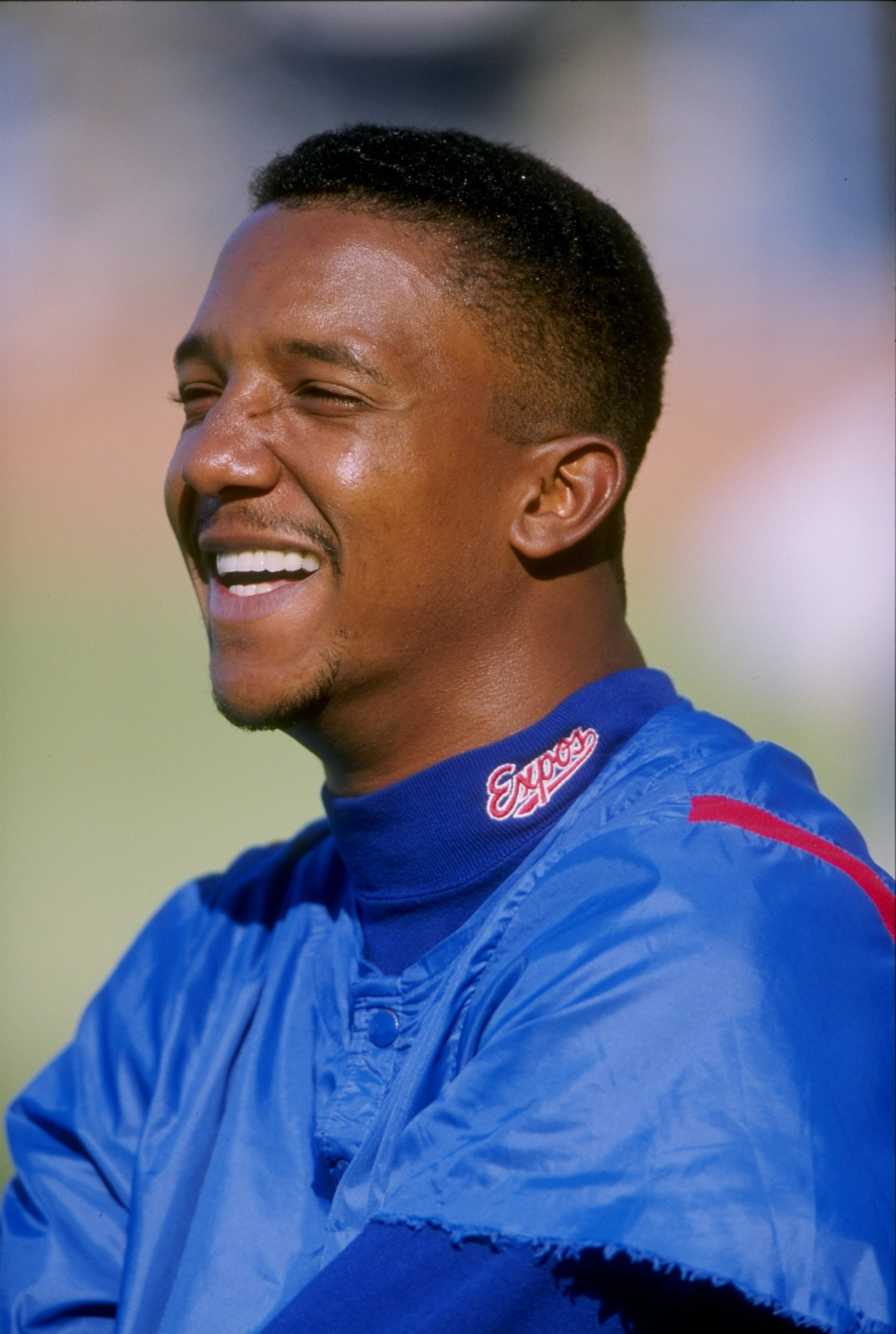
9. P Pedro Martinez (1994-97)
On the path to Cooperstown, Martinez's four-year stint as an Expo proved to be the pivotal juncture in which he turned from "good" to "dominant."
Traded from the Dodgers straight up for 2B Delino DeShields in the winter of 1993, Martinez played a key role in the Expos strike-shortened pennant run in 1994, finishing 11-5 with a 3.42 ERA. After the club moved ace Ken Hill prior to the 1995 season, Martinez took the role of staff anchor, going 14-10 with a 3.51 ERA.
After an average 13-10 campaign in 1996, Martinez put it all together the following season, mauling opposing batters to the tune of 17-8, 305 strikeouts and a staggering 1.90 ERA en route to winning the NL Cy Young. He allowed just under six hits per nine innings while completing 13 games and recording 11.4 strikeouts per nine.
Continuing their post-1994 theme, the financially strapped Expos had little choice but to move Martinez to the Red Sox in December 1997, allowing Boston to benefit the rewards of one of the most dominant three-year pitching runs in major league history.
8. OF Larry Walker (1989-94)
The pride of Maple Ridge, British Columbia showed flashes of his immense potential when he batted .241-19-51 with 21 steals during his first full season in 1990. Two years later, he earned his first All-Star appearance and Gold Glove as he established himself as one of the game's rising stars.
Walker hit .301-23-93 during that 1992 season, winning a Silver Slugger award in the process. He appeared to be on the way to NL MVP consideration in 1994, batting .322-19-86 with a league-high 44 doubles before the strike killed the Expos' pennant hopes.
Sadly, the Expos were forced to move Walker in their famed 1995 fire sale, sending him to Colorado, where his potential Hall of Fame career hit full stride. He hit .288 with 99 homers and 324 RBI in a Montreal uniform and added 98 stolen bases.
7. 3B Tim Wallach (1980-92)
One of the era's forgotten talents, Wallach earned five All-Star berths and four Gold Gloves during his 13 years in Montreal, where he remains the franchise's career leader in games played (1,767), at-bats (6,529), hits (1,694), total bases (2,728) and doubles (360).
The club's first round pick in the 1979 draft, Wallach arrived in the majors a year later and played in at least 134 games every year from 1982-92. His best season came in 1987 when he batted .298 with 26 homers and a career-high 123 RBI, finishing fourth in the NL MVP race.
6. P Dennis Martinez (1986-93)
In a career filled with revivals, Martinez had more than his share of memorable moments after arriving in Montreal when it appeared his career was dead after Baltimore dealt him in 1986.
Martinez's career sparkled upon donning an Expos uniform, capturing 100 wins while recording a solid 3.06 ERA in his eight seasons up north. He won 15 or more games four times, while his ERA dipped above 3.85 only twice.
His best season came in 1991 where he finished 14-11 with an NL-best 2.39 ERA. Martinez also led the league with nine complete games and five shutouts, including his perfect game at Dodger Stadium on July 28.
Martinez is second on the Expos career list in wins, second in WHIP (1.147) and is fifth in ERA.
5. P Steve Rogers (1973-85)
Montreal's first round pick in 1971, Rogers never donned another uniform once he made his Expos debut in mid-July of 1973, finishing the season with a 10-5 record and 1.54 ERA as the club nearly sneaked away with the NL East pennant.
Reality then hit Rogers, as he lost 22 games in 1974 and 17 in 1976, but with each start, the Jefferson City, Missouri native found his stride. The bumps in the road paid off in 1977, as he won 17 games, beginning a seven-year run of at least 13 wins and an ERA below 3.23.
Rogers appeared in four All-Star games in that span and finished second to Philly's Steve Carlton for the 1982 NL Cy Young award after going 19-8 with a league-best 2.40 ERA.
He sits alone atop the team's career list with 158 wins, 2837.2 innings pitched. Rogers started all but six of his 399 career appearances with the Expos.
No. 4: OF Vladmir Guerrero (1996-2003)
A bigger, stronger version of Andre Dawson, Guerrero holds the Expos career home run record with 235 bombs, while his .323 average also tops the franchise's list.
The 6'3", 235-pound native of the Dominican Republic never batted lower than .302 in his seven full seasons with Montreal and crushed at least 38 homers each year from 1998-2002. His best season came in 2002 when he led the National League in hits (206) and total bases (364) while batting .336 with 39 homers, 111 RBI and 40 steals.
Like Dawson, Guerrero had one of the most feared arms of his day; unlike Dawson, he was not a Gold Glove caliber defender. It about the only fault anyone could find in the Last Star of Montreal, who will eventually join Dawson, Carter and (eventually) Raines in Cooperstown donning Expos blue.
3. OF Tim Raines (1979-90)
"Rock" was perhaps the only player who could come remotely close to Rickey Henderson's base stealing prowess during the 1980s, swiping at least 49 bases in his 10 full seasons as an Expo. He burst on the scene with 71 steals in 1981, finishing behind Fernando Valenzuela in NL rookie of the year voting as Montreal fell one game short of the National League crown.
Raines led the NL in steals in each of his first four seasons, including a career-high 90 in 1983. From 1981-86, he stole at least 70 bases while batting at least .277, capping off the run by winning the NL batting crown (.334) in 1986.
He stole 635 of his 808 career bases in a Montreal uniform and will likely don the colors one more time when Cooperstown finally grants him admittance in the next few years. Second in career batting average (.303), Raines is the team's career leader with 947 runs scored and 82 triples, while his 1622 hits trail only Tim Wallach in franchise history.
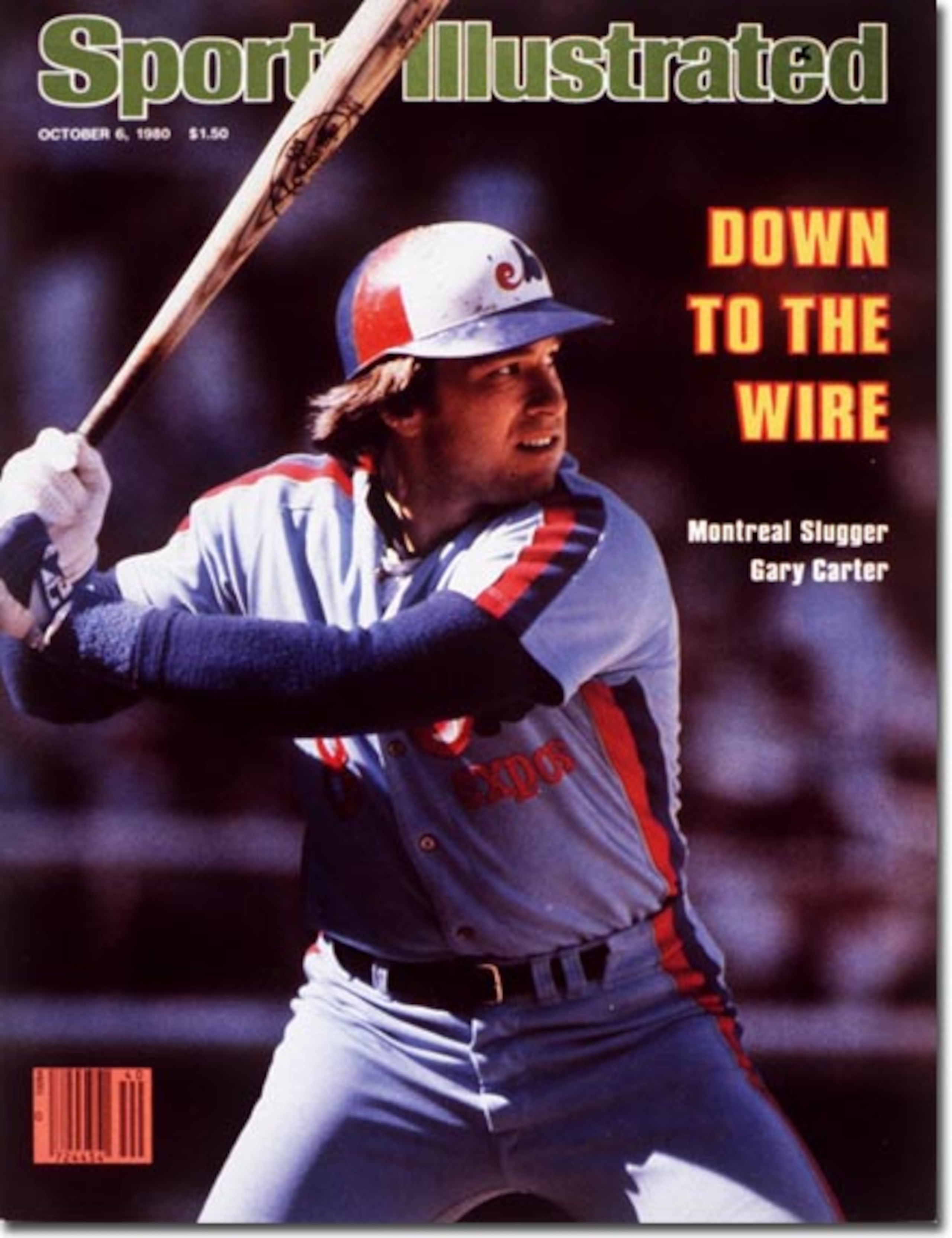
2. C Gary Carter (1974-84)
Montreal's first Hall of Famer wasted no time in becoming one of the game's greatest backstops, earning the first of his six All-Star trips in an Expos uniform during his first full season in 1975 (.270-17-68). Carter replaced Johnny Bench as the game's best catcher beginning in 1977, when his 31 homers ushered in a stretch where he hit 20-plus bombs six times in eight years.
Carter was a two-time All-Star Game MVP (1981, 84) and became the heart and soul of an Expos team that battled valiantly but fell short of NL East titles on the final weekend in both 1979 and 1980. He earned three Gold Gloves in Montreal, the last coming in his final year with the Expos when he also led the league with 106 RBI.
The 2003 Hall of Fame inductee is the team's career leader with 52.6 WAR. His 220 homers and 823 RBI are third all-time.
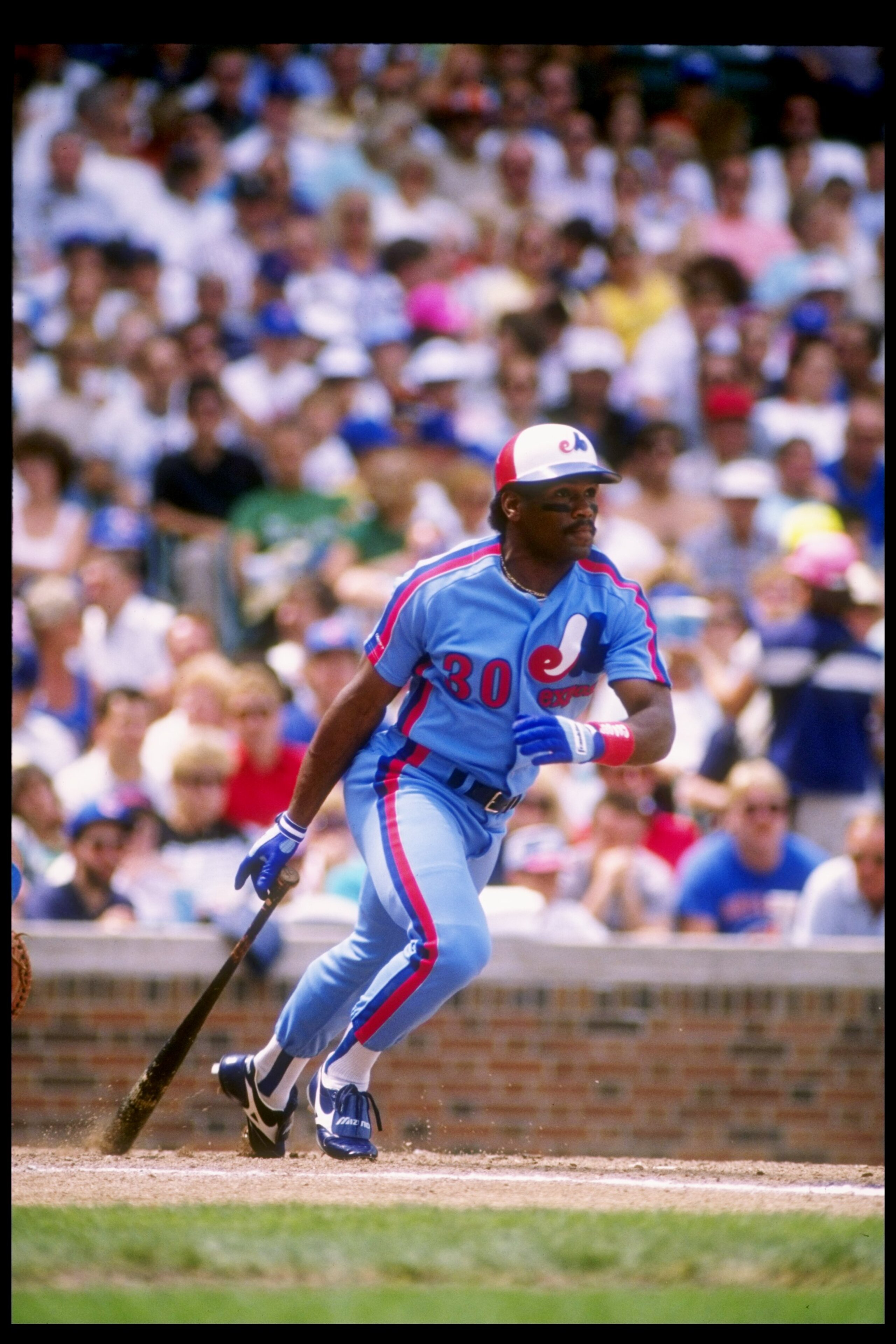
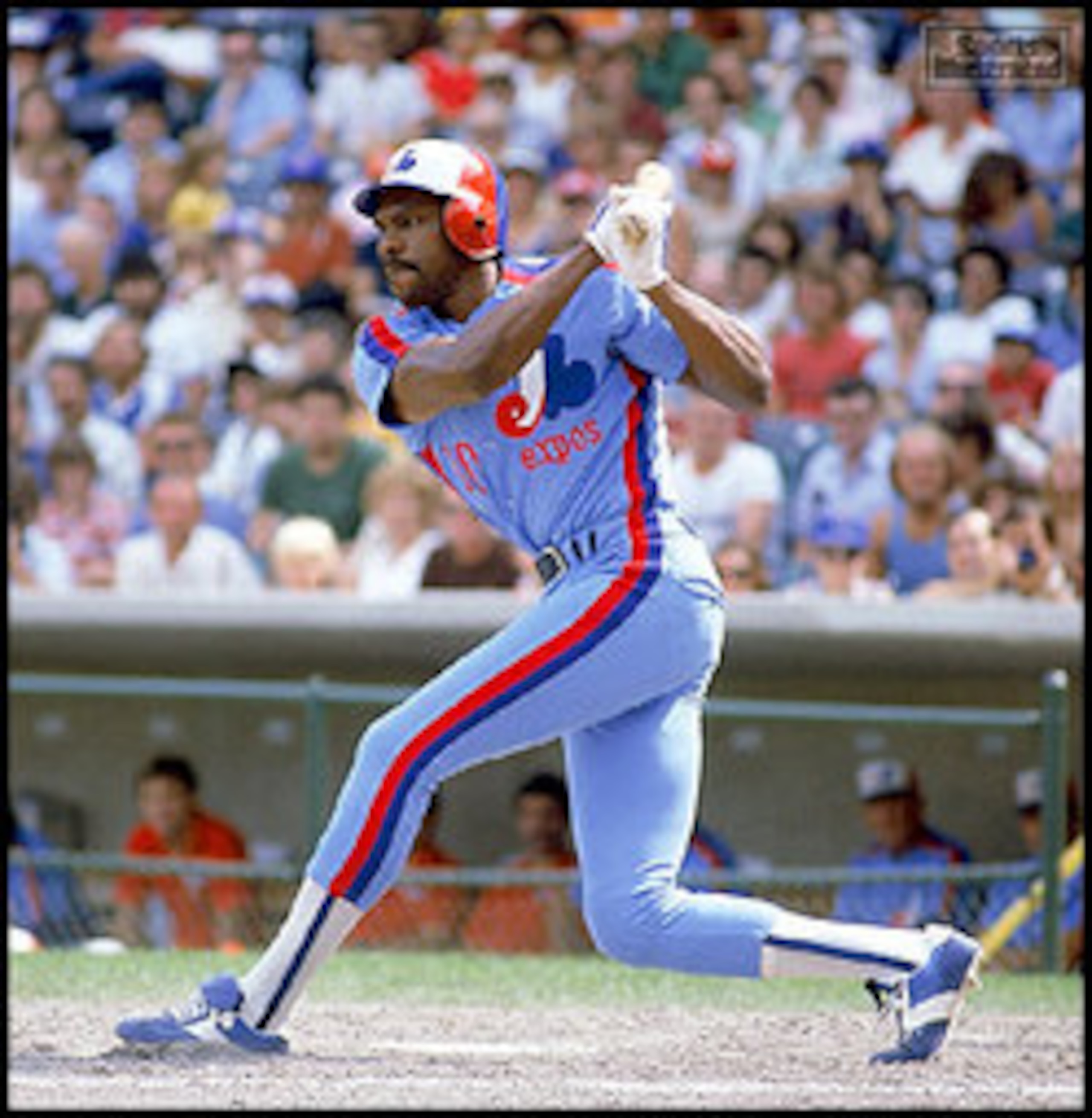
1. OF Andre Dawson (1976-86)
Hit for average? Check.
Hit for power? Check.
Great baserunner? Check.
Great defender? Check.
Great arm? Check.
Many players have possessed all-five tools, but few were able to translate them to success like Dawson, whose dominance in perhaps baseball's most balanced era have finally been rewarded with a Hall of Fame induction.
Dawson was a three-time All-Star in Montreal who also won six Gold Gloves and three Silver Sluggers. He never recorded a 30-30 season, but his 1983 numbers (.299-32-113, 25 stolen bases, 104 runs scored) personified his immense talent.
His desire to improve can be best described by how he became a more patient hitter; after consecutive 100-plus strikeout seasons, Dawson improved his batting eye after the 1979 campaign. He never struck out more than 96 times in his final seven years in Montreal.
"The Hawk" ranks in the top five in almost every career category in Montreal history, finishing his stint with the Expos with .280-225-838 and 253 steals.
What is the duplicate article?
Why is this article offensive?
Where is this article plagiarized from?
Why is this article poorly edited?
Flag This Article


6 Comments
Loading comments...
This comment and all replies have been deleted This comment has been deleted Undo delete