The 20 Worst Owners in Sports History
By (Correspondent) on June 26, 2010
9,043 reads
The movie "Major League" is a fictional portrayal of a bad owner by inheritance.
Essentially, the bimbo wife of an older gentleman who happens to own the Cleveland Indians inherits the team, and seeks to destroy the franchise in order to move the Indians to a "better market."
What can also make a bad owner is extremely bad periods in ownership.
Focusing on recent history, with scattered figures included here and there, we will explore owners who may have been successful at some point of ownership, but left marked periods of disaster.
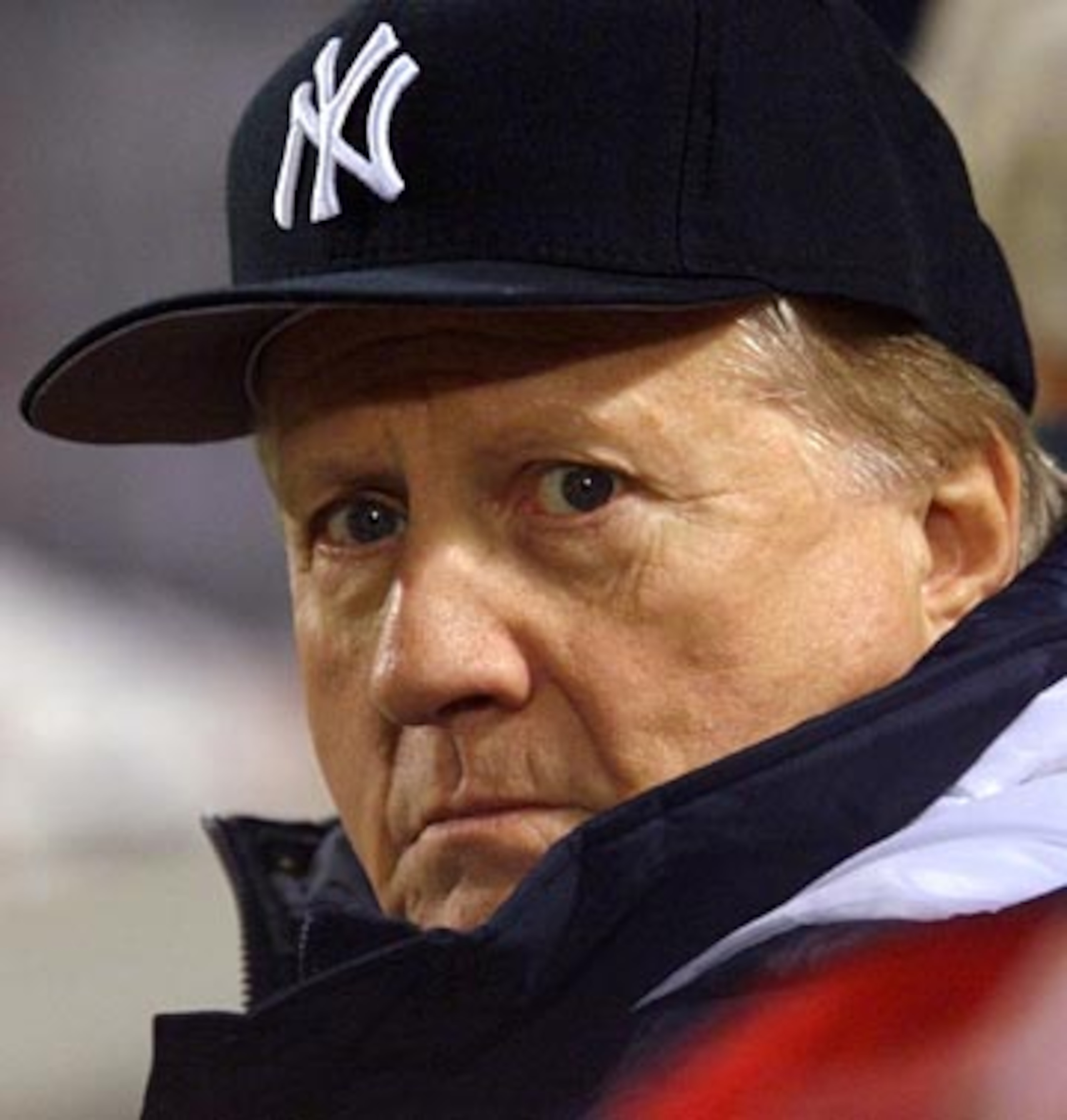
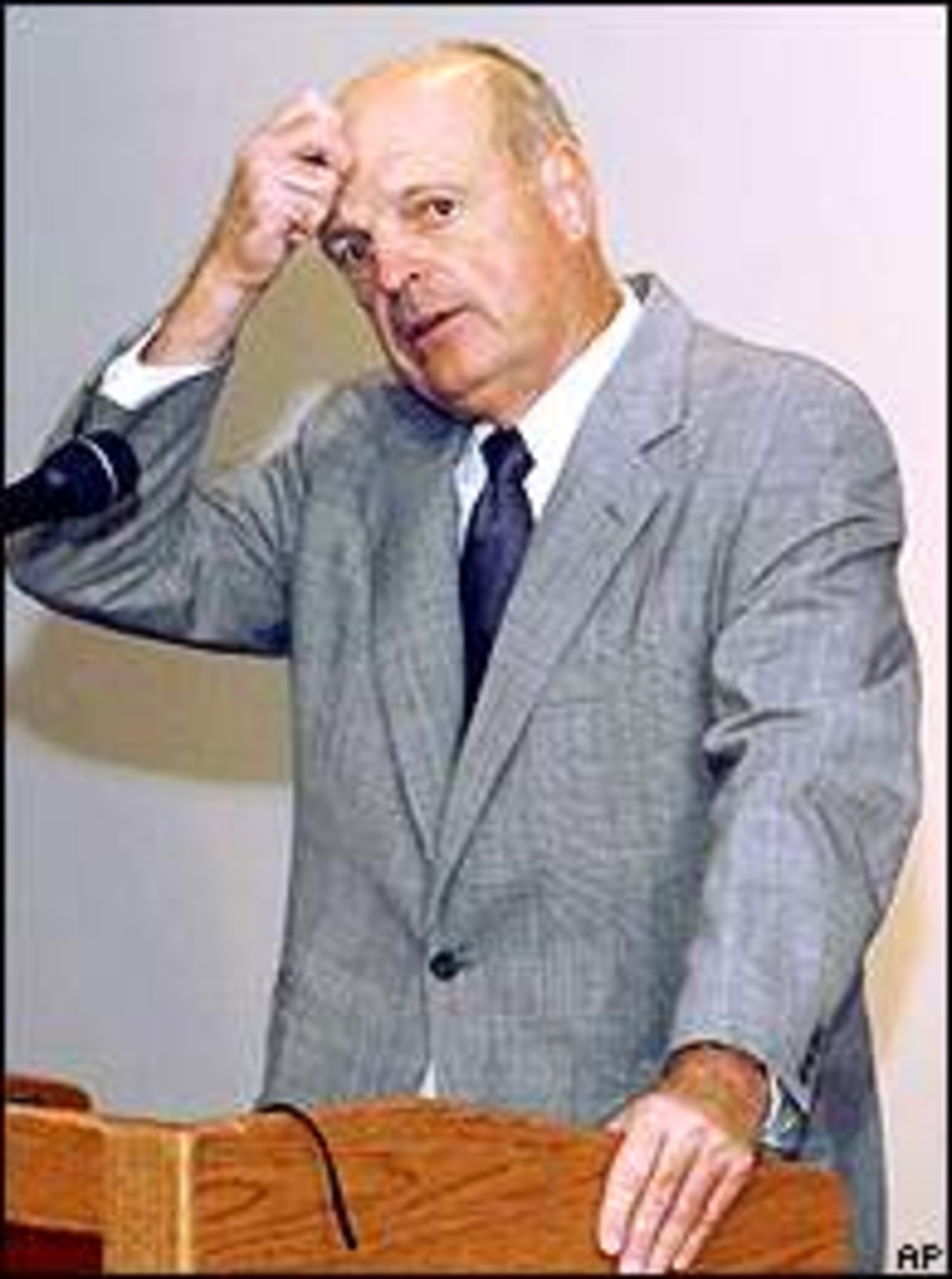
20. George Steinbrenner (New York Yankees)
I am sure you are reading this slide and thinking that I am out of my mind. Steinbrenner guided the Yankees through many championships prior to his son taking over, however, one particular period stands out.
The 1980s were the most pathetic period in Yankees history. Mismanagement of the team was the sole cause, as even having one of the best hitters in baseball in Don Mattingly could not help these cellar dwellers.
I am not a Yankees fan but there is one cardinal rule in American baseball—the Yankees do not have to win championships every year (and I sure hope they do not) but they cannot be bad.
The Boss was not always a good boss....
19. Mark Cuban (Dallas Mavericks)
This self-made, overnight billionaire struck it big in the first dotcom era of the early 1990s. Unlike many of his peers, he also cashed out on time.
His pet investment from those earnings was in the NBA franchise in Dallas.
He spends plenty of money on the team, and spoils the players, but also has a reputation for interrupting games (drawing technical fouls), being fined by the league, and has been suspended from sitting courtside.
Owning a team does not mean you get to interfere during the game, Mark!
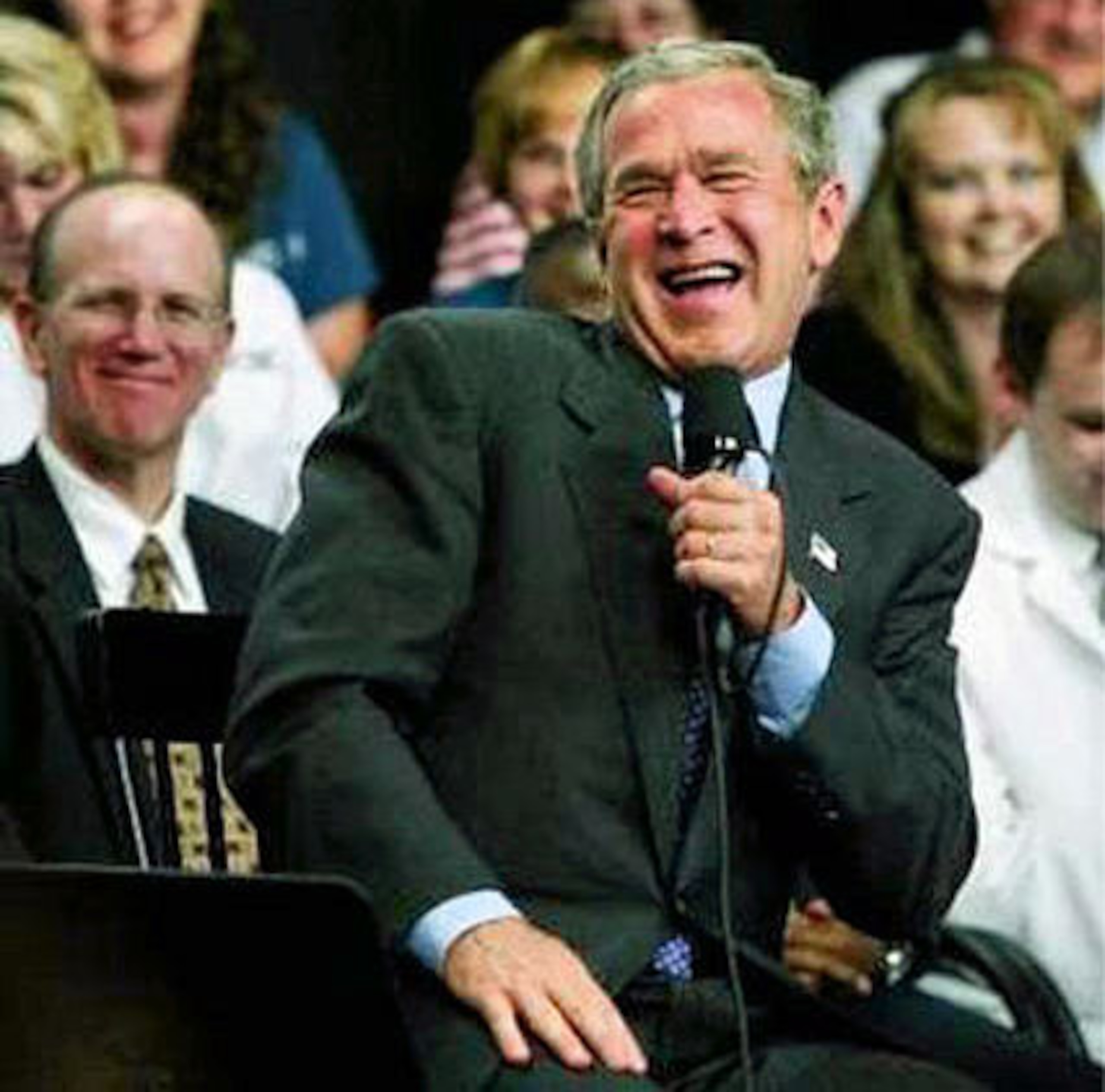
18. George W. Bush (Formely of the Texas Rangers)
Let me preface this slide by saying this is NOT a political statement. What this is about is the owner of the Texas Rangers who traded one of the great home run hitters of all-time.
As Robin Williams put it in his most recent special, "What? The one who traded Sosa?!"
17. Jerry Reinsdorf (Chicago Bulls)
Believe me, I wanted to give this guy a pass solely on the basis of drafting Michael Jordan.
Yet, what he did after Jordan is most telling as he literally dismantled the Bulls, leaving Chicago to still reminisce about the days of Michael...
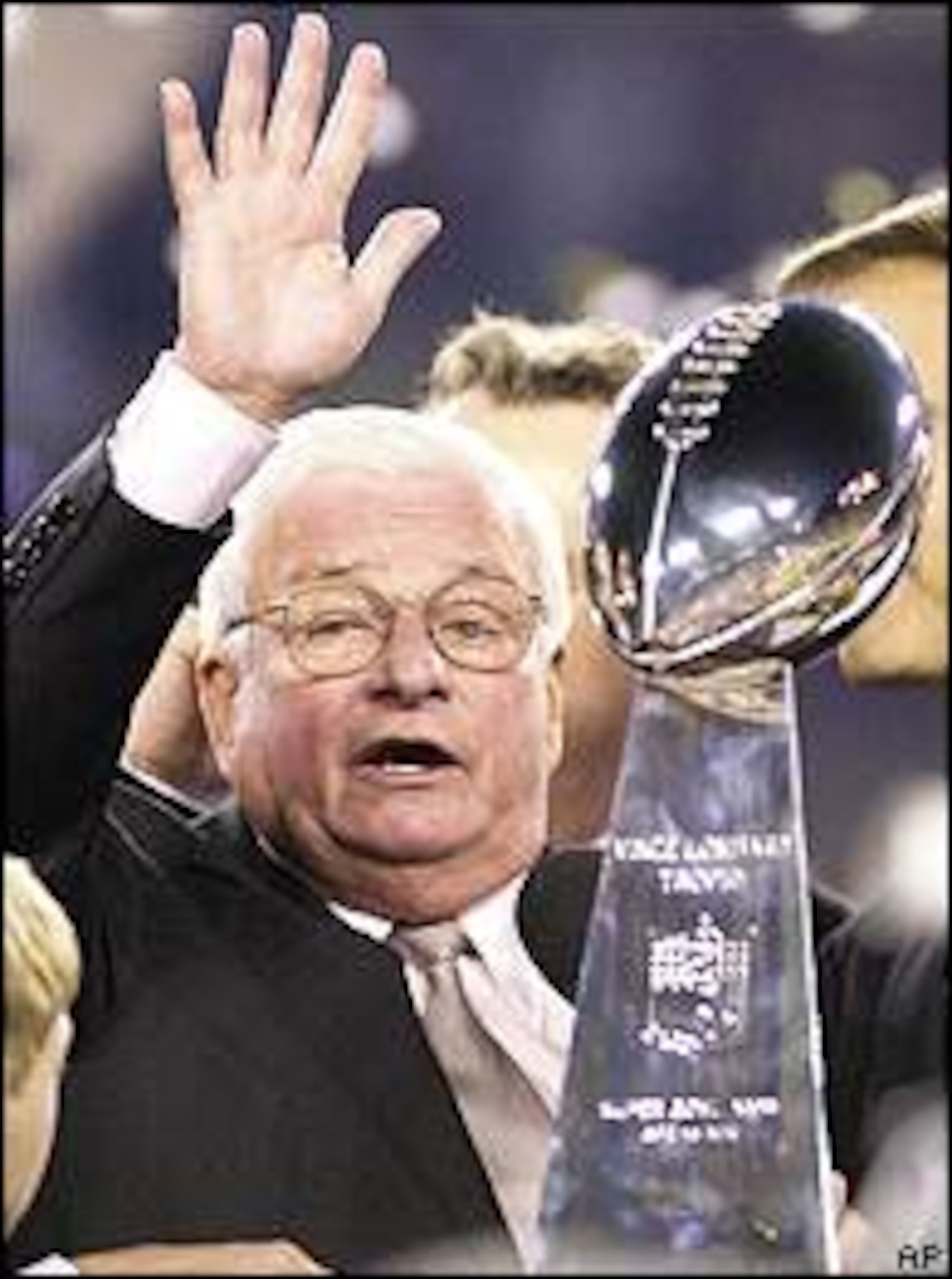
16. Art Modell (Current: Baltimore Ravens; Former: Cleveland Browns)
To know Modell, you need to know some history about the Browns. Art took over ownership for a team named on behalf of its first (and at the time) coach Paul Brown—also one of the major figures in the development of the NFL.
Art wanted his orders carried out by the coach, though he was an advertising executive by experience, and Coach Brown refused.
Brown was summarily dismissed. Brown went to Cincinnati and created the Ohio NFL rivalry.
A couple decades later, Modell decided he did not like Cleveland anymore, breaking his contract and leaving for Baltimore.
Modell dishonored a city and fan base which had never wavered in loyalty for the team—for money, of course.
15. Jerry Jones (Dallas Cowboys)
Jerry Jones bought the Cowboys, which was a good move—can't go wrong with a team dubbed "America's Team." But Jones also fired one of the most legendary coaches in NFL history in Tom Landry.
Then he hired an old college football teammate from Arkansas, Jimmy Johnson—who was the coach of the Oklahoma Sooners at the time.
After Johnson led the Cowboys to a Super Bowl championship, the ego-laden Jones essentially tried to take credit for the victory by implying that it was only his draft strategy that had led the Cowboys to the championship.
He eventually forced out his old teammate and has not seen a Cowboys championship since, besides one championship from Barry Switzer, who was coaching what was basically Johnson's team.
He has been fined for criticizing officials and has broken a gag order imposed by the NFL. Great teammate!
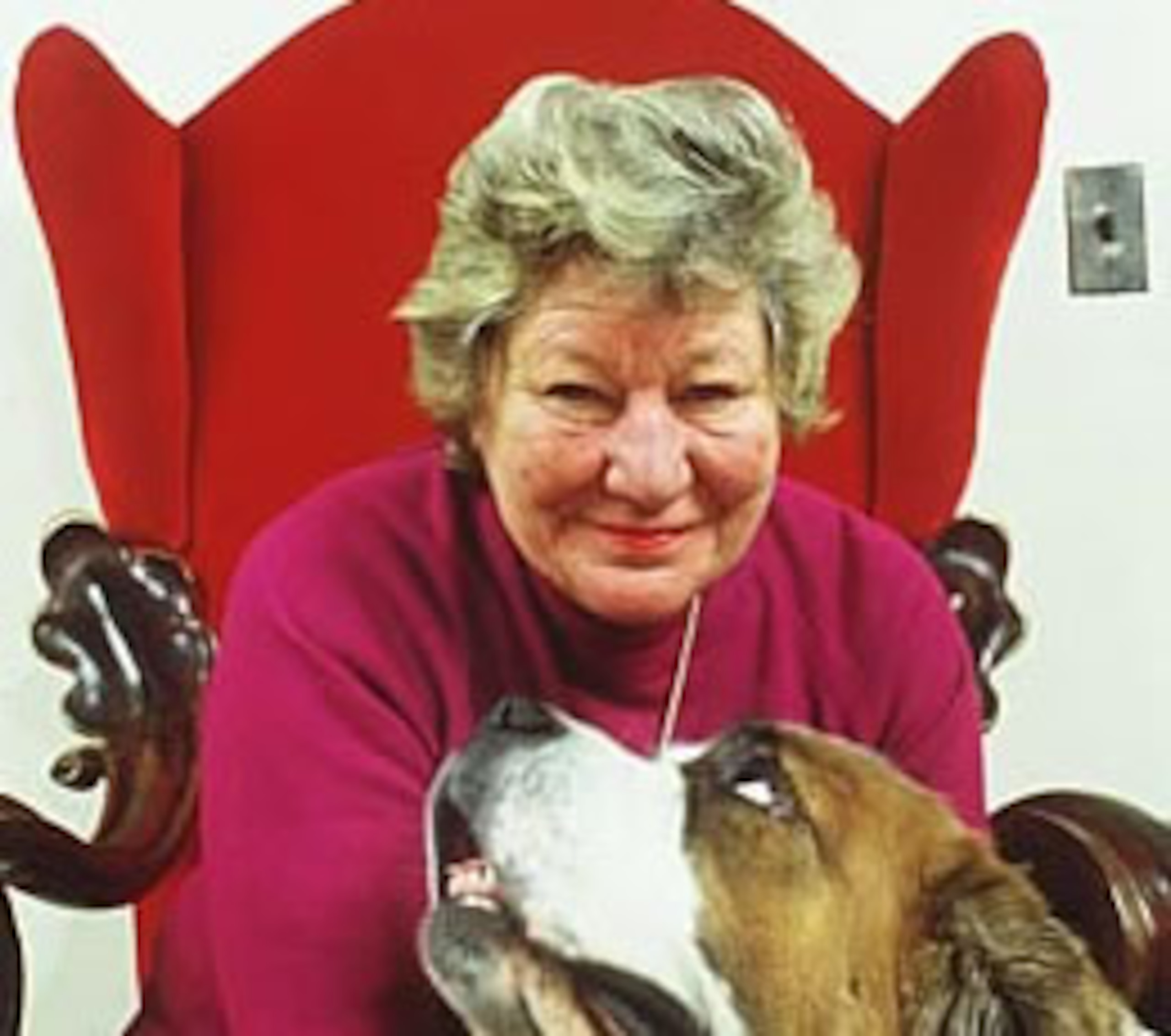
14. Marge Schott (Formerly Cincinnati Reds)
Marge Schott made racist comments about African-Americans. She allowed her pet dogs to defecate on the baseball field before and after games, and treated her dogs better than her players.
Additionally, she gave supporting statements to Adolf Hitler and his "initial" efforts as a dictator.
Her star outfielder, Eric Davis, had to be hospitalized with lacerations to his kidney from attempting to make a catch in the 1990 World Series, but she refused to provide transportation back to Cincinnati for the ailing outfielder.
She also refused to post scores from other games on the scoreboard in Cincinnati because it cost $350 per month for the service.
Ownership 101: if you cannot get along with people, DO NOT be an employer of them.
13. Mike Brown (Cincinnati Bengals)
If the upcoming season turns out as well for the Bengals, as I believe it will, Mike will have redeemed himself in my book.
However, Mike inherited the team from his father and has, for the majority of the franchise's history, run it like many family businesses end up being run—sloppily.
From the moment his father left day-to-day operations, Mike's coaches, draft picks, budgets, and team performances went from decent to disgusting.
One coach, David Shula, was hired because his father was the legendary Don Shula of the Miami Dolphins—though he possessed little experience.
Brown seems to have turned the corner in the last eight years, and his team has gone from a joke to challenger. Stay tuned...
Another rule of sports ownership—if you do not have much experience in running a team, hire a general manager that does. Plenty of people will respect you for knowing your limitations.
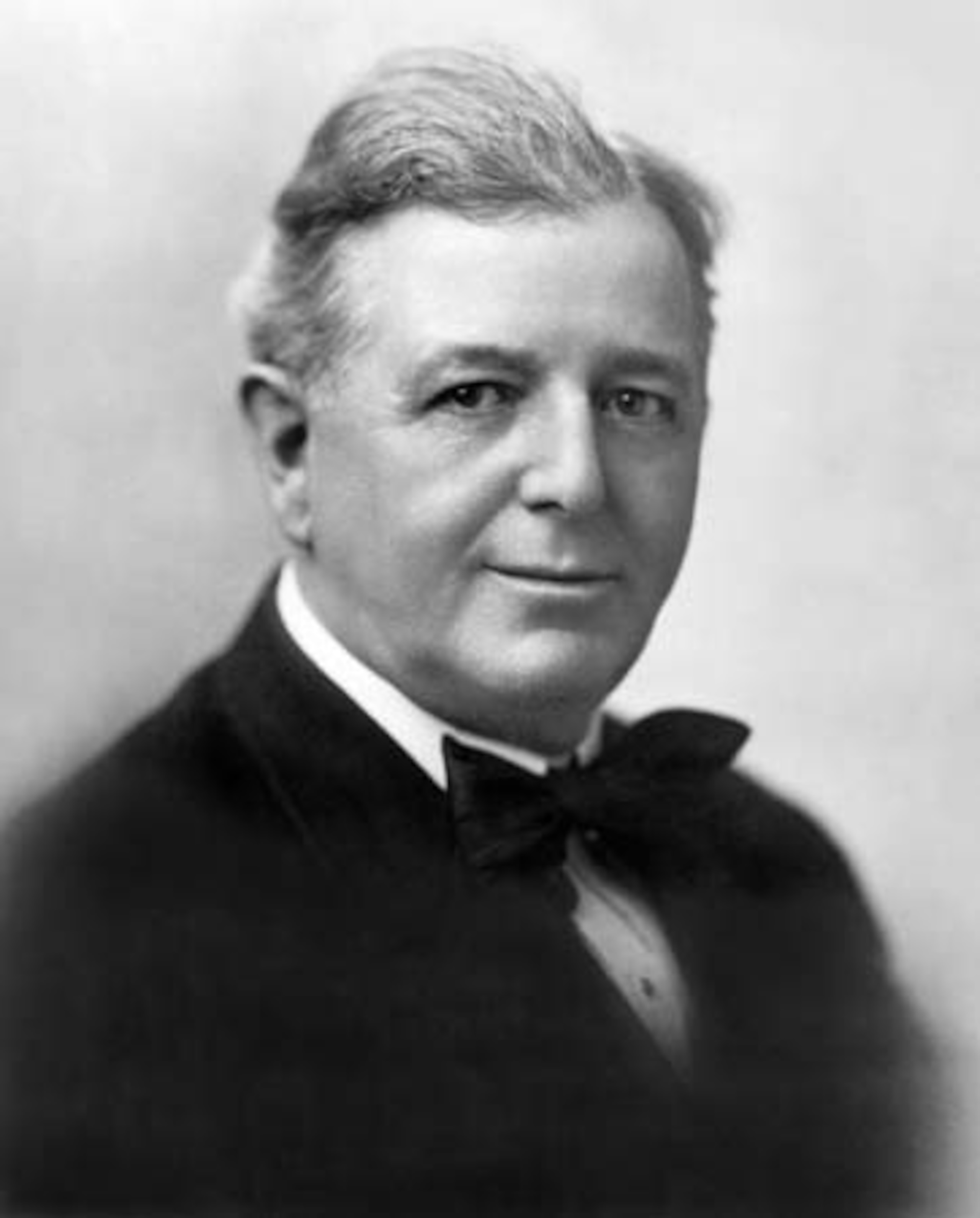
12. Charles Comiskey (Formerly Chicago White Sox)
Sure, his teams were successful and the rumors about him being cheap were never fully proven, yet how many business owners attempt to create the appearance of full disclosure by hiring a CEO, who ends up dismantling the owner's business?
Comiskey did this when he spearheaded the hiring of Commissioner Landis, who promptly suspended his eight best players for life following their role in the 1919 Black Sox scandal.
Comiskey may have had some success, but he will long be remembered for making one of the best moves for baseball, which was one of the worst moves for him.
88 years after his 1917 team won the World Series, the White Sox repeated as champs in 2005...
Another rule—protect your team's, and therefore, your interests.
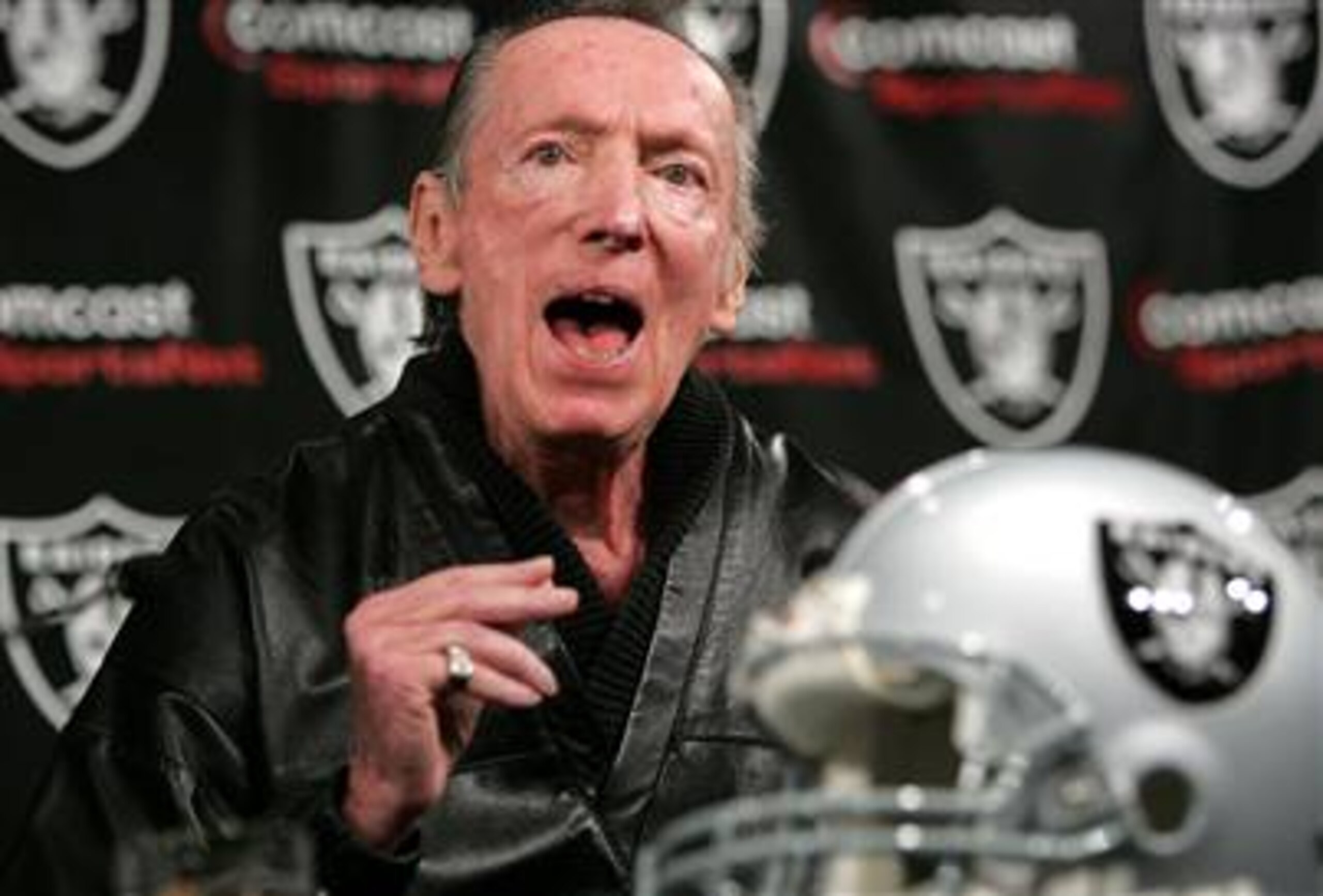
11. Al Davis (Oakland Raiders)
Al, you were slick when you had exciting teams. Heck, you had John Madden as a coach.
But Al, you have not had a consistent team since Bo Jackson had his hip removed from its socket back in the early '90s.
Now you seem senile and unaware that your team is an embarrassment. JaMarcus Russell? What were you thinking?
You need a general manager and some serious psychotherapy.
(I hate to say it, but for those of you familiar with Roald Dahl—author of Charlie and the Chocolate Factory— doesn't Al look like one of the illustrations from The Witches?)
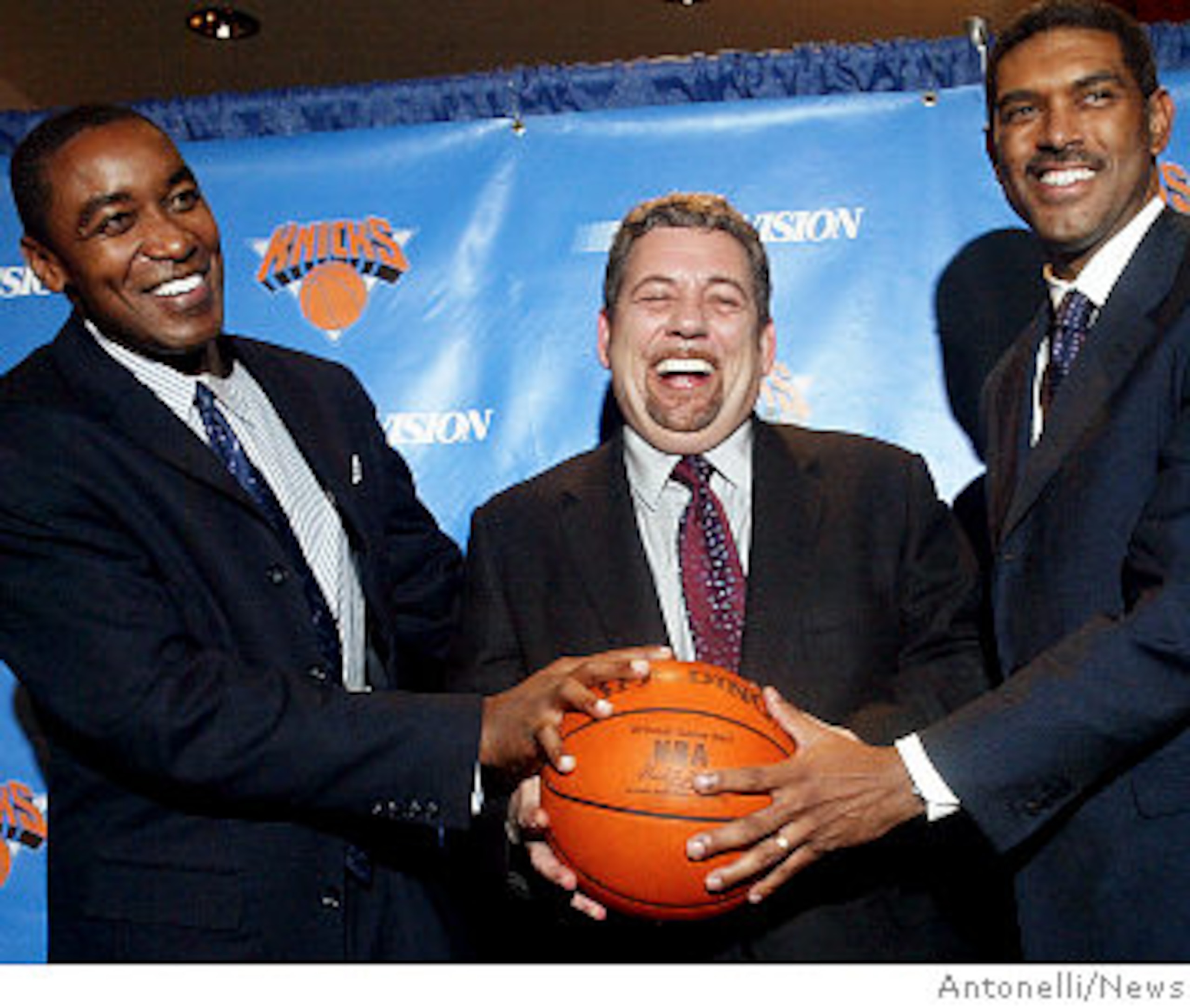
10. James Dolan (New York Knicks)
Yes, we know you own the Rangers and that they have done okay, but come on, Jim!
You hire Isiah Thomas, who caused the CBA to collapse into bankruptcy, and what does he do to the Knicks? He brings in Marbury?! Come on, Jim!
(P.S. Taking Lebron from Cleveland would be smart but Cleveland will not let it happen so try to build your team either way.)
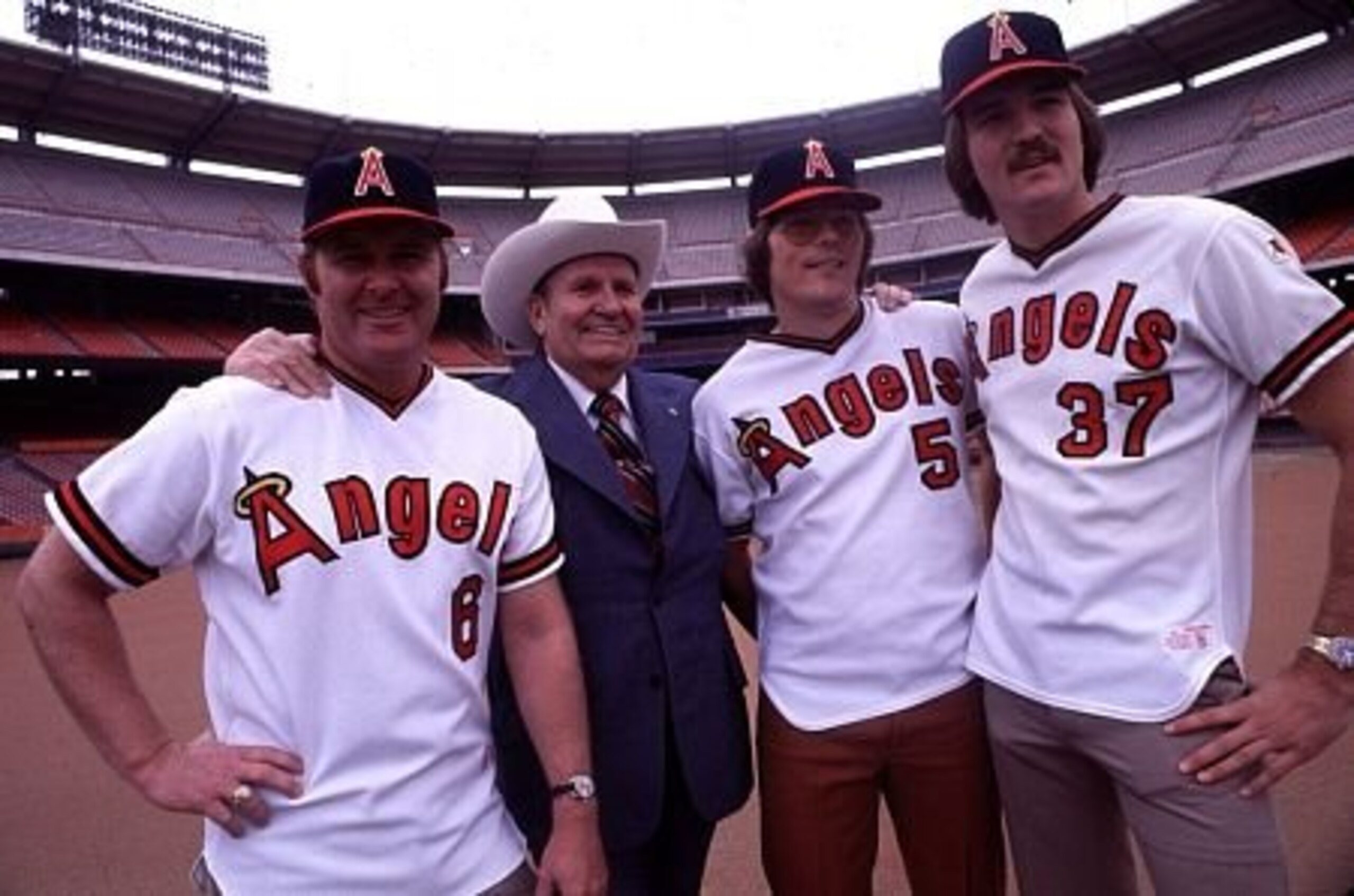
9. Gene Autry (Formerly California (LA) Angels)
Gene was a famous country singer who owned the Angels, who imploded in the 1986 ALCS against the Red Sox. His teams were generally mediocre to horrible.
My grandparents loved Gene as a TV star, but as an owner, I know very few who truly loved him.
8. David Glass (Kansas City Royals)
At least this owner's last name is appropriate for this team because the Royals have looked like a glass. Shattered glass.
Kansas City's greatest highlight is when George Brett came barreling out of the dugout after his home run was called off for using a bat covered with too much pine tar.
Imagine if that rage could have been channeled into something constructive for the Royals.
7. Chris Cohan (Golden State Warriors)
Chris, are you guys a minor league team for the Lakers? Golden State seems to have lost all of it's gold with the ending of the Gold Rush—nearly 200 years ago.
6. Peter Angelos (Baltimore Orioles)
Peter, you traded for Sosa—after it was too late, and his career was essentially over. I think you missed the Steroid Era, pal.
Your team is a reflection of the city, which unfortunately, like it's baseball team has known decline. Luckily, Art brought Baltimore the Browns, oops, I mean Ravens.
5. William Clay Ford (Detroit Lions)
Mr. Ford, you should have stuck with your grandfather's business of making cars. Your only highlight was Barry Sanders, and he did not even stick around to beat the NFL rushing record.
Nobody seems to know why he left, but maybe the first franchise in NFL history to lose every game in a single season was the reason.
4. Donald Sterling (Los Angeles Clippers)
Ah, yes, you are the Lakers minor league team. 13 top ten draft picks in the past 20 years and you have not put together anything. Four playoff appearances and three first-round knockouts.
Yes, you made the conference semifinals a few years ago, but aside from that, you have not had a successful franchise since the name of the team was the Buffalo Braves.
3. Tom Ricketts (Chicago Cubs)
Tom, you bought a team and cannot buy a championship. Now you get to enjoy representing a franchise that has not won a World Series since 1908 (102 years as of this season).
Your team bought a bunch of stars, has a great manager, and is imploding. What is going on?
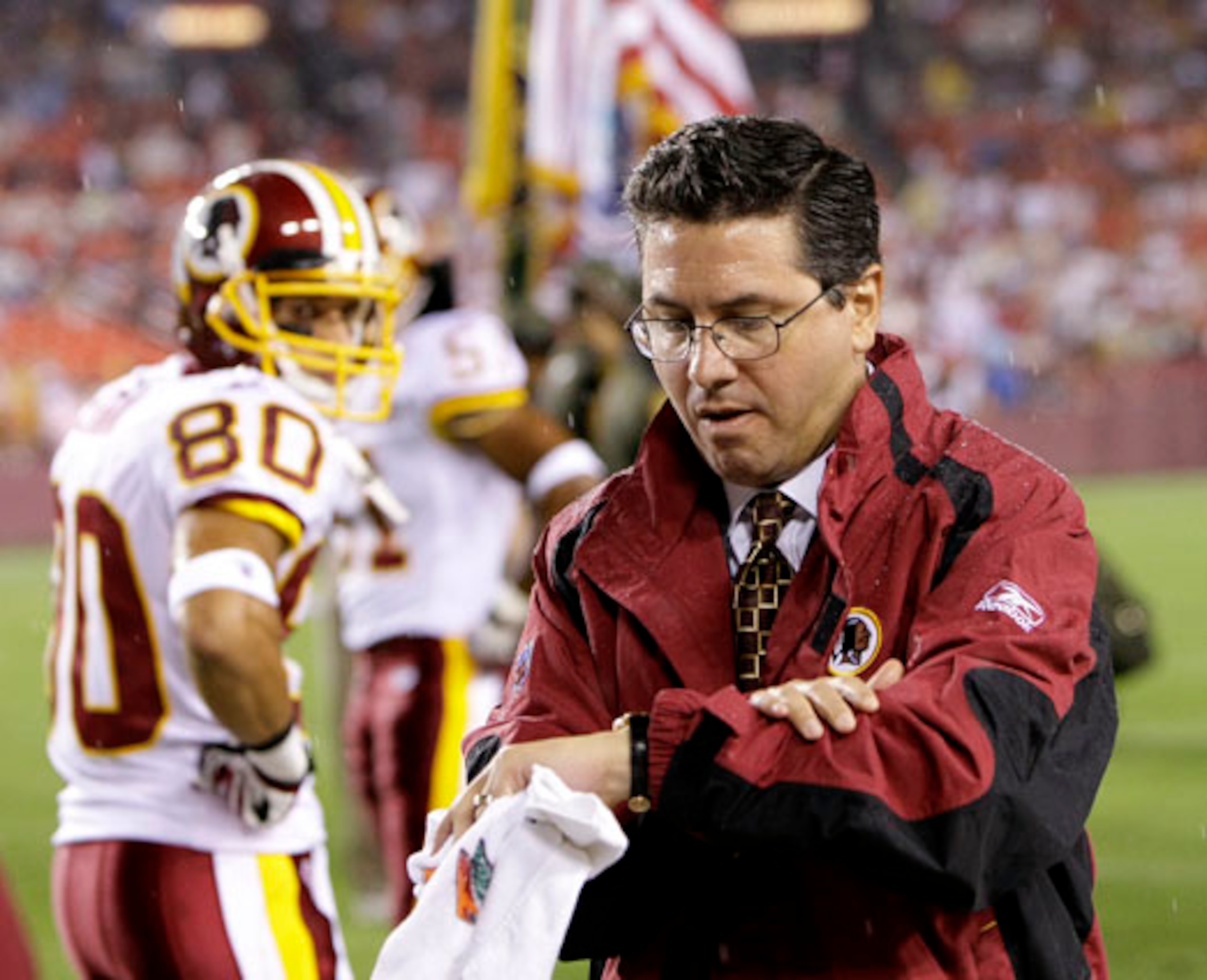
2. Daniel Snyder (Washington Redskins)
Daniel, you made your fortune in potato chips and run your team like a flimsy chip. Players are unhappy, fans are losing it, and despite being an extravagant spender, you need to be put back with the fan base.
You have the biggest baby holdout this season, Albert Haynesworth. Your teams do not know how to win and have not really been a challenge in many years.
1. Harry Frazee (Formerly Boston Red Sox)
You sold Babe Ruth to the New York Yankees, and essentially, crashed the Red Sox into an 86-year-old curse.
Harry, you sold THE American sports icon for $500,000 which, yes, was a lot of money then, but—BABE RUTH?!?!?!
What is the duplicate article?
Why is this article offensive?
Where is this article plagiarized from?
Why is this article poorly edited?
Flag This Article


55 Comments
Loading comments...
This comment and all replies have been deleted This comment has been deleted Undo delete