

Explaining the MLB Pace-of-Play and Pitch Clock Rule Changes for 2018 Season
With an ongoing focus being placed on the length of MLB games, there will be a handful of new pace-of-play rules that go into effect during the 2018 season.
Despite the recent emphasis on speeding things up, the average MLB game actually climbed to an all-time high of three hours, five minutes and 11 seconds, according to Sports Illustrated.
That was up nearly four-and-a-half minutes from the 2016 season.
TOP NEWS

A Trade Proposal for Every Team 💡
Skubal's Asking Price 'Enormous' 📈
Giants suspend pay to player after scooter crash
With Opening Day approaching on March 29, let's take a quick run through the new rules that will be implemented during the upcoming season.
Mound Visits
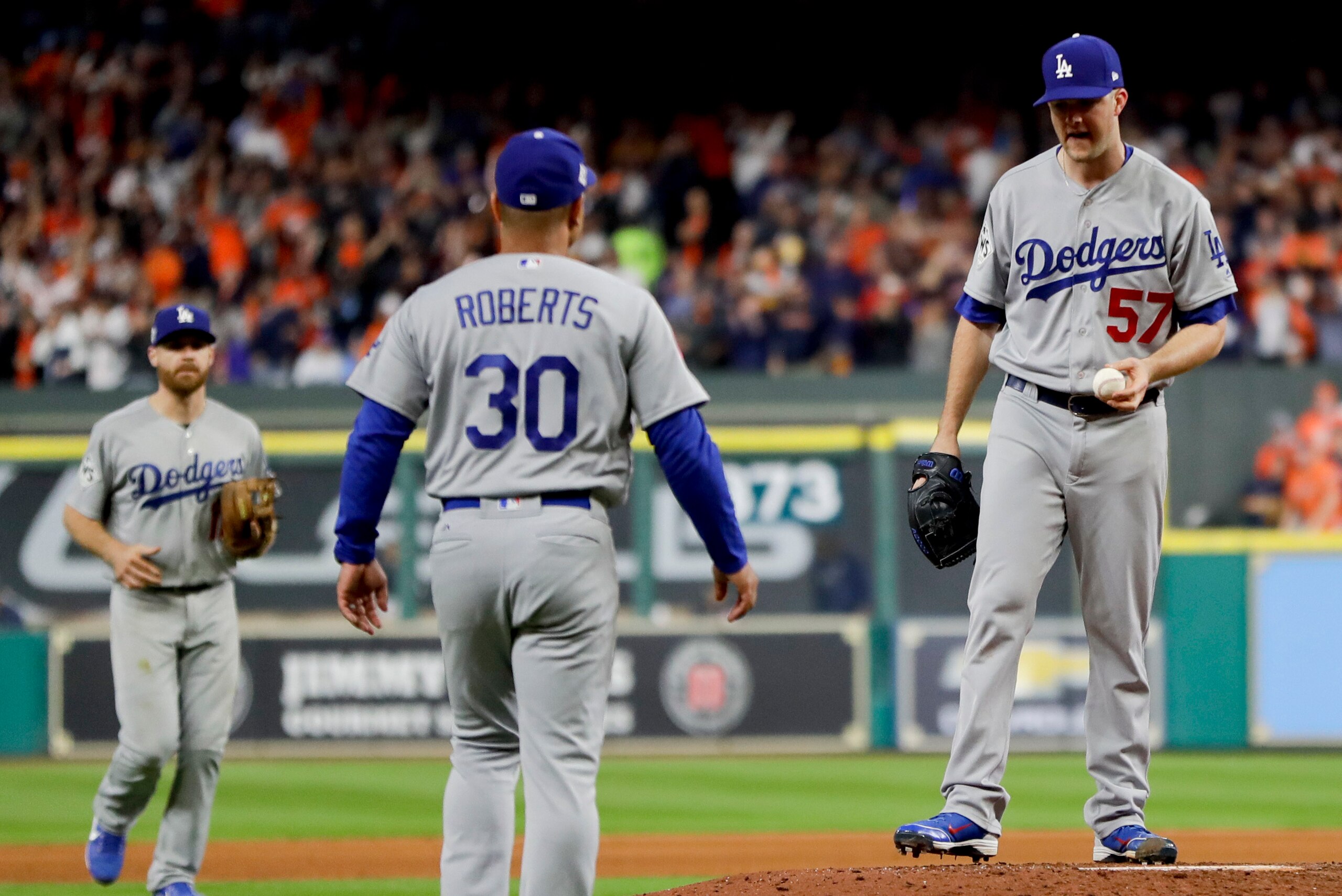
The Rule: "Mound visits without a pitching change shall be limited to six per team, per nine innings. For any extra innings played, each club shall be entitled to one additional non-pitching change mound visit per inning."
The rule includes managers, coaches and players, so for the sake of reaching those six visits, a catcher coming out to discuss how to attack a hitter and a pitching coach trotting out from the dugout to talk strategy will count the same.
This will have a bigger impact on some teams than others. For example, Chicago Cubs catcher Willson Contreras is notorious for his excessive trips to the mound and it sounds like he has no intention of changing his approach.
"If they said there are six mound visits, what about if there is a tight or extra-inning game and you have to go there?" Contreras told reporters. "They can't say anything about that. It's my team, and we just care about winning. If they fine me (for) the seventh mound visit, I'll pay the price."
No word yet on what the punishment would be for a repeat offender.
There will be some exceptions that don't count as official mound visits, with Anthony Castrovince of MLB.com providing a concise list:
• If the visit is made due to an injury (or potential injury) to the pitcher
• If the pitcher and position player interact between batters without relocating
• If a position player goes to the mound to clean his spikes in rainy conditions
• If the visit is made immediately after the announcement of an offensive substitution
On paper, this looks like the most effective move the commissioner's office has made thus far toward speeding things up.
Break Timer

The Rule: "The timer will count down from 2:05 for breaks in locally televised championship season games, from 2:25 for breaks in nationally televised championship season games, and from 2:55 for tie-breaker and postseason games."
This rule has been on the books since 2016, but it's being enforced differently this season, as David Adler of MLB.com explained:
"The difference now is that at the 25-second mark, the umpire will signal for the final warmup pitch and the pitcher must throw it before the clock hits 20. The batter will be announced at the 20-second mark and the pitcher must begin his windup to throw the first pitch of the inning within the five seconds before the clock hits zero."
Adhering more closely to the break-time limit could conceivably save 20 seconds or so each half inning, saving a few minutes overall each game.
Pitch Clock
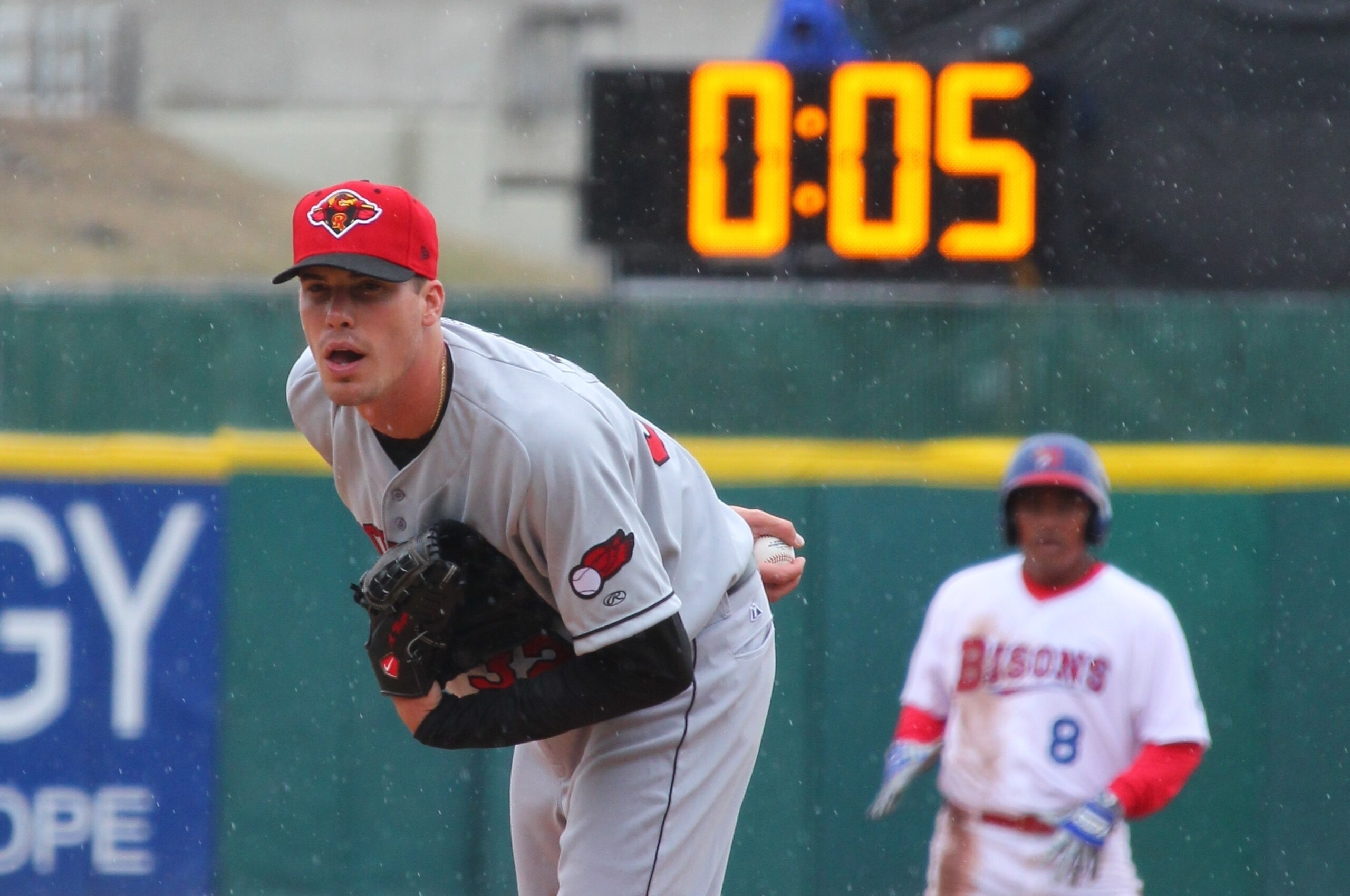
Despite talk of implementing a pitch clock that monitors the time pitchers take between pitches, no such move has been made for the 2018 season.
As for the possibility of the rule taking effect in 2019, Castrovince wrote: "It's still possible. The Commissioner's Office will monitor how much these changes impact the average time and the pace of games, and it is still possible that the pitch clock is imposed, with or without agreement from the MLB Players' Association, in future seasons."
This will continue to be a tough sell to the MLBPA as pitchers are creatures of habit.

.jpg?w=2560 "Ranking Every Team's Path to Playoffs 🗺️")
.png?w=2560 "Dillon Brooks Wants to Box Jimmy 🥊")
.jpg?w=2560 "Grading SmackDown Before SummerSlam")


.jpg?w=2560 "McVay Hints at Donald Return")