

Wild-Card Delusions: July 31 Trade Deadline No Longer Works for MLB
So far, the 2017 MLB trade season has been a lot of smoke and very little fire.
Rumors have swirled. Speculation has simmered. And, yes, a few significant deals have gone down, thanks mostly to the Chicago White Sox, who dealt left-hander Jose Quintana to the Chicago Cubs and a package including relief ace David Robertson and slugger Todd Frazier to the New York Yankees.
By and large, however, the weeks leading up to the July 31 non-waiver deadline have been duller than a drizzly day at the beach with the sniffles and no swim trunks.


The culprit is obvious: The advent of the second wild card means more teams harbor postseason dreams.
The solution is equally obvious: Push the trade deadline deeper into summer.
As of Friday, 18 teams were within six games or fewer of a playoff spot. That's nearly two-thirds of MLB's franchises.
According to FanGraphs' calculation, 13 clubs have at least a 15 percent chance of ascending the October stage.
Some of those teams are deluding themselves. Yet, the possibility of reaching the wild-card play-in, getting hot and running the table is tantalizing.
Consider the 2014 San Francisco Giants, who won 88 games and barely grabbed the second National League wild-card slot, but rode clutch hitting and a historic performance by ace Madison Bumgarner to a third Commissioner's Trophy in five seasons.
Any squad hanging around .500 in late July can be forgiven for hoarding its trade chips and hoping for a scalding streak.
A few short weeks ago, the Kansas City Royals looked like obvious sellers. They were buried in the American League Central and featured a roster laden with impending free agents.
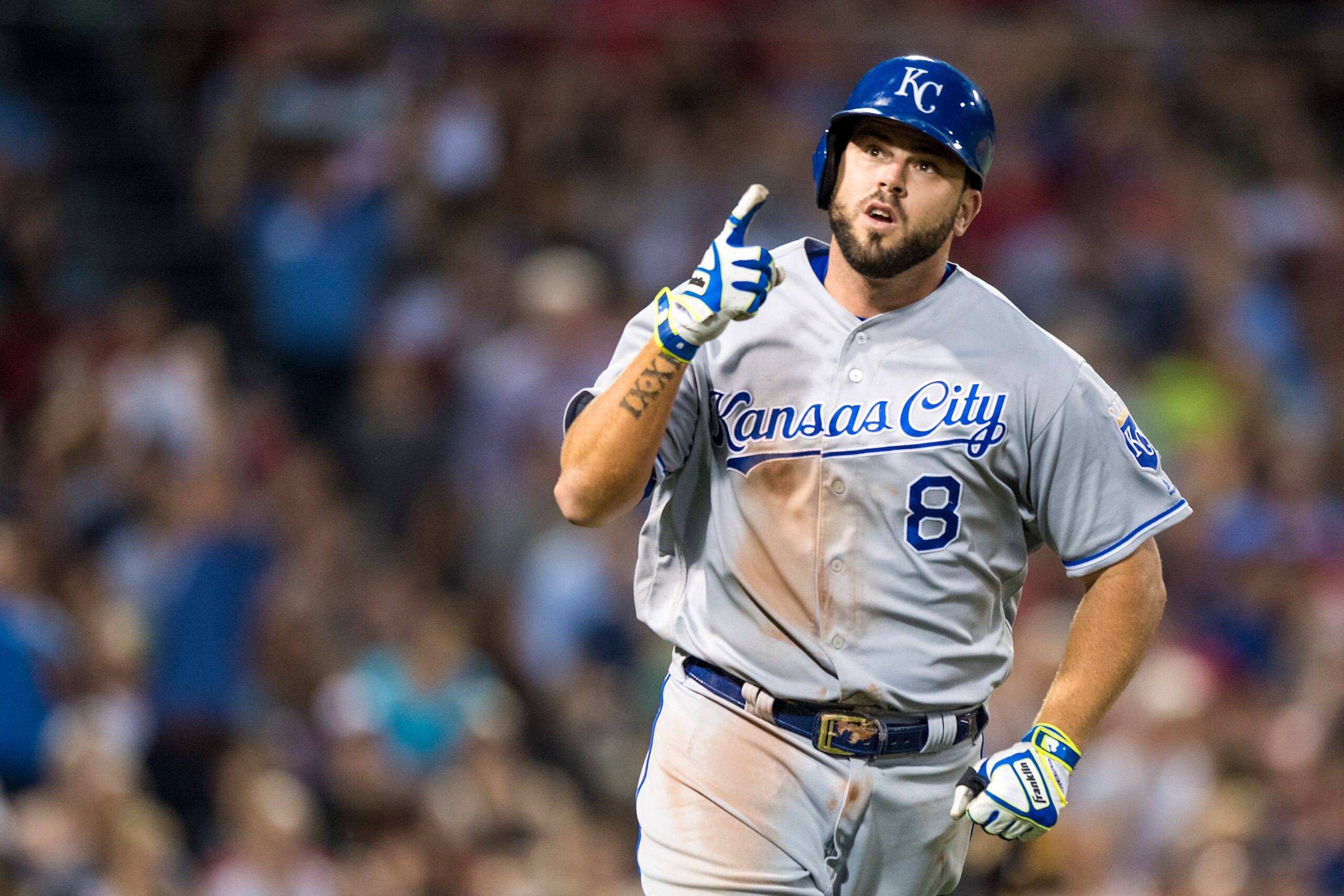
Now, K.C. holds the Junior Circuit's second wild-card position after reeling off a nine-game winning streak and appears primed for one more run.
Even seemingly lost causes such as the Baltimore Orioles and Los Angeles Angels are within shouting distance.
Why not move the trade deadline into mid-August and give the market more time to crystalize?
That's not a fringe fantasy. MLB Commissioner Rob Manfred suggested it two seasons ago.
"I think that the July 31 deadline is something that we may want to revisit in the context of the revised playoff format," Manfred said in July 2015, per Sporting News' Jesse Spector. "Obviously, when you have two additional opportunities to be in the playoffs, you have more teams in the hunt, and they may want to wait a little longer before they make decisions."
The NBA and NHL, as Spector noted, have their trade deadlines deeper in the season. The model is in place.
Baseball is a sport steeped in tradition, but it has shown a willingness to adapt, implementing instant-replay challenges and toying with a pitch clock among other innovations.
It's not as if the non-waiver deadline is some hallowed cornerstone, either. It's a procedural detail most casual fans are probably unaware of.

When the July 31 deadline was cemented in 1986, there were 26 teams and four playoff spots. It was win your division or stay home.
Times have changed since then, as FoxSports.com noted in 2014:
"The date of the trade deadline has never been sacrosanct, and it has changed many times to accommodate the norms of the present day. With MLB making structural changes to keep teams in the race longer, it makes sense to also give them more time to evaluate whether to buy or sell. We're not wearing acid wash jeans and listening to hair metal bands anymore, so maybe we shouldn't be forcing Major League teams to decide whether or not they're in or they're out in late July anymore either."
In the here and now, 10 teams get to play beyond game 162.
The laws of trade-season supply and demand have fundamentally shifted. It's time for MLB's rules to catch up.


.jpg?w=2560 "Court Documents: Tiger Plans to Change Plea in DUI Case (AP)")
.jpg?w=2560 "Grading WWE NXT 🔠")

.jpg?w=2560 "Key info to help your fantasy draft")
.jpg?w=2560 "Best of 'Hard Knocks' Season Finale")