The Art of Scouting Quarterbacks: How Scouts Win and Whiff in Today's NFL
The room is dark and quiet when you walk in with a binder full of scouting reports, a pen, a spit cup and a coffee. It’s just you, a projector and the 2017 class of quarterbacks on the 90-inch screen in front of you. Now, how do you find a quarterback in an era of football that we’re told is changing as teams adopt spread principles and take more responsibility away from the quarterback?
The game has not changed—no matter what you read on Twitter or hear on the TV broadcast. Going back to the days of Montana, Marino and Elway, the NFL has always been dominated by a tier of roughly five elite quarterbacks, followed by a tier of 10 quarterbacks who are good enough to win ballgames and another tier of 10 quarterbacks who are solid starters. And of course that bottom tier of 10-or-so quarterbacks who will be on the hot seat each season. That’s football in 1983 and football in 2016. So why do we keep hearing that the game has changed?
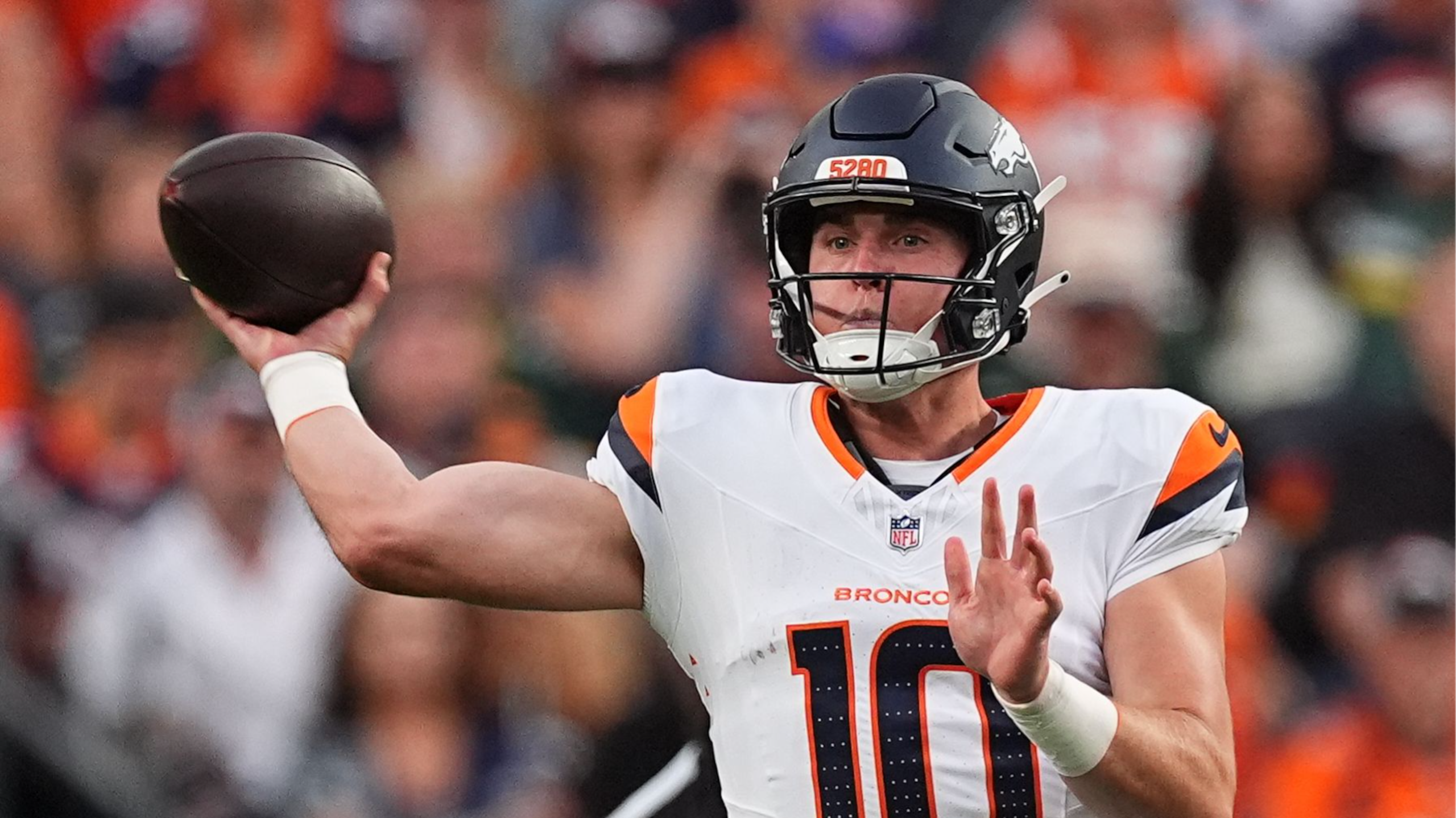
.jpg?w=2560 "Buccaneers Lions Football")
To discover the art of scouting quarterbacks, I talked to six NFL scouts and asked each what has changed. What do you look for now that spread offenses have taken over college football? What do you look for now that quarterbacks don’t take snaps under center or call plays in the huddle?
The answers might surprise you.
“The game hasn’t changed. The traits you look for in a quarterback—accuracy to all levels, touch to all levels, football IQ, pocket presence—haven’t changed. The only thing that has changed are the expectations.”
That, from a director of college scouting, was echoed by every scout I spoke with. The game hasn’t changed, but the expectations have.
Situations
One scout laid out a scenario—imagine Dallas successfully trades up with the New York Jets for Paxton Lynch at pick No. 20 overall in Round 1. Is Lynch the one we’re praising as a great pick instead of fourth-rounder Dak Prescott? Probably so.
Situations and expectations are an underrated aspect of scouting—or maybe under-reported is a better phrase. If Jared Goff goes to the Cowboys or Jets or anywhere but Cleveland or Los Angeles, are fans calling him a bust because he sat for the first eight games of the year? Probably not, because he would be in a better situation.
The same logic applies to the Prescott selection—there were zero expectations for the fourth-round pick, and he landed in an amazing situation on a Dallas team that was built for a Super Bowl run with Tony Romo at quarterback.
Situations and expectations. That’s the difference between Jerry Jones looking like a genius for “waiting” on Prescott and Les Snead fighting for his job in Los Angeles after selecting Goff at No. 1 overall.
Tools
Situations and expectations are often uncontrollable, though. And rarely can they be impacted by the scouts grinding it out on the road each week during college football season. After all, we’ve all been told the spread offense is killing NFL quarterbacking and making it impossible to find quality passers.
NFL scouts disagree. “Every player is unique. You need guys who love football, have a high IQ on the field and want to win. If you can find that and all the physical tools, you’re going to win in this league for a long time.”
For all the focus on spread offenses, run-pass options and giant cue cards on the sideline signaling plays, not one scout spoke negatively of the talent pool coming out of college. Instead, they focus on traits like touch and arm strength and pocket presence while believing good coaches can develop NFL-level passers from those traits. And that’s where you find the Derek Carrs and Russell Wilsons and Prescotts—guys who had the traits but slipped through the cracks and were drafted on teams with a plan and with some patience.
“Give us four years with any quarterback who has the IQ and the arm, and we can build a winner. The problem comes from not having time to do that—or when you miss on a guy’s wiring. If you do that, you’re f--ked from the jump. That’s how you get fired.”
The checklist
“I still have a quarterback checklist from when I got into scouting 20 years ago, and it’s the one I use every school visit I take. Those guys who were great 10 or 20 years ago would still be great today. Brett Favre would still be the best quarterback in the league if he were playing today—and can you imagine what his stats would look like in this flag football era? Scouting hasn’t changed.”
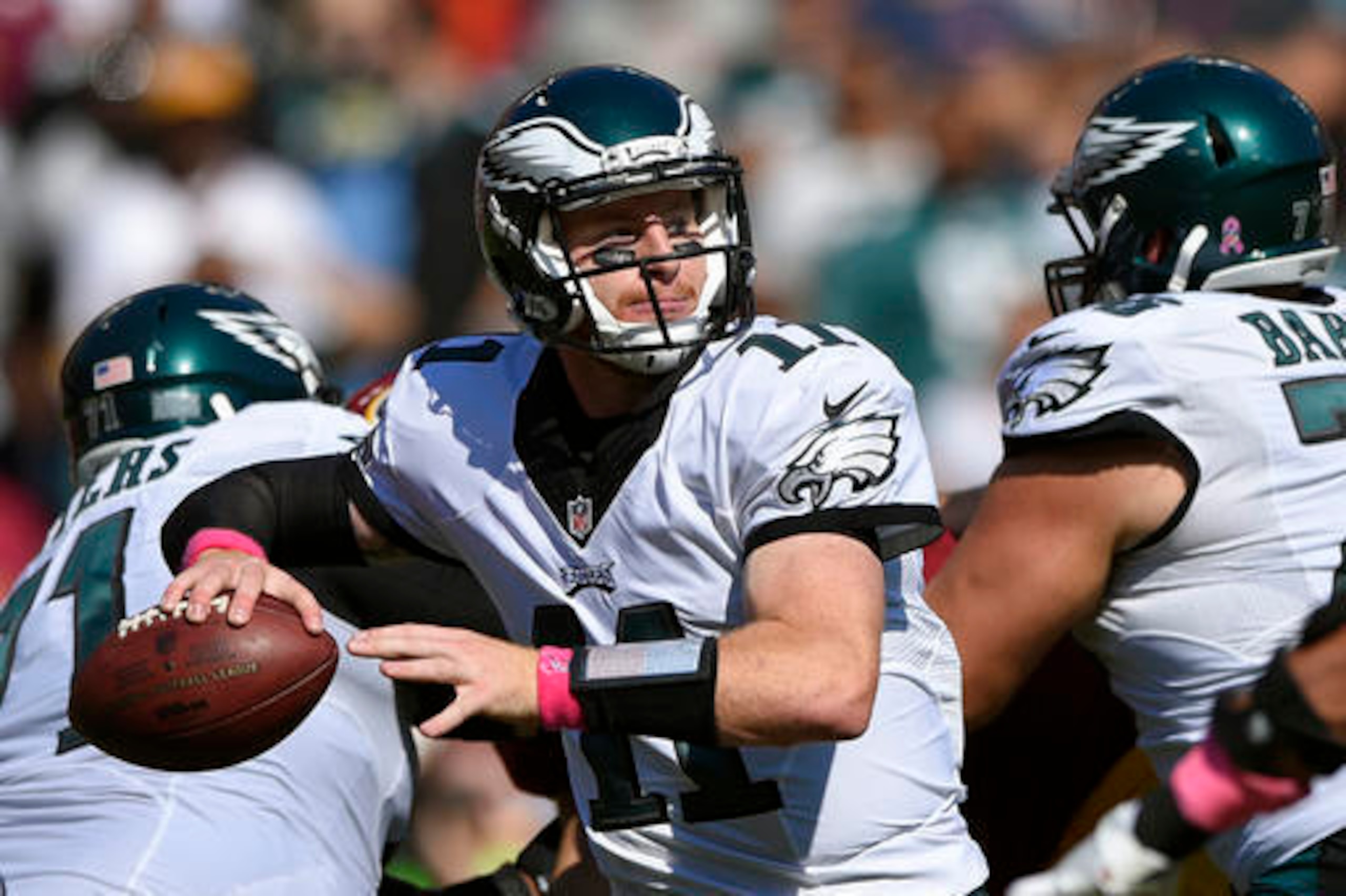
The tools most scouts agree a good quarterback needs are as follows—eyes at every level, touch and accuracy to every level, velocity to every level, football IQ, pocket presence and the ability to extend the play with mobility (i.e., Wilson) or movement (i.e., Tom Brady). Now think about the Ohio State offense with Urban Meyer’s spread system. Can you check off those traits when watching J.T. Barrett? How about Goff running the Air Raid at California last year? You can.
“All these formations and motions and options are just window dressing. The game is the same. It’s still counter trey and power G (blocking schemes). All this other bulls--t is just to confuse the defense. The actual play isn’t different.”
If football hasn’t changed as much as we like to think it has, then has scouting quarterbacks changed? Is there an art to scouting quarterbacks in this modern era? Scouts don’t think there is.
“The traits were all there in the elite quarterbacks in the league today. Go down that checklist and you’ll realize they all had the traits. Film doesn’t lie.”
The job of scouting quarterbacks is never easy—and no other position in football carries the burden of a miss like the quarterback position does—but as that director of college scouting said, “If the traits are there and the football IQ is there, they’ll be fine.”
Exceptions
Quarterback prospects can’t all be 6’4” with a high-powered arm, clean footwork and collegiate experience in a pro-style offense. For every Blake Bortles—a player who analysts tell us “looks the part”—there is a Wilson who fails to meet the NFL’s guidelines for height yet proves a capable quarterback. How does that happen, and do those outliers change how scouts do their jobs?
“We missed on Russ [Wilson] because he was six feet tall. Everything else was there. Big arm. Smart. Pro-style offense at Wisconsin. Sometimes you bet on the guidelines being right, and 99 percent of the time they are. He’s an exception.” That’s what one Big 10-area scout told me after evaluating Wilson—a player he also said had one of the best interviews he’d ever seen.
The rule, as I’ve learned it from the scouts I talked to this week, is that you don’t throw out decades of scouting because one player breaks the mold. You accept that that player—whether it’s Brady or Drew Brees or Wilson—is unique. But are scouts more willing to draft sub-6’2” quarterbacks now? “We still want taller quarterbacks. If you can find me one with Russ’ arm and football IQ, I’d consider someone shorter” is how one scout put it.

What have we learned?
Scouts are a proud, driven and sometimes an egotistical bunch. But you have to be when you’re putting your name and job on the line with every evaluation. No one wants to be the guy who missed on Prescott or Wilson, after all. That can mean learning lessons from mistakes—something hard for us in the media, as well—isn’t always easy.
From the outside looking in, it may seem as simple as broadening the traits that scouts look for to include more outliers. Get in more sub-6’2” quarterbacks. Get in more players coming from spread and Air Raid systems. With the NFL lacking elite quarterbacks, it stands to reason that scouts and teams would want to open the doors to as many possibilities as they can.
But teams are not quick to ignore what works. The NFL is a copycat league. Everyone wants what wins. And through the last 40 years of play, that’s been a quarterback who can deliver consistently from the pocket. A quarterback who can make those touch throws to every level while showing arm strength to those areas. The traits mentioned at the beginning of this article have been and continue to be what drives the scouting community when looking for the next great quarterback.
.jpg?w=2560 "Grading SmackDown 🔠")
.png?w=2560 "Nuggets to Sign DeMar 🚨")