
B/R MLB 300: Ranking the Top 40 Corner Outfielders of 2016
And now for the final stop on the Bleacher Report MLB 300's tour of the top position players of the 2016 Major League Baseball season: corner outfielders.
The corner outfield spots are where you can find a decent number of stars but also many platoon bats and general part-time scrubs. We narrowed our list down to 40 names whose scores reflect that the corner outfield spots are offense-first positions:
- Hitting: 30 points
- Power: 35 points
- Baserunning: 15 points
- Defense: 20 points
Before we move on, here's a reminder that this year's B/R MLB 300 is different from past versions in a key way. Rather than use the events of 2016 to project for 2017, the focus is strictly on 2016. Think of these rankings as year-end report cards.
For more on how the scoring and ranking work, read ahead.
How They're Ranked
1 of 41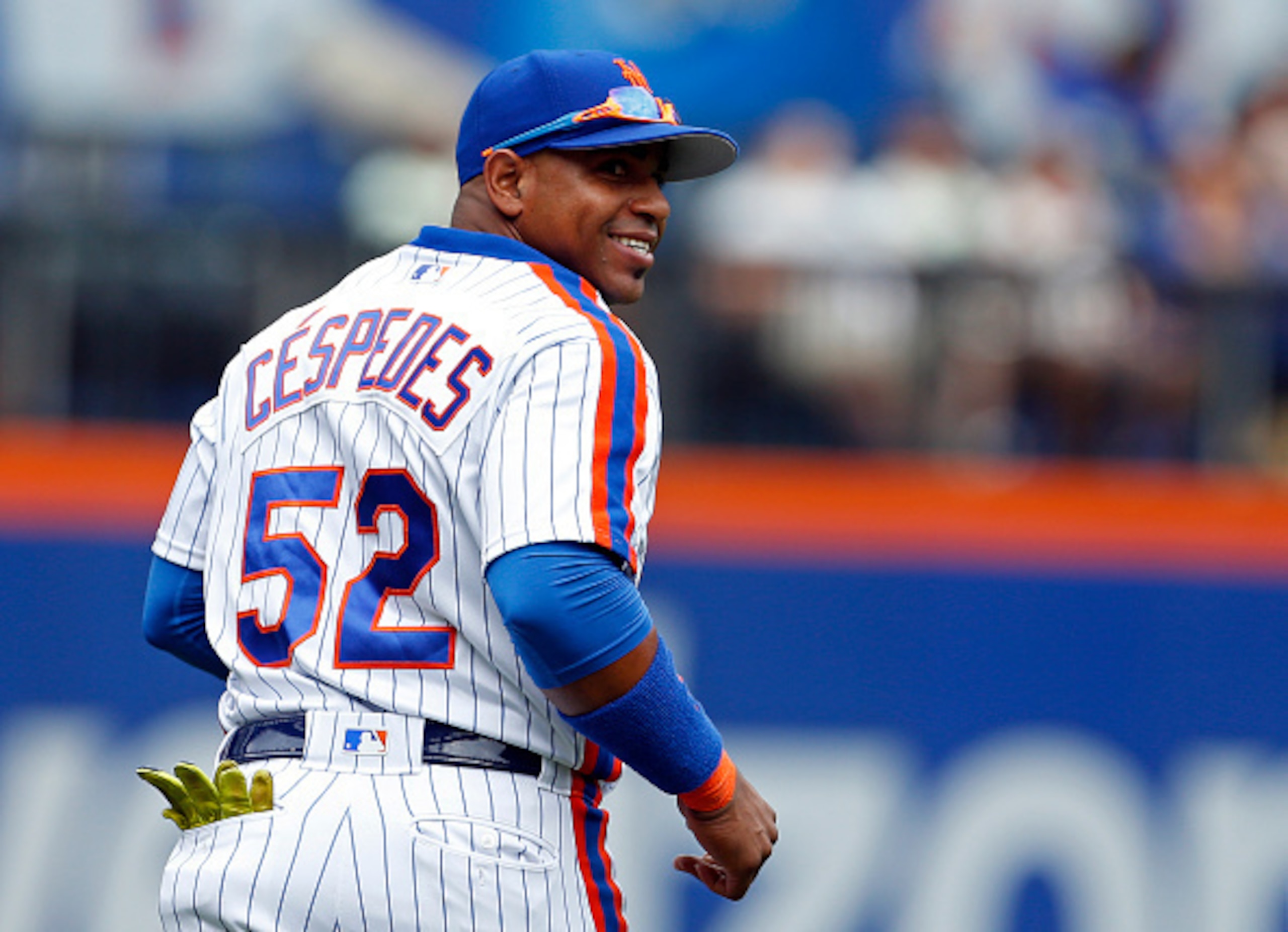
It takes a minimum of 50 games in the majors to qualify for this list, with most of the listed players having also played 50 percent of their games in either left field or right field.
The scoring is based mostly on statistics—current through Saturday, October 1—from Baseball-Reference.com, FanGraphs, Brooks Baseball, Baseball Savant and MLBfarm.com. The numbers at these sites leave few blind spots when looking at each player's performance, allowing for analytical scouting reports that cover the following.
Hitting: There's a slight gap in the performances of left fielders and right fielders, but the averages for both are something like a .250 batting average and a .320 on-base percentage. We want to know how each player is living up to that standard and assorted MLB norms with his patience, discipline and ability to make contact and make good contact and, ideally, use the whole field.
Power: There's more power to be found in right field (.434 slugging percentage) than there is in left field (.418), but the gap is close enough for government work. This is a cue to look at not only raw power but how well each corner outfielder gets the ball in the air and how else (i.e., a steady pull habit) he maximizes his power potential.
Baserunning: This neck of the woods features more gray areas, so we'll keep it simple with a few questions for each player. Can he steal bases? Can he take more than one base at a time when the opportunity arises? Does he avoid running into outs?
Defense: This is where it's most necessary to do video scouting, but there are also helpful analytics to consult. Defensive runs saved and ultimate zone rating are helpful guiding stars. Ditto for Inside Edge Fielding data and the fielding plots available on each player's FanGraphs page.
The individual scores are meant to mimic the 20-80 scouting scale while also taking sample sizes into account. We reserved perfect scores for players who have excelled throughout the entire season, with bonus points possible under extraordinary circumstances. Anything else is a judgment call.
Last but not least: If any two (or more) players end up with the same score, we'll make another judgment call on the player (or players) we'd rather have.
40. Yasmany Tomas, Arizona Diamondbacks
2 of 41
G: 139 PA: 559 AVG/OBP/SLUG: .272/.313/.510 HR: 31 SB: 2
Hitting
Yasmany Tomas got better in 2016, but he's still not a good hitter. He continued to swing at everything (58.0 Swing%) and too often expanded the zone (42.4 O-Swing%). With just a 71.7 percent contact rate, he didn't put nearly balls in play to justify his aggressiveness. And he's not Tony Gwynn when he does hit the ball. Tomas hits the ball really hard, averaging 91.4 mph in exit velocity, but he leans on his pull side and is an all-or-nothing ground-ball/fly-ball hitter.
Power
Tomas couldn't pull the ball (31.6 Pull%) last year, forcing him to try for opposite field power. Fixing that problem certainly had a hand in him realizing his massive power potential. He also got under more balls by almost doubling his average launch angle, going from 7.4 degrees to 13.3 degrees. And on balls in the air, he averaged 95.2 mph. This is legit power by every measure.
Baserunning
Hit like a slugger, run like a slugger. Tomas was just 2-for-6 in stealing bases. And he mostly went one base at a time, taking the extra base on hits just 24 percent of the time and adding only 11 more bases on other plays. Even by corner outfield standards, he's a poor runner.
Defense
The Arizona Diamondbacks tried Tomas out at third base last year, but he did too much damage to stay there permanently. By default, he can do less damage in the outfield. But whether he's playing left or right field, he's neither fast nor graceful enough to cover any more ground than the average corner outfielder. To boot, he has at best average arm strength.
Total
Tomas lived up to his power potential in 2016, particularly in a second half that was filled with rockets. But the other elements of his game still need work. Even with his power surge, he's still struggling to be a replacement-level player. He barely made the cut for this list.
39. Corey Dickerson, Tampa Bay Rays
3 of 41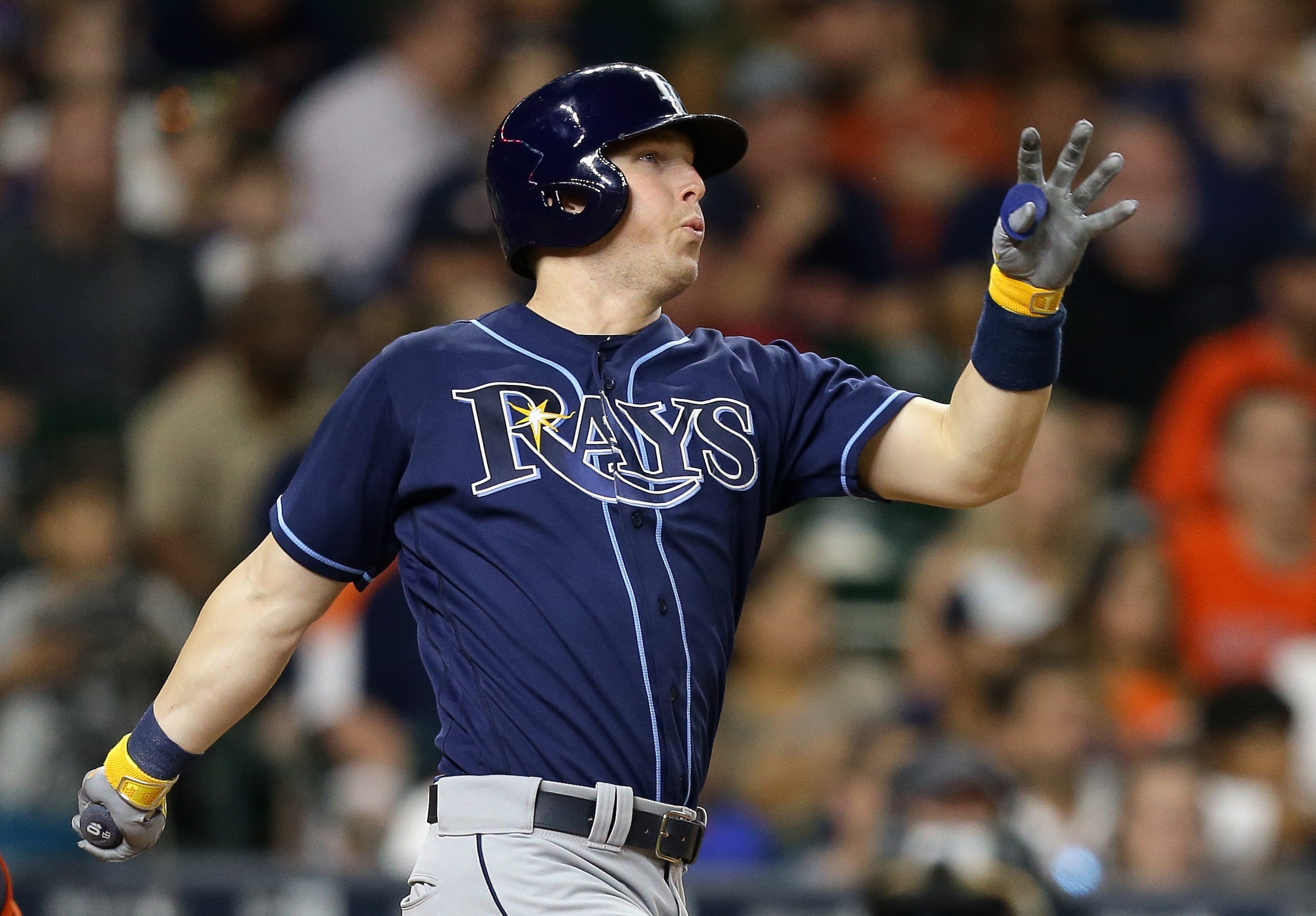
G: 147 PA: 543 AVG/OBP/SLUG: .248/.295/.473 HR: 24 SB: 0
Hitting
Corey Dickerson is a platoon hitter who also happens to be a wild swinger whose power is easily avoided with breaking and off-speed pitches. So, he's not exactly Ted Williams. But he proved once again in 2016 that at least he's dangerous when he can put the ball in play. His average exit velocity was 89.9 mph, comfortably ahead of the MLB average of 89.1 mph. And while his general profile might lead one to believe he's a dead pull hitter, he's actually a good all-fields hitter.
Power
Dickerson was a good power hitter in Colorado, and he seemed to fully embrace that role in his first season with Tampa Bay. He got under more balls and dramatically increased his launch angle from 13.7 degrees to 16.9 degrees. That was one of the highest in the sport. He also continued to show good raw power, averaging 93.0 mph on fly balls and line drives. As such, his power could survive the fact he's not a dead pull hitter.
Baserunning
Dickerson is a decent runner but not a good base stealer. He got the message in 2014, when he was caught seven times in 15 attempts. He's attempted only three steals since then. He otherwise kept up his aggressiveness in 2016, taking the extra base on hits 47 percent of the time. And after running into 11 outs back in 2014, he ran into three last year and just five this year.
Defense
There were some horror stories about Dickerson's defense as he was coming up, with Baseball America noting it was a huge liability. He's better now. He can still make some questionable reads, but he has enough athleticism to cover ground anyway. If nothing else, he didn't screw up any routine plays, posting a 100 percent clearance rate. He doesn't have a great arm, but not many left fielders do.
Total
Dickerson's job is to go to the plate and crush right-handed pitching. He mostly does that, although it means living with lots of wild swinging and limited baserunning and defensive value.
38. Nomar Mazara, Texas Rangers
4 of 41
G: 144 PA: 563 AVG/OBP/SLUG: .268/.321/.422 HR: 20 SB: 0
Hitting
Nomar Mazara made a decent first impression. He showed a good approach and made enough contact with a line-drive stroke that played to all fields. But as time went on, his flaws were exposed. The big one is how outmatched he is against left-handers, who held him to a .234 average. And he didn't respond well to a decrease in fastballs. He continued to make contact at a solid rate, but the quality of his contact has wavered.
Power
Mazara doesn't operate like a power hitter. His launch angle was just 7.3 degrees, and his raw power produced an average of just 91.6 mph on fly balls and line drives. And yet, these numbers badly misrepresent his power potential. He crushed his home runs, averaging 417 feet in length. That speaks to how strong he is.
Baserunning
Mazara looks just as much like a slugger when he runs as he does when he hits home runs. He was caught in his only two steal attempts and took the extra base on hits just 28 percent of the time. He's a decent athlete, but his speed doesn't play on the basepaths.
Defense
Mazara has typical right fielder speed, but it's fair to say he was better than advertised on defense. He doesn't always get great jumps, but he tracks balls well enough to make even tough plays. He also has a right fielder's arm that proved to be an asset in cutting down opposing runners. Seven felt his wrath, a warning to others who would tempt fate.
Total
Mazara has some adjustments to make at the plate if he wants to get back to where he was in the first two months of 2016. But the rookie wasn't completely out of his depth, and generally provided enough moments to justify the hype he arrived with.
37. Jason Heyward, Chicago Cubs
5 of 41
G: 141 PA: 590 AVG/OBP/SLUG: .229/.304/.321 HR: 7 SB: 11
Hitting
Credit where it's due: At least Jason Heyward wasn't pressing in 2016. He stuck with his approach, showing a good eye (26.2 O-Swing%) and making plenty of contact (85.4 Contact%). But in bad seasons, his swing gets long and he pays for it. Such was the case this season. Pitchers pounded Heyward with inside heat. He could hit it, but his exit velocity chart shows he couldn't get the barrel to it. That explains his overall decline in that department. Meanwhile, the extra shifts didn't help either.
Power
Poor contact does not good power make. Heyward averaged just 87.4 mph on all his batted balls and 89.5 mph on his fly balls and line drives. That's well below the MLB average of 92.2 mph. As such, the degree to which his average launch angle improved in 2016 went to waste. What's normally good power was therefore reduced to painfully mediocre power.
Baserunning
Heyward's long legs have always allowed him to be a deceptively fast runner. And at 26, it's too soon for him to be slowing down. But here he is at the end of the year with only 11 steals in 15 tries and a modest 40 percent success rate taking extra bases on hits. He doesn't look slower on video, so the best guess here is that less frequency on base forced him to be cautious when he did get on.
Defense
Mercifully, Heyward was still a fantastic defensive player in 2016. It's easy to see how much he gets out of his natural athleticism, but we probably don't appreciate just how fast he breaks and how well he tracks balls. It's no wonder only the really tough plays go unmade when he's in the field. To boot, it's still not a good idea to test his arm.
Total
Heyward is still arguably the best defensive right fielder in the game. But whereas that used to be just another tool in his belt, in 2016 it was really the only tool in his belt. Pitchers found weaknesses to exploit, and he was unable to adjust.
36. David Dahl, Colorado Rockies
6 of 41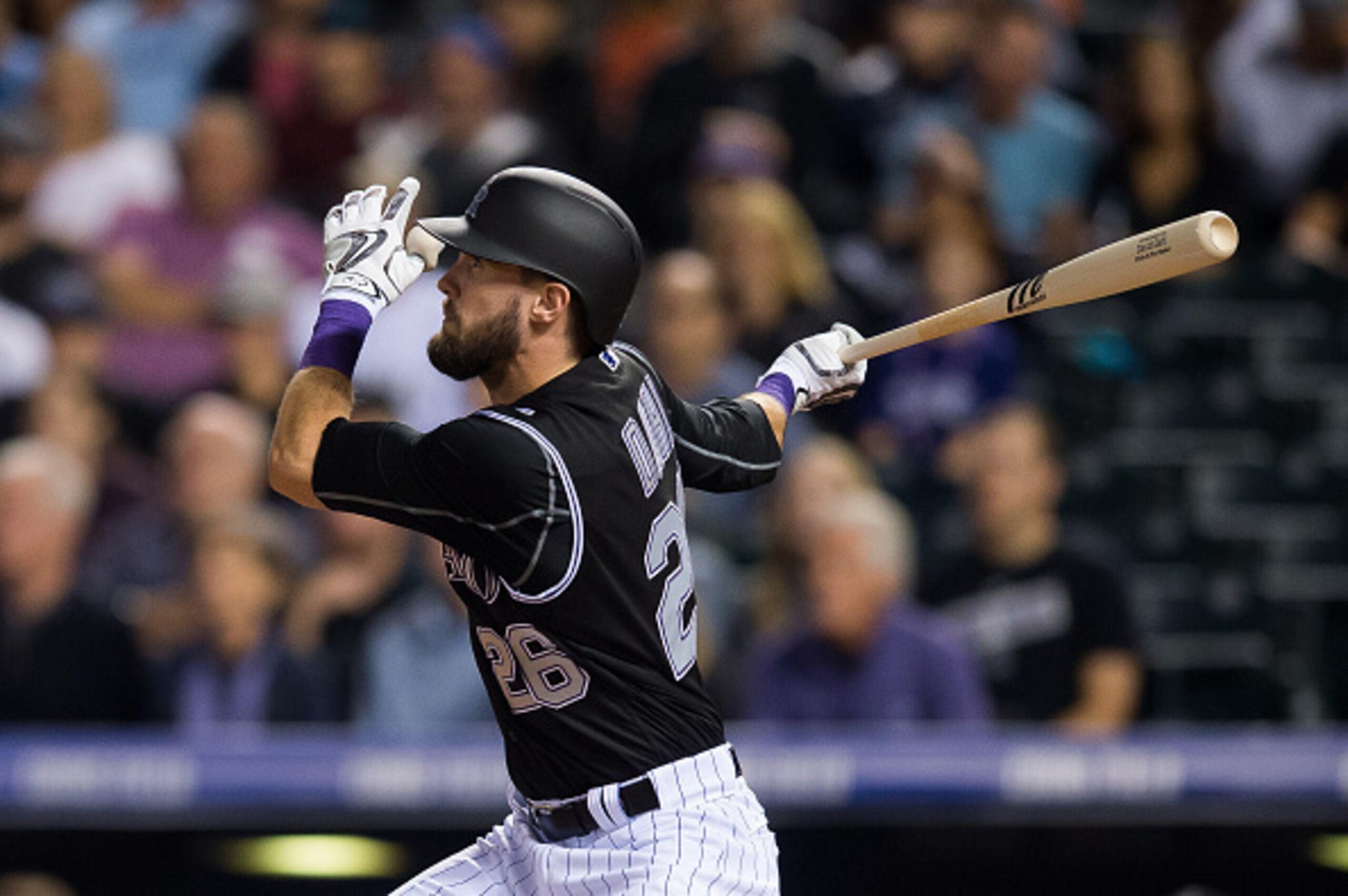
G: 62 PA: 232 AVG/OBP/SLUG: .318/.362/.507 HR: 7 SB: 5
Hitting
David Dahl's rapid rise in 2016 didn't slow down in the majors. He has a good swing not only for Coors Field but anywhere. It produces line drives that he can spray to all fields, and his solid 88.6 mph exit velocity reflects his ability to get the barrel on the ball. His weakness for now is his approach. He got it under enough control to earn a call-up to the majors, but then it devolved into the aggressive, whiff-happy affair it was before 2016. Without his .408 BABIP, he would have had a rough time.
Power
Dahl is going to run into some home runs here and there, but he's not a home run hitter by nature. His average launch angle of 11.4 degrees was good enough for the job, but his raw power wasn't. His average of 90.8 mph on fly balls and line drives was subpar by plenty. With his ability to spray line drives to all fields, Dahl is more of a gap power guy. With 12 doubles and four triples to go with his seven home runs, that part worked fine.
Baserunning
Dahl isn't a burner, but he has above-average speed. It served him well in the minors and led to a 5-for-5 showing in stealing bases and a 58 percent rate of taking extra bases on hits in the majors. Small sample size be darned, this is good stuff.
Defense
Dahl came well-recommended on defense, with Baseball America writing that his "above-average speed, instincts, arm strength and accuracy make him an excellent defensive center fielder." He mostly showed that these things can also work in left field, where he stuck out as a good defender at a position that lacks them. However, there's at least one play that proves he's not yet perfect.
Total
Dahl is only a small-sample-size hero, which is why his score isn't higher. All the same, he showed some good potential in all phases of the game, particularly in his ability to barrel the ball to all fields.
35. Max Kepler, Minnesota Twins
7 of 41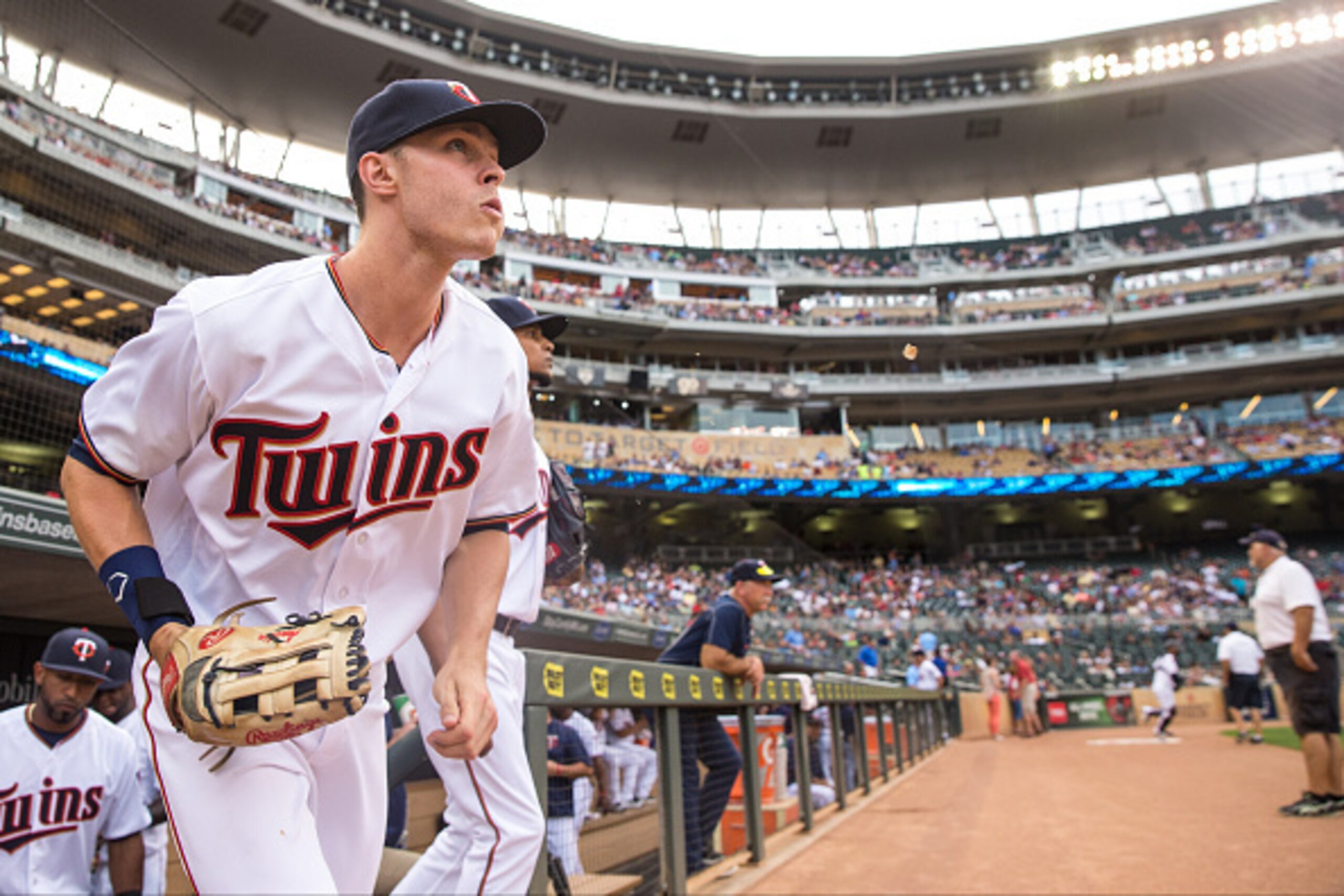
G: 112 PA: 443 AVG/OBP/SLUG: .232/.305/.420 HR: 17 SB: 6
Hitting
The German-born Max Kepler has a fundamental flaw in his preference to pull everything. That not only invited shifts but made it tough for him to be productive against pitches away from him. Elsewhere, he showed plenty to like. Kepler displayed an advanced approach with a solid contact habit. And while he needs to start applying it to the whole field, his ability to make loud contact at an average of 90.2 mph was just wonderful. Or wunderbar, if you prefer.
Power
Most of Kepler's home runs came when he slugged 12 between early July and early August. On the whole, his power was just OK. He wasn't a big launch angle guy with an average of 8.7 degrees. And when he did get the ball in the air, he averaged just 90.4 mph. He hit his ground balls (91.7 mph) harder than that.
Baserunning
Kepler is a big dude at 6'4," but with an athletic 205-pound build. He has above-average speed and solid instincts. He collected six steals and a solid 42 percent rate of extra bases taken on hits. And between caught-stealings and other mistakes, Kepler made all of three outs on the basepaths.
Defense
Kepler has enough athleticism to cut it as a center fielder, so it wasn't surprising to see him covering so much ground as a right fielder. It takes him a step or two to get up to speed, but he can run down pretty much anything once he does. What would be an above-average arm in center is only average in right, but his accuracy with it helps the overall package.
Total
Kepler had a run this year when he looked like a breakout star. That misrepresented him somewhat, but his bat, legs and glove all offer things to be optimistic about.
34. Lonnie Chisenhall, Cleveland Indians
8 of 41
G: 125 PA: 414 AVG/OBP/SLUG: .289/.331/.444 HR: 8 SB: 6
Hitting
Similar to fellow platoon outfielder Corey Dickerson, Lonnie Chisenhall really likes to swing his bat. Only a handful of guys hack away more than he does. But unlike Dickerson, Chisenhall is at least able to put the ball in play. He managed an 83.8 Contact% in 2016. When he made contact, he did so with a steep launch angle while spreading the ball around well. These are good elements, but the one thing missing was good exit velocity. Without that, Chisenhall needed some favors from the BABIP gods.
Power
Getting the ball in the air wasn't Chisenhall's problem in 2016. He posted a GB/FB ratio on the south side of 1.0. But at an average of just 88.3 mph, he simply didn't hit scorching fly balls and line drives. What did the trick instead was how he used his pull side. He's not a dead pull hitter, but that's where most of his power came from.
Baserunning
Chisenhall is the kind of runner who doesn't have great speed, but he knows when to use the speed he has. His 6-for-6 in stolen bases this year makes it 17-for-20 for his career. He also took the extra base on hits 52 percent of the time. Despite his aggressive style, he ran into only five outs.
Defense
Chisenhall is not a natural right fielder, having converted to the position from third base. That's why he doesn't always look like a natural out there, too often getting slow jumps and taking zig-zaggy routes. However, he does well to make up for his poor instincts with his high motor, often diving and sliding for balls. This works more often than not and actually results in decent range.
Total
Among the many platoon players at the corner outfield spots, Chisenhall is one of the better ones. He doesn't excel at any one thing, but his bat, baserunning and glove are all solid.
33. Nick Markakis, Atlanta Braves
9 of 41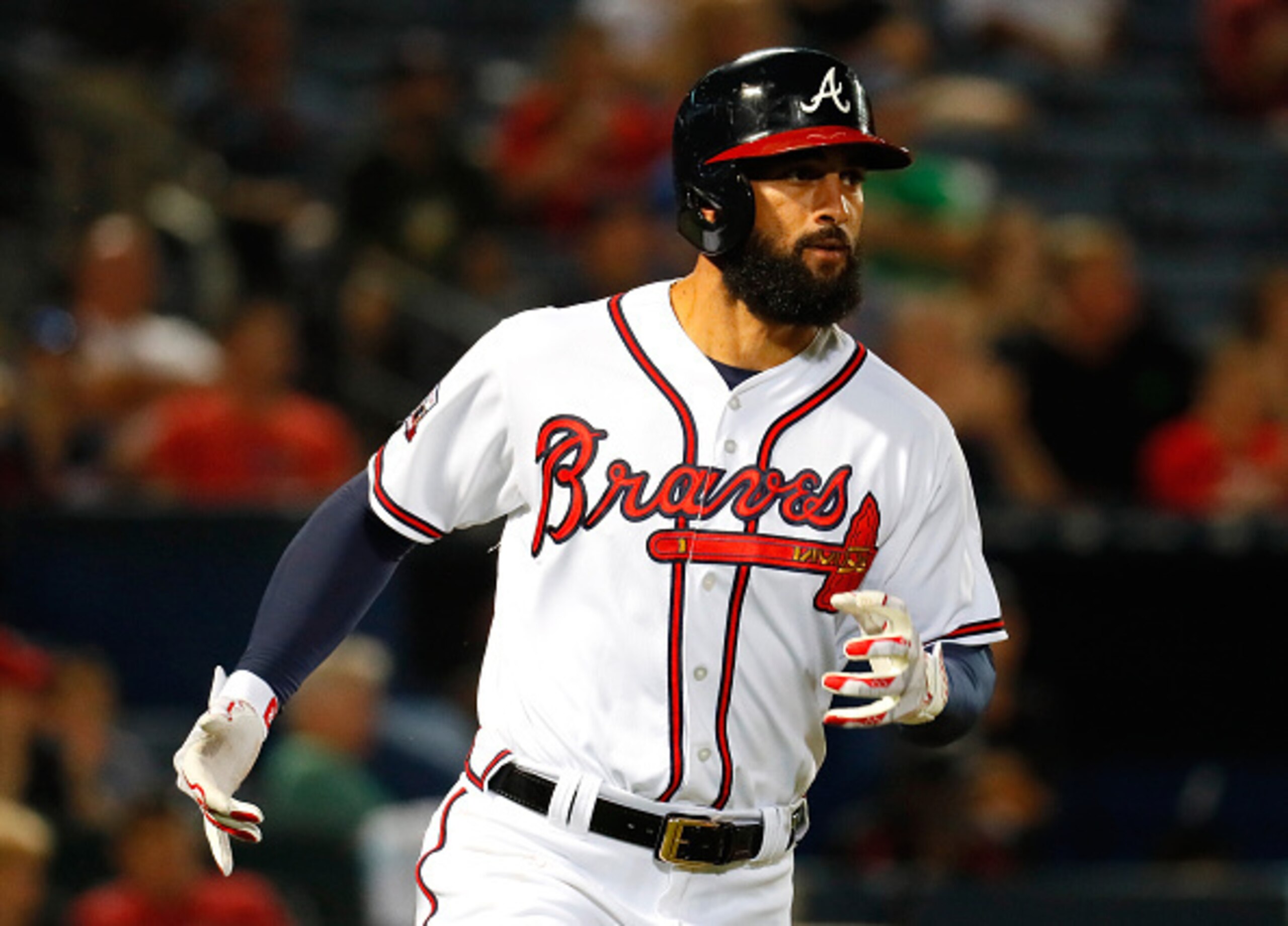
G: 157 PA: 681 AVG/OBP/SLUG: .270/.347/.399 HR: 13 SB: 0
Hitting
In 2016, Nick Markakis got more disciplined, continued to make frequent contact and also made notably better contact. As such, some bad luck went into his pedestrian .301 BABIP. But he also did some things to beat himself. He had a higher launch angle that lowered his GB/FB ratio from its 2015 peak. A higher pull rate could have turned the extra balls in the air into extra-base hits, but he continued to target all fields. Many of his balls died in left field.
Power
Markakis' transformation into something more like power hitter did work to an extent. He hit 10 more homers than he hit in all of 2015. A higher launch angle and more exit velo, the latter presumably due to him being fully recovered from his 2014 neck surgery, would do that. But overall, Markakis was still more of a gap power hitter. This is where his all-fields approach helps him, as he can plug any gap with a line drive.
Baserunning
Markakis was an average runner even when he was younger. Now he's 32 and decidedly below-average. He got caught in both of his stolen base attempts and took the extra base on hits just 33 percent of the time. His only virtues are a solid 19 bases taken on non-hits and just two outs run into.
Defense
It was easy to mistake Markakis for an elite defender when he was in Baltimore. He had only OK speed, but it was enough to cover every inch of a small right field. He no longer has that speed, and Turner Field's right field is big. That causes range issues, particularly when Markakis is tasked with running down or containing any ball with some velocity on it. His arm is also less of a factor these days.
Total
Markakis is an unexciting player but not a bad one. His advanced approach and revived power give him a solid bat, and he still plays a serviceable right field.
32. Melvin Upton Jr., Toronto Blue Jays
10 of 41
G: 148 PA: 537 AVG/OBP/SLUG: .239/.292/.404 HR: 20 SB: 27
Hitting
This season was business as usual for Melvin Upton Jr. in some respects. He still swings (50.0 Swing%) and whiffs (67.9 Contact%) a bunch, and going outside the strike zone more often didn't help the latter. What was different is that he has ceased trying to be a dead pull hitter and spread the ball around. He didn't have to sacrifice any exit velocity in the process. An elevated ground-ball rate barred that change from making a big difference, but it shows Upton was trying to find more consistency.
Power
While Upton's batting average remained stuck in limbo, his power made a nice comeback. This wasn't due to his getting under more balls, as his launch angle actually declined from 10.4 degrees to 9.2 degrees. His raw power wasn't substantially better either, as he averaged just 92.3 mph on his balls in the air. Rather, he was basically in the same boat as Nomar Mazara in how his average of 409 feet on his home runs proves he really got what he got.
Baserunning
Upton struggles to get on base, but he doesn't stand around when he does. In addition to his 27 stolen bases, he also took the extra base on hits 49 percent of the time. The one catch: His eight caught-stealings were a few too many.
Defense
If anything highlights Upton's relative inexperience in left field, it's the balls in front of him he failed to corral. On the bright side, range that was getting to be just OK for center field was good in left field. There aren't many other players at the position who can track and move as smoothly as he can. Moving to left field also didn't stop him from racking up assists. He cut down nine runners.
Total
Upton's bat didn't get any more consistent in 2016, and indeed got even worse after he was shipped from San Diego to Toronto. However, power, speed and defense are good ways to save face.
31. Angel Pagan, San Francisco Giants
11 of 41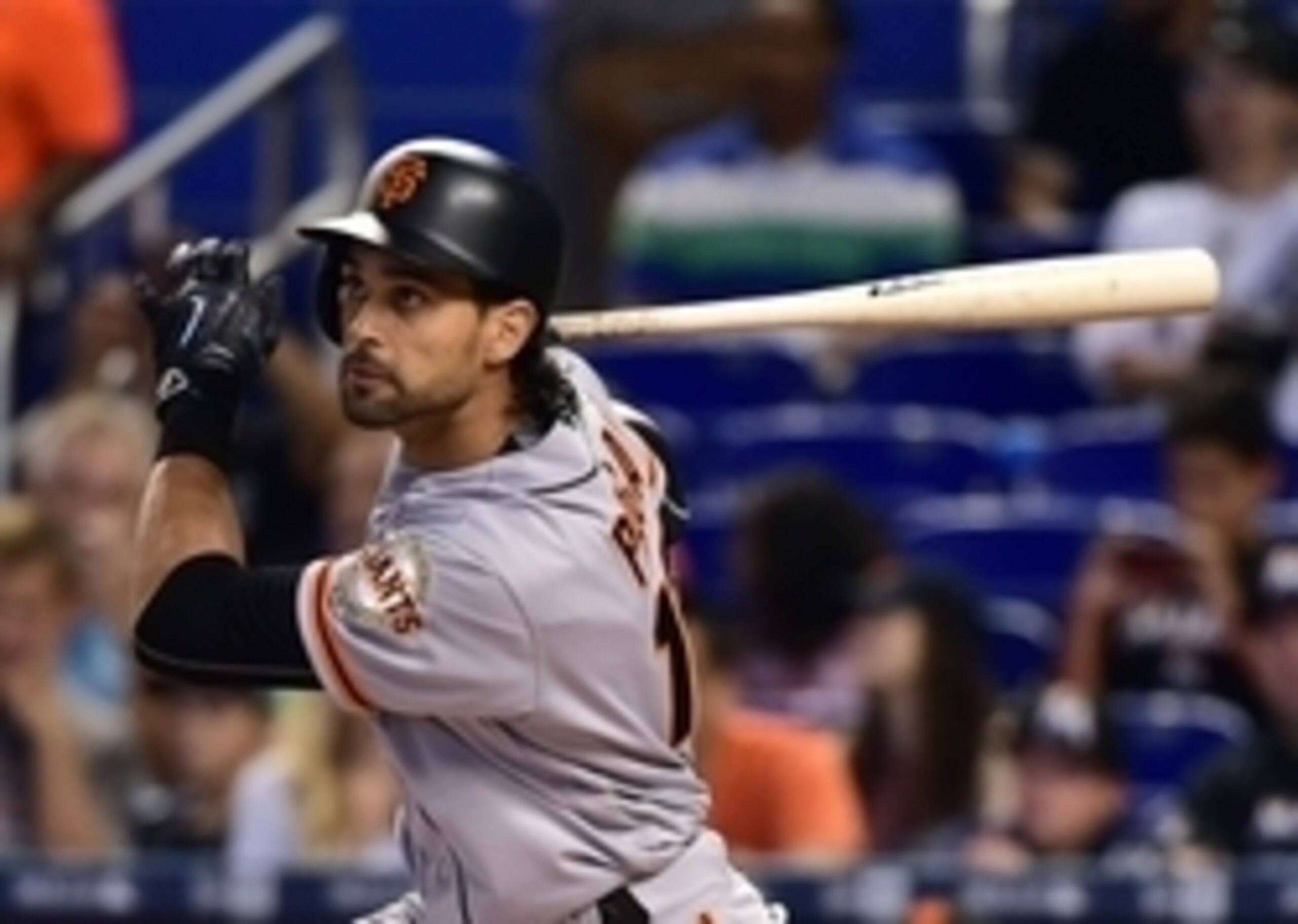
G: 128 PA: 538 AVG/OBP/SLUG: .273/.329/.414 HR: 12 SB: 14
Hitting
Let's have a hearty "welcome back" for the good Angel Pagan. Two things he didn't lose in a rough 2015 were his discipline and ability to make contact. The latter is elite, so the only thing standing in the way between him and success is good contact. And while he didn't boost his exit velocity in 2016, he got back to being a line-drive machine who can pull and push the ball. Awful September aside, Pagan enjoyed a return to form in 2016.
Power
Pagan's 12 homers beat his career high by one. This had little to do with his raw power, which produced an average of just 87.6 mph on fly balls and line drives. And goodness knows AT&T Park didn't help. But Pagan was a solid launch angle (12.4 degrees) guy who didn't hit many ground balls. This mostly allowed him to deal in balls in the gaps, but he occasionally ran into one.
Baserunning
At 34 and with beat-up legs, Pagan is no longer the type to steal bases at will. But he was about as active as anyone could've reasonably asked. He swiped his 14 bags in 18 tries and continued to take the extra base on hits at a high rate (54 percent). He also added another 22 bags on other plays.
Defense
Pagan's defense in center field got to be pretty bad. He's not the most efficient route-runner, and that becomes an issue once your speed starts to go. His speed fits a lot better in left field, where he was able to cover a good amount of ground. He can still be hurt by his route running, but his athleticism sets him apart at a position where athleticism is in relatively short supply.
Total
Pagan didn't have his best season in 2016. But with a good bat, glove and baserunning, he put a rough 2015 season behind him.
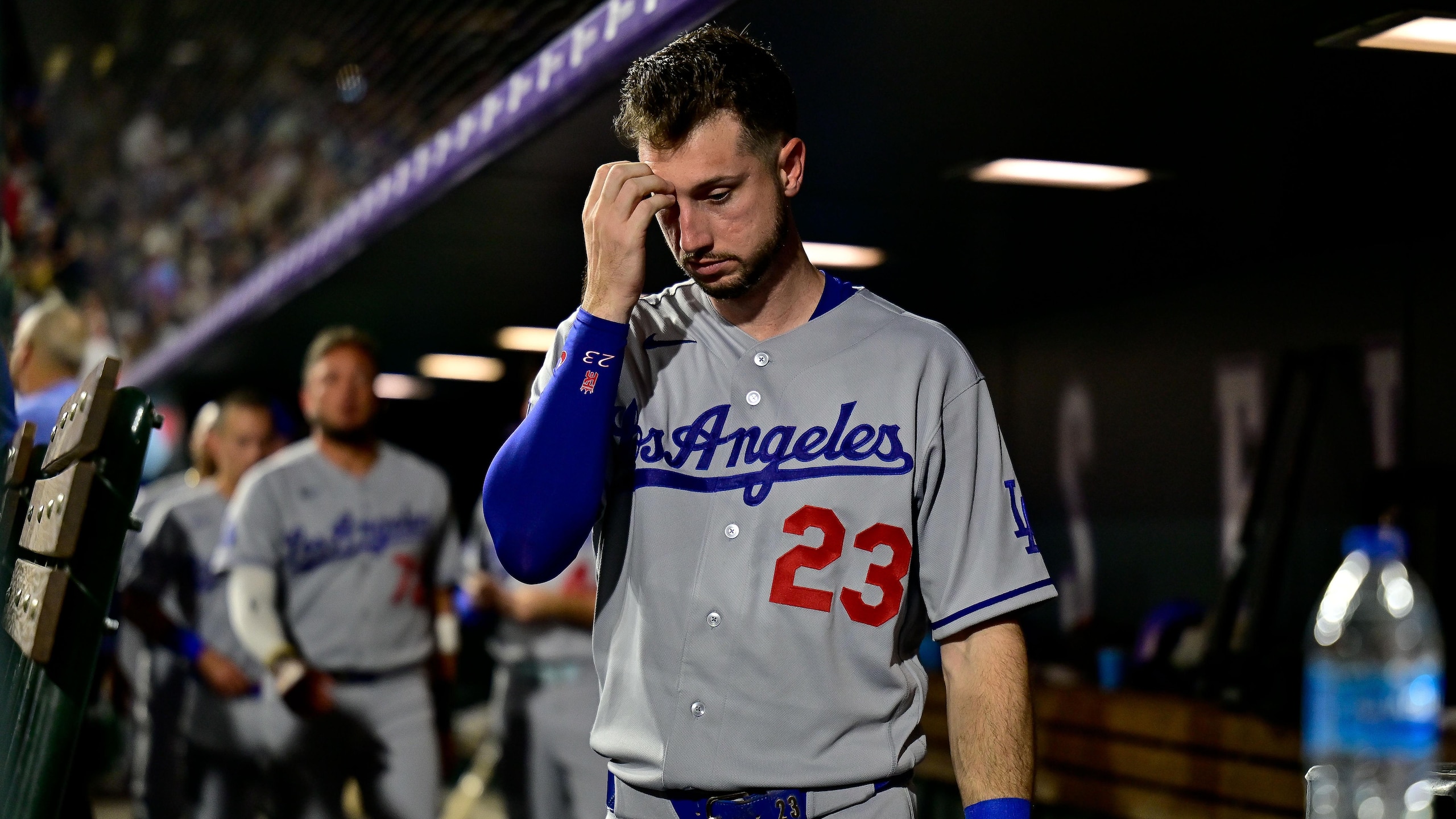
30. Josh Reddick, Los Angeles Dodgers
12 of 41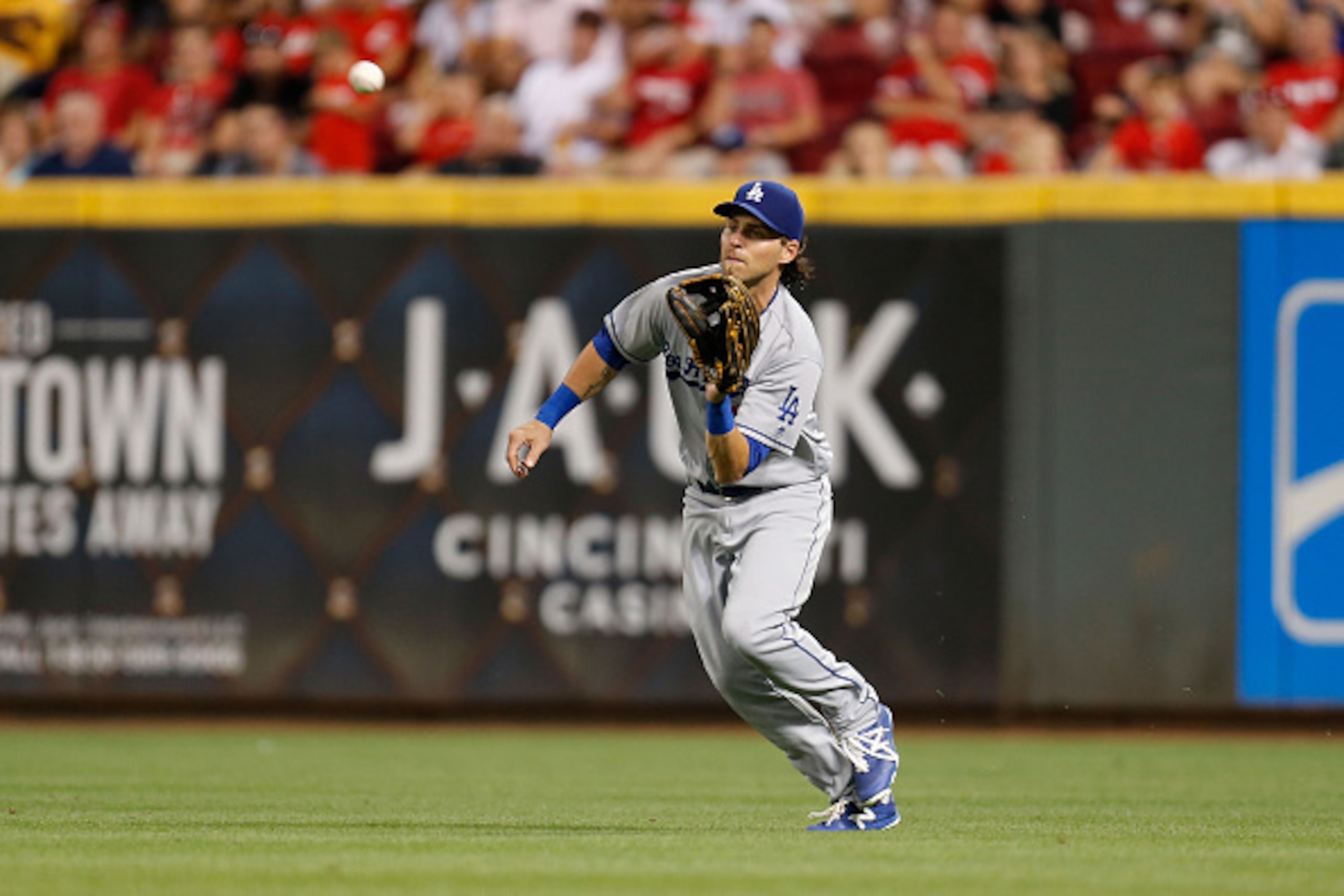
G: 114 PA: 437 AVG/OBP/SLUG: .283/.346/.407 HR: 10 SB: 8
Hitting
Josh Reddick continued to benefit from the changes he made last season. He kept his his approach largely the same, but continued to ride a contact spike with an 86.1 contact percentage. He also continued to rely less on his pull side, and his exit velocity held steady at 88.5 mph. Nonetheless, all that didn't prevent him from getting squeezed by the shift anyway. And as always, he (rightfully) wasn't allowed anywhere near left-handers.
Power
Reddick still has one thing that should allow for plenty of power. With a 13.8-degree launch angle, he didn't lose his ability to get under the ball in 2016. But not pulling as many balls means he's neglected his top power alley. To boot, his exit velo on fly balls and line drives fell from 92.0 mph to 90.3 mph. For these reasons, his power is not what it once was.
Baserunning
Reddick may not be as powerful, but he's still a good athlete. His eight stolen bases were par for the course. And don't overlook his aggressiveness, which saw him take the extra base on hits 53 percent of the time. And as always, he didn't make many mistakes. He was caught stealing three times and ran into only three other outs.
Defense
Reddick hit his defensive peak a couple of years ago when he had terrific range and was gunning down runners left and right. He's far from diminished, however. He still covers plenty of ground with his good speed, instincts and effort level. And part of the reason he had only eight assists in 2016 is because runners don't challenge him as much anymore.
Total
The big knock against Reddick is that he's only a platoon hitter. But it's to his credit that he's turned himself into a quality platoon hitter in the last two seasons. And he can still catch it in right field.
29. Jayson Werth, Washington Nationals
13 of 41
G: 143 PA: 606 AVG/OBP/SLUG: .244/.335/.417 HR: 21 SB: 5
Hitting
Jayson Werth made it obvious that he was over the wrist injury that bothered him in 2015. His exit velocity went from 90.7 mph to 92.3 mph. He also used an approach that was selective (23.8 O-Swing%) and filled with more contact (81.3 Contact%) than his 22.9 strikeout percentage lets on. One gripe is that Werth exchanged his usual all-fields approach for more of a pull-happy approach. But he was at least swinging at the right pitches to make the most of that. His surface numbers underrate him.
Power
Werth not only had good exit velocity and a high pull rate but a higher launch angle as well. It's no wonder spent the season roping extra-base hits to left field. His raw power is nothing special, however. His average of 92.7 mph on fly balls and line drives was above the league average but down from 2015. And while his 36.0 hard-hit rate was good, it was short of his peak seasons.
Baserunning
For a guy who's 37 years old with 240 pounds on a 6'5" frame, Werth is still surprisingly useful on the bases. He swiped his five bags in six tries and took the extra base on hits a solid 42 percent of the time. He added 19 bags on other plays. He's not fast by any means, but he gets the job done.
Defense
Werth personifies the term "left field profile." The instincts that serve him well on the basepaths don't work quite as well in the outfield, where good breaks and reads can only do so much to make up for his lack of speed. His range limits him to the easy plays. His arm, meanwhile, just isn't good.
Total
Good health allowed Werth to make a strong recovery from a rough 2015 season, specifically in his ability to punish the baseball. Which is good, because he needs to hit to downplay his bad defense.
28. Michael Saunders, Toronto Blue Jays
14 of 41
G: 139 PA: 556 AVG/OBP/SLUG: .254/.339/.480 HR: 24 SB: 1
Hitting
Michael Saunders is a good hitter when he's healthy, and he hits left-handers surprisingly well for a guy who is labeled as a platoon hitter. However, there's no ignoring how badly he slumped after the All-Star break. Pitchers started showing him more respect, pitching him away almost exclusively. Saunders maintained a strong approach in the face of this, but good contact got harder to come by. And throughout the entire year, seeing shifts like never before only made life more difficult.
Power
Saunders hit a career-high 24 home runs in part because he was healthy and in part because he was somewhere other than Seattle. But as evidenced by his 94.3 mph average on fly balls and line drives, he also showed good raw power. He made the most of that by putting plenty of balls in the air, posting a 1.1 GB/FB ratio. And while he's primarily a pull hitter, his power played to all fields.
Baserunning
Saunders stole 21 bases at his peak in 2012, but he's not that guy anymore. He's pushing 30 and is only a year removed from a serious knee injury. Thus, just one steal in three attempts in 2016. He ran aggressively, though, taking the extra base on hits 48 percent of the time. And with just two outs on the basepaths, he continued a long-running habit of not making mistakes.
Defense
Saunders has never stood out because of his defense, and he's not about to. His speed is fringe-average even by left field standards. Between that and shaky reads and routes, he didn't cover a ton of ground this season. On the plus side, he does have a good arm for the position.
Total
Saunders had a rough second half after an All-Star first half. But what happened in that first half still counts, and was good enough to cement Saunders as one of 2016's better left fielders.
27. Carlos Beltran, Texas Rangers
15 of 41
G: 150 PA: 591 AVG/OBP/SLUG: .295/.337/.513 HR: 29 SB: 1
Hitting
Carlos Beltan seemed finished as a productive hitter as recently as 2014. So much for that. It turns out he can still catch up to good heat and that his bat still has some hard contact left in it. He can thank the latter for helping him overcome an onslaught of shifts. What's missing from Beltran's game these days is walks, but not because he's become a wild swinger. He's more disciplined than his 5.9 walk percentage lets on. In all, the 39-year-old proved in 2016 that he's still got it.
Power
Power also remains a key part of Beltran's game. He posted a lower but still decent launch angle at 10.6 degrees. He also averaged a solid 92.6 mph on fly balls and line drives and pulled most of his batted balls. And while he did clean up at Yankee Stadium, the overwhelming majority of the home runs he's hit this year would have been gone anywhere.
Baserunning
Beltran used to be a fast runner. Now he's older and thicker than he used to be. His one steal this year came on his only stolen base attempt in the last two seasons. Elsewhere, he took the extra base just 30 percent of the time on hits, going first to third just three times all season.
Defense
Beltran is a designated hitter these days, but over 500 innings in right field are too many to overlook. Would that he had not logged even one inning in right field. Whether it's at the crack of the bat or on the run, his diminished quickness is clear and present and results in little range. That wasn't too big of a deal at Yankee Stadium, but he doesn't get extra credit for looking OK in a tiny right field.
Total
While Beltran's legs and glove have aged like milk, his bat has aged like fine wine. He still knows what he's doing when he steps in the box, and his power remains a threat.
26. Melky Cabrera, Chicago White Sox
16 of 41
G: 150 PA: 642 AVG/OBP/SLUG: .296/.344/.456 HR: 14 SB: 2
Hitting
Melky Cabrera is good again? It must be an even year. His game still revolved around his ability to make contact, which is one of the best there is among left fielders. His swing is good for line drives that go one way or the other, and the quality of his contact remains solid. The only real difference this year was that he got slightly more under the ball. That erased some ground balls, which is a good thing in his case.
Power
If nothing else, more balls in the air means more chances for extra-base hits. Cabrera's raw power remained nothing special, however. He averaged just 90.2 mph on fly balls and line drives. The best thing he could do with his power was plug line drives into any gap. To wit: He collected 42 doubles to go with his 14 homers.
Baserunning
Cabrera was 2-for-2 stealing bases and took the extra base on hits 23 percent of the time. But there are two positives to take away from his baserunning. One is that he quietly added a solid 19 bases on non-hits. And after running into a total of 21 outs in 2014 and 2015, he ran into only four this season.
Defense
Cabrera is an OK athlete by left field standards and has a solid arm for the position. But these things alone don't make him a good fielder. Cabrera is often tentative when tracking down balls in the air. He's able to overcome that most of the time when he has to move back on the ball, but too many hits in front of him tend to find the grass.
Total
Cabrera is a quality hitter who makes plenty of contact and sprays line drives all over. That's about the extent of his value, but it's enough to make him one of the better everyday left fielders in the league.
25. Hunter Pence, San Francisco Giants
17 of 41
G: 105 PA: 437 AVG/OBP/SLUG: .290/.359/.454 HR: 13 SB: 1
Hitting
Hunter Pence is still two things: a good hitter and a frustrating case study. On one hand, he continued to be selective with his swings and make good contact to all fields in 2016. On the other hand, his plate coverage continued to change not just from at-bat to at-bat but from pitch to pitch. And he still hit too many ground balls (55.3 GB%). He's a good hitter on the whole, but whether he looks like a good hitter in real time depends on when you're looking.
Power
It's not by accident that Pence hits so many grounders. He's not a launch-angle guy, improving from 3.1 degrees last year to just 5.4 degrees in 2016. What allows him to overcome that is some of the most overlooked raw power in the game. He averaged 95.5 mph on fly balls and line drives, and his power once again played to all fields. His surface numbers undersell how dangerous his power is.
Baserunning
Pence used to be a productive baserunner, but now he's 33 and needs to worry about not aggravating all the damage his legs have absorbed. Thus, he attempted only two steals all season. He was still an aggressive runner, though, taking the extra base on hits 46 percent of the time.
Defense
In keeping with his persona, Pence rarely ever looks graceful in the outfield. But for the most part, he tracks balls well and still has enough athleticism to cover even AT&T Park's big right field. His arm is also still a threat. But just as he mixes in funky swings with the good ones, Pence can also get caught making some strange reads and taking some strange routes.
Total
Pence looks like he's past both his physical and productive prime. But when he's able to stay on the field, he still provides good offense and mostly good defense.
24. Jose Bautista, Toronto Blue Jays
18 of 41
G: 115 PA: 513 AVG/OBP/SLUG: .233/.365/.452 HR: 22 SB: 2
Hitting
As always, Jose Bautista didn't care about his batting average in 2016. His approach is about two of the three two outcomes: walks and dingers. His batting average suffers because the search for the latter leads to a high pull rate and many fly balls. He makes plenty of loud contact, but anything that's not a home run is almost always an out (see his .254 BABIP). But let's give Bautista some credit. He has a good eye, and he's not the type who tries to pull everything. For him, it's middle-in or bust.
Power
In addition to having difficulties staying on the field in 2016, Bautista also didn't get under the ball as well. His average launch angle sagged from 14.3 degrees to 11.5 degrees. Apart from that, his power remained A-OK. He hit his fly balls and line drives at an impressive average of 96.5 mph. Lo and behold, anything to left field continued to be as good as gone.
Baserunning
Bautista is a 35-year-old who dealt with a bad toe in 2016. These things slowed his stolen base activity to a crawl. He still runs well for a guy his age, though, and he put his speed to use by going more for than one base at a time on hits. After doing so 53 percent of the time last year, he finished at 49 percent this year.
Defense
Bautista was a good defender once but not anymore. Whether it's due to his age, his toe or both, he didn't look as graceful in the outfield this season. The result was limited range. It takes a strong arm to make up for that, and Bautista's just hasn't been the weapon that it used to be. One wonders if he's dealing from lingering effects of the right shoulder strain he suffered in 2015.
Total
With his excellent eye and outstanding raw power, Bautista remains a dangerous hitter. But injuries held him back this season, and these days he's just not the good all-around player he's used to being.
23. Paulo Orlando, Kansas City Royals
19 of 41
G: 127 PA: 480 AVG/OBP/SLUG: .305/.332/.408 HR: 5 SB: 14
Hitting
Paulo Orlando earned his .305 average. He operates like all hitters of questionable power should operate: by keeping the ball out of the air and specializing in line drives and ground balls that he can spead to all fields. And this year, he also managed good exit velocity at 90.8 mph. His OBP, however, is less impressive. His lack of power makes it safe for pitchers to go in the strike zone against him, and his lack of discipline (55.9 Swing%, 39.9 O-Swing%) made walks virtually impossible.
Power
Power isn't easy to come by when over half your batted balls are on the ground. That was Orlando's relatively flat 9.3-degree launch angle at work. His actual raw power is solid, though. He averaged 93.1 mph on the balls he got in the air. That didn't help him clear the fence that often, but that pop and his speed ensured he did damage in the gaps.
Baserunning
Orlando's 6'2" frame seems to be mostly legs. They move well, and he gets an extra boost from good jumps. That explains his 14-for-17 stealing bases. He also took the extra base on hits 48 percent of the time. That's not great stuff, but it's the right stuff for a player with his offensive profile.
Defense
A good defensive outfielder who plays for the Royals? Please try not to gasp. Orlando has a Lorenzo Cain quality to him in that he often seems to be gliding across the outfield with his mix of long strides and smooth routes. Whether in right or center, there wasn't much he couldn't track down in 2016. He also has a good arm, although it stands out more by center field standards than right field standards.
Total
Orlando doesn't get on base or hit for power. But with his ability to hit for average, run the bases and play defense, he more than makes up for that.
22. Alex Gordon, Kansas City Royals
20 of 41
G: 127 PA: 503 AVG/OBP/SLUG: .222/.314/.382 HR: 17 SB: 8
Hitting
This wasn't Alex Gordon's finest year. He suddenly has a swing-and-miss problem, particularly against the slow stuff. Teams also threw more shifts at him. Adding to his woes was a decline in exit velocity, which wasn't helped by a midsummer wrist injury. However, it's not as bad as it seems. He at least stayed within his disciplined approach, and his soft-hit and hard-hit rates actually improved despite his exit-velocity troubles. It was a rough year, but he deserved better.
Power
Gordon's power remained in solid shape despite his struggles. Some of that was him maintaining a 15.3-degree launch angle with that uppercut swing of his. And while his overall exit velo went down, he had it where it counts. His 92.6 mph exit velo on fly balls and line drives was an improvement over 2015. To boot, his pull habit remained steady, allowing him to keep clearing the right field fence.
Baserunning
Now that Gordon is 32 and coming off a significant leg injury from last season, it's safe to say he's past his physical prime. But he has yet to become a station-to-station runner. He was caught stealing only once and ran into just two other outs. He also took the extra base on hits 41 percent of the time.
Defense
Gordon may not have posted the insanely high defensive ratings he once did, but he was still good in left field. Despite having lost a step, his quick jumps and good routes allow him to downplay the effect of that. He may read line drives off the bat better than any left fielder. And by now, runners already know not to challenge his arm.
Total
This will not go into the books as Gordon's finest season, but all he's become is a lesser version of a once-great player. He's still a quality hitter, baserunner and fielder.
21. Brett Gardner, New York Yankees
21 of 41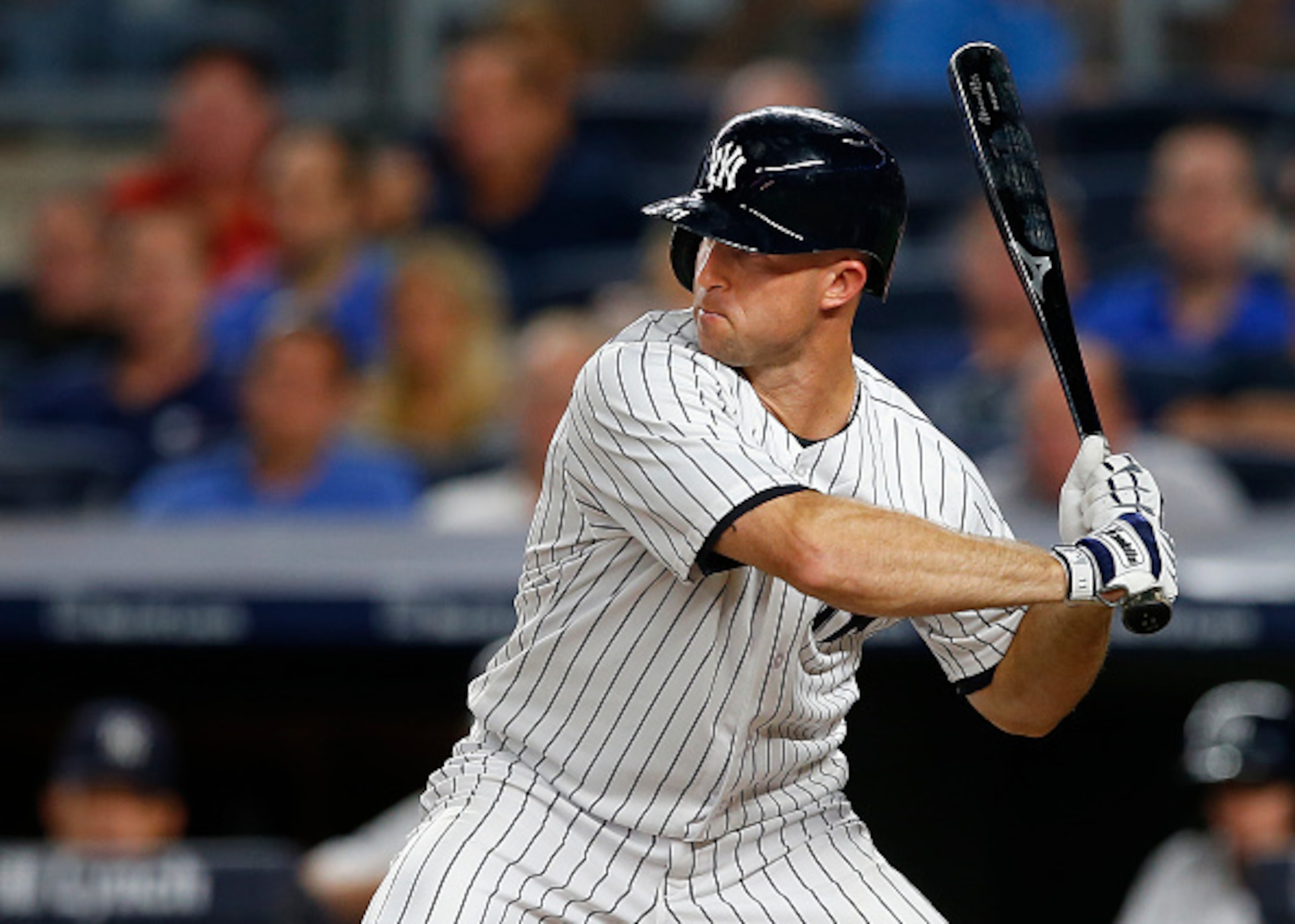
G: 147 PA: 629 AVG/OBP/SLUG: .260/.350/.362 HR: 7 SB: 16
Hitting
Brett Gardner's quest for power in 2014 and 2015 did lead to more home runs but also had some drawbacks. Thus, he reversed course this year. He remained a pesky hitter due to his extreme discipline and his ability to make contact (86.0 Contact%). The big difference involved him flattening his swing and getting back to hitting the ball on the ground. This approach probably would have worked better if he still had his old speed. As it is, it worked well enough.
Power
When you move away from a power-based approach, a power decline is inevitable. In Gardner's case, cutting his launch angle from 10.4 degrees to 6.6 degrees pushed his GB/FB ratio higher than ever. He didn't have the raw power (just 89.9 mph on fly balls and line drives) or the pull habit to account for that. Anything in a gap was good for an extra-base hit, but otherwise his power surge from recent years died a decisive death.
Baserunning
Now 33, Gardner can't fly around the bases like he once could. But even a slower Gardner is still speedy, and he also still has his good instincts. His 16 steals came with only four caught-stealings. He also took the extra base on hits 55 percent of the time, adding another 25 bases on other plays.
Defense
Left field is home to players who are either plodding sluggers or converted center fielders. Gardner is the latter. And while he may not run as well as he once did, he still runs well enough to cover a lot more ground than the average left fielder. The one thing he lacks is a strong arm, but he occasionally punishes runners who test him.
Total
The power that Gardner found in 2014 and 2015 disappeared in 2016, but he was still a tough out who continued to provide good value on the basepaths and on defense.
20. Justin Upton, Detroit Tigers
22 of 41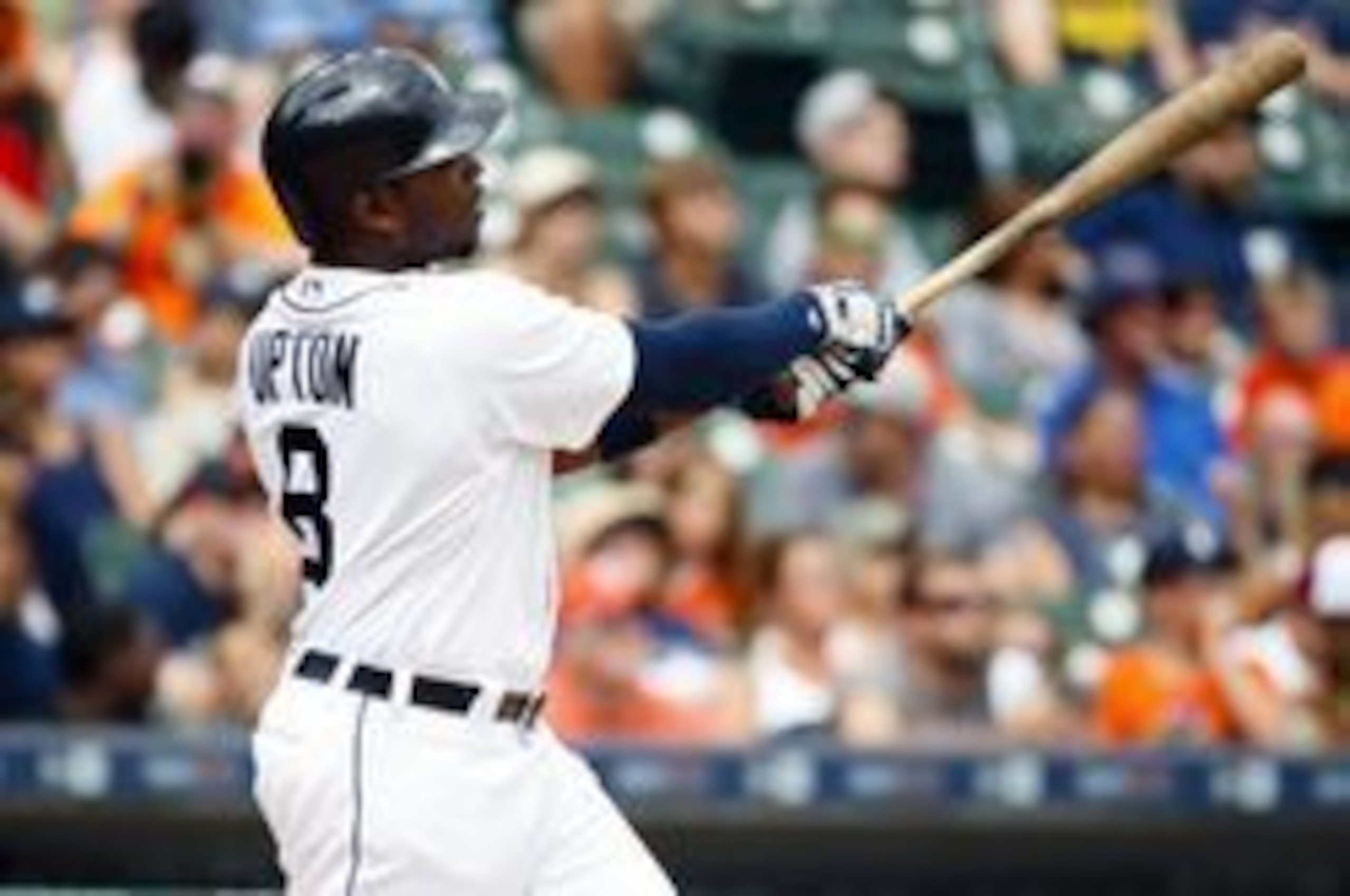
G: 152 PA: 622 AVG/OBP/SLUG: .247/.312/.468 HR: 31 SB: 9
Hitting
Things got a lot better for Justin Upton in the second half, but his first season in Detroit was mostly a struggle. His approach was OK, but he whiffed too much (71.9 Contact%) and was passive (66.0 Z-Swing%) within the strike zone. And while his exit velocity was in good shape, his 20.9 soft-hit rate captures how often he was jammed in 2016. In all, it's a mixed bag wherein the bad weighs just as heavily as the good.
Power
On the bright side, Upton saved face with his power. His launch angle went up from 14.7 degrees to 16.2 degrees. He also continued to display some of the game's best raw power, averaging 95.1 mph on balls in the air. He also got good mileage out of an increased pull rate, peppering the left field bleachers with souvenirs.
Baserunning
Upton is not the speedster he was several years ago, but his 9-for-13 showing in stealing bases is a reminder that it's still a good idea to keep an eye on him. However, he took the extra base on hits just 41 percent of the time, well below his career norm. Some of that was the general station-to-station culture of Detroit's lineup. Some of it was just him being slower.
Defense
Upton is still a good athlete by left field standards, and his athleticism continues to serve him well. He can track down some tough balls, in particular showing a penchant for making tough catches at the warning track this season. Where he can get in trouble is making good reads on bloops and liners, resulting in too many missed plays. His arm has also seemingly gotten weaker and weaker every year.
Total
Upton was much maligned for most of his first season with the Detrout Tigers, and for good reason. But his bat came alive in the second half and proved that, if nothing else, he still packs a wallop.
19. Giancarlo Stanton, Miami Marlins
23 of 41
G: 118 PA: 469 AVG/OBP/SLUG: .240/.325/.489 HR: 27 SB: 0
Hitting
A groin injury that threatened to end Giancarlo Stanton's season only added to a larger struggle in 2016. Stanton and whiffs will go hand-in-hand for eternity, but pitchers forced the issue by feeding him more breaking balls. He couldn't find an answer for that. And in general, his approach has gotten more aggressive after he seemed to have things figured out a couple of years ago. As always, the one thing he did well is hit the ball hard. That doesn't cure all ills, but it cures a lot.
Power
This is Stanton hitting a 504-foot home run. That's the kind of raw power afforded by his monstrous 6'6" and 245-pound frame. He averaged 97.4 mph on his fly balls and line drives. That's down from 2015 but still absurdly good. His launch angle didn't budge as much, allowing him to keep his GB/FB ratio under 1.0. All told, same ol', same ol'.
Baserunning
Stanton moves well for a guy his size, but this year he got the message that he was better off not pushing his luck. He didn't even attempt a stolen base and took the extra base on hits just 27 percent of the time. The one positive is not to be overlooked, though: He ran into only two outs.
Defense
Stanton slowed it down on the basepaths in 2016 but not on defense. He can't get to everything, but he does have more range than you'd expect from a guy his size. He not only moves pretty well but is good at reading and tracking balls in the air. He also has an arm that's more than good enough for right field, and he doesn't get enough credit for his accuracy.
Total
Stanton is a superstar player, but he didn't have a superstar-level season in 2016. His power and defense remained in fine shape. What he was missing are the other things that have made him so good: a steady on-base habit and underrated baserunning.
18. Mark Trumbo, Baltimore Orioles
24 of 41
G: 158 PA: 663 AVG/OBP/SLUG: .256/.317/.535 HR: 47 SB: 2
Hitting
Although Mark Trumbo's success had little to do with his average or OBP, he did improve his approach in 2016. After he got away from it in 2015, his plate discipline is back to trending in the right direction with a 33.7 O-Swing%. His selectivity also included spitting on more slow pitches and swinging at more fastballs. Nonetheless, he still swings and misses too much (72.3 Contact%) and pushes away consistency with a high pull rate and a high fly-ball rate. His second-half slump was inevitable.
Power
When you lead the league in homers, you've done something right. Trumbo has always had the raw power for the job, and it showed once again through an average of 96.8 mph on fly balls and line drives. He also allowed his raw power to show up more often, increasing his average launch angle to 16.3 degrees. Getting to play at Oriole Park at Camden Yards didn't hurt, but many of his home runs would have been out anywhere. Although 35 points is a lot for power, he deserves some bonus points.
Baserunning
Trumbo also runs like a slugger. That is, it's a miracle he even stole two bases, and it's not a surprise at all that he also took the extra base on hits just 34 percent of the time. He's your basic station-to-station slugger.
Defense
The story of Trumbo's career: His best position is first base, but he never gets to play first base. The Orioles have a good right field to hide him in, as Oriole Park at Camden Yards plays small in that neck of the woods. Even still, Trumbo doesn't have the instincts or general grace to make something of his modest speed. There's a lot he doesn't get to. Nor does he have a particularly good arm.
Total
This is a low score for MLB's leading home run hitter. But strip away Trumbo's power, and there's not much left. He's not a consistent hitter and he's a non-factor on the bases and on defense.
17. Curtis Granderson, New York Mets
25 of 41
G: 149 PA: 631 AVG/OBP/SLUG: .237/.334/.465 HR: 30 SB: 4
Hitting
Want to see a power hitter operating like a power hitter? Watch Curtis Granderson. That comes with some good, such as an ultra-selective (career-low 36.6 Swing%) approach and solid contact with 88.3 mph exit velo and a 37.0 hard-hit rate. But it also comes with some bad. Granderson can't quite push his strikeout rate south of 20 percent, and his pull habit resulted in him being killed by the shift. He's not a bad hitter by any stretch, but he's not made for consistency.
Power
Hey, at least a guy operating like a power hitter hit like a power hitter. Granderson's best power attribute is his ability to get under the ball, posting a 17.6-degree average launch angle. That and his pull habit make up for his good-not-great raw pop, which averaged 91.7 mph on balls in the air. This resulted mostly in home run power, but 24 doubles and five triples is nice variety.
Baserunning
Granderson stole double-digit bases in 2015 for the first time in several years, but the number of outs he ran into were a warning sign to take it slower. He heeded that this season. He swiped his four bags in only six tries. And while his 43 percent success rate taking extra bases on hits was nothing special, it speaks to his caution level that he went from eight outs on the bases last year to just two outs in 2016.
Defense
Granderson had to fill in at his old post in center field here and there in 2016, but he mostly played right field once again. Although he may not have the same speed he once had, he moves well by typical right field standards. He can make all the plays he should make and some of the tough ones as well. But not all the tough ones, as some of them continued to elude him. He also doesn't have a great arm by right field standards.
Total
Granderson's game still mostly boils down to two things: get on base and hit home runs. Fortunately, he still does both things quite well while also providing some value with his legs.
16. Adam Duvall, Cincinnati Reds
26 of 41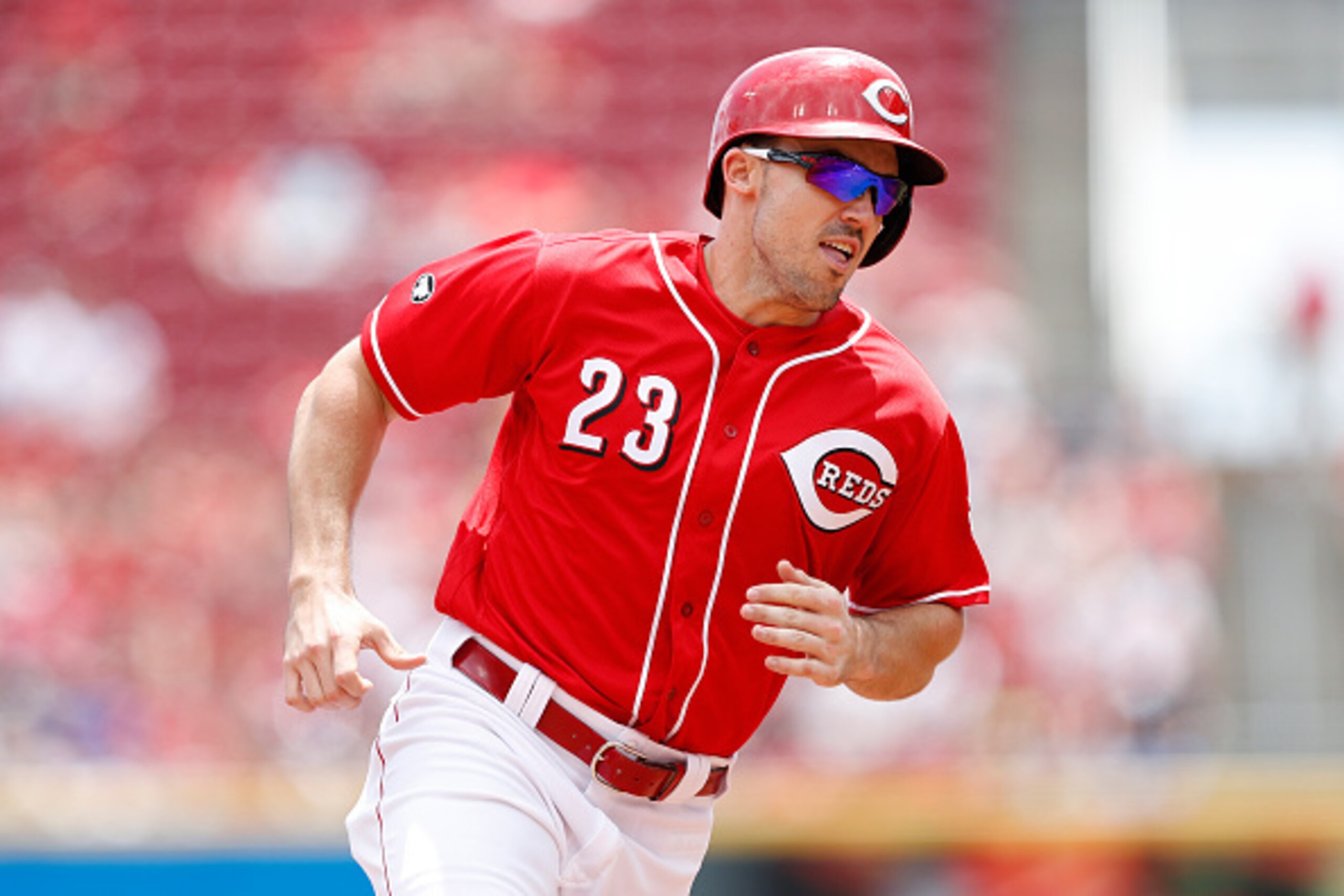
G: 149 PA: 604 AVG/OBP/SLUG: .240/.295/.499 HR: 33 SB: 6
Hitting
Adam Duvall was your basic slugger in his first full season. He was too eager to expand the zone, too prone to swing and miss and too intent on pulling everything in the air. But these issues were more pronounced in the first half, when he had a sub-.300 OBP. He tightened up his discipline in the second half. That doesn't wash away what he did in the first half, but let's give him credit for trying to make adjustments and salvaging some consistency.
Power
With adjustments came less power. After cranking 23 in the first half, Duvall hit "only" 10 home runs in the second half. All the same, we're looking at a true power hitter. He posted one of the higher average launch angles among right-handed batters at 17.4 degrees and crushed balls in the air at an average of 94.6 mph. And while it didn't hurt him, he didn't need too much help from Great American Ball Park.
Baserunning
Duvall is not as plodding as your garden-variety slugger. He took the extra base on hits 46 percent of the time, with nine first-to-thirds in 24 chances. But he shouldn't bother stealing bases going forward. With five failures to go with his six successes in 2016, it's just not worth it.
Defense
Is Duvall really the elite left fielder that defensive runs saved claims he is? Not really. His limited athleticism puts a natural cap on how much range he can cover, and his arm isn't a deadly weapon. Still, he has been better than expected. Duvall may not have the physical tools to be an elite left fielder, but there's no taking issue with his effort level. That's worth something.
Total
Duvall fits the usual mold of a slugger in that he hits the ball hard but isn't consistent. The bonus with him is that he also happens to be a quality defender.
15. Stephen Piscotty, St. Louis Cardinals
27 of 41
G: 152 PA: 644 AVG/OBP/SLUG: .272/.343/.458 HR: 22 SB: 7
Hitting
While Stephen Piscotty swings a lot with a 52.2 Swing%, he doesn't make a ton of contact with a 76.2 Contact% and is a pull hitter whose exit velocity took a step down in 2016. These aren't exactly recommended methods for success. What made it all work anyway is that he swung mostly at good pitches, and he at least maintained good exit velo while spreading the ball around better than his percentages indicate. It's a strange mishmash of abilities, but it worked for him.
Power
Piscotty is a solid launch-angle guy (13.4 degrees) who also boasts some good raw power. Although his overall exit velocity was down, he averaged 93.2 mph on balls he puts in the air. That mostly allowed him to get good power production out of his pull habit, but he could also plug the right-center gap and clear any fence he wanted.
Baserunning
Piscotty has only average speed, so this year's 7-for-12 showing should convince him that stealing bases isn't meant to be his thing. He's also only OK at rounding the bases. He took the extra base on hits 37 percent of the time and added just 15 other bases on non-hits.
Defense
A converted third baseman, Piscotty is quietly turning into a solid right fielder. His average speed prevents him from running down most tough plays, but he has a surprising amount of range nonetheless. He breaks quickly and is direct to the ball more often than not. He also has a solid, if unspectacular, arm.
Total
Piscotty may not adhere to the usual blueprint of a quality hitter, but what he does works for him. He's also not to be overlooked as a defender, making him a good all-around player.
14. J.D. Martinez, Detroit Tigers
28 of 41
G: 119 PA: 513 AVG/OBP/SLUG: .307/.374/.537 HR: 22 SB: 1
Hitting
The Tigers still deal with a lot of swings and a lot of swings and misses when J.D. Martinez is at the dish. But there were fewer of the latter in 2016, and putting the ball in play is really all Martinez needs to do find success. Even the 91.8 mph he averaged on his batted balls doesn't do him justice, as his overall hard-hit rate was once again north of 40 percent. And while he's mostly a pull hitter, he does a halfway decent job of spreading his hits around.
Power
Had an elbow injury not sidelined Martinez for a few weeks, he might have made a run at last year's 38 homers. His launch angle was down from 2015 but is still solid at 13.9 degrees. And when he got the ball in the air, he averaged a positively scorching 96.3 mph in exit velocity. Most of his action went to left field, but he's also one of a few hitters who can flick his wrists and launch balls to right field.
Baserunning
Martinez can hit, but running is not his thing. His 1-for-3 showing in the stolen base department was nothing out of the ordinary. He also took the extra base a solid but unspectacular 33 percent of the time on hits. The bright side: He added a career-high 18 bases on other plays.
Defense
Martinez had some gaffes in right field this season, committing six errors and having trouble with routine plays. He also didn't do as much damage with his arm after making 15 assists last season. He still has solid range, though. He doesn't always look graceful running his routes, but his long legs give him some speed that plays better in the outfield than on the basepaths.
Total
This is three years in a row now that Martinez has been one of the best sluggers and most productive hitters in baseball. It's a shame that his game was otherwise one-dimensional.
13. Khris Davis, Oakland A's
29 of 41
G: 150 PA: 610 AVG/OBP/SLUG: .247/.307/.524 HR: 42 SB: 1
Hitting
Khris Davis swings from his heels, and that comes with both good and bad. The bad is that he swings at everything, and even more so in 2016 after abandoning last year's experiment with plate discipline. He also whiffs a lot with zone coverage that amounts to "basically nothing." As for the good, Davis at least clobbers the ball when he does make contact, averaging 92.7 mph in exit velocity. And this year, he learned to include the opposite field in his clobberage.
Power
Speaking of clobberage, Davis excelled at that all season. His launch angle of 14.1 degrees got plenty of balls in the air. And when he did get the ball in the air, he averaged an absurd 98.0 mph in exit velo. Only Nelson Cruz did better. That's really all anyone needs to know, but Davis' spray chart is worth a look anyway. A couple bonus points are appropriate here, too.
Baserunning
Davis doesn't complement his power with speed. His one and only successful steal came with two failures. And while his rate of 35 percent extra bases taken on hits was solid, that's probably the best he's capable of.
Defense
For a guy who doesn't move well on the bases, Davis plays a surprisingly good left field. There was very little he wasn't able to reach this year. This wasn't so much a matter of his speed playing better in the outfield as it was him being good at tracking balls and being willing to lay out to make plays. The one catch is he doesn't throw nearly as well as he catches.
Total
With his power, Khris Davis isn't that dissimilar from Chris Davis. He's not a one-trick pony, though, as he also played a decent left field in 2016.
12. Kole Calhoun, Los Angeles Angels
30 of 41
G: 156 PA: 668 AVG/OBP/SLUG: .271/.349/.437 HR: 18 SB: 2
Hitting
Kole Calhoun wanted more consistency in 2016 after falling in love with his power in 2015. Mission accomplished. Swings and misses continued happening courtesy of the lighter diet of fastballs he received, but he otherwise adjusted his approach to include more contact than he made in 2015. And in part by swinging more frequently at good pitches (74.7 Z-Swing%), he dramatically improved the quality of his contact. If not for those dastardly shifts, he would have done even better.
Power
Moving away from a power-based approach hurt Calhoun's power but didn't kill it. He actually upped his launch angle and made better contact on the balls he's put in the air. But even in going from an average of 90.7 mph to 91.9 mph, his raw power doesn't leap off the charts. And what power he had was mainly concentrated to his pull side. Anything to the left of center tended not to go far.
Baserunning
Calhoun is a good athlete but not a burner, and he's generally easy to miss when he's on the bases. In addition to his two steals, he took the extra base on hits just 34 percent of the time. He was better at taking extra bags on other plays, doing so a career-high 28 times.
Defense
Calhoun continued playing the good defense that won him a Gold Glove in 2015. He's not perfect, but his athleticism and the conviction with which he tracks down fly balls give him plenty of range. He makes the easy plays, the really tough plays and everything in between. And while he isn't among the elites in terms of arm strength, he does have a good one with a tendency for accurate throws.
Total
It's by design that Calhoun didn't hit for as much power in 2016 as he did in 2015. But with greater consistency and a glove that remained one of the best in right field, that's an acceptable loss.
11. Carlos Gonzalez, Colorado Rockies
31 of 41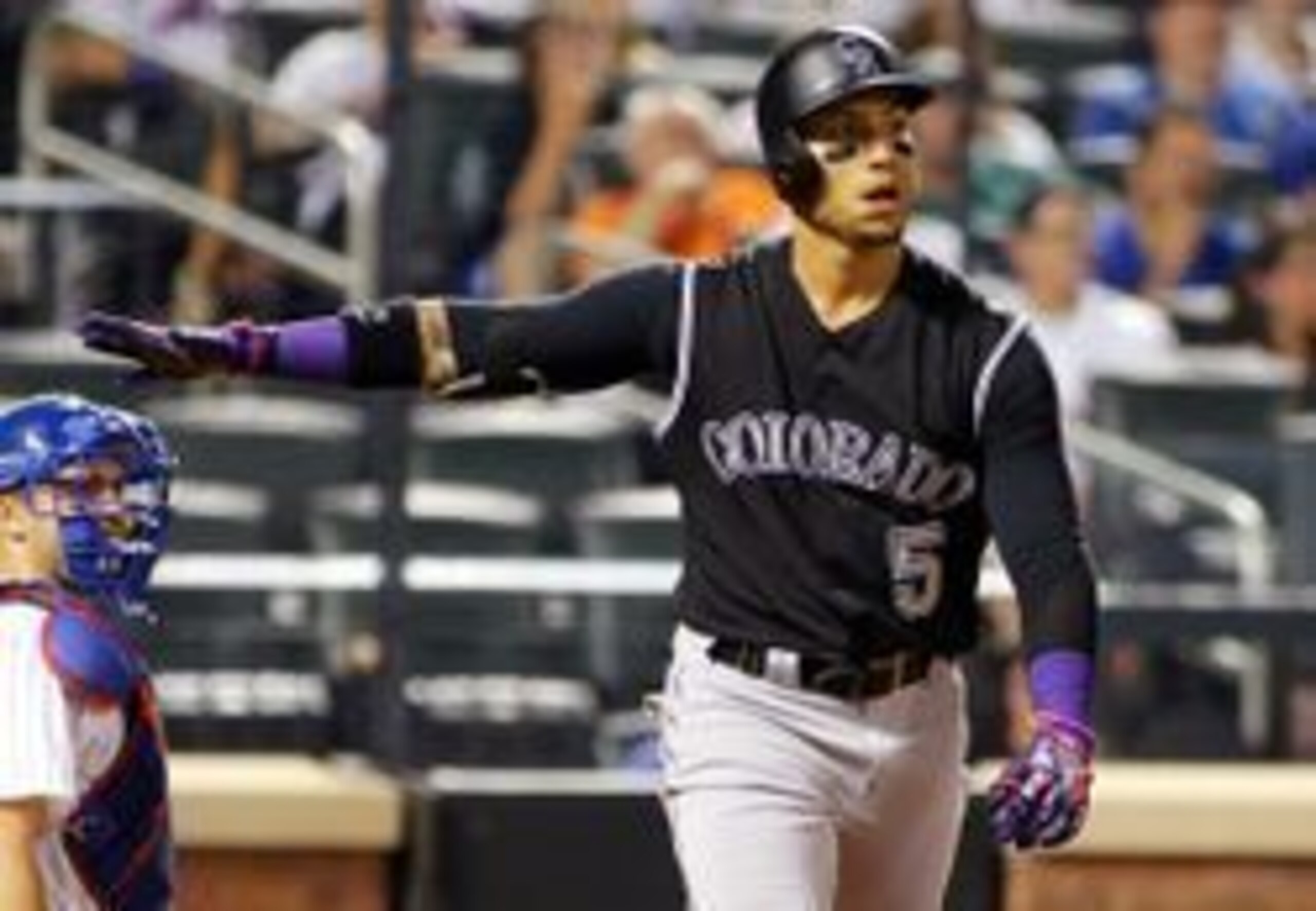
G: 149 PA: 627 AVG/OBP/SLUG: .299/.351/.508 HR: 25 SB: 2
Hitting
The Coors Field caveat doesn't always apply, but it always applies to Carlos Gonzalez. He doesn't have the kind of approach that would travel well. He's all about hitting the ball hard, which he managed just fine with average exit velocity of 91.1 mph. But with an approach that involves a lot of swings (51.7 Swing%) and too many swings and misses (71.3 Contact%), his ability to hit the ball hard is all he has. That creates a small margin for error away from Colorado.
Power
The thin air of Coors Field also helps Gonzalez's power. He hit 18 homers at home and only seven on the road. Despite its loopy shape, his swing doesn't create a high launch angle. It's up to his raw power to get the job done. He fortunately has plenty of that. His fly balls and line drives averaged 93.3 mph, and his home runs averaged an outrageous 427 feet. And even for a Coors Field hitter, 42 doubles on top of 25 homers are pretty good.
Baserunning
Gonzalez once had speed to go with his power, but age and injuries have ruined that. His two steals in four tries is his new normal. The same goes for his rate of extra bases taken. At 40 percent on hits, it fell short of the roughly 50 percent he averaged at his peak.
Defense
Gonzalez has had his ups and downs on defense. This year was one of his ups. His speed may be diminished, but it's still good enough even for a big outfield like the one at Coors Field. Surprisingly little got past him this season. He also has an arm that's as strong as ever, and he put it to good use with eight assists.
Total
There's no getting around Gonzalez's home/road splits. But while his overall numbers are skewed by Coors Field, his bat is still dangerous and it comes with a reliable glove.
10. Nelson Cruz, Seattle Mariners
32 of 41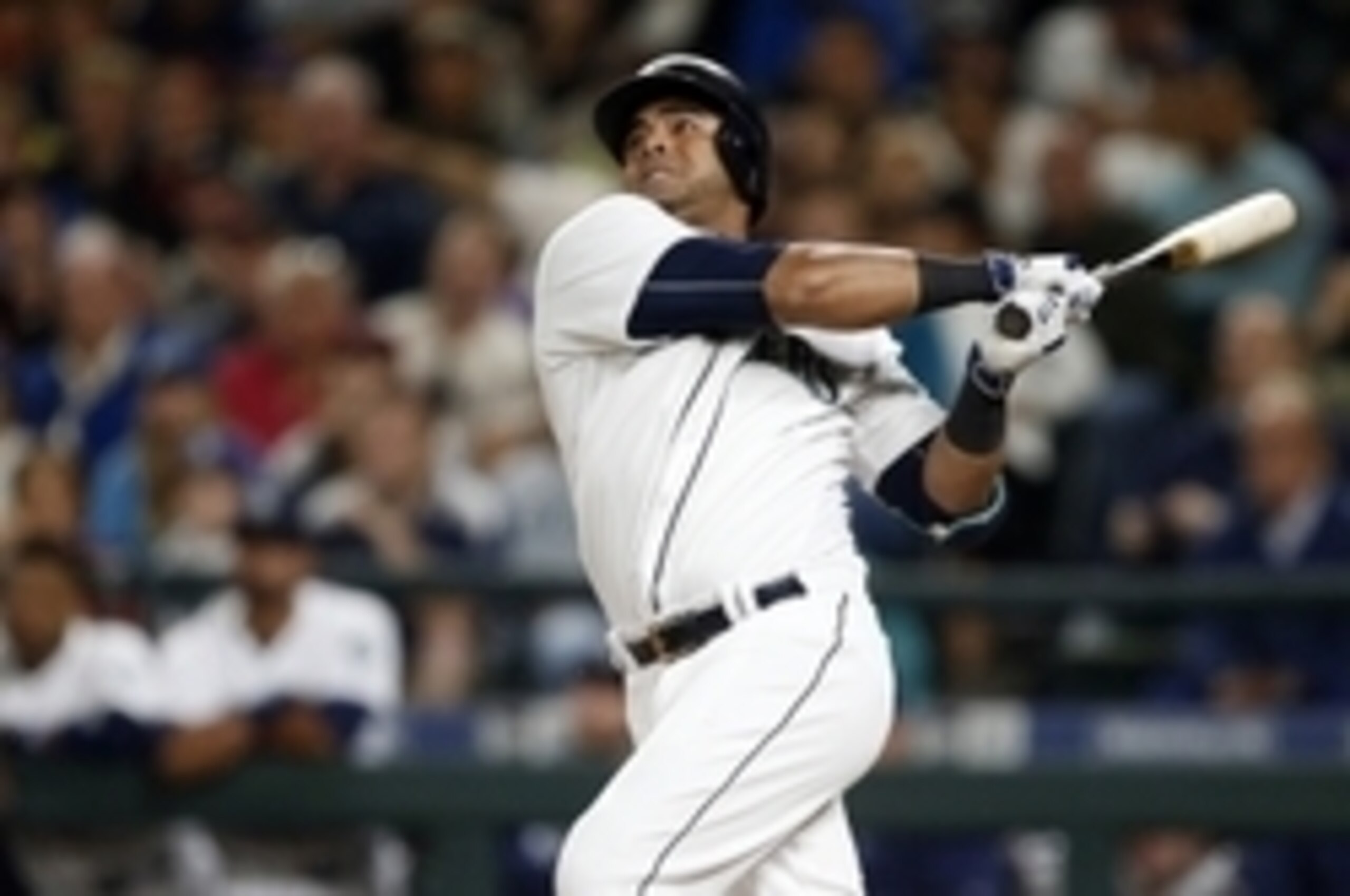
G: 155 PA: 667 AVG/OBP/SLUG: .287/.360/.555 HR: 43 SB: 2
Hitting
Nelson Cruz's best asset as a hitter is no secret. You can hear it every time he makes contact. Balls off his bat in 2016 traveled at an average of 95.9 mph, the highest in the league and an absurd number in general. To go with that, his other quality is being good at choosing his swings. But try as he might, he can't close enough holes in his swing to cut down on his strikeouts. And this year, teams had good success shifting on him more often.
Power
If all balls off Cruz's bat are loud, fly balls and line drives are extra loud. He hit them at an average of 99.2 mph, another absurd number that was also the highest in the league. He also got under the ball well with an 11.5-degree launch angle. He is arguably the most powerful hitter in baseball, but there is one nit to pick that bars him from bonus points: He didn't mix in many doubles (27) with all his dingers.
Baserunning
Cruz hits like a big boy but runs like one too. But it's to his credit that he took the extra base a solid 37 percent of the time on hits, including 10 first-to-thirds in 34 chances.
Defense
Cruz spent most of his year as a designated hitter, but 400.2 innings in right field are a few too many to overlook. He's not that huge of a liability in the sense that he's at least able to make the routine play. He had a 98.6 success rate on those. But that's about the extent of his abilities. He has little range and doesn't do much damage with his arm.
Total
It's business as usual for Cruz: His job is to hit, and he does his job by hitting the ball harder than anyone in the league. That'll do.
9. Bryce Harper, Washington Nationals
33 of 41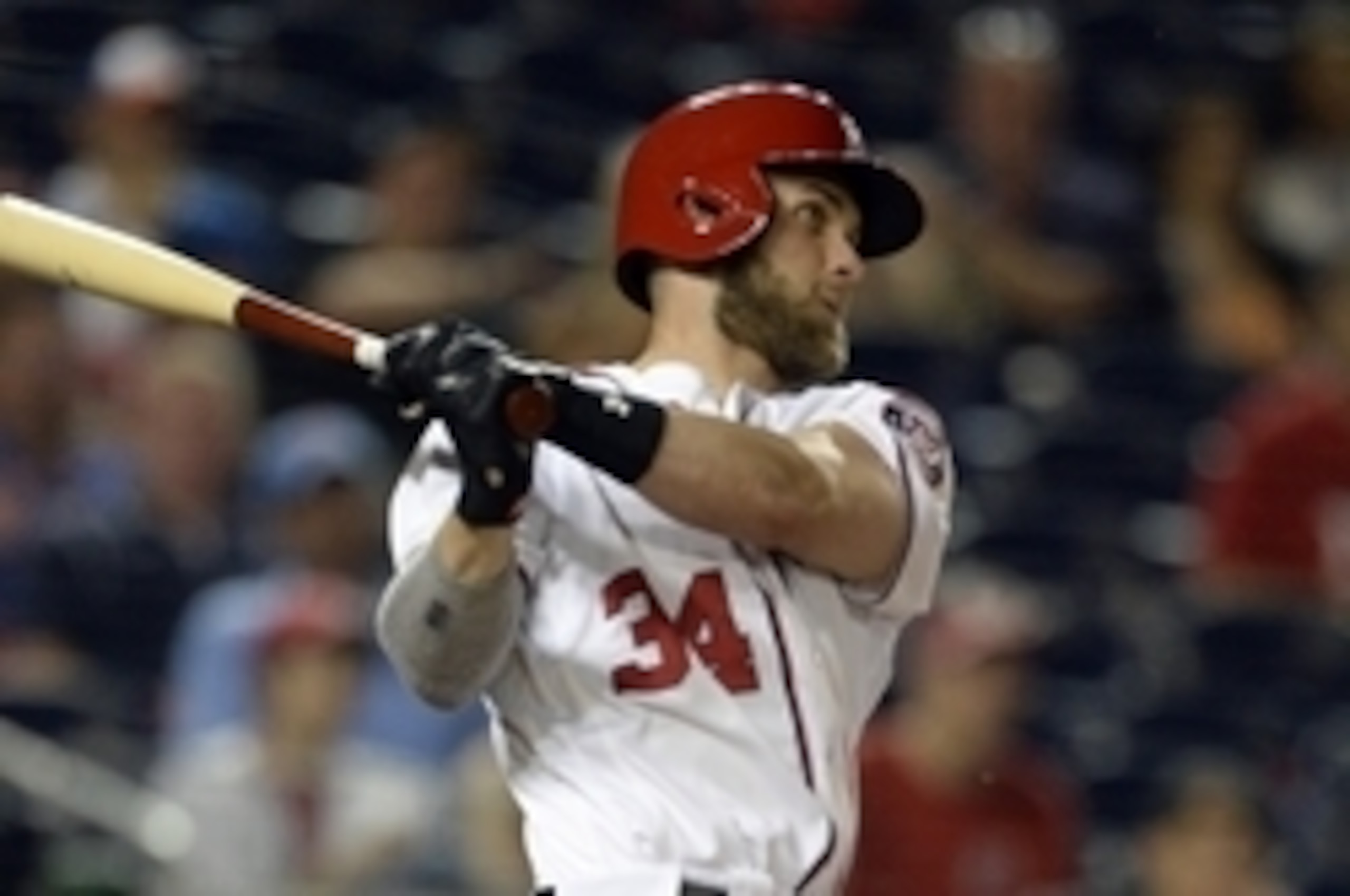
G: 146 PA: 622 AVG/OBP/SLUG: .243/.373/.440 HR: 24 SB: 21
Hitting
A recurring theme is how the odds are stacked against Bryce Harper by virtue of how few strikes he sees. His discipline turns many of those balls into walks, which is a big plus. The issue in 2016 was his quality of contact. It was down overall and was generally inconsistent after his hot start. His supposed shoulder injury could well be the culprit. Elsewhere, seeing more shifts than he did in 2015 made things even more difficult. So while he earned his high OBP, his low average is no fluke.
Power
Harper hit 42 homers and slugged .649 last season with a perfect combination of launch angle, exit velocity and a pull-happy approach. His launch angle remained fine in 2016, but the other two things weren't up to par. His exit velo on fly balls and line drives declined from 94.6 mph to 92.8 mph, and his pull rate fell below 40 percent. But now for the good news: Harper may not have measured up to his 2015 self, but he remained a good power hitter all the same.
Baserunning
As Harper's power decreased, his activity on bases increased. His 21 steals are a new career high. He also took the extra base on hits 57 percent of the time. But in keeping with a theme of Harper's career, there was a downside to all this hustle: 10 caught-stealings and 11 other outs on the bases.
Defense
Harper is one of the best all-around athletes playing right field. His speed gives him plenty of range, particularly for going back on the ball. He also has an arm that ESPN.com's Keith Law rates as the best of any outfielder. Runners don't test it that much anymore. Harper's flaw is that he gets by more on athleticism than he does on instincts. Neither his reads nor his routes aren't as smooth as, say, Jason Heyward's.
Total
Harper fell pretty far from his 2015 performance, and any investigation into why that is will turn up quite a few red flags. But we also have to be real. Harper wasn't as good, but on the whole he remained a good on-base guy with good power, speed and defense.
8. Gregory Polanco, Pittsburgh Pirates
34 of 41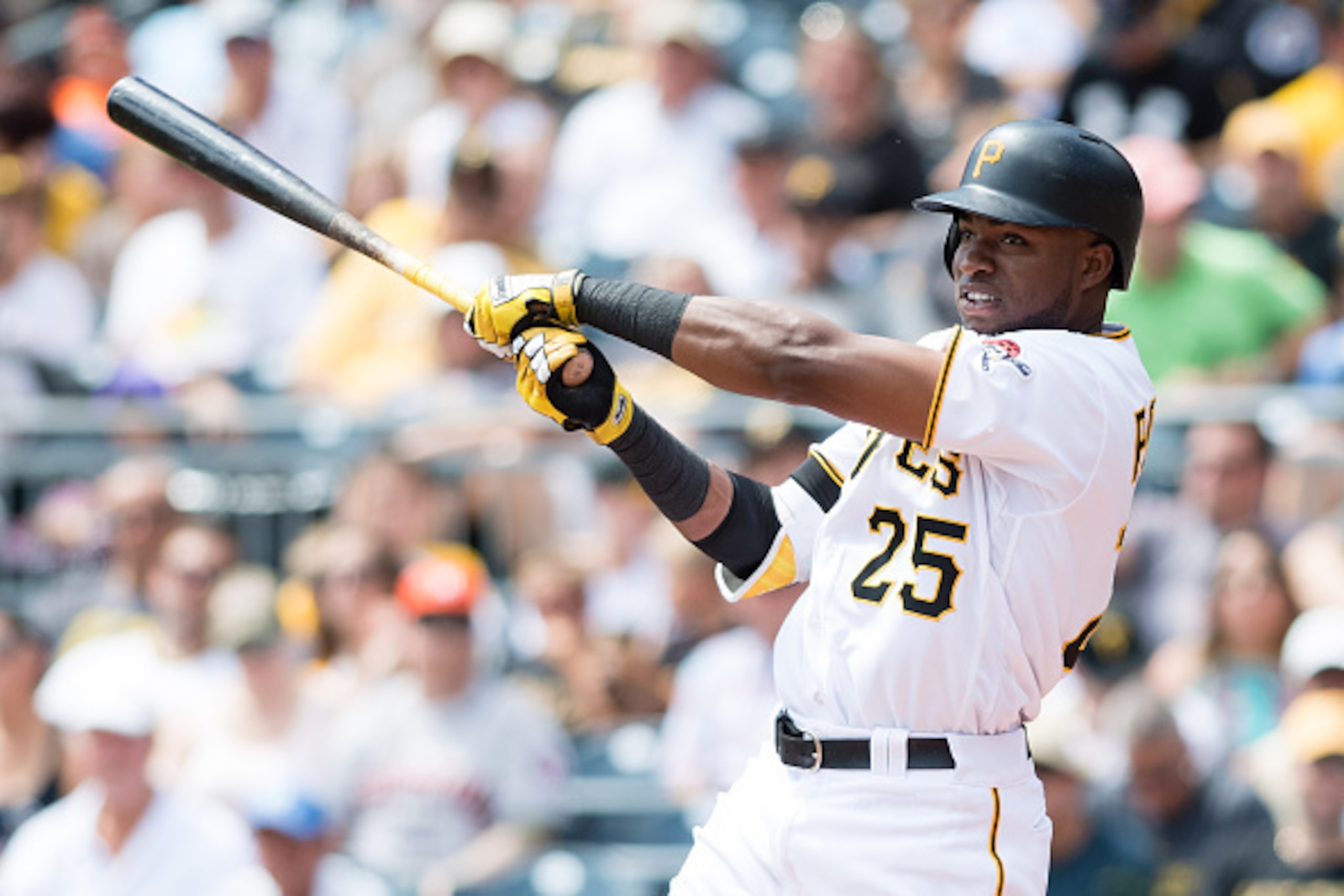
G: 143 PA: 582 AVG/OBP/SLUG: .260/.324/.467 HR: 22 SB: 17
Hitting
Gregory Polanco began settling in last season, showing good discipline with a good contact rate. The big adjustment he made this year was shortening his swing. This allowed him to get around on more pitches, which is why his pull rate got so much higher. The downside of that is how it made him more susceptible to shifts. But it also helped him make better contact. Both his exit velocity and his hard-hit rate went up this year. Polanco isn't perfect yet, but his flaws are evaporating.
Power
A higher pull rate and better contact will indeed result in more power. To boot, Polanco also upped his launch angle from 10.3 degrees to 13.0 degrees. That meant more chances to show off his raw power, which was pretty darn good with an average of 93.9 mph on fly balls and line drives. Polanco's opposite field power became virtually nonexistent, but that wasn't a deal-breaker.
Baserunning
Polanco forgot about his speed in the midst of his power uprising. In addition to his 17 steals, his rate of extra bases taken on hits fell from 64 to 27. He ran into fewer outs, at least. But with six caught-stealings and five other outs on the basepaths, he didn't eradicate that issue entirely.
Defense
It takes a few steps for Polanco to get his 6'5" and 230-pound frame in gear, so he doesn't specialize in tracking down line drives. But he is faster than the average right fielder when he's underway, affording him some pretty good range. He also has more than enough arm for right field.
Total
Polanco just keeps getting better. Now that he has some power to go with his consistency at the plate, he's one of the most well-rounded right fielders in the sport.
7. Adam Eaton, Chicago White Sox
35 of 41
G: 156 PA: 701 AVG/OBP/SLUG: .285/.362/.429 HR: 14 SB: 14
Hitting
The bad news is that Adam Eaton has become a more aggressive swinger and an inferior contact hitter than he used to be. But this barely qualifies as bad news, as both of those skills remain relative strengths. Meanwhile, he's discovered a nice balance with his batted balls. He found a launch angle that's not too steep but also doesn't put the ball on the ground too often. It also allowed for much improved exit velocity at 89.4 mph to the whole field. In short, he's become a tough out.
Power
Eaton may now be operating less like a power hitter, but he's still a more powerful hitter than he was when he first came up. Although it won't blow anyone away, his average of 90.6 mph on fly balls and line drives was at least competent. Meanwhile, he continued showing a good swing for the gaps. And with his speed and hustle, anything that lands in space is still a threat to be extra bases.
Baserunning
Despite his plus speed, 2016 was another year of Eaton not escaping the teens in stolen bases. And while he did manage a 55 percent success rate taking extra bases on hits, his aggressiveness also got him in trouble. This was the second year in a row he's run into a dozen outs on the basepaths. As much as everyone admires hustle, Eaton is a reminder that it has to be done right.
Defense
Eaton wasn't much of a center fielder. He had the speed for the job, but his routes were Bootsy Collins-level funky, resulting in less range than expected. This wasn't an issue in right field, where Eaton's speed alone allowed him to cover huge swaths of ground. It's also a better place for him to show off his arm, which apparently got stronger over the winter. It's now a weapon to be feared.
Total
Eaton wasn't much more than a slap hitter with occasional power before 2016. Now he's a slap hitter with occasional power who plays one hell of a right field.
6. George Springer, Houston Astros
36 of 41
G: 161 PA: 743 AVG/OBP/SLUG: .260/.358/.456 HR: 29 SB: 9
Hitting
George Springer entered the league as a powerful but wild swinger. He's since cleaned that up. His strikeout rate stayed down in 2016, as his excellent discipline came with a career-best 73.8 Contact%. This could have hurt the quality of his contact, but it didn't. Both his launch angle and exit velocity stayed right where they were at in 2015. Now all he needs to do is plug the massive hole he has up and in and also, somehow, get more consistent going the other way.
Power
Springer has good raw power. Exhibit A: his average of 94.6 mph on fly balls and line drives. Exhibit B: his ability to give the ball a ride to all parts of the yard. The one thing he's missing is a steeper launch angle that would allow him to get under more balls. But he seems more focused on being a consistent hitter instead, so that can wait.
Baserunning
For a guy who once stole 45 bases in a minor league season, Springer going just 9-for-19 in steals this season is another in a line of disappointments. He's a good runner, but it's apparent he lacks the kind of burst that it takes to be a great base stealer in the majors. To boot, he also ran into 11 other outs. This is too much damage to ignore relative to the many extra bases he took on the side.
Defense
Springer's speed plays better in the outfield, where he has more room and time to get going. He also gets good jumps. These things mashed together in a single person equals a whole lot of range. Springer's arm is also a weapon. He gets good velocity and good carry on his throws, which are also accurate.
Total
Springer has some flaws in his game, but it's good enough for now that he's erasing his flaws at the plate and turning himself into a reliable two-way player.
5. Yoenis Cespedes, New York Mets
37 of 41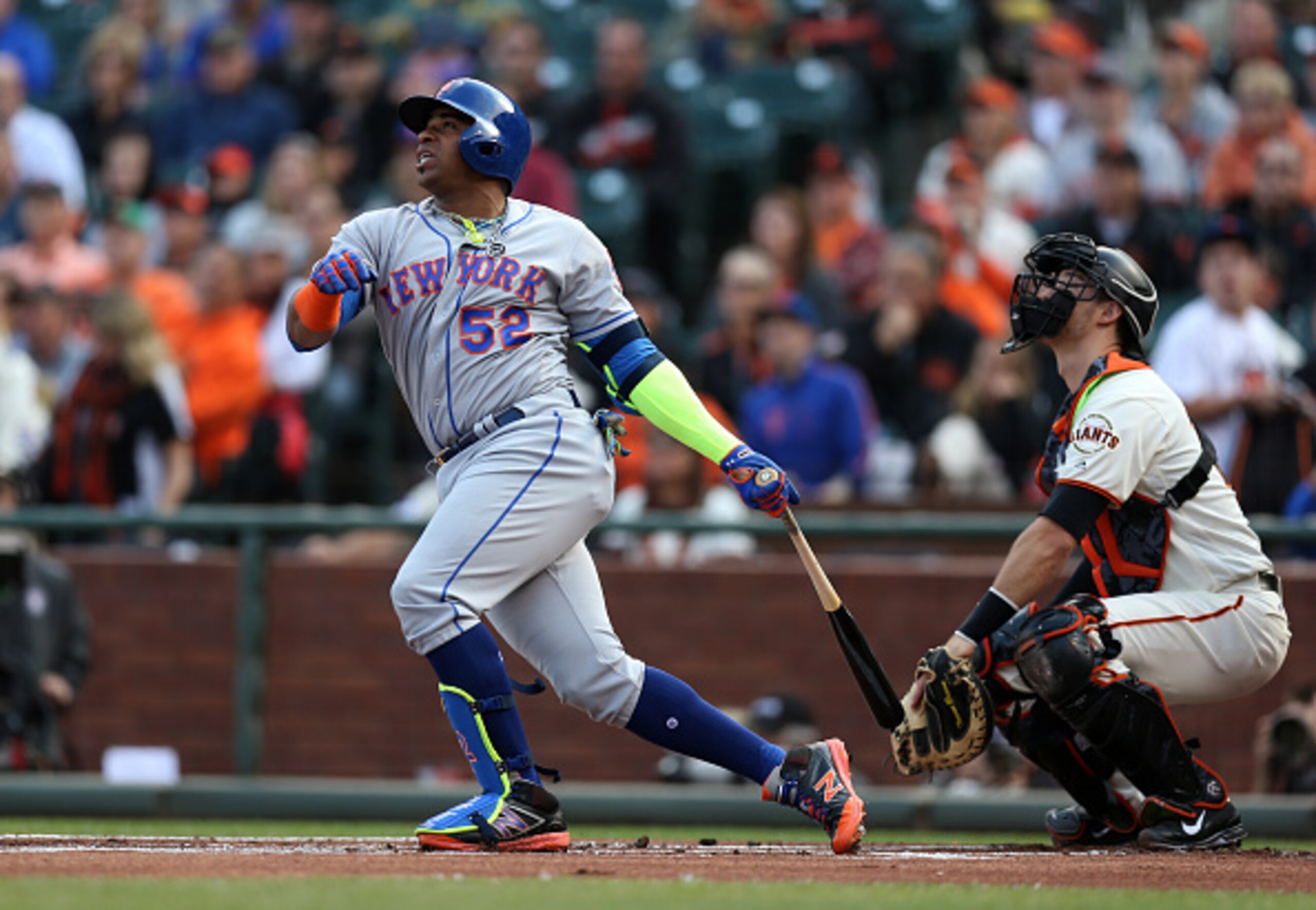
G: 132 PA: 543 AVG/OBP/SLUG: .280/.354/.530 HR: 31 SB: 3
Hitting
Yoenis Cespedes likes to swing his bat, but not as much in 2016 as in years past. Evidently knowing danger when they see it, pitchers avoided the strike zone against him more frequently than they had since his rookie year. He tightened his discipline in response, which explains his career-high 9.4 walk percentage. Otherwise, his plan was still to try to put new craters in the moon. He was good at this, averaging 92.6 mph on his batted balls and posting the highest hard-hit rate of his career.
Power
It turns out last year's huge power surge was the real deal. Cespedes' immense raw power is no secret by now, and he showed it off by averaging 95.2 mph on his balls in the air. And this year, a higher average launch angle at 14.4 degrees helped him produce more of those. If not for injuries, he would've had an easy shot at topping last year's 35 homers.
Baserunning
Cespedes is a blur when he gets moving, but it takes effort to get his 5'10" and 210-pound frame up to speed. Plus, his legs have taken some beatings in his career. It's therefore understandable that he didn't bother trying to steal bases, and that he took the extra base on hits only 39 percent of the time.
Defense
It's a good thing that Cespedes played most of the season in left field. His tendency for strange routes isn't as big of an issue in left field, where his speed allows him to more easily cover a smaller amount of ground. He still has gaffes, but they're not as frequent and not as costly. And while runners know not to test his arm by now, there's a good reason for that: They will lose.
Total
Cespedes has continued his transformation into an elite power hitter. With that done, he's basically the player everyone envisioned back when "The Showcase" first arrived.
4. Ryan Braun, Milwaukee Brewers
38 of 41
G: 135 PA: 564 AVG/OBP/SLUG: .305/.365/.538 HR: 30 SB: 16
Hitting
Behold a healthy Ryan Braun. He made his contact rate go retro, allowing him to justify his aggressive approach for the first time in a while. Braun was once again a rare aggressive hitter whose reach doesn't exceed his grasp. The catch is that he no longer drives the ball as well as his prime self. Both his launch angle and his exit velocity were down. But since he remained a hard hitter by league standards and also spread the ball around, we shouldn't be surprised that he hit .300.
Power
Hypothetically, a smaller launch angle and less exit velocity shouldn't lead to more power. But Braun's raw power was just fine in 2016. He averaged 94.5 mph on what he did put in the air. And it's not as if he was hitting fence scrapers. His average home run was 403 feet, and no bleacher section was safe from his barrage. He wasn't muscling up all the time, but he didn't miss when he did.
Baserunning
Braun had a couple of years in 2013 and 2014 when it looked like he was slowing down for good. Not so much anymore. He was 16-for-21 stealing bases after swiping 24 last season. He also took the extra base on hits 51 percent of the time. And after running into 20 outs in the last two seasons combined, he ran into only four this year. For a 32-year-old with a lot of miles on his legs, this is good stuff.
Defense
Braun's outfield defense remains a mixed bag. On the one hand, he's a solid enough athlete for left field, and that results in a good amount of range. He also has an arm that's fine for left field. But he's not an instinctive fielder, leading to some zig-zaggy routes and poor judgment that results in makeable plays going unmade.
Total
Since age is having no effect on him, it appears that good health is all Braun needs in order to be himself: a good hitter with power and athleticism.
3. Starling Marte, Pittsburgh Pirates
39 of 41
G: 129 PA: 529 AVG/OBP/SLUG: .311/.362/.456 HR: 9 SB: 47
Hitting
It's about time Starling Marte was a .300 hitter. The one thing he needed to do was become a good contact hitter. Once he finally did that last year, he sold out for power and tried to pull too many balls. In 2016, he became what he needs to be: an all-fields hitter who focuses on making good contact on line drives and ground balls. His big vice remains his aggressiveness. But since he's now a good contact hitter, all that's costing him is walks. That's a bummer but not a tragedy.
Power
Marte's power decline but not because of his launch angle. It actually went up from 6.3 degrees to 10.0 degrees. And when he did get the ball airborne, he showed decent raw power with an average of 92.6 mph in exit velo. But without a steady pull rate to translate these things into home run power, Marte had to settle for gap power and occasional home runs.
Baserunning
Getting away from last year's power meant a return to Marte's speed game. In addition to his 47 steals, he also took the extra base on hits 52 percent of the time. The catch is that Marte is still prone to running into outs. He got caught stealing 12 times and made seven other outs on the basepaths. Even still, he earned some bonus points by outrunning corner outfield standards.
Defense
Marte is a center fielder who's playing left field in deference to a superstar. Whatever the case, he looks like a center fielder, using his speed and good reads to track down anything and everything. He makes it look so easy, in fact, that highlight-reel catches are relatively infrequent. Marte's arm isn't anything special, but his accuracy gets some plays made.
Total
Marte isn't a household name yet, but it's not by accident he was an All-Star for the first time in July. This was his best all-around season to date, featuring consistent hitting, good power and lots of speed and defense.
2. Christian Yelich, Miami Marlins
40 of 41
G: 154 PA: 654 AVG/OBP/SLUG: .295/.375/.478 HR: 21 SB: 9
Hitting
Christian Yelich is a unique hitter. His excellent discipline may be a typical sign of a good hitter, but in 2016 he also had one of the lowest launch angles and highest GB/FB ratios in the majors. Neither made life difficult for Yelich because of his uncanny ability to aim the ball while also finding the barrel. He sprayed the ball all over while maintaining an average of 93.3 mph with his exit velocity. The one thing keeping him from a perfect score? He's not a great contact hitter.
Power
Yelich has been a gap power guy in the past. Now he has some home run power, too. His trick is crushing whatever he does get in the air, as he averaged 96.8 mph on fly balls and line drives. In the past, that power has only been good for pull home run power. But in 2016 he expanded his horizons beyond right field. If he played anywhere other than Marlins Park, he likely would have hit for even more power.
Baserunning
Yelich's power burst decreased his need to be a base stealer, as he attempted only 13 steals after swiping 37 total bags in 2014 and 2015. He was otherwise still an aggressive runner, taking the extra base on hits 50 percent of the time. And true to his instinctive style, he ran into just two outs.
Defense
Yelich won a Gold Glove in 2014 and continued doing his usual thing in left field this season. He's one of the better athletes at the position and might be the most confident route-runner there is. There's not much that escapes his grasp. And while his arm is lacking in strength, he's accurate with it.
Total
Yelich badly needs more national exposure. He's one of the best pure hitters in the majors, and his skill set extends beyond what he can do with the bat.
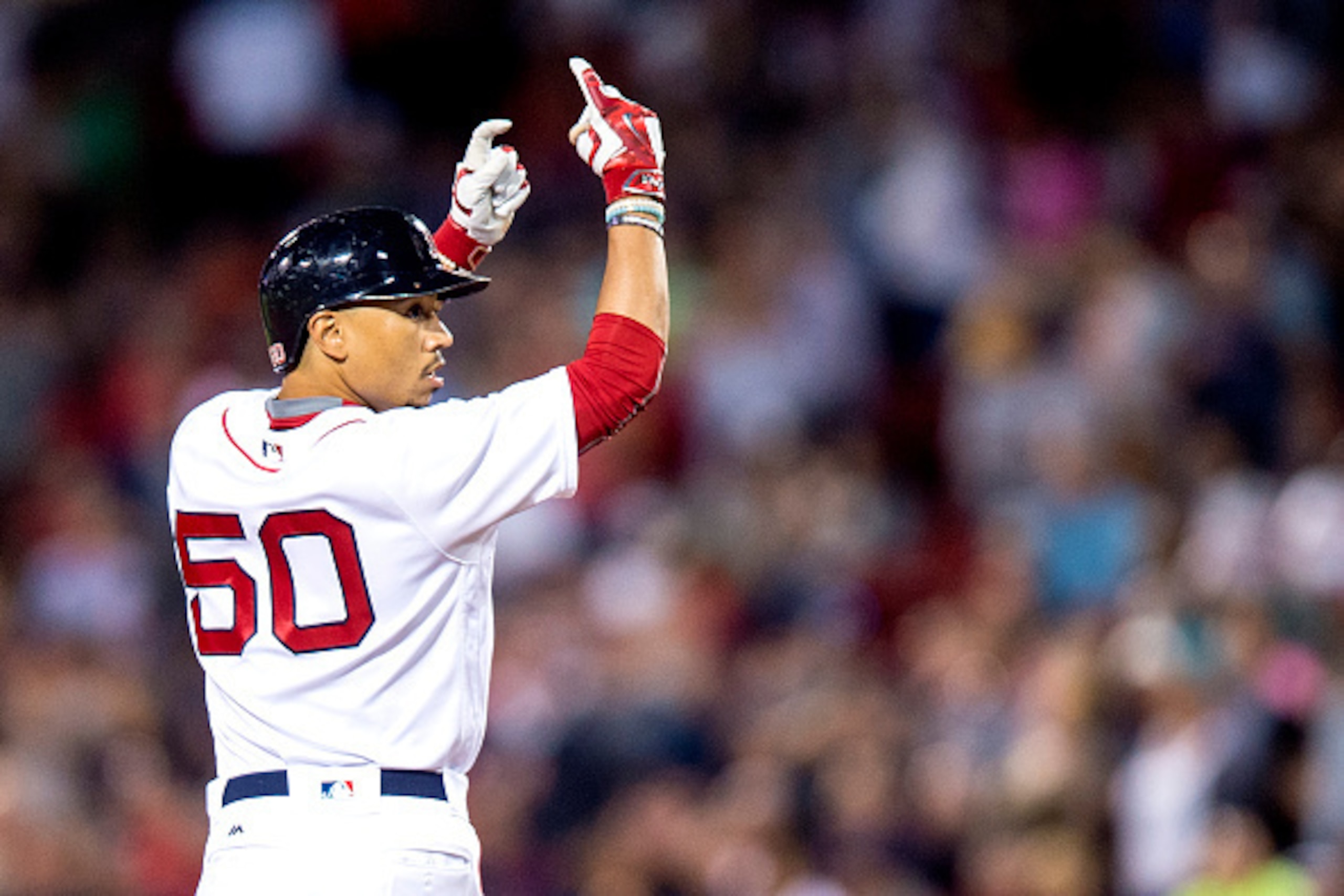
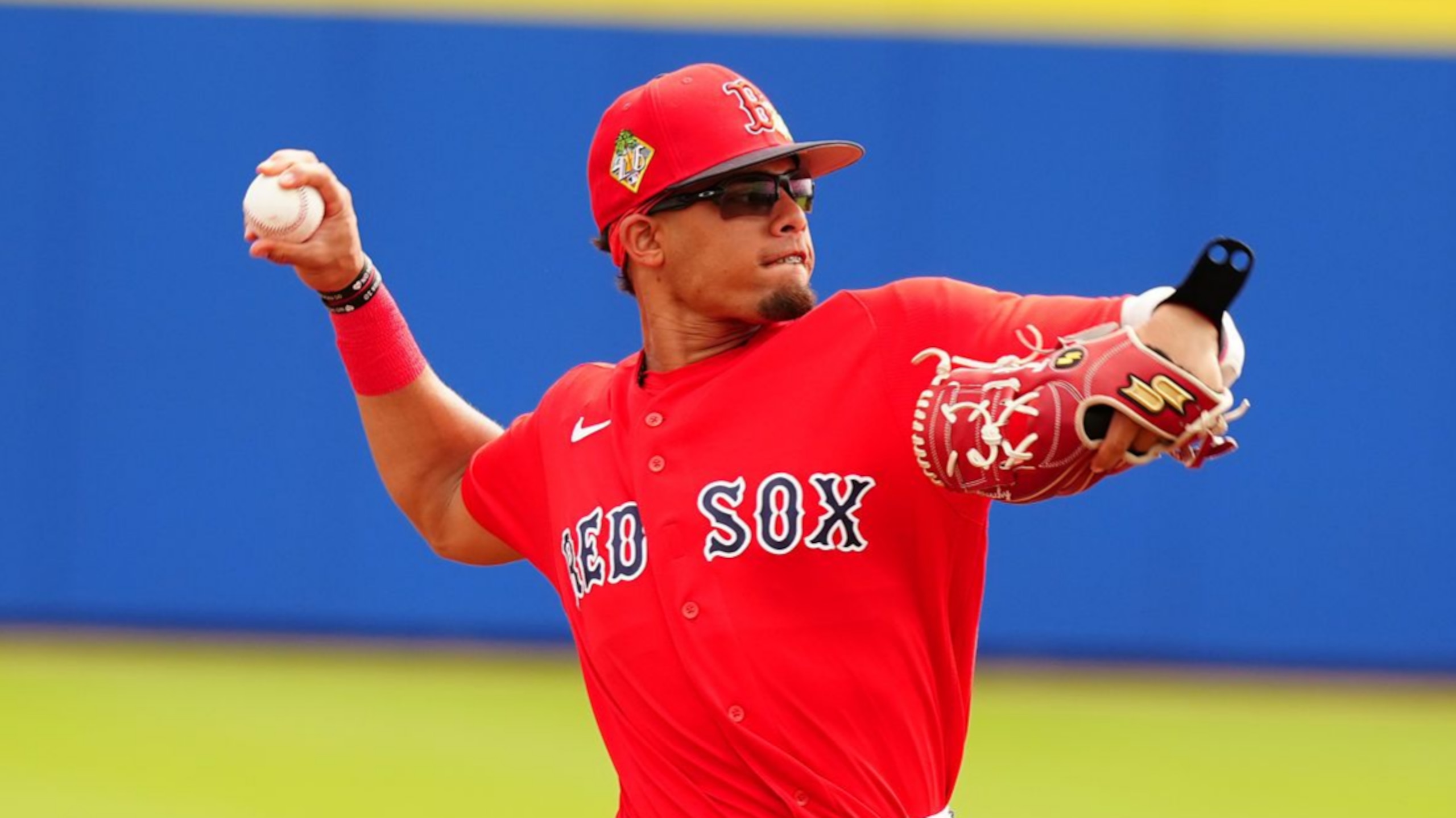
1. Mookie Betts, Boston Red Sox
41 of 41
G: 157 PA: 726 AVG/OBP/SLUG: .320/.365/.537 HR: 31 SB: 26
Hitting
The one disappointing thing about Mookie Betts is the awesome walk rates he had in the minors haven't translated to the majors. But that's pretty much it as far as disappointments go. He's exceptionally disciplined despite his lack of walks. He's also an outstanding contact hitter who rarely gets jammed, posting solid exit velocity at 90.6 mph in 2016. He's mostly a pull hitter, but he spreads his hits around. So, yeah, dude's good.
Power
How the heck does a 5'9" hitter like Betts hit 31 homers? Well, Fenway Park has helped. There's no point in ignoring that. But Betts also generates some impressive power with his quick wrists, averaging a solid 92.6 mph on balls in the air this season. And whereas it used to be easy to avoid that power by pitching him away, that's no longer the case. About the only thing he's missing is a high launch angle.
Baserunning
Betts isn't the fastest runner, but he combines speed and instincts as well as any player in the majors. He was caught stealing only four times all year. And if taking the extra base on hits 59 percent of the time is a good reflection of his aggressiveness, the three outs he's made all year are a good reflection of his caution.
Defense
The Red Sox bumped Betts from center field so they could play Jackie Bradley Jr. there, but playing right field at Fenway Park isn't that far removed from playing center field. And Betts is the perfect guy to handle it. He's not the most instinctive fly-ball tracker, but he breaks quickly and gets plenty of range out of his speed. And just as his power is big for a little guy, his arm is too.
Total
Betts may not be the best player in the game, but he's arguably the most well-rounded. He has power, speed and a good arm, and his approach to everything he does only amplifies his abilities.


.jpg?w=2560 "Lions Clear $35.6M Cap Space")

.jpg?w=2560 "Report: Tucker Kraft Earns $75M Deal")
.jpg?w=2560 "Most Important 2027 NFL Free Agents")

.jpg?w=2560 "Cooper Rush Injury Update")