The NFL Was Wrong, but It's Time to Move On
The national conversation about football and concussions has been going around in circles for years. Last week, it began going backward.
The New York Times reported on March 24 that data collected between 1996 and 2001 by the NFL as part of a controversial concussion study was plagued by massive omissions. The data was doomed to be incomplete no matter what, since it came from an era when players still "got their bells rung" and concussions often appeared on official injury reports as "neck stingers" or "turf toe." But the Times learned that the NFL doubled down on its fudging by allegedly omitting injuries to low-profile players like Troy Aikman and Steve Young, apparently hoping no one would notice.
.jpg?w=2560 "Green Bay Steelers Football")
.jpg?w=2560 "Chargers Mack")
.jpg?w=2560 "Giants Football")
The Times then hedged on the newsworthiness/clickability of its findings by ladling hundreds of words into the article about a tenuous connection between the NFL and the tobacco lobby after explicitly stating that "the Times has found no direct evidence that the league took its strategy from Big Tobacco."
The NFL's legal department seized on the tobacco portion of the investigation and issued a retraction demand that was somehow both ominous and ridiculous. The Times' legal department responded with a statement that can best be paraphrased as, "Meet us behind the school yard at recess."
And so the serious, complex topic of head trauma in football descended into a legal piddle contest about the circumstantial material in a report about 15-year-old research that we all stopped believing in long ago anyway.
Just two weeks after Jeff Miller, the NFL's senior vice president for health and safety, acknowledged the link between football and CTE to members of Congress—a moment that should have represented a major turning point on the issue—the NFL was back to acting spooky and evasive like the Kremlin circa Rocky IV. Meanwhile, some of the league's most credible critics lost focus in the middle of a powerful investigative report and played connect-the-dots to portray the league as evil-Evil-EVIL.
We've been stuck in this loop for years. We attack the NFL like it's the Death Star. The league acts dictatorial and reactionary. Much outrage and many think pieces are generated. September arrives and we forgive and forget so we can go back to writing sonnets about J.J. Watt. Then we return to square one during the next lull in the news cycle.
That's why I respond to NFL concussion news not with anger, scorn or moral righteousness, but with a simple three-word question: So what now?
What do we do about this problem? How do we move forward and make things right? Can we use this information to make football safer? Save lives? Improve the quality of life for former players? Do anything besides getting howling mad, demanding Roger Goodell's head in a stockade this week and then spending next week talking about draft sleepers?
Those questions aren't meant to let the NFL off the hook for what it did. By reportedly fudging its research, the NFL delayed progress on making football at all levels safer. Thousands of players faced health risks that they didn't have to face and didn't really understand. That's the sin revealed by the Times report—not some theoretical clandestine deal with the Big Tobacco boogeyman. Frankly, the Times should have realized that instead of going on its tobacco tangent.
Anyway, it's also been long assumed that the league's concussion research of the early 2000s was, at best, compromised. The Times report shed new light on that old problem, fresh evidence of an old crime. But we knew the gist of the cover-up. There was a Will Smith movie about it, after all. The NFL, like so many other powerful industries and institutions, did terrible things.
So what now?
For all its many, many, many faults, the NFL has at least charted a path forward. Current policies aren't based on that old, bogus research. The league has introduced concussion protocols and reduced hitting in practices. It has outlawed dangerous hits. Its policies have trickled down to the NCAA and high school levels. The NFL negotiated a $900 million class-action settlement that is currently hung up in appeals. The league's official stance on CTE has recently become much clearer than, say, Congress' stance on global warming.
(Recent league memos obtained by Pro Football Talk equivocate the CTE-football link somewhat. But the ball is still much farther down the field than it has ever been.)
Just citing those recent advances feels like columnist heresy; I should just post "this guy is an NFL stooge" at the top of the comment thread so that many of you can conveniently cut and paste it. Condemning the NFL is so easy, fun and profitable—the league is guilty of so much, so often—that it can easily become a reflex. It's harder to step back and realize that much of what has everyone so angry is already in the rearview mirror.
The revelations in the Times report remind us that we have to watch the NFL like convicts cleaning a highway median whenever the league makes a move on the head trauma front. When a team backslides on protocols, like the Rams did when they left a blatantly concussed Case Keenum in a game last November, the team and league must be called out. If the class-action settlement for retired players turns into a boondoggle, we should trumpet it in headlines. If a new treatment, procedure, medication or hunk of equipment can reduce the risk of head trauma by a few percentage points, we must insist that football players at all levels have access to it.
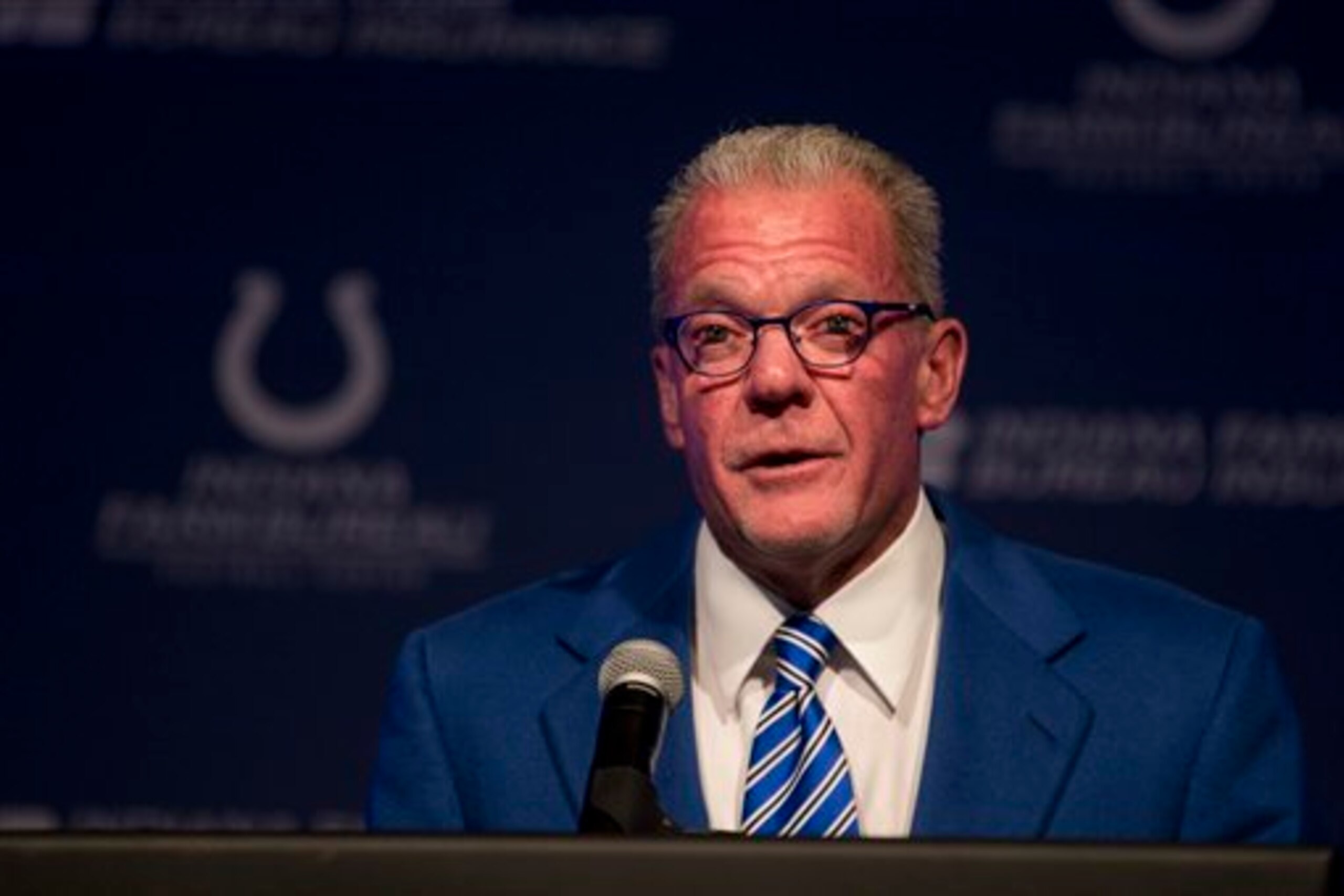
That said, we should move forward with the NFL instead of circling back endlessly to the days of smelling salts on the sidelines. There will be plenty of reminders of the bad old days in the months and years to come: more CTE evidence found during the autopsies of former players, more dumb remarks by on-the-defensive old-timers like Jim Irsay, more players retiring in their primes like Husain Abdullah.
Some see these things as signs of the coming football apocalypse. Much of it is actually a sign of progress: neurological data from deceased players that can spur research, retirements that show players now understand the risks they face, dissenting voices pushed toward the margins. Either way, it's our job to move forward. Former players suffered, some needlessly. Some new players might not think it's worth it. Old guys think in old-guy ways, which is why we don't discuss politics in front of Grandpa. So what now?
Four years ago, in May 2012, I remember getting an email from my sports editor at the Times (who has since moved on) seeking article pitches about the NFL being at "some kind of crossroads." This was one week after Junior Seau's death, in the midst of the Bountygate scandal, just months after a lockout. The league appeared to be in the midst of a crisis. Little did anyone know how bad it would get.
Since then, the NFL had to deal with a cataclysmic year-long domestic violence scandal. Michael Sam's arrival tested the league's inclusiveness. Bountygate ended with the commissioner's authority suffering blows from without and within. Deflategate proved that every NFL molehill can become an intensely litigated, globally reported mountain. The concussion issue has become arguably the most important, controversial topic in American sports.
"At the crossroads" is now the NFL's steady state.
We can argue that the NFL has failed, failed and failed again at all of the tests of the last four years. But the league improved its domestic violence policies, imperfect as they still are. Sam failed in the NFL, but he wasn't shunned, blackballed or picketed. Changes to the league's throne-of-Pharaoh power structure have been slow in coming but are at least on the bargaining table. The NFL policed itself during Bountygate. Roger Goodell admitted to mishandling the Ray Rice situation. The league's new concussion policies are far more than window dressing.
Say, how is American society as a whole doing on issues the NFL has tripped over, such as women's rights, LGBT acceptance, drug policies, labor relations and the limits and abuses of power? (Checks political news for, like, 45 seconds). Alrighty then. Looks like we are all at a crossroads.
I've spent four years since that "crossroads" email covering the NFL as it has tried to address its problems, lurching and veering into every possible ditch, bumbling the issues in front of it while getting blindsided by issues no one could have anticipated. The NFL is judged by standards of some combination religion-government-cultural leader, so of course it disappoints us at every turn and enrages us often.
It also makes progress sometimes on issues like brain trauma. Applauding the league might be taking things too far, but we can acknowledge steps in the right direction, encourage them and monitor them. That's a better use of our time than grabbing popcorn and watching lawyers mud-wrestle or trying to tie the NFL to the tobacco lobby or Voldemort.
Getting outraged about the same sins of the past over and over again does no one any good. I'm saving my outrage for the next thing that the NFL does wrong, the thing we may be able to do something about. It's time to move on. The NFL actually sounds more or less ready to make some progress. Maybe the conversation should join it.
Mike Tanier covers the NFL for Bleacher Report.
.jpg?w=2560 "Commanders Cowboys Football")
.jpg?w=2560 "Texans Patriots Football")