
Predicting Every MLB Team's Best and Worst 2015-16 Offseason Move
From the Toronto Blue Jays' mini-extension for Josh Donaldson to the New York Mets' pact with Yoenis Cespedes, MLB brain trusts across the league have been swinging some seriously shrewd deals during the 2016 offseason.
While the new contracts for J.D. and La Potencia headline the list of "best" moves, there has also been no shortage of suspect signings and trades.
Before we get to the following list, let's first define what we mean by "best" and "worst" moves.
The signings and trades that earned the "best" label all addressed crucial team needs in 2016 (and the near future beyond that) without hamstringing the given clubs in the long run. Meanwhile, the "worst" moves either didn't effectively address important team needs, or did so at an exorbitant cost compared to signings and trades for similar players.
And in the case of some clubs, the worst move was the one that—at least to this point—they've failed to make.
Arizona Diamondbacks
1 of 30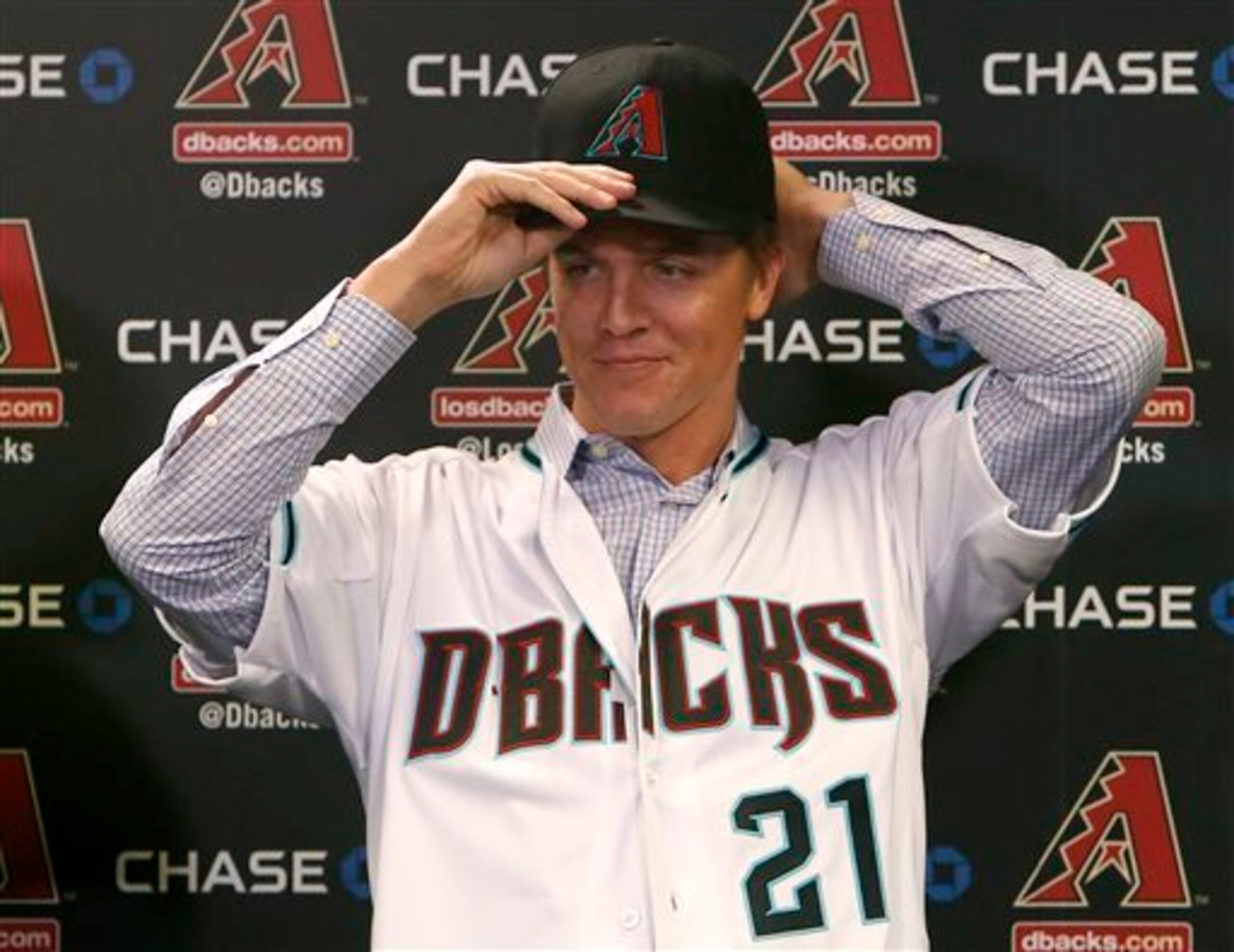
The Best: Signing Zack Greinke
The $206.5 million splash for Zack Greinke was just the move that the Arizona Diamondbacks needed to make.
The club already had a high-powered offense (second in the National League in runs last season), and now it has Greinke to lead the rotation. Greinke's arrival not only provides the D-backs with a No. 1 to set the tone for the rest of the staff, but also puts a serious dent in the Los Angeles Dodgers' rotation.
The Worst: Trading for Jean Segura
There's no question about it—the D-backs' middle infield was about as light-hitting as it gets in 2015. Just take a glance at the numbers:
- SS Nick Ahmed: .226 average, .634 OPS
- 2B Chris Owings: .227 average, .587 OPS
But is Jean Segura the guy to provide that much-needed punch? The numbers say no—emphatically:
- 2014: .246 average, .614 OPS
- 2015: .257 average, .616 OPS
Atlanta Braves
2 of 30
The Best: Selling high on Shelby Miller
The Atlanta Braves are going big on the tank job.
Just look at the franchise's decision to sell Shelby Miller to the Arizona Diamondbacks in a five-player deal. The Braves ended up snatching three players in center fielder Ender Inciarte, right-hander Aaron Blair and shortstop Dansby Swanson.
Swanson is the guy who makes this deal such a coup for Atlanta. The 22-year-old, who was the top pick in the draft last June, put up an impressive .876 OPS in an 83-at-bat stint over the summer.
The Worst: Failing to cash in on Freddie Freeman
There's no hiding the fact that Atlanta is tanking—and tanking hard.
So, here's the question: Why not cash in on Freddie Freeman?
The likely answer is that the first baseman is under contract for the next six seasons, which means he could be a building block for the rebuild.
Then again, the Braves need to be in the business of acquiring as many young pieces for the future as possible. Sparking a bidding war for the two-time All-Star certainly could have brought back a monster return.
Baltimore Orioles
3 of 30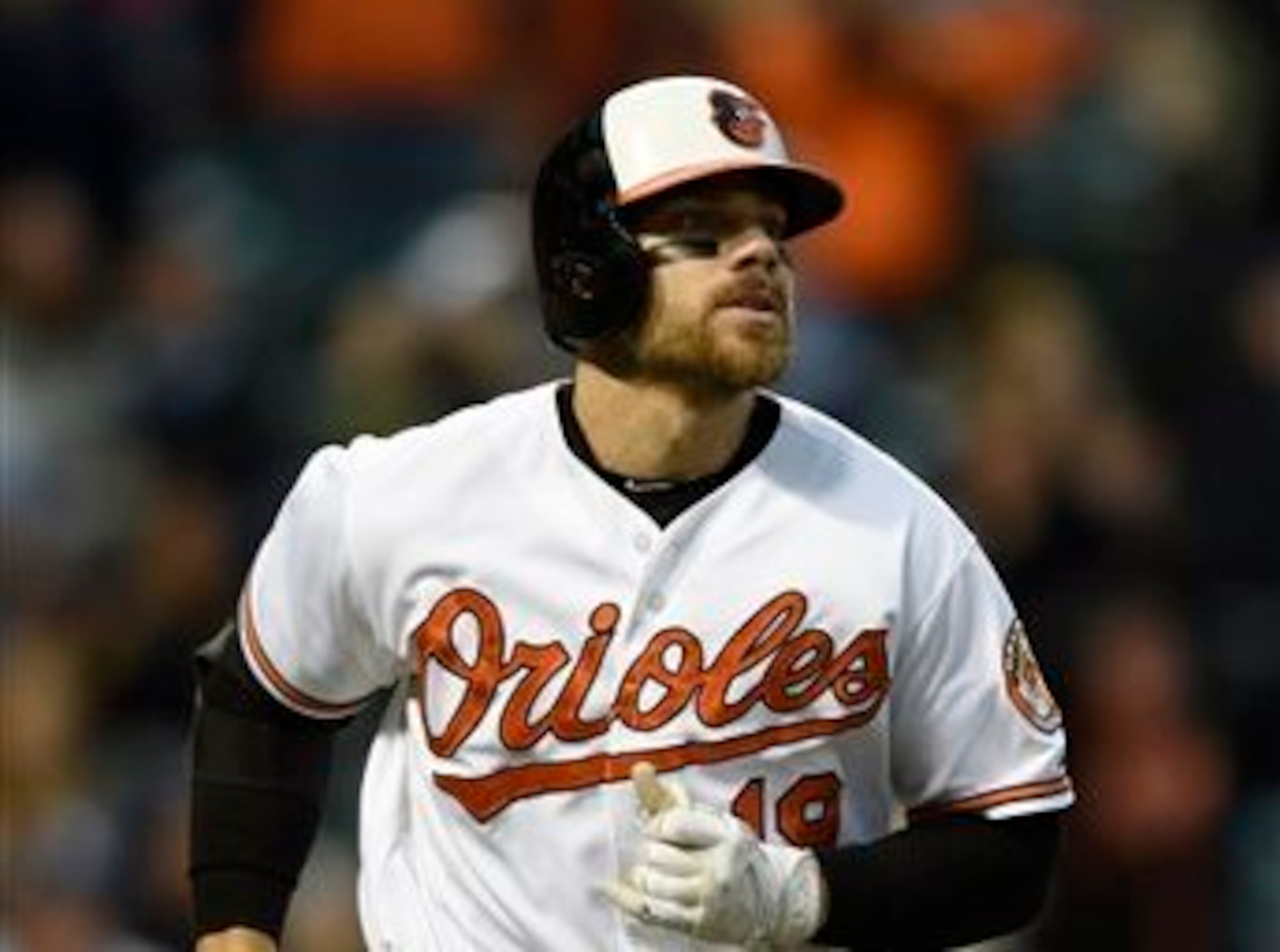
The Best: Locking up Chris Davis
Chris Davis-type power doesn't grow on trees.
Over the past three seasons, Crush Davis has average nearly 40 bombs a year. And the Orioles will have that power in the heart of their lineup for the next seven seasons after giving the first baseman a $161 million contract.
What's more, the Orioles will only be paying him $17 million per year because $42 million of the contract will be deferred (with no interest), according to Buster Olney of ESPN.com.
The Worst: Letting Wei-Yin Chen depart
Last year, the O's rotation was a glaring weakness, as the crew posted the second-worst ERA in the Junior Circuit. Since then, Wei-Yin Chen, who quietly posted a 3.34 ERA in 2015, has taken his talents to South Beach.
With Chen now a member of the Miami Marlins, Baltimore needs to acquire an established starting gun. According to Jon Heyman of MLB Network and WFAN, that starter could be Yovani Gallardo, as the two sides are in talks about making a deal.

Boston Red Sox
4 of 30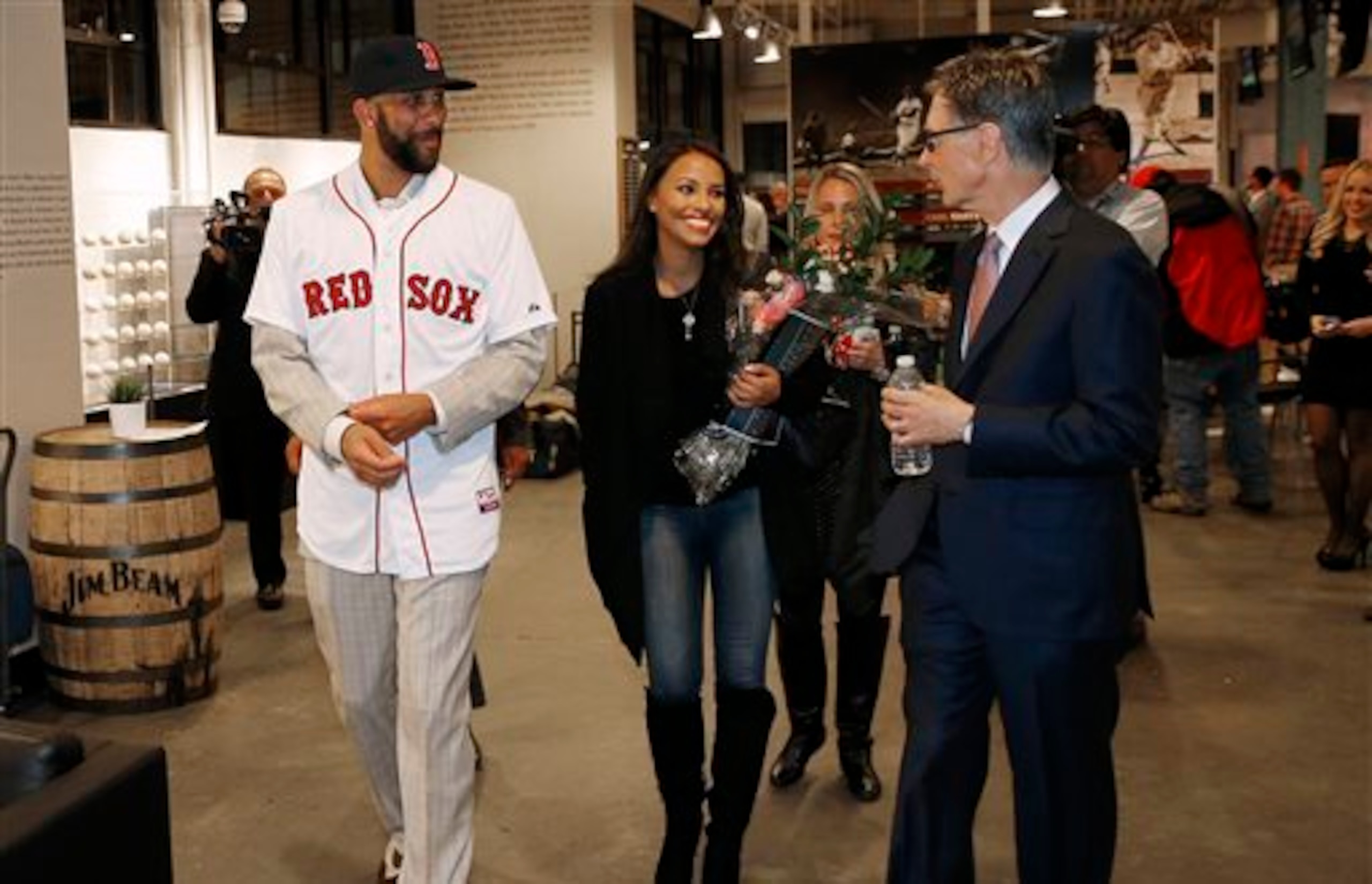
The Best: Trading for Carson Smith
We'll hit on this again later from the Seattle Mariners' perspective, but the acquisition of Carson Smith looks absolutely brilliant for the Boston Red Sox.
This offseason, much of the talk has been about new closer Craig Kimbrel, and why not? The ninth-inning stopper has slammed the door 225 times in five full seasons. But Smith looks like he could slam some doors in the future too.
Smith arrived at Safeco Field in September 2014 and has since produced a 2.07 ERA in 71 games.
The Worst: Signing David Price
This move doesn't look like a disastrous mistake, but it is the worst decision in what has been a strong winter for president of baseball operations Dave Dombrowski.
The issue is twofold.
First, the question remains as to whether Price is cut out for the largest of stages. After all, the AL Cy Young Award runner-up has made eight October starts and is still searching for that elusive first W.
The other concern is the rotation at large. Since the group logged the AL's third-worst ERA in 2015, it's legitimate to ask whether the $217 million dropped on Price would have been better spent on two or three starters.
Chicago Cubs
5 of 30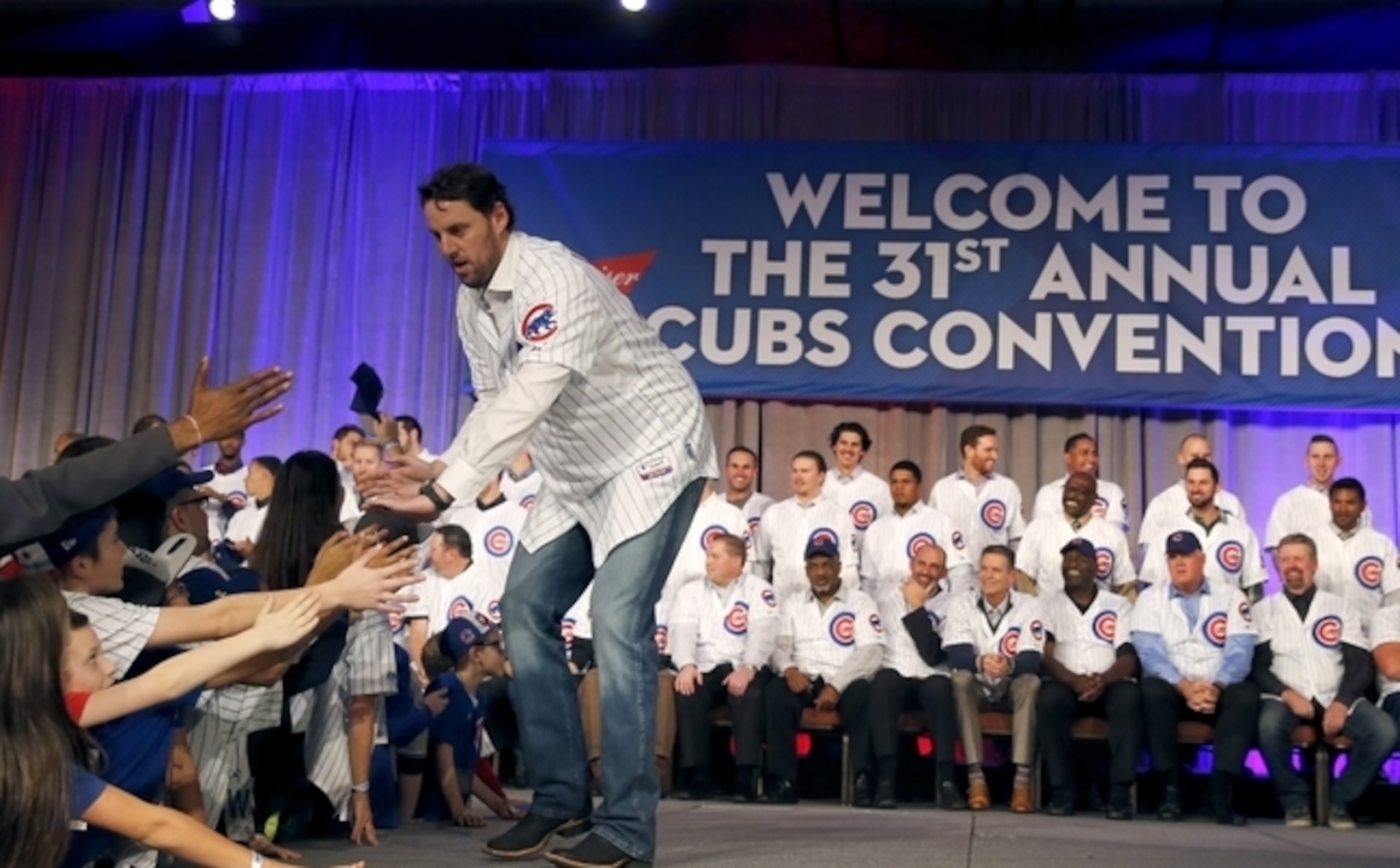
The Best: Signing John Lackey
It's nearly impossible to snag front-line workhorses on two-year contracts.
But that's just what Chicago Cubs president of baseball operations Theo Epstein did in signing John Lackey for $32 million over two seasons.
With Jake Arrieta and Jon Lester already in the mix, the addition of Lackey gives the Cubs three top-of-the rotation arms. Last season, the wily righty was seventh in the NL in ERA (2.77)—right ahead of Max Scherzer and Madison Bumgarner.
The Worst: Signing Jason Heyward
Jason Heyward is a quality player, but he's not a $184 million player.
The Cubs will be paying him that sum of money over the next eight seasons—unless he opts out after 2018 or 2019.
Heyward is a whiz in the field—he saved the St. Louis Cardinals 22 runs in right last season.
But that defensive brilliance doesn't offset the fact that his payday dwarfs those received by fellow prime-time outfielders like Justin Upton (six years, $132.75 million), Yoenis Cespedes (three years, $75 million) and Alex Gordon (four years, $72 million).
Chicago White Sox
6 of 30
The Best: Trading for Todd Frazier
The Chicago White Sox simply couldn't get on the board in 2015, as the squad was last in the AL in departments like runs, home runs, slugging percentage and OPS.
While GM Rick Hahn has been busy importing new bats to bolster the offense, none of the new guys offer the same kind of upside as Todd Frazier. The new third baseman for the White Sox hit 64 homers over the past two seasons for the Cincinnati Reds.
The Worst: Signing Mat Latos
Fixing Mat Latos is going to be one difficult project for pitching coach Don Cooper.
In 2015, Latos turned in a 4.95 ERA while bouncing from the Miami Marlins to the Los Angeles Dodgers to the Los Angeles Angels. In 116.1 innings of work, the right-hander allowed 152 runners to reach base. And after all that, the South Siders guaranteed him $3 million in 2016.
Cincinnati Reds
7 of 30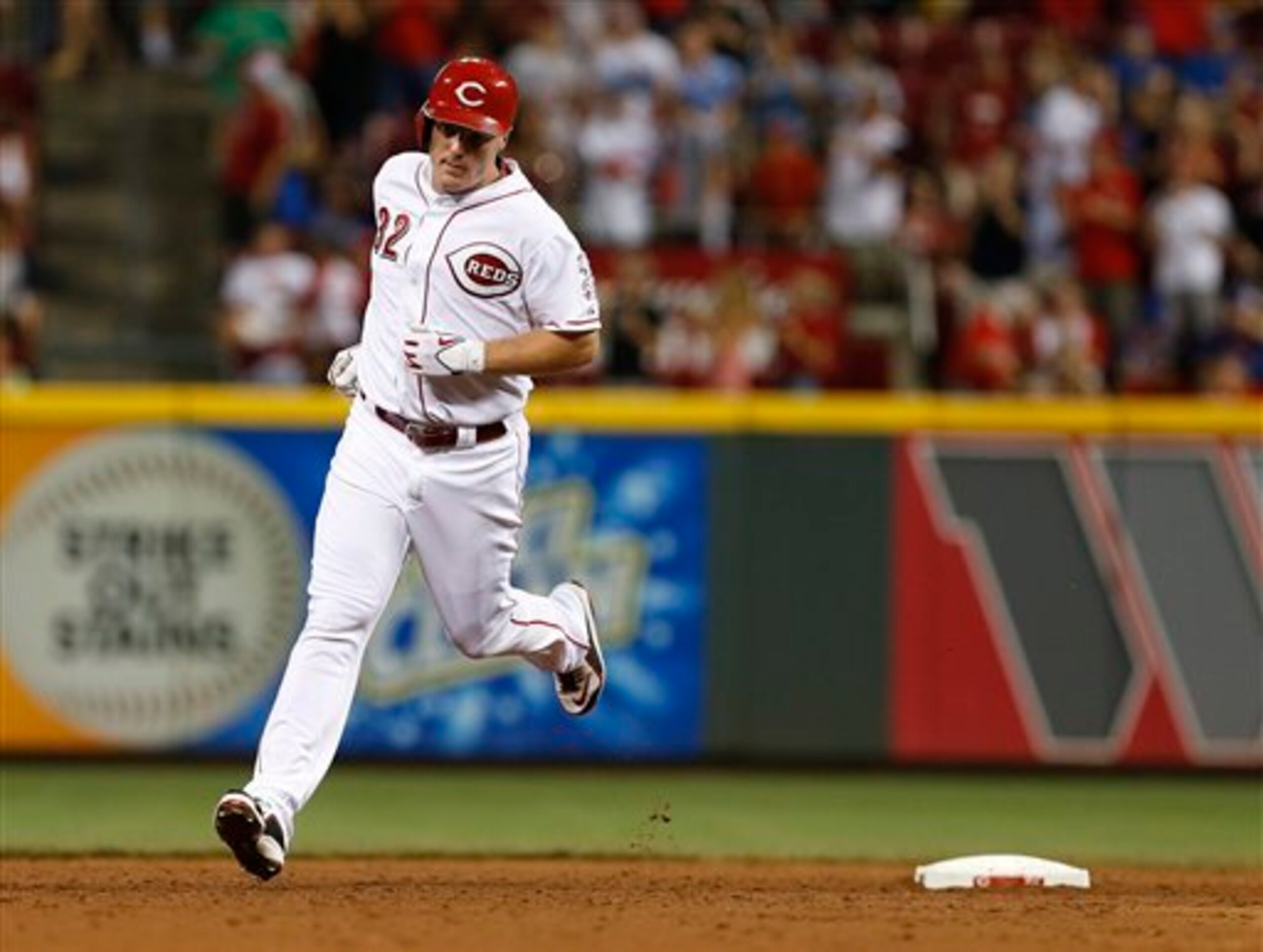
The Best: Selling high on Todd Frazier
For the rebuilding Cincinnati Reds, there was no choice but to ship out Todd Frazier.
The third baseman, who smoked a career-best 35 homers in 2015, has never had a higher trade value. And the Reds capitalized on that value by sending Frazier to the Chicago White Sox in a three-team deal that also included the Los Angeles Dodgers.
In exchange, the Reds got second baseman Jose Peraza, infielder Brandon Dixon and outfielder Scott Schebler as the team stockpiles pieces for 2017 and beyond.
The Worst: Not trading Jay Bruce
Cincinnati should have found a taker for Jay Bruce.
Sending Bruce to a contender would not only have given the team the chance to add a prospect or two, but it also would have saved some cash. The right fielder earns $12 million in 2016, and he has a $13 million team option (with a $1 million buyout) for the year after that. It's past time for the Reds to shed that commitment.
Cleveland Indians
8 of 30
The Best: Signing Rajai Davis
Signed to a one-year, $5.25 million deal, Rajai Davis has the potential to be a low-risk, high-upside acquisition for the Cleveland Indians.
What makes Davis such an intriguing piece for the AL Central squad is that he's a proven table-setter who causes a ruckus on the bases. The outfielder only swiped 18 bags in 2015, but he never stole fewer than 34 in the six seasons before that.
The Worst: Failing to find a big bat
With star left fielder Michael Brantley still mending from shoulder surgery, the Indians offense is going to be lacking in the punch department early in the season.
In 2015, even with Brantley in the lineup, the Tribe still checked in at No. 11 in the AL in runs and slugging percentage. Looking at the team's offseason additions, Mike Napoli stands out as the new Indian who could do some damage at the dish. Despite his glacial start with the Boston Red Sox, Napoli still left the park 18 times in 2015.
Colorado Rockies
9 of 30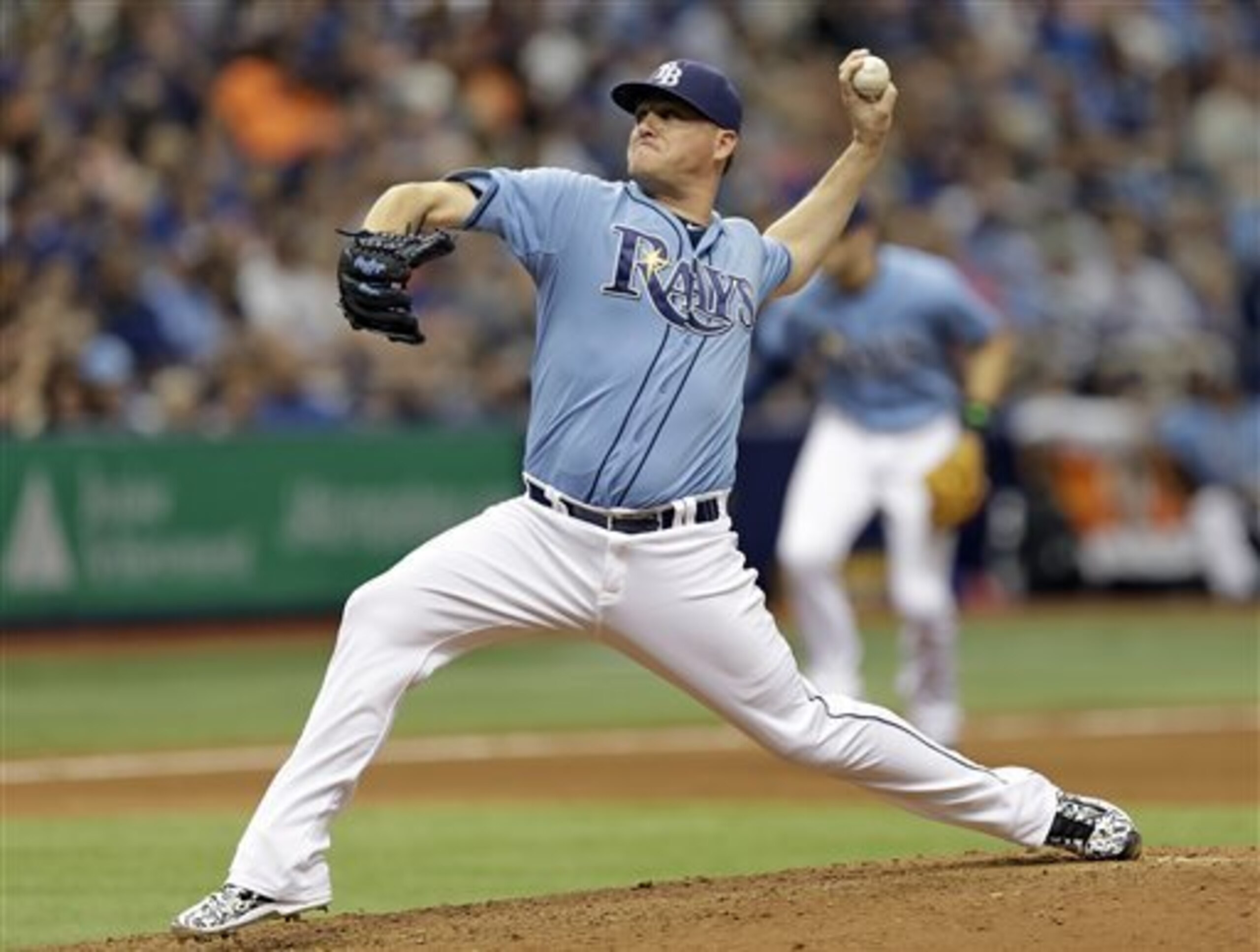
The Best: Acquiring Jake McGee
Jake McGee, who the Colorado Rockies added in a four-player deal with the Tampa Bay Rays, was electric in 2015. The lefty owned a 2.41 ERA and punched out 48 batters in only 37.1 frames.
The best part of the deal for the Rockies is that they used Coors Field mirage Corey Dickerson as the centerpiece. Last season, Dickerson had a 1.143 OPS at home and a .724 OPS on the road.
The Worst: Failing to upgrade the rotation
Colorado's rotation was impossibly ineffective in 2015.
As a group, the starting crew put up a 5.27 ERA, which was the worst mark in the majors. And this winter, the front office has done next to nothing to put out that dumpster fire. To this point, the only starter the team has added is Yohan Flande, who inked a minor league deal in December.
Detroit Tigers
10 of 30
The Best: Trading for Francisco Rodriguez
The owner of a 2.21 ERA and 38 saves a season ago, Francisco Rodriguez is the kind of steady reliever that the Detroit Tigers badly needed.
The pen was a nightmare for the Tigers last year, as the group posted the second-worst ERA (4.38) and allowed the highest opponents' average (.271) in the AL. As part of the bullpen overhaul, the front office has also brought in lefty Justin Wilson (via trade) and Mark Lowe (as a free agent) to help out K-Rod.
The Worst: Signing Justin Upton
The strange part about the Tigers signing Justin Upton to a six-year, $132.75 million contract is that the club could have acquired an old friend at a considerably lower price tag.
While the Tigers had to part with their second-round selection to ink Upton, Yoenis Cespedes wasn't attached to any draft-pick compensation. Cespedes also outclassed Upton in categories like homers, doubles, average slugging percentage and OPS. He cost the Mets just $75 million over three seasons.
Houston Astros
11 of 30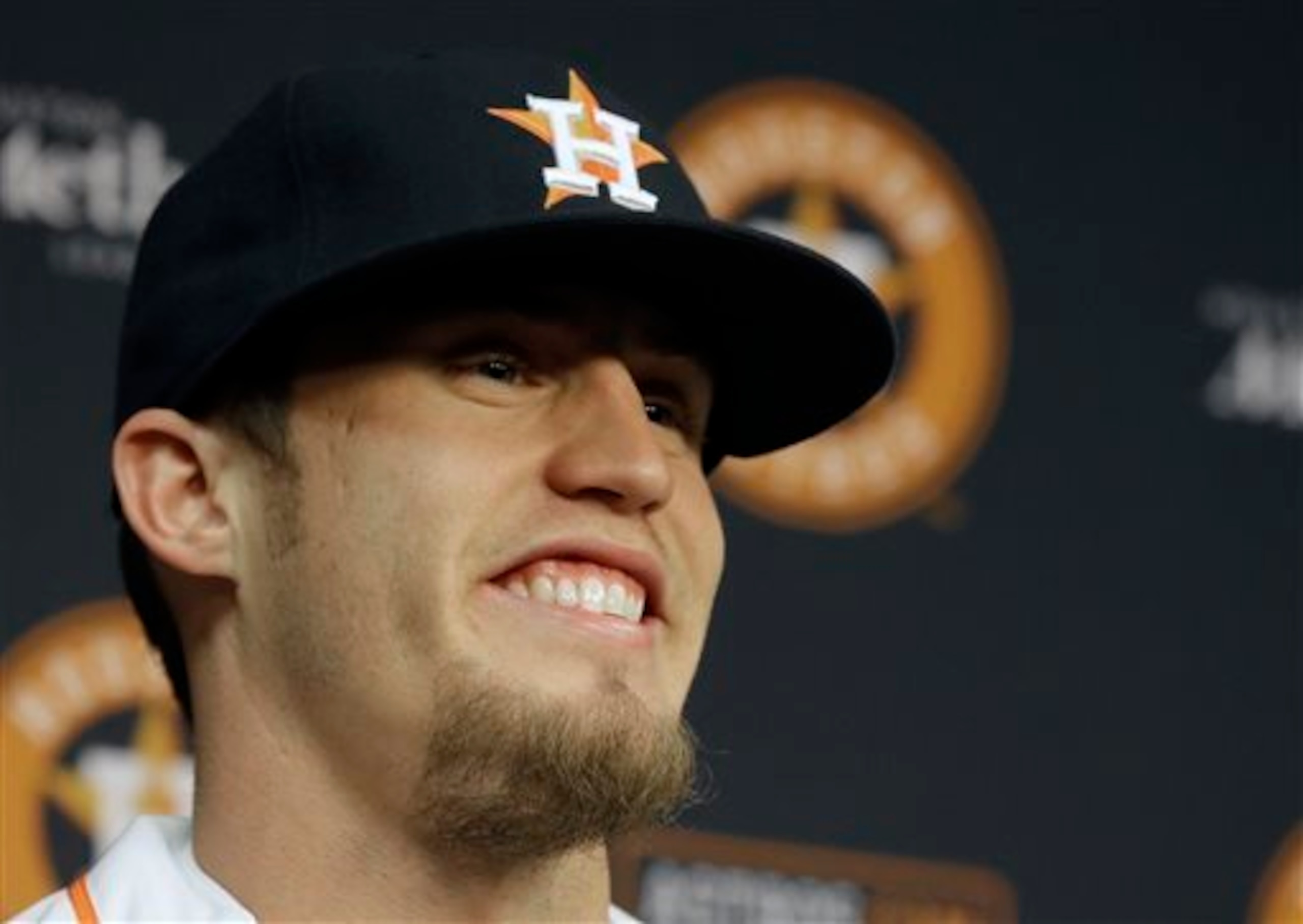
The Best: Trading for Ken Giles
Snagged in a seven-player swap with the Philadelphia Phillies, Ken Giles is the perfect addition for the Houston Astros.
The righty, who owns a shiny 1.56 ERA in two seasons in the bigs, is not only nasty, but he's also under team control through the end of the 2020 season. Thanks to the arrival of Giles at the Juice Box, this rising superpower in the American League West now has its closer locked in for the foreseeable future.
The Worst: Failing to add an established starter
Admittedly, it's not easy to single out a "worst" move for last year's wild-card winners. One potential area of concern is the rotation, where the team is lacking for established starters aside from reigning AL Cy Young Award winner Dallas Keuchel.
The club watched Scott Kazmir (3.10 ERA in 2015) join up with the Los Angeles Dodgers this winter. The only arm that the team has brought in to replace Kazmir is Doug Fister, who is an intriguing buy-low pickup after running up a 4.60 ERA in 15 starts.
Kansas City Royals
12 of 30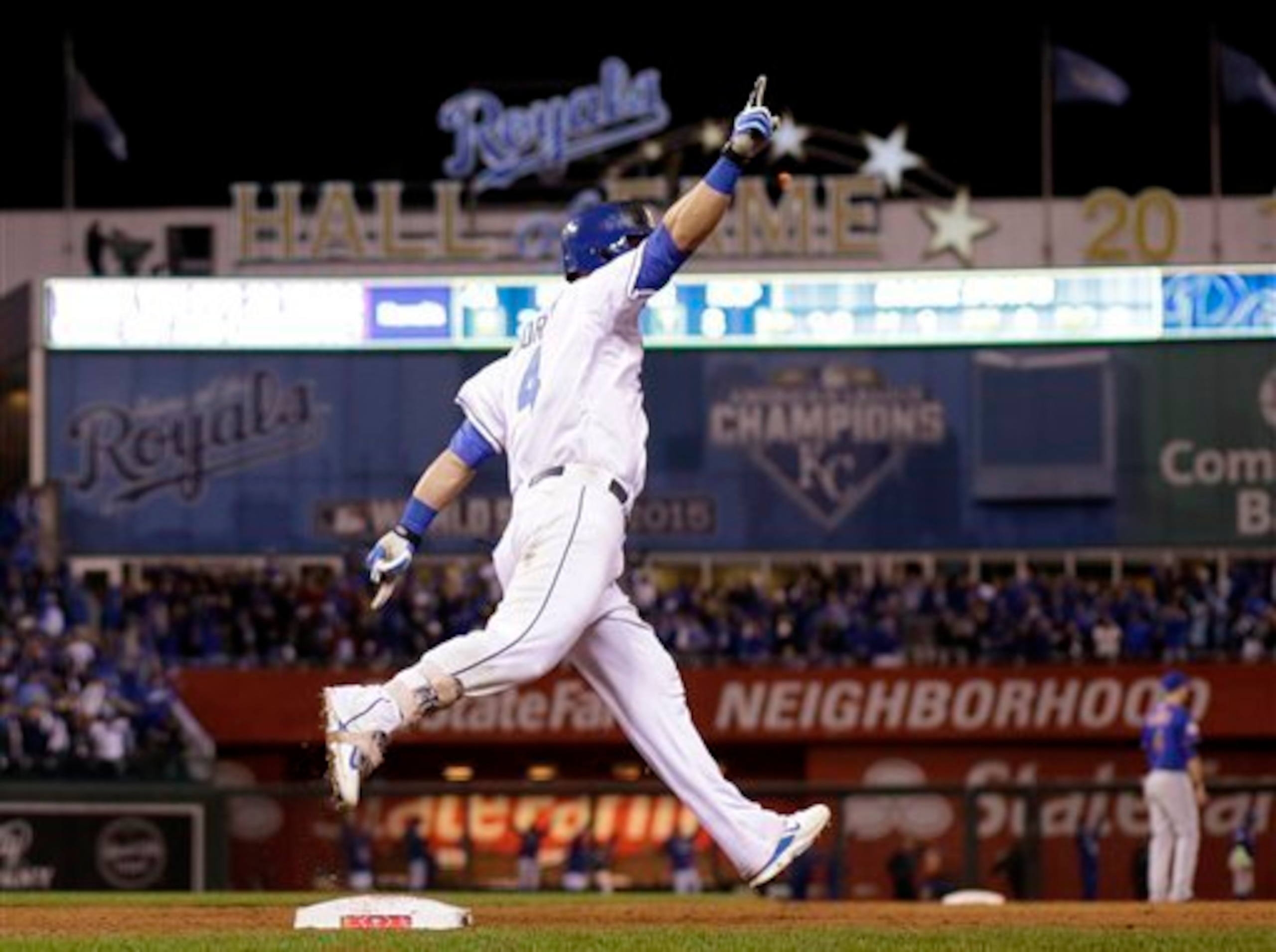
The Best: Bringing back Alex Gordon
When you win a World Series like the Kansas City Royals just did, it's always ideal to keep the core intact.
The Royals accomplished that by signing Alex Gordon—their homegrown free agent—to a new four-year, $72 million contract. The four-time Gold Glover is renowned for his defensive prowess, but he also gets the job done at the plate, as he owns a solid .783 OPS in nine campaigns with Kansas City.
The Worst:Signing Ian Kennedy
After the rotation pitched the fewest innings in the AL, the Royals needed to add some frames to the staff.
Signing Ian Kennedy checked that box, as the right-hander has surpassed the 200-innings plateau on three occasions during his six full seasons as a starter. The problem is that the Royals had to give Kennedy, who has a career ERA just south of 4.00, $70 million over five years.
Los Angeles Angels
13 of 30
The Best: Trading for Yunel Escobar
Third base was a major problem spot for the Los Angeles Angels during the season that was.
As a group, the players who patrolled the hot corner posted a .679 OPS, which was fourth-worst in baseball. Yunel Escobar represents an immediate upgrade in the department, as the Cuban slugged 25 doubles, hit .314 and put up a .790 OPS in 2015.
The Worst: Not fixing the issue in left field
Like third base, left field was a mess for the Halos.
Unfortunately for the AL West squad, it's still a mess as spring training inches closer. Last year, the team's left fielders posted a disastrously bad .592 OPS, which ranked No. 30.
So what's the plan for 2016?
A platoon of Craig Gentry (.396 OPS in 2015) and Daniel Nava (.665 OPS).
Los Angeles Dodgers
14 of 30
The Best: Acquiring Trayce Thompson
In what has been a supremely underwhelming offseason for the defending NL West kings, the acquisition of Trayce Thompson stands out as a savvy play by the Los Angeles Dodgers.
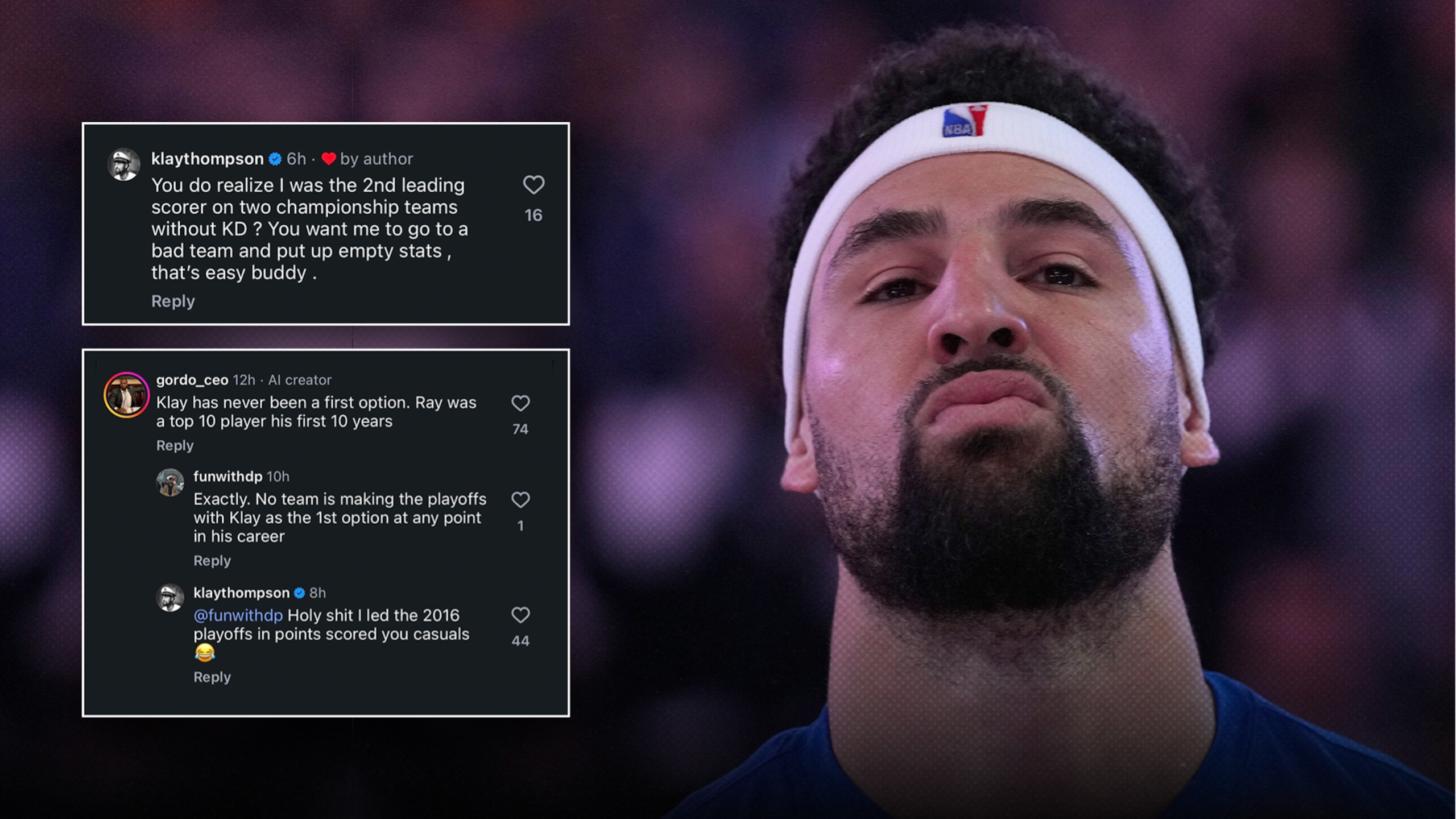
The younger brother of NBA star Klay Thompson, the center fielder has the tools to makes his own name if he can battle his way up the depth chart at Chavez Ravine.
Based on the admittedly small sample size from 2015, the Dodgers should find a way to get Thompson in the lineup against lefties sooner rather than later. In 55 at-bats for the Chicago White Sox, he hammered southpaws to the tune of a .327 average and .998 OPS.
The Worst: Letting Zack Greinke walk
There are a couple of significant reasons why this was such a poor decision by the Dodgers.
The first is that the club not only lost an ace who compiled a staggering 1.66 ERA, but they lost him to a division rival (the Arizona Diamondbacks) that is on the rise. And while Greinke bolted for the desert, the Dodgers replaced the NL Cy Young runner-up with Scott Kazmir whose ERA (3.10) was nearly twice as high.
Miami Marlins
15 of 30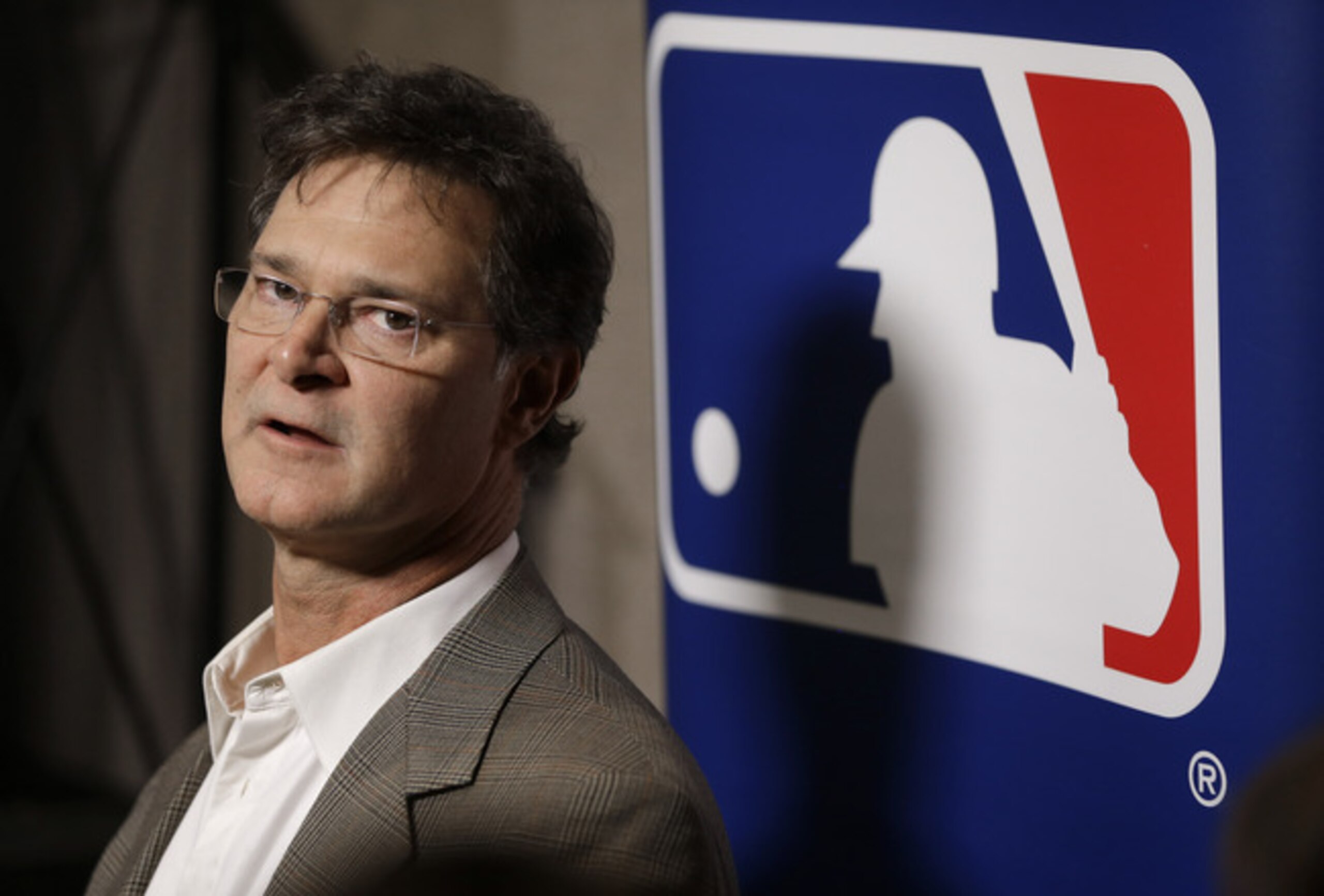
The Best: Bringing in Don Mattingly
Don Mattingly was often the scapegoat with the Los Angeles Dodgers, but the numbers don't support that narrative.
Donny Baseball led the Dodgers to three consecutive division titles from 2013 to 2015 while managing a talented bunch that was also saddled with a slew of outsized egos.
As his track record demonstrates, Mattingly has the managerial skills to take the Miami Marlins from a 71-win afterthought to a viable October contender.
The Worst: Non-tendering Henderson Alvarez
This was a puzzling move by the Fish.
Back in December, the Marlins decided to non-tender Henderson Alvarez after a shoulder injury wrecked his 2015. The Dominican had a 6.45 ERA in four starts last season, but he was highly effective back in 2014. During that season, the righty went 12-7 with a 2.65 ERA in 30 starts.
After Miami cut him loose, Alvarez ended up signing a very reasonable one-year, $4.25 million deal with the Oakland Athletics.
Milwaukee Brewers
16 of 30
The Best: Cashing in on Jean Segura
With Orlando Arcia set to be the shortstop of the future, the clock was ticking on Jean Segura's time with the Milwaukee Brewers.
The Brew Crew made sure of that by sending Segura to the Arizona Diamondbacks in a five-player trade. The prize pickup for Milwaukee is 19-year-old shortstop Isan Diaz. According to Baseball Prospectus (via Mark C. Volain of MassLive.com), "Diaz excels at the plate with a sweet swing in the style of Carlos Gonzalez."
The Worst: Not trading Jonathan Lucroy
Losers of 94 games in 2015, the Brewers are among the flood of Senior Circuit teams that are rebuilding this year. As a result, the team has been shipping out vets like Segura and Francisco Rodriguez in order to bring in as many promising young players as possible.
Jonathan Lucroy, who was fourth in NL MVP voting in 2014, is another Brewer who fits that bill. The only argument for holding on to the backstop is that his value is at a relative low after he hit .264 in 103 games last season.
Minnesota Twins
17 of 30
The Best: Signing Byung Ho Park
If Byung Ho Park's Korean Baseball Organization numbers are an indication of what is to come, the right-hander is about to be a bargain for the Minnesota Twins.
In 2015, Park put up staggering numbers for the Nexen Heroes:
- 53 HR, .343 AVG, .436 OBP, .714 SLG, 1.150 OPS
Even with that stat line, the Twins were able to get Park on a four-year, $12 million pact (with a $6.5 million club option for 2020).
The Worst: Failing to find a top-of-the-rotation starter
Here's a question for the Twins: Who exactly is the team's ace?
The answer is no one.
Looking at the projected rotation, the de facto No. 1 is Ervin Santana. The same Ervin Santana who had a 4.00 ERA in 2015. The AL Central promises to be fierce in 2016, and it certainly doesn't help Minnesota's cause that the team is entering the campaign sans ace.
New York Mets
18 of 30
The Best: Bringing back Yoenis Cespedes
Yoenis Cespedes is a flat-out game-changer.
Simply put, the New York Mets were an entirely different team when the Cuban was anchoring the lineup.
In the 57 games following his summer swap to Queens, Cespedes crushed 17 dingers and put up a .942 OPS. It's no coincidence that the Mets offense took off once he arrived at Citi Field. After the All-Star break, the Mets scored more runs than any team in the Senior Circuit.
The Worst: Failing to sign a right-handed setup man
Last October, manager Terry Collins frequently called on deposed starter Bartolo Colon in key late-inning situations.
The reason?
Thanks to the lack of quality relievers, the vet was actually the safest option to get some big outs in late-inning situations. Unfortunately, the brass hasn't done much to remedy that problem. Not only have the Mets failed to bring in an accomplished right-handed setup man, but they also let Tyler Clippard (2.92 ERA) skip town.
New York Yankees
19 of 30
The Best: Trading for Aroldis Chapman
The New York Yankees' late-December acquisition of Aroldis Chapman was a savage example of buying low on a devalued asset.
GM Brian Cashman admitted as much at the time of the deal, telling Mark Sheldon of MLB.com, "I think the price point on acquisition has been modified."
The Yankees were able to acquire the lefty for four minor leaguers because he was (and still is) being investigated by MLB under its new domestic violence policy.
With Chapman joining Andrew Miller and Dellin Betances in the Bronx, the Yankees now have the top three pitchers in terms of K/9 ratio from 2015.
The Worst: Trading for Aaron Hicks
With Brian McCann ahead of him on the depth chart and Gary Sanchez behind him, John Ryan Murphy got squeezed out in New York.
But the Yankees should have traded the backstop, who hit .274 in 2015, for more than Aaron Hicks. Time is still on Hicks' side, as he turned 26 in October, but so far, major league pitching has been over his head. In parts of three go-arounds with the Minnesota Twins, Hicks has OPS'd .655.
Oakland Athletics
20 of 30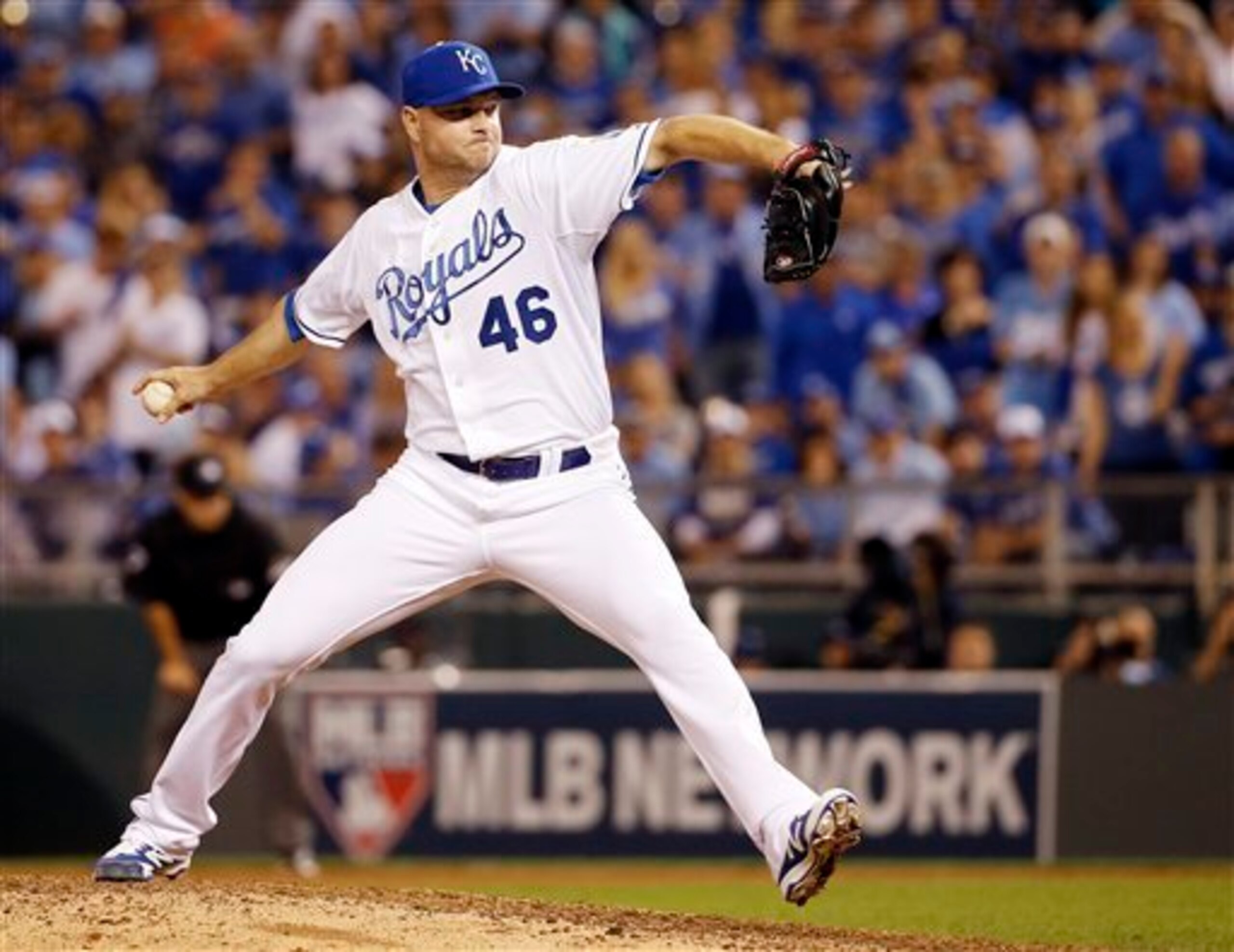
The Best: Signing Ryan Madson
While it seems risky to dish out a three-year, $22 million deal to a 35-year-old reliever, there's a lot to like about the Oakland Athletics' move for Ryan Madson.
For the righty, his job will be to secure the eighth inning—a frame that gave the team fits in 2015. During the eighth, Oakland's pitchers lugged around a 4.67 ERA, which was the worst mark in baseball. Meanwhile Madson was lights out in relief for the Kansas City Royals, spinning a 2.13 ERA in 68 outings.
The Worst: Signing Rich Hill
In the grand scheme of things, $6 million isn't a ton of loot in the exorbitant world of baseball economics.
However, it is a nice chunk of change for a guy like Rich Hill who made just four starts in 2015. The lefty had a 1.55 ERA in his 29 innings for the Boston Red Sox, but before that brief cameo, Hill hadn't started a game in the majors since 2009.
Philadelphia Phillies
21 of 30
The Best: Cashing in on Ken Giles
For a rebuilding club like the Philadelphia Phillies, having a lockdown closer like Ken Giles is an unnecessary luxury.
That's why it was so intelligent for the Phillies to ship out Giles (and infielder Jonathan Arauz) for five players. Out of that haul, the crown jewel is Mark Appel—the 2013 No. 1 overall pick.
The Worst: Not bringing back Jeff Francoeur
This was a tricky call to make, as the Phillies haven't made any significant moves to upgrade the roster this offseason.
But one move that should have been made was to retain Jeff Francoeur.
Last season, the veteran outfielder was a solid role player for the NL East club, putting up a .718 OPS and thumping 13 homers in 326 at-bats. Sure, keeping Francoeur around would have limited some opportunities for young outfielders. But at the same time, his presence could have served as a model for the youngsters trying to find their bearings in the bigs.
Pittsburgh Pirates
22 of 30
The Best: Letting Pedro Alvarez walk
Make no mistake about it—Pedro Alvarez's pop is no joke.
Last season, he went yard 27 times. The problem for the Pittsburgh Pirates is that Alvarez is a designated hitter, not a first baseman—the six-year vet cost the Bucs nine runs at first in 2015.
What's more, MLBTradeRumors.com projected that Alvarez would earn $8.1 million in arbitration this offseason.
For Pittsburgh, there was no reason to cut that kind of check with Josh Bell knocking on the door at PNC Park. Last season, the top prospect took a two-by-four to the upper minors, tallying a .317 average while splitting his time between Double-A and Triple-A.
The Worst: Letting Antonio Bastardo walk
Ideally, Antonio Bastardo would have been back with the Pirates.
Last season, the lefty was nails, sporting a 2.98 ERA and limiting the opposition to a .188 average. Bastardo also recorded 64 strikeouts in just 57.1 innings.
It's not like the NL Central team would have had to break the bank to retain the reliever. Ultimately, Bastardo landed with the New York Mets on a two-year, $12 million deal.
San Diego Padres
23 of 30
The Best: Trading for Jon Jay
The Jedd Gyorko trade wasn't just a salary dump for the San Diego Padres.
In exchange for sending the second baseman and $7.5 million to the St. Louis Cardinals, the Pads received a viable leadoff man in Jon Jay. Injuries limited the center fielder to 79 games in 2015, but in six campaigns with St. Louis, Jay is a .287 hitter and has reached base at a .354 clip.
The Worst: Signing Fernando Rodney
The problem with guaranteeing Fernando Rodney $2 million is that it's awfully difficult to predict which version of the righty reliever will show up at Petco Park.
Will it be the guy who posted a 0.75 ERA in 14 outings for the Chicago Cubs? Or will it be the guy who ran up 5.68 ERA in 54 appearances for the Seattle Mariners?
San Francisco Giants
24 of 30
The Best: Signing Johnny Cueto
A six-year, $130 million contract doesn't usually qualify as a buy-low move, but it does when it comes to a legit ace like Johnny Cueto.
The owner of a 3.30 ERA across eight seasons, Cueto would have been in the David Price-Zack Greinke stratosphere if not for an unsightly 4.76 ERA in the second half with the Kansas City Royals. Now that Cueto is back in the familiar environment of the NL, the Giants stand to be major beneficiaries.
The Worst: Signing Jeff Samardzija
It doesn't make sense how Jeff Samardzija grabbed a five-year, $90 million deal.
Just look at the numbers. The Shark was brutal in 2015.
In his 32 starts for the Chicago White Sox, Samardzija gave up more runs than any starter in baseball. There's no problem with the Giants banking on a bounce-back season from the 31-year-old, but the club shouldn't have bet $90 million on that gamble.
Seattle Mariners
25 of 30
The Best: Trading for Adam Lind
Right-handed pitching gave the Seattle Mariners all sorts of problems last season.
As a team, the M's scored the second-fewest runs in the AL against righties.
That's where Adam Lind, picked up in a trade with the Milwaukee Brewers, enters the equation. In 2015, the left-handed-hitting first baseman smashed all 20 of his homers and logged an .883 OPS against pitchers who threw with the opposite hand.
The Worst: Trading away Carson Smith
Sending Carson Smith to the Boston Red Sox as part of the four-player deal that netted the club starter Wade Miley and prospect Jonathan Aro is going to haunt Seattle.
The 26-year-old Smith looks like an ascending star out of the pen. In 2015, the reliever recorded a 2.31 ERA and piled up 92 Ks in 70 innings. The key to his success? His sinker which clocks in at a tick under 93 mph.
St. Louis Cardinals
26 of 30
The Best: Inking Brayan Pena
With spring training looming, the St. Louis Cardinals are facing a Yadier Molina-sized question mark.
As the stalwart recovers from a torn ligament in his left thumb, it remains to be seen whether he'll be good to go when the season begins.
"That’s my goal, obviously," Molina told Derrick Goold of the St. Louis Post-Dispatch. "We have to wait. We have to see, obviously. I’m going to try to do my best to be in the Opening Day lineup."
The good news for the Cards is that if Molina isn't ready to roll, Brayan Pena is around to handle catching duties. The Puerto Rican, who inked a two-year, $5 million deal, is no Yadier Molina, but he's also no slouch. Last season, Pena cracked 19 doubles and tallied a .273 average in 108 games.
The Worst: Inking Mike Leake
After losing John Lackey to the Chicago Cubs and Lance Lynn to Tommy John surgery, the Red Birds had to make a splash to shore up the rotation.
The problem is that the club made a mistake—not a splash—by doling out $80 million over five seasons to Mike Leake.
The owner of a 3.88 ERA in six campaigns, Leake is good, but far from great. He is a No. 3 starter and nothing more. Unfortunately, the Cards made a big-money commitment to a middle-of-the-rotation guy.
Tampa Bay Rays
27 of 30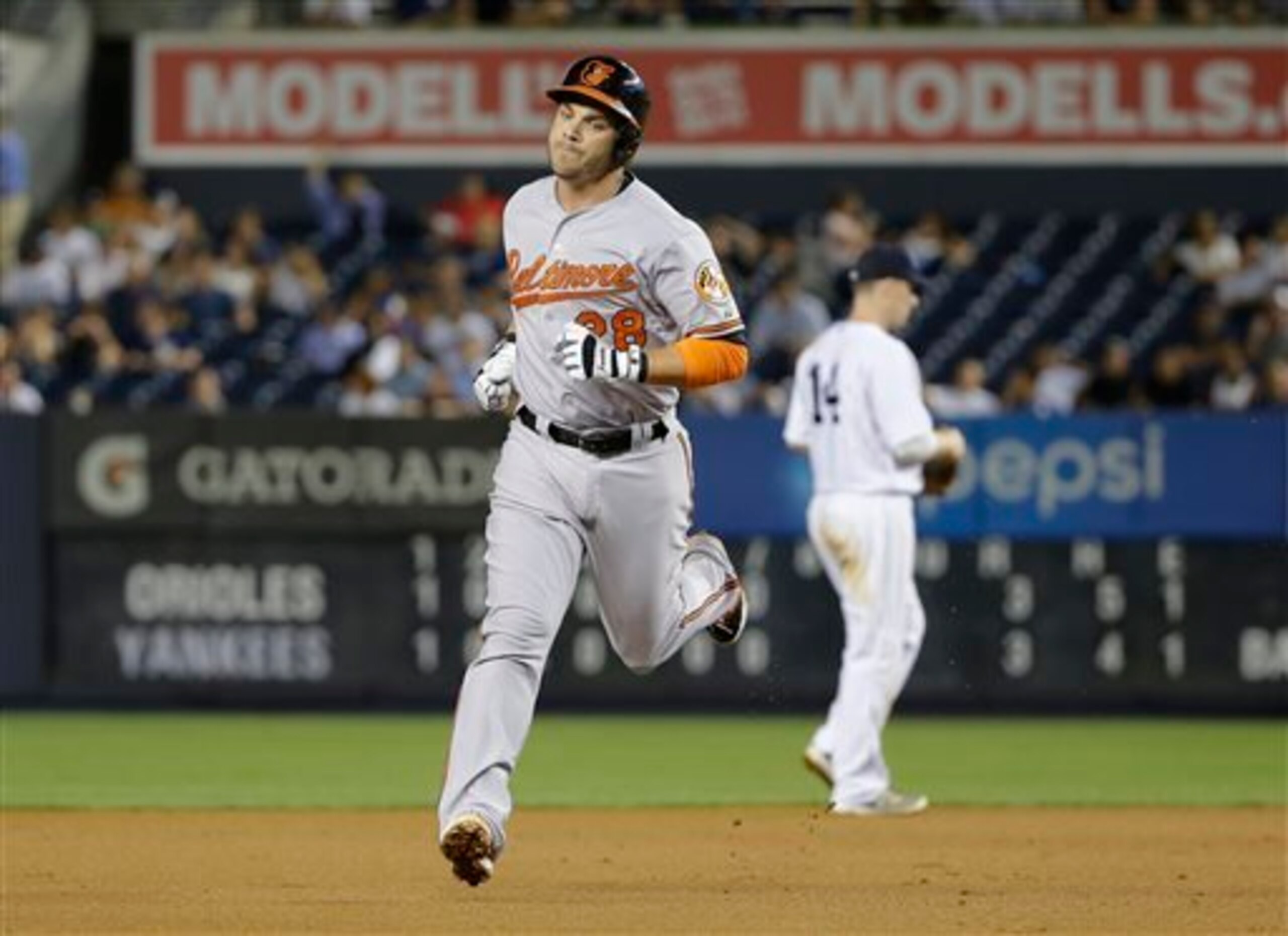
The Best: Signing Steve Pearce
The Tampa Bay Rays' $4.75 million gamble on Steve Pearce will pay major dividends if the right-handed hitter can rediscover his 2014 form.
During that campaign, Pearce notched a .930 OPS and launched 21 homers for the Baltimore Orioles in 102 games. That pop would be a boon for a Rays team that was No. 10 in the AL with a paltry .406 slugging percentage in 2015.
The Worst: Trading for Corey Dickerson
As we discussed on the Colorado Rockies slide, this move just doesn't make sense from the Rays' perspective.
Tampa Bay gave away Jake McGee, who posted a 2.41 ERA in 2015 and put up a 1.89 ERA in 2014, for an outfielder whose value is about to drop off a cliff now that he's left the high altitude of Colorado. Let the career home/road splits tell the story:
- Home: 1.085 OPS
- Away: .695 OPS
Texas Rangers
28 of 30
The Best: Trading for Tom Wilhelmsen
With power arms like Sam Dyson, Jake Diekman and Shawn Tolleson leading the way, the Texas Rangers already had a strong pen when the offseason began.
Now, that group is even fiercer thanks to the arrival of Tom Wilhelmsen.
The 32-year-old right-hander has a solid track record of getting outs at the end of ballgames. Last year, Wilhelmsen recorded a 3.19 ERA for the Seattle Mariners and saved 13 games. The vet was even better back in 2014 when he logged a 2.27 ERA and recorded an 8.2 strikeout-per-nine ratio.
The Worst: Failing to line up a insurance plan for Josh Hamilton
Josh Hamilton's left knee just won't cooperate.
Since last September, the 34-year-old has undergone a pair of procedures on that bum wheel. So, who exactly takes over in left field if Hamilton's knee doesn't hold up?
Mike Napoli would have been a solid option, but the Rangers let the right-handed slugger depart to the Cleveland Indians. Instead, Justin Ruggiano, who hit .301 against lefties in 2015 but just .143 against righties, is slated to be the top backup plan.
Toronto Blue Jays
29 of 30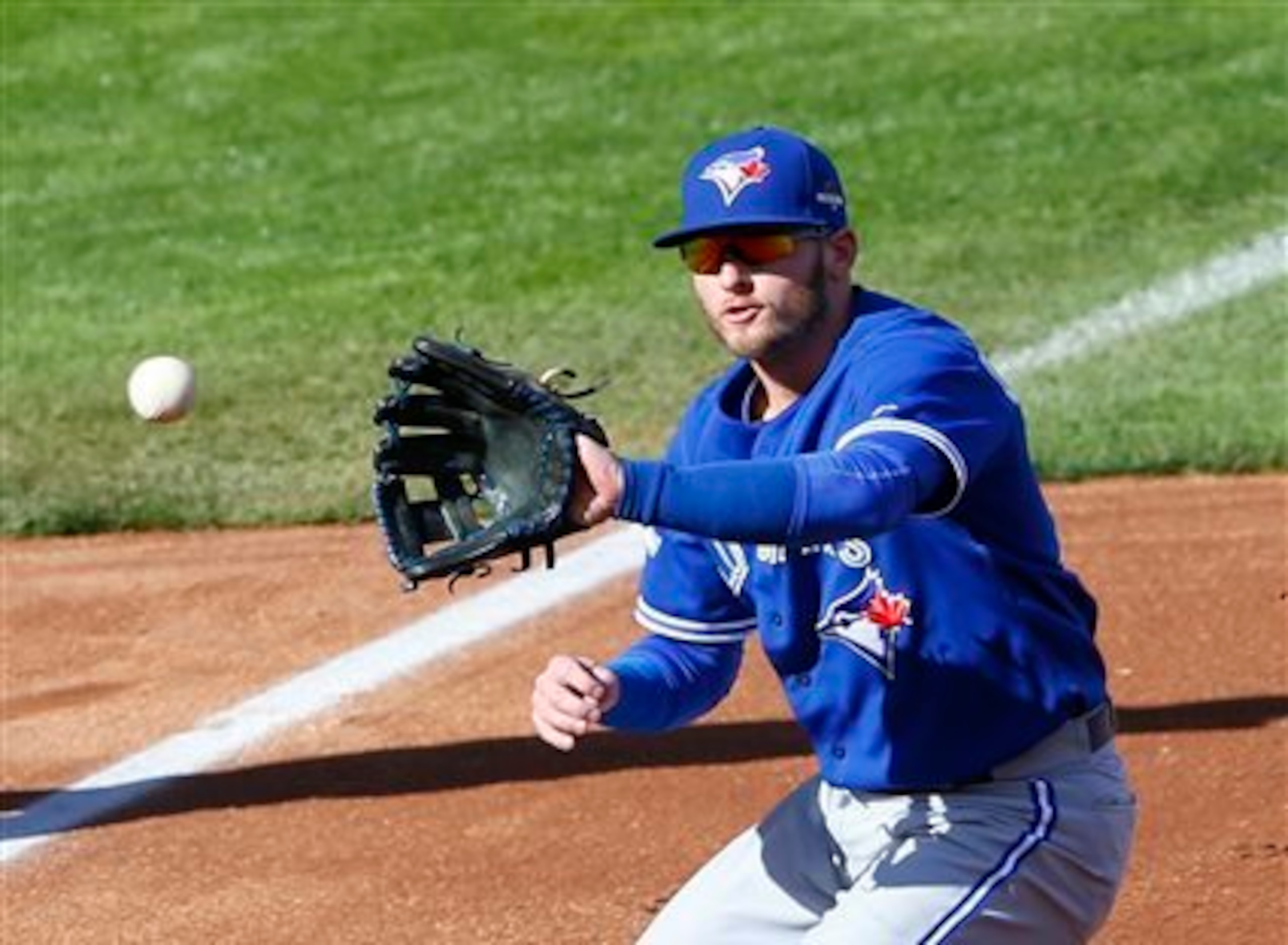
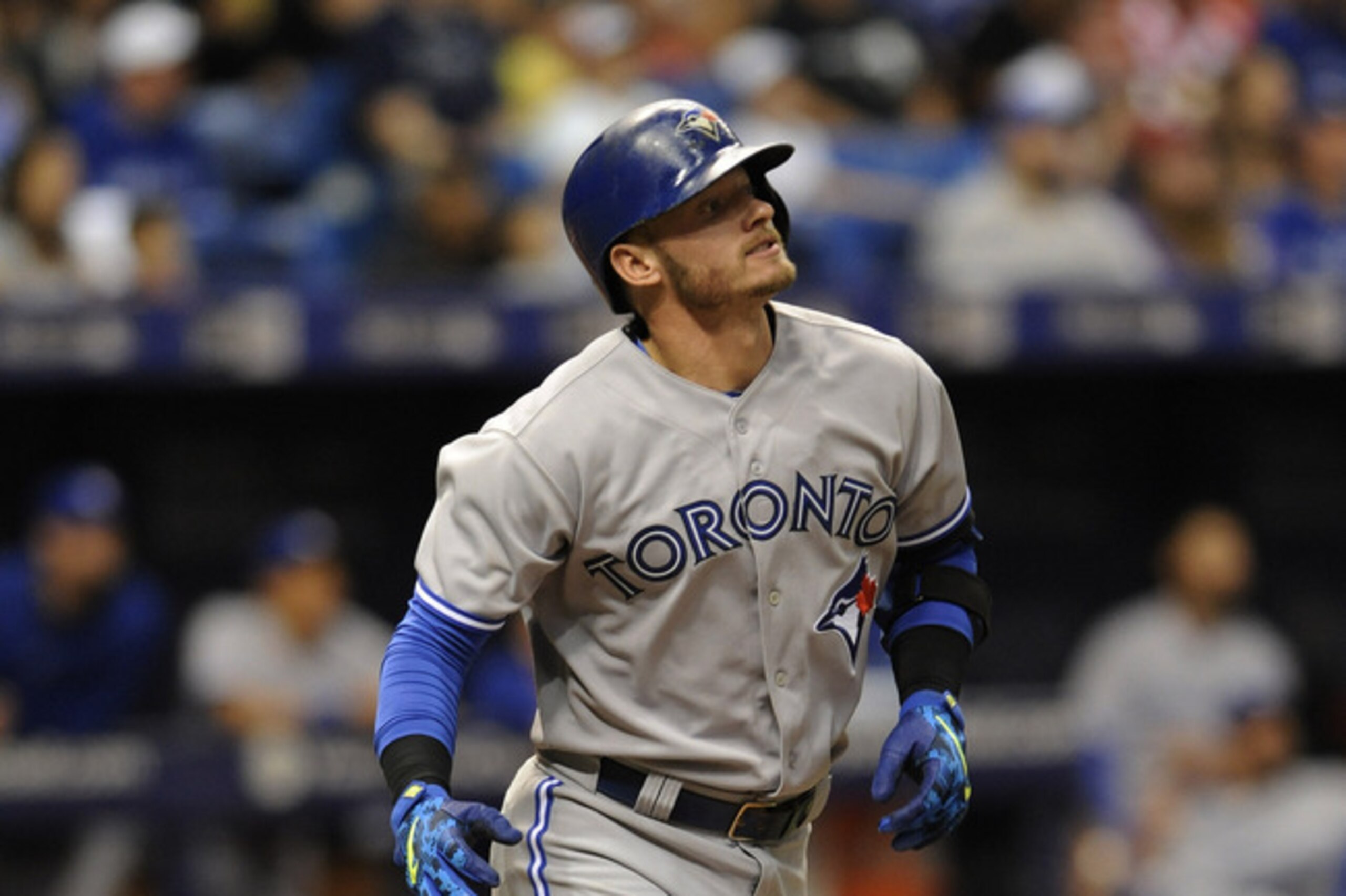
The Best: Signing Josh Donaldson to an extension
After inking Josh Donaldson to a two-year, $28.65 million extension, the Toronto Blue Jays won't have to worry about sparring with the superstar in an ugly arbitration hearing this February or next.
Instead, the AL East champs will be paying the 2015 AL MVP Award winner an average annual salary of just over $14.3 million over the next two campaigns. Now that is some good value right there.
The Worst: Sending Liam Hendriks to the Oakland Athletics
When it comes to the Jays, there hasn't been a lot to complain about this offseason. One move that doesn't quite add up was the decision to send Liam Hendriks to the Oakland Athletics in exchange for Jesse Chavez.
While Chavez was mediocre as a starter for Oakland (4.37 ERA in 26 starts), Hendriks impressed out of the pen and demonstrated a knack for producing swings-and-misses. The Australian put up a 2.92 ERA and totaled 71 Ks in 64.1 innings.
Washington Nationals
30 of 30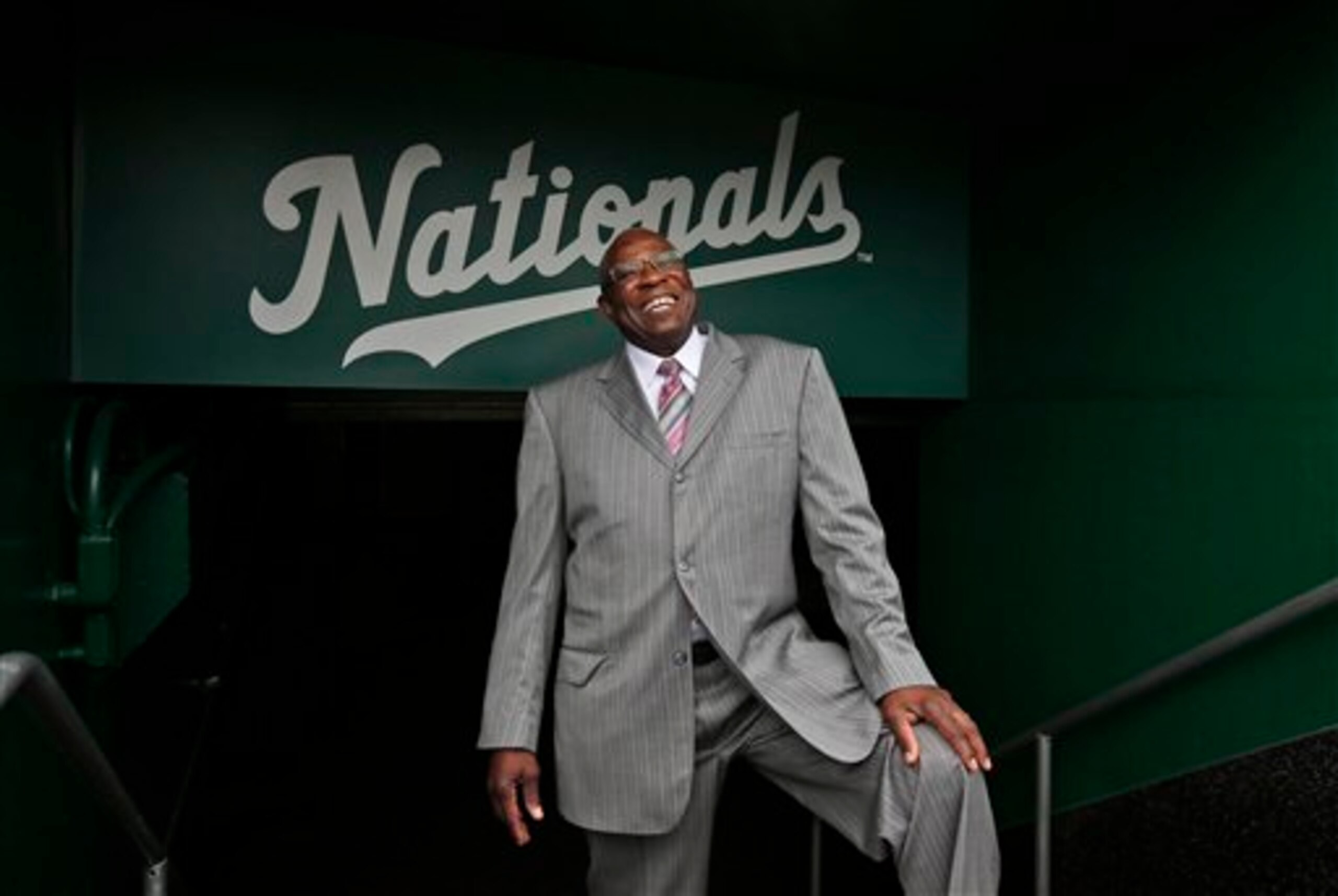
The Best: Bringing in Dusty Baker
With Stephen Strasburg set to become a free agent at the end of the season and Bryce Harper eligible to become a free agent at the end of the 2018 campaign, the window of opportunity won't be open forever for the Washington Nationals.
That's why bringing in a supremely experienced skipper like Dusty Baker made so much sense for the Nats. A three-time NL Manager of the Year award winner, Baker has the kind of resume that will command the respect of every player in the clubhouse from unanimous NL MVP Bryce Harper down the line.
The Worst: Not jettisoning Jonathan Papelbon
Ideally, Jonathan Papelbon won't be on the roster when the Nats report to spring camp.
After all, the veteran closer is the guy who attempted to choke out Harper—the best player in the NL and the face of the franchise—in an ugly scene at the end of last season.
The right fielder addressed the topic in an interview with Grant Paulsen and Danny Rouhier on 106.7 The Fan (via Scott Allen of the Washington Post):
"I just think what I need out of him and what he needs out of all of us is for us to be a family, and it’s something that if he goes out there and saves 55 games a year, then we’re going to win a World Series. That’s something that we all look forward to, that’s something that we need to make happen and we’re excited.
"
The good news for Washington is that Harper's saying all the right things even though Papelbon is still with the club. But the smart play for the brass would have been to dump Papelbon to ensure that the feisty reliever doesn't cause more tumult in 2016.
Note: All stats courtesy of Baseball-Reference.com and MLB.com. All salary information courtesy of Cot's Baseball Contracts on BaseballProspectus.com.
If you want to talk baseball, find me on Twitter @KarlBuscheck.




.jpg?w=2560 "Saquon Rips Joint Practices")