
Final Predictions for the 2016 Baseball Hall of Fame Induction Class
Get ready, folks. On Wednesday afternoon, the results of the Baseball Writers' Association of America vote for the 2016 Baseball Hall of Fame class will be announced.
It's unlikely that the 2016 class of inductees will be as big as last year's, which saw a whopping four players elected into Cooperstown. But with enough cunning, we can make a fair guess about what is going to happen with the 32 players on the 2016 ballot.
Ahead lies a full set of predictions for what will be announced on 6:00 PM ET on Wednesday afternoon, ranging from which players won't come close to those who will remain in the mix to the guys slated to get in. But before we get going, a few reminders:
- It takes 75 percent of the vote to be elected into the Hall of Fame, and at least five percent to stay on the ballot.
- In 2014, the Hall of Fame reduced the maximum number of years a player can stay on the ballot from 15 to 10, save for a few holdover exceptions.
- More recently, the Hall of Fame stripped the lifetime voting rights from BBWAA members who are at least 10 years removed from covering baseball.
OK, then. Enough stalling. Let's get going.
Thanks for Playing: The One-and-Doners
1 of 15
Of the 32 players up for induction in 2016, 15 are on the ballot for the first time. In alphabetical order, here are 11 players who don't have a prayer of receiving at least five percent of the vote.
Garrett Anderson, OF
Anderson had a solid 17-year career, making three All-Star teams and compiling a lifetime .293 average and 287 home runs. But his 102 career OPS+ signifies that he was barely an above-average hitter, and the Jaffe WAR Score System (JAWS) puts him well outside the game's great left fielders.
Brad Ausmus, C
Ausmus was a three-time Gold Glove catcher who, as Rob Neyer of Fox Sports noted, we now know was a master of framing pitches throughout his 18-year career. But with just a .251 career average, 80 home runs and likewise meh offensive numbers across the board, Ausmus' glove is really all he has.
Luis Castillo, INF
Castillo was a three-time All-Star who twice led the majors in stolen bases in a 15-year career. But with 370 career steals to 142 career caught-stealings, he is not one of the great speedsters of all time. Nor was he a great hitter (92 OPS+) or a great second baseman in general.
David Eckstein, SS
Eckstein did indeed play beyond his diminutive stature here and there, notably making two All-Star teams and winning the 2006 World Series MVP. But his career lasted just 10 seasons, and was largely unremarkable. Oh well. He'll live on as one of the greatest inside jokes of Parks and Recreation.
Troy Glaus, 3B
Glaus was, at times, one of the game's most feared sluggers during his 13-year career, leading the American League in home runs in 2000 on his way to 320 total homers. But that's hardly a Cooperstown-worthy figure, and Glaus doesn't have much else to elevate his Hall of Fame argument.
Mark Grudzielanek, 2B
Grudzielanek made one All-Star team and won one Gold Glove during a 15-year career. Also...Well, that's actually pretty much it, actually.
Jason Kendall, C
Kendall was mostly good in a 15-year career, making three All-Star teams and hitting .288 while being a consistent presence behind the dish. But his career really tailed off after an early peak, and it is doubtful that enough voters will be convinced by his JAWS standing among all-time catchers.
Mike Hampton, SP
Hampton enjoyed a strong three-year peak between 1998 and 2000, winning 48 games and posting a 3.12 ERA that his 140 ERA+ tells us was outstanding for its time. But the rest of his 16-year career was largely mediocre, and he might now be best known as one of the worst free agent signings ever.
Mike Lowell, 3B
Lowell's 13-year career included a strong six-year peak that featured four All-Star selections and two World Series titles. Notably, he was named the World Series MVP in 2007. But while strong, his peak was less than stellar, and his 108 career OPS+ and 223 career homers fail to impress.
Mike Sweeney, 1B
Sweeney had a better peak than you may remember, as he hit .313 with a 130 OPS+ between 1999 and 2005. In that span, he made five All-Star teams. But he was otherwise just OK in his 16-year career, and it should also be noted that the Hall of Fame standards at first base are pretty darn high.
Randy Winn, OF
Winn was an All-Star in 2002, the first year of a seven-year peak in which he hit .294 with 94 homers and 140 steals. That's not enough to save his 13-year career from mediocrity, though. For what it's worth, he'll always have a special place in the heart of this fellow San Ramon Valley High School alum.
You Had a Nice Run: Say Goodbye to These Holdovers
2 of 15
It won't just be the 12 first-timers failing to survive on the ballot past 2016. Regretfully, four holdovers from previous ballots also look like they're on their way out.
Nomar Garciaparra, SS
Garciaparra, or "Nomah!" as he's known in Boston, enjoyed an incredible peak between 1997 and 2000, hitting .337 with a 142 OPS+. He won back-to-back American League batting titles in 1999 and 2000. But he never came close to matching that effort in the rest of his 14-year career. After barely missing the cut with 5.5 percent of the vote in 2015, he's likely to get the boot from the ballot this year.
Mark McGwire, 1B
McGwire led MLB in home runs four times en route to hitting 583 career dingers, slotting him at No. 10 on the all-time list. Of course, he most famously broke Roger Maris' single-season record of 61 homers by smashing 70 in 1998. At the time, there was much rejoicing.
However, McGwire's admitted steroid usage hasn't helped his cause. Plus, his place among the game's great first basemen is debatable anyway. McGwire got only 10 percent of the vote in his ninth year on the ballot in 2015, putting him too far away from 75 percent heading into his final year of eligibility.
Sammy Sosa, OF
Sosa is the only player in MLB history to top 60 home runs in a season three times, and his 609 total home runs put him eighth on the all-time list. Sosa was also a seven-time All-Star and an MVP in 1998, the year he and McGwire battled for Maris' single-season home run record.
But, Sosa's own ties to PEDs have done him no favors in the voting. And sort of like McGwire, Sosa's place among the game's great right fielders is debatable anyway. His support has fallen from 12.5 percent in his first year to just 6.6 percent in his third year, and now figures to fall below five percent in his fourth year.
Alan Trammell, SS
Though Trammell's career featured quite a few ups and downs, those who claim him as one of the game's all-time great shortstops have a leg to stand on. Trammell was a strong hitter with a .285 career average and 110 OPS+ in 20 seasons, and he was also a strong defender.
However, the voters seem firm in their stance that Trammell only belongs in the Hall of Very Good. He got only 25.1 percent of the vote in his 14th year on the ballot in 2015, giving him a long way to go in his final year of eligibility. Too long, in fact.
Officially in the Mix: First-Timers Who Will Live to Fight Another Day
3 of 15
And now for the guys who won't be kicked off the ballot this year. Let's start that list with a look at the first-timers who figure to be sticking around, but who will also fall much closer to the minimum five percent of the vote than the required 75 percent.
Jim Edmonds, CF
Edmonds was one of the game's great two-way center fielders during his playing days, and his final numbers reflect that. His .903 career OPS equates to an impressive 132 OPS+, with both that and his 393 career homers putting him among the greats in center field. On defense, Edmonds won eight Gold Gloves and put together and a truly awesome career highlight reel.
And yet, Edmonds doesn't quite make the JAWS cut relative to Hall of Fame center fielders. Some voters are going to notice that, while many others will see how often Edmonds was injured during his 17-year career. He should get enough support to stay on the ballot, but that's about it.
Billy Wagner, RP
As evidenced by the fact that there are only five relief pitchers in the Hall of Fame, it's incredibly difficult to make it into Cooperstown as a reliever. That will work against Wagner, and so will the fact that he only worked 903 innings in a 16-year career. That's not much of a workload.
But Wagner is going to get enough looks. His 422 saves rank fifth all-time, and even more impressive is how dominant he was in racking those up. As Jay Jaffe pointed out at SI.com, Wagner's triple-digit heat and sharp slider put him first all-time in strikeout rate (11.9 K/9) and opponent batting average (.187) among pitchers with at least 800 innings. In time, these could put him in Cooperstown.
.png?w=2560)
Still Standing: Holdovers That Will Also Live to Fight Another Day
4 of 15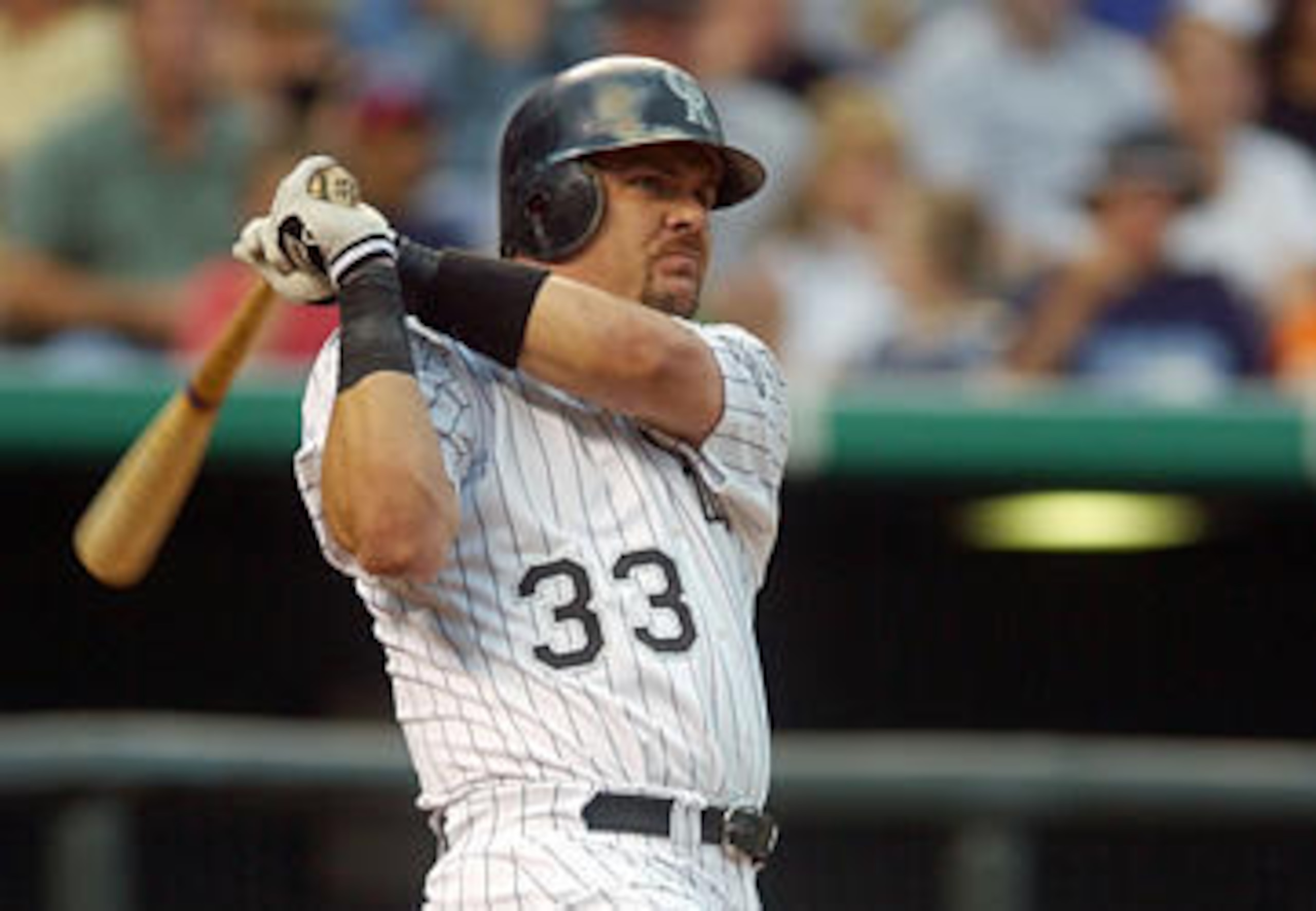
Onward with the list of players that figure to stay on the ballot! We'll get to 11 individual cases shortly, but first we'll look at four holdovers who aren't in danger of falling below five percent of the vote.
Jeff Kent, 2B
After receiving 15.2 and 14.0 percent of the vote in his first two years on the ballot, Kent still has a bit of breathing room before he has to worry about falling below five percent. And to be sure, he has enough accolades to be deserving of extra life.
Among those, the most notable is the fact that Kent's 377 career home runs make him the home-run-hittingest second baseman in history. His 123 career OPS+ is also nice to look at. So is his nine-year peak between 1997 and 2005, in which he was an MVP and a five-time All-Star.
Fred McGriff, 1B
McGriff's support appears to be waning. After peaking at 23.9 percent in his third year on the ballot in 2012, McGriff's percent of the vote has fallen all the way to 12.9 percent in 2015. Heading into his seventh year on the ballot, it looks like he missed his shot.
But like Kent, McGriff has enough going for him to stick around. He racked up a 134 OPS+ and 493 career home runs in 19 seasons, and he enjoyed a spectacular peak between 1988 and 1994.
Gary Sheffield, RF
Last year was Sheffield's first year on the ballot, and it resulted in him getting only 11.7 percent of the vote. That puts him even closer to the five percent cutoff than Kent and McGriff.
However, it's hard to imagine Sheffield's supporters abandoning him after only one year. He still has 509 career home runs working for him, as well as a 140 career OPS+ and nine All-Star selections in 22 seasons. There's also something to be said about Sheffield's fear factor, as his trademark stance and other-worldly bat speed made him an intimidating presence his entire career.
Larry Walker, RF
Walker appears to be in the same boat as McGriff. He started out with strong support, drawing over 20 percent of the vote in his first three years. But in the last two years, his support has fallen to just 10.2 and 11.8 percent.
However, Walker's supporters have much to cling to. Even after adjusting for his years at Coors Field, Walker's 141 OPS+ and 383 home runs in 17 seasons still impress. He was also a strong defender and baserunner, putting him higher up among the game's great right fielders than you may expect.
Lee Smith: Hanging in There
5 of 15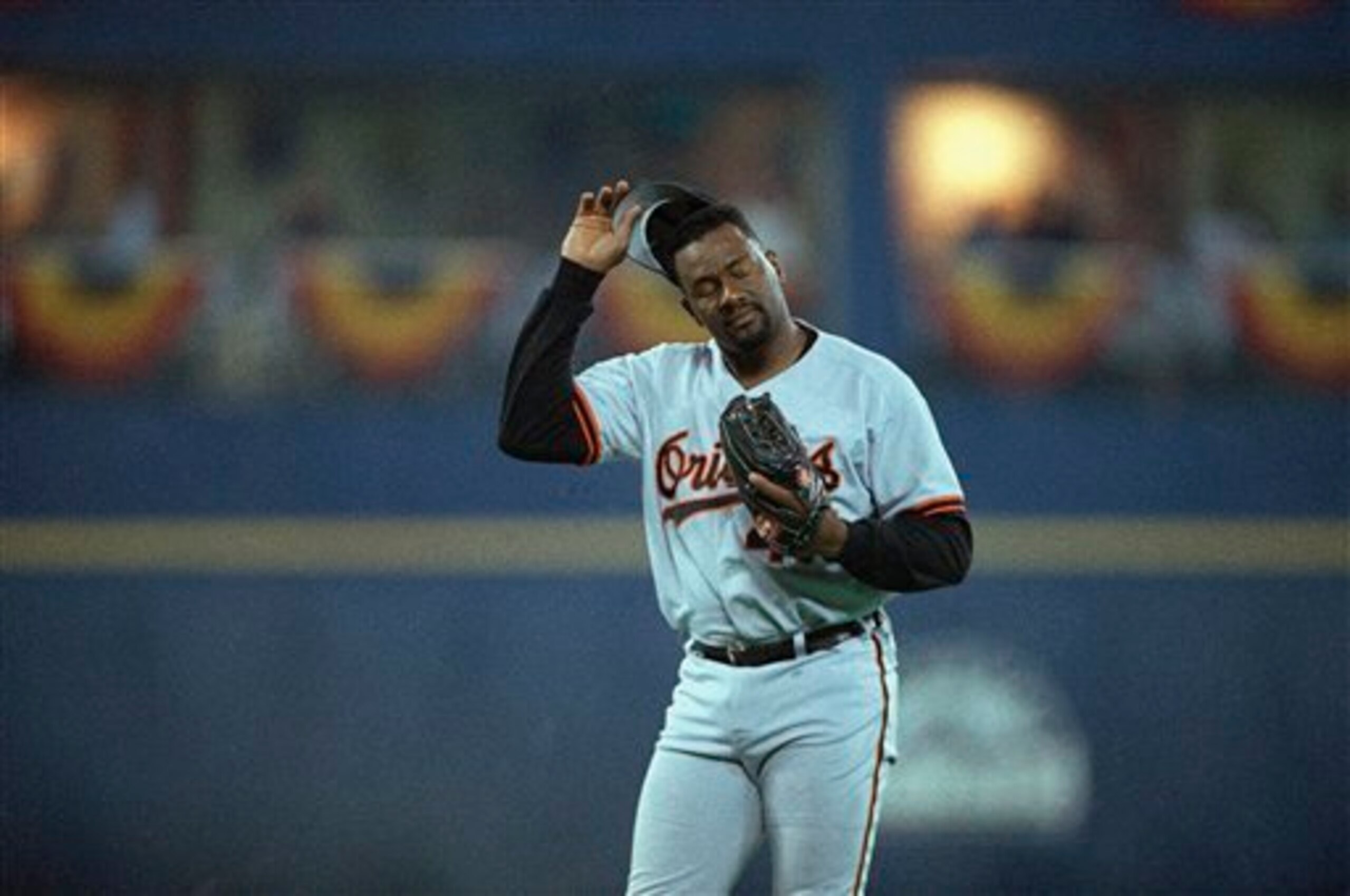
Lee Smith is hardly in danger of falling off the ballot. The longtime reliever got 30.2 percent of the vote in 2015, which was actually a slight improvement over the 29.9 percent he got in 2014.
Still, 30.2 percent is pretty far from 75 percent, and also quite a distance from Smith's peak of 50.6 percent in 2012. Now in his 14th year on the ballot, Smith has quite a hill to climb.
If he has he has something to hang his hopes on, it's the possibility of getting some sympathy votes. Smith has only this year and next year to be inducted into Cooperstown, a plight that may make some voters more forgiving of his career accomplishments.
Which, of course, are fairly impressive. Smith racked up 478 saves in 18 seasons, putting him third on the all-time list. He also racked up a solid 3.03 ERA that translates to a 132 ERA+, putting him within the top 10 among relievers with at least 1,000 career innings.
Outside of his saves and ERA+, though, it's hard to place Lee among the game's greatest relievers. JAWS puts him comfortably outside the conversation, and his career strikeout rate (8.7 K/9) and opponent batting average (.236) fall short of legendary status.
Again, it won't be a surprise if Smith gets a sympathy bump. Just don't expect much beyond that.
Roger Clemens: Hanging in There
6 of 15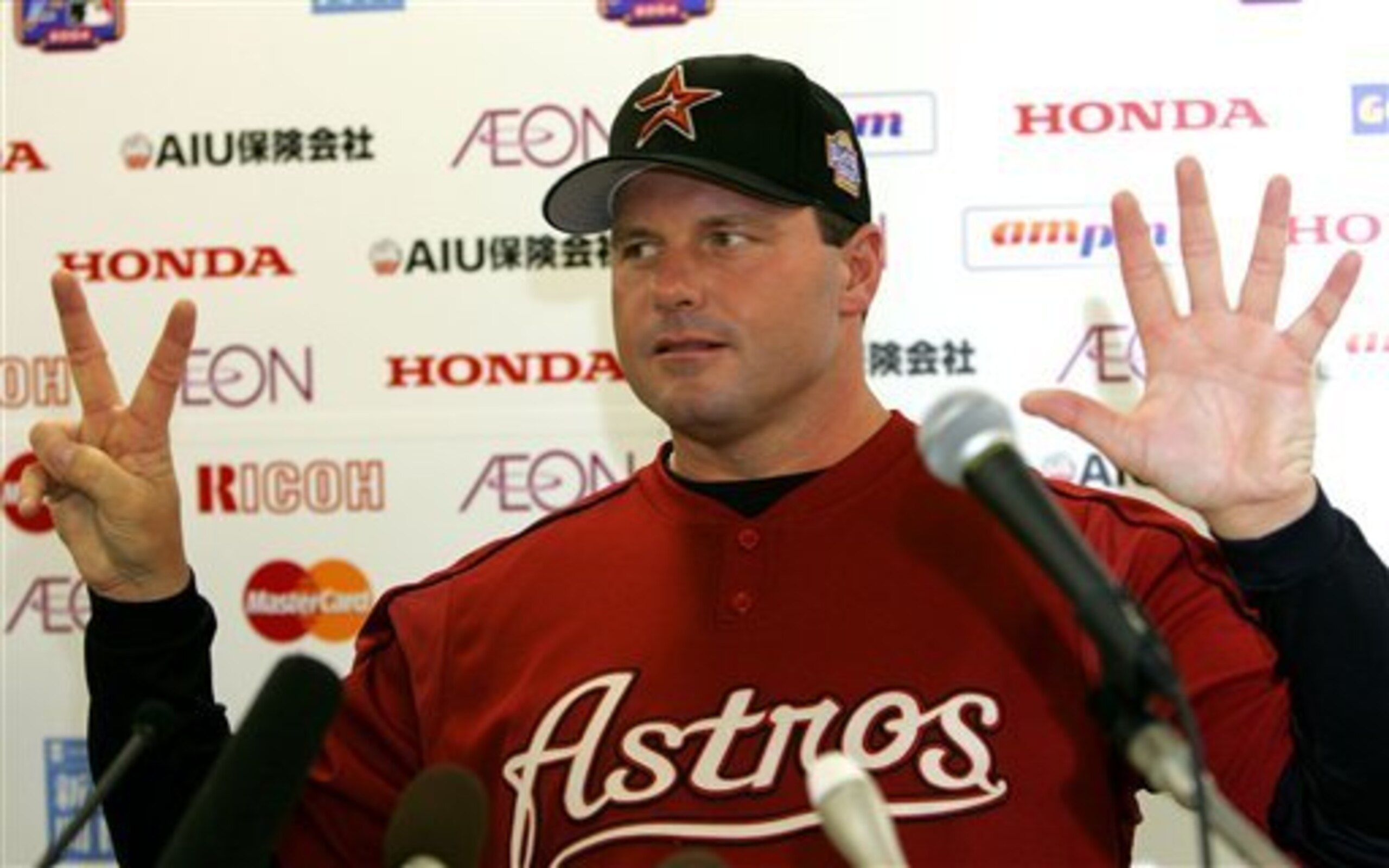
Now in his fourth year on the ballot, Roger Clemens needs quite a bit more support than he's gotten. In three years, his voting percentage has hovered between 35 and 38 percent.
Is he due for a boost this year? Eh...probably not.
According to Hall of Fame ballot tracker Ryan Thibs, Clemens' name appeared on 49.3 percent of the 140 ballots (out of roughly 450 total) collected through Jan. 1. That would seem to bode well.
However, Mark Townsend of Yahoo Sports noted around this time last year that Clemens was tracking in about the same position heading into the 2015 announcement. That didn't end up leading to a spike in voting, and one can imagine that happening again.
There's no ignoring Clemens' career accomplishments. In 24 years, The Rocket won 354 games and racked up a 3.12 ERA that translates to an excellent 143 ERA+. That and JAWS put Clemens among the top three starting pitchers in history, and let's not forget that he was also a seven-time Cy Young winner.
Sadly, Clemens' reputation is still suffering from the prominent role his name played in the 2007 Mitchell Report. The court case resulting from that ended up being a dud, but it seems the damage was done.
Looking at all this, one can't help but feel like Clemens' support is firmly stuck where it is. Maybe that changes over the long haul, but not just yet.
Barry Bonds: Hanging in There
7 of 15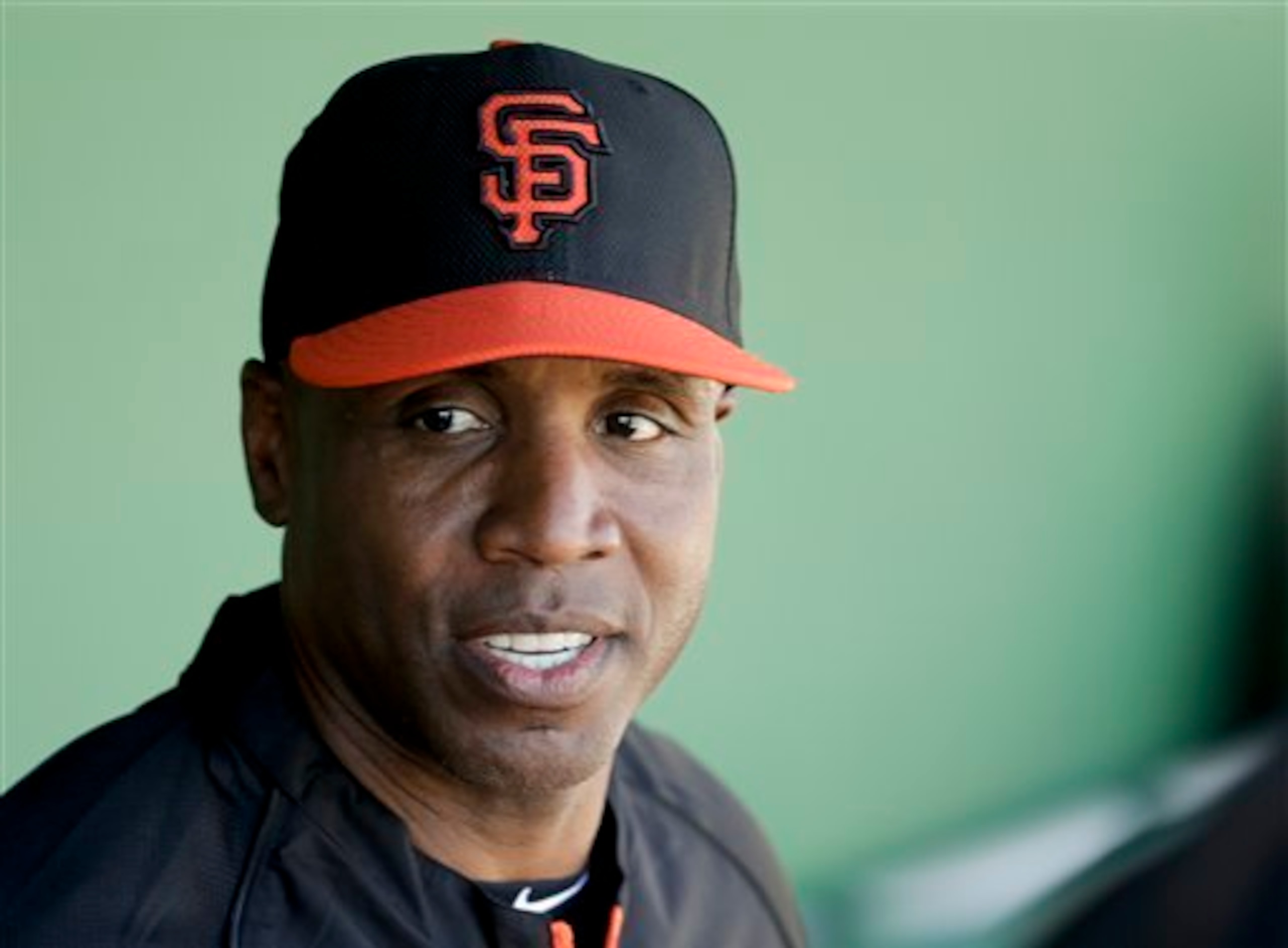
In the same boat as Clemens, you'll find Barry Bonds. His support through three years on the ballot has also hovered in the mid-to-high 30 percent range, and doesn't seem destined for a boost this year.
Bonds is right there with Clemens in the ballots that Thibs has tracked, appearing on 50 percent of them. But, again, that's about where Bonds was last year, too. Like Clemens, it didn't lead to a boost in the final voting.
Based on numbers alone, Bonds' Hall of Fame case is staggeringly strong. He, of course, holds both the all-time (762) and single-season (73) home run marks. He's also the all-time leader in walks (2,558), and he ranks in the top three all-time in OPS+ (182) and in WAR (162.4). He also won seven MVPs, including four in a row in his historic stretch between 2001 and 2004.
But, Bonds is another guy whose ties to performance-enhancing drugs don't exactly help in the Hall of Fame voting. His supporters can forgive those, but his detractors can't.
For what it's worth, Bonds says he doesn't need the validation of an official induction into the Hall of Fame. As he said last month, via Clark Spencer of the Miami Herald: "I'm a Hall of Fame baseball player. That's all that matters to me. I'll leave the voting process up to you guys."
That's the spirit, but here's guessing it's not going to win any hearts or minds.
Edgar Martinez: Back on Track
8 of 15
Edgar Martinez's last two years on the ballot don't exactly bode well. After earning roughly 35 percent of the vote in each of his first four years, he earned less than 30 percent in each of the last two.
The forecast for Martinez's seventh year on the ballot, however, calls for some improvement.
According to Thibs, Martinez's name appeared on 49.3 percent of the ballots collected through Jan. 1. That suggests he's in for a rebound, which is easy to believe.
Martinez was undoubtedly one of the great hitters of his era. In 18 seasons, he hit .312 with a .418 OBP and a .515 slugging percentage. That makes him one of only 20 qualified batters in history with a career batting line of .300/.400/.500, and his 147 OPS+ puts him among the 35 greatest hitters ever.
The big knock on Martinez is that he spent most of his career as a designated hitter. But this is where stripping away the voters who are 10 or more years removed from covering baseball should help him. One assumes those were mostly old-school-minded voters with a vendetta against the DH.
The voters who are left may be more inclined to believe that the DH is, you know, an actual position. Likewise, they may be inclined to point out that Martinez is arguably the best it's ever known.
Between all this and the likelihood that Martinez will get some sympathy votes with his time on the ballot winding down, he should indeed get a bump in the voting.
Mike Mussina: Making a Move
9 of 15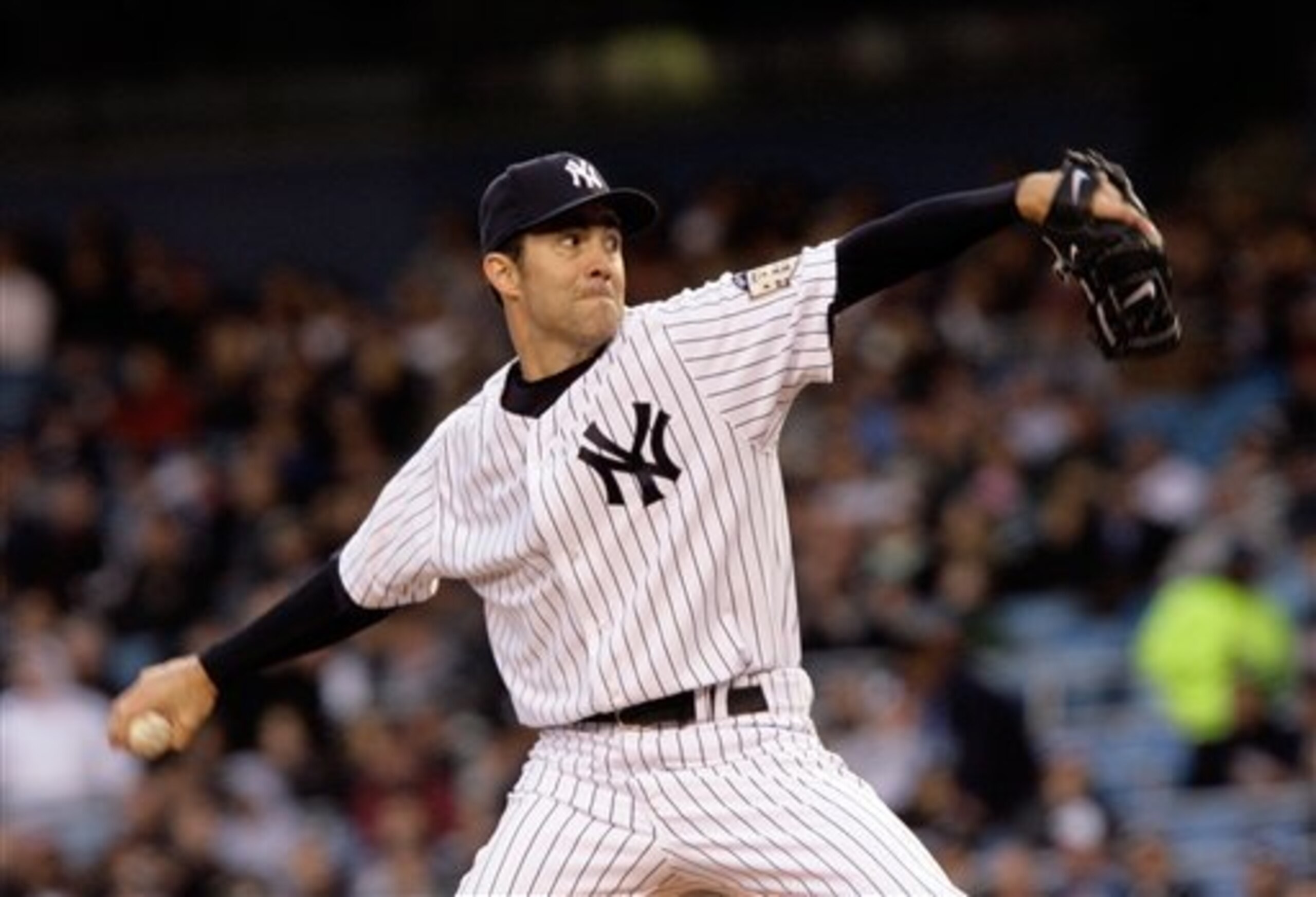
Mike Mussina first appeared on the ballot in 2014, and the bright side is that he's trending upward heading into this year's vote. After getting 20.3 percent of the vote in 2014, he got 24.6 percent last year.
And now, Mussina may be poised for an even bigger leap in support.
When Mussina first appeared on the ballot, he was overshadowed by fellow first-timers Greg Maddux and Tom Glavine. Last year, he was overshadowed by first-timers Pedro Martinez, Randy Johnson and John Smoltz. This year, however, there aren't any first-time starters to take votes away from Mussina.
That should help his career accomplishments stand out. Mussina doesn't have 300 wins, but he came pretty close with 270 in an 18-year career. And though his 3.68 ERA looks just OK at first glance, adjusting for the offense-heavy era in which he pitched gives him a 123 ERA+ that ranks in the top 25 all time among pitchers with at least 3,000 innings. And though Mussina never won a Cy Young, he finished in the top 10 in the voting nine times in 18 seasons.
As of Jan. 1, Thibs put Mussina on 56.4 percent of roughly 140 ballots. That's obviously well short of 75 percent, but it's a good omen all the same. After being overlooked in his first two years on the ballot, Mussina is set to surge.
Curt Schilling: Making a Move
10 of 15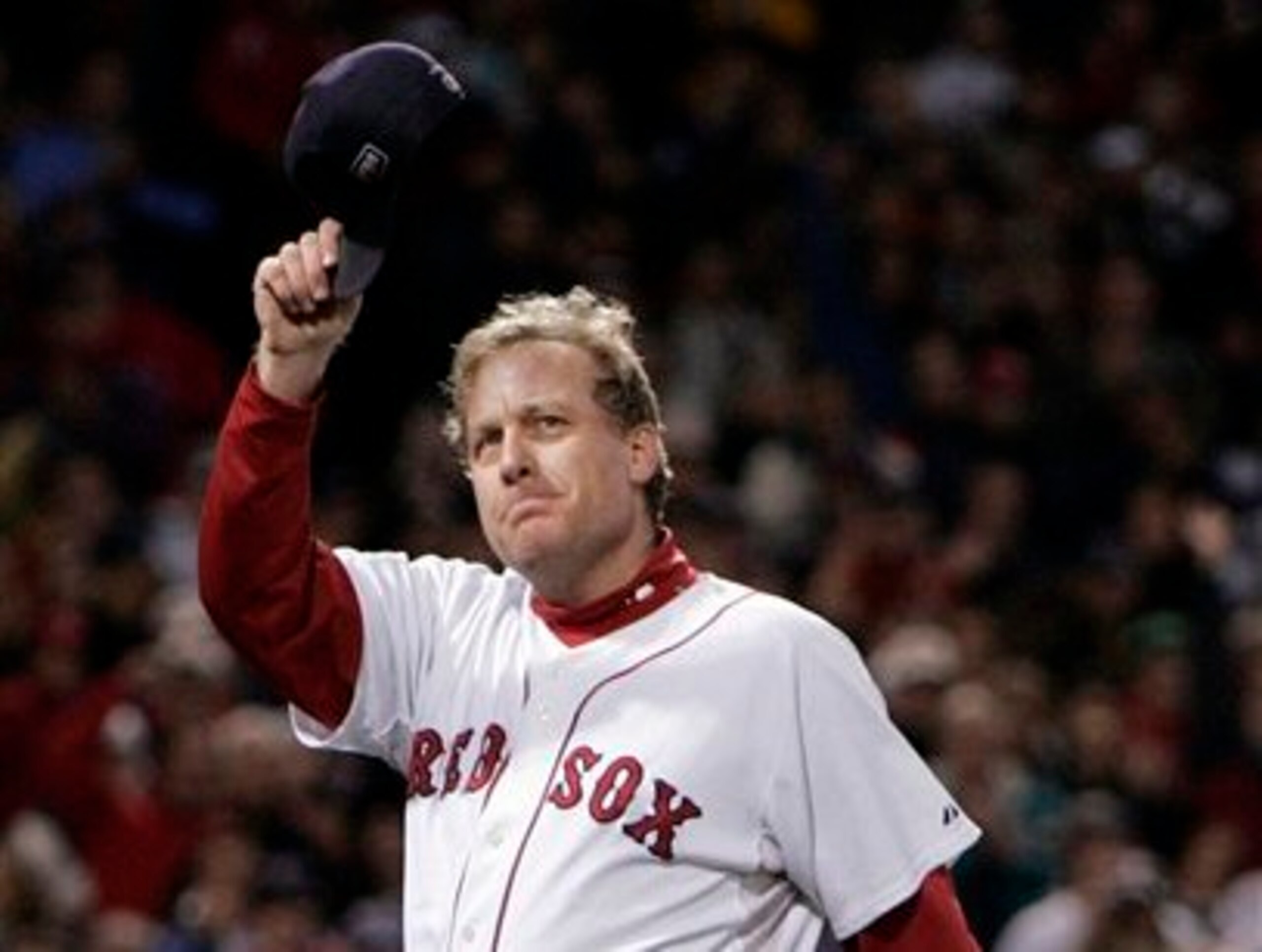
Like Mussina, Curt Schilling has been overlooked since first appearing on the ballot in 2013. But also like Mussina, he should be in for a boost in support this year.
Even more so than Mussina, in fact.
Schilling's support dipped below 30 percent in 2014, but it was at 38.8 percent in 2013 and 39.2 percent last year. He's thus already closer to election than Mussina, and is projected to get even closer this year. Per Thibs, Schilling's name appeared on 60.7 percent of 140 ballots collected through Jan. 1.
The fact that Schilling won only 216 games in 20 seasons puts him at a disadvantage by traditional Hall of Fame standards, but he has plenty to make up for that. His 3.46 career ERA equates to a strong 127 ERA+, and his combination of stuff and command led to the game's all-time best strikeout-to-walk ratio.
And though Schilling never won a Cy Young, he did finish in the top five of the voting four times. Even better is his postseason track record. In 19 October starts, Schilling posted a 2.23 ERA and 4.8 K/BB ratio, helping his teams win four pennants and three World Series.
All this has given Schilling strong support in two of his three years on the ballot. Without bigger, more deserving names to distract voters this year, even stronger support is in store.
Trevor Hoffman: Not Quite
11 of 15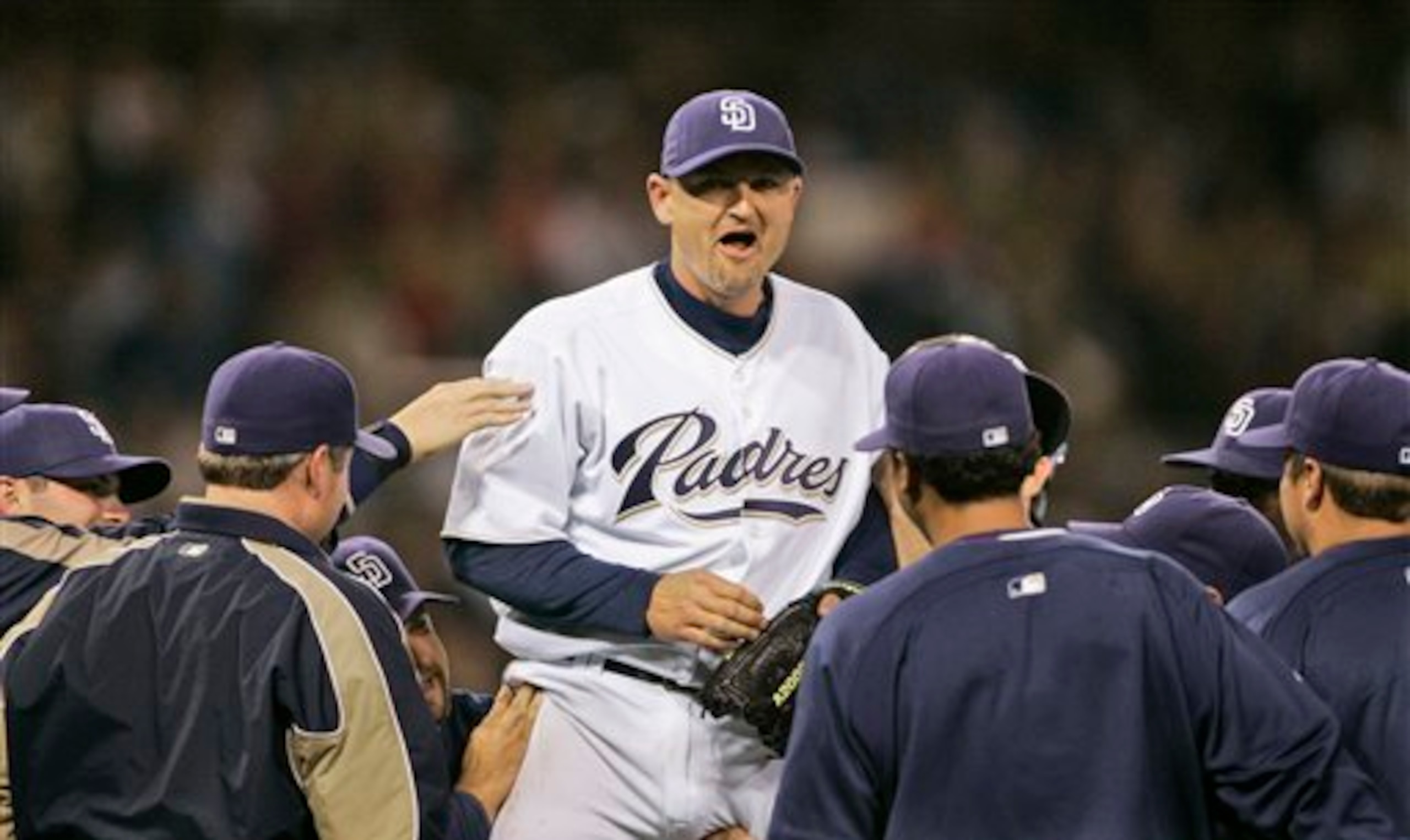
This is Trevor Hoffman's first year on the Hall of Fame ballot, and the longtime reliever is a decent bet to be a first-ballot Hall of Famer.
Decent, but not exactly certain.
That's the gist one gets from the ballots Thibs has seen so far, as Hoffman's name appears on only 62.9 percent of them. That's a good distance away from 75 percent, and one can't help but notice that Hoffman's support has dropped as more ballots have come in.
On the surface, Hoffman's case for the Hall of Fame looks strong enough. His 601 saves are second on the all-time list, and he has more than just saves going for him. Hoffman put up a 2.87 ERA in his 18 seasons, equating to a 141 ERA+ that ranks in the top five all-time among relievers with at least 1,000 career innings. Largely courtesy of his vanishing changeup, Hoffman also ranks first all-time with a 9.4 K/9 rate and is tied for first all-time with a .211 opponent batting average.
However, here's your reminder that it's tough to make it into the Hall of Fame as a reliever. Hoffman is facing an uphill climb on that basis alone, and it's worth noting that JAWS says it's actually debatable as to whether Hoffman is actually an all-time great reliever.
Hoffman will get into the Hall of Fame eventually, but not imminently.
Tim Raines: Not Quite
12 of 15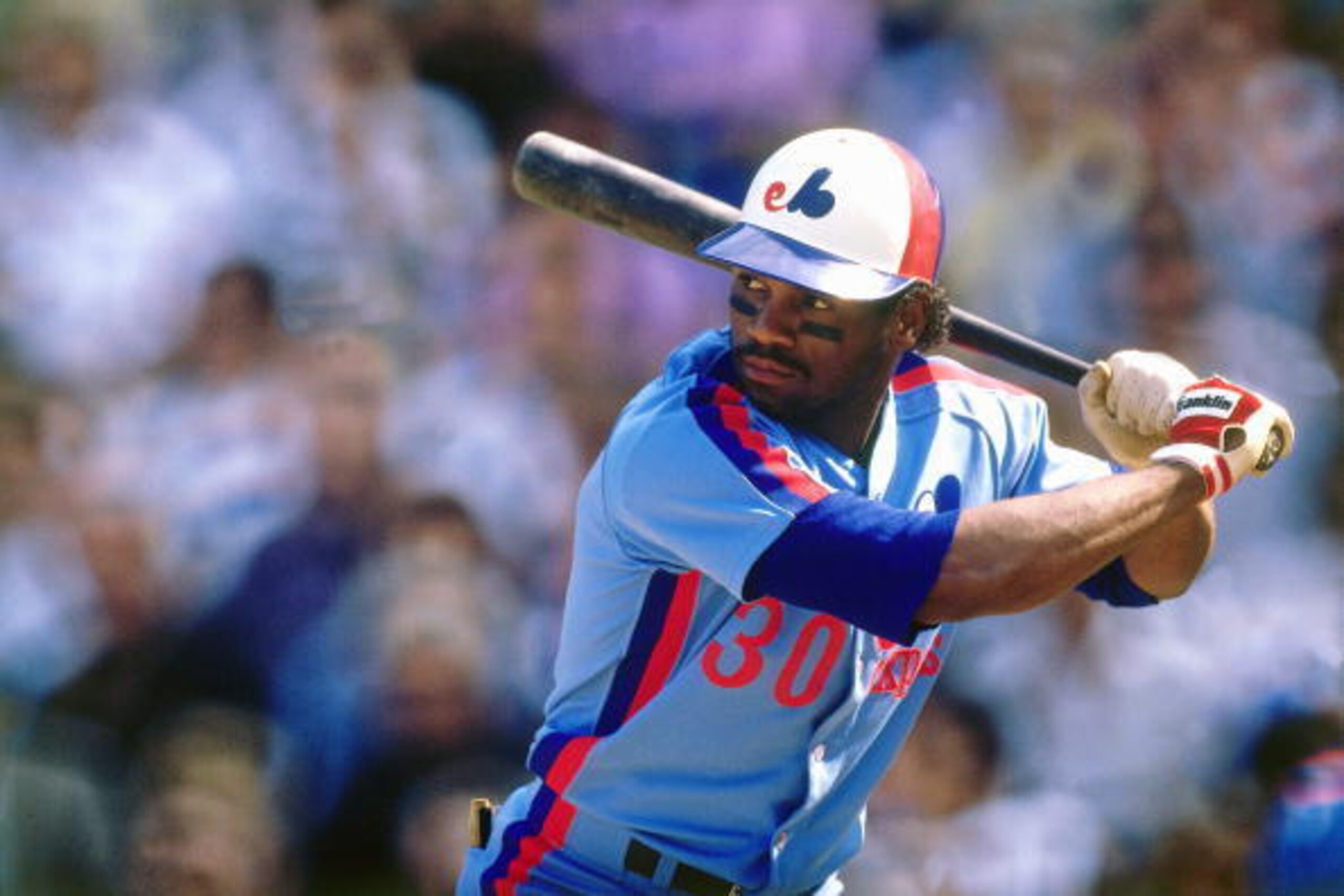
For Tim Raines, the good news is that he's trending toward induction into Cooperstown. For that matter, the further good news is that he's in line for some sympathy votes in his penultimate year of eligibility.
The not-so-good news? Raines will likely have to wait one more year.
Raines got 55 percent of the vote, despite being on a crowded ballot last year, and Thibs puts him on 80.7 percent of the ballots collected through Jan. 1. If that pace holds, he'll be in the Hall of Fame.
Raines does deserve as much. He's one of the great table-setters in baseball history, as only he, Rickey Henderson and Ty Cobb own OBPs over .385 with more than 800 steals and 1,500 runs scored. Raines also slugged 170 home runs in his 23 seasons, and in his prime was one of the great players of the 1980s.
The fact that Raines was a left fielder doesn't hurt, either. JAWS puts him among the game's top-10 all-time left fielders, and the only players ahead of him not in Cooperstown are Pete Rose and Barry Bonds.
But while all this is good, there's a pretty small margin for error between where Raines is tracking now and where he'll need to be when all the ballots are collected. Alas, too small. As Townsend noted, Raines was named on 66 percent of ballots this time last year. He ended up well short of that in the final voting, and Thibs figures history will repeat itself this year.
Those who don't vote for Raines have their reasons. Even still, they should steer clear of Jonah Keri.
Jeff Bagwell: Not Quite
13 of 15
Jeff Bagwell started off slow in his first year on the ballot in 2011, earning only 41.7 percent of the vote. He got a big jump after that, though, hanging in the 55-60 percent range in four years since.
Nonetheless, Bagwell still has a tall hill to climb. He's tasked with going from 55.7 percent last year all the way to 75 percent this year. Odds are, he'll be in the At Least One More Year club alongside Raines.
The early returns do suggest otherwise, as Thibs puts Bagwell on 82.1 percent of ballots collected through Jan. 1. But that still places Bagwell in small margin for error territory, and Townsend can note he's yet another guy who fell well short of where he was tracking on the eve of last year's final announcement.
Bagwell is deserving of induction into Cooperstown. He made a huge impact in his 15 seasons, hitting 449 home runs with a 149 OPS+ and 202 stolen bases on the side. Add in good defense, and he rates excellently even relative to the Hall of Fame's high standards at first base.
Holding Bagwell back is the general suspicion that he used PEDs during his career. There's virtually no evidence to back that up, however, and the way he's tracking in the balloting might suggest that he had more than a few skeptics among the voters that were cut from the collective this year.
Still, the fact remains that Bagwell is in small-margin-for-error territory. And for his many advantages, the one disadvantage he has is that he's not close enough to the end of his eligibility to draw a significant number of sympathy votes. He'll get close this year, but 2017 is a better bet for when his wait will end.
Mike Piazza: Just Enough
14 of 15
Mike Piazza first appeared on the ballot in 2013, and has been trending upward ever since. He earned 57.8 percent of the vote his first year, and then 62.2 and 69.9 percent in his second and third.
And now, he should finally get the call in his fourth year.
There's not much distance between 69.9 percent and 75 percent, after all, and Piazza's current position bodes well. Per Thibs, he was named on 87.9 percent of the ballots collected through Jan. 1.
Piazza is yet another guy who looks completely deserving of a spot in Cooperstown. In 16 seasons, he hit .308 and slugged 427 home runs, the most ever for a catcher. His 142 career OPS+ also ranks first all-time among catchers.
And though Piazza was regarded as a poor defender throughout his career, we now know courtesy of Max Marchi of Baseball Prospectus, that he might be one of the 10 greatest strike framers in history. Given what we know now about the importance of that particular skill, any voter who bothered to look that up had another good reason to vote for Piazza.
The big reason not to vote for Piazza? The same as Bagwell: suspicion about PEDs. But like with Bagwell, Piazza's ties to PEDs are somewhere between hazy and nonexistent. That is, unless you really care about back acne.
It sure doesn't seem like enough voters do to keep Piazza out this time. It'll be a couple years late, but he should get the call on Wednesday.
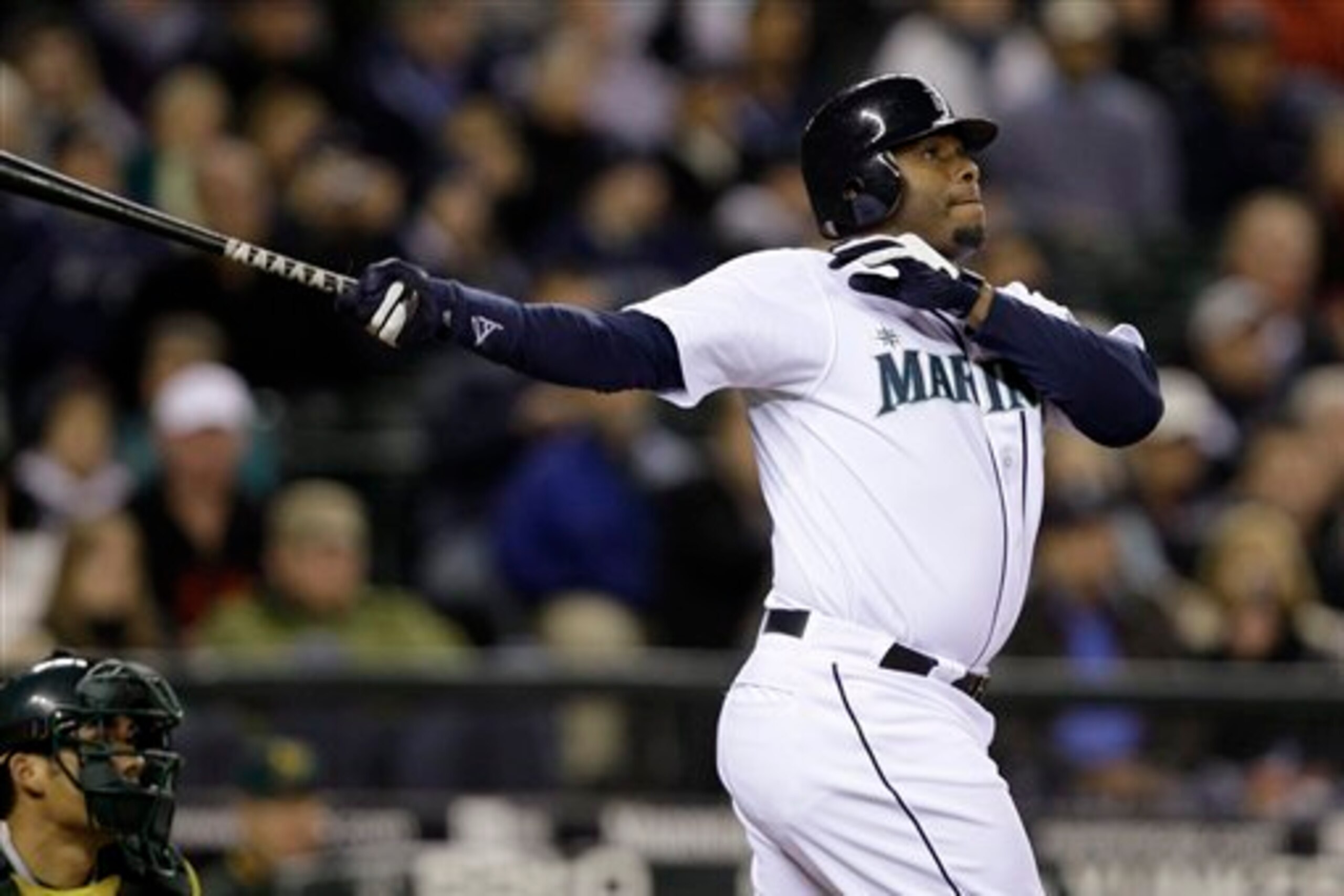
Ken Griffey Jr.: Count on It
15 of 15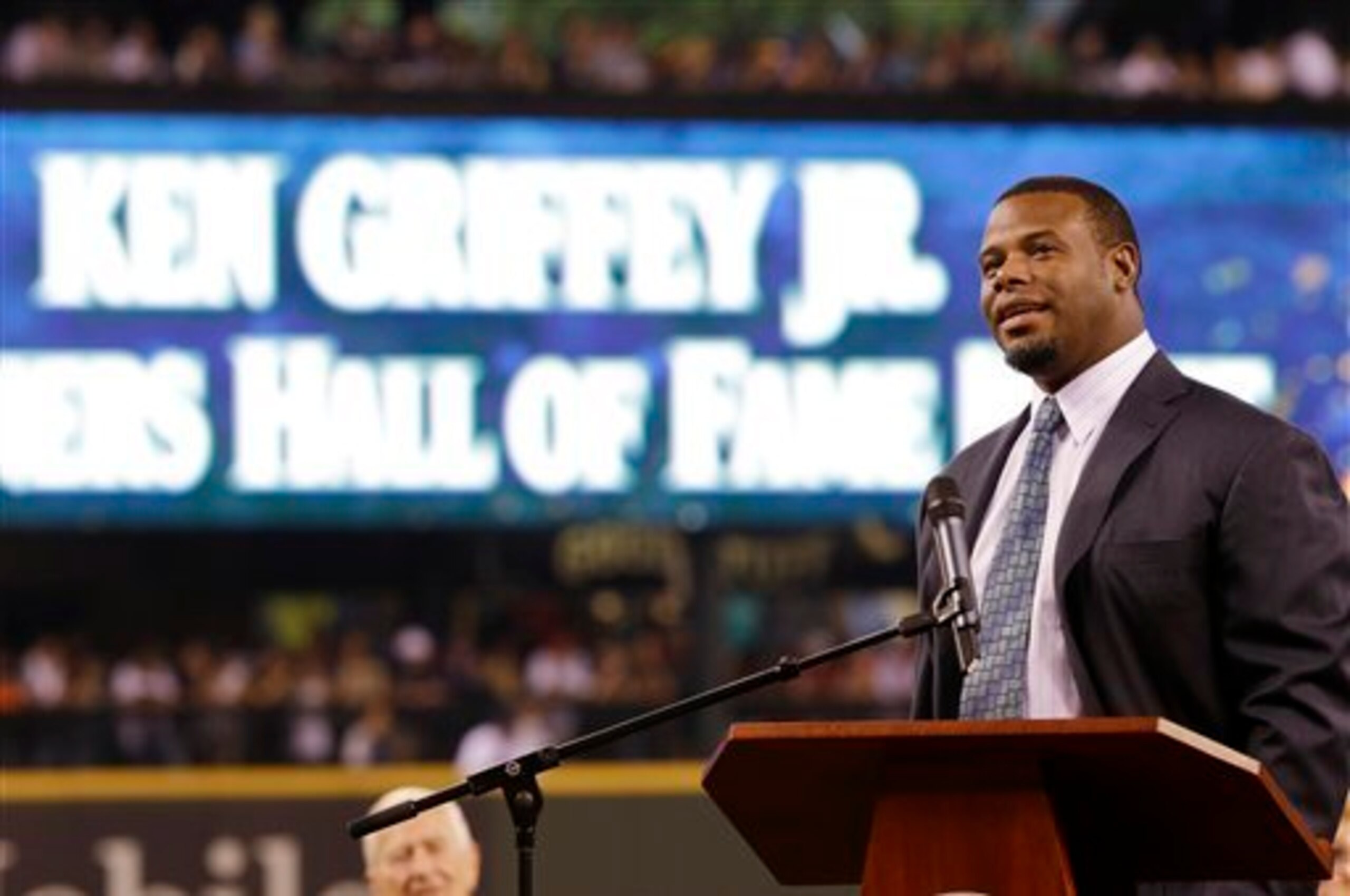
We know two things about Ken Griffey Jr.'s Hall of Fame situation. One is that this is his first year on the ballot, and the other is that he's a stone-cold lock to get in.
We don't even need to turn to Thibs to guess as much, but his numbers make it as clear as they possibly could. Through Jan. 1, Griffey's name had appeared on 100 percent of the ballots collected. He thus has a chance to be the Hall of Fame's first unanimous selection, an honor that MLB.com's Phil Rogers thinks Griffey is actually going to earn.
Spoiler Alert: He won't. But heck, it's hard to argue that he doesn't deserve it.
In 22 seasons, Griffey slugged 630 home runs to put himself at No. 6 on the all-time list. He also authored a 136 OPS+, and won 10 straight Gold Gloves between 1990 and 1999. Add it all up, and what you get is one of the game's great center fielders.
Of course, it's easy to look at Griffey's career and wonder what might have been, had his body not fallen apart in his 30s. But it's easier and, indeed, more satisfying to focus on what he did before that. Between 1990 and 2000, he put together an all-time great prime that cemented him as one of the brightest stars not just in baseball, but in all sports.
And so far as anyone knows, Griffey did it cleanly. He was never tied to PEDs during his playing career, and has presented few reasons to speculate whether he may have gotten away with using them. That's something you can say of few Steroid Era stars.
Sounds like a guy deserving of Cooperstown. And come Wednesday, that's where Griffey will be headed.
Stats courtesy of Baseball-Reference.com unless otherwise noted/linked.
.jpg?w=2560 "Grading WWE Raw 🔠")
.jpg?w=2560 "Source: Freedom, White Not Eligible for WNBA Draft (AP)")

.jpg?w=2560 "Shedeur's Reaction to Browns' QB Decision")