

Exposing Each Projected MLB Playoff Team's Fatal Flaw
Team strengths are abundant among Major League Baseball’s postseason contenders. They have to be over the course of a demanding 162-game season.
In October, those strengths become more critical than at any other time of the year. However, as the playoffs have shown in series after series, year after year, it is not always a team’s strengths that actually decide its eventual fate.
Often, it is a club’s weakness that determines how deep it can trudge through the postseason. When a team cannot rely on a vital part of its makeup when the leverages are at their highest, it can cost it its playoff life.
The standings show us the most likely postseason participants with about two weeks to go in the regular season. While we know which strengths have them sitting in those positions, it is now time to expose each projected playoff team’s fatal flaw, the glaring weakness that could eliminate it and end its World Series dream.
New York Yankees’ Ace/Rotation
1 of 10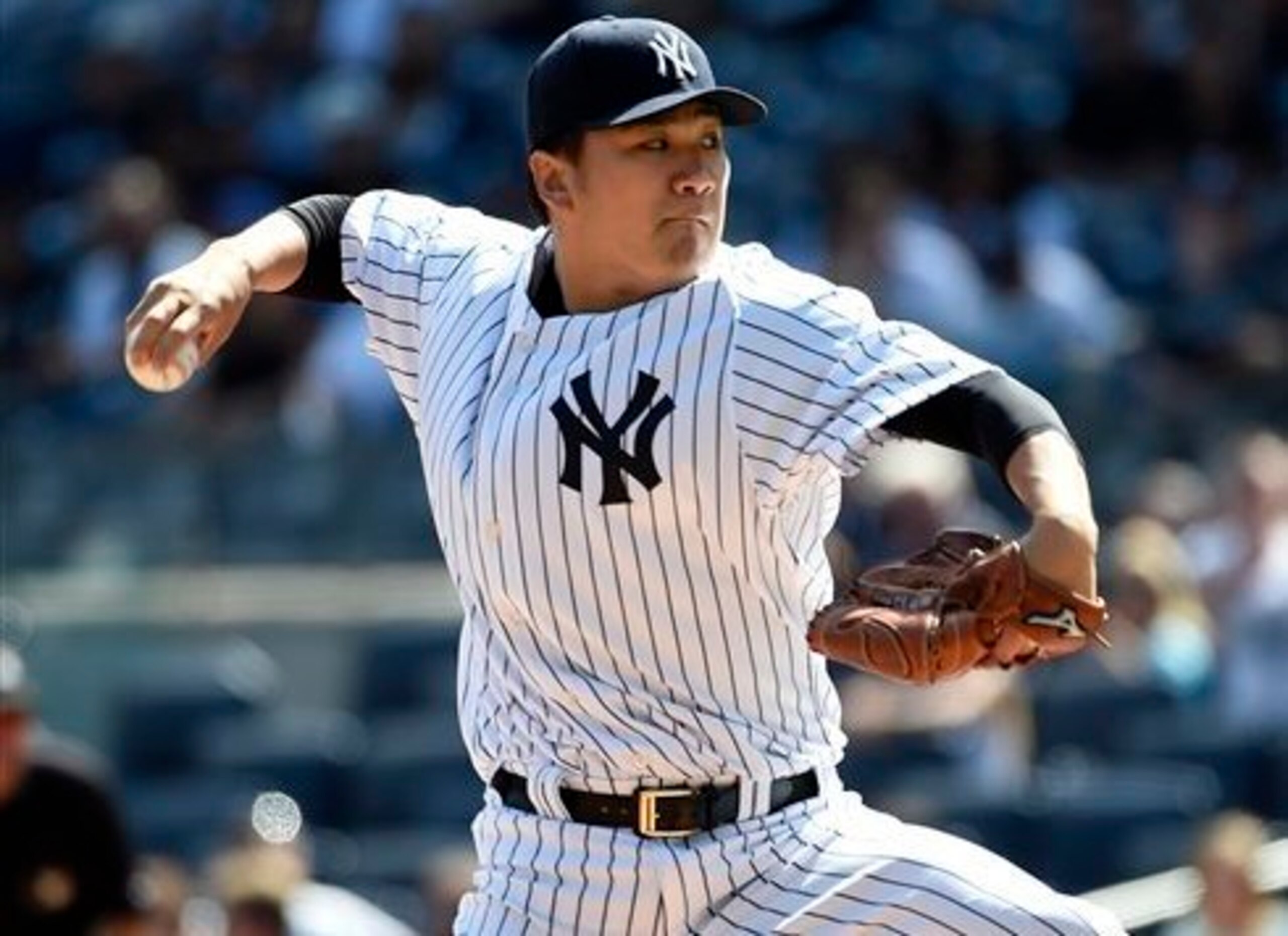
This has been the concern all season long. The Yankees lack an ace, and there seems to be a revolving door when it comes to which starter will front the rotation, because none of them has been consistent enough to lock down the position.
Right now, Masahiro Tanaka is the No. 1 guy. He has a 3.38 ERA and is coming off seven shutout innings against the Toronto Blue Jays last Sunday—he also threw a complete game against them last month—and then went six innings and gave up two runs Friday against the New York Mets.
Aside from Tanaka, Michael Pineda, CC Sabathia and Ivan Nova have been incredibly inconsistent. In fact, New York is moving Nova from the rotation to the bullpen because of it, and Sabathia has also had to face rumors of his potential role as a reliever, according to George King of the New York Post.
"We're trying to get the guys who are throwing the best right now," Yankees manager Joe Girardi told reporters.
For the Yankees, as they fight for their playoff spot, that seems like a day-to-day diagnosis. Relying on such a rickety and important part of a team is usually a fatal shot once the postseason rolls around.
New York Mets’ Innings Restrictions
2 of 10
Even with young arms in the rotation, this did not seem to be much of an issue for the Mets until Scott Boras, ace Matt Harvey’s agent, informed the team his client would be capped at 180 innings this year. At the time, Harvey was already at 166, and the pitcher did nothing to make his organization, teammates or fans feel better about the situation.
Now the plan is to severely limit Harvey’s starts going into the playoffs. When he appears Sunday against the New York Yankees, it will be on 11 days of rest. His pitch count will be tight.
The situation from now until the postseason arrives is keeping Harvey rested while preventing the rust from implanting.
“That’s a hard thing to do,” ESPN analyst Tim Kurkjian said on the network. “The goal, of course, is to get to the World Series and have him pitch in the World Series. But we’ve never had anything quite like this where you’ve got to juggle innings, you’ve got to keep him fresh, you’ve got to keep him sharp and you’ve got to get him through the end of October.
“To juggle for a month-and-a-half still, that’s going to be a hard thing to do.”
If Harvey goes into October as the No. 2 starter behind Jacob deGrom, there is a decent chance his limited September action will soften his edges and he won’t be as sharp. And he might be this guy against a Los Angeles Dodgers lineup that can be quite good when it is right.
The Mets cannot afford for Harvey to be that guy. For them to advance, he can’t be a punching bag. He has to be a dominant force capable of giving them seven or eight innings per outing.
With just about anything short of that, the Mets’ debilitating flaw could come in the form of one man’s well-protected arm.
Kansas City Royals’ Rotation
3 of 10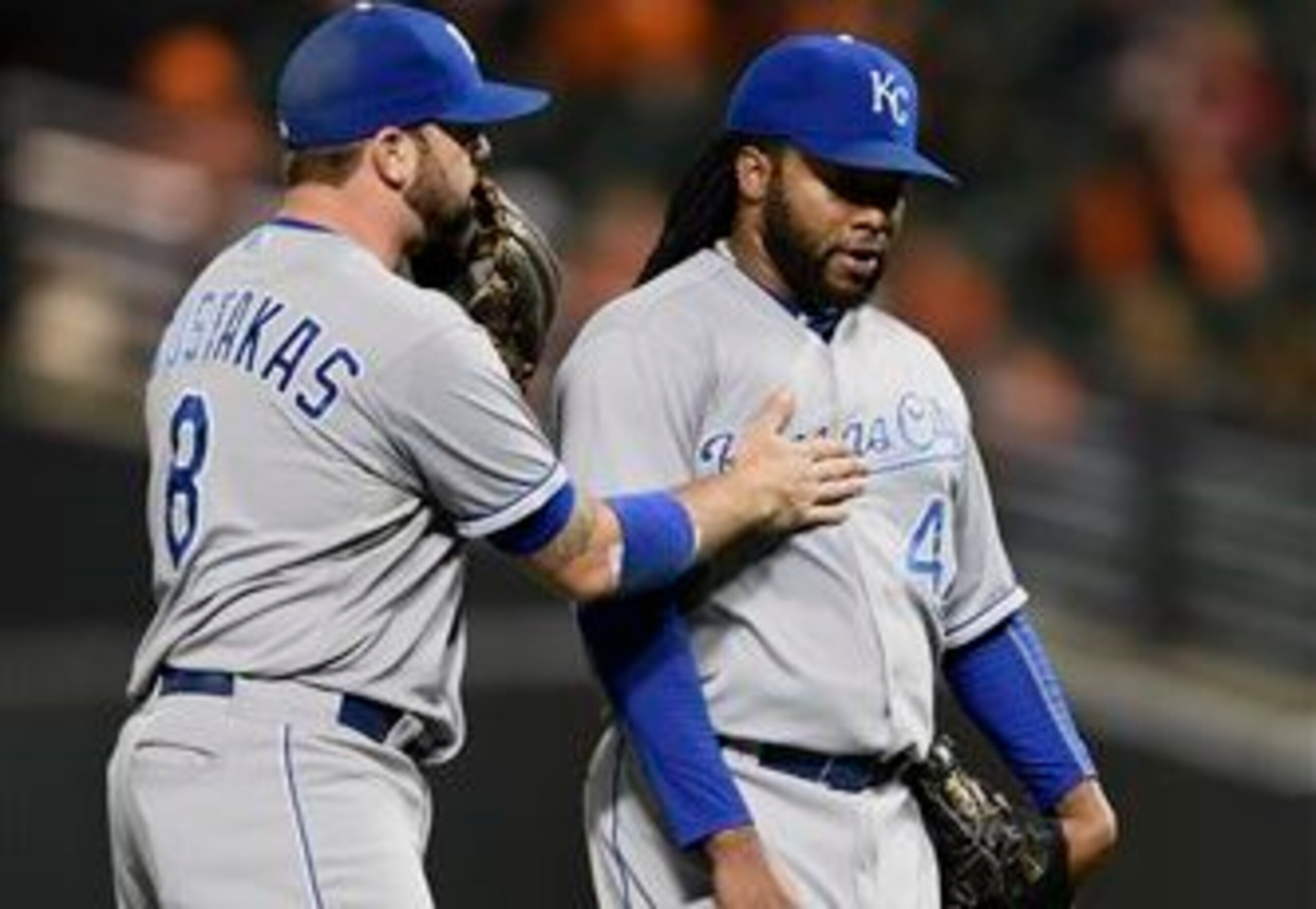
Starting pitching had been a concern for the Royals all season long, but they seemed to alleviate much of that in late July when they pulled off a trade for one of the most coveted starters on the market, Johnny Cueto.
The right-hander did not disappoint through his first four starts with his new team, showing a 1.80 ERA and allowing just one home run. Cueto was an inexplicable mess after that. In his next five turns, he had a 9.57 ERA (28 earned runs in 26.1 innings) and gave up a cartoonish eight home runs, including four in his last outing against the Baltimore Orioles.
That start prompted a Tuesday meeting between Cueto, manager Ned Yost, pitching coach Dave Eiland and assistant general manager Rene Francisco, according to Andy McCullough of the Kansas City Star. Yost and Eiland also met with Edinson Volquez, and Eiland later held a pitchers-only meeting. Yost would not discuss specifics of what the meetings were about but gave a cliched response concerning the team’s supposed ace.
“We just want him to get back to being Johnny Cueto,” Yost told reporters.
He did so Friday night against the Tigers, throwing seven innings and allowing two runs.
Volquez has a 5.72 ERA in his last five starts, and after a dominant five-start stretch—1.13 ERA—Yordano Ventura has allowed 10 runs in his last three starts (5.63 ERA in 16 innings).
The Royals have also lost nine of their last 13 games entering Friday, and the staff’s ERA is 5.97 in that time. Through 17 September games going into Saturday, the rotation has been among the worst in the majors.
The Royals have feasted on a mostly weak American League Central through most of the summer—they have a winning record against every team in the division—but their starting pitching issues have existed all year, and as the playoffs loom, they are being exposed more than ever. If they don’t get right, the rotation could be the team’s downfall next month.


Chicago Cubs’ Strikeout Rate and Inexperience
4 of 10
The Cubs pitching has come around just fine, especially within the rotation. That makes them a real threat in the postseason.
It is the offensive side that could keep their World Series drought going. The Cubs strike out at an impressively high rate (nearly 25 percent), which as of now is the third-highest mark in the last 35 seasons, according to FanGraphs. That could make them easy targets for teams such as the Los Angeles Dodgers and New York Mets, top-five pitching staffs in terms of strikeout rates.
"I think a lot of our high strikeout percentages is our young guys," Cubs GM Jed Hoyer told MLB.com's Carrie Muskat in May, when the Cubs became the first team to strike out 300 times. "It's been Jorge [Soler], it's been Addison [Russell], it's been Kris [Bryant]. That's just the nature of the beast when you're breaking in young right-handed hitters."
Hoyer chalked up the high rate to some inexperience, and that is also something that could hurt the Cubs in October. While the Kansas City Royals showed last year that postseason youth can be overcome, it’s not the norm, and the Cubs have plenty of playoff rookies in the everyday lineup.
That is not an assurance of failure, but those who believe team chemistry plays a role in postseason success probably also believe young players pressing or shrinking in big moments is a real thing as well. If it is, the Cubs are susceptible to it.
Toronto Blue Jays After David Price
5 of 10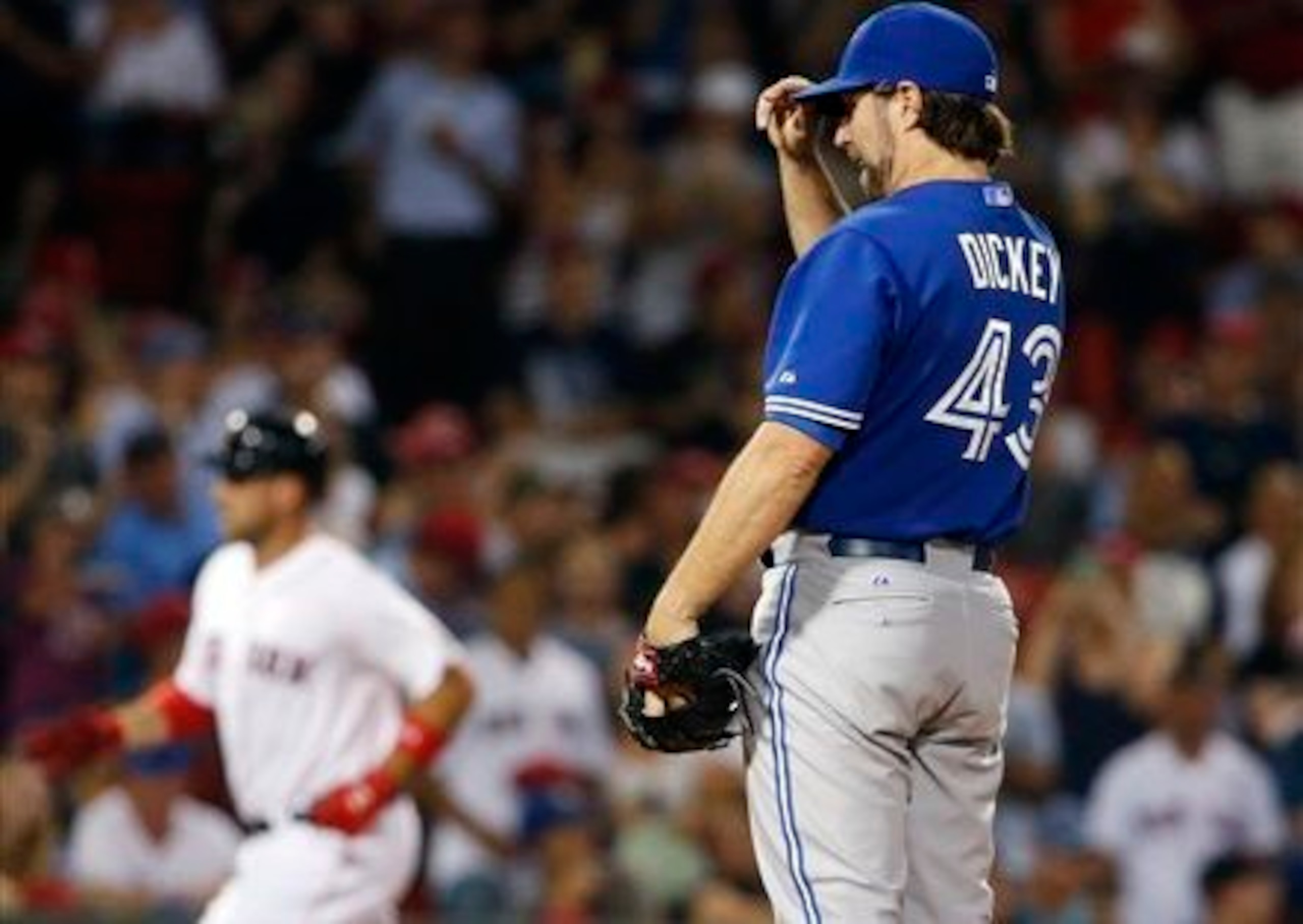
David Price has made the Blue Jays a legitimate pennant threat. A 2.17 ERA through nine starts with a new team will do that, as will the kind of offense capable of exploding for double-digit runs on any day or night.
The concern sets in after Price’s turn in the rotation. Right now knuckleballer R.A. Dickey is pitching like a real No. 2 option, and he’s done so in a good sample size of 13 games (2.94 ERA, 88.2 innings). He has also had a good sample of terrible games earlier in the year, giving the Blue Jays a 5.02 ERA in his first 17 starts.
For now, it appears safe to throw out those first-half struggles and rely on his second half as the more accurate barometer for postseason performance.
After Price and Dickey, there is a semblance of uncertainty. Mark Buehrle (3.66 ERA, 4.13 FIP), who recently had a cortisone shot in his sore left shoulder, is as capable of delivering a gem as a dud, and so is Marco Estrada (3.14 ERA, 4.42 FIP). Marcus Stroman could also find his way into the October rotation even though he's made only two starts since coming off ACL surgery. He has pitched 12 innings and allowed four runs in those turns.
The Blue Jays, right now, look like the most complete team in the American League, and finding issues with their rotation requires some nitpicking. It has been good, but it is not dominant.
"If [Stroman] is [ready], a playoff rotation of Price, Stroman, Mark Buehrle and Marco Estrada or R.A. Dickey would look pretty good," David Schoenfield of ESPN.com wrote earlier this month.
Los Angeles Dodgers’ Bullpen
6 of 10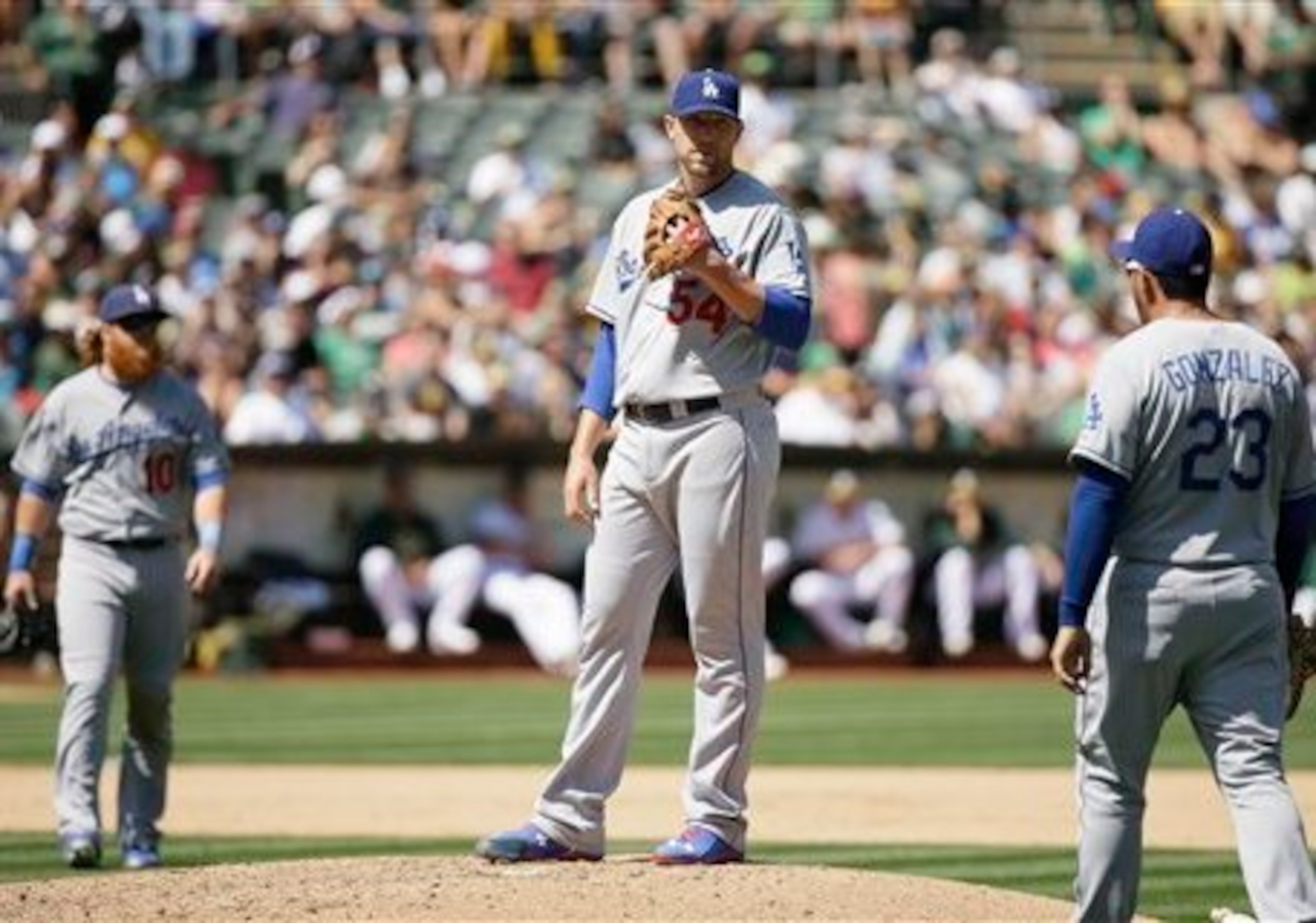
For most of 2014, all of last year’s brief postseason and for much of this season, the Dodgers have had a clear Achilles' heel—their bullpen.
In last year’s playoffs against the St. Louis Cardinals, the relievers allowed home runs in each of the first three games of the National League Division Series, and they put up a 6.48 ERA over 8.1 innings, giving up 11 hits and three walks.
This season the bullpen, aside from closer Kenley Jansen, has been barely more reliable. Its 3.97 ERA entering Friday ranked 12th in the league, and its 72.5 percent strand rate was 10th. The one positive for the group was that it has been able to blow away hitters with a league-best 10.15 strikeouts per nine innings and a 93.6 mph average fastball velocity in the second half—fourth in the league, according to FanGraphs.
The team’s front office believes its relievers fell too far in love with their fastballs, which contributed to the struggles.
“We have a pretty young group and guys that were pretty fastball-centric in terms of their mixes,” GM Farhan Zaidi told Mark Saxon of ESPN.com. “Early on, I think, they had the ability to just throw the ball by people. When the league caught on to it, they had to make the adjustments.”
Manager Don Mattingly has had to adjust as well, moving Chris Hatcher and Yimi Garcia into higher-leverage roles in what has been a season-long shuffle, even after the team traded for Jim Johnson, who had a 2.25 ERA in 48 innings with the Atlanta Braves but now has a 10.20 ERA in 15 innings with the Dodgers.
If the Dodgers are going to live up to their World Series aspirations, the bullpen is going to have to prove it can avoid disaster. So far, that is still a work in progress.
Texas Rangers’ Front-Line Pitching
7 of 10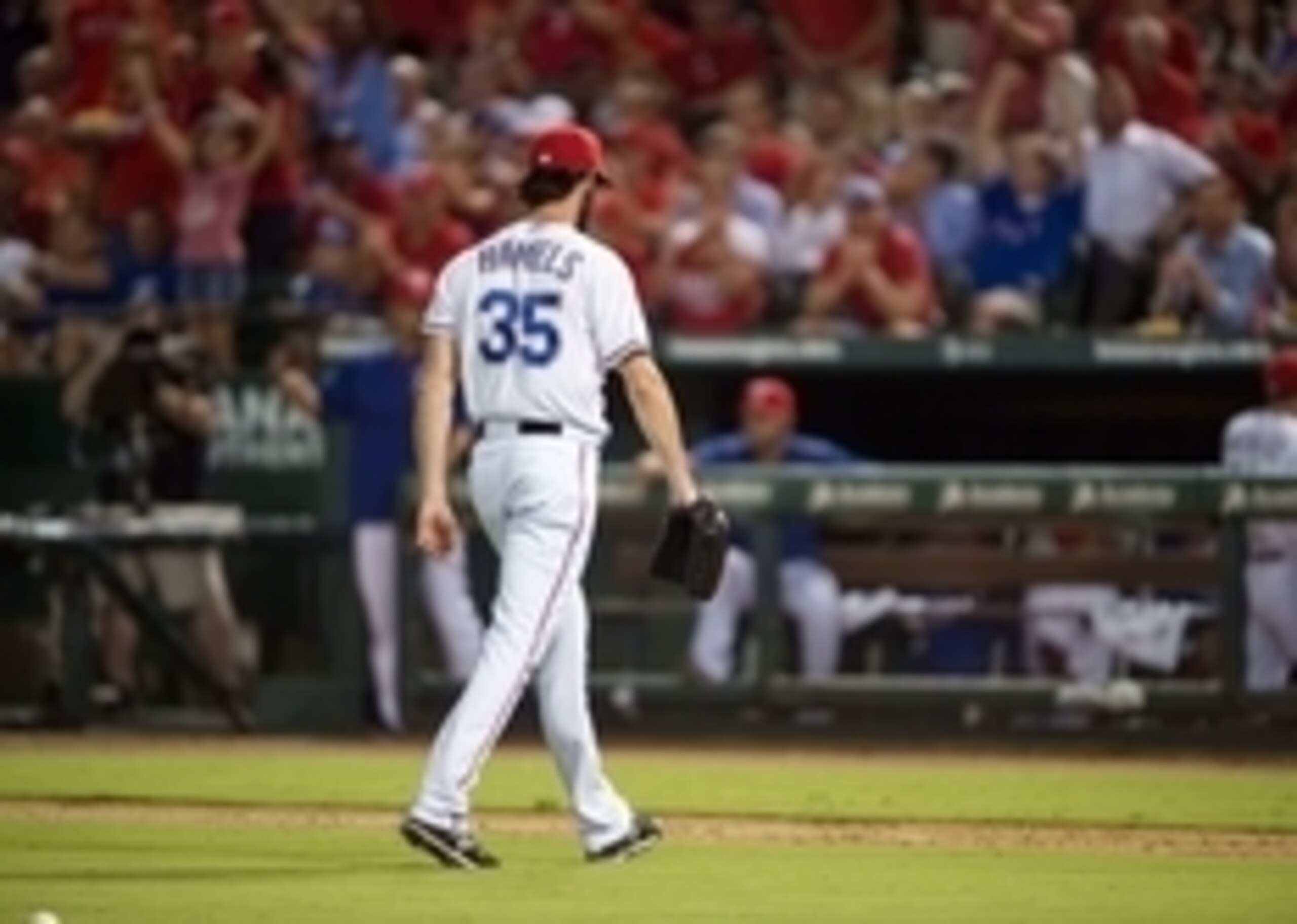
By label, the Rangers have an ace.
Cole Hamels took over that title when he was traded from the Philadelphia Phillies just before the July 31 non-waiver deadline and coming off a no-hitter, but in his eight starts with Texas, only one has been worthy of that lofty praise—he pitched eight innings, allowed one run and struck out 10 against the Baltimore Orioles on Aug. 28. Overall, Hamels has a 4.04 ERA and his strikeouts per nine innings with the Rangers are down to 7.8 from 9.6 with the Phillies.
Derek Holland looked to be a fine sidekick upon his return from a shoulder injury last month, but after posting a 2.15 ERA in his first four starts, including a complete-game shutout against Baltimore, he has allowed 10 runs in his next two starts (12.2 innings).
Yovani Gallardo has given the Rangers solid run prevention, but he’s had stints where he is either all or nothing. That has continued right up until the present time, which you can see by viewing his recent game logs. Also, he has completed six innings in a start only twice in his last 14 outings.
The Rangers rotation has the potential to be a force in the postseason, but it is plagued by inconsistency. When it is good, it is good enough to win a pennant. When it is bad, it has the potential to dash the team’s World Series chances over the course of a series or, if Kansas City does not win the American League West, in a do-or-die one-game Wild Card Playoff.
St. Louis Cardinals’ Offense
8 of 10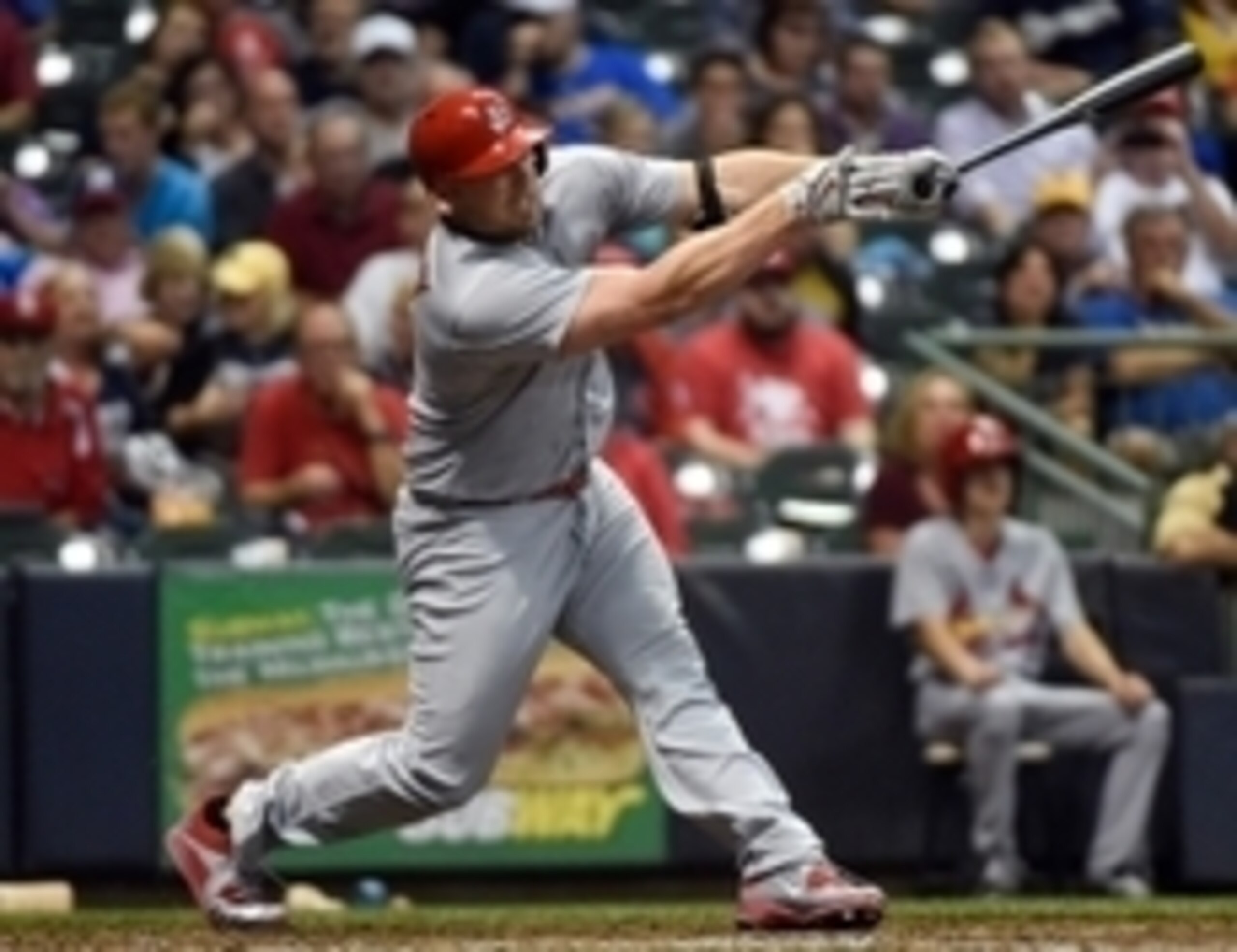
The Cardinals lineup is picking an ideal time to get itself in line again, although it should be noted it has done so against two of the league’s worst rotations—the Cincinnati Reds and Milwaukee Brewers.
The Cardinals went into Friday having scored 23 runs against those two clubs in their last four games, but before that, the team had lost eight of 10 and saw its offensive production fall to a .227/.300/.307 slash line in those games.
Over a larger sample, the Cardinals’ wRC+ has dropped to ninth in the National League in the second half after being fourth in the first half, according to FanGraphs. The team’s wOBA has also fallen to 12th in the second half after being sixth in the first.
The Cardinals have been able to pick up their offense by inserting young players when regulars get injured. Randal Grichuk was one of those hitters, and now Tommy Pham and Stephen Piscotty have stepped up to be productive contributors.
That could all change once the competition improves. The Cardinals are in a weekend series against the Chicago Cubs, and the playoff contenders in the NL all have strong rotations capable of shutting down good offensive teams, let alone ones prone to lengthy slumps.
Houston Astros’ Overall Swoon
9 of 10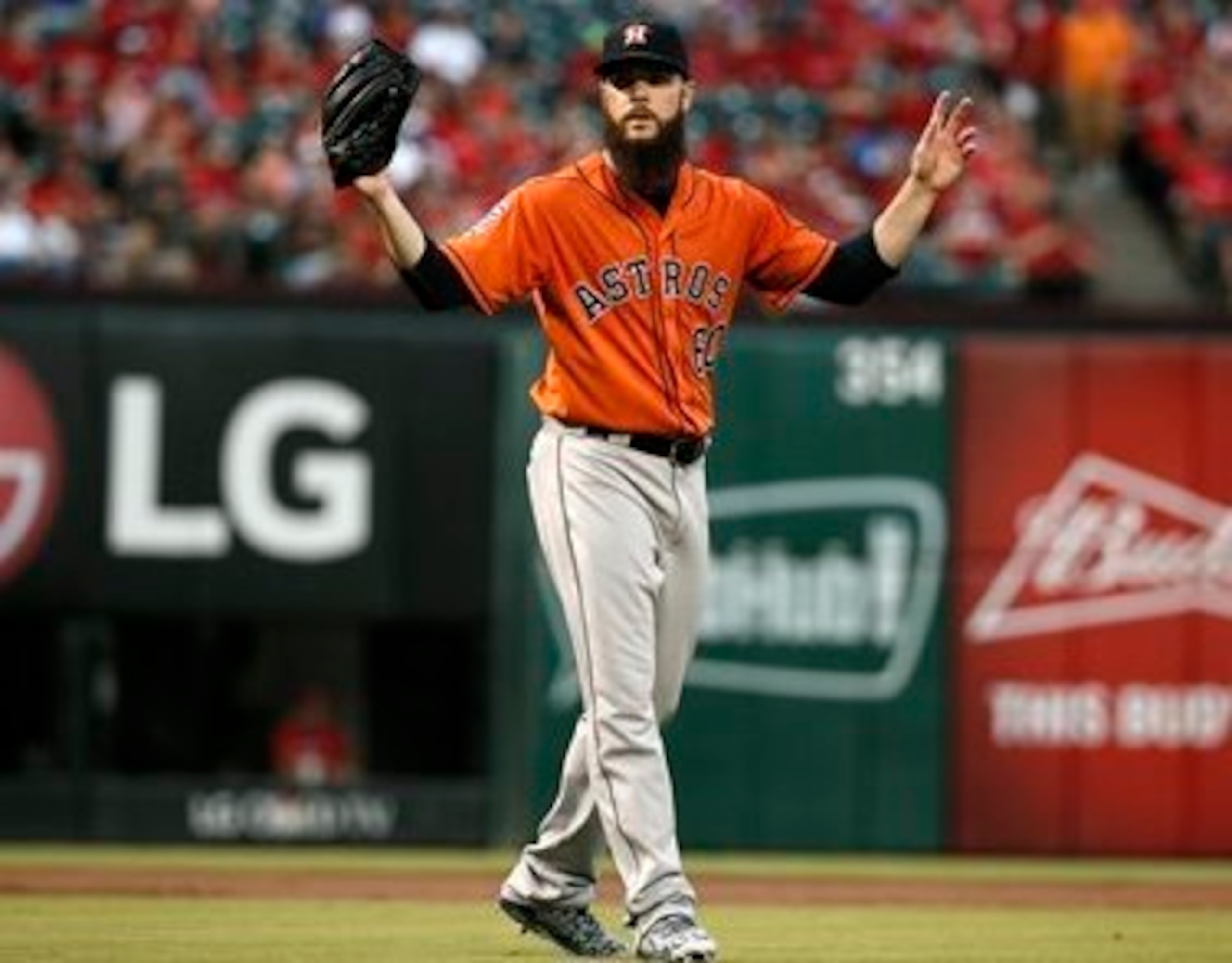
The Astros’ run to the top of the American League West was improbable considering they had lost no less than 92 games in each of the previous four years, with three of them topping 100 losses. But in building that run, they showed a strong top of the rotation, a good bullpen and a powerful lineup.
Those parts of the club have faltered down the stretch. The team has given up possession of first place after the Texas Rangers swept Houston in a four-game series, and the hold on the second wild-card spot is slippery at 1.5 games over the Minnesota Twins.
“The Houston Astros, the 12 guys who lead them in WAR, which at least gives you an idea of who the best players on the team are, of those 12 guys 11 of them have never appeared in the postseason,” Joel Sherman of the New York Post said on MLB Network on Thursday. “The only one who has is Colby Rasmus, who appeared in three games in 2009. The guys who have been the weightlifters this year, who put you in this position, are people who are not used to being in this deep water that they’re in now. Do they know how to get out of the quicksand? Because they’re in it.”
There is still plenty of time for the Astros to bust out of this slump. Even if they don’t and back into the postseason, we’ve seen other teams do that and have October success.
Then again, those are not the kinds of teams you bet on when the stage is the biggest and the lights are the brightest.
Pittsburgh Pirates’ Lineup
10 of 10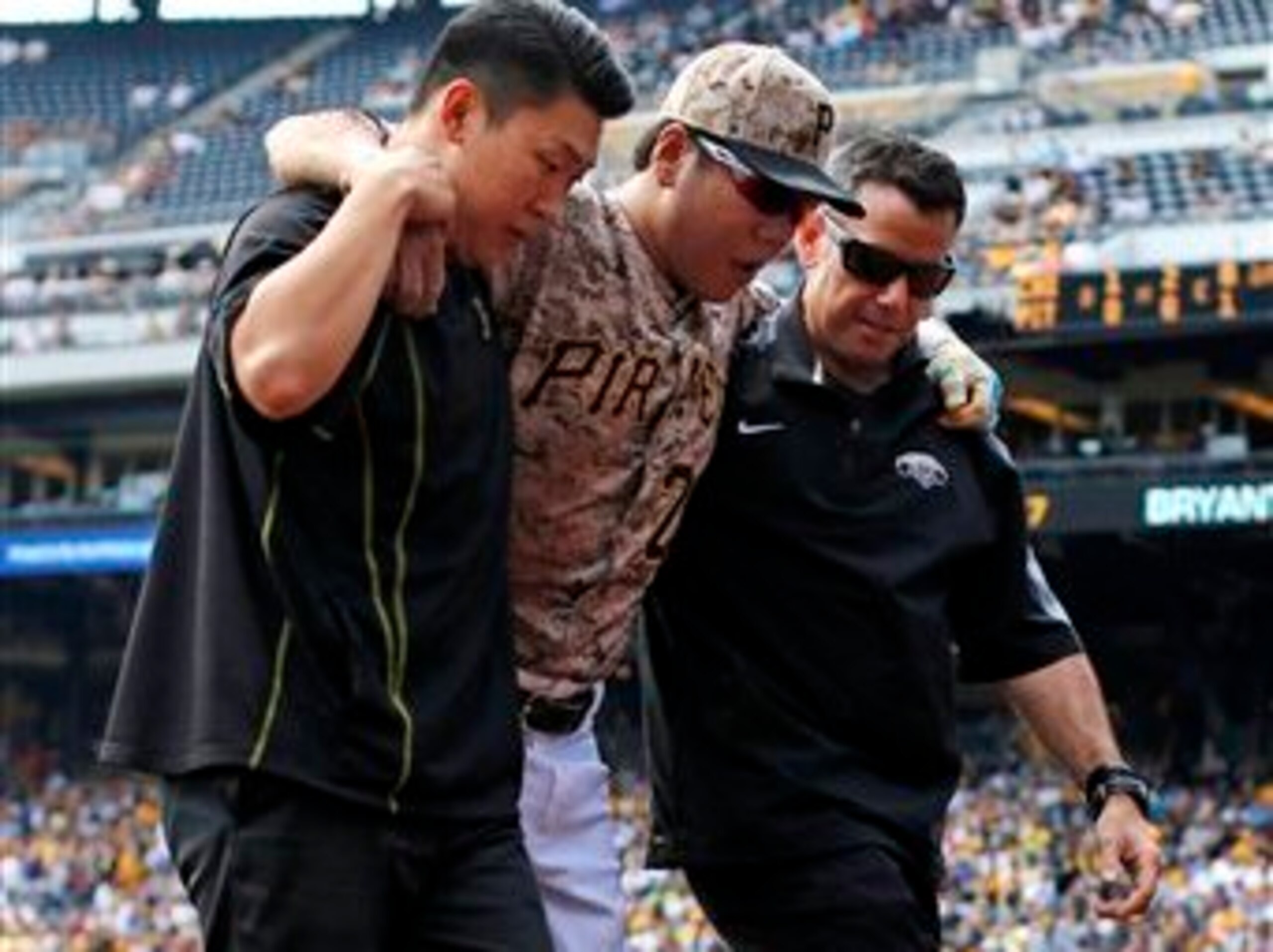
The Pirates were struggling to be an offensive threat before Thursday, but the outlook got much worse after shortstop Jung Ho Kang, one of their best offensive players, was lost for the season with a knee injury while turning a double play against the Chicago Cubs.
The Pirates lost 10 of 18 games entering Friday, and in the 17 games before Kang was hurt, they were hitting .246/.313/.369 with a .682 OPS, all numbers that rank below the league averages.
The rotation, which has been an on-and-off concern this season, has been pretty good over the last month. Over their last 29 games, the starters have a 3.50 FanGraphs WAR and 3.15 FIP, which both rank second in the NL behind the Cubs.
Clearly, the rotation has not been the source of the team’s problems. That distinction belongs to the offense, and unless things improve in October, the Pirates could turn into a punchless easy out.
Stats courtesy of FanGraphs.


.jpg?w=2560 "Report: Giants Releasing Najee")


.jpg?w=2560 "Latest Report Card Grades for Top 20 CFB QBs 🔠")