

Bleacher Report's Guide to Acing Your 2015 Fantasy Baseball Home Stretch
For fantasy baseball players uninitiated to the 162-game MLB grind, the 2015 campaign has already lasted forever. While it's nearing the finish line, roughly two months remain to chase a championship.
With most trade deadlines approaching and head-to-head playoffs in sight, make-believe managers across the world are pressing the panic button. Even if only down a few points, the cavernous gap between fourth and first can feel wider than the Springfield Gorge.
There's not much time to cement a victorious season, leaving antsy owners unsure of how to handle the closing weeks. Should they stay the course and trust their early evaluations or blow up anything that isn't working? Is it time to take drastic measures or simply exude patience?
Nothing is ever so black and white, but a proactive approach goes a long way while the competition grows complacent and fatigued. Some research, dedication and a sprinkle of luck will optimize an individual's chances of capturing fantasy glory.
Here are some steps to ensure a strong finish.
Know Where Your Team Stands
1 of 7
Before setting a concrete plan of attack, every manager needs to know his or her exact situation.
Identify strengths and weaknesses from positions and categories. Anyone controlling the save column doesn't have to ride the closer carousel, but he or she might need stolen bases in the worst way.
This is especially important in rotisserie leagues, where it's much easier to examine an exact standing of each category. Enjoying a seismic lead in steals? Time to put Billy Hamilton on the market. Lagging behind in strikeouts and wins? Hit the waiver wire hard and stream starting pitchers with good matchups.
Figure out what spots feature the largest possible gains and rises. A team third in home runs but way behind second and significantly ahead of fourth shouldn't waste resources trading for Chris Davis when it can instead rise or drop a few points in batting average. In that scenario, the Baltimore Orioles slugger will do more harm than good given his massive strikeout percentage.
Furthermore, Lucas Duda's hot bat won't aid a team with Mark Teixeira and Jay Bruce hogging both utility spots. Maybe the New York Mets first baseman can fetch a middle infielder during his power tear.
Trade for Need First, Value Second
2 of 7
After identifying specific needs, scour the league for potential trade partners. Don't be the person trying to sell Brandon Crawford to the owner with Troy Tulowitzki. Find a match who needs what you're advertising and vice versa.
When two managers are addressing concrete areas of improvement, it's easier to negotiate without the usual mess. Open the dialogue with a reasonable offer and clear statement of your intentions, and the other owner is much less likely to make an outlandish counteroffer.
If everyone else is too focused on "winning" the deal, don't be afraid to execute a transaction that is fishy on paper but helpful for your squad. Let's circle back to Chris Davis to detail a real-life example.
I have a roto team with a sizable first-place edge in homers but ample room to rise in every pitching column besides wins. (By mistake, I left Joaquin Benoit in my opening-week lineup despite the San Diego Padres acquiring Craig Kimbrel before Opening Day. The new eighth-inning man vultured two victories for me. Kill the win.)
As someone who places a premium on strong bats and rarely pays for closers, I was reluctant to address my last-place standing in saves despite my power advantage. But realizing I'd at most drop one point in homers, I exchanged Davis for Aroldis Chapman, who offers a major boost in strikeouts and ERA along with his saves.
Other members of the league gave me a "Uh, what are you doing?" reaction to the deal. Finding a closer is less taxing than locating a slugger, especially late in the year. Even if Davis is the more valuable asset, Chapman maximizes my club's point-earning potential near the finish line.
Cut Dead Weight
3 of 7
People can only stay patient for so long before snapping. Cleanse your roster of toxic influences, even if it means cutting a big name or two.
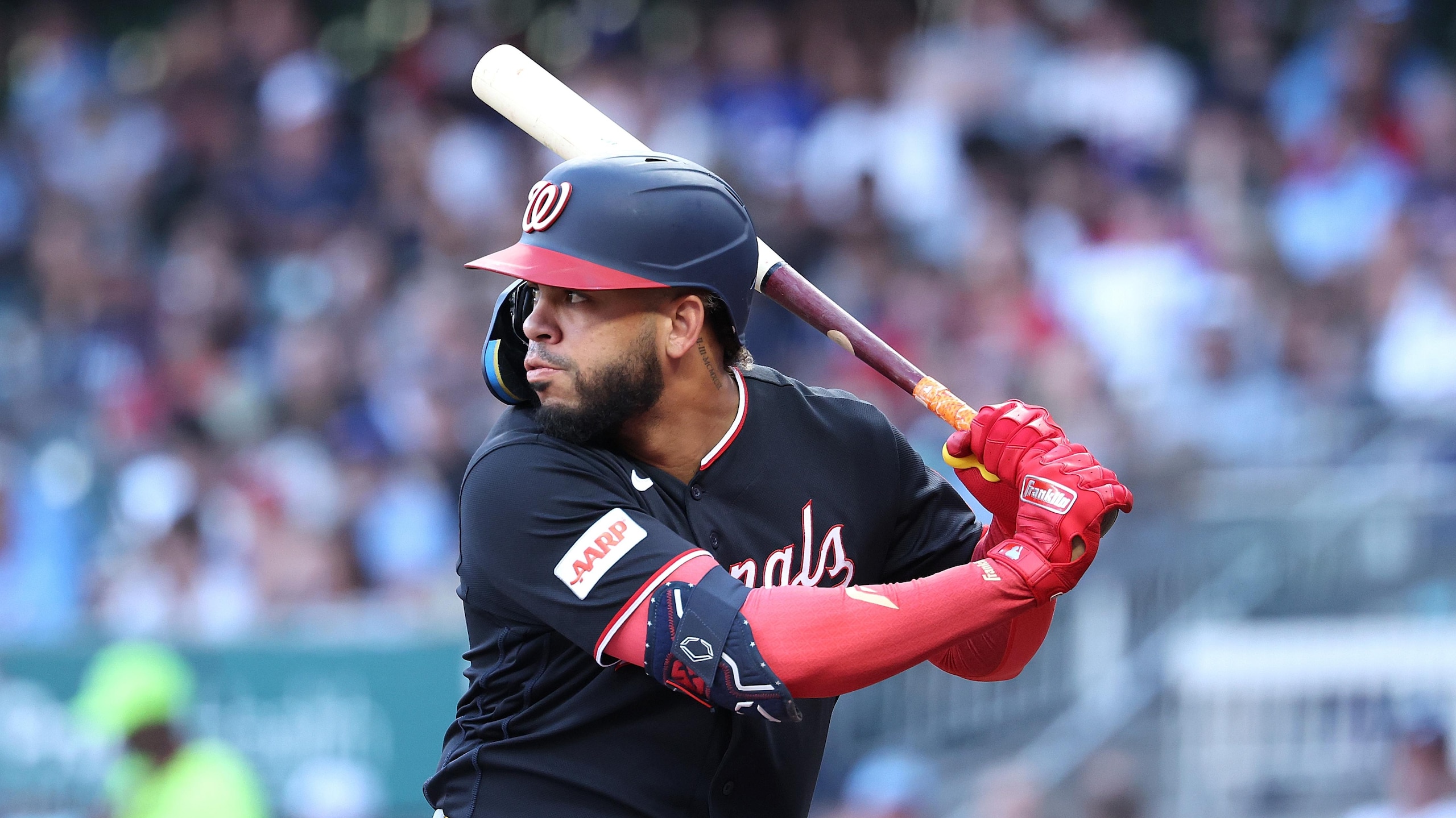
Adam LaRoche has hit at least 20 homers in all nine full seasons of his career, but he's stuck at 10 this year while carrying a .213 average and 28.4 strikeout percentage. Usually a second-half star, he remains in hibernation with a .183/.221/.244 slash line after the All-Star break. Give Ryan Howard, Ben Paulsen or C.J. Cron his roster spot.
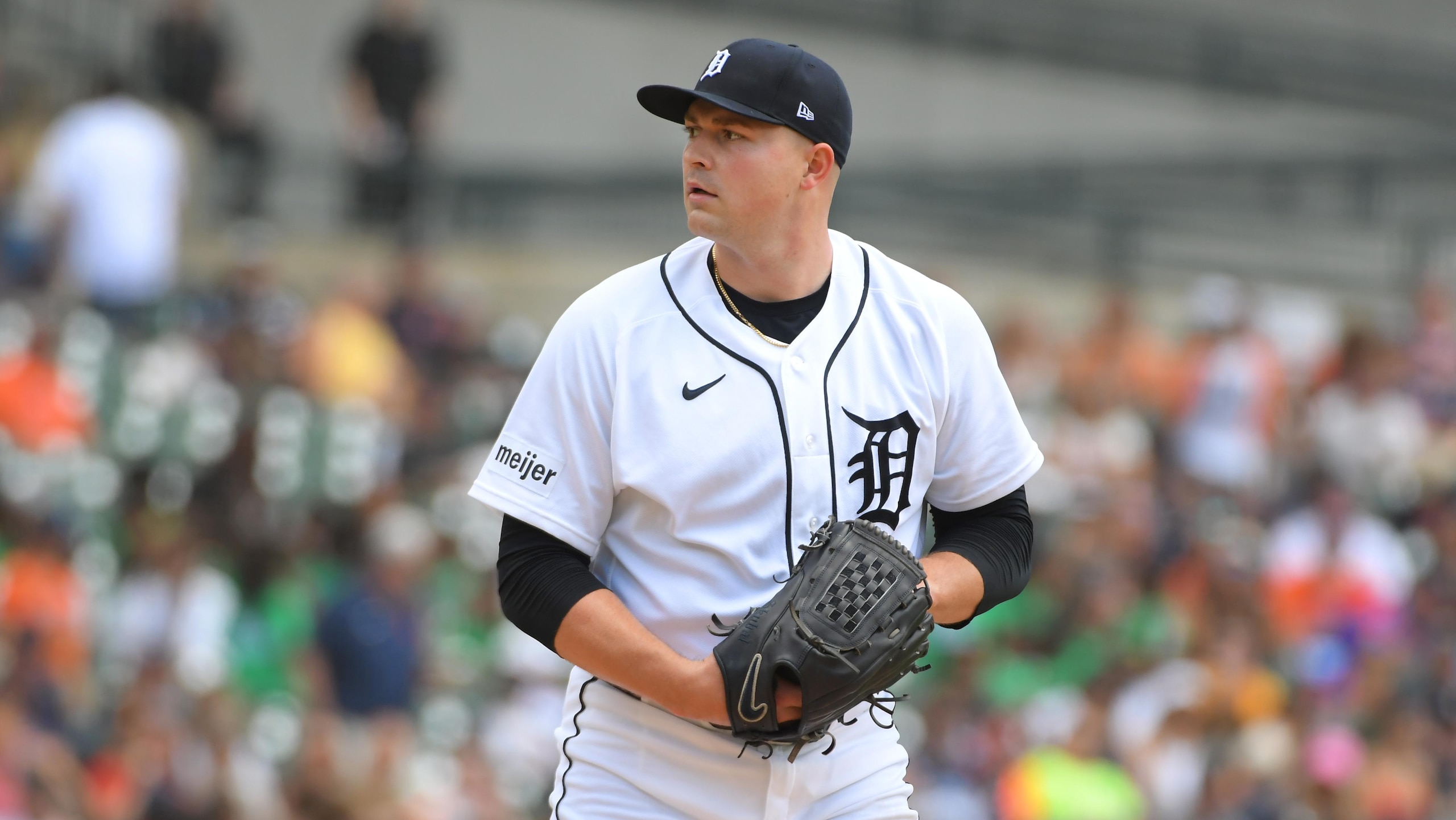
From 2009-12, Matt Cain was the Johnny Cueto of the time, routinely defying his peripherals with sub-3.00 ERAs. Not so much this year—he holds a 5.59 ERA and 1.59 WHIP through seven starts. Until he can show otherwise, the former ace is usable in NL-only leagues at best.
Unless power is a paramount priority, Chris Carter's .181 average is doing far too much damage to utilize. He merited a high pick on draft day, but it's time to sink that cost until he shows a pulse.
Names don't win championships. Numbers do. If guys with track records aren't performing, find someone else who will before it's too late.

Search for Statistical Discrepancies
4 of 7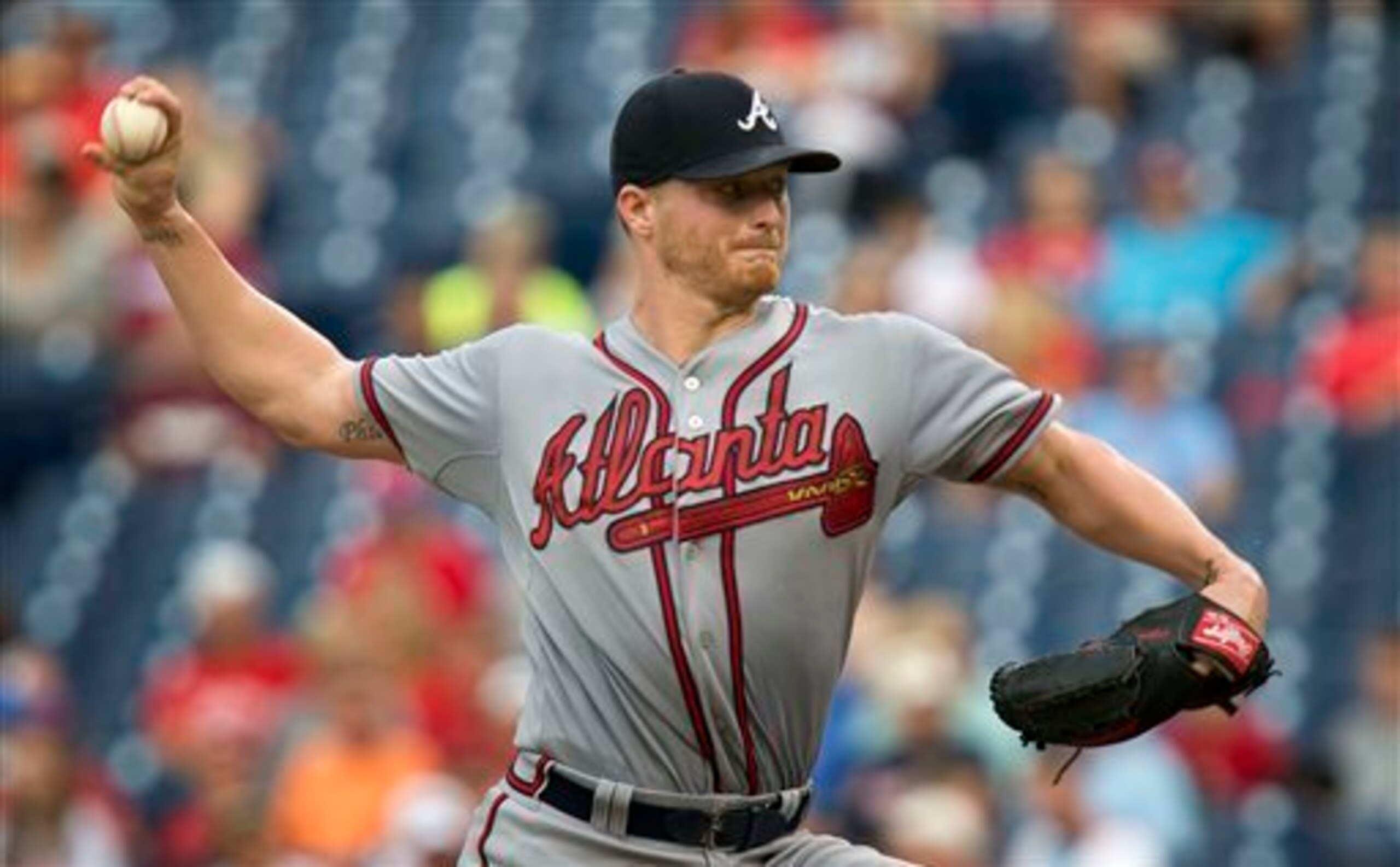
Before cutting that dead weight, take a deep look into the player's season. Some digging will uncover serious issues, but other fact-finding missions will unearth reasons for optimism.
After a rousing start, Joc Pederson is hitting .162 with one homer since July 1. Bench him, but don't go overboard and expel him to the waiver wire. Along with 21 dingers and a 15.5 walk percentage, the rookie still sports a a 39.8 hard-hit percentage, ninth-best among qualified hitters. His .279 batting average on balls in play (BABIP) represents the lowest of the top-10 hard hitters.
A three-true outcomes hitter will go through such stark peaks and valleys, but don't assume the outfielder is broken. He can still finish strong, especially if he starts showcasing the 30-steal speed displayed throughout his minor league tenure.
Use sabermetrics to ascertain value on the trade market. Carlos Carrasco's 3.68 ERA depicts a wildly inconsistent starter, but his 2.90 fielding independent pitching (FIP), 51.1 ground-ball percentage and 22.3 strikeouts-minus-walks percentage all shout ace. No, I will never give up on Carrasco, and neither should you.
Meanwhile, Shelby Miller wields a 2.48 ERA despite a less flattering 3.27 FIP and 7.32 strikeouts per nine innings. The Atlanta Braves righty is unraveling, allowing 20 hits and eight runs over his past three starts, so now's the last chance to cash out before he fully regresses to the mean.
Play the Matchups
5 of 7
Many fantasy fanatics have dipped their feet into daily contests this season, a never-ending pursuit to build the perfect lineup based on day-to-day matchups. Traditional leagues are a far different animal, but gamers would be wise to translate their DFS knowledge to seasonal competitions.
When submitting a starting lineup, look at every player's matchup. David Ortiz is typically a better option than Andre Ethier, but that changes when the former faces a left-handed pitcher and the latter combats a righty. Although a time-consuming process, playing the splits will pay off.
The Colorado Rockies start a nine-game home trip on Friday, giving them over a week inside Coors Field's hitter friendly confines. Now is a good time to add Nick Hundley and Ben Paulsen for a short-term boost.
Of course, keep a close eye on pitching matchups. Luis Severino has made a lasting first impression, but nobody should touch the rookie on Sunday when he faces the loaded Toronto Blue Jays at the Rogers Centre.
Ravaged by injuries and/or trades, the Miami Marlins, Atlanta Braves, San Diego Padres and Oakland Athletics are ice-cold offenses. Look carefully at their opponents going forward. Don't get lazy with lineup construction when every bit of information can help procure the best decision.
If Punting a Category, Punt All the Way
6 of 7
Never ideal, punting a category occasionally becomes a necessary last resort. But when it comes to forfeiting a stat, gamers must listen to Mike Ehrmantraut and avoid half measures.
Punting a category is only advisable when stuck in last with no room to rise. An approach most commonly applied to saves or steals also works for batting average and perhaps wins. When choosing this path, any spare ticks to that category go to waste.
There's no difference between finishing last by 15 steals or 10. Devote all your resources elsewhere, trading or dropping anyone who derives value on his legs. Jose Reyes contributes in other categories, but he won't help as much as Jhonny Peralta, or even Jung Ho Kang, when removing steals from the equation.
If admitting defeat on saves, don't bother picking up a new closer unless he'd fetch trade value. That spot is better employed for a starter or elite middle relief pitcher.
This strategy will only work for those willing to tank harder than the Philadelphia 76ers. Either you're in or you're out. There's no middle ground.
Don't Let Football Win
7 of 7
Cue corny infomercial salesman voice: Has this ever happened to you? While researching for the draft in February or March, you incredulously note someone's rousing September success. That's a helpful tidbit for draft day, but why are you just finding out about this now?
Sounds like somebody switched focus to football. The NFL can't start at a worse time for baseball nuts attempting to balance both sports. While trying to lock down a baseball title, they must research and draft a football team. Then, during football, when head-to-head MLB crowns are decided, NFL contestants must stay alert for the year's breakout stars to reveal themselves.
Folklore still likes to fetishize baseball as America's pastime, but come on. How many shows does ESPN air devoted entirely to setting fantasy baseball lineups? Any regressing comedies about a group of friends in an incredibly shallow baseball league with an overabundance of celebrity cameos?
Football calls the shots in the U.S. now, especially in the fantasy hemisphere. Fantasy football is easy for casual fans to play. Even if they're more interested in the social aspect, they can luck out on two picks and win the whole thing. Fantasy baseball typically takes more knowledge, time and effort, leading some to grow bored and bail for the gridiron.
It's now important to note that this isn't a call to boycott fantasy football. Heck, here's a shameless plug for anyone beginning his preseason preparation. Just don't abandon baseball for football out of peer pressure.
MLB won't get too jealous if you want to party with RedZone on Sunday, but keep hanging out with baseball for at least two more months. Your loyalty will pay off.
Note: All advanced statistics courtesy of FanGraphs.
Follow me on Twitter for more fantasy baseball advice:

.png?w=2560 "SummerSlam Night 2 Was Cinema 🍿")
.jpg?w=2560 "Jeremiyah Love Listed as RB2")
.png?w=2560 "Who Really Won at SummerSlam?")