What's Wrong with Trent Richardson, and Can He Fix It?
Indianapolis Colts running back Trent Richardson has become an easy target for NFL fans.
Coming out of college, he was a legit pick by the Browns at third overall. He was a back with size, acceleration, power and the vision to find daylight.
| 2012 | 267 | 950 | 3.6 | 11 |
| 2013 | 188 | 563 | 3.0 | 3 |
| 2014 | 159 | 519 | 3.3 | 3 |
TOP NEWS
.jpg?w=2560 "Chiefs Cowboys Football")
🚨 Tony Romo, CBS Sports Part Ways
49ers Owner Jed York Suspended 6 Games (AP)
.jpg?w=2560 "Steelers Eagles Football")
Lions Wanted Joey Porter Jr.
Less than three years later, he already wore out his welcome in Cleveland and is on his way to doing the same with the Indianapolis Colts, who traded a first-round pick for him in 2013.
Richardson had nearly 1,000 yards as a rookie but hasn't rushed for more than 600 the past two years. He was suspended during the 2015 playoffs for missing a walkthrough, and ESPN.com recently reported that his relationship with the Colts is strained because of "weight issues, accessibility and an absence." The narrative is clear: He's a bust.
Can Richardson change that narrative?
I spoke with two veteran NFL scouts this week, and both told me Richardson was the best running back they've ever graded in college. That's a big statement, given the talent that has come into the NFL at the position over the last 10 to 15 years, but Richardson had the production versus SEC competition to support it.
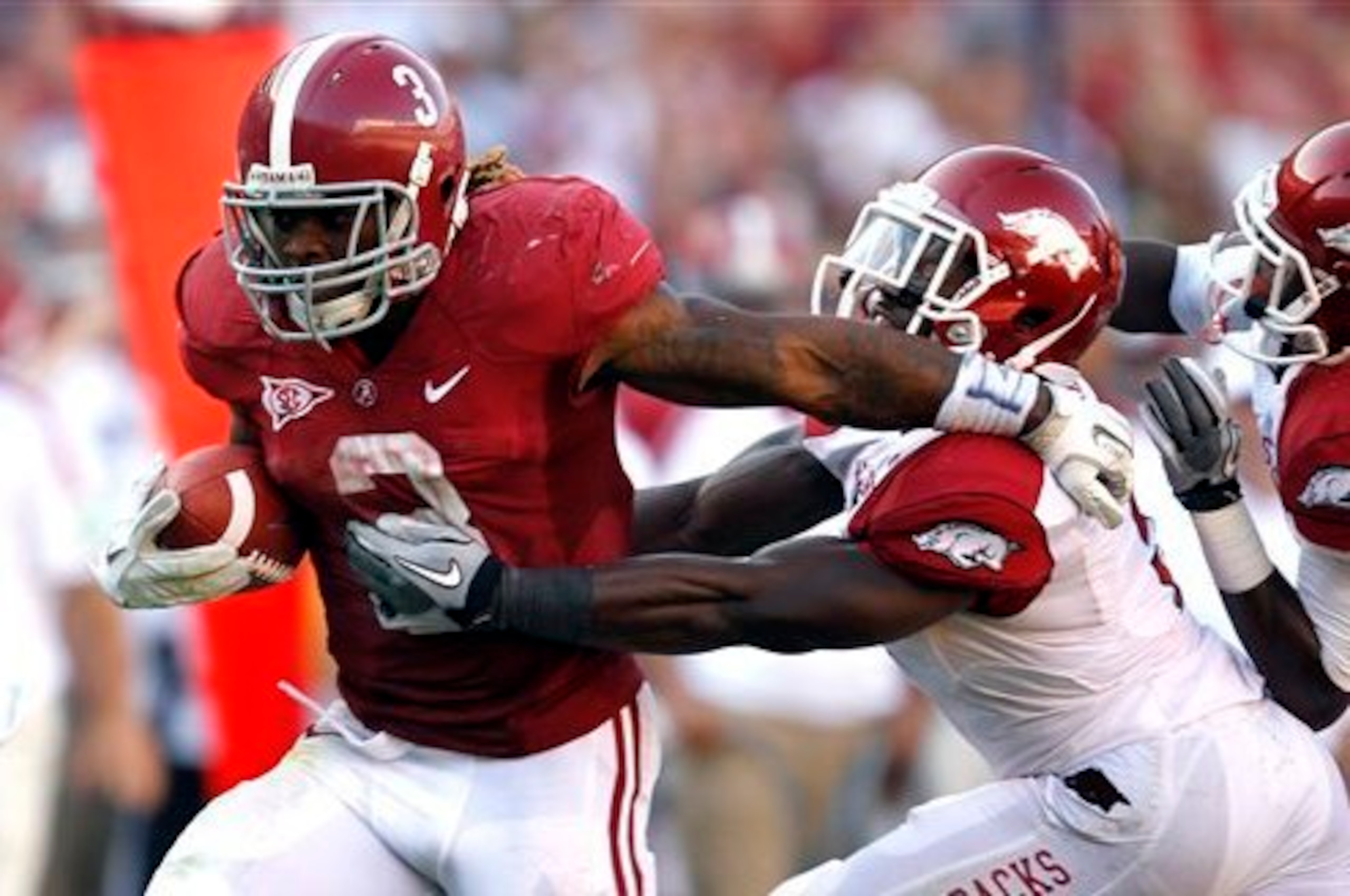
Here's an example of what scouts saw from Richardson while he was at Alabama. It's a basic power-running play that he turned into a highlight reel:
Breaking down the film (Power-O scheme, kick-out block, back-side guard pulling through the hole), the play was designed to go to the front side of the formation, but Richardson read the angle of the defense's pursuit and cut back, all against the speed and athleticism of an SEC defense. He showcased the type of vision, burst and open-field instincts that every scout noted in their reports.
You want to see a first-round back? That's it.
Compare that to the pro tape. Here's a clip from last season against the Washington Redskins:

The linebacker over-pursued to the ball, which left a vertical running lane for Richardson to hit. He needed to stick his foot in the ground, square the pads and get up the field. Plays like that should be positive production all day long. But Richardson didn't find the lane and left numbers on the field.
That's not a first-round back. That's a missed opportunity.
You can find Richardson highlights from his Colts days that show positive flashes, too. But watch enough tape and you're left wondering what happened to the vision, leg drive and power he used to take over games at 'Bama.
Are the holes smaller in the NFL? And do they close quicker due to the talent level in the league? Of course. We know that. But with Richardson's skill set, the numbers and production should show up much more on the base power and zone schemes in the Colts' playbook.
As one scout said, Richardson just isn't "running as violent" as he did in college. A fair statement? I think so when compared to the other backs from Alabama that have seen more success, such as Eddie Lacy and Mark Ingram. They get downhill, attack the hole and find running lanes without hesitating or wasting movement in the backfield.
Richardson has the talent to do those same things. So why isn't he?
"Lot of little factors, unknown factors, that he's got to figure out on his own terms," former NFL running back Ahman Green told me recently.
I asked Green for his perspective because like Richardson, he was traded early in his NFL career. Unlike Richardson, Green flourished after the trade, putting two seasons of limited production with the Seattle Seahawks behind him and rushing for at least 1,100 yards in each of his first five seasons with the Green Bay Packers.
"The unknown is: How much did that trade hurt him?" Green said. "But regardless of that, shake that, you gotta turn the page.
Green said there was probably some adjustment period for Richardson after he changed teams. But while the terminology changed in the playbook, he said the running game in the NFL is "universal" and shouldn't have created major issues for Richardson.
"It's all about getting over the negativeness and using it as a tool to make him stronger," Green said.
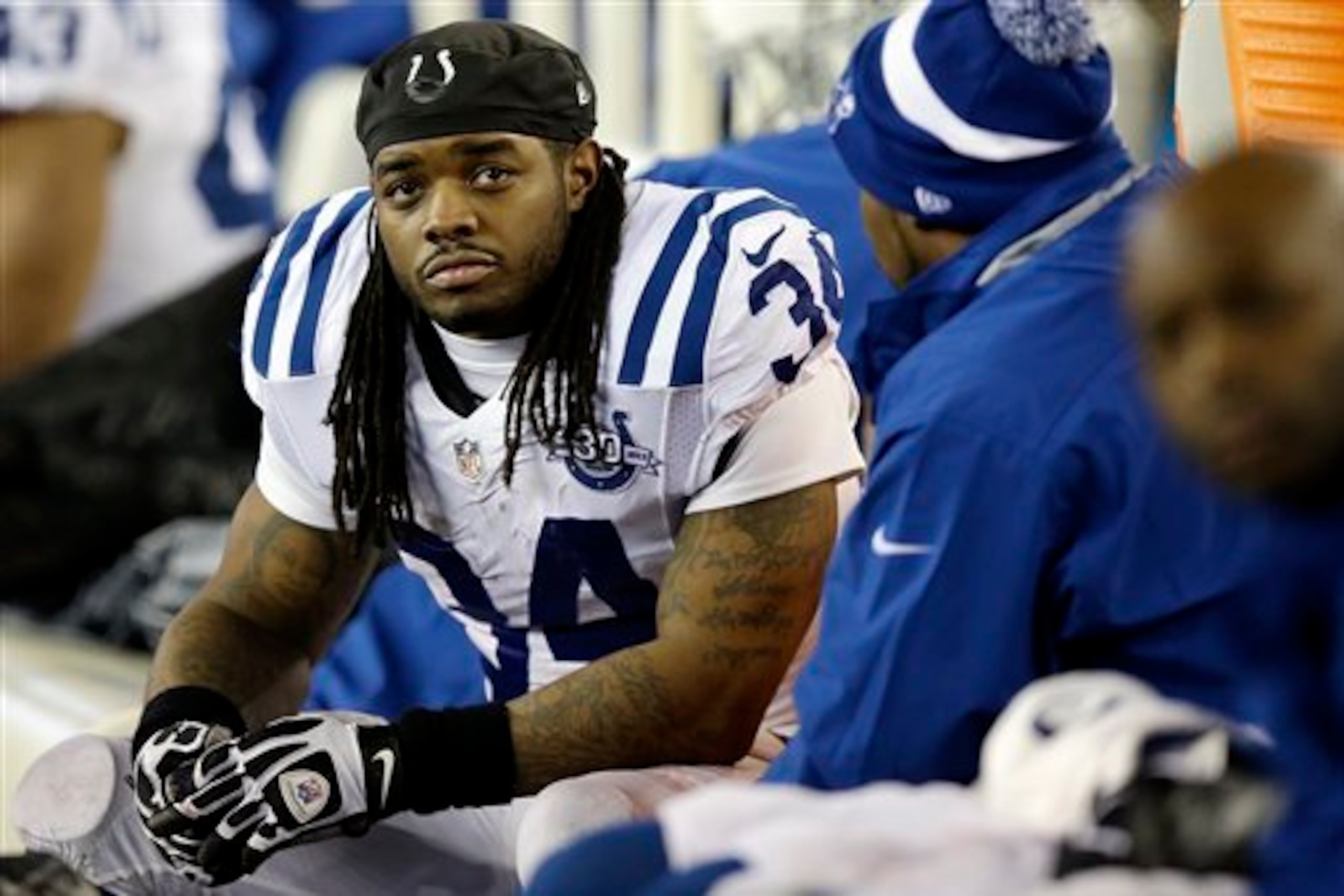
Every player experiences some type of adversity as a pro, whether because of injuries, coaching changes, whatever. I know from experience that at times it can be extremely tough to pull yourself out of a hole in this league. Confidence drops, and as a result, production does, too. Mentally, you can get lost.
Maybe the answer is more work for the player in the film room and the weight room. Or it could be a greater attention to detail with self-scouting to make corrections and improve throughout the season. Whatever the case, it's on the player to make the proper adjustments to show more quality production when given the opportunity on Sundays.
"He might need to create a new goal," Green said. "OK, I want to be the guy for the Colts. I want to be their star running back. Alright, I have to do this mentally, I got to physically get in shape, I got to do this and that.
"You gotta get to that point in your head where you're constantly challenging yourself to get better and stay better."
If Richardson can do that, maybe he follows the path of Pittsburgh Steelers running back Le'Veon Bell. Bell made a noticeable commitment to training and conditioning last offseason and came back lighter and much leaner in 2014. The results were clear, as Bell showcased sweet footwork, quickness and an electric burst through the hole. He was the best back I watched on tape this past year.
That's just one example. I've seen it countless times. A player improves his conditioning, study habits and overall game and comes back stronger, faster and ready to compete for his job.
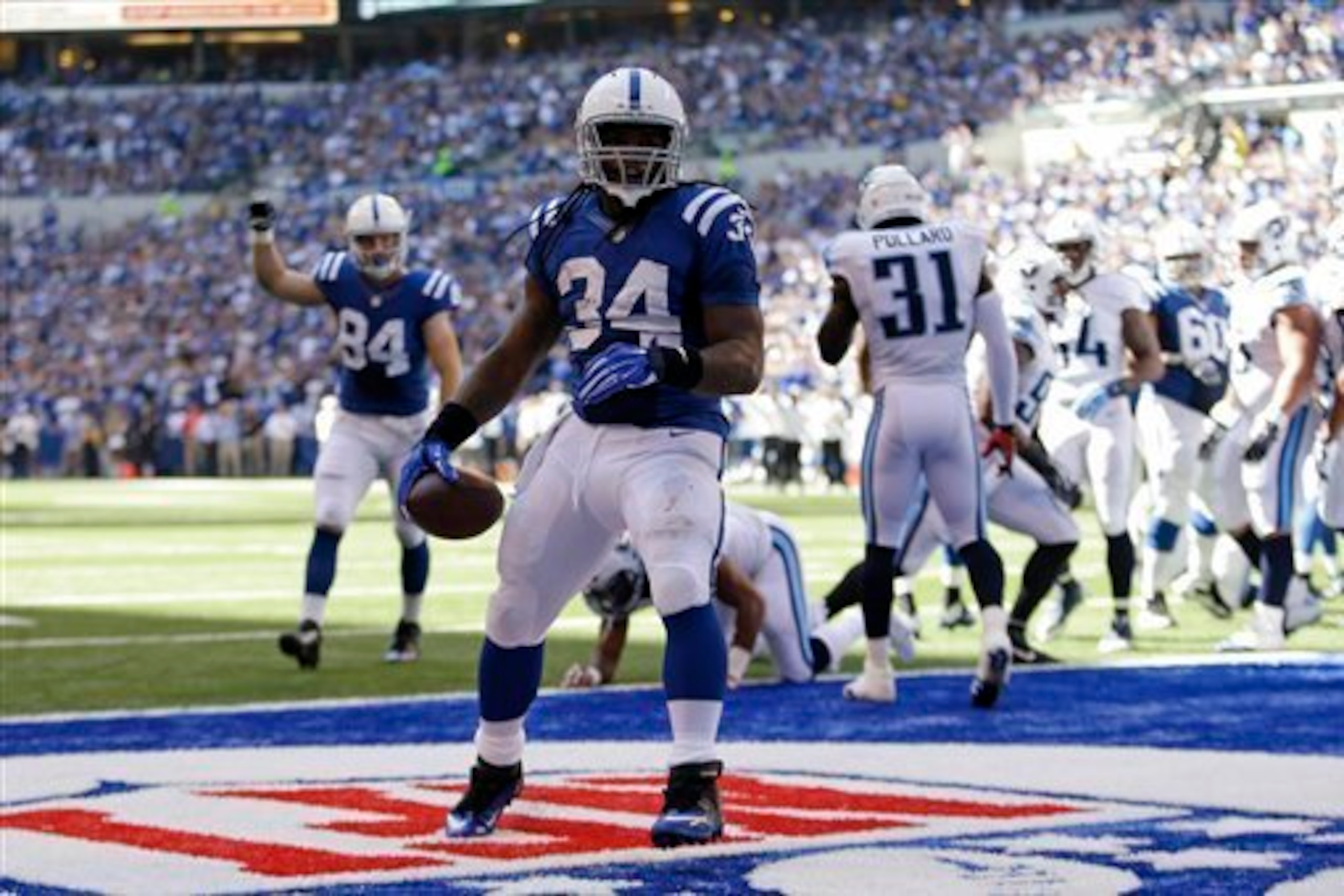
The talent level is already there with Richardson. He's still the guy with the skill set that experienced scouts fell in love with when he came out of Alabama. And even if he's not back with the Colts in 2015, we can all agree he will get another opportunity somewhere.
But talent and opportunity don't translate seamlessly to success in the NFL.
The tape is still the deciding factor in this game. That's how players are evaluated. That's the tool that leads to opportunities. And every time a guy takes the field, he has to autograph his performance with that tape.
Seven-year NFL veteran Matt Bowen is an NFL National Lead Writer for Bleacher Report.
.jpg?w=2560 "Falcons Steelers Football")

.jpg?w=2560 "Grading SmackDown 🔠")