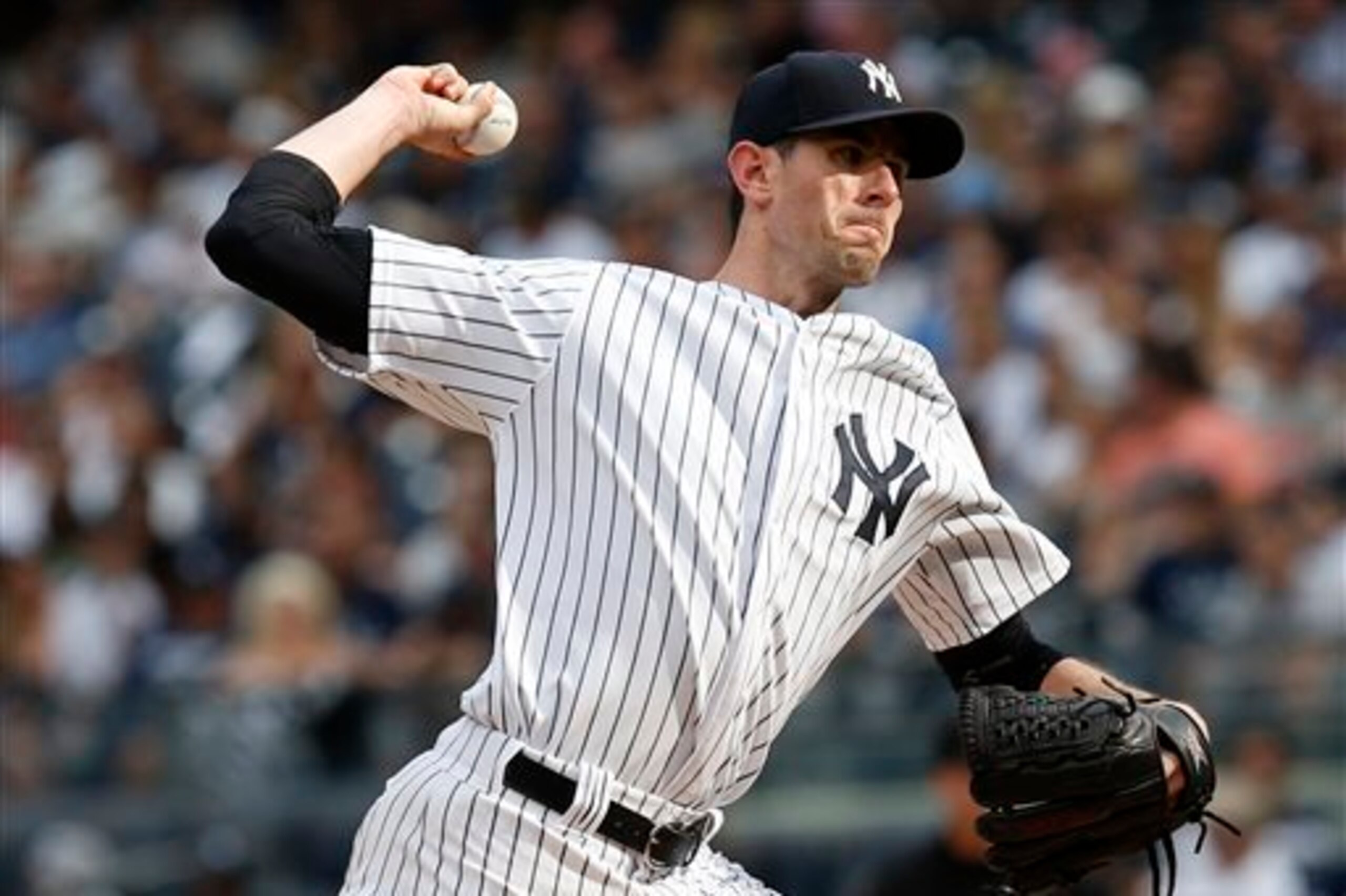

10 MLB Free Agents Whose Values Have Peaked at the Perfect Time
There are three types of MLB free agents.
There are those who are flat-out special and have been for some time. Then there are those coming off of their best season as they head into free agency. And sometimes, a free agent is both.
You can consider Russell Martin an example of a special player—offense, defense and leadership all wrapped up into one right-handed-hitting catcher—who played his finest baseball in 2014, parlaying it into a five-year, $82 million contract with the Toronto Blue Jays.
This list will not focus on guys like Martin—for the most part. There are a couple of free agents who are (or were) stars but who needed to take advantage of certain situations to set them up for the most money this offseason.
By and large, however, we will look at players who’ve been good for several seasons but, thanks to exceptional efforts in 2014, solidified their spot as a free agent who will demand a longer-term contract for more money than they would have received had they simply performed to their past capabilities.
Here are 10 MLB free agents, presented in alphabetical order, whose value has peaked at the perfect time.
10. Burke Badenhop, RHP
1 of 10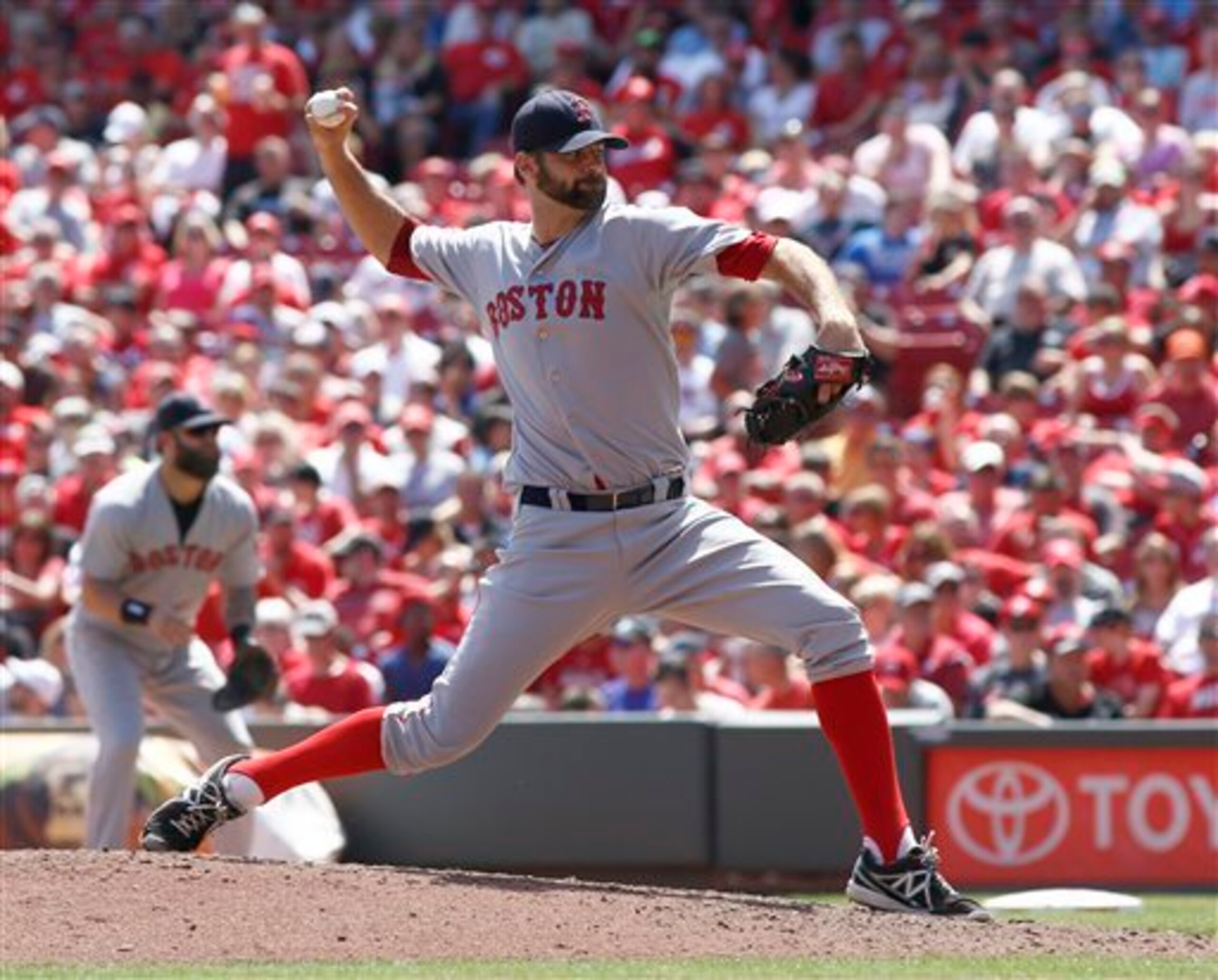
Burke Badenhop doesn’t elicit the same type of reaction that a guy Andrew Miller or David Robertson does. His arsenal isn’t as deep, powerful or deceptive.
What he did in 2014, however, was drive up his value enough by demonstrating an ability to solidify the middle of any bullpen And as we saw in the World Series, effective (or ineffective) middle relief can be the difference between winning and losing.
Pitching in mainly medium- and low-leverage situations, Badenhop put up a 2.29 ERA, 3.08 FIP and 1.259 WHIP and allowed 8.9 hits every nine innings (H/9). His ERA set a career low, and his FIP and H/9 ended up being the second-best marks he’s put up over his seven years.
True, the market is saturated with quality bullpen options, but if it weren’t for Badenhop’s efforts this past season, he would be looking at far fewer options. As Boston Red Sox general manager Ben Cherington noted, the right-hander “did everything you could have hoped he would do,” per WEEI’s Rob Bradford.
That could mean a return engagement with the Red Sox or a role as a valuable piece on a contending team. Regardless, after pitching for four teams the past four seasons, Badenhop’s value has never been higher.
9. Melky Cabrera, OF
2 of 10
True, Melky Cabrera ended the season on the disabled list following surgery on his right pinkie. That doesn’t mean his value didn’t peak this past season.
Frankly, Cabrera had a lot to prove going into the 2014 season.
He’d been suspended in 2012 for performance-enhancing drug use during his one season with the San Francisco Giants. And he’d appeared in only 88 games during the first year of a two-year contract with the Toronto Blue Jays thanks to a benign spinal tumor.
Flat out, Cabrera needed a solid performance in 2014 to give him any chance of securing a large payday this offseason—and he did just that.
In 568 at-bats, the left fielder put up a .301/.351/.458 slash line with 16 home runs, 73 RBI, 35 doubles and a 126 OPS+. Frankly, he is the best pure outfielder available other than Yasmany Tomas (depending on how you view his defensive abilities), and he can thank his production when it comes time to negotiate a three- or four-year deal.
8. Nelson Cruz, DH
3 of 10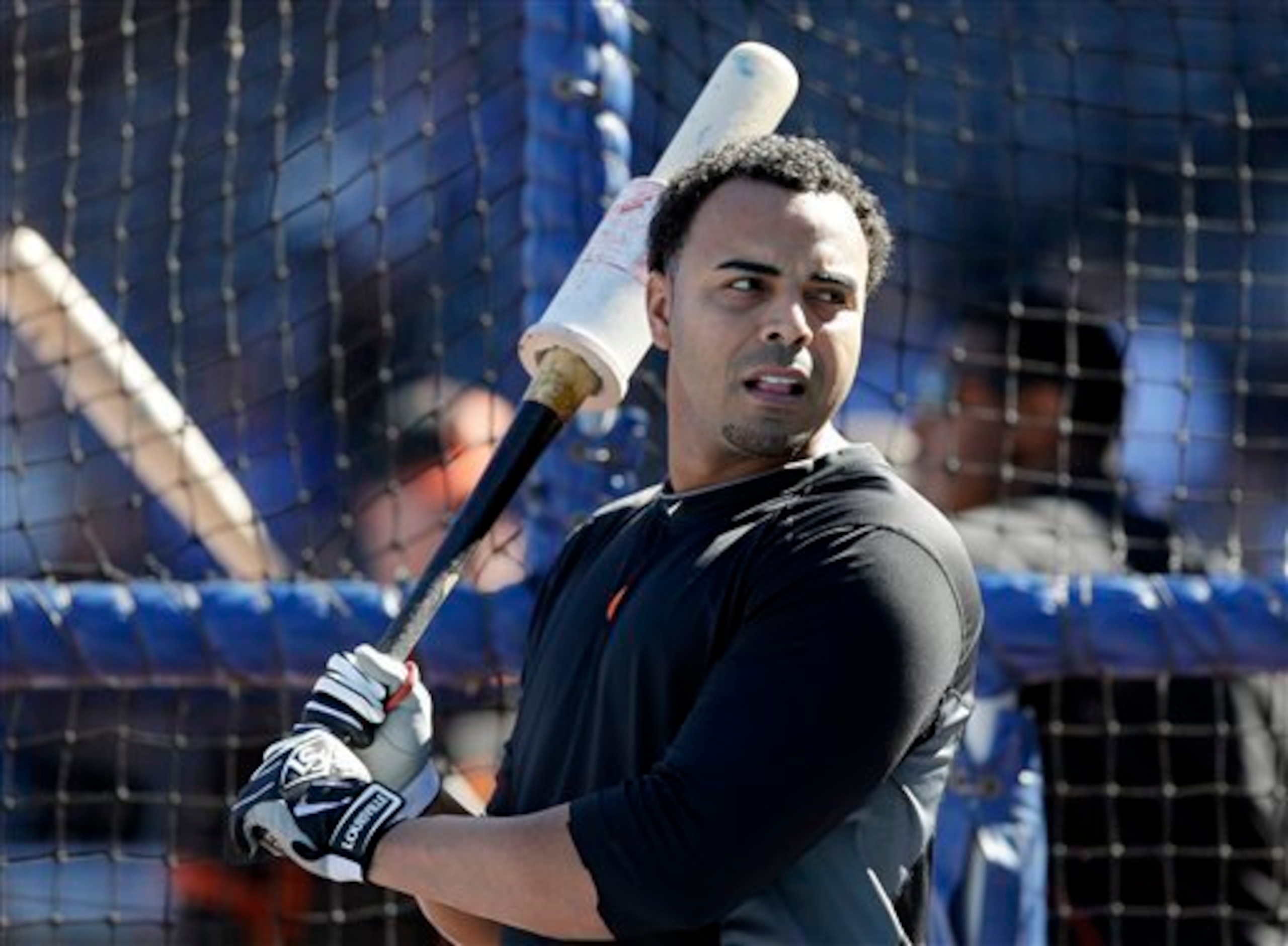
Nelson Cruz has one function—hitting a baseball as hard as he can as often as possible.
And even though he finished with a slugging percentage north of .500 five times between 2008 and 2013, there were legitimate question marks about his value. From ESPN.com’s David Schoenfield:
"There's a reason Cruz wasn't in big demand last offseason -- and it wasn't just because of the suspension. He's largely a one-dimensional player, a guy with some power who has a mediocre on-base percentage (save for that fluke 2010 season, when he hit .318) and plays below-average defense. Considering that he'll turn 35 next July, his defense is only going to become more of a liability. With that in mind, he probably has value only to an American League team that can play him at DH at least part of the time.
"
None of those things have changed. He is still nothing more than a designated hitter who can play a little bit of outfield. But after putting up a .271/.333/.525 slash line with 40 home runs, 108 RBI and 32 doubles, he has solidified himself as the No. 2 DH behind Victor Martinez.
Will Cruz get a five-year contract? Probably not. What he will get is his choice of destinations and significant financial security thanks to his production this past season.

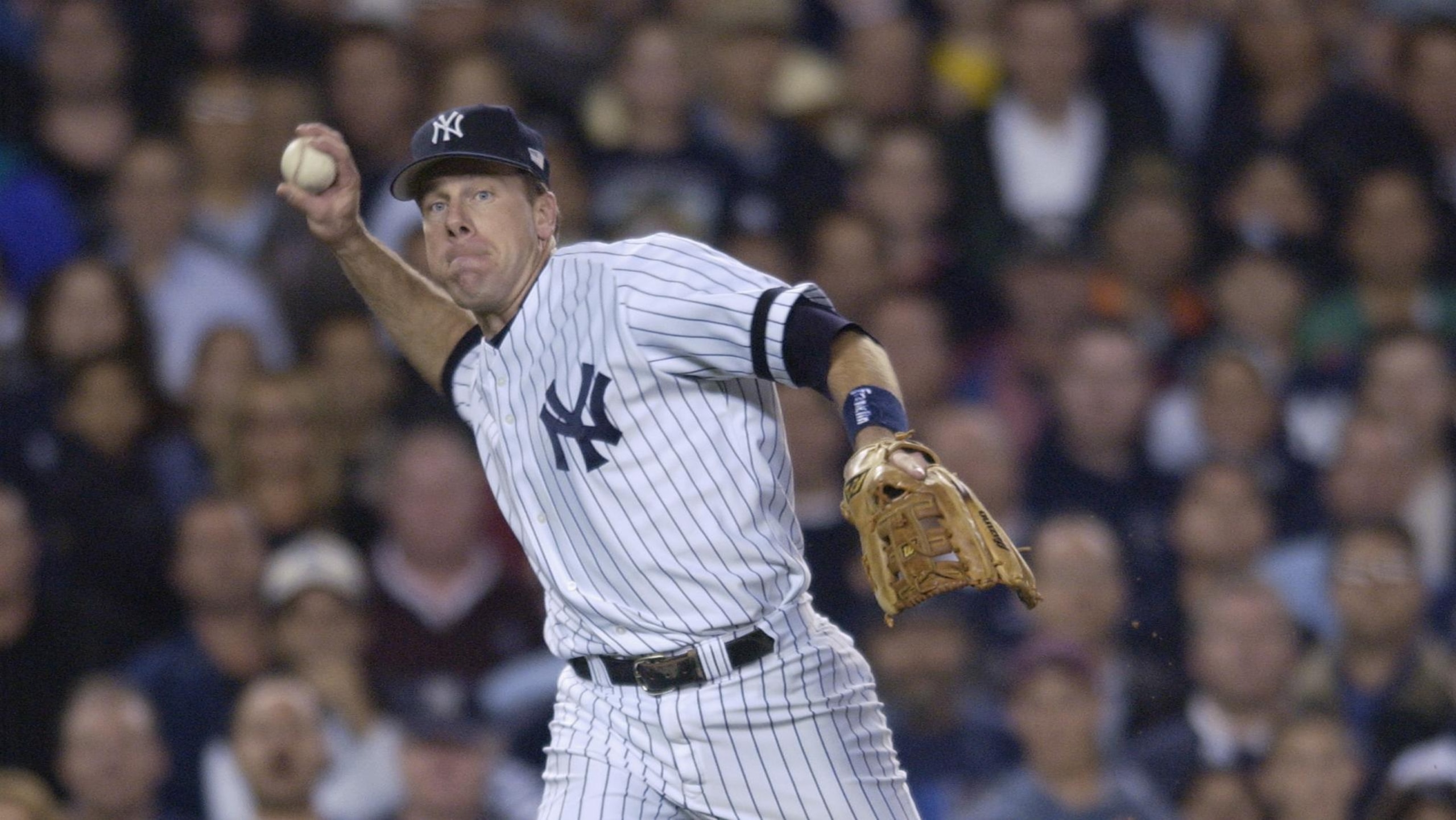

7. Luke Gregerson, RHP
4 of 10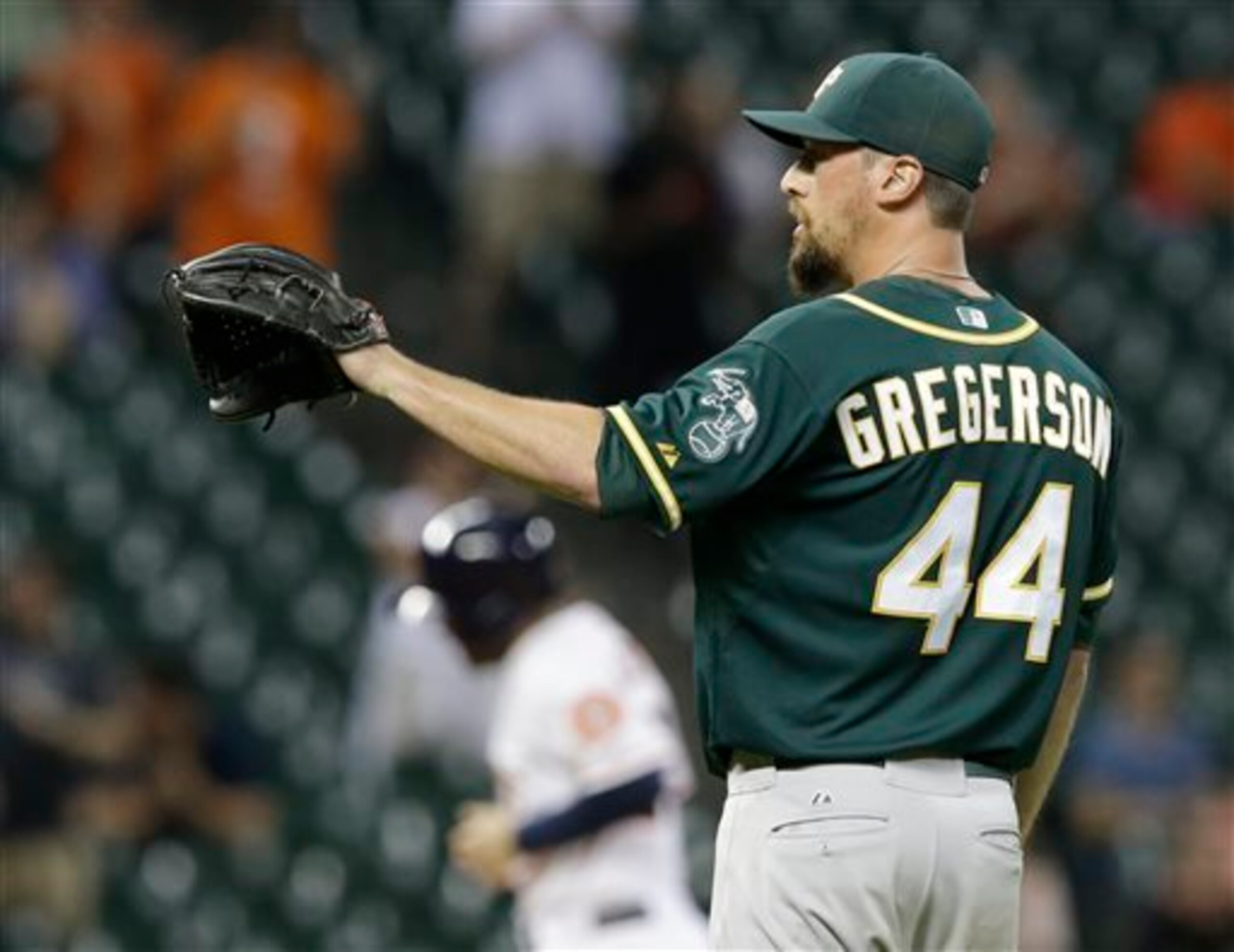
Luke Gregerson broke into MLB in 2009 with the San Diego Padres, posting a 3.24 ERA with a 2.50 FIP, 1.240 WHIP and a 117 ERA+. Four years later, he was dealt to the Oakland A’s for outfielder Seth Smith.
He did not disappoint in his first season in the American League. All told, he logged 72.1 innings over 72 appearances, pitching to a 2.12 ERA, 3.24 FIP, 1.009 WHIP and an astounding 176 ERA+.
The performance was good enough from an ERA perspective to rank third among free agents behind Pat Neshek and Andrew Miller, per Tim Dierkes from MLBTradeRumors.com.
Adding value is the fact that he found as much success as he did pitching in the AL West, specifically against the Los Angeles Angels. To that end, Gregerson allowed only a .239/.286/.261 slash line against and gave up one extra-base hit in 49 plate appearances vs. Mike Trout and Co., per Baseball-Reference.
True, he may not have a 97 mph fastball or strike out 11.0 batters every nine innings. What he does have is the ability to change speeds, a devastating slider that is nearly unhittable and the ability to command the strike zone.
His value has never been higher.
6. Jason Hammel, RHP
5 of 10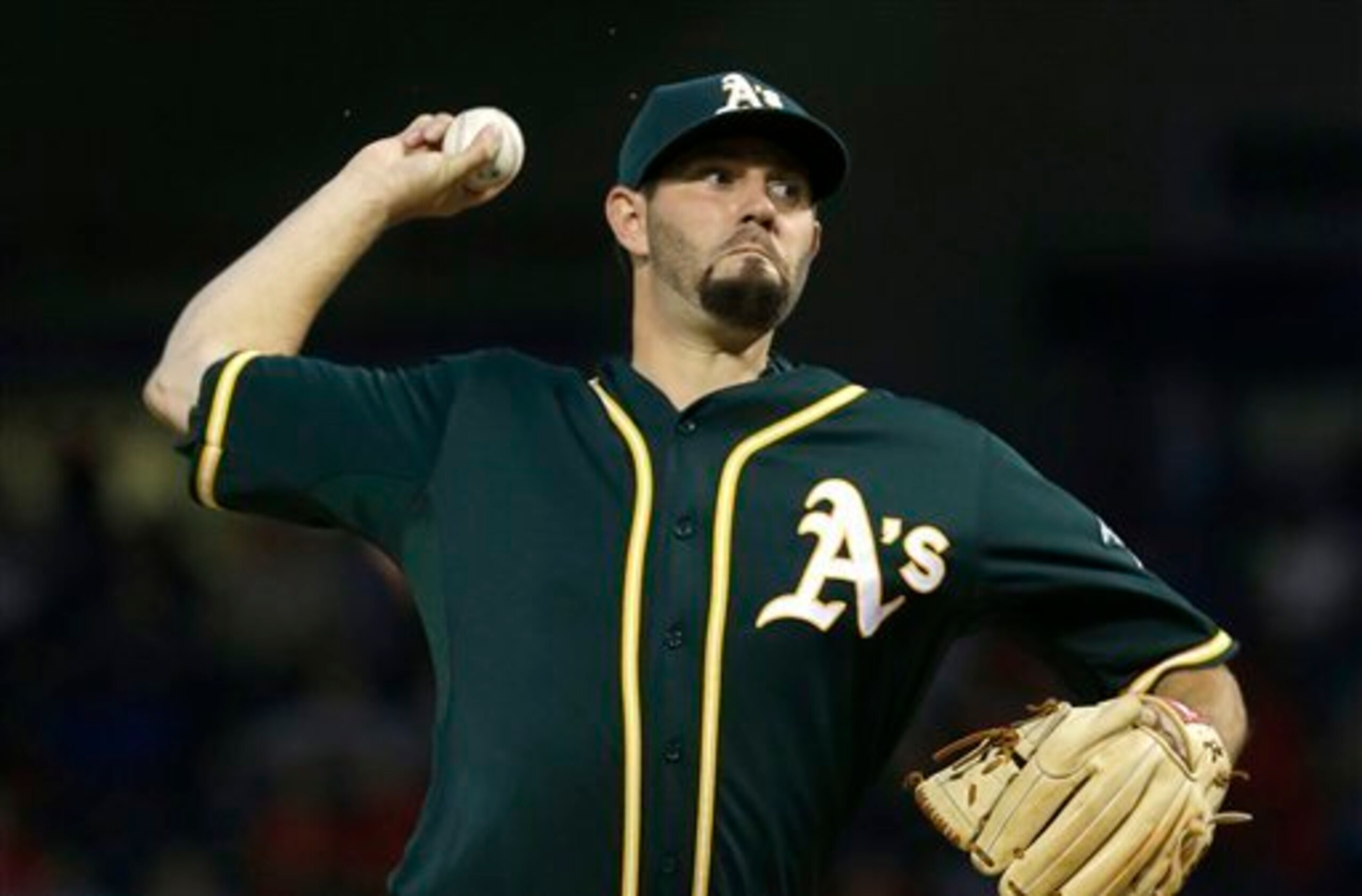
Talk about a roller-coaster season for Jason Hammel.
In 17 starts for the Chicago Cubs to start the season, he went 8-5 with a 2.98 ERA and a .222/.272/.354 slash line against. He then lost five of his next six decisions following his trade to the Oakland A’s, compiling a 6.75 ERA and a .319/.396/.563 opposing slash in the process.
It was ugly. Thanks to the way he ended his season, however, Hammel has a value on the open market that is quite high.
See, instead of floundering, Hammel went on a tear similar to the way his season began, pitching to a 2.02 ERA and limiting opponents to a .184 batting average and a .541 on-base plus slugging against over his final six appearances (five starts).
There is no doubt that he played a huge factor in the A’s holding off the Seattle Mariners for the second wild-card spot in the American League.
Thanks to his efforts, he will be rewarded with a multiyear contract this offseason. And given how poorly he produced in the immediate aftermath of the trade to the A’s, getting more than one year was hardly a given.
5. Aaron Harang, RHP
6 of 10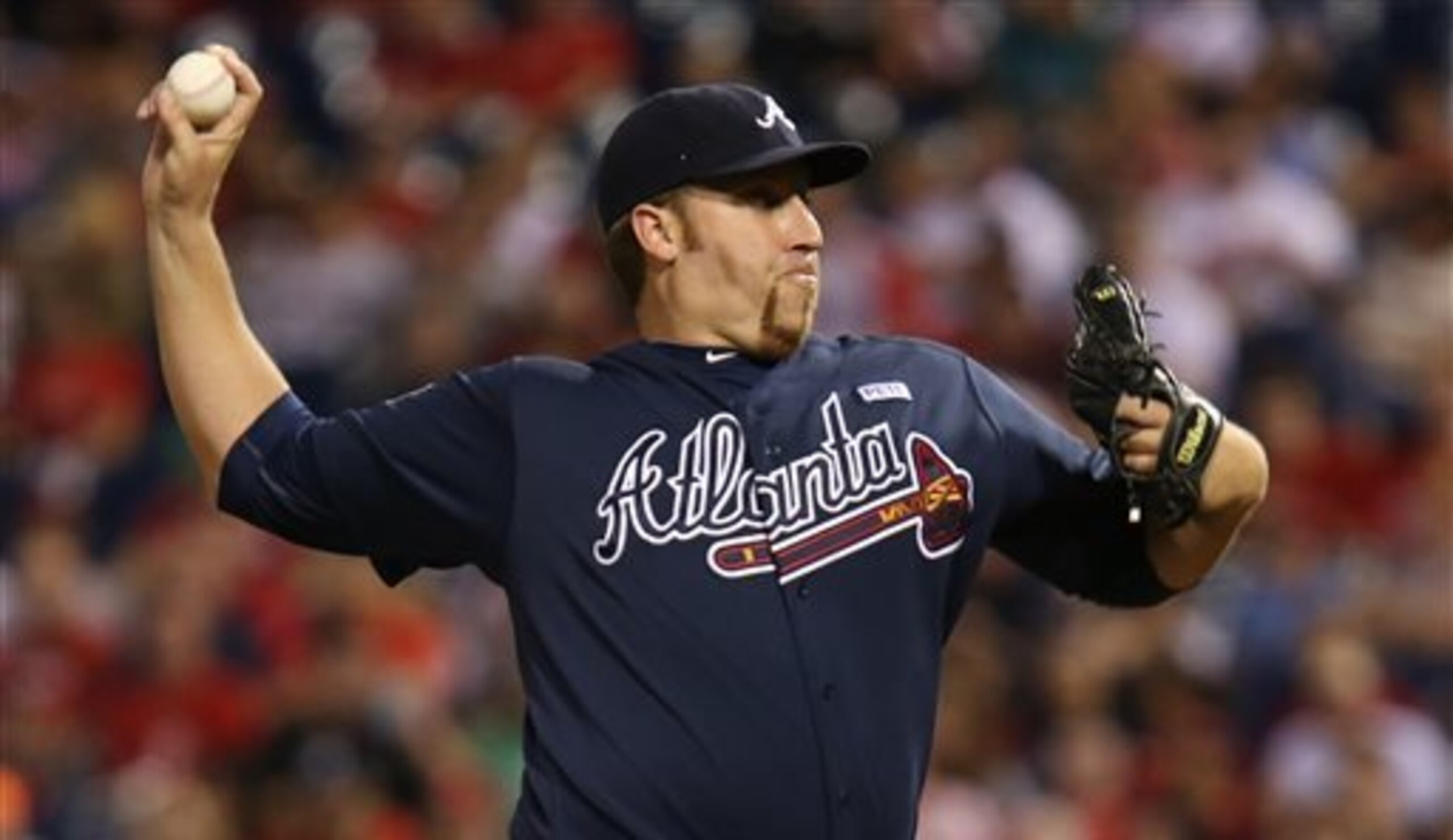
While Aaron Harang is a household name around MLB, his production this past season was something of an eye-opener.
Consider: Over his first 12 years in the big leagues, Harang had a 4.28 ERA, 4.19 FIP and a 1.352 WHIP. True, those aren’t terrible numbers, but outside a few seasons with the Cincinnati Reds from 2005-07, Harang had largely pitched to lower-rotation peripherals.
In 2014, he put together one of his better efforts, going 10-10 with a 3.61 ERA and finishing with 25 quality starts. And considering the injury issues the Atlanta Braves rotation suffered through in 2014, the performance was needed.
To be sure, there are concerns about staying power.
“Given that he is just seven months removed from joining his sixth organization in a span of 12 months,” MLB.com’s Mark Bowman wrote, “there is reason to be hesitant about giving him the two-year deal he is seeking. But when you tie for the second-most quality starts [National League only] in a season, you've certainly earned the right to seek the comfort that would come with such a deal.”
Harang’s value has certainly peaked at the opportune time.
4. Chase Headley, 3B
7 of 10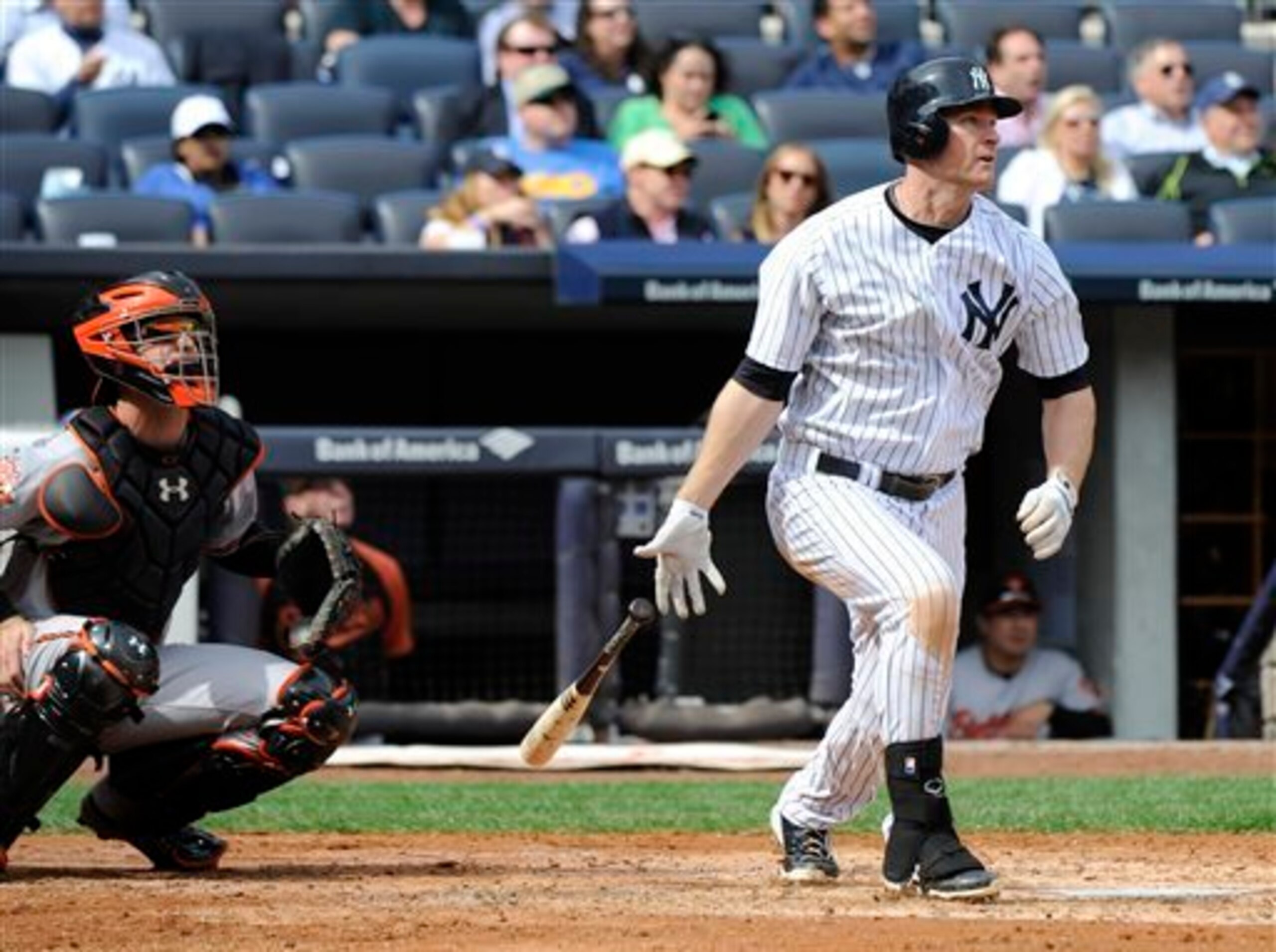
In the months leading up to the 2014 July 31 non-waiver trade deadline, Chase Headley wasn’t doing himself any favors. He was batting a mere .229 with an on-base percentage under .300 and only had 20 extra-base hits in 279 at-bats.
The situation was dire.
Well, that all changed when he was acquired by the New York Yankees from the San Diego Padres along with cash for Yangervis Solarte and Rafael De Paula.
Simply put, Headley's bat took on new life. In 191 at-bats, he went yard six times, logged eight doubles and drove in 17 runs. More importantly, he played a stellar third base, stayed healthy and put up a .371 on-base percentage.
The effort helped him finish seventh in MLB at third base with a 4.4 fWAR (FanGraphs version of wins above replacement) and third among all qualified players in the game with a 21.6 defensive rating. Arguably, he is more attractive than Pablo Sandoval as a free agent due to the fact that he will not seek a five- or six-year deal and will not demand a contract in excess of $90 million.
Looking back, the rise in productivity is astonishing, and he will be rewarded for his efforts.
3. Brandon McCarthy, RHP
8 of 10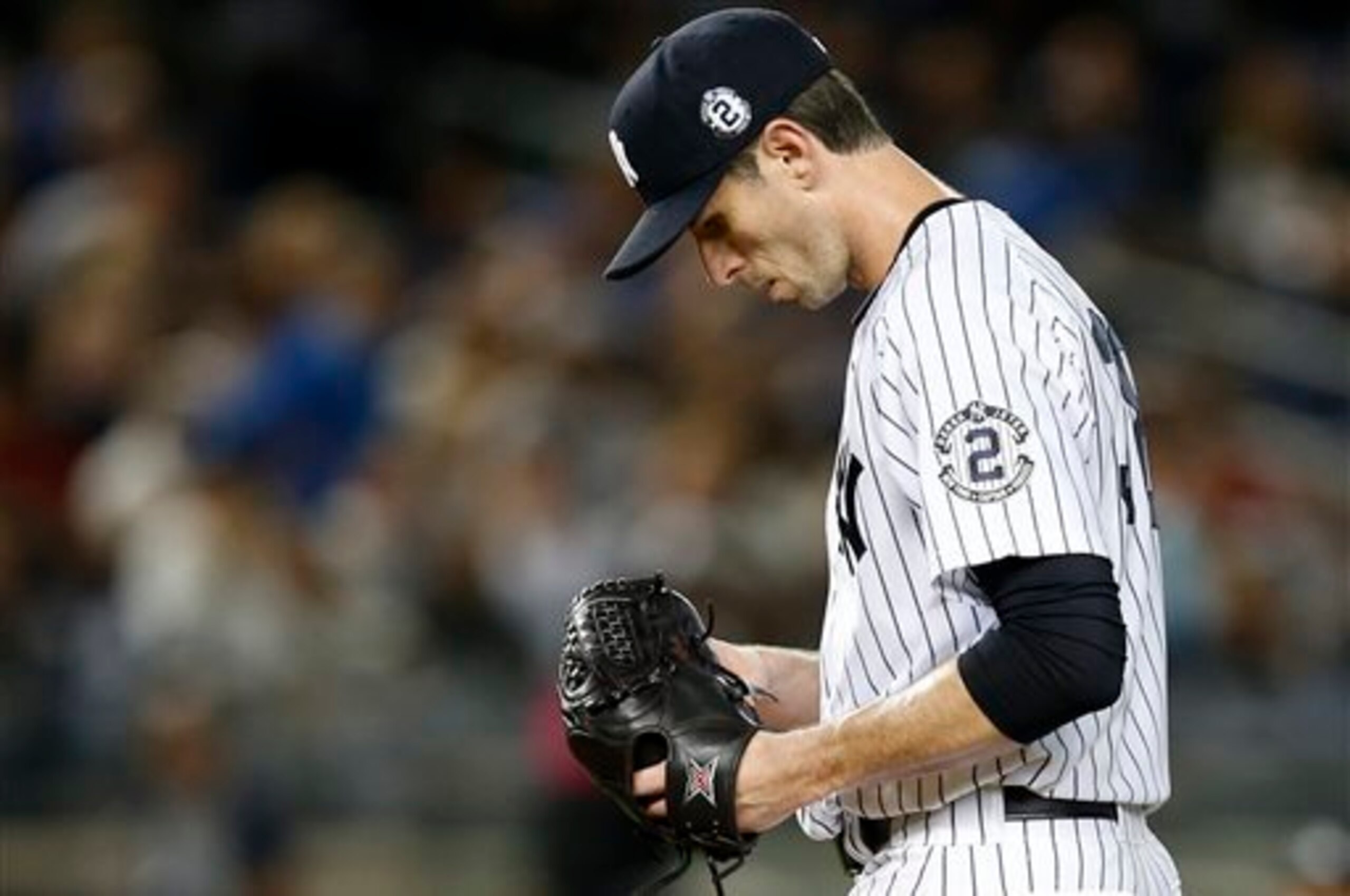
A funny thing happened on the way to free agency for Brandon McCarthy—he was traded to the New York Yankees. And just like Headley, McCarthy took full advantage of playing on one of the game’s biggest stages.
Not that he was pitching terribly for the Arizona Diamondbacks, of course. After all, he did have a 3.78 FIP and a fine 4.12 strikeout-to-walk ratio in his 40 starts for then-manager Kirk Gibson’s club. Unfortunately, his 4.75 ERA and 8-21 record left much to be desired.
Never mind all that, though. In 14 starts for the Yankees, McCarthy posted a record (7-5) and an ERA (2.89) to match his other peripherals. And because of his production following the trade, the right-hander has jumped to the top of the second tier of available starting pitchers.
There's no telling how the advanced metrics would have impacted his free agency had he stayed with the Diamondbacks. See, even though stats such as FIP are predictive in nature and say a lot about what he is capable of doing, the raw results were less than exceptional.
Thankfully, McCarthy was up to the task, and his value is through the roof.
2. Jake Peavy, RHP
9 of 10
Jake Peavy was on his way to a one-year deal at the back end of a rotation before getting shipped to the San Francisco Giants five days before the July 31 non-waiver trade deadline.
He was mired in a stretch of 30 starts with the Boston Red Sox in which he went 5-10 with an abysmal 4.48 ERA and was barely averaging six innings per start. He just wasn’t getting the job done on any level.
After his trade, Peavy largely regained the form that won him the 2007 National League Cy Young award. In 12 starts, he posted an incredible 2.17 ERA along with an equally impressive 1.042 WHIP.
Jeff Todd from MLBTradeRumors.com has more:
"Though Peavy is no longer the strikeout threat he once was, he seems to have stabilized in the seven to seven-and-a-half strikeouts per nine range. And he continues to reliably post walk rates below three per nine innings. Though he is not a heavy groundball pitcher, Peavy has generally maintained a BABIP-against at or below .290.
"
Those facts, combined with his production with the Giants, should prove to be the perfect mix, allowing Peavy to sign a relatively lucrative two- or three-year deal. Again, that was anything but a certainty as the month of August approached.
1. David Robertson, RHP
10 of 10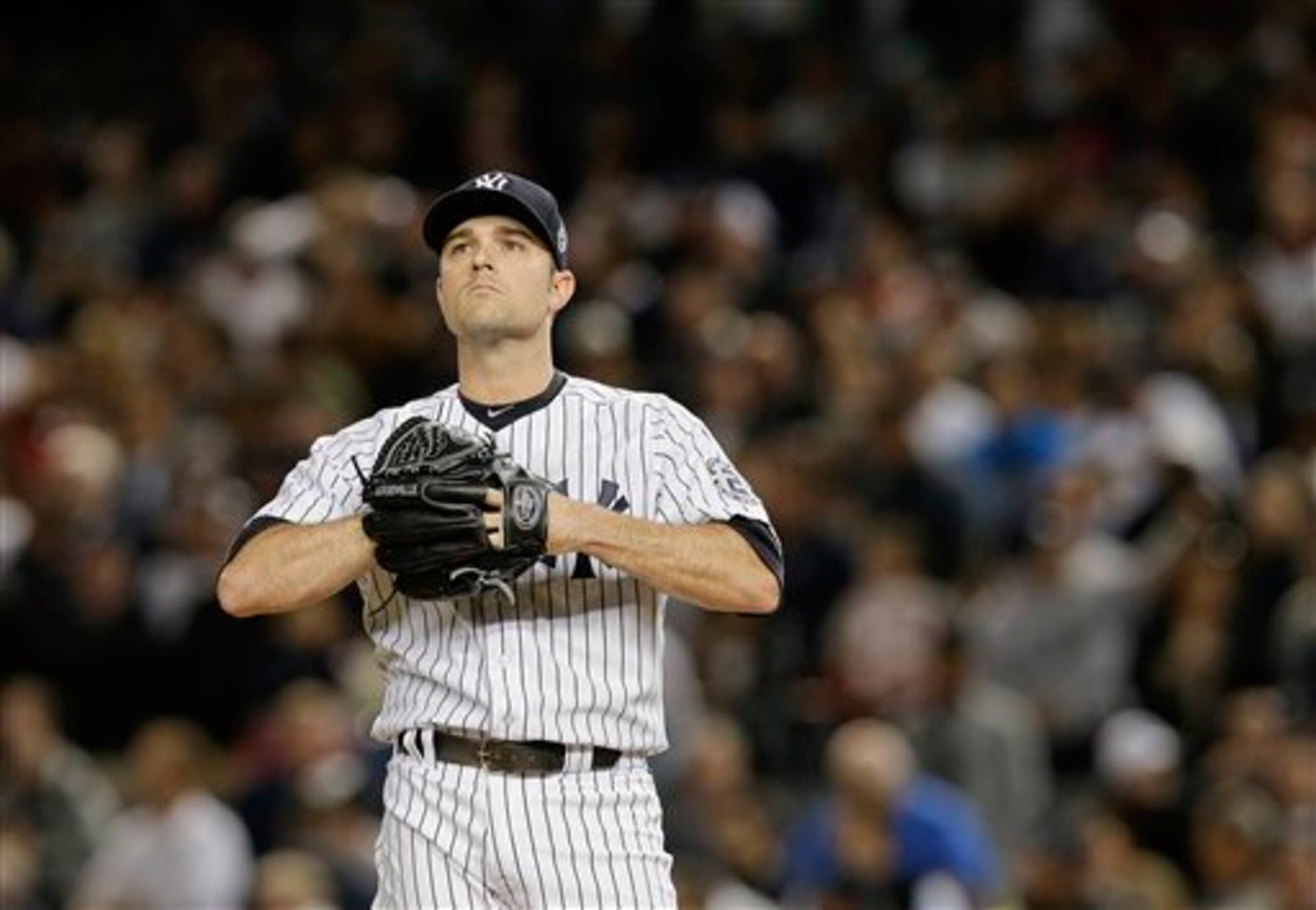
Since 2011, David Robertson has compiled a 2.20 ERA, 2.40 FIP and a 1.097 WHIP with 12.3 strikeouts every nine innings (K/9). Taken in the composite, those numbers are better than the 2.75 ERA, 2.53 FIP, 1.076 WHIP and 10.6 K/9 Jonathan Papelbon put up from 2008 to 2011.
What Robertson didn’t have was an excessive amount of saves. Not that it was his fault, of course. He was setting up Mariano Rivera until this past season.
Thankfully for his long-term security, Robertson took full advantage of his first chance at being an everyday closer.
In 2014, he converted on 39 of 44 save opportunities and pitched to a fine 2.68 FIP. He was as good as anyone could have hoped.
So not only does Robertson have four years of sustained excellence under his belt, but he has proved to be up to the task of pitching the ninth inning whenever he is called upon.
Like the others on this list, his value has never been higher.
Unless otherwise noted, all traditional, team and advanced statistics are courtesy of FanGraphs and Baseball-Reference. Contract information pulled from Cots Contracts. Transaction, injury and game information are courtesy of MLB.com.
Follow @MatthewSmithBR
.jpg?w=2560 "Reports: A.J. in Walking Boot")


.jpeg?w=2560 "NFL Opener Predictions 🔮")