B/R MLB 500: Top 55 Relief Pitcher Rankings
After last visiting with the guys at the hot corner, the B/R MLB 500 now continues with a look at the guys coming in from the bullpen.
Relief pitchers will be scored like so: 25 points for Control, 30 points for Whiffability and 25 points for Hittability for a total of 80 points. Where most other players are scored out of 100, 80 points is as high as we want to go for players who generally only handle an inning at a time.
The Control category mainly concerns how good guys are at finding the strike zone and limiting walks. But it also considers command within the zone and if pitchers are good at toying with the zone.
The Whiffability category considers how good guys are at missing bats. The focus will be on what kind of stuff they're working with and how good they are at using it to get hitters to swing and miss.
The Hittability category is a little different. Missing bats is great, but pitchers can also help themselves by manipulating contact. Guys who can get ground balls are ideal, but we'll also be looking at proneness to home runs and line drives and for guys who just seem to have a knack for not getting hit hard.
One thing we're not doing this year is a reliability category, as talent and reliability are essentially one in the same. Nor is there a separate category for health this year. Any injury concerns we have will be applied to the category (or categories) that stand to be impacted.
Also note that a score in the middle (i.e. 15/30 or 12/25) denotes average, not failing. And while the discussion will be centered on 2014, we also have one eye on 2015.
Lastly, any ties will be resolved with the following question: "If we could pick only one, who would it be?"
When you're ready, you can read on.
A Note on Links and Sources
1 of 56
Before we begin, there are some things you should know about the links that lie ahead.
First and foremost is that CLICKING ON THE LINKS IS NOT MANDATORY. The links are there in case you're curious where a given point (or points) is coming from.
They're not all from the same place. The links will take you to Baseball-Reference.com, FanGraphs.com, BrooksBaseball.net, BaseballSavant.com and BaseballProspectus.com. All have different data to offer, the combination of which was the backbone for the researching of this project.
But don't worry. Just because this project was heavily informed by data doesn't mean that you're about to be hit over the head with a bunch of sabermetric jargon in this space. We'll keep things in plain English.
55. Josh Fields, Houston Astros
2 of 56
Control
Fields didn't deserve last year’s high walk rate, as he was actually quite good at finding the strike zone. He’s doing that even more this year, and, lo and behold, his walk rate has dropped. Not that he’s perfect, mind you. His style of pitching up in the zone with his heat leaves him prone to missing up. And while the idea is partially to set hitters up for low curveballs and changeups, he hangs too many of them.
Whiffability
Already pretty good at missing bats, Fields has gotten even better. It helps that he’s added some velocity to his fastball (or cutter, if you prefer), which now sits in the 94-95 mph range and misses bats more regularly. This is good, because his curveball and changeup are poor whiff pitches relative to most secondaries you’ll see featured by relievers. Without his heater, Fields would be in trouble.
Hittability
It’s no surprise to see a guy who pitches up in the zone as much as Fields does with a super-high fly-ball rate. His fastball and changeup combine to help make up for that by getting pop-ups, as he can get hitters to swing way under both. His fastball has gotten easier to hit on a line, however, and the fly balls off him to the outfield haven’t all been shallow. He should probably have more homers on his record.
Overall
If you focus strictly on Fields’ 4.00-plus ERA, you’ll see him as just another mediocre reliever. But he's pitched better than his ERA, tightening up his command and getting more swinging strikes. He hasn’t been great, but he’s been a lot better than he appears on the surface.
54. Junichi Tazawa, Boston Red Sox
3 of 56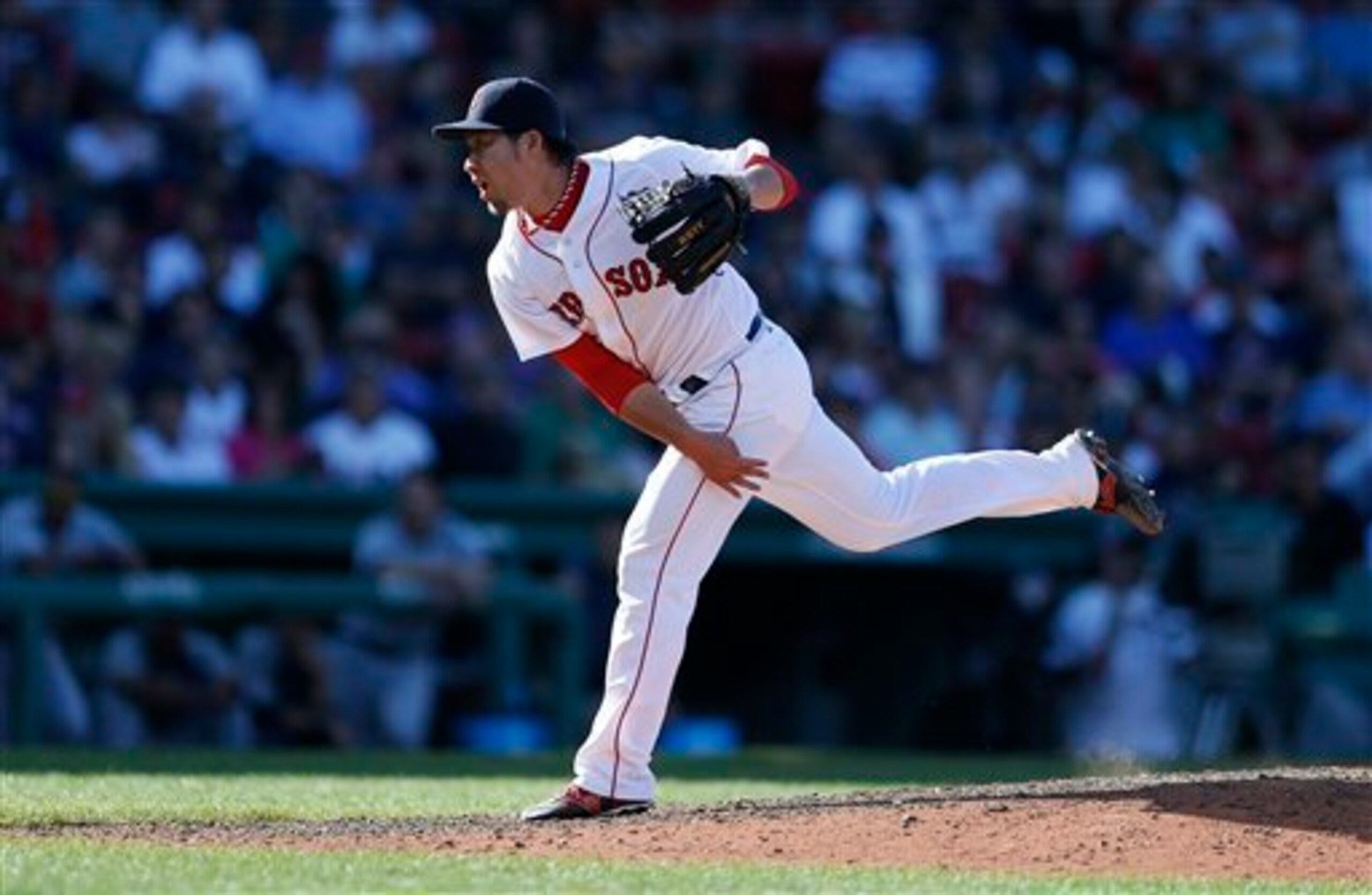
Control
It’s looking more and more like the great walk rate Tazawa posted in 2012 won’t be happening again. That’s not overly surprising, as he doesn’t rely on his fastball as much as a lot of relievers and is visiting the strike zone less often. But he at least has a hot spot on the outside corner against lefties, and he can locate around the outside corner pretty well against righties, too. He’s losing it, but it’s not lost yet.
Whiffability
Because Tazawa sits around 94 with his fastball, he should still have the velocity to blow hitters away. But that’s something his fastball has been doing less and less since 2012, which is not a small concern going forward. It’s a good thing, then, that his splitter has proven to be up to the task of making sure he keeps getting whiffs. At least he has that.
Hittability
Tazawa’s splitter is good at missing bats, but it's just OK at getting ground balls. That leaves him without a consistent option to go to for grounders, forcing him to make do as a guy who can limit hard contact in the air. He’s unfortunately not getting better at that. It’s getting easier for hitters to square up his fastball and splitter, while pop-ups aren't frequent and deep fly balls aren’t entirely uncommon.
Overall
Tazawa’s barely hanging on as one of the top relievers in the league, as he’s only becoming more hittable and less effective at throwing strikes and missing bats. But as long as he’s at least better than most at doing the latter two, he’ll have enough to get by.

53. Oliver Perez, Arizona Diamondbacks
4 of 56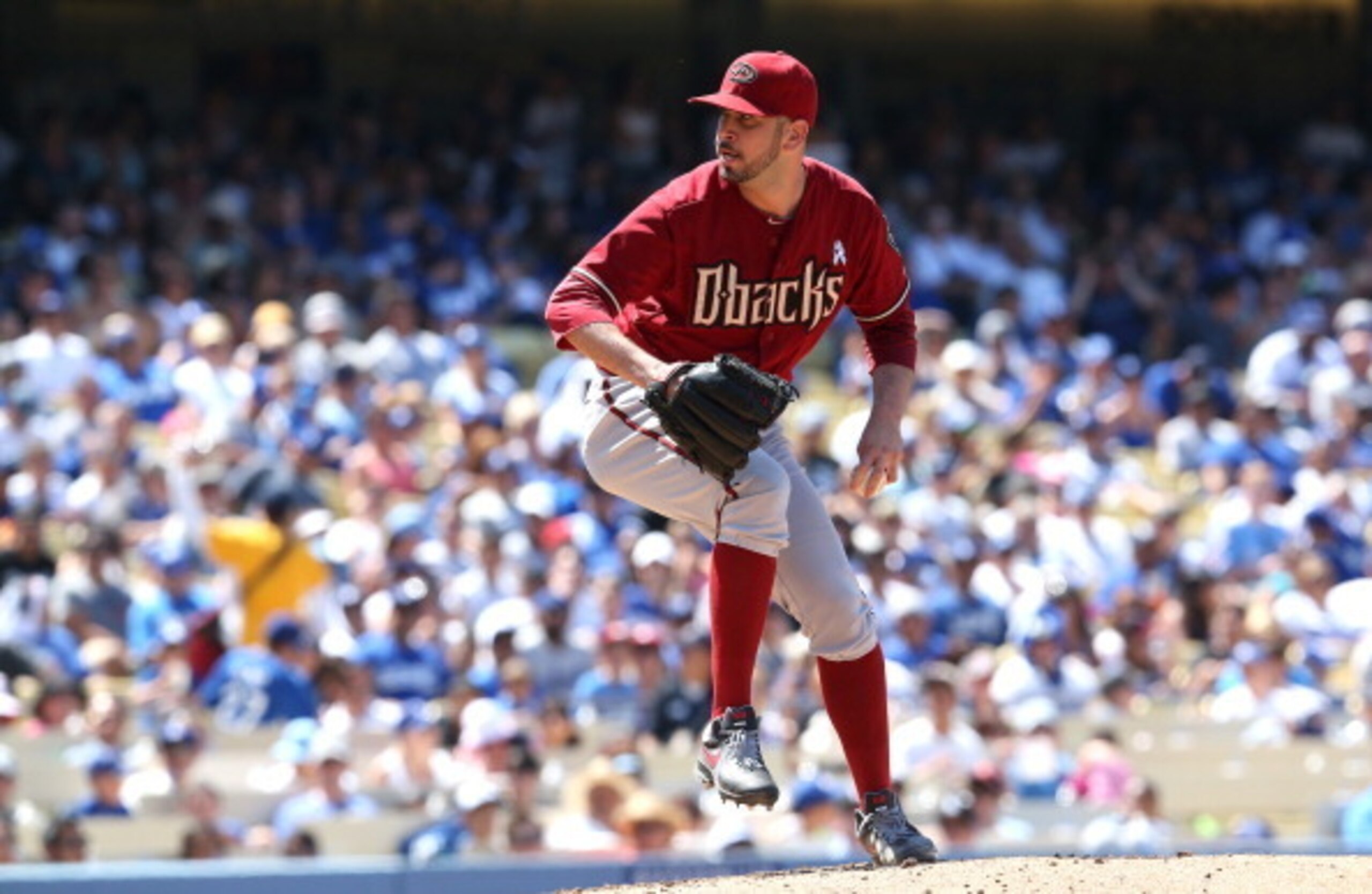
Control
Perez has lowered his walk rate, but not because he’s gotten better at finding the zone. He’s gotten worse, in part because he’s put fewer fastballs in the zone. One issue he has is how often he misses wide with his hard stuff against righties when he's not going down the middle. Also, his slider isn’t meant to pick up strikes in the zone. In so many words: it's still hard to classify him as a true strike-thrower.
Whiffability
Though not as strong as he was in 2013, Perez is still getting swinging strikes. He owes that mainly to his slider, which is among the best swing-and-miss sliders thrown by lefty relievers. Where things get shaky is if his four-seamer might soon have a tougher time missing bats than it is, as his velocity is creeping down from the 93-94 he averaged in 2012. Now that he’s 33, that lost velocity likely isn’t coming back.
Hittability
As awesome as Perez’s slider is, one gripe is that hitters suddenly aren't having a hard time squaring it up for line drives. Also, long fly balls haven't been totally infrequent. So it’s a good thing he’s benefited from increased use of his sinker, which has been a strong ground-ball pitch. This has allowed his four-seamer to be in the business of getting pop-ups. That’s a working relationship that might be able to stick.
Overall
All complaints about Perez’s command, velocity and slider hittability aside, he’s still what he was in 2013: something of an underrated reliever. His slider is a real weapon even despite its increased hittability, and his willingness to mix up his four-seamer and sinker more has made him good for ground balls and pop-ups.
52. Trevor Rosenthal, St. Louis Cardinals
5 of 56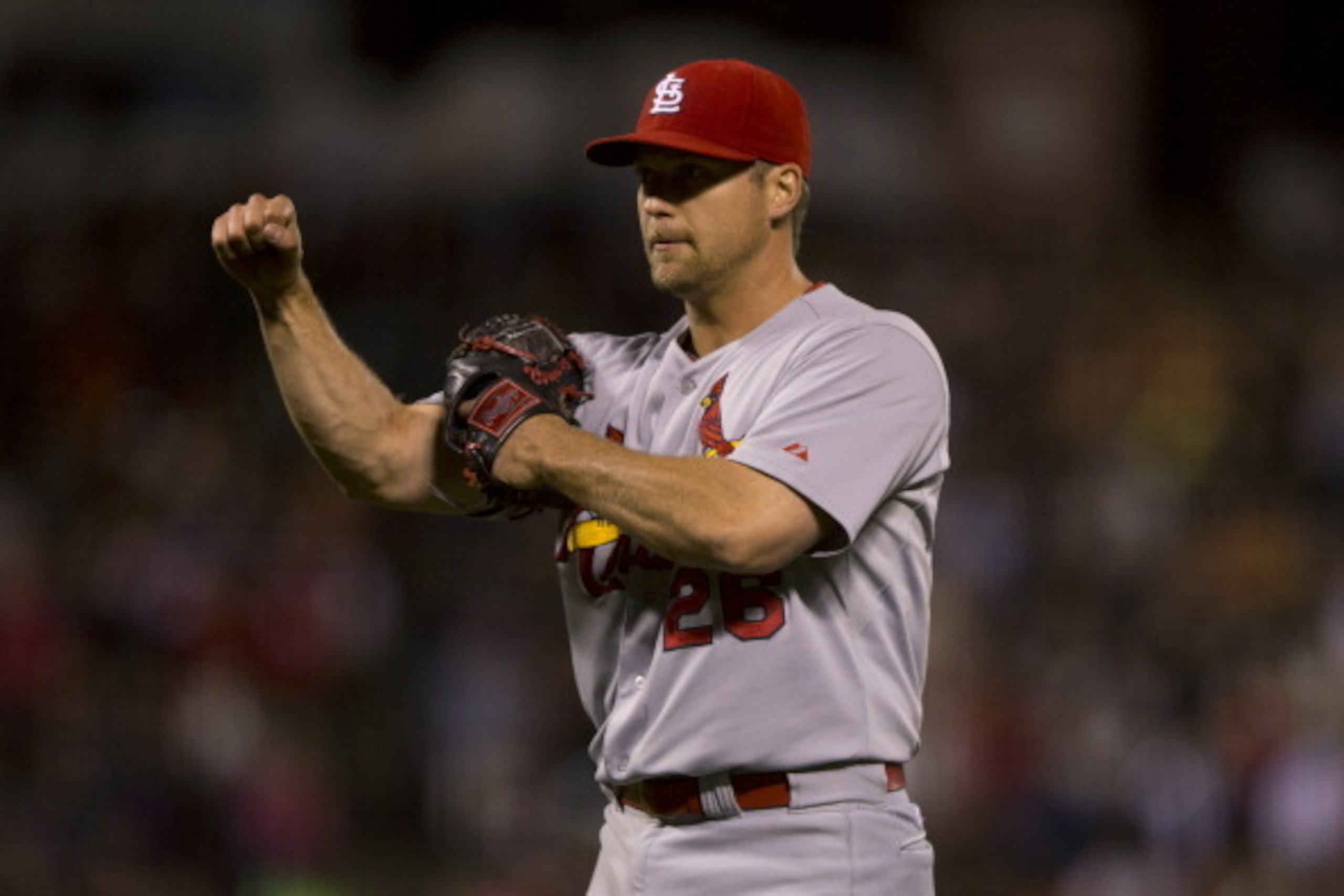
Control
Want to see something scary? Look how much Rosenthal’s walk rate has gone uphill. He hasn’t been able to command his fastball like he did in 2013, when he could hit the zone and stay low in it. It’s good that his curveball and changeup have found the zone more, but that’s only so much of a victory. Somebody needs to give him directions to the drawing board.
Whiffability
Rosenthal also isn’t missing as many bats as he did in 2013. Part of that is owed to a velocity drop that hasn’t helped his four-seamer and has actually hurt his changeup. Not that we should complain too much, though. A 96-97 mph fastball is still a good one, and both that pitch and Rosenthal’s changeup are still quite good at getting whiffs even by reliever standards.
Hittability
It’s typically not good when both of your primary pitches are getting worse at inducing grounders and one of them is becoming much more of a line-drive magnet. It’s a good thing, then, that he hasn’t lost his ability to get pop-ups. He’s also reasonably good at keeping fly balls catchable. Such is the benefit of vicious stuff and a good pitch mix: You’re tough to hit even when you’re easy to hit.
Overall
Rosenthal has gone from being one of the most dominant relievers in the league to being significantly less dominant, mainly thanks to horrible command. But he’s not a fallen star just yet. That he’s managed to get enough whiffs and soft contact to rack up over 40 saves says it all about his stuff.
51. Brad Ziegler, Arizona Diamondbacks
6 of 56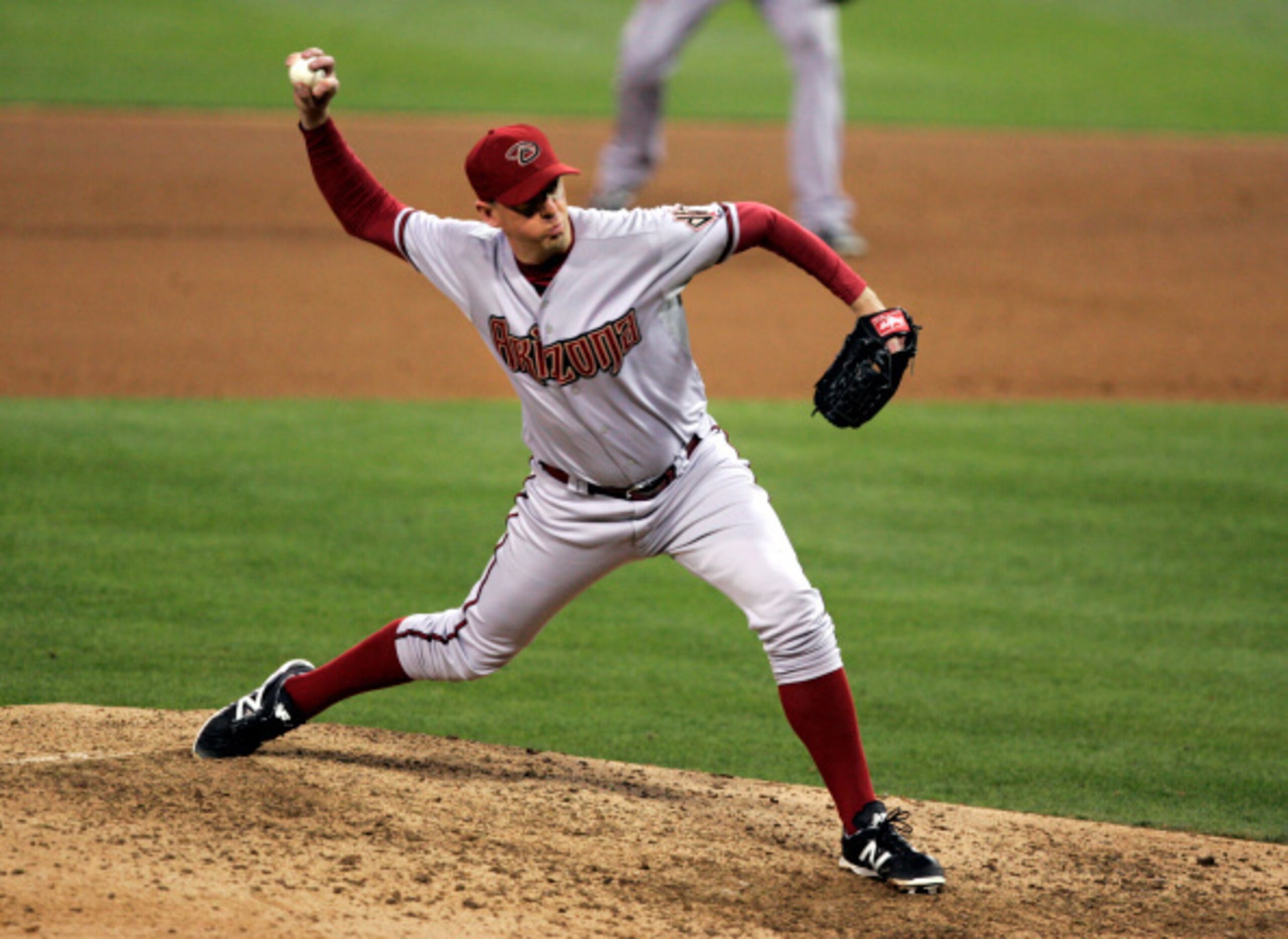
Control
Before his season ended early thanks to microfracture surgery on his left knee, Ziegler’s move to become less fastball-heavy was restricting his ability to find the zone. What allowed him to get by was how we was still very living around the bottom of the zone with all his pitches as well as ever. It works for getting low strikes and putting hitters on the defensive. In other words: His style still works.
Whiffability
It's ordinarily not his style, but Ziegler got surprisingly decent at getting swinging strikes in 2014. He was notably using his slider more, and it was having an easy time missing bats. Especially against right-handed batters. The whiffs should keep coming if he keeps that up, and that might actually be possible. He can certainly locate his slider well enough, and it’s only gaining more horizontal run as time passes.
Hittability
Ziegler once again posted a ground-ball rate over 60 percent, and it was once again thanks to his ultra-ground-ball sinker. His sinker is, however, slowly getting worse at inducing grounders. He's also not totally home run-proof anymore. That he had less velocity in 2014 didn't help. And with his 35th birthday coming soon in the wake of his knee surgery, a velocity rebound likely won't be happening.
Overall
Though Ziegler’s become more walk- and homer-prone, this season has hardly been a lost one for him. He’s still among the best at keeping his pitches low and getting ground balls, and the way in which his slider has become a legit swing-and-miss pitch is a welcome sight.
50. Steve Cishek, Miami Marlins
7 of 56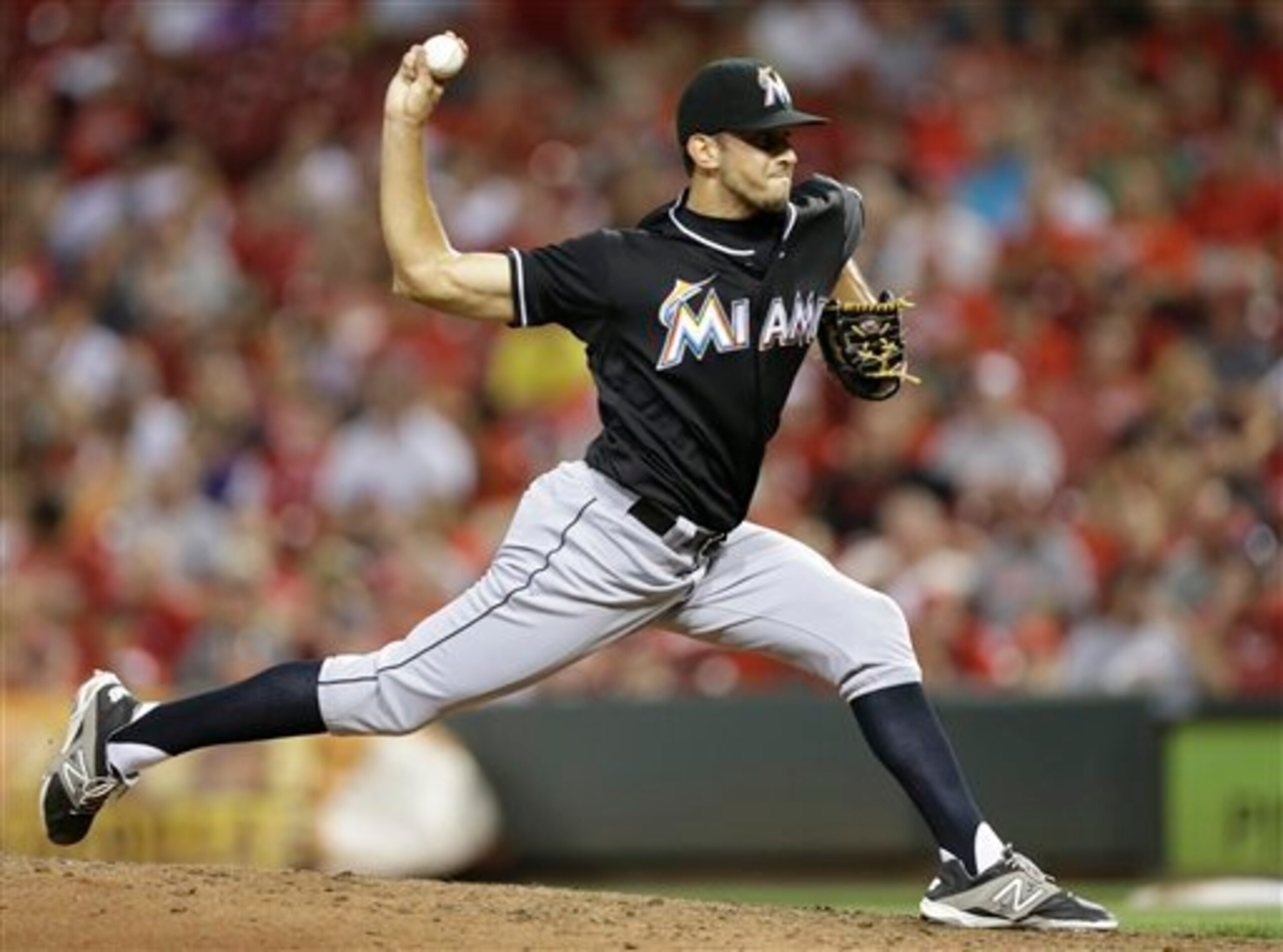
Control
Cishek now goes roughly 50-50 between his hard stuff and his slider, but he’s hitting the zone at roughly his career rate. His command looks better under a microscope, as that’s how you’ll notice how he plays with the corners against lefties and righties. His slider isn’t strictly a whiff pitch either, as he’s perfectly capable of putting it at the knees. There aren’t many other relivers who can do that.
Whiffability
Though his strikeout rate has spiked, missing bats still isn’t among Cishek’s strengths. He’s no better at it than he’s ever been, largely because his slider is mediocre at missing bats compared to most other relief sliders. It’s also actually more hittable with two strikes than it is otherwise. Factor in hard stuff that only sits in the low 90s, and Cishek's whiff potential is definitely restricted.
Hittability
Cishek is typically good for lots of ground balls, but not anymore. His ground-ball rate has fallen off by a lot, with both his sinker and slider struggling to get grounders and instead being turned into line drives. It’s a good thing, therefore, that hitting a fly ball off him is hardly a guarantee of doing damage against him. That’s a benefit of his 50-50 fastball-slider mix and his good location.
Overall
The best thing you’re going to see when you watch Cishek is his command, be it with his sinker or slider. And when he’s on, his ability to locate and mix those pitches leads to soft contact. This said, he hasn’t been as good at missing bats as his high strikeout rate suggests, and he’s not as hard to hit as he used to be.
49. Rafael Soriano, Washington Nationals
8 of 56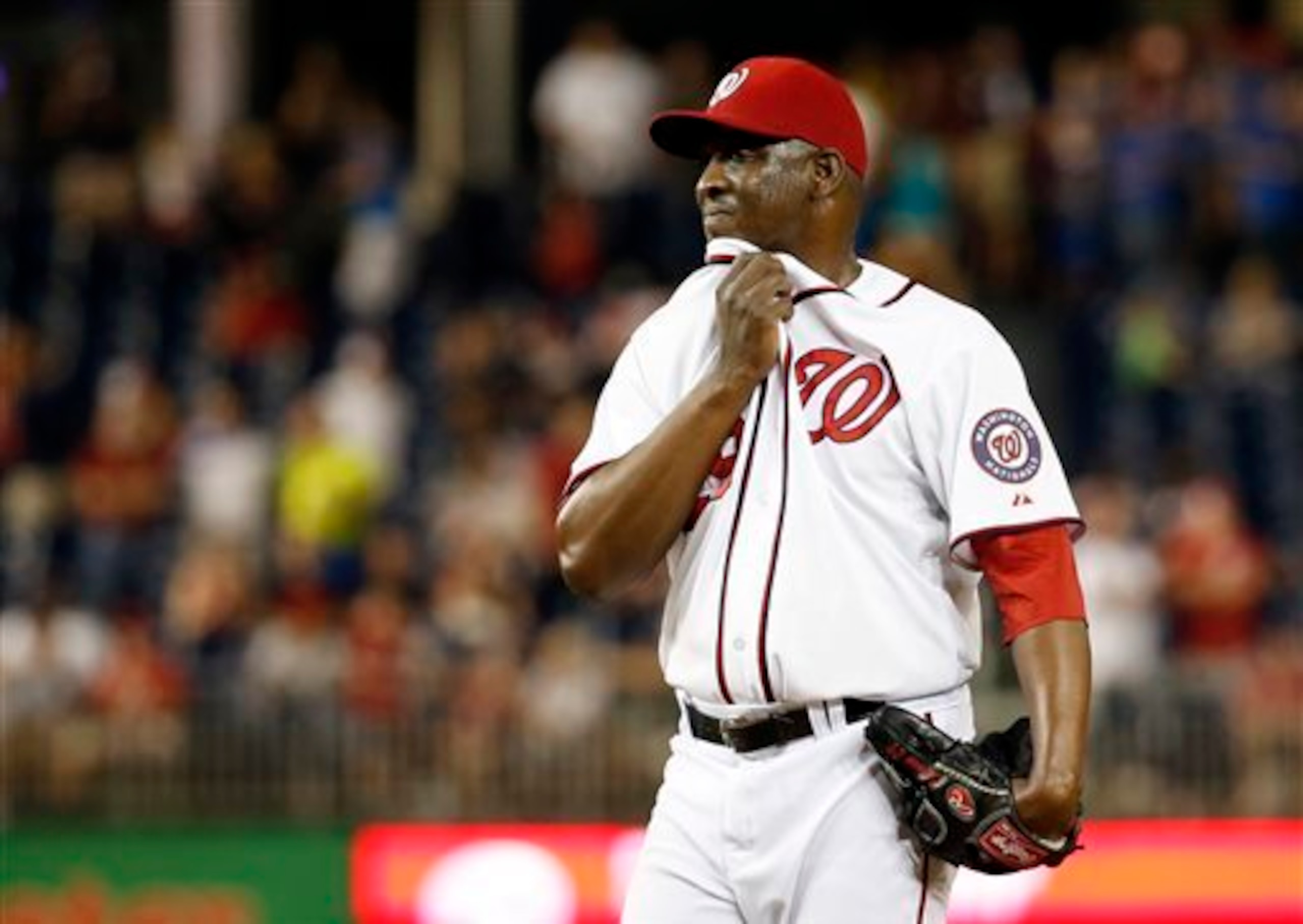
Control
Soriano isn’t shying away from using his slider like he did in 2013. Despite that, he’s actually been finding the zone more often, and how he finds the zone is worthy of some appreciation. Against both lefties and righties, Soriano works up and away with his hard stuff. This affords him a fighting chance of staying away from the fat part of the bat, and it works well to set up hitters for low sliders.
Whiffability
The whiffs have come back after largely sitting out 2013, with both Soriano’s four-seamer and slider enjoying revivals. That he’s done this without adding velocity is somewhat suspicious, but it makes sense that the increased presence of his slider would make his heat look faster than it really is. In other words: It might actually be sustainable even though Soriano’s getting a little old for overpowering hitters.
Hittability
Soriano is once again an extreme fly-ball pitcher. That makes sense in light of how much he pitches up in the zone, and part of what allows him to get away with it is his four-seamer being a pretty good pop-up pitch. Most of the fly balls he’s given up have found their way to the outfield, however, and a good amount have been deep. His second-half struggles with hard-hit balls were likely coming all along.
Overall
It should go without saying that Soriano’s best days are behind him. He no longer has the stuff to blow away hitters, and his second-half hittability is more realistic than his first-half hittability. But he’s done himself a favor by mixing up his heat and slider more, and his ability to locate does him plenty of favors.
48. Jake Diekman, Philadelphia Phillies
9 of 56
Control
As far as walk problems go, Diekman’s is somewhat unique. He can locate fine when he faces lefties, spotting his fastball around the outside corner. It’s when he faces righties—which he does often as a non-LOOGY—that he gets in trouble. He often misfires his fastball high and wide, keeping his zone rate subdued and allowing righties to draw plenty of free passes. As such…yeah, maybe he should be a LOOGY.
Whiffability
When you have a 97 mph sinker and a wipeout slider, however, good command is optional. Diekman's up there among the top relievers in the league at getting whiffs, with both his sinker and slider doing their part to get him there. Especially his slider, which is arguably the best slider thrown by any left-handed reliever in the game today. As long as he has that and his hard fastball, there will be whiffs.
Hittability
Diekman was a solid ground-ball pitcher in 2012 and 2013, as you would expect from a sinker-slider pitcher. But both pitches have lost their edge at getting grounders, with the trade-off being them becoming easier to hit for line drives. Not surprisingly, this is mainly the work of righty batters, who have also had a fairly easy time picking up extra-base hits against him. So once again, maybe he should be a LOOGY.
Overall
Issue can be taken with Diekman’s control and hittability, and rightfully so knowing that both have been weaknesses against right-handed batters. Outside of those weaknesses, however, lies one of the best fastball-slider combinations possessed by any reliever in the league. And most of the time, it works.
47. Kelvin Herrera, Kansas City Royals
10 of 56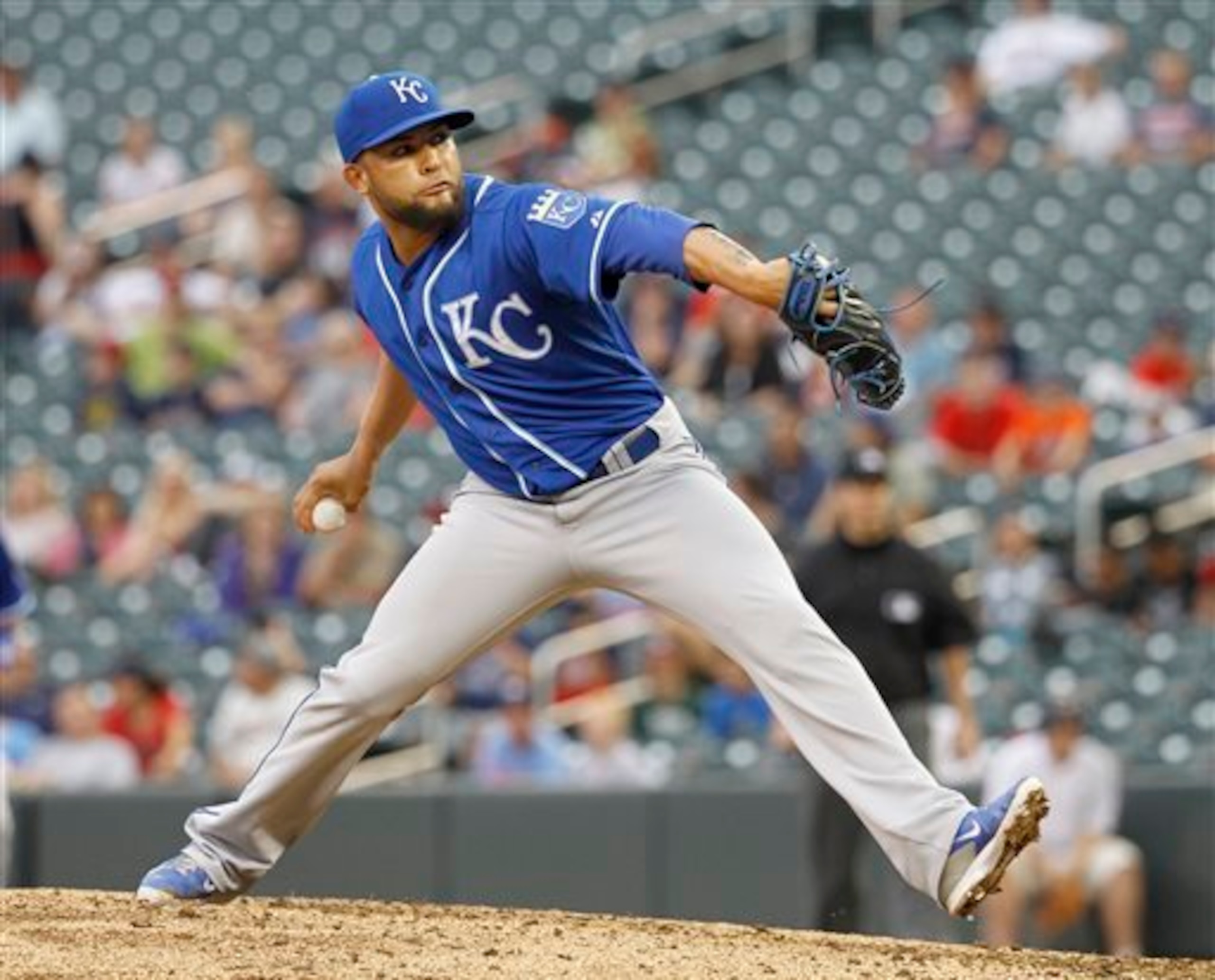
Control
By reliever standards, it’s a stretch to say walks are a problem for Herrera. But his ability to limit walks is trending in that direction. You’d think that wouldn’t be the case with his fastball percentage climbing as high as it has, but that hasn’t made it any easier for him to find the zone. Probably because he’s so prone to wildness on his arm side. Right-handed hitters can consider that a warning. They’ll be coming in hot.
Whiffability
Though it doesn’t show up so much in his strikeout rate, Herrera is still better than most relievers at getting swings and misses. You’d certainly expect as much from a guy who averages 98 with his fastball—often touching triple digits—and he has a pretty good changeup to boot. But while these pitches are still good at missing bats, they’re not as good as they were in 2013. Hitters are somewhat on to him.
Hittability
Herrera’s not too shabby as a ground-ball pitcher, in part because he has a sinker he can go to when he needs a ground ball in a pinch. Pop-ups are also within reason for him, as are catchable fly balls. But it’s not all good. Herrera’s been prone to line drives, in part because his changeup is getting to be easier to hit on a line every year. That’s not really what you’re looking for in a change-of-pace pitch.
Overall
Herrera has had little trouble getting results, largely because his stuff is overpowering enough to make up for his shortcomings. Since he’s still only 24, that should continue to be the case for a while still. But make no mistake: Those shortcomings exist, and they’re keeping him from being a truly excellent reliever.
46. Jean Machi, San Francisco Giants
11 of 56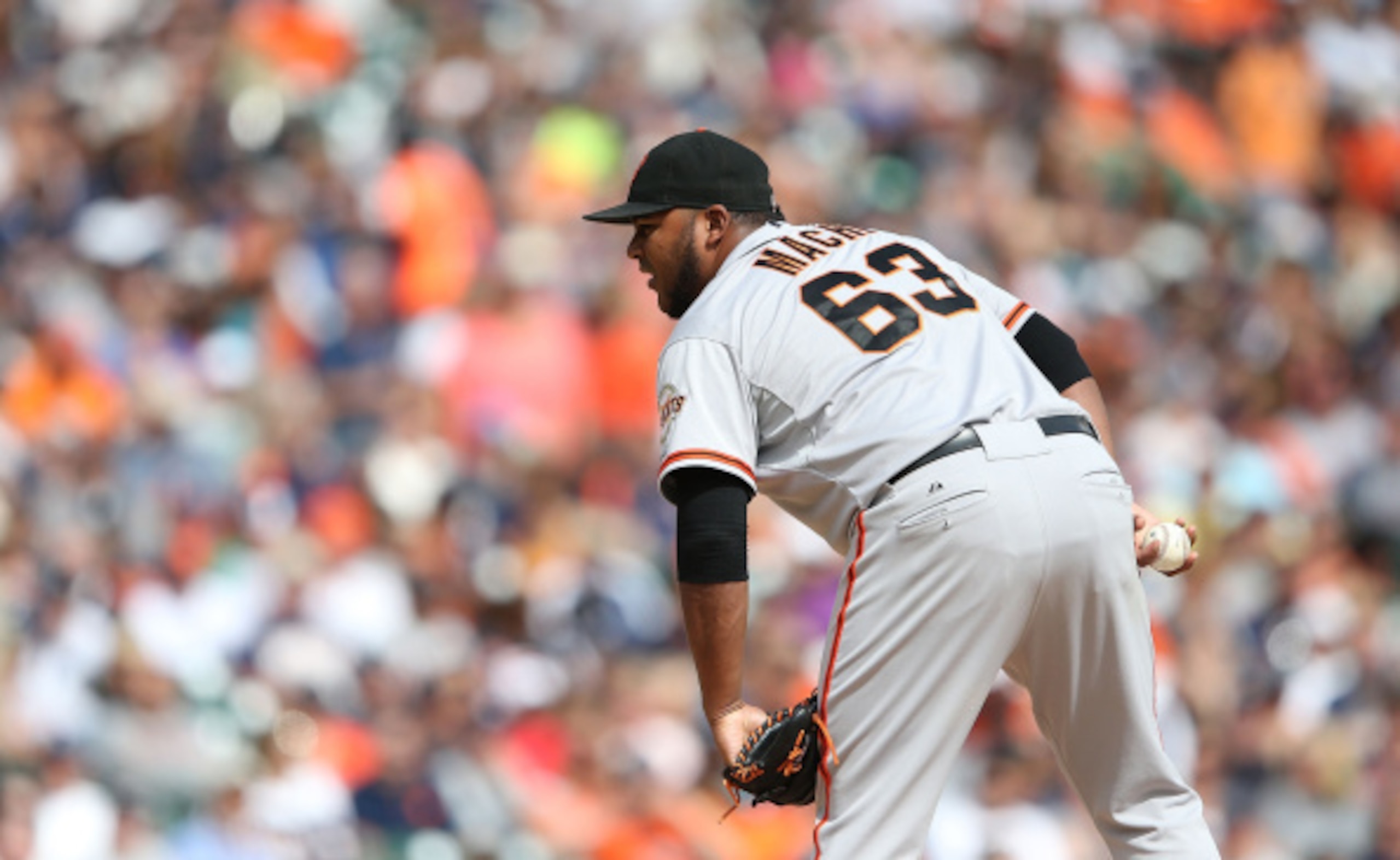
Control
Machi has switched things up this season, pitching off his splitter instead of off his fastball. Despite that, he’s actually gotten better at finding the zone. This is reflective of how he’s not shy about putting his splitter in the zone, though the downside there is that he doesn’t worry so much about spotting it. He can struggle to do so with his fastball, too, oftentimes finding the middle of the zone.
Whiffability
Though he has solid velocity in the 92-93 range, Machi’s fastball is pretty much useless at missing bats. His splitter is a lot better, and it's predictably responsible for the bulk of his strikeouts. Thing is, though, his increased use of his splitter hasn’t actually made it tougher to hit, and it’s actually not as good getting whiffs with two strikes. Hence why his overall whiff rate, while still solid, hasn't skyrocketed.
Hittability
More splitters may not be getting Machi more whiffs, but they’re certainly helping his ground-ball rate. He has a good one, in part because his splitter has gotten better at inducing grounders than it was in 2013. As a bonus, it’s also become harder to hit his splitter on a line. It’s too bad the trade-off there is his fastball getting easier to square up, and it’s also weak at getting pop-ups.
Overall
You’re going to see an awful lot of splitters when Machi is on the mound, and why not? Though he’s not quite elite at all three, he can use it to find the strike zone, miss bats and get ground balls. That’s a pretty good formula for a signature pitch, and it serves him well.
45. David Carpenter, Atlanta Braves
12 of 56
Control
Carpenter was pretty good at throwing strikes in 2013. Now he’s upped his fastball usage slightly and become even better, to a point where he’s now among the elites at attacking the zone. The catch is that his fastball command within the zone is hardly exemplary. He goes down the middle a lot, throwing more fastballs across the middle than all but a couple of other pitchers.
Whiffability
Carpenter’s solid strikeout rate has remained fairly consistent from 2013 to 2014, which makes sense knowing that his solid swinging-strike rate has barely budged. Lo and behold, the whiffability of his 95-96 fastball and his slider haven barely budged. That’s par for the course for both pitches, and that sends a pretty clear message that his stuff is nasty enough, but not too nasty.
Hittability
You’d expect a true fastball-slider reliever like Carpenter to be easy to elevate, and he is just that. The majority of his batted balls are line drives and fly balls, and it doesn’t look so good that he doesn’t mix in many pop-ups. His fastball isn’t up to the task of getting those. And while he’s reasonably good at keeping fly balls shallow, it’s still fair to say he flirts with danger.
Overall
He’s not especially tough to square up, but that doesn’t necessarily make Carpenter a bad reliever. When his number is called, he’s going to come in and attack the strike zone and miss enough bats along the way to escape unscathed more often than not.
44. Santiago Casilla, San Francisco Giants
13 of 56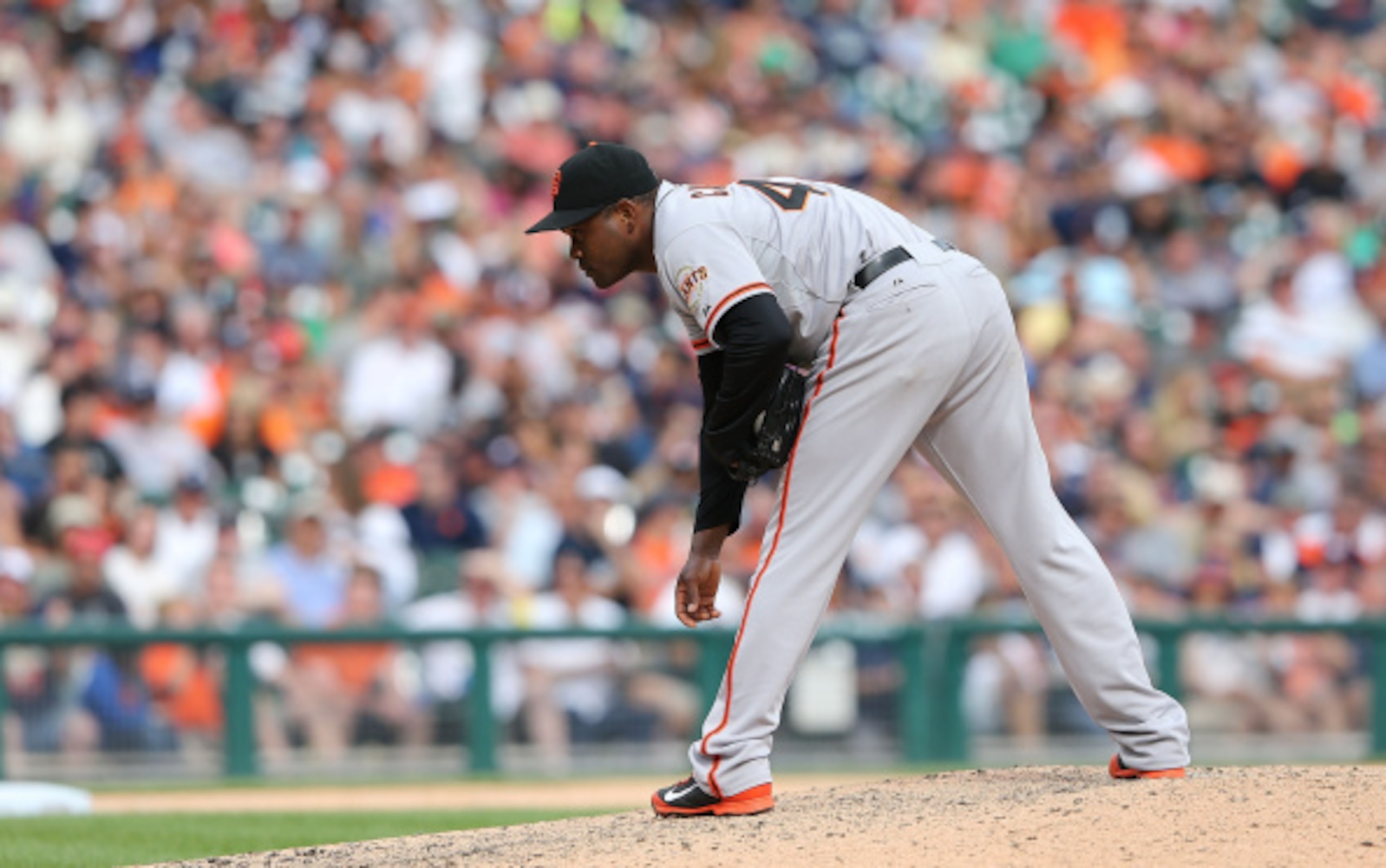
Control
Casilla hasn’t been much for pounding the zone in recent seasons, and 2014 has been no different. He has a tendency to miss wide of the zone on his arm side with his hard stuff, leading to easy takes for lefties and reflex tests for righties. And even when he does go in the zone, hitting spots isn’t easy. As such, the reality that his walk rate has dipped again is deserving of some skepticism.
Whiffability
Casilla is typically not great at getting whiffs, but he’s doing a decent job of it this year. That he’s gained some velocity has helped make his sinker tougher to hit. He’s also using his curveball more, and it’s emerged as his best whiff pitch. Its up-and-down history as a whiff pitch makes that suspicious, but it looks like a preferable option to his slider either way. Its time as a whiff pitch seems to have passed.
Hittability
You can always count on Casilla to get ground balls, and he’s been getting even more of them than usual. His sinker and curveball have basically only been hit on the ground. As a bonus, Casilla’s been getting a ton of pop-ups and catchable fly balls. It seems like a tough act to repeat, but it's also the kind of act that his general wildness and mix of pitches makes possible.
Overall
Casilla has never pitched like a guy who actually deserves to have sub-3.00 ERAs in each of the last five seasons, as he’s wild and less than overpowering. His ability to get ground balls and generally induce soft contact, however, is no joke.
43. Jeremy Affeldt, San Francisco Giants
14 of 56
Control
Affeldt’s performance in the walk department is likely too good to be true, especially knowing that he’s not exactly pounding the zone. What he does reasonably well, however, is keep his pitches down. Also, one thing that allows him to be effective against righty batters is how well he works on the outside edge with his heat. His is largely a danger-avoidance style of command, but he executes it well.
Whiffability
You’re not going to see many whiffs when Affeldt is on the mound, as he works largely off a sinker that runs just 91-92 mph and isn’t especially good at missing bats. He’s not totally without hope of getting a whiff when he needs one, though. He does have a curveball and a splitter, and both are pretty good at missing bats when he gets them down below the zone.
Hittability
While Affeldt is nothing special at getting whiffs with his sinker, it induces grounders nearly 70 percent of the time it’s put in play. That’s what’s driving Affeldt’s huge ground-ball rate this year, and both line drives and fly balls have been hard to come by on the side. There’s the suspicion that his ground-ball rate is a bit too high in light of his track record, but he’s otherwise showing what he can do when he’s on.
Overall
Affeldt doesn’t throw as hard or locate the zone as well as he did even as recently as a couple years ago, but he’s still an asset in relief. His ability to keep the ball low allows him to avoid disaster, and he’s the man to call on if a ground ball is needed in a pinch.
42. Danny Farquhar, Seattle Mariners
15 of 56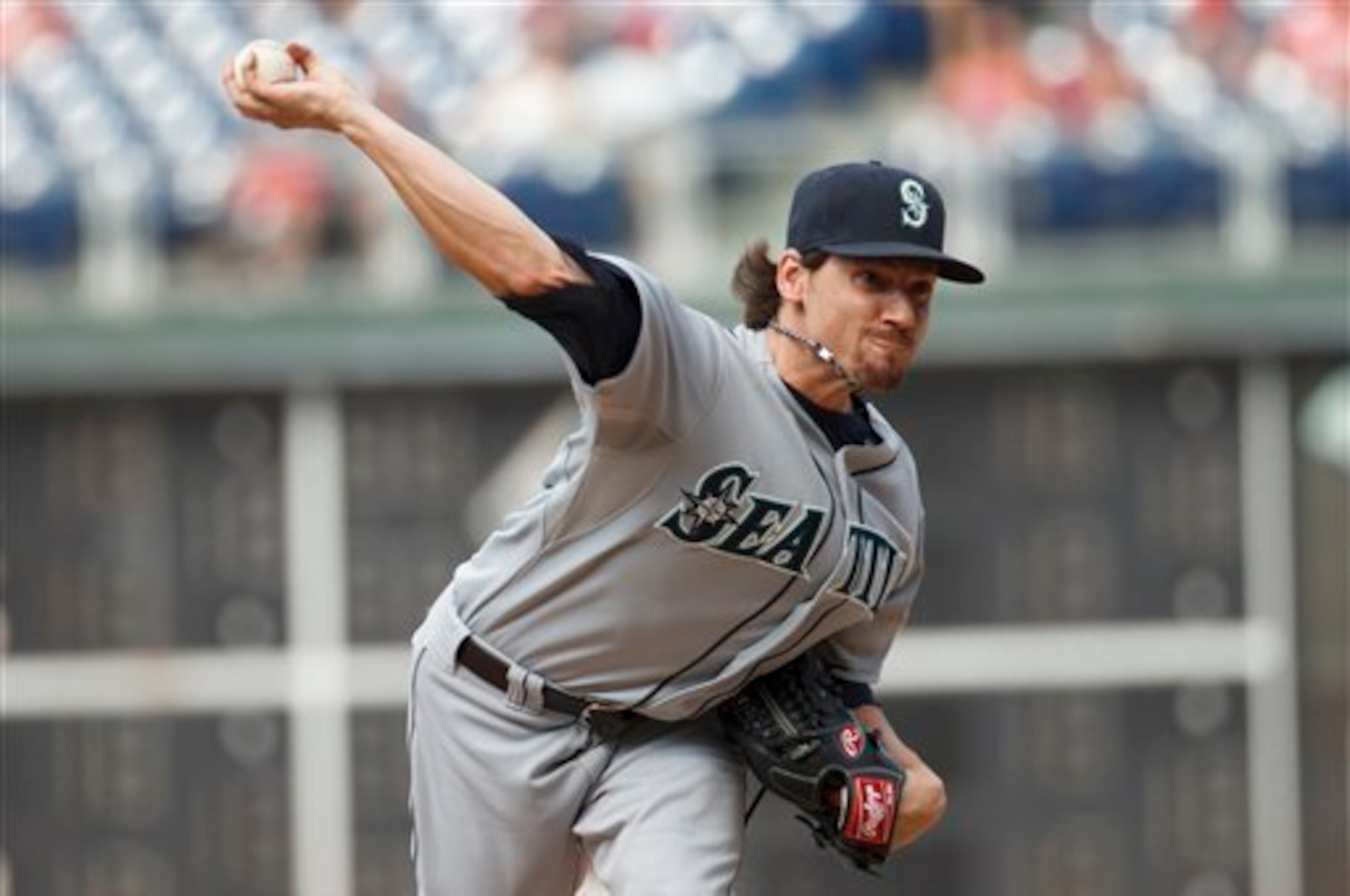
Control
Farquhar has had an easier time avoiding walks in 2014, partially because he’s simply gone in the strike zone more. Him putting more trust in his cutter isn’t the worst idea. He’s shown that he can backdoor it and put it at the knees against lefties, as well as work around the outside edge against righties. Farquhar’s not the next Mariano Rivera, but there’s some potential with him and his cutter.
Whiffability
Farquhar missed bats very well in 2013, but his ability to do so has gotten a bit more modest in 2014. His velocity hasn’t been the same, and that hasn’t helped. It’s his curveball that’s suffered the most, however, as it’s gone from missing bats on 60 percent of the swings taken at it to less than 40 percent. It’s just another curveball now, rendering Farquhar a good, but not great whiff artist.
Hittability
It’s not hard to get the ball in the air against Farquhar. He doesn’t have a go-to pitch for getting ground balls, and it’s not the best look that he hasn’t fooled anyone with his four-seamer or changeup. The bright side is that his cutter and curveball haven’t gotten any easier to hit on a line. The way in which he mixes his pitches helps, too, as he gets his share of both pop-ups and catchable fly balls.
Overall
The league has adjusted a bit to Farquhar after he blew hitters away in 2013—his first full season—but it still doesn’t totally have his number. His command is improving, he still has the stuff to miss bats, and his sheer variety of pitches doesn’t make it especially easy to hit him hard.
41. Drew Storen, Washington Nationals
16 of 56
Control
Storen is barely relying on his fastball for over 50 percent of his pitches, so it makes sense that he wouldn’t be finding the zone at his usual rate. And when he’s not missing wide on his arm side with his hard stuff, he’s often finding the middle of the zone. Though the rate at which he finds the zone doesn’t exactly make him a bad command artist, it’s hard to get excited about how he operates.
Whiffability
Storen’s fastball velocity is in the 93-94 range and inching downward. Not so coincidentally, his four-seamer still isn’t as tough to hit as it once was. It's a good thing, then, that his increased use of his changeup means he now has two secondary pitches that are at least competent at missing bats. Those two pitches will help save his whiffability from total ruin if another velocity loss happens in 2015.
Hittability
Relative to 2013, one thing we’re seeing more of from Storen is ground balls. That’s a collaborative effort between his sinker, slider and changeup, which each induce grounders about half the time they’re put in play. That he’s also getting pop-ups and plenty of catchable fly balls is a bonus and speaks to how he’s having an easier time keeping hitters off-balance through mixing his pitches.
Overall
Storen’s sub-2.00 ERA makes him look a lot more overpowering than he really is, as he doesn’t miss many bats and isn’t an especially good command artist either. But there’s at least no denying that he’s a much-improved pitcher over the one we saw in 2013, if for no other reason than he’s simply learned how to pitch.
40. Fernando Rodney, Seattle Mariners
17 of 56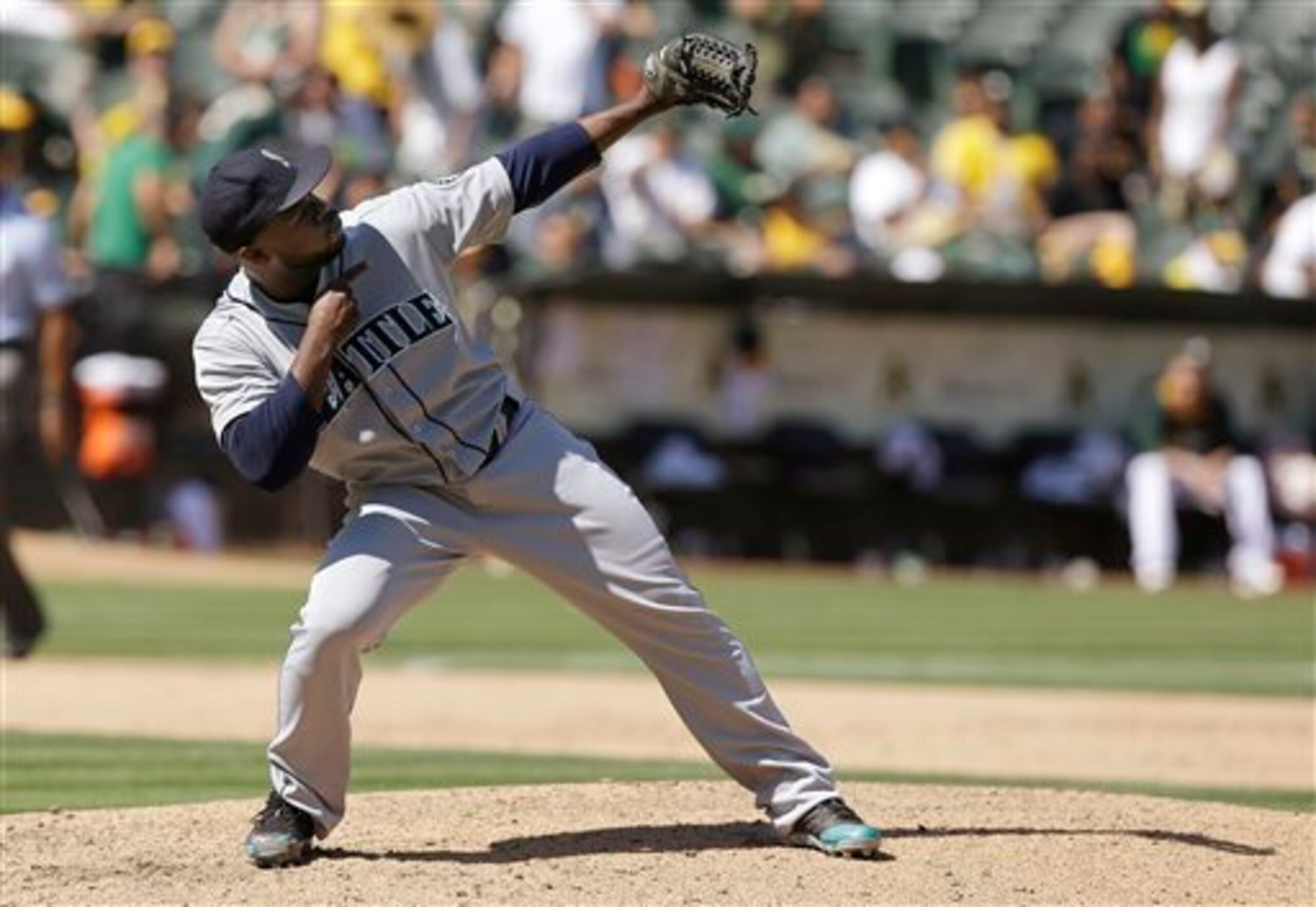
Control
Rodney’s command will never get back to its 2012 level of awesomeness, but he has been better this year. All he’s had to do is throw more fastballs, allowing himself to boost his zone rate via more heat in the zone. But since he still tends to misfire up and away on his arm side when he doesn’t finish his delivery, he’s still very much a candidate to go wild at any time.
Whiffability
Rodney’s doing fine at getting strikeouts, but his swinging-strike rate bears monitoring. It’s still slipping from its 2012 peak, and declining velocity is partially to blame. He no longer sits 96-97 with his heat, and it’s cost his heat some whiffability. The good news? His changeup is alive and well as a swing-and-miss pitch. As long as he has that, he has one of the game’s top weapons for missing bats.
Hittability
Rodney’s not the ground-ball pitcher he was in 2012, but you’re not going to be a bad ground-ball pitcher when your arsenal is all sinkers and changeups. So it is with Rodney, who can still get 'em. Furthermore, his ability to mix the two well helps him keep fly balls shallow. If there’s something worth worrying about, however, it’s how both his sinker and changeup are getting easier to hit for line drives.
Overall
Even without good command, Rodney still has the velocity and the sinker/changeup combination to overpower hitters. But with his velocity not what it once was and his stuff having a slightly harder time missing the sweet spots of bats, be warned that lesser dominance may be ahead.
39. Francisco Rodriguez, Milwaukee Brewers
18 of 56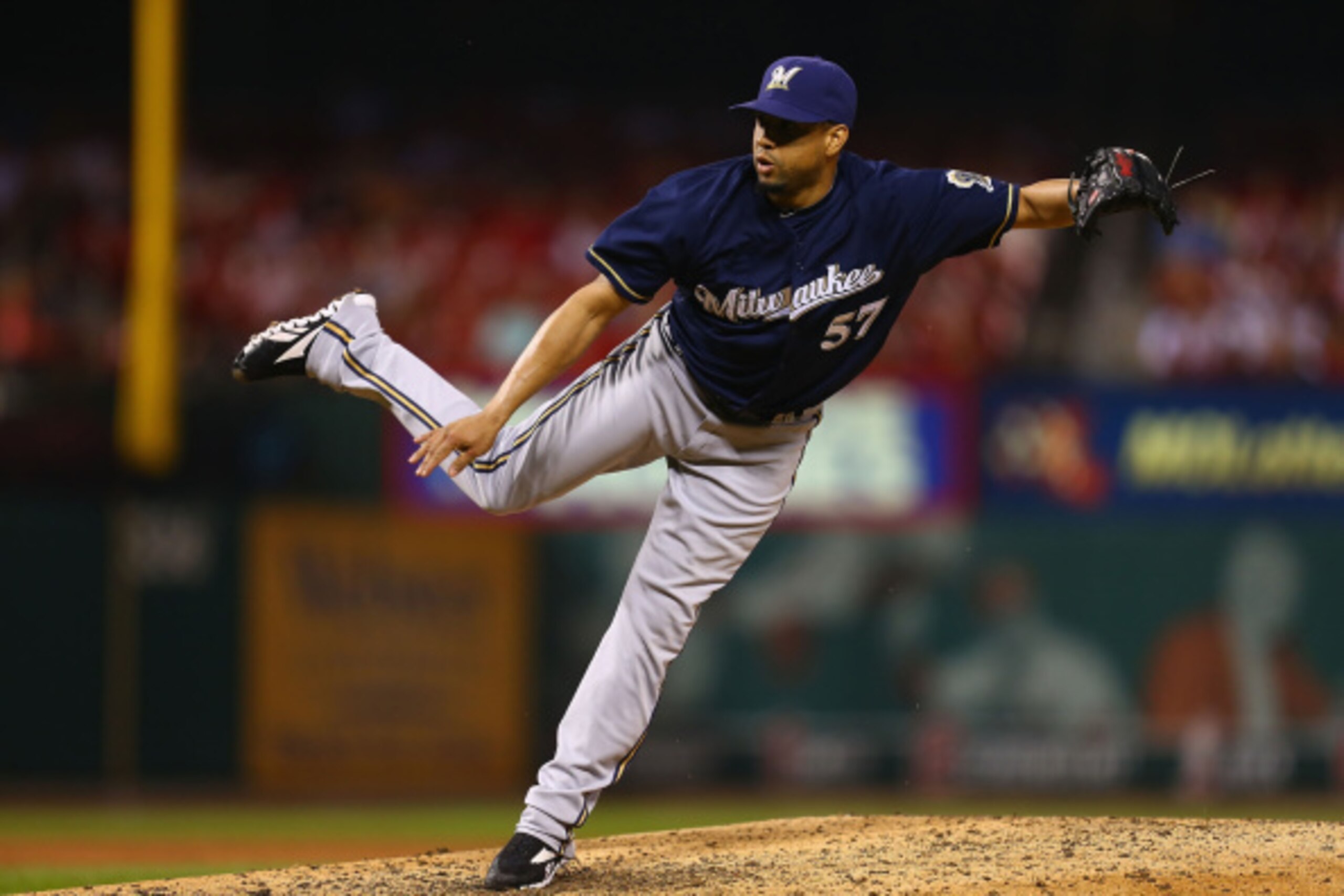
Control
K-Rod has never been this good at avoiding walks. He’s not going in the zone more than usual, but he does deserve some special attention for how well he pounds the edges. He can do it against lefties, and he can do it against righties. And while this is mostly for setting hitters up for slow stuff below the knees, he’s never been better at putting his changeup and curveball right at the knees. In all, impressive stuff.
Whiffability
It’s been a long time since K-Rod threw in the mid-90s, and this year he’s only sitting at about 90-91 with his heat. But he’s missing more bats than he has in a few years anyway. He owes a lot of that to how he’s put more trust in his changeup and watched it continue to come through with whiffs. It’s one of the best reliever changeups in the game. And oh by the way, his curveball is also pretty good.
Hittability
Here’s where we can stop speaking so glowingly. The home run problem Rodriguez has developed in the last few years isn’t getting better. In fact, it’s getting worse. Not so much because it’s especially easy to get the ball in the air against him, mind you. It has more to do with how it’s easy to crush the ball in the air against him. That line drives are also getting easier to come by is the cherry on top.
Overall
There’s no looking past the home run problem K-Rod has developed. It’s bad, and it’s showing no signs of getting less bad. But it shouldn’t overrule everything else he’s done this season, which has been largely good. He’s worked the edges quite well and continued to use his changeup to beautiful effect.
38. Jeurys Familia, New York Mets
19 of 56
Control
Though he doesn’t shy away from using his fastball, Familia doesn’t have an easy time finding the zone. No wonder, as his fastball command often consists of him misfiring below the zone. Not surprisingly, he doesn't have the easiest time living at the bottom of the zone against lefties or righties. Until he gets things squared away, I’d expect walks to continue to bug him.
Whiffability
It doesn’t show in his strikeout rate, but Familia’s pretty good at missing bats. You can do that when you sit 96-97, and both his four-seamer and his sinker are capable of getting whiffs. Not nearly as capable as his slider, however, which has taken up a status as one of the more unhittable sliders thrown by relievers. With that and his heat, the strikeouts to match his whiffs should come eventually.
Hittability
Familia’s sinker is his favorite of his two fastballs, and it’s plenty capable of keeping the ball on the ground and upping his overall ground-ball rate. That his slider is also a good ground-ball pitch makes things even better, and it’s not a shock that Familia’s avoided home runs knowing that fly balls off him tend to be catchable. That gives him several avenues to make sure contact off him is quiet.
Overall
You can look at how Familia has struggled to rack up strikeouts and limit walks and conclude he’s just another reliever. But he’s more overpowering than his strikeout rate suggests, and his ability to get ground balls and limit hard contact makes him a tough guy to face.
37. Casey Fien, Minnesota Twins
20 of 56
Control
Fastballs and cutters account for more than 90 percent of Fien’s pitches. So yup, there he is with one of the lowest walk rates and one of the highest zone rates among relievers. His command is at its best when he’s throwing his cutter in particular. He’s an expert at back-dooring lefties, and he doesn’t stray far from the outside corner against righties. So yeah, he’s one of the relief corps’ better command artists.
Whiffability
That Fien has added a considerable amount of velocity to both his fastball and cutter should, in theory, make him tougher to hit. But he’s actually been easier to hit than he was in 2013, with both his four-seamer and his cutter losing much of their former whiffability. This is one of the costs of Fien’s assault on the zone, as whiffs outside the zone haven’t been nearly as common as they were in 2013.
Hittability
It’s not just whiffs Fien has a hard time finding. Ground balls are tough for him, too. He makes his living as an extreme fly-ball pitcher who finds ways to avoid home runs. Not an easy task, but he helps himself by inducing plenty of pop-ups with his fastball/cutter combination. With the amount of deep fly balls he’s given up, though, there probably should be more home runs to his name.
Overall
Fien’s about as tough to notice this year as he was in 2013, if not more so due to the difficulties he’s had getting strikeouts. But his excellent command gives him a good margin for error, and he can still be counted on to at least get some swinging strikes while mixing in pop-ups. Basically, he’s better than he looks.
36. Kevin Jepsen, Los Angeles Angels
21 of 56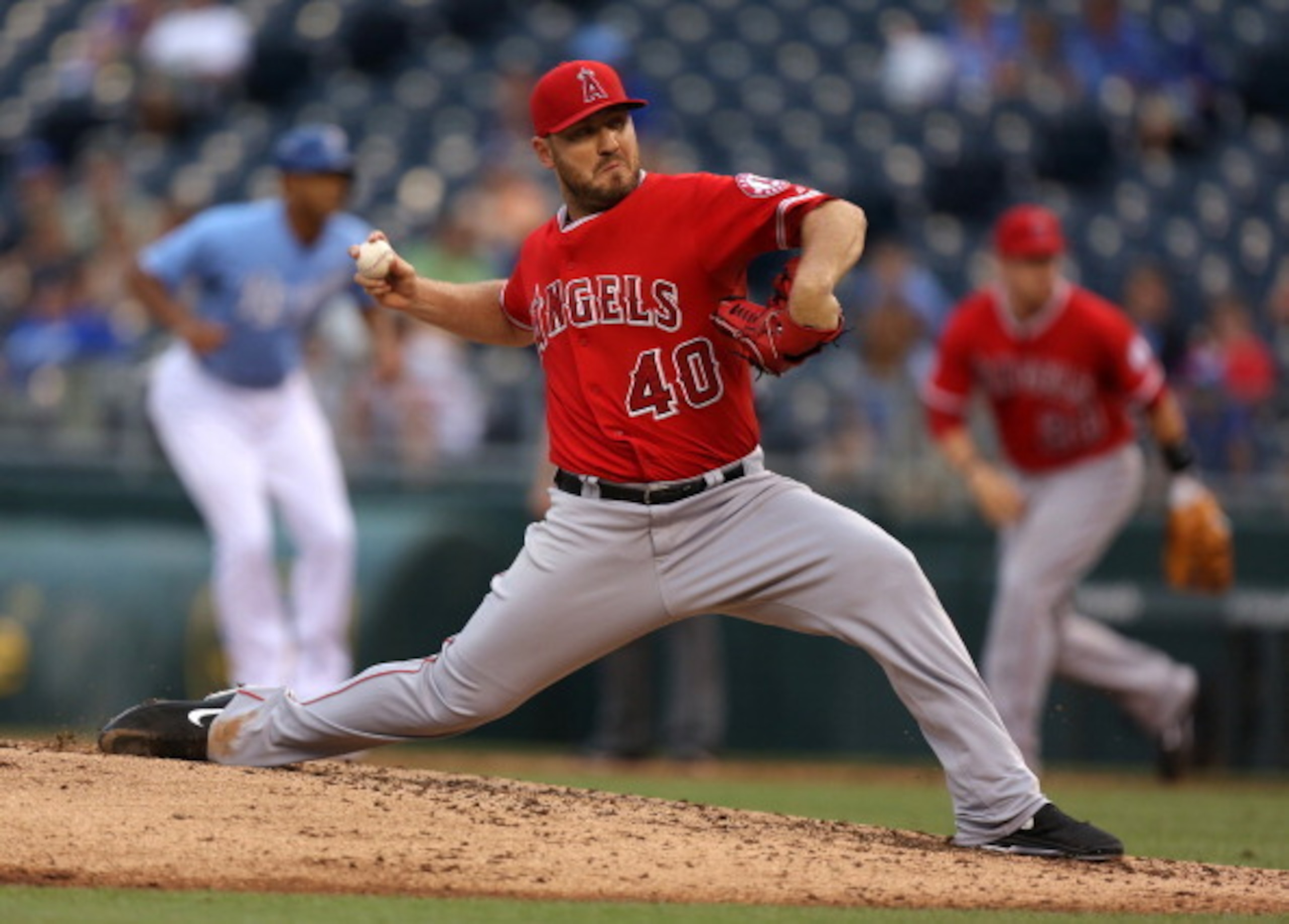
Control
Because Jepsen didn’t always find the zone with a fastball-heavy approach in 2013, you wouldn’t think that a less fastball-heavy approach would help. But it actually has, as he is indeed hitting the zone more. Well done there, but he still needs some command within the zone. He can stay on the outside edge reasonably well against lefties, but too often he goes right down the middle against righties.
Whiffability
Here’s the real benefit of Jepsen’s new approach. More changeups and curveballs has meant more of two pitches that are quite good at getting swings-and-misses. Not surprisingly, his 95-96 mph fastball has also gotten harder to hit, leaving Jepsen with his best overall swinging-strike rate since 2009. He’s still less than elite at missing bats, but he can now vouch that a lot of good can come from mixing your pitches.
Hittability
With more slow stuff leaving his right hand, it’s no surprise to see Jepsen getting back to being a solid ground-ball pitcher. And that mostly has indeed come from his changeup and curveball, which are both good at getting ground balls. The one worry is that his four-seamer is actually pretty poor at getting pop-ups, so Jepsen might be more homer-prone than he looks.
Overall
Jepsen always threw hard enough to be a shutdown reliever. What’s finally made him one this year, however, is him ceasing to put so much trust on his heat and more trust in not one, but two different slow offerings. The results have been quite good.
35. Dominic Leone, Seattle Mariners
22 of 56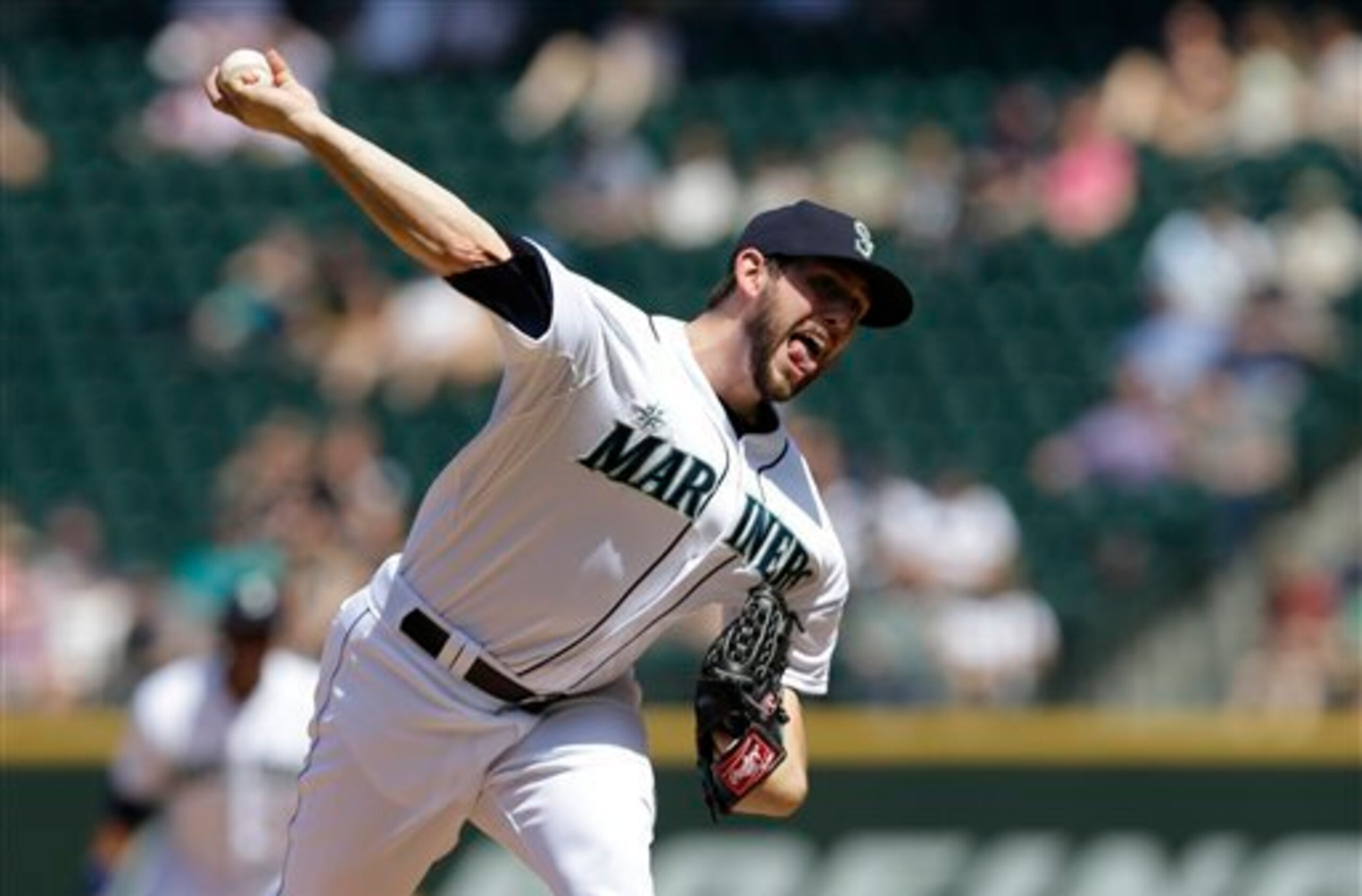
Control
With a few moving parts in his delivery, it makes sense to see Leone working with a modest walk rate. He’s actually not all that bad at hitting the zone, but his fastball command is prone to arm- and glove-side wildness and is inconsistent within the zone. That makes it tough for him to set hitters up to chase outside the zone. So if he wants more strikes, he’ll have to get better the old-fashioned way.
Whiffability
None of the above is meant to imply that Leone doesn’t have good stuff, mind you. He throws a fastball that sits 94-95, also mixing in a cutter and a slider. The slider’s the best of the three at getting swinging strikes, but he wouldn’t have a solid overall swinging-strike rate if his fastball and cutter weren’t also solid at missing bats. That’s three good pitches to go with a deceptive delivery. That tends to be a good mix.
Hittability
Because everything Leone throws gets ground balls, he boasts a strong ground-ball rate. It’s also noticeable that he gets pop-ups more than he gives up home runs, which is mainly a gift of hitters reaching for and barely getting his slider. The big test going forward will be if his four-seamer can keep getting ground balls better than most four-seamers, but thus far he looks like a hard guy to square up.
Overall
There’s no shortage of talented arms in the Mariners bullpen, and along has come Leone to show that he fits pretty well with them. His command needs work, but his mix of nasty stuff makes him a tough guy to hit and a tough guy to square up.
34. Ken Giles, Philadelphia Phillies
23 of 56
Control
Giles has a walk rate that doesn’t reflect the command issues he had in the minors, but he’s not past said issues just yet. He doesn’t have the highest zone rate, and not just because he relies so heavily on his slider. He’s prone to arm-side wildness, especially with lefties at the dish. And when he does go in the zone, he goes down the middle a bit too much. Consider him more of a thrower than a pitcher for now.
Whiffability
This is more like it. Giles has had no problems missing bats since his arrival in the big leagues. And it’s no surprise. He has a fastball that sits 97-98 and a killer slider to go with it. Both have been tough pitches to hit, but his slider in particular has a chance to be something truly special. It’s already up there among the big boys, and Freddie Freeman is one of many who will vouch that it passes the eye test.
Hittability
It’s a little soon to tell what Giles’ contact M.O. is going to be, but he’s been decent at getting ground balls. That this is thanks almost as much to his four-seamer as his slider is a bit suspicious, however, and it’s also not a good sign that his four-seamer doesn’t get many pop-ups. That’s reflective of how it may be fast, but it actually doesn’t have much rise. Moreover, it hasn’t been impossible to take him for a ride.
Overall
Giles has a classic mix of a hard fastball and a nasty slider that so many strikeout relievers before him have possessed, and it looks like he’s going to have little trouble following in their footsteps. What’s more up in the air going forward is how good his command can be and how he’s going to limit good contact.
33. Luke Gregerson, Oakland A's
24 of 56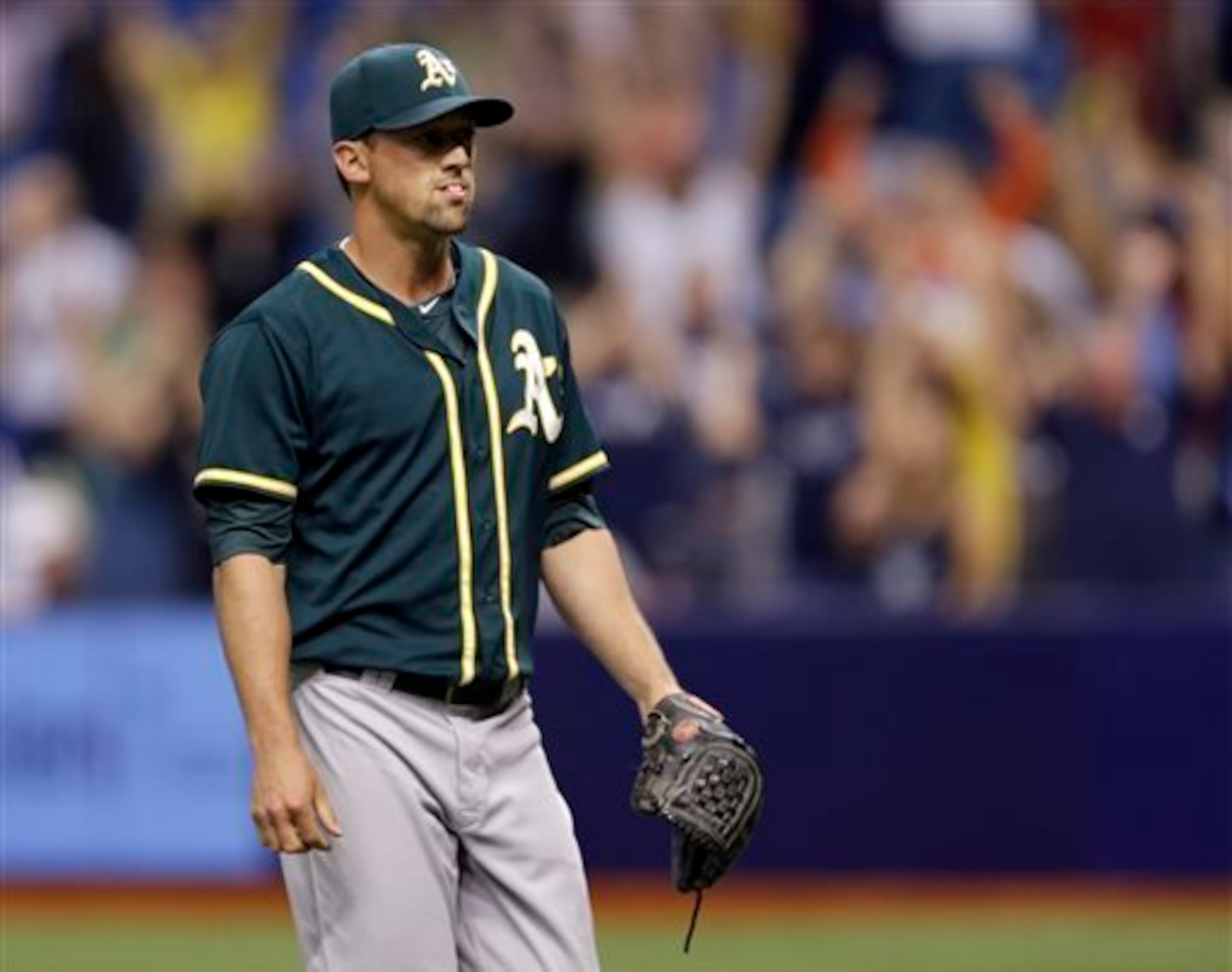
Control
Gregerson’s walk rate is trending down, and his trick to keeping that trend going this year is more fastballs and, naturally, more fastballs in the zone. He really gets to show off his fastball command against lefties, who see nothing but low-and-away heat against him. He’s more all over the place against righties, however, and too many sliders have found the middle of the zone. He’s good, but not perfect.
Whiffability
There’s a downward trend going on here, too, as Gregerson’s swinging-strike rate is declining from its 2012 peak. This can be chalked up to his decreased slider usage. Since it’s easily his best swing-and-miss offering, throwing fewer of them means fewer whiffs, period. If he’s doing that to preserve his arm for his 30s, it may not be much longer before his ability to miss bats simply becomes ordinary.
Hittability
The bonus of Gregerson’s decreased slider usage is that it’s meant more sinkers. Those have helped him up his ground-ball rate. He’ll need to keep those coming, as his slider’s line-drive rate is slowly trending upward as it continues to get slower and slower. And with that being the case, it's also hard to imagine it remaining a solid pop-up pitch for much longer.
Overall
Gregerson has just kept on being one of the steadiest setup men in the business in 2014, using strong command and a more hard-heavy approach to give hitters a different look. The question going forward will be if the cracks that are already there will spread, and how much.
32. Brett Cecil, Toronto Blue Jays
25 of 56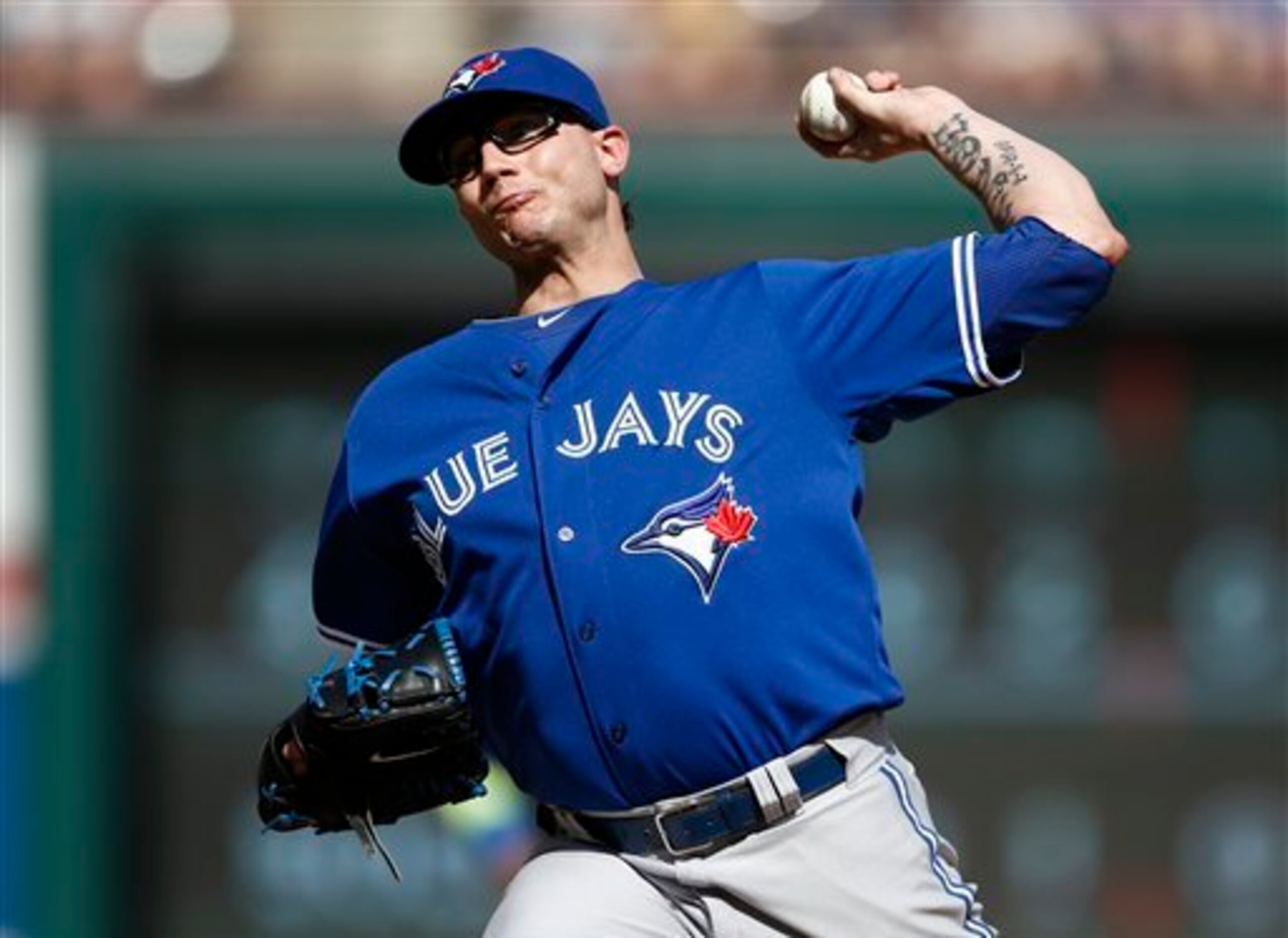
Control
Cecil has cut down on his walks in the second half, which was bound to happen knowing that he hasn’t been too bad at finding the zone in 2014. But he’s also been worse at that than he was in 2013. An elevated percentage of curveballs hasn’t helped, as those specialize in missing the zone instead of hitting it. And while he’s better with his hard stuff, he’s still inconsistent against both lefties and righties.
Whiffability
Cecil was already good at missing bats. Now he’s downright stupendous at it. His velocity is trending upward, and so is his four-seamer’s whiffability. Better yet, there’s now a strong case to be made for his hook as the best curveball thrown by any reliever. He can be a dangerous pitcher with that pitch alone, but don’t rule out the 28-year-old adding even more velocity next season and becoming even more dangerous.
Hittability
Another upside of Cecil’s increased reliance on his curveball is it’s helped him get a career-best amount of ground balls. But though his four-seamer is also good at getting grounders, it’s sadly no longer good for pop-ups. Also, increasing velocity is coinciding with a rising line-drive rate. Unless Cecil abandons that pitch completely—which is unlikely—he’ll have to deal with some well-hit balls.
Overall
Cecil doesn’t always know where the ball is going when he takes the mound, and his outings can be adventurous as a result. So it’s a good thing he at least has his stuff figured out. Between his increasingly hard fastball and nasty curveball, he doesn't have much trouble overwhelming hitters.
31. Jenrry Mejia, New York Mets
26 of 56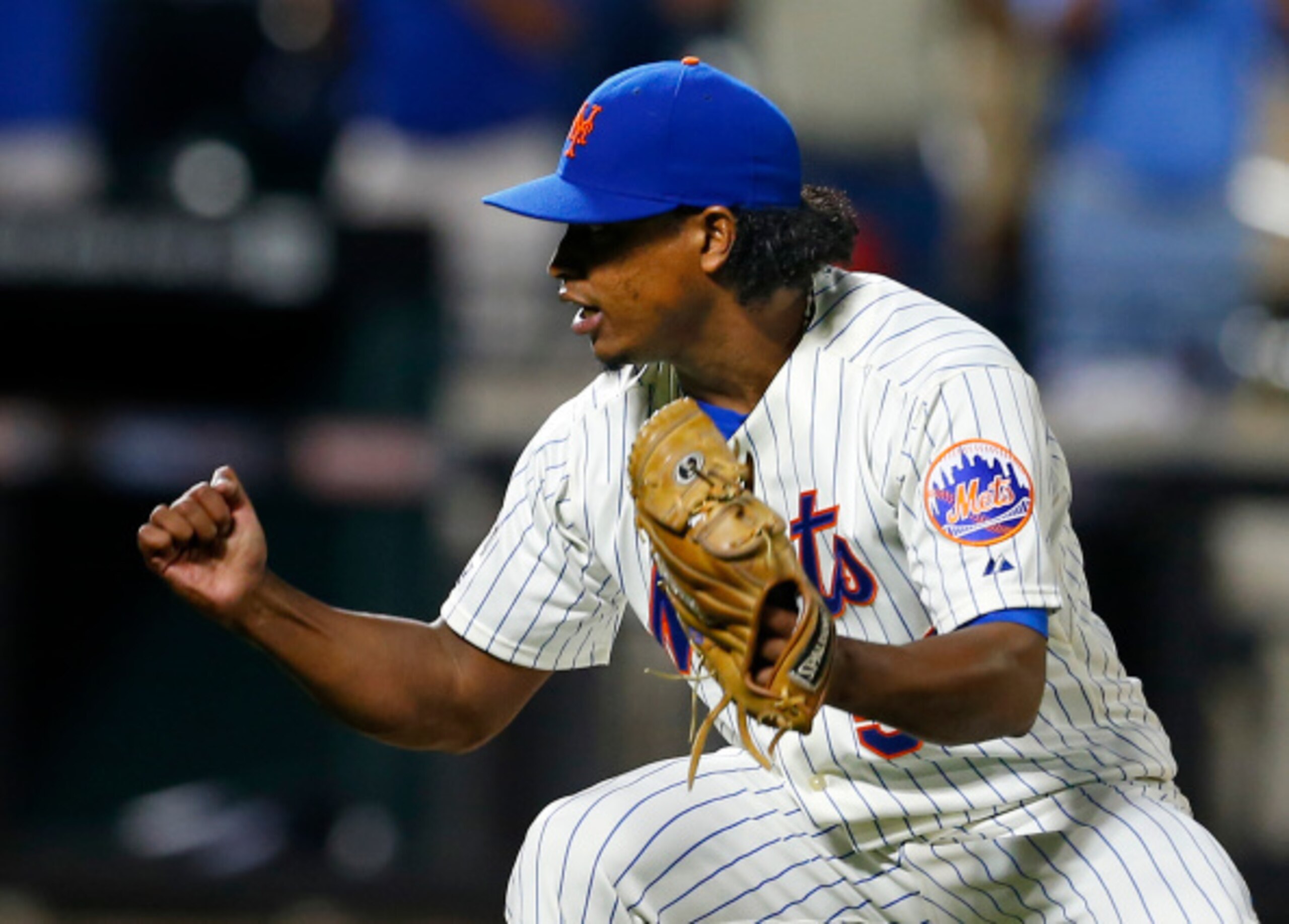
Control
Mejia has relied on his cutter for about half his pitches ever since he moved into the Mets’ bullpen, and thus far he's shown a solid ability to locate it. He likes to use it to toy with the outside edge against lefties, and he can play with both edges against righties. He is prone to misfiring low with it, however, and overall he finds the middle of the zone with it a bit too often. He’s been good, but he still needs some fine-tuning.
Whiffability
Predictably, Mejia is operating with more velocity as a reliever than he was as a starter. In light of that, you’ll be surprised to hear that his cutter really hasn’t gotten any harder to hit. His slider and curveball are different stories, as roughly 50 percent of the swings at both pitches have hit nothing. That’s a pretty good way to make up for a primary hard pitch that batters have little trouble hitting.
Hittability
It may not be very good at missing bats, but Mejia’s cutter has continued getting ground balls since he moved to the pen. It’s been good for grounders on about half the balls it puts in play, allowing him to persist as a solid ground-ball artist. He’s still hit or miss when it comes to balls in the air, however. His cutter can be hit on a line, and deep fly balls have been as common as shallow fly balls.
Overall
It looks like Mejia has found a home as a closer. Though his command still needs work and batted balls can be adventurous, he’s not exactly weak in either of those areas. And between his cutter, his curveball and his slider, he definitely has the stuff for the job.
30. Yusmeiro Petit, San Francisco Giants
27 of 56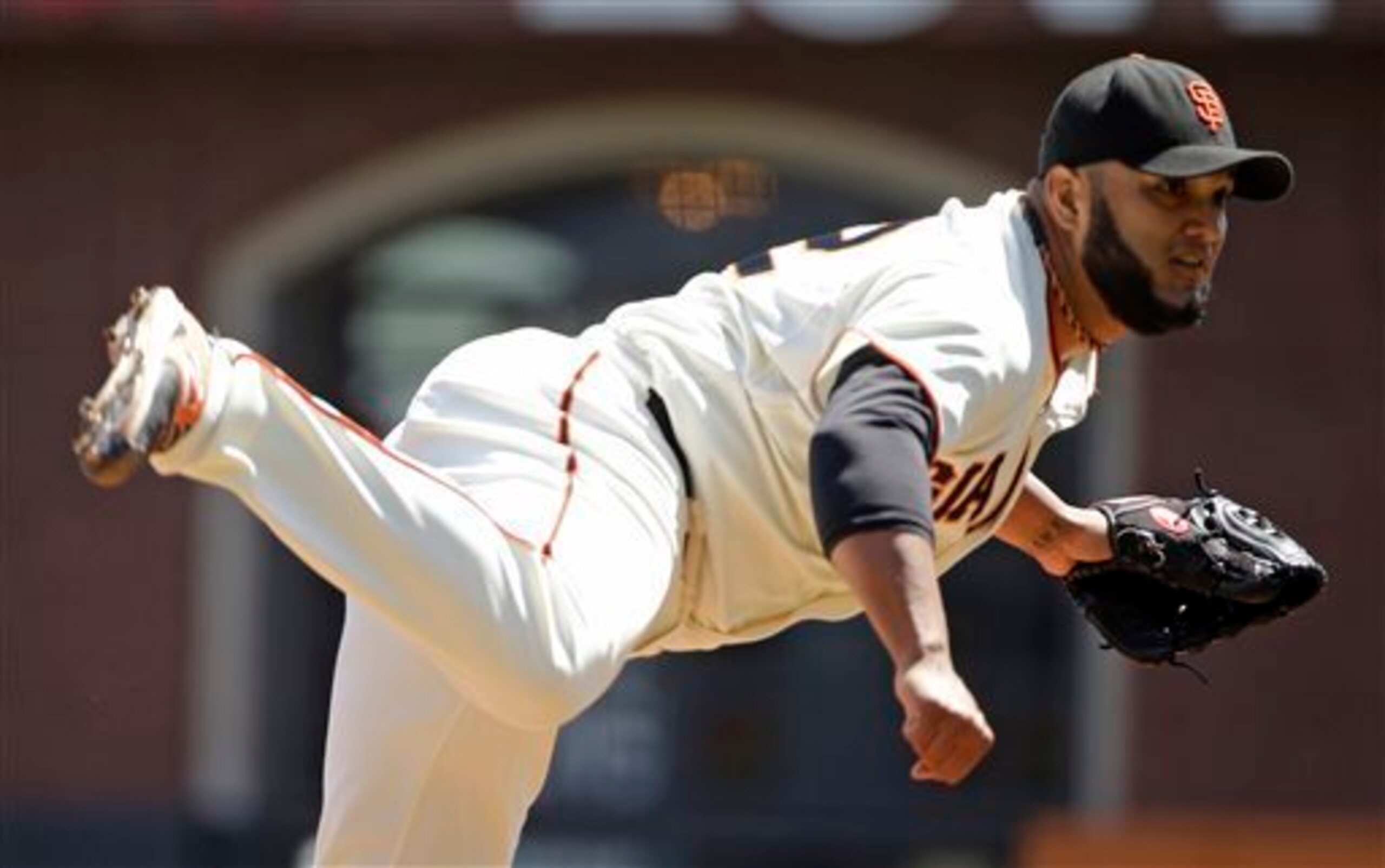
Control
Petit isn’t one to throw many fastballs or live in the strike zone, but he avoids walks by playing with the edges. He spots his hard stuff away from lefties and righties. He’s also very good at using his cutter like a slider—indeed, some would call it a slider—against the latter, consistently spotting it off the edge on his glove side. His style puts hitters on edge, hence why he so frequently gets them to chase.
Whiffability
Overpowering velocity is yet another thing Petit does not possess, and it shows in how neither his cutter nor his four-seamer is good for missing many bats. That’s the job of his curveball, which is fortunately quite good at it. Though not quite near the top, his curve is one of the more whiffable curves thrown by relievers. It’s especially lethal against right-handed batters, who hit air half the time they swing at it.
Hittability
For a guy who lives on the edges, it’s somewhat surprising to see Petit operating as a fly-ball pitcher. And though he can get pop-ups, that it’s more his changeup and curveball doing almost all the work is somewhat suspicious. Especially knowing how likely the latter is to be hit on a line, and in general long fly balls aren’t uncommon. Knowing all this, Petit has probably gone at least a little lucky in 2014.
Overall
For the record, yes, there’s a strong case for Petit to be in the starting pitcher rankings instead of the relief pitcher rankings. But he’s spent the bulk of his time as a reliever in 2014, and it’s really where he’s done his best work. If he ends up in the pen again in 2015, the Giants can expect to keep getting his special blend of good command and surprisingly good whiffability.
29. Cody Allen, Cleveland Indians
28 of 56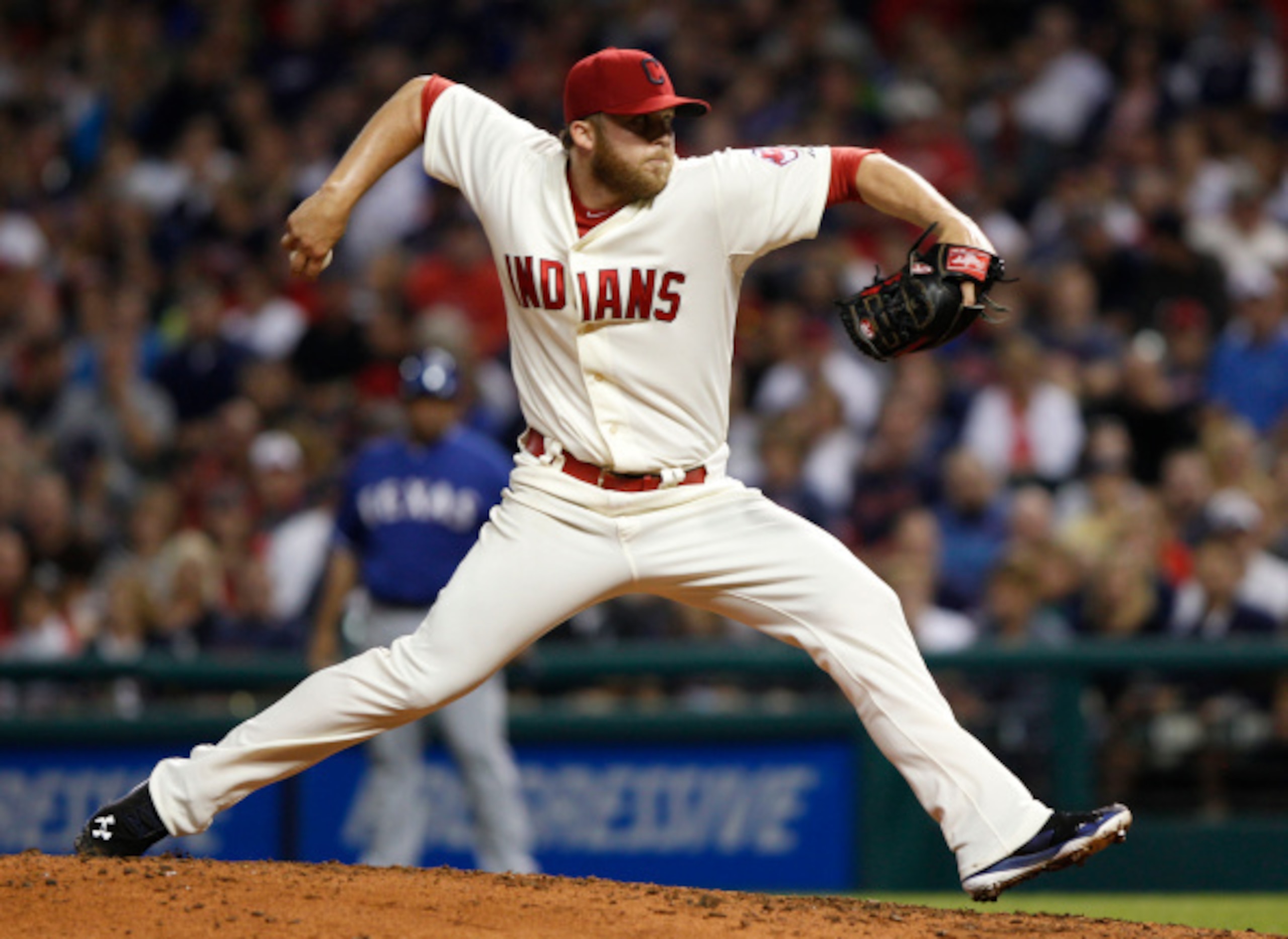
Control
Allen’s gone with a less fastball-heavy approach in 2014, and so many extra curveballs outside the zone have made it tough for him to find the zone more consistently. And while he’s not bad at getting his heat in the zone, it oftentimes involves him having to go right down the middle with it. Especially against righty batters, who have made him pay for it. So yup, there’s some work that needs to be done.
Whiffability
With his 95-96 mph fastball and his hammer curveball, Allen was a tough guy to hit to begin with. But the extra curveball usage this year has bought him even more swinging strikes. Beyond his curveball being one of the best among relievers, using it more has helped make his fastball better at missing bats. It’s a mix that’s made Allen one of the best swing-and-miss relievers out there.
Hittability
Yet another benefit of Allen’s increased curveball usage is an uptick in ground balls, a welcome sight after he struggled to get the ball on the ground in 2013. He’s still primarily a fly-ball pitcher, however. And while his fastball is good at getting pop-ups, it’s not good enough to completely save him from deep fly balls and home runs. He’s tougher to hit, but he hasn’t quite become hard to hit yet.
Overall
His command is lacking and it’s not overly difficult to hit him, but Allen’s a pretty good example of how relievers can make up for their shortcomings if one of their strengths is missing bats. And as long as he has his hard fastball and outstanding curveball, continuing to do that shouldn’t be a problem.
28. David Robertson, New York Yankees
29 of 56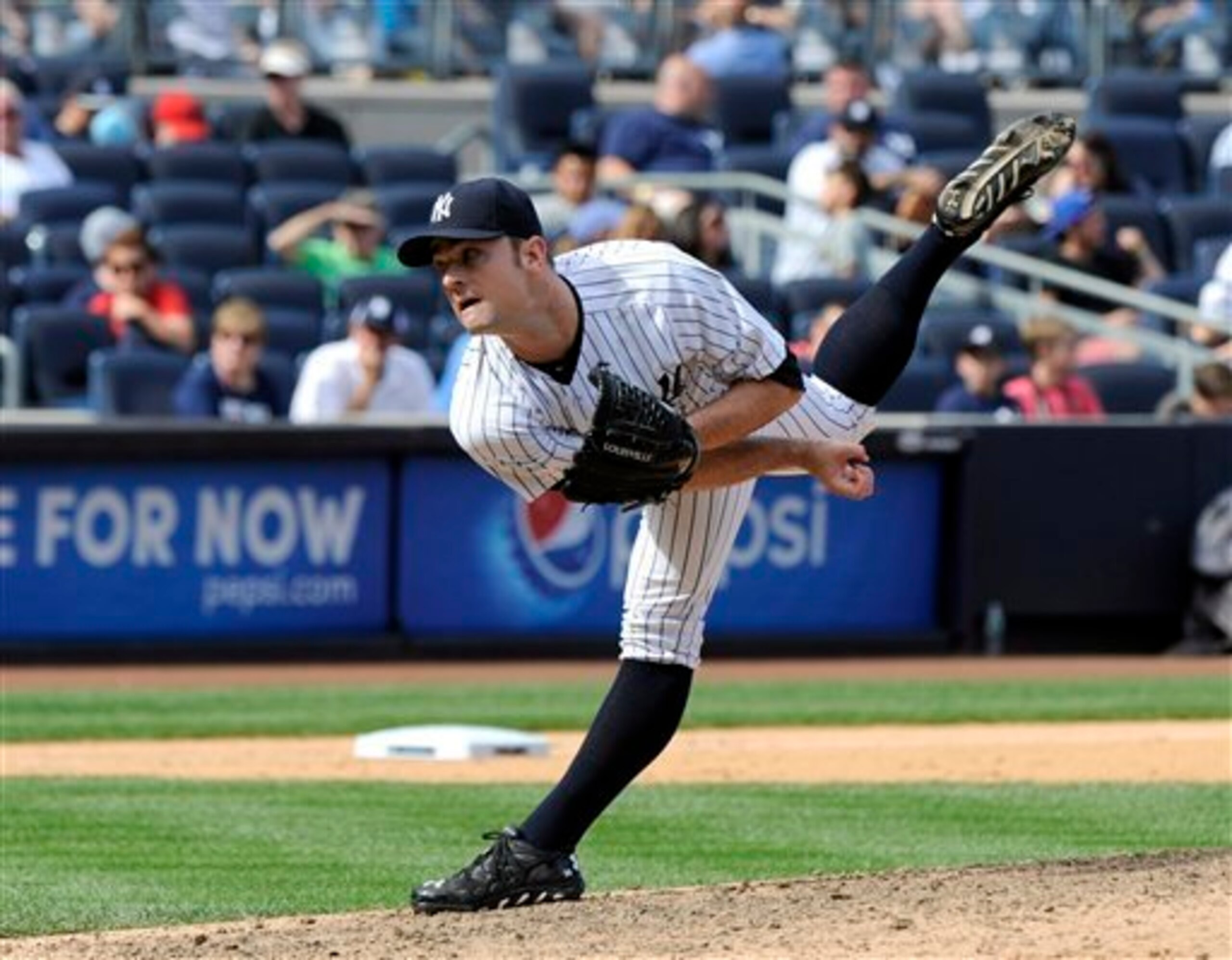
Control
Knowing that he hasn’t been pounding the zone at his normal rate, the walk issues Robertson has had in the second half were coming all along. That he’s gone with less of a fastball-heavy approach hasn’t made things easier. It would be a stretch to call him out of whack, though. Robertson still sits away from lefties well, and he can front-door and hit the outside corner with his cutter against righties.
Whiffability
Robertson hasn’t been as prolific missing bats as his strikeout rate suggests, but he is working on a career-high swinging-strike rate all the same. With his cutter only solid at getting swings and misses, the real star of the show is still his curveball. It’s arguably one of the 10 best curveballs among relievers, and the reality that he’s only trusting it more and more bodes well for his future as a whiff artist.
Hittability
Robertson is a ground-ball pitcher for the most part, a product of both his cutter and curveball being up to the task of getting them. However, his cutter has gotten easier to hit on a line. And with his pop-up rate having finally declined below 10 percent, that he’s had some trouble with homers isn’t the biggest surprise. He may be getting better at missing bats, but he’s not getting better at inducing soft contact.
Overall
The best thing Robertson has done this season is increase his trust in his curveball, allowing him to pick up more swinging strikes and strikeouts. Outside of that, though, he’s actually taken some steps back with his command and hittability. It’s a good thing even a lesser version of Robertson is still a darn good pitcher.
27. Hector Rondon, Chicago Cubs
30 of 56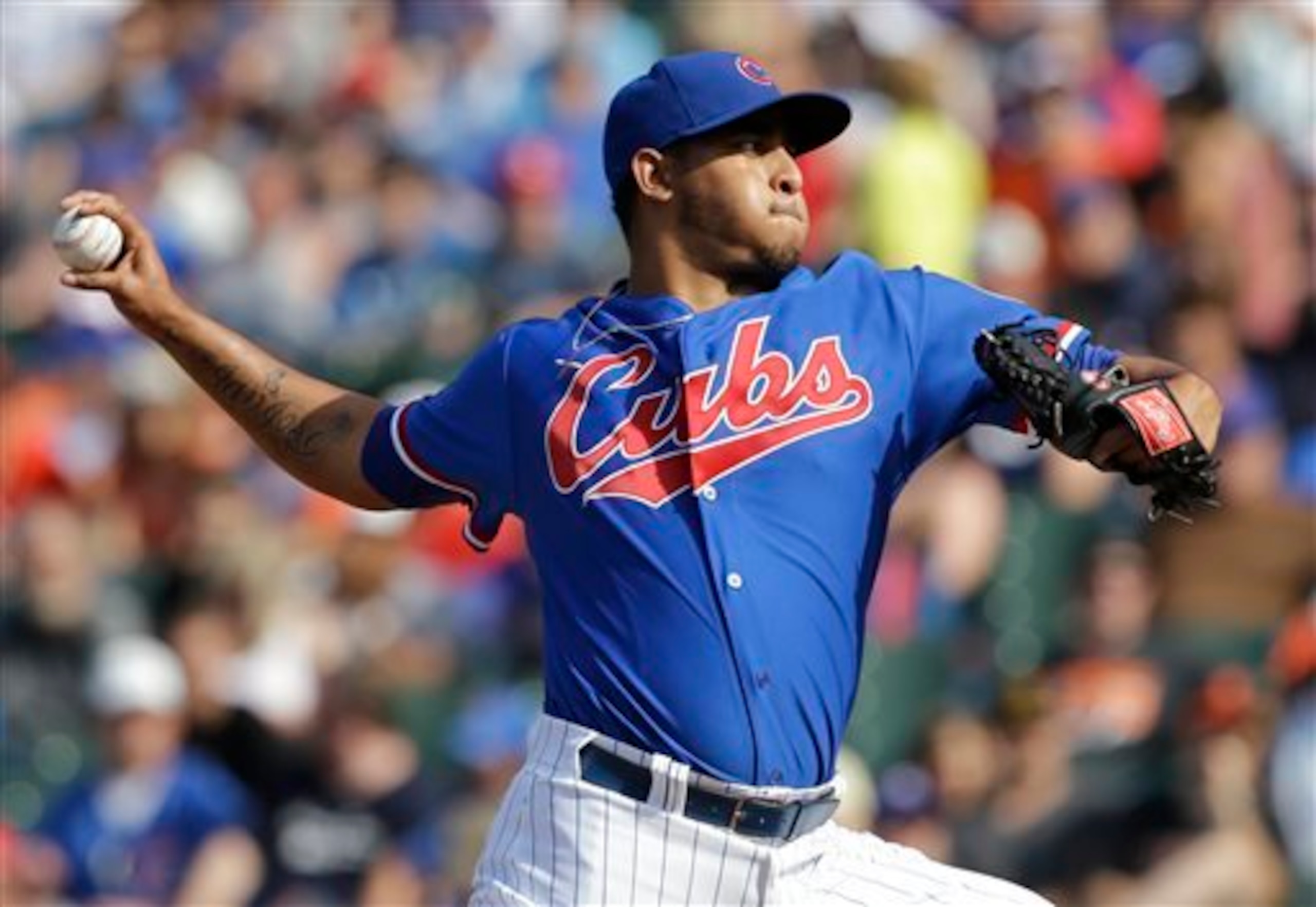
Control
It’s not by accident that Rondon has been keeping walks at bay in the second half. He’s a fastball-heavy pitcher who was pretty good at finding the zone to begin with, and he’s only gotten better. He now checks in among the best in the league at finding the zone. Now he just needs to learn to avoid the down-and-in lefty wheelhouse and stop going down the middle to hitters on both sides.
Whiffability
Rondon has improved in this department, too. His fastball has gained some velocity and is now sitting in the 95-96 range, and it’s been slightly better at missing bats as a result. His slider, meanwhile, is still going strong as a whiff pitch, even if “strong” here doesn’t quite mean elite. Rondon’s whiff habit in general, for that matter, isn’t elite yet. But if his velocity keeps going up…maybe.
Hittability
Rondon occasionally mixes in a sinker with his four-seamer, and it’s what’s mainly responsible for the solid ground-ball rate he’s working with this year. That’s all well and dandy, but less awesome is how his three primary pitches have all gotten easier to hit on a line. And though he’s been good at avoiding home runs, he has been taken for a few rides to center field. His hittability remains a work in progress.
Overall
Rondon’s not really as good as he’s looked since the All-Star break, but the Cubs definitely do have something in him. Any guy who can pound the zone with a good fastball-slider combination is going to succeed in a relief role more often than not, and he fits the bill very well.
26. Pedro Strop, Chicago Cubs
31 of 56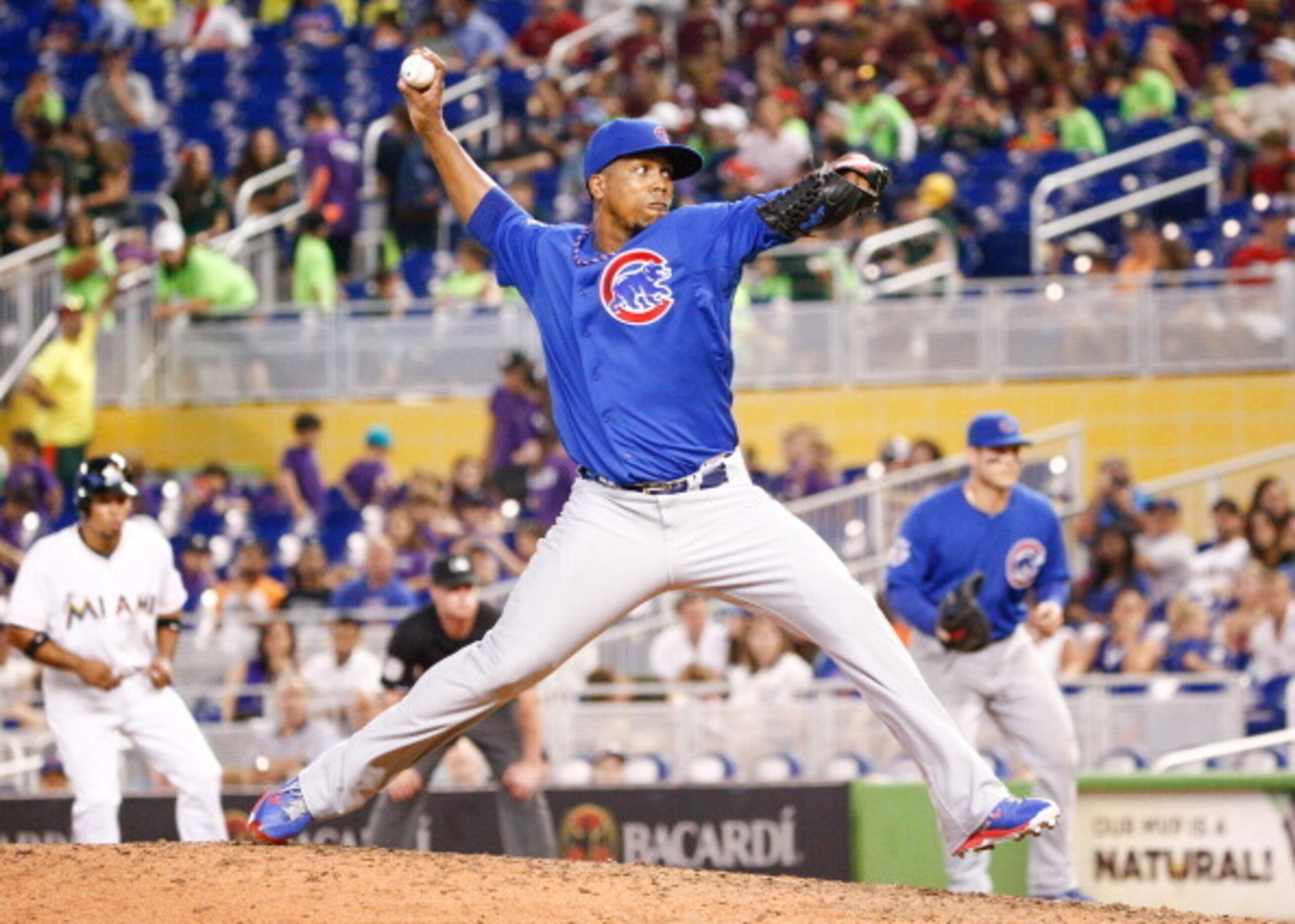
Control
It’s a good look on Strop that he can increase his slider usage from where it was in 2012 and 2013 and actually manage to hit the zone more. But walks are still a part of life with Strop. He still hasn’t mastered the art of finding the zone consistently with his hard stuff, and he can’t pound the outside corner with his sinker against righties like he does against lefties.
Whiffability
Strop isn’t averaging 97 mph with his hard stuff like he was in 2012. He’s now only sitting around 95 and certainly could go lower knowing that he turns 30 next season. Not worth worrying about, however, is Strop’s slider. It’s been harder to hit than any other reliever slider in the league, and it’s the reason why he’s among the league’s most whiffable relievers. As long as he has that, the whiffs shall come.
Hittability
One reason Strop struggled through 2013 was because his sinker wasn’t getting ground balls at its normal rate. Fortunately for him, it’s gone back to normal, getting grounders over 60 percent of the time it’s in play and boosting his ground-ball rate back to a solid level. The catch is that his sinker hasn’t stopped being prone to line drives, keeping Strop from completely breaking free of last year’s struggles.
Overall
The downsides of Strop involve living with occasional walks and hard-hit balls, as well as velocity that’s declining from its peak. But it also means living with arguably the most unhittable slider thrown by any reliever and a sinker that can get ground balls. That’s a fair trade.
25. Glen Perkins, Minnesota Twins
32 of 56
Control
Perkins is once again one of the best relievers at hitting the zone. And while it can be granted that it’s easy to find the zone when you throw over 70 percent fastballs, Perkins doesn’t just throw them up there. He sticks to the same area against lefties and righties, pounding the former away and the latter in around the fists. The only thing that doesn’t look good is how often he strays over the middle.
Whiffability
This is where things get a little dicey. Perkins does have a strong swinging-strike rate, but it’s down from where he was in 2012 and 2013. It’s hard not to notice that his four-seamer has been easier to hit, and that he’s throwing said four-seamer much slower. That’s not a good sign for a pitcher who’s approaching 32, so it’s a good thing he at least still has a slider that’s going strong.
Hittability
Hitters haven’t had a hard time getting the ball in the air against Perkins. Once again, his four-seamer takes the stage as a concern. It’s only getting easier for hitters to square it up for line drives, and it’s not getting pop-ups at the rate it did in 2013. The high pop-up rate he does have is his other pitches breaking character, and his fly-ball map isn’t overly encouraging. In all, it doesn’t look good.
Overall
If for no other reasons than he still assaults the strike zone with a good slider in his back pocket, Perkins is still an outstanding reliever. But with his fastball having already lost velocity and become more hittable as a result, he’s not without red flags moving forward.
24. Darren O'Day, Baltimore Orioles
33 of 56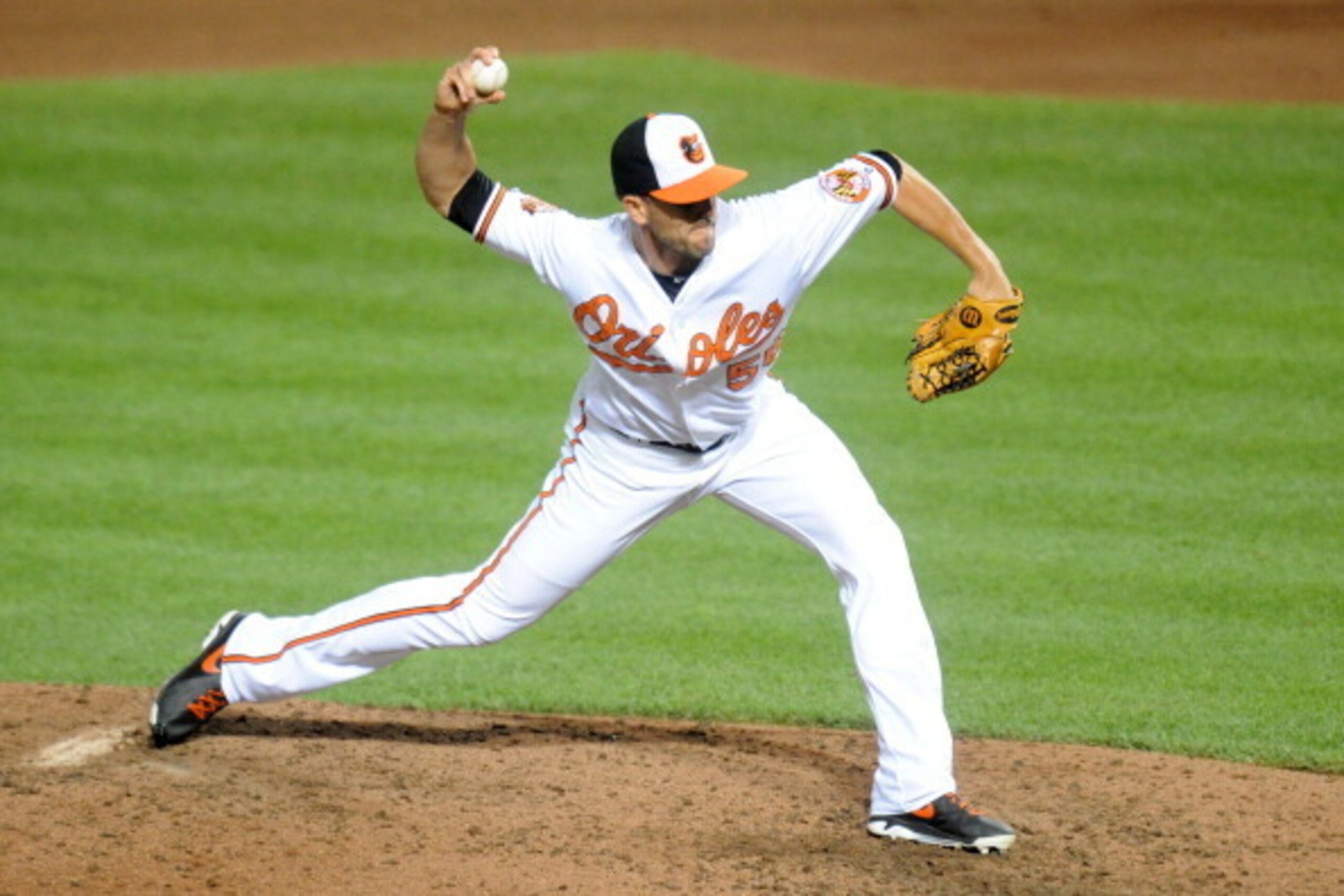
Control
O’Day has cut down on his sliders, but that hasn’t allowed him to hit the zone more. Fortunately, he’s still great at setting hitters up. He entices lefties by living on the outer edge with his heat. Against righties, he changes eye levels by pounding them up and in and down and away, the latter so he can set them up to swing at sliders. The big picture may not look especially pretty, but O’Day knows what he’s doing.
Whiffability
Already on the rise, O’Day’s swinging-strike rate has hit yet another peak in 2014. That he’s gained some velocity has helped his sinker miss more bats. Even better is how featuring his slider less has seemingly made it more of a surprise pitch, as it’s also missing bats more. Keeping that up will be paramount going forward, as it’s probably unlikely that O’Day will maintain his velocity spike into his age-32 season.
Hittability
It still plays second fiddle to his four-seamer, but O’Day’s willingness to trust his sinker more has paid off. Since his sinker has steadily been becoming an elite ground-ball pitch, mixing it in more has helped him achieve a respectable ground-ball rate. Mixing his pitches more has also helped him get his share of weak fly balls. That leaves just one worry: the rising line-drive rates of his four-seamer and slider.
Overall
O’Day’s quietly been one of the better relievers around for a while now, but we’ve witnessed him at his best yet this season. Beyond maintaining his good command, mixing up his pitches a little better has allowed him to become a reliever who can miss bats and get ground balls.
23. Zach Duke, Milwaukee Brewers
34 of 56
Control
Duke’s had his issues with walks in the second half, which was bound to happen knowing that he's not especially great at pounding the zone in the first place. But his command looks better if you focus on how he keeps everything low, and he’s effective against righties in part because he features his hard stuff around the outside corner. His style requires swings to keep the walks at bay, but it works.
Whiffability
Duke’s hugely elevated strikeout rate isn’t a total fluke. He’s better than he’s ever been at getting swinging strikes, largely because he’s put more trust in his curveball and slider. That’s especially true of his curve, which is one of the best there is. And with his trust in it increasing every year, it should help keep the whiffs coming.
Hittability
Duke is primarily a sinker-curveball pitcher who keeps the ball low, so it’s only natural that he’s a very good ground-ball pitcher. And both primary pitches do the job well, getting grounders over 60 percent of the time they’re in play. But while this is quite good, less impressive is how Duke’s breaking stuff isn’t immune to being hit on a line. Also, balls in the air off him can be scary.
Overall
It’s easy to look at a guy like Duke and conclude that he’s just another LOOGY. But he’s more than that. There aren’t many relievers who keep the ball low like he does, and any reliever who can get whiffs and ground balls like he can is going to be effective no matter who’s standing in the box.
22. Jordan Walden, Atlanta Braves
35 of 56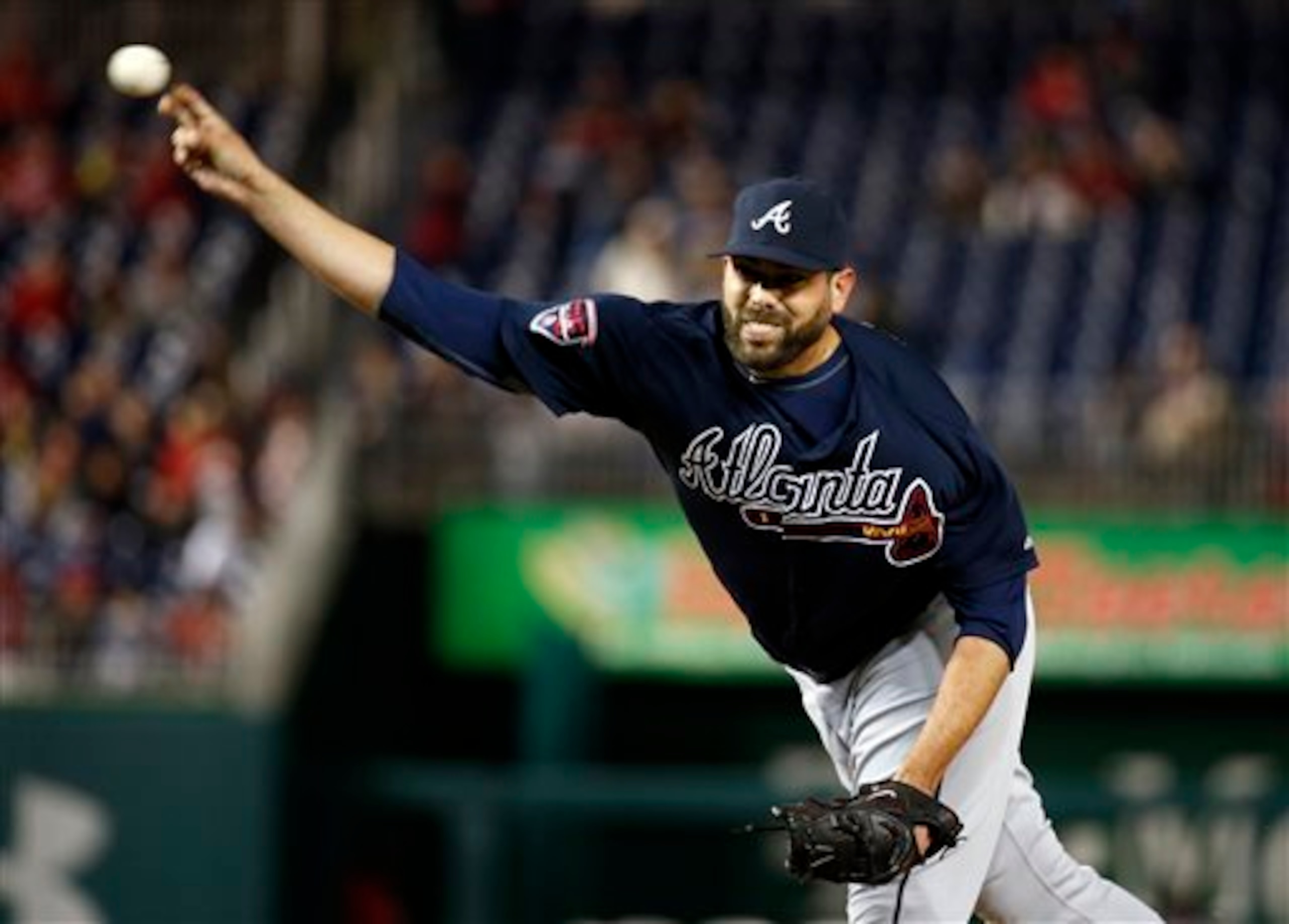
Control
Walden’s fastball usage is ticking down, so it’s good that he’s found the zone with more fastballs in 2014 than he did in 2013. It’s also to his credit that he can work away from both lefties and righties reaqsonably well. This is still Jordan Walden we’re talking about, though. His hop-skip-and-a-jump delivery creates an arm slot as hard as any to repeat. Because of that, walks and grooved pitches are going to happen.
Whiffability
Walden’s general wildness has yet to bar him from getting whiffs, and he’s doing so better than ever this year. He’s still throwing his fastball around 96 mph, and it does a decent job of missing bats. His slider and changeup do a heck of a lot better than decent, as both are getting whiffs on close to 60 percent of the swings taken at them. To have two pitches that can do that is unfair.
Hittability
If you’re looking for the reason Walden’s ground-ball rate has skyrocketed, look no further than his slider. It’s operating very much like a sinker, getting ground balls over 70 percent of the time it’s put in play. On top of that, fly balls off him generally haven’t gone very far. All around, that’s a lot of soft contact, which is exactly the kind of contact he should be getting with his stuff.
Overall
The big—and to this point, unaddressed—question with Walden is how much he’s going to stay healthy. He’s been to the DL in each of the last three years and had injury issues as a minor leaguer, too. But he is effective when he is healthy. Look past the control issues, and you see a guy with nasty stuff that specializes in missing bats and jamming hitters.
21. Joakim Soria, Detroit Tigers
36 of 56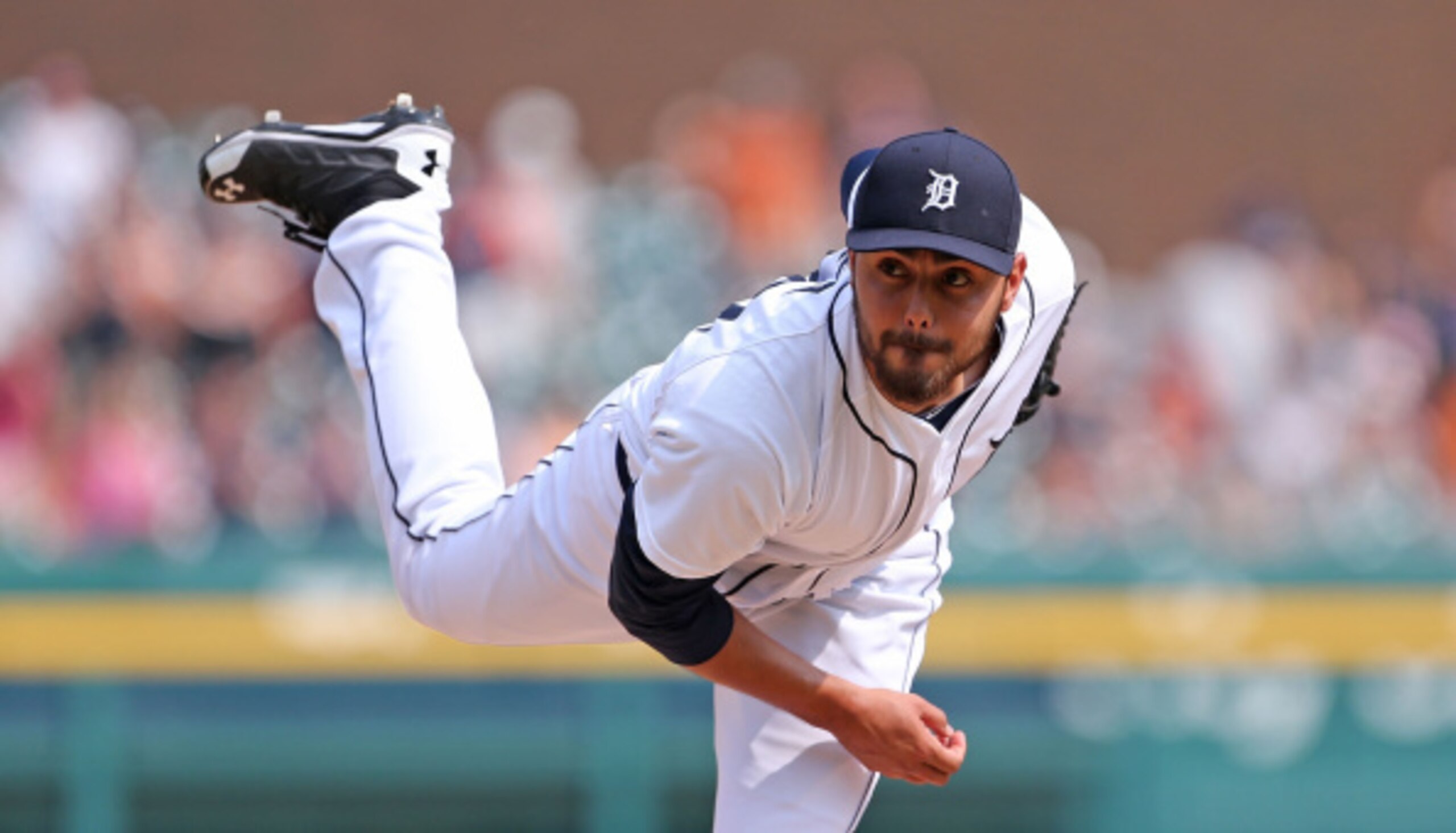
Control
After struggling with his command in his return from Tommy John surgery in 2013, Soria has come out attacking the zone in 2014. He’s showed off especially fine command of his heat against lefties, easily sitting on and around the outside corner. But he’s been less fine against righties, often straying into the middle of the zone. So no, not quite perfect.
Whiffability
Soria’s command has gone back to normal, but he hasn’t quite been able to recapture the whiffability he had in his days with the Royals. He hasn't been great at missing bats, which happens when you lean heavily on a 90-ish fastball that can’t miss bats like it used to. And though his slider has been a terrific swing-and-miss pitch, he still doesn’t seem to be in much of a hurry to use it more.
Hittability
Though Soria’s not a very good ground-ball pitcher, his high pop-up rate is really his best excuse for going with a four-pitch mix instead of something simpler. That three of his pitches have good pop-up rates speaks to how well he mixes things up. What’s less awesome is how his fastball is only getting easier to square up, and that likely won’t stop knowing that Soria is past 30 and leaking velocity.
Overall
Soria’s 2014 season hit something of a wall as soon as he arrived in Detroit, but it should still be considered a successful return to form anyway. He’s shown that he can still put the ball where he wants to, and he’s done a fine job of making up for lesser whiffability by keeping hitters off-balance.
20. Andrew Miller, Baltimore Orioles
37 of 56
Control
Why the heck isn’t Miller walking anybody? Part of it is owed to a slightly more fastball-heavy approach, but the bigger part is that he’s simply hitting the zone with his hard stuff more often. That's especially so on the first pitch, which might as well count double. Don’t get too excited, though. Against neither lefties nor righties does he have a clear pattern for where he’s aiming. He’s just getting it in the zone.
Whiffability
With swing-and-miss stuff like his, it’s not a shock to see Miller checking in among the whiffiest relievers in the league. Most notably, the extra strikes he’s getting with his heat are making his slider more of a threat. In fact, it currently ranks among the most dominant reliever sliders in the league. That will be a tough act to repeat if the strikes go away, but it’s certainly not a matter of his slider’s nastiness.
Hittability
Miller’s slider is a dual-threat pitch. When it’s not getting whiffs, it’s getting ground balls at an impressive rate. His four-seamer is also pretty good at that. While that’s usually fluky, it’s actually normal for him. What that four-seamer does less effectively is get pop-ups, and it’s worth noting that its line-drive rate is on the rise a little bit. He’s a tough guy to hit now, but maybe not for much longer.
Overall
Miller was quietly having a good year in 2013 before his season came to an early end, so his success this season isn’t coming out of nowhere, especially knowing how much his fastball command has improved. And though there are some red flags with that command and his hittability, he’ll be fine as long as he at least holds on to his slider.
19. Joe Smith, Los Angeles Angels
38 of 56
Control
With that funky sidearm delivery, Smith missing wide of the zone on his arm side is going to happen. However, he’s having a better year finding the zone and deserves credit for how he keeps his sinker (which he uses a lot) down low. To boot, it’s uncanny how good he is at keeping his slider at knee level. We’ve seen versions of Smith with iffy command, but this year’s edition isn’t one of them.
Whiffability
Smith can get strikeouts, but they’re certainly more the product of his command. He gets a lot of looking strikeouts, with the prettiest being on backdoor sliders. He’s not actually effective at missing bats, though, once again posting a well below par (for a reliever) swinging-strike rate. This has a lot to do with how his slider just isn’t overpowering compared to most reliever sliders.
Hittability
A sinker-heavy pitcher who lives at the bottom of the zone? That’s the recipe for an elite ground-ball pitcher, and Smith doesn’t disappoint. He’s one of the best there is in relief, and it’s been almost impossible to square up either his sinker or slider for line drives. Also, fly balls off him have tended to be of the catchable variety. Really the only thing he doesn't do well is induce pop-ups.
Overall
It’s easy to lose sight of Smith amid all the relievers with high velocity and swing-and-miss stuff. But he’s been a capable one for several years now, and he’s at his very best when his command involves him pounding the zone and never leaving pitches up. That’s the guy he’s been in 2014.
18. Jonathan Papelbon, Philadelphia Phillies
39 of 56
Control
Papelbon has never thrown fewer fastballs, but that hasn’t stopped him from limiting walks or finding the zone even better than in 2013. The trick has been him putting more sliders and splitters in the zone, and more at the bottom of the zone, too. That mixes well with his style of pitching up in the zone with his heat. So though he’s more smoke and mirrors than ever, he’s got the goods to make it work.
Whiffability
Suddenly, Papelbon is good at getting whiffs again. That’s thanks largely to how his four-seamer has gained some whiffability even despite now sitting at only around 91 mph. Spotting his secondaries in the zone has helped. Hitters can no longer sit on fastballs, so he can now blow them away up high again. Add in a slider that’s still effective, and Papelbon’s whiffability doesn’t look so concerning anymore.
Hittability
Papelbon can still go to his splitter when he needs a ground ball, but he hasn’t stopped being a fly-ball pitcher. That he’s back to getting pop-ups—with a little help from his slider—is making it work, and he’s also been inducing quite a few catchable fly balls. That he hasn’t had any trouble with home runs is still suspicious, but this is yet another area where we see his style of pitching working wonders.
Overall
You can count me among those who had Papelbon pegged as finished while he was mediocre-ing his way through 2013, but he’s a different pitcher now. To wit, he’s more of a pitcher, effectively mixing and locating his offerings to revive some of his old whiffability and hittability. Hats off.
17. Huston Street, Los Angeles Angels
40 of 56
Control
Street has mastered the art of limiting walks without living in the strike zone. In his case, what it takes to do that is a whole lot of flirtation with the zone. He uses his fastball to play with the outside edges against lefties and righties, and almost every secondary pitch he throws toys with the bottom of the zone in some way. It’s zone avoidance, but it’s zone avoidance done right.
Whiffability
Street’s not especially strong at getting strikeouts or swings-and-misses, but he’s at least been better at getting both than he was in 2013. The revival of his slider as a swing-and-miss pitch has played a big part, picking up more whiffs and the bulk of his strikeouts. And since this revival actually began midway through 2013, it’s easy enough to believe it’s for real.
Hittability
With his mix of stuff and location, Street should be a good ground-ball pitcher. But he’s still mainly a fly-ball pitcher, and one who doesn’t specialize in pop-ups. That’s at times made him homer-prone in the past, but not so much this year. He’s mixing his pitches and avoiding mistakes well enough to keep fly balls shallow. It’ll be a tough act to repeat, but he’s provided a reminder that it’s one he can manage.
Overall
Street is having yet another season in which he’s not as overpowering as his ERA suggests, as his game depends largely on locating and disrupting timing more than anything else. But you have to give the guy credit. When he’s on, he’s on. And he’s been on all year.
16. Brad Boxberger, Tampa Bay Rays
41 of 56
Control
Only the Rays could take a walk-prone reliever like Boxberger and turn him into a command specialist. And his improvement is no joke, as he’s now living in the zone and clearly not overthrowing fastballs like he used to. He also lives on the outside edge pretty well against lefties. The next step will be doing that against righties, as he’s maybe too eager to challenge with his current approach.
Whiffability
Boxberger was already good at getting swinging strikes. Now he’s excellent at it, as adding some velocity to his cutting four-seamer has made it an extremely hard pitch to hit. In fact, the only guy who has a fastball with similar whiffability is Aroldis Chapman. Yeah, that Aroldis Chapman. Maybe that’s too good to be true, but it definitely looks like the Rays have worked their magic. Again.
Hittability
While it’s not even worth mentioning as a swing-and-miss offering, Boxberger’s changeup is basically a sinker. It gets him plenty of ground balls. His fastball, on the other hand, is very easy to get in the air. It gets its share of pop-ups in doing so, giving him two pitches that can manage the best of both worlds, but it can also be taken for a ride. Hitting him is tough, but hitting him well is less than impossible.
Overall
Talk about your all-time out-of-nowhere stories. In Boxberger, the Rays have taken a guy with modest stuff and command issues and turned him into a pitcher with unhittable stuff and good command. That’s just them doing what they do best.
15. Pat Neshek, St. Louis Cardinals
42 of 56
Control
Neshek was a good strike-thrower before, but now he’s something a lot better than good. All he had to do was cut down on his extreme slider usage in favor of more sinkers, which has allowed him to join the elites at pounding the strike zone. And while it doesn’t look great that he goes down the middle so much against righties, it definitely works to set them up for sliders.
Whiffability
You’d expect the decreased slider usage to hurt Neshek’s ability to miss bats, but he’s actually gotten better. If anything, not showing his slider as much has made it harder to hit. The catch, however, is that a lot of Neshek’s increased whiffability is owed to his sinker. Even though it has gained some velocity into the 90-91 range, it’s still hard to trust knowing that it’s likely unfamiliarity doing the deed.
Hittability
A huge increase in sinkers is typically an order for a huge increase in ground balls. Not so with Neshek, who is still an extreme fly-ball pitcher. Helping him get away with that is the insane number of pop-ups and shallow fly balls his changeup and slider are getting, a testament to how he mixes them in and locates them when he does. It’ll be a tough performance to repeat, but it’s still worthy of props.
Overall
It’s hard to ignore the “too good to be true” vibe emanating from Neshek’s huge season, but it’s not like he’s been extraordinarily lucky. At the least, he’s combined an extreme strike-throwing ability with an enhanced capacity to generate soft contact, both of which can be chalked up to a shift in his pitch selection.
14. Tyler Clippard, Washington Nationals
43 of 56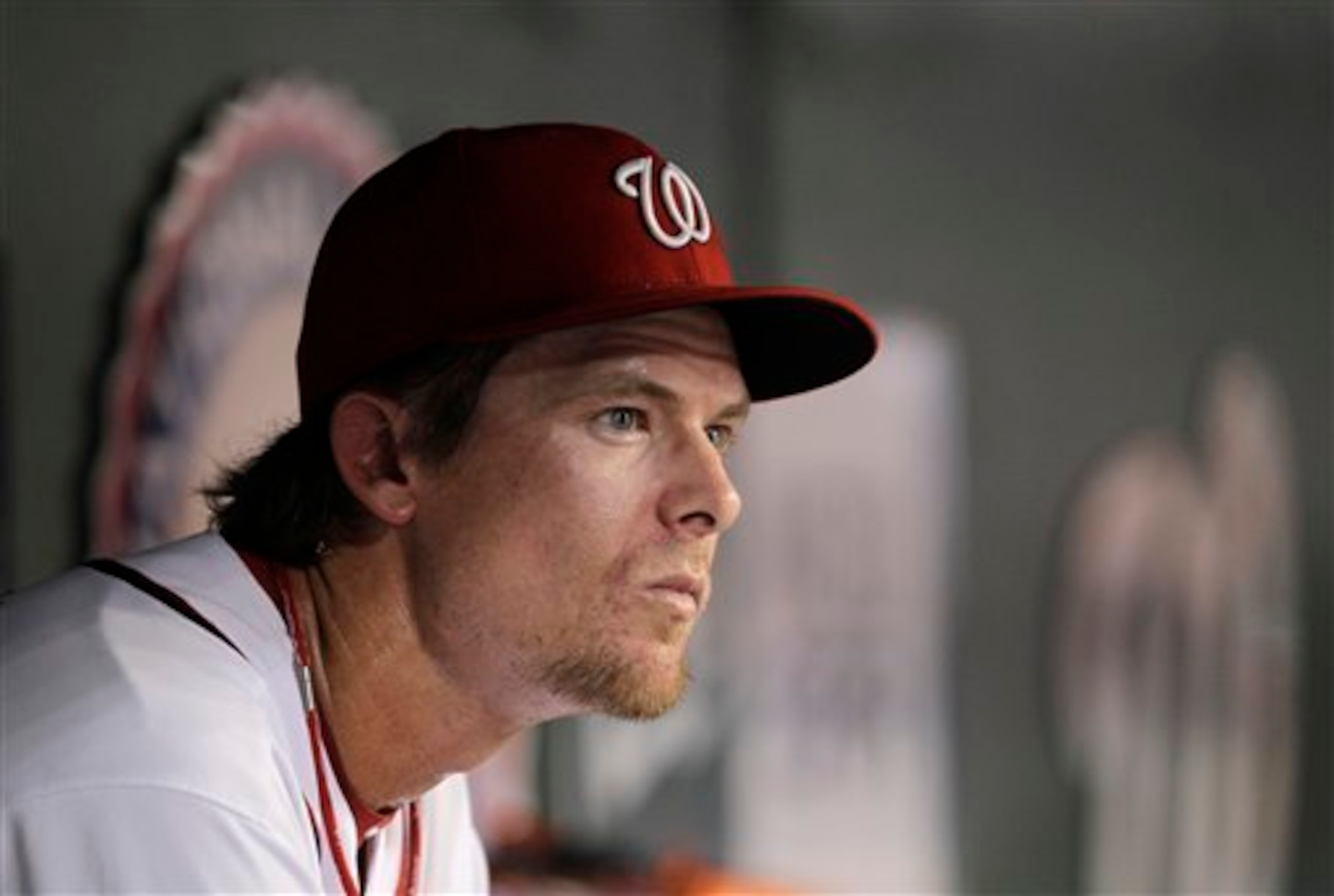
Control
Clippard’s no worse than the average reliever at issuing walks, in part because he’s no worse than the average reliever at hitting the zone. But his preference for pitching up in the strike zone with his fastball does make him prone to miss high. Since he’s about using that approach to set up changeups below the knees rather than at the knees, walks are going to happen.
Whiffability
This much hasn’t changed: Clippard is quietly still one of the best swing-and-miss relievers in the National League. His fastball is harder to hit than you’d expect a 92-ish fastball to be, and that’s a function of both its impressive rising action and how he stays high with it. His changeup is his real money pitch, though, and it’s at a point now where it’s one of the best thrown by any reliever anywhere.
Hittability
Typically the definition of an extreme fly-ball pitcher, Clippard’s enjoyed some extra ground balls this year. Those are mainly from his changeup, which has also joined his fastball in becoming a pop-up pitch. He’s now among the elites at getting those. How sustainable this is makes for a good question, though. Clippard’s getting results, but it would be a stretch to say he’s doing things he’s never done before.
Overall
Rafael Soriano is the guy who gets the attention, but Clippard is Washington’s best reliever. His fastball-up, changeup-down style can lead to some inconsistency, but it makes him hard to hit and just as hard to square up.
13. Koji Uehara, Boston Red Sox
44 of 56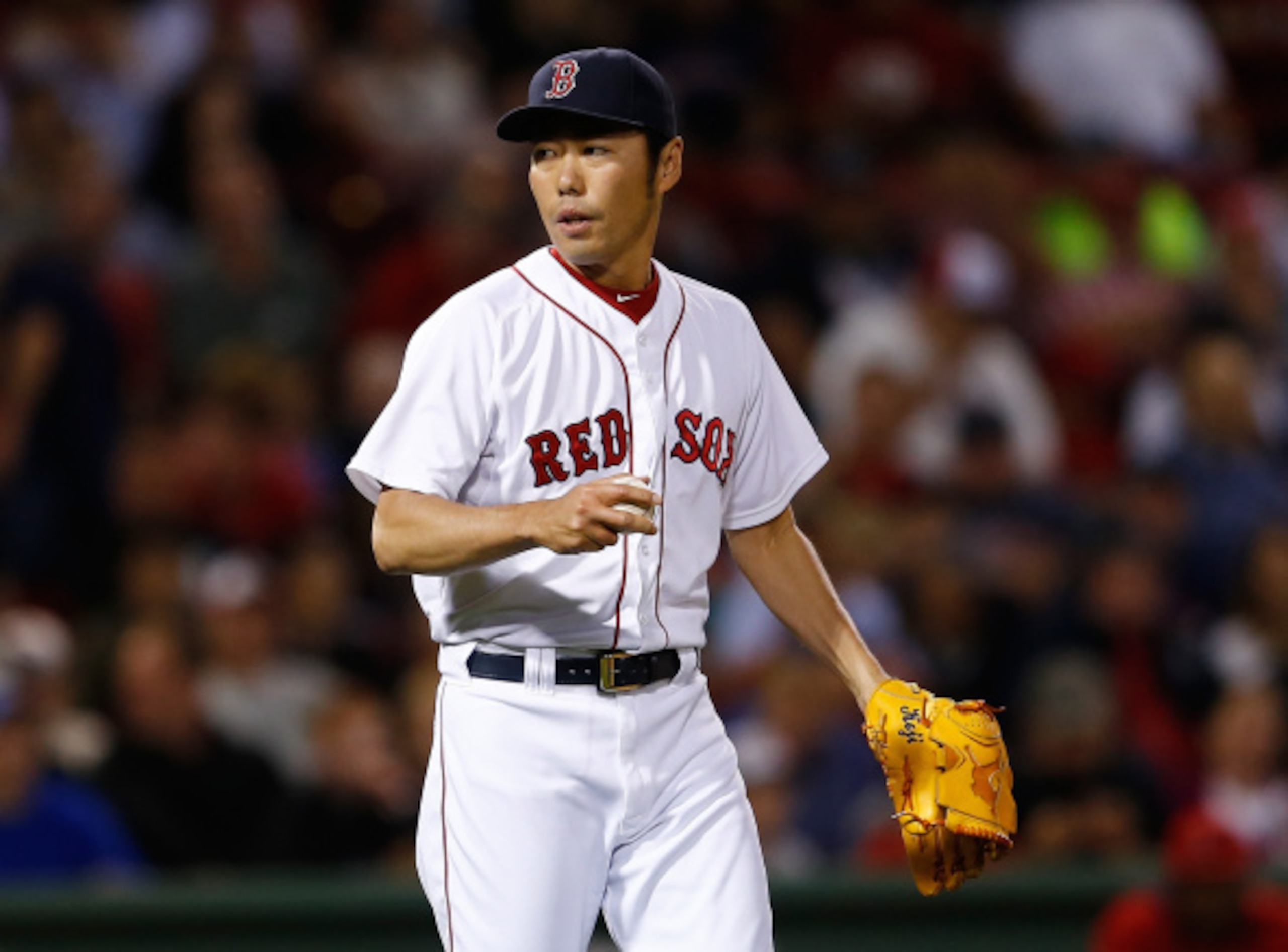
Control
Uehara’s fastball command looks superb when you separate lefties and righties. Do that, and you’ll get a sense of how consistent he is at living on the outside edge. In doing so, he gets both called strikes and does a nice job of forcing hitters to expand the zone. However, it’s fair to say his command peaked last year when he had a 50.5 zone rate and walked just two of the last 148 batters (!) he faced.
Whiffability
Uehara hasn’t stopped getting swinging strikes at the same rate he’s been getting them ever since 2012, and you can currently find him near the tippy-top of the reliever leaderboard. However, this is due to his four-seamer getting harder to hit rather than his marvelous splitter. With his four-seamer having dropped in velocity, the sustainability of that is very much worth questioning.
Hittability
You might have noticed that this part of Uehara's game has been a problem lately, and there are good reasons for that. Beyond his line-drive rates on all of his pitches being up, his extreme fly-ball style is proving to be a lot more inviting of home runs than it was in 2013. And if it’s this bad now with lesser velocity, you certainly fear it getting worse moving forward.
Overall
Between his excellent command and his ability to miss bats, Uehara still has the same tools for the job that allowed him to put together one of the most dominant runs of relief pitching in history last year. His stuff hasn’t been quite the same, however. That’s made him easier to hit, which doesn't bode especially well for the future.
12. Mark Melancon, Pittsburgh Pirates
45 of 56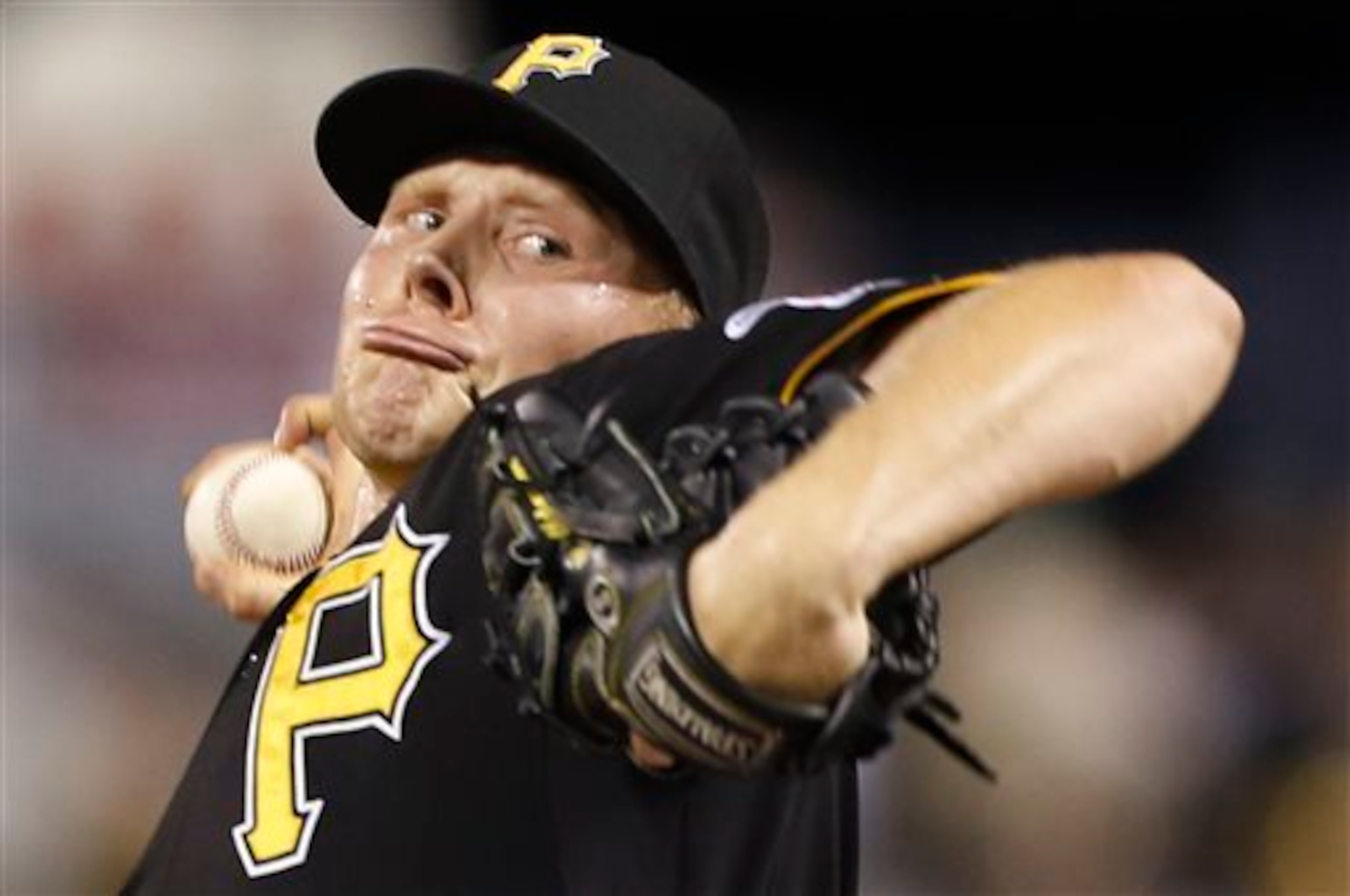
Control
Melancon hasn’t been as strong limiting walks as he was in 2013, in part because he hasn’t been finding the zone as often. His command is still sharp, however, particularly with his cutter. He’s consistent running it in on the knees of lefties and around the outside corner against righties. He’s also thrown more curves in the zone, getting strikes and giving hitters something else to think about.
Whiffability
Melancon still doesn’t strike batters out at an impressive rate, but he’s actually gotten better at getting them to whiff. His cutter and curve have missed bats more frequently, with the latter now ranking among the top curveballs thrown by relievers. With both pitches boasting killer movement and his velocity on both staying steady, there’s no reason this can’t continue.
Hittability
Melancon is once again operating with a ground-ball rate over 50 percent, with his cutter and his curveball both doing their part. But putting more curves in the zone has actually hurt its ground-ball tendency. Also, the majority of his fly balls have gone to the outfield, with a few of them being well-hit to boot. He’s still tough to face, but not as tough as he was last year.
Overall
Melancon hasn’t been as dominant across the board as he was in 2013, when it was basically impossible to do damage against him. But he still locates his bread-and-butter cutter well, and he can still avoid and manipulate contact better than the average reliever.
11. Jake McGee, Tampa Bay Rays
46 of 56
Control
No reliever throws more fastballs than McGee, and that does make it easier for him to find the zone. Not that his fastball command is especially precise, mind you. He’s more likely to miss the corner against lefties than he is to hit it, and pitching to both sides against righties leads to some wildness. He’s darn good, but it’s somewhat disappointing that such a fastball-heavy pitcher isn’t more precise.
Whiffability
Despite his strong strikeout rate, McGee is somewhat less than elite at getting swinging strikes. Such is life when hitters know to look fastball on every pitch. This said, we do have to give his heater its proper credit. In addition to its 96-97 velocity, McGee’s heater has some serious rise on it that helps it miss bats. And that, for the record, is something it’s never been better at doing.
Hittability
As you would expect from a guy who throws so many rising fastballs, McGee is primarily a fly-ball pitcher. That usually comes with the home run warning, but it’s not a fluke that McGee has been able to avoid such trouble. That his four-seamer has both a strong ground-ball rate and pop-up rate speaks to how good he is at jamming hitters. The general shallowness of his fly balls is another testament.
Overall
FanGraphs WAR makes an argument for McGee as arguably the best reliever in baseball this year. That’s overstating things a bit, but he’s at least one of the elite relievers in baseball. All he does is throw fastballs, but the quality of the pitch itself and his command of it are too much for opposing hitters.
10. Tony Watson, Pittsburgh Pirates
47 of 56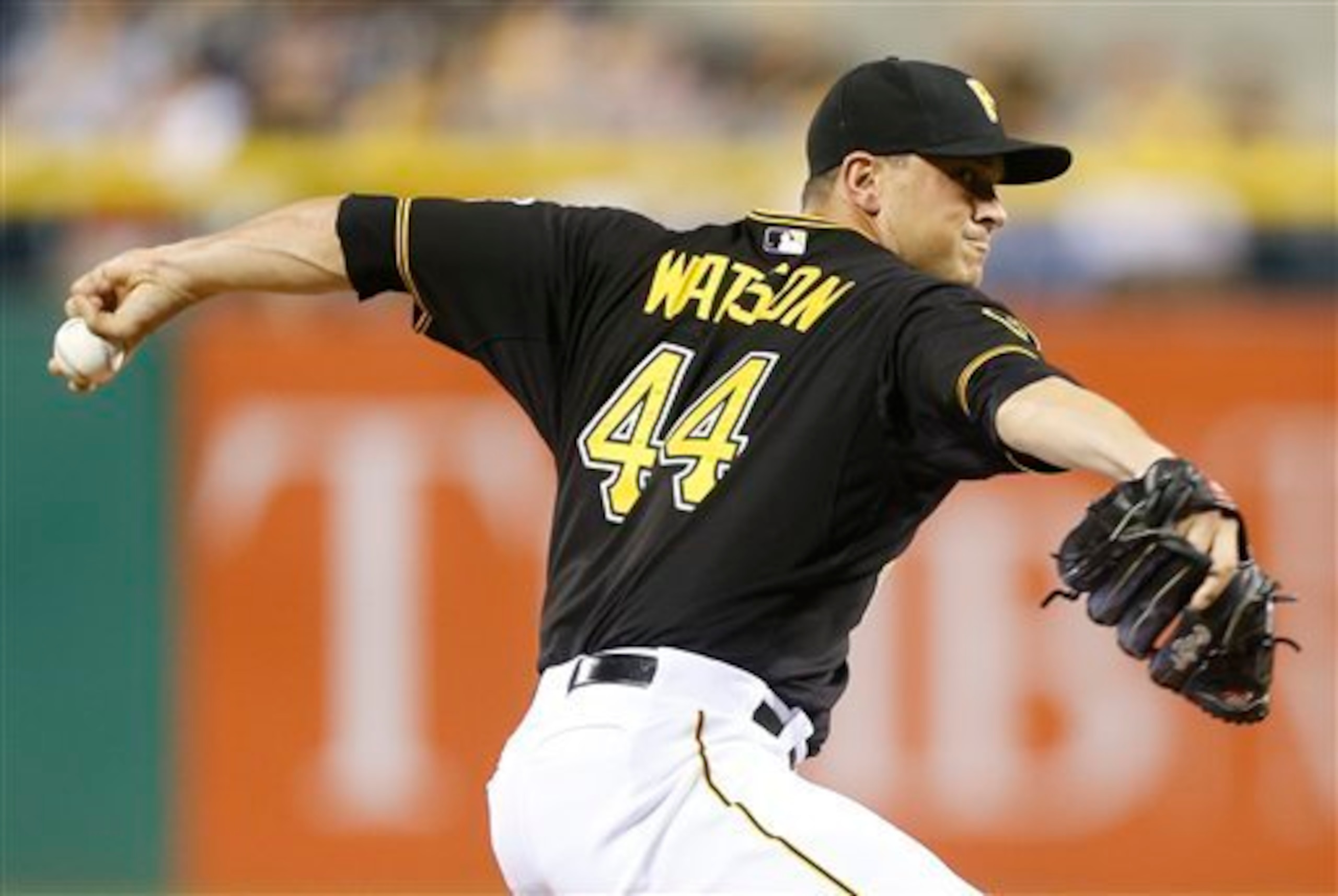
Control
Watson is once again working on a low walk rate without really living in the zone, but that doesn’t mean he’s getting lucky. He has a plan that includes pounding both lefties and righties inside and around the fists, setting lefties up for sliders away and righties for changeups away. Constantly playing with the edges of the zone allows him to put hitters on edge and pick up strikes through swings.
Whiffability
He’s not enjoying a whole lot of them, but Watson is getting more swinging strikes than he did in 2012 or 2013. That he’s gained velocity and is now throwing 94-95 is a factor, but it also helps that he’s revived his four-seamer to give him two solid swing-and-miss fastballs to go along with his slider and changeup. But despite being a lefty with four weapons, it’s odd how mediocre he is at putting away fellow lefties.
Hittability
Beyond being solid whiff pitches, Watson’s sinker and four-seamer have a good working relationship when it comes to inducing soft contact. His sinker gets the ground balls, and his four-seamer gets the pop-ups. A drool-worthy combination indeed. The one catch is that he has a notable platoon split. He’s hardly out of his depth against right-handed batters, but they can square him up pretty well.
Overall
A close look does the job of revealing that Watson has his imperfections, but it also makes it easier to appreciate how he goes about his business. Each pitch he throws has a specific purpose, and he uses them to execute similar plans against lefties and righties very effectively.
9. Zach Britton, Baltimore Orioles
48 of 56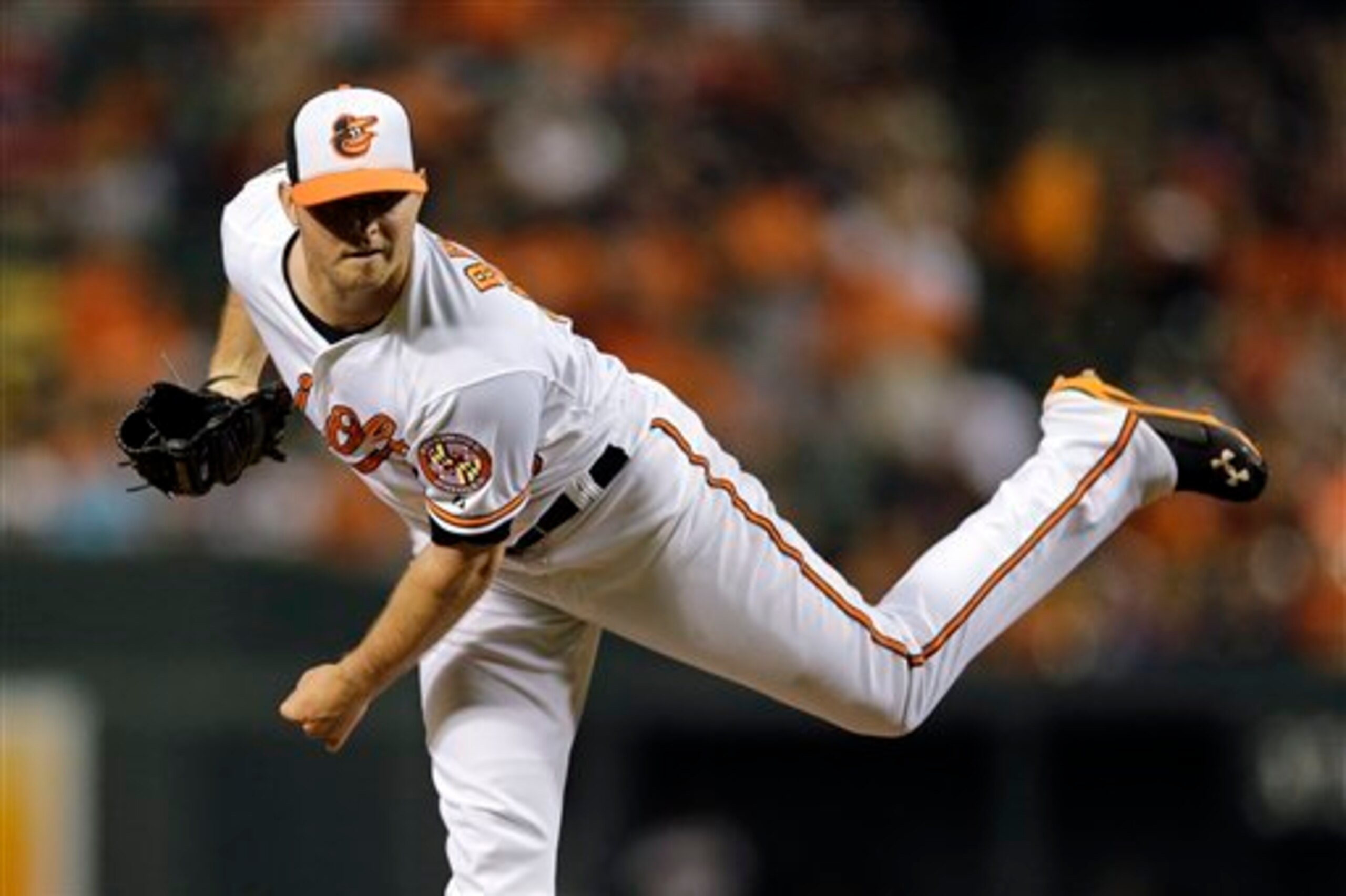
Control
Britton has all but forsaken his slider and put all his faith in his trusty sinker. He’s now throwing it over 90 percent of the time, and he’s quite outstanding about keeping it down against righty batters. He’s somewhat less precise against lefty hitters, however. And though definitely strong, his sub-50 zone percentage doesn’t stack up against other fastball-heavy elites like Sean Doolittle and Kenley Jansen.
Whiffability
Britton’s strikeout rate fails to impress, as it indeed looks like the strikeout rate of a sinkerballer. But he’s actually not bad at missing bats, and that’s reflective of how nasty his sinker is. He sits at 95 with it, and he misses bats with it better than any other reliever with any other sinker. So though there is the suspicion that he needs something off-speed, Britton’s sinker is capable of getting whiffs on its own.
Hittability
Since Britton is throwing so many nasty sinkers, you’d expect a high ground-ball rate. But the word “high” barely works to describe his ground-ball rate. It's more like “astronomical.” It’s by far the best rate among relievers, anyway. But while this is very, very good, Britton does have one vice: He’s still not entirely dinger-proof.
Overall
The only good thing Britton had going for him as a starter was his sinker. Moving into a full-time relief role has allowed him to maximize that strength, giving the Orioles a closer who can both overpower hitters and get tons of ground balls. Sounds a lot like a former closer of theirs, doesn't it?
8. Joaquin Benoit, San Diego Padres
49 of 56
Control
Benoit is only throwing his fastball half the time, and his zone rate is hardly a sight for sore eyes. How he manages a low walk rate despite these things relates to how well he executes his style. He’s extremely consistent at locating his fastball up in the zone, and it’s mostly so he can set hitters up for changeups at the knees. It’s not a style that results in many looking strikes, but it works.
Whiffability
Suddenly, Benoit is one of the best swing-and-miss merchants out there. That he’s gained some velocity has helped, but it has more to do with how the National League has been completely stymied by his slider and changeup (or splitter, if you prefer). Now, all of this hasn’t drastically increased his strikeout capacity. And the sustainability of it is a little hard to believe. But it is happening, and it is impressive.
Hittability
Benoit hasn’t been able to repeat last year’s respectable ground-ball rate. In fact, it’s mainly due to how easy it is to elevate both his slider and changeup that he’s now an extreme fly-ball pitcher. And without a super-high pop-up rate, most of the fly balls he gives up are going to the outfield. So yeah, it’s a good thing he’s at least capable of keeping them shallow.
Overall
Benoit had an excellent season that went under the radar in 2013, and he’s doing it all over again in 2014. He’s still executing his style of pitching to perfection. And though somewhat suspect, it’s hard to ignore how much better he’s gotten at missing bats.
7. Greg Holland, Kansas City Royals
50 of 56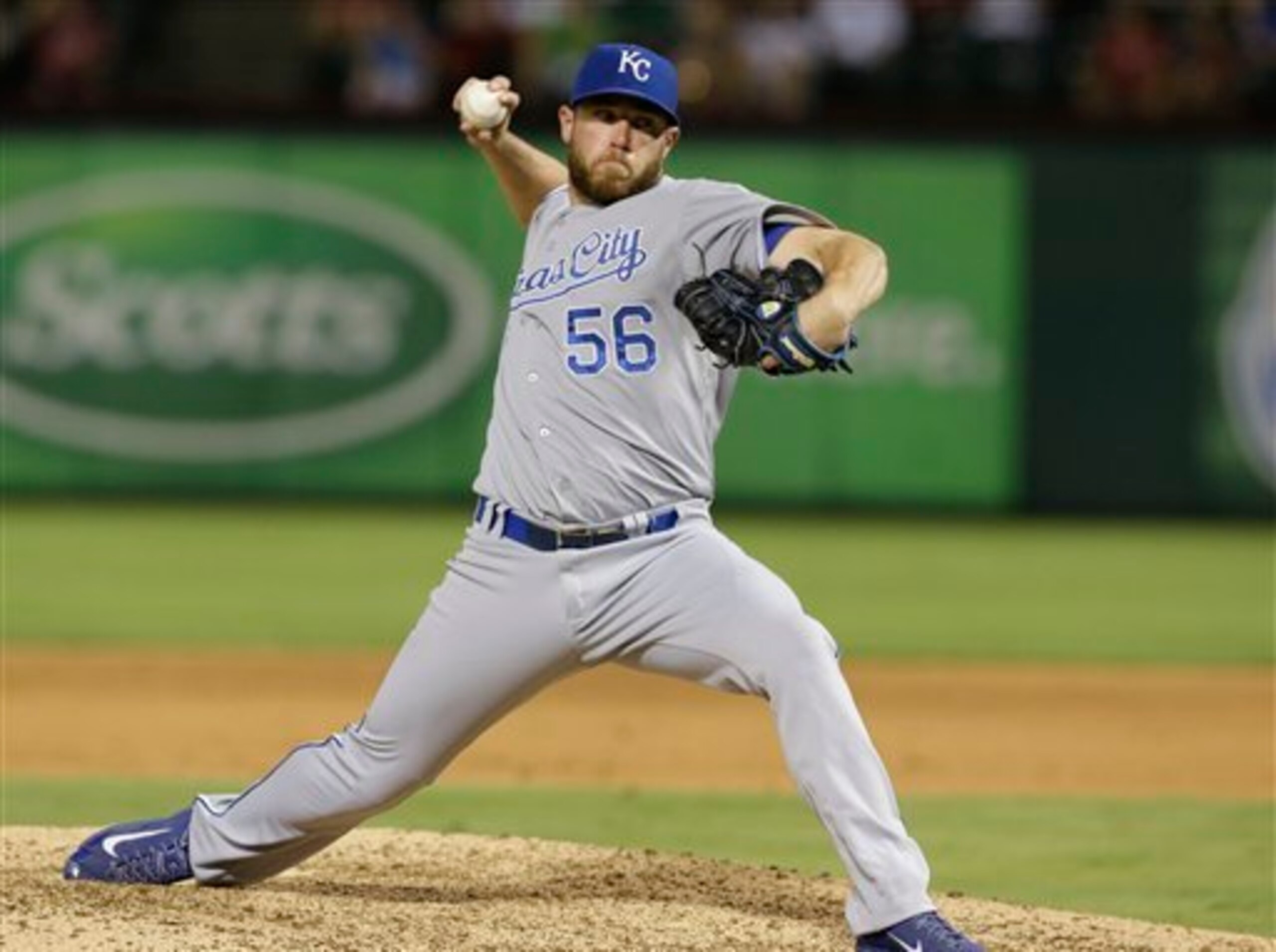
Control
It’s an odd delivery Holland has, and he’s no better than the average reliever at living in the zone with it. But he’s also not really worse than average either, and he doesn’t quite go to the mound just looking to throw his heat down the middle. He’s halfway decent at hitting the outside corner against lefties, and he’s consistent at pounding righties up in the zone. When you throw 96 with some rise, you can do that.
Whiffability
Holland was one of the best swing-and-miss relievers in MLB in 2013, but hitters have simply been more prepared for his fastball this year. He’s still strong at missing bats, however, and that’s very much a gift of his heavenly (also unhittable) slider. As long as he has that, he can continue to be a terror for opposing hitters.
Hittability
One thing Holland is doing better in 2014 is getting ground balls. His four-seamer has been doing the job against lefties, which is a trick we saw him pull back in 2012. Meanwhile, against righties, it’s his slider getting ground balls. You can factor in how guys aren’t hitting his fastball as squarely and how it’s also back to getting pop-ups, and what you get is a reliever who’s actually become harder to hit.
Overall
That Holland hasn’t been missing bats with his fastballs as well as he did in 2013 is a bummer, as it’s made him a lesser strikeout pitcher. He’s still a really good one, though, and him being as effective at doing everything else has allowed him to keep his place as one of baseball’s nastiest relievers.
6. Aroldis Chapman, Cincinnati Reds
51 of 56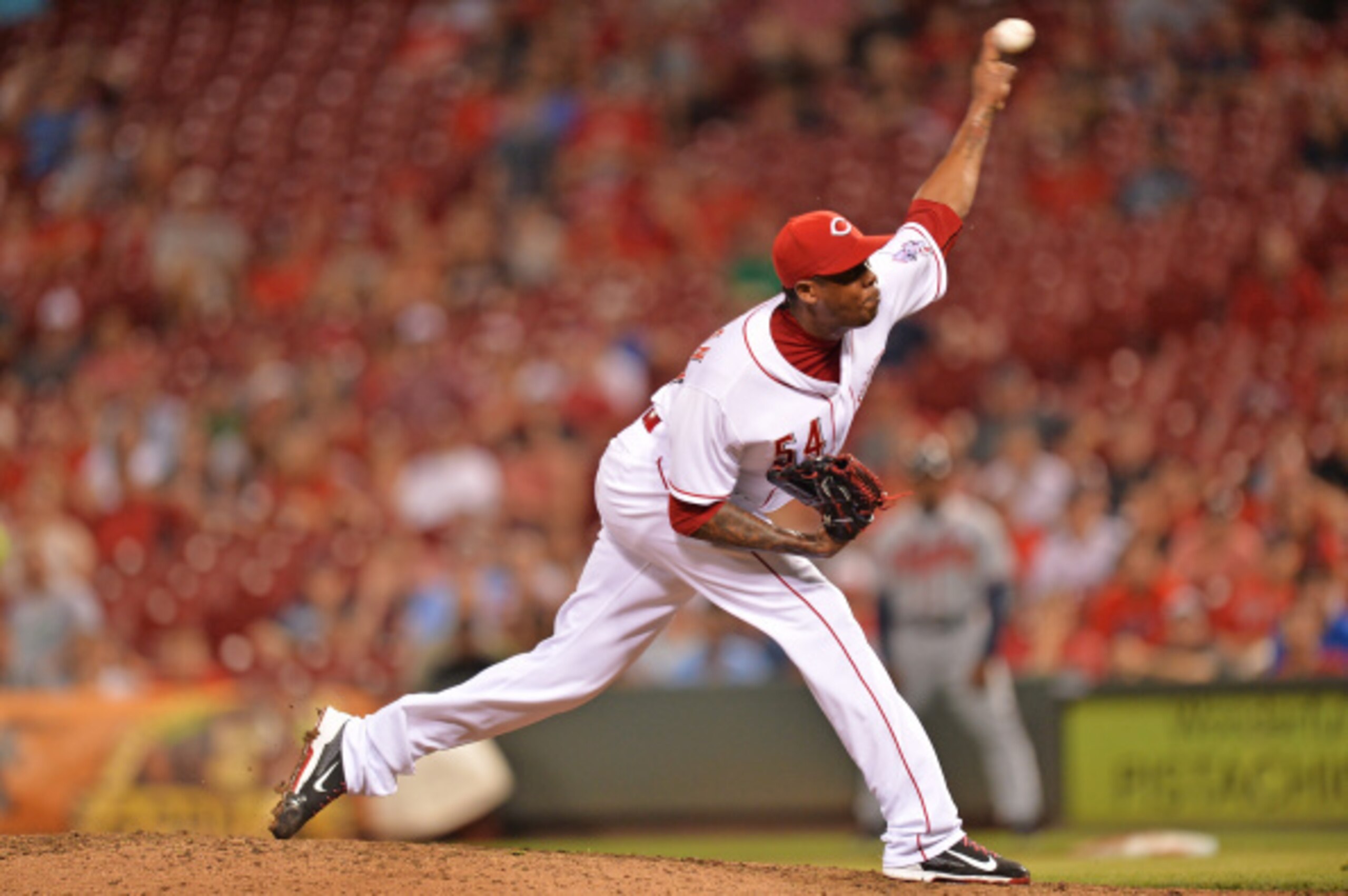
Control
Going for more of a slider-heavy approach in 2014 hasn’t helped Chapman find the strike zone more often, and walks are continuing to happen as a result. We can also fairly say that he works too much in the middle of the zone with his heat, and that his new slider-heavy approach hasn’t been hanger-free. I wouldn’t call his command “bad” by reliever standards, but it isn't great.
Whiffability
You know what the deal is. Chapman’s average fastball velocity has never been better, sitting at over 100 mph for the first time in his career. Said fastball is the hardest to hit among relievers, and increased slider usage hasn’t done much to damage its own considerable whiffability. Good command or not, you’re going to lead relievers in swinging-strike rate and strikeout rate when you have stuff like this.
Hittability
As if Chapman needed to be more unfair, he’s now also a solid ground-ball pitcher. That’s the work of his slider, which hitters can only hit on the ground when they do make contact with it. And when you cross his low fly-ball rate with his decent pop-up rate, you realize how few fly balls are making it to the outfield. The catch? That’s how his four-seamer's line-drive rate hasn't fully recovered from last year's spike.
Overall
Chapman’s not a perfect reliever. His modest (and at the same time, honestly a little generous) score for his command and control drives that point home. But hey, when you have a 100 mph fastball and a lethal slider to go with it, you don’t need to be perfect.
5. Craig Kimbrel, Atlanta Braves
52 of 56
Control
Kimbrel’s walk rate is trending in the wrong direction. That’s not surprising, as he doesn’t always finish his delivery and can fire fastballs wide and high as a result. But his control isn’t as bad as his walk rate makes it look. His zone rate has actually improved from where it was in 2013, and one should appreciate how he consistently challenges righty hitters at the top and bottom of the zone.
Whiffability
Kimbrel hasn’t returned to his 2012 excellence, but he is doing better at missing bats than he was in 2013. That’s thanks to how his four-seamer—which still sits at 97—has experienced a comeback and how his curveball is still one of the nastiest you’ll find among relievers. Though he’s a short way away from the top of the leaderboard, he’s still one of the best swing-and-miss relievers in the business.
Hittability
Kimbrel was at his most unhittable last year when he was mixing a high ground-ball rate and a career-best pop-up rate. Though still strong, both things have come down in 2014. His curveball still isn’t the ground-ball magnet it was in 2012. Also, hitters are having an easier time squaring up his fastball as the years go on. He’s still hard to hit, granted, but it is getting easier.
Overall
As far as pure stuff goes, Kimbrel is good enough to rival any other reliever. And thanks to his stuff, he’s still very much one of the elite relievers in the game. But due to his sometimes iffy command and his increasing hittability, whether he’s still the elite reliever in the game is debatable.
4. Kenley Jansen, Los Angeles Dodgers
53 of 56
Control
Jansen’s hard stuff (mainly his cutter) accounts for over 90 percent of his pitches, so he naturally doesn’t stop assaulting the zone. And though he doesn’t avoid the middle entirely with his cutter, he’s consistent working away from lefties and on the edges against righties. And if you take away some questionable calls, he’d have even fewer walks. His only fault, really, is that he’s not Sean Doolittle.
Whiffability
Not that Jansen needed another way to get strikes, but this year he’s getting more swinging strikes. He’s up there among the elites in swinging strikes, in fact, which isn’t that surprising knowing that his cutter was already a dangerous swing-and-miss pitch and it now has more velocity. His cutter is now basically capable of defying physics, which actually might not be an exaggeration.
Hittability
Though Jansen’s cutter is tough to make contact with, it’s not hard to square it up when contact is made. He’s still combining a relatively high fly-ball rate with a non-elite pop-up rate, making extra-base hits a constant threat. Then you can factor in how his cutter is only getting easier to hit for line drives. So despite everything else trending upward, Jansen’s hittability seems headed in the other direction.
Overall
Hard-hit balls notwithstanding, Jansen is still a superb reliever. His extremely hard-heavy style makes it easy for him to live in the strike zone, and his cutter is now arguably the single most dominant pitch in baseball. He has Mariano Rivera-like stuff.
3. Dellin Betances, New York Yankees
54 of 56
Control
You’d expect a guy who throws his fastball and curveball about equally to struggle throwing strikes. But Betances is actually better than most at hitting the zone, and he’s solid at living on the edges with his heat against lefties and righties and at keeping his hook low. For a guy known for his wildness in his prospect days, Betances’ command has been a pleasant surprise.
Whiffability
Though he sits at 96-97 with it, Betances’ fastball is actually nothing special at missing bats, hence why you won’t find him near the top of the swinging-strike-rate leaderboard. He does, however, have one of the whiffiest curveballs in the league, and it’s remarkable that he’s actually gained velocity as the year has gone along despite his heavy workload. There’s room for optimism going forward.
Hittability
In addition to control and swing-and-miss stuff, Betances also has an underrated ability to get ground balls. His curveball has done the heavy lifting, but his four-seamer has also been none too shabby at getting grounders. That same four-seamer is also good for getting pop-ups, and in general fly balls to the outfield off him have tended to stay shallow. In all: Guy’s tough to hit.
Overall
Betances isn’t the best reliever in the game at any one thing. But he’s among the best at finding the zone, missing bats and limiting hard contact, making him a complete package coming out of the bullpen. There’s a very strong case to be made for him as the best reliever in baseball right now.
2. Wade Davis, Kansas City Royals
55 of 56
Control
Davis didn’t assault the zone when he was in Tampa Bay’s pen in 2012. That’s changed this year. Going with a fastball- and cutter-heavy attack has helped, but he also does himself the courtesy of living away from both lefties and righties. Also impressive is how rarely he misfires with his cutter against righties, using it like a slider. So despite his less-than-awesome walk rate, Davis definitely knows what he’s doing.
Whiffability
Davis has gained even more velocity in his 2014 trip to the pen than he did in 2012, and it’s definitely helped. Among his fellow relievers, he has both one of the whiffiest four-seamers and the whiffiest cutter. Though it’s short of elite, it’s no wonder he’s working on the best swinging-strike rate of his career.
Hittability
When you get to September having allowed just two extra-base hits all season, you’re doing something right. It’s been a collaborative affair between his four-seamer and cutter. The former specializes in pop-ups, and the latter specializes in ground balls. And though he hasn’t been immune to fly balls, long ones have been infrequent. Through it all, no reliever has been tougher to hit than Davis.
Overall
It’s pretty clear the best place for Davis is in the bullpen. He throws harder, locates better and generally bamboozles hitters like it’s nobody’s business. That's especially true in 2014, throughout which he’s put together pretty much a perfect symphony of domination starting on Day 1.
1. Sean Doolittle, Oakland A's
56 of 56
Control
When close to 90 percent of your pitches are fastballs, you better throw strikes. And Doolittle does that. He’s the best strike-thrower in any bullpen, and it’s no trick. The only reliever who lives in the zone as much as him is Kenley Jansen. And though he’s not really a master at living on the edges, he rarely strays from his game plan to pitch up in the zone. Take note, kids: This is how to be a fastball pitcher.
Whiffability
There’s some distance between him and the top, but Doolittle’s one of the best relievers in the league at missing bats. Mixing in his slider more has helped give him an extra whiff pitch, and it also seems to have made his four-seamer more effective. Not that it wasn’t a nasty enough pitch to begin with, of course. Beyond 94-95 velocity, Doolittle’s fastball is one of the best rising heaters you’re going to find.
Hittability
As you’d expect from a guy who throws so many rising four-seamers up in the strike zone, Doolittle is an extreme fly-ball pitcher. And though he works with a high pop-up rate, it looks less effective when you realize how many more fly balls are going to the outfield. As such, home runs and extra-base hits are a constant threat. It’s a good thing, then, that the majority of balls off him don’t travel too far.
Overall
Doolittle has gone from being underrated in 2013 to easily one of the best relief pitchers in the league in 2014. That he does it mostly with stupendous control makes him something of a rarity among his peers, but don’t overlook how effective he is at missing bats and getting soft contact with his fastball-only approach.
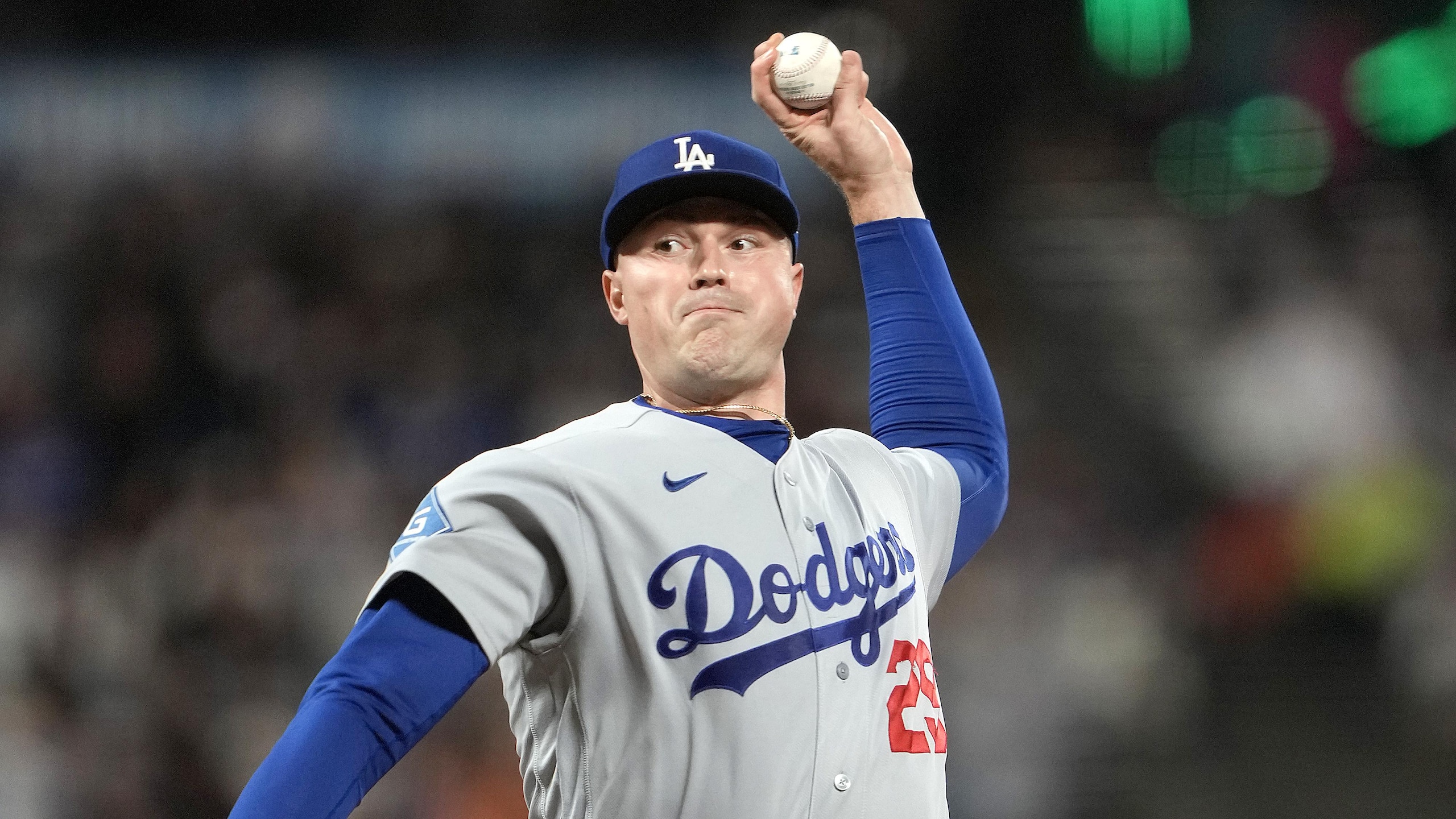


.jpg?w=2560 "Insiders: Cowboys Overpaid for Porter")
.jpg?w=2560 "Every Trade's Best Trade Asset 🔁")

.jpg?w=2560 "Top NFL Trade Targets")
.jpg?w=2560 "Daniels Eyeing Week 5 Return")
.jpg?w=2560 "No Rift Between Maye, Vrabel")