2014 NFL Draft: How Deep Is Every Position?
During a press conference at this year’s NFL Scouting Combine, Pittsburgh Steelers general manager Kevin Colbert told reporters, per Chase Goodbread of NFL.com, that the 2014 NFL draft is "as deep across the board as any draft (he’s) seen in 30 years.”
Colbert, whose examples of finding draft depth since joining the Steelers in 2000 have included 2002 seventh-round pick Brett Keisel, 2003 fourth-round pick Ike Taylor and 2010 sixth-round pick Antonio Brown, isn’t the only one who sees depth in this draft.
“From my perspective, this is the deepest and best draft class I’ve seen in probably ten years,” Mike Mayock said in a pre-combine conference call, according to Curtis Crabtree of ProFootballTalk.com. “That’s been reinforced by most of the general managers and scouts I’ve talked to throughout the league. I had one GM tell me the other day that having a Top-20 pick this year is very similar to having a Top-10 pick last year.”
While there is plenty of talent at the top, from Jadeveon Clowney and Khalil Mack to Jake Matthews and Greg Robinson, this year’s draft might be a better opportunity than ever for teams to trade down, stockpile picks and end up coming away with an exorbitance of talented players.
That said, teams’ ability to take advantage of the depth in this year’s draft class might depend on where their positional needs are.
While some positions might have more must-have talent at the top than value selections in the middle and late rounds, some teams might decide to pass on early-round talent at deeper positions to take advantage of steals who slide down the board.
Quarterback
1 of 12
The standard set by Andrew Luck, Robert Griffin III and the rest of the 2012 NFL draft class is making it difficult for quarterbacks since to get much love as draft prospects. But despite the annual pre-draft nit-picking that takes place among signal-callers, this year’s draft is actually quite deep at the position.
The depth starts at the top with four passers—Louisville’s Teddy Bridgewater, Texas A&M’s Johnny Manziel, UCF’s Blake Bortles and Fresno State’s Derek Carr—being widely projected as first-round selections. There have only been four drafts since 2000 in which four quarterbacks were selected in Round 1.
After those four, it’s uncertain whether any other quarterbacks in this year’s class will be drafted with starting expectations, but there are possibilities between Rounds 2-4, including LSU’s Zach Mettenberger, San Jose State’s David Fales, Eastern Illinois’ Jimmy Garoppolo and Alabama’s AJ McCarron.
The number of draftable quarterbacks this year goes well into the double digits. There are passers like Virginia Tech’s Logan Thomas and Miami’s Stephen Morris who have the physical traits to be drafted despite erratic collegiate play, while potential late-round steals include Wyoming’s Brett Smith, Clemson’s Tajh Boyd, Pittsburgh’s Tom Savage and Ball State’s Keith Wenning.
From potential stars at the top in Bridgewater and Manziel, to depth all the way through the draft, there should be plenty of options for teams looking to add a quarterback, even though there are no signal-callers in this year’s class who scouts are universally sold on.
Depth Grade: B+
Running Back
2 of 12
Productive running backs can typically be found deep into the draft, and this year’s class should be no exception. While there might not be any first-round caliber rushers, there should be plenty of options between Rounds 2-7 for teams looking to improve their ground game.
The depth could, in part, be determined by how quickly teams jump on top of running backs. If a number of backs such as Ohio State’s Carlos Hyde, Washington’s Bishop Sankey and Auburn’s Tre Mason all go off the board quickly in Round 2, the talent pool could start to thin out before the middle rounds.
Still, this running back class is not defined by its stars, but rather by a glut of running backs whose grades will likely be interchanged between boards across the league.
From bigger names such as Baylor’s Lache Seastrunk, Florida State’s Devonta Freeman and Boston College’s Andre Williams, to small-school standouts like Georgia Southern’s Jerick McKinnon, Towson’s Terrance West and Alabama State’s Isaiah Crowell, there is plenty of promising talent that could answer teams’ running back needs in the middle rounds of the draft.
Add in more potential difference-making running backs like Stanford’s Tyler Gaffney, Arizona State’s Marion Grice, Wisconsin’s James White and Missouri’s Henry Josey, and there could still be some very solid talent available at the position in the late rounds of the draft.
Depth Grade: B+
Wide Receiver
3 of 12
While the depth of the entire 2014 draft class stands out, it’s especially prominent in the incoming class of rookie wide receivers, largely due to a whopping 19 early draft entrants at the position.
A good number of those underclassmen are projected first-round picks, including Texas A&M’s Mike Evans, Clemson’s Sammy Watkins, USC’s Marqise Lee, LSU’s Odell Beckham and Oregon State’s Brandin Cooks.
Early-entrant wide receivers alone could easily make up a double-digit number of draft picks in the top three rounds. Florida State’s Kelvin Benjamin, Fresno State’s Davante Adams and Penn State’s Allen Robinson are among the potential first-rounders who could get pushed down into Day 2 because of the depth at the position. Clemson’s Martavis Bryant, Colorado’s Paul Richardson, Mississippi’s Donte Moncrief and LSU’s Jarvis Landry are among the others who could go as high as Round 2.
Beyond the talented pool of underclassmen is a very solid senior class of wide receivers. Vanderbilt’s Jordan Matthews might be the only first- or second-round pick in the group, but Wyoming’s Robert Herron, Oregon’s Josh Huff, Wisconsin’s Jared Abbrederis and Texas’ Mike Davis should all be great value selections in the middle rounds.
All in all, finding quality talent at the wide receiver position should be no problem at all for teams in this year’s NFL draft. The overload of talent at the top should cause other receivers to slide down the board, in turn leaving value available at the position throughout the draft.
Depth Grade: A
.JPEG?w=2560 "Raiders Patriots Football")

.jpg?w=2560 "Commanders Eagles Football")
Tight End
4 of 12
The tight end position isn’t quite as rich as the other offensive skill-position groups in this year’s draft, but there’s still plenty of talent to be had from top to bottom.
North Carolina’s Eric Ebron is the only sure-fire first-round talent at the position, but Texas Tech’s Jace Amaro, Washington’s Austin Seferian-Jenkins and Notre Dame’s Troy Niklas could all be selected in the draft’s first two rounds. If all four of them are top-64 selections, mid-round talents such as Iowa’s C.J. Fiedorowicz and Georgia’s Arthur Lynch could get pushed up into the third round.
Colorado State’s Crockett Gillmore, Fresno State’s Marcel Jensen, Massachusetts’ Rob Blanchflower and Dixie State’s Joe Don Duncan are among this draft class’ more promising sleeper talent.
While the top four underclassmen should be early draft picks, there are also some other early entrants who have question marks, but potentially enough talent to overcome them, who could be Day 3 steals. Oregon’s Colt Lyerla and Tennessee State’s A.C. Leonard are dynamic athletes with ugly off-field rap sheets, while USC’s Xavier Grimble, California’s Richard Rodgers and Utah’s Jake Murphy had limited collegiate production but the physical tools to make NFL rosters.
There could be a few gems to emerge from the depths of this year’s tight end draft class, but teams in need at the position might be more inclined to target early talent than wait until later rounds.
Depth Grade: C
Offensive Tackle
5 of 12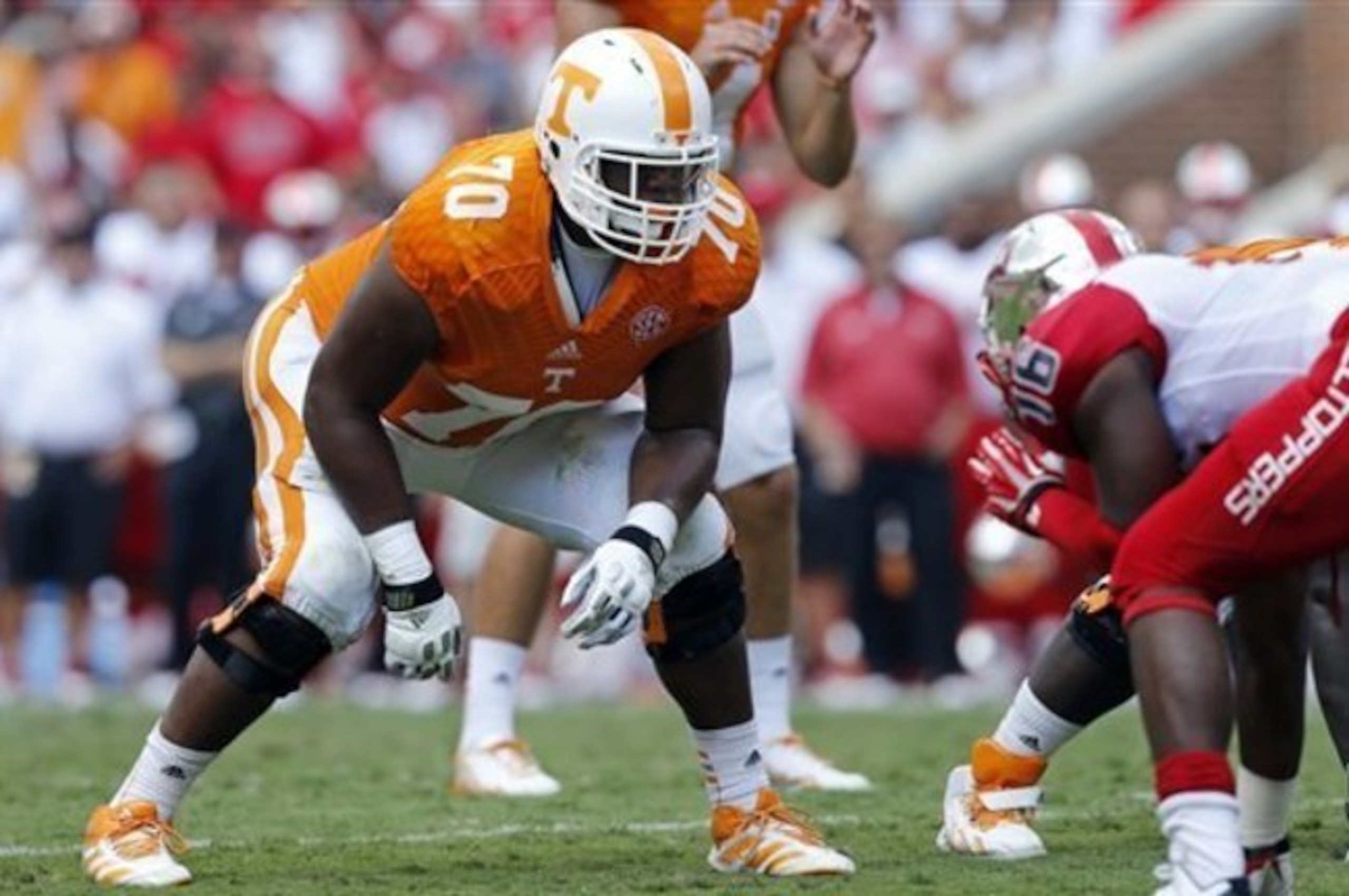
There were three offensive tackles selected in the top four picks and five in the top 19 of last year’s draft, yet this year’s draft might actually have more talent and depth at the position.
Like last year’s trio of Eric Fisher, Luke Joeckel and Lane Johnson, there are three potential top-10 picks in this year’s crop of offensive tackles in Auburn’s Greg Robinson, Texas A&M’s Jake Matthews and Michigan’s Taylor Lewan.
Notre Dame’s Zack Martin has the polish of an NFL left tackle, though he might be somewhat limited by his physical tools. Alabama’s Cyrus Kouandjio, Virginia’s Morgan Moses and Tennessee’s Antonio Richardson all need to become fluid movers and sound technicians to succeed as NFL starting tackles, but all of them have developmental potential that could make them second-round picks.
As talent starts to seep into the middle rounds, potential steals include Ohio State’s Jack Mewhort, North Dakota State’s Billy Turner and Nevada’s Joel Bitonio, though all three of them might be best suited to kick inside to guard.
Other players who could end up developing into starting offensive tackles in the right systems include Tennessee’s Ja’Wuan James, Miami’s Seantrel Henderson, Stanford’s Cameron Fleming, North Carolina’s James Hurst and Boston College’s Matt Patchan. All in all, there are plenty of options available from the first round to much later in the draft for teams in need of an anchor for their offensive line.
Depth Grade: B
Guard
6 of 12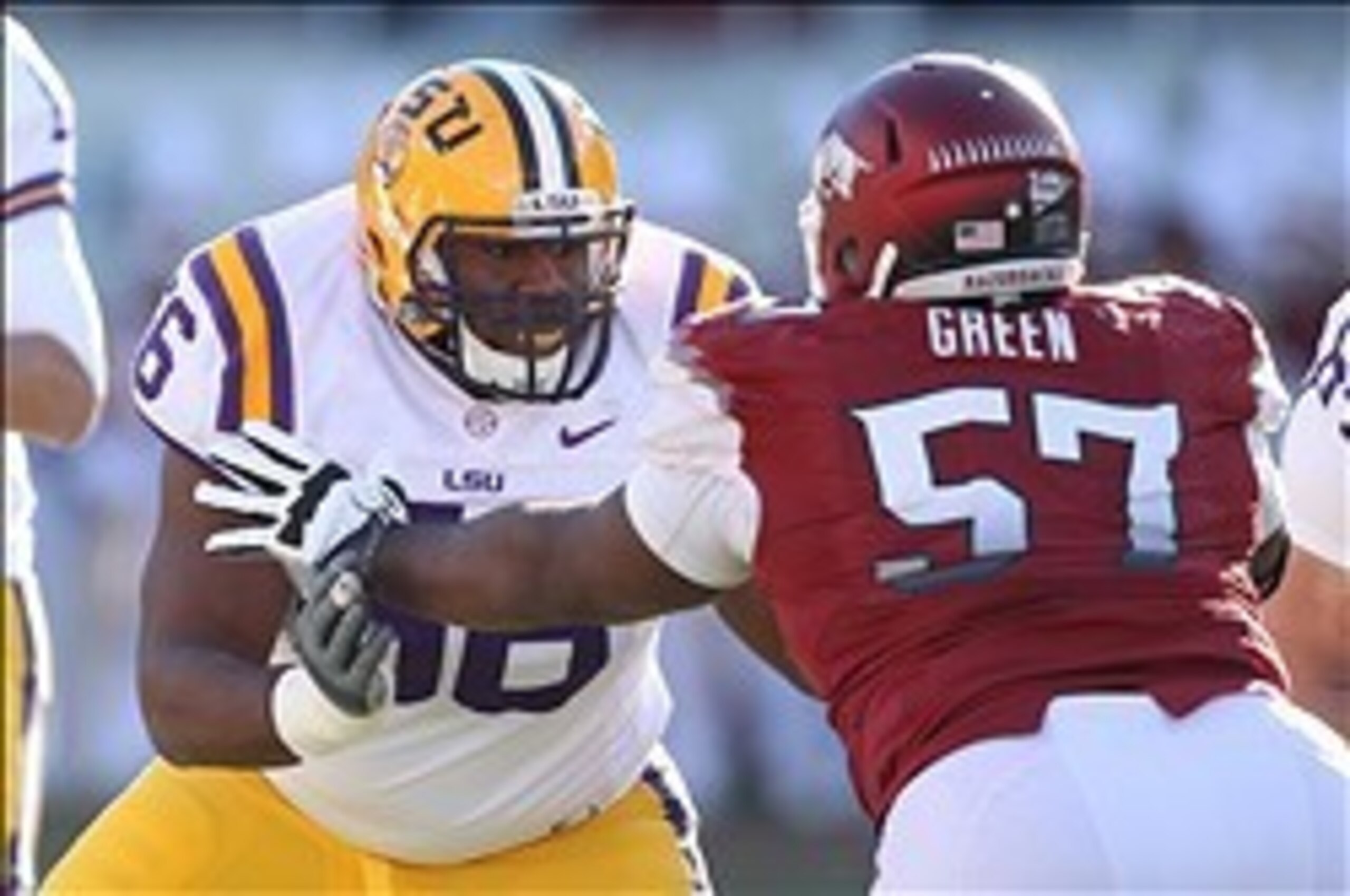
While the draft’s guard depth depends to an extent on which offensive tackles get drafted to kick inside, the intermediary position on the offensive line is another spot where teams should be able to find appropriate value from the first round to the last.
UCLA’s Xavier Su’a-Filo is the position group’s most likely first-round pick, though Zack Martin could also be drafted in Round 1 to kick inside to guard.
The value at the position should really come on Day 2. Stanford’s David Yankey, Mississippi State’s Gabe Jackson, LSU’s Trai Turner, the aforementioned Cyrus Kouandjio and Clemson’s Brandon Thomas could all be viewed as starting guard answers in the draft’s second or third round.
Even if all of those players are off the board by the fourth round, there should still be plenty of value to go around on Day 3. Baylor’s Cyril Richardson, Alabama’s Anthony Steen, Florida’s Jon Halapio, Notre Dame’s Chris Watt and Furman’s Dakota Dozier are all players with the potential to be mid- to late-round steals who develop into starting-caliber NFL guards.
This year’s guard pool doesn’t have the talent at the top that Jonathan Cooper and Chance Warmack brought to last year’s draft, but it shouldn’t be difficult for teams with a need at the position to strategically land a capable player through a draft selection.
Depth Grade: B
Center
7 of 12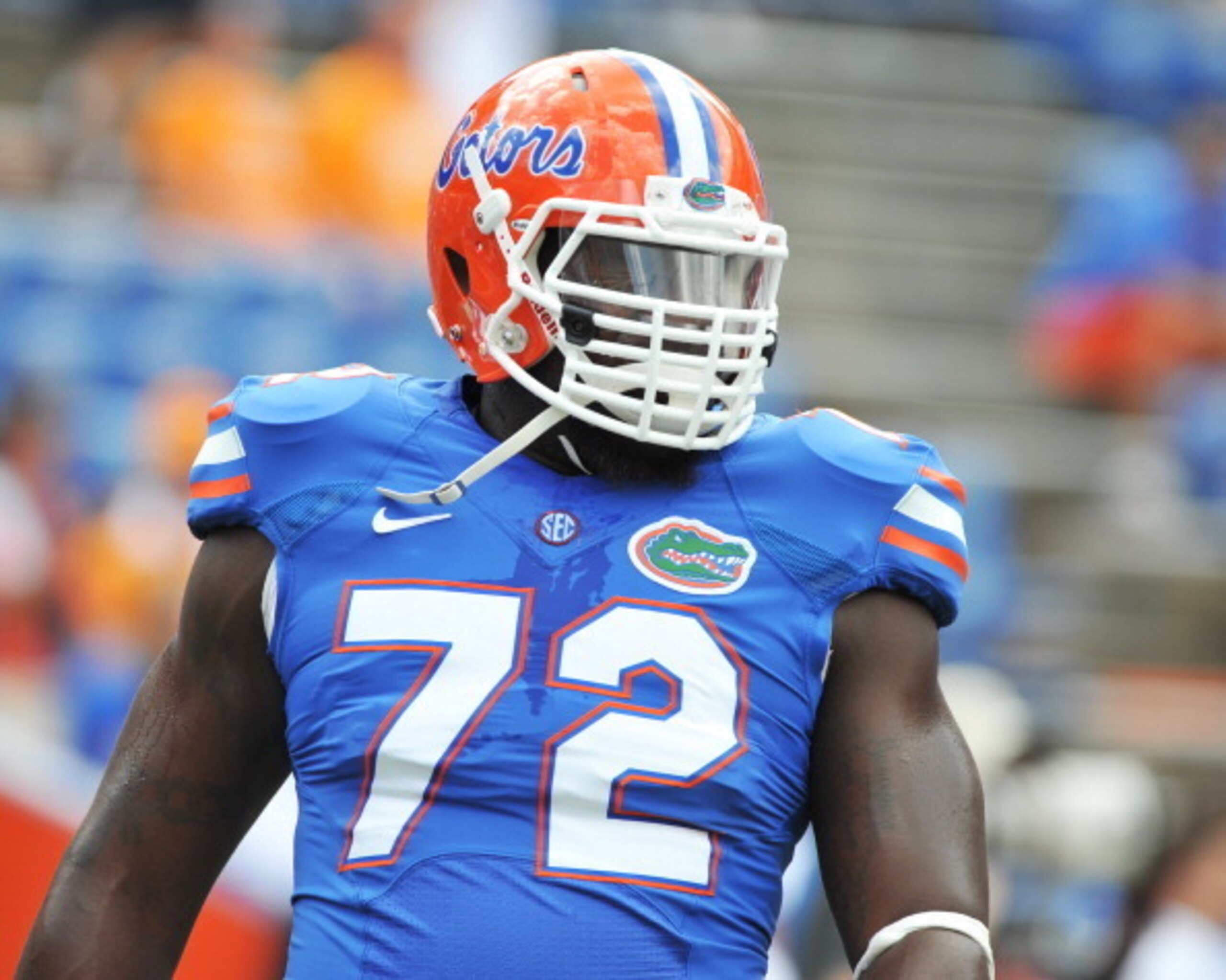
Some of the aforementioned players listed as offensive tackles or guards might end up getting looks inside as center prospects, because there is not nearly as much depth among players who project to the middle of the offensive line.
Any true center in this year’s draft would be a stretch as a first-round pick. There are three solid candidates to be Day 2 picks in Colorado State’s Weston Richburg, Arkansas’ Travis Swanson and USC’s Marcus Martin.
Florida State’s Bryan Stork, Utah State’s Tyler Larsen and Oklahoma’s Gabe Ikard are all centers who should be drafted. Every other center at this year’s draft projects as a late-round pick at best, though the lack of depth could push players like Ohio State’s Corey Linsley and Florida’s Jonotthan Harrison up the board.
Candidates from other offensive line positions to kick inside could include Vanderbilt offensive tackle Wesley Johnson and Notre Dame guard Chris Watt.
Depth Grade: D
Edge Defender
8 of 12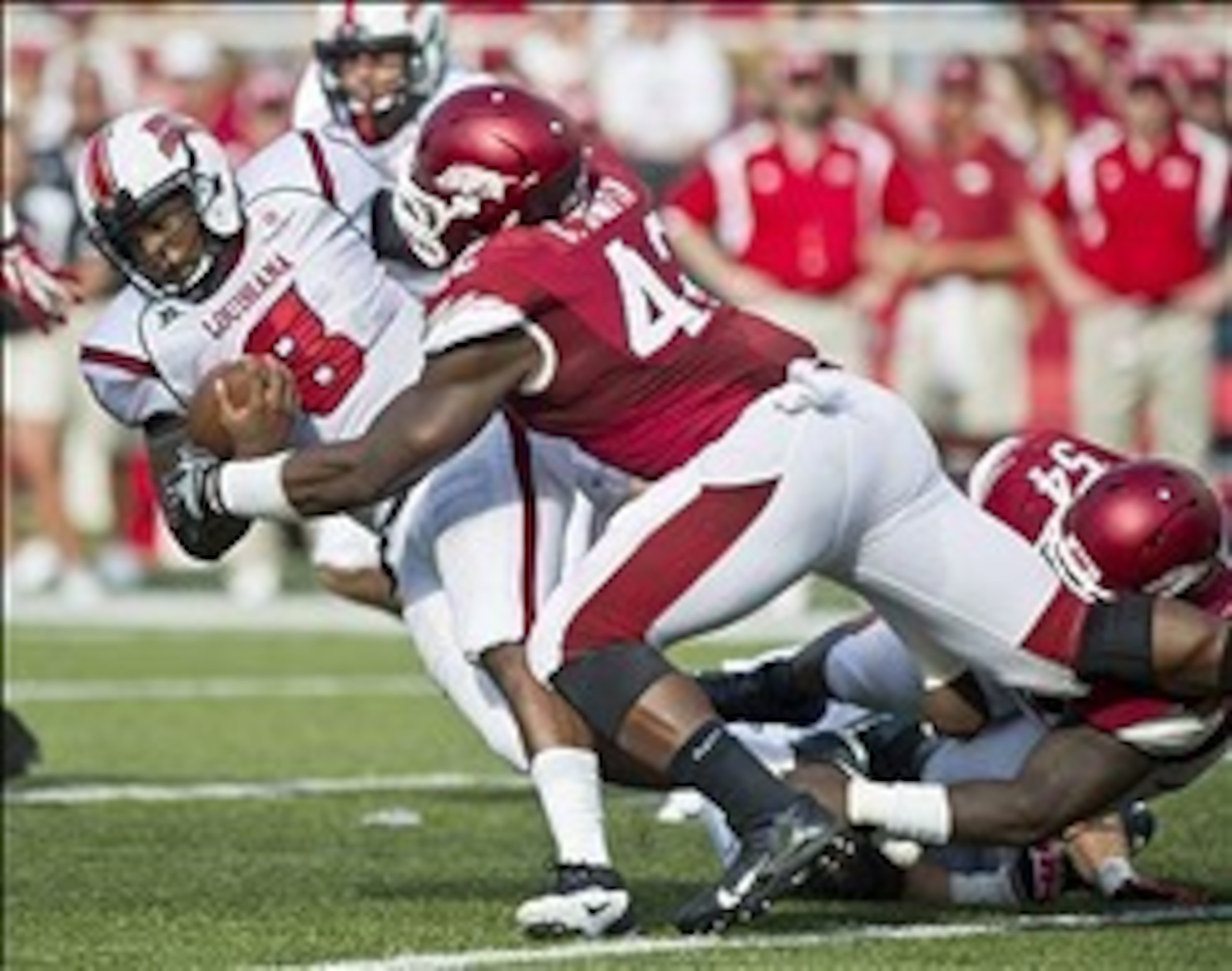
Between 4-3 teams looking for defensive ends and 3-4 teams looking for outside linebackers, pass-rushing edge defenders have tended to come off the board early and often in recent drafts, which could expose weaknesses in the depth of this year's class.
Some of the draft’s top talents fall into this category, including multi-front defensive ends Jadeveon Clowney (South Carolina) and Kony Ealy (Missouri), and hybrid rush linebackers Khalil Mack (Buffalo) and Anthony Barr (UCLA).
Those four players, along with Oregon State’s Scott Crichton and Auburn’s Dee Ford, make up a strong top group of edge defenders in this year’s class.
There should be solid depth on the board in this group on Day 2 as well. North Carolina’s Kareem Martin, Stanford’s Trent Murphy, Louisville’s Marcus Smith, Boise State’s Demarcus Lawrence and Georgia Tech’s Jeremiah Attaochu should all be solid second-day picks, while Texas’ Jackson Jeffcoat and Arkansas’ Chris Smith would be solid value as third- to fourth-round selections.
If a premium on pass-rushers pushes all of those players up the board, the Day 3 depth might be somewhat thin at the position. Still, there should be chances to strike gold in the later rounds, from South Florida’s Aaron Lynch and Missouri’s Michael Sam to intriguing small-schoolers Ethan Westbrooks (West Texas A&M) and Larry Webster (Bloomsburg).
Depth Grade: B-
Interior Defensive Line
9 of 12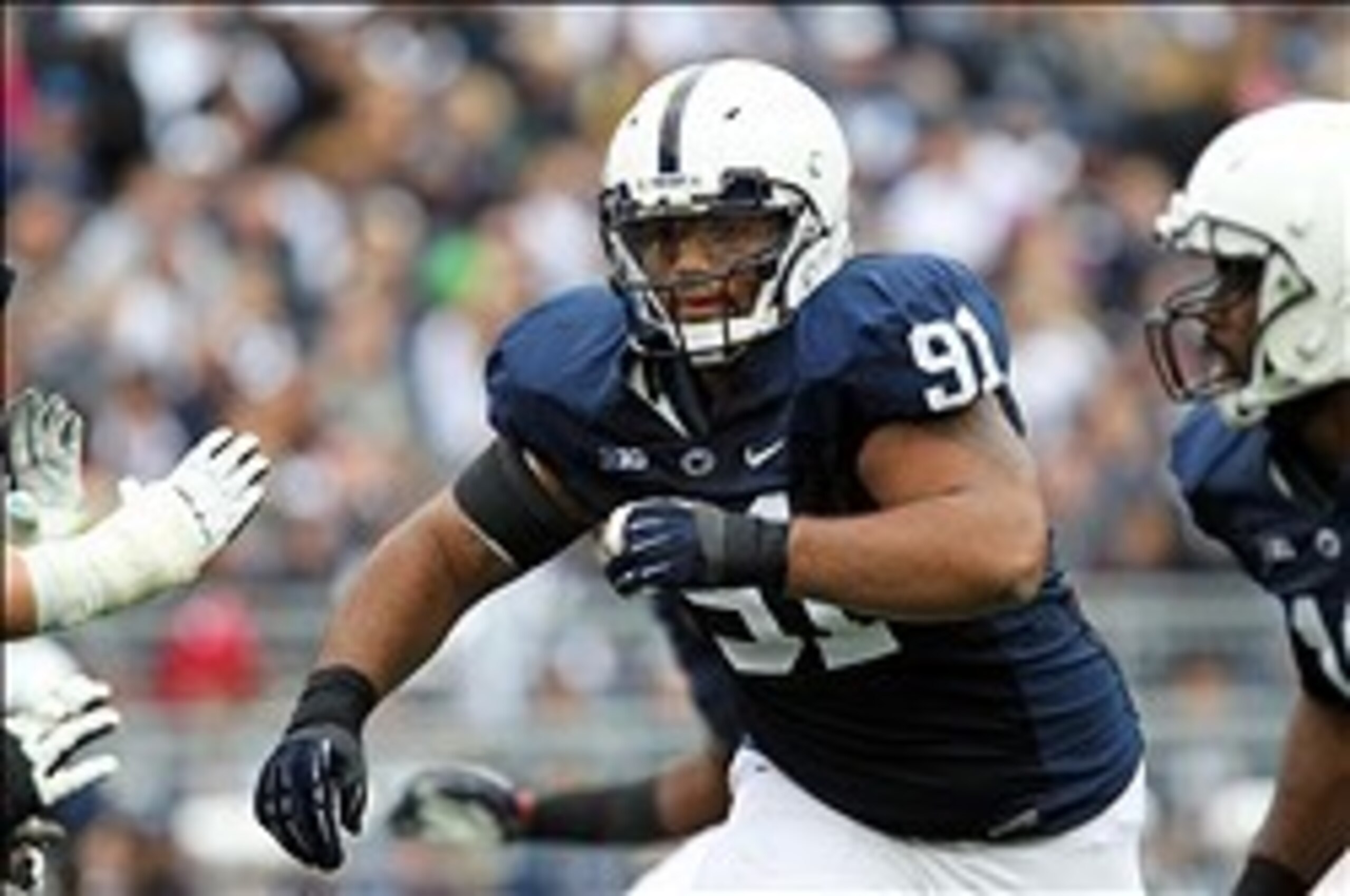
This year’s interior defensive line class doesn’t have the elite skill players at the top that last year’s draft did with Sheldon Richardson and Star Lotulelei, but it comes with just as much depth.
Pittsburgh’s Aaron Donald might be the only sure first-round pick among interior defensive linemen at this point, but there are plenty of others in the mix including Minnesota’s Ra’Shede Hageman, Notre Dame’s Louis Nix III and Stephon Tuitt, Florida State’s Timmy Jernigan and Florida’s Dominique Easley.
The lack of top-tier talent at the position, however, could convince some teams to wait on a defensive tackle until the middle rounds. Penn State’s DaQuan Jones, Princeton’s Caraun Reid, Louisiana Tech’s Justin Ellis, Arizona State’s Will Sutton and LSU’s Ego Ferguson and Anthony Johnson are among the players who might be able to be had at great value between the third to fifth rounds.
Even in the later rounds, there should be plenty to choose from. Arkansas State’s Ryan Carrethers, California’s Deandre Coleman, Texas Tech’s Kerry Hyder and Syracuse’s Jay Bromley are among the players who could end up being great late-round values as a result of being pushed down the boards by a surplus of interior defensive line talent in the middle rounds.
Depth Grade: A-
Linebacker
10 of 12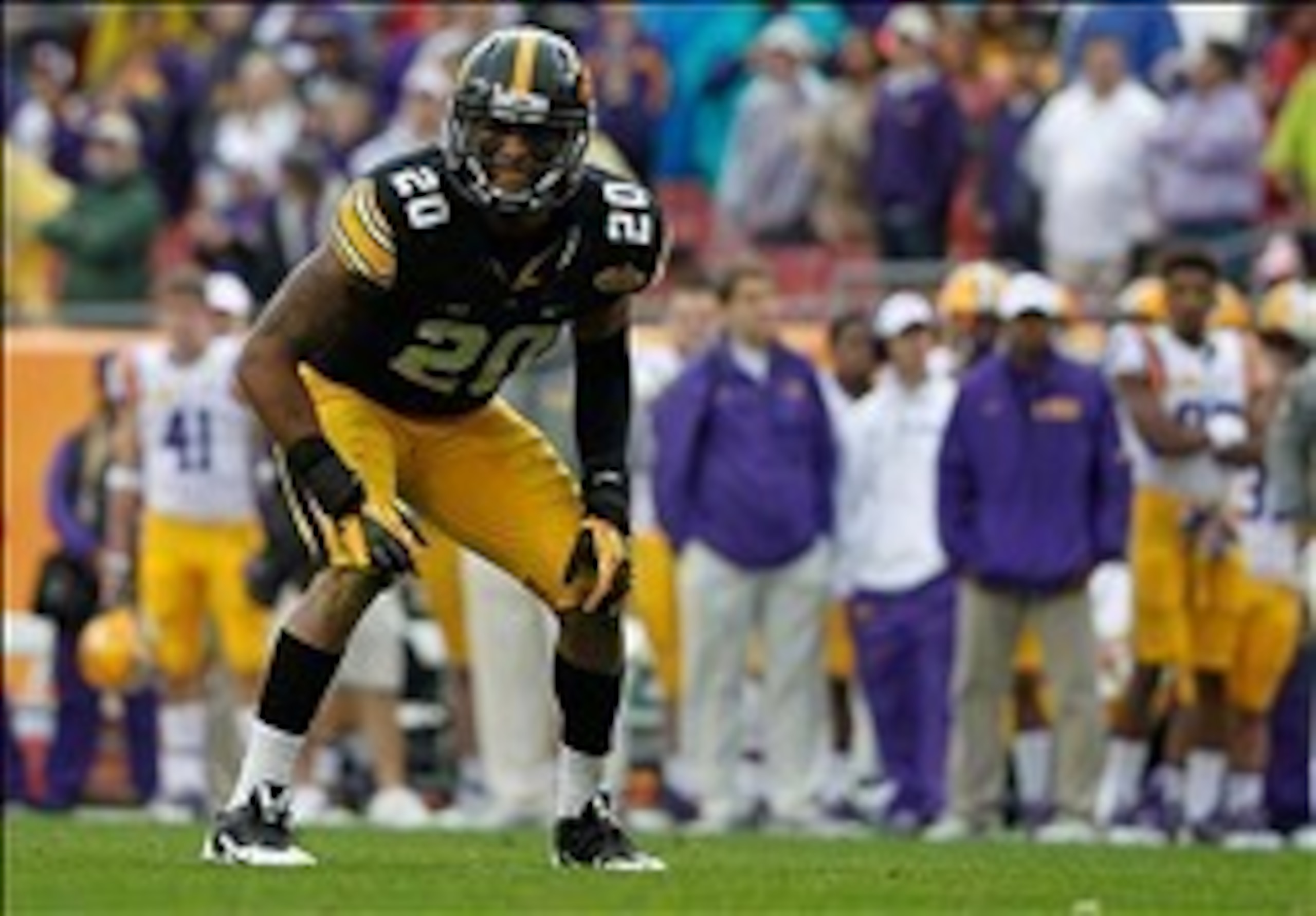
There are plenty of versatile linebacker options who should attract teams near the top of this year’s draft, but it might be a tougher position than most to find that hidden gem.
In addition to Khalil Mack and Anthony Barr, who could also be projected to 4-3 outside linebacker spots in addition to edge defender roles, three other linebackers who can play multiple spots and should be solid first-round picks are Alabama’s C.J. Mosley, BYU’s Kyle Van Noy and Ohio State’s Ryan Shazier.
There are a number of solid Day 2 options who have some physical limitations but are very skilled football players, including Wisconsin’s Chris Borland, Florida State’s Telvin Smith, Stanford’s Shayne Skov and Connecticut’s Yawin Smallwood.
Some of the noteworthy talent who could still be available in the fourth round or later includes LSU’s Lamin Barrow, Montana’s Jordan Tripp, Iowa’s Christian Kirksey and Florida State’s Christian Jones. That said, a limited number of solid mid-round options could significantly weaken the pool of linebackers still available in the late rounds of the draft.
Depth Grade: C
Cornerback
11 of 12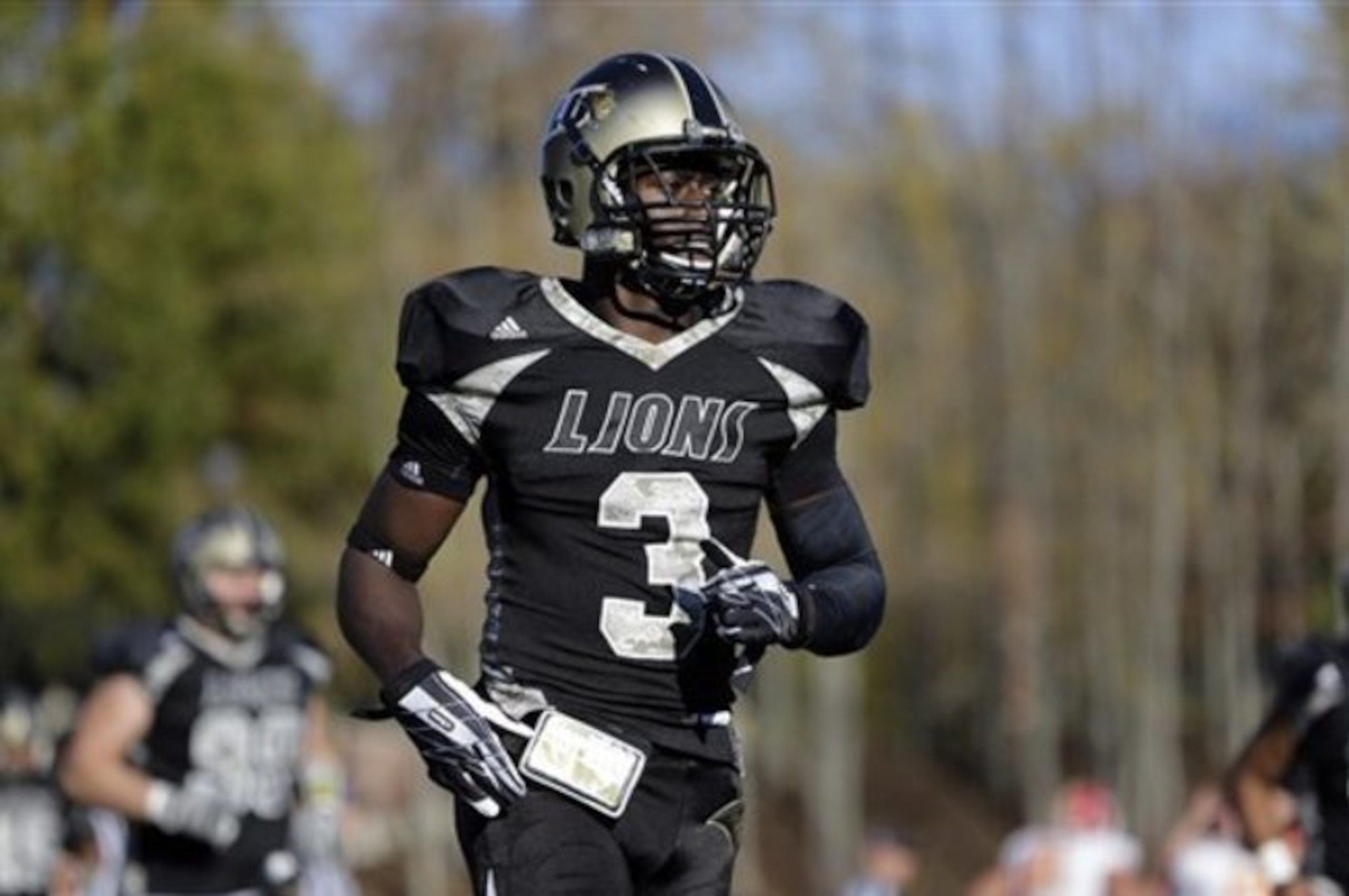
A position in which seemingly more teams than not need reinforcements in each year’s draft, cornerback value tends to get sapped off the board quickly, and it could result in some players at the position being overdrafted in the middle rounds of this year’s selection meeting.
Between Oklahoma State’s Justin Gilbert, Ohio State’s Bradley Roby, TCU’s Jason Verrett and Michigan State’s Darqueze Dennard, this year’s draft class has a solid group of first-rounders at the top. Virginia Tech’s Kyle Fuller likely solidified himself as a second-round pick with a strong combine showing, while Florida State’s Lamarcus Joyner is a hybrid safety/cornerback who could be a strong early-round selection as a slot cornerback.
Outside of the top group, however, there isn’t too much legitimate Day 2 talent at the position, which could lead to players like Lindenwood’s Pierre Desir, Clemson’s Bashaud Breeland, Rice’s Phillip Gaines and Duke’s Ross Cockrell being selected earlier than expected.
The best bet for teams looking to add cornerbacks outside of the first round might be to wait until Day 3. While the steep drop-off outside of the top five cornerbacks could push some players into being overdrafted, there should still be some solid talent available at the position in the fourth and fifth rounds.
Oregon State’s Rashaad Reynolds, Utah State’s Nevin Lawson, Liberty’s Walt Aikens and San Jose State’s Bene Benwikere are among the players who could end up being good mid-round value if the draft’s limited cornerback depth does not push them up the board.
Depth Grade: C
Safety
12 of 12
While the depth of this year’s safety class is actually stronger than many recent drafts have been at the position, it could be made to look weaker by the demand many teams have at the position due to poor play.
Alabama’s Ha Ha Clinton-Dix, Louisville’s Calvin Pryor, Northern Illinois’ Jimmie Ward and the aforementioned Lamarcus Joyner are all potential first-round picks, which leaves this year’s safety class on pace with last year’s group, which had four safeties selected in the top 33 picks.
If those safeties come off the board as quickly as last year’s safeties did, however, it could expose a lack of depth through the rest of the draft.
Florida State’s Terrence Brooks and Washington State’s Deone Bucannon should be solid second-day selections, but if players such as Baylor’s Ahmad Dixon and USC’s Dion Bailey also get pushed up into Day 2 of the draft, it could significantly weaken the talent pool still available at the position in the draft’s later rounds.
Still, last year’s class might not be a fair means of comparison for the strength of the top of this year’s safety class. In 2012, a dearth of talent at the position left only five safeties picked in the first three rounds, including reaches in Tavon Wilson and Brandon Hardin. In 2011, only five safeties were selected in the first four rounds, and none before the No. 45 overall pick.
Depth Grade: B-
Dan Hope is an NFL/NFL draft Featured Columnist for Bleacher Report.

.jpg?w=2560 "Falcons Steelers Football")