
How Greg Monroe Would Fit into the Boston Celtics' 2015 Free-Agency Plans

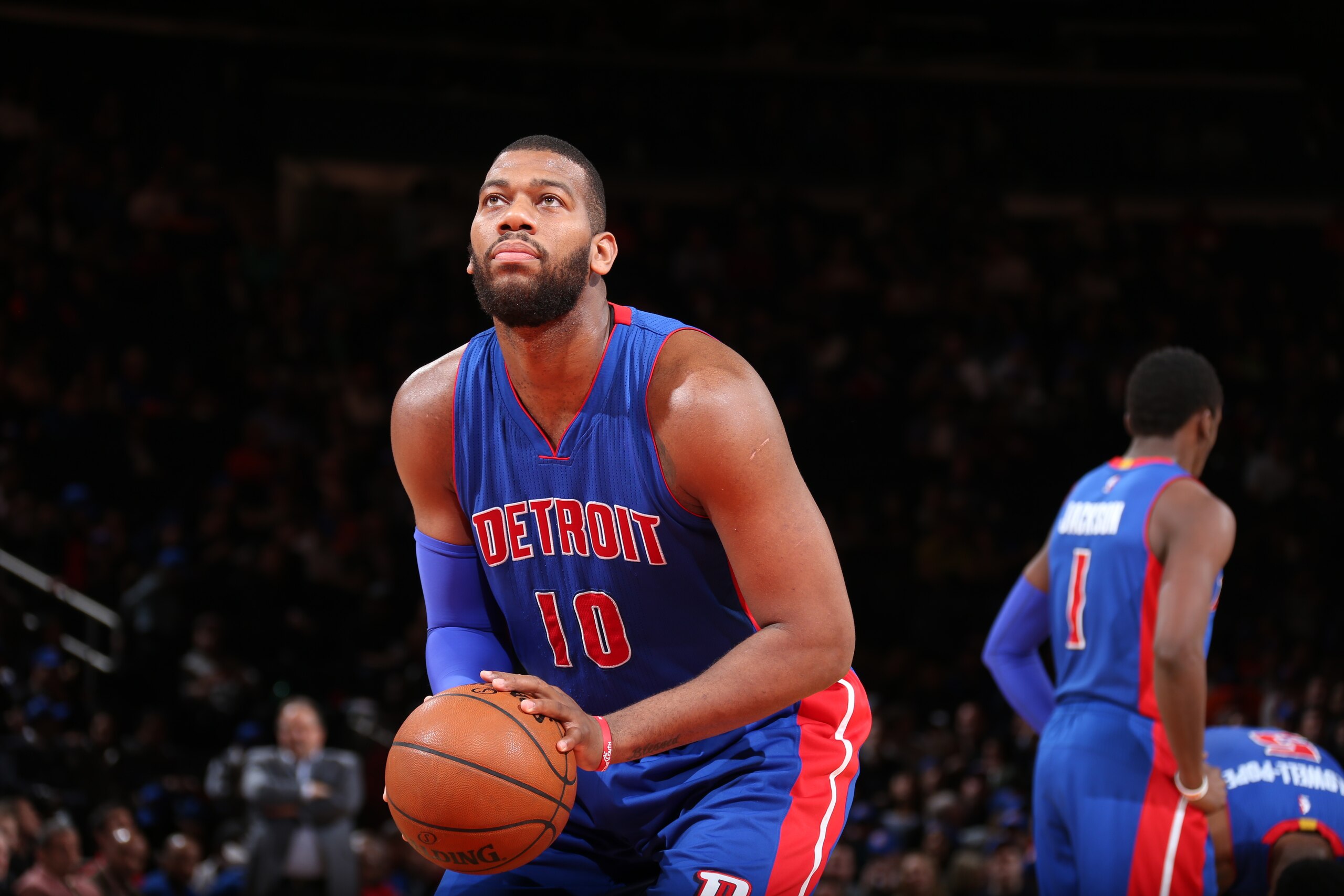
Ten years ago, Greg Monroe would have been the belle of free-agency’s ball. A 6’11” big man who can score with his back to the basket and rebound? And he just turned 25? In the not-too-distant past, before the NBA began prioritizing more versatile skill sets, Monroe’s raw numbers and lottery-pick pedigree would have pegged him as a prototypical max-contract recipient.
TOP NEWS
LeBron Scolded Embiid 😯

Trades That Should've Happened During NBA Offseason 🏀

'Over-Under' Predictions for Every NBA Team's Record 🔮
But professional basketball is trending away from Monroe’s strengths and starting to devour his weaknesses. Players of his ilk won’t go extinct anytime soon and shouldn’t be viewed as inadequate either. But they’re vulnerable in certain matchups, and an increased appreciation for rim protection, adaptable pick-and-roll defense and outside shooting has deflated Monroe’s value.
Instead of blazing into the summer with a line of suitors, Monroe is somewhat of an afterthought; he's arguably worth less than a max contract despite next summer’s rising salary cap, which makes deals signed this summer especially forgiving.
He’s a slow big man who can’t play much defense or space the floor—two red flags for any frontcourt player asking for big money on a long-term deal.
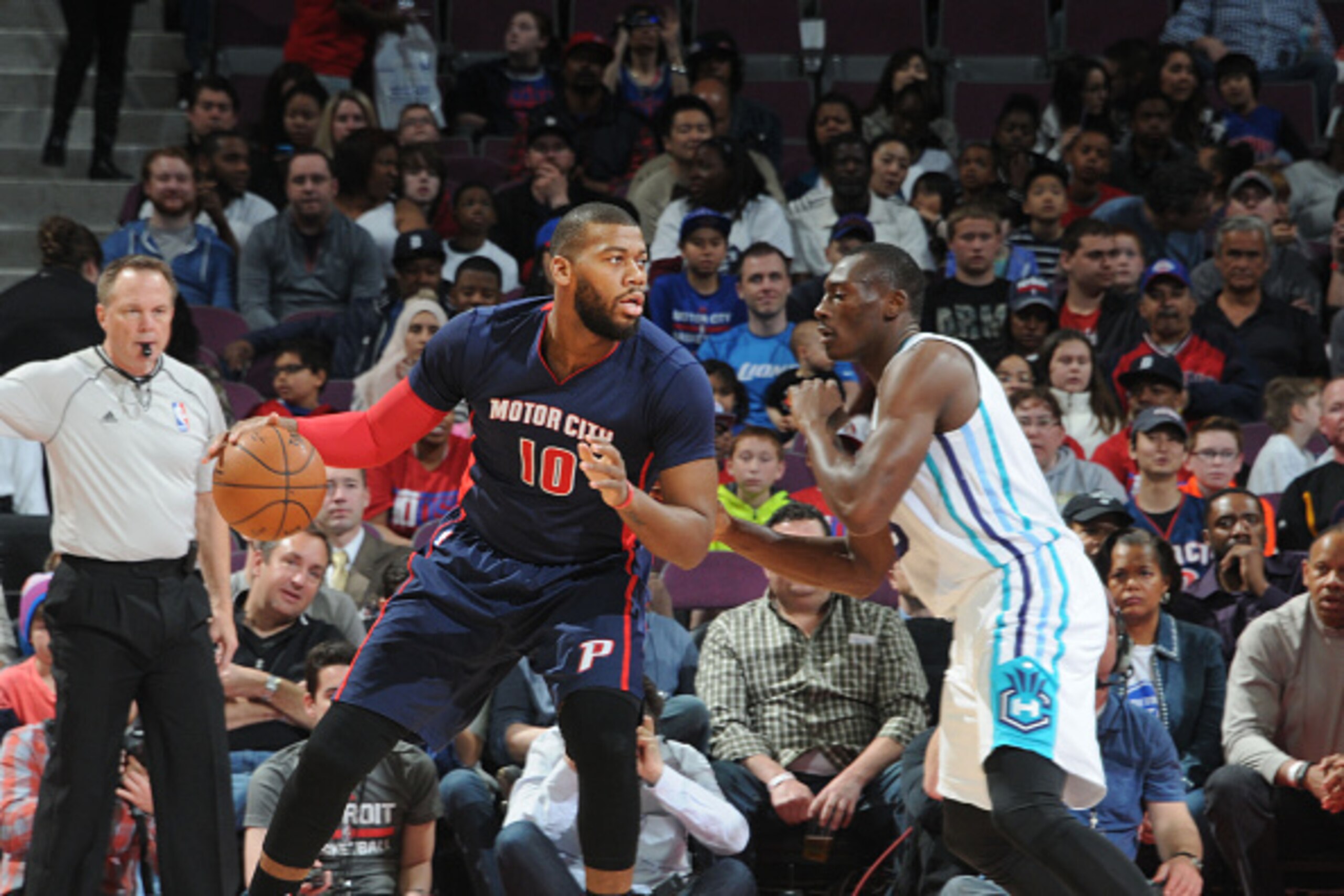
But he’s not a bad basketball player. Monroe can still help a team win even if no team he’s ever played for has. Fit is key, and environment is essential.
The Boston Celtics may be the most symbiotic destination for him. Head coach Brad Stevens has already established an attractive system, but he doesn’t have the right pieces to make results reflect process. The team is after versatile shapeshifters who can shoot the lights out, but it also needs star power.
The Celtics need to upgrade talent across the board.
According to Gery Woelfel of the Journal Times, "There is strong speculation Monroe will sign with either New York or Boston."
Last year, Monroe’s 21.2 player efficiency rating was higher than that of Klay Thompson (20.8), DeAndre Jordan (21.0), Damian Lillard (20.7) and Paul Millsap (20.0), per Basketball-Reference.com. He gobbled up about a quarter of every available defensive rebound when on the court, posting a higher rate than Anthony Davis and Draymond Green.
These are solid numbers that highlight just how productive Monroe was in a topsy-turvy season, playing for a new coach in an unpredictable nightly role. The Detroit Pistons never made their personnel moves with Monroe’s development in mind, and for all his flaws, that may be why he plateaued statistically over the past few seasons.
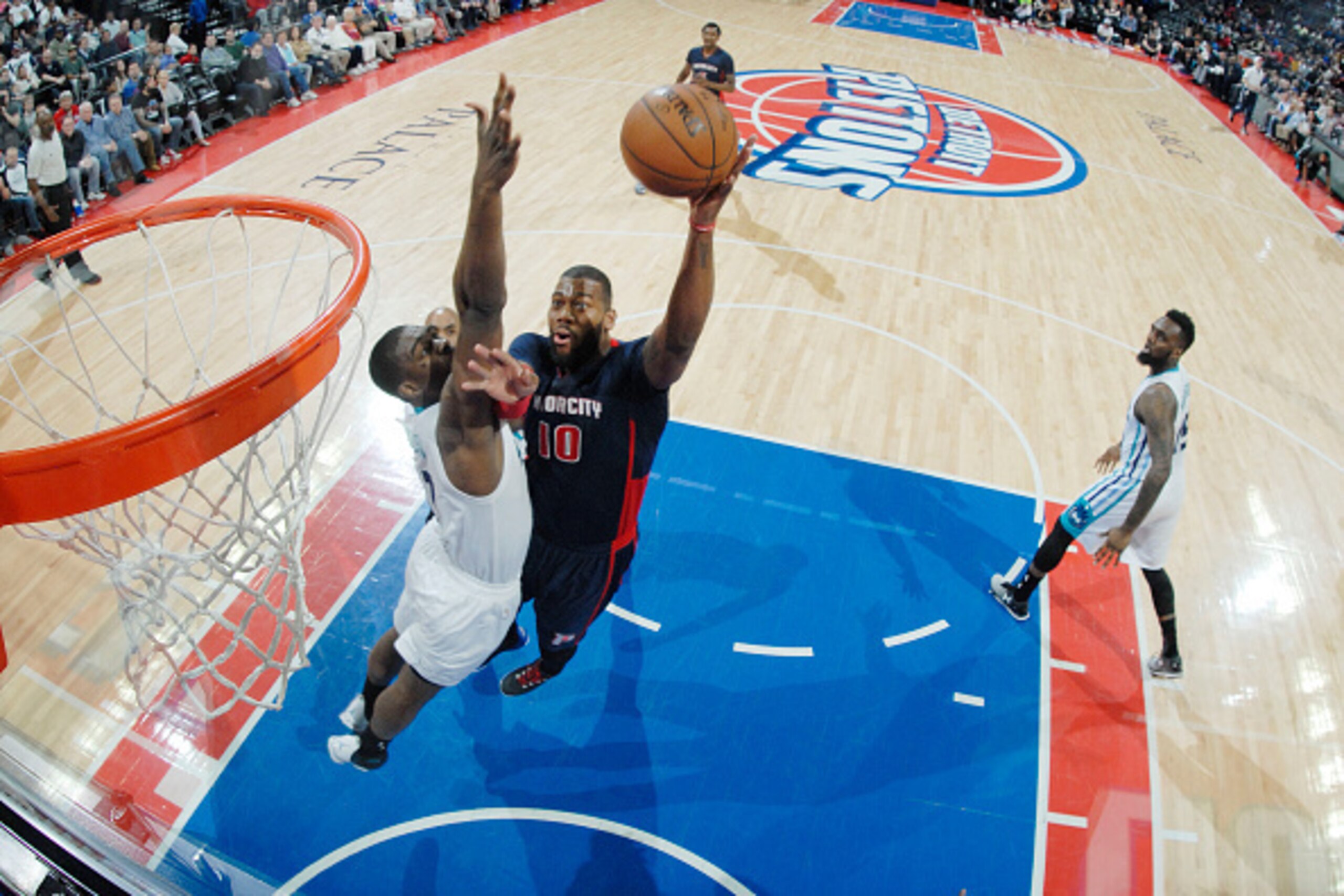
He can be Boston’s first domino to fall—the first star who allows the team to go out and grab another—but he needs to be surrounded by specific players to be at his best. In Detroit, he spent the past two seasons handcuffed to Andre Drummond, a younger, more athletic version of himself who was far less technically skilled—and completely dependent on teammates to set up nearly all his baskets.
The days of playing two bigs with limited range at the same time are over; 90 percent of Monroe’s field-goal attempts last season were in the paint. Drummond was at 95.5 percent. Furthermore, Monroe shot 58.9 percent within five feet of the rim when Drummond wasn't on the floor, and just 50.2 percent when he was, per NBA.com.

If Monroe’s next stop is Boston, the Celtics will plop him in at center and surround him with shooters and top-notch wing defenders. They’ll play small, spread lineups, allowing Monroe to dive on pick-and-rolls and do work in the post without fear of getting double-teamed.
A robust 41.3 percent of Monroe’s possessions came in post-up situations last season, per NBA.com. That’s eighth-highest in the league (minimum 10 possessions). He was as efficient as DeMarcus Cousins was down low, even with a much higher volume. Monroe isn’t the dominant presence Cousins is, but he’s still a quality offensive option who commands defensive attention.
The Celtics mostly left their frontcourt alone with their four draft picks Thursday night, taking three guards and LSU’s 6’8” shot-blocking sensation Jordan Mickey at No. 33. But Mickey projects to fill Brandon Bass’ role as a solid backup power forward (who can potentially play center in hyper-flexible units, a la how the Golden State Warriors utilize Draymond Green).
Weaknesses in his game make Monroe’s fit in Boston less than crystal clear, but it also isn’t a mistake to throw him in the mix. The Celtics need to sign someone this summer, and it’s OK to splurge on a skilled, improving player whose best days are ahead. This is the summer to add a max contract if there ever was one. Monroe suits Boston’s timeline, even if he isn’t the rim-protecting center or certified superstar the team desires.
Boston would be better off signing Kevin Love, Jordan, LaMarcus Aldridge, Tobias Harris or Millsap to a max contract. But if Monroe commits to sagging on pick-and-rolls, crashing the glass and turning into a conscious help-side defender, he can be a serious force in the right environment. (For what it's worth, ESPN's Real Plus-Minus stat ranked him as the 41st overall defender in basketball last season, ahead of Marc Gasol, Al Horford, Derrick Favors and Dwight Howard.)
If he does those things in Boston, the Celtics will take a moose-sized step in the right direction.
All statistics are courtesy of Basketball-Reference.com or NBA.com unless otherwise noted. Contract information courtesy of HoopsHype.
Michael Pina is an NBA writer who lives in Los Angeles. Follow him on Twitter @MichaelVPina.


.jpg?w=2560 "Terrell Owens Being Sued for Defamation")
.jpg?w=2560 "Buyers or Sellers for NFL's Most Surprising Teams 🏈")
.jpg?w=2560 "CJGJ Shares Cryptic Post 🤔")