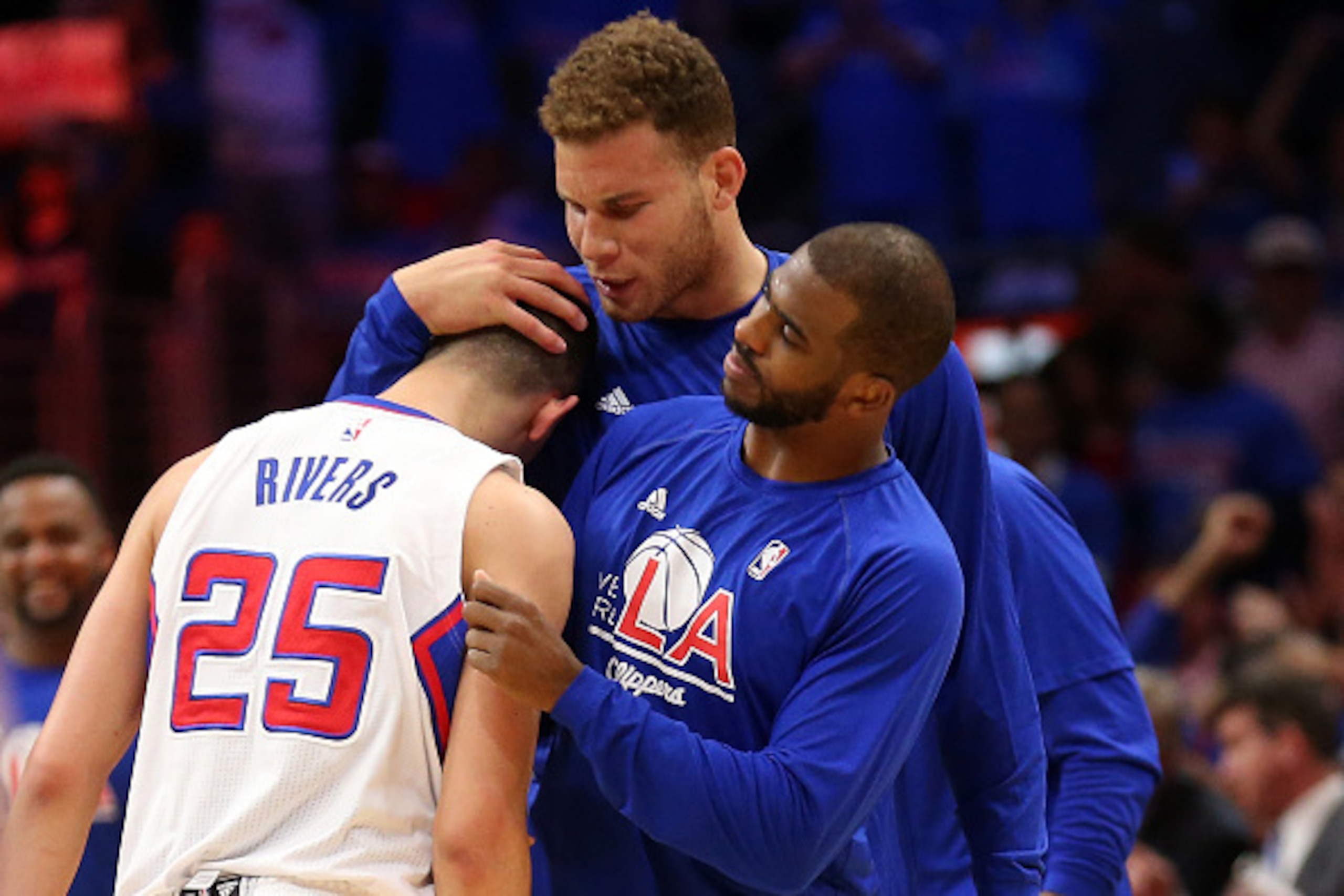

5 Reasons the LA Clippers Have Put It All Together in the Playoffs
The Los Angeles Clippers are one win away from the Western Conference Finals for only the second time in franchise history. Up 3-1 on the Houston Rockets, they're feeling about as comfortable as any team remaining in the postseason.
The Clips weren't supposed to be here, though. They were probably the first No. 3 seed ever to pull off a first-round "upset" when they defeated the defending-champion San Antonio Spurs in a miraculous, seven-game series.
But now, you can go to most sportsbooks and find the Clips with the second-best odds to win it all—behind the Golden State Warriors, of course.
Who saw this coming?
Doc Rivers, probably. Blake Griffin and Chris Paul, definitely. Clipper Darrell, for sure. But anyone else?
The best Clippers have been better than anyone could've imagined. The worst ones have, somehow, upped their games even more. (I'm looking at you, Austin Rivers.)
They head into Tuesday night's Game 5 with a chance to close out and earn some much-needed rest for their overused and banged-up superstars. Even tied 2-2 with the Memphis Grizzlies, the Warriors are probably still the favorites to win the West. But if the Clips could actually march into the conference finals and get healthy in the process, they'd become major threats to win it all.
Blake Griffin's Mouth
1 of 5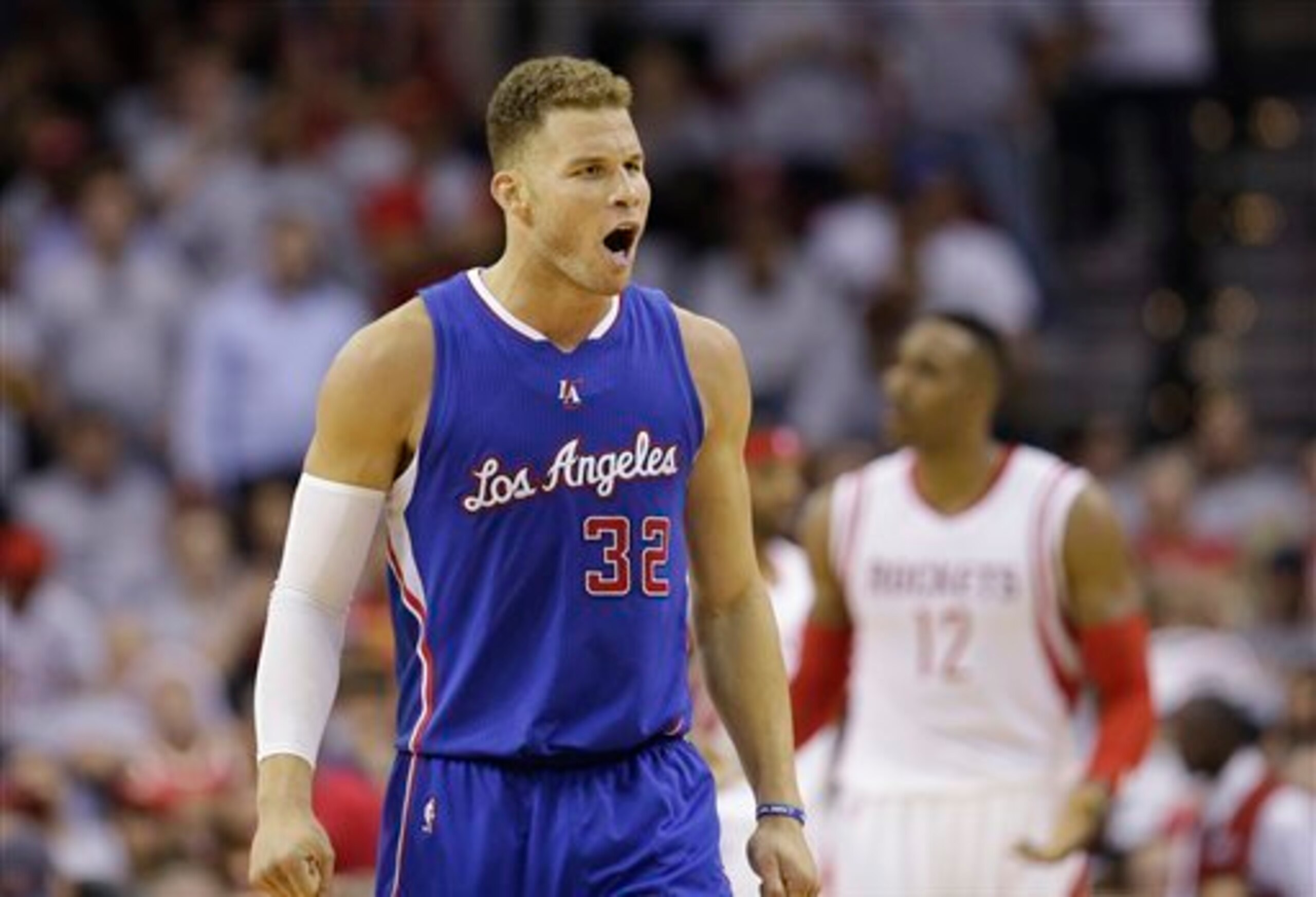
Here's the thing about Playoff Blake that no one is talking about: He's not complaining anymore.
Sure, we've seen the aggression catapult and the rebounding skyrocket. We've seen it all as Playoff Blake plays the best defense of his five-year career. But none of that is miraculous.
Those who have observed Griffin for his whole career knew he had this potential. He just hadn't put it all together. That's what made this past season, when Griffin became mid-range reliant and stopped getting rebounds at an acceptable rate, somewhat confusing. But now, we see why.
Paul is the ultimate gears guy. He cruises through the regular season to save his body for April, May and hopefully June. After four years with him, Griffin appears to be doing the same. And if he's going to be averaging 24.7 points, 13.0 rebounds and 6.9 assists every playoffs, I'm pretty sure Clippers fans will be happy to go along with the plan.
But what about the complaining going away?
This isn't just a transformation in game—it's a revolution in personality.
Even his biggest supporters will concede that Griffin's constant bickering with referees becomes grating quickly. Yet he's always doing it, barking at officials about fouls or non-fouls or travels or dirty plays or whatever other basketball things Griffin does to others or that others do to him. It's one of the reasons he's become so dismissed among NBA fans.
But it's not happening now.
Griffin gets a foul, and he just walks away, mouth closed. He gets knocked down only to hear silence from the official's whistle, and he runs back on defense instead of jabbering some regrettable words.
He's completely in the zone. It's like watching a pitcher in the seventh inning of a perfect game when no one will talk to him, except he's in that mode for more than just an hour. It's all the time.
Playoff Blake is a scary being for the rest of the NBA.
Defense
2 of 5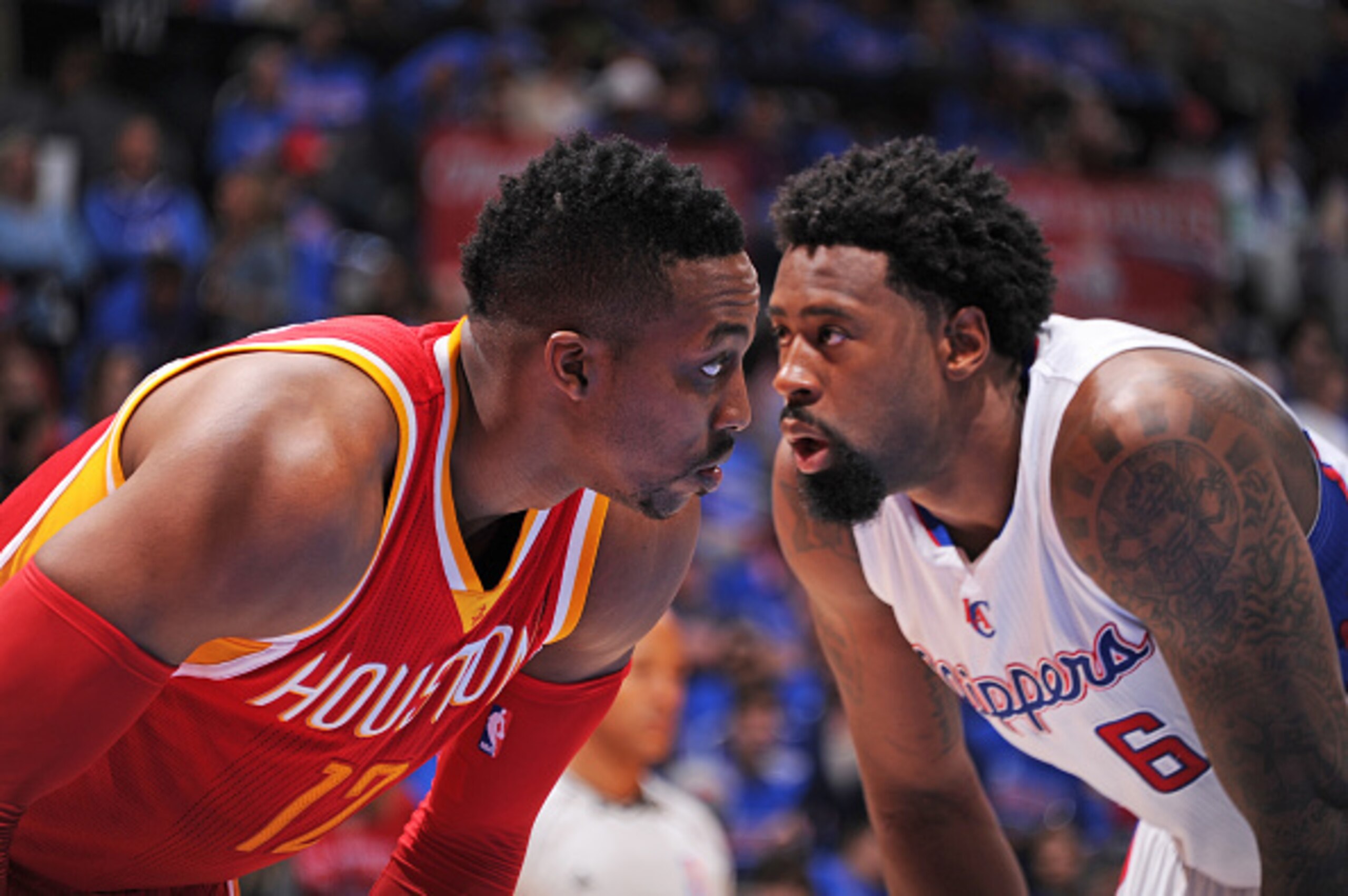
Since the merger, only two teams have won it all with a regular-season defense that ranked outside the top 10 in points allowed per possession (defensive efficiency). Those two squads? The 2001 Lakers and 1995 Rockets.
Those teams have one obvious trait in common: They're both repeat champs who notoriously coasted through the regular season and turned it on in the playoffs.
Judging from that logic, the Clippers shouldn't have been considered a title contender coming into the postseason, having ranked just 15th in points allowed per possession. But they haven't been playing like it lately.
Even before the playoffs, the Clips had improved their D. They ranked eighth in defensive efficiency after the All-Star break. And they've noticeably improved schematically throughout the year.
L.A. plays an aggressive brand of defense, which calls for loads of communication and prompt movement. Because of that, the most important element of getting stops might just be practice. The more the players understand each other's habits and tendencies, the greater chance they have to succeed.
The Clips' defensive numbers have mostly sustained during the postseason, but that's happened against two top-12 offenses in the Spurs' and Rockets'. Also, don't forget that they have played four playoff blowouts, games which were mostly decided by the end of the third quarter. Within such a small sample size, cruising through the final minutes of a game can make a statistical difference.
The Clippers give up points when they turn the ball over or when they don't get back quickly in transition. Once they allow for their opponent to exploit a matchup, they struggle because they aren't hyper-athletic on the wings. But they're scoring enough that they're matching up on D, and all the hacking on DeAndre Jordan has allowed them to get set defensively even more than usual.
Sprinkle in playoff-caliber defense from Paul, the best D of Griffin's career and J.J. Redick continuing his reputation as one of the best James Harden defenders (since he doesn't fall for Harden's foul-bait often), and you have the makings of a quality unit.
L.A. hardly has the best defense in the league, but it's certainly playing like a top-10 one. Maybe the Clips can be the third exception to the top-10 (regular season) defense rule.
Austin Rivers
3 of 5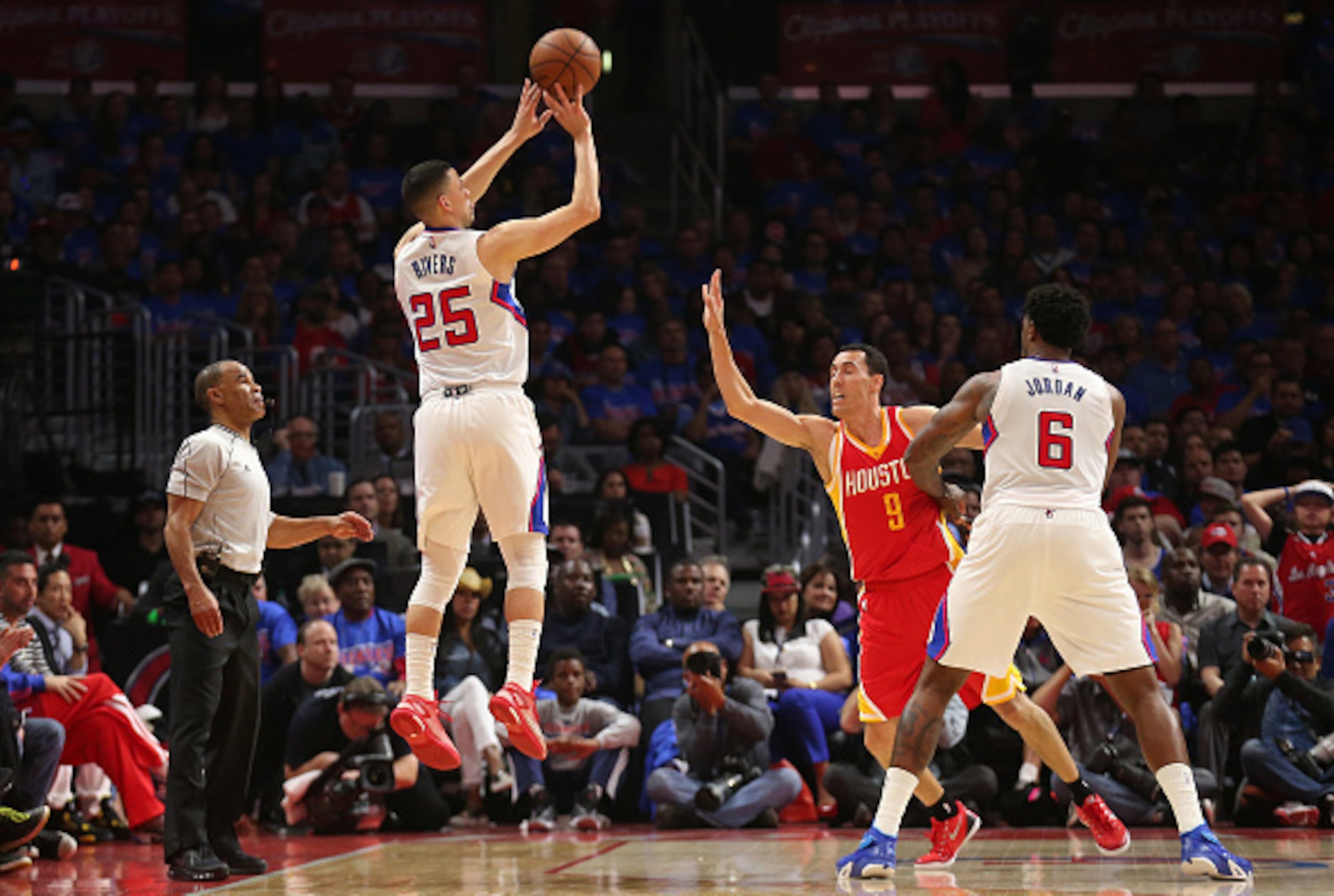
Who saw this coming?
Put your darn hand down, Doc. We know you're happy.
I honestly can't stop laughing at what Austin Rivers is doing. This is why we watch sports, isn't it? For the complete and utter unpredictability of it all.
We can sit here and intelligently map out what we think is going to happen in a series. We can evaluate a team as brilliantly and unbiasedly as possible, and yet, we can be completely wrong because of an X-factor that went against all logic.
A. Rivers is one of the most irrationally disliked athletes on the Internet, which is odd. He's never done anything to anyone. He seems like a perfectly good guy. He's diplomatic in his answers and appears intelligent and thoughtful.
But people don't just wait for Rivers to fail. It's almost like they're rooting for it.
It's fun to look at his 18.3 points per 36 minutes during the playoffs or his impressive 57 percent true shooting or his above-average 15.8 player efficiency rating and see reactions from those types. His 15-point third quarter in Game 3 was possibly the most exciting run of the Clippers' postseason, just because it was Austin Rivers walking onto a court in May and saying, "Sit down, little man" (Nick Young style) to the rest of his teammates. "Austin's got this one."
The Clips bench, which is pretty easily the biggest flaw on the roster, hasn't been the playoff virus many expected, and that's mostly because of Rivers (along with Jamal Crawford's Crawford-like play, Glen Davis' energy and random spurts of playability from Lester Hudson and Spencer Hawes).
Heck, Rivers is good enough now to rest during the final minutes of blowouts, as he did during the Clippers' 33-point Game 4 win on Sunday evening.
And you know why? Because Austin's got this one.



Reliance on the Best
4 of 5
We all know that when you get to the playoffs, you play your best players more. That was the big argument for why the struggles of the Clippers bench could become neutralized in the postseason.
The theories made sense: When Griffin, Paul and Jordan are all playing 38 minutes a game, your bench becomes far less important.
Now, the Clippers starters are running for heavy minutes. Griffin (39.4 minutes per game), Redick (38.7), Paul (36.0) and Matt Barnes (30.5) have all seen their playing time increase during the postseason (Jordan's has remained almost exactly the same).
But that's not the only way the Clips are relying on their best.
Doc Rivers, who has been wonderful during these 11 playoff games, has found effective ways to exploit opponents' flaws and is continuing to scrape at those open wounds.
Sometimes it's a concept he's hammering into the game plan, like turning Griffin into a first-class facilitator or full-fledged point forward for the first time. Other times it's more specific.
The Clips will run a double-screen pick-and-roll with Griffin and Jordan, see it work and go to it three times in a row just for kicks. They'll notice that Houston is switching on ball screens and will find a way to get Harden onto Griffin, just so the power forward can rumble through a smaller shooting guard in the paint.
L.A. has done a magnificent job figuring out what works and sticking with it. Credit some of the NBA's smarter players (Paul, Griffin, Redick) for that. But make sure to give some dap to Doc, as well.
Doc Rivers
5 of 5
Bashing Doc Rivers has become a new trend around the NBA, but that's mainly because of his upper-management moves and not his coaching ones.
In the end, Doc the Coach is still pretty darn good at his job. And we've seen that during the postseason.
Whether it's the minuscule tactical moves that help give the Clippers slight advantages on individual possessions (like inserting Dahntay Jones into games for final defensive possessions of quarters) or staggering his rotations for most of the game (something he didn't do for the first few contests against San Antonio), Rivers is finding the tiny ways to improve on the margins.
Maybe Rivers' best coaching decision, though, has come simply in goading opposing bench leaders into making poor ones. Yes, we're talking about the deck-a-DJ.
During all the intentional fouls and all the free throws, Rivers has mostly let Jordan stay in the game. Many say that's a psychological tactic he uses to instill more confidence in DeAndre and his sub-45 percent free-throw shooting.
But it's probably more than that.
The hack-a strategy has a calculated place in the game and can be effective occasionally throughout. But even the most brilliant of minds, like Gregg Popovich, can fall in love with it a bit too much. In Game 4 of the Spurs series, Tim Duncan got into foul trouble because Pop went to deck-a-DJ early with the starters in the game.
A similar effect occurred in Game 4 of the Rockets series. Kevin McHale started decking 3:40 into the first quarter. Rivers was perfectly fine with it.
Getting the opposing starters into foul trouble when Dwight Howard was already struggling? Check.
Getting the starting unit some more rest when it has to play heavy minutes? Check.
Limit Paul's running up and down the floor while he nurses a hamstring that still isn't 100 percent? Check.
Killing the rhythm of the Houston offense and allowing the Clips D to set up comfortably? Check.
Rivers is thinking of it all, and the Clips are winning because of it.
Follow Fred Katz on Twitter at @FredKatz.
Unless otherwise noted, all statistics are current as of May 11 and are courtesy of Basketball-Reference.com and NBA.com.

.jpg?w=2560 "Raiders Could Start Mendoza")

.jpg?w=2560 "Rodgers Iced Out on Plane 💎")
.jpg?w=2560 "🚨 Week 8 AP Top 25 Poll")
.jpg?w=2560 "Packers Safety Slams Refs 🤬")

.jpg?w=2560 "Fantasy Waiver Wire Stars 🤩")