Biggest Takeaways from Philadelphia Eagles 2014 Season
With a meaningless 34-26 victory over the New York Giants in the Meadowlands, the Philadelphia Eagles’ season reached its disappointing conclusion on Sunday. No Super Bowl. No playoffs.
Nothing but questions about where it all went wrong and how to get it fixed in time for 2015.
It’s hard to believe it was only Thanksgiving when people were talking openly about which seed the Birds would wind up with in the postseason. Now folks are wandering through the dark, wondering what it all means—whether the 2014 campaign was a success or failure.
I suppose it depends on what your expectations were going in.
If you thought Philadelphia was a legitimate contender—for one, you were wrong—then this season probably feels like a giant waste of time. Nothing got accomplished. Not Chip Kelly’s first playoff win. Not a high enough pick in the draft to land a franchise quarterback. Nothing.
Only that would be wrong, too. It’s disappointing to hear people talk about a 10-win season as if there was nothing positive to take away. How quickly we forget this team had a 4-12 record just two seasons ago.
The biggest takeaway of all is the Eagles were only in Year 2 of Kelly’s program. Rebuilding doesn’t happen overnight. This franchise entered the season with many of the same needs it had when the new head coach first arrived, and yet still managed to post double-digit victories in back-to-back years.
The real question is whether or not Kelly has the organization on the right track. Don’t get me wrong, there were some positives, as you would expect from a 10-win season.
Unfortunately, there are also a number of reasons to be leery about the future.
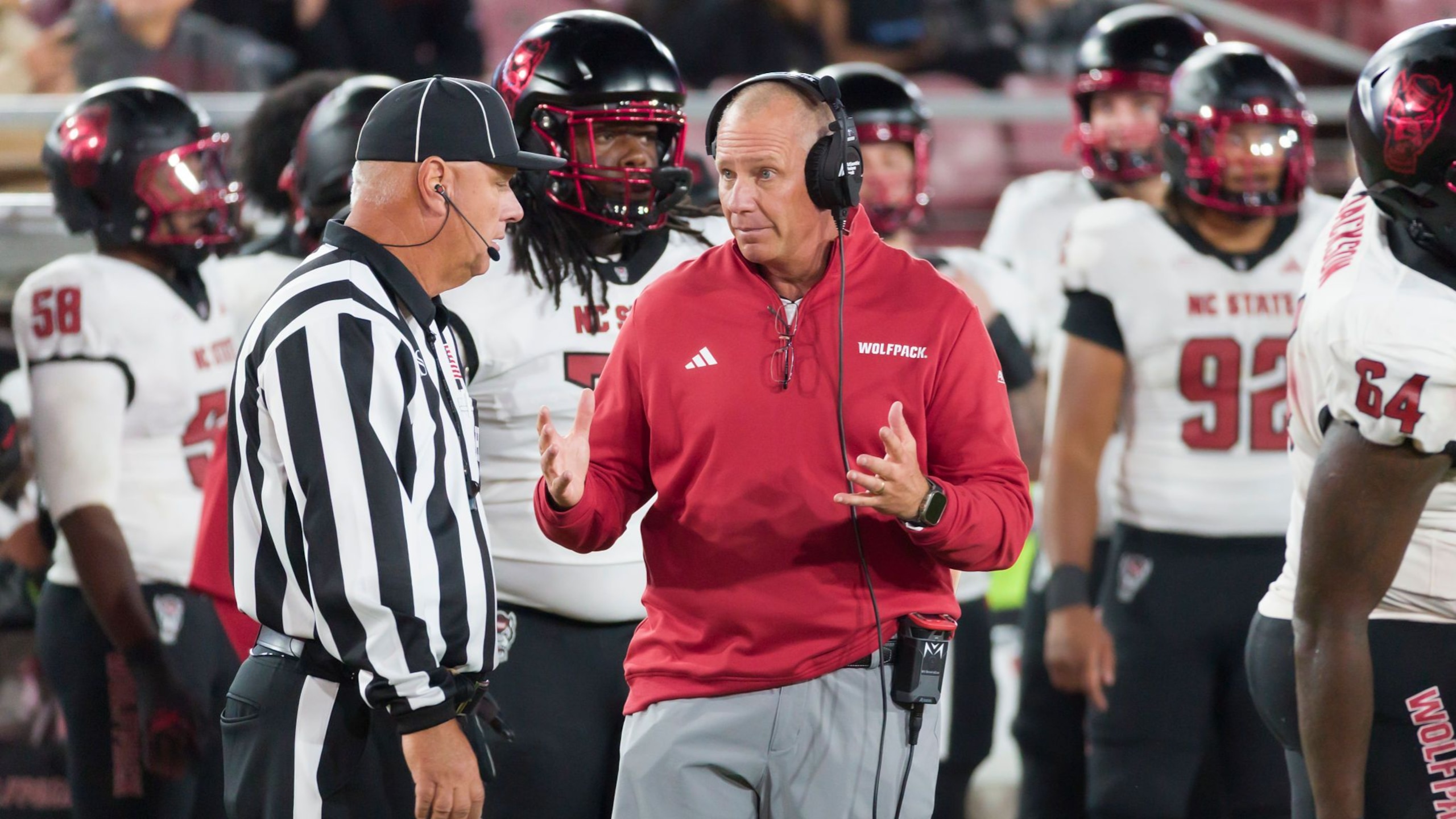
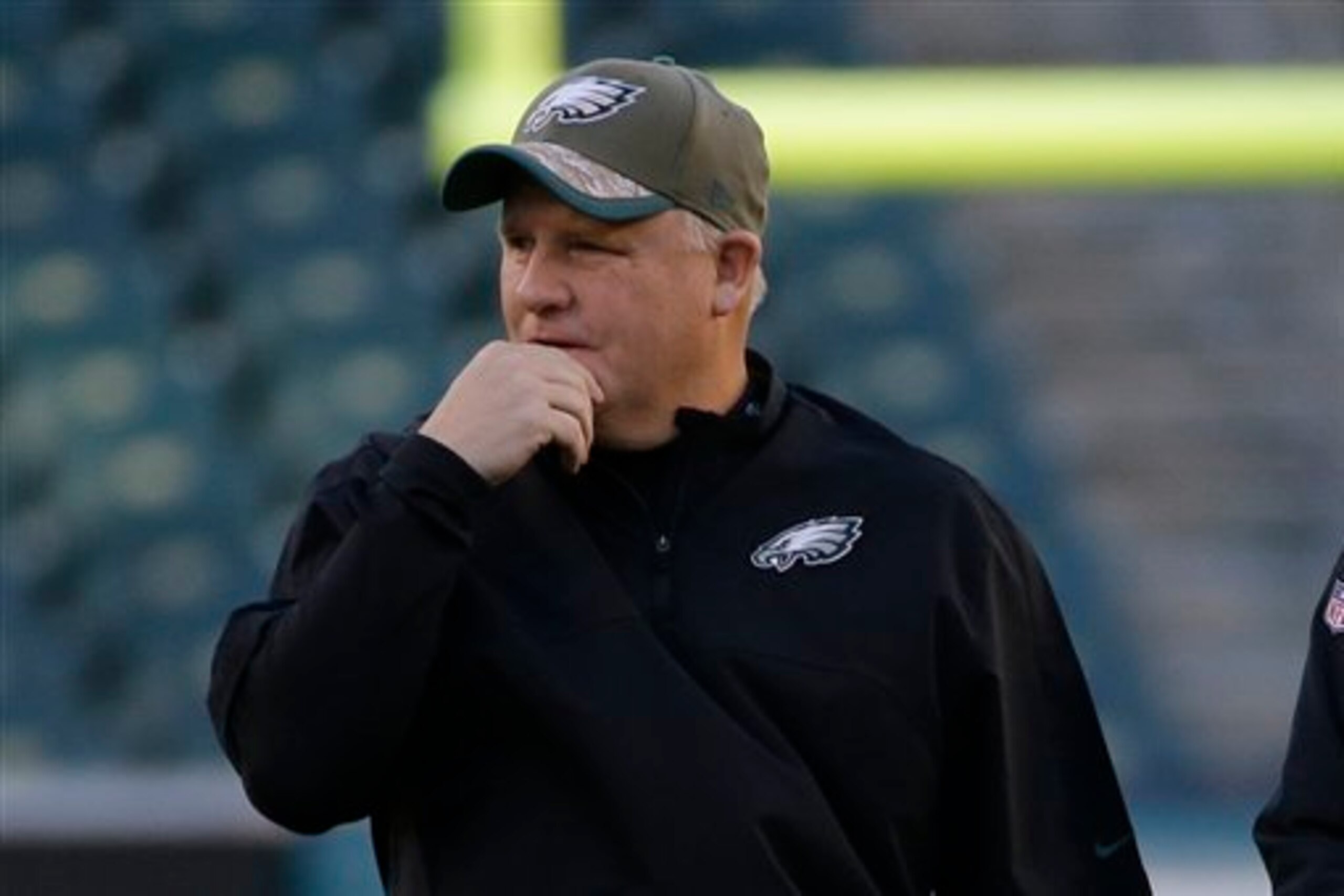
Chip Kelly Is Human
1 of 10
Don’t get me wrong, Chip Kelly is as impressive of an up-and-coming head coach as there is in the NFL today. His offensive and training philosophies in particular will continue to shape league trends for years to come.
That being said, there were some people who expected Kelly to turn the Eagles into a Super Bowl contender based on reputation alone. The reality, it turns out, couldn’t be farther from the truth.
The success of any professional football team comes down to talent on the field, first and foremost. Kelly has repeatedly called this “a player’s league,” and it should have been apparent to everyone as far back as May that Philadelphia’s roster did not have enough good players.
Kelly makes mistakes in-game, too, just like any other coach. His play-calling and game plans were not above reproach, especially in losses.
Again, none of which is to say the Eagles aren’t in good hands with Kelly, just that it takes more than one man standing on the sidelines to win a football game. Those who would still worship at the altar of Chip should take notice.
Quarterback Questions Left Unanswered
2 of 10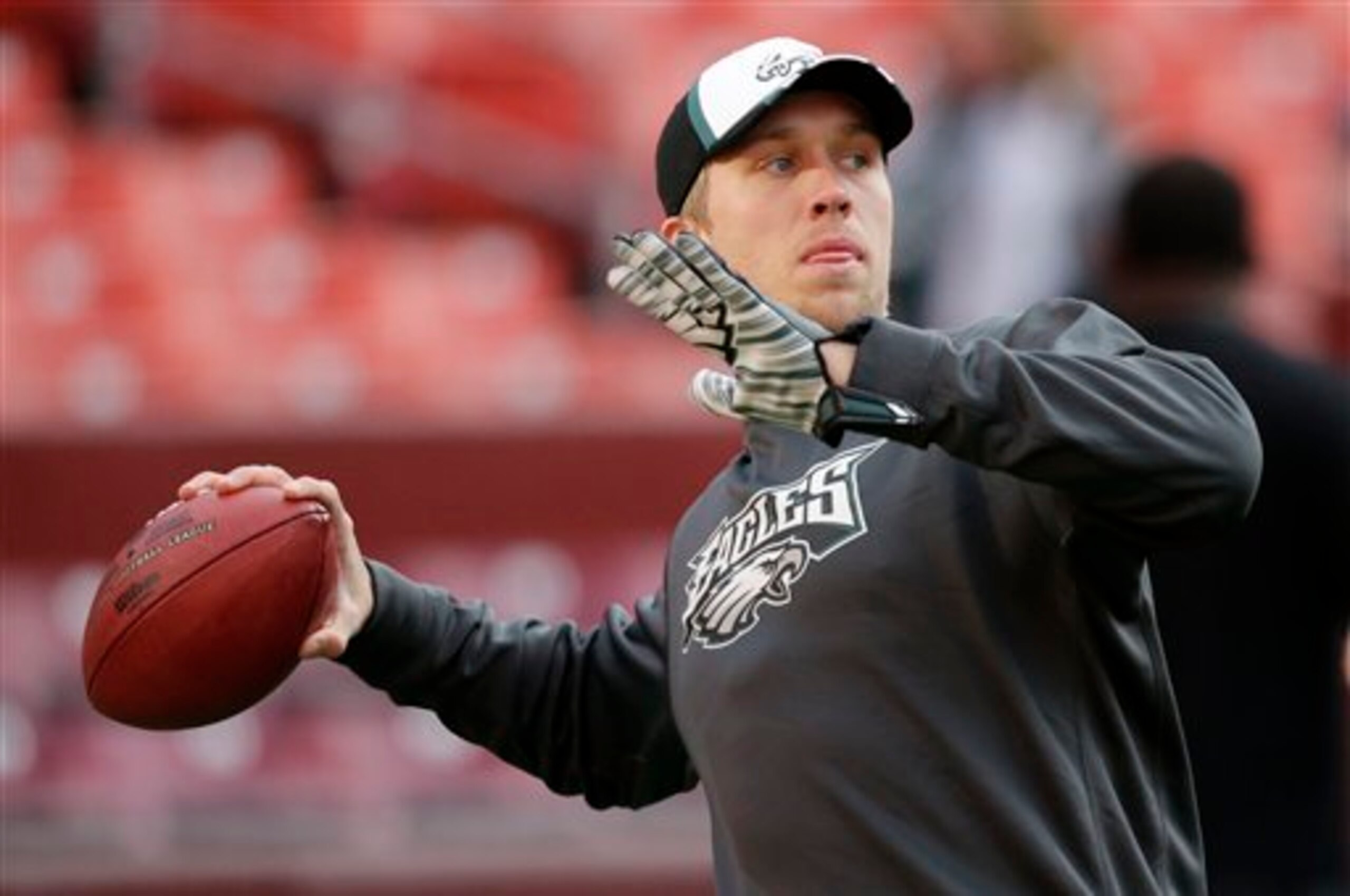
Nick Foles’ 2014 campaign wasn’t nearly as awful as some critics would have you believe. The third-year quarterback had the built-in excuse of playing behind a patchwork offensive line and still managed to lead the Eagles to a 6-2 record prior to his injury.
Then again, we didn’t receive the answer to the question “How good is Foles, really?” either. Everybody knew his historic 2013 was unsustainable, but Foles’ mechanics broke down as this season went along, as did his decision-making at times.
Some of that can be pinned on what was going on up front. A lot of it falls on the quarterback.
The good news is Foles has only started 24 games in the NFL, so there is reason to believe he was going through the normal growing pains most of your typical, young signal-caller's experience. He’s still relatively early in his development, and it’s not uncommon at all for passers to take a step back in their second, third or even fourth year.
Of course, none of that changes the fact that we still don’t know whether Foles can be the Eagles’ so-called franchise quarterback. He’ll almost certainly get another shot to prove himself in 2015, if for no other reason than a lack of alternatives, but if we’re being honest, we still don’t know what Foles’ full potential is.
This Offensive Line Is Not Dependable
3 of 10
On paper, Jason Peters, Evan Mathis, Jason Kelce, Todd Herremans and Lane Johnson easily form one of the best offensive lines in the NFL. On the field—well, that lineup in its entirety didn’t appear in a single game in 2014.
The previous year, all five started all 17 games, including playoffs, and the unit was dominant. It paved the way for LeSean McCoy’s first rushing title. It gave Foles time to throw 29 touchdowns to only two interceptions.
This time around, only Peters played in every game. Mathis, Kelce and Herremans all missed time due to injuries, while Johnson was suspended for the first four games. Swingman Allen Barbre, the reserve tabbed to fill in for Johnson, was also lost for the season in Week 1.
This shouldn't be chalked up to coincidence. Mathis, Herremans and Barbre are in their 30s, so the prospects of each one staying healthy for a full slate isn’t the likeliest of scenarios.
Add in the fact that Peters, a seven-time Pro Bowler, turns 33 in January, and this unit is plain unreliable moving forward. Even if the older guys manage not to get hurt, they’re almost certainly in decline anyway. The Eagles desperately need an influx of young talent up front before the whole thing falls apart.

Offense Not Lacking for Weapons…
4 of 10
Otherwise, the offense is in excellent shape. I know, other than maybe the quarterback and four-fifths of the offensive line doesn’t paint the rosiest picture, but at least the Eagles are not lacking firepower on that side of the ball.
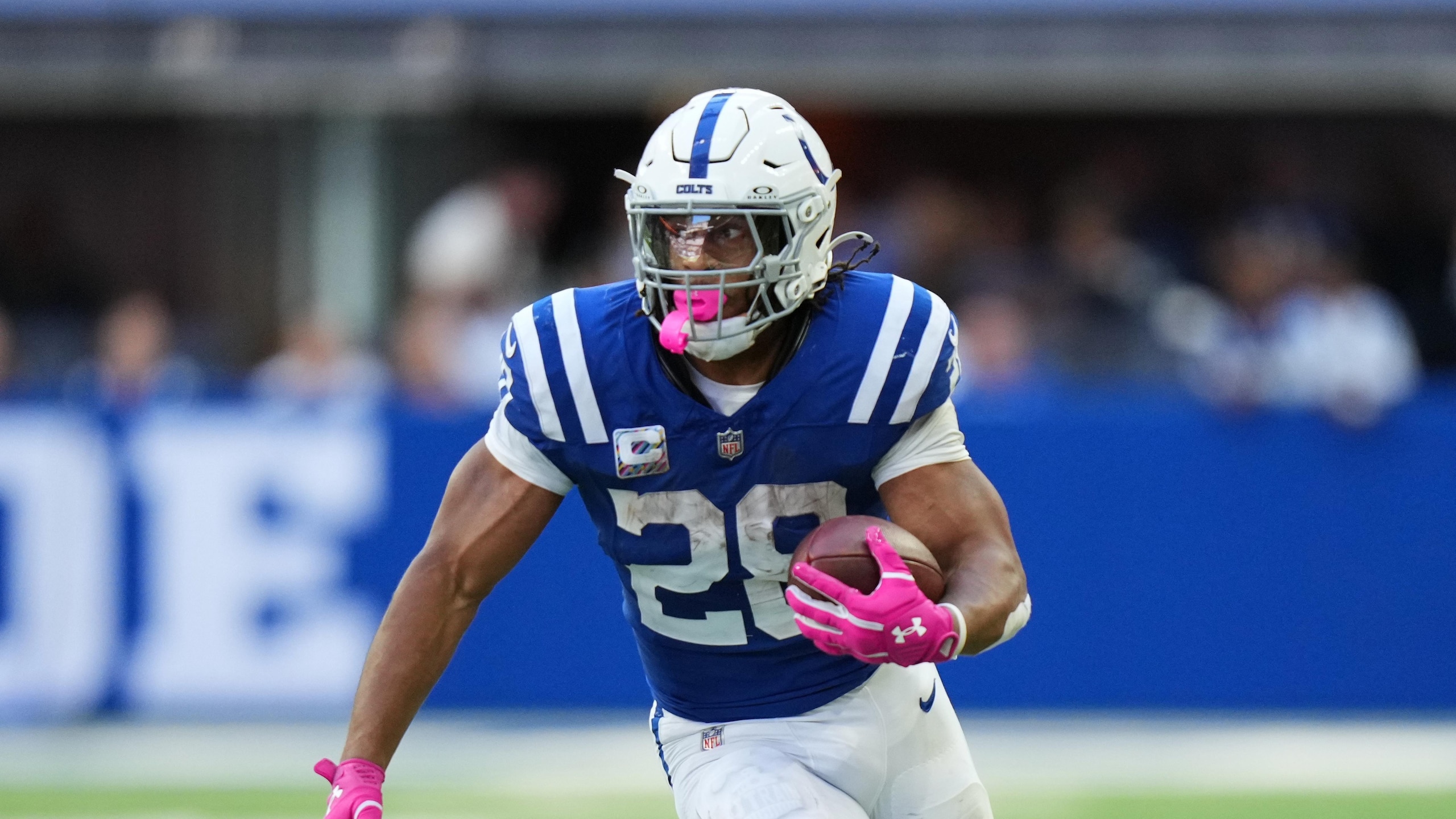
Assuming McCoy is retained and impending free agent Jeremy Maclin is re-signed during the offseason, Philadelphia is in possession of one of the most prolific running back/wide receiver combinations in the NFL. Plenty of teams can’t boast a player at either position in those players’ class—few can claim to have both.
Veteran running back Darren Sproles turned out to be a much-needed spark plug for the offense. Tight end Brent Celek is a reliable safety blanket for both the quarterback and offensive line. Even Riley Cooper, who experienced serious and predictable regression, hauled in 55 passes at wide receiver.
But it’s the young talent on offense that is perhaps most exciting. Zach Ertz didn’t make quite the leap many expected of the tight end in his second season, but after finishing third in the clubhouse with 702 receiving yards, it’s clear he’s on the rise. Jordan Matthews had a stellar campaign for a first-year receiver, his line of 67 catches, 872 yards and eight touchdowns second only to Maclin, and even fellow rookie Josh Huff, despite several miscues, showcased some explosive playmaking ability in limited opportunities.
One thing is for sure, the Eagles didn’t miss the playoffs due to a lack of weapons on offense.
… but the Eagles Missed DeSean Jackson’s Speed
5 of 10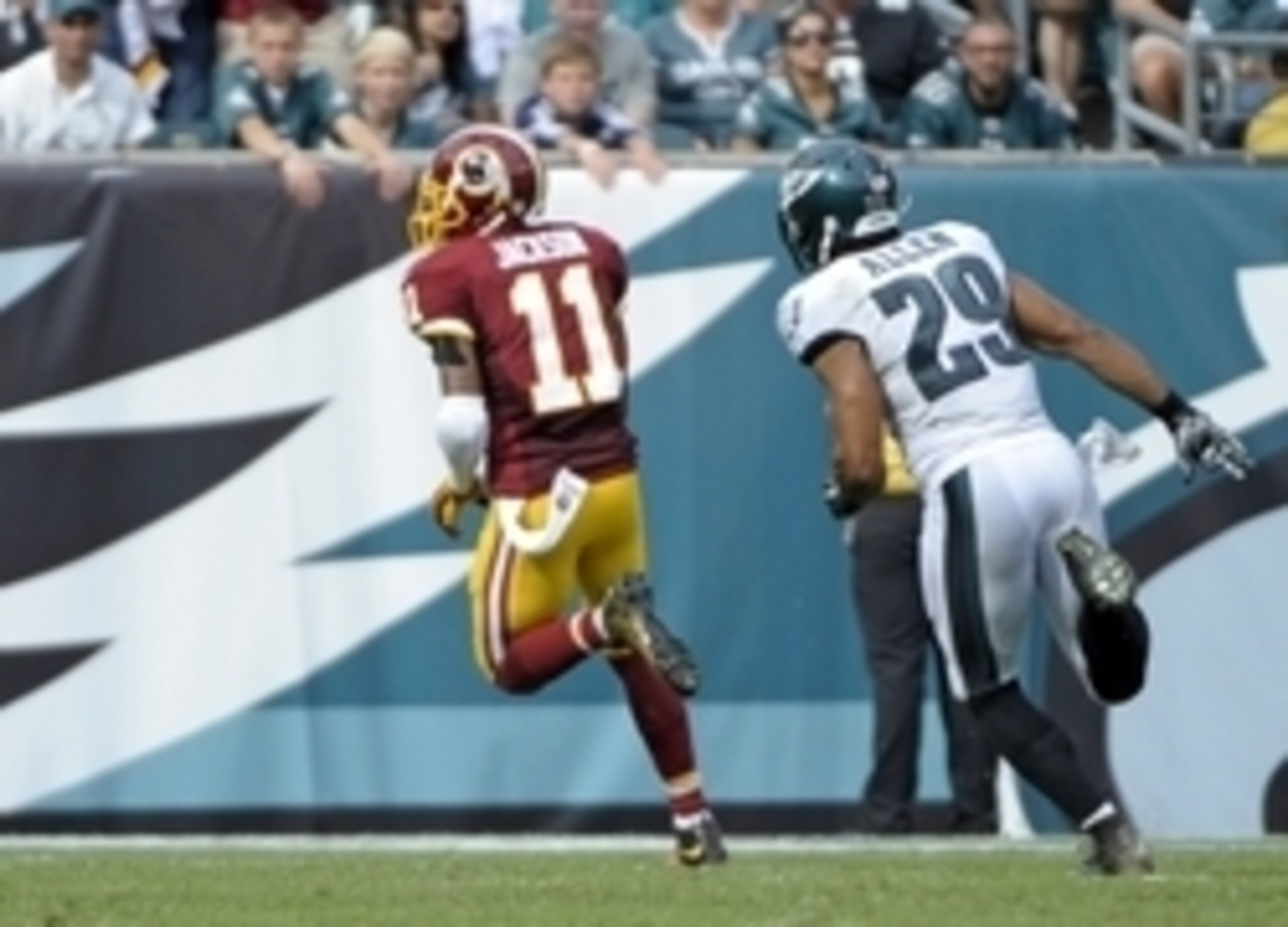
Although, that’s not to say the Eagles could not have benefited from having DeSean Jackson on the field. He would’ve been a serious upgrade over Cooper, that’s for sure.
The Eagles unexpectedly and unceremoniously released Jackson—a three-time Pro Bowler coming off of a career year—for unspecified “football reasons” over the offseason. He only went on to post his fourth career 1,000-yard campaign and lead the NFL in 40-yard receptions for Washington in 2014.
There’s little doubt having Jackson’s speed on the field would’ve helped keep defenses from stacking the box earlier in the year when the offensive line was banged up and struggling. That may have opened up additional running room for McCoy or taken the pressure off of Maclin and the rest of the receiving corps.
Of course, the Eagles did save a bunch of salary-cap space, which they’ll use to extend a bunch of up-and-coming stars this offseason. And no doubt Jackson—ever the diva—would’ve played the part of the good solider while backup signal-caller Mark Sanchez and his water-pistol arm had trouble throwing the ball farther than 20 yards down the field.
Still, there’s no denying the guy has talent. In my estimation, losing him didn’t necessarily cost Philadelphia a playoff spot. Then again, he wouldn’t have made the offense any worse, either.
The Secondary Is (Still) a Disaster
6 of 10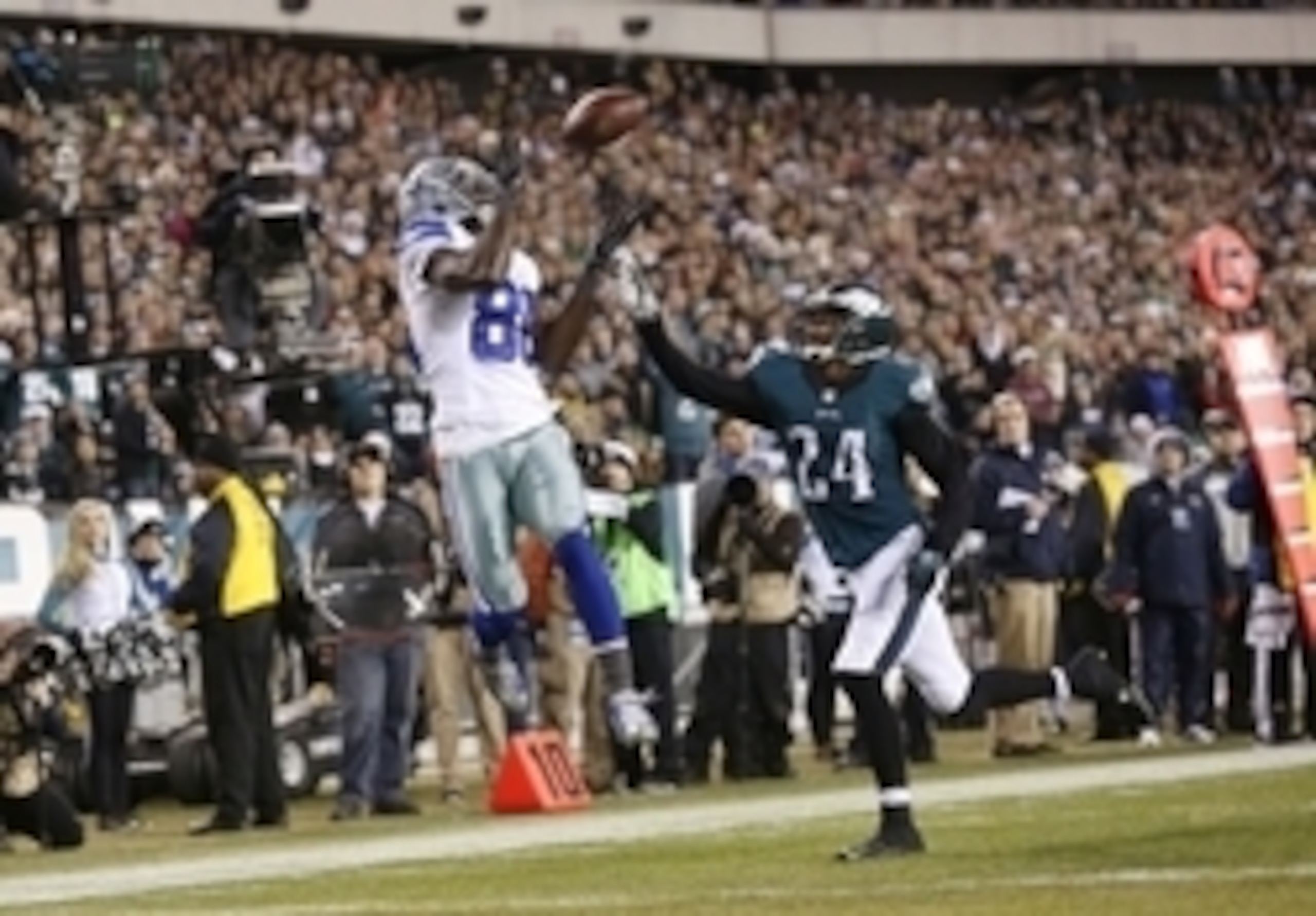
This isn’t exactly a revelation. Philadelphia’s pass defense finished 2014 ranked 31st against the pass. Last season, the unit was dead last in yards through the air. We’ve covered the porous secondary in great detail all year long, including just this Sunday.
What’s scary is the lack of progress in this department. Aside from safety Malcolm Jenkins, who was signed to a free-agent contract during the offseason, there isn’t a single dependable starter in the defensive backfield.
Who will be starting at the other safety spot in 2015, not to mention both cornerback positions, is a total mystery.
Even Brandon Boykin’s status is up in the air. The 2012 fourth-round pick has been very effective as a slot specialist, but the team’s refusal to try him as an every-down player on the outside may cause him to seek employment elsewhere when his contract is up after next season. Barring a change of heart from this coaching staff, it may be the in the team’s best interest to trade him now, before he gets away.
There isn’t a bigger problem area on the Eagles than the secondary. No two ways about it, the unit is a complete disaster, and it’s difficult to envision great improvement in the immediate future when there’s so much to fix.
Rushing the Passer Turned out to Be a Great Strength
7 of 10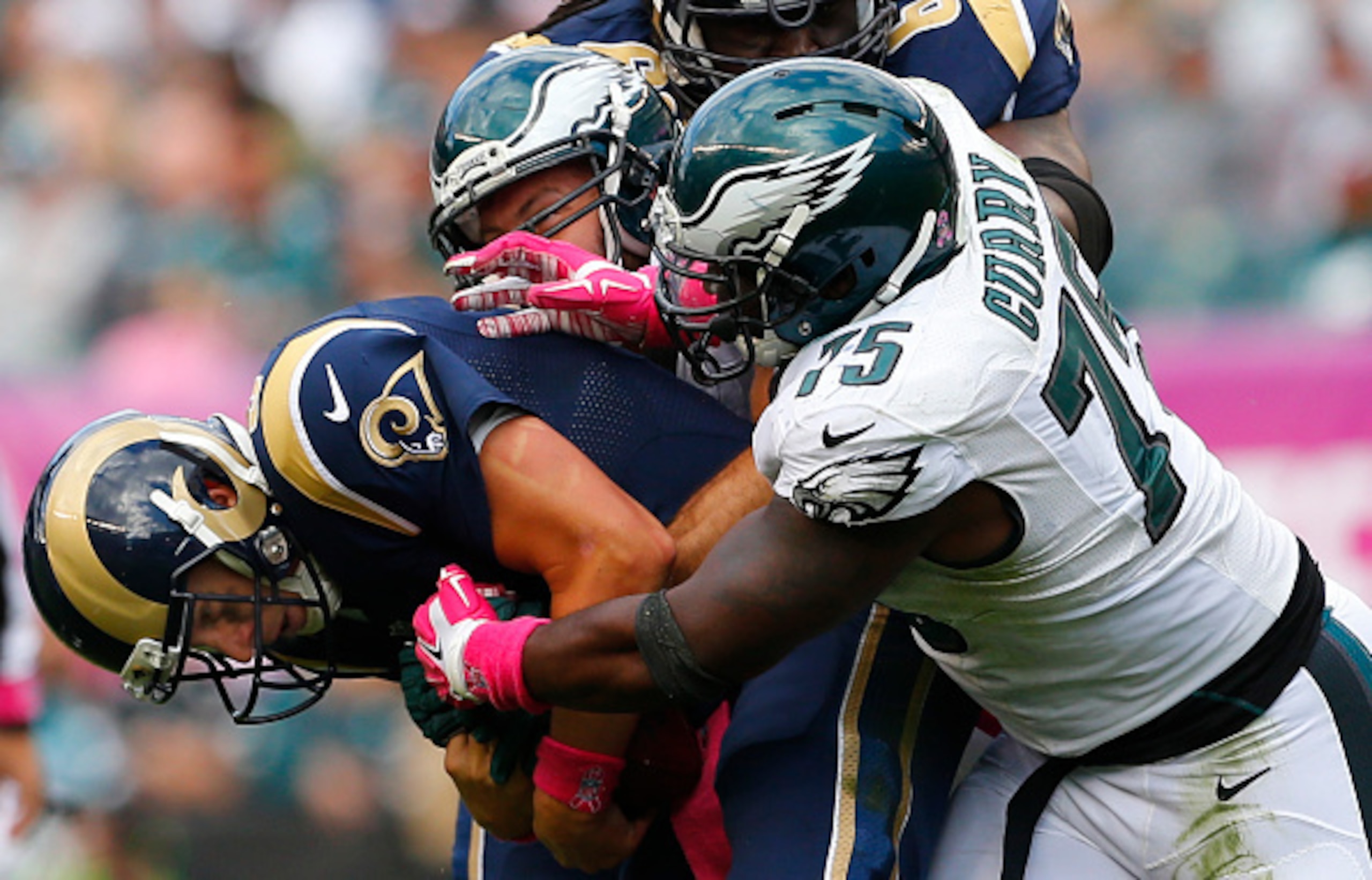
Heading into last offseason, it seemed the Eagles’ biggest need might be the pass rush. As it turns out, nothing could’ve been further from the truth.
Philadelphia wound up finishing in a tie for second in the NFL in sacks with the Baltimore Ravens. In 2013, the defense was 20th. Obviously, the front office believed pass-rusher was a need as well, because the decision-makers used the franchise’s first-round pick on outside linebacker Marcus Smith.
Guess it just took players a season to get acquainted to the 3-4 defense, because the uptick in pressure didn’t come from a cast of new characters. Outside linebacker Connor Barwin and defensive end Vinny Curry had career years. Linebackers Brandon Graham and Mychal Kendricks matched their career highs for sacks, and while it didn’t necessarily show up on the stat sheet, defensive end Fletcher Cox was flat out dominant.
The good news is, with the exception of Graham, each of those players is virtually guaranteed to be back in 2015. And given what a liability the secondary is likely to remain, it’s a major positive the front seven should continue to be a massive strength.
Fletcher Cox Can Be the Cornerstone of This Defense for Years to Come
8 of 10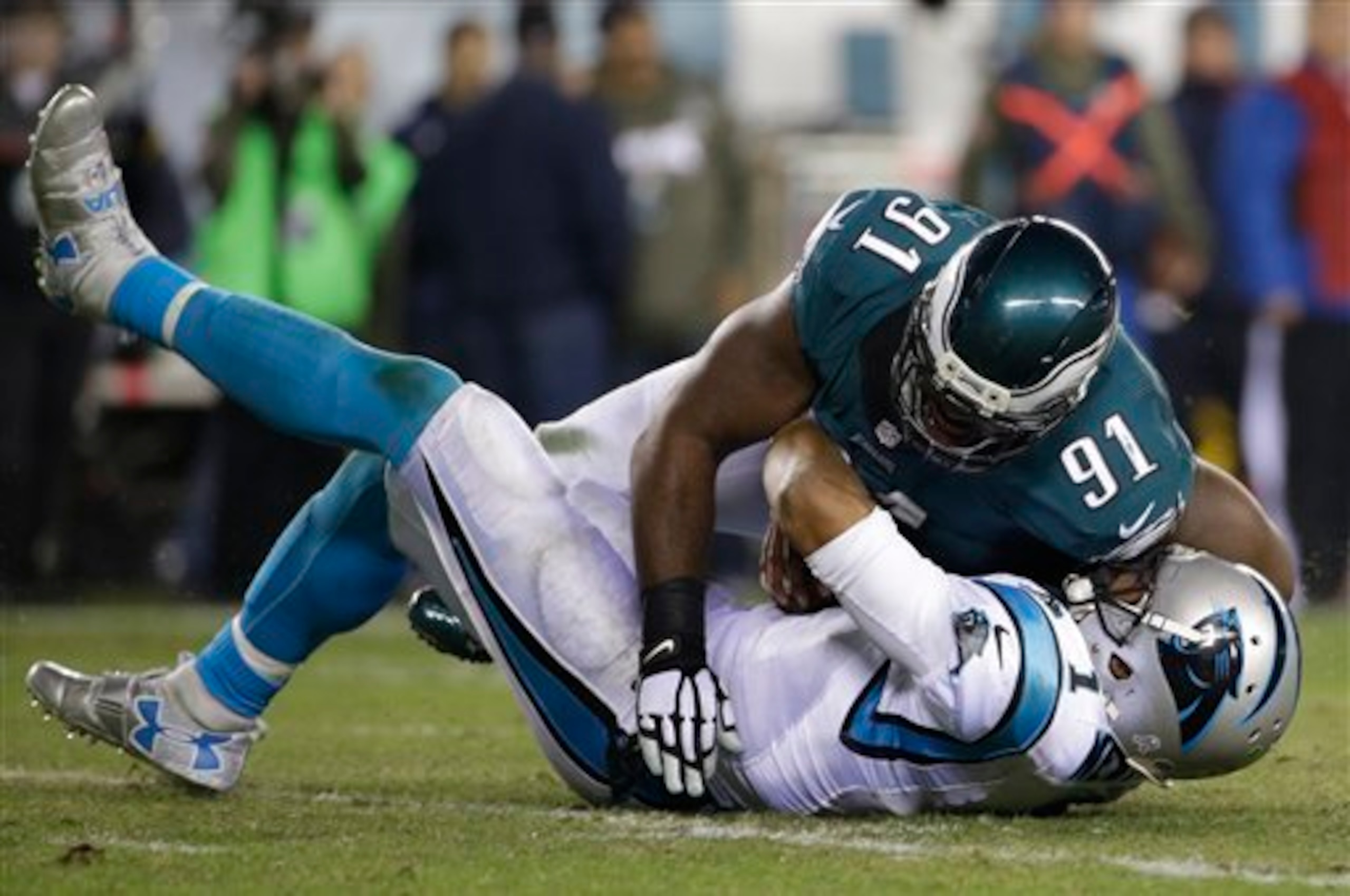
Some readers may be wondering how Fletcher Cox could be described as “dominant” when he didn’t even make the Pro Bowl or post gaudy numbers. Yet if you ask Kelly, the defensive end was the club’s most valuable player this season. Via PhiladelphiaEagles.com:
“I think he's been our top player. He's been really unblockable at times. I think he's a very disruptive force.”
Cox may not have the reputation or huge stat line, but the fact is he does more than many people realize. He builds the wall up front, fills gaps, takes on double teams and penetrates the line of scrimmage. It’s not glamorous work, but somebody has to do it, and few are better at it than Cox.
Cox wound up finishing 2014 with 61 tackles, 4.0 sacks and a forced fumble—hardly jumping off the page. Yet according to metrics site Pro Football Focus (subscription required), the third-year player ranked third in run-stop percentage and 10th in pass-rush productivity among qualifying 3-4 defensive ends.
The best part is Cox is only 24, and when he goes on to sign a long-term contract extension with the Eagles this offseason—at least, the team would be wise to lock him up—he’ll be with the organization for years to come as the building block of the entire defense.
Special Teams Matter
9 of 10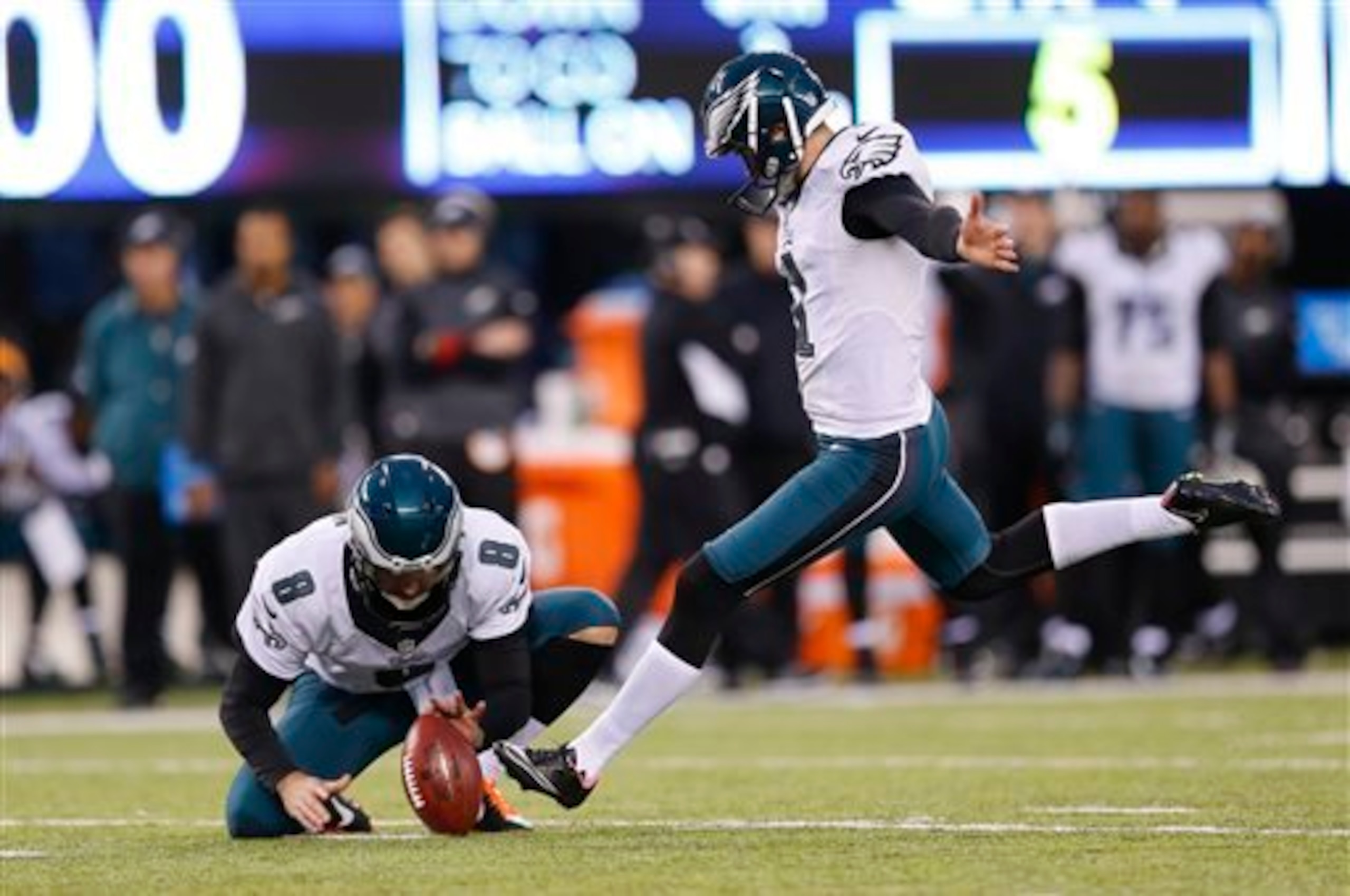
While special teams often tend to go overlooked, that phase of the game can be a game-changer. In the Eagles’ case, it changed their season.
How many wins would Philadelphia have this season were it not for the numerous kick- and punt-return touchdowns, blocked kicks, generally reliable field-goal kicking and all-around solid work by the coverage teams? At least one or two less, for certain—possibly more.
The Eagles’ success on special teams was no accident, either. They sent a fifth-round pick to the New Orleans Saints for Darren Sproles, going to his first Pro Bowl as a returnman. They signed free agents Bryan Braman and Chris Maragos, a linebacker and safety in title, but exclusively special-teamers in reality. They traded for Cody Parkey in the offseason when their training-camp battle at kicker didn’t produce results, not to mention gave punter Donnie Jones a long-term extension during the offseason.
In fact, a good number of the Eagles’ roster decisions have been with special teams at least partially in mind. Chip didn’t stick with players like tight ends James Casey and Trey Burton, linebacker Casey Matthews and defensive end Brandon Bair because they brought so much to the offense and defense.
The focus on special teams paid dividends. Sure, the group had its share of breakdowns late in the season, too. Then again, perhaps the Birds are never even in playoff contention without so many big plays from these phases of the game in the first place.
2014 Draft Class Is a Huge Question Mark
10 of 10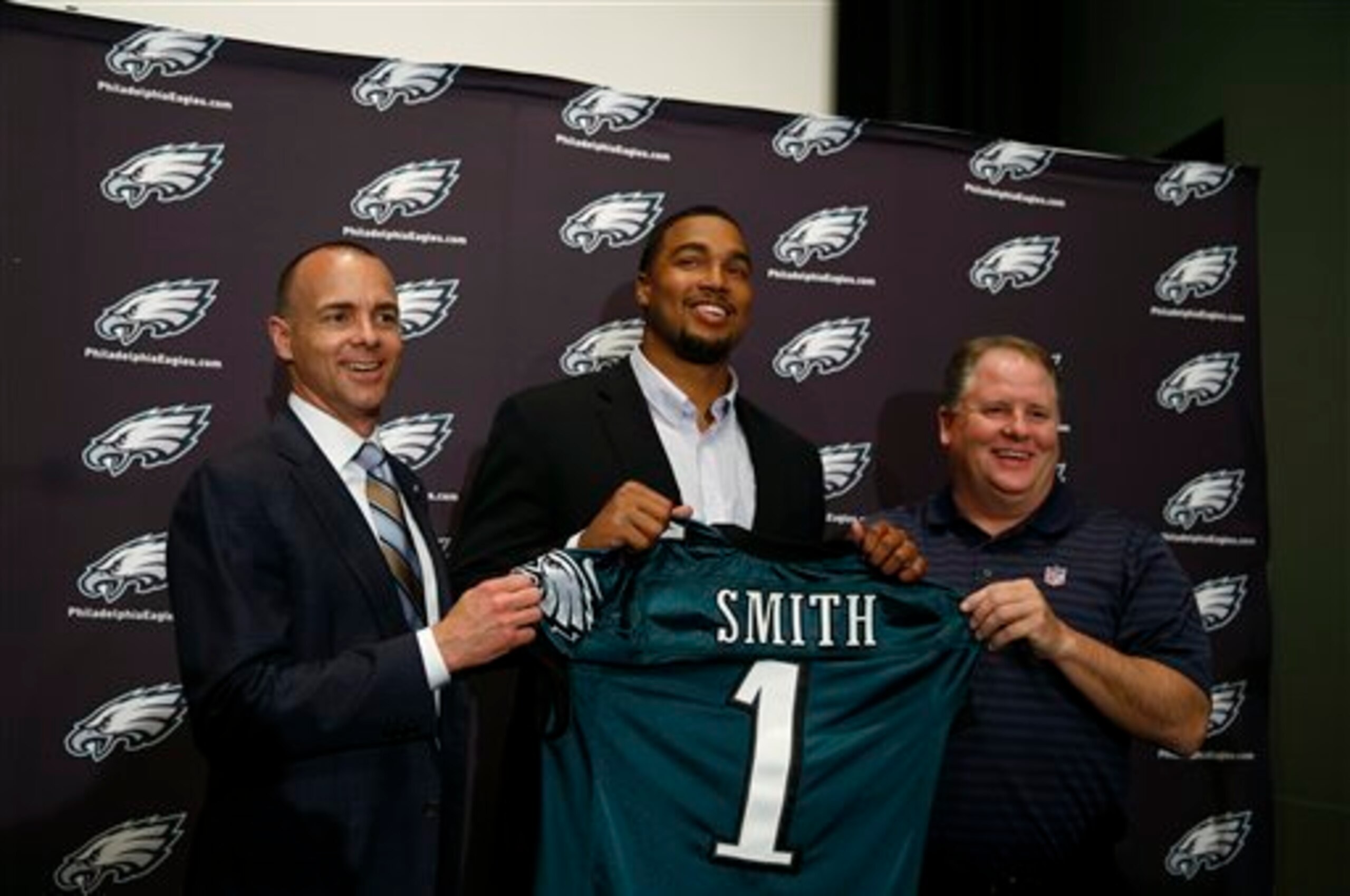
By rule, it’s generally a mistake to label first-year players a bust. The fact of the matter is, regardless of what round or pedigree, not every rookie immediately sets the NFL on fire. In some cases, they don’t even get the opportunity.
All of that aside, it’s difficult to feel good about the Eagles’ 2014 draft class at this stage. Aside from Jordan Matthews, nobody gave a very consistent or good performance.
In many cases, rookies weren’t even getting on the field. No one was held under the microscope more than first-round linebacker Marcus Smith, who despite multiple injuries, was unable to crack the rotation at the end of the season. Fourth-round cornerback Jaylen Watkins barely saw the field, fifth-round defensive end Taylor Hart wasn’t active for a single game and fifth-round safety Ed Reynolds spent the year on the practice squad.
Even Huff and seventh-round nose tackle Beau Allen, while active and in the lineup on game days, didn’t exactly have seasons to write home about.
Kicker Cody Parkey and tight end Trey Burton were solid special-teams contributors, but neither one was drafted, so that doesn’t exactly speak to the quality of the draft, either.
To be fair, in many if not all of these disappointing cases, there wasn’t an expectation these players come in and give the team large sums of snaps. Plus, redshirt years aren’t always a bad thing in the NFL.
That being said, the Eagles certainly can’t count on several of these young professionals to make huge leaps forward in Year 2, possibly ever, based on what we’ve seen so far. Unfortunately, where the class of 2014 goes from here could go a long way toward dictating how soon this franchise reaches contender status again.