Best-Case, Worst-Case Scenarios for Every Top 50 NBA Player This Season
On Tuesday, Bleacher Report revealed its top 50 NBA players entering the 2021-22 season.
From Anthony Edwards to Kevin Durant, the game's top stars were ranked based on the kind of impact they can have this season, but now it's time to put those stars under the microscope to figure out just what their best- and worst-case scenarios are for the upcoming year.
Big thanks to the following B/R writers for their star breakdowns: Andy Bailey, Eric Pincus, Grant Hughes, Greg Swartz, Sean Highkin, Zach Buckley, A. Sherrod Blakely, Farbod Esnaashari.
Nos. 50-46
1 of 26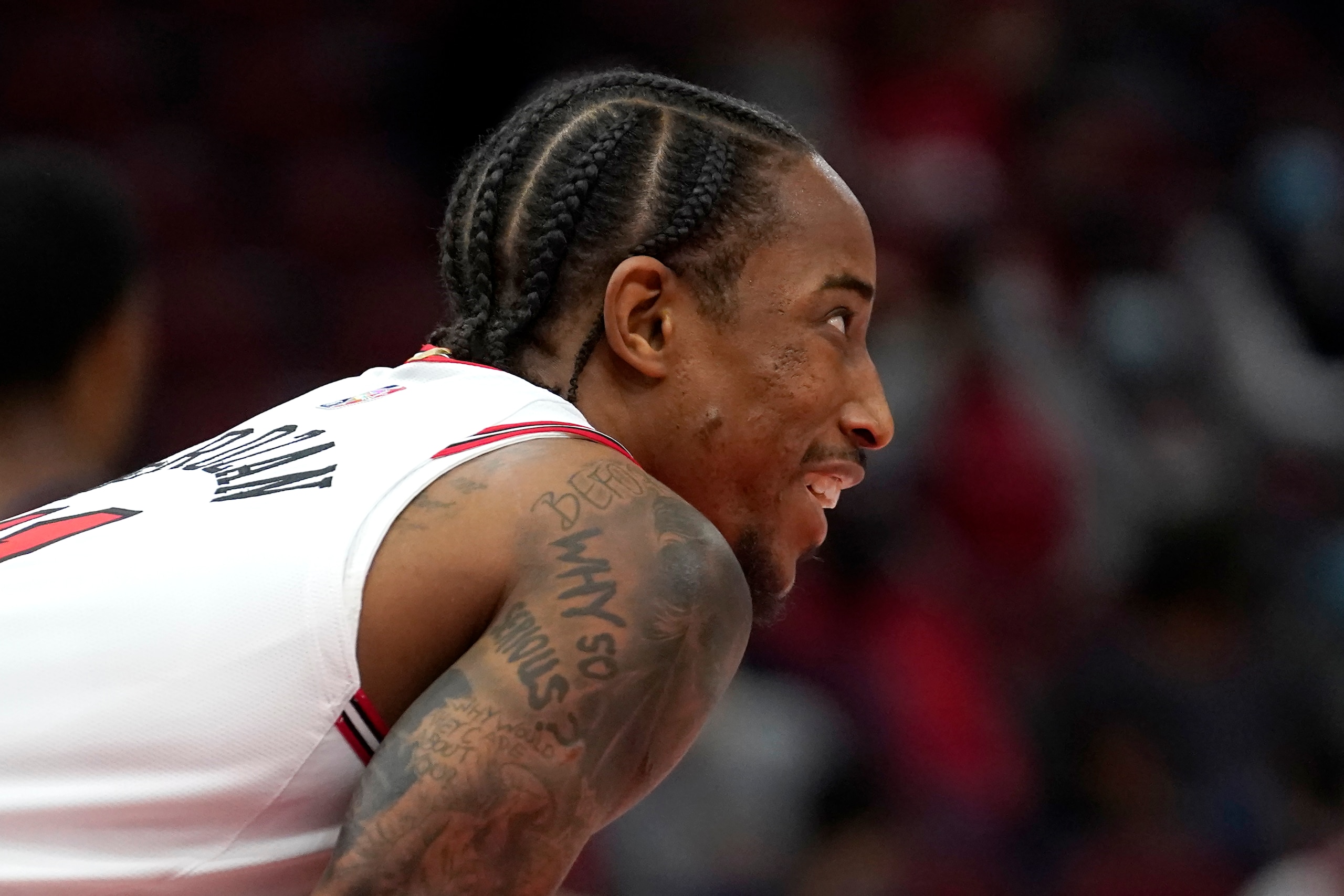
50. Anthony Edwards, Minnesota Timberwolves
Best Case: Edwards was a different player in the second half of his rookie season, settling into a new role under Chris Finch. In an ideal world, he keeps developing into the future star the Timberwolves believe he can become.
Worst Case: Development isn't always linear. Edwards could plateau or not blossom as quickly as the organization hopes. The franchise's continued dysfunction and instability don't help.
—Highkin
49. Marcus Smart, Boston Celtics
Best Case: Smart is an elite defender on a team that clearly took a step back at that end of the floor last season, but the team did bring in new pieces who will, in theory, complement Smart and kick the defense back into gear.
Worst Case: If new additions like Josh Richardson and Dennis Schroder—and not-so-new addition Al Horford—can't help the Celtics defense, Smart's defense alone might not be enough to kick the team back into gear.
—Blakely
48. Fred VanVleet, Toronto Raptors
Best Case: If VanVleet can sustain his three-point volume—a career-high 9.2 attempts per game last year—and get his accuracy up from 36.6 percent (a career low), he could challenge for an All-Star berth and key a resurgent Toronto offense.
Worst Case: FVV's defensive activity and effort are givens, but he has to prove he can score more efficiently in a bigger role. If he fails, the Raptors could field a bottom-10 offense and struggle to escape the play-in range of the standings.
—Hughes
47. DeMar DeRozan, Chicago Bulls
Best Case: DeRozan's playmaking and mid-range arsenal help propel Chicago's offense into the top five, and he joins both Zach LaVine and Nikola Vucevic at the All-Star Game.
Worst Case: The Bulls' offense sputters as the ball-dominance of DeRozan and LaVine keeps the pair from creating any chemistry, and they offer little more defensive resistance together than a wet paper bag.
—Buckley
46. John Collins, Atlanta Hawks
Best Case: A poor defender his first few years in the league, Collins made a noticeable improvement last season and has the athleticism to become a real plus on that end of the floor. If he can improve his playmaking, Collins should contend for his first All-Star selection.
Worst Case: We've seen plenty of players take a step back after getting paid, and the Hawks won't sneak up on anyone this year. Collins needs to prove he can still grow as one of the hunted in the NBA and keep up his defensive improvements.
—Swartz
Nos. 45-41
2 of 26
45. Tobias Harris, Philadelphia 76ers
Best Case: The Ben Simmons drama gets resolved positively, Harris continues to deliver as a steady scorer for the Sixers and the team gets through the Eastern Conference to the NBA Finals.
Worst Case: The Simmons drama lingers all year, and the Sixers never quite find their footing. Harris, who is one of the league's higher-paid players, just doesn't move the needle in the playoffs.
—Pincus
44. Mike Conley, Utah Jazz
Best Case: The 34-year-old Conley stays relatively healthy, cedes a little more playmaking responsibility to Donovan Mitchell and shoots over 40 percent from three again.
Worst Case: The hamstring issues that have plagued Conley since his arrival in Utah show up again and keep him out of the playoff games in which his experience and shooting are needed most.
—Bailey
43. LaMelo Ball, Charlotte Hornets
Best Case: The Hornets were a play-in team in Ball's rookie season and have ambitions of making the jump into the postseason this year. Ball was already so good as a rookie, and he gets even better in Year 2.
Worst Case: Ball missed 21 games last season with a wrist injury that hampered what was otherwise a stellar rookie campaign. Another long-term injury in his second year would be less than optimal.
—Highkin
42. Micheal Porter Jr., Denver Nuggets
Best Case: Porter maintains his ridiculous efficiency (66.3 true shooting percentage in 2020-21) while his volume increases from 13.4 shots per night to 17-18.
Worst Case: Some of the health issues that cost MPJ most of his freshman campaign at Missouri and all of what would've been his rookie season in Denver resurface.
—Bailey
41. Nikola Vucevic, Chicago Bulls
Best Case: Vucevic has reached the playoffs just three times as he enters his 11th NBA season, never once playing past the fifth game of the first round. He's become underrated once again after Chicago's big offseason, yet could finally get his due recognition with a big playoff series (or two) after years of playing on disappointing Orlando Magic teams.
Worst Case: Of the 32 centers who faced at least 250 shots at the rim, Vucevic ranked 29th by letting opponents shoot 63.6 percent. As good as he is offensively, a Chicago team that already has questions on defense could be downright awful if Vucevic can't protect the basket.
—Swartz
Nos. 40-36
3 of 26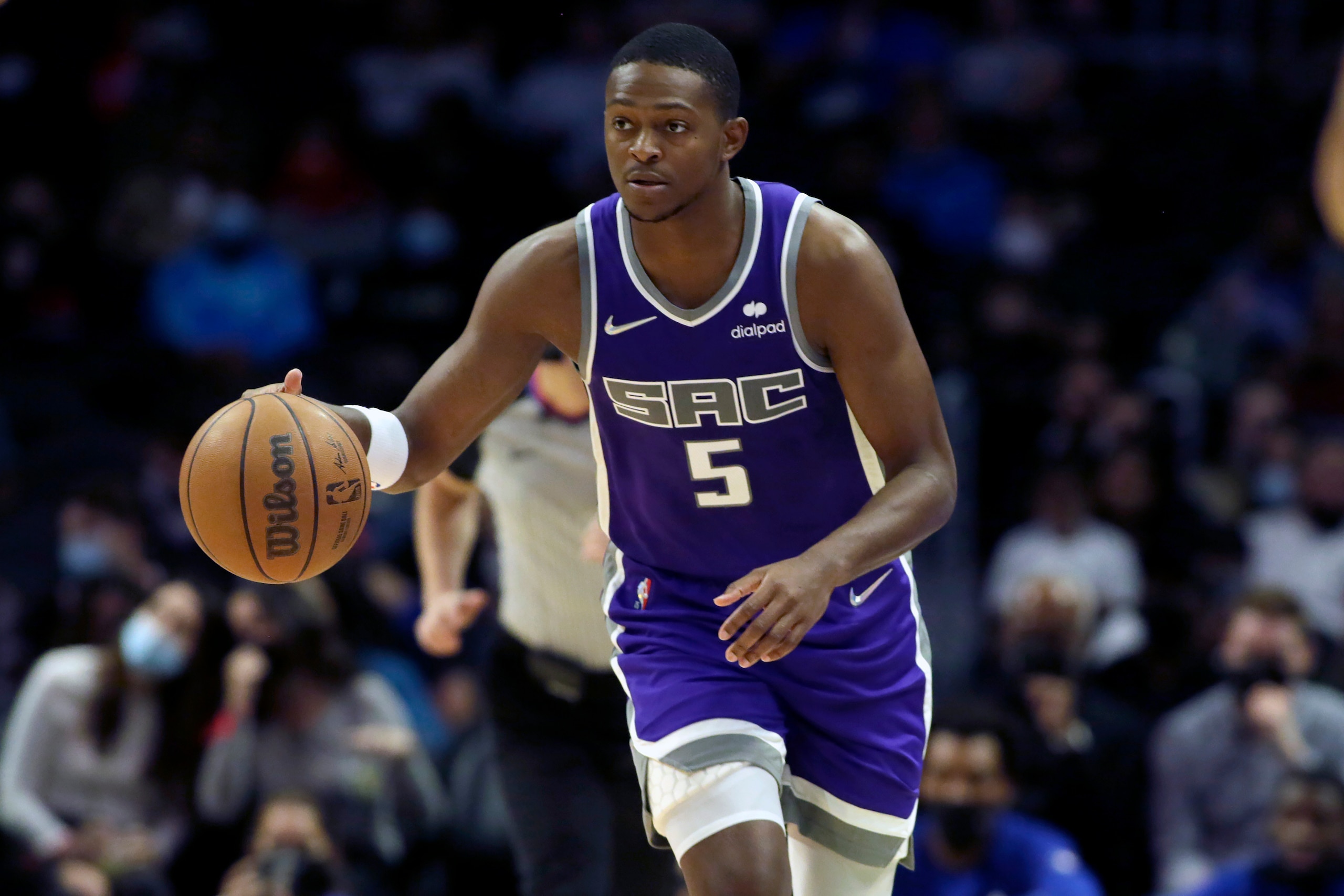
40. Kyle Lowry, Miami Heat
Best Case: Lowry fits like a glove on defense, while his scoring and shooting lines perk up while playing off the ball with Jimmy Butler and Bam Adebayo handling the bulk of the playmaking duties.
Worst Case: The 35-year-old shows his first major sign of age-related decline, manifesting in more games missed due to injury and less impactful play on both ends of the floor.
—Buckley
39. Pascal Siakam, Toronto Raptors
Best Case: The best-case scenario for Pascal Siakam is to have a season similar to the one he had in 2019-20. It was a breakout All-Star season in which he looked like he could lead a team to the conference finals.
Worst Case: Few things could be worse than the year Siakam had in 2020-21. His numbers were solid, but he missed several potential game-winners in the last few seconds, and the Raptors weren't even a play-in team.
—Esnaashari
38. De'Aaron Fox, Sacramento Kings
Best Case: Fox has seemed to be on the verge of a superstar breakout in each of the past two years. He can get there, solidifying All-Star status, by improving his three-point shooting off the dribble and committing consistently on defense.
Worst Case: If his growth stagnates, the Kings will spend a 16th straight postseason as spectators.
—Hughes
37. Deandre Ayton, Phoenix Suns
Best Case: Until Ayton's extension is settled, his best- and worst-case scenario has to do with his contract situation. Getting this taken care of and moving on to basketball and basketball only is ideal for everyone involved.
Worst Case: The 23-year-old wants a max deal, and the Phoenix Suns aren't feeling him like that (for now at least). Will this be something that soon passes, or will it become an issue and impact the bottom line in Phoenix, which is winning games?
—Blakely
36. Draymond Green, Golden State Warriors
Best Case: Ideally, Green will rediscover the 38.8 percent long-range stroke he flashed in 2015-16 and maintain his elite defensive impact, logging major minutes at center in devastating small-ball lineups. Among the smartest defenders to ever play, Green's mind will stay sharp.
Worst Case: But if his athleticism slips, and he's no longer a DPOY short-lister, Golden State's best lineups could fizzle.
—Hughes

Nos. 35-31
4 of 26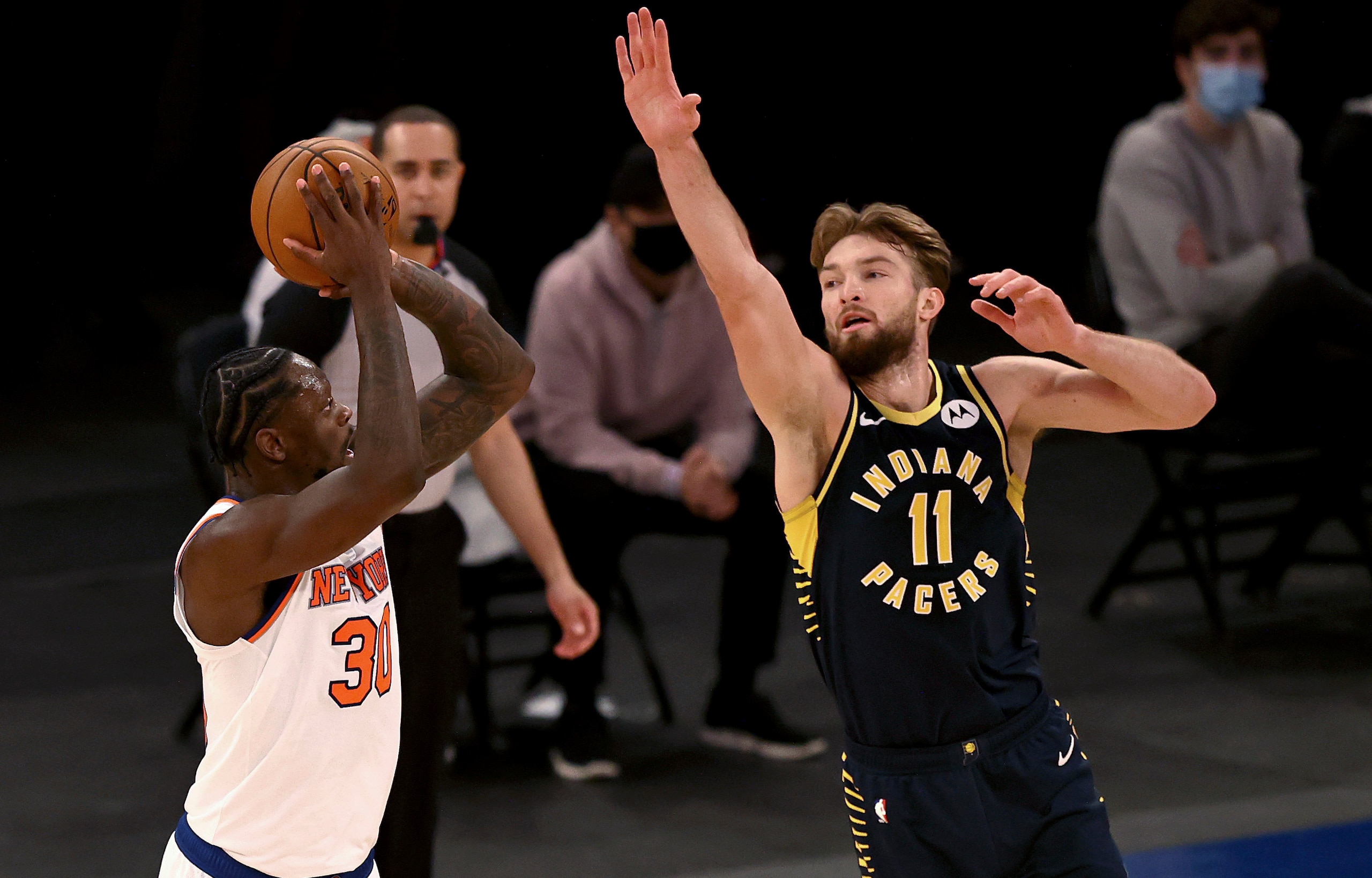
35. CJ McCollum, Portland Trail Blazers
Best Case: A healthy year from both Damian Lillard and McCollum could be enough for the Portland Trail Blazers to compete among the best in the Western Conference and for Lillard to feel like his long-term future should stay in the Pacific Northwest.
Worst Case: While the Blazers could earn a top-four spot in the West, it's also possible they find themslves competing just to clear the play-in tournament. In that situation, barring a miracle postseason run, trade talks surrounding McCollum and his star guard teammate should hit the rumor mill in full force.
—Pincus
34. Domantas Sabonis, Indiana Pacers
Best Case: Sabonis finds a three-ball and becomes borderline unguardable on offense, giving the Pacers the top-shelf offensive fulcrum they need to snag a top-six seed in the East.
Worst Case: Indiana's shooting shortage—the Pacers were 18th in made threes last year while Doug McDermott, now a San Antonio Spur, was letting them fly—squeezes the spacing around Sabonis and plagues his production. His scoring and assist numbers both take a hit, and Indy's lack of a premier focal point leaves this squad stuck in the play-in tournament.
—Buckley
33. Russell Westbrook, Los Angeles Lakers
Best Case: Westbrook reminds the NBA that he's one of the league's top players, something people may have forgotten after his stints with the Houston Rockets and Washington Wizards (even though he did average a triple-double yet again last season with the Wizards).
Worst Case: The ball-dominant, poor-shooting Westbrook struggles to fit in with the Lakers alongside one of the best creators in the game in LeBron James. That would be a problem for a team that brought in an expensive point guard and a slew of veteran pieces for a championship-or-bust season.
—Pincus
32. Julius Randle, New York Knicks
Best Case: Julius Randle still fills up the stat sheets, but he cuts some of the mid-range shots out of his diet and ups his scoring efficiency a bit.
Worst Case: The 41.1 three-point percentage from 2020-21 was a mirage and Randle's true shooting percentage plummets even further below the league average.
—Bailey
31. Brandon Ingram, New Orleans Pelicans
Best Case: Brandon Ingram finally leads the New Orleans Pelicans into the playoffs and is an All-Star in the process.
Worst Case: The Pelicans continue to be mediocre, leading to Ingram getting frustrated with the organization.
—Esnaashari
Nos. 30-26
5 of 26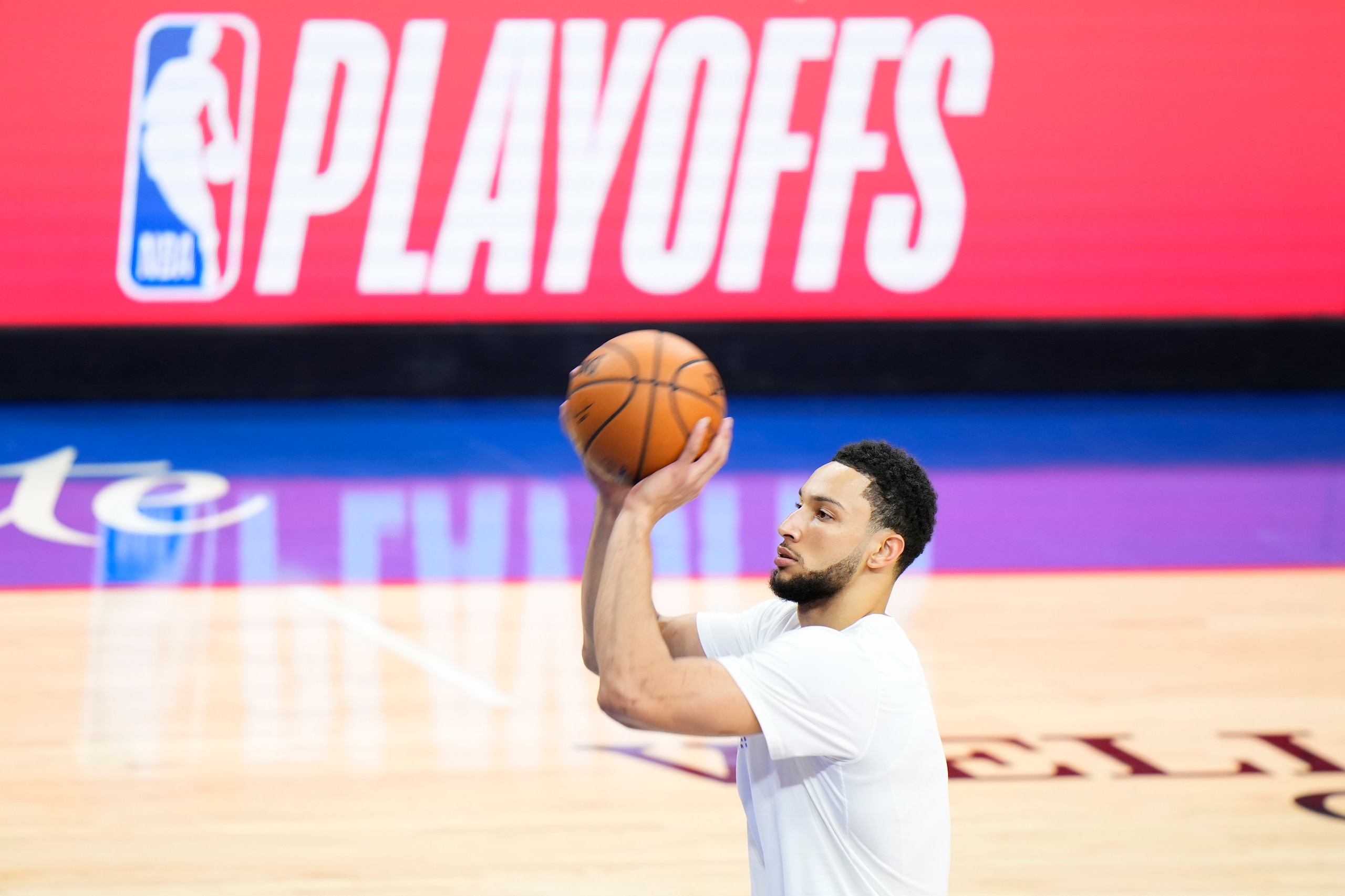
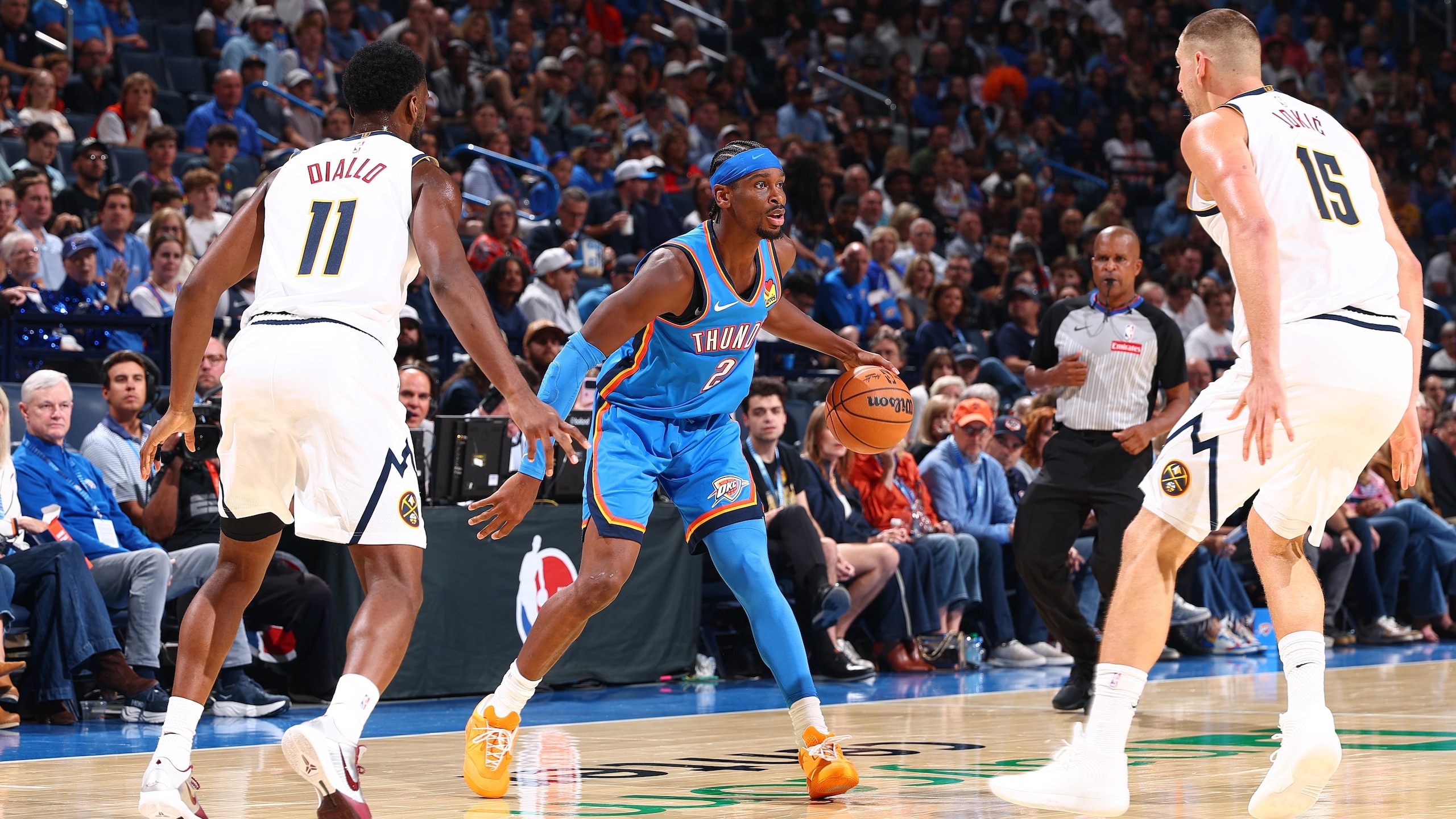
30. Shai Gilgeous-Alexander, Oklahoma City Thunder
Best Case: If Gilgeous-Alexander stays healthy, this is the year for him to make the star leap. It's tough to pencil him in as an All-Star in the West considering how deep the guard position is in that conference, but he should be at least in the All-Star conversation.
Worst Case: Debate all you want about how much of last year's hamstring-related absence was prolonged by the Thunder's tanking efforts—his health is still something worth monitoring. And if the Thunder are out of contention at the end of the season, there's always the possibility he could be inactive for games he'd normally be able to play in, which could hurt his development.
—Highkin
29. Ja Morant, Memphis Grizzlies
Best Case: A big season could put Morant just behind guys like Stephen Curry, Damian Lillard and Luka Doncic for best point guard in the NBA honors, and the 22-year-old may already be the most athletic floor general in the league. With Jonas Valanciunas (17.1 points per game last season) traded to the New Orleans Pelicans, we could see Morant take a huge scoring leap from his 19.1 point-per-game average a year ago.
Worst Case: Durability will likely remain a concern for Morant, who only packs 174 pounds on his 6'3" frame. His outside shooting needs to improve as well, as Morant ranked last in accuracy (30.3 percent) among the 84 guards who attempted at least 225 three-pointers last season.
—Swartz
28. Ben Simmons, Philadelphia 76ers
Best Case: The answer for Simmons doesn’t have anything to do with his current team. The best case has the Philadelphia 76ers trading Ben Simmons to a city where he can flourish as the player he is—a non-scoring, defensive-minded, multi-positional, play-making All-Star.
Worst Case: The 76ers don’t trade him. He shows up but doesn’t really show up. The season is a waste of time, with the Sixers falling out of the playoffs in an early round.
Unfortunately, what he brings to the court (warts and all) doesn’t matter if he’s not actually on the court. The Sixers and Simmons will remain in a marriage of convenience for now, as the multi-positional three-time All-Star has demanded a trade. Will his teammates welcome him back into the locker room? Will Simmons land in a better situation? And will he ever learn to reliably shoot a jump shot?
—Pincus
27. Zach LaVine, Chicago Bulls
Best Case: LaVine could actually become even more efficient as an off-ball weapon when teammates Lonzo Ball, DeMar DeRozan and Nikola Vucevic initiate the offense, which could also cut his high turnover rate. An All-NBA nod is in play if LaVine buckles down on D and posts numbers anywhere in line with last year's.
Worst Case: A lack of touches in Chicago's revamped offense and his looming contract situation could lead to a decline in production.
—Hughes
26. Jaylen Brown, Boston Celtics
Best Case: We have already seen what Brown can do scoring the ball and playing defense. He's shown signs of being a solid rebounder as well. But can he do something with the ball in his hands besides shoot? And will he struggle to find that balance between looking for his shot and getting others involved offensively? Simply put: Best case is that these become non-questions this season.
Worst Case: Boston approaches the postseason without answers.
Brown has shown tremendous growth in some facet of his game every year he has been in the NBA. So the Celtics have every reason to be confident that playmaking, like other parts of Brown's game, will show dramatic improvement this year compared to past seasons.
—Blakely
Nos. 25-21
6 of 26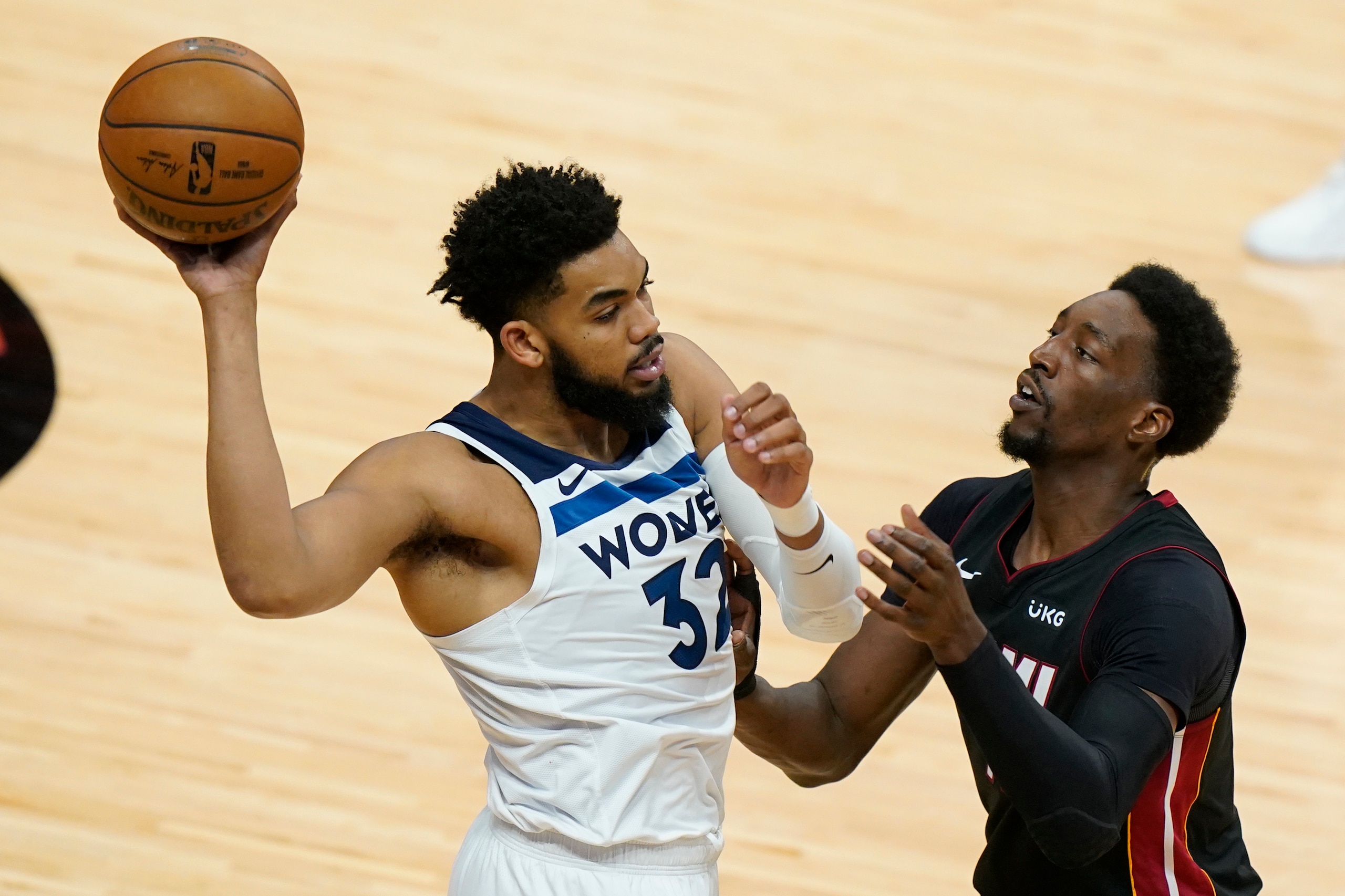
25. Jrue Holiday, Milwaukee Bucks
Best Case: Winning the title appears to have unlocked a new level of confidence for this Bucks team. They know who they are, have a solid cast of role players and their three main guys are dependable. Holiday has been pretty durable throughout his career, so it's a good bet he'll have another excellent year and keep the Bucks in title contention.
Worst Case: If there's something to be concerned about, it's that Holiday is coming off not only a Finals run, but also a shortened offseason because of his time with the Olympic team. Some players wear down physically after doing that much in one year, and Holiday isn't young anymore.
—Highkin
24. Zion Williamson, New Orleans Pelicans
Best Case: News of Williamson's offseason foot surgery served as a reminder that health might always be the determining factor for his success. If we can assume he'll be OK on that front, the best-case scenario includes his continued ascension as a playmaker and more consistency on defense. He's already one of the game's best scorers. Now, it's about rounding out his game.
Worst Case: Again, health probably drives either outcome for Zion. But if we remove that from consideration, a worst-case scenario is probably Zion coming back with more of the same. If he's still a sieve on defense and hasn't improved his jumper, New Orleans could spend another season mired in mediocrity.
—Bailey
23. Karl-Anthony Towns, Minnesota Timberwolves
Best Case: Karl-Anthony Towns' talents finally start translating into wins for the Timberwolves. The Wolves finally stay healthy, KAT and D-Lo prove to be a high-functioning duo, and Patrick Beverley gives Minnesota the mental toughness it has been desperately needing.
Worst Case: The Wolves continue to be one of the worst teams in the Western Conference and a complete implosion happens. It wasn't a good look for the Wolves that they weren't in communication with KAT before they fired team president of basketball operations Gersson Rosas. This team's likeliest outcomes are on the opposite ends of the spectrum: it pleasantly surprises everyone, or it becomes a complete catastrophe with KAT finally getting fed up.
—Esnaashari
22. Bam Adebayo, Miami Heat
Best Case: Adebayo grabs an early lead in the Defensive Player of the Year race and never gives it up. His versatility as an inside-out defender is unrivaled, and he expands his offensive range while clearing 20 points per game for the first time.
Worst Case: The fact that both he and Jimmy Butler aren't floor-spacers dooms Miami to another bottom-half finish in offensive efficiency. Adebayo also can't keep the Heat from being clobbered on the glass (22nd in rebounding percentage last season), and Miami's inability to close out defensive possessions pulls this defense out of the NBA's top 10.
—Buckley
21. Rudy Gobert, Utah Jazz
Best Case: Gobert has quietly been one of the game's steadiest stars for half a decade. At this point, it's tough to imagine him bringing anything new. So, the same dominance as a rim-runner and rim-protector, plus an improved free-throw percentage (he's yet to hit 70 percent for a season) would probably be the best case.
Worst Case: Gobert has another dominant regular season before becoming a playoff scapegoat again. Some team in the postseason goes small against Jazz, and Gobert fails make them pay with loads of dunks and offensive rebounds.
—Bailey
20. Khris Middleton, Milwaukee Bucks
7 of 26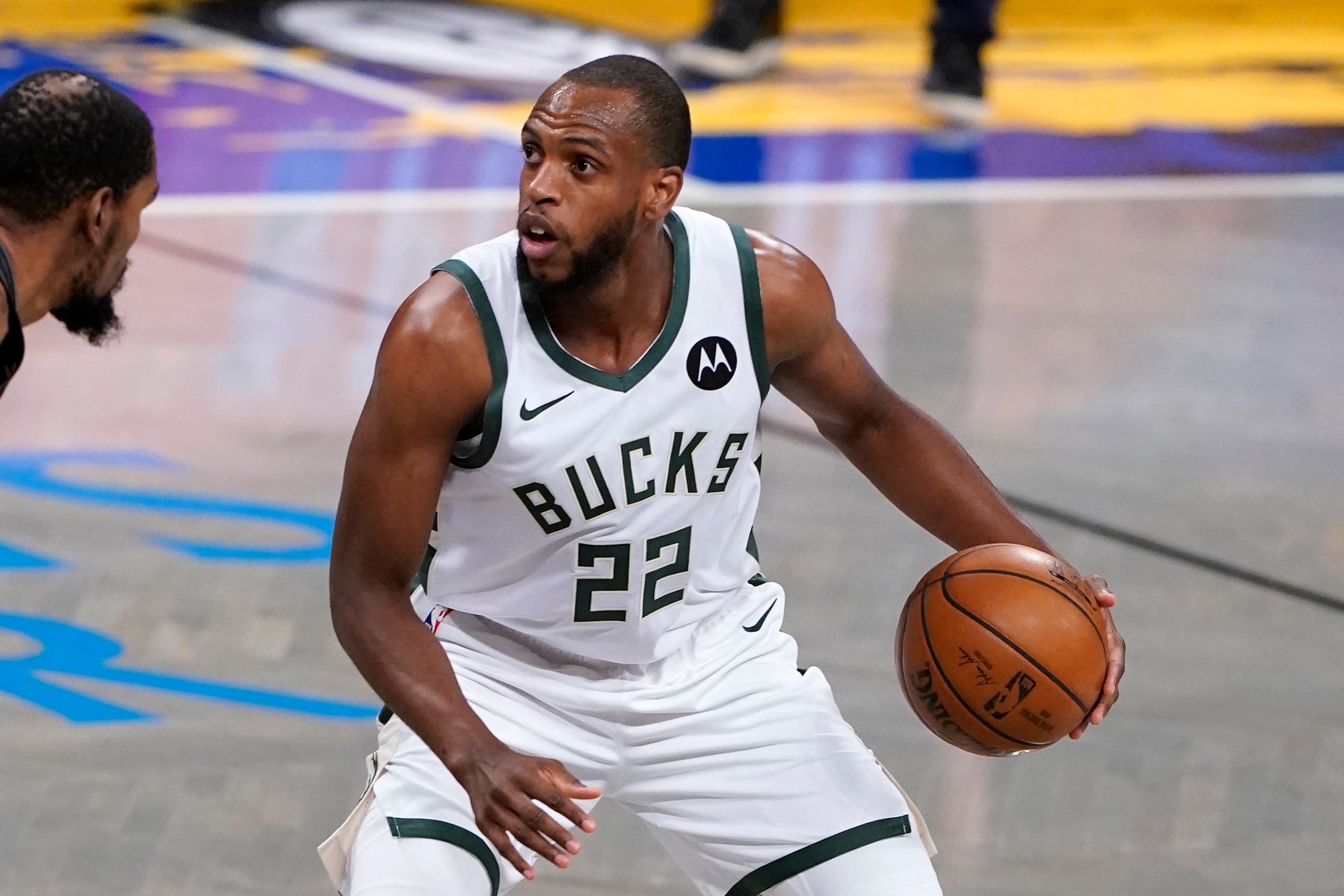
Best Case: There is no way Khris Middleton would trade in his NBA championship for another All-Star appearance. But that doesn't mean it's not a goal of his this season. After having been selected as an All-Star the two previous seasons, Middleton didn't make the cut in 2021 even though his numbers, for the most part, were comparable to the previous season.
Maintaining his high level of play and getting back to the All-Star Game would represent a strong season for Middleton. At best, he could also be in contention for an All-NBA spot.
Worst Case: The 30-year-old will do his part to make a case for a return All-Star trip, but he'll be left out. Success more than his own stats will likely determine his All-Star fate next season. That means having the best record in the East, something the Bucks will have a hard time doing in a top-heavy Eastern Conference, will be key.
—Blakely
19. Kyrie Irving, Brooklyn Nets
8 of 26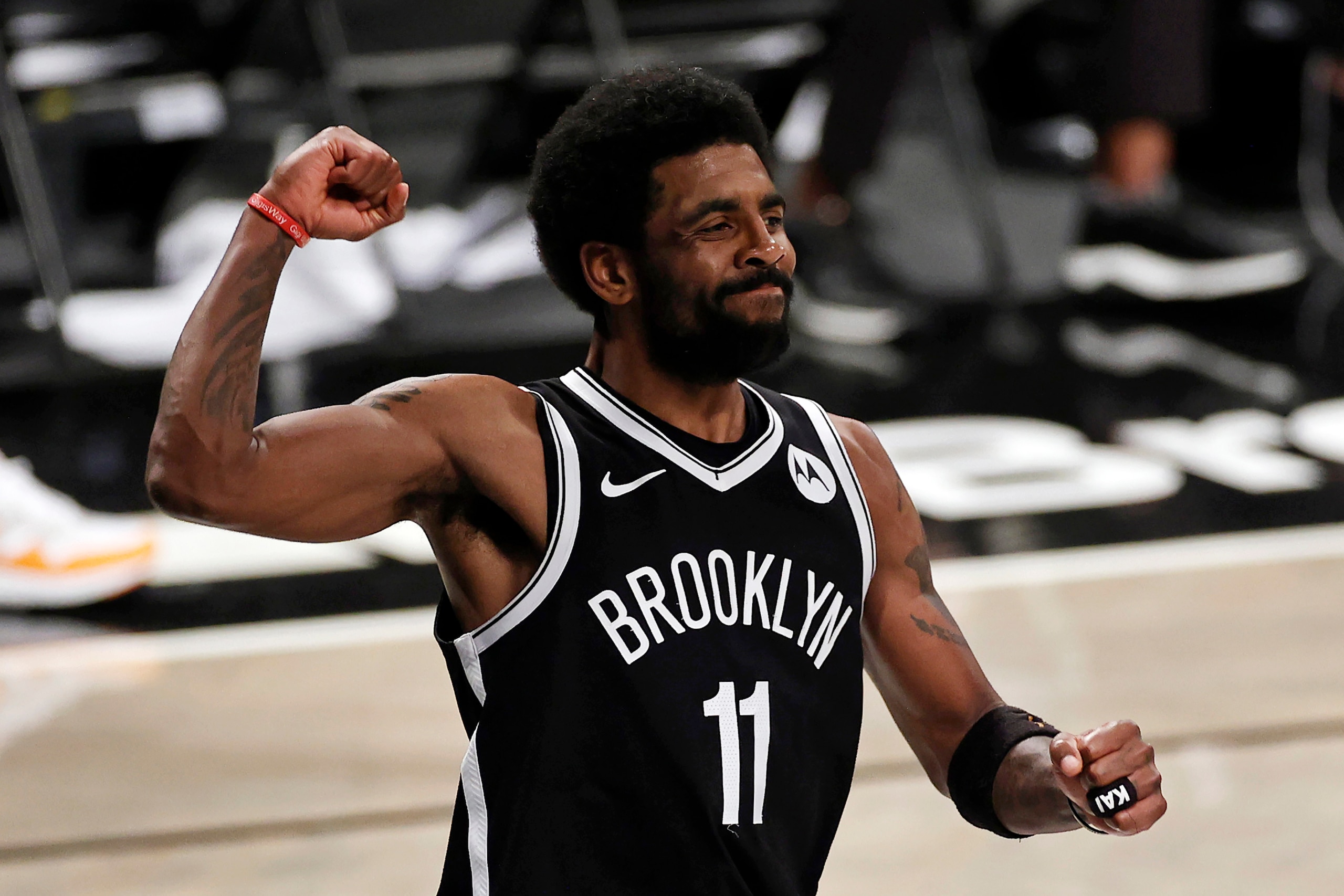
Best Case: Kyrie Irving proves he can lead a team to a championship. Obviously on paper, he isn't a better player than either Kevin Durant or James Harden, but in a best-case scenario, he outshines both of them. Kyrie has wanted to be a leader, and he could prove that he is one.
Worst Case: The Nets are the definition of a championship-or-bust team. The worst-case scenario for Brooklyn is not winning an NBA championship. Kyrie seems to already be in the middle of his own personal worst case. By refusing to get vaccinated, he could miss the entire season.
Instead of being a leader, Irving is being one of the biggest distractions in the NBA. If the Nets don't win a championship for any reason, he could be blamed for his decision. Irving still has a whole season to fix the situation, but for now, he's doing the complete opposite of being there for your team. Missing half of the season, creating a rift in the organization and losing a championship window is about as bad as it can get.
—Esnaashari
18. Donovan Mitchell, Utah Jazz
9 of 26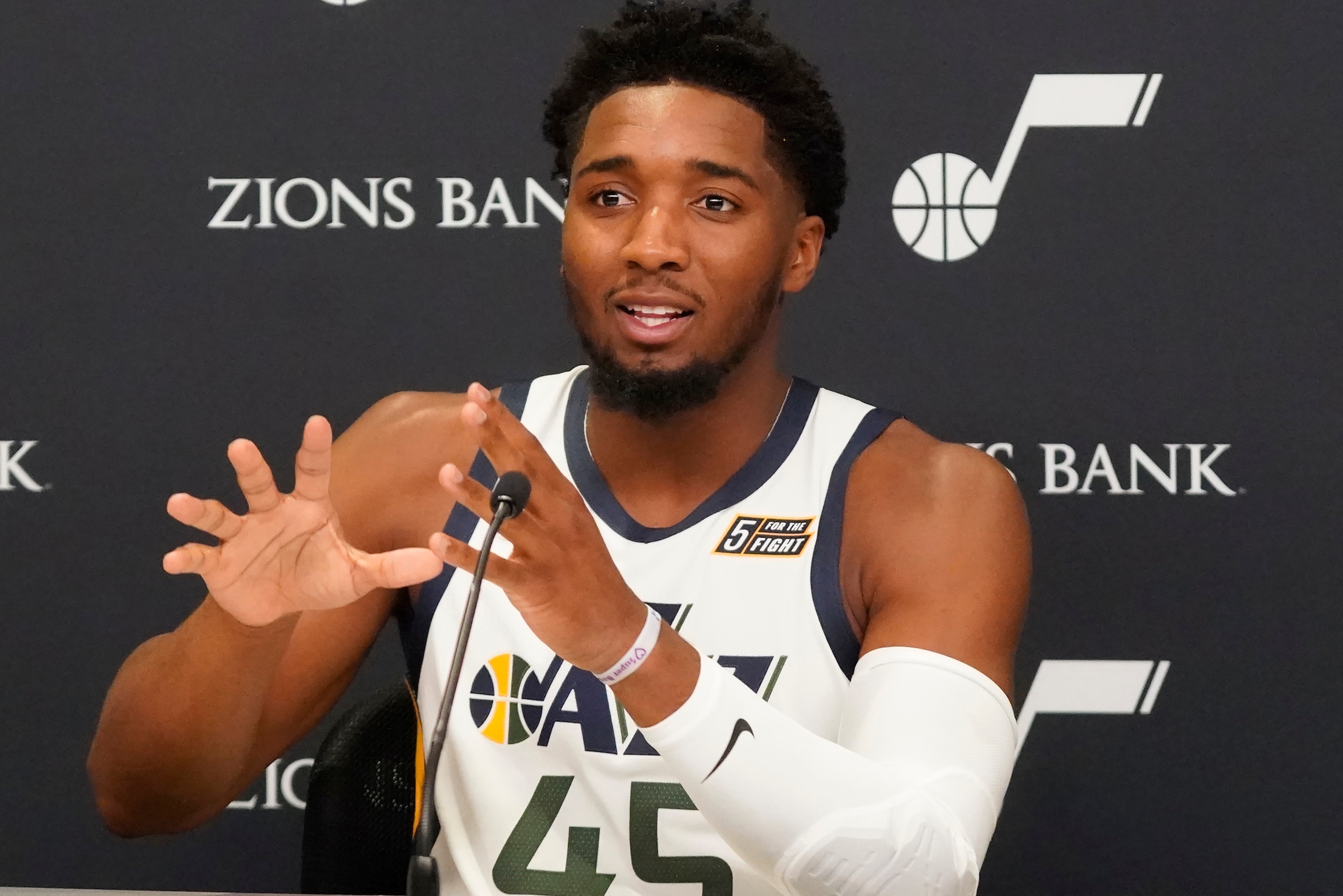
Best Case: Mitchell has never had an above-average effective field-goal percentage or true shooting percentage in the regular season. If he leans a bit harder into the moneyball approach, becomes a craftier finisher around the rim and replaces a handful of his mid-range shots with threes, he can change that.
Continued improvement as a playmaker would almost certainly be included in a best-case scenario, too. His assists per game have increased in each of his NBA campaigns, and his teammates would benefit from that trend continuing.
Worst Case: If Mitchell sort of plateaus on offense, another season of subpar play on the other end may keep the Jazz from full-fledged contention. Mitchell was touted as a defensive prospect when he entered the league, but he’s too often been a turnstile on the perimeter.
—Bailey
17. Bradley Beal, Washington Wizards
10 of 26
Best Case: Beal's ceiling projects as the league's leading scorer, one who carries a revamped Wizards squad into the postseason, even in an improved Eastern Conference. Doing so, on presumably eye-popping statistics, should even earn Beal some MVP love among voters, something the veteran guard lists as one of his goals.
Worst Case: One of his other goals, making first-team All-Defense, is laughable at this point. Beal has long been a negative defender, ranking in the sixth and eighth percentiles the past two years, per Cleaning the Glass.
While he's mostly managed to stay out of trade rumors over the past year, Beal can choose to become an unrestricted free agent in 2022, making him arguably the most sought-after star on the open market in three years (Anthony Davis in 2020 and Kawhi Leonard in 2021, were never serious threats to leave their Los Angeles teams). If Washington falls out of the playoff picture as the season progresses, trade talks could become a serious distraction for Beal and the Wizards.
—Swartz
16. Devin Booker, Phoenix Suns
11 of 26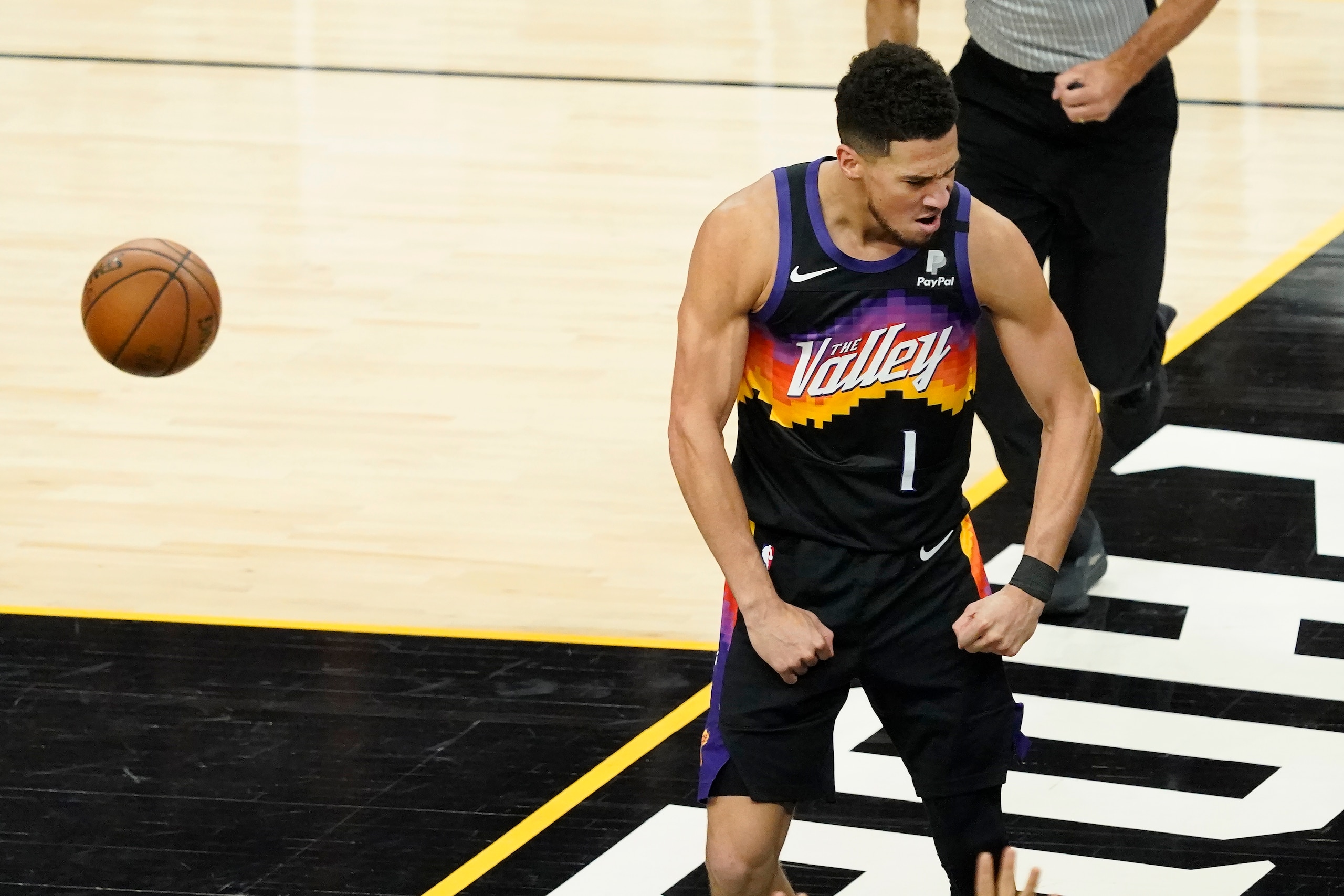
Best Case: Go back two years and the answer might have been "making the playoffs." Instead, the Phoenix Suns skipped a few steps, going from perennial lottery hopeful to NBA Finals runner-up. Now, the only next step is for Booker and his squad to win it all.
Booker needs to get greedy. Just getting back to the Finals isn't enough.
Worst Case: The Suns can't go back to what they were. With Chris Paul, Deandre Ayton, Mikal Bridges and a strong supporting cast (including top-notch head coach in Monty Williams), Booker has what he needs to keep the Suns in the conversation for the best team in the West. Not living up to that promise—a first-round knockout—would be devastating.
—Pincus
15. Trae Young, Atlanta Hawks
12 of 26
Best Case: The Hawks were an out-of-nowhere success story last year, turning their season around when Nate McMillan took over as head coach. There's been plenty of debate about whether their Eastern Conference Finals run was a fluke, but with Young only getting better and a strong core of young players, they have just as strong a case to contend as any team in the East outside of Brooklyn and Milwaukee.
Worst Case: Two things could derail what should be an even better fourth season for Young. One is injuries. He played the Eastern Conference Finals on a bad ankle and has already dealt with quad issues during training camp.
The other is the NBA's new emphasis on eliminating so-called "foul hunting" from offensive players. Young was one of the worst offenders last season and may have to adjust his game if that option is taken away from him.
—Highkin
14. Jimmy Butler, Miami Heat
13 of 26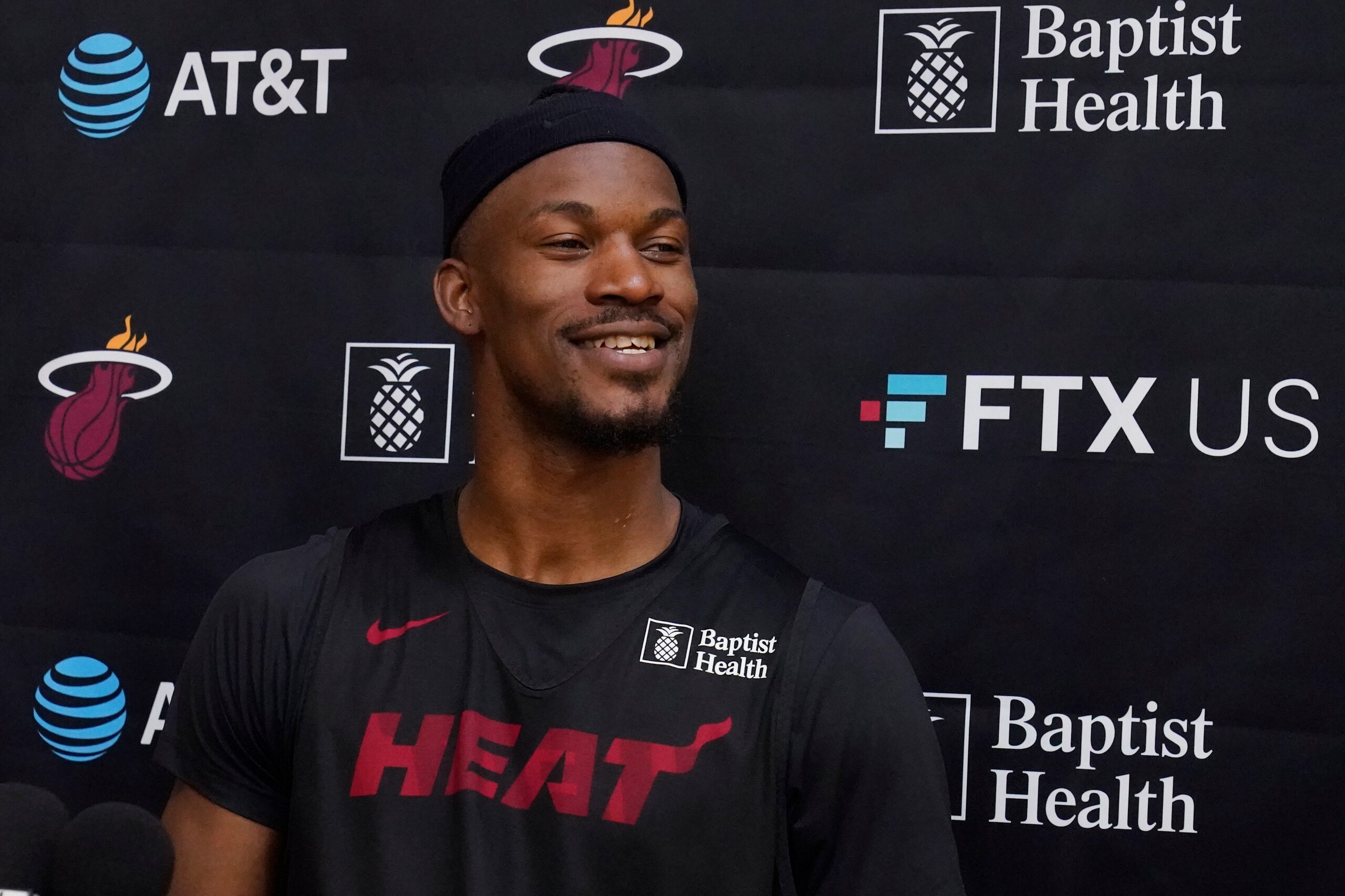
Best Case: Bubble Butler returns, as does the jumper that's been dormant the past two seasons. He's more comfortable—perhaps due to the presence of close friend Kyle Lowry—taking charge of this offense early and often, and Butler uses that aggressiveness to average better than 22 points for the third time in his career (first since 2017-18).
Defensively, he teams with Lowry, Bam Adebayo and P.J. Tucker to give the Heat their first top-three defense in 20 years. Butler's two-way impact gives him his first-ever All-NBA first-team honor and helps Miami snag a top-three seed in the East.
Worst Case: His shooting woes worsen, and as a 32-year-old who used to play a lot of high-stress minutes under Tom Thibodeau, Butler struggles to shake the injury bug. He goes a second consecutive season without an All-Star invitation, and the depth of the Eastern Conference sends the Heat tumbling into the play-in tournament.
—Buckley
13. Chris Paul, Phoenix Suns
14 of 26
Best Case: Paul was one of the best "old" guards of all time last year, joining John Stockton as the only other backcourt player to post a box plus/minus of at least plus-4.5 in an age-35 (or later) season.
At this stage of his career, a best-case scenario would see Paul get somewhere close to that level, which would keep the Phoenix Suns in the title race and supplement his case as one of the two or three greatest pure point guards ever.
Worst Case: Some measure of decline is certain, but a full fall-off—whether due to age or injury—is the obvious worst-case scenario. Paul has logged 70 games in each of the past two years. It might be time to trim that figure down in the interest of preserving him for the playoffs.
—Hughes
12. Paul George, LA Clippers
15 of 26
Best Case: Paul George leads the Clippers to the playoffs and has an MVP-caliber season. One can expect that George will have one of the highest usage rates in the NBA, behind maybe Luka Doncic, Nikola Jokic or Bradley Beal, which will show how well he can carry a team.
Every best case for the Clippers revolves around Kawhi Leonard returning after the All-Star break. If the Clippers make the playoffs and do some legitimate damage upon a Leonard return, everyone will remember how George carried them throughout the season. The George redemption tour was successful during the 2020-21 season, but this upcoming year gives him a chance to add even more.
Worst Case: L.A. misses the playoffs, and critics point the finger at George as the reason. The most interesting thing for the Clippers is the fact that there should be no expectations on their season, but at the same time it's one of extremes.
The full spectrum this season has the Clippers on one end as an unexpected, pleasant surprise that can ruin home court as a bottom-four playoff seed for some team, or they'll be an injury-riddled disaster.
—Esnaashari
11. Jayson Tatum, Boston Celtics
16 of 26
Best Case: It seems not a season passes by that Jayson Tatum doesn’t do something to put his name in the conversation with the likes of Larry Bird, John Havlicek or some other larger-than-life, blast-from-the-Celtics past legend.
The talent with Tatum is undeniable. There are few men who have ever played in the NBA who can do the things Tatum can offensively at such a young age. And what makes what he did a year ago even more amazing was his health wasn’t nearly as close to 100 percent as it is now.
Of course, winning an NBA title would be great. Who wouldn’t want that, right? But for Tatum, the non-title best case is to stay healthy enough to lead, and more importantly to help develop this team.
Worst Case: The worst case comes in the form of injuries or illnesses, and while that's not unique to Tatum, the Celtics made important changes this offseason to move in the right direction, and keeping the development going on both a team and individual level is crucial for a 23-year-old star already pushing top-10 status.
Staying illness- and injury-free will also go far in Tatum continuing to join the conversation with some of the Celtics’ all-time great players.
—Blakely
10. Anthony Davis, Los Angeles Lakers
17 of 26
Best Case: A perfect season for Davis would see him win Defensive Player of the Year for the first time while challenging Nikola Jokic and Joel Embiid for best center in the NBA. For a Lakers team that will see plenty of time in the national spotlight, Davis has every chance to try and win over voters.
With LeBron James (turning 37 and in Year 19) and Russell Westbrook (turning 33 and in Year 14) inevitably slowing down, the 28-year-old Davis could turn into the focal point of the team offensively as well, given his ability to play inside and out.
Worst Case: We've already seen what a worst-case scenario looks like for Davis, as he battled Achilles and groin injuries both in the regular and postseason last year, limiting him to just 41 total games. Playing center should only take more of a toll on his body, especially with limited backup options (Dwight Howard, DeAndre Jordan) behind him.
If Davis misses significant time, the Lakers defense could crumble without him, and with it the team's chance at a title.
—Swartz
9. Damian Lillard, Portland Trail Blazers
18 of 26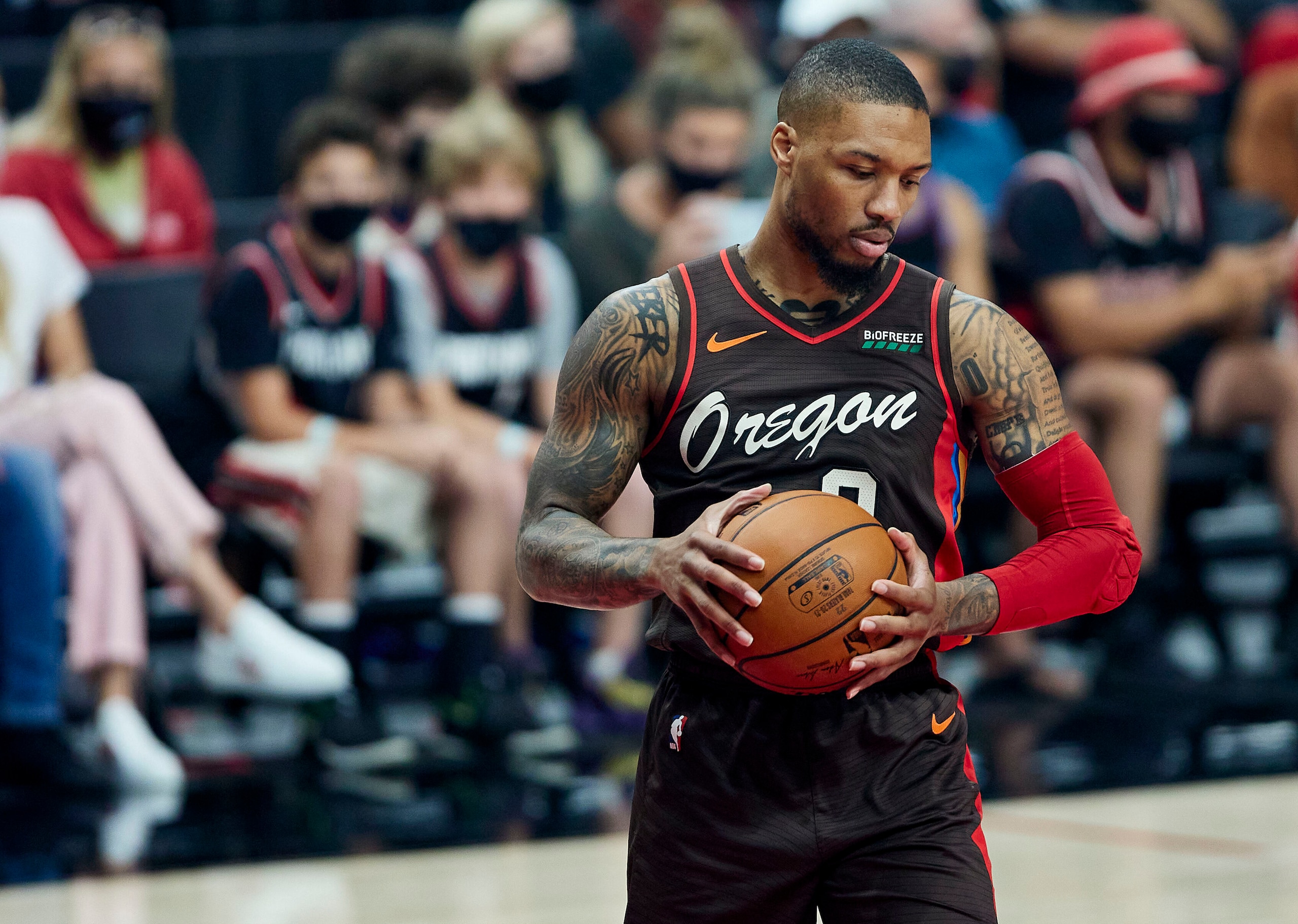
Best Case: During Blazers training camp, Lillard has talked about taking some much-needed time off during the summer to reset his body after a year of playing through nagging injuries. New head coach Chauncey Billups, too, has said he doesn't want his franchise point guard to be near the top of the minutes-played list as he has been in recent years.
If Lillard doesn't have to do too much—if his supporting cast stays healthy and new addition Larry Nance Jr. makes an impact—he could have an even better and more efficient year. That would make the Blazers dangerous and a sleeper candidate to make a deep playoff run.
Worst Case: This roster's regular-season success is far from a sure thing. A few rotation players are different, but it's a similar team to the past several years—season in which Lillard has had to do all the heavy lifting to keep the Blazers relevant. His production is the only thing the Blazers can count on year-in and year-out.
If the Blazers disappoint again, they could find themselves right back where they were this spring, wondering whether they'll be able to keep Lillard happy long-term.
—Highkin
8. Joel Embiid, Philadelphia 76ers
19 of 26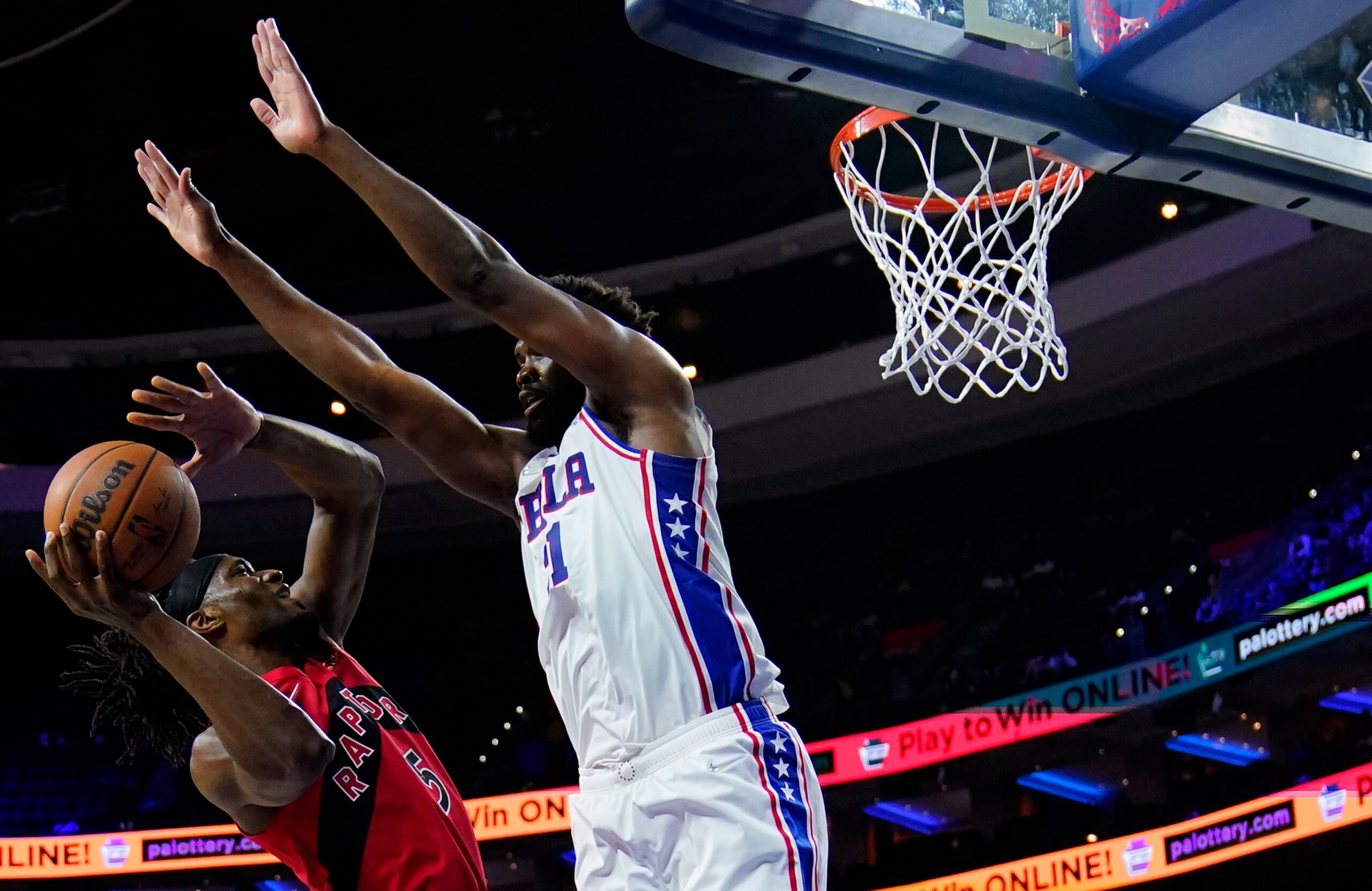
Best Case: The individual accolades and praise have been pouring in for some time. There's no need to try and convince Joel Embiid that he's an exceptionally talented player.
He knows this.
That's why success for him can no longer come in the form of double-doubles or rebounding conquests or having the coolest/funniest tweets or Instagram posts. Success at this point for Embiid has to be at the purest, most basic level: winning in the playoffs. In a best-case scenario, the 76ers will do that this year and earn a trip to the NBA Finals.
Worst Case: Can he make his teammates better? Can he be both impactful on an individual and team basis? Because those two latter points—more than anything he does stat-wise—will go far in determining if this season will be a breakout one. If the answer is no, it could be just another early-than-expected postseason exit.
—Blakely
7. James Harden, Brooklyn Nets
20 of 26
Best Case: It's unlikely Harden can win a second MVP trophy with Kevin Durant by his side this time, although he could be Brooklyn's most valuable player this year.
Harden has already achieved everything he can individually. He was the MVP in 2018, a scoring champion in 2018, 2019 and 2020, an assist champion in 2017, a nine-time All Star, and even the league's Sixth Man of the Year in 2012.
Harden's legacy, like so many others, will come down to postseason success.
The Nets should be the favorites to win the 2021 NBA title given the amount of both star power and depth on the roster. While Harden previously failed as a No. 1 option, he can exorcise his past postseason demons with a title now in Brooklyn.
Worst Case: Of course, anything short of a championship will be a failure for these Nets, and a poor playoff showing from Harden could permanently damage his reputation as one of the all-time greats.
Harden's Houston Rocket teams were continually knocked out by loaded Golden State Warriors squads. While it may have been disappointing, they were never supposed to beat those teams led by Stephen Curry, Kevin Durant, or both.
Now, everyone is chasing Brooklyn, and Harden, for a title. If this team stays healthy, there are no excuses.
—Swartz
6. Luka Doncic, Dallas Mavericks
21 of 26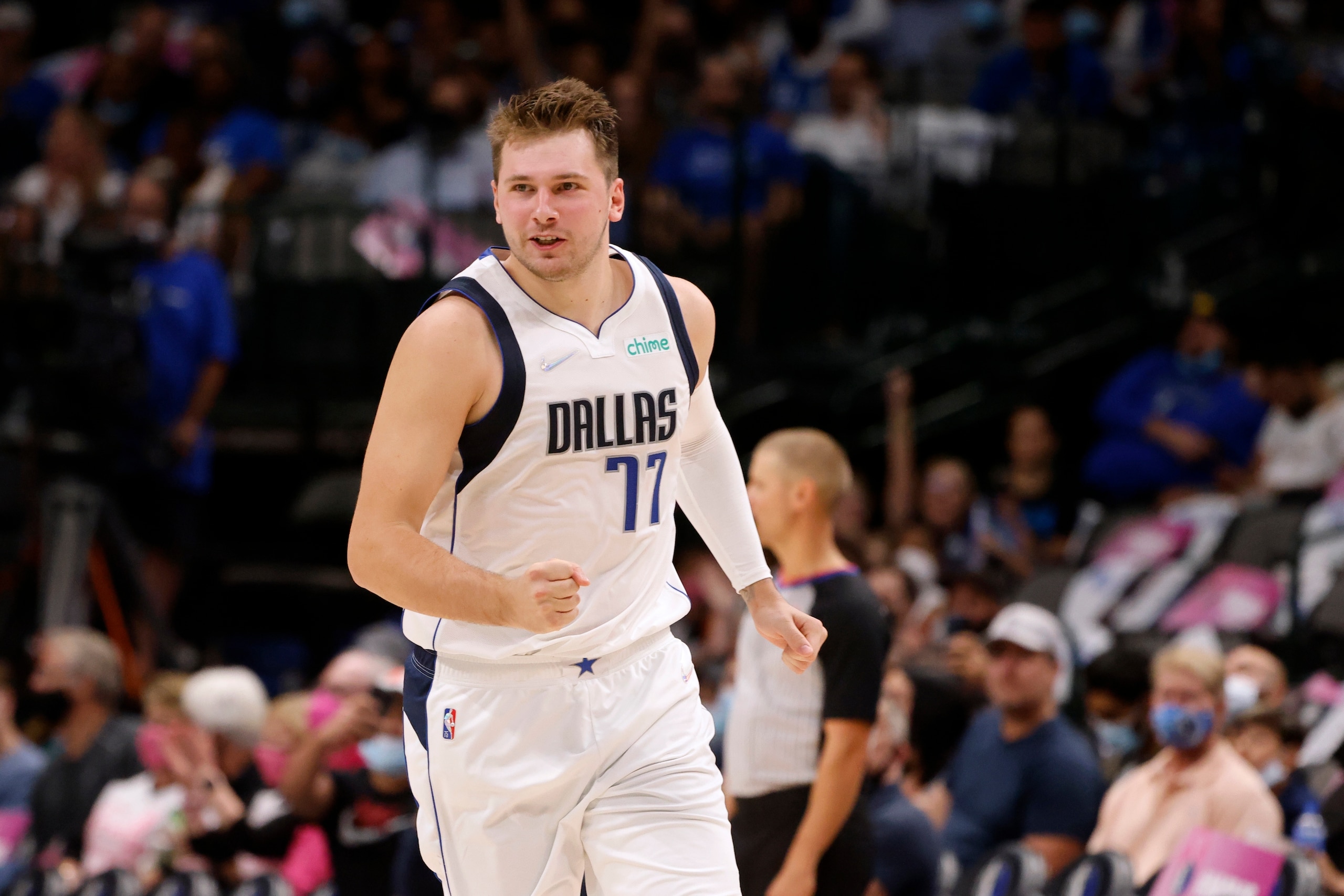
Best Case: MVP. Everyone was expecting Luka Doncic to be in the top MVP contention last season, but the Dallas Mavericks just weren't good enough. It's hard to say whether Dallas will be good enough this year, but Doncic winning MVP is the best-case scenario for him. If Doncic does win MVP, that means the Mavericks will have likely been a top-four seed, proving that his stats lead to wins.
Doncic led the NBA in usage rate last season at 36.0, and he'll likely do it again this season. With a usage rate like that, Doncic's ability to carry a team will be on full display. It's hard to individually play better on the court than he did in last year's playoffs, so what needs to be seen is more from a leadership standpoint. His body language, communication and ability to not be a liability on defense need to improve. There was so much dysfunction coming from his relationship with both Rick Carlisle and Kristaps Porzingis, which can't happen again.
Worst Case: Last season wasn't necessarily a worst-case scenario for Doncic, but it wasn't a favorable one for the Mavericks as a whole. The team underachieved for a large part of the regular season and lost in the first round of the playoffs for a second straight year, thanks to Kawhi Leonard again. While anyone can see Luka was outstanding, those types of losses will always get reflected upon by a team's best player. He was seen as a difficult player to coach after Carlisle departed.
Doncic and the Mavericks have to do better than last season, plain and simple. It would be inexcusable to be bounced in the first round for a third year straight. Losing early could easily lead to some high-tension conversations between Doncic, the organization and the rest of the players on the team.
—Esnaashari
5. Nikola Jokic, Denver Nuggets
22 of 26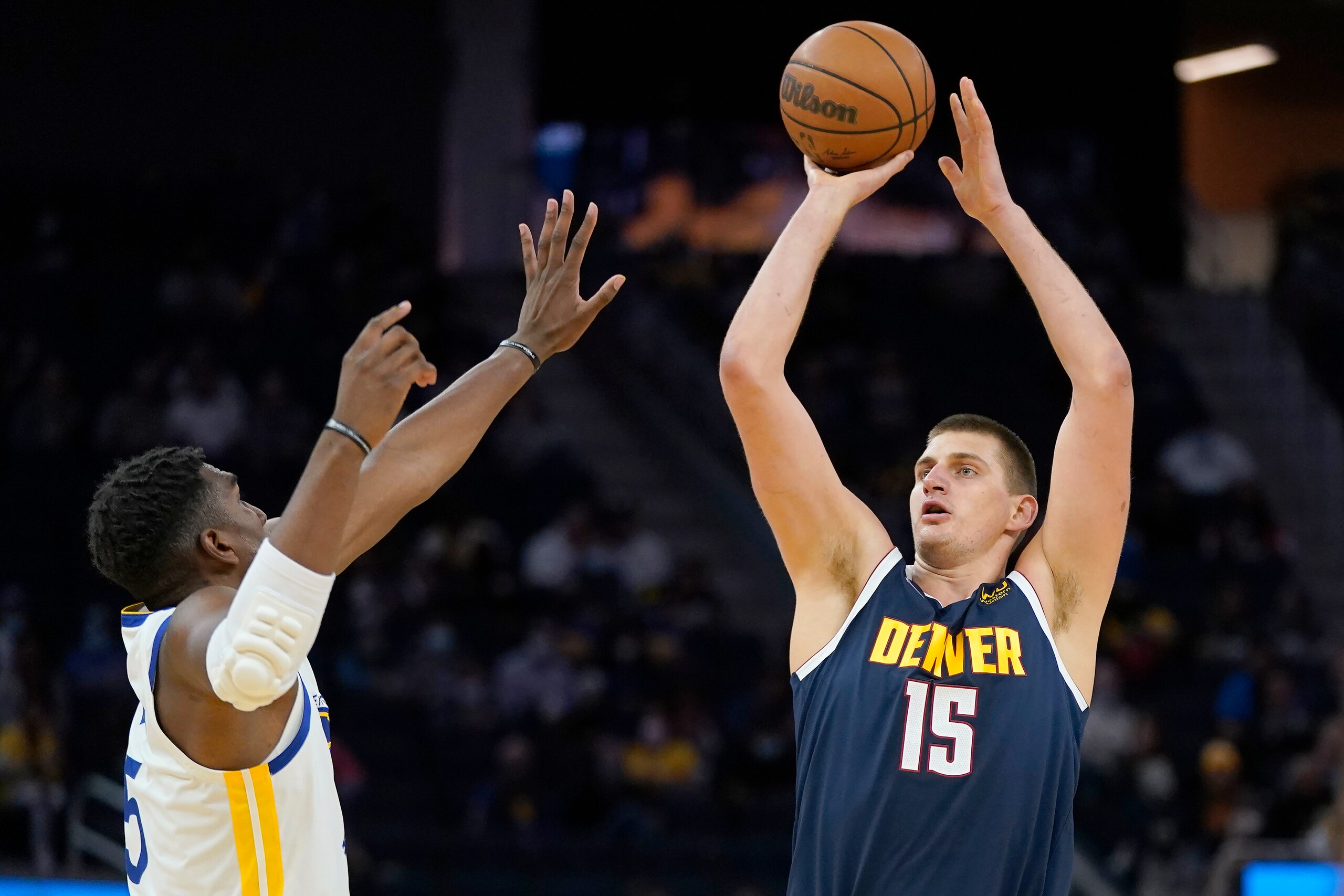
Best Case: Nikola Jokic is coming off the ninth-best individual season in NBA history, according to box plus/minus.
And with Jamal Murray out, he enters 2021-22 with perhaps more responsibility than he's ever had. Best-case scenario on offense, he replicates last season's absurd production without his No. 2 and helps turn Michael Porter Jr. into a superstar.
On the other end, Jokic isn't likely to ever be a game-changing rim-protector, but just a little more reliability when switched onto guards and wings would be nice.
Worst Case: Perhaps the biggest difference between Jokic's 2020-21 and his previous campaigns was consistency. In earlier years, he would have weeks-long stretches of dominance sandwiched between seeming indifference. He eliminated that apathy in his MVP campaign.
If that returns in a season when Murray figures to be out for most (if not all) of the way, the Denver Nuggets could find themselves scratching to stay out of range of the play-in tournament.
—Bailey
4. Stephen Curry, Golden State Warriors
23 of 26
Best Case: This high in the rankings, the best-case outlook basically has to feature an MVP award and massive team success. If Curry performs like he did a year ago and gets more help from a retooled Warriors rotation, both high-end outcomes are in play.
And if Golden State is serious about an offense head coach Steve Kerr claimed would include "a ton of threes"—one that’ll eventually include Klay Thompson—it may even be possible for Curry to exceed last season’s counting stats, pushing up toward 35 points per game. Why put anything past the guy most responsible for redefining an entire sport’s scoring norms?
Worst Case: Curry’s age (33) and long history of ankle injuries are concerns, and the lack of a trustworthy backcourt defender could force him into taxing matchups too often. If he misses time, the Warriors will struggle to make the playoffs. That said, a significant step backward would likely still see Curry average at least 25.0 highly efficient points per game.
Whatever happens, he’s not going to forget how to shoot.
—Hughes
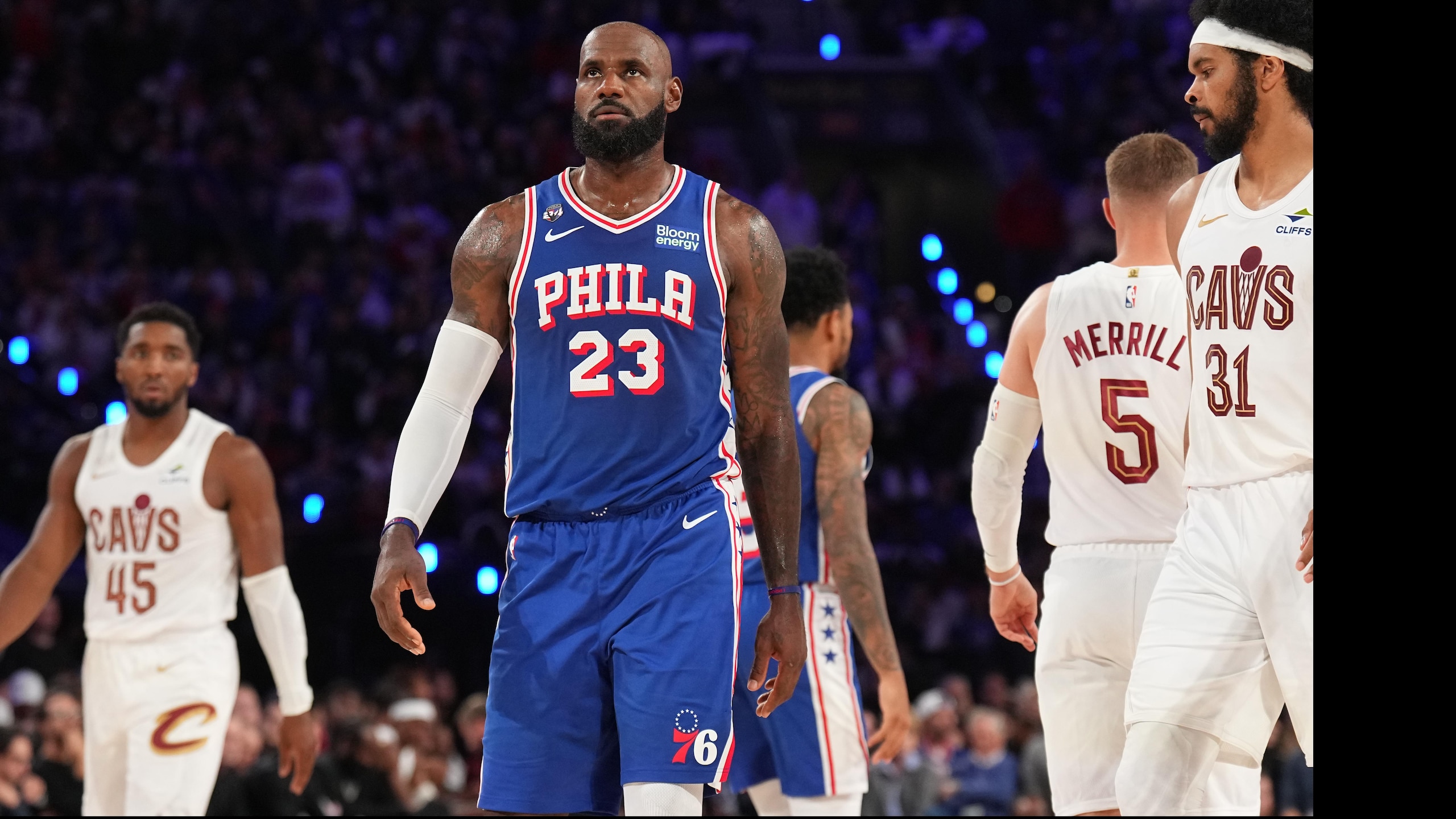
3. LeBron James, Los Angeles Lakers
24 of 26
Best Case: There's really only one best-case scenario for James this season: a title with the Los Angeles Lakers.
James has already established his legacy as one of the greatest players in NBA history. His longevity at the highest of levels is arguably unparalleled. Where he falls a little short on the all-time list is in rings. James has four to his name. A fifth would tie him with Kobe Bryant, Tim Duncan and Earvin "Magic" Johnson, just one behind Michael Jordan.
Worst Case: In two of the past three seasons, James has struggled with lengthy injuries. In his first year with the Lakers, prior to Anthony Davis' arrival, James was sidelined with a significant groin injury. After the 2019-20 title run, James suffered an ugly ankle sprain. While his game hasn't diminished as he's aged, his availability has dipped.
To achieve the best-case scenario, James needs to be on the court and healthy.
—Pincus
2. Giannis Antetokounmpo, Milwaukee Bucks
25 of 26
Best Case: History repeats itself? Seriously, Antetokounmpo is 26 years old, and it's possible all items on his basketball bucket list are already checked off: Most Improved Player, Defensive Player of the Year, MVP (twice), All-Star (five times), NBA champion.
Saying that, Antetokounmpo hasn't necessarily peaked just yet. He could expand his scoring arsenal (both by becoming a more reliable shooter and developing more go-to moves in the post), and he's still waiting on his first season with a 2-to-1 assist-to-turnover ratio. His ceiling stretches as high as any possibly can. A best-case season features a unanimous MVP win for him and another title for Milwaukee.
Worst Case: Antetokounmpo's free-throw issues get out of hand, to the point they start impacting his assertiveness. While he can roll out of bed and into a 25-point game, there's a difference between a player of this ilk averaging closer to 25 points than 30. If he's really good instead of great on offense, the Bucks' biggest hopes could be off the table.
Barring injury, Antetokounmpo won't slip from the elite ranks, and neither should the Bucks. But if his offensive numbers sag a bit and damage his overall impact, it's possible next season ends with a handful of players being mentioned above Antetokounmpo in the "greatest on the planet" debate and a handful of clubs having better championship odds than Milwaukee.
—Buckley
1. Kevin Durant, Brooklyn Nets
26 of 26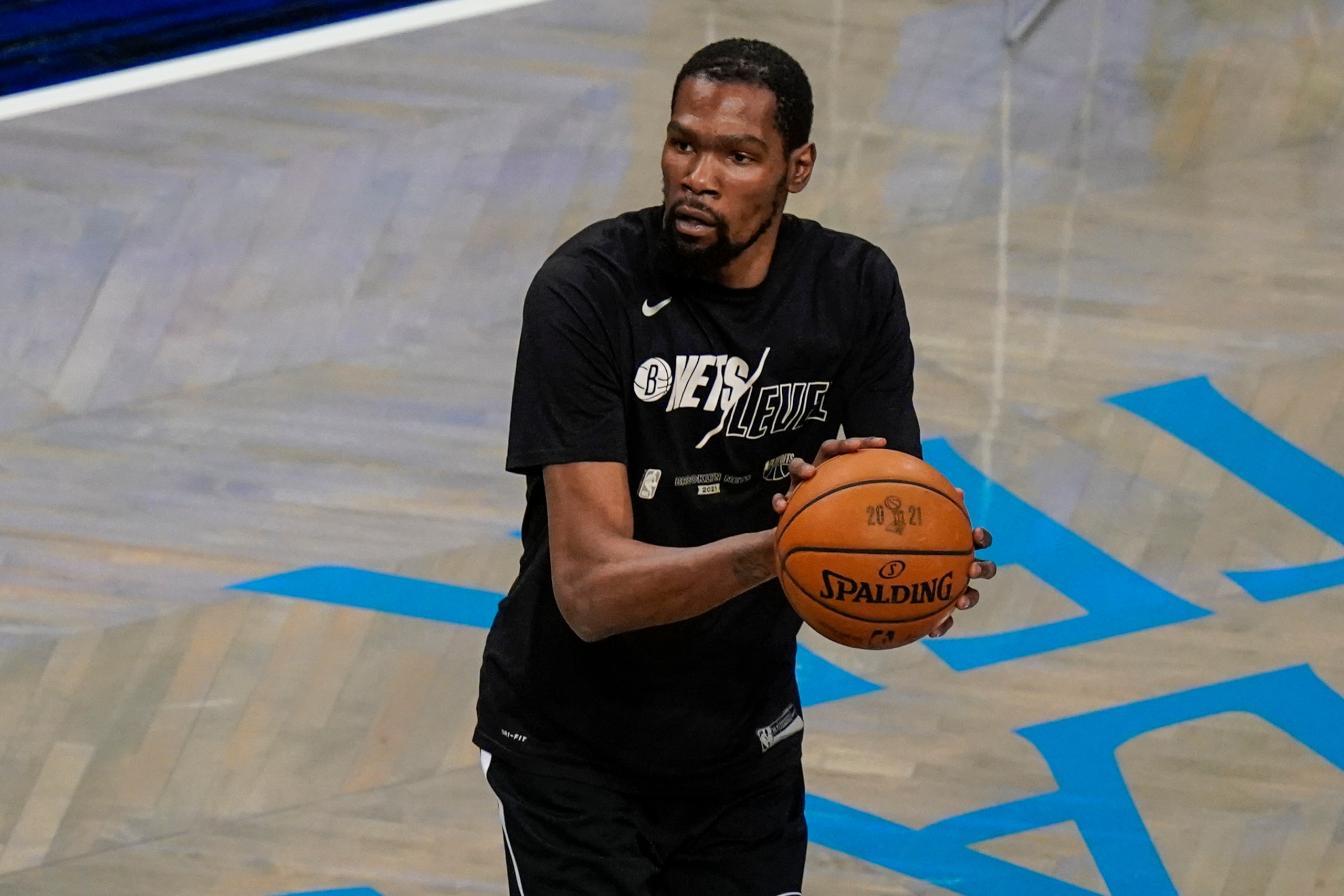
Best Case: If everything breaks right, Kevin Durant will lead the league in scoring and log 70-plus games for the top-seeded Brooklyn Nets before carrying them to the title. That outcome could solidify KD's position among the league's all-time top-10 players. So even if Durant's place in the NBA's current hierarchy is established, he could still climb a few rungs up a more historic ladder.
That Curry was able to channel his best self last year, at 33, augurs well for KD as he embarks on his own age-33 season. If anything, Durant is even better positioned to succeed because of James Harden's ability to shoulder the playmaking burden. He'll be in line for more clean looks than he's seen since his days in Golden State.
Worst Case: With unparalleled smoothness and a release too high to be bothered by even the rangiest defenders, the only obstacles to another dominant scoring season are health and load management. Even if Durant reprises his approach from last year by playing in third gear (and second gear on defense, if we're being honest), everyone will still expect him to hit a level no one else can match in the postseason.
If it seems like Durant is perhaps slowing down a bit this season, angling closer to a worst-case than a best-case scenario, don't be fooled. The expectation should still be total unstoppability in the playoffs.
—Hughes