
30 Years of Regret: The 1 Player Every NBA Team Quit on Too Soon
Patience is more than a virtue.
For an NBA franchise, it can be the key ingredient in developing a star.
Some players need time to get their feet wet. Others might be blocked by a bigger name in front of them or, for any other reason, be denied an opportunity to shine. Stardom doesn't always occur on the same timeline, and when teams abandon hope too quickly, they can find themselves saddled with lifelong regret.
Every team has at least one of those mistakes, and we have combed through the last 30 years to find the most egregious example for all 30 franchises.
We're only considering players who passed through the organization in some capacity, meaning draft-night deals are fair game, but future draft picks aren't considered. We're also excluding players who forced their way out since that doesn't fit the discussion. Finally, we're not repeating players for multiple franchises even though a few have arguments in multiple places.
With those parameters in place, let's share in the misery of reliving these crushing regrets.
Atlanta Hawks: Luka Doncic
1 of 30
The Hawks saw depth in the 2018 draft class, which convinced them to move back two spots in order to add an additional lottery pick. They weren't wrong about the draft's quantity, but they bungled the quality part of the equation.
Luka Doncic has a chance to be Mt. Rushmore great. That statement should be setting off all kinds of what-have-you-done-for-me-lately overreaction alarms, but the numbers say it's not hyperbolic. Doncic is delivering the highest player efficiency rating ever by someone in his age-20 season, and he's just the second player to average 28 points, nine rebounds and eight assists within his first two campaigns.
"He's already showing he's one of the best and he's only 20 years old and he's putting up numbers like, it seems crazy to say it, but the next Michael Jordan," Goran Dragic told NBA.com's Sekou Smith in December.
Atlanta can at least say it came away with something from the draft-night exchange. Trae Young already has an All-Star appearance under his belt, and Cam Reddish flashed intriguing two-way potential as a rookie.
But that doesn't change the fact the Hawks seemingly let go of an all-time great.
Boston Celtics: Chauncey Billups
2 of 30
Chauncey Billups haunts a lot of teams. He played for the Boston Celtics, Toronto Raptors, Denver Nuggets and Minnesota Timberwolves within his first five seasons, plus he spent a few months with the Orlando Magic but never suited up for them. It wasn't until he found his way to the Detroit Pistons that he settled in as an All-Star and championship leader.
But the Celtics set that all in motion by drafting him third overall in 1997 and becoming irrationally impatient. After just 51 games, the Shamrocks decided Billups wasn't the answer and traded him to Toronto for a package headlined by Kenny Anderson.
"When [then-Celtics coach] Rick [Pitino] came to me, he was honest with me," Billups told Gary Washburn of the Boston Globe. "He told me, 'Chaunce, look, I still think you're going to be a great player in the league. There's a lot of pressure on me to make the playoffs and I need a veteran point guard. I've really always been a big fan of Kenny Anderson.'"
The deal didn't get the Celtics to the playoffs, and Pitino was ousted a few years later. Anderson had an up-and-down four-plus-year stretch in Boston. Billups, who could have teamed with Paul Pierce had the Celtics not rocked the boat, made five All-Star appearances in his career and captured the 2004 Finals MVP.
Brooklyn Nets: Mookie Blaylock
3 of 30
The Brooklyn Nets committed their most egregious acts of impatience by letting go of future first-round picks at an alarming rate, but those aren't considered here. So, instead, they're left regretting an incredibly one-sided swap in 1992.
They had previously spent 1991's No. 2 pick on Kenny Anderson, and they wanted to get him some floor time. The problem was he couldn't unseat Mookie Blaylock, so the Nets needed to clear the veteran out of the way. They did so by sending Blaylock and Roy Hinson to Atlanta for Rumeal Robinson.
"We felt that Kenny Anderson was the better player, and he was going to be our guard, hopefully, for the next 10 years," assistant coach Brendan Suhr said, per Phil Berger of the New York Times.
The Nets traded Anderson during his fifth season and never won a playoff series during his tenure. Robinson lasted 97 games before he was traded to the Charlotte Hornets. Blaylock spent seven seasons with the Hawks, all featuring a playoff trip with four going into the second round. He twice led the NBA in steals, made an All-Star appearance and remains Atlanta's all-time leader in steals, threes and box plus/minus.

Charlotte Hornets: Alonzo Mourning
4 of 30
The Charlotte Hornets infamously drafted Kobe Bryant and traded him to the Los Angeles Lakers, but that was set in motion by forces beyond their control. Alonzo Mourning's departure in 1995 may not have been entirely their doing either, but it came down to dollars and cents, and Charlotte didn't put enough on the table.
As then-Hornets president Spencer Stolpen recalled, they offered Mourning a 10-year, $111 million contract, per Rick Bonnell of the Charlotte Observer. They traded him to the Miami Heat when those talks broke down, and the next summer, he inked a seven-year, $105 million deal.
"Did we want to get rid of one of the best players in the league? Of course not," then-owner George Shinn said. "Nobody loved Mourning more than we did ... but you can't approach these things just with emotion. You've got to use business sense."
Maybe it's just me, but letting go of the best player in franchise history feels like bad business.
Mourning booked five All-Star trips over the following seven seasons for the Miami Heat, averaging 19.8 points, 9.7 rebounds and 2.9 blocks along the way. Glen Rice, the focal point of the Hornets' return, was traded to the Los Angeles Lakers after three seasons in Charlotte.
Chicago Bulls: LaMarcus Aldridge
5 of 30
Twice in the last 20 years, the Bulls have parted with a nightly source of 20 points and 10 boards. But at least with Elton Brand, who they drafted first overall in 1999 and traded in 2001, they knew who they were giving up and managed to bring back Tyson Chandler.
With LaMarcus Aldridge, they didn't even give him a chance to breeze through the Windy City. Instead, the Bulls took him with the second pick in 2006 and traded him the same night...for Tyrus Thomas and Viktor Khryapa.
Aldridge snagged an All-Rookie first-team spot with per-game averages of 9.0 points and 5.0 rebounds. He wasted little time proving those numbers were mere stepping stones to his true potential, which has been realized in the form of seven All-Star selections, five All-NBA honors and career averages of 19.5 points and 8.3 rebounds.
Thomas failed to turn his NBA tools into NBA skills, and he was out of Chicago in less than four seasons and gone from the Association after eight. Khryapa played 42 games for the Bulls, who bought him out during his second season so he could return to Europe.
Cleveland Cavaliers: Jamal Crawford
6 of 30
The Cleveland Cavaliers managed to do the near-impossible by finding value in the terrible, horrible, no good, very bad 2000 draft. But they fumbled it away immediately with a draft-night deal that might still be the cause of some insomnia in Northeast Ohio.
Cleveland had the eighth overall pick and spent it on Jamal Crawford, a silky smooth combo guard who dazzled during his one-and-done run at Michigan. It immediately traded him (plus cash!) to Chicago for Chris Mihm, a 7-footer who handled interior duties but not much else.
Since basketball minds had yet to even entertain pace-and-space concepts, the Cavs were celebrated for their decision. ESPN gave the Cavs an A for their draft, which was only Mihm, and called the center "absolutely the player the Cavs needed."
Cleveland discovered that wasn't the case pretty quickly.
Mihm was out of there during his fourth season, and he never averaged even 23 minutes. Crawford, on the other hand, emerged as one of the top substitutes in league history and has captured three Sixth Man of the Year awards. Mihm contributed 13.3 win shares over his eight-year career; Crawford is at 60.6 so far and has yet to call it quits.
Dallas Mavericks: Steve Nash
7 of 30
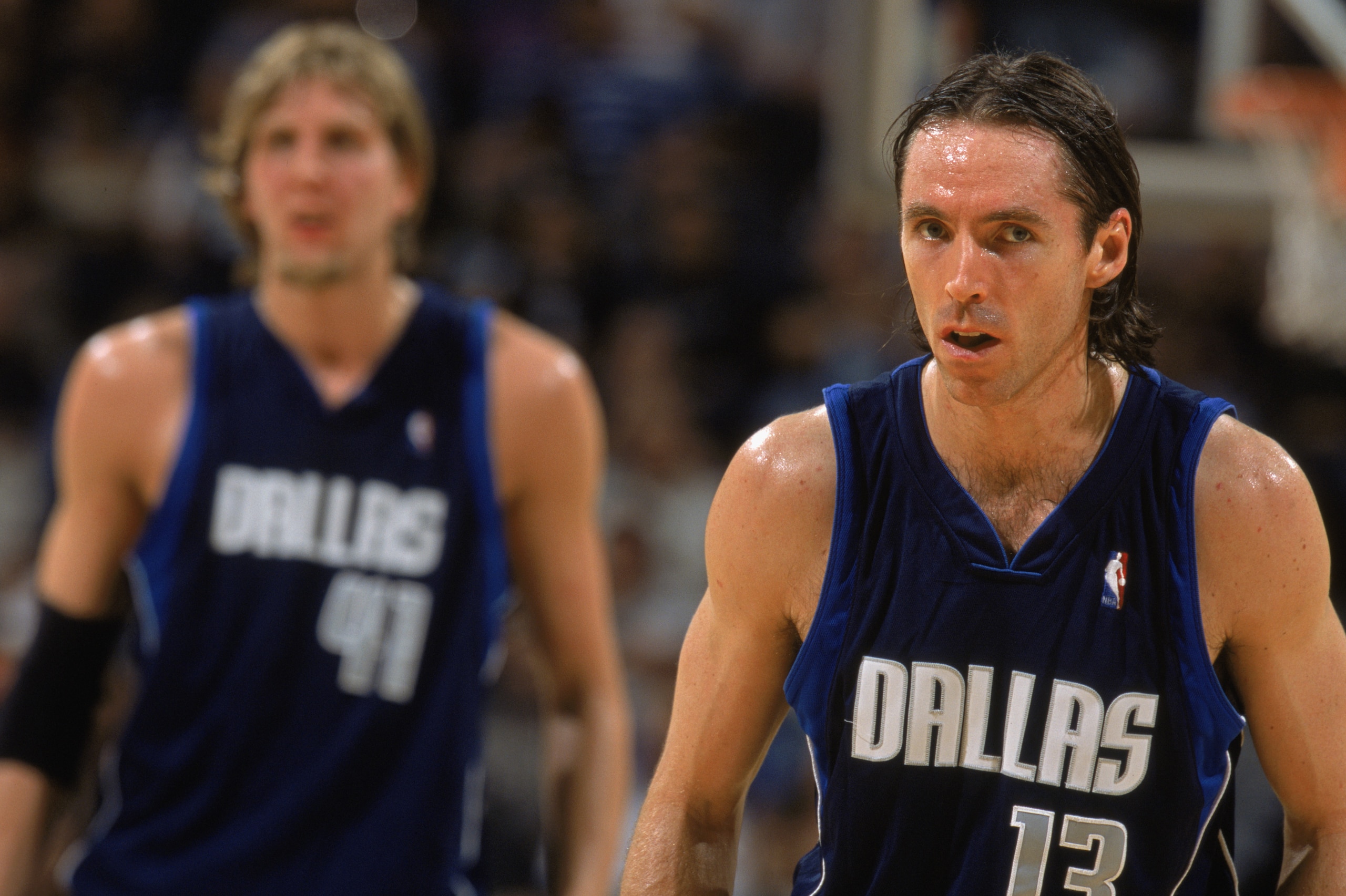
Dallas constructed an MVP combo with Dirk Nowitzki and Steve Nash, but it never reaped the full rewards. While Nowitzki was given Maverick-for-life status, Nash was effectively shown the exits after six seasons with the team—two that featured All-Star selections and one that saw the squad win 60 games and advance to the conference finals.
But Dallas grossly miscalculated Nash's future and allowed him to walk as a free agent in 2004. The Phoenix Suns offered him a six-year deal worth more than $65 million. The Mavericks, who had offered him nearly $20 million less, were given an opportunity to match and declined, per Marc Stein.
Mark Cuban is still kicking himself nearly 20 years later.
"We certainly didn't see him as a two-time MVP. And it was the biggest mistake I made not re-signing him," Cuban said, per Dwain Price of Mavs.com. "We thought his body would break down, and it certainly didn't. So bad advice, bad across the board."
Nash played at least 74 games in his first seven seasons with the Suns. Over that stretch, he won five assist titles and two MVPs, averaging 16.7 points and 11.0 assists while posting a 50.8/44.0/91.3 shooting slash.
Denver Nuggets: Dikembe Mutombo
8 of 30
When Denver invested 1991's fourth overall pick in Dikembe Mutombo, it found a future Hall of Famer. But when the interior anchor came up for free agency five years later, it couldn't find the funds to keep him around.
Mutombo's camp wanted a 10-year deal, and Nuggets ownership wouldn't go that far. They kept searching for alternatives because he wanted to stay, but the right agreement never surfaced. Mutombo bolted for Atlanta, and then-Nuggets general manager Bernie Bickerstaff called it his "only regret."
Mutombo's movement sent the clubs in opposite directions. In his first season with the Hawks, their win total jumped by 10 (46 to 56). That same season, the Nuggets' win column fell by 14 (35 to 21).
The defensive-minded center played 13 more seasons after leaving Denver and had one of the more storied careers of his generation. He was an eight-time All-Star, a six-time All-Defensive selection, a four-time Defensive Player of the Year and a three-time All-NBA honoree. He has the second-most blocks in NBA history.
Detroit Pistons: Allan Houston
9 of 30
The Pistons had to see stardom awaiting Allan Houston. After using the 11th pick of the 1993 draft to get him, they watched the sweet-shooting swingman blossom in his third season to the tune of 19.7 points per game and 191 three-point makes at a 42.7 percent clip.
But when the 25-year-old headed into free agency after that season, Detroit sabotaged its chances of keeping him by pinching pennies in the worst kind of way. As Clifton Brown relayed for the New York Times (via Piston Powered's Dan Feldman), the Pistons came in so low they essentially forced Houston to look elsewhere:
"According to a league executive familiar with Houston's negotiations, the Pistons made an alarmingly low offer to Houston on Thursday — $30 million over seven years. Five teams made offers to Houston — the Knicks, Indiana, Miami, Houston and Detroit. New York's offer was the highest. Detroit's offer was the lowest. This confirmed Houston's suspicion that he was not Detroit's No. 1 priority. The Pistons are expected to make a huge offer to Dikembe Mutombo, and they hoped that Houston would wait."
Houston took the money and ran to the New York Knicks, where he played nine seasons, made two All-Star trips and averaged 18.5 points per game. The Pistons couldn't lure Dikembe Mutombo to town, so their "major" move that summer was trading for Stacey Augmon and Grant Long.
Golden State Warriors: Mitch Richmond
10 of 30
Golden State has had a ton of talent come and go, but a lot those departures were beyond the franchise's control. Chris Webber and Tim Hardaway requested tickets out of town. Kevin Durant and Baron Davis chose other destinations in free agency.
The 1998 draft-night trade of Vince Carter demanded consideration, but at least the Dubs left that exchange with Antawn Jamison, a two-time All-Star who topped 20,000 career points. When they jettisoned Mitch Richmond hours before opening the 1991-92 season—after he began his career with three straight campaigns of 22-plus points per game—they only brought back Billy Owens, who would never average even 17 points.
"We should have never made that trade," former Warriors coach Don Nelson said in 2014, per Bay Area News Group's Carl Steward. "I got talked into that one. There was pressure within our organization to get bigger after we got beat in the playoffs. But it didn't work out that well."
Richmond picked up where he left off with the Sacramento Kings, delivering seven consecutive seasons with 21-plus points per outing. He booked six straight All-Star trips and still stands as the franchise's third-leading scorer of all time.
Owens lasted just three seasons with Golden State before he was traded to the Miami Heat for Rony Seikaly.
Houston Rockets: Richard Jefferson
11 of 30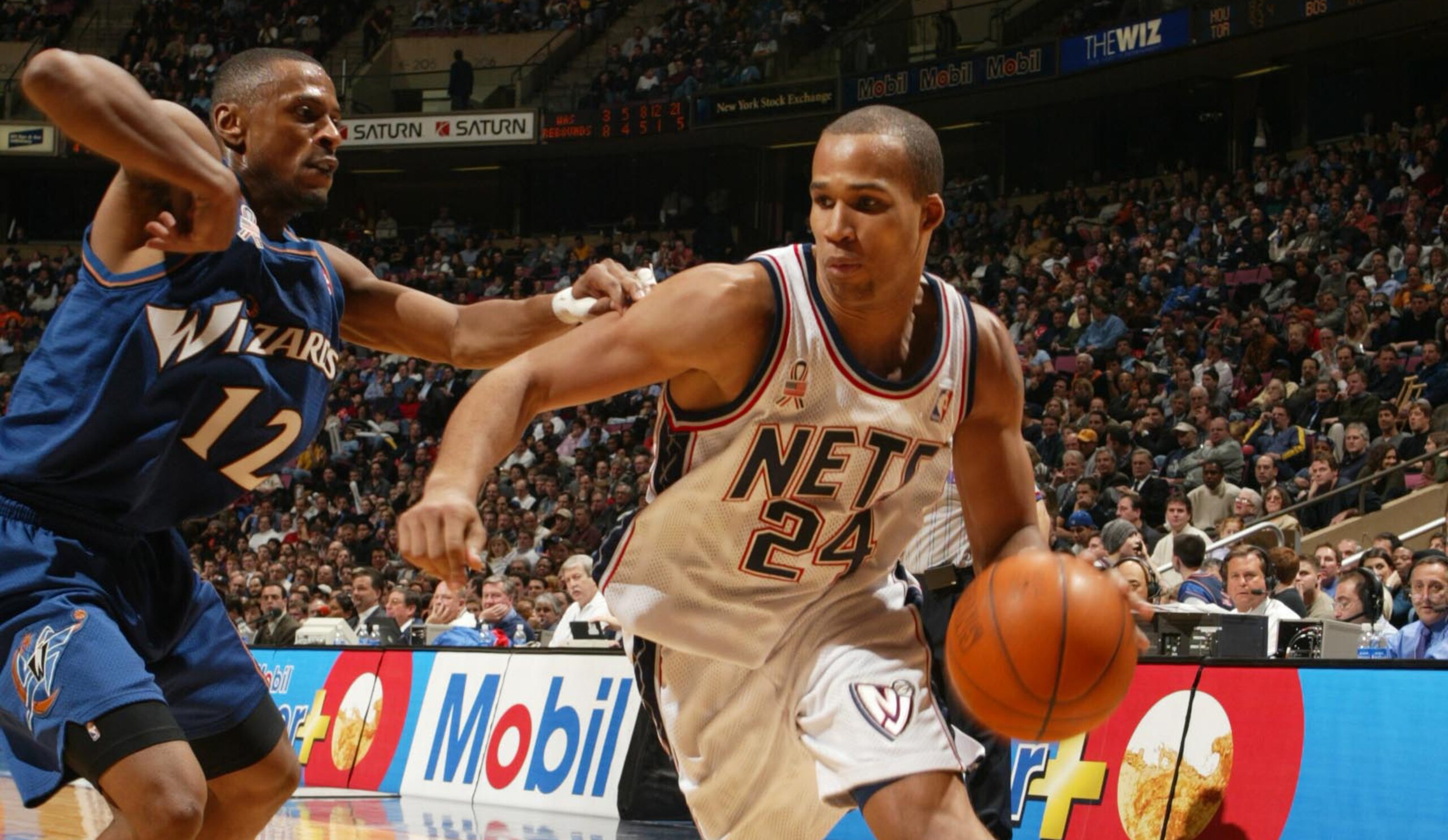
The Rockets had a chance to ace the 2001 draft. They selected a player 13th overall who went on to rank fourth in career win shares among the draft class.
But Houston didn't hold that player—Richard Jefferson—beyond that night. Instead, the Rockets packaged him with Jason Collins and Brandon Armstrong to add the No. 7 pick, Eddie Griffin.
Jefferson snagged an All-Rookie second-team spot, and by his sophomore season, he was starting for a Nets team that won 49 games and made the NBA Finals.
While his career reads more solid than spectacular, he averaged double figures in 10 of his 17 NBA seasons and topped 18 points per outing five times. He appeared in 140 playoff games (starting 75) and, as a 35-year-old, logged the sixth-most postseason minutes on the Cavs' 2015-16 championship team.
Griffin battled addictions and only played 303 games across five NBA seasons. He died in a car crash in August 2007.
Indiana Pacers: Kawhi Leonard
12 of 30
The Pacers were talking trades—specifically, a trade with the San Antonio Spurs for George Hill—long before coming on the clock at No. 15 during the 2011 draft. Indiana saw Hill as the ideal fit as the head of the snake in then-coach Frank Vogel's system.
Once the Pacers were on the clock, they found out the player the Spurs coveted was still on the board. Turns out, it was the same one Indiana liked enough to consider backing out of the deal: Kawhi Leonard.
"When Kawhi ended up being there, we had to think about taking him," then-Pacers general manager David Morway told Zach Lowe for a 2013 Grantland article. "But we already had Danny Granger and Paul George. That's what made it a little easier for us."
Nothing can make it easier to process now, though.
Hill has proved a solid professional (15.1 career player efficiency rating), but he's never been mistaken for a star. Granger's knees failed him shortly thereafter, and he only made 64 more starts for the Pacers. George eventually tired of the Circle City and forced his way out in 2017.
Leonard, meanwhile, hit a higher level than any of them ever reached. He's already a four-time All-Star, a three-time All-NBA selection, a two-time Finals MVP and a two-time Defensive Player of the Year, and he's still getting better. Before this season was suspended, he was posting or matching career highs in points (26.9), rebounds (7.3) and assists per game(5.0).
Los Angeles Clippers: Lamar Odom
13 of 30
When the Clippers landed Lamar Odom with the fourth pick in 1999, they immediately added one of the Association's most versatile players. As a freshman, the 6'10" forward averaged better than 16 points, seven boards, four dimes and a block—a stat line only 32 players have ever posted.
For most franchises, that would've made Odom a no-doubt keeper, but the Donald Sterling-led Clippers pinched pennies whenever possible. They were overloaded with talented, young restricted free agents in 2003, and they made all of them—Odom, Elton Brand, Corey Maggette and Andre Miller—go find their own offer sheets.
Odom found a six-year offer from the Miami Heat worth nearly $67 million, and even though he asked the Clippers not to match, the expectation was that they would, just as they had with Brand and Maggette. But L.A. opted against doing so for whatever reason, and it let the uber-talented 23-year-old walk for nothing.
The Heat later used Odom to anchor their trade for Shaquille O'Neal, while the Los Angeles Lakers leaned heavily on him during their championship runs in 2008-09 and 2009-10. He's one of only 15 players in NBA history to tally at least 12,000 points, 8,000 rebounds, 3,000 assists and 800 blocks.
Los Angeles Lakers: Marc Gasol
14 of 30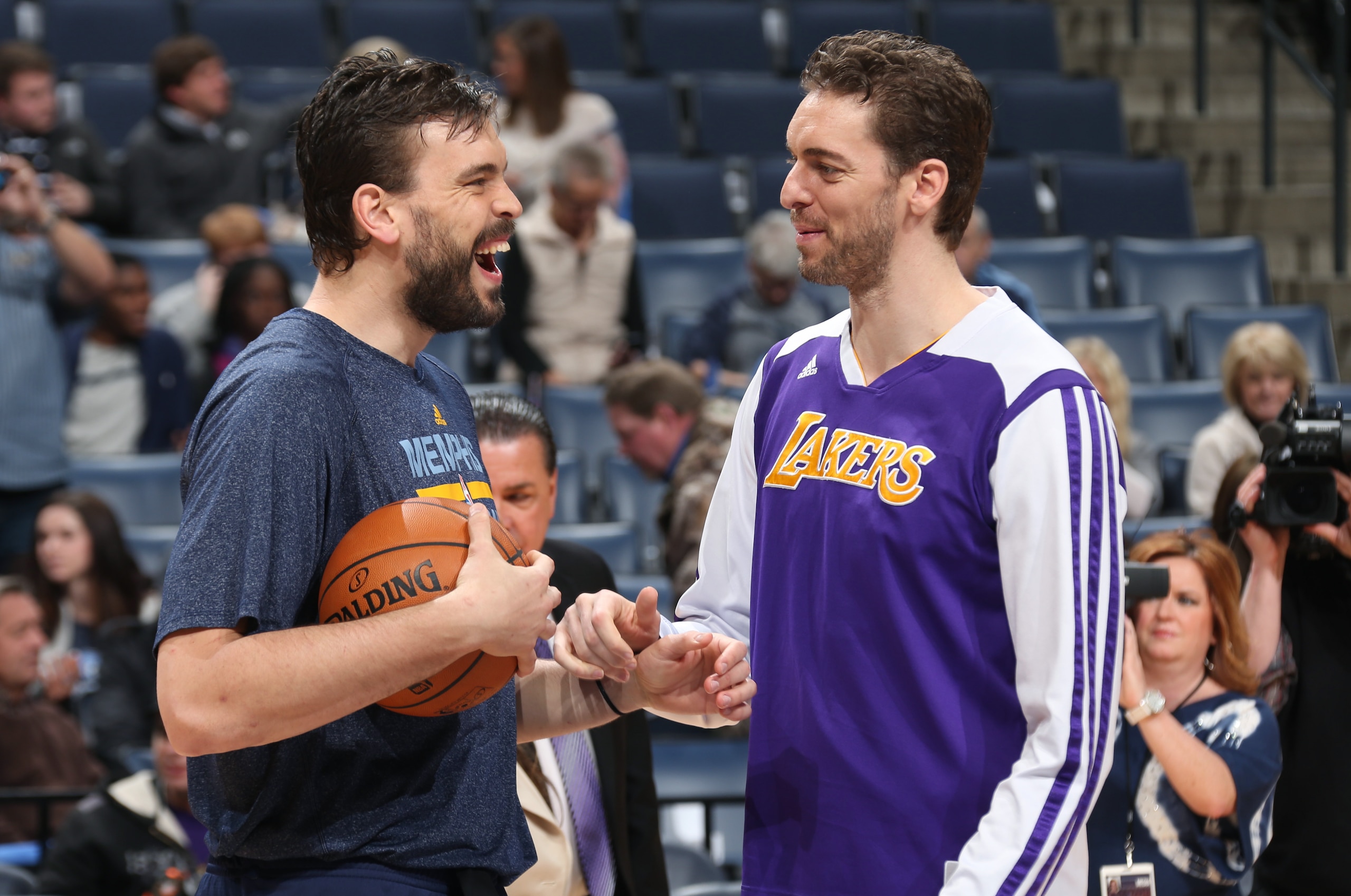
When the Lakers traded away Marc Gasol in 2008, the rest of the NBA screamed "Highway Robbery!" in unison. But no one was worried about what the Lakers had given up. Instead, they were beside themselves that the Memphis Grizzlies could give up his brother, Pau, for Marc, Kwame Brown, Javaris Crittenton, Aaron McKie and a couple of first-round picks.
"What they did in Memphis is beyond comprehension," San Antonio Spurs head coach Gregg Popovich told reporters. "There should be a trade committee that can scratch all trades that make no sense. I just wish I had been on a trade committee that oversees NBA trades. I'd like to elect myself to that committee. I would have voted no to the L.A. trade."
Popovich's critique was almost on-point.
Crittenton played 35 games for the Grizzlies, which was more than Brown and McKie combined. The first-round picks were later spent on Donte Green and Greivis Vasquez. Considering what Pau Gasol did for the Lakers—winning two titles, making three All-Star appearances—this almost looks like first-degree larceny.
Except for the fact that Marc Gasol ascended to icon status in Memphis and emerged as one of the Association's premier stoppers. He's been an All-Star three times, made the All-NBA team twice and was 2012-13's Defensive Player of the Year. While the Lakers surely don't regret adding Pau, they never could've realized the kind of value they were losing in Marc.
Memphis Grizzlies: Kyle Lowry
15 of 30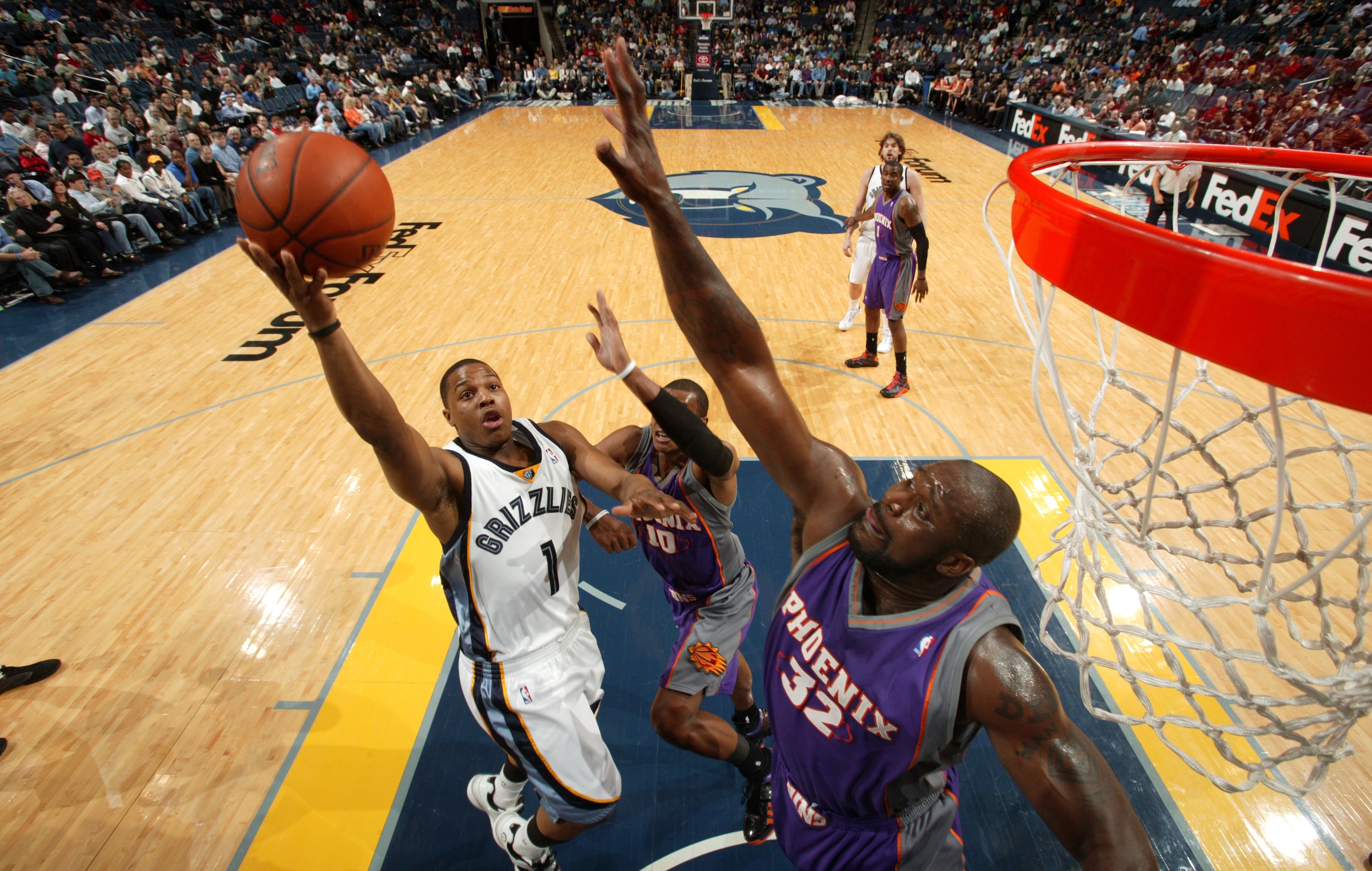
The Grizzlies didn't give Kyle Lowry time to spread his wings. As the saying goes, when you can turn a future six-time All-Star into Adonal Foyle, Mike Wilks and a late first-round pick, you gotta do it.
OK, so that's not the only reason Memphis parted ways with Lowry. The Grizzlies needed to clear the runway for 2007's No. 4 pick, Mike Conley, to take flight, and Lowry would need a new contract in 2010, so they cut the cord at the 2009 deadline.
Rockets general manager Daryl Morey still considers it the best move of his career, as the price point was comical on Houston's end of the three-teamer. To get Lowry—again, a future six-time All-Star—the Rockets gave up Rafer Alston and ... that was it.
Lowry has also been an All-NBA third-teamer and the co-star for an NBA champion. Had he played out his career in Memphis and posted the same numbers, he'd be the franchise's all-time leader in points (13,381), assists (5,623) and steals (1,226).
Miami Heat: Steve Smith
16 of 30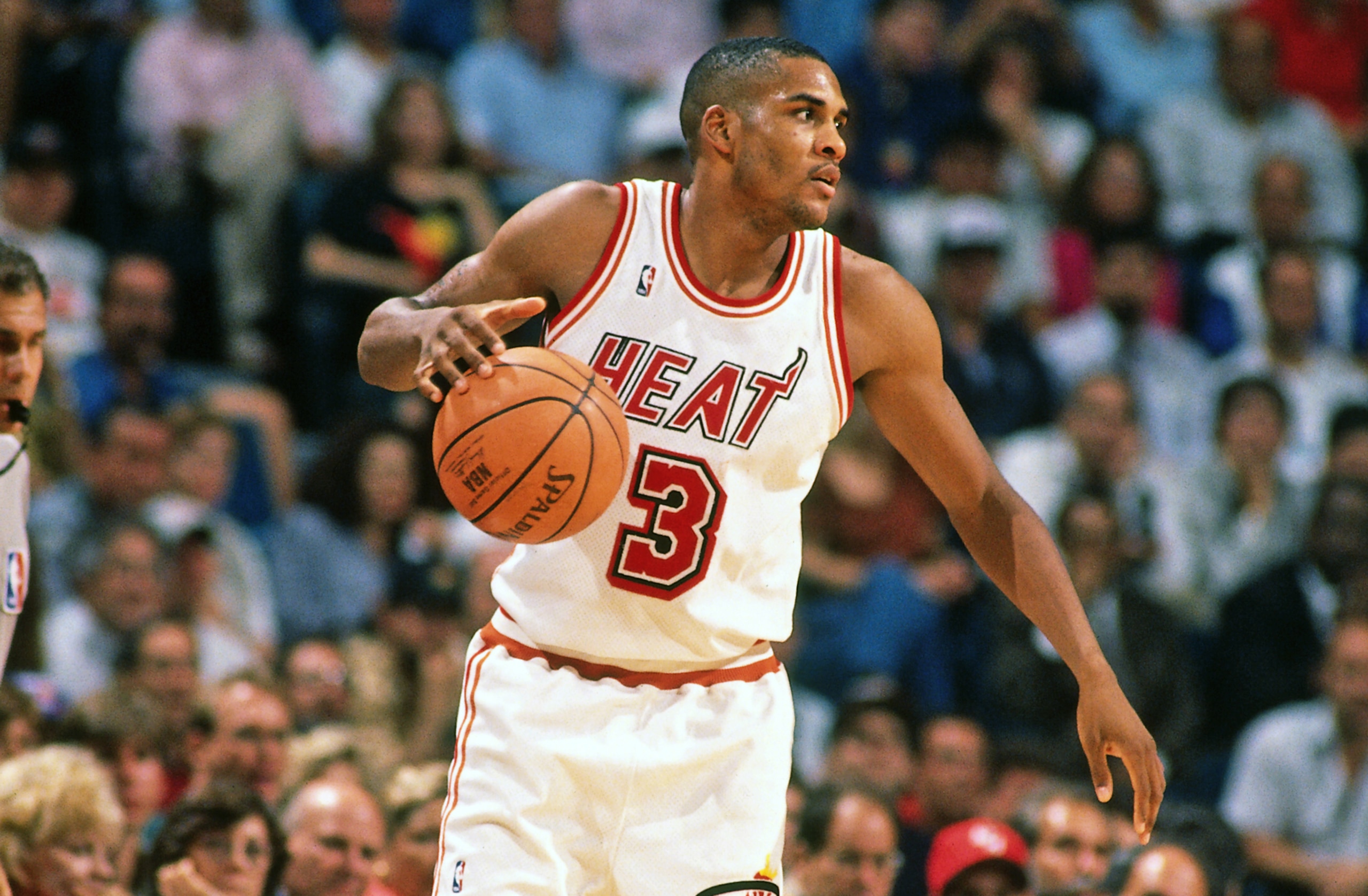
Steve Smith is one of the best draft picks the Heat have ever made, but Miami didn't reap enough rewards from the investment.
The fifth overall pick in 1991, he popped early in his career. He debuted with per-game averages of 12.0 points and 4.6 assists, and by his third season, he was one of only three players averaging 17 points, five assists and four rebounds.
Naturally, the Heat flipped him two games into the following campaign for a 32-year-old Kevin Willis and a future first-round pick that Miami later used to get Pat Riley away from the New York Knicks.
Smith hit the ground running in Atlanta, averaging 19.3 points, 3.9 rebounds and 3.6 assists over his four full seasons there. He made his only All-Star appearance with the Hawks and later won a ring—coincidentally, alongside Willis—with the San Antonio Spurs in 2002-03.
Milwaukee Bucks: Ray Allen
17 of 30
The Minnesota Timberwolves might have a louder claim for Ray Allen since they traded him on draft night—with a future first-round pick!—for Stephon Marbury. But at least the Wolves can say they had no idea what they were giving up.
That's not the case for the Bucks.
They smartly added Allen in the 1996 draft and watched his rapid ascension up the shooting guard ranks. He averaged 19.5 points, 4.3 assists and 1.6 threes in his second season—numbers only eight sophomores have ever hit—and kept elevating his production from there.
But he didn't always see eye-to-eye with then-coach George Karl, and their relationship fractured to a point Milwaukee deemed it beyond repair. So, the Bucks traded Allen with Ronald Murray, Kevin Ollie and a first-round pick to the Seattle SuperSonics for Desmond Mason and Gary Payton at the 2003 deadline.
They have been second-guessing themselves ever since.
"He and George Karl got into it and it just didn't work so we traded him," former Bucks owner Herb Kohl told Gary D'Amato of the Milwaukee Journal Sentinel. "I didn't make the trade, but I let it happen. It became very much of a personality thing and so we traded Ray. In terms of unfortunate moments, that was our most unfortunate moment, letting Ray Allen leave town."
Allen made seven of his 10 All-Star appearances after leaving Milwaukee and won championships with both the Celtics and the Heat. He has the most three-pointers and the 24th-most points in NBA history.
Minnesota Timberwolves: Brandon Roy
18 of 30
Because of our no-duplicates rule, the Timberwolves won't get chastised for dealing Ray Allen on draft night or letting Chauncey Billups walk in free agency.
But there are no saving graces when it comes to drafting and dealing away Brandon Roy.
Minnesota needed a perimeter co-star for Kevin Garnett, and Roy could've been perfect. The sixth overall pick in 2006 snagged Rookie of the Year honors and made his first of three straight All-Star trips as a sophomore. Degenerative knee injuries cut his career short, but he reached the superstar level at his peak.
So, what did Minnesota bring back for the young star? Randy Foye, who spent 11 seasons in the league but never sniffed an All-Star roster. The Timberwolves traded him three years after his arrival.
New Orleans Pelicans: Buddy Hield
19 of 30
Amid New Orleans' perpetual attempt to appease Anthony Davis with a formidable supporting cast, the Pels made their biggest gamble on DeMarcus Cousins. The twin towers made the team interesting if nothing else, and the design might have worked had Cousins avoided the Achilles injury that played a huge part in his 2018 exit.
But getting Cousins meant giving up Buddy Hield only 57 games after grabbing him with the sixth overall pick of the 2016 draft. The Sacramento Kings were more than happy to oblige, and they've been counting their riches in points and three-point splashes ever since.
Hield is one of eight players averaging 20 points and three triples since the start of last season. Everyone else in that group has made at least one All-Star appearance.
On an unrelated note, it's also worth putting the spotlight of shame on the Pelicans for their 2005 trade of Baron Davis. While it technically doesn't count for this exercise since Davis requested a change of address, we can't let a front office off the hook for letting him go at the bargain-basement price of an aging Dale Davis and Speedy Claxton.
New York Knicks: Danilo Gallinari
20 of 30
New York doesn't have the greatest history in the personnel department, but most of its transgressions are forgiven in this exercise.
Trading Kristaps Porzingis for spare change is brutal, but the big man set that in motion. The Knicks also ditched a lot of draft picks ahead of time and cleared cap space for star free agents who never came, which doesn't say much for the decision-makers but does avoid scrutiny for our purposes.
One move we're free to criticize, though, is the 2011 blockbuster deal for Carmelo Anthony.
Had the Knicks and the scoring forward just found a little bit of patience, they could have teamed up in the offseason when he reached free agency. But they didn't want to wait, so New York had to deplete its roster for Denver to play ball.
That meant giving up Danilo Gallinari, who was the sixth overall pick in 2008 and was starting to show why.
While slowed at times by injury, the 6'10" forward has proved a potent offensive weapon when healthy. He has the 25th-most threes since entering the league, and he has averaged better than 18 points per night in four of the past five seasons.
Oklahoma City Thunder: James Harden
21 of 30
Six million dollars isn't quite pocket change by NBA standards, but it's close. And yet, that's the amount the Thunder allowed to dissolve their relationship with James Harden. He wanted a four-year, $60 million extension, and they wouldn't go higher than $54 million over four seasons.
So, he was sent packing just ahead of the 2012-13 season.
"We wanted to sign James to an extension, but at the end of the day, these situations have to work for all those involved," Thunder general manager Sam Presti said, per Jeff Zillgitt of USA Today. "Our ownership group again showed their commitment to the organization with several significant offers. We were unable to reach a mutual agreement."
Just like that, Harden was out the door and off to Houston, where he'd become a point-producing powerhouse.
The eight-time All-Star and 2017-18 MVP is about to secure his third consecutive scoring title and become just the 11th player to average 30-plus points in at least three seasons.
Surely, OKC fetched a massive return for a player of this caliber, right? Well, not exactly.
The Thunder brought back Jeremy Lamb, Kevin Martin and draft picks that would become Steven Adams, Alex Abrines and Mitch McGary. Adams is the only player still residing in the Sooner State, and Lamb is the only other one on an NBA roster.
Orlando Magic: Shaquille O'Neal
22 of 30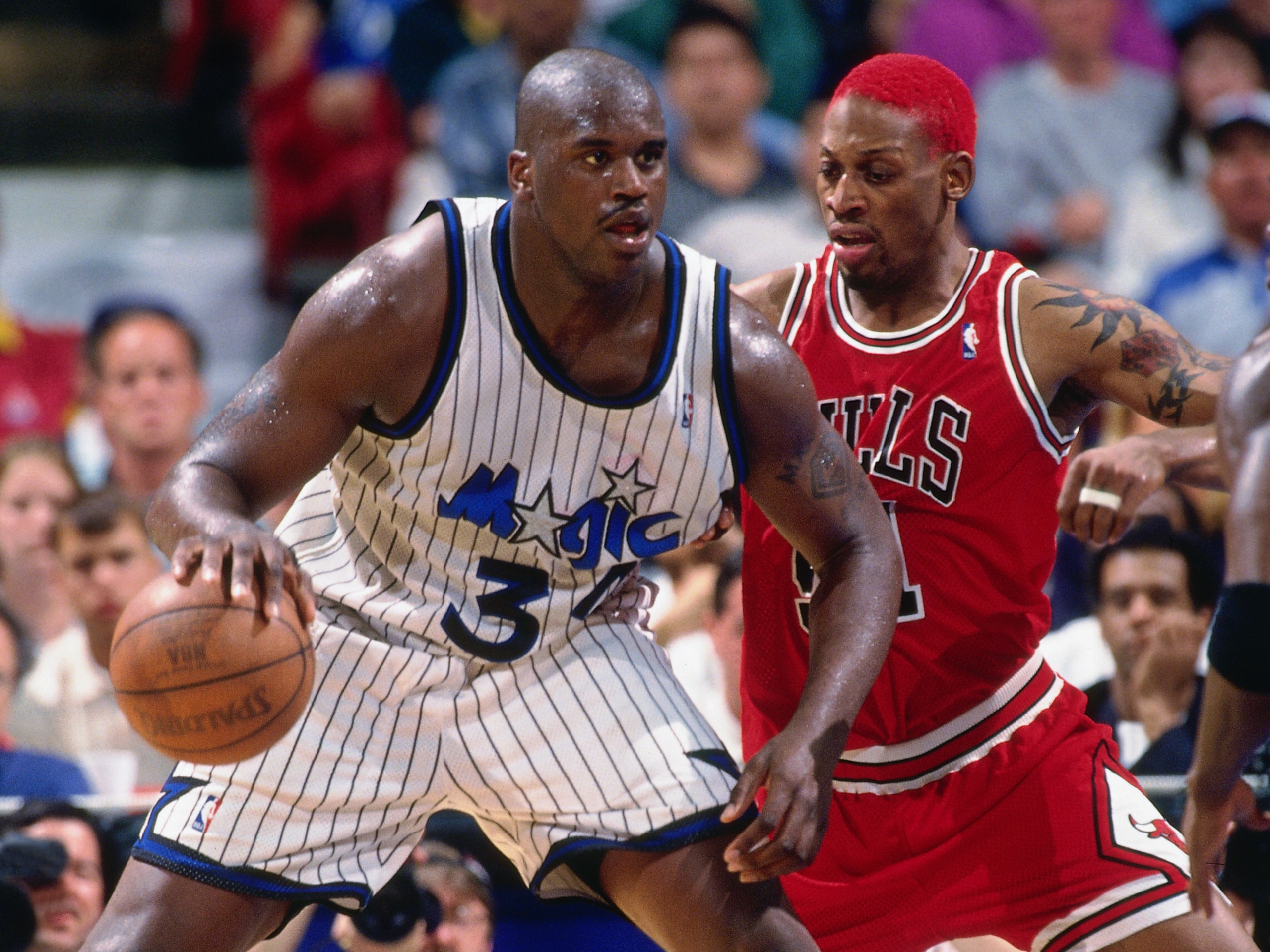
This will surely make some Magic fans livid, as it's unclear how big a role the franchise played in Shaquille O'Neal's exit as a free agent during the 1996 offseason.
In 2011, he chalked up the decision to "50 percent of it was that I was selfish," 40 percent to a poll in which Magic fans said he wasn't worth a seven-year, $115 million contract and 10 percent for the time it took Orlando to say it would match L.A.'s offer, per Mike Bianchi of the Orlando Sentinel.
But CBS Sports' Joel Corry, who was a consultant for O'Neal's agent at the time, put much more blame at the Magic's feet. Among the many missteps Corry recalled, Orlando opened with a low-ball offer ($54 million for four years), criticized O'Neal's rebounding and defense and mentioned the need for financial flexibility to pay Penny Hardaway down the line.
To be clear, O'Neal still put the decision mostly on himself. But if Orlando even played a part in his relocation, then it's one of the most egregious self-inflicted wounds in NBA history.
He's one of the most dominant big men the NBA has ever seen—as his 15 All-Star selections, four championship rings and three Finals MVP awards can all attest—and Orlando lost him for nothing.
The Magic made the conference finals in each of his last two seasons. Within two years of his exit, they weren't even a playoff participant.
Philadelphia 76ers: Jerry Stackhouse
23 of 30
The Sixers were demolished in the 1992 trade that sent out Charles Barkley, but he forced their hand, so that gets them off the hook. Several subtractions were still considered, though, including Jrue Holiday (traded for Nerlens Noel and a pick later used on Elfrid Payton) and both Andre Iguodala and Nikola Vucevic (both sacrificed as part of their ill-fated Andrew Bynum gamble).
But the quick about-face with Jerry Stackhouse might be the organization's biggest display of impatience.
In June 1995, the Sixers made him the third overall pick of a draft that included Kevin Garnett, Rasheed Wallace and Michael Finely, among others. In December 1997, Philly decided Stackhouse no longer fit due to the arrival of Allen Iverson, so it traded Stackhouse, Eric Montross and a second-round pick for Aaron McKie, Theo Ratliff and a first-rounder.
McKie and Ratliff settled into complementary roles, but neither had a career like Stackhouse's. The two-time All-Star averaged better than 20 points five different times, and he twice collected MVP votes.
Phoenix Suns: Joe Johnson
24 of 30
In 2005, the Suns were rising, and so was Joe Johnson. They had just followed a 62-win campaign with a trip to the conference finals, and he keyed a lot of that success as their third-best scorer and top perimeter shooter.
Phoenix tried extending him before that season but couldn't navigate a split of just $833,333 per year on that offer. When he reached restricted free agency, the Suns didn't bother making an offer, so he found a $70 million one from Atlanta that he asked Phoenix not to match. The Suns let him leave in a sign-and-trade that brought back Boris Diaw and two first-round picks.
"I beat myself up about that one because we were in a position where that piece could have helped us probably extend our chance to run for a longer period of time," Suns owner Robert Sarver told Paul Coro of azcentral sports.
Portland Trail Blazers: Zach Randolph
25 of 30
In Zach Randolph's age-25 season, he averaged 23.6 points and 10.1 rebounds. Shortly thereafter, the Blazers decided he needed to go.
He was, in effect, too good for his own sake. Portland had just made major investments in LaMarcus Aldridge and Greg Oden, and it was ready to see how the youngsters would handle the frontcourt duties. That meant Randolph was out, traded to the Knicks with Dan Dickau and Fred Jones for Steve Francis and Channing Frye.
"We really felt we had to give those guys [Oden and Aldridge] a chance to develop," then-Blazers coach Nate McMillan told reporters. "And the only way to do that is to get out and play."
Randolph averaged a double-double in seven of the next eight seasons, going for 17.9 points and 10.8 rebounds per night over that stretch. He didn't make it through two full seasons with the Knicks, but he became a franchise fixture upon joining the Grizzlies, and he ranks fourth all-time for them in career win shares.
Sacramento Kings: Isaiah Thomas
26 of 30
Sacramento seemed strangely skeptical about Isaiah Thomas considering it had a front-row view of his ascension from Mr. Irrelevant 2011 to a nightly 20-point scorer in just three seasons.
No matter what kind of numbers the diminutive point guard posted, the Kings continually examined other options at point guard. But regardless of who was put in front of him—Greivis Vasquez, Aaron Brooks, Tyreke Evans, Jimmer Fredette—Thomas outplayed them all.
Still, the Kings were reluctant about committing to him when he reached free agency in 2014. The previous season, he'd been one of only six players to average 20 points and six assists, and Sacramento still capped his value "around the $5 million per season range," per NBC Sports Bay Area's James Ham.
Thomas was eventually sign-and-traded to the Suns—for the rights to Alex Oriakhi and a trade exception Sacramento never used—and got a four-year, $27 million deal. Phoenix had overcrowded its backcourt, though, and had to ship Thomas to Boston, where he launched into stardom and became one of basketball's best bargains. He was an All-Star in 2016 and 2017, and he scored a fifth-place finish in 2016-17 MVP voting.
San Antonio Spurs: Goran Dragic
27 of 30
The Spurs don't often guess wrong on draft night, and in some respects, the 2008 talent grab was no different. They once again struck gold while mining for talent in the second round by turning the 45th pick into Goran Dragic.
But San Antonio didn't trust its own instincts. Rather than keeping that prize for themselves, the Spurs dealt Dragic to the Suns for Malik Hairston, a future second-rounder and cash two days later.
Dragic didn't get a ton of spotlight behind Steve Nash in Phoenix, but a 2011 trade to the Rockets and a 2012 free-agency deal back with the Suns had the Dragon breathing fire. He averaged double figures for the first time in 2011-12, and two years later, he had bumped that number to 20.3, fetching the Most Improved Player award in the process.
Dragic has been named both an All-Star and an All-NBA third-teamer. Even with the slow start, his career averages are up to 13.9 points and 4.8 assists across 812 contests.
Hairston, meanwhile, only played 62 games for the Spurs and hasn't had an NBA gig since, while DeJuan Blair, the player selected with that second-rounder, spent four of his seven NBA seasons in the Alamo City.
Toronto Raptors: Marcus Camby
28 of 30
Toronto has had trouble keeping elite talent north of the border, but it's usually no fault of the franchise. Tracy McGrady, Kawhi Leonard and Chris Bosh all left on their own in free agency. Vince Carter and Damon Stoudamire both demanded trades. The Raptors were virtually powerless in all of those situations.
But the 1998 trade of Marcus Camby was different.
Toronto had made him the second overall pick only two years prior, and while he had some issues avoiding the injury report, he was already becoming an elite defender. The Raptors sought more toughness and physicality, though, so they gave up a 24-year-old Camby for a 34-year-old Charles Oakley, Sean Marks and cash.
Oakley played three seasons with the Raptors and had a PER south of 12—the league average is 15—in all of them. Camby would go on to earn four All-Defensive selections, be named 2006-07's Defensive Player of the Year and even get an MVP vote in 2004-05. His 2,331 career blocks rank 12th all-time and are 1,731 more than Toronto's all-time leader (Bosh, 600).
Utah Jazz: Mo Williams
29 of 30
The Jazz saw something in Mo Williams everyone else missed and snagged him with the 47th pick of the 2003 draft. Even as he struggled with efficiency as a rookie, his occasional scoring streaks and constant energy hinted at much better days ahead.
But restricted free agency awaited after his freshman season, and suddenly those better days had a price tag.
It wasn't anything egregious—he inked a three-year, $5.5 million offer sheet with the Bucks—but it was more than the Jazz wanted to spend. In Utah's eyes, the team already had two point guards in front of him, Carlos Arroyo and Raul Lopez, so it decided to let Williams walk.
"We knew it was a tough decision for the Jazz," Williams' agent, Mark Bartelstein, said, per Amy Donaldson of the Deseret News. "... They had an unusual situation of having three really good young point guards in Utah."
Williams was on a different level, and it showed as soon as he got to Milwaukee. He was a double-digit scorer his first season there, then he cleared that hurdle each of the next eight years, too. He was an All-Star in 2008-09 and was crowned a champion in 2015-16.
As for the others, Lopez lasted just two seasons with the Jazz (and two in the NBA total), while Arroyo was traded away in January 2005.
Washington Wizards: Chris Webber
30 of 30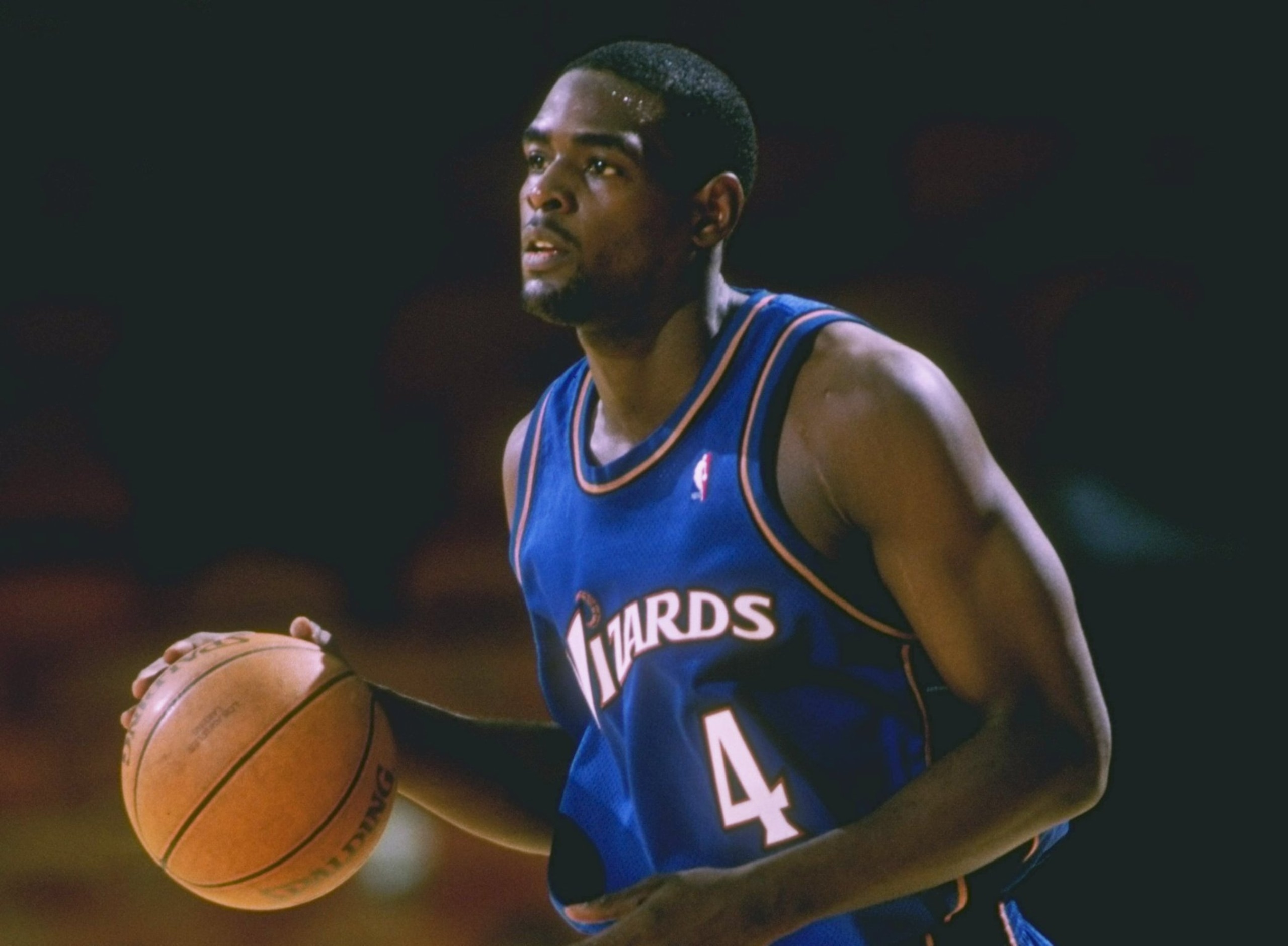
Washington made such a habit of bailing on players prematurely that it could field a formidable starting five of the roster casualties.
Rasheed Wallace was traded after his rookie season. Richard Hamilton and Ben Wallace were sent packing after their third. Larry Hughes hit free agency after averaging 22.0 points, 6.3 rebounds, 4.7 assists and a league-leading 2.9 steals, and the Wizards let him walk to the Cavaliers.
But the star of these premature castoffs was Chris Webber, who dominated the District and was still shown the door ahead of his age-25 season.
"I make no bones about it," then-Wizards general manager Wes Unseld said at the time of the 1998 trade. "We gave up a tremendous young talent in Chris Webber."
The idea, Unseld detailed, was to help the Wizards become "a little bit more mature on the court."
But mature really meant old. Washington shipped Webber to Sacramento for 32-year-old Mitch Richmond and 35-year-old Otis Thorpe. Both were declining before their arrival, and the Wizards sank right along with them.
Meanwhile, Webber found his calling in then-Kings coach Rick Adelman's free-flowing system, helping him become a regular All-Star and turn Sacramento into a 50-win machine. He was a five-time All-NBA selection and four-time All-Star with the Kings and had five top-10 finishes in MVP voting. He's one of only 11 players in NBA history to record 17,000 points, 8,000 rebounds, 3,000 assists and 1,000 blocks.
All stats courtesy of NBA.com and Basketball Reference unless otherwise noted.
Zach Buckley covers the NBA for Bleacher Report. Follow him on Twitter, @ZachBuckleyNBA.

.jpg?w=2560 "AD Trolls Bears WR on IG 😂")
.jpg?w=2560 "Viral Dan Campbell Presser 💙")
.jpg?w=2560 "Report: Steelers WR to Miss 'Weeks'")
.jpg?w=2560 "Cam Ward Says He's Not A Loser")
.jpg?w=2560 "Buzz: MHJ Hired Agents for Trade")
.jpg?w=2560 "Chargers Fall to 0-5 🤢")