
Checking Receipts on College Scouting Reports of NBA Top Stars Under 25
A ton of film review, note-taking and reporting goes into NBA draft scouting.
It's informative to go back and assess previous evaluations. I've been projecting high school, college and international talent for nearly a decade and have had my fair share of hits and misses, much like any NBA team.
We located previous reports from my time at NBAdraft.net and Bleacher Report on some of today's top young NBA studs to see where I was right and where I went wrong.
The following 10 players finished with the highest real plus-minus scores last season among those under the age of 25.
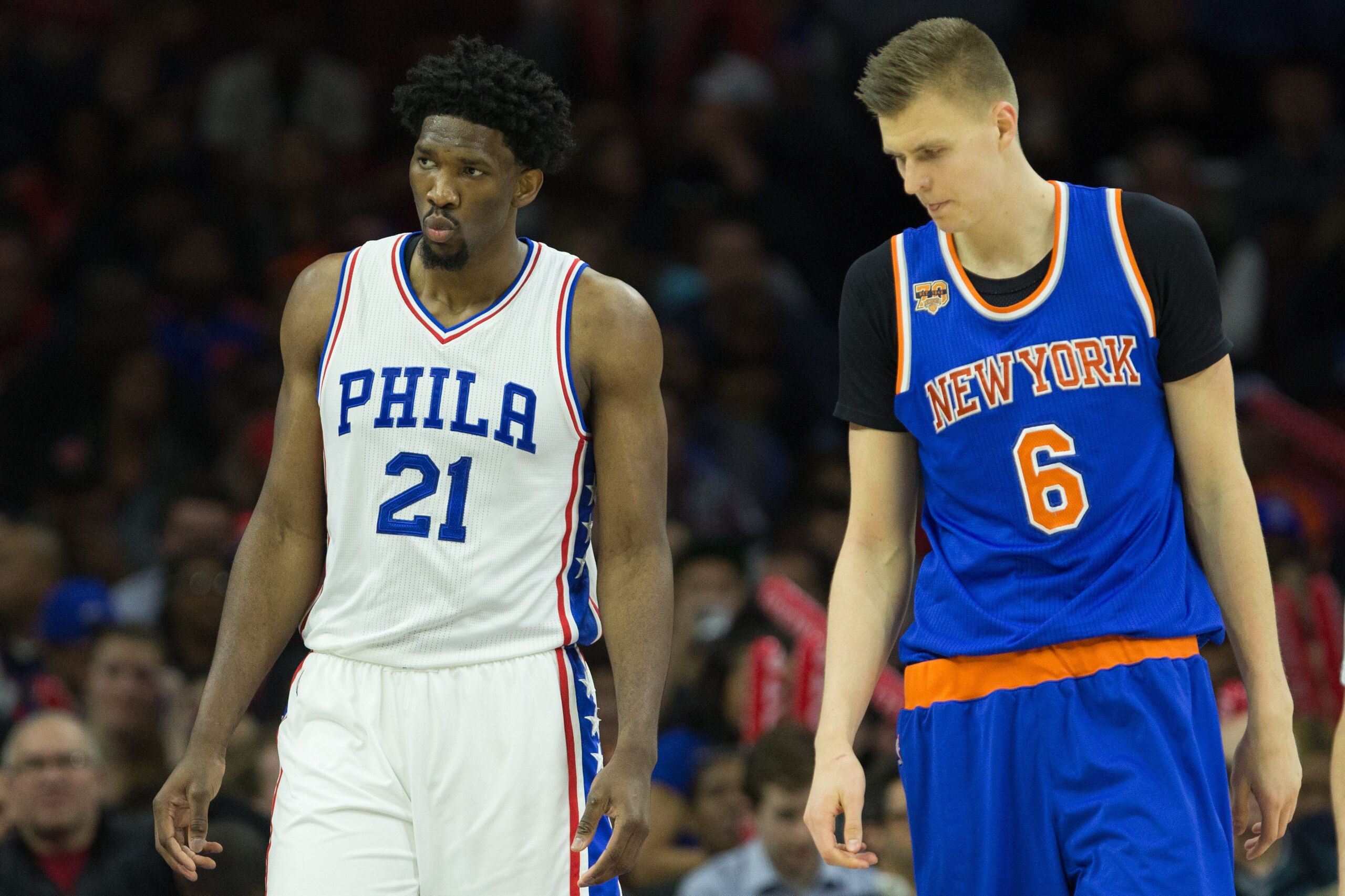
Kristaps Porzingis (New York Knicks, PF/C)
1 of 10
RPM: 1.59
The New York Knicks had to overlook some scary questions to draft Kristaps Porzingis fourth overall in 2015. He was a skinny Latvian who struggled under the boards, preferred the perimeter and played overseas.
Those apparent flaws bothered me more than they should have. Citing a lack of strength to "bang down low, man the glass or anchor a defense," Porzingis finished No. 9 on my big board behind perceived safer options like Justise Winslow and Stanley Johnson.
Our NBA Draft 100 Series, which used a formula to measure each prospect based on different factors such as athleticism and room for growth, was more accurate, ranking Porzingis as the No. 5 player.
Recognizing his upside wasn't the problem. The question was whether he could reach it.
One week before the draft, I wrote the following: "Few eligible prospects have higher ceilings than Porzingis, whose blend of size, mobility, hops and skills is fantastic. He'll need to add strength to maximize his offensive versatility, but we could one day be talking about a serious offensive mismatch."
Porzingis wound up being an even better athlete than anticipated. His defensive length made up for his thin frame, and his skills and footwork helped him reach unthinkable heights unbelievably fast.
Joel Embiid (Philadelphia 76ers, C)
2 of 10
RPM: 1.70
Before predraft back and foot injuries, Joel Embiid was my No. 1 overall prospect in 2014.
Andrew Wiggins entered the season atop my big board, but after a few months of watching Embiid dominate defensively while flashing Hakeem Olajuwon-like offensive moves, Wiggins' athleticism and scoring no longer seemed as desirable.
Spectacular physical tools, advanced offensive skills that continued to improve, elite potential in rim protection—Embiid checked every box and still showed enormous room for growth. Following a monster 13-point, 11-rebound, eight-block game against Oklahoma State, I moved him ahead of Wiggins and Jabari Parker:
"If I'm a general manager, I'm going after Embiid with the No. 1 pick regardless of who is currently on my roster at center. He has evolved into the top prospect in the field, given his ability to control a game offensively from the post and shrink the size of the rim he's protecting. And no matter how well Wiggins and Parker play down the stretch, I'm just not sure there's anything they can do to change that."
Even a stress fracture in his back wasn't enough for me to dock Embiid, though I did note his grip on the No. 1 spot got looser. He still remained atop our mock draft board after the NBA's 2013-14 regular season wrapped up.
That changed, however, once Embiid fractured his foot during workouts in June. In the updated mock draft after the injury, I wrote, "There's no question about his talent; rather, it's whether or not he's physically built for the 82-plus-game grind year after year."
That question has yet to be answered three years later. We're still in wait-and-see mode on Embiid's durability, considering he's played in just 31 games since being drafted.
I expected the Philadelphia 76ers to pass on him at No. 3, given their need for a sure thing after Nerlens Noel missed his entire rookie season. Embiid finished fourth on our draft-day mock: "With all the injuries, it's a risk-reward play, but a healthy Embiid likely means steal of the draft for the Magic at No. 4."
After Embiid averaged 20.2 points, 7.8 rebounds, 2.5 blocks and 1.2 threes in 25.4 minutes as a rookie, it's clear he will be the steal of the 2014 draft so long as he stays on the floor.
Karl-Anthony Towns (Minnesota Timberwolves, C)
3 of 10
RPM: 2.13
Karl-Anthony Towns' rise up 2015 draft boards came late, although he started dropping hints at the Nike Hoop Summit the year before college and during Kentucky's exhibition trip to the Caribbean. In a 2014 preseason report on potential No. 1 overall options, I wrote the following:
"Karl-Anthony Towns has emerged as a true No. 1 candidate following his standout play during Kentucky's Bahamas trip, where the team faced legitimate international competition this summer.
"Offensively, he is multifaceted, and he operates with a high level of comfort for an 19-year-old 7-footer. Towns' skill level is really off the charts. In the post, he's got a back-to-the-basket game to go to, from baseline spin moves to hop-steps into jump hooks. And he has the foot speed to face up and attack, along with the mid-range touch to shoot over his man."
Skills and inside-out versatility always fueled Towns' potential. But after he averaged just 10.3 points in 21.1 minutes per game as a freshman, it was too soon to proclaim him the draft's top prospect for most of the year. Jahlil Okafor had been dominating at Duke, while Towns was giving scouts flashes here and there.
Towns began to assert himself later in the season, and after a signature 25-point effort against Notre Dame in the NCAA tournament, his development, NBA fit and upside became too alluring. He moved to No. 1 on my board midway through March Madness.
I also predicted some of his early defensive struggles in the NBA, despite his terrific shot-blocking rate at Kentucky.
"He'll likely have some trouble defensively to start, given the fact he averaged 5.6 fouls per 40 minutes in college," I wrote in early May. "Towns will pick up his fair share of blocks—he swatted 4.3 shots per 40 minutes at Kentucky—but it's going to take him at least a season to figure out how the game is called."
On the other hand, I didn't expect how quickly Towns would catch on offensively. I guessed he'd only average 13.1 points as a rookie. (He averaged 18.3.)


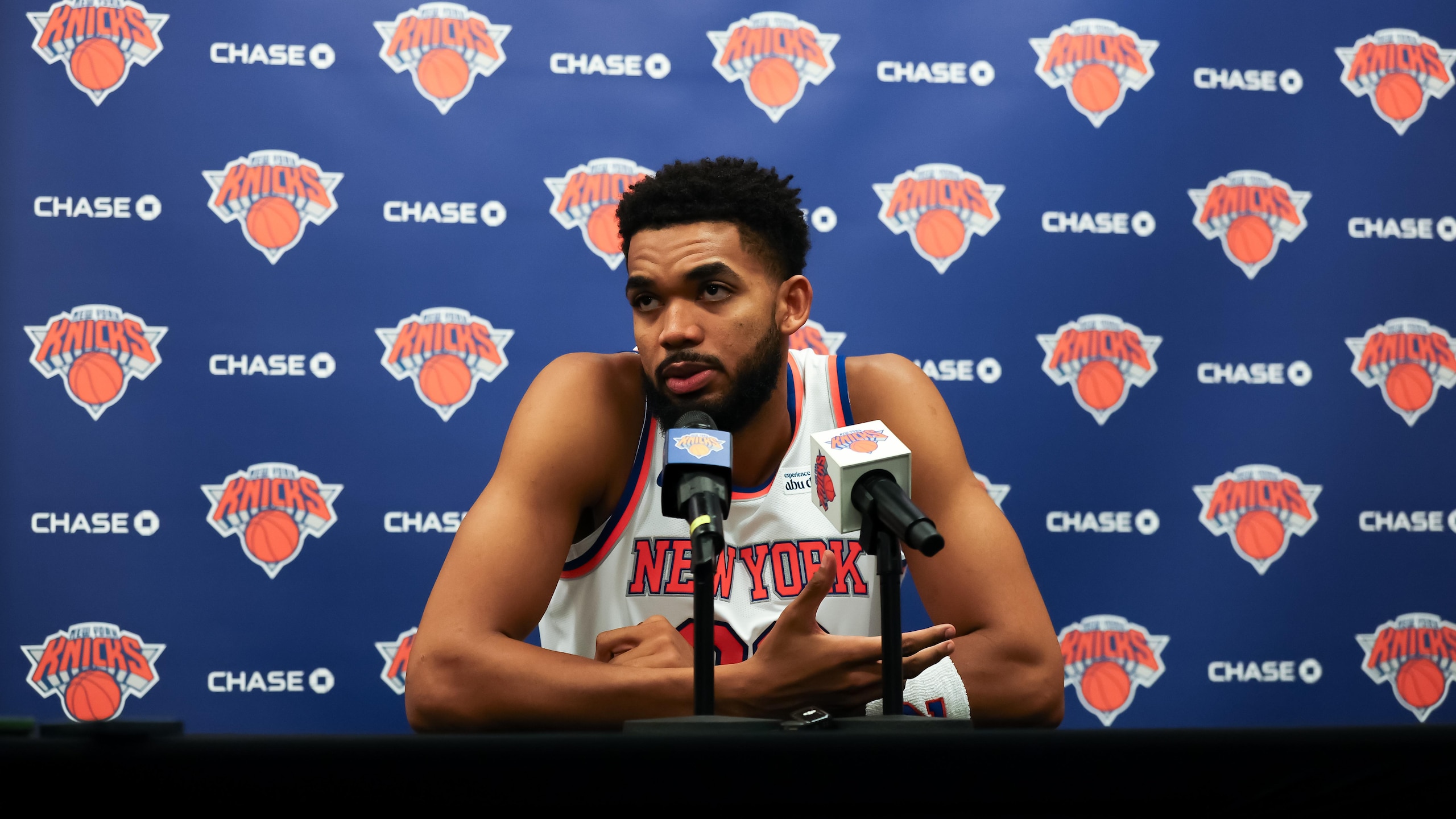
Bradley Beal (Washington Wizards, SG)
4 of 10
RPM: 2.25
Bradley Beal rose up to No. 3 overall in 2012 and turned out to a be a strong pick in a draft that had plenty of busts.
He leapfrogged bigger names (at the time) like Thomas Robinson and Harrison Barnes with a huge postseason for Florida. Questions about his size for a non-playmaking guard initially made me hesitant, but they didn't seem as daunting by March Madness.
"There isn't a smoother guard in the draft pool than Bradley Beal, who averaged 16.5 points on 42 percent from downtown after the start of the SEC tournament," I wrote in late March that year. "The undersized label he gets for being a 6'4" off-guard is not a major red flag—Eric Gordon is listed at 6'3" and has had success playing a similar game off the ball."
There were other concerns, however, including his left hand and handle, which affected his shot-creating. But after Beal made 12 of 26 threes over Florida's final five games, his jumper started to look more convincing, helping to create the perception he'd be one of the field's safer options.
Five weeks before the draft, I wrote: "He'll become a fixture at the off-guard slot because of his pure shooting stroke and athleticism to defend, though his ceiling remains limited because of his size. Still, Beal finished the season strong and has positioned himself as the safest choice of any off-guard in the draft pool."
Beal has battled injury issues and hasn't made an All-Star team, but after he averaged 23.1 points and 3.5 assists in 2016-17, I may have underestimated his upside. By his fifth year in Washington, Beal would take his one-on-one skills and shot-making to surprisingly high levels compared to what he showed at Florida.
Myles Turner (Indiana Pacers, C)
5 of 10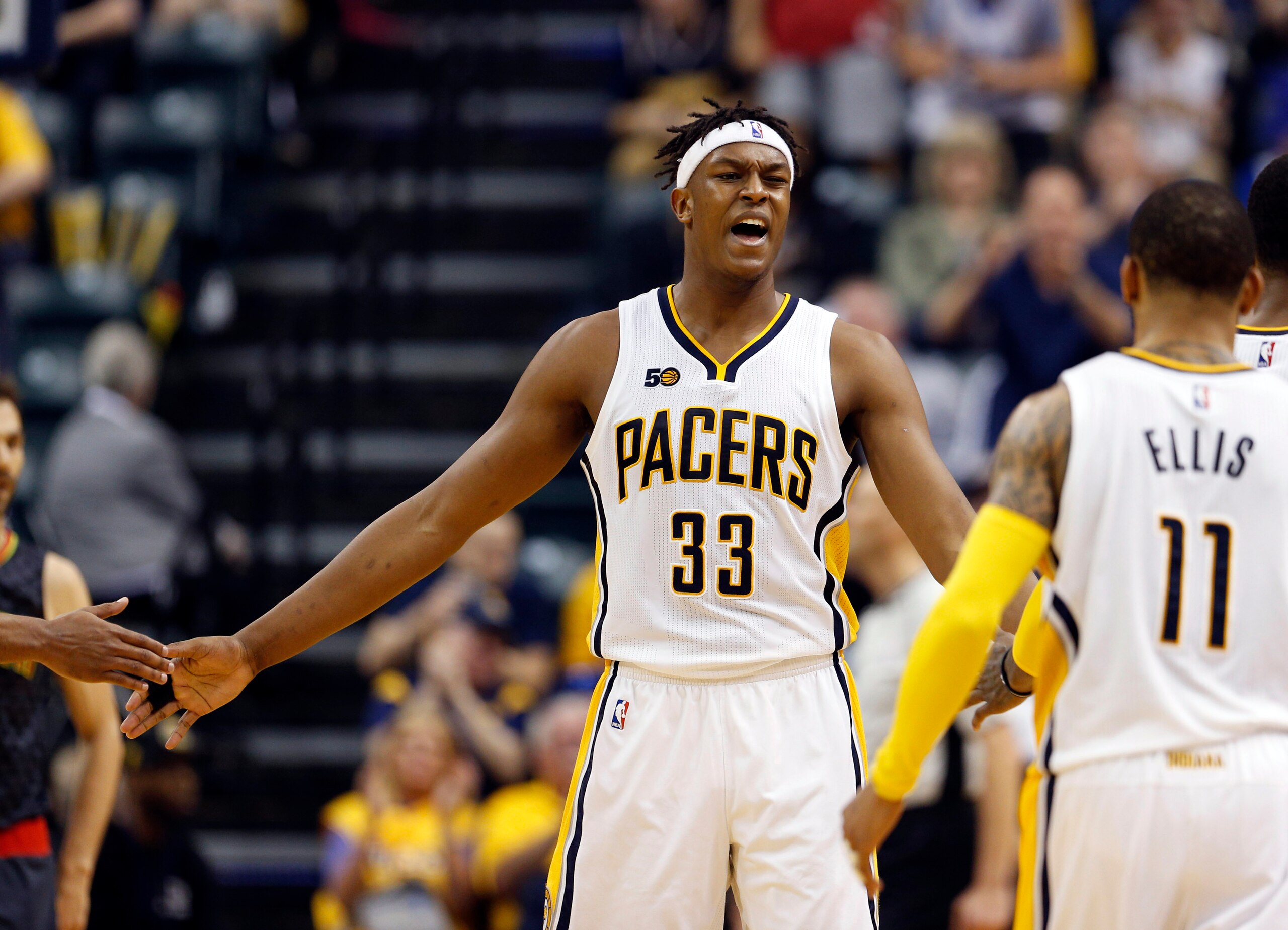
RPM: 2.66
Flashes of shooting potential and shot-blocking at Texas were obvious selling points for Myles Turner, but concerns caused 10 teams to pass on him in the 2015 draft.
When weighing whether he'd be worth a top-10 pick, I cited questions early in the 2014-15 season that could make scouts hesitate: "The big question is whether Turner's lack of burst, foot speed and power will hinder his ability to make an interior impact at the pro level. And if it does, what will that do to his overall effectiveness and value?
Before the draft, I called him one of the bigger boom-or-bust prospects, mentioning his length, skill level and defensive production versus the possibility he would struggle with the NBA's speed, athleticism and physicality.
Turner was never an explosive runner or leaper, which cast doubt over his chances of becoming a star. Even if he struggled to bang inside, blow by or separate one-on-one, however, I still felt there was lottery value tied to his particular strengths.
"Given his coveted skill set and polish for a guy with such impressive physical measurements, Turner is bound to attract lottery attention as we get closer to the draft," I wrote in mid-December. "I pegged him as the No. 11 pick in our most recent 2015 mock, an area on the board I'd imagine he'll stick around from now until March."
Six months later, Turner did go No. 11, which we accurately predicted in our final mock draft.
Since entering the league, Turner has continued to protect the rim and build on his high-post game and two-point shooting. As a sophomore, he shot 43.0 percent on 337 attempts in the mid-range.
Meanwhile, my initial concerns about how he'd fare inside haven't held up. This past season, Turner finished at an above-average clip at the rim.
Cody Zeller (Charlotte Hornets, C)
6 of 10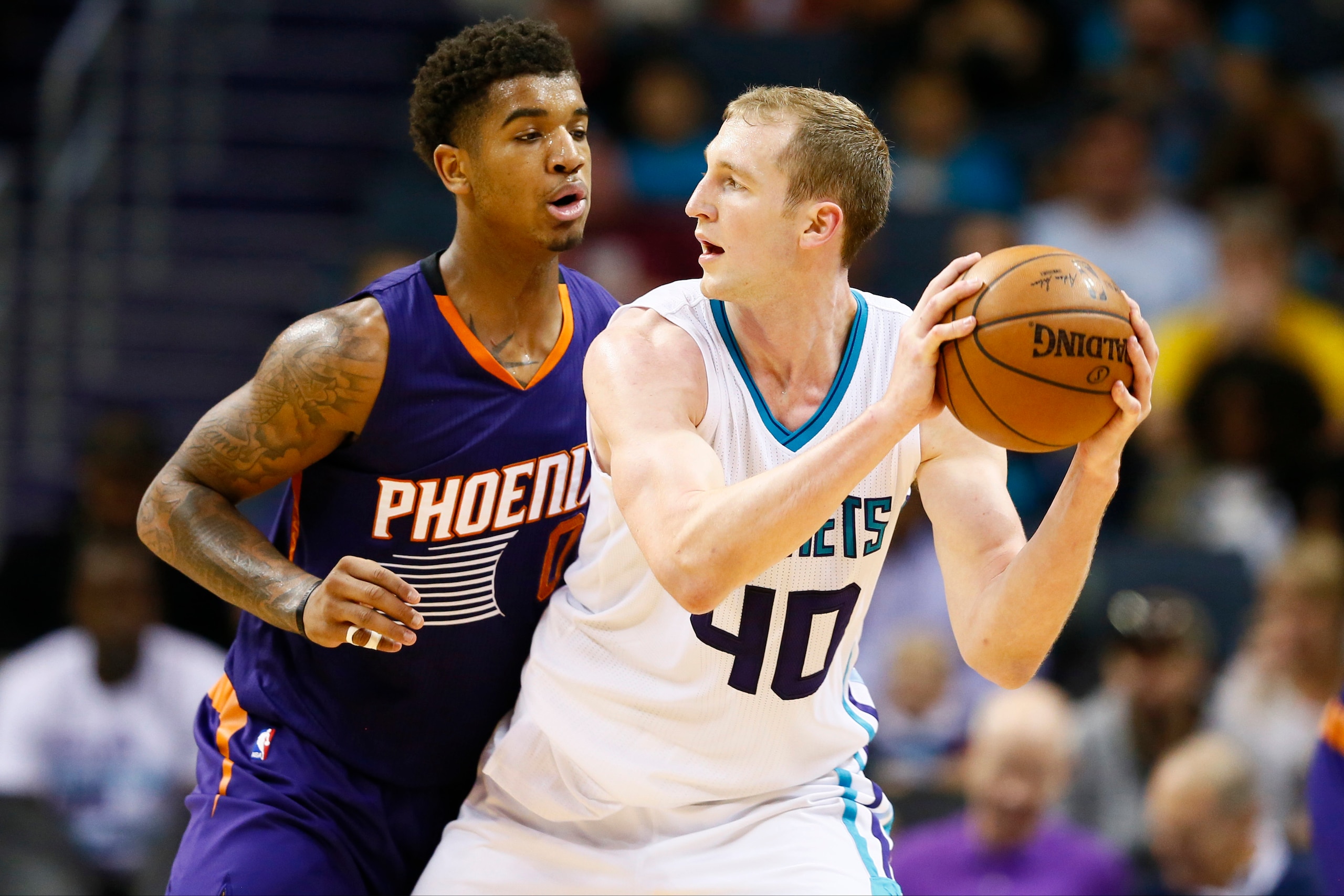
RPM: 3.35
Cody Zeller isn't a superstar, but he has emerged as a valuable NBA role player for the Charlotte Hornets.
Based on his expectations entering his sophomore year at Indiana and where he went in the draft (No. 4), he could have been described as an underachiever up until last season.
Zeller's appeal in college revolved around his size, mobility and skills. But questions started to arise during his final season at Indiana, as he put up similar numbers compared to the year before, only with less efficiency. And scouts still weren't able to see great shooting or defensive potential.
In a 2013 stock report before the NCAA tournament, I wrote:
"Still the most polished offensive big man in the country, Cody Zeller had another strong year at Indiana, yet he hasn't shown he's added to his offensive arsenal."
"He's also shown he's capable of playing facing the basket, with a soft touch on his mid-range jumper that he just didn't use enough. Zeller will need to develop this outside stroke, as his lack of strength could be a problem for him going up against more physical defenders inside at the next level."
He improved his stock at the 2013 combine, where he surprised with top athletic-testing scores. Still, I didn't expect the Hornets to take him as high as they did. (I projected he'd go No. 10.)
I was ultimately right about Zeller not being a star, but I was wrong about how he'd end up contributing in the NBA.
A standout offensive player before the draft, Zeller has actually struggled to score in volume in the pros. Instead, he's built up his value by improving his efficiency and defense, ranking No. 13 in the league in defensive real plus-minus.
Otto Porter (Washington Wizards, SF)
7 of 10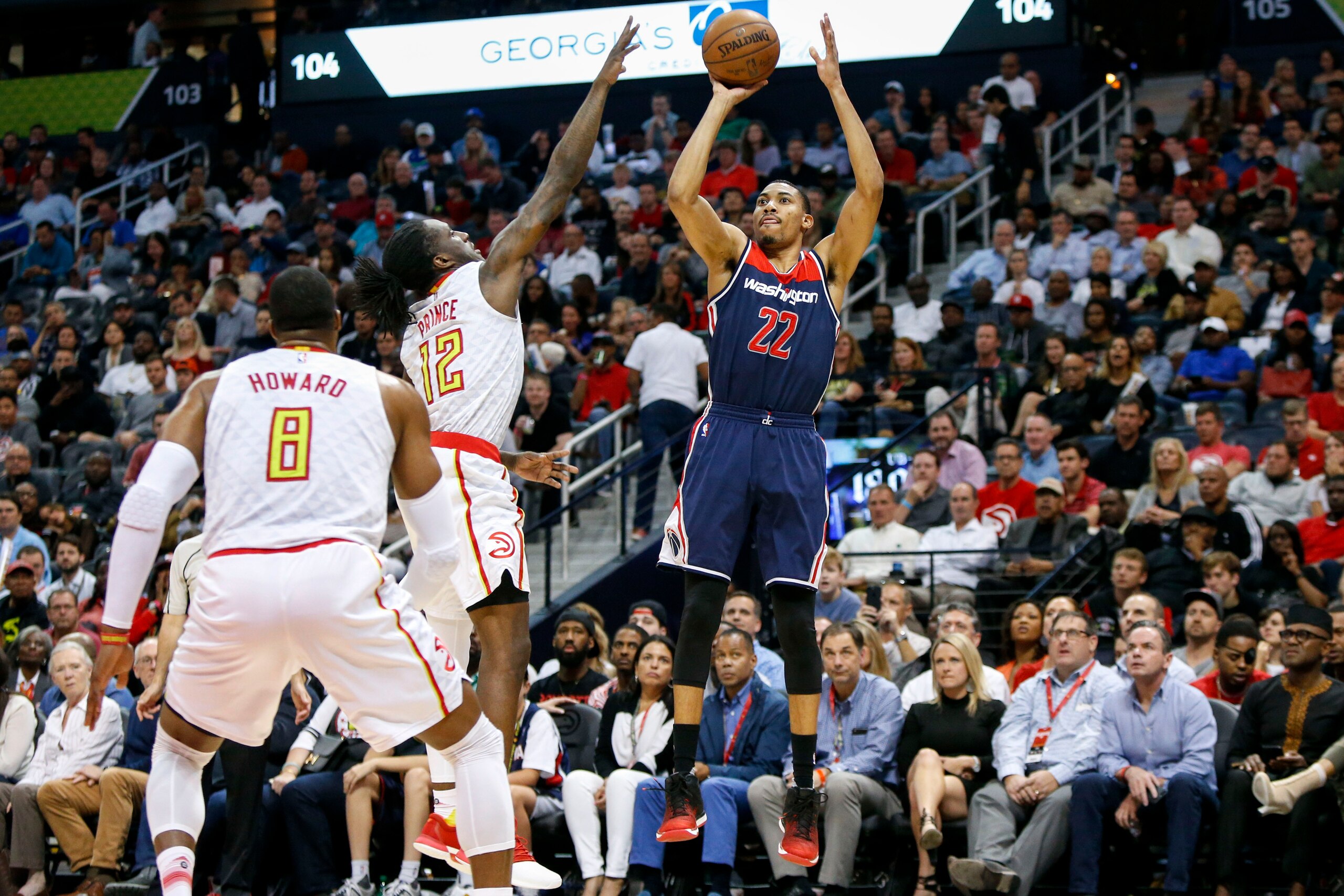
RPM: 3.56
Now a max-contract NBA player, Otto Porter has justified the Washington Wizards' decision to draft him third overall in 2013, though it did take time.
He worked his way up to No. 3 on my big board by the 2013 NCAA tournament, coming off as one of the draft's safer options.
"Though he may not project as a go-to option for points, Porter's mature two-way game makes him one of the better bets in the class as a surefire contributor at the next level," I wrote at the time.
Porter's ceiling appeared to be that of a star role player, which is ultimately the direction his career has gone. He isn't the focal point of Washington's offense, but he's efficient, having shot a career-high 43.4 percent from three-point range this past season, and he does a little bit of everything.
I correctly projected Porter to Washington at No. 3, highlighting his high floor and fit on the wing.
"He's exactly what the Wizards could use on the wing given his versatility as a scorer and reliability as a disciplined player. Washington could use a two-way, high-basketball IQ forward in the middle of its lineup. And with his 42 percent three-point stroke and all-around basketball instincts, he'd help give this team a little more credibility. Porter is a safe option guaranteed to contribute, even if it's not as a future All-Star."
Giannis Antetokounmpo (Milwaukee Bucks, PG/SF)
8 of 10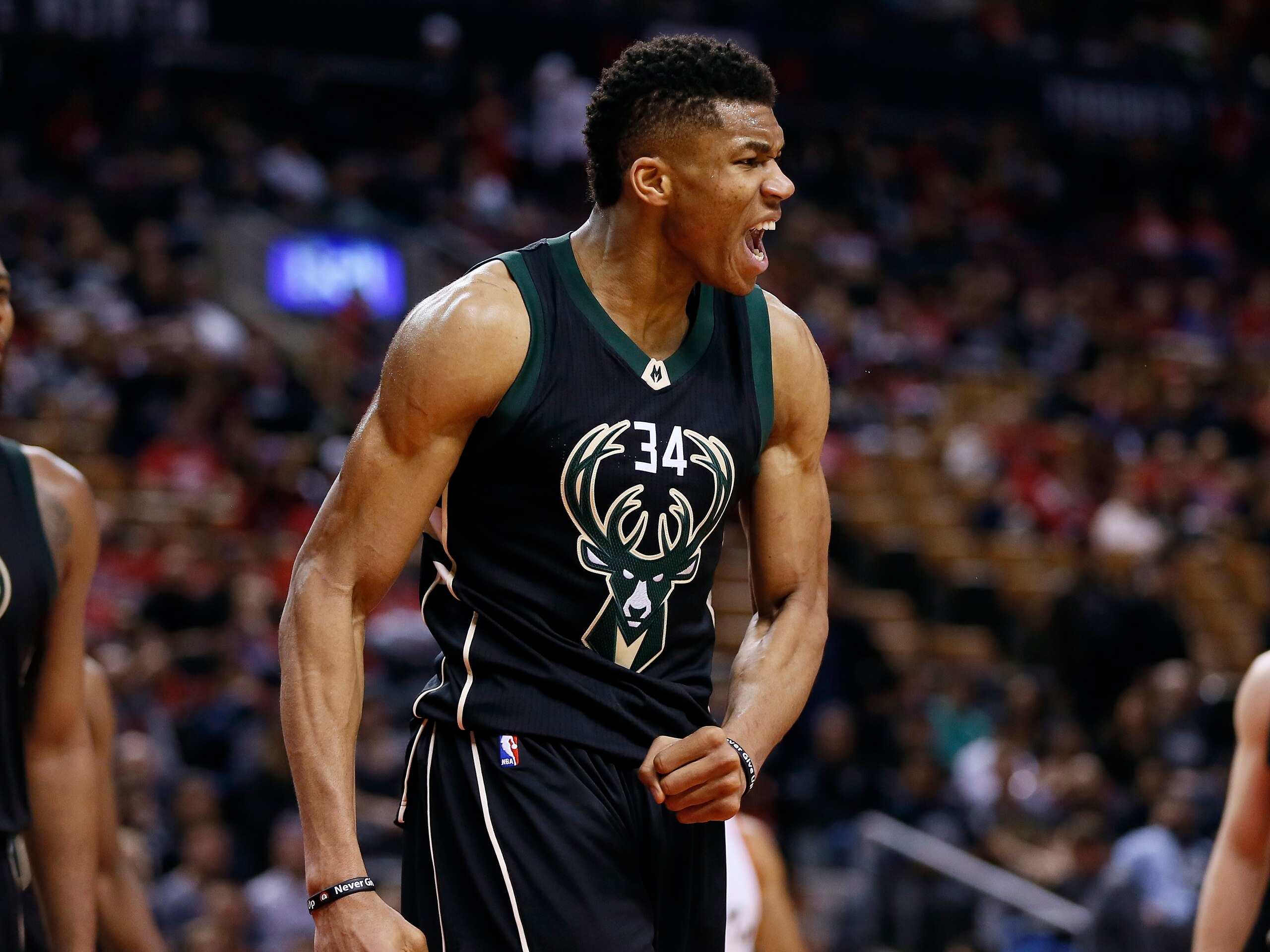
RPM: 4.21
Giannis Antetokounmpo came out of nowhere early in 2013, captivating with ridiculous tools and an unusual skill set in a questionable setting (Greece's second division). Two weeks before the draft, I wrote:
"But if you've seen him in action, you know the level of competition he's currently facing has no effect on his long-term potential. At 6'9'', he's got a legitimate point guard's handle. I'm not quite sure he knows what to do with it just yet, but Antetokounmpo has plenty of time on his side."
"He's the ultimate gambler's pick. Whoever drafts Antetokounmpo might either get a star or a dud."
Everything about his backstory and potential screamed high risk, high reward.
"There's obvious risk with drafting a young kid from Europe who just left his home country for the very first time," I wrote a day before the 2013 draft. "But if you've got any sort of imagination at all, the upside with Antetokounmpo is through the roof."
His ceiling was clearly recognizable heading into draft night. I listed him as one of six players with the most upside from the class. But based on the limited action scouts had to evaluate, few teams felt confident in Antetokounmpo's ability to develop into a star or even a starting-caliber player.
The Milwaukee Bucks had the guts to pull the trigger, taking him two picks earlier (No. 15) than I projected he would go. They wound up benefiting big time by rolling the dice.
Antetokounmpo's skills caught up with his size, athleticism and length, creating unmatchable two-way versatility. In turn, he's become one of the league's most coveted unicorns.
Anthony Davis (New Orleans Pelicans, PF/C)
9 of 10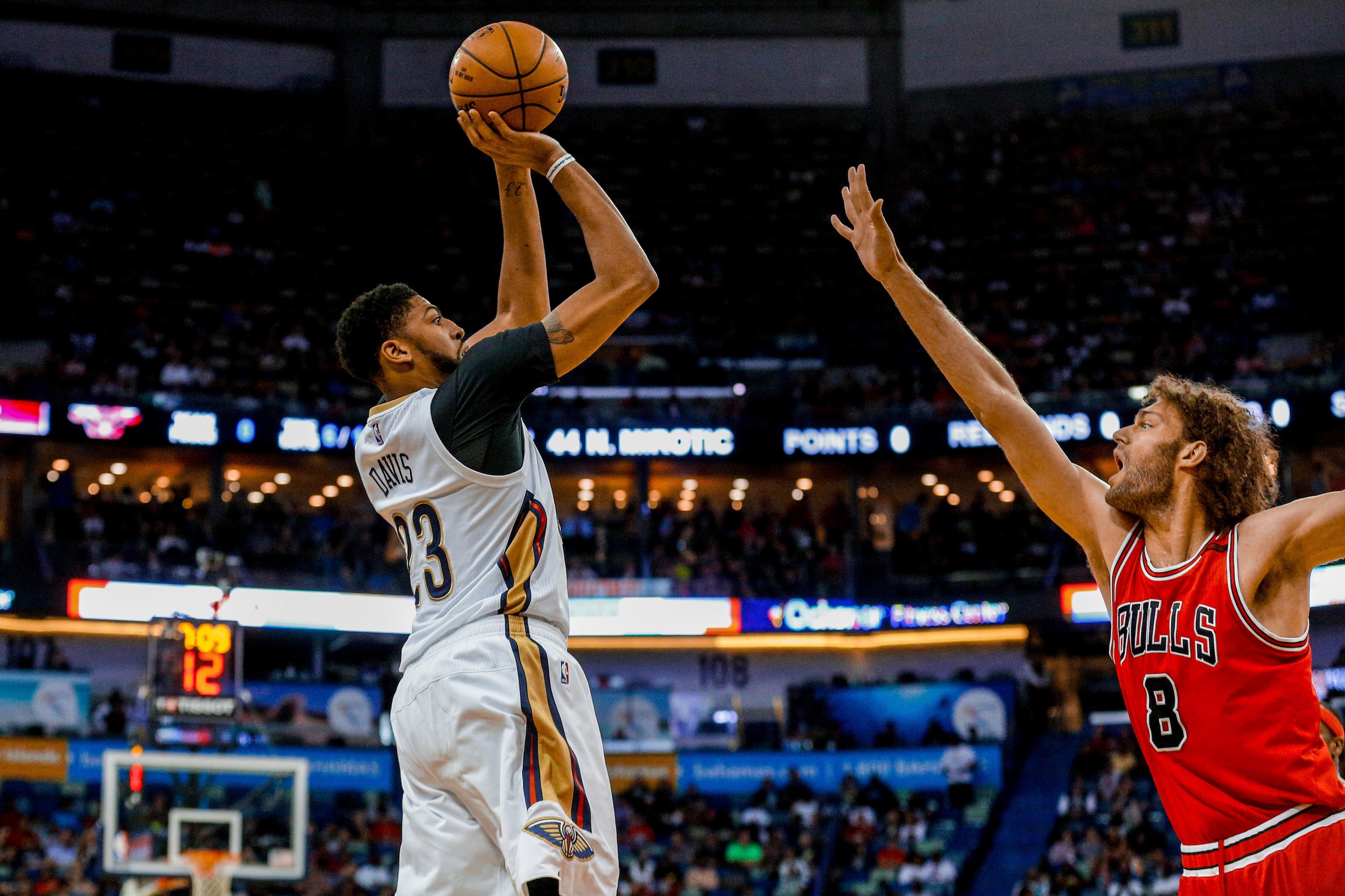
RPM: 4.35
Now one of the NBA's most valuable young cornerstones, Anthony Davis wasn't always an obvious No. 1 overall talent. To start the 2011-12 college hoops season, I had Davis at No. 2: "Considering that [Andre] Drummond is the likely top pick, if there's a "lock" to be the second overall pick in this year's draft, Davis is the guy. While he lacks Drummond's physical prowess, Davis has a little more overall polish."
It took another month for me to move Davis atop my big board, after a stretch in which he dominated defensively and impressed with all-around offensive flashes. In February of that year, I wrote:
"Davis makes opposing offenses look downright foolish. He's had at least seven blocks in three of his last four games! Most teams couldn't get that type of rim protection if their center played with a damn broom."
"His defensive impact is almost unprecedented, and with a well-rounded skill-set and excellent physical tools, Davis has practically locked up the top spot. He's an ideal pick-and-roller, with the mobility, length and hops to throw down anything within the vicinity of the cylinder. His transition from guard to forward has run smoothly, as his previous perimeter tendencies have all worked in his favor playing against slower-footed big men."
While anchoring the New Orleans Pelicans' defense with shot-blocking and versatility, Davis wound up tying everything together offensively, converting those flashes into a complete scoring repertoire consisting of post ups, driving ability and jump-shooting. If Davis extends his range out behind the arc, where he's been a career 29.0 percent three-point shooter, he'll complete his all-around game.
Nikola Jokic (Denver Nuggets, C)
10 of 10
RPM: 6.73
On track to become one of the NBA's all-time biggest steals, Nikola Jokic had everyone fooled, including yours truly.
I did nail his draft range, predicting he'd go No. 39 (he went No. 41). And his versatility at the time was well-documented. In my final 2014 mock draft, I wrote:
"At 6'11", 253 pounds, Jokic has great size and a strong frame to match his polished footwork and soft shooting touch. He's also a heads-up player; Jokic averaged two assists per game in the Adriatic League, where he showed off impressive vision as a passer both on the perimeter and in the post."
However, Jokic seemingly had debilitating limitations when it came to his athleticism. On my final 2014 big board, I wrote, "A lack of speed and aerial explosiveness will prevent Jokic from starring or enjoying massive production in the NBA. His skills are great, but they aren't outstanding enough to compensate for his underwhelming agility."
As it turns out, Jokic's skills were outstanding enough and improved even more during his stash year. And as we saw last season, he took another major step forward after his NBA rookie campaign. Despite a slow start to his sophomore campaign, he remarkably finished sixth in the league in real plus-minus.
Advanced stats courtesy of ESPN.com and NBA.com. College stats courtesy of Sports-Reference.com. 2012-13 draft analysis comes from my time at NBADraft.net.

.jpg?w=2560 "Injury-stricken Seahawks signing veteran RB")
.jpg?w=2560 "2 NFL Officials Suspended")

.jpg?w=2560 "Mahomes' Wife Trolls Kubiak 💀")
.jpg?w=2560 "Viral Rams Coach Vid 🖕")
