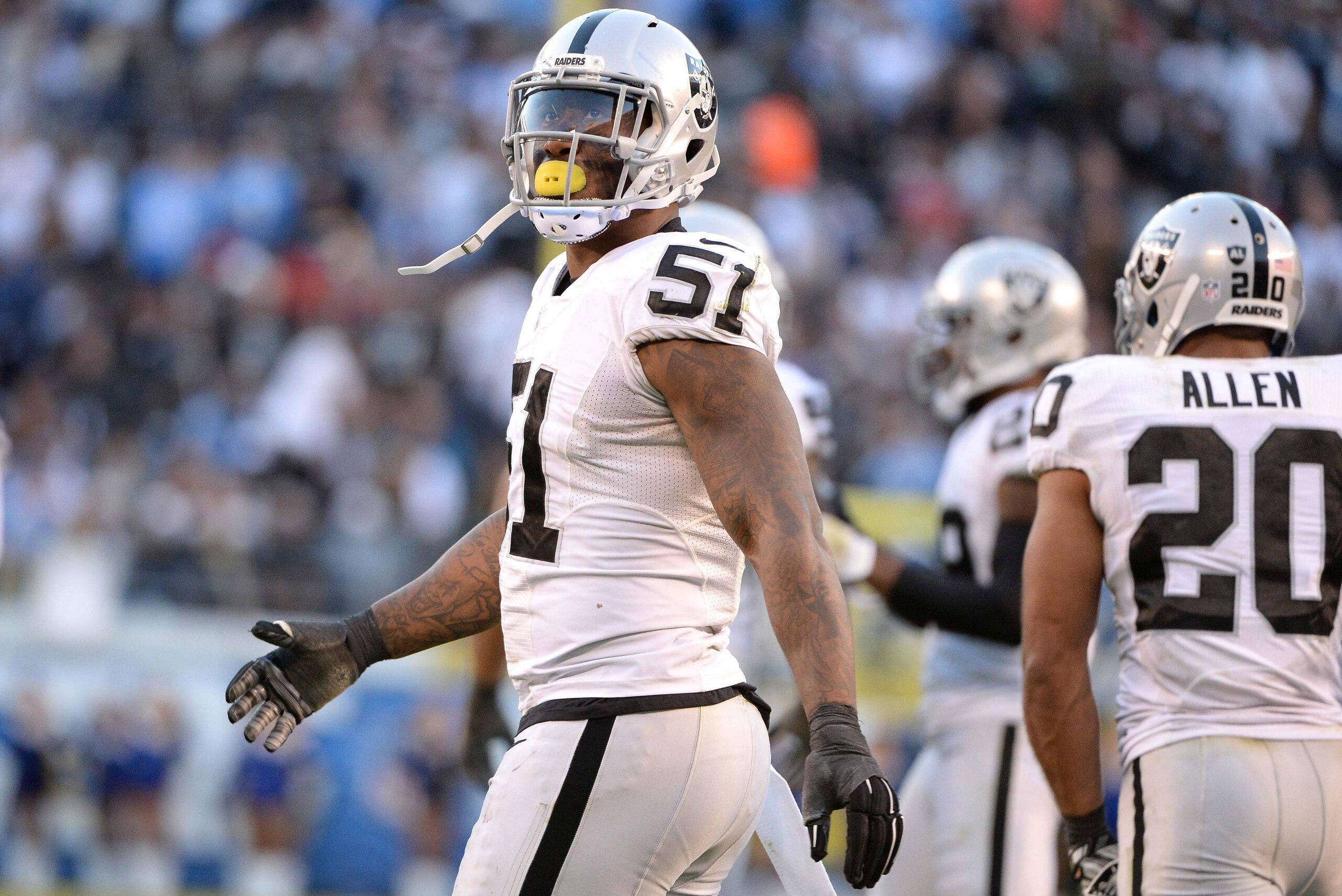

Breaking Down Oakland Raiders' Best, Worst Contracts
As quarterback Derek Carr patiently awaits the parameters on a contract extension, per Fresno Bee reporter Anthony Galaviz, he should know general manager Reggie McKenzie has worked magic with the team's cap space while rewarding his players.
The front office signed cornerback David Amerson off the scrap heap during the 2015 campaign and paid him handsomely for his on-the-spot duty as a starter. He signed a four-year, $38 million extension during the previous offseason.
McKenzie also rewards players who stand out on other clubs, hit the free-agent market and look to find a place to continue showcasing their skills.
According to San Jose Mercury News reporter Jimmy Durkin, offensive lineman Kelechi Osemele felt disrespected by the Baltimore Ravens when contract negotiations came up last year. The Raiders made him the highest-paid guard in the league, at the time, before the Cleveland Browns inked Kevin Zeitler to a more lucrative deal, per Spotrac.
Did McKenzie dig too deep into his purse to pay players? Sure, with good reason. However, there are a few contracts that seem odd when matching production and dollar amounts or considering roster fit.
Overall, the Raiders only have one questionable deal on the books, but we'll break down several contracts, focusing on value vs. production with roster needs in mind.
Good Contract: Marshawn Lynch
1 of 8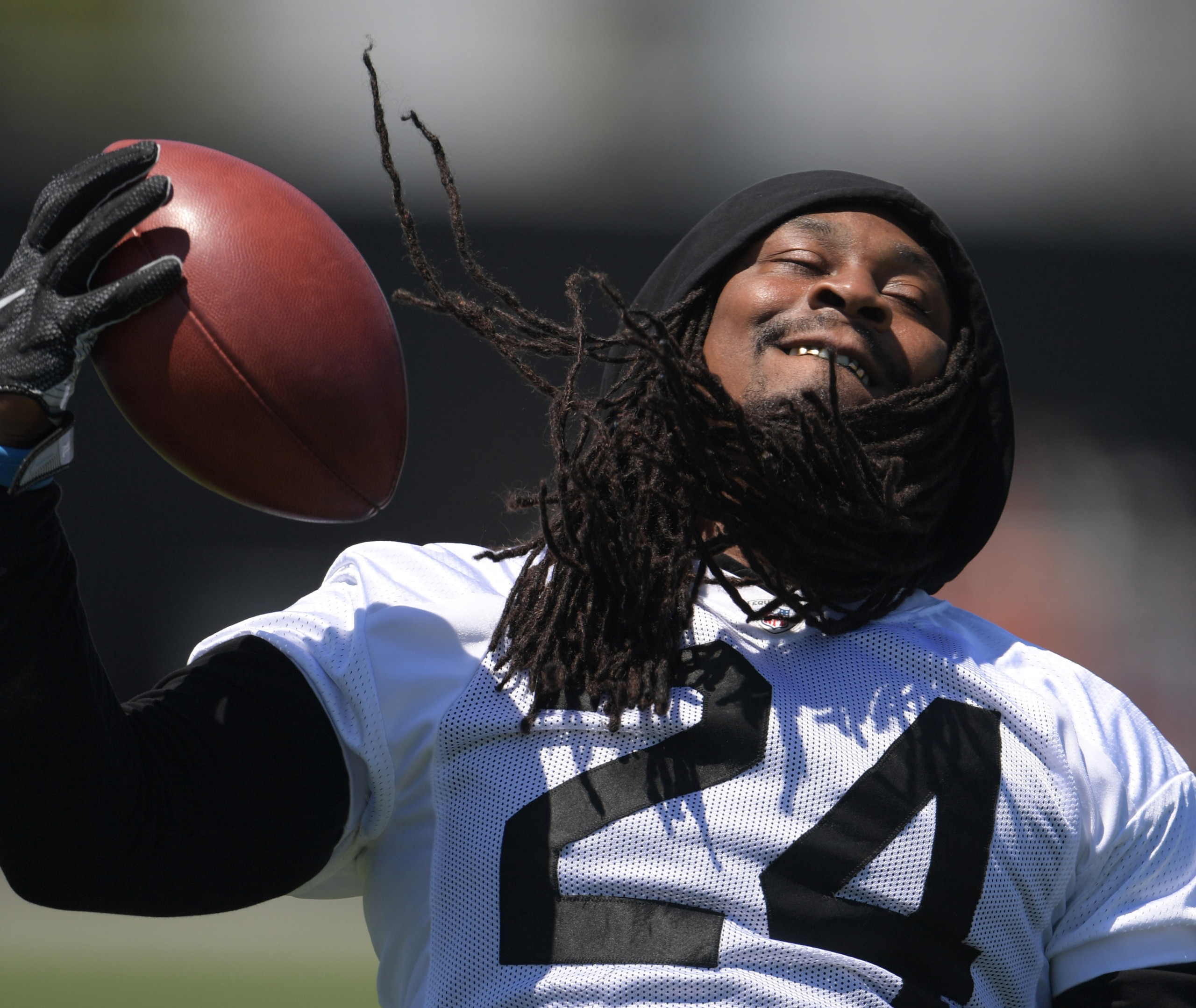
The front office slowly but surely hammered out a deal for running back Marshawn Lynch. The player and team agreed to terms a day before the 2017 draft.
Initially, San Francisco Chronicle reporter Vic Tafur noted the team offered a $3 million deal, but Lynch didn't feel good about taking a third of what he would've made as an active player on the Seahawks roster.
To pull Lynch into the fold, the Raiders crafted an incentive-laden deal that rewards the 31-year-old ball-carrier at various production thresholds, per Pro Football Talk's Mike Florio:
"As to rushing yards, Lynch has various benchmarks that kick out large payments. He gets $400,000 for his first 400 yards. At 500 yards total, Lynch gets another $400,000. At 600 yards total, Lynch gets another $400,000. At 800 yards, another $600,000 is earned. At 1,000, Lynch gets another $600,000."
For you math majors, that's an extra $2.4 million in addition to the $2.9 million cap hit.
Lynch could also tack on $250,000 for nine touchdowns, and that would double for scoring 12 times. By the way, he'd earn $1.5 million if the team goes to the postseason.
For Beast Mode, it's simple, produce on a winning team and the dollars will accumulate.
Realistically, Lynch should come close to or eclipse 1,000 yards and 10 touchdowns behind the Raiders offensive line, if not, Oakland wouldn't overspend on a running back on the wrong side of 30 years old. Both sides win.
Bad Contract: Austin Howard
2 of 8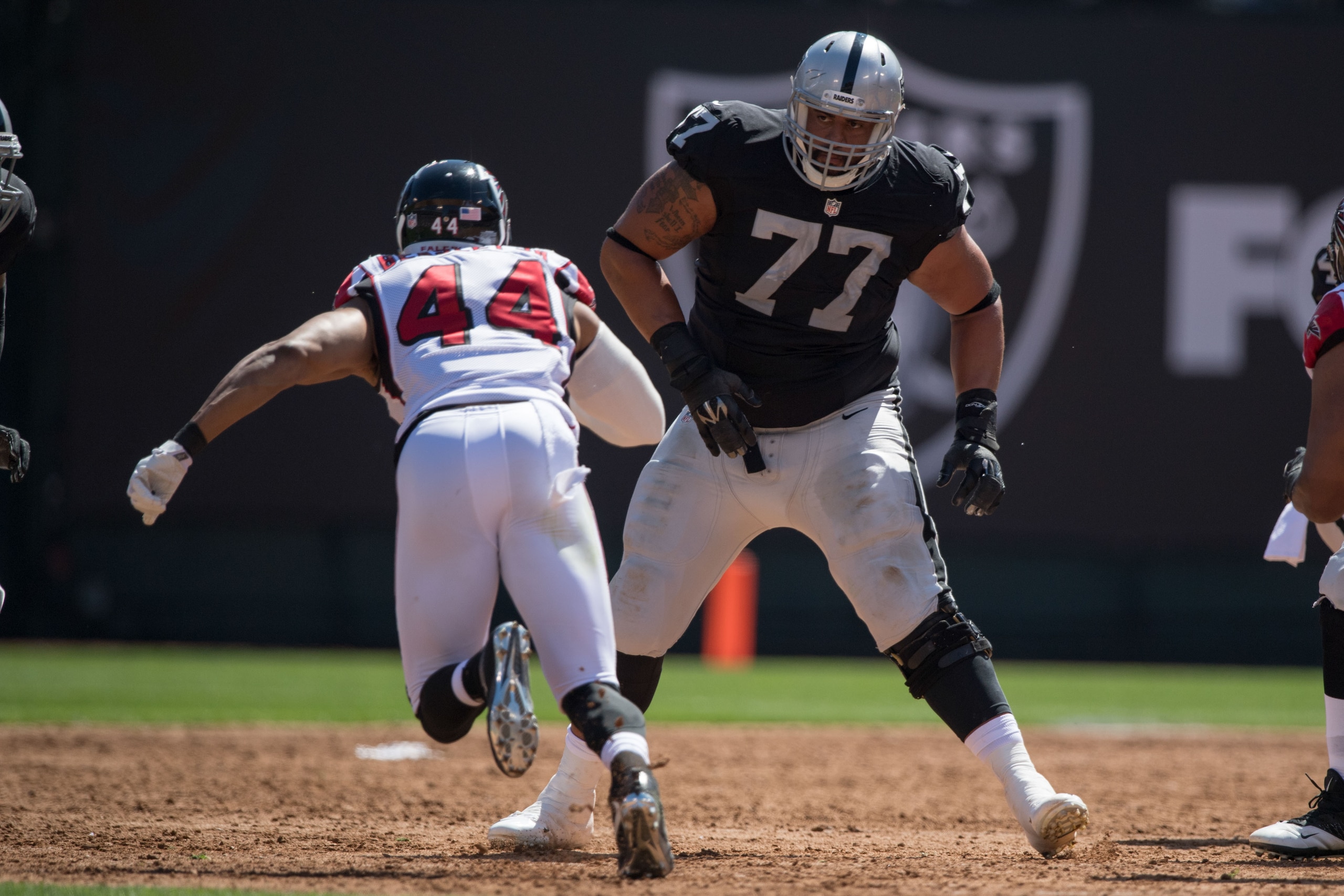
Austin Howard has one of the few veteran contracts with dead money on each year of the deal. The Raiders signed the burly offensive lineman to a five-year, $30 million pact during the 2014 offseason. He started 16 games at guard in the following campaign.
Howard started 23 contests at right tackle over the past two years but missed time due to injuries in that span.
Often during the preseason, Menelik Watson would flash his talent as a potential long-term solution at right tackle. Unfortunately, the Raiders' 2013 second-round pick couldn't stay healthy enough to unseat Howard in the starting lineup.
After Watson signed with the Denver Broncos, you'd think the position belongs to Howard, but head coach Jack Del Rio pegged free-agent acquisition Marshall Newhouse as the lead candidate for the spot, per ESPN.com's Paul Gutierrez. The front office also drafted two rookie tackles.
On SiriusXM NFL Radio, fourth-rounder David Sharpe said he's taking reps at right tackle. Vadal Alexander returns in his second year with experience as a starter blocking on the perimeter.
Howard could lose his starting spot and roster space during the summer. The team can erase his contract off the books and save $5 million as a post-June 1 cut, per Overthecap, which provides the young talent at the position more opportunities to develop in live action.
Good Contract: Michael Crabtree
3 of 8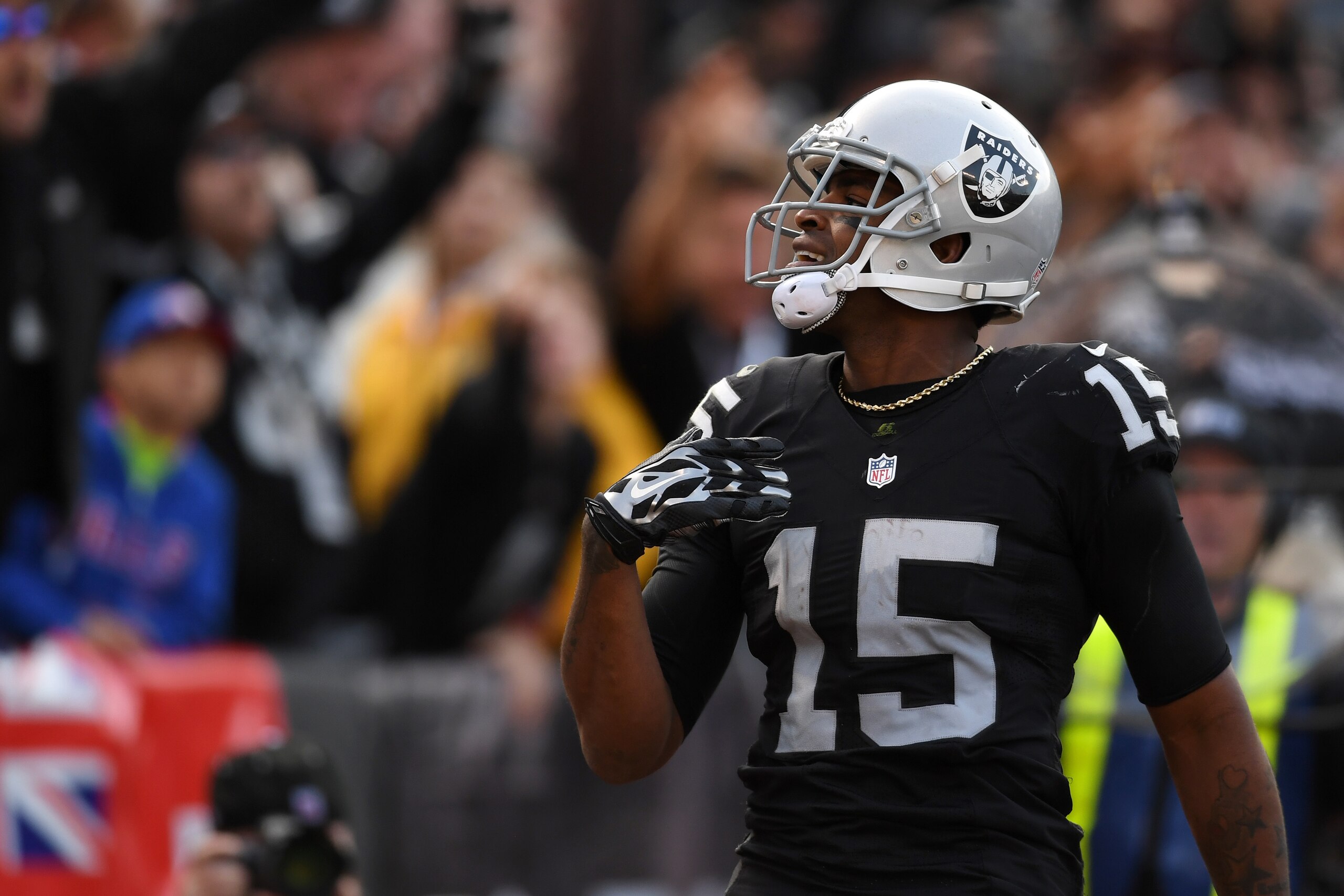
Oakland signed Michael Crabtree during the 2015 offseason and drafted Amari Cooper in the following draft. Coming into the 2015 season, most Raiders fans expected the younger wideout to lead the team in receiving touchdowns for years to come.
Crabtree moved on from a toxic situation in San Francisco and shed his mediocre label provided by Seattle Seahawks cornerback Richard Sherman when he restarted his career in Oakland. Since joining the team, the 29-year-old wideout has scored 17 touchdowns, which ranks tied No. 5 among wide receivers in the league.
McKenzie signed Crabtree to a four-year, $34 million deal, and the team can cut ties with him after the 2017 season without owing any dead money. The veteran wideout has been worth every dollar. He's likely to lead the Raiders' receiving corps for a third consecutive season in touchdowns.

.jpg?w=2560 "Rams Eagles Football")
.jpg?w=2560 "Texans-Mixon Released Football")
Bad Contract: Sean Smith
4 of 8
McKenzie had to accept cornerback D.J. Hayden wouldn't pan out as a full-time starter on the perimeter. During the previous offseason, the front office signed cornerback Sean Smith to a four-year, $38 million deal to start opposite Amerson and address a poor secondary.
Instead, the Raiders watched speedy wideouts burn the former Kansas City Chief in coverage. Smith somewhat recovered as the year progressed, but he didn't resemble the same player who lined up as a division rival in years past.
The Raiders' decision to draft cornerback Gareon Conley puts Smith on alert after one year in Oakland. The Ohio State product brings versatility as an inside and outside defender. As a first-round pick with an unmatched skill set on the roster, he's primed to take a starting spot within a year or two.
The Raiders executive signed Smith to jump-start the 2016 free-agent period, but he could be writing him off soon after the 2017 season.
Good Contract: Bruce Irvin
5 of 8
For starters, the Raiders signed a linebacker and junior general manager in Bruce Irvin. A large chunk of his worth extends beyond his tackles and sacks.
He's become the bookend pass-rusher opposite Khalil Mack off the edge and does his part in recruiting free agents via Twitter. Furthermore, the former Seattle Seahawk brings extensive playoff experience to the locker room.
McKenzie signed Irvin to a four-year, $37 million deal, and there's a clean out after the 2017 campaign. Nonetheless, the sixth-year pro may put together his best season with defensive assistant John Pagano joining the coaching staff.
Pagano squeezed every ounce of production from his linebackers as a defensive coordinator for the Los Angeles Chargers. With Irvin's leadership qualities and on-field production already on display, it's a well-spent $9.25 million per year.
Bad Contract: Marshall Newhouse
6 of 8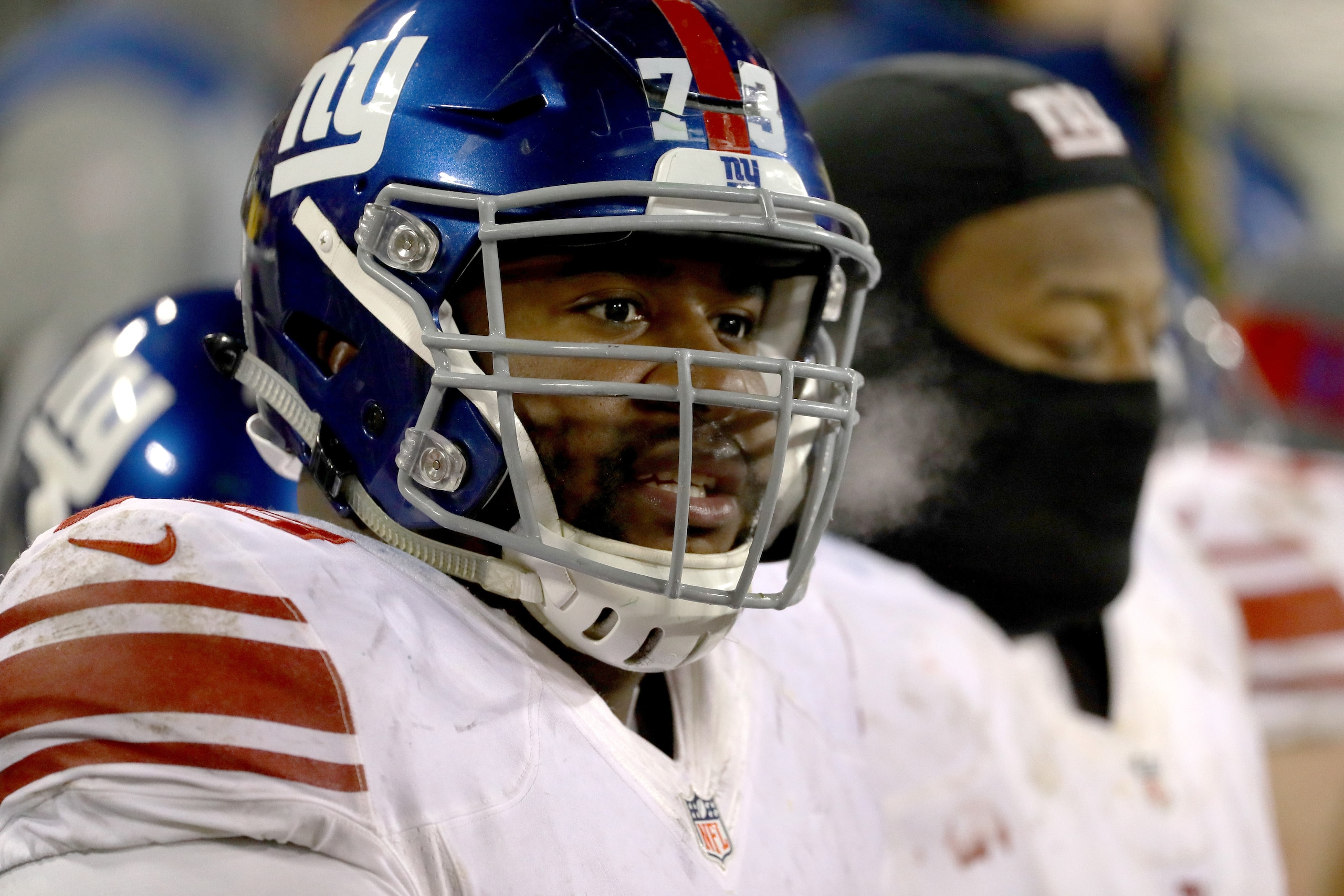
The Raiders inked Newhouse to a low-risk contract that doesn't set off any alarms, but why sign him in the first place?
If McKenzie had reservations about Howard's offseason recovery from multiple shoulder surgeries, he could've turned to two young offensive linemen who can fill the void in Kirkland and Alexander. Furthermore, the Raiders selected two offensive linemen during the draft, which indicates the decision-makers targeted the position.
The most intense training camp battle will focus on the right tackle position. With four young players in the mix, what's the point of bringing in a journeyman tackle, who recently lost his starting spot on his previous team?
Again, Newhouse's contract isn't a bad one, but it looks like an unnecessary free-agent signing. Once September rolls around, Alexander, Sharpe or Howard will hold the starting spot.
Good Contract: Jelani Jenkins
7 of 8
How often does a general manager sign a veteran defender, who's expected to start on a one-year, $1 million deal?
The Raiders don't have much competition at weak-side linebacker since Malcolm Smith signed with the San Francisco 49ers.
Jelani Jenkins spent four seasons with the Miami Dolphins. He pinpointed his battles during practice as to why he's a good solution to Oakland's issues in covering the middle of the field, per San Jose Mercury News reporter Jerry McDonald.
"I've been on teams with a lot of great tight ends and running backs. So I've had to cover them every day in practice," Jenkins said. "I think that helps."
The Raiders' intermediate pass-coverage issues have been chronicled over the past two seasons, and McKenzie addressed the need for a measly $1 million on a prove-it deal. This particular signing holds great short-term value.
Good Contract: Donald Penn
8 of 8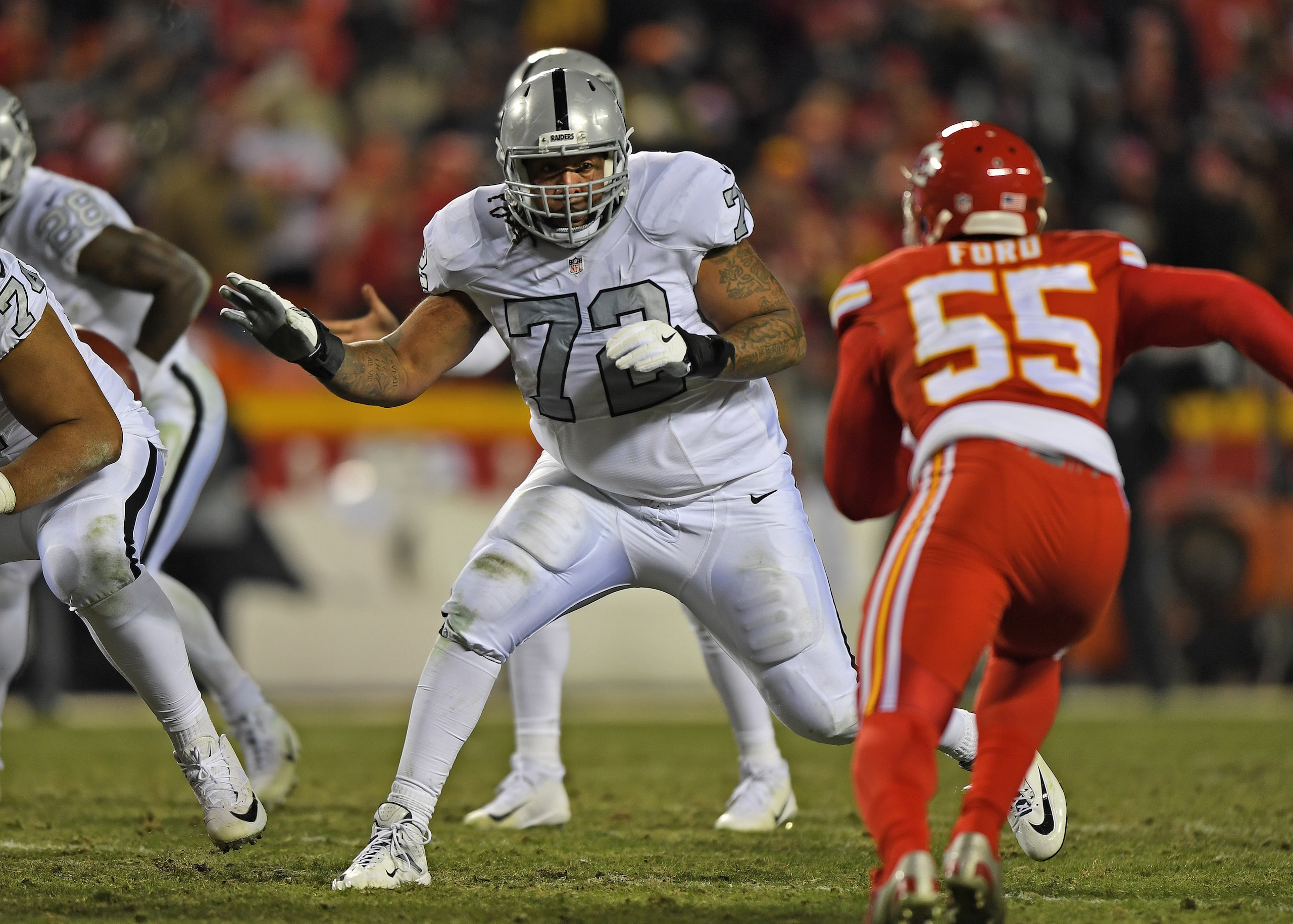
At one point, some thought left tackle Donald Penn would move on. He removed any semblance of the Raiders off his Twitter profile and almost visited the Giants before re-signing on a two-year, $11.9 million deal.
McKenzie will spend an approximate average of $6 million per year over the next two seasons to protect the franchise quarterback's blind side. Typically, left tackles earn the most among offensive linemen due to their responsibilities in blocking edge-rushers looking to destroy the passer.
Penn allowed one very costly sack that put Carr on the ground with a broken leg, but the veteran tackle is certainly a bargain option at the position when considering the dollar amount vs. production.
In fact, the 34-year-old has played well enough to see another season if the young offensive tackles need another year to develop behind the scenes.
All contract details provided by Spotrac, unless otherwise noted.
Stats provided by NFL.com and Pro Football Reference unless otherwise noted.
.jpg?w=2560 "Commanders Eagles Football")
.jpg?w=2560 "Chiefs Dolphins Football")

.jpg?w=2560 "Grading WWE Raw 🔠")


