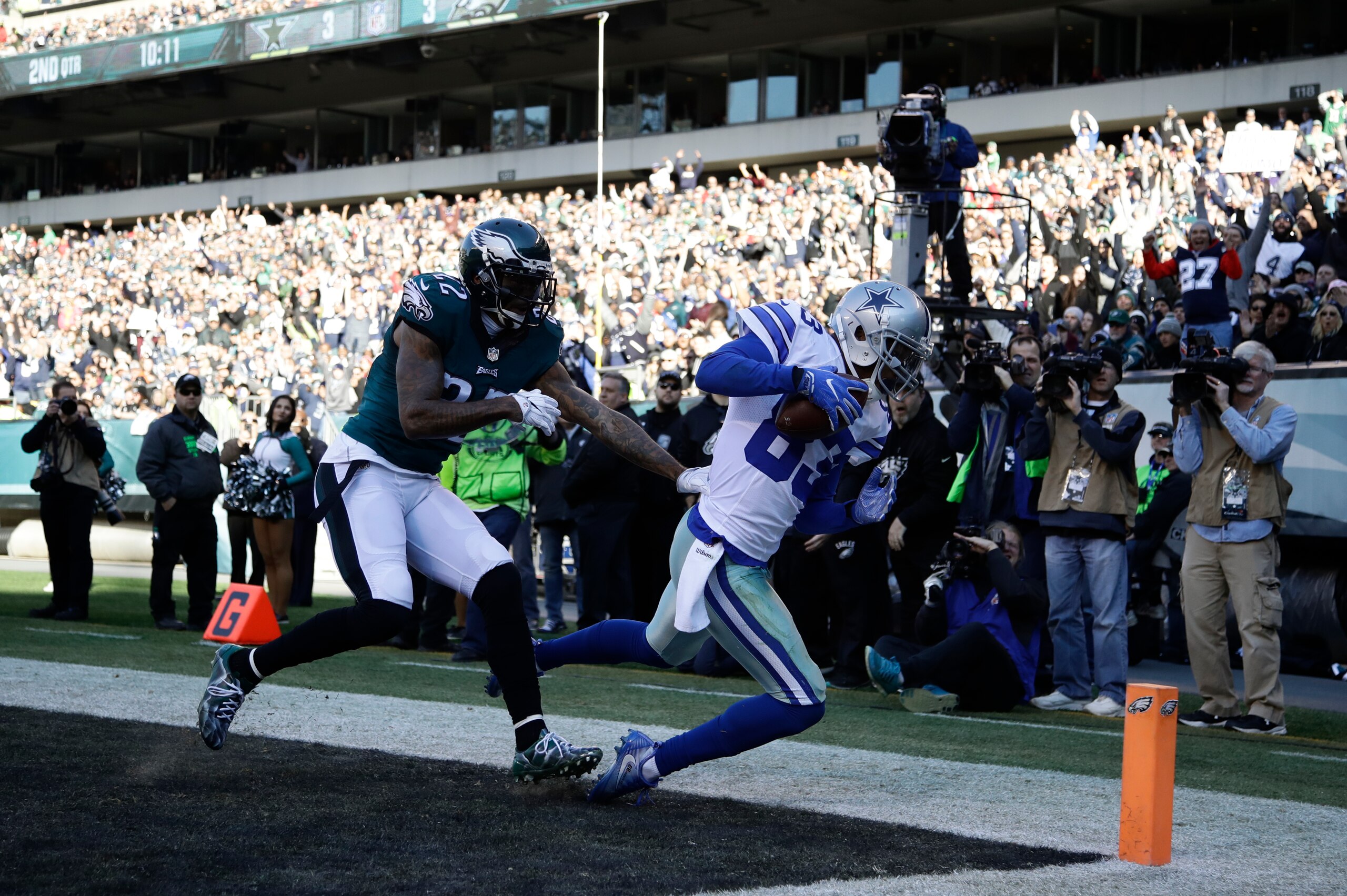

Grading Dallas Cowboys' Free-Agency Plan so Far
It's been somewhat of an exodus for the Cowboys' free-agent class. As of this posting, six former Cowboys have signed free-agent deals, including five defensive players; Barry Church, J.J. Wilcox, Terrell McClain, Ryan Davis and Jack Crawford. And that number could grow with Morris Claiborne and Brandon Carr still out on the open market.
As for Dallas, the first week of free agency has been somewhat quiet. The team re-signed some of their own and added some talent to the defense. They've restructured a few deals to free up cap space and have stayed patient. With the first week of the 2017 NFL year nearly in the books, let's take a look at their moves so far.
Re-Signing Terrance Williams
1 of 7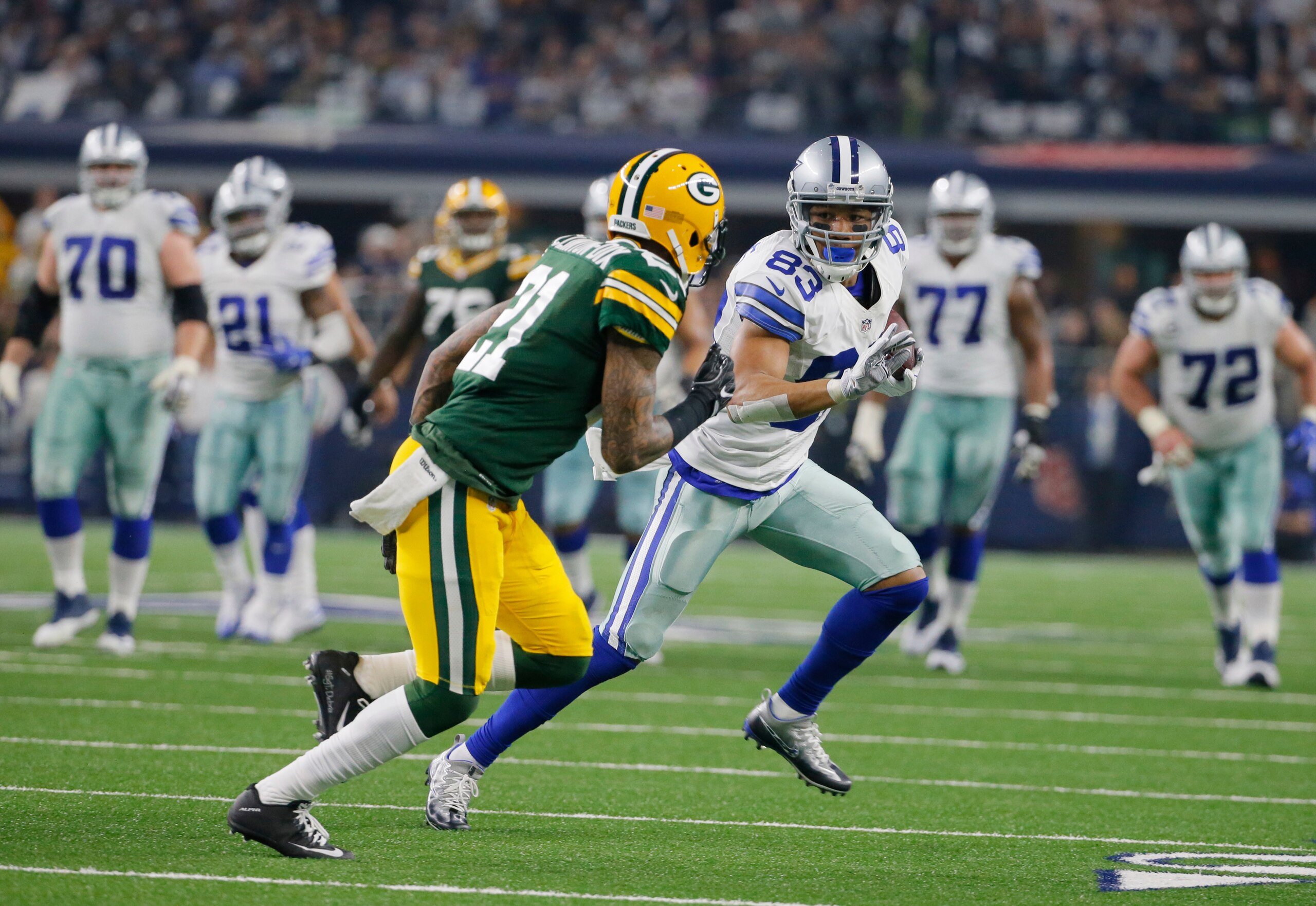
Deal: 4 years for $17 million
It seemed like a forgone conclusion that Terrance Williams was destined to leave during free agency. With lesser players receiving upwards of eight million per year, it seemed like Dallas was going to be in need of a second receiver in the draft.
Williams isn't a spectacular player by any means, but he is important to the Cowboys offense. Outside of being a dependable player (he's played in every game since being drafted in 2013), he's a nice fit as a Z-receiver in the Dallas offense. He's one of the better blockers in the league, but he also has the speed to beat defenders down the field and after the catch.
At $4 million per season, Williams is the 42nd-highest-paid receiver per year in the NFL. The best part of this deal is twofold; it allows Dallas to maintain continuity on offense with a young quarterback and it also allows the team to spend their resources on defense, rather than a high pick on a receiver.
Grade: A
Re-Signing Brice Butler
2 of 7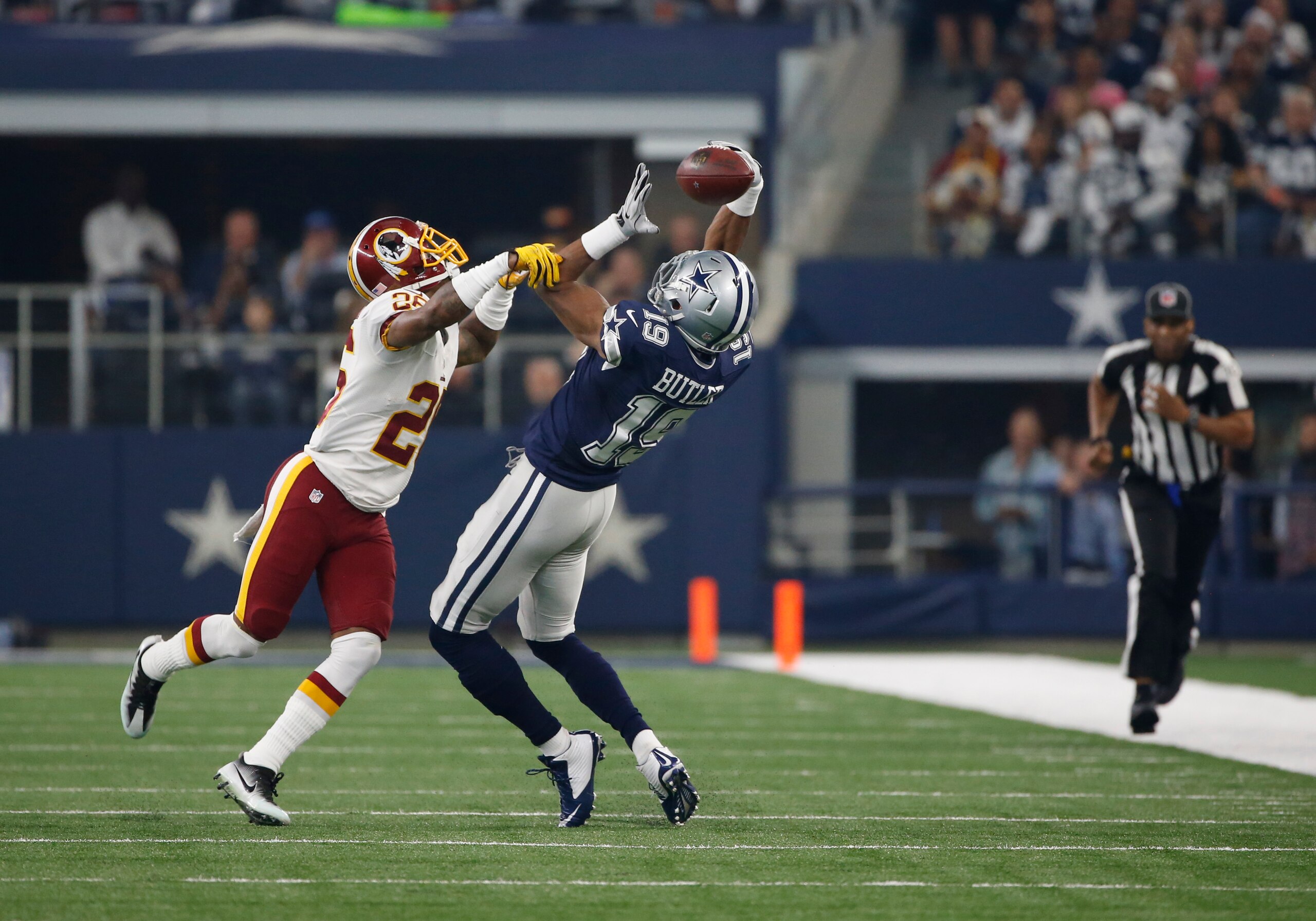
While most assumed Terrance Williams would be leaving via free agency, it seemed like Brice Butler's destination was to end up back in Dallas in some type of reserve role. But after taking a very team-friendly deal, the Cowboys were able to retain both of their free-agent receivers.
Butler's deal barely exceeds the veteran minimum and with only $300,000 in guarantees, his roster spot is anything but safe. However, he knows the scheme and the Cowboys don't have to add a single receiver for the rest of the offseason. But his contract won't keep Dallas from drafting one if the right player falls to them in the draft.
Butler is one of the better fourth receivers in the league and has the versatility to back up two spots in Dallas. It's also possible that Butler takes the next step in his third year in the system and challenges Williams for snaps on the outside. A nice low-risk move for a pretty decent role player.
Grade: B
Signing Nolan Carroll
3 of 7
Deal: 3 years for $10 million with club options in 2018 and 2019
Before free agency began, the Cowboys had a pretty significant need at cornerback. With only 30-year-old Orlando Scandrick and second year Anthony Brown on the roster, the team needed to add some depth to the secondary. To shore up that need, the Cowboys signed veteran corner Nolan Carroll, formerly of the Philadelphia Eagles.
You may remember Carroll from our bargain-bin piece from last week. He fits Dallas' scheme as a player who can play on the left side of the field, in both man and zone coverage. At 30, he still has the make-up speed to recover once he gets beat. He gambles a lot, but he will also make a lot of plays to atone for his mistakes.
But there has been some controversy with this signing. Carroll had a down year in 2016, finishing 108th out of 120 CBs for Pro Football Focus and 86th out of 133 in the NFL1000. And at $4 million dollars owed to him in 2017, Carroll will have the 38th-largest contract at corner in the NFL.
Despite his age and his moderately-sized contract, this was a good signing for Dallas. The Cowboys could re-sign Morris Claiborne or Brandon Carr in free agency, but they don't have to. They could draft a corner in April's draft, but they aren't required to do so. This move allows the Cowboys to draft the best player available in the first round, instead of reaching for a defensive back.
Grade: B-

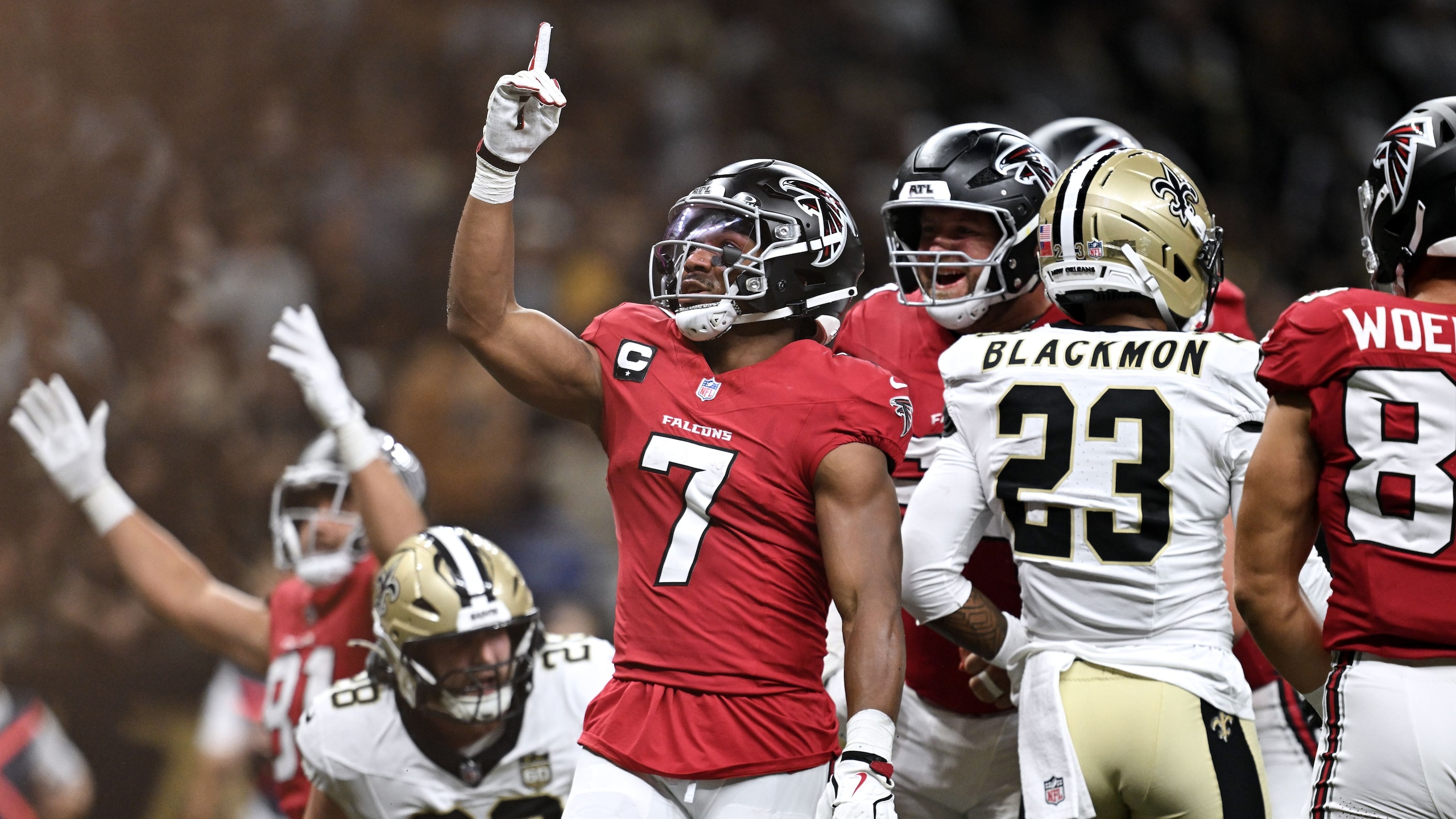
Signing Stephen Paea
4 of 7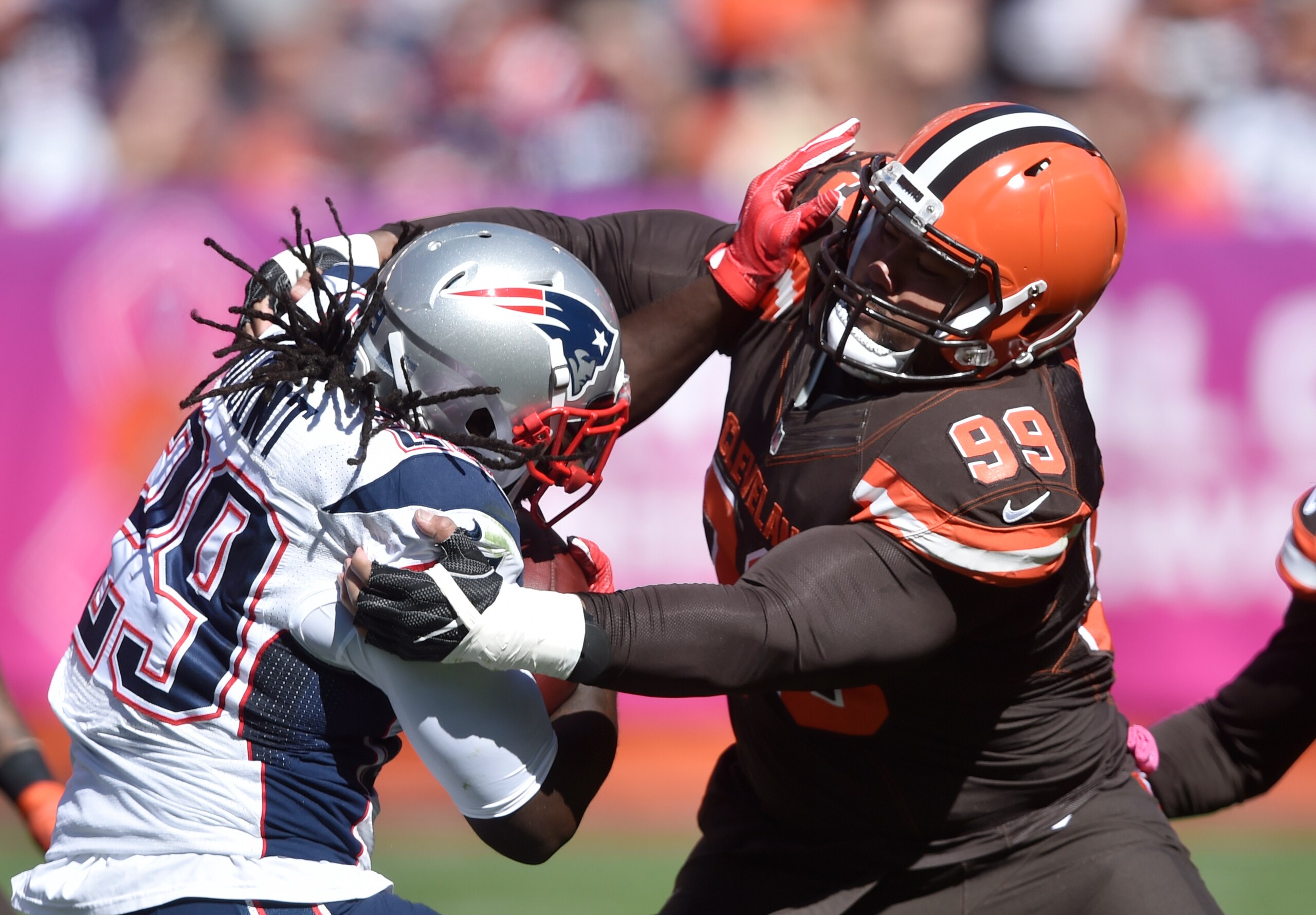
Deal: 1 year for $2 million
Once Terrell McClain left in free agency for the Washington Redskins, the Cowboys needed to add a backup 1-technique to their roster. At a very reasonable price, the team was able to add veteran defensive tackle Stephen Paea, formerly of the Browns.
This move made sense for Dallas for two reasons. The first being that Dallas got him on a team-friendly deal. According to Spotrac, Paea's market value was set at $3.7 million per year. While the official numbers aren't out yet, we know that Paea signed a deal that could be worth up to $2 million. However, that means he likely accepted a deal that was worth half of his market value.
Why? Paea decided to join the Cowboys because of his former coach, Rod Marinelli. Paea isn't a great pass-rusher, but he's an above-average run-stopper. Paea was a force in Chicago with Marinelli as a 1-technique. And in a limited role, he can be a nice rotational piece for the Cowboys defensive line.
Grade: B
Signing Damontre Moore
5 of 7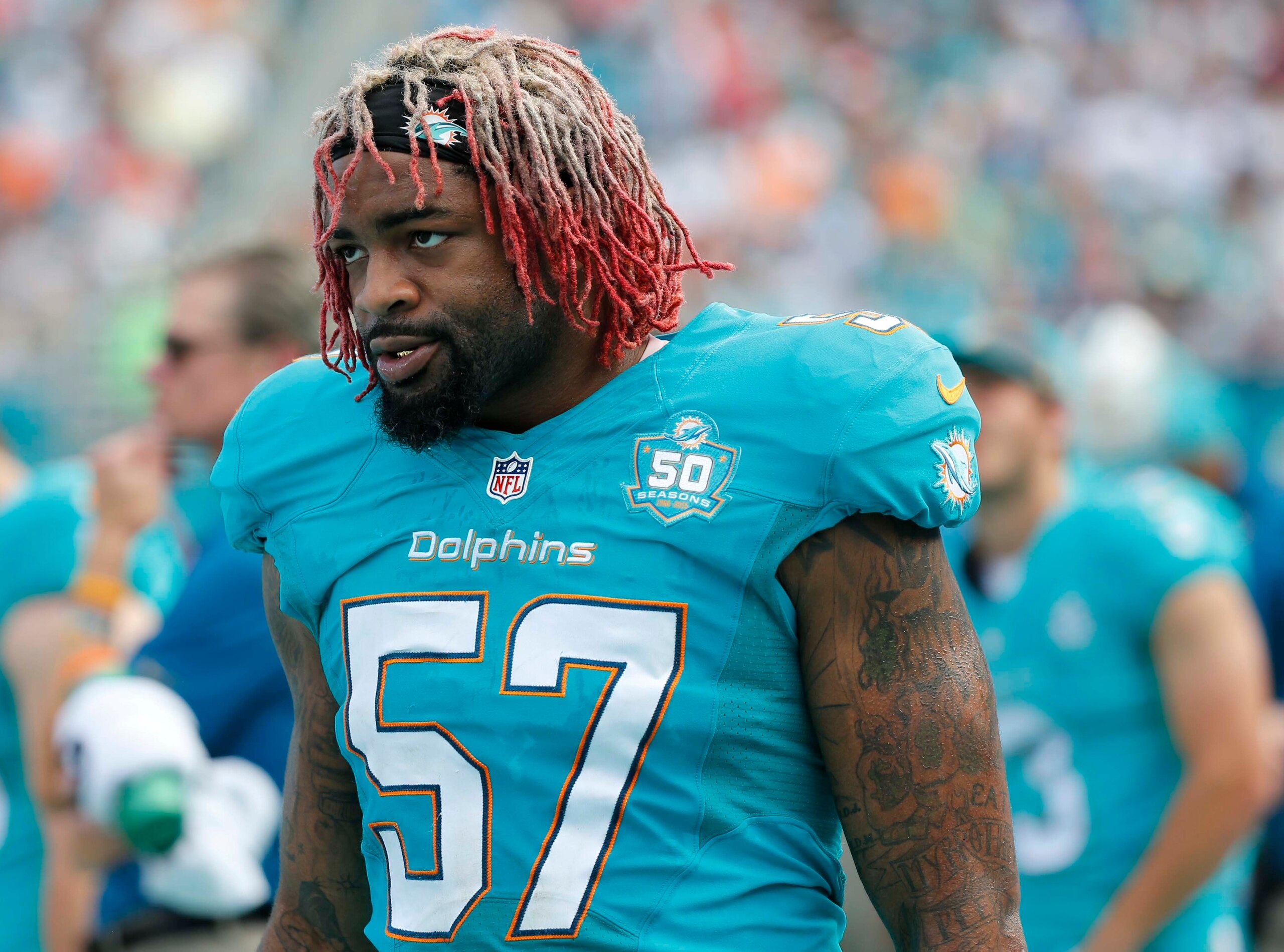
At just 24 years old, Damontre Moore is returning to his home state of Texas to join the Cowboys roster. And while he hasn't lived up to some of his pre-draft hype, Moore has developed into a player who can stick on an active roster because of the pass rush he can create.
At just above the league minimum, this is a low-risk signing as the team could cut Moore at any point during the season or during the offseason. Moore only got a $100,000 signing bonus, so the idea that he's in their long-term plans is laughable. But in his four-year career, he has been able to accumulate 10.5 sacks in the limited snaps he has received.
One of the reasons he continues to be waived is because of his off-the-field behavior. One recent example explains why he was not retained by the Seahawks. On December 17, 2016, Moore was arrested for driving while intoxicated and doing so with a suspended license.
Grade: C
Re-Signing Jonathan Cooper
6 of 7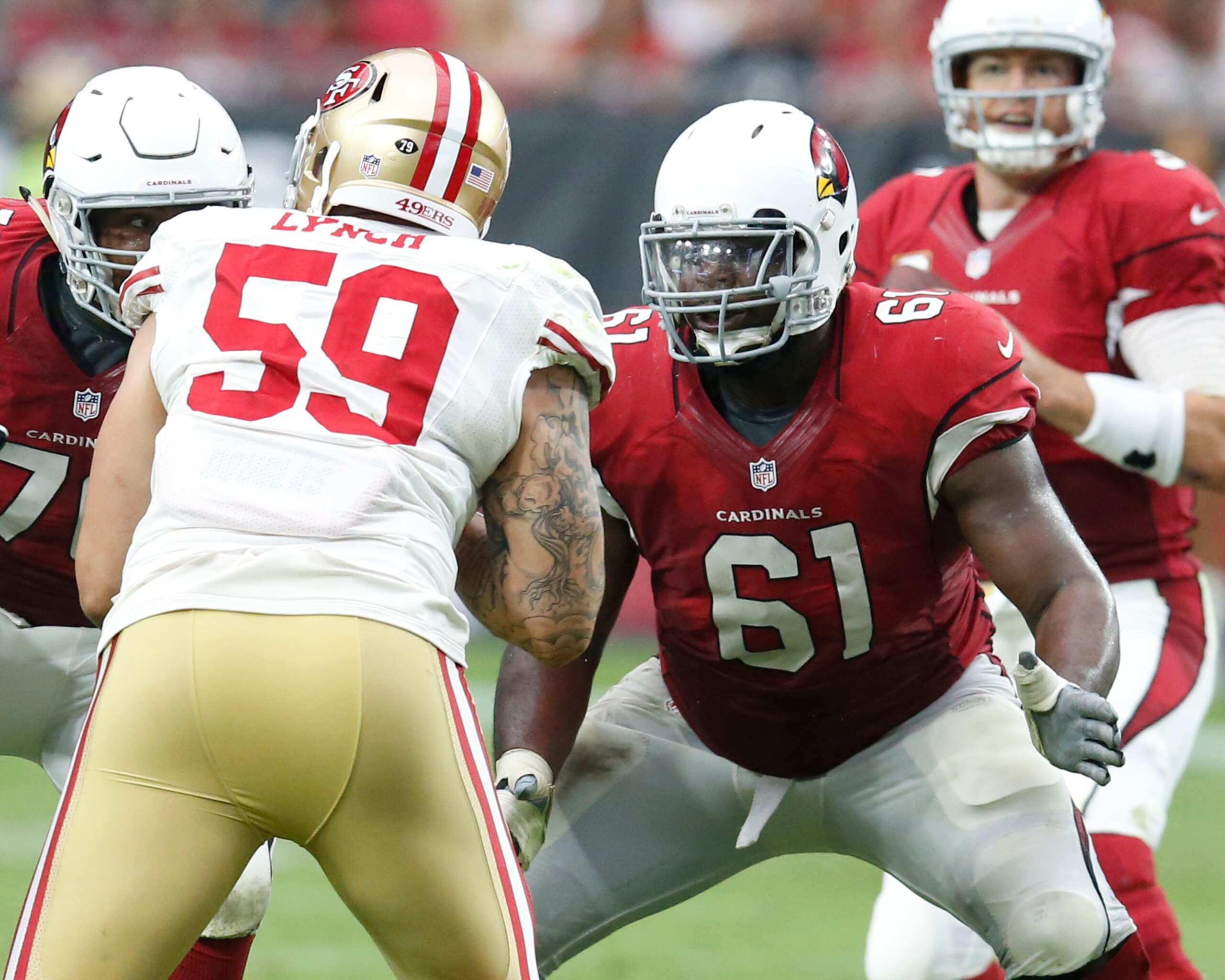
Deal: 1-year deal
The Cowboys lost Ronald Leary to the Broncos in free agency and Doug Free to retirement in the opening week of the new league year. While neither were unexpected, it did hurt Dallas' depth across the offensive line. However, the Cowboys have been anticipating these moves for a while and it's one of the reasons why they signed Jonathan Cooper late in 2016 after he was cut by the Browns.
Retaining Cooper in free agency in a move announced Tuesday was an impressive move by Dallas as they now have options across their offensive line. Plan A would be to have La'el Collins stay at left guard and have third-year player Chaz Green start at right tackle. But a backup plan could include kicking Collins out to right tackle and sliding Cooper in at left guard.
Many remember Cooper as the massive bust from the 2013 draft, but a big reason why he has failed in the NFL thus far is due to scheme fit. When he's asked to make plays in space, he can be a really effective guard. With a full offseason with the Cowboys, it's not inconceivable that he could be their swing guard/center on game days. This is another low-risk, high-reward signing by Dallas.
Grade: B
Restructuring Sean Lee, Tyron Smith and Travis Frederick
7 of 7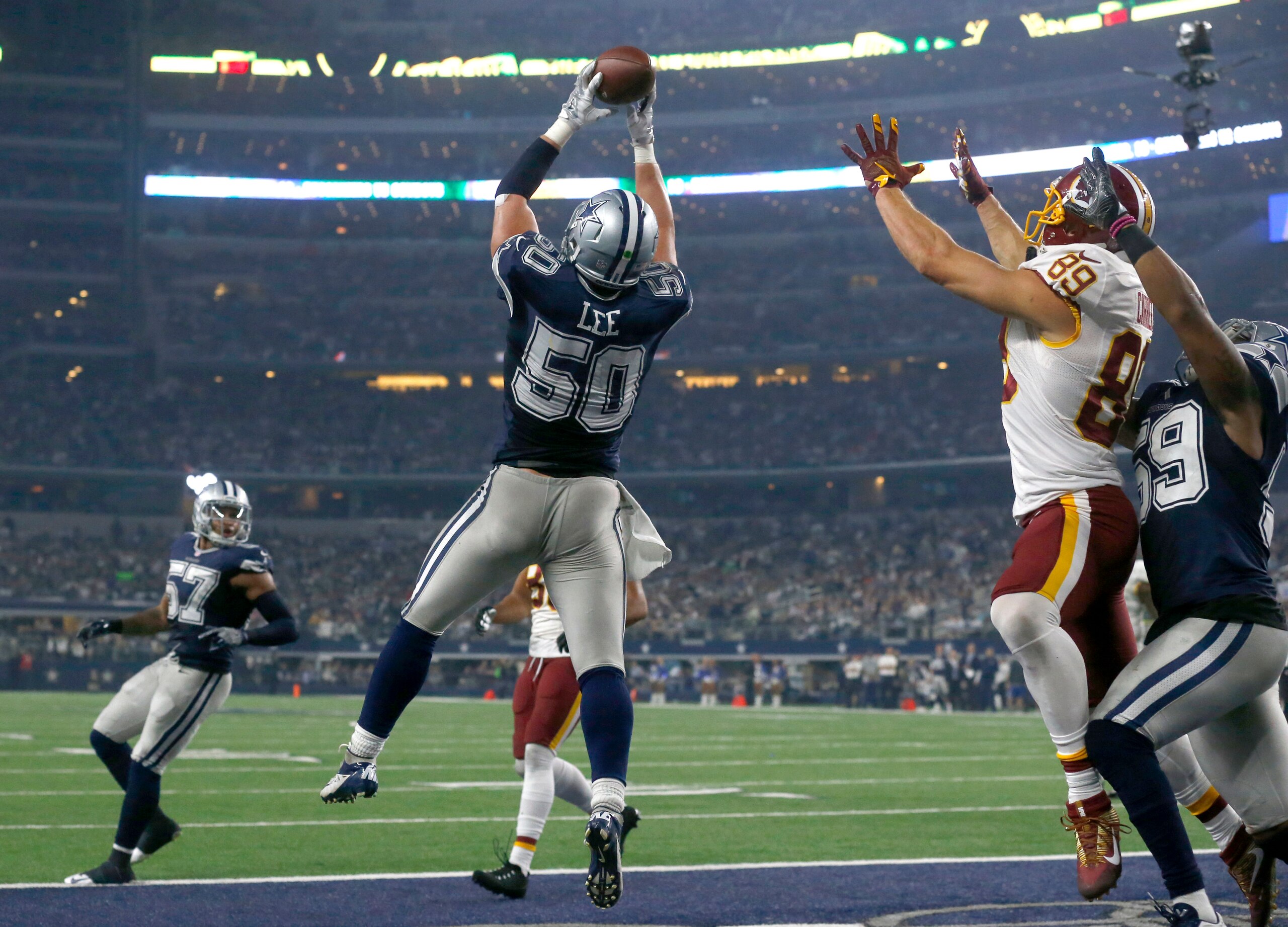
Deal: Three restructures freeing up over $22.3 million in cap space
Before free agency began, the Cowboys were as tight up against the cap as any other team in the NFL. And with very little they could do to get under the cap, the team did something they've become known for; restructuring contracts. This time, it was Tyron Smith, Travis Frederick and Sean Lee's turn to have their contracts altered.
Essentially, restructuring contracts is an accounting trick to free up cap space by lowering a player's base salary by giving a player a sizable signing bonus. But the negative aspect of restructuring a contract often means that a team is raising a player's base salary down the road and guaranteeing that player even more money.
Tony Romo's contract is an example of a deal that has been restructured multiple times, and now he's got one of the most mortgaged contracts in NFL history. It's also a reason why Dallas is struggling so much to move him despite his immense talent. Restructuring contracts isn't ideal, but it's something the Cowboys needed to do in 2017 to fill out their roster.
Grade: D+

.jpg?w=2560 "Commanders Eagles Football")
.jpg?w=2560 "Grading WWE Raw 🔠")



.jpg?w=2560 "Viral Rams Coach Vid 🖕")