LeBron James' Short-Term Contract Is Latest Proof He's in a Class by Himself
LeBron James belongs to a species all his own in today's NBA, and the most recent confirmation of that fact is his two-year deal with the Cleveland Cavaliers.
ESPN.com's Brian Windhorst reported the terms:
TOP NEWS
KAT's Contract News Quote 😬

1 Player Every Team Should Trade 🔀
Most Fascinating Players This Season 😲
Before free agency began July 1, there was a line of thinking that suggested deals such as James' would be commonplace. Short-term contracts for high-value players made financial sense in the current salary-cap climate. Marquee players could sign on for so-called one-plus-one agreements like James did, gamble on staying healthy and then hit the market again when the cap rose and maximum deals would be worth substantially more.
The fact that guys such as Jimmy Butler and Kawhi Leonard passed up extensions last summer only added to the suspicion that players would be willing to risk a shorter contract if it meant larger payoffs down the line. All signs pointed to a reversal of the typical team-player negotiating stances, as Daniel Leroux explained for Sporting News: "Expect to see something supremely unusual this summer: Teams will push for long contracts, even at higher values, while players and agents may decide to leave money on the table."
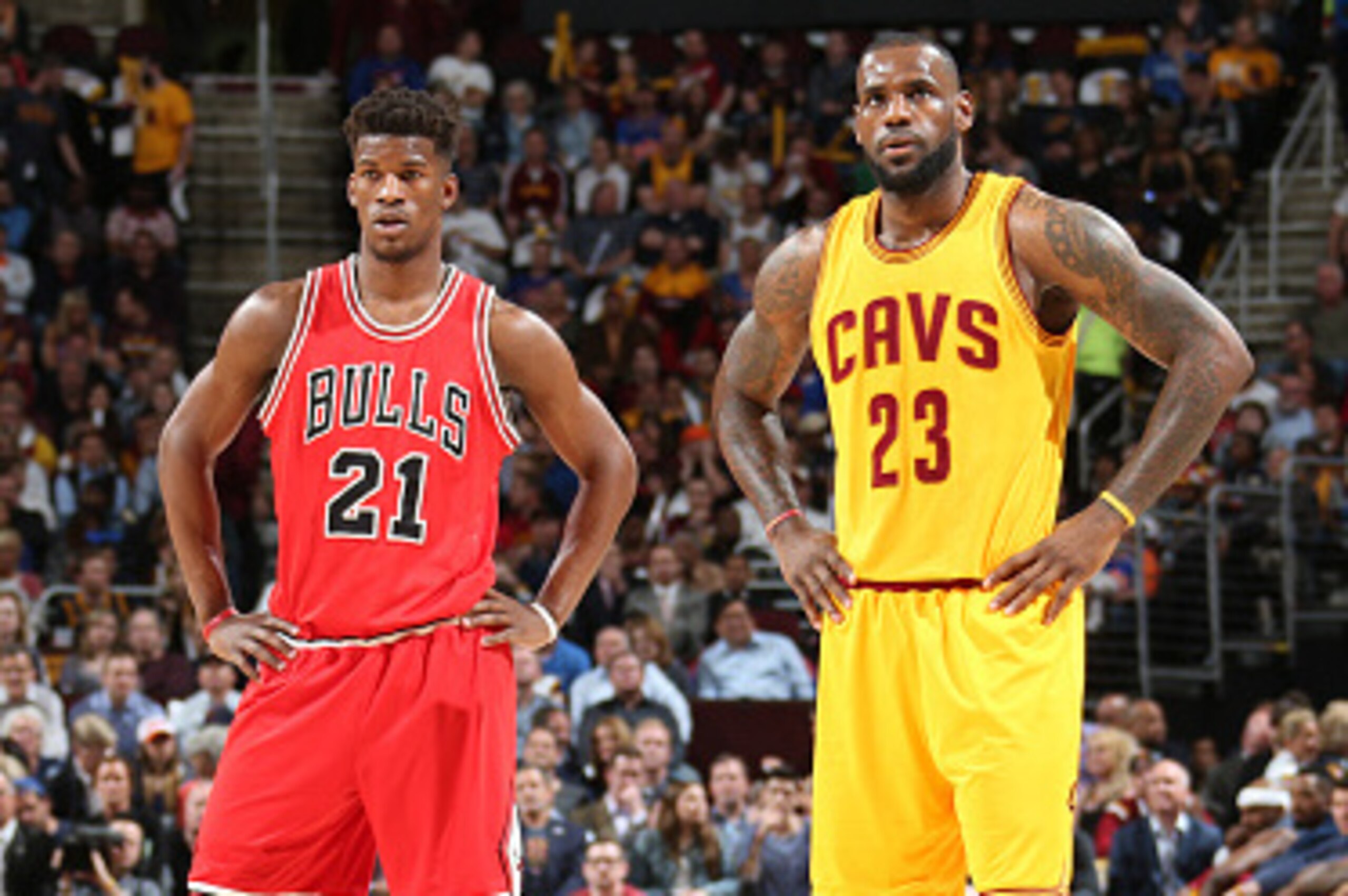
Short-term deals were supposed to be the no-brainer move. Everyone thought so, anyway.
Instead, something unexpected happened: Nobody followed through on what seemed like a logical plan.
Nobody except James, which, in hindsight, probably shouldn't be all that surprising.
For just about everyone else, the prospect of giving up, say, a guaranteed contract worth $80-$90 million over five years was simply too great a risk—even though it would have created the possibility to collect much more money in the near future.

It turned out that 80 million birds in the hand were worth 120 million in the bush.
LaMarcus Aldridge, Kevin Love, DeAndre Jordan and virtually every other max-level star opted for long-term security. And it's hard to blame them.
James went the other way.
Again.
Remember, he opted for a short agreement on his initial contract with the Cavaliers last summer. James was able to sign this new deal precisely because he insisted on an opt-out clause in his old one.
More broadly, James' status as the league's most valuable player (last year's award vote in favor of Stephen Curry notwithstanding) grants him an unparalleled amount of power and influence. He's better situated than anyone else to take on the risk of a shorter contract because he makes more money in off-court endorsements than he collects for actually playing.
More than twice as much, actually, according to Forbes.com.

Financial security aside, there's also a strategic component in play for James that simply isn't there for any other player in the league. He has enormous sway over everything from attracting other free agents to how much his team feels compelled to spend on the roster.
And continuing to sign shorter deals helps James maximize his influence.
Think about it: Though we could debate the value of recent LeBron-lured veterans such as Mike Miller, Shawn Marion and James Jones, the fact remains James has a history of attracting players who wouldn't otherwise be interested. We should expect Cleveland to have the inside track (or at least a fighting chance) at signing every ring-hungry vet who becomes available.
Mo Williams is just the latest example.
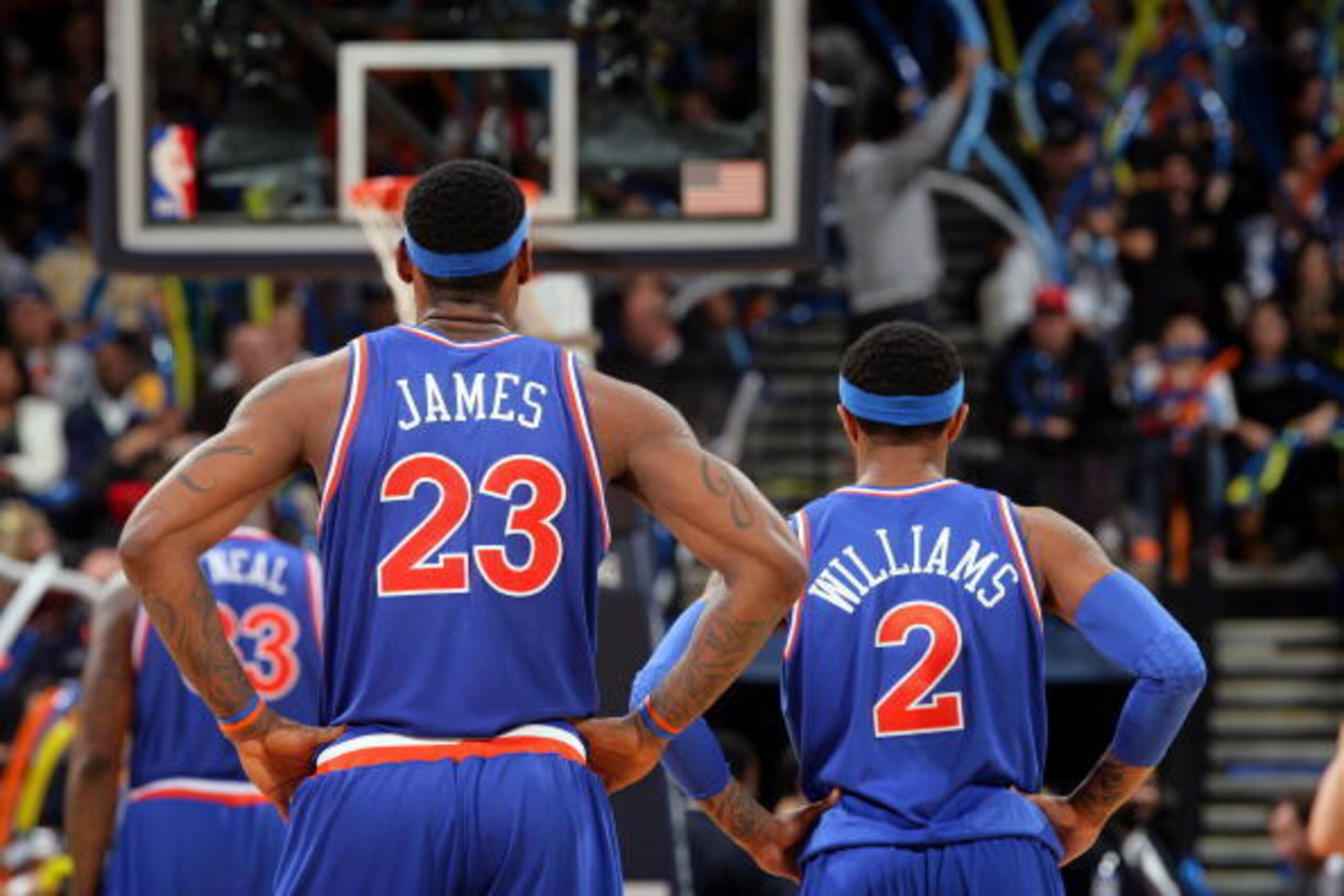
Moreover, James' presence is the sole reason the Cavaliers have blown past the luxury tax with their signings this summer, according to Spotrac. Assuming Tristan Thompson's deal gets done for anywhere close to the initial figure of $80 million reported by ESPN.com's Marc Stein, Cleveland will have spent almost a quarter-of-a-billion dollars on free agents this summer alone.
There's no way the team spends that much without James around.
Short contracts allow James to preserve the kind of urgency that leads to such wild spending, according to John Schuhmann of NBA.com: "Free agency does give James some leverage. It keeps the pressure on Cavs management to do everything it can to give him the best supporting cast possible."
It's hard to know exactly how much leverage James really has. It's difficult, for example, to imagine he'd take the public-relations hit of leaving the Cavaliers for a second time unless something went catastrophically wrong. In some ways, when James made returning to Cleveland about so much more than basketball, he painted himself into a corner.
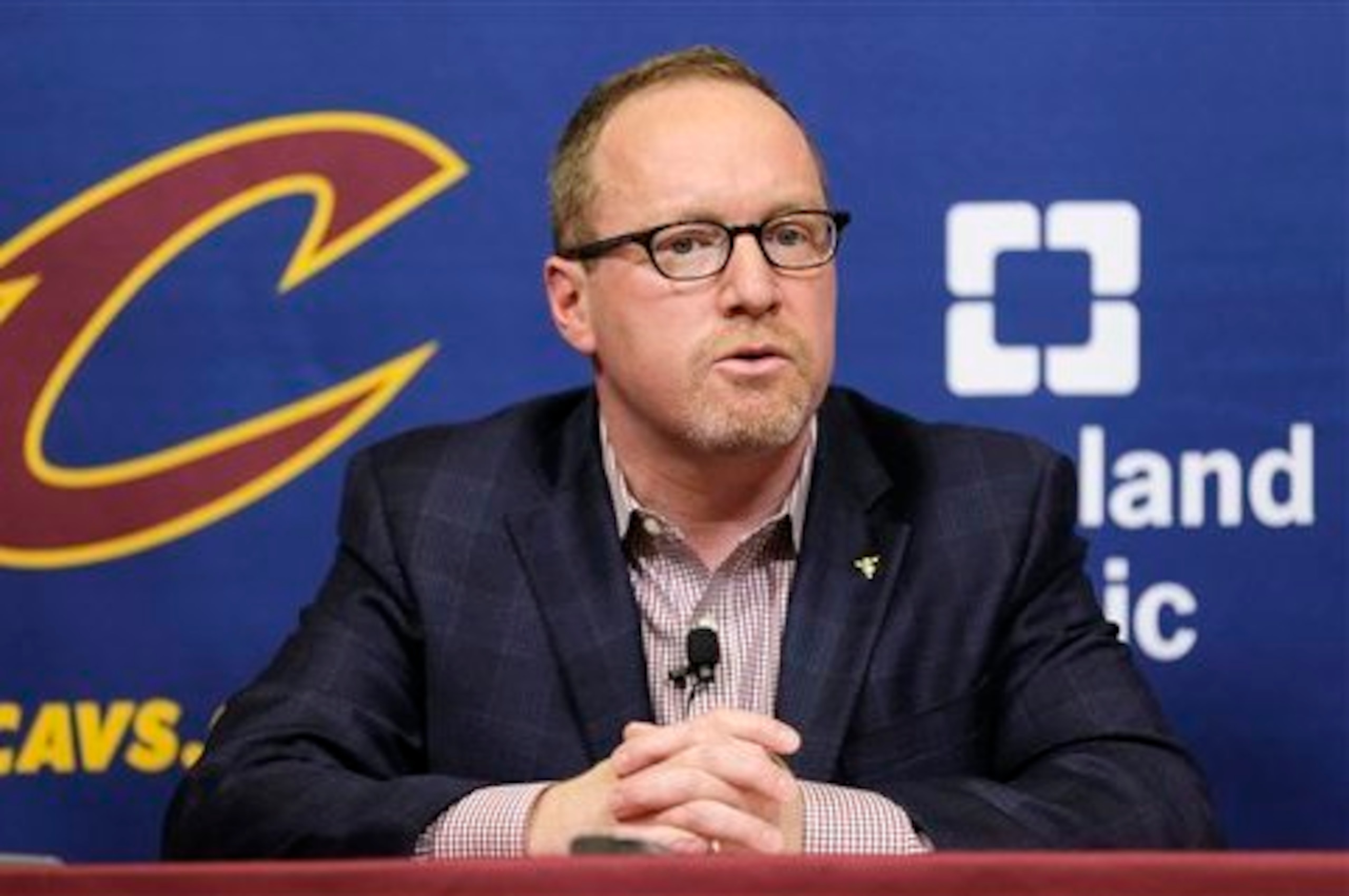
Nonetheless, he wields more power than any other player, and general manager David Griffin isn't shy about admitting it, according to the Chicago Tribune: "We've heard from him every day pretty much relative to our roster. It's been great. He's been very much engaged with us on a lot of different levels, so it's been positive."
James is part of talks about every facet of the Cavaliers. And given all that the franchise has invested in him and all he means to his city, it's not crazy to assume his voice means more than anyone's in those conversations.
We get reminders about James' uniqueness all the time.
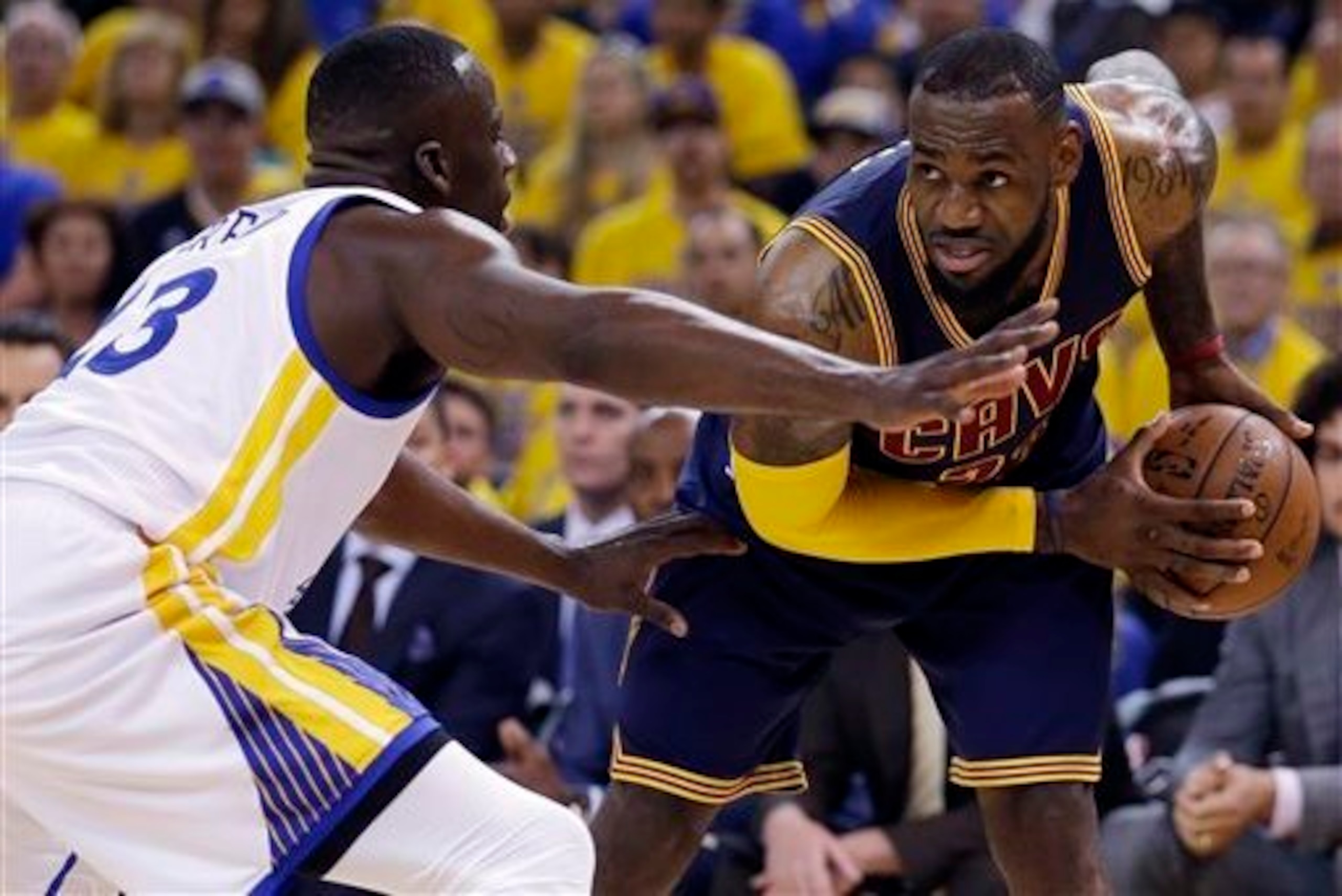
Just a few weeks ago, he led an injury-riddled, comically thin Cavaliers team to a pair of Finals wins against a historically good Golden State Warriors squad. And he did it in a high-usage fashion that stretched our beliefs about how much a single player could matter to his team.
Nobody else could have done what James did in those Finals.
Nobody else could have turned the Cavaliers from a repeat lottery winner to a conference champion in a year.
And we're only speculating on this one, but nobody else could have convinced a star such as Love to agree to five more years as a third option...in Cleveland.
So of course it's James who sets himself apart again by approaching his contract on a year-to-year basis.
He'll keep doing it, too. At least until the cap stabilizes in 2017 and it finally makes sense for James to consider a long-term deal, as Schuhmann explains here.
Until then, James will remain a player apart in every sense of the phrase.
Player moves courtesy of ESPN's tracker unless otherwise noted.
Grant Hughes covers the NBA for Bleacher Report. Follow him on Twitter @gt_hughes.

.jpg?w=2560 "Cam Ward Says He's Not A Loser")
.jpg?w=2560 "🚨 Texans Trade for MHJ")
.jpg?w=2560 "Grading MHJ Trade 📝")
.jpg?w=2560 "Chargers Fall to 0-5 🤢")
.jpg?w=2560 "MHJ Bought Own Jugs Machine")