
5 Biggest Obstacles Facing New England Patriots in 2015
Rarely does a team win the Super Bowl without its fair share of being fortunate. Malcolm Butler may have delivered the final and most important break for the New England Patriots last season, but the Pats benefited from several best-case scenarios to reach Super Bowl XLIX in the first place.
For instance, both external (Tampa Bay's mismanagement of Darrelle Revis) and internal factors (offensive line improvement) shaped the evolution of the Patriots personnel. And unforeseen developments on other squads, such as Rashaan Melvin being forced into regular cornerback snaps for the Baltimore Ravens, certainly aided the Patriots on their postseason run.
None of that diminishes what the Patriots accomplished, of course, but it does highlight the unpredictability of what obstacles New England may face when it opens its title defense in 2015. Though we can't know what X-factors will eventually pop up next fall and winter, we can highlight the first issues the Pats will need to address simply to put themselves in the championship mix.
Three weeks out from training camp, here's a look at the five biggest issues the Patriots will ostensibly face during the regular season.
5. Injury Luck
1 of 5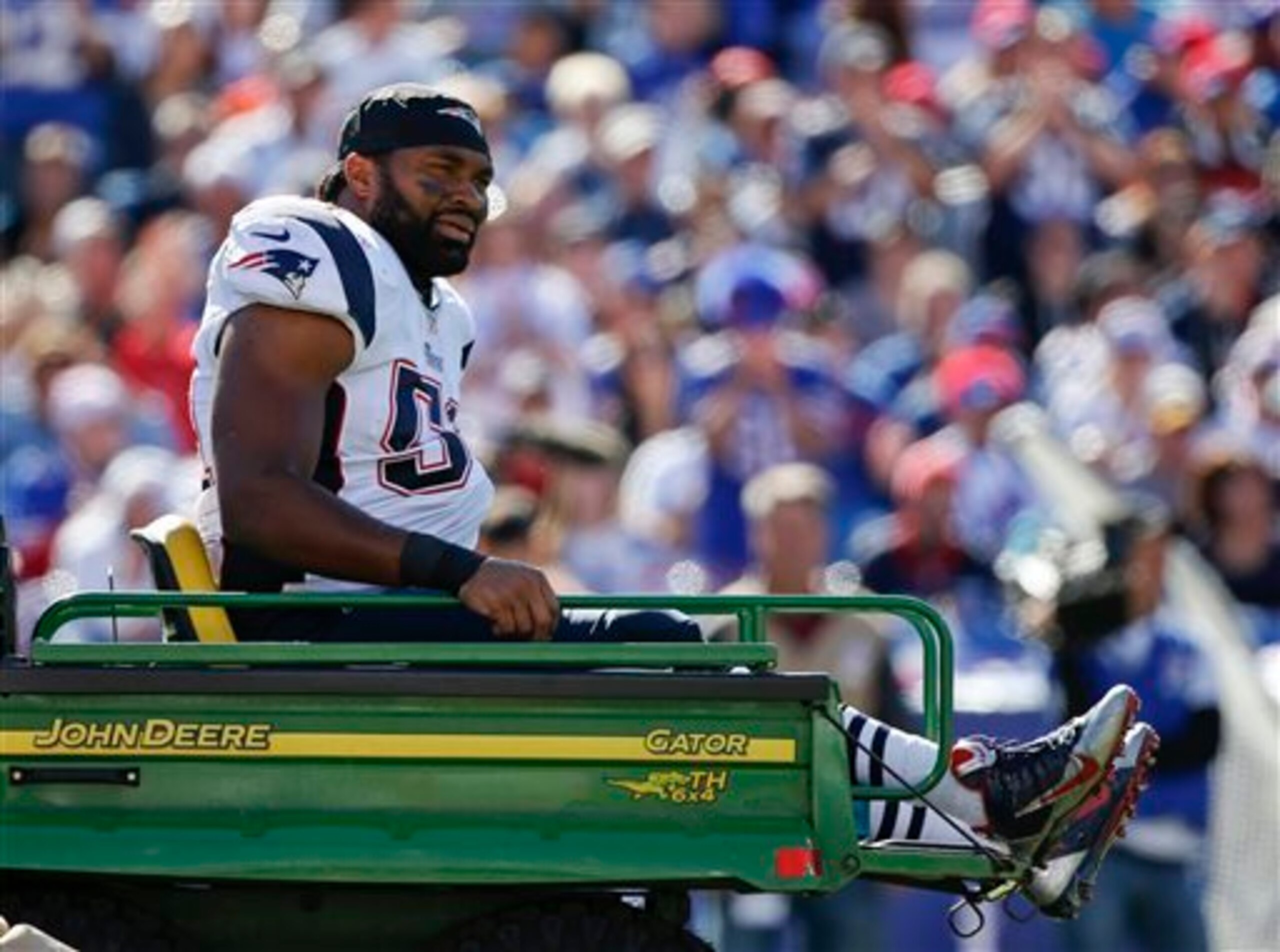
Admittedly, this is the unfairest inclusion on the list, given how little control the Patriots actually hold over their health. However, based on Football Outsiders' adjusted games lost metric, New England was the 12th-healthiest team in the league, including the ninth-healthiest on offense. Since FO started tracking the stat in 2010, that's the highest overall finish the Patriots have ever had.
Adjusted games lost isn't a perfect metric, since it penalizes teams for listing lots of players on the injury report, with the thought that these players are likely operating at a diminished capacity. Of course, the Pats are notoriously fickle with their injury report, perpetually listing Tom Brady as questionable, while not listing more injured players at all (i.e. Logan Mankins during the 2011 season, when he played through a torn ACL).
Nevertheless, the eye test shows that the Pats did benefit from injury luck last season. Apart from a Week 6 contest in which they lost starters Jerod Mayo and Stevan Ridley for the season, New England kept its most important players off injured reserve.
Chandler Jones represented the team's most impactful in-season absence, missing six weeks with a hip injury. But Jones returned in time for the postseason, and the Pats were ultimately fortunate the whispers of the injury being season-ending that were reported by outlets such as the Boston Herald never came to fruition.
In the five seasons that FO has tracked adjusted games lost, the Pats have finished in the bottom five three times. Some of that stems from their manipulation of injury reports, but it doesn't explain away everything. Starters will go on injured reserve and miss lengthy stretches of time in 2015. For a Super Bowl run to remain realistic, the timing and significance of these injuries have to be just right, as it was in 2014.
4. October Schedule
2 of 5When picking out the most difficult stretch in New England's schedule, most will pick out something from the season's second half. From Weeks 11-14, the Pats will face four consecutive opponents who posted winning records in 2014. And in the final month of the season, they'll head out on the road for three out of four contests, a disadvantage that could prove crippling if a playoff berth is in doubt.
But the Patriots have an untouchable track record of gaining steam as the season progresses, with a 95-25 second-half record under Bill Belichick, easily the league's best winning percentage (.792) in that stretch. Conversely, their four-game October stretch includes a pair of road contests against double-digit-win teams (Dallas, Indianapolis) and two games in a four-day stretch against retooled AFC East teams (New York Jets, Miami Dolphins).
It also arrives at a time when the Pats could be most vulnerable, as they'll represent the first four games of Tom Brady's season if he serves the duration of his suspension. No one knows when or how long Brady will be available for next season—a subject we'll touch more on later—but a quarterback who has needed a month to heat up the past two years won't enjoy that luxury if he jumps straight into this month-long snake pit.
Maybe Brady plays 16 games or serves a shorter suspension and acclimates himself into the season well before October swings around. Regardless, this quartet would offer a tough challenge for a fully equipped Patriots squad, let alone one that might be scrambling amid an unprecedented distraction.
3. AFC East Defensive Lines
3 of 5The Patriots placed significant resources into bolstering their front seven this offseason, which has improved its depth considerably. That New England still possesses the fourth-best defensive line by a wide margin in its own division speaks to the strength of the Buffalo Bills, Jets and Dolphins in the trenches. Excluding St. Louis, one could reasonably argue that the three best D-lines in the league belong to the Pats' division rivals.
Based on Football Outsiders' adjusted sack rate, each of the three boasted a pass rush that ranked in the top eight. Buffalo topped the league at 8.8 percent, while Miami and New York should make legitimate runs at the top five with Ndamukong Suh and Leonard Williams, respectively, in tow for the 2015 season.
Each team also finished in the top 15 in FO's adjusted-line-yards metric, a measure of run defense, with the Bills placing fourth overall.
The Pats were wise to invest a pair of draft picks on interior offensive line prospects in Tre' Jackson and Shaq Mason, if only to add depth to the guard position, which was largely a turnstile in 2014. But while each fourth-rounder holds long-term starter potential, it could be an ugly baptism by fire if one or both need to play significant snaps this fall.
Given that the competition consists of uninspiring vets like Ryan Wendell, Jordan Devey and Josh Kline, the Pats appear ready to bet on Jackson and/or Mason proving capable of handling that responsibility. New England's bet paid off last season when Bryan Stork seized the center job, and it might need to work again this season if the offense is to thrive against its divisional foes.
.jpg?w=2560 "Texans Titans Football")
.jpg?w=2560)
.jpg?w=2560 "Cardinals Giants Football")
2. Picking the Right Coverage Scheme
4 of 5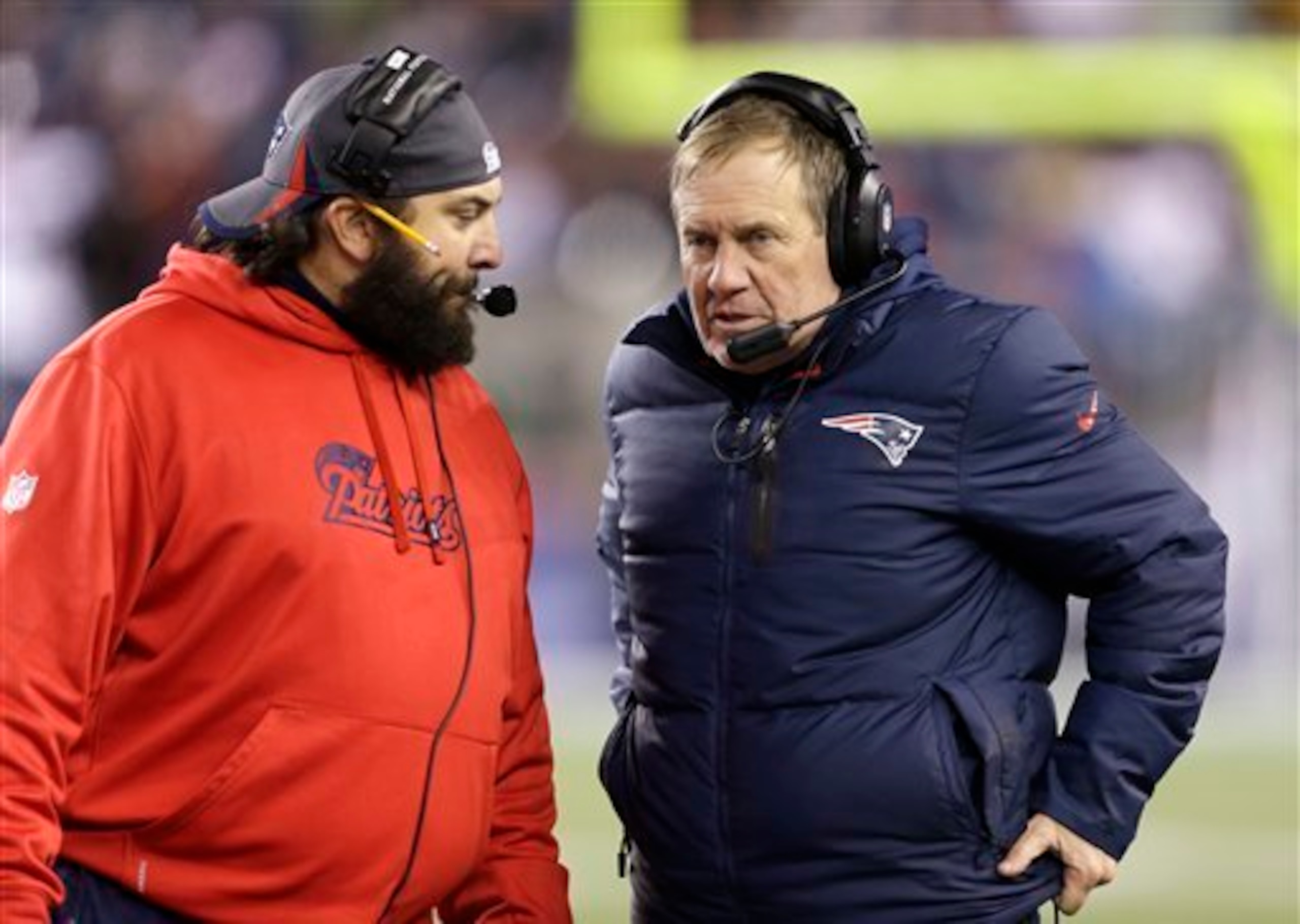
When fretting about the pass defense, most Pats fans will point to the cornerbacks and wonder how New England can possibly play press man with the same efficacy that it did last season. In truth, while the big corners did provide more game-planning versatility, the Patriots were much more of a hybrid coverage defense than many realize.
Indeed, Bill Belichick's defenses have always thrived with multiplicity, rather than the ability to beat teams over the head by executing repetitive but unstoppable concepts (i.e., Seattle). Of course, that ideal requires a mastery over a variety of coverage schemes and cohesiveness among the starters. And when the regular season opens, it's very difficult to imagine the Patriots secondary possessing either of those requirements.
If you've read my earlier offseason articles, you'll know that I think it's useless to speculate on what kind of secondary the Patriots will become. I've speculated that "Quarters" coverage might provide the callow cornerbacks the safety help they need, more so than the man-free coverages that played into the skill sets of last year's starters.
But the current corners are a mish-mash of contrasting styles, and we won't know which safety would fit best next to Devin McCourty until the Pats decide on the corners and coverages they want to play.
It's this thorny issue that could have a deleterious domino effect on the rest of the defense, similar to how the offensive line turnover sabotaged the offense as a whole last September. The Pats will be hopeful that Belichick and the coaching staff can eventually push the right buttons, but the initial beta testing could return some ugly results.
1. Quarterback Uncertainty
5 of 5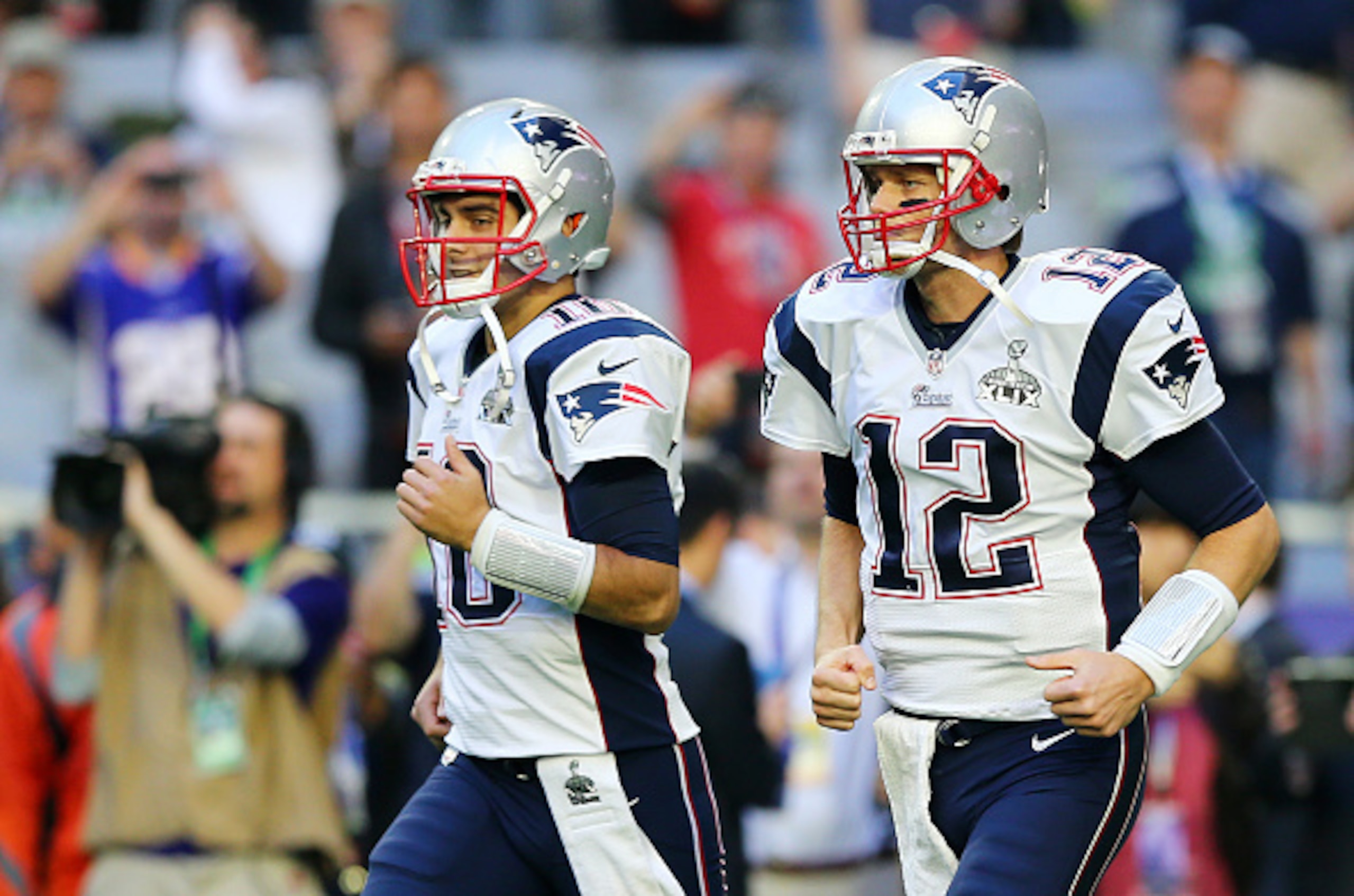
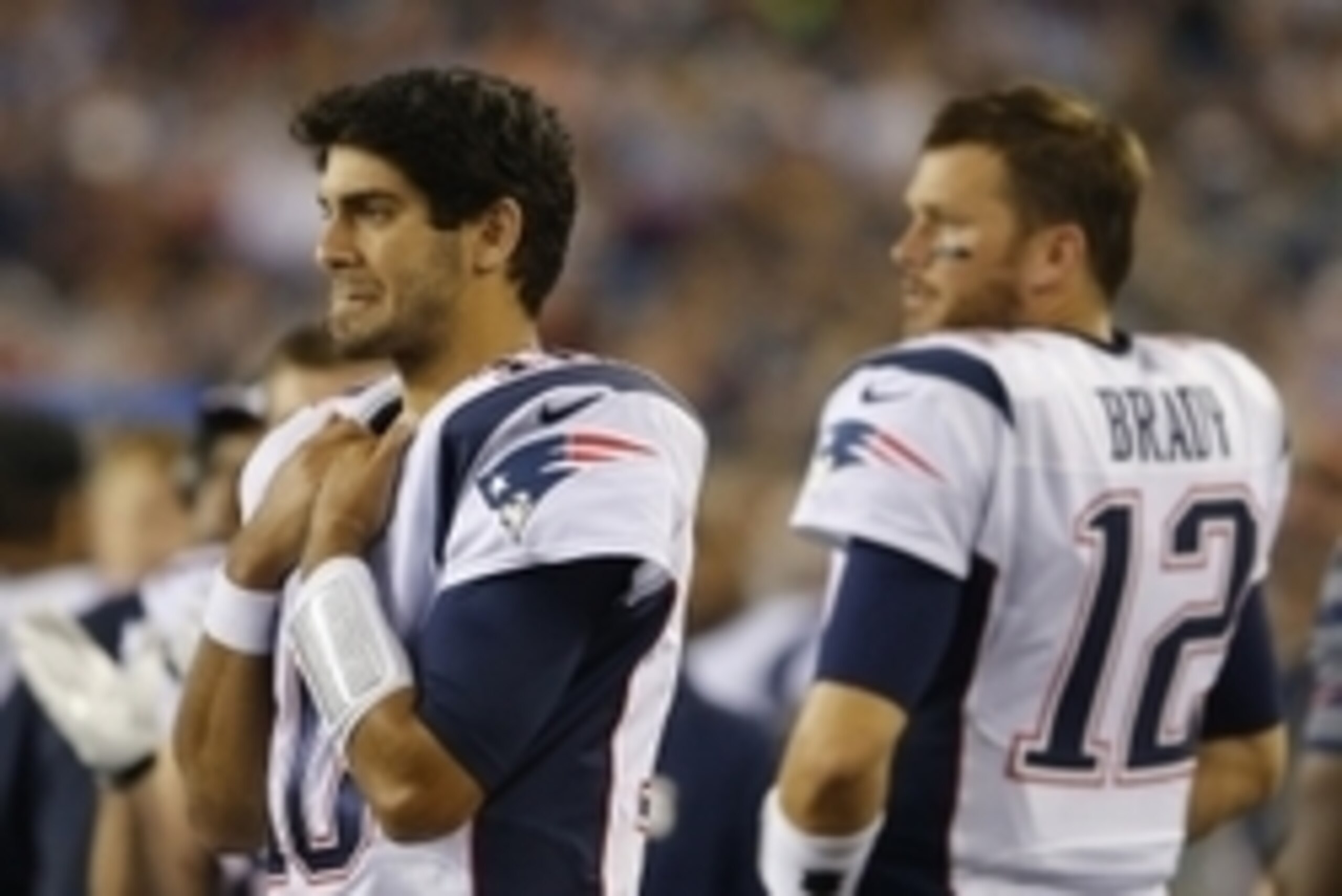
Some might argue that the secondary is a bigger problem, given that Brady's current suspension has a definitive endpoint. But the current four-game sentence feels like more of a placeholder until Brady decides his next course of action, and if he takes the NFL to court as many expect, Deflategate will be a saga that continues to drag out through the 2015 season.
No matter the issues at defensive back, uncertainty at quarterback can derail a team faster than any other problem. For all the various personnel problems the Patriots have faced over the years, having the league's most stable quarterback situation outside of perhaps Indianapolis (sans 2011) has acted as a cure-all elixir to those holes.
It's also worth noting that Jimmy Garoppolo is likely to play with a worse supporting cast than what Matt Cassel enjoyed in 2008. Cassel played with an offensive core that broke passing records, a running game that finished fourth in DVOA that season and a middle of the pack defense (17th in DVOA).
The Pats had a very good offense last year, sixth overall by DVOA, but that's not quite the same as the post-2007 core surrounding Cassel. The 2015 defense might finish in the roughly the same neighborhood as the 2008 unit, which would nevertheless place more responsibility on Garoppolo's right arm.
This doesn't have to spell doom and gloom for the Patriots, of course, and their track record suggests that they'll somehow find a way to wriggle into serious contention by January. But unlike the other obstacles on this list, uncertainty at quarterback is an unprecedented problem for the Brady-Belichick-era Pats, which makes this the biggest concern until Brady reaches a resolution.
.jpg?w=2560 "Broncos Chargers Football")
.jpg?w=2560 "MHJ Bought Own Jugs Machine")