
The Top Franchise-Changing Modern Athletes
In the world of team sports, it's rare to find a single athlete who can transform a franchise in an instant on his own. Every so often, however, a star will come along with the attitude, skill and courage to accomplish just that.
Most recently, LeBron James completely changed the complexion of the Cavs, taking them from an unacceptable 33-win team in 2013-14 all the way to the NBA Finals the very next season, just his first with the team.
On the gridiron, Tom Brady has had a similarly transformative impact in New England, where he took over a group that had missed two consecutive postseasons and then proceeded to win four Super Bowls—one, it's worth noting, in his first year on the job—and 12 division titles in 14 seasons.
Finally, in the unique sport of baseball, David Ortiz has defied all odds with his value both in the clubhouse and on the field, and it all culminated in 2004 when he helped end Boston's 86-year championship drought by carrying the Red Sox to a World Series title.
With, then, these uniquely impactful athletes in mind, we've created our very own honorary list, specifically spotlighting The Top Franchise-Changing Modern Athletes.
From a criteria standpoint, we looked only at athletes who starred in the 90s and beyond. Additionally, the players we chose had to not only make a significant impact, but an immediate one as well. They also had to either carry the load—if like, say Magic Johnson, an athlete made a huge impact but also had help from numerous other stars, they were not considered—or have a franchise-altering impact on more than one occasion for more than one team (like LeBron, or Shaquille O'Neal).
With all that said, it's now time to take a look at an elite, franchise-defining group of modern athletes who, at one time or another, made a monster impact.
Note: This list only includes U.S. sports teams.
Steve Nash
1 of 10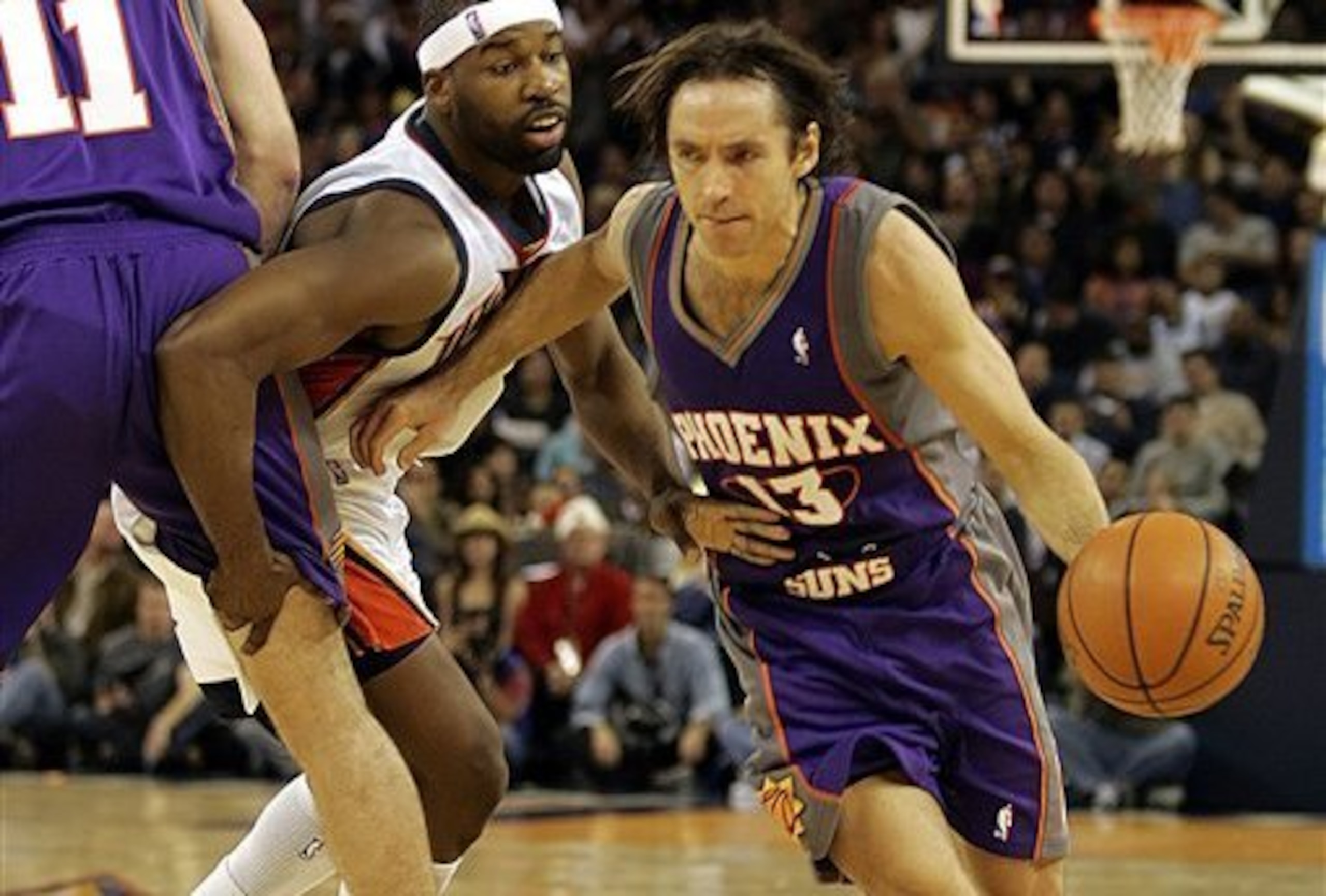
Throughout his 18-year NBA career, star point guard Steve Nash suited up for three different teams—Phoenix, Dallas and Los Angeles—including two stints with the Suns.
The Canadian product's first run with Phoenix spanned three seasons—from 1996 through 1998—and represented the still-developing point guard's introduction to NBA basketball.
But by the time Nash returned to the Suns as a free agent seven seasons later, he was a star in his prime with the unique ability to make a real difference.
In 2003-04, the year before Nash's arrival, the Mike D'Antoni-led Suns sputtered to a putrid 29-53 mark, missing the playoffs and finishing with the second-worst record in the West. The team possessed a wealth of young talent—including Shawn Marion, Joe Johnson, Amar'e Stoudemire and Leandro Barbosa—but no one around to make it all jell.
That is, of course, until Nash arrived.
In just his first year on the job, the Santa Clara product instantly transformed the Suns from disjointed to dominant, leading the very same, previously pathetic group to an NBA-best 62-20 record, good enough for a gaudy 33-game improvement.
On the year, Nash averaged 15.5 points and a league-leading 11.5 assists per game en route to taking the Suns all the way to the Conference Finals.
More importantly, with Nash on its side, a stuck-in-reverse Phoenix franchise became a consistent NBA power, making it to five of the next six postseasons and to three Conference Finals along the way.
Sidney Crosby
2 of 10
The Pittsburgh Penguins struck draft gold in 2005 when they selected Canadian centre Sidney Crosby with the first overall pick.
In the three seasons prior to the phenom's arrival, the Penguins ranked among the worst teams in the NHL, going a combined 72-137-22 during the discouraging stretch.
Crosby's arrival, however, almost instantly cured all.
Though the team still struggled in his first year—finishing 2005-06 with a 22-46-14 record—Crosby himself was an immediate star, setting franchise records for both assists (63) and points (102) in a rookie season.
And by year two, he had the rest of the Penguins following suit, turning Pittsburgh into a league power while leading it to a 47-24-11 record and to the postseason for the first time in four years.
Of course, the game-changing talent was hardly satisfied after just a glimpse at the playoffs. With, then, youth and momentum on his side, Crosby carried the Penguins all the way to the Stanley Cup Final in 2008 before finally winning it all in 2009.
And even when they aren't winning championships, the 10-year vet at the very least always has the Penguins in the thick of things, taking them to the playoffs in each of the last nine seasons!
Tim Duncan
3 of 10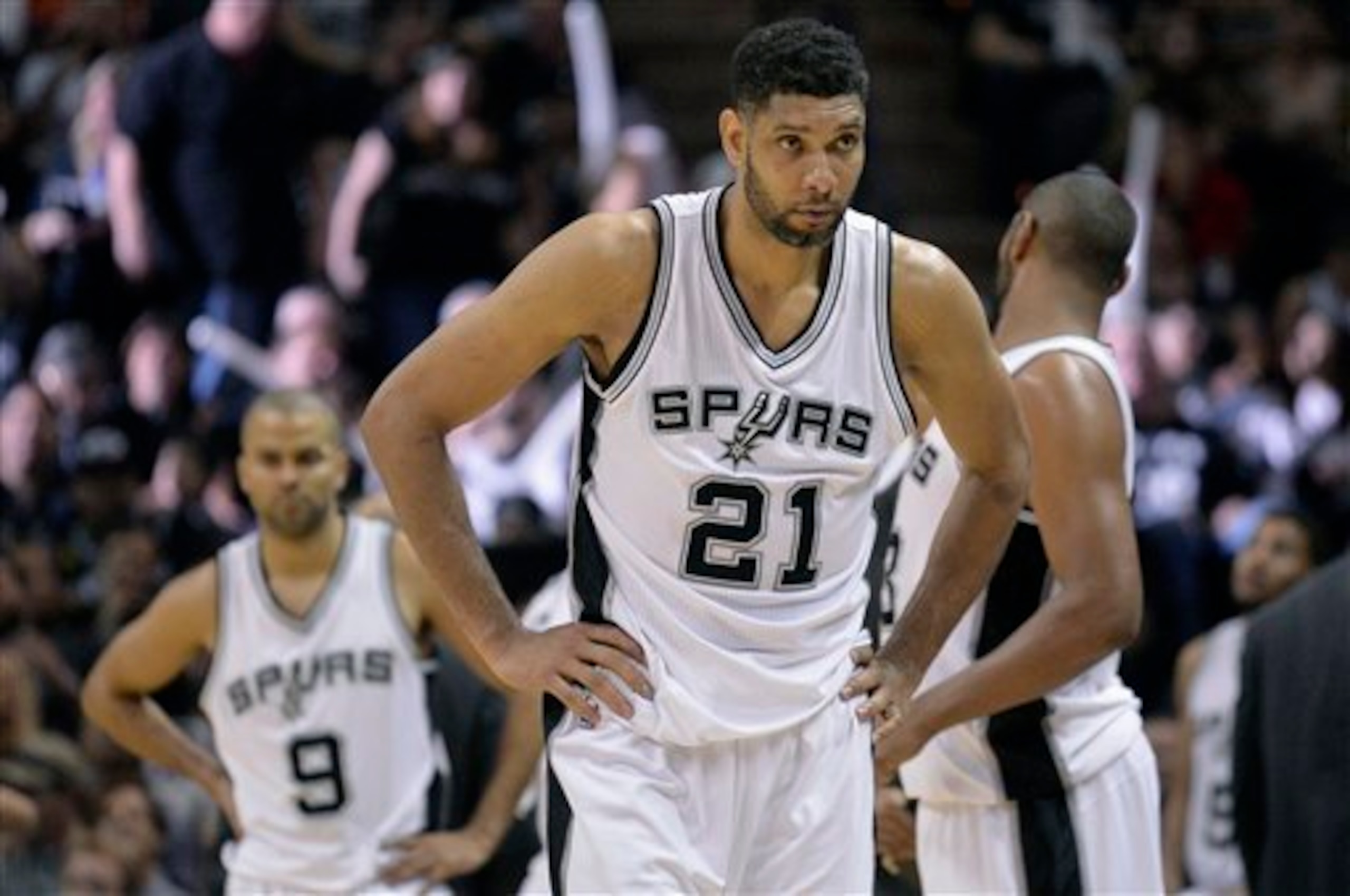
When a broken foot sidelined All-Star center David Robinson for nearly all of the 1996-97 NBA season, San Antonio's future appeared to be in serious jeopardy.
Of course, in hindsight, the injury was the best thing to happen to the Texas-based franchise.
Without Robinson in the lineup, a team that won 59 games in 1995-96 managed to win just 20 times all year, earning the top overall draft pick and the opportunity to select a center out of Wake Forest by name of Tim Duncan.
From that point on, the Spurs were a force to be reckoned with.
Duncan was an instant star in year one—averaging 21.1 points, 11.9 rebounds, 2.5 blocks and 2.7 assists per game en route to winning 1997-98 Rookie of the Year honors—and in year two, he managed to do for San Antonio what Robinson couldn't accomplish alone: win a championship.
In the seven seasons prior to Duncan's arrival, Robinson flirted with titles—leading the Spurs to seven postseasons, including three Conference Semifinals and a Conference Final—before ultimately falling short each time.
But while Robinson needed Duncan to reach the promised land, the inverse of that has proven to be far from true.
In fact, of The Big Fundamental's five world championships, only two have included Robinson.
In both 2005 and 2007, the two-time NBA MVP teamed up with Tony Parker, Manu Ginobli and Bruce Bowen to capture two more San Antonio rings. Then, in 2014, Duncan won big all over again, this time with a nucleus that still included Parker and Ginobli but that also utilized younger assets like Kawhi Leonard and Danny Green.
In the end, after winning a handful of titles with a changing cast of characters and over an astonishing 16-year period of time, Duncan has clearly proven to be among the most valuable and impactful athletes in the history of modern sports.

Randy Johnson
4 of 10
Randy Johnson's list of baseball accomplishments is an impressive and lengthy one. It includes 10 All-Star appearances, a Triple Crown, five Cy Young awards and much more.
That said, the hard-throwing lefty's greatest achievement took place in Arizona over three transformative seasons.
Like nearly all expansion teams, Arizona's Diamondbacks struggled mightily when they joined the baseball world back in 1998. With decidedly less talent than most of its competitors, the group took a pounding in year one, limping its way to a 65-97 debut.
Just one year later, though, considerable help would arrive in the form of a 6'10", 225-pound fire-throwing monster!
In just his first year on the job, Johnson did enough to transform the young 'Backs, helping fans and teammates forget the dread of '98 by leading them to an out-of-nowhere 100 wins—which, for the record, represents an insane 35-game improvement—and a postseason appearance in '99.
In his debut season with the team, the California native led baseball in ERA (2.48), games started (35), complete games (12), innings pitched (271.2) and strikeouts (364). Not surprisingly, he won the Cy Young Award for his efforts.
Of course, as franchise-altering as his presence was in '99, Johnson's impact was most profound in 2001, when he captured his third consecutive Cy Young and led Arizona to its first-ever world championship.
And with a ring on his finger just three years after joining an expansion team, the Big Unit cemented his status as one of the most valuable assets in modern baseball.
Michael Jordan
5 of 10
Not much of an argument has to be made to justify Michael Jordan's inclusion on our list.
He's widely regarded as the best basketball player to ever live and won six NBA championships during his epic run in Chicago, including three in his first eight full seasons of work.
But personal accomplishments aside, Jordan's contributions are all the more impressive when considered side by side with Chicago's overall futility prior to his arrival.
Before MJ, the Bulls were nothing more than an NBA afterthought. Forget championships: Chicago missed the playoffs altogether in six of the seven seasons preceding the Jordan era, including all three directly prior to it.
Yet once His Airness began patrolling the Chicago skies, playoff appearances immediately became a given, the rule rather than the exception. From the time Jordan arrived in 1984 until he finally left town in 1998, the MJ-led Bulls made it to 13 out of a possible 13 NBA postseasons, winning six world championships along the way.
And though he had a little assistance from the likes of Scottie Pippen, Horace Grant and Dennis Rodman throughout his legendary title-winning run—and it's worth noting, everyone needs a little help from their friends—none of them were around when he first built the Bulls from scratch.
David Ortiz
6 of 10
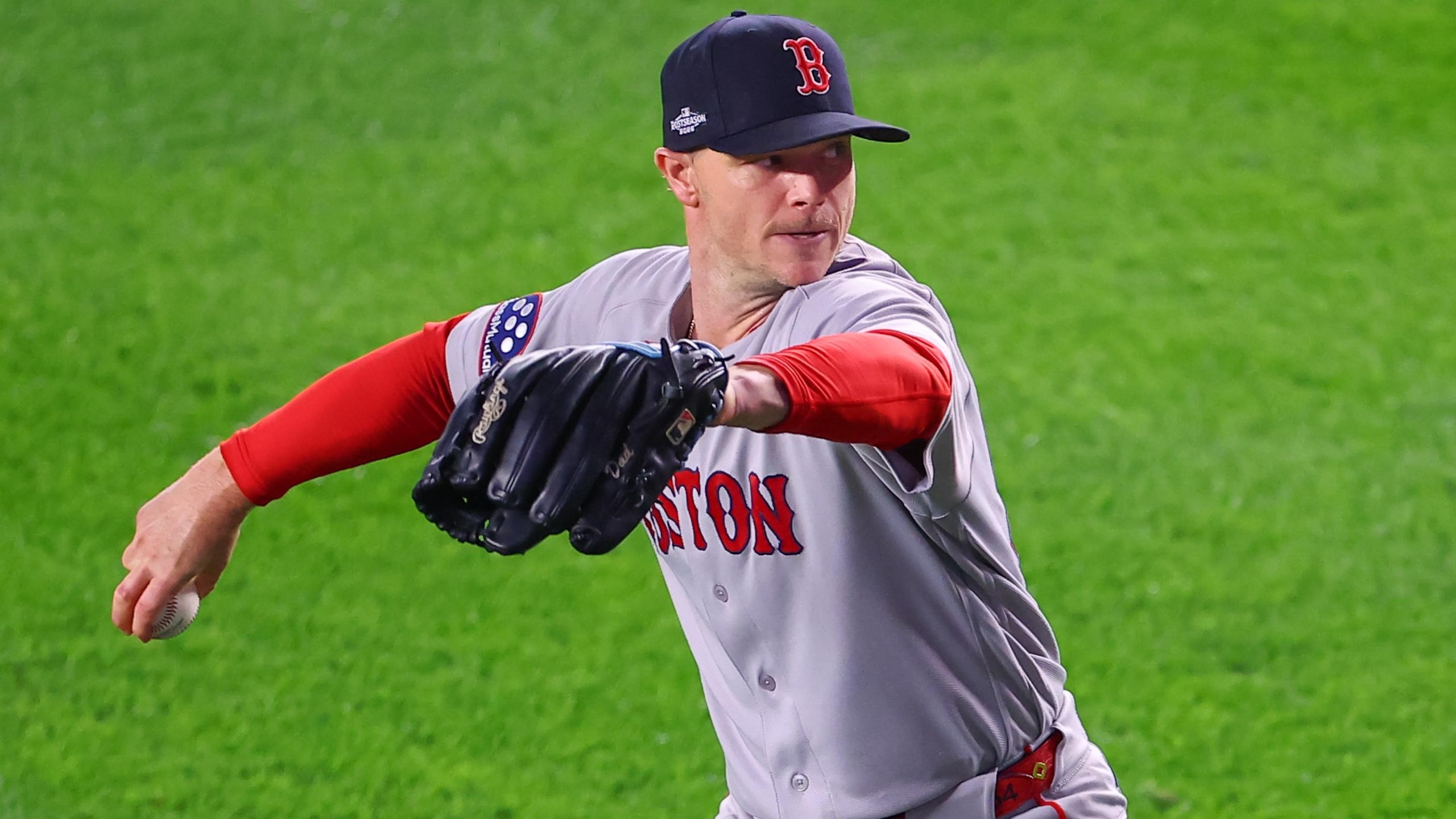
In the unique sport of baseball, no matter how good he is, it's hard for a single guy to transform a team.
But if anyone can say they've done so, it's David Ortiz of Boston Red Sox fame.
For starters, the Red Sox were nothing but mediocre directly preceding his arrival in 2003, missing the postseason in 2000, 2001 and 2002!
And from a big-picture perspective, the team struggled even when it was competitive; at the time Boston signed Ortiz, it was in the midst of a painful 85-year title drought.
As we know well by now, Big Papi turned it all around.
In his first season with the Red Sox, Ortiz took them all the way to the ALCS. And, more importantly, in just year two, he helped Boston win 98 games and capture the elusive championship it had been chasing for 86 years.
Sure, he had help from the likes of Manny Ramirez, Johnny Damon and Pedro Martinez. But with one-of-a-kind bravado and presence, Ortiz provided the heart and soul that pushed a solid team over the top.
Of course, Big Papi played a franchise-altering role in far more tangible and measurable ways, too.
During Boston's '04 championship run, Ortiz hit a mind-numbing .409 throughout the postseason to go along with five homers and 23 RBI. More importantly, he was at his best when it mattered most, producing a walk-off homer in Game 3 of the ALDS, a walk-off homer in Game 4 of the ALCS and a walk-off single in Game 5 as well.
Since then, Ortiz has helped the Red Sox capture two more World Series titles. But in 2003 and 2004, when Boston was still down and out, the nine-time All-Star displayed his true worth as a franchise-altering talent.
Shaquille O'Neal
7 of 10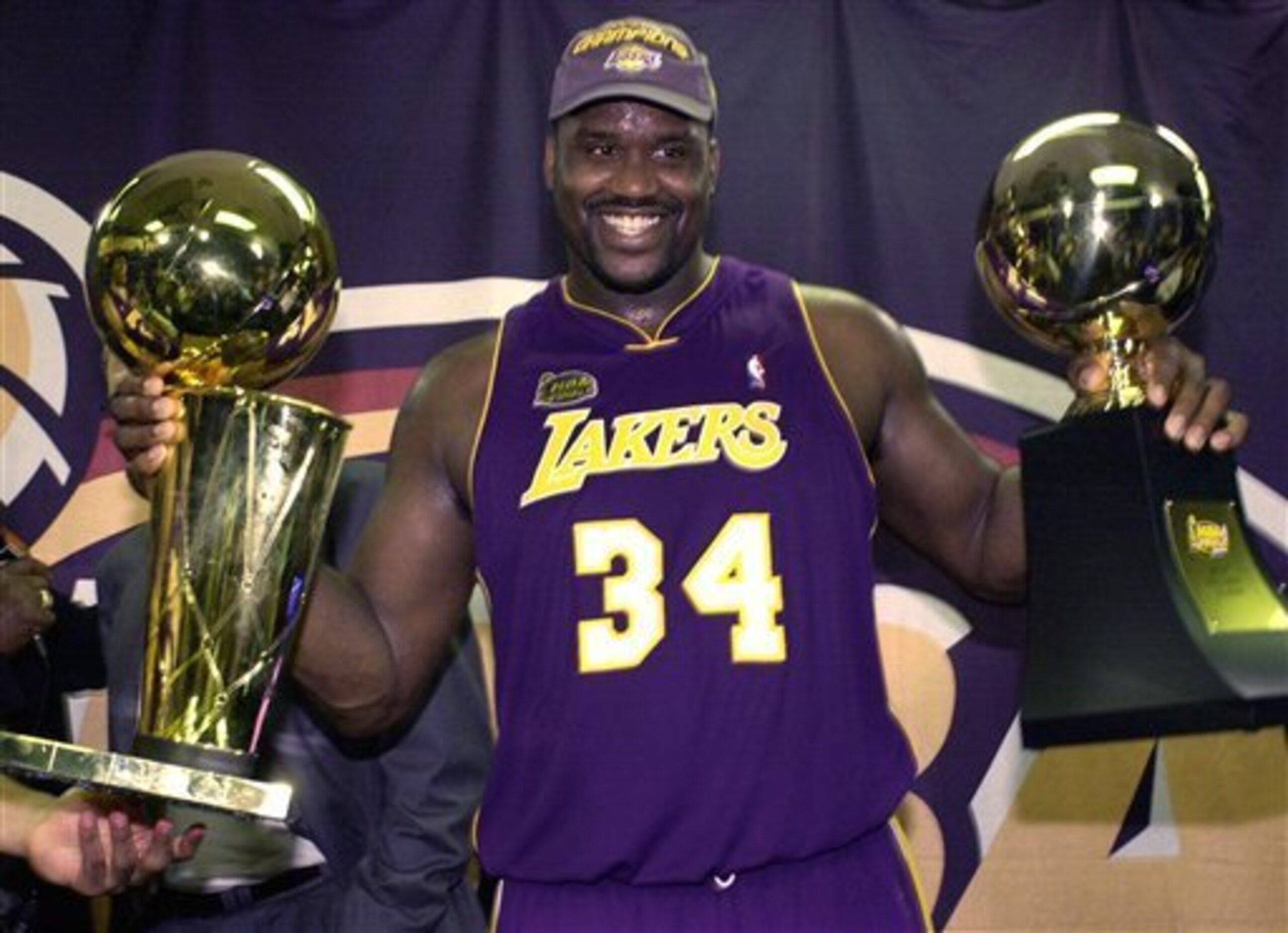
When discussing stars who can single-handedly carry a franchise on his back, it's worth mentioning that Shaquille O'Neal had plenty of "quality" help throughout his prolific 20-year career.
In Orlando, he received help from a dynamic Anfernee Hardaway; in L.A., Kobe Bryant more than adequately played the part of Robin; and in Miami, Shaq was fortunate to play side by side with the great Dwyane Wade.
Still, the Big Aristotle managed to lead all three teams to the NBA Finals—he's one of just a few NBA players to ever accomplish such a feat—and was the only constant along the way.
In 1995, in just his third year in the league, he took a young team from Orlando all the way to the final series. With the Lakers, he had an even more profound impact, winning three straight NBA Championships from 2000-2002 as well as the Finals MVP award on each occasion.
And just as he helped Bryant get over the championship hump, he did exactly the same for Wade, whom he assisted in a title run four seasons later, capturing it all in 2006.
In truth, no matter where The Diesel went during his prime years in the NBA, the mammoth center instantly turned his team into, at the very least, a title contender.
The Quarterbacks
8 of 10
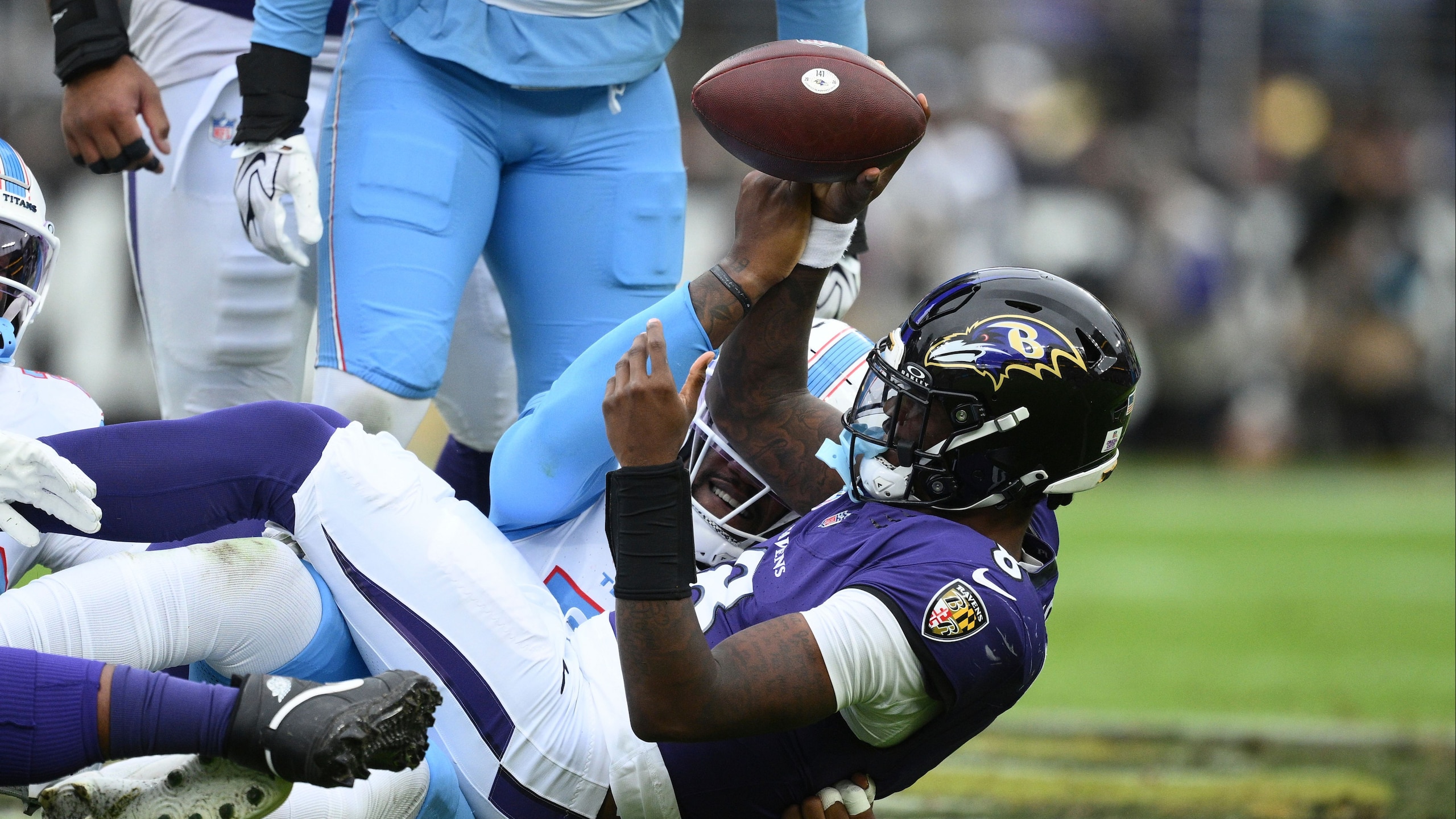
In the team sport of football, it's rare for one player to have an immediate, franchise-altering impact.
But over the last two decades or so, NFL fans have had the pleasure of watching a handful of quarterbacks do just that, redefining both the position and their franchises.
The first one arrived in 1992, in the form of a gunslinging signal-caller from Gulfport, Mississippi. In the middle of a nine-year playoff drought and coming off a dreadful 4-12 campaign, the Green Bay Packers were in desperate need of help and took a shot in the dark, trading the 19th overall selection in the NFL draft to the Atlanta Falcons in exchange for a young quarterback named Brett Favre. At the time, not even the Packers knew what or who they'd just landed.
But after a slow start to the '92 season, and a Week 3 injury to quarterback Don Majkowski, Green Bay's newest acquisition was thrust into the Week 4 starting lineup. Favre, of course, immediately proved his worth and never looked back, leading the Packers to victory—which, we should note, was the start of an impressive six-game winning streak and an absurd 321-game record-breaking run for consecutive starts—and to an impressive 9-7 record on the year.
Of course, he was just getting started. The legendary signal-caller remained the leader of the Pack for the next 15 seasons, making it to 11 Pro Bowls along the way while also carrying the franchise to a 1997 world championship.
Eight years later, Peyton Manning would have a similarly profound impact, redefining what it meant to be an Indianapolis Colt. In the 10 seasons prior to the godsend's arrival, the Colts made just three postseason appearances, while a 3-13 record in 1997 won them the first overall pick in the 1998 draft and Manning as a result.
The 14-time Pro Bowler immediately brought standards and consistency to the Indy scene, taking the Colts to 11 of the next 13 postseasons in addition to winning the franchise a Super Bowl crown in 2006. And, not surprisingly, Manning was equally transformative when he moved on to Denver in 2012. Taking over a team that hadn't won more than eight games in a long five years, The Sheriff led the Broncos to 38 wins and a Super Bowl appearance in his first three seasons on the job.
At the very same time Manning was running things in Indianapolis and Denver, Tom Brady was starring in New England. After missing the playoffs in 1999 and then going 5-11 and missing them again in 2000, Bill Belichick and the Pats turned to Brady in Week 2 of 2001, and the former Michigan Wolverine couldn't have made them happier.
From his first snap, the unshakable second-year quarterback became an instant star, and he finished off his debut season by leading New England to its first-ever Super Bowl title. Far from done, Brady has remained elite and under center for the Patriots ever since, taking an always-changing cast of characters to Super Bowl titles in 2003, 2004 and 2014 in addition to a remarkable 12 division championships in the last 14 seasons.
The Quarterbacks: Part II
9 of 10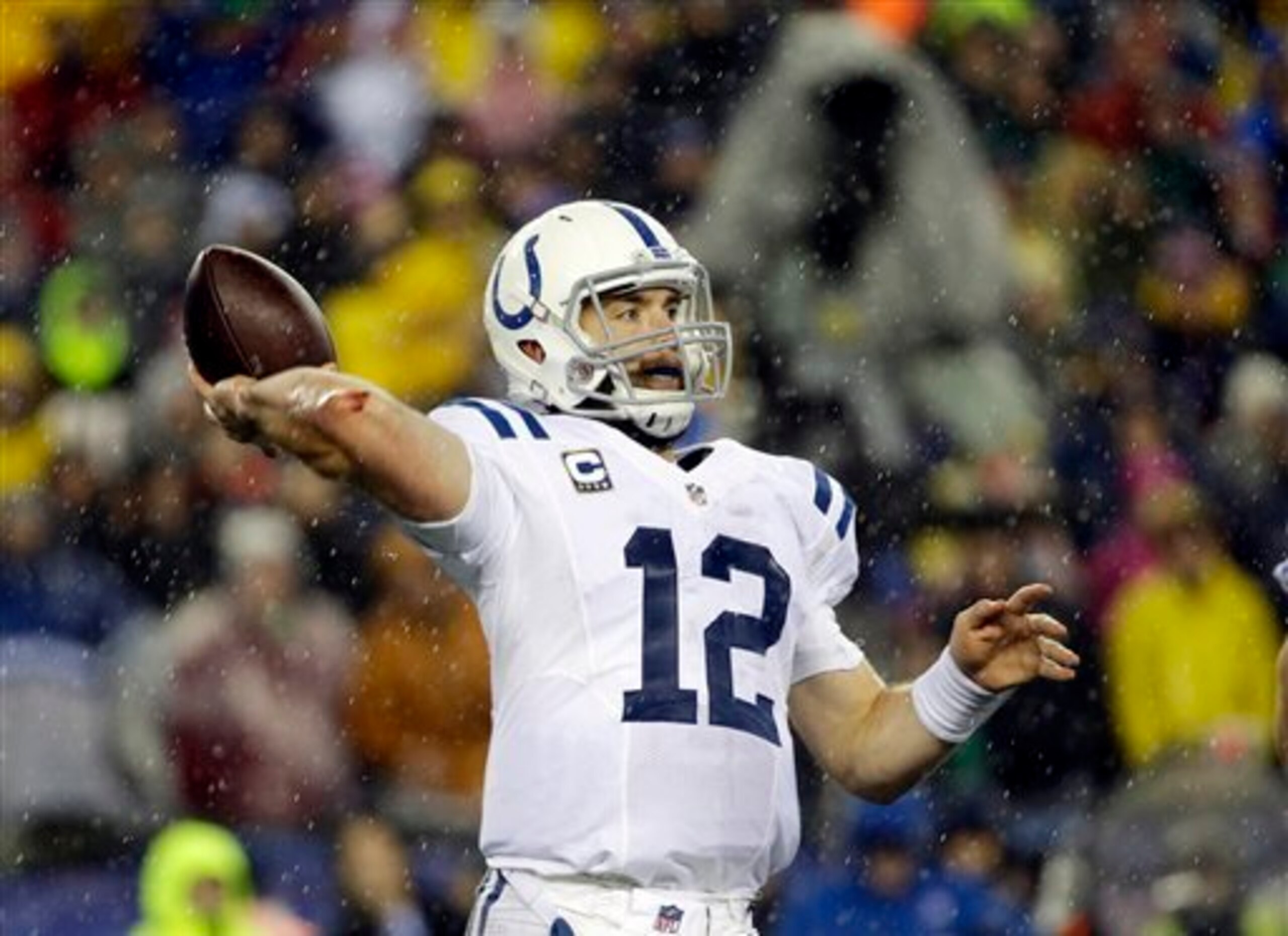
In more recent years, both Russell Wilson and Andrew Luck have successfully followed in their predecessors' legendary footsteps.
When Wilson arrived in Seattle in 2012, the Seahawks had just completed their fourth consecutive losing season. The diminutive quarterback, though, immediately flipped the script, taking his new team from 7-9 to 11-5 in his first year in town.
In three seasons with the Seahawks, Wilson has guided Seattle to 36 wins and two Super Bowl appearances, capturing the franchise's first world title in 2013 with a demolition of Manning and the Broncos.
And speaking of Manning, Luck impressively managed to pick up in Indy right where his predecessor left off.
With Manning sidelined in 2011, the Colts sunk into a 2-14 abyss, and again earned the privilege of picking No. 1 overall. Indy, of course, went with Luck, who, in miraculous fashion, instantly restored order, leading his new team to a stunning 11-5 record and the postseason in his rookie campaign.
Not surprisingly, the do-it-all quarterback had Indy back in the playoffs in both 2013 and 2014 and managed to will the still-developing team to three impressive wins along the way.
In the end, then, just like with Favre, Manning, Brady and Wilson, Luck has been the clear impetus for a bad team gone great.
LeBron James
10 of 10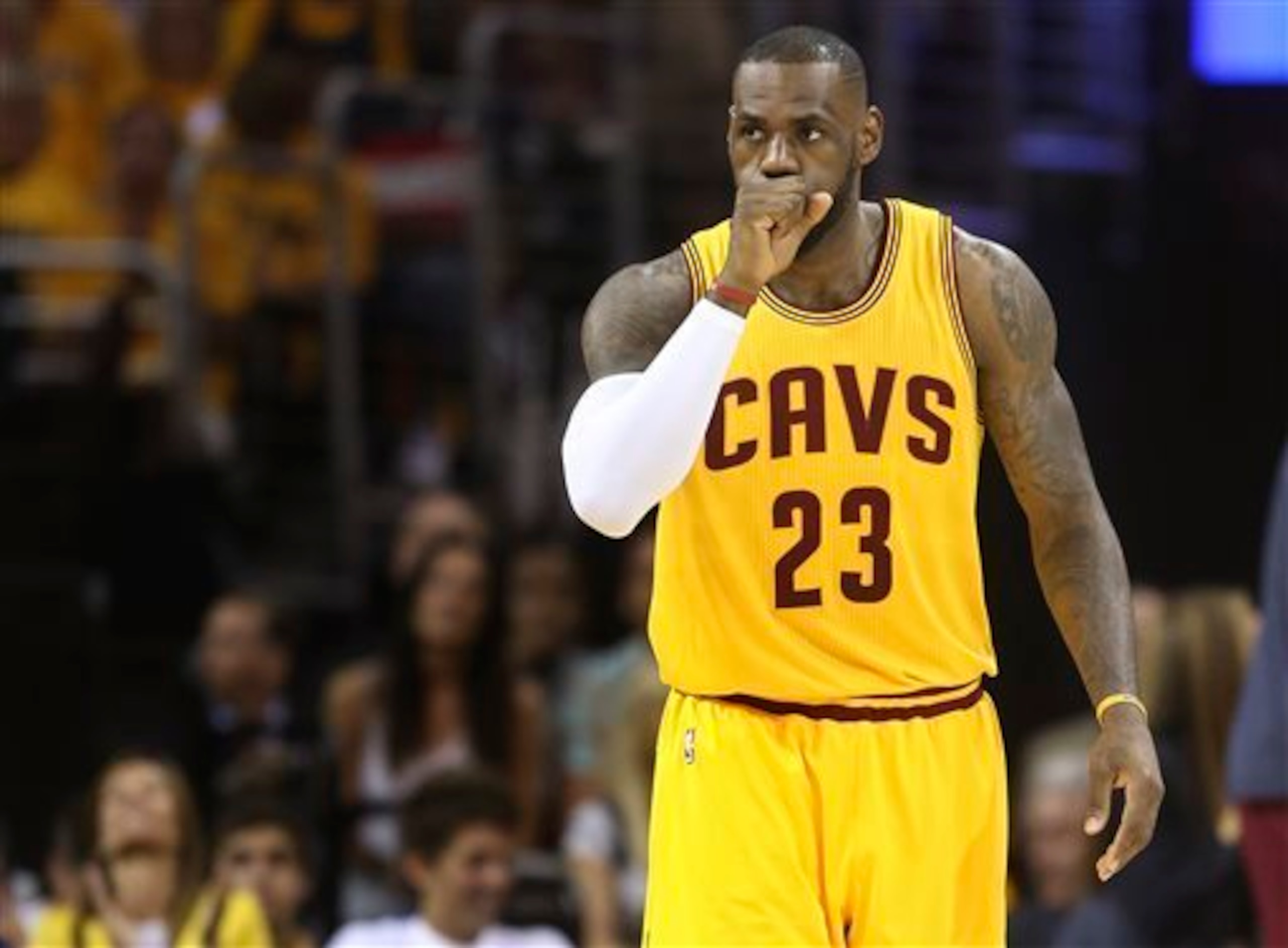
When it comes to making a serious impact on a team, LeBron James is the absolute King.
Sort of like Shaq, whom we discussed earlier, James has now taken three different teams (though two cities) all the way to the NBA Finals. He began his career in Cleveland and had the once-lowly Cavs in the NBA Finals by 2007, just his fourth year in the league.
Of course, James moved on to Miami in 2010 and proceeded to transform the Heat all the same, leading them to four consecutive NBA Finals and to two world championships.
Then, in his most impressive feat to date, The King rejoined the Cavs in 2014 and—just one year after they finished a discouraging 33-49 and on the outside of the postseason looking in—carried an injury-riddled bunch back to the Finals once again.
When his showdown with Golden State commences in early June, James will become the first player in 50 years to play in five consecutive NBA Finals (not including James Jones, who has simply been along for the ride).
Now that's impactful!
Simply put, no matter where or with whom The King plays, the franchise-defining talent remains a constant force on the league's biggest of stages.
.jpg?w=2560 "Eagles Titans Football")