

Bulls-Cavaliers Rivalry Rounding into Shape, but Who Has a Higher Ceiling?
CHICAGO — These were supposed to be the two teams battling for Eastern Conference supremacy. When LeBron James returned home to Cleveland and the Cavaliers traded for Kevin Love, and the Chicago Bulls signed Pau Gasol and brought back a healthy Derrick Rose, a Midwest showdown in the conference finals seemed to be a foregone conclusion.
So far, it’s been a bumpy road for both teams. But as they prepare to meet for the third time this season just before the All-Star break, the Bulls and Cavs are starting to round into shape and live up to the hype.
Cleveland and Chicago have become different teams since the first time they met on Halloween, although their changes have taken on different forms.
TOP NEWS

LeBron's Special Helicopter Deal

MJ Makes Record-Setting Donation 🙌
Shams: KAT, Hart Could Be Trade Names
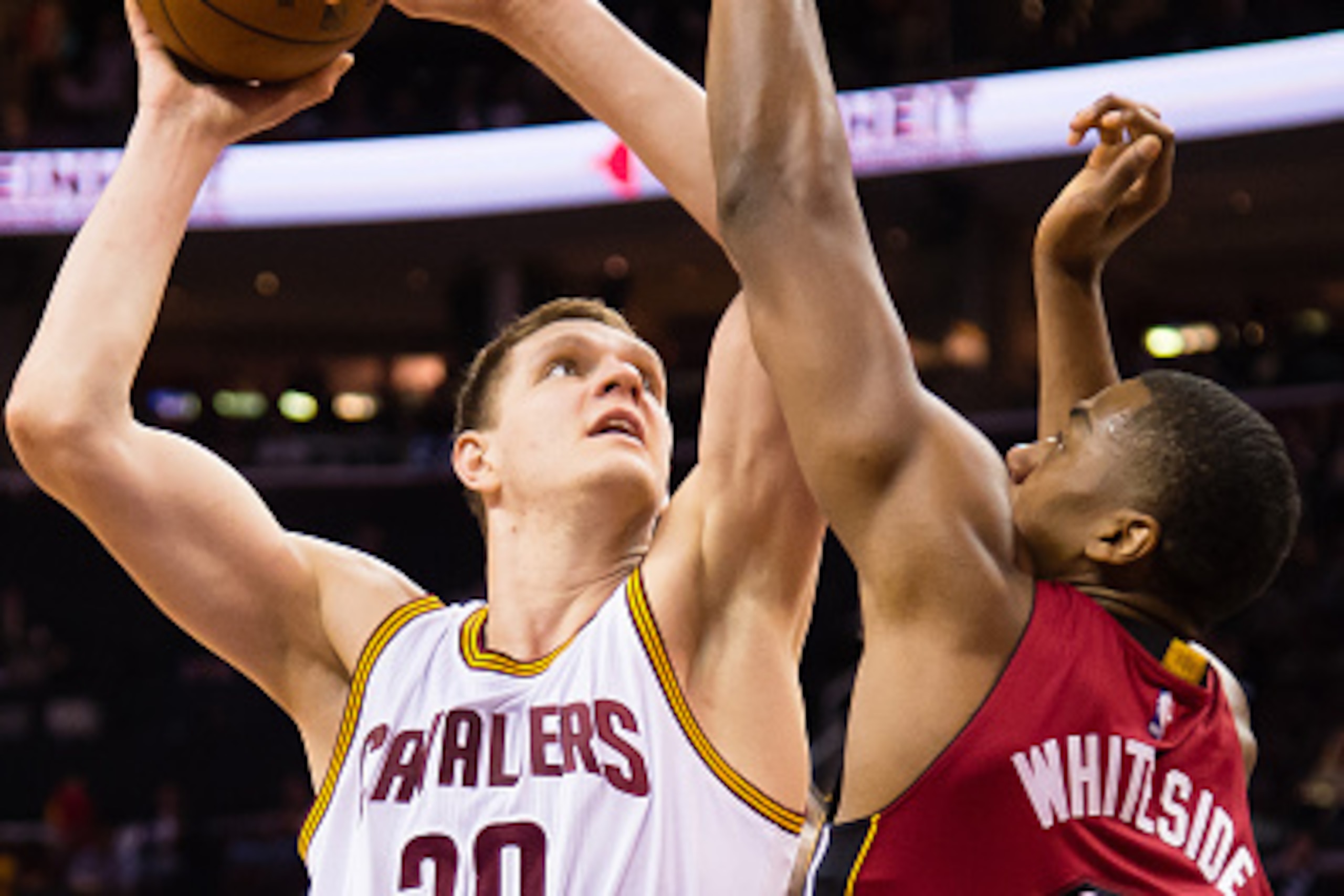
The Cavs are literally a different team than they were at the start of the season. They added three significant pieces in trades—guards Iman Shumpert and J.R. Smith and center Timofey Mozgov. The moves, and the rejuvenation of James after a two-week layoff, have made a world of difference for the Cavs. The sky was falling for them a month ago, but now they've won 14 of their last 15 games.
The Cavs of the end of January and the beginning of February are the Cavs we all thought we’d see when they made their summer splash. They’re playing smart, they’re playing together and they have a variety of weapons, from James, Love and Kyrie Irving to a locked-in Smith and newfound rim protection with Mozgov.
For the Bulls, the changes have been more subtle, with injury issues that haven’t let up throughout the season. First-time All-Star Jimmy Butler didn’t play in Chicago's October loss to Cleveland at the United Center. Mike Dunleavy and Joakim Noah sat out the Bulls' loss in Cleveland on January 19. Butler will be out Thursday night with a shoulder injury.
The Bulls’ injuries have resulted in a lack of consistency and a loss of identity as the season has progressed. Even as they enter Thursday on a three-game winning streak and with a half-game lead in the Central Division, it’s hard to get a handle on just who this team is or how far it can go.
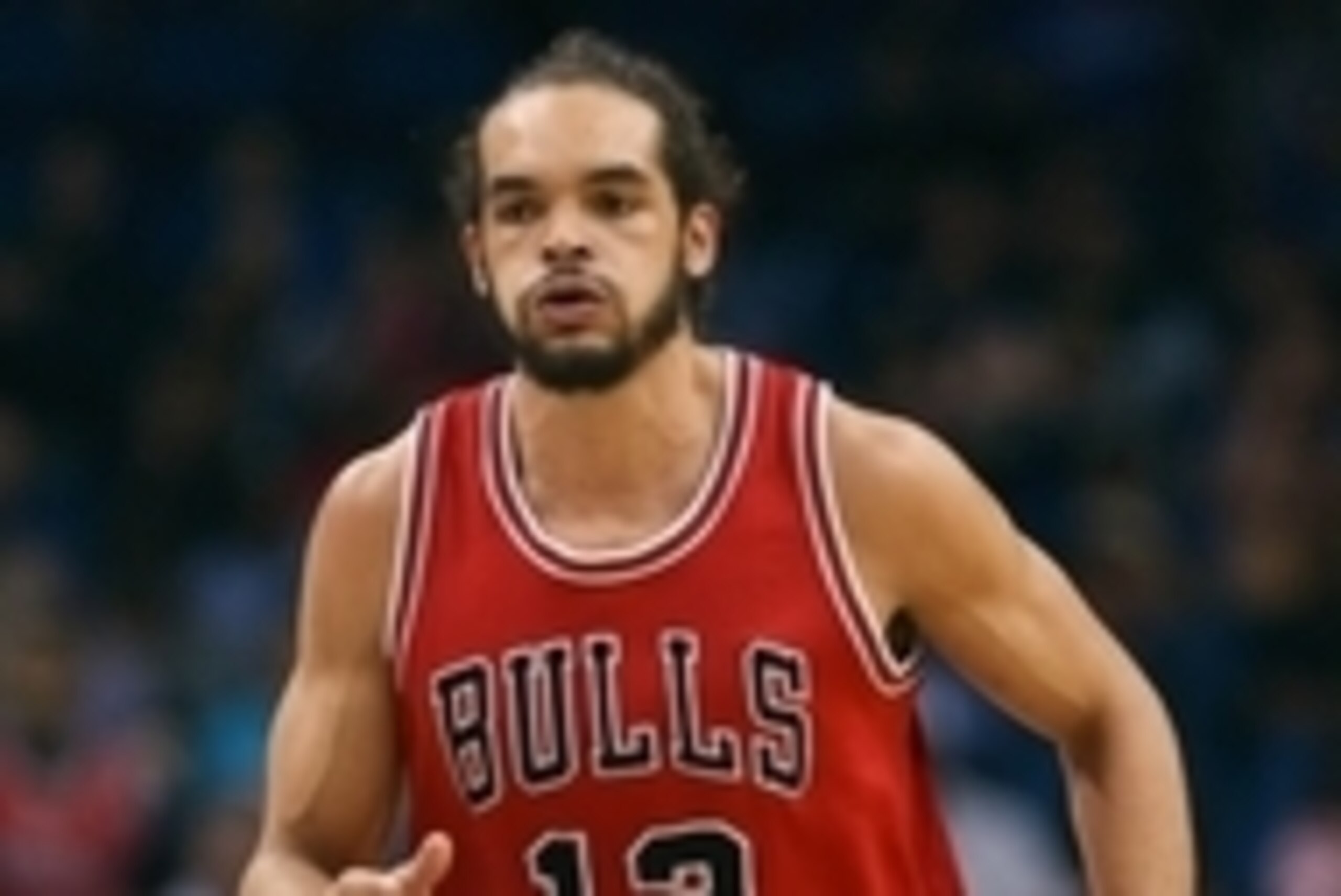
As the Bulls and Cavs prepare to meet for the third of four contests, we have yet to see both teams at full strength, with their ideal rosters, face off.
Thursday’s game will be a measuring stick for both squads as they head into the final stretch of the season.
“[Cleveland] made the trade that’s really helped them,” Bulls coach Tom Thibodeau said at shootaround Thursday morning. “LeBron is really playing at an MVP level. And I think Kyrie and LeBron have figured it out together, so they’re complementing each other really well. But the three new guys have really added a lot.”
The Bulls and Cavs are still very much in it, but the Eastern Conference isn’t the two-horse race many predicted it would be. The Atlanta Hawks have established themselves as the clear front-runners, and the Toronto Raptors and Washington Wizards are also in the hunt.
Whether either of these teams can prevail in the playoffs will depend on if they can harness their strengths by then. For Chicago, finding that consistency has been difficult.
“It’s been up and down,” Noah said. “I learned that we can beat the best and lose to the worst.”
The injuries have a lot to do with the Bulls’ inconsistency, but their defense has taken a step back from the top-five powerhouse it’s been the last four seasons. Their mark of 102 points allowed per 100 possessions sits at 13th in the league, per NBA.com.
That's still better than the Cavs, who allow 104.9 points per 100 possessions, placing them 22nd in the NBA. The teams' rebounding rates are nearly identical, with the Bulls grabbing 51.3 percent of all available rebounds to the Cavs' 51 percent.
However, the Cavs hold a slight edge in a few other telling statistical categories. Their offense is more efficient than the Bulls' (Cleveland scores 107.4 points per 100 possessions to Chicago's 105.4), and they log more assists per 100 possessions than the Bulls (17 to the Chicago's 16.5).
The Cavs' effective field-goal percentage, which places a greater weight on three-pointers, edges out the Bulls' 51.2 percent to 49 percent.
| ORtg | DRtg | REB% | AST Ratio | eFG% | |
| Chicago Bulls | 107.4 (5th) | 102 (13th) | 51.3% (7th) | 16.5 (17th) | 51.2% (6th) |
| Cleveland Cavaliers | 105.4 (9th) | 104.9 (22nd) | 51.0% (8th) | 17 (11th) | 49.0% (18th) |
Still, the Bulls haven't had the continuity the Cavs have had since the trades. Derrick Rose has been inconsistent as he tries to regain his legs offensively after almost two years off. But the Bulls are 13-3 in games where they have their best starting five, and they’re hopeful that the All-Star break will give everybody time to recover.
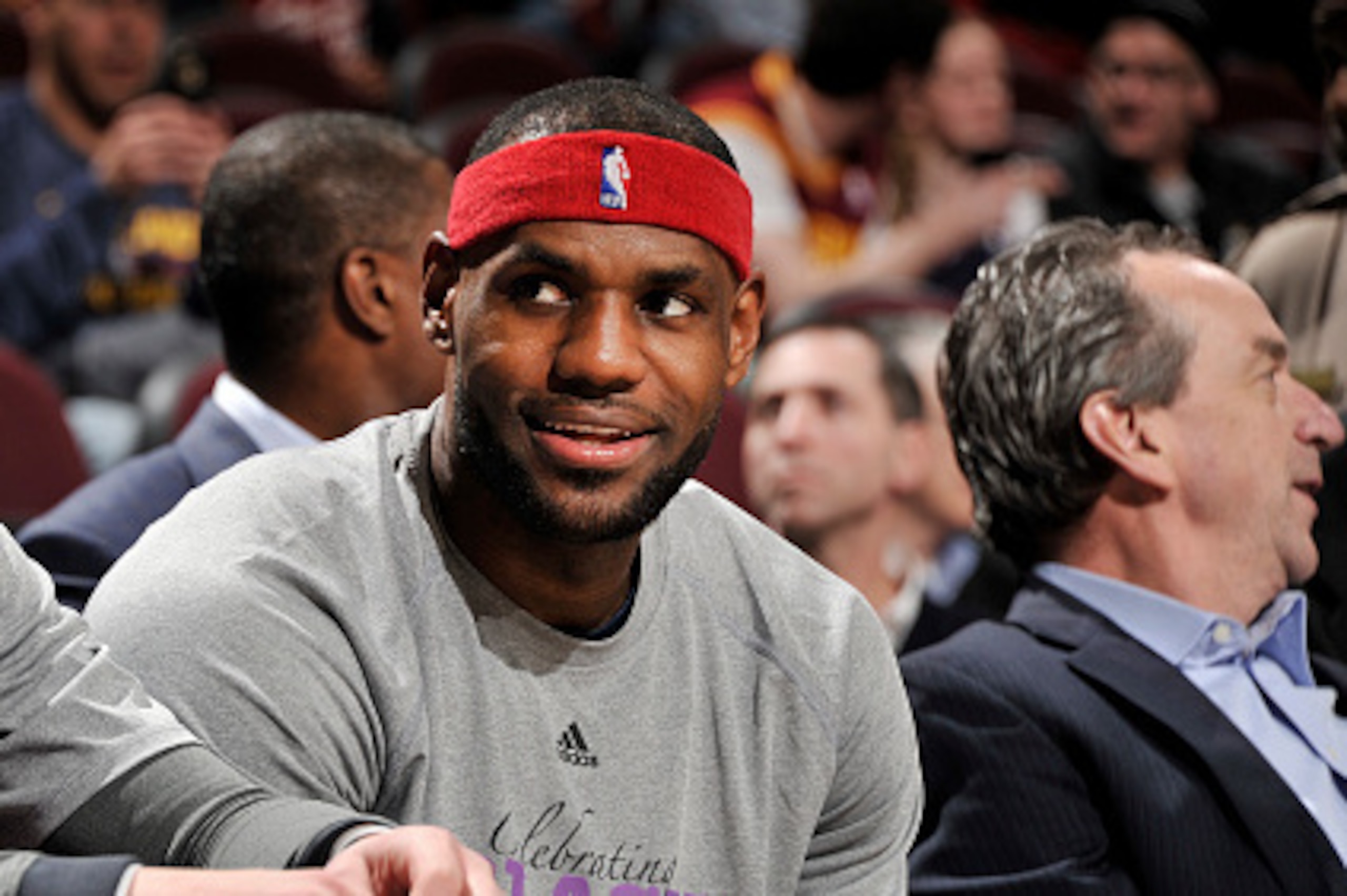
James’ two-week layoff has been instrumental in the Cavs’ turnaround. Since he returned, he’s averaged 27 points per game on 49.3 percent shooting along with 6.3 rebounds and 6.9 assists. The last piece that needs to fall into place before they truly become a juggernaut is the comfort level of Love, whose play has been up and down in his first year in Cleveland.
“Any time a team makes changes, it takes a little bit of time,” said Thibodeau. “But Kevin Love is a great player. It’s not like he just came into the league this year. I think everyone knows how good he is. His rebounding, his shooting, there aren’t many bigs who can shoot the ball like he can. He’s a lot better in the post than most people think. He’s very clever. He’s a tough matchup. They have three superstars and they complemented those guys extremely well.”
The Cavs’ turnaround since James’ return is why you’d be hard-pressed not to view them as the team with the best opportunity to do damage in the playoffs. They have the best player in the world, and as long as James is playing at his peak level, it’s very hard for anyone to beat them in four of seven games.
The Cavs are closer to figuring out their lingering problems than the Bulls, who still have yet to put together a lengthy stretch with their full complement of players. There’s still a good chance they get there by April, but they have a lot of catching up to do.
All statistics courtesy of NBA.com.
Sean Highkin covers the Chicago Bulls for Bleacher Report. Follow him on Twitter @highkin

.jpg?w=2560 "Grading WWE Raw 🔠")

.jpg?w=2560 "Viral Rams Coach Vid 🖕")
.jpg?w=2560 "Bijan's INSANE 1st Half 🤩")

.jpg?w=2560 "Injury-stricken Seahawks signing veteran RB")
.jpg?w=2560 "2 NFL Officials Suspended")