San Francisco 49ers: Where Do Successful Head Coaches Come From?
The San Francisco 49ers are leaving no stone unturned in their search for their new head coach.
They are looking at former NFL head coaches such as Mike Shanahan, according to the San Jose Mercury News; offensive coordinators such as Denver’s Adam Gase, according to Michael Silver; defensive coordinators such as Arizona’s Todd Bowles, according to Jason La Canfora; and college coaches such as Gus Malzahn, according to Curt Popejoy.
They’re even reportedly looking into one of their own position coaches in Jim Tomsula, according to Jason La Canfora.
.jpg?w=2560 "Seahawks Chiefs Football")


That’s pretty much every possible combination of experience and specialty you can find—offensive and defensive minds with a wide range of experience and resumes. No matter who the 49ers end up going with, they can at least claim they looked at all possible options.

Are any of those options better than others, however? That is to say, does head-coaching experience naturally lead to better coaches? Do offensive coaches do better in the modern era of easier rules for the passing game, or does a top defensive mind do the most to propel a team to superstardom?
Of course, this is going to vary a great deal by individual coach, but I thought I’d take a crack at answering these questions anyway.
I went back and looked at every single head coach who has been hired as a permanent head coach and coached at least one game in the NFL since 2005. This excludes interim coaches such as Jim Tomsula but includes coaches such a Cincinnati’s Marvin Lewis, who was hired in 2003 and is still coaching today. This means the numbers don't add up to .500, thanks to coaches who were hired before 2005 but were still coaching in 2005.
That leaves us with 96 head-coaching reigns to look at—including everyone from New England’s Bill Belichick to St. Louis’ Steve Spagnuolo. It includes three 49ers coaches as well—Mike Nolan, Mike Singletary and Jim Harbaugh. It also includes some coaches multiple times, as they were hired for different jobs.
Each head coach is classified in two ways. First, it is determined whether they were offensive or defensive coaches beforehand. In some cases, such as Baltimore’s John Harbaugh, a coach had experience on both sides of the ball. In those cases, a judgment call was made as to whether they were better known for offensive or defensive coaching.
Secondly, they have been classified in one of five categories: former NFL head coach, college head coach, offensive coordinator, defensive coordinator or position coach. Again, there is some overlap between these categories, meaning a few judgment calls were made as to which role a coach was renowned for before accepting a head-coaching position.
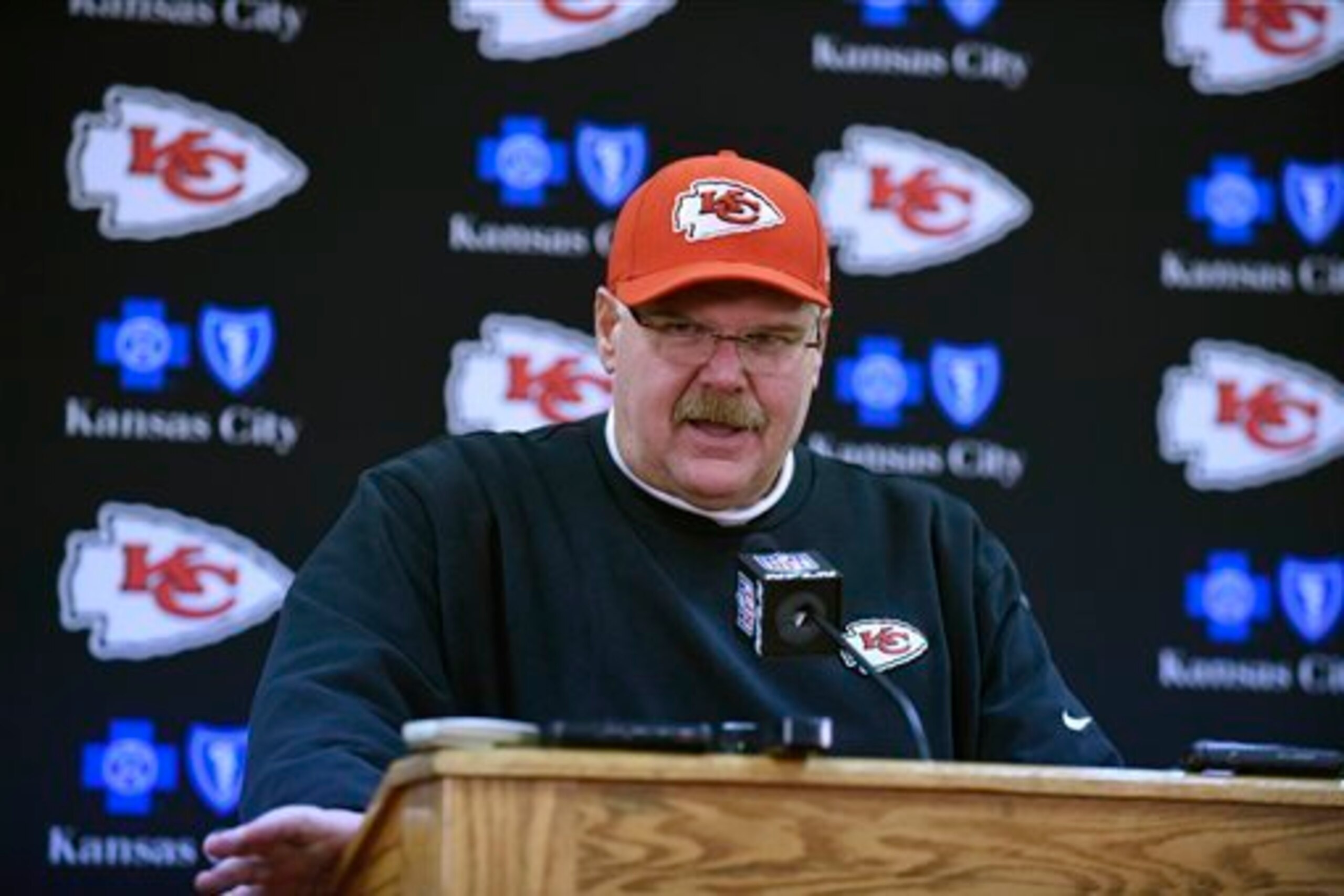
In the case of someone such as Andy Reid, who has had jobs with multiple teams over the course of the sample, I split the record in two. The Andy Reid who was hired by the Philadelphia Eagles was a position coach who was given a head coaching job. The Andy Reid who was hired by the Kansas City Chiefs was a former NFL head coach.
With those caveats out of the way, let’s look at what the data said.
Offense v. Defense
Eight of the 12 head coaches in the 2014 playoffs came from the defensive side of the ball, including three of the four coaches still working into the Conference Championships. That implies that defensive coaches have more success in the modern NFL, right?
Not so fast. Of the 96 coaches, 45 are defensive-oriented and 51 are offensive-oriented. Here are their records:
| Defense | 45 | 3,530 | 1,826 | 1,698 | 6 | .518 | 18 | 10 |
| Offense | 51 | 3,213 | 1,655 | 1,555 | 3 | .516 | 13 | 21 |
The winning percentages are almost even. There is a difference of .041 wins per season between the defensive and offensive systems. That’s almost entirely negligible.
The interesting difference, however, are the number of games each unit has coached. The average defensive coach lasted more than 78 games in a role—or nearly five full seasons. The average offensive coach lasted just 63 games, which is almost a full season less.
Defensive coaches had more coaches become veterans of 50 or more games in their stops and fewer coaches fired after two seasons. While the sheer number of games is impacted by the presence of Jeff Fisher, Bill Cowher and Bill Belichick—three of the longest-tenured coaches in NFL history—there’s definitely a pattern of offensive-minded coaches flaming out faster than their defensive counterparts.
Could this be part of the “offensive whiz kid” phenomenon? My theory is that offensive coordinators are sometimes hired before they’re truly ready to take on a head-coaching position because their offenses have put up big numbers. An offensive star, such as Adam Gase, will see his unit appear on more highlight reels than a defensive star, such as Todd Bowles. That might have an impact, consciously or subconsciously, on owners hiring coaches.
Initially, I thought the fact offensive and defensive coaches’ win percentages were about even despite coaches washing out faster meant the more experienced offensive coaches were outperforming their defensive counterparts, but that’s not true. Offensive coaches with at least five seasons have a .568 winning percentage, compared to a .579 winning percentage for their defensive counterparts.
No, the reason the winning percentages are close is the presence of some disastrous defensive coaches at the bottom of the sample. In terms of games under .500, the eight worst coaches of the past decade have all been defensive guys, including the 49ers’ own Mike Nolan. The 10 worst defensive coaches finished a combined 211 games under .500; the 10 worst offensive coaches finished just 145 games under .500.
In short, bad offensive coaches tend to get fired very quickly, while bad defensive coaches linger. That seems to be the major difference between hiring an offensive or defensive coach—how long teams are willing to stick with them, for better or worse.
Again, this might be the result of owners consciously or unconsciously looking for offensive fireworks on their highlight reels, as opposed to consistent defensive work; coaches brought in to provide an offensive spark prove whether they are worth keeping quicker than coaches brought in to provide a defensive identity.
In short, then, it has historically not mattered if a coach is offensive or defensive. All it effects is how long of a leash those coaches receive.
Experience
Where you do start to see some separation is when you sort coaches by level of experience, rather than philosophy.
| NFL Head Coach | 31 | 2,234 | 1,190 | 1,043 | 1 | .533 | 11 | 9 |
| Offensive Coordinator | 23 | 1,335 | 690 | 644 | 1 | .517 | 6 | 10 |
| Defensive Coordinator | 23 | 2,134 | 1,077 | 1,052 | 5 | .506 | 11 | 4 |
| College Head Coach | 9 | 285 | 144 | 140 | 1 | .507 | 0 | 3 |
| Position Coach | 10 | 755 | 380 | 374 | 1 | .504 | 3 | 1 |
Again, we can see that defensive coaches get more leeway than their offensive counterparts, but that’s not the most interesting thing here.
First of all, college head coaches have historically not worked. Only one college defector has won 10 more games than he has lost: Jim Harbaugh. Chip Kelly, Jim Caldwell’s Colts reign and Bill O’Brien are the only other coaches with a winning record here, and Caldwell is a very borderline case—he was head coach at Wake Forest from 1993-2000, but he had spent eight years as an NFL position coach before getting the Colts job.
On the flip side, you have burnouts such as Greg Schiano and Cam Cameron, who had no success in the NFL. The only reason Bobby Petrino doesn’t join them with more than 10 games below .500 is the fact he quit the Atlanta Falcons after only 13 games. The college game and professional game are two very different universes, and it’s very, very rare that someone brings their stuff from the college level to the NFL.
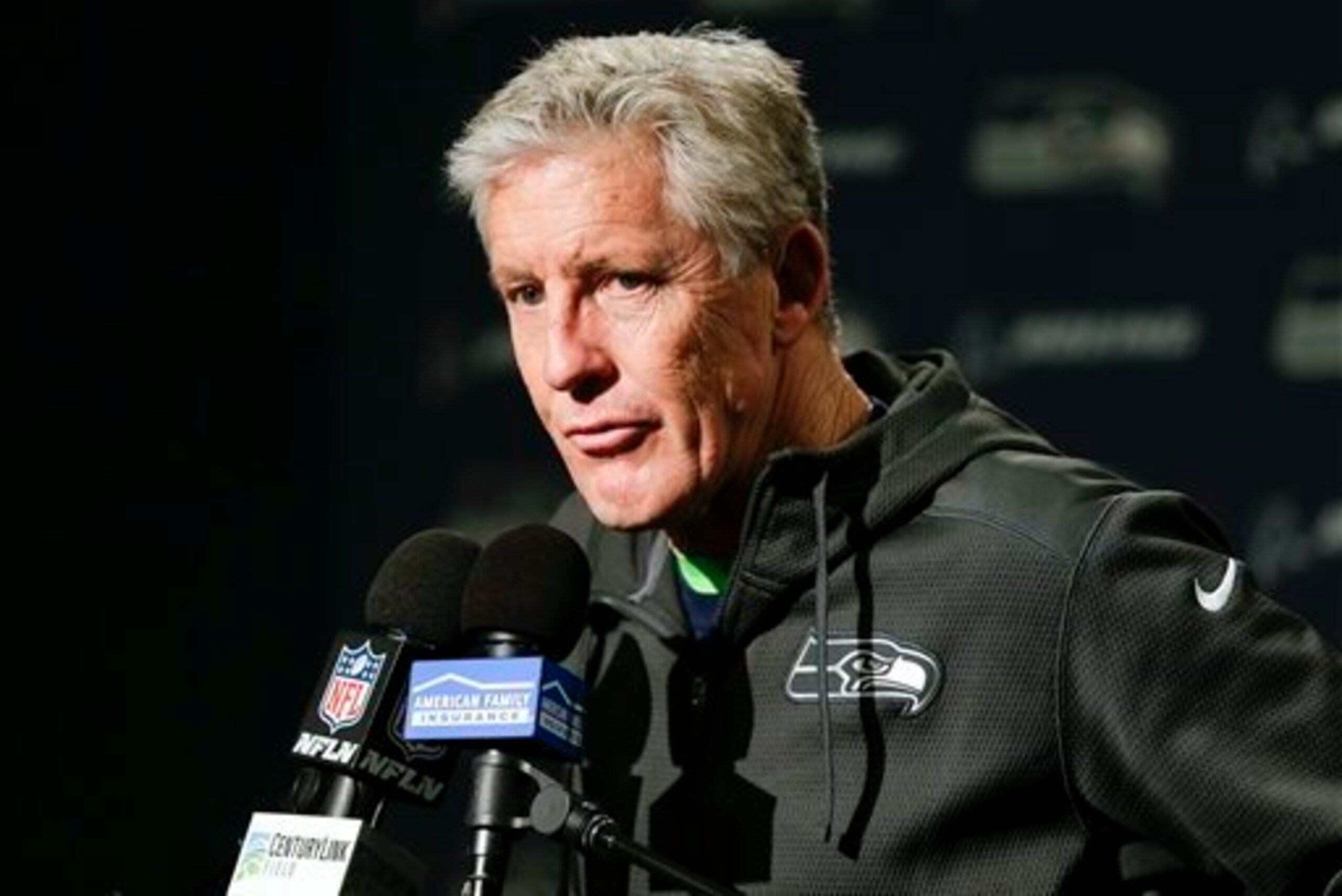
What about Pete Carroll, you might ask? He was successful at USC, and now is successful in Seattle. However, Carroll falls into the category of previous NFL coaches, thanks to his time in New England. He ran a very pro-style team at USC, anyway, so he’s also more philosophically an NFL coach.
Indeed, experienced coaches have done significantly better than their inexperienced counterparts. They are the only subset of coaches who average more than 8.5 wins per season.
It’s not always necessary do a direct move from head-coaching job to head-coaching job, either—two of the most successful coaches in the sample, Bill Belichick and Denver’s Mike Shanahan, spent years as a coordinator before getting their second head-coaching jobs.
The experience of knowing how to run the nuts and bolts of a head-coaching position—how to organize practices, how to assemble a staff and things of that nature—is something that is very important for a coach’s success.
It’s interesting to note that first-time offensive head coaches do better than first-time defensive head coaches. Coaches coming from an offensive coordinator position win at a .517 clip, while defensive coordinators only go .506 in their first NFL stops. You get the same risk of quicker flameouts among coordinators than you do on defensive- and offensive-minded coaches overall, but if the offensive coaches work, they tend to work better.
When you look at the top-10 coaches, in terms of careers games above .500:
- Three were former NFL head coaches from a defensive background (Bill Belichick, Tony Dungy and Pete Carroll)
- One was a former NFL head coach from an offensive background (Mike Shanahan)
- Two were defensive coordinators (Bill Cowher and Mike Tomlin)
- Two were offensive coordinators (Mike McCarthy and Sean Payton)
- One was an offensive position coach (Andy Reid, who was also an assistant head coach)
- One was a defensive position coach (John Harbaugh, who was also special teams coordinator)
There is a slight trend for experienced coaches being better than inexperienced coaches. There is also a slight trend for defensive coaches to last longer than their offensive counterparts. None of these trends, however, reveal a magic “secret formula” for discovering NFL success.
Who would have thought that a coach who bombed with the Cleveland Browns would turn the New England Patriots into the team of the 2000s, or that a college coach would break the mold by leading the San Francisco 49ers to three straight NFC Championship games? At the end of the day, it matters more who you hire than what background they have. Experience, no experience, offense, defense—none of it is enough to make any head-coaching philosophy untenable in the NFL.
Bryan Knowles is a featured columnist for Bleacher Report, covering the San Francisco 49ers. Follow him @BryKno on Twitter.
.jpg?w=2560 "Raiders Saints Football")