San Francisco 49ers: Can They Bounce Back from the Epic Loss Against the Rams?
It is extraordinarily rare for teams to lose football games when they’re favored by 10 or more points, like the San Francisco 49ers were against the St. Louis Rams last Sunday. That’s the sort of loss that could derail a season entirely.
Or is it? Teams don’t get favored by 10 points without having something going for them already. The 49ers have a top-flight defense and plenty of experience going through adversity. Is it possible that this will be a forgettable moment overall?
To try to answer the question about the effects of these crushing upset defeats, I went back and looked at the past 25 times teams favored by 10 or more points crashed and burned. What happened to them? Were they playoff teams that crumbled and collapsed? Did they pick themselves up off the canvas and keep rolling like nothing happened? How demoralizing is an epic loss like Sunday's?
TOP NEWS
Bears' Santos Wanted to Kick 58-Yarder
Picking Each NFL Division Winner 🔮
.jpg?w=2560)
B/R's Expert Week 7 NFL Picks 🔮
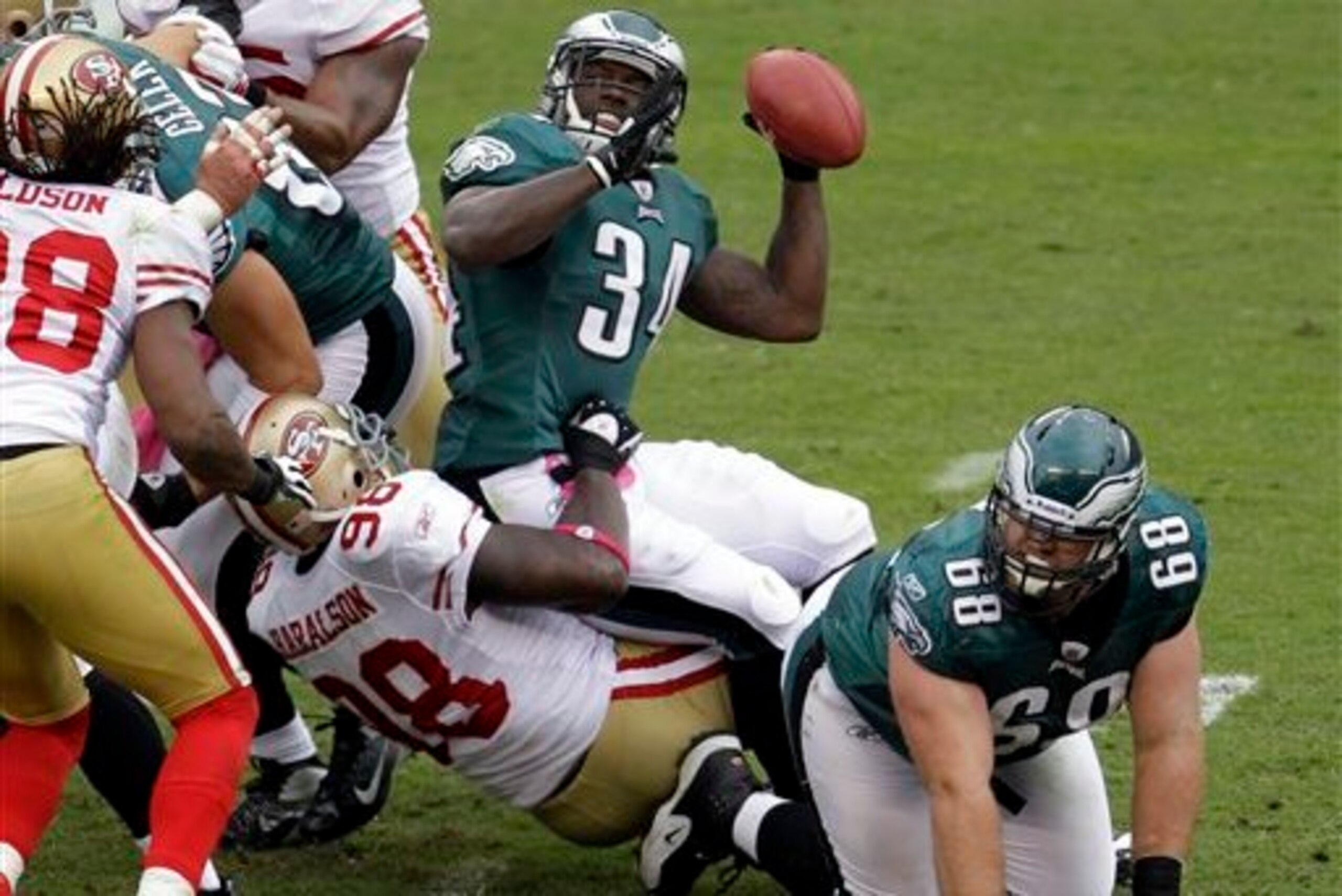
In the 2009-2013 seasons, we had 25 cases of teams losing when favored by double digits. The data set includes the 49ers twice, actually—once last year when the 49ers lost to the Indianapolis Colts, and once in 2011, when they came back to beat the “free-falling” Philadelphia Eagles. So the 49ers have experienced both sides of these epic losses in the not-too-distant past.
The first thing to notice is that teams favored by double-digits haven’t always been juggernauts. Entering their epic losses, the 25 teams in question were a combined 131-84, for a .609 winning percentage. That’s a set of 9-7 or 10-6 teams when prorated out to a full season—playoff teams, to be sure, but borderline ones.
That’s been brought down, however, by the 2013 Houston Texans, who appear in the sample twice. Despite 2-7 and 2-10 records, they were favored by double digits over both the Oakland Raiders and Jacksonville Jaguars, and lost both games. Their high betting lines are more due to the fact that people didn’t trust the Raiders or Jaguars more than any faith in the actual skill of the Texans.
Toss the two Texans teams out of the sample, and you have a more robust .655 winning percentage, or about a full game better than the data set as a whole. In other words, unless you expect the 49ers to have a Schaubian collapse down the stretch, it’s probably safe to assume that, coming into the game, they were considered a good team, albeit one that’s a bit worse than the average double-digit favorites.

So, you have a set of 23 playoff contenders and two cases of the Texans rolling into a matchup that they’re expected to handle with ease. Then, they stumble. What happens to these teams? Do they pick up where they left off, or do they crash and burn?
It turns out to be more blip than disaster. After their loss, the teams in the sample are a combined 101-60, or a .627 winning percentage. Prorated out to a full season, that’s actually nearly a quarter of a win better than they were doing entering the games in question. Take out the Texans, and the winning percentage goes up to .664—again, an improvement on the previous set, albeit a slight one.
The improvements are small enough that I’m not going to say that big losses like these galvanize a team and inspire them to play better—but because they’re so close to zero, I think it’s fairly safe to say that they don’t alter the team’s fortunes much at all on the macro scale. If you were a good team before the big loss, you’re likely to shake it off and be a good team after the big loss.
Of course, in a 16-game season, one big loss can often be the difference between making the playoffs and not. Thirteen of the 25 teams in the sample ended up staying home for the postseason. Four more lost in the Wild Card Round (including the 2010 Saints, whose big loss was to the Seattle Seahawks in the Wild Card Round), three lost in the Divisional Round and three (including the 2013 49ers) lost in the conference championship.

Two teams actually rebounded enough and went on to win the Super Bowl—the 2009 Saints and the 2011 Giants. The Saints game was actually their second straight loss, an overtime failure against the Tampa Bay Buccaneers. ESPN’s Len Pasquarelli wrote that the Saints “looked vulnerable.” In fact, because they earned a bye, they had gone over a month without a win before beginning their playoff run, one that ended with them beating Peyton Manning in Super Bowl XLIV.
The 2011 Giants, who might well be the worst ever Super Bowl champions, might be a good target for the 49ers to look to for hope in 2014. Their 36-25 loss to the Seattle Seahawks dropped them to 3-2, and it was just one of several lowlights in their season. They had a four-game losing streak in the middle of the year and were left for dead several times before squeaking into the playoffs at the end. There, they got hot and rattled off six straight victories to clinch the division and win the Super Bowl.
The 49ers don’t need to be great now to win the Super Bowl in January; they just have to get there. The Giants lost big, they lost multiple games in a row, and they actually ended the season with a negative point differential. They still get to call themselves world champions. Even if the 49ers are struggling now, a potentially fully healthy defense and an improved offensive performance could lead them to lifting the franchise’s sixth Lombardi trophy.
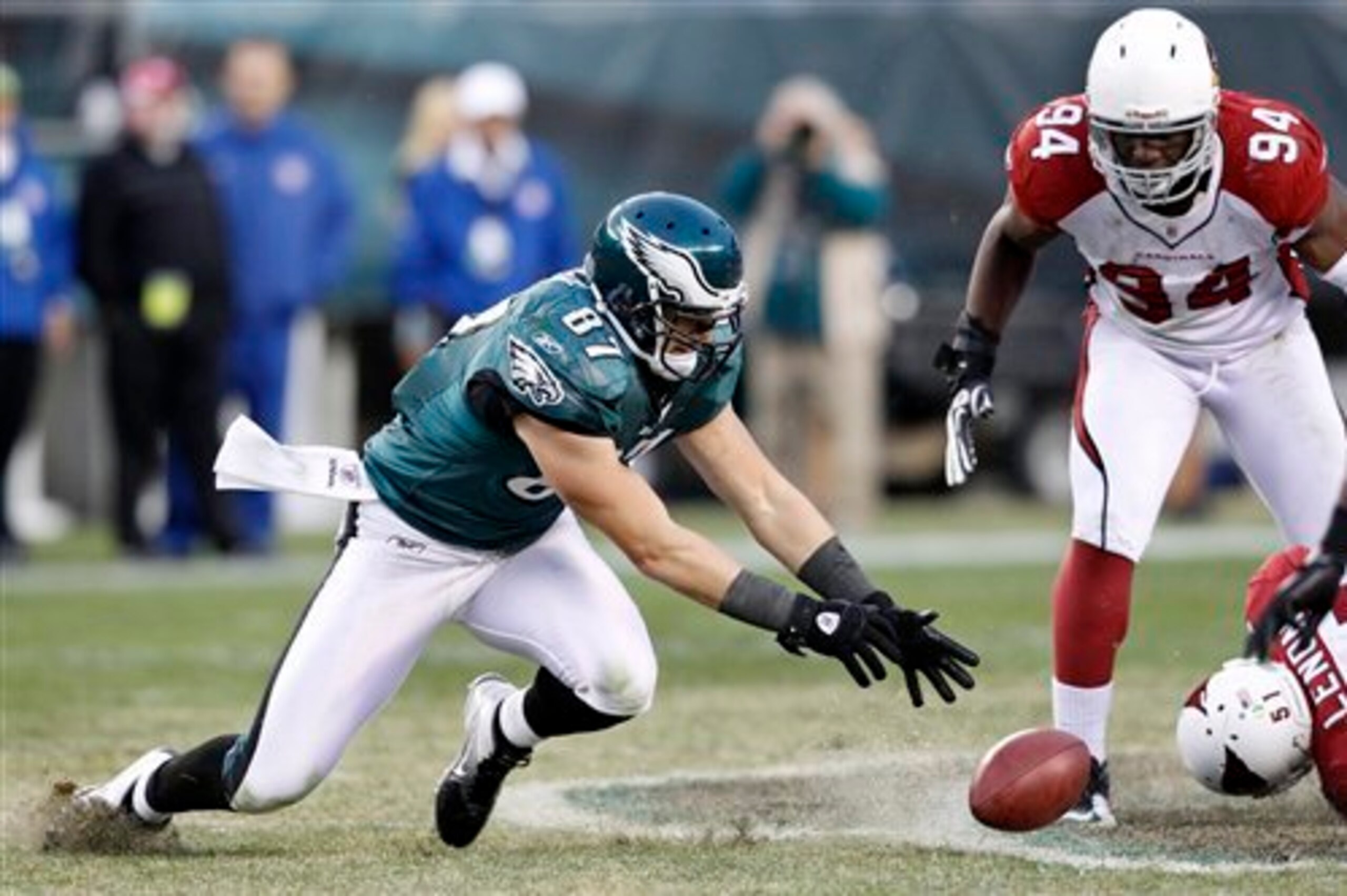
Of course, sometimes you struggle through the regular season and then just miss the playoffs entirely, as most of the sample did. Had the 2011 Philadelphia Eagles beaten either the 49ers or Cardinals, they would have made the playoffs instead of the Giants. Their two epic losses knocked them out of the playoffs entirely. Same goes for the 2010 San Diego Chargers and their loss to the Raiders, the 2010 New York Giants and their loss to the Cowboys and the 2009 Steelers and one of their three losses in the sample.
What the loss to the Rams did, essentially, is cut out any margin of error for the 49ers. Winning the Saints matchup this week suddenly becomes vital—this is the first true “must-win” game for the 49ers. They knew they could afford to slip up somewhere and still make the playoffs; they just would have rather have that be games in Seattle or the rematch against Arizona rather than a home game after the bye against the Rams.
If the 49ers miss the playoffs by one game, it’s fair to blame Sunday’s disaster against the Rams. One game does not a season make, however. If—and it’s a humongous if—the 49ers can get rolling here, there’s still time for them to make a playoff run.
Bryan Knowles is a featured columnist for Bleacher Report, covering the San Francisco 49ers. Follow him @BryKno on Twitter.