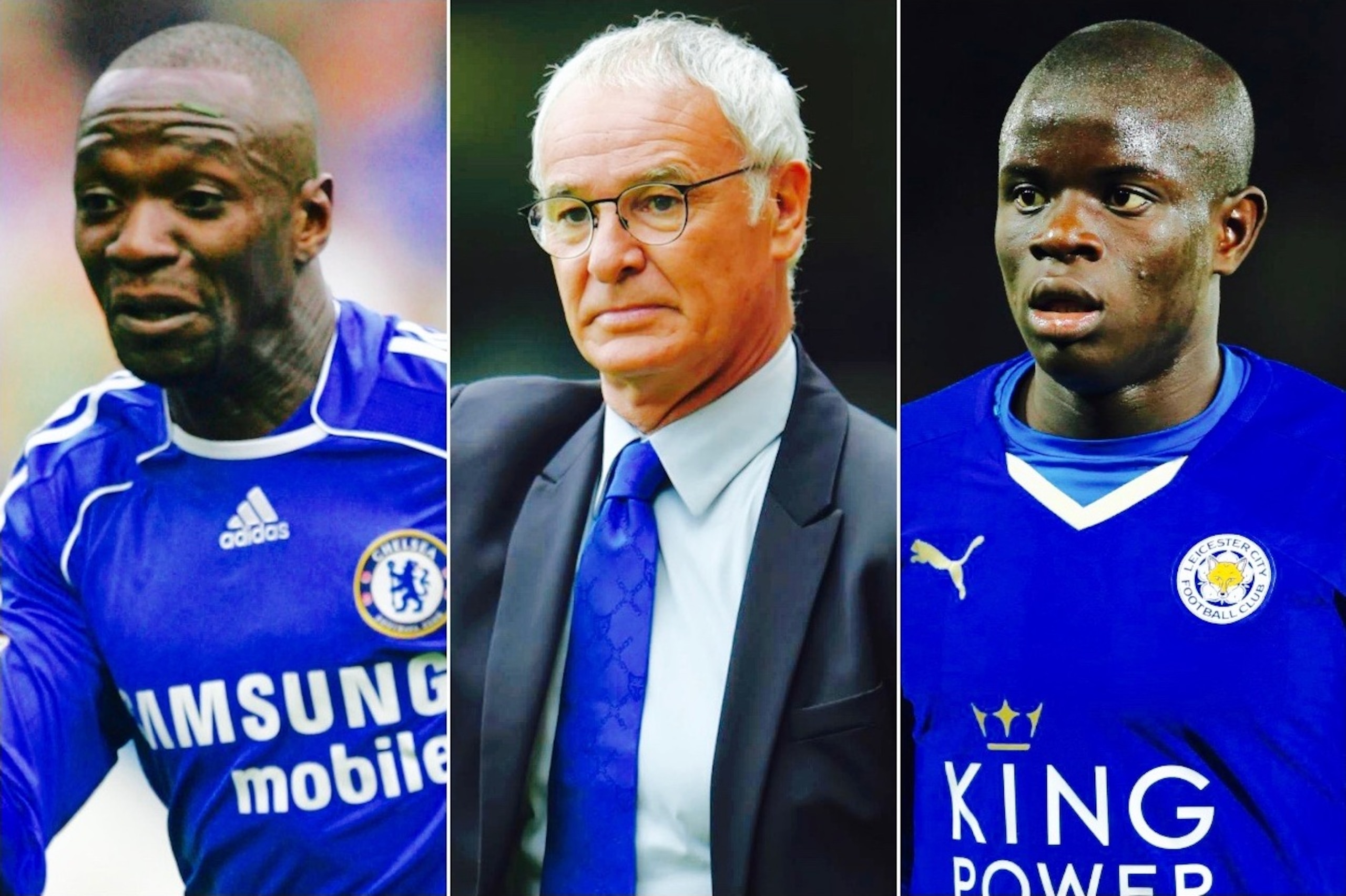

Weekly Why: Claudio Ranieri, N'Golo Kante, Claude Makelele and Comparison's Trap
Welcome to Bleacher Report's Weekly Why, a place where we discuss world football's biggest questions that may go neglected and/or avoided. Ranging from the jovial to the melancholic, no subject matter is deemed off-limits.
Why Are Comparisons Usually Oversimplified?
Twitter is an interesting place.

.jpg?w=2560)

Tweets you don't think much about have the potential to be seen by way more people than originally intended. In many ways it's a brilliant thing only the advent of the Internet and social media could have birthed, but in other ways that potential can be entirely destructive—thankfully nothing too ruinous happened to inspire this.
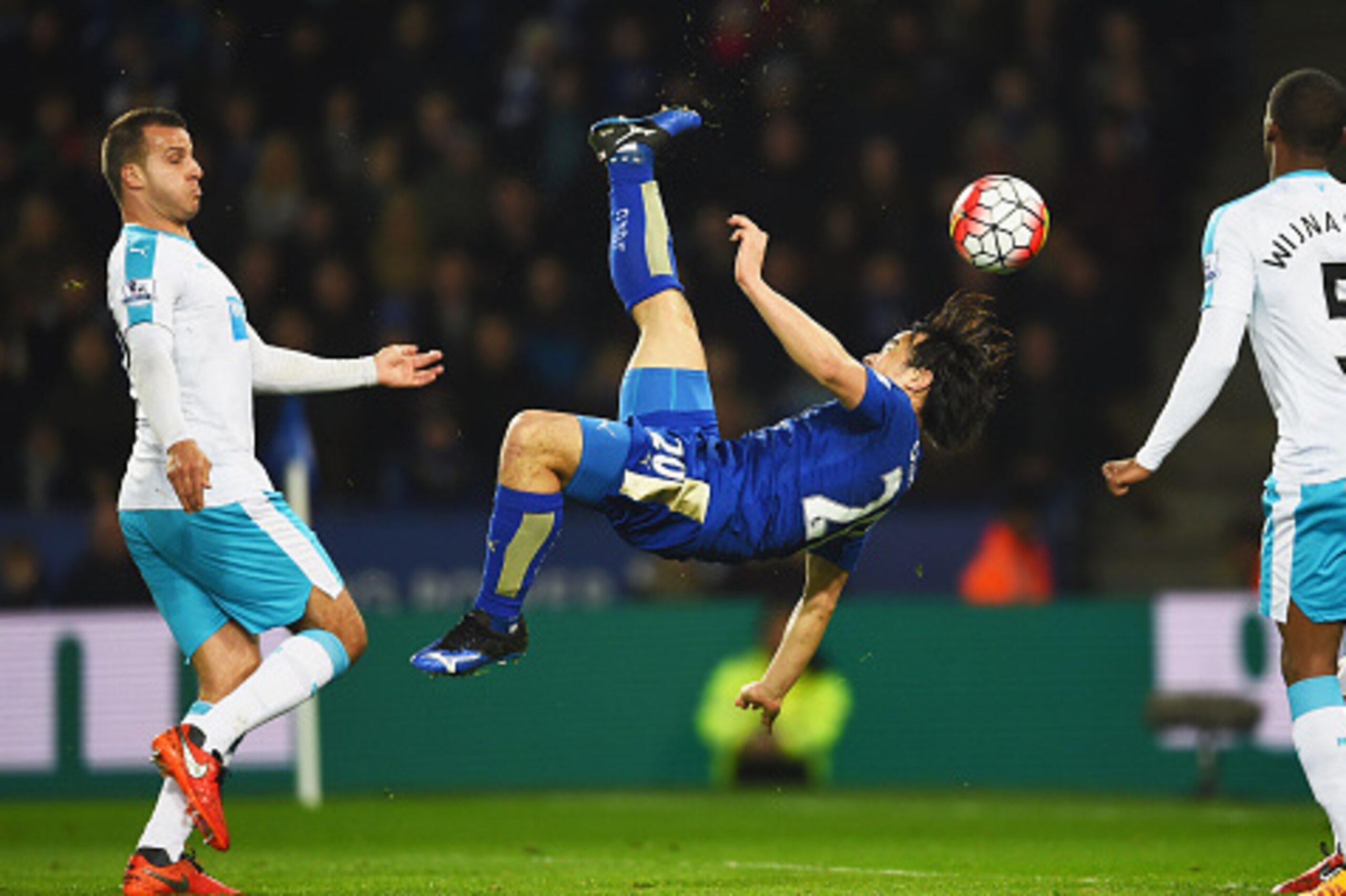
After watching Leicester City's 1-0 victory over Newcastle United (from a wonderful Shinji Okazaki overhead kick), I tweeted about my man of the match, N'Golo Kante. I suggested the Frenchman's amazing form isn't that shocking, considering manager Claudio Ranieri bought Claude Makelele for Chelsea in 2003—inferring the Italian boss has an eye for midfield talent that can thrive in the Premier League.
Many seemed to agree with the sentiment, but the oppositional responses were my real takeaway. Leaving Twitter for a few hours then coming back and reading: "When you consider he signed a black midfielder in 2003, it's not surprising he signed another one in 2015" in my mentions was fairly jarring.
I defended my position with their French nationality, height (both standing 5'7"), duties and Ranieri buying them both, but, after a cool-down period, I realised something: While the comparison has some merit, how often do I make comparisons between footballers based on their physical attributes (height, weight, etc.) and/or skin colour, rather than diligently investigating the options? "More times than I'd like to admit" is the answer.
Done without malice in most cases, it's a by-product of conditioning. Humans prefer order. Smaller ones might not enjoy cleaning their room or washing dishes, but as you grow, orderliness becomes a premium.
Putting items in clusters makes things easier to store, remember and/or understand—sports are no different.
If a select group of players shows one characteristic, say South Americans and on-the-ball flair, then we tend to consider South American footballers (even though some don't warrant the distinction) as technical, classy operators with the capacity to dazzle. Conversely, if African footballers are understood to be "workhorses," "robust" and "powerhouses," what do we do when players like Nigeria's Jay-Jay Okocha, for example, appear at our clubs or on our television screens?
We have no reference for them. The closest thing we have in contemporary times is calling them the "African Lionel Messi" or the "African Diego Maradona." We take comparisons and stretch them to their extremes.
How many Argentinian Messi's or Maradona's are there? Just two, yet scattered across the Earth are other versions of them? It makes little sense, but that happens when we shrink what a footballer can be/do based on their respective heritage and/or geographical location.
"When you consider Claudio Ranieri was the man who bought Claude Makélélé for #CFC in 2003, N'Golo Kanté isn't really that surprising.
— Daniel Tiluk (@danieltiluk) March 14, 2016"

In many respects, it's the oversimplification of football analysis. Without an intimate knowledge of world football, the easiest solution often becomes the accepted solution, which means the best solution isn't always found.
Taking Kante and Makelele: The latter was a proven UEFA Champions League winner with Real Madrid before his £17 million Chelsea transfer in 2003. After one season, Ranieri left west London. Jose Mourinho entered Stamford Bridge and used Makelele's talents perfectly. Utilising the 4-3-3 in a 4-4-2 world, the Portuguese and Frenchman were Chelsea's two most important figures. The manager for his inspiration, confidence and tactics, and the midfielder for establishing balance in all areas of the pitch.
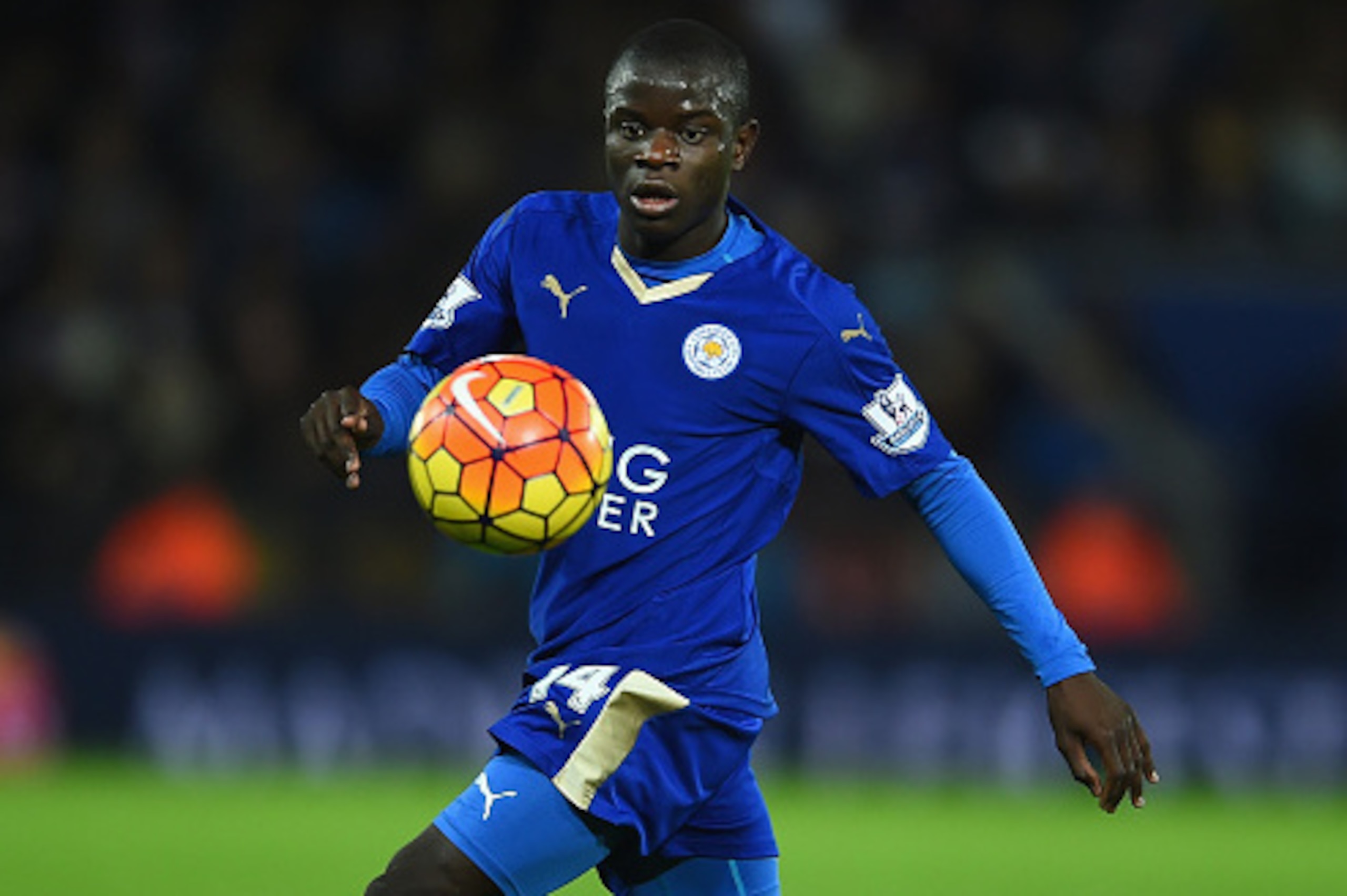
Kante, while sharing some attributes in common with Makelele, was bought from SM Caen for £5.6 million last summer, not even registering an international appearance for France (neither at senior nor youth level), the Parisian's English rise is nothing short of spectacular.
Last September, Ranieri told reporters Kante could "play like a central midfielder, like when I had Makelele," via the Daily Mail's Laurie Whitehall. The fruition of that praise was never expected to materialise—but it has; Leicester City are five points clear atop the EPL table, and (while Jamie Vardy or Riyad Mahrez are frequent headline-makers) the 24-year-old midfielder is the club's most important player.

Though it seems perfectly reasonable, even from the lips of Ranieri, the comparison isn't the most accurate.
Were my knowledge of football expanded, I'm sure there's a more apt comparison to a lesser-known midfielder coming into the Premier League and bossing proceedings with no international experience—not a Champions League-winning, former Real Madrid player who did similar things. I simply latched onto Ranieri's club/transfer history, my own knowledge, the two footballers' looks/style and went from there.
Kante might well be flattered by comparisons to arguably the last generation's greatest defensive midfielder—with the eponymous "Makelele Role" named after him—but judging statements from the assumed reactions of others, rather than facts, is asking for trouble.
I thought this might be a personal problem (that only a select few of us were prone to such conclusions), but if my Twitter mentions are anything to go by—I'm not the only one, which is comforting and worrying at the same damn time.
Last Weekly: Premier League, Refereeing and the Case for Personal Responsibility | Why Isn't Accountability More of a Thing?
*Stats via WhoScored.com; transfer fees via Soccerbase where not noted.
.jpg?w=2560 "Falcons Saints Football")
.jpg?w=2560 "Rams Eagles Football")
.jpg?w=2560 "Injury-stricken Seahawks signing veteran RB")


.jpg?w=2560 "2 NFL Officials Suspended")
