

Weekly Why: Premier League, Formation and the Gravity of Defensive Midfielders
Welcome to Bleacher Report's Weekly Why, a place where we discuss world football's biggest questions that may go neglected and/or avoided. Ranging from the jovial to the melancholic, no subject matter is deemed off-limits.
Why Do No Goals Equal No Love?
I have a slight problem with football.

.jpg?w=2560)
The game is a wonderful blend of creativity within structure, masked as individualism. Sport is possibly the only thing on Earth that is truly unhampered. It is the culmination of body and mind working in concert to achieve an objective, while opposition attempt the same.
Whatever "isms" afflicting society play little factor during actual games: The fastest, strongest and most adroit person/collective usually win. Football embodies this notion more than any other.
My issue isn't with the sport itself, but how it's covered. I suppose I'm part of the problem, as I write about football on a daily basis, but I'd like to believe this article can serve as a penance of sorts.
Goals are the lifeblood of football. They are the primary objective of every team and every manager. That objective, however, is not prescribed to every player.
Strikers and attack-minded midfielders are judged primarily on offensive output. Goals and assists are tallied, placed in creative multimedia graphics, and then ushered to the public as what the game is all about.
It makes sense (and I understand why this happens), but goals aren't the totality of football—nor should they be.
As an exercise: Name the five best footballers of all time.
The consensus might be Pele, Diego Maradona, Zinedine Zidane, (Brazilian) Ronaldo and Lionel Messi—with a few inclusions and exclusions depending on your personal proclivities; but what do they all have in common? They are attack-minded, forward-thinking entities.
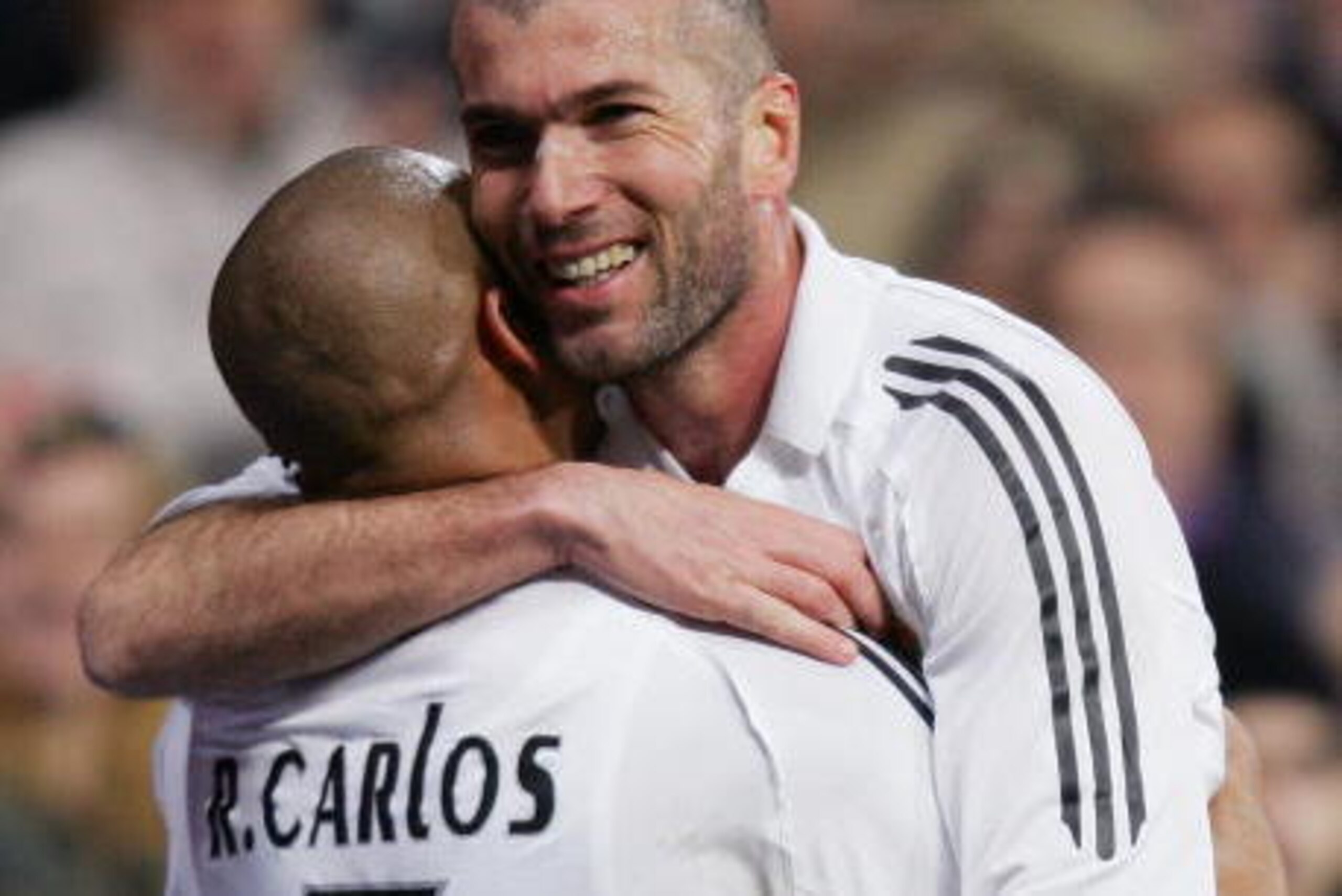
When compiling the greatest XIs, one must retrieve the names of defenders like Franz Beckenbauer, Roberto Carlos and Paolo Maldini, but are they ever mentioned as the best players of all time (regardless of position)? It's extremely rare. Just as the greatest players at their given position.
We focus so much on goals—and their acquisition—that other areas of the pitch are neglected. I've come to find this realisation rather humbling, because it does the sport a disservice.
More than any position, I would assert the chief role in a modern squad isn't the striker, the centre-back or the central-attacking midfielder—in 2015/16, it's the central-defensive midfielder.
Of Europe's top five leagues, Premier League football is by far the harshest physically. The speed, pace and Wild West ethos are visibly apparent in every match.
It creates a high-octane, widely entertaining brand of football—and the moderators of that tempo come from defensive midfield.

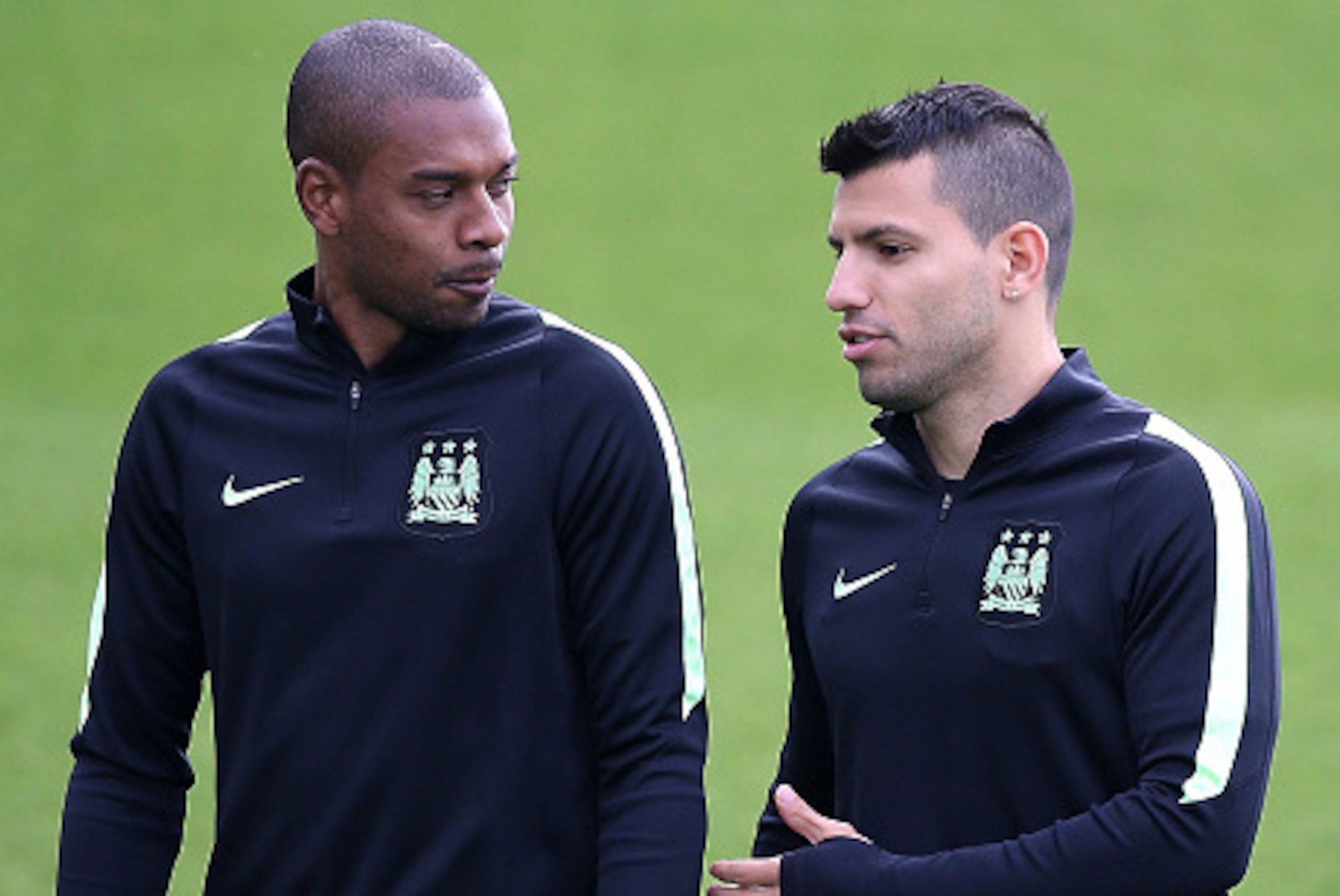
From Nemanja Matic, Francis Coquelin, Fernandinho and Lucas Leiva, none would claim at Chelsea, Arsenal, Manchester City or Liverpool, respectively, those four are the best footballers. But a strong argument can be made that without them (or with them and playing poorly), none of the teams can play to their full potential—which makes them the most important.
Chelsea gave their best performance of the 2015/16 season vs. Norwich City last Saturday. Competition and score not withstanding, the man-of-the-match honours went to Eden Hazard. The fulcrum in midfield, combining pressure and timely tackles with passing fluidity wasn't the Belgian, it was an overlooked Matic—whose season has started sluggishly and his club's point total reflects those woes.
Arsenal have lost Coquelin for around three months, according to Phil McNulty of BBC Sport. Without the Frenchman, an already weak Gunners' central midfield has reached its breaking point.
Before Arsene Wenger included the 24-year-old in January, Arsenal were defensively gaping. Once Coquelin was recalled from a loan with Charlton Athletic, the north Londoners changed course and have earned more points this calendar year than any other EPL club.

Lucas and Fernandinho were stark Brazilian contrasts in last weekend's big clash between Manchester City and Liverpool.
Manuel Pellegrini, in a possible oversight, didn't start Fernandinho. Following a 3-1 first-half deficit, he was forced to remove Yaya Toure for his best defensive midfield option, because City's heart was being run through.
Conversely, Leiva has revived under the Jurgen Klopp regime. Rumoured to be leaving Anfield this summer when Brendan Rodgers was manager (as documented by Mirror Sport's David Anderson), the 28-year-old might be the first name on Klopp's team sheet after his October and November performances.
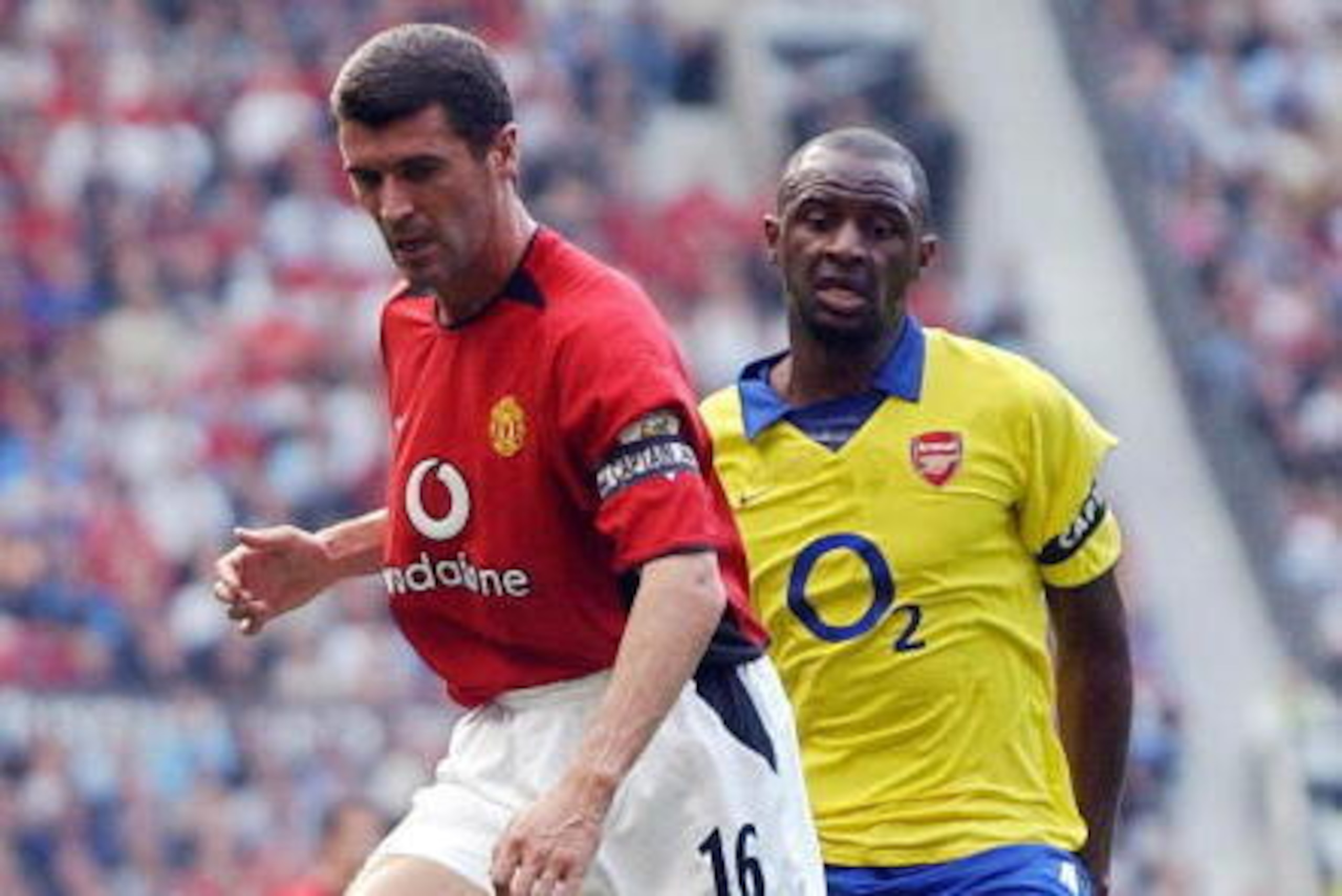
Seen with Roy Keane (Manchester United), Patrick Vieira (Arsenal) or Claude Makelele (Chelsea) in recent Premier League past, trophy-winning clubs are built around world-class defensive midfielders. Their toughness, tenacity and ability to connect defence with attack is crucial to a functioning machine.
Interestingly, while universally respected footballers, I find even the most legendary of defensive-minded midfielders are overshadowed when discussing the Premier League's all-time greatest footballers. They are ancillary mentions. Glory is summarily bestowed upon centre-forwards, wingers and even the occasional centre-half.
There aren't hallmark memories from central-defensive midfielders.
No David Beckham scoring from the halfway line.
No Thierry Henry flick, then beating Fabien Barthez in the top corner.
No Wayne Rooney bicycle kick vs. Manchester City.
No Sergio Aguero winning the league vs. Queens Park Rangers.
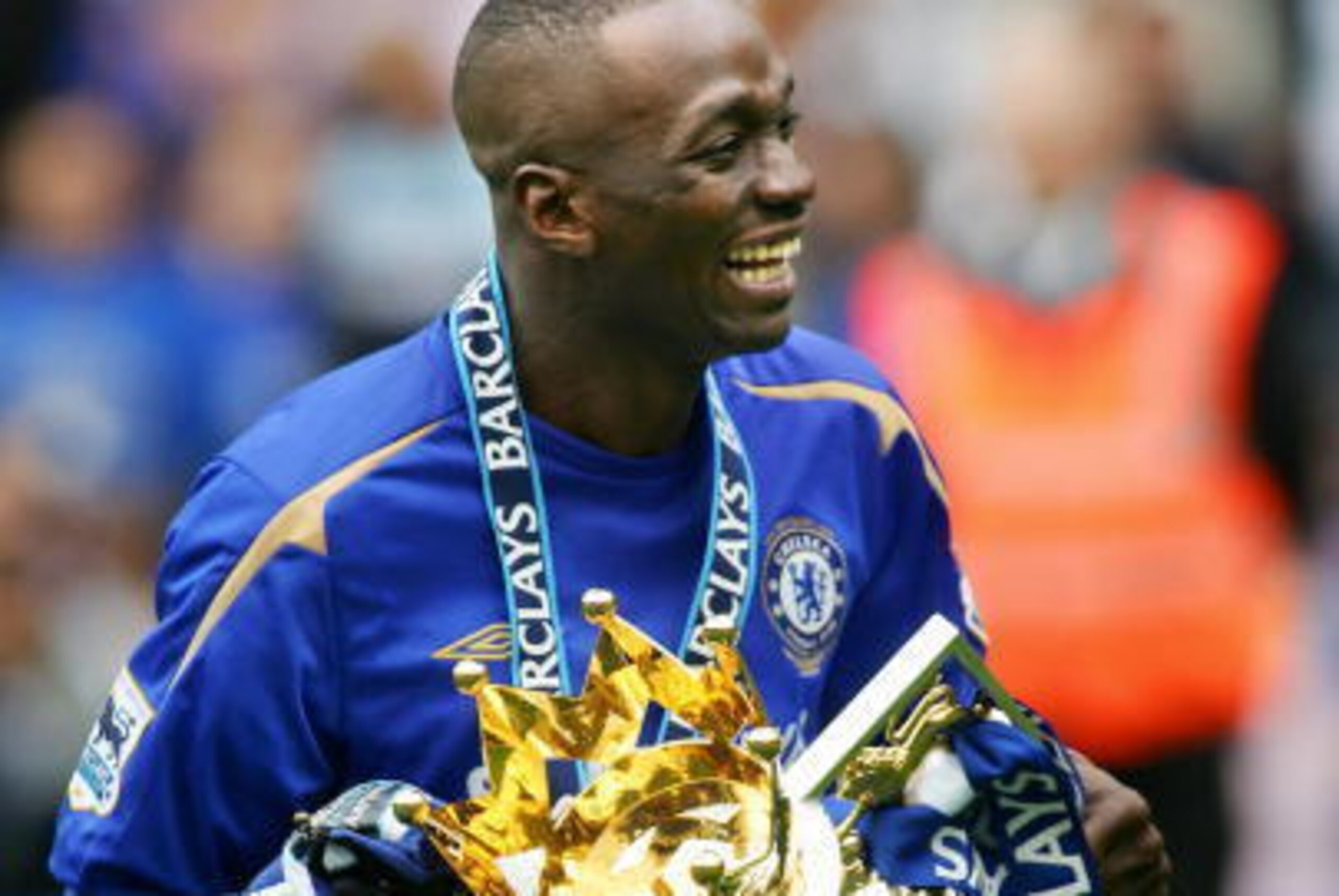
They just don't exist en masse.
If you rewind the tapes, though, I'd wager 80 percent of every magical moment the Premier League has produced, a CDM has contributed with some form of pass, tackle or run to create the celebrated opportunity.
Football is ever-changing. Perhaps the central-defensive midfielder's role will become more prestigious and revered in time; but, as presently constituted, the job is largely thankless.
Only appreciated when missing, seldom given warranted plaudits, the charge is criminal.
Last Weekly: Premier League, English Football and the Demand for the Rooney Rule | Why Aren't There More Managers of Colour?
*Stats via WhoScored.com; transfer fees via Soccerbase where not noted.

.jpg?w=2560 "Viral Rams Coach Vid 🖕")


.jpg?w=2560 "Injury-stricken Seahawks signing veteran RB")
