
Jim Thome and the Top 20 Veterans to Play for the Minnesota Twins
This year everything has gone wrong for the Twins and it was inevitable that Jim Thome would be traded. It makes sense that he should return to where it all started 20 seasons ago when he made his major league debut on September 4th, 1991. Thome has hit 335 of his 602 home runs while wearing a Cleveland uniform.
In less than two seasons with Minnesota, Thome hit 37 home runs, more than any other player on the Twins roster over that time. In 2010 he led the team with 25 home runs, averaging a home run every 11.04 at bats when the Twins won 94 games and their sixth AL Central division title since 2002 when Ron Gardenhire took over as manager.
I started thinking about some of the players the Twins had signed in the twilight of their career. Many of them were brought in because they were a low-cost option at the time, having made their mark on baseball with another team.
There have been several players who signed with the Twins later in their career and achieved a significant milestone.
Some of these players made quite an impact and helped the Twins achieve great things, while others were a veteran presence on some young teams trying to find their identity.
I poured over the Twins rosters since they started play in 1961, looking for players who joined the team later in their career.
Here are the top 20. The criteria included their impact on the Twins, their performance while in Minnesota and their career success.
The players ranked from No. 12 through No. 20 are all pretty much interchangeable. Once we get to those players that helped the Twins between 1987 and 1991, it gets interesting.
No. 20: Pitcher John Candelaria
1 of 20The ranking starts out with pitcher John Candelaria. Candelaria pitched 19 seasons in the major leagues, 12 of them with the Pittsburgh Pirates where he had a record of 124-87 with a 3.17 ERA.
At the age of 21 he would make his debut with the Pirates, starting 18 games. Two years later he would go 20-5, leading the National League with a 2.34 ERA.
In 1985 Candelaria would be traded to the California Angels. Over the next six years he would play for four teams, including both the Mets and Yankees in New York.
In 1990, at the age of 36, he would sign as a free agent with the Twins. Candelaria would pitch in 34 games for the Twins, going 7-3 with a 3.39 ERA.
By July the Twins would be near the bottom of the AL West and would trade Candelaria to the Toronto Blue Jays on July 27th, 1990.
Candelaria would pitch for three more seasons finishing his career where it started, with the Pittsburgh Pirates in 1993 at the age of 39.
No. 19: Pitcher Jerry Koosman
2 of 20Jerry Koosman was a member of the New York Mets' pitching staff in 1969 that went on to win the World Series. Tom Seaver was the ace of the staff, and the bullpen included a hard throwing right-hander in Nolan Ryan, as well as left-handed reliever Tug McGraw.
Koosman would go 17-9 that season with a 2.28 ERA. Over a 19-year career he would finish with a 222-209 record and a 3.36 ERA.
After 12 seasons in new York, the Mets would trade Koosman to the Twins in December of 1978.
In 1979 Koosman would lead Twins starters with a 20-13 record and a 3.38 ERA—only two seasons after leading the National League in losses with 20.
After a little more than two and a half seasons, the Twins would trade him to the Chicago White Sox in August of 1981.
Koosman would start 83 of 94 games pitched for the Twins. He would finish 39-35 with a 3.77 ERA.
No. 18: Pitcher Steve Carlton
3 of 20Steve Carlton is the third straight left-handed pitcher to open this ranking.
Carlton, inducted into the Baseball Hall of Fame in 1994, finished his 24-year career with a 329-244 record and a 3.22 ERA.
Carlton would make his debut with the St. Louis Cardinals in 1965. After seven seasons in St. Louis he would be traded to the Philadelphia Phillies where he would spend the next 15 seasons.
In 1986, after being released by the Phillies in June, Carlton would sign with the Giants for a month before being released again and signing with the Chicago White Sox.
In 1987 he would sign with the Cleveland Indians as a free agent.
The Twins would acquire Carlton in a trade with the Cleveland Indians on July 31st, 1987.
At the age of 42 Carlton's best years were behind him. He was not included on the Twins' postseason roster as they would go on to win the World Series against the team Carlton debuted with, the St. Louis Cardinals.
The Twins would re-sign him for the 1988 season only to release him by the end of April.
In 13 games for the Twins, Carleton would make eight starts and finish with a 1-6 record and an 8.54 ERA.


No. 17: Center Fielder Otis Nixon
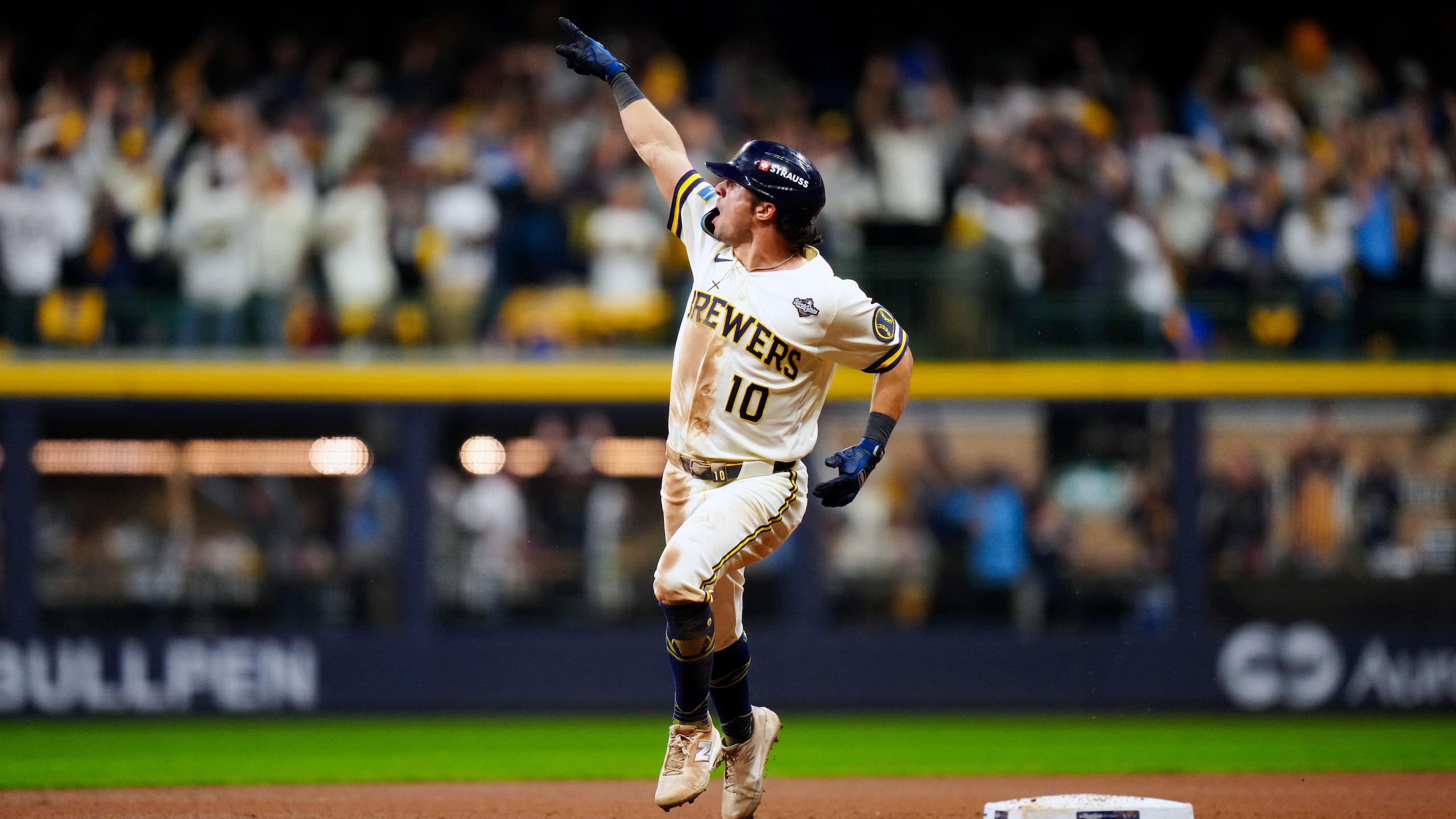
4 of 20Otis Nixon would join the Minnesota Twins as a free agent for the 1998 season.
At the age of 39 Nixon would play 110 games in center field for the Twins. He would finish second on the team with a .297 batting average and lead the team with 37 steals.
Unfortunately the Twins would finish 70-92 that season, fourth place in the AL Central.
The following season Nixon would sign with the Atlanta Braves.
In 17 seasons Nixon would play for nine teams. He would finish with a .270 batting average and 620 stolen bases.
No. 16: Pitcher Rick Reed
5 of 20The Twins would acquire right-handed pitcher Rick Reed in a trade with the New York Mets for outfielder Matt Lawton on July 31st, 2001.
The 36-year old Reed would go 25-25 in 65 starts with a 4.47 ERA for the Twins over the next two and a half seasons.
In 2002, Ron Gardenhire's first year as manager, he would lead the team's starting pitching with a 15-7 record and a 3.78 ERA.
Over 15 seasons Reed would play for six different teams. He would finish with a 93-76 record and a 4.03 ERA.
No. 15: First Baseman Vic Power
6 of 20Vic Power joined the Twins in April of 1962 in a trade with the Cleveland Indians. He helped lead the Twins to back-to-back seasons with 90-plus wins.
In 1962, at the age of 34, Power played in 144 games and batted .290, second best on the Twins. He backed that up with a .270 average in 138 games in 1963.
In June of 1964 the Twins would trade Power to the Los Angeles Angels.
No. 14: Outfielder Roberto Kelly
7 of 20Signed as an amateur free agent in 1982, Roberto Kelly made his major league debut in 1987 with the New York Yankees.
After six years in New York he would play for four teams in three years, before signing with the Twins as a free agent in 1996 at the age of 31. That season, as a reserve outfielder, Kelly would hit .323 playing in 98 games.
In August of 1997 the Twins would trade Kelly to the Seattle Mariners for pitcher Joe Mays.
In a little more than a season and a half, Kelly would hit .308 for the Twins in 173 games. Unfortunately. the best the Twins would finish is fourth in the AL Central.
No. 13: Catcher Terry Steinbach
8 of 20This is the first of Minnesota natives that made their way back home to Minnesota late in their career.
From New Ulm, Minnesota, and a product of the University of Minnesota, Terry Steinbach would make his major league debut in 1986 with the Oakland A's where he would spend 11 seasons before finishing his career with the Twins.
Steinbach was a member of the Oakland team that made three consecutive trips to the World Series from 1988 to 1990, playing with the "Bash Brothers," Mark McGwire and Jose Canseco.
Following the 1996 season, at the age of 34, he would sign as a free agent with the Twins.
Over the next three years, he would average 112 games at catcher for the Twins. (Note: from 2005 to 2010, Joe Mauer has averaged 114 games per season at catcher. The problem is Mauer is still eight years younger than Steinbach was when he made his Twins debut.)
For the Twins Steinbach would hit 30 home runs and drive in 150 runs. Playing in his late 30s, he would also hit three triples and steal eight bases.
Unfortunately, Steinbach could not help the Twins finish any higher than fourth in any of those seasons.
No. 12: Pitcher Mike Marshall
9 of 20Mike Marshall was a 35-year-old, 10-year veteran when he signed as a free agent with the Minnesota Twins in May of 1978.
Marshall, the 1974 National League Cy Young Award winner, appeared in a league-leading 106 games for the Los Angeles Dodgers that season. He to the Twins with a 73-80 record and a 3.20 ERA.
In 1979, appearing in an AL-leading 90 games for the Twins, he would lead the league with 32 saves.
This was during the dog days of Minnesota baseball when the Calvin Griffith-owned Twins would nickel and dime their way through the season, and the Twins would finish the 1979 season 82-80, good for fourth place in the AL West.
The following season Marshall would struggle opening the season 1-3 record in 18 games and a 6.12 ERA. The Twins would release him on June 6th. He would give one more try in August of 1981 when the Mets signed him as a free agent.
Marshall would finish his 14-year career pitching in 723 games with a 97-112 record with a 3.14 ERA and 188 saves.
No. 11: Designated Hitter Don Baylor
10 of 20Don Baylor was 38 years old when he joined the Minnesota Twins in a trade with the Boston Red Sox in September of 1987.
A three-time Silver Slugger awardee, Baylor brought 18 seasons and postseason experience to the Twins. He was a member of the 1986 Red Sox who lost the World Series in seven games to the New York Mets.
While Baylor would only play in 20 games for the Twins during the regular season, finishing with a .286 batting average, he provided a veteran presence to a young Twins team that included Gary Gaetti, Kent Hrbek, Kirby Puckett, Tom Brunansky and Greg Gagne—all under the age of 30 at the time.
The Twins would win the AL West with an 85-77 record. In the postseason Baylor would play in seven games hitting .388 with a home run and four RBI, as the Twins won their first World Series Championship.
The following year Baylor would sign as a free agent with the Oakland A's and make his third consecutive World Series appearance. This would be his last season as a player.
No. 10: Pitcher Joe Niekro
11 of 20Joe Niekro may be best known for the emery board incident during his short stint with the Minnesota Twins in 1987.
Acquired in a trade with the Yankees for catcher Mark Salas on June 6th, 1987, Niekro came to the Twins with 20 years of experience.
In 18 starts that season he would only go 4-9 with a 6.26 ERA.
The highlight of the season came on August 4th against the Angels when Niekro tried to hide an emery board he had in his back pocket. The incident resulted in a 10-game suspension.
Niekro would make the Twins' postseason roster in 1987 and pitch two innings against the Cardinals in the World Series.
The Twins would release him on May 4th, 1988—ending a 21-year career. He would appear in 702 games compiling a record of 221-204 with a 3.59 ERA.
No. 9: Third Baseman Mike Pagliarulo
12 of 20After playing seven seasons—five and half with the Yankees, and another year and a half with the Padres—Mike Pagliarulo would sign a free agent with the Minnesota Twins for the 1991 season.
That season he would play 131 games at third base, hitting .279, as the Twins would go on to win their second World Series Championship in five seasons.
Despite playing five seasons in New York, Pagliarulo's only postseason action would be with the Twins in 1991.
He would bat .308 with two home runs and five RBI in 11 postseason games.
The following season in 1992, Pagliarulo would be limited to only 42 games for the Twins, and his average dropped to a lowly .200.
In 1993 he would bring his average back up to .292 and play in 83 games. The Twins would trade Pagliarulo to the Baltimore Orioles on August 15th.
In 246 games for the Twins he would finish with a .272 batting average.
No. 8: Pitcher Juan Berenguer
13 of 20Juan Berenguer came to Minnesota as a free agent in 1987 after playing nine seasons with five different teams. A fan favorite, Berenguer had the nickname "Senor Smoke."
Prior to joining the Twins, Berenguer had pitched in only 183 games with a 30-41 record and a 4.01 ERA. In his only season with the San Francisco Giants before joining the Twins, Berenguer made 46 appearances—the most over his nine-year career at the time.
In the four years he pitched for the Twins, Berenguer averaged 52.8 games per season as he compiled a 33-13 record, with nine saves and a 3.70 ERA for Minnesota.
In 1987, as the Twins would win the American League West, he would go 8-1 in 47 games with four saves and a 3.94 ERA—the lowest ERA out of the bullpen that season for Minnesota.
In the ALCS against the Tigers, Berenguer would pitch a total of six innings in four of the five games, earning a save with a 1.50 ERA. Along with three appearances in the World Series against the Cardinals, this would be the only postseason action he would have in his career.
Following the 1990 season Berenguer would leave the way he came, via free agency. Over the next two season he would pitch for another two teams.
Over his 15 seasons, he would pitch for seven different teams. The 211 games he appeared in for the Twins are the most of any team he played for.
No. 7: Designated Hitter Chili Davis
14 of 20Chili Davis was a 10-year veteran when he signed with the Twins before the 1991 season.
In seven seasons with the Giants, and another three with the Angels, Davis averaged 16 home runs and 66 RBI. In the 1991 championship season with the Twins, he would lead the team with 29 home runs and 93 RBI as the Twins designated hitter.
During the 1991 ALCS and World Series, Davis played in 11 of 12 games and batted .257 with two home runs and six RBI.
In two seasons with the Twins he would hit .282 with 41 home runs and 159 RBI. Following the 1992 season he would return to the California Angels as a free agent.
A three-time All Star, Davis would finish with a career with the Yankees in 1999. Over 19 seasons he would play for five teams, batting .274 with 350 home runs and 1,372 RBI.
No. 6: Pitcher Jeff Reardon
15 of 20I will never forget the last play of Game 7 of the 1987 World Series.
Willie McGee was batting left-handed at the plate, with Minnesota closer Jeff Reardon on the mound. Reardon got him to hit a bouncer to third baseman Gary Gaetti who threw it across the diamond to Kent Hrbek—final score, Twins 4, Cardinals 2. The Twins first World Series Championship defeating the St. Louis Cardinals four games to three!
The Twins acquired Reardon in a trade with the Montreal Expos before the 1987 season. An eight-year veteran, Reardon had 162 saves and a 2.80 ERA.
In 1987 he would go 8-8 with 31 saves and a 4.48 ERA.
Over three seasons in Minnesota, Reardon would finish with a 15-16 record and 104 saves—fifth all-time for the Twins.
Following the 1989 season he would sign with the Boston Red Sox as a free agent.
Over his 16-year career Reardon would pitch for seven different teams. His 367 saves is seventh best in baseball.
No. 5: Designated Hitter Dave Winfield
16 of 20Dave Winfield, a St. Paul native and University of Minnesota product who was drafted by four professional teams in three different sports, finally made his way home in 1993, 20 years after making his debut in 1977.
In 1973 Dave Winfield was drafted by the San Diego Padres, the Atlanta Hawks of the NBA, and the Utah Stars of the ABA. Even though Winfield never played football, the Minnesota Vikings selected him in the 17th round of the NFL draft that year.
After 19 seasons playing with the Padres, Yankees, Angels, and Blue Jays, Winfield would sign as a free agent with the Minnesota Twins at the age of 41.
He would open the season needing only 134 hits to reach 3,000 for his career. This feat he would attain on September 16, 1993 against Oakland closer Dennis Eckersley.
For the season he would hit .271 with 21 home run and 76 RBI. Unfortunately, the Twins would finish the season 71-91, fifth place in the AL West.
Over his two seasons in Minnesota, including the strike-shortened season of 1994, Winfield would bat .264 with 31 home runs and 119 RBI.
In August of 1994 the Twins would send Winfield to the Cleveland Indians where he would finish his 22-year career.
In 2001 Winfield would be inducted into the Pro Baseball Hall of Fame.
No. 4: Designated Hitter Paul Molitor
17 of 20Ok, it's no coincidence that Paul Molitor is No. 4 on the ranking, a number he wore every season during his 21-year career with the exception of three years he played in Toronto.
Like another Minnesota native, Dave Winfield, Molitor would sign with the home town Twins as a free agent in 1996.
And like Winfield, he would reach the 3,000-hit milestone playing for Minnesota on September 16—three years to the date that Winfield accomplished the feat. Molitor became the only player to reach the 3,000 hit plateau with a triple.
In his first season with the Twins as their designated hitter, Molitor would lead the American League with 225 hits at the age of 39. His .341 average would lead the Twins that season.
A career .306 hitter, Molitor would hit .312 with the Twins over three seasons.
Following the 1998 season Molitor would retire after 21 seasons—15 of them with the Brewers and three each with the Blue Jays and Twins.
After retirement Molitor would serve as the Minnesota Twins' bench coach. In 2002, following Tom Kelly's decision to step down as manager, Molitor was the fan favorite to succeed Kelly.
In 2004 he was inducted into the Pro Baseball Hall of Fame.
No 3: Designated Hitter Jim Thome
18 of 20While Jim Thome only played a little more than a year and a half with the Twins, the fact that he is only one of eight players to ever hit 600 home runs warrants for him a ranking this high.
Thome, who is the only active player to be included in these rankings, signed with Minnesota as a free agent before the 2010 season after playing 19 seasons with four different teams.
In 2010 he would lead the Twins with 25 home runs as Minnesota would win the AL Central for the second consecutive time.
On August 15th in Detroit, Thome would reach the 600 plateau with home runs on two consecutive swings of the bat. With the Twins out of the playoff hunt, they would return Thome to the Cleveland Indians 10 days later in a trade.
In his 21st season, Thome has played for five different teams—12 of those seasons have been with the Indians.
No. 2: Pitcher Bert Blyleven
19 of 20I realize this may be a stretch with the fact that Bert Blyleven started his career with the Twins, but it was his return in 1985 and the subsequent World Series Championship in 1987 that gets him this high ranking.
As a 19-year-old, Blyleven made his major league debut with the Twins in June of 1970. Almost exactly five years later the Twins would trade him to the Texas Rangers. In the deal the Twins also received shortstop Roy Smalley.
Like Blyleven, Smalley would end up being traded away from the Twins. Both players would be re-acquired in 1985 and become teammates helping the Twins win the Wold Series in 1987.
For Blyleven this would be his second World Series Championship. In 1979 he helped the Pittsburgh Pirates win the title in seven games over the Baltimore Orioles.
Over his 22-year career, Blyleven would pitch for five different teams compiling a 287-250 record and a 3.31 ERA. His 3,701 strikeouts ranks fifth all-time in major league history.
For the Twins he would go 149-138 with a 3.28 ERA in 348 games over 11 seasons.
In 2011 he was elected into the Baseball Hall of Fame.
No. 1: Pitcher Jack Morris
20 of 20Jack Morris gets the top ranking based on the last game he ever pitched for the Minnesota Twins—Game 7 of the 1991 World Series, a 1-0, 10-inning, complete game victory over the Atlanta Braves.
Morris, another St. Paul native would pitch only a single season with the home-town Twins.
Signed as a free agent in 1991, Morris came to Minnesota after playing 14 seasons with the Detroit Tigers where he compiled a 198-150 record with a 3.73 ERA. He helped the Tigers win the 1984 World Series and led Tigers starters with a 19-11 record.
In 1991, he would go 18-12 for the Twins with a 3.43 ERA. While Scott Erickson would lead the American league in wins with a 20-8 record for Minnesota, and Kevin Tapani's 2.99 ERA would lead the starting staff; there was no doubt who was the ace of the staff.
In five postseason starts Morris would go 4-0 with a 2.23 ERA.
In the World Series against the Atlanta Braves he would make three starts, going 2-0 with a 1.17 ERA and earn the series MVP.
After the season he would sign with Toronto Blue Jays, the team the Twins defeated in the ALCS and lead the AL with a 21-6 record. The Blue Jays would go on to win back-to-back World Series Championships in 1992 and 1993.
In 1994, the last season of Morris' career, he would sign as a free agent with the Cleveland Indians.
Over his 18-year career he would finish with a 254-186 record with a 3.90 ERA and four World Series Championships.

.jpg?w=2560 "Mahomes Told Teammate to Leave Meeting")

.jpg?w=2560 "🚨 Week 8 AP Top 25 Poll")



.jpg?w=2560 "Rodgers Iced Out on Plane 💎")
.jpg?w=2560 "Updates from EVERY NFL Game 🏈")