
The 10 Worst Heisman Trophy Winners Of All Time
The Heisman is college football's most esteemed award, and its winners make up a who's who of the history of the game.
Of course, not every winner was deserving and not every deserving player was a winner.
Freshmen and sophomores have almost always been overlooked in favor of juniors and seniors, stars from big-time schools are chosen in favor of big fish in small ponds, and every winner except for one has come from a winning team.
Don't forget the race factor as well, which unfortunately played a pivotal role in many votes throughout the years.
Here are the worst blunders in Heisman history, the players who shouldn't have won the award.
10. Chris Weinke, QB, Florida State, 2000
1 of 10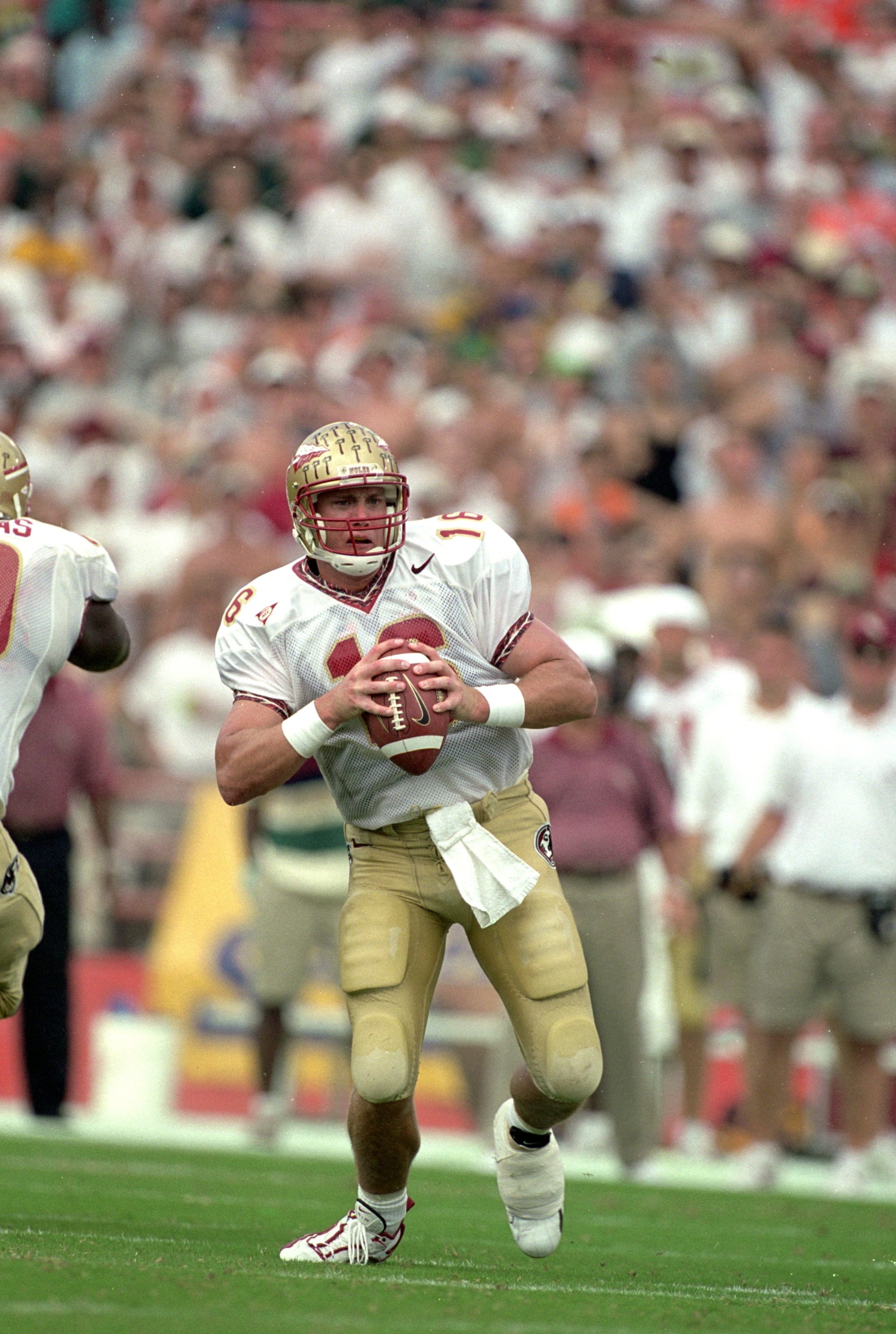
The 28-year-old was the oldest Heisman winner in history and as you'll see is the case with everyone on this list, someone else was more deserving of the trophy that year.
Weinke barely beaten out Oklahoma quarterback Josh Heupel for the award by 76 points in the voting and then lost to Heupel and the Sooners in the National Championship Game.
It was the the fourth closest vote at the time, with Purdue quarterback Dree Brees coming in third and TCU running back LaDainian Tomlinson coming in fourth.
9. Pete Dawkins, RB, Army, 1958
2 of 10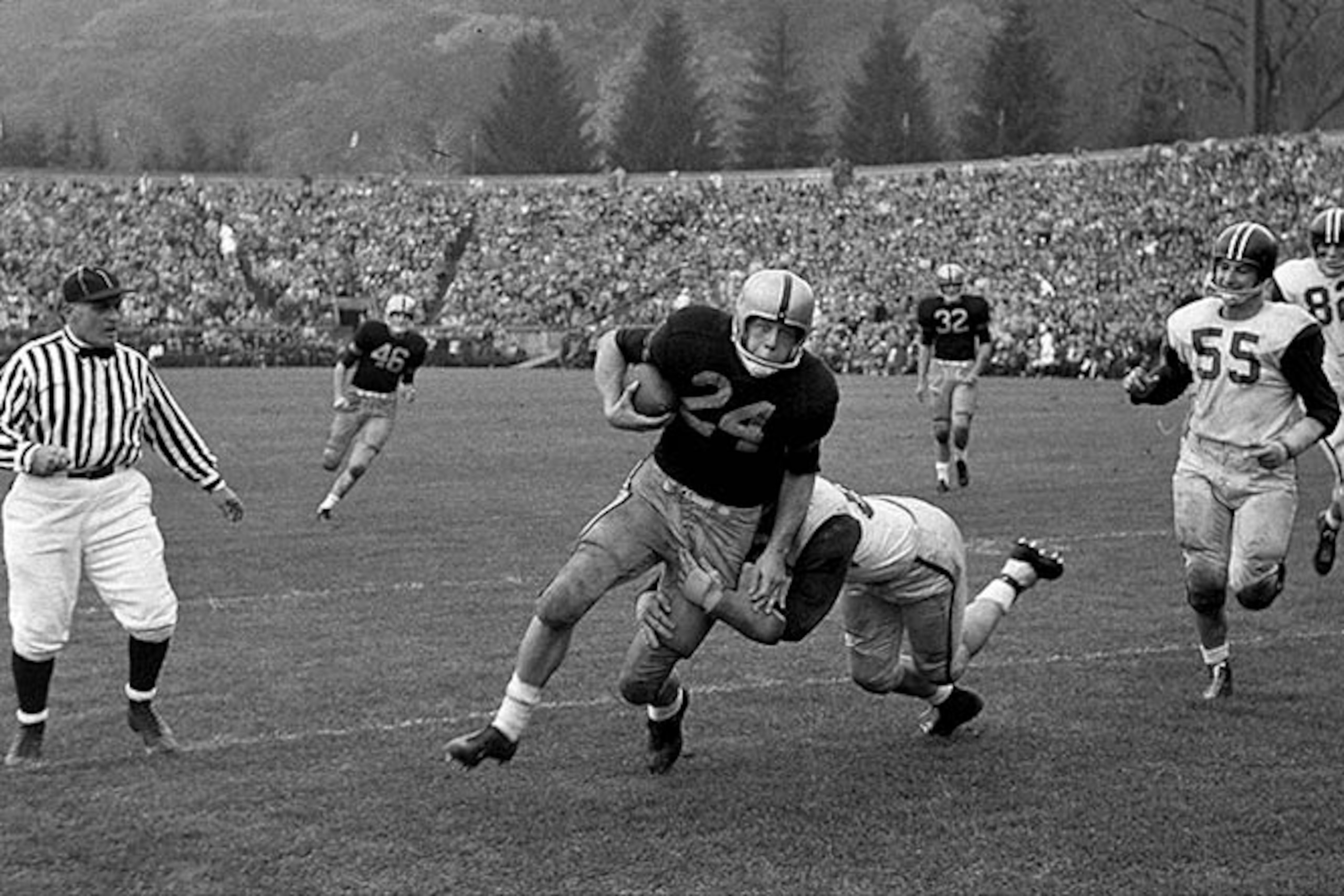
Army was one of the top teams in the nation in 1958 and Pete Dawkins was its best player and a favorite of the American people.
Dawkins had been featured in Life Magazine and Reader's Digest, he was a Rhodes Scholar and one of the most decorated cadets to ever study at West Point.
A solid running back and kick returner, there's no denying he was one of the best players in the nation, but many credit his Heisman to popularity rather than merit.
8. John Huarte, QB, Notre Dame, 1964
3 of 10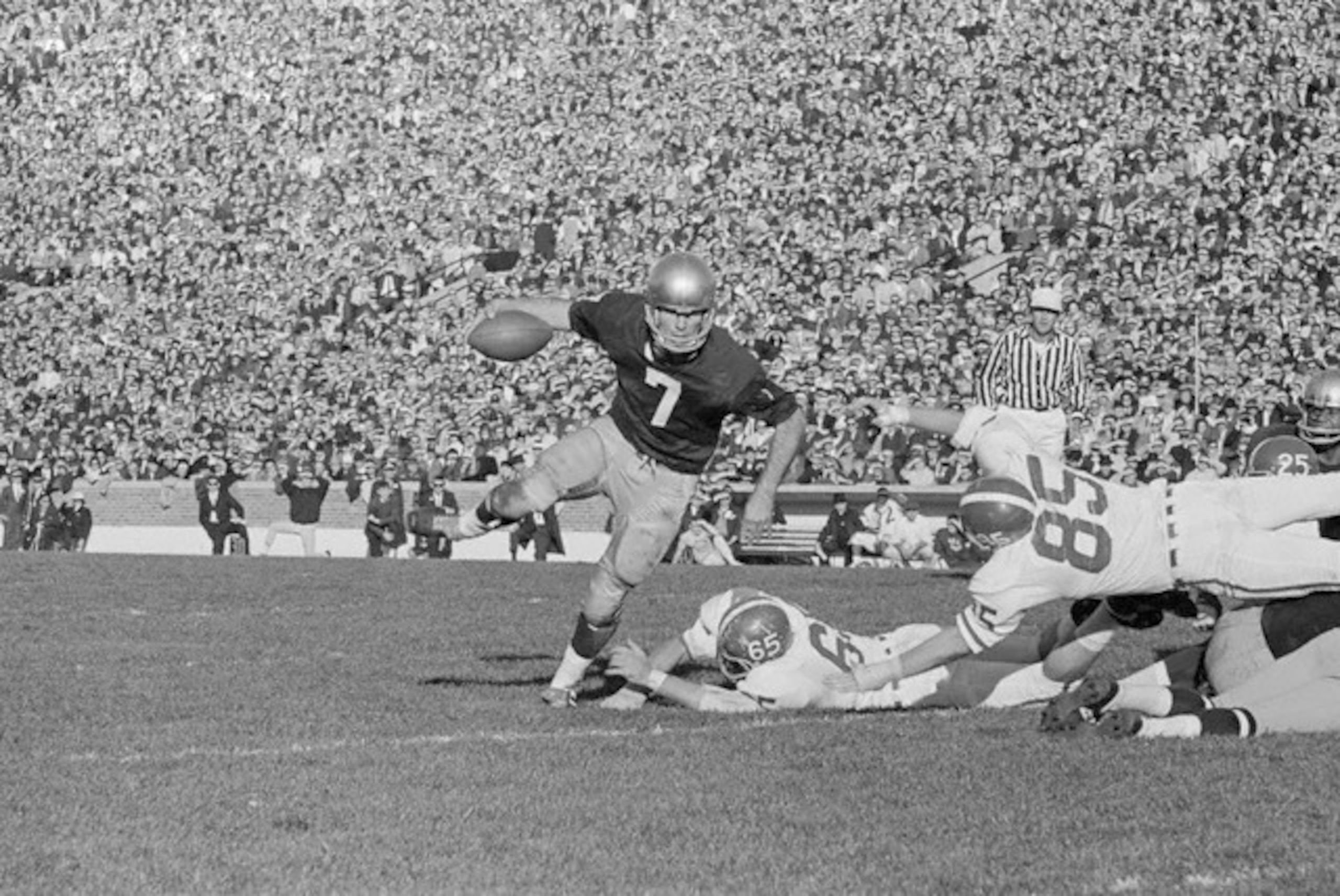
John Huarte is another player who fits the mold of a Heisman winner who won the award more for what his team did rather than what he did.
Notre Dame went 9-1 in 1964, while Huarte passed for 2,062 yards and 16 touchdowns. He narrowly edged Jerry Rhome of Tulsa, who passed for more yards, twice as many touchdowns and half as many interceptions.
But the real disappointment was that Dick Butkus finished third in the voting after being a unanimous first-team All-American in 1963 and 1964, as well as being voted the Player of the Year by the Coaches Association.

7. Archie Griffin, RB, Ohio State, 1975
4 of 10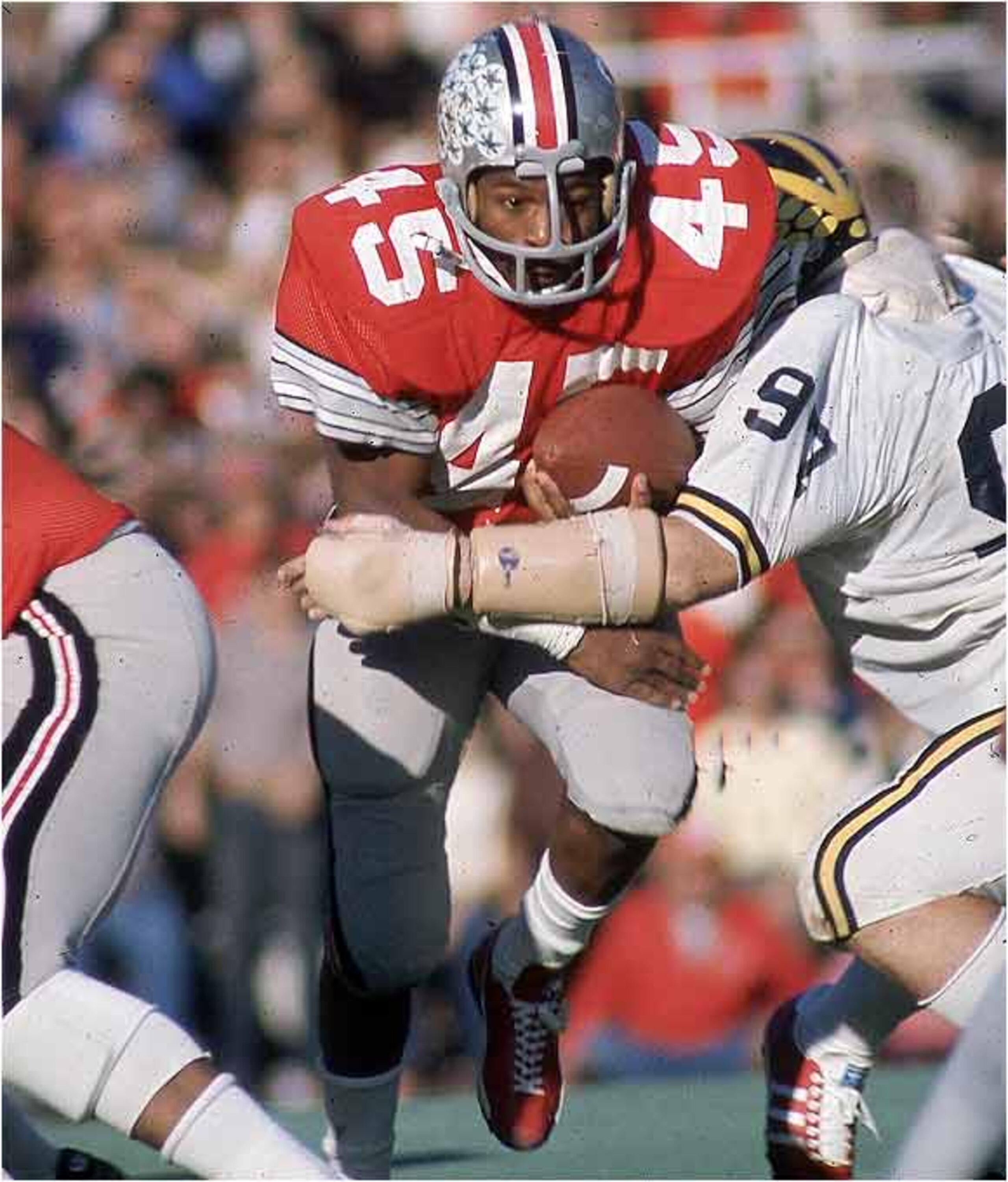
Before any Ohio State fans fret too much over seeing Griffin on this list, keep in mind we're talking about his second Heisman; his first was quite the opposite story.
But in 1975, Griffin didn't have nearly the season he'd had in 1974, the year he won his first Heisman Trophy.
The Buckeyes legend only rushed for four touchdowns in '75, splitting carries with Pete Johnson, and winning the award more because of hype and previous accomplishment than anything.
6. Eric Crouch, QB, Nebraska, 2001
5 of 10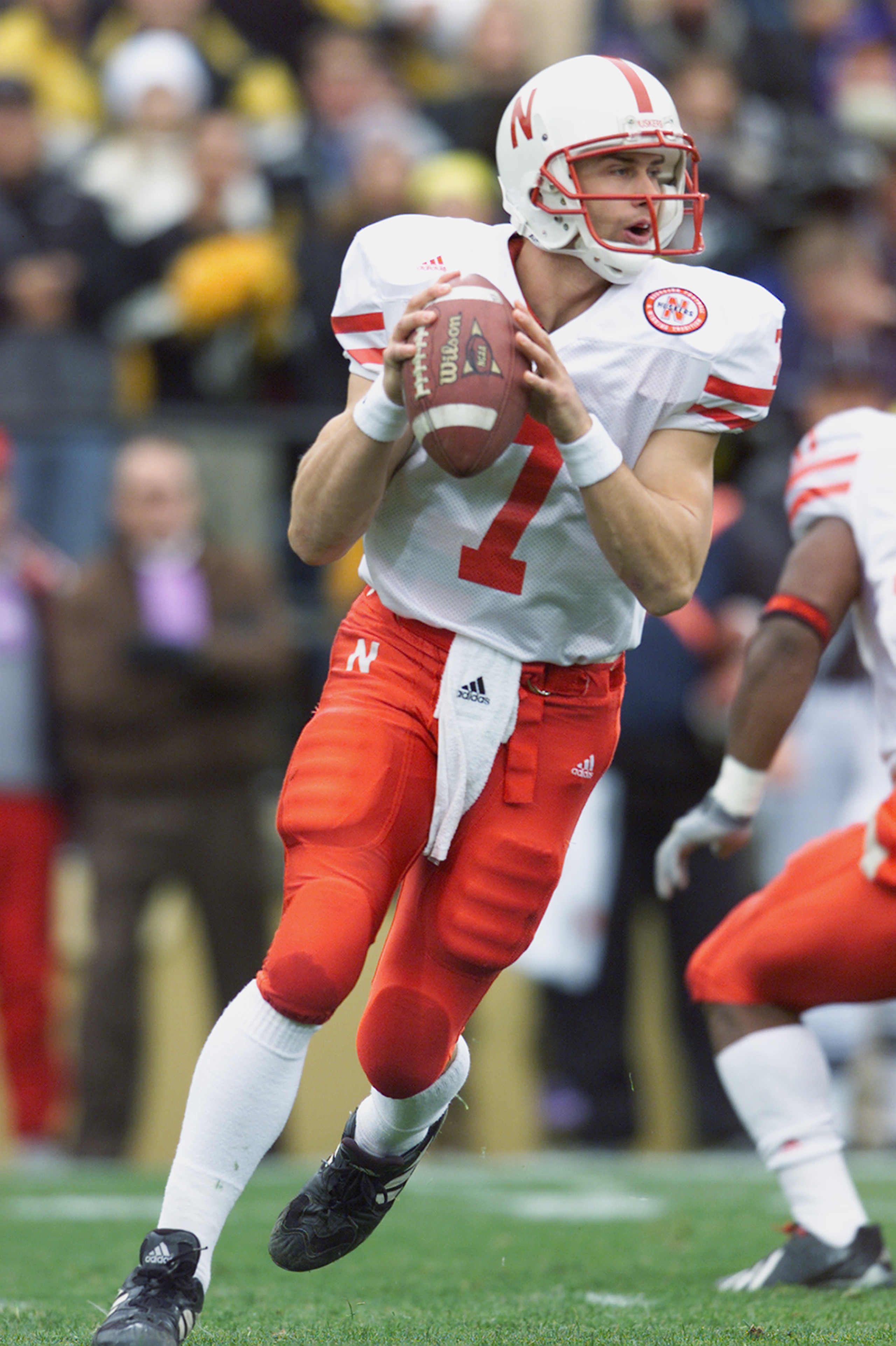
Crouch is somewhat unfortunate that he won the Heisman, only to suffer a crushing defeat against Miami in the 2002 National Championship Game, and then quickly fade into the shadows.
It's easy to look back in hindsight and say that Crouch didn't deserve to win the award based on the way he performed in the biggest game of his career.
But the real shame is that Rex Grossman was only a sophomore that year and like many more before him, was overlooked in the voting. Crouch's campaign is only magnified that much more because of Grossman's slighting.
5. Jason White, QB, Oklahoma, 2003
6 of 10
White's 2003 campaign is troubling for a couple of reasons. First, he and the Sooners got blown out in the Big 12 Championship by Kansas State before he won the award, and secondly, Larry Fitzgerald absolutely deserved it more.
White had a stellar season, passing for 3,846 yards and 40 touchdowns, but it's baffling that voters still had confidence in him after the Big 12 Championship; that was proved an even worse idea after LSU dismantled Oklahoma in the National Championship Game.
Fitzgerald on the other hand was only a sophomore and despite winning the Walter Camp Award and the Biletnikoff Award, he found himself on the outside looking in when it came to the Heisman.
4. Gino Torretta, QB, Miami, 1992
7 of 10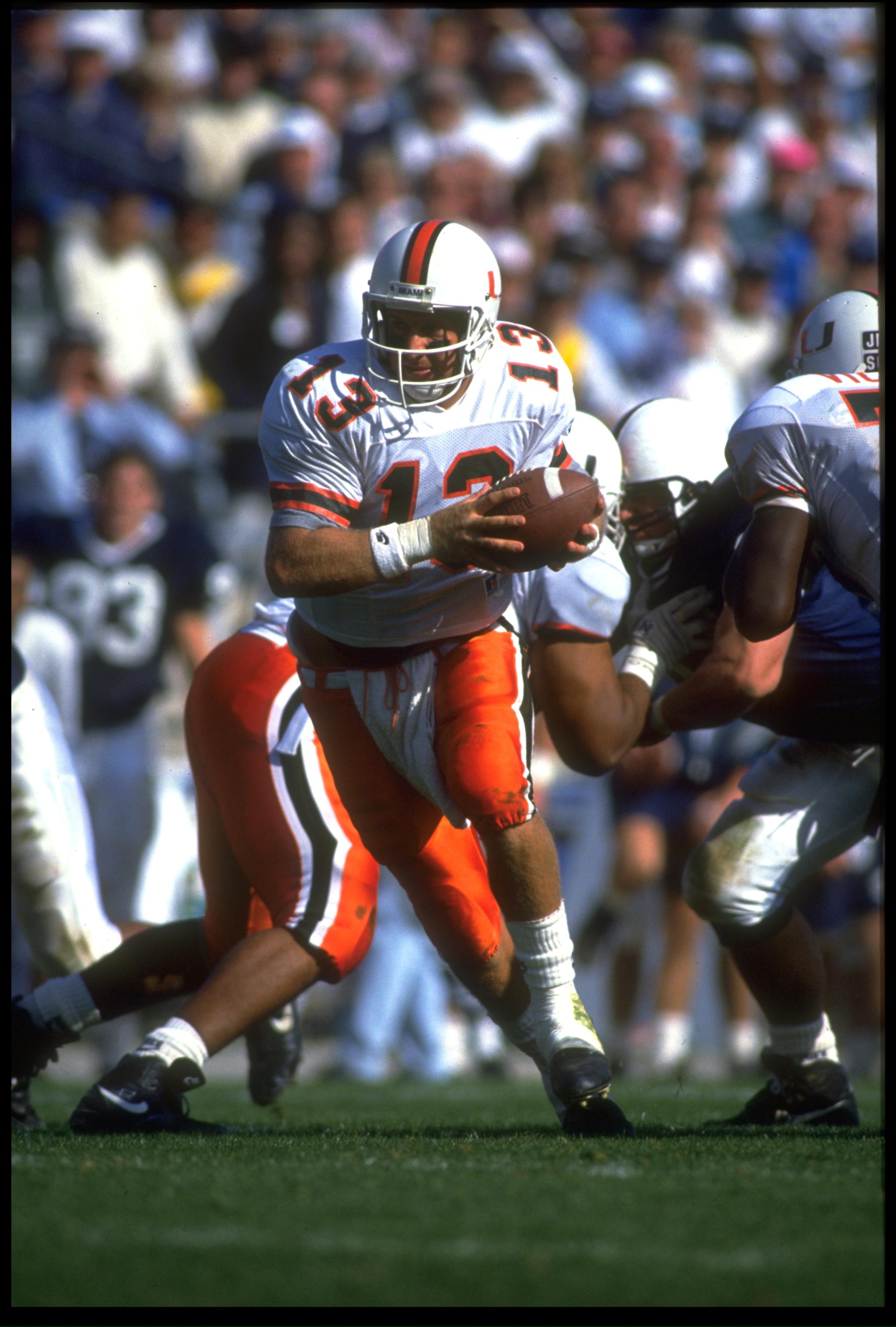
Torretta had a good season, with 3,060 yards and 19 touchdowns, but it wasn't a great season by any means and hardly stacks up with most of the Heisman campaigns.
1992 was one of Miami's best seasons, with a team stacked on both sides of the ball that cruised to the National Championship Game.
It was one of those years voters just weren't sure who to vote for and went with the quarterback of the nation's top team. The sad part is that Torretta won the award by a landslide, beating out future NFL Hall of Fame running back Marshall Faulk of San Diego State.
3. John David Crow, RB, Texas A&M, 1957
8 of 10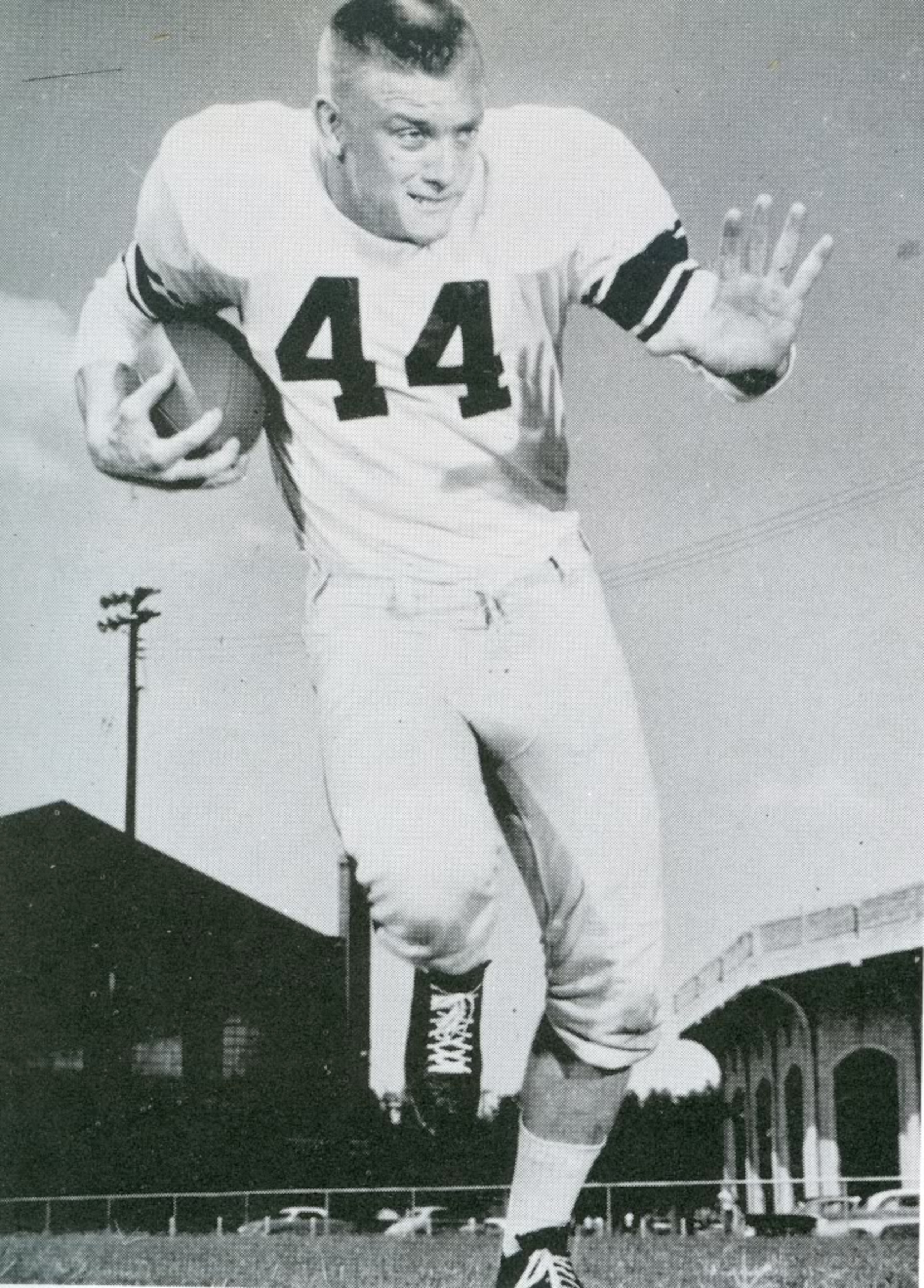
John David Crow didn't have a particularly strong season in 1957, rushing for 562 yards and six touchdowns after playing in only seven games due to injuries.
To be fair, if he'd been healthy, Crow would likely have had an awesome season and we wouldn't be having this discussion right now, but the reality is that he did get hurt and did only play in seven games.
Heisman's can't be awarded on projections, and potential and that's exactly what happened in Crow's case. Iowa's Alex Karras should have been the first defensive player to ever win the award in 1957, but unfortunately didn't even come close.
2. Johnny Lattner, HB, Notre Dame, 1953
9 of 10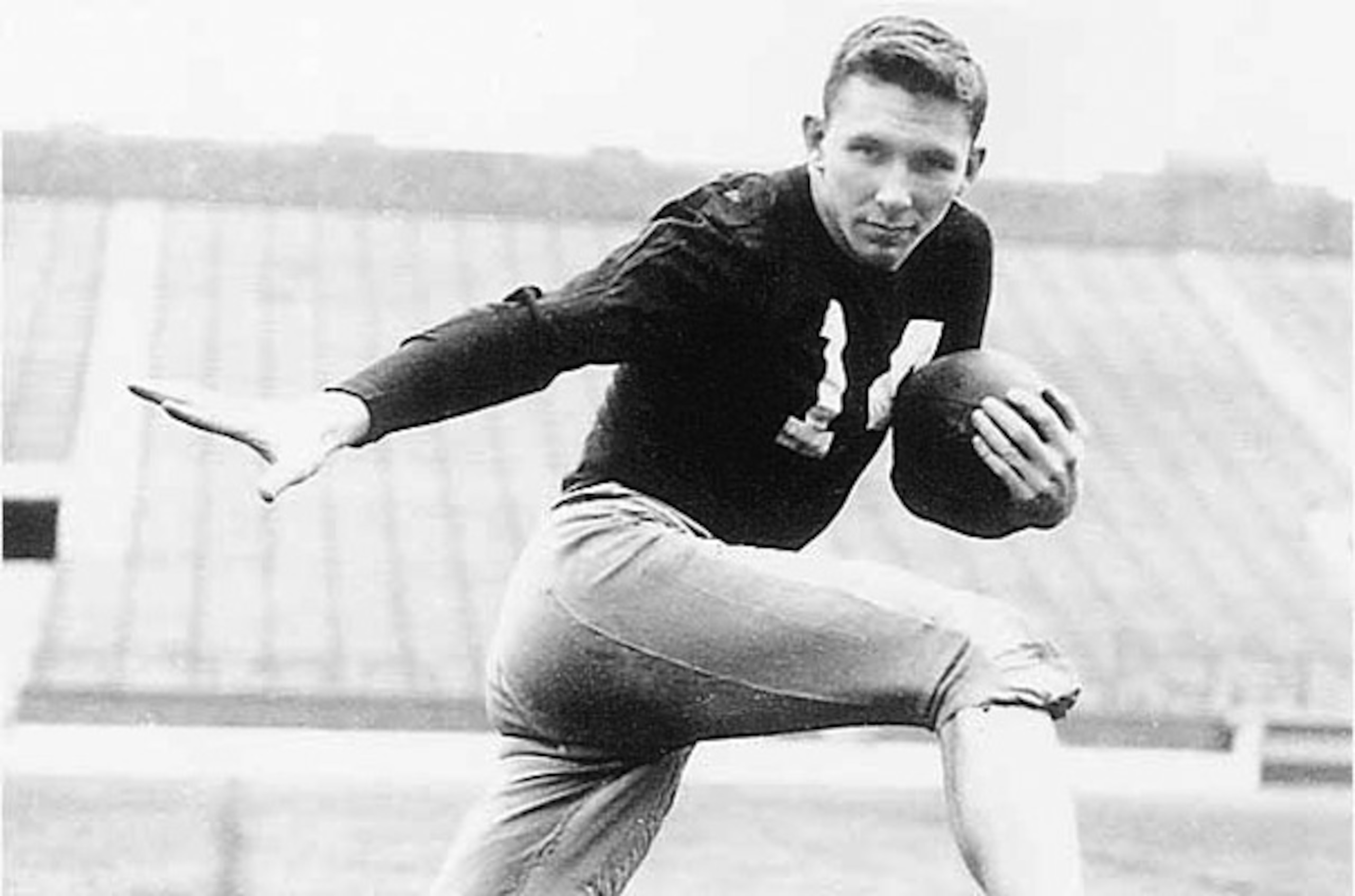
Notre Dame's 1953 team was one of the most talented of it's era and Johnny Lattner was a great representation of that.
He was a solid all-around player, contributing as a rusher, receiver, returner and defender, but he wasn't great in any one particular area, he was good at pretty much everything.
Lattner didn't have the impact that Minnesota's Paul Geil had though. Geil was the best running back in the nation and if the two had switched teams, Geil would have won the Heisman in a landslide rather than lose it by 56 votes.
1. Gary Beban, QB, UCLA, 1967
10 of 10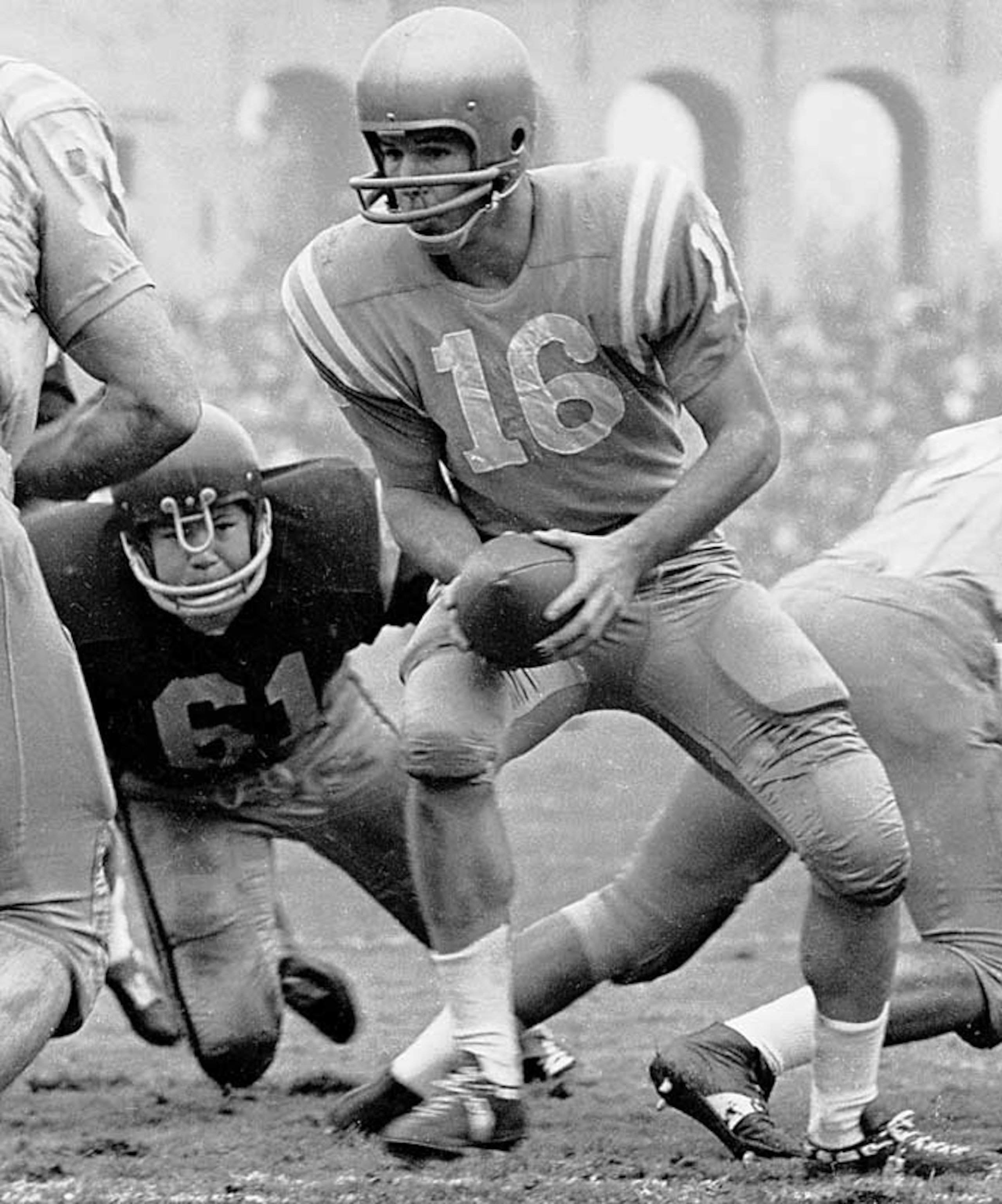
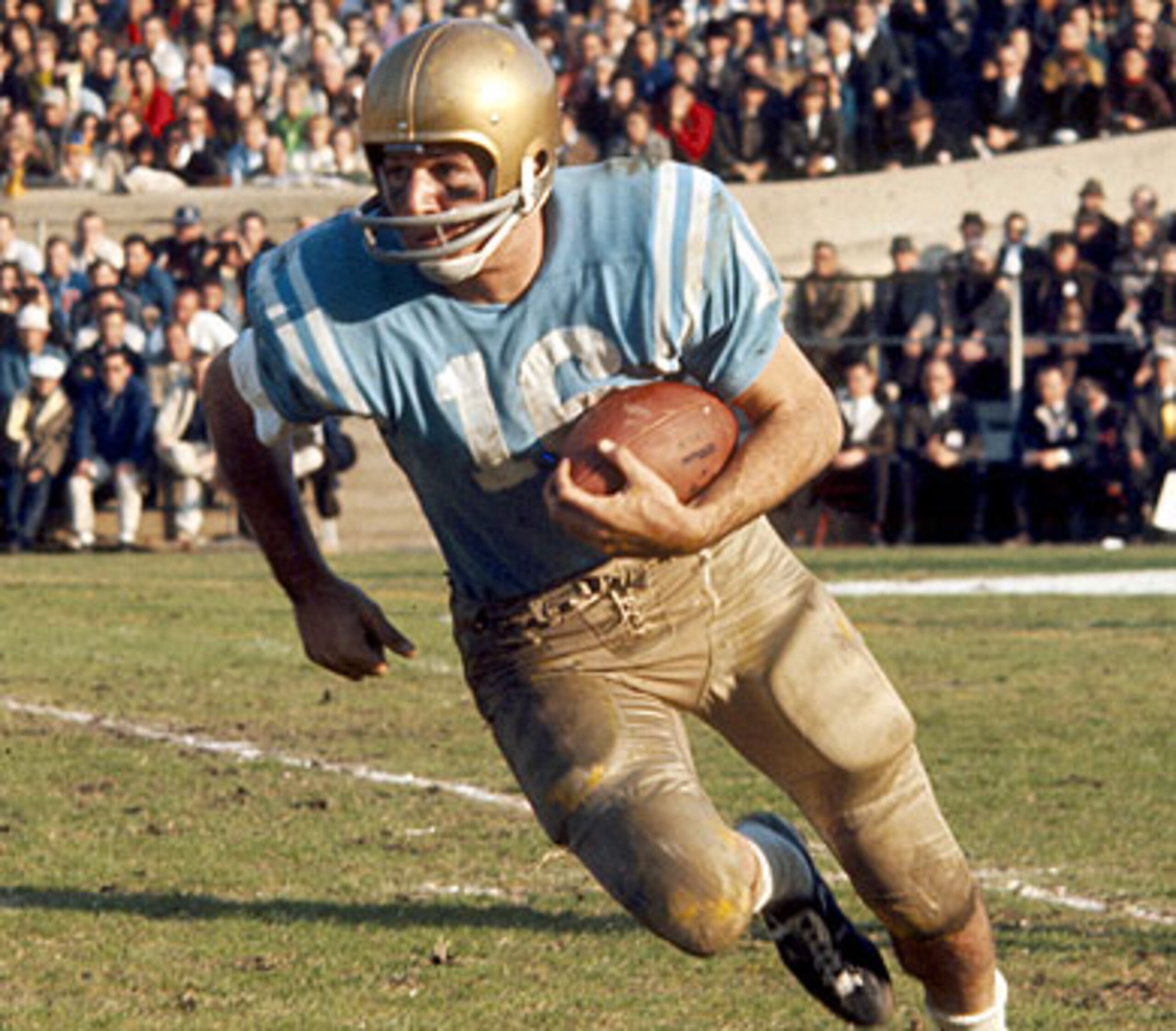
Gary Beban's Heisman-winning campaign is baffling, there's really no other way to put it.
He threw for only 1,359 yards with eight touchdown passes and eight interceptions, adding 227 rushing yards and 11 more touchdowns; numbers that even for their time were wholly average.
Not only did Beban have arguably the worst numbers of an Heisman winner in history who played a full season, but he edged O.J. Simpson for the award as well.



.jpg?w=2560 "Dak to Stroud: Get Some Wins 💯")
.jpg?w=2560 "5 NFL Players Getting Trade Buzz")
.jpg?w=2560 "NFL Won't Fine 'Beverage' Celebrations 🍻")