

Liverpool Produced a Perfect Performance; How Manchester City Can Do the Same
Liverpool's demolition of Manchester City in the Champions League on Wednesday was a product of two ends of a spectrum colliding.
The Reds, fired up by a livewire Jurgen Klopp and a rabid Anfield, put in what many would consider to be a perfect performance—almost without fault—while the Citizens, hampered by bizarre, damaging tactical instruction from Pep Guardiola, put in something approaching the opposite.
For the hosts, everything that could go right went right. Their attacking execution was spot-on, their defensive resilience was on show when it needed to be, and they even shaded the luck margins, benefiting from two tight offside calls.

.jpg?w=2560)

For the visitors, everything that has usually fallen into place so naturally this season missed the hole—consistently. There was no fluidity in the final third, no Leroy Sane game-breaking magic and no Ederson masterclass to limit the damage.
To see City, a side who have blitzed almost every opponent they've come into contact with this term and are waltzing to the Premier League title, rendered so ordinary was a shock to the system. This was just their fourth loss of the season, and the first in which they were made to look thoroughly second best.
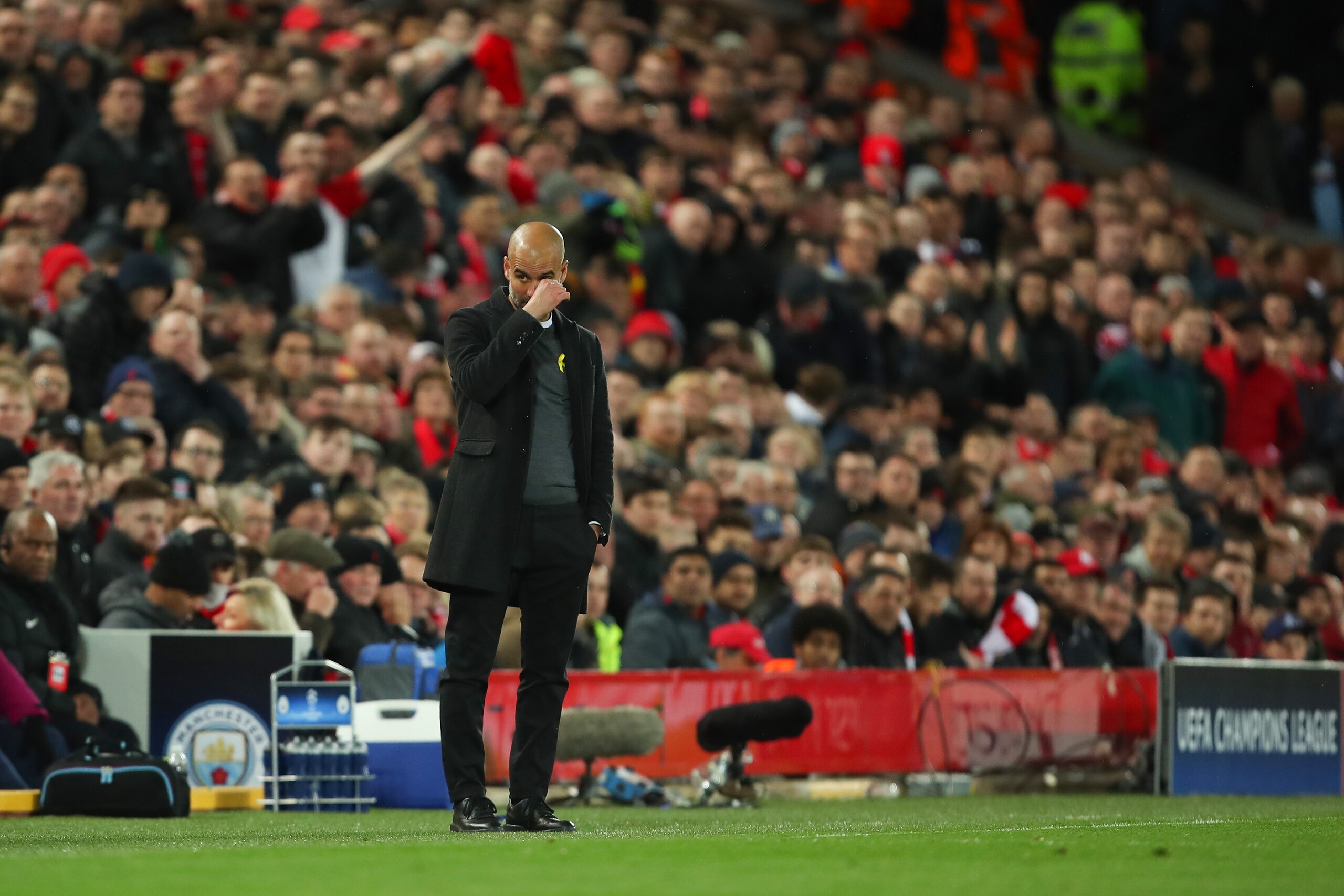
Perhaps tellingly, half of those defeats have now come at the hands of Klopp. The two league meetings these clubs shared this season birthed suggestions the German had figured out a way to combat Guardiola tactically, and the the events of Wednesday went some way to confirming that. Parts of the performance were eerily similar to January's 4-3 win, and that can be no coincidence.
Guardiola's part in the disaster should not be underplayed, though. He's a tactical genius and deserves great credit for City's ridiculous campaign, but he flushed the quarter-final first leg down the toilet with a series of pre-match moves that backfired spectacularly.
It's not the first time he's done that either; his Champions League knockout-stage away record is pretty poor (four wins in 21 games), and he's outthought himself on big occasions a few too many times now.
That's the problem with being cleverer than most—mistakes will scale accordingly.
Perhaps spooked by his team's inability to cope with the intense midfield pressure Liverpool subjected them to on January 14, Guardiola moved away from the 4-3-3 formation that has served him so well all season. What he produced in its stead was rather difficult to describe.
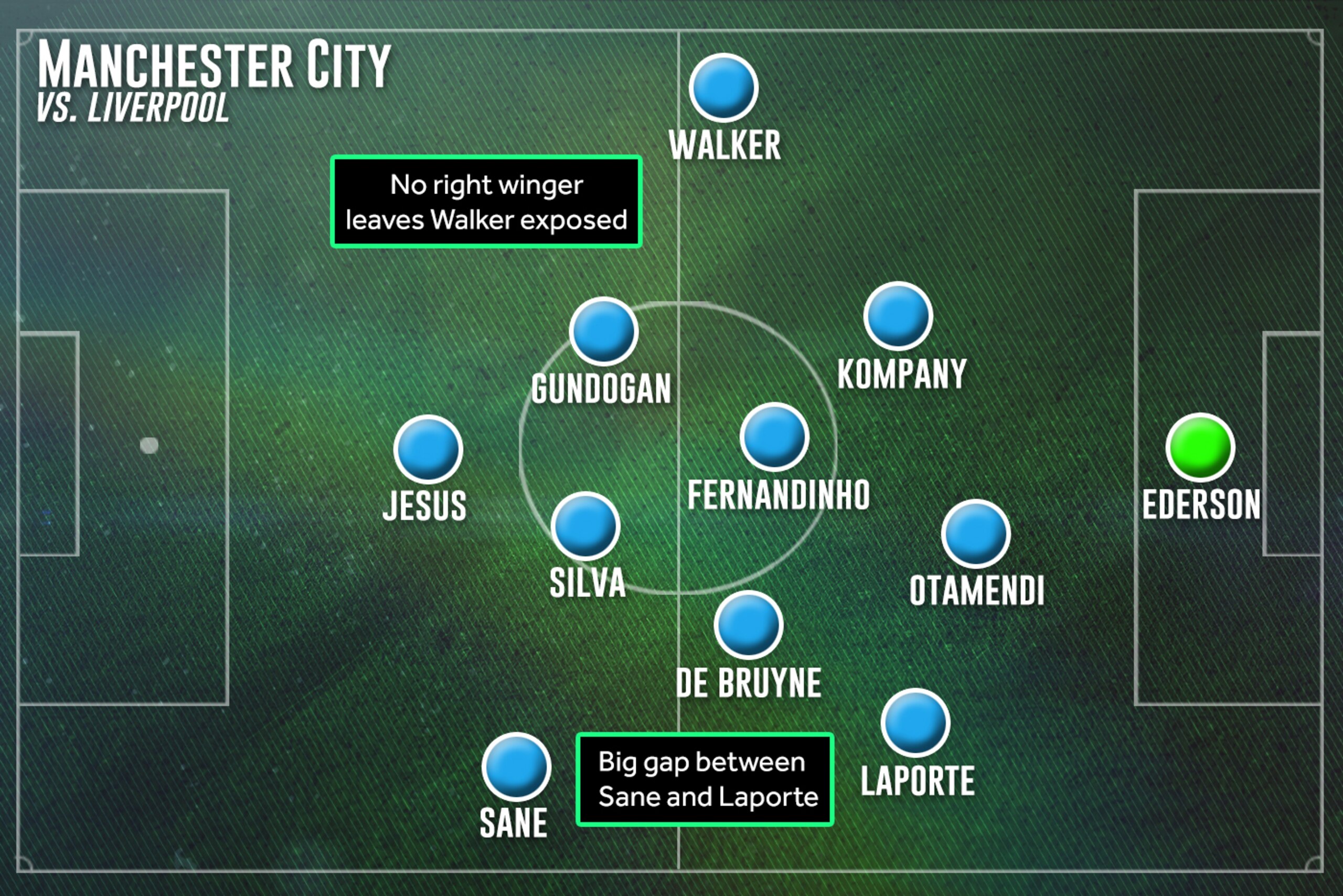
Kevin De Bruyne started alongside Fernandinho, presumably to help build from the back under pressure, while David Silva darted in and out of the attacking-midfield zones.
Aymeric Laporte played as a narrow left-back, coming inside to match Mohamed Salah's channel runs, while Ilkay Gundogan floated somewhere between winger and attacking midfielder, leaving Kyle Walker with the entire right wing and Leroy Sane with most of the left.
At times, it looked a 4-2-2-2; at others, a diamond. Occasionally it looked like a 3-5-2. Whichever numerical label you choose, its execution was disastrous.
Liverpool's first port of call was to play Salah in through the channel, between Laporte and Nicolas Otamendi, and the first goal arose from one of these counter moves.
Their next call was to push Andrew Robertson forward and create a two-on-one with Sadio Mane against Walker, with the City full-back lacking any cover whatsoever due to the shape of the system. It forced a sloppy, error-strewn game from the England international.
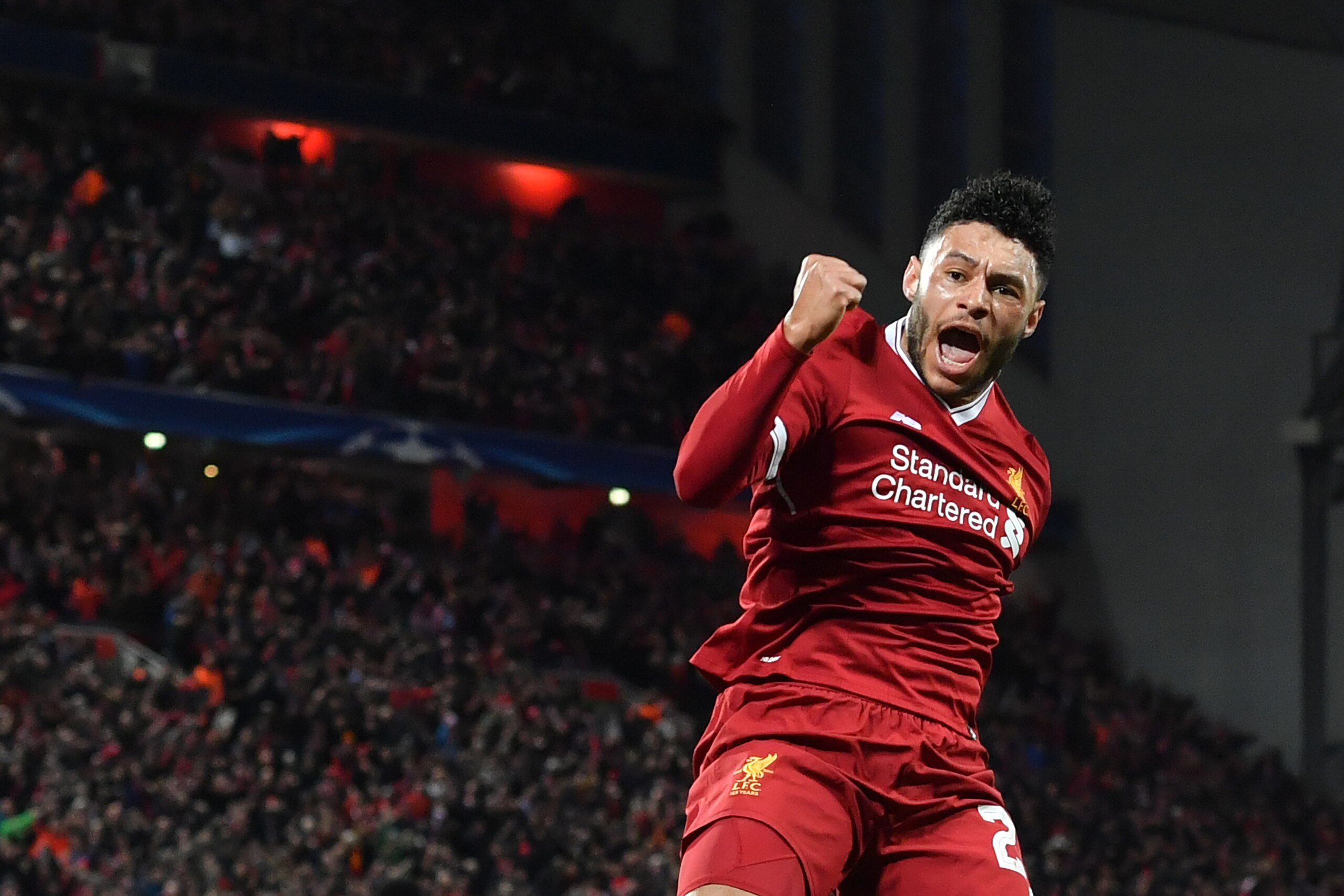
They also continued to push and press in midfield, with Jordan Henderson, James Milner and Alex Oxlade-Chamberlain winning duels and skipping into space in the aftermath. The second goal came from this move.
Guardiola acknowledged his errors early on, moving to a more obvious 4-4-2 diamond shape midway through the first half. Little improvement followed, though; and 10 minutes later, it was back to the 4-3-3, with De Bruyne on the right flank and Gundogan restored to a true midfield role.
By that time, though, they were already three down.
Almost every time Guardiola has moved away from the 4-3-3 this season, City's fluency and telepathic movements have abandoned them. The Carabao Cup final—although they won 3-0 in the end—serves as an example of this, while the period in which Sergio Aguero and Gabriel Jesus were rammed into the same team offers another.
What Guardiola tried to do at Anfield was create a numerical superiority (four vs. three) in midfield so they could deal with the midfield press better, while simultaneously lining Sane up one-on-one with Trent Alexander-Arnold on the left. Having struggled woefully against Marcus Rashford and Wilfried Zaha, the Liverpool right-back was an obvious target.
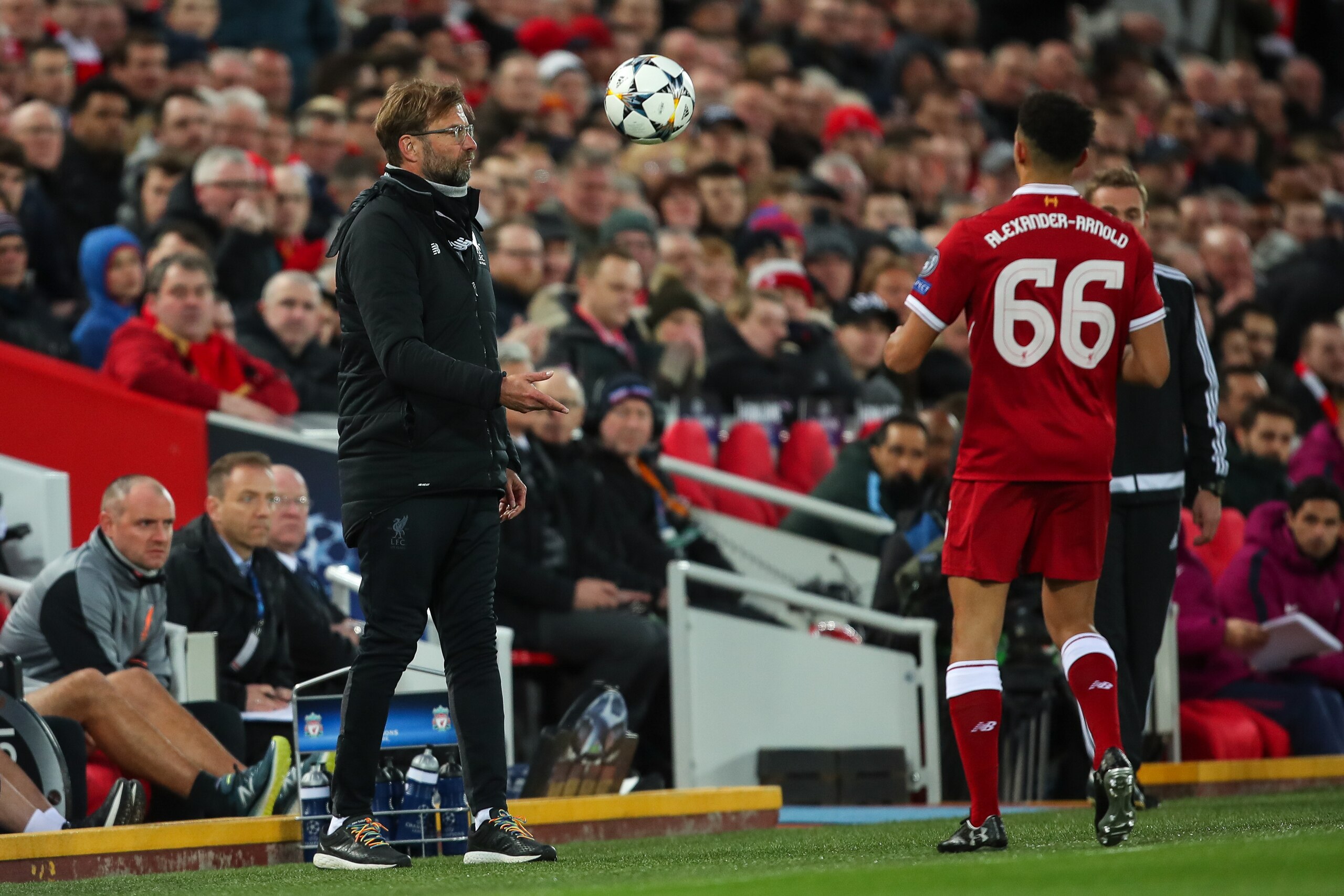
However, the scheme combusted, and the reversion to 4-3-3 just before half-time was an acceptance of that from the City boss.
They controlled the second half and looked the only side likely to score, but Alexander-Arnold had the game of his life against Sane and prevented the perceived weakness from yielding an away goal. Liverpool showed a newfangled composure in defending deep to close out the perfect first leg.
It leaves City in a horrifying position. The contest is only half finished, but having to chase three goals and push high against a side so good at counter-attacking is far from ideal.
No amount of hot air in the media between now and Tuesday will change that, and even Guardiola—one of the finest tacticians the game has produced—is going to struggle to turn this around.
What kind of blueprint can launch City back into this tie? For them to progress next week, it will have to be nigh-on flawless—just as Liverpool's was this week—and include the following concepts at minimum:
- Aim for the Sane vs. Alexander-Arnold one-on-one again, this time taking the 19-year-old on successfully without Anfield to roar him on
- Utilise Raheem Sterling's ability to stretch the pitch wide on the right, bringing Walker into play and creating gaps between Liverpool's midfielders to take advantage of
- Play Fabian Delph at left-back; he's not perfect, but he links better with the midfield, and City must support Sane better in attack
- Trust that the marvellous midfield can handle Liverpool's unit three vs. three, enabling the use of 4-3-3 from the start.
City must seize control of the tempo immediately, just as they did at Anfield, but this time they can't lose their grip after 10 minutes.
Keeping the ball reduces Liverpool's chances of sending Salah in behind. While it's impossible to remove that possibility with the score at 0-3, he can't be allowed to play as big a part again.
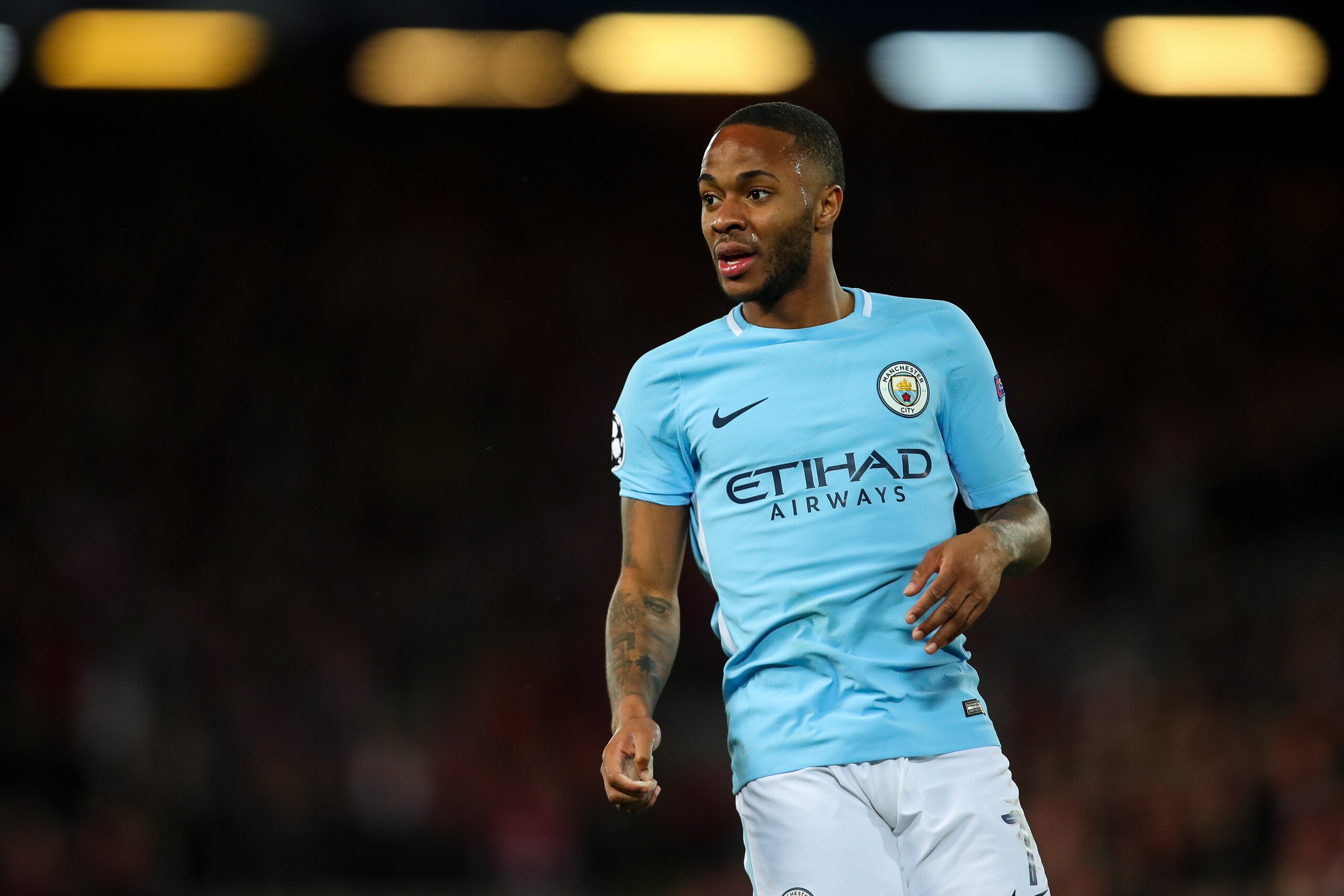
Jesus must play a part in the final third, and perhaps Guardiola will opt to use Sterling as a false nine with the Brazil international on the flank. It's a tactic that worked superbly in the last Manchester derby and nodded towards an even greater master plan in the works.
There will have to be an element of luck involved if City are to recover. They can't stop Liverpool from attacking in the way they do, so they must hope it falls apart for the Reds in the same way it did for them.
Guardiola's men are more than capable of scoring three goals against any team, but they need a La Remontada-esque night at the Etihad Stadium to book a semi-final berth.
All statistics via WhoScored.com
.jpg?w=2560 "Falcons Saints Football")
.jpg?w=2560 "Rams Eagles Football")
.jpg?w=2560 "Injury-stricken Seahawks signing veteran RB")


.jpg?w=2560 "2 NFL Officials Suspended")
