

Red Sox's Championship Pedigree Permeating 2016 MLB Playoffs
The Boston Red Sox themselves are nowhere to be seen, but there are still Red Sox ties everywhere you look in the 2016 postseason.
The Chicago Cubs have a front office run by former Red Sox executives and a roster populated by former Red Sox players. The Los Angeles Dodgers are managed by a former Red Sox player who's benefiting from talent developed by another former Red Sox player. The Cleveland Indians have former Red Sox stars who are managed by a former Red Sox skipper.
Given that the Red Sox are one of only two teams to win three World Series this century, nobody should be surprised they've grown the baseball equivalent of a Bill Walsh or Phil Jackson coaching tree.
TOP NEWS

Yankees Sloppy in Game 2 Loss 😬

Realistic Offseason Trade Ideas 💡

Players Who Were Worse Than You Think in 2026 ⚾
And if nothing else, it's a fascinating case study of what went into building their dynasty.
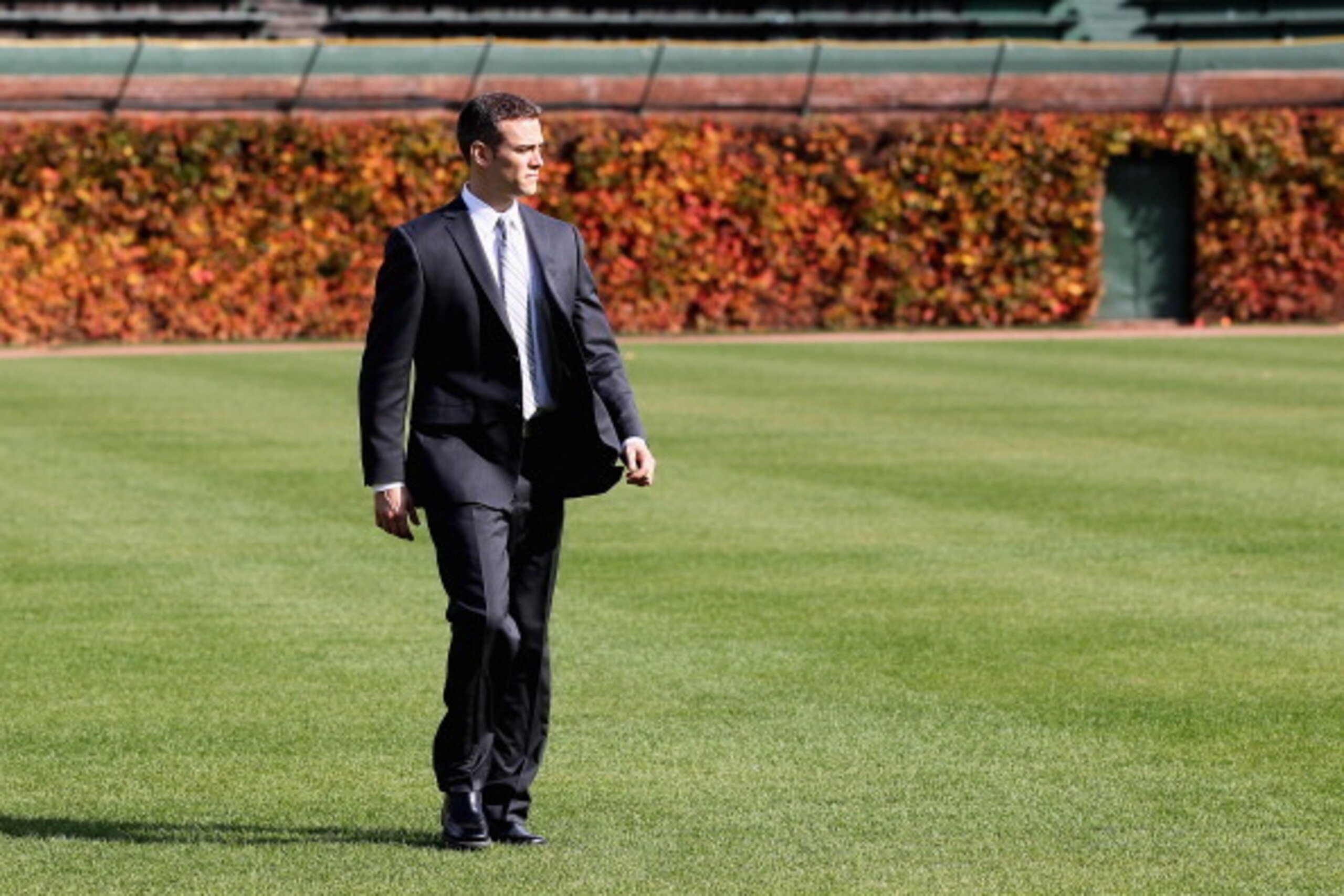
In seeking to snap their 108-year championship drought, the Cubs are out to do what the Red Sox did when they broke their 86-year curse in 2004. Theo Epstein, Chicago's president of baseball operations, is just the man for the job after building championship teams in Boston in 2004 and 2007 and leaving behind the foundation for a championship in 2013.
"I guess I kind of played a small part in proving [curses] don't exist, from a baseball standpoint," he told Paul Sullivan of the Chicago Tribune in September. "But I do believe you can be honest and upfront about the fact a certain organization hasn't gotten the job done, hasn't won a World Series in a long time."
Epstein wasted no time being honest and upfront when he joined the Cubs in 2011. He spoke at his introductory presser about needing "to build the best baseball operation" and "establish a winning culture." So began the multiyear process of tearing the Cubs down and building them back up.
The effort finally bore fruit last year when Joe Maddon led a roster loaded with young talent to 97 wins and the National League Championship Series. Maddon also had former Red Sox champions Jon Lester and David Ross as veteran presences. He got another for 2016 when, for the second time in his career, Epstein signed John Lackey. All three have played huge roles on the 2016 team.
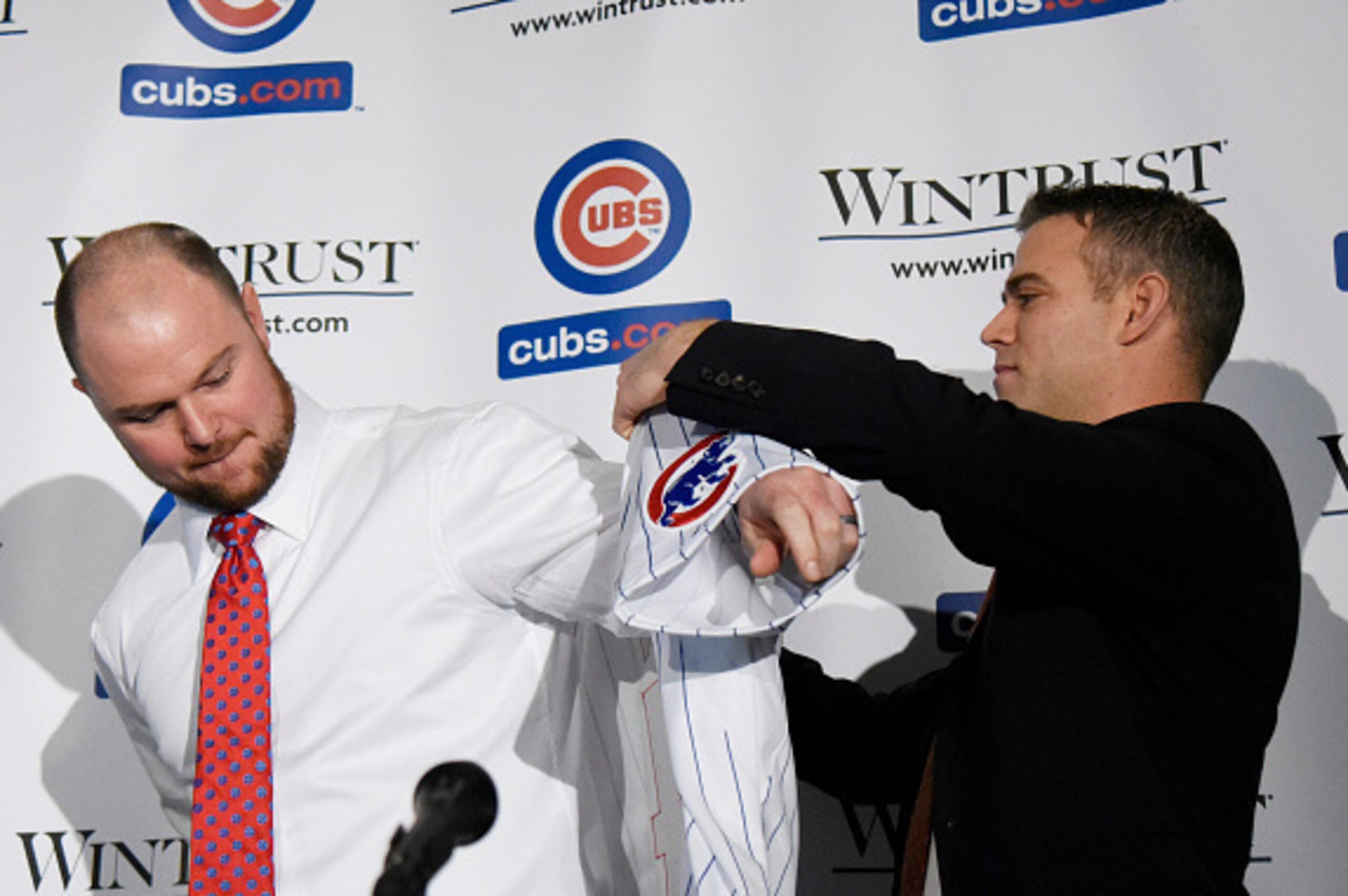
Now, the hope is that the Cubs' 2015 season can be to their 2016 season what Boston's 2003 season was to its 2004 season: a mere tease for bigger and better things.
"There [are] a lot of similarities," Epstein told Evan Drellich of the Boston Herald on Friday. "I've had some flashbacks here and there."
But it's the 2007 Red Sox who are the more appropriate precedent for today's Cubs. Though Epstein added key pieces—David Ortiz, Curt Schilling, Keith Foulke et al.—the 2004 team was built on a foundation inherited from Dan Duquette. To build his own foundation, Epstein needed to repair a farm system that Baseball America had ranked in the bottom 10 each year from 2000 to 2005.
Epstein turned it into a top-10 system by 2006. The next year, homegrown players such as Lester, Dustin Pedroia, Jonathan Papelbon, Jacoby Ellsbury and Kevin Youkilis teamed with 2004 holdovers such as Ortiz, Schilling and Manny Ramirez to deliver the Red Sox's second World Series title in four years. Lester, Ortiz, Pedroia and Ellsbury were still around when the Red Sox did it again in 2013.
Epstein has pulled the same trick with the Cubs. He's taken a barren farm system and used the draft, trades and international signings to produce Kris Bryant, Anthony Rizzo, Addison Russell, Kyle Hendricks, Kyle Schwarber, Jorge Soler, Albert Almora Jr. and Carl Edwards Jr. Javier Baez and Willson Contreras, two holdovers from the previous regime, have blossomed in the Epstein era.
Of course, Epstein doesn't get all the credit. He's joined by general manager Jed Hoyer, vice president of scouting and player development Jason McLeod and director of pro scouting Jared Porter, each of whom worked under him in Boston. The Cubs have also found advisory roles for a handful of former Red Sox players, most notably Ramirez and Youkilis.
The former Red Sox players with the really important jobs, however, are found on the Dodgers.
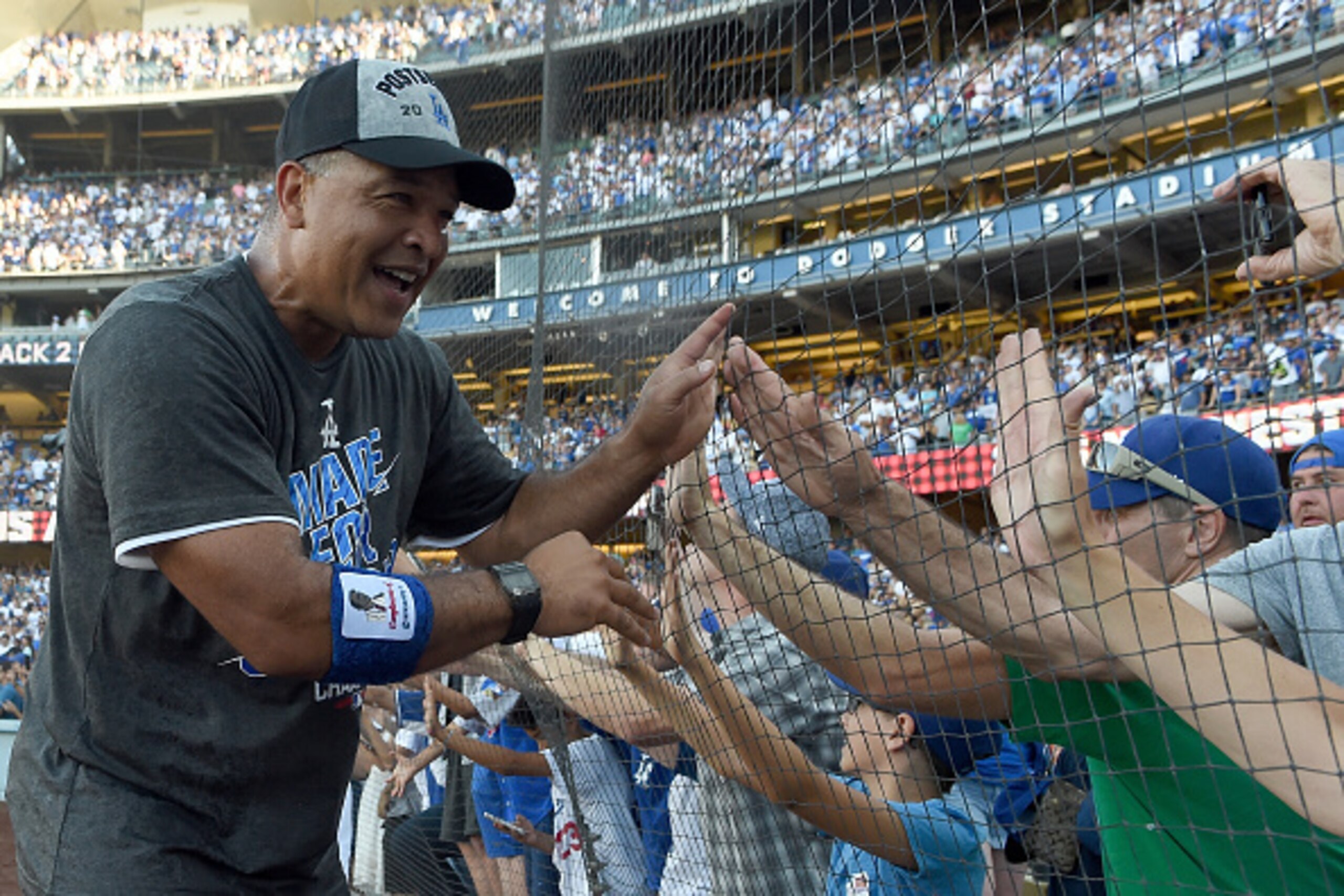
Before this season, first-year Dodgers skipper Dave Roberts was best known for kicking off the Red Sox's run to history with his stolen base in Game 4 of the 2004 American League Championship Series.
That was made possible not just by the speed that delivered 243 career stolen bases but also by the intelligence that made Roberts one of the most efficient base stealers in the integration era. He told James Wagner of the New York Times on Friday that he prides himself on being "a lifelong learner."
To hear it from Ross, who played with Roberts in Los Angeles and San Diego in the early to mid-2000s, Roberts is also a natural leader.
"He's a guy that took me under his wing. When you have a veteran player that was a role player too, it was just nice to hear his side of things when you talk baseball," Ross told Bob Nightengale of USA Today on Friday. "A quality human being, as well as a phenomenal player, you understood you could be a well-rounded person and a good player."
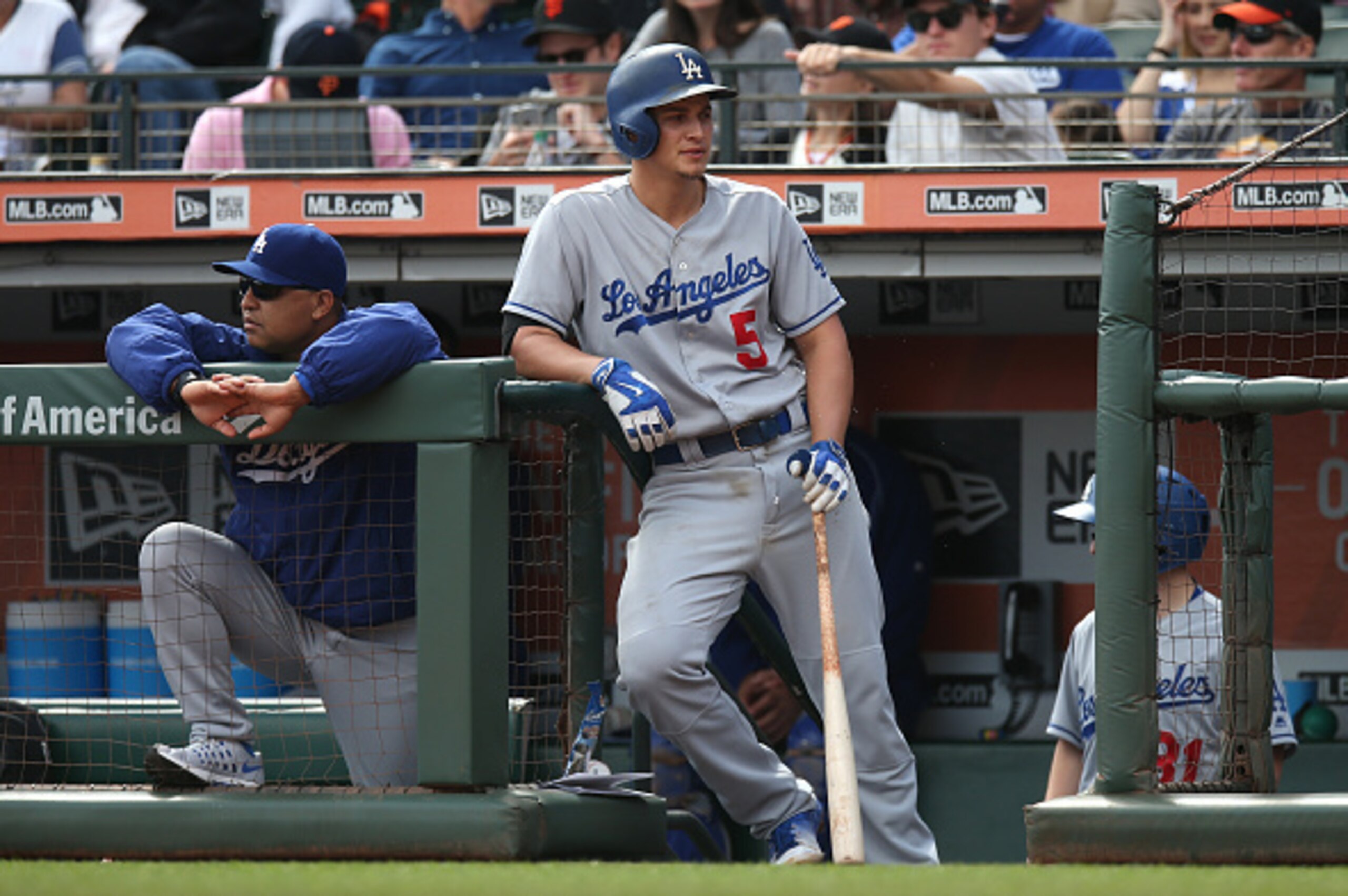
Feeding Roberts' success have been recently homegrown players such as Corey Seager, Joc Pederson and Julio Urias. Some of the credit goes to another former Red Sox role player who was named the Dodgers director of player development in 2015: Gabe Kapler.
Between 2003 and 2006, Kapler played in more than six times as many games with the Red Sox (327) as Roberts (48). But it's what he did for them off the field that set the stage for his current career. When the Red Sox hired him in 2006 to manager their Single-A affiliate, the Greenville Drive, they gave him a job befitting a guy who, in the words of MLB.com's Mike Petraglia, was "one of the most thoughtful and thought-provoking Red Sox players in recent memory."
Kapler hasn't changed. In a chat with Wilson Karaman of Baseball Prospectus, he spoke of taking a "holistic approach" to developing Dodgers prospects as players and as people. This line of thinking has roots in his Greenville gig.
"As players, we see [the game] from whatever our angle is, but it's not a broad enough perspective to be good at this job, spending day in and day out with 25 guys," Kapler told MLB.com's Lisa Winston back in 2007. "You have to pay attention to who they are, you have got to know them inside and out to get them to bring their best on a regular basis."
Where did Kapler learn this? Apparently from the guy who's now managing in Cleveland.
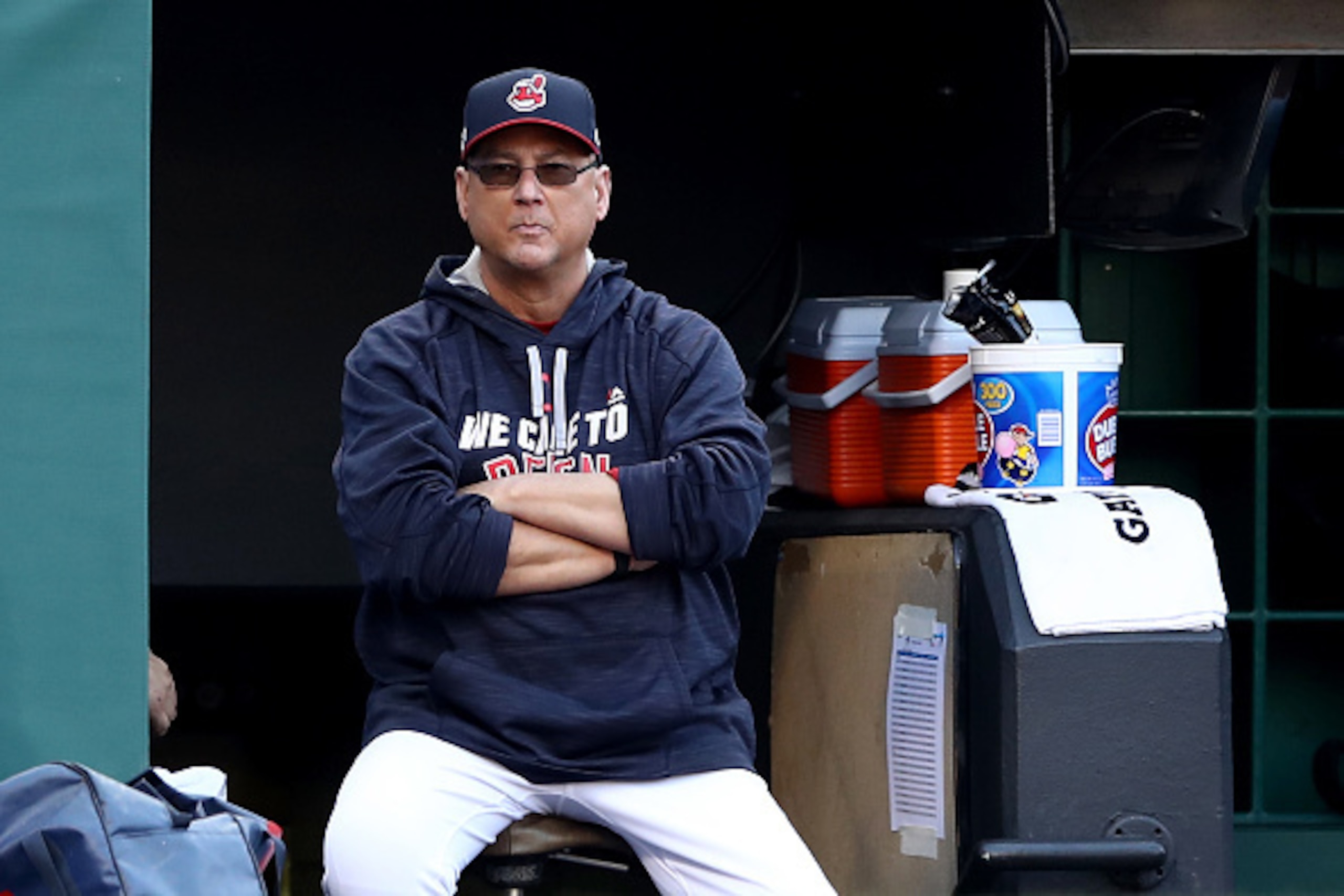
In his fourth season at the helm, Terry Francona has the Indians in the ALCS in part because of how he's rewritten the book on bullpens with his use of Andrew Miller—who, along with Mike Napoli and Coco Crisp, is one of three Indians with a Red Sox championship ring.
But for the most part, Francona is driving the Indians with the same qualities that he used to drive the Red Sox to eight winning seasons and two World Series from 2004 to 2011. He's known as a classic player's manager—a reputation he attracted by being as genuine as he can be.
"I used to ask a lot of questions, but I really, really thought that being myself was the best approach," Francona told Paul Hoynes of Cleveland.com on Oct. 5. "Players see through you if you're not yourself, and I didn't think there was anything wrong with players knowing that you cared about them."
Francona's approach has worked in Cleveland the same way it did in Boston, particularly in that 2007 season. He got a roster split between young, homegrown talent and grizzled veterans to buy into the same goal. He's done so with the power of communication.

"Terry is a big reason why we are here right now," outfielder Rajai Davis told David Waldstein of the New York Times on Oct. 9, one day before the Indians eliminated Francona's former team. "From spring training on, he let us know that if we valued winning more than any other team, then we'll be in this position that we're in."
It won't be any consolation to the Red Sox if any of their alumni named above win a championship ring in 2016. And while we're being honest, the Red Sox tree has grown just as much from turmoil as anything else.
Consider the Red Sox in contrast to the other team to win three championships this century. Part of the reason there's not yet a San Francisco Giants tree growing through MLB is because they're still riding their run of success. But it's also because they don't let their people get away. Brian Sabean and Bobby Evans are still running the front office. Bruce Bochy is still the skipper. Buster Posey is one of many players the Giants have shown their loyalty to in the form of fat checks.
The Red Sox? Not so much.
Some of that is because of the normal currents that move players and decision-makers around. But there's also the "What have you done for me lately?" attitude that often steers Red Sox management. It all but led to Epstein and Francona being run out of town on a rail after the infamous collapse of 2011, and it had a hand in reshaping Boston's rosters over the years.
But through all that, the Red Sox built a dynasty. Joe Posnanski was right on the money when he wrote for Hardball Talk in 2013 about Boston being a different kind of dynasty. But at any given moment, it revolved around smart, talented people at all levels of the organization.
And while they may no longer be wearing Red Sox uniforms, many of those smart, talented people are chasing a championship with the strengths that made them champions in Boston.
Stats courtesy of Baseball-Reference.com and FanGraphs unless otherwise noted/linked.

.jpg?w=2560 "Grading WWE Raw 🔠")



.jpg?w=2560 "2 NFL Officials Suspended")
.jpg?w=2560 "Viral Rams Coach Vid 🖕")
