Free Agents the Boston Celtics Should Let Walk This Offseason
The Boston Celtics' current core is a few additions short of title contention,which should make the front office's summer activity a key stamp in this team's historic timeline.
Teams around the league are projecting a cap spike to $92 million for 2016-17, according to ESPN.com's Zach Lowe. Boston has $51 million in salary commitments for next year, a figure it could slice down to just under $34 million by renouncing its cap holds and team options, according to Spotrac.
Boston already has most of its starters and key bench cogs tied down to multiyear, below-value deals. Sprinkle in a high-lottery draft pick from the Brooklyn Nets, and the Celtics' offseason becomes more exciting than the playoff run the team is currently gearing up for.
TOP NEWS
Broadcaster sorry for false LeBron rumor
76ers HC Addresses Bron-Embiid Rumors

Moves That Could Backfire 😨
Celtics general manager Danny Ainge has an almost infinite amount of room to get creative.
Cutting down the salary sheet to $34 million isn't entirely realistic (Jared Sullinger shouldn't be going anywhere), but even hovering around $45 million would be sufficient for Boston to chase anyone it pleases and more. To get there, it will inevitably have to wave goodbye to several of its impending free agents.
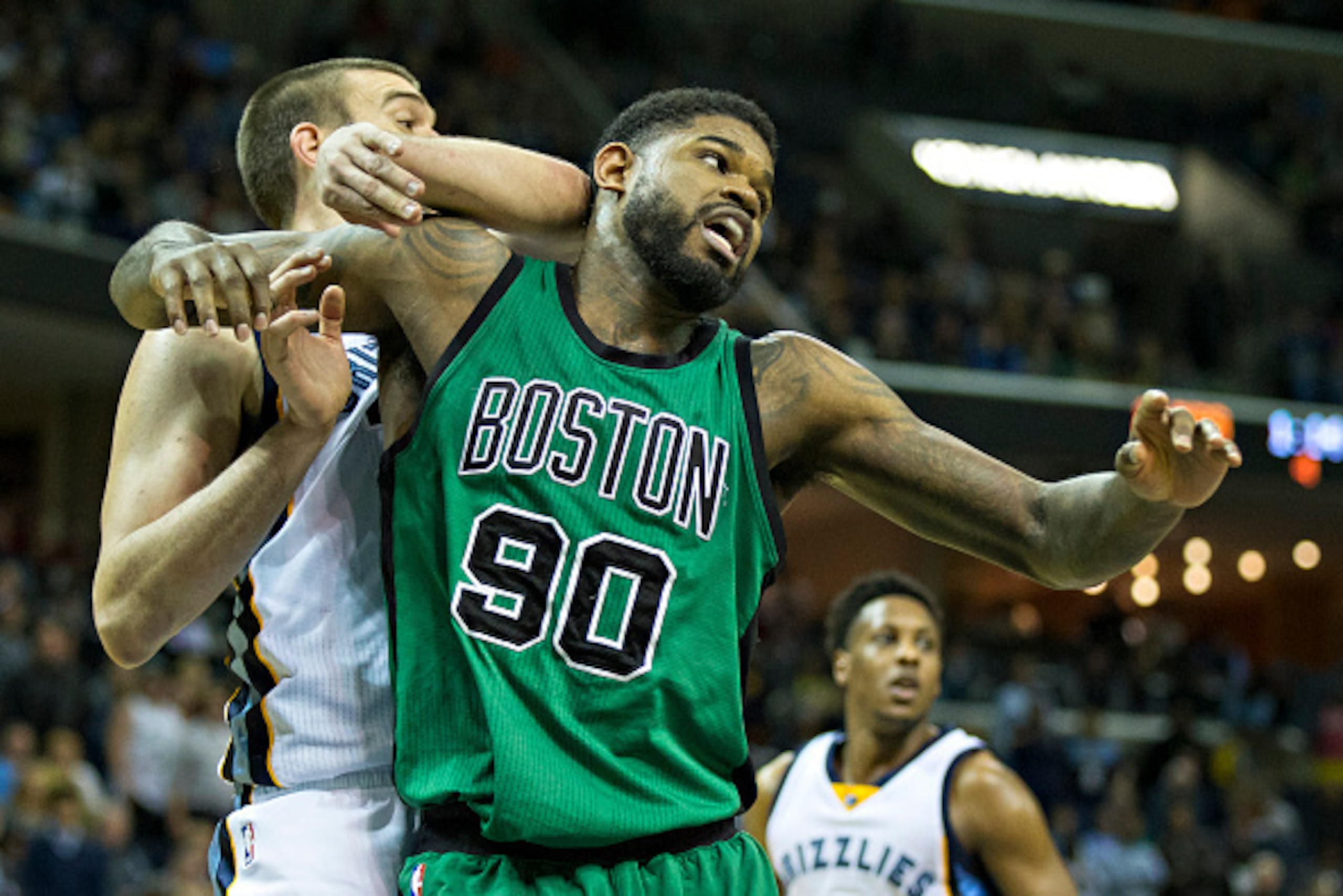
Amir Johnson
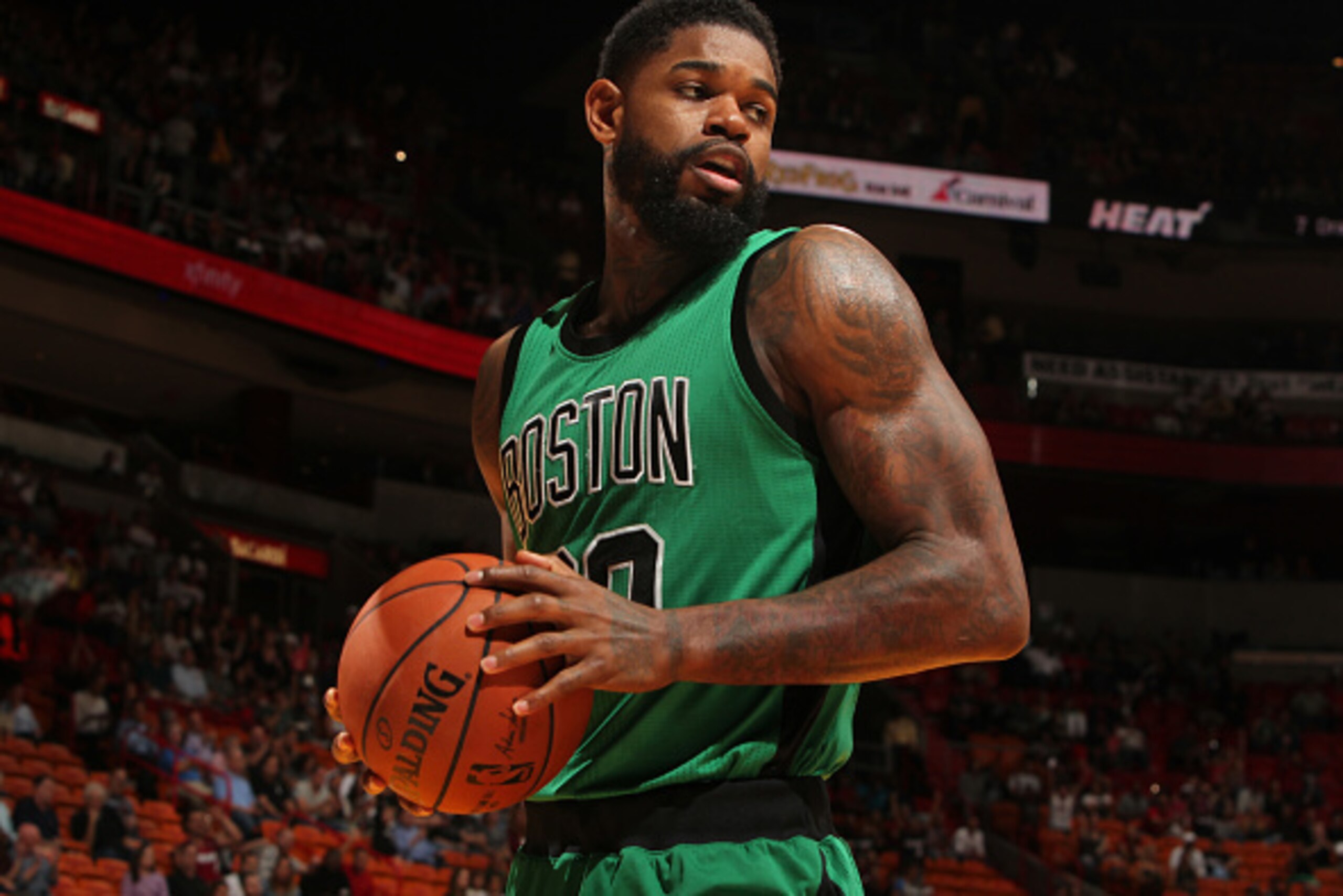
Swift rotations and an ability to switch the pick-and-roll across multiple positions fuel Boston's stingy defense. But that defense struggles to contain size, especially close to the basket, and that's where Amir Johnson has brought the most value. Boston loses out on a lot of 50-50 plays when he sits, and the advanced statistics department backs his rim-protection impact.
Johnson solidifies the starting lineup, crashes the boards relentlessly and fills a niche for the Celtics. His tenure with the team has been positive by all accounts. He has held opponents to an excellent 47.6 field-goal percentage at the rim, the best mark by any Celtic this season, according to NBA.com. That figure also ranks him top-20 among NBA players who have logged 30 or more games and contested at least five shots on average.
That said, Boston should move on. Boston brought Johnson in as a temporary fit last summer following an otherwise uneventful free-agency period. Rob Mahoney of Sports Illustrated echoed the sentiment in his immediate reaction to the signing:
"Johnson, in a sense, works as a placeholder. This deal will likely take him over the cusp of his playing prime, lasting until his 30th birthday if not sooner. Steve Bulpett of the Boston Herald reported that the second year of Johnson's contract would be unguaranteed, leaving the Celtics with the flexibility to bail after next season should Johnson's health or play become any kind of problem.
"
His $12 million per-year price tag, while relatively steep, isn't outrageous in an NBA landscape where big men with similar skill sets are signing multiyear deals worth close to nine figures. But cap space is valuable, especially since the Celtics should be a more attractive destination for free agents moving forward.
Winning a championship with Johnson as the starting center is improbable because he doesn't bring enough on the offensive end. Inconsistency has often kept him out of crunch-time lineups.
The Dallas Mavericks have proved in the past that it's possible to build an elite team with a non-shooting big in the middle (Tyson Chandler), as have the Los Angeles Clippers (DeAndre Jordan). But that center has to have the right personnel surrounding him while possessing elite skills in other categories.
If Johnson, who will be 29 by the end of this season, isn't the starting center of the future, the Celtics are better off thanking him for his service and targeting other players.
Tyler Zeller
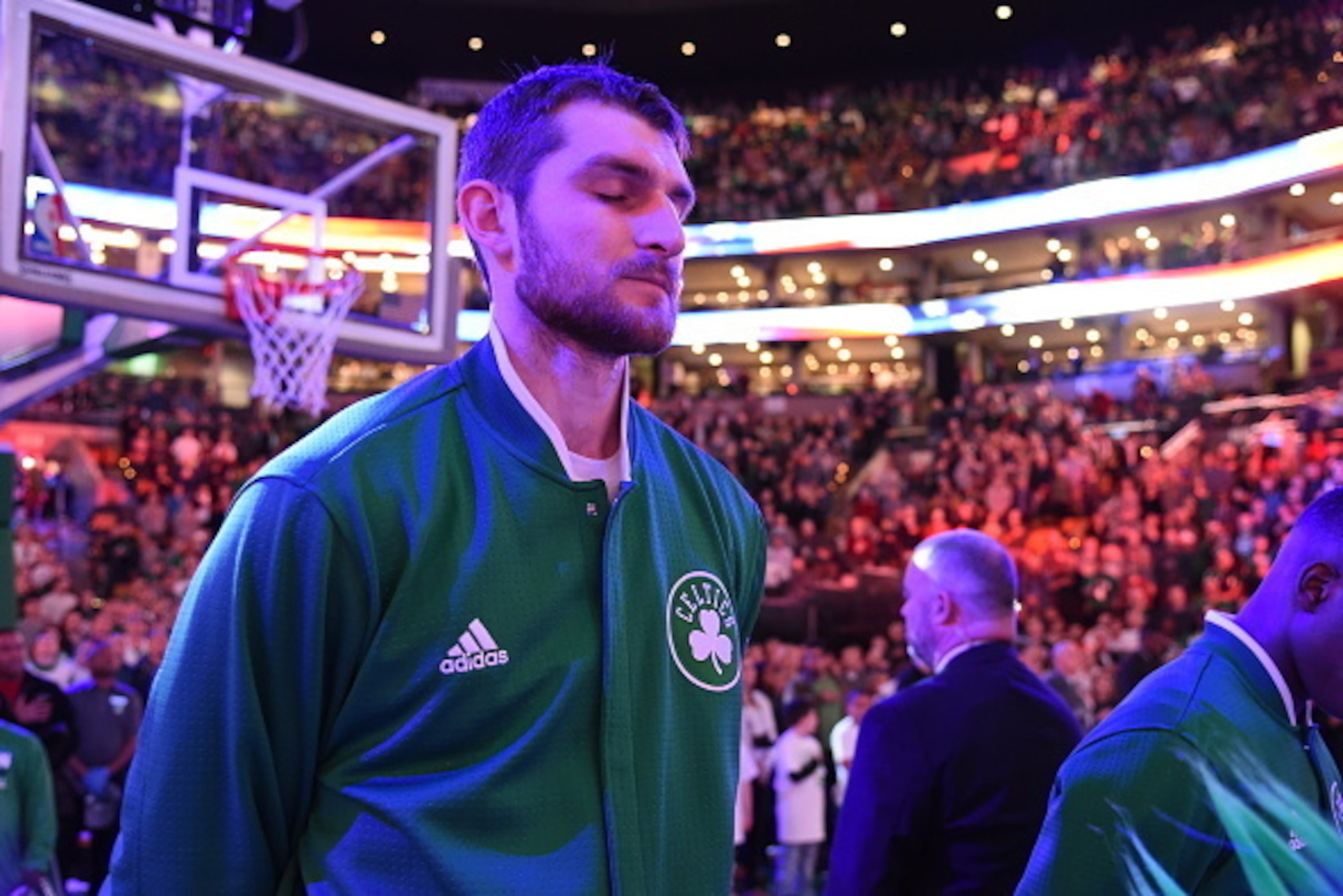
Even though the Celtics weren't involved in any serious talks at the trade deadline, Tyler Zeller's name did float around. The 26-year-old's playing time has been sporadic this season, and his impending restricted free agency offered Boston an incentive to explore moves.
Zeller remains a Celtic today, but it's difficult to envision him in green past the 2015-16 campaign. Assuming Boston wants to sign Sullinger to a new deal (which it should) while picking up the $5 million option on Jonas Jerebko (which it arguably should as well), the need for Zeller will diminish.
The 7-footer has shown flashes of efficient play around the basket, and he has some value as a backup center off the bench. It's possible that a team could throw an offer worth eight figures per year his way this summer, especially considering the abundance of cap space that will be available across the association. If that's the case, it's not a price Boston should be willing to pay.
The Celtics shouldn't hesitate to renounce Zeller's cap hold in favor of flexibility. Assuming Sullinger, Jerebko, Kelly Olynyk and Jordan Mickey (who most believe to be a capable rotation player already) stay put, Boston would have a solid foursome to build around in its frontcourt. It would also be able to hunt for versatile, quality big men in free agency, and Jae Crowder's ability to play power forward further reduces the immediate need for depth up front.
If the market turns out to be cold for Zeller and Boston can re-sign him at a discount price of around $5 million per year, it wouldn't be a terrible proposition. But he isn't the type of player the Celtics should go out of their way to keep.
Evan Turner, Jerebko—To Keep or Not To Keep?
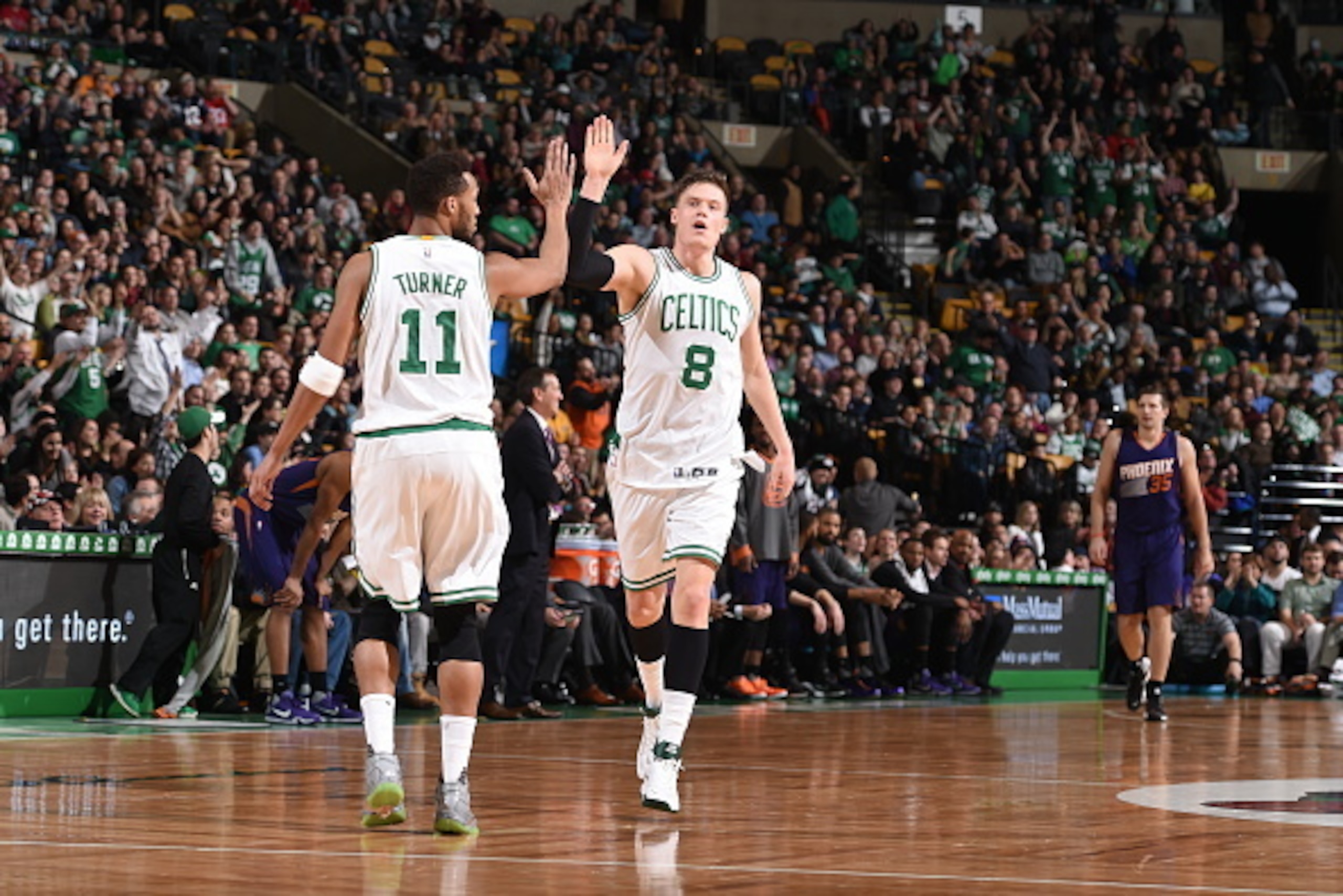
Evan Turner and Jonas Jerebko have both been solid contributors this season.
Jerebko's case is straightforward. He has a team option of $5 million for next season, which is a fair price. It's just over five percent of the projected salary cap of $92 million for a serviceable big who can play both forward positions and stretch the floor.
He started the year cold, shooting just 35 percent from the field through November. He managed to break out of the slump and has connected on 41.1 percent of his threes this season, the best mark on the Celtics. Boston would be getting decent value by bringing him back.
Turner's situation is slightly harder to measure. He has shown an ability to stuff the box score, but that's been a known fact since his days with the Philadelphia 76ers.
Numbers don't always translate to winning basketball, and Turner can be a frustrating player to watch. He doesn't have a reliable three-point stroke, he can fall in love with his own offense and he regularly elects to take inefficient shots.
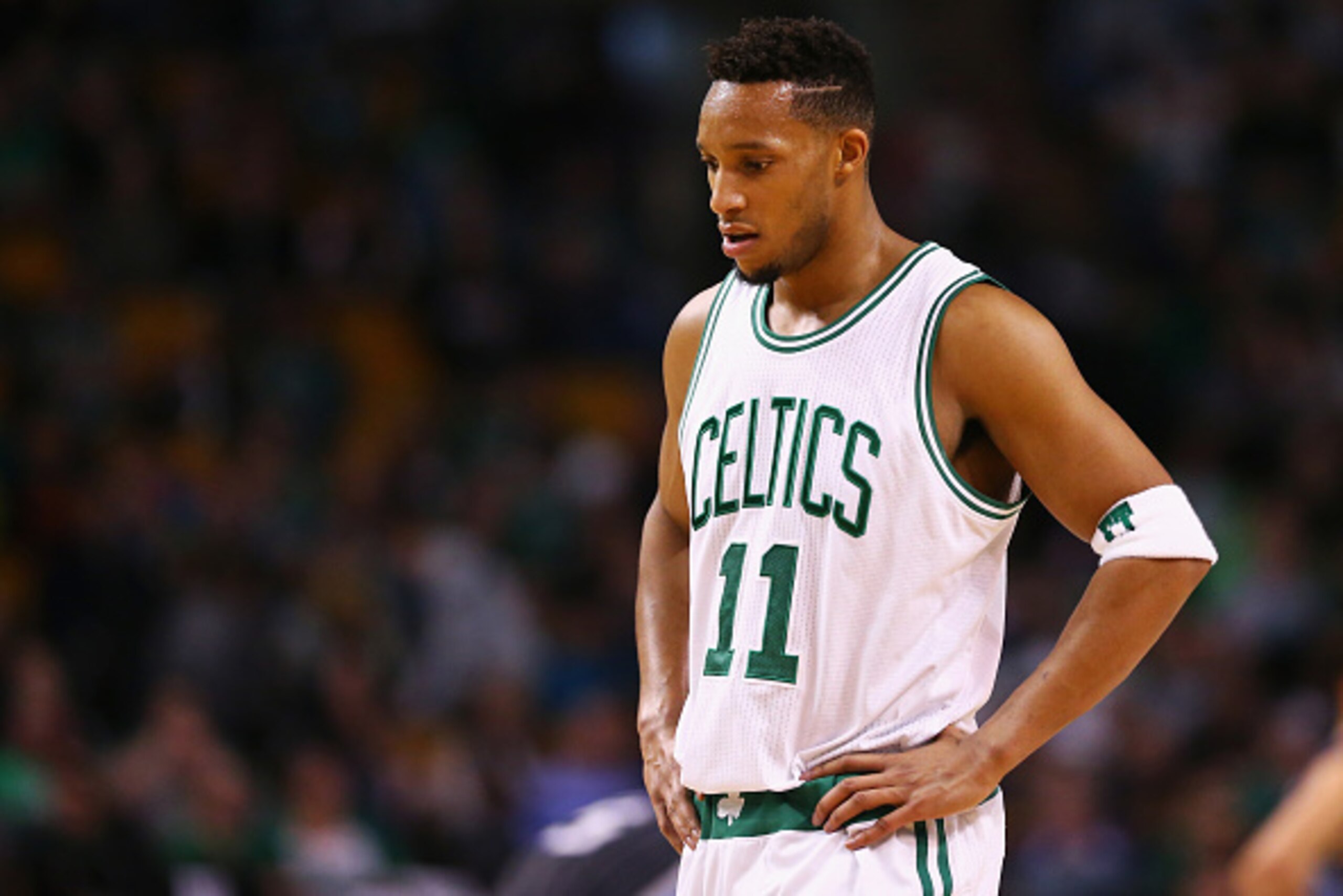
Then again, Turner has looked a lot more like a team player with Boston. He can fill in at three different positions, even assuming the role of a primary ball-handler when Isaiah Thomas takes a seat. He isn't elite at any particular skill, but he is versatile across the board. (Oh, and he is possibly the most quotable player in the league.)
Keeping Turner around wouldn't hurt, but the market will likely dictate his future.
If Boston gets away cheap and keeps Sullinger for approximately $12 million a year, it would still have around $40 million in cap space to play with. That's enough money for a max contract and a couple of rotation cogs. Spend another $10 million or so on Turner, and that wiggle room shrinks further, especially taking the contracts of incoming rookies into account.
Boston doesn't need a complete roster overhaul, but it shouldn't fall in love with any of its current players, either. If it has a hunch it can land a big fish or two, it shouldn't hesitate to let go of both Turner and Jerebko.
All statistics are accurate as of March 29.
All statistics and salary data are courtesy of NBA.com and Spotrac unless otherwise noted.
You can follow me on Twitter: @VytisLasaitis

.jpg?w=2560 "Dak to Stroud: Get Some Wins 💯")

.jpg?w=2560 "5 NFL Players Getting Trade Buzz")