

Definitive Guide to the Women's World Cup
Twenty-four teams will take part in the 2015 FIFA Women's World Cup from June 6 to July 5 in six cities across Canada.
The 24 participants are a first for the Women's World Cup, which promises to be bigger and better than ever this summer. If you're looking for information on all the teams, groups, venues, dates, favorites and more, you've come to the right place.
Browse through the slides for our definitive guide to the 2015 Women's World Cup.
Format
1 of 16
This edition of the Women's World Cup will feature the most teams to date, 24. In addition, qualification included the most teams ever, 128.
The 24 qualifiers have been drawn into six groups of four nations each (more on those momentarily). Within each group, each of those four teams will play each other once, with the first- and second-place teams qualifying automatically for the round of 16 (which is another first for the Women's World Cup). The four best third-place finishers will also qualify.
From there, the remaining 16 teams are drawn into a bracket and will play knockout soccer. If teams are tied after 90 minutes, the game will go to 30 minutes of extra time, divided into two halves. If the score remains level after extra time, the winner will be decided with a penalty shootout.
Following the round of 16 will be the quarterfinals, semifinals, third-place match and final.
Dates
2 of 16
Here is a look at the key dates for the World Cup.
Opening match (Canada vs. China): June 6
Group stage: June 6-17
Round of 16: June 20-23
Quarterfinals: June 26-27
Semifinals: June 30-July 1
Third-place match: July 4
Final: July 5
The Venues
3 of 16
Six venues will host World Cup matches this summer. They are as follows.
Moncton Stadium (Moncton, New Brunswick)
Year constructed: 2010
Seating capacity: Up to 20,725
Matches: Group stage, round of 16
Surface: FieldTurf
Olympic Stadium (Montreal, Quebec)
Year constructed: 1976
Seating capacity: 60,860 (for soccer)
Matches: Group stage, round of 16, quarterfinal, semifinal
Surface: Xtreme Turf
TD Place Stadium (Ottawa, Ontario)
Also known as: Lansdowne Park
Year constructed: 1908
Seating capacity: 24,000
Matches: Group stage, round of 16, quarterfinal
Surface: FieldTurf
Investors Group Field (Winnipeg, Manitoba)
Also known as: Winnipeg Stadium
Year opened: 2013
Seating capacity: Up to 40,000
Matches: Group stage
Surface: FieldTurf Revolution
Commonwealth Stadium (Edmonton, Alberta)
Year constructed: 1978
Seating capacity: 56,302
Matches: Group stage, round of 16, quarterfinal, semifinal, third-place game
Surface: FieldTurf Duraspine
BC Place (Vancouver, British Columbia)
Year constructed: 1983
Seating capacity: 54,500
Matches: Group stage, round of 16, quarterfinal, final
Surface: Polytan LigaTurf
(Sources: Olympic.ca, FIFA.com)


The Mascot
4 of 16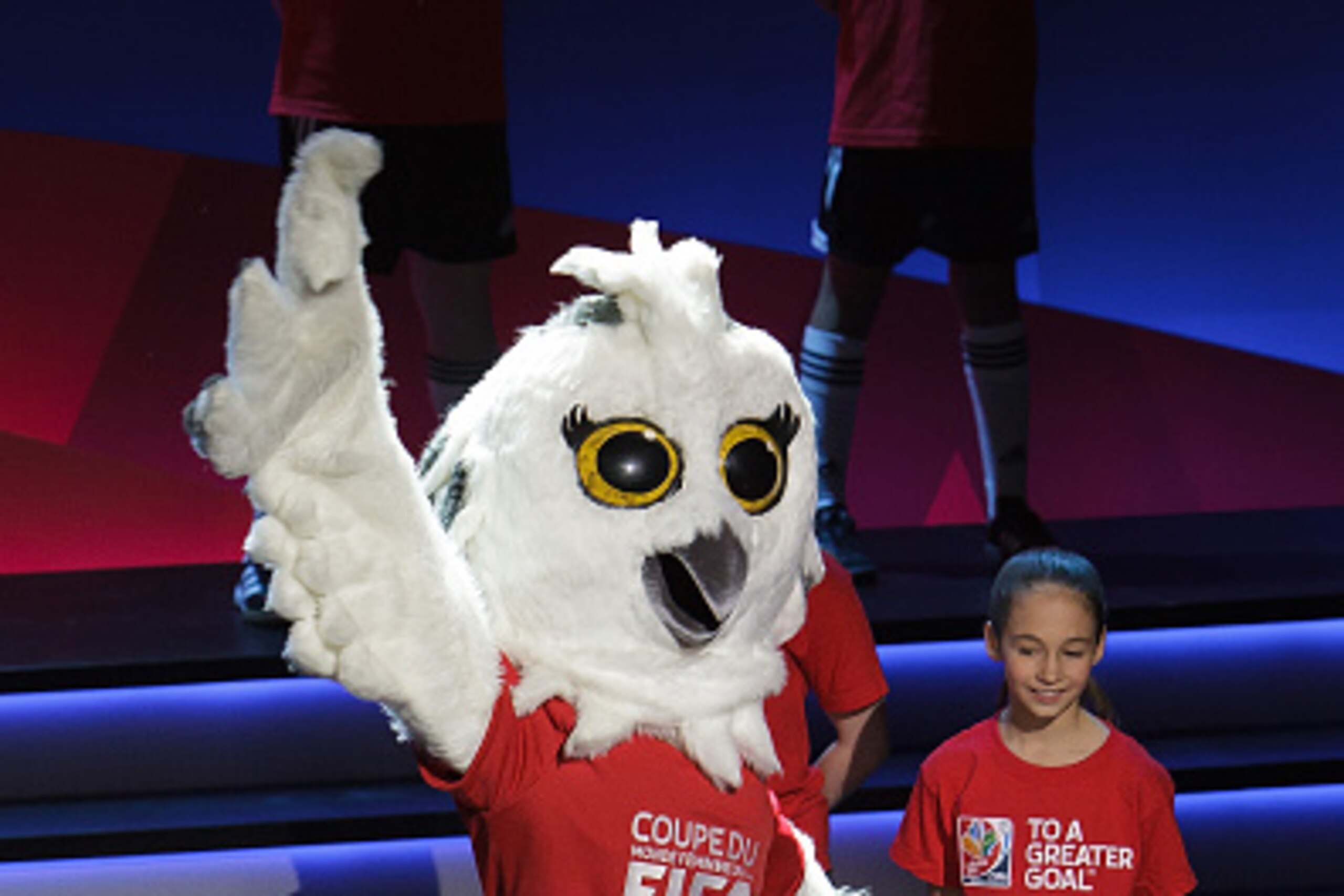
Every World Cup must have a mascot, and this year's is no exception.
For Canada 2015, the mascot is Shueme, a female Great White Owl, who was introduced to the world at a FIFA event in June 2014.
You can read more about Shueme at FIFA.com.
The Teams
5 of 16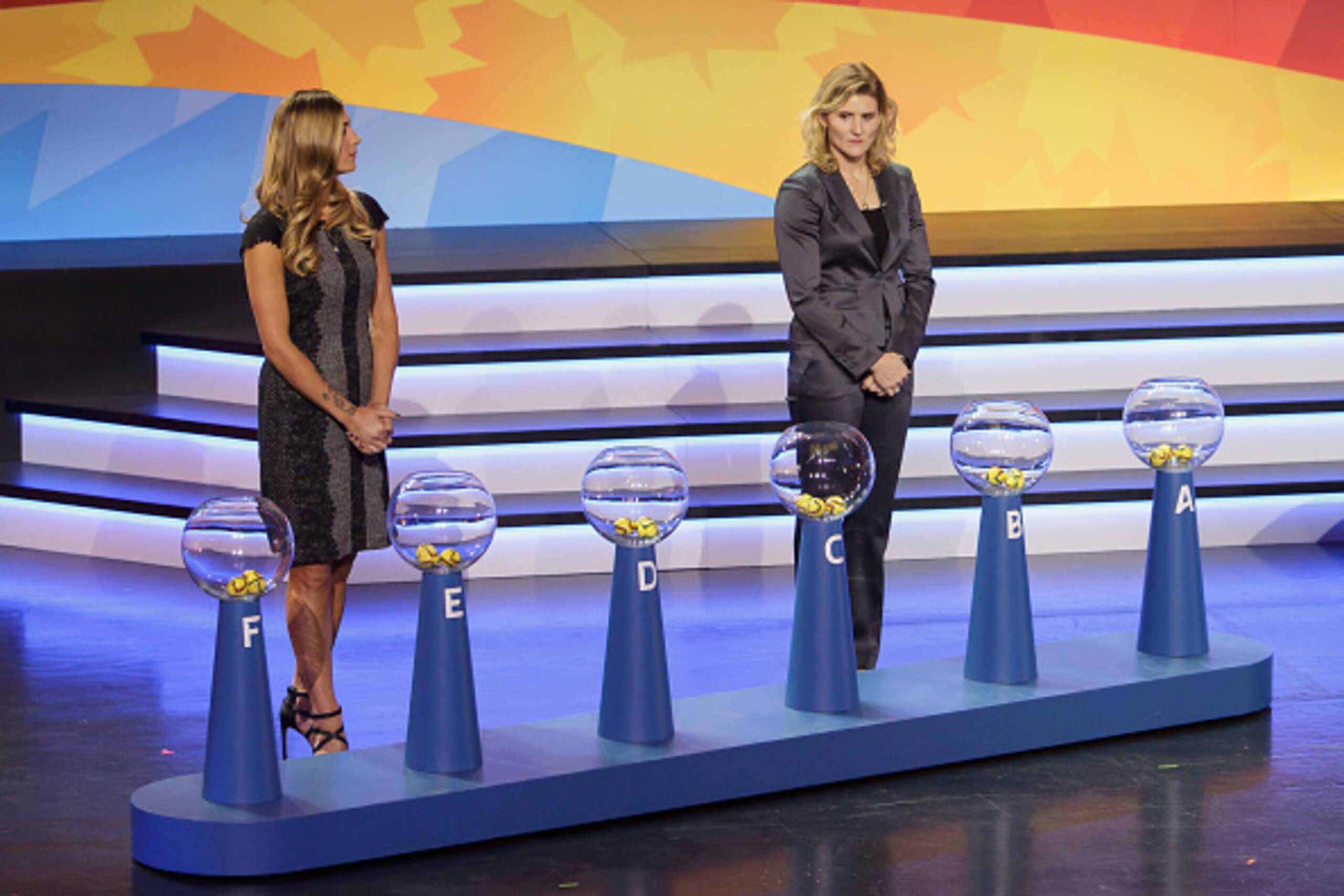
This year, the World Cup will welcome eight newcomers: Cameroon, Costa Rica, Ivory Coast, Ecuador, Netherlands, Spain, Switzerland and Thailand.
The 24 teams have been drawn into six groups. Here are how the groups look, with the seeded team listed first:
Group A: Canada, China, New Zealand, Netherlands
Group B: Germany, Ivory Coast, Norway, Thailand
Group C: Japan, Switzerland, Cameroon, Ecuador
Group D: United States, Australia, Sweden, Nigeria
Group E: Brazil, South Korea, Spain, Costa Rica
Group F: France, England, Colombia, Mexico
(Sources for the following slides outlining each group: FIFA.com, French Football Weekly)
Group A
6 of 16
Here is a look at the match schedule for Group A. The site of each match is listed in parentheses. All times are EDT.
June 6
Canada vs. China, 6 p.m. (Commonwealth Stadium, Edmonton)
New Zealand vs. Netherlands, 9 p.m. (Commonwealth Stadium, Edmonton)
June 11
China vs. Netherlands, 6 p.m. (Commonwealth Stadium, Edmonton)
Canada vs. New Zealand, 9 p.m. (Commonwealth Stadium, Edmonton)
June 15
Netherlands vs. Canada, 7:30 p.m. (Olympic Stadium, Montreal)
China vs. New Zealand, 7:30 p.m. (Investors Group Field, Winnipeg)
Here is a glance at each of the teams in Group A:
Team: Canada
Qualified as: Host
Previous World Cups: 5
Best finish: Fourth in 2003
FIFA rank: 8
Average age: 28
Team: China
Qualified as: Third-place finisher at AFC Women's Asian Cup
Previous World Cups: 5
Best finish: Runner-up in 1999
FIFA rank: 16
Average age: 23
Team: New Zealand
Qualified as: OFC Women's Nations Cup winner
Previous World Cups: 3
Best finish: Group stage in 1991, 2007, 2011
FIFA rank: 17
Average age: 25
Team: Netherlands
Qualified as: UEFA playoff winner
Previous World Cups: None
Best finish: N/A
FIFA rank: 12
Average age: 25
Group B
7 of 16
Here is a look at the match schedule for Group B.
All times listed are EDT. Match sites are in parentheses.
June 7
Norway vs. Thailand, 1 p.m. (TD Place Stadium, Ottawa)
Germany vs. Ivory Coast, 4 p.m. (TD Place Stadium, Ottawa)
June 11
Germany vs. Norway, 4 p.m. (TD Place Stadium, Ottawa)
Ivory Coast vs. Thailand, 7 p.m. (TD Place Stadium, Ottawa)
June 15
Thailand vs. Germany, 4 p.m. (Investors Group Field, Winnipeg)
Ivory Coast vs. Norway, 4 p.m. (Moncton Stadium, Moncton)
Here is a glance at the four teams in Group B:
Team: Germany
Qualified as: UEFA Group 1 winner
Previous World Cups: 6
Best finish: Champion in 2003 and 2007
FIFA rank: 1
Average age: 25
Team: Ivory Coast
Qualified as: Third-place finisher at African Women's Championship
Previous World Cups: None
Best finish: N/A
FIFA rank: 67
Average age: 24
Team: Norway
Qualified as: UEFA Group 5 winner
Previous World Cups: 6
Best finish: Champion in 1995
FIFA rank: 11
Average age: 26
Team: Thailand
Qualified as: Fifth-place finisher at AFC Women's Asian Cup
Previous World Cups: None
Best finish: N/A
FIFA rank: 29
Average age: 25
Group C
8 of 16
Here is a look at the match schedule for Group C.
All times listed are EDT. Match sites are in parentheses.
June 8
Cameroon vs. Ecuador, 7 p.m. (BC Place, Vancouver)
Japan vs. Switzerland, 10 p.m. (BC Place, Vancouver)
June 12
Switzerland vs. Ecuador, 7 p.m. (BC Place, Vancouver)
Japan vs. Cameroon, 10 p.m. (BC Place, Vancouver)
June 16
Ecuador vs. Japan, 5 p.m. (Investors Group Field, Winnipeg)
Switzerland vs. Cameroon, 5 p.m. (Commonwealth Stadium, Edmonton)
Here is a glance at the four teams in Group C:
Team: Japan
Qualified as: AFC Women's Asian Cup winner
Previous World Cups: 6
Best finish: Champion in 2011
FIFA rank: 4
Average age: 28
Team: Switzerland
Qualified as: UEFA Group 3 winner
Previous World Cups: None
Best finish: N/A
FIFA rank: 19
Average age: 25
Team: Cameroon
Qualified as: Runner-up at African Women's Championship
Previous World Cups: None
Best finish: N/A
FIFA rank: 53
Average age: 24
Team: Ecuador
Qualified as: CONMEBOL-CONCACAF playoff winner
Previous World Cups: None
Best finish: N/A
FIFA rank: 48
Average age: 23
Group D
9 of 16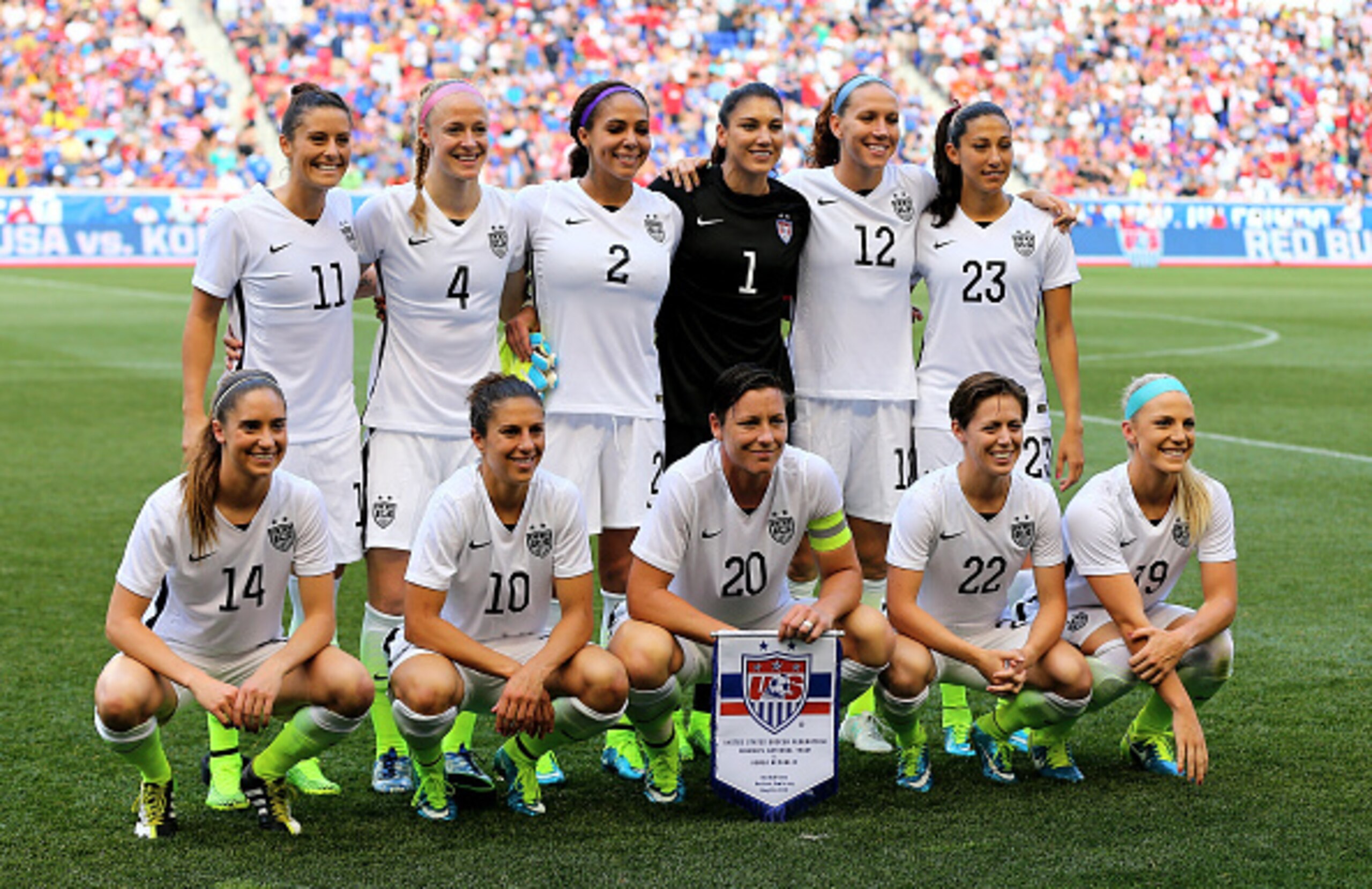
Here is a look at the match schedule for Group D.
All times listed are EDT. Match sites are in parentheses.
June 8
Sweden vs. Nigeria, 4 p.m. (Investors Group Field, Winnipeg)
United States vs. Australia, 7:30 p.m. (Investors Group Field, Winnipeg)
June 12
Australia vs. Nigeria, 5 p.m. (Investors Group Field, Winnipeg)
United States vs. Sweden, 8 p.m. (Investors Group Field, Winnipeg)
June 16
Nigeria vs. United States, 8 p.m. (BC Place, Vancouver)
Australia vs. Sweden, 8 p.m. (Commonwealth Stadium, Edmonton)
Here is a glance at the four teams in Group D:
Team: United States
Qualified as: CONCACAF Women's Championship winner
Previous World Cups: 6
Best finish: Champion in 1991, 1999
FIFA rank: 2
Average age: 29
Team: Australia
Qualified as: AFC Women's Asian Cup runner-up
Previous World Cups: 5
Best finish: Quarterfinals in 2007 and 2011
FIFA rank: 10
Average age: 24
Team: Sweden
Qualified as: UEFA Group 4 winner
Previous World Cups: 6
Best finish: Runner-up in 2003
FIFA rank: 5
Average age: 27
Team: Nigeria
Qualified as: African Women's Championship winner
Previous World Cups: 6
Best finish: Quarterfinals in 1999
FIFA rank: 33
Average age: 23
Group E
10 of 16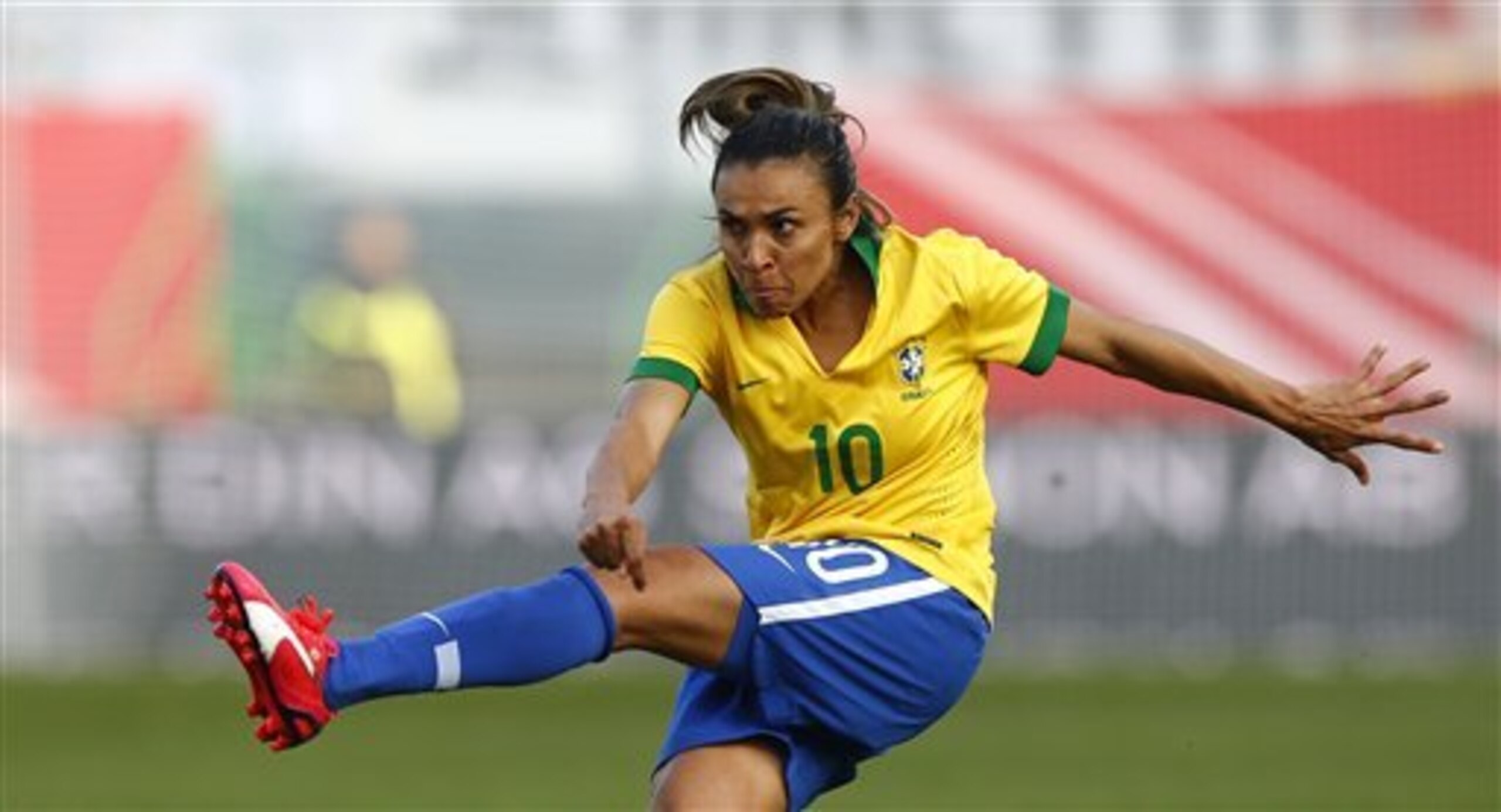
Here is a look at the match schedule for Group E.
All times listed are EDT. Match sites are in parentheses.
June 9
Spain vs. Costa Rica, 4 p.m. (Olympic Stadium, Montreal)
Brazil vs. South Korea, 7 p.m. (Olympic Stadium, Montreal)
June 13
Brazil vs. Spain, 4 p.m. (Olympic Stadium, Montreal)
South Korea vs. Costa Rica, 7 p.m. (Olympic Stadium, Montreal)
June 17
Costa Rica vs. Brazil, 7 p.m. (Moncton Stadium, Moncton)
South Korea vs. Spain, 7 p.m. (TD Place Stadium, Ottawa)
Here is a glance at the four teams in Group E:
Team: Brazil
Qualified as: Copa America Femenina winner
Previous World Cups: 6
Best finish: Runner-up in 2007
FIFA rank: 7
Average age: 26
Team: South Korea
Qualified as: Fourth-place finisher at AFC Women's Asian Cup
Previous World Cups: 1
Best finish: Group stage in 2003
FIFA rank: 18
Average age: 25
Team: Spain
Qualified as: UEFA Group 2 winner
Previous World Cups: None
Best finish: N/A
FIFA rank: 14
Average age: 25
Team: Costa Rica
Qualified as: CONCACAF Women's Championship runner-up
Previous World Cups: None
Best finish: N/A
FIFA rank: 37
Average age: 23
Group F
11 of 16
Here is a look at the match schedule for Group F.
All times listed are EDT. Match sites are in parentheses.
June 9
France vs. England, 1 p.m. (Moncton Stadium, Moncton)
Colombia vs. Mexico, 4 p.m. (Moncton Stadium, Moncton)
June 13
France vs. Colombia, 1 p.m. (Moncton Stadium, Moncton)
England vs. Mexico, 4 p.m. (Moncton Stadium, Moncton)
June 17
Mexico vs. France, 4 p.m. (TD Place Stadium, Ottawa)
England vs. Colombia, 4 p.m. (Olympic Stadium, Montreal)
Here is a glance at the four teams in Group F:
Team: France
Qualified as: UEFA Group 7 winner
Previous World Cups: 2
Best finish: Fourth place in 2011
FIFA rank: 3
Average age: 26
Team: England
Qualified as: UEFA Group 6 winner
Previous World Cups: 3
Best finish: Quarterfinals in 1995, 2007 and 2011
FIFA rank: 6
Average age: 27
Team: Colombia
Qualified as: Copa America Femenina runner-up
Previous World Cups: 1
Best finish: Group stage in 2011
FIFA rank: 28
Average age: 23
Team: Mexico
Qualified as: Third-place finisher at CONCACAF Women's Championship
Previous World Cups: 2
Best finish: Group stage in 1999 and 2011
FIFA rank: 25
Average age: 23
The Favorites
12 of 16
There are many potential ways to go about determining the favorites for this tournament. The first is by seeding. Each of the six groups are led by one seeded team, and those six sides are Canada, Germany, Japan, the United States, Brazil and France.
Those six nations account for all but one of the six previous Women's World Cup champions. Germany and the U.S. have won it twice each, and Japan took the title in 2011. The only other past champion is Norway, which was drawn into Group B with Germany.
Another way to determine the favorites is by using the latest FIFA World Ranking. Germany enters the tournament as the world's top-ranked side, followed by the U.S., France, Japan and Sweden (which was drawn into Group D with the U.S.). Rounding out the top 10 are England, Brazil, Canada, North Korea (which was banned from this tournament) and Australia.
Of those sides, Germany certainly appears strong. After winning the title in 2003 and 2007, the Germans were upset by Japan in the quarterfinals four years ago. Nadine Kessler, the reigning FIFA World Player of the Year, will miss the tournament with a knee injury, but Germany has a deep squad with loads of talent, including goalkeeper Nadine Angerer, the 2013 FIFA World Player of the Year.
The U.S. boasts plenty of potent attacking options, especially Abby Wambach, the 2012 FIFA World Player of the Year, as well as Alex Morgan and Sydney Leroux. The Americans claimed gold at the 2012 Olympics and finished as runner-up at the last World Cup.
As the host nation, Canada will have home support on their side, which could be a valuable asset as the tournament wears on. The Canadians have progressed past the group stage only once, finishing fourth in 2003, but took bronze at the 2012 Olympics and nearly upset the U.S. in the semifinals.
The defending champion is Japan, a team that also took silver at the 2012 Olympics. Attacking midfielder Homare Sawa, the 2011 FIFA World Player of the Year, remains a top player, but at 36 years old, the question will be whether she can match her performances from four years ago in Germany.
According to a prediction model from FiveThirtyEight's Nate Silver published in ESPN The Magazine (via Business Insider), the U.S. is the leading favorite with a 28 percent chance to win the tournament. Silver lists Germany as a close second-favorite at 27 percent.
The Stars
13 of 16
(Click here for B/R's ranking of the top 50 players at the Women's World Cup)
As noted in the previous slide, the U.S. team features loads of attacking talent like Abby Wambach, Alex Morgan and Sydney Leroux. Germany's Nadine Kesser, the 2014 FIFA World Player of the Year, will miss the tournament through injury, but the team has another former World Player of the Year in goalkeeper Nadine Angerer.
Midfielder Homare Sawa led Japan's charge to the title four years ago, and this summer, Yuki Ogimi will be the team's main striker.
For France, Louisa Necib is arguably the best midfielder in the world at present. And for Brazil, Marta is a five-time FIFA World Player of the Year. The technically gifted forward has never led her country to the World Cup title, but she will be hoping to change that this summer.
Finally, the host country has a scoring machine in Christine Sinclair (pictured). With 153 goals in 222 international appearances, Sinclair can be unstoppable at times. If she gets on a roll, the Canadians could do some real damage.
The Artificial Turf
14 of 16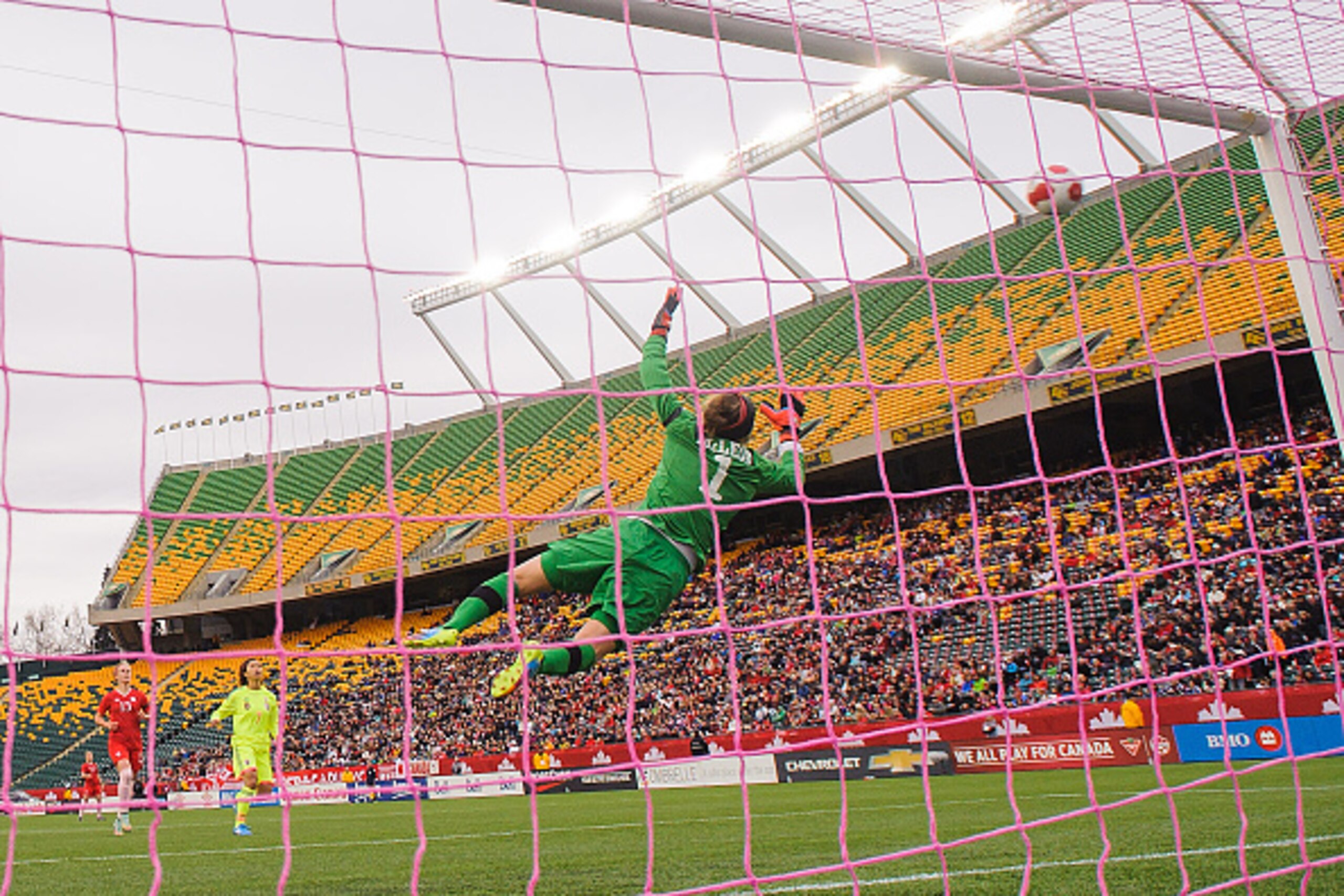
This summer, the World Cup will feature games played on artificial turf, a surface that has caused much controversy. American striker Abby Wambach tweeted that "the men would strike playing (World Cup matches) on artificial turf," and in an interview with B/R, U.S. winger Megan Rapinoe called turf a "second-class" surface.
A group of players sued FIFA last year over the artificial turf, pointing out that FIFA spent $2 million to place natural grass in the Detroit and New Jersey venues for the 1994 men's World Cup (h/t Equalizer Soccer). The suit was dropped in January, per the New York Times, but bad feelings remain. England's Anita Asante (who did not make her country's World Cup roster) told the Guardian:
"Regardless of what our federation or anyone else thinks about it, if you want change you have to use your voice. It gets frustrating when you’ve been through other issues in the women’s game and wanted things to change or improve and we’ve backed down because we’ve been suppressed or told that we shouldn’t do this, or we should be silent about something.
We value having grass—the tradition, how it responds to our bodies. We appreciate the nature of being on actual grass: the smell, the feeling, the sentiment. It is also about feeling like you are valued and not a guinea pig for someone else’s experiment.
"
Artificial turf can cause the ball to behave differently, and, for players, can lead to different kinds of injuries as opposed to natural grass. At the very least, playing on artificial surfaces will be a unique factor at this World Cup, and it could yet cause further controversy.
Records That Could Fall
15 of 16
This tournament will mark the first time the Women's World Cup uses goal-line technology. In addition to that milestone, a number of records could fall this summer.
The record for goals scored in a tournament currently stands at 123. That mark was set in 1999, when the tournament had 32 matches. This edition will have 52 matches, so the record probably will fall, if only because of the number of games played.
Five players have appeared in five World Cups: Formiga (Brazil), Birgit Prinz (Germany), Homare Sawa (Japan), Kristine Lilly (USA) and Bente Nordby (Norway). Formiga is in Brazil's squad, and Sawa is in Japan's team. Both could set a new record by appearing in six World Cups.
Brazil's Marta is currently tied with Prinz on 14 goals, most all-time in World Cups, while Abby Wambach has 13. A new record will almost certainly be set in Canada, but the identity of the leading scorer after the tournament is yet to be determined.
Sawa, and others, could become the oldest player to score in a World Cup match. Canada's Charmaine Hooper is the current record-holder at 35 years and 261 days. Sawa is 36.
The oldest player to feature in the final tournament is Christie Rampone of the U.S. She's in the U.S. team again, so the record seems likely to fall.
(Source: FIFA.com)
Trivia
16 of 16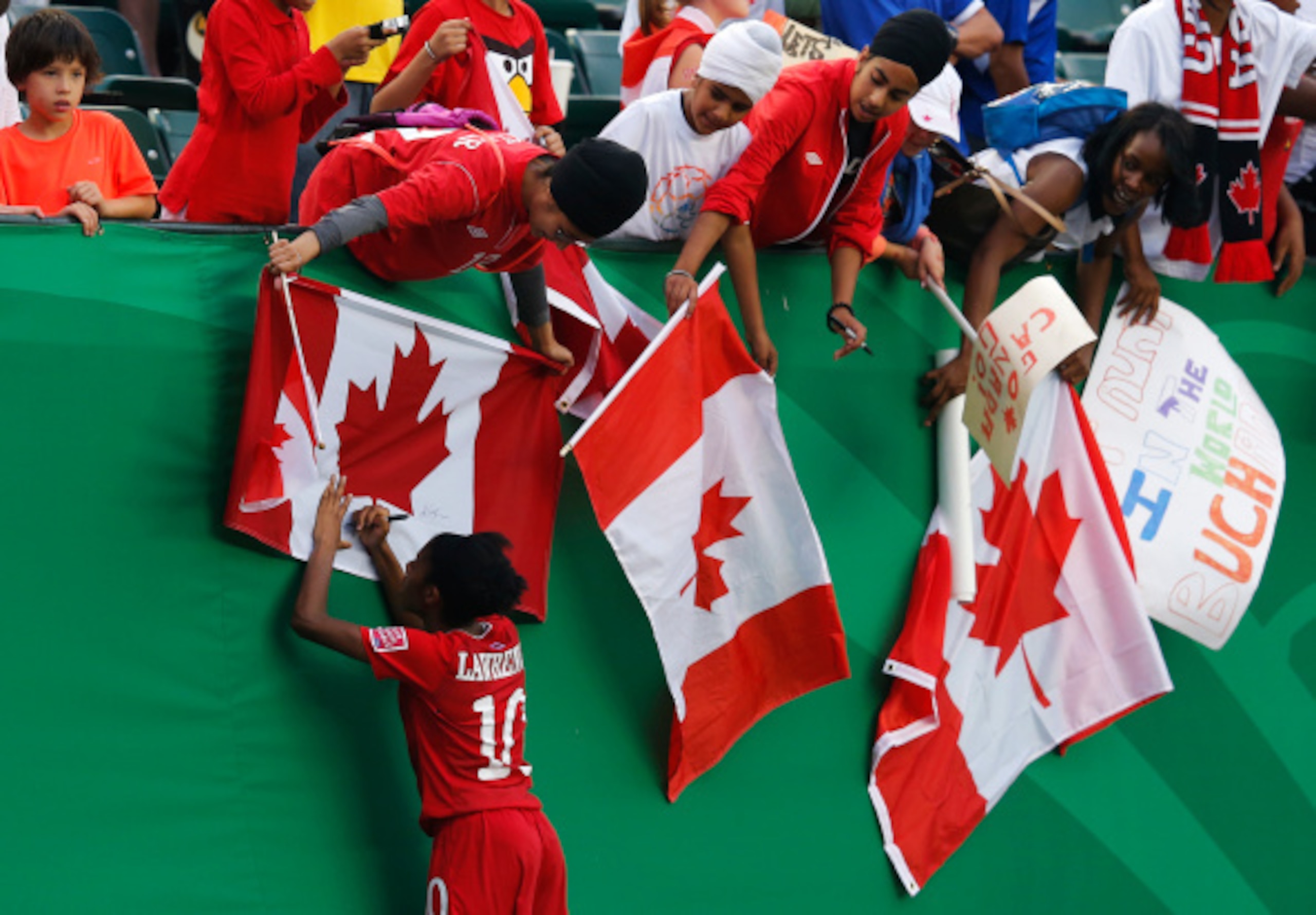
• Canada has lost nine times in nine matches against European teams in World Cups.
• South Korea and China were the first two teams to qualify, securing their berths in May 2014 via the AFC Women's Asian Cup.
• In nine all-time World Cup matches, New Zealand has lost eight times and drawn once.
• UEFA will send three debutants to the competition: Netherlands, Spain and Switzerland.
• Netherlands played the most qualifiers, 14, of any nation that reached the final tournament.
• Germany is the only team to win back-to-back titles, in 2003 and 2007.
• Germany and the United States share the record for most goals scored in a tournament, with 25.
• Norway has qualified for every World Cup and has advanced to the knockout stage every time except 2011.
• Thailand, another debutant this year, has appeared in only one other FIFA competition. That was the 2004 U-19 Women's World Cup, for which Thailand served as host.
• Japan won four matches on the way to the 2011 title, having claimed only three total victories in their previous five World Cups.
• Only three African nations had competed in the Women's World Cup before this year. The continent will have two debutants in this tournament, Cameroon and Ivory Coast.
• Ecuador is participating in its first FIFA women's final tournament at any level. La Tricolor was the last team to qualify, securing its berth in December 2014.
• The U.S. is the only team to have reached the semifinal stage of all six previous tournaments.
• Sweden's Lena Videkull scored the final tournament's fastest-ever goal in 1991, just 30 seconds into a match against Japan.
• Brazil's Marta is the World Cup's all-time joint-top scorer, along with Germany's Birgit Prinz, with 14 goals.
• France has scored 12 goals in nine previous World Cup matches, with 11 of those goals coming after halftime.
• England was the only team to beat 2011 champion Japan four years ago, winning 2-0 in the group stage.
• Mexico has scored four goals in the Women's World Cup, with all four coming at or before the 33rd minute.
(Source: FIFA.com)
Follow @MiguelCominguez


.jpg?w=2560 "Chiefs, Steelers Eye WR Trades")






.jpg?w=2560 "Raiders Sticking with Cousins")