Does Darrelle Revis' Presence Push Jermaine Kearse into Super Bowl Spotlight?
For the first time in his three-year career, Jermaine Kearse had the full spotlight to himself.
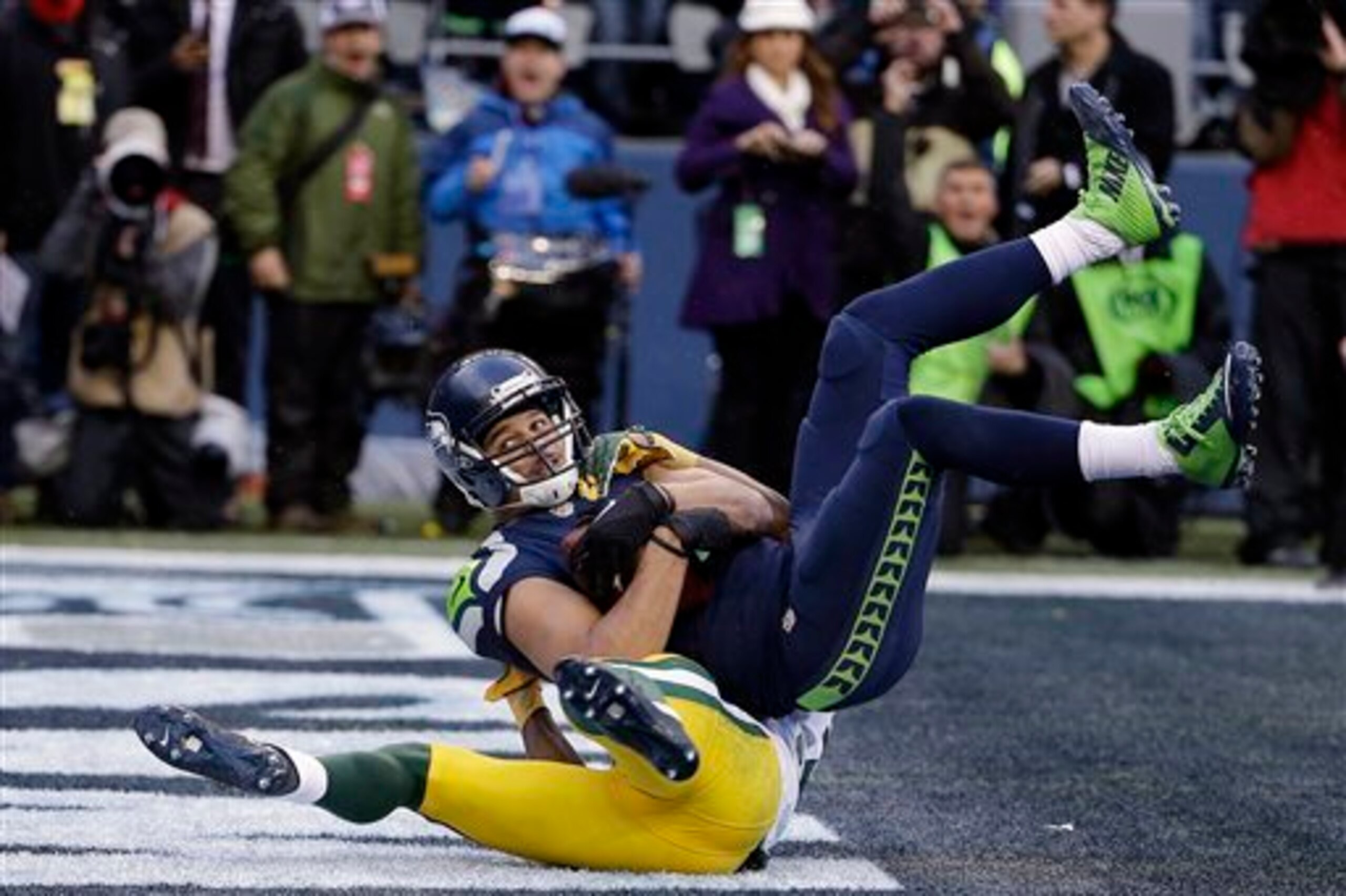
The Seattle Seahawks wide receiver just ran 35 yards to catch a pass down the seam from his quarterback, Russell Wilson. As he corralled the football, a Packers defensive back clung to him as they fell into the end zone. Kearse stood up and flung the ball into the crowd in celebration.
He knew that he'd made the deciding play of the NFC Championship Game. He'd sent his team to its second consecutive Super Bowl.
.jpg?w=2560 "Seahawks Chiefs Football")

.jpg?w=2560 "Super Bowl Halftime Jay-Z")
Kearse isn't used to the spotlight. On that day, prior to his clutch reception, he only found attention for negative reasons. It had been the worst game of Wilson's career, and the young quarterback had thrown all four of his interceptions while targeting the third-year wide receiver. Kearse eventually won the game, but he did just as much to lose it for his team.
Now, entering Super Bowl XLIX against the New England Patriots this Sunday, it appears that Kearse is again going to be pushed into the spotlight.
Playing in the Super Bowl doesn't necessarily mean you are thrust onto the main stage, however. Kearse played in the sport's ultimate game last year and caught four passes for 65 yards and a touchdown. In another contest, those would have been significant numbers. In a 43-8 blowout, his production was largely inconsequential.
Even when one looks past his production on the day, Kearse was still a bit-part player for the Seahawks offense. Golden Tate, Percy Harvin and Doug Baldwin each played more significant roles in the offense than Kearse. That wasn't to say he didn't make plays, but he wasn't under as much scrutiny then as a complementary piece as he is now as a starter.
After Sidney Rice's retirement, Golden Tate's departure in free agency and Percy Harvin's trade to the Jets, Kearse found himself elevated to a starting role alongside Baldwin.
Furthermore, injuries to rookies Paul Richardson and Kevin Norwood at different times this season have meant that Kearse hasn't had to fight for his place. Ricardo Lockette remains an option, but even if Lockette ever supplanted Kearse, they would both still be on the field in three-receiver formations.
His elevated role in the offense has pushed him further into the spotlight. That elevated role puts him in position to be the other guy going against a Patriots team that has Darrelle Revis.
Against a defense that boasts Revis, the offense's second-best receiving option becomes as—if not more—important than the first. Revis is likely to follow Baldwin around the field and attempt to erase him from the Seahawks passing game completely.
If this happens, Kearse will see more opportunities.
It's possible that Revis doesn't follow Baldwin—the Patriots have Kyle Arrington as another option—but it's very unlikely that he follows Kearse no matter how the game plays out.
Through 15 regular-season games this season, Kearse compiled just 38 receptions for 537 yards and one touchdown. Despite his pedestrian regular-season performance, he has been a source of big plays for Wilson during the playoffs.
Dating back to last year's Super Bowl run, Kearse has eight 20-plus-yard receptions in five games, and five of those have gone for at least 30 yards. Those have obviously come with negative plays, but not as many as his NFC Championship display would suggest.
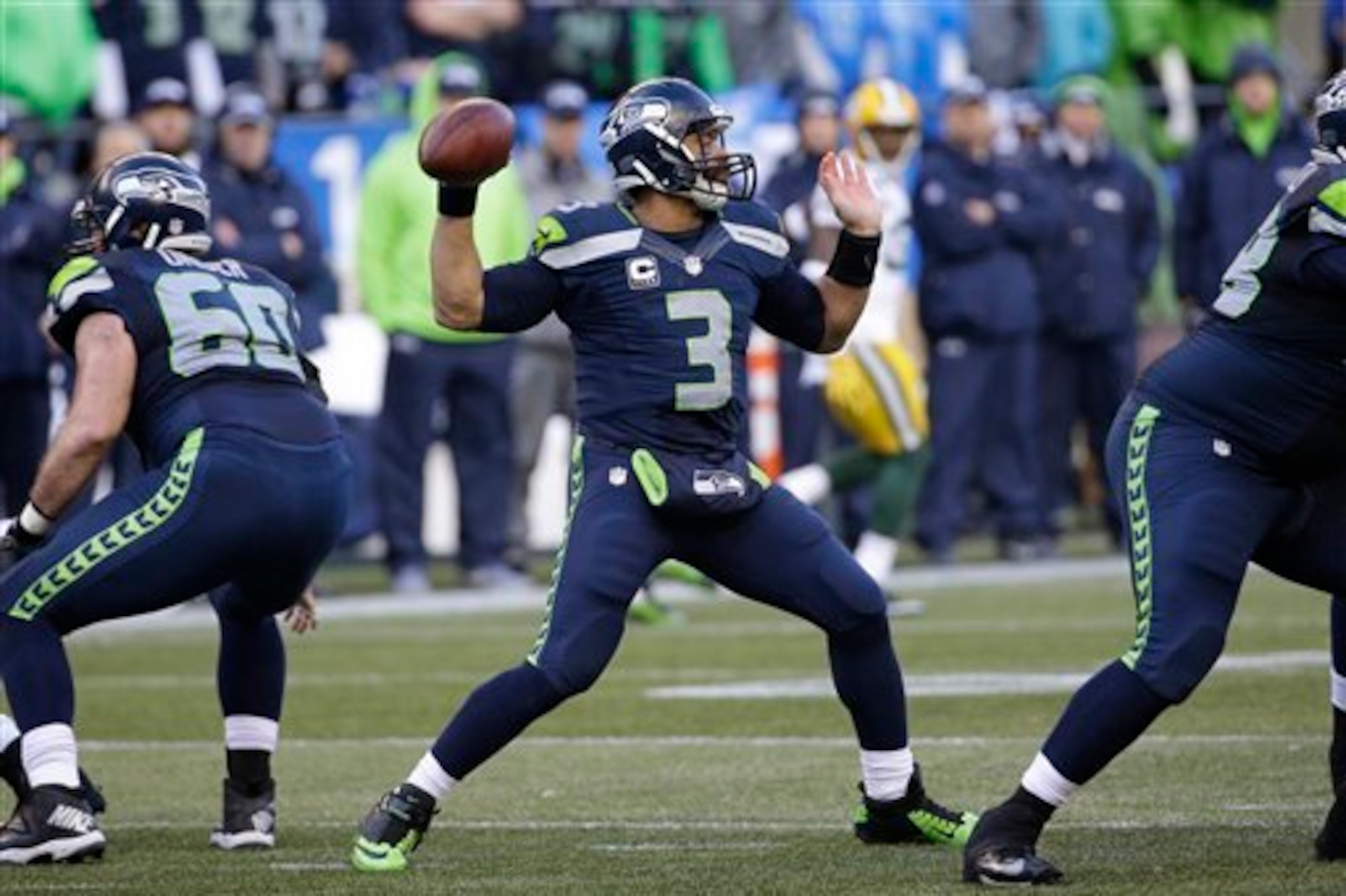
Wilson has targeted Kearse 76 times this season. Twenty-one of those targets were uncatchable, meaning that Kearse caught 41 of 54 targets, not including one pass interference penalty that he drew. The NFL officially has Kearse with 42 receptions for the year (including playoffs), but that is because it counted one lateral he caught.
Including the postseason, Kearse has averaged 16.7 yards per reception. Eight of his 41 receptions went for more than 30 yards and 10 more went for at least 15 yards.
Although Kearse fails at the catch point too often when he has opportunities to make plays, he understands how to use his body to create those opportunities. When that is combined with his understanding of how to create separation downfield, the receiver's relatively limited physical prowess becomes less relevant for his success.
For his longest play of this postseason so far, a 63-yard grab against the Carolina Panthers in the divisional round, Kearse showed off his ability to release from the line quickly and create separation at the catch point.
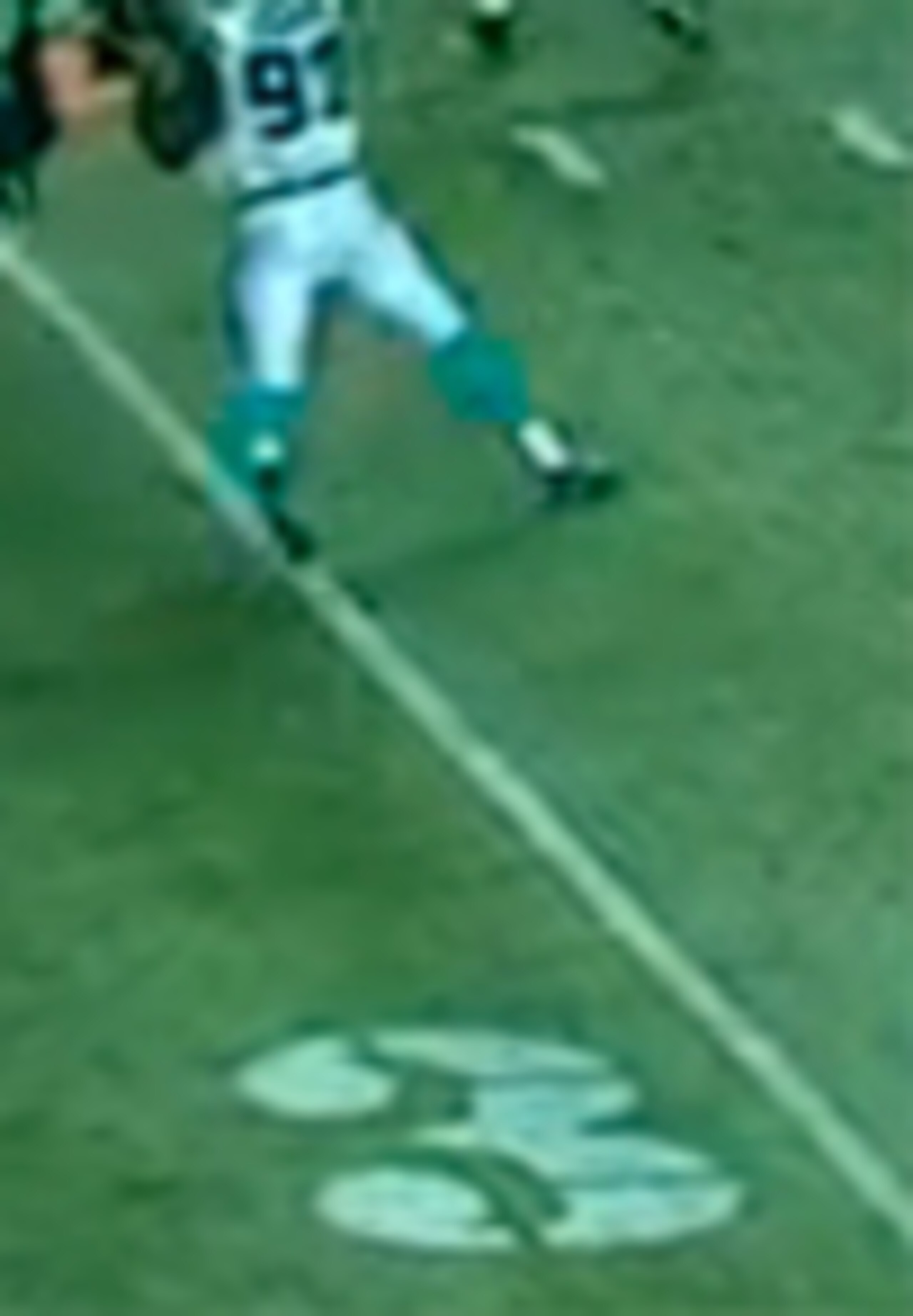
Kearse initially lines up as the inside slot receiver in a three-receiver set to the right. Kearse isn't facing press coverage at the line, but the defensive back in front of him is close enough to reach forward and engage him at his first step.
As he often does, Kearse doesn't look to make a decisive or deceptive move with his feet or upper body. Instead, he primarily relies on his quickness to get into his route. Kearse releases vertically toward the cornerback before turning toward the middle of the field to push past his inside shoulder.
Kearse often has to fight his way through contact, but he does it effectively without losing his balance or dramatically slowing down his route.

Wilson releases the football early and floats it downfield so Kearse has a chance to run underneath it. Kearse has created separation behind the defensive back, but he has to slow down to catch the football.
How he does this proves to be very important.
Kearse lets the defender catch up to him before the ball arrives. Then when the cornerback grabs at him, the receiver uses his left hand to subtly push the defender away while tracking the ball into his right arm.
The one-handed catch is impressive, but the ball is quickly secured with the left hand as his push-off has given him a pocket of space to work in before continuing downfield.
Kearse was able to carry the ball all the way to the end zone on this play. Finding the end zone hasn't been something he has done with regularity this season, but much of that has been on his quarterback, who has regressed somewhat as a passer this year.
Wilson simply didn't see Kearse when he was open down the field at times. On two of his uncatchable targets to Kearse, the receiver was wide open in the end zone.
Yet when Wilson does break the pocket, it's important to note that Kearse is willing to and understands how to extend his routes. This is something that each of the Seahawks' receiving options do well as they have adapted to playing with their elusive quarterback.
On this play against the New York Giants during Week 10 the regular season, Kearse and Wilson are able to connect for a 60-yard reception. Kearse initially lines up in the slot again. But this time he is the slot receiver who is closest to the sideline in the trio to the left.
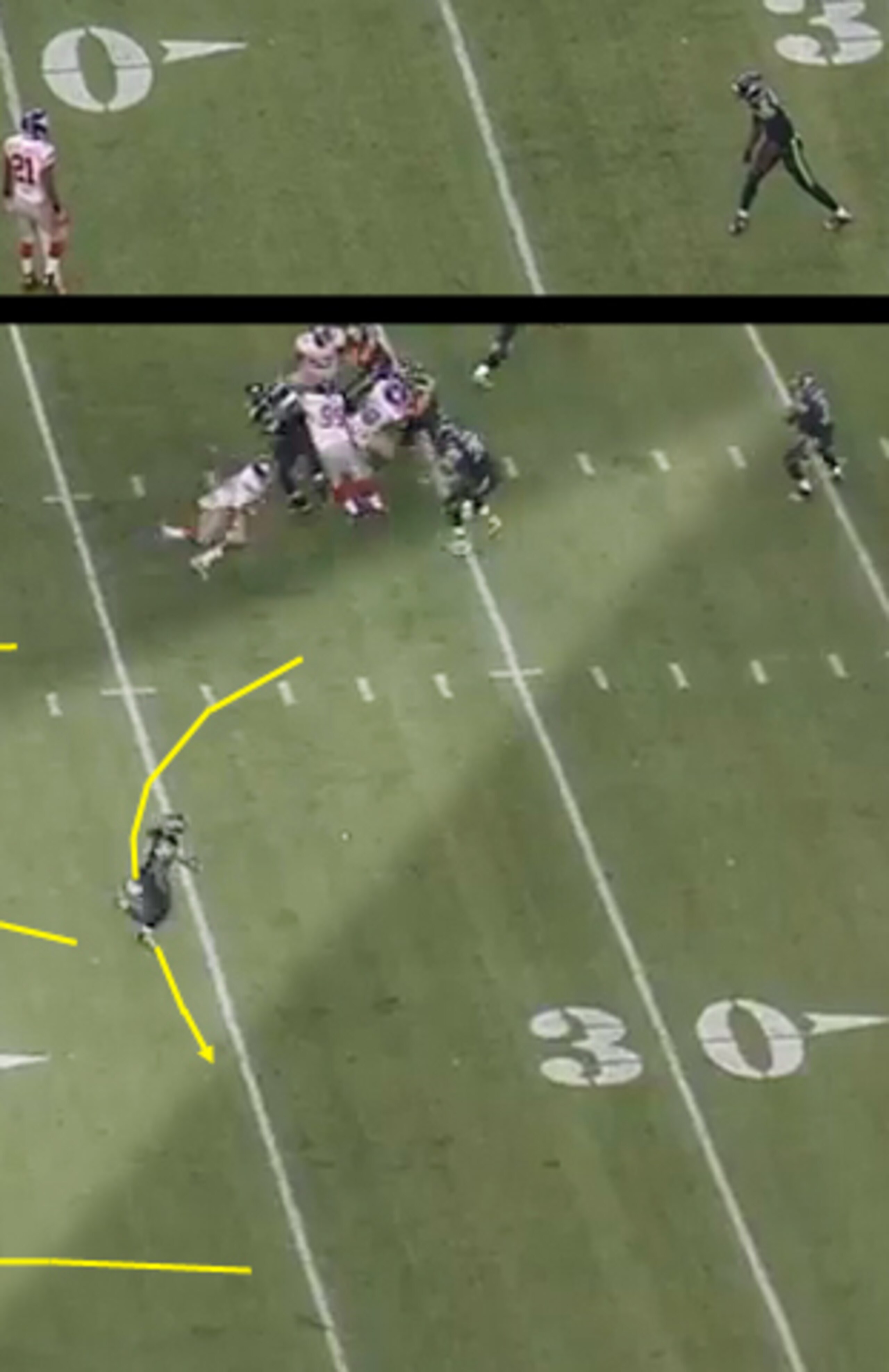
Kearse is running a deep crossing route toward the opposite sideline. As such, he is essentially out of the play when Wilson looks to his left at the snap.

Wilson holds the ball to allow the routes to that side to develop, but he eventually turns and runs into the opposite flat. Before he can reach the flat, he is contacted by a defender. It appears as if Wilson is going to be sacked before he can escape the pocket.
As this is happening, Kearse continues to run his route hard until he is behind the deepest safety. At that point, he begins to slow down, but he doesn't stop.
This is important for two reasons.
It's unclear if Kearse understood that he needed to slow down to leave space for Wilson to throw into, but that is what happened because of how he continued down the field. More significantly, when it looked like Wilson might be sacked, Kearse didn't change his speed. He wasn't going full speed, but he was still putting himself in position to be an option for his quarterback.
Based on how he runs his routes through the season, it's fair to presume that Kearse understood both the space between him and the sideline and Wilson's potential to break free.
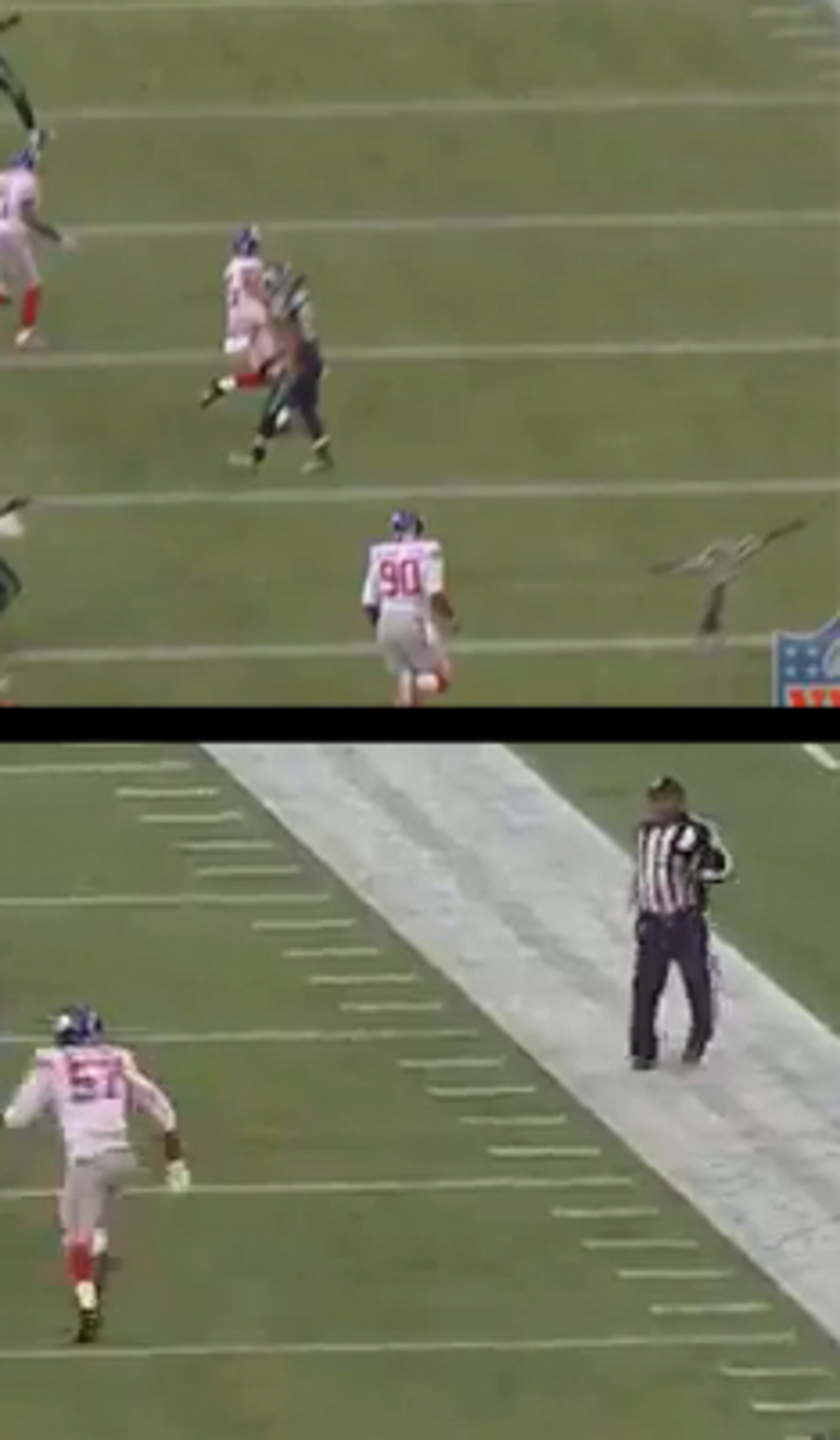
Wilson does ultimately do so, and when he does, Kearse is looking back to the football. As Wilson releases the it, Kearse is able to recognize that his quarterback is throwing him down the sideline rather than toward the sideline.
Kearse recognizes the football's flight very early, so he is already running toward the spot down the field before the defensive back closest to him can even turn around.
Twenty-four of Kearse's receptions on the season so far have come against zone coverage. Those receptions have gone for 332 total yards, a 13.8-yard average per catch. Against man coverage, Kearse has 17 receptions for 364 yards, a 21.4-yard average per catch.
Kearse's big plays often come against man coverage, obviously, but that doesn't mean they primarily come when he lines up outside. As the above play's breakdowns suggest, he does some of his best work in the slot.
Pick plays were a big theme of the 2013 season because of the Denver Broncos' success with them in the AFC West. Pick plays have always been a part of the NFL, and the Seahawks have one in particular that stands out.
Baldwin caught a big play in last year's Super Bowl on it.
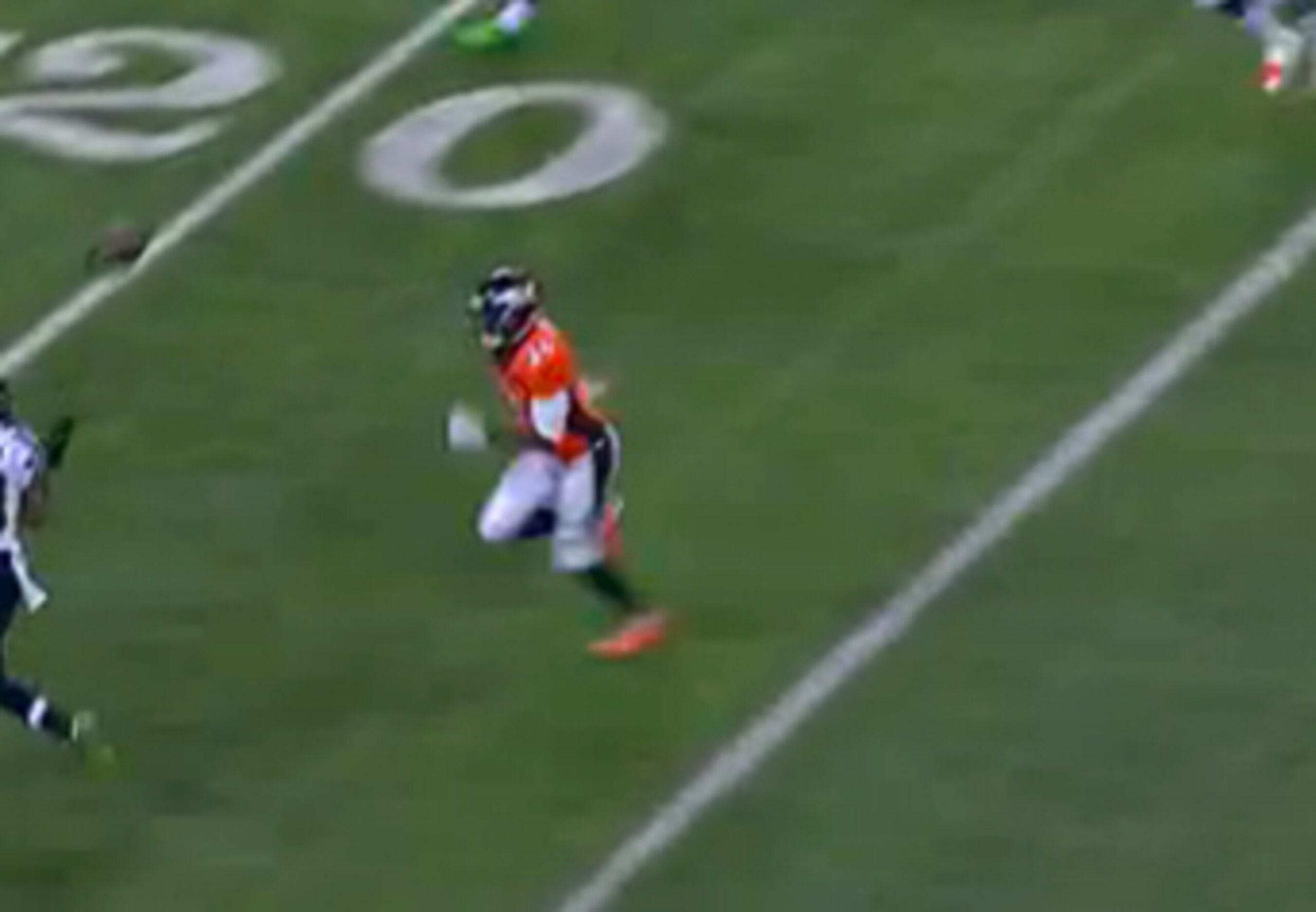
The route combinations for this pick play are designed to free the slot receiver down the sideline. On this occasion it is Baldwin lined up in the slot with Kearse on the outside. Tate is going to run down the seam, but he is very slow through the beginning of his route.
Tate's initial lack of intensity and angle put him directly in Champ Bailey's way, creating a natural pick for Baldwin.
Kearse and Baldwin executed this play on the other side of the formation against the Dallas Cowboys during Week 6 of the regular season. It led to a 53-yard reception for Kearse on a 3rd-and-9. This is the kind of play a team will likely only take advantage of once in a game, but one big play can always be crucial.
Against the Patriots, the Seahawks should only look to run this play if they can keep Revis away from the two receivers.
Revis is exceptionally fluid and intelligent. Therefore, he is more likely to adjust to avoid the pick route if he is covering the slot receiver from the start of the play. He may be smart enough to adjust and cover the sideline if he is on the outside receiver.
Against the Indianapolis Colts in the divisional round, Revis appeared to abandon his assignment for his interception of Andrew Luck.

The former New York Jets and Tampa Bay Buccaneers defender initially lines up on the outside against Donte Moncrief. T.Y. Hilton is lined up just inside of Moncrief, and he is being covered by Arrington.
Hilton is going to run underneath Moncrief into the flat.
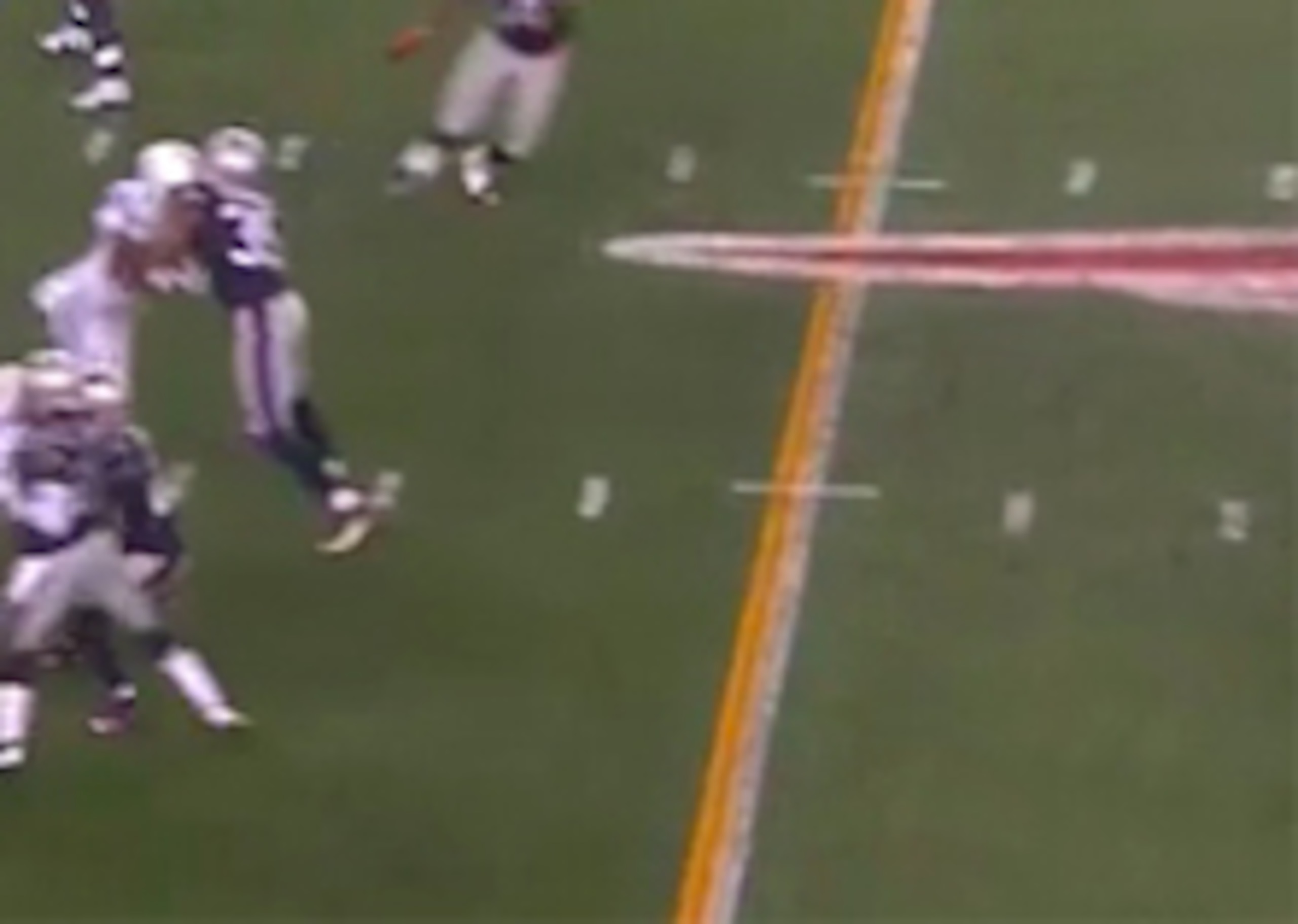
Coincidentally, this interception came on a play when the Colts were attempting to pick off Arrington in the slot. However, I'm not sure this happened by design because of how slow Luck was to recognize Hilton outside.
If Revis was playing the flat or if the Patriots were swapping receivers, Revis wouldn't be covering Moncrief so aggressively early in his route; he would have reacted to Hilton at this point of the play.
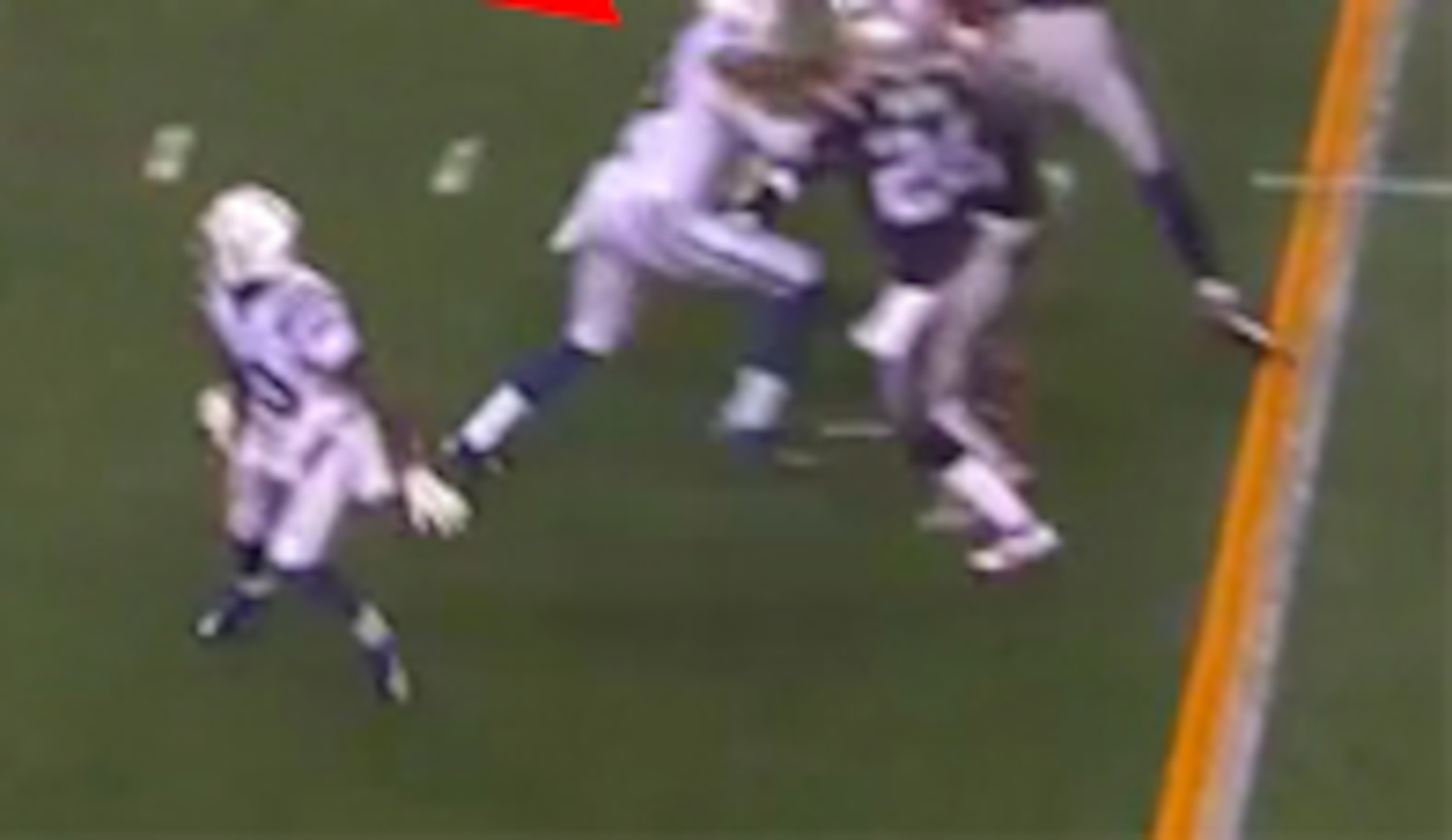
Revis eventually brings his eyes to the quarterback and disengages with Moncrief, recognizing Hilton in the flat. Despite this eventual adjustment, it has come so late that it must have been an individual decision rather than part of his assignment on the play.
As the rest of the defensive backs on the field also highlight, the whole design of the play suggests that Revis had to be in man coverage on Moncrief.

Luck deserves most of the blame because he was late to recognize that Hilton was open, and his pass was delivered slowly. Yet Revis still must be given credit for adjusting to the play as it developed instead of being locked into his responsibility.
Moncrief can be seen running free down the middle of the field to the top of the screen, but he is running toward deep safeties.
This was a calculated decision by the Patriots cornerback. He understood the risk, but it dwindled in magnitude compared to the potential reward. If the Seahawks can get Arrington and Brandon Browner in a position where they can attack them with a pick play, it would work in their favor significantly more than if Revis is involved in any way.
Revis is obviously going to have a huge impact on this game one way or another. It's unclear if Kearse will, but at least on paper it appears that he will be pushed into the spotlight again.
How he reacts to that spotlight is unclear if we judge him by his previous displays.
Statistics acquired via research unless otherwise noted.
.jpg?w=2560)
.jpg?w=2560 "Colts Vikings Football")
.jpg?w=2560 "WWE Raw Live Grades 🔠")