
Biggest Takeaways from Green Bay's 2014 Season
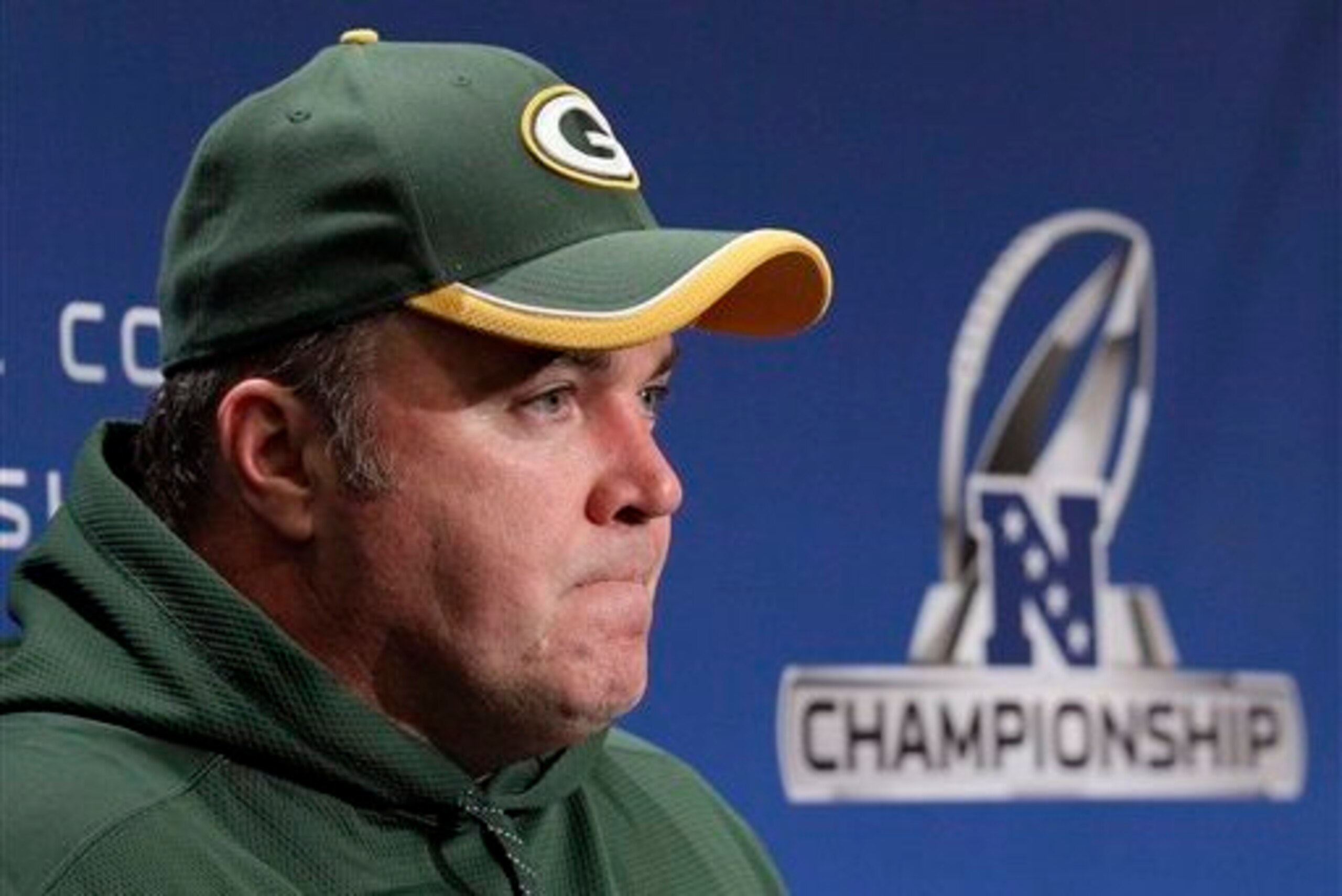
Despite a loss one game away from the Super Bowl, the Green Bay Packers made several steps in the right direction in 2014. For the future of their franchise, this is crucial. Advancing to the NFC Championship Game, and nearly escaping with a win, is a tall task for a team that had an injured quarterback since Week 16.
When looking at all of the categories in which the Packers have improved on in the past year, eight stand taller than the others, giving hope that the team could potentially make another Super Bowl in a fairly similar fashion to their 2010 season.
Studying their year in depth, that, along with a 12-4 record, a first-round bye and a playoff win, should ring in the mind of Green Bay fans as a positive season, though they did finish just short of their ultimate goal.
Vastly Improved Safety Play
1 of 8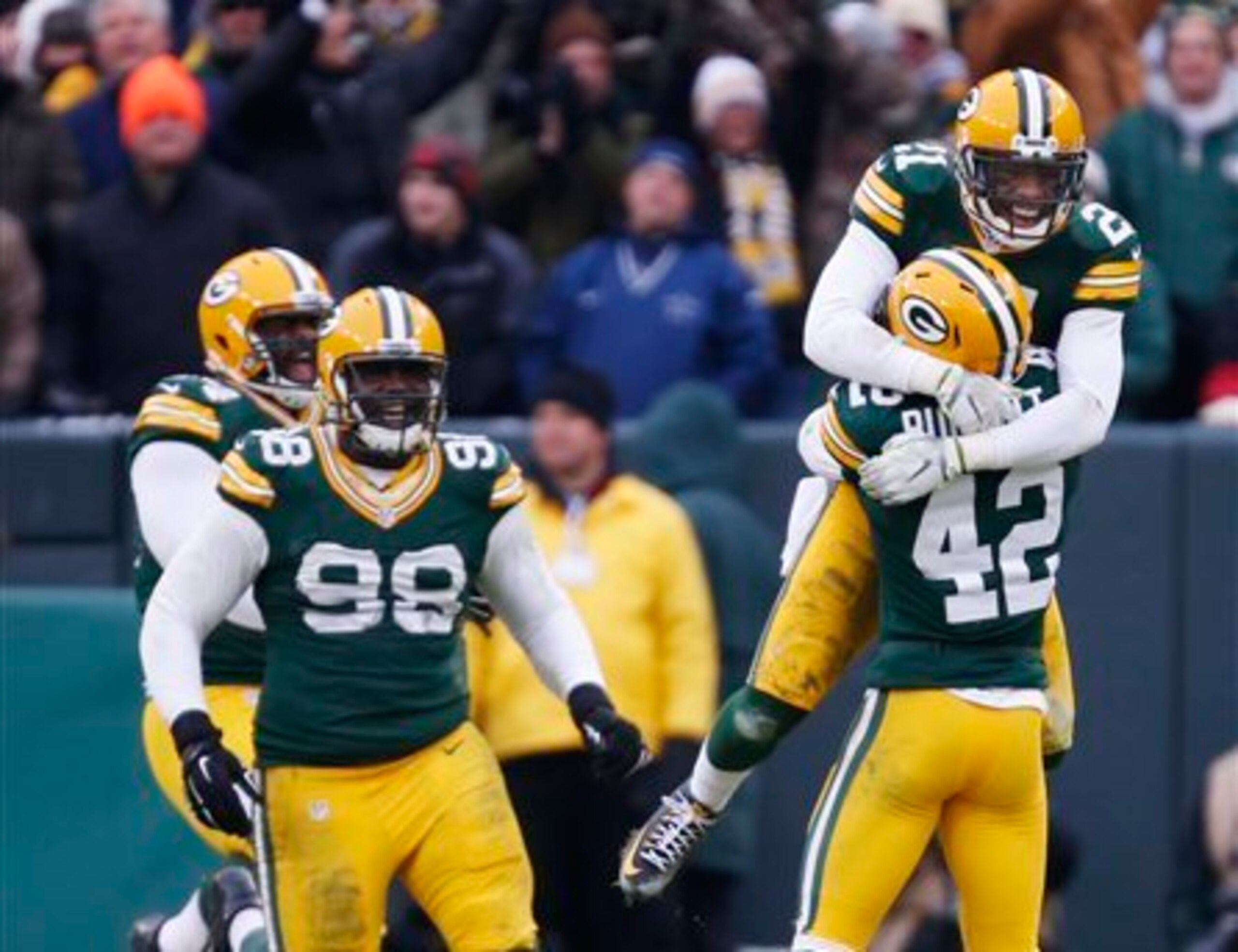
Even in the season finale against the Seattle Seahawks, the safety play of the Green Bay Packers was noticeable. After years of looking for Nick Collins' replacement, it seems Ted Thompson has finally filled the free safety spot for the foreseeable future with Ha Ha Clinton-Dix, who was drafted in the first round by the team in 2014.
The Alabama product allows the Packers to morph their entire defense, trusting him enough on first and second down to play single-high safety, something that Green Bay either wasn't able to do in situations over the past few years or were taken advantage of when they did attempt to do so.
Since Week 16, the green and gold matchup against the Tampa Bay Buccaneers, the Packers had leaned on Clinton-Dix in that role, allowing the other starting safety, Morgan Burnett, to roll into the box for run support. This was crucial in wins against the Detroit Lions and the Dallas Cowboys, and it even worked for three-and-a-half quarters against the Seahawks.
Only one year removed from a zero-interception season from the Green Bay safety unit, the giant strides made over the course of this past season should be noted. Clinton-Dix was eased into the starting role early in the year, which then allowed Burnett to be eased in what seems to be his ideal role later on, a true strong safety.
Against Russell Wilson, one of the best young quarterbacks in the league, the tandem recorded three interceptions and dropped another, something that would have been thought impossible in 2013.
Letroy Guion Emerging
2 of 8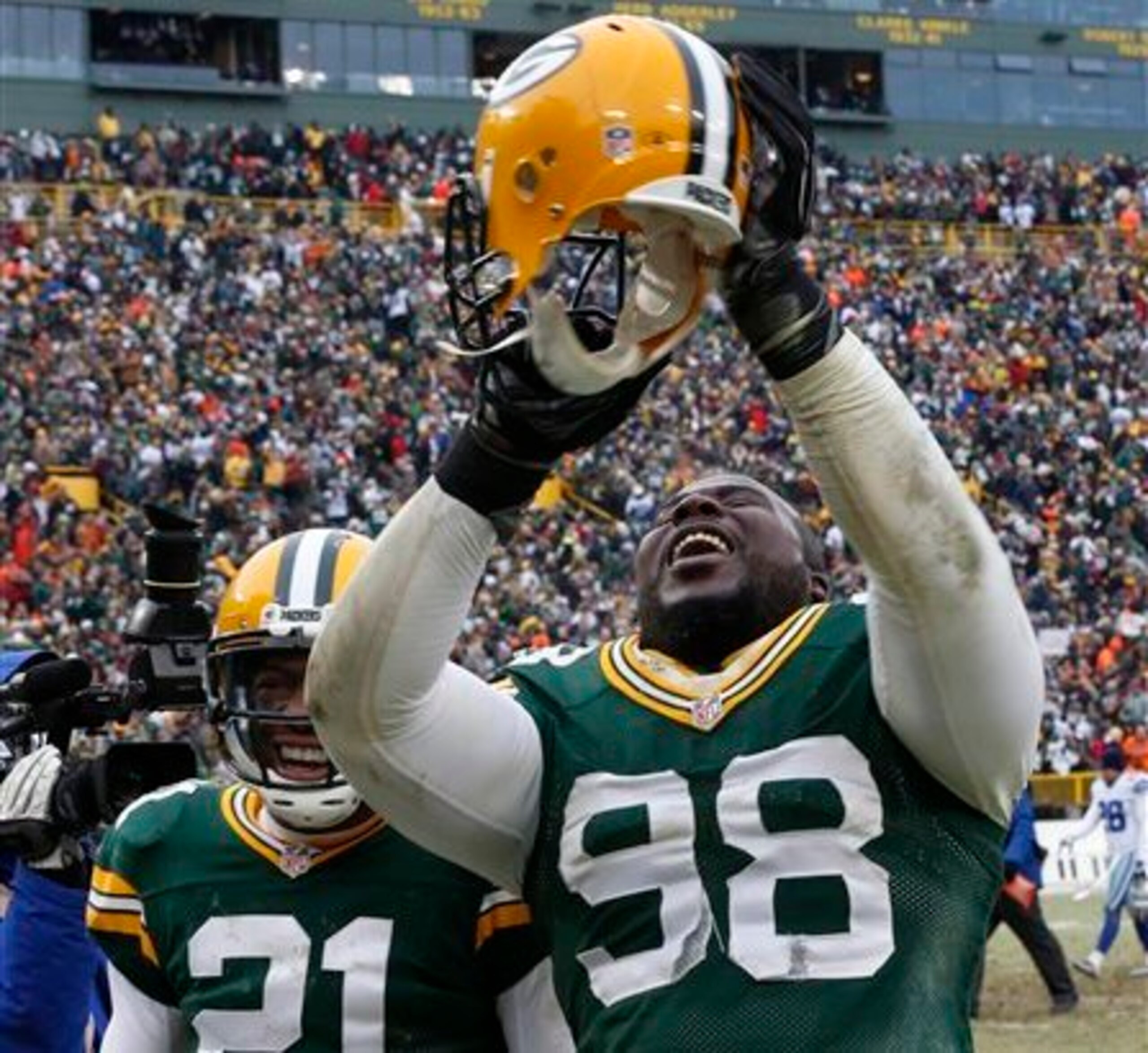
Only a couple of years ago, B.J. Raji was the long-term nose tackle for the Packers. After a rough 2013 season, he signed a "prove it" deal with the squad in an attempt to prove his worth once more and net a larger contract. Unfortunately for him, he tore his biceps in the preseason, sending Green Bay fans into a panic.
Letroy Guion, who was released as a cap casualty by the Packers division-rival Minnesota Vikings, was the next man up, as they like to say. On a one-year, $1 million deal, it's hard to imagine that the front office thought they were getting the level of talent Guion performed at in 2014 as Raji's replacement.
Starting all 16 games of the year, Guion recorded 3.5 sacks, good for fifth-best on the roster. Only one defensive lineman, Pro Bowl snub Mike Daniels, had a better mark in the category. Behind him were two first-round front-seven selections in Datone Jones and Nick Perry, who were noted coming out of college as pass-rushers.
A pressure-creating nose tackle is rare and should be allocated for. As far as the draft is concerned, there has only been two truly consensus first-round nose tackles in the past decade for media scouts: Raji and Dontari Poe. Both of them could get after a quarterback, and there's no secret as to why they both went so high.
Guion was not only a serviceable body, but one that improved over time and proved to be a key in the Green Bay defense down the stretch. It's not crazy to assume that this once cap casualty could be locked up over the offseason, as the team tried to tie themselves to a solution to their long-term nose tackle question.
Davante Adams Looking to Expand His Role
3 of 8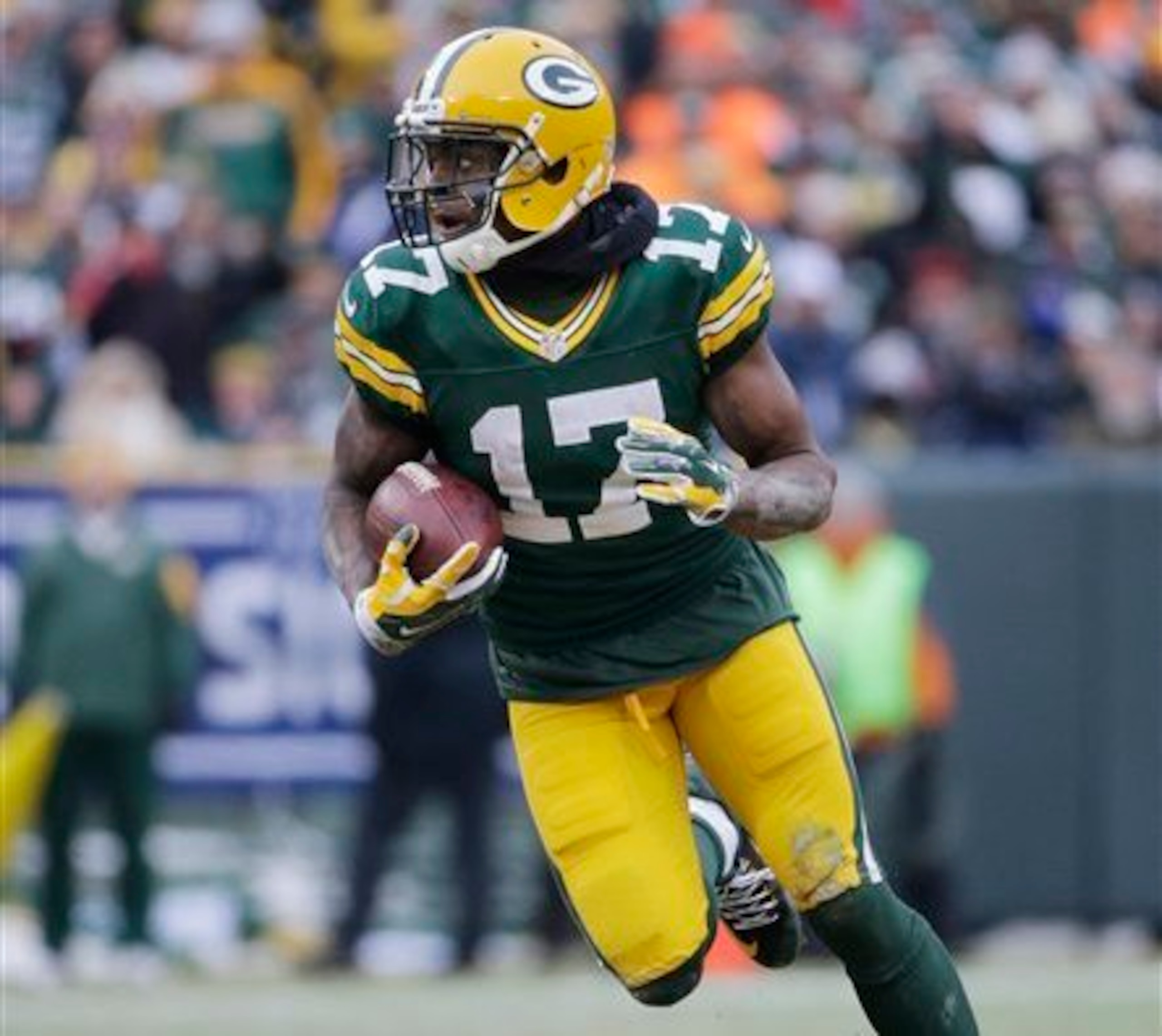
Declaring as a redshirt sophomore, Davante Adams left Fresno State as one of the youngest players in the 2014 draft class. Taken in the second round by Thompson and Co., he's proven well worth the investment at this point.
The Mike McCarthy-era Packers have been talked about as teams that not only can identify talent at the receiver position, but ones that also refine them. Between Jordy Nelson, Greg Jennings, Randall Cobb and James Jones, there always seems to be an emerging wideout waiting for his big break in a larger role.
Adams replaced Jarrett Boykin, the previous starting receiver as Green Bay's third option, in the first quarter of the year. Slowly coming on more and more each week, Adam's performance topped in the divisional round of the playoffs, when he helped vault the Packers to the NFC title match.
Statistically speaking, his 2014 was the best season any McCarthy-era rookie has had. When studying the names that includes, it's an impressive feat. With Cobb potentially heading into free agency, his flashes of talent could be enough for the squad to think he can replace Cobb's production, though on the boundary.
A long, young, talented receiver is an amazing option to have in today's NFL, and Green Bay has lucked themselves into yet another one.
.jpg?w=2560 "Seahawks Chiefs Football")


Offensive Line Growth
4 of 8
The Packers had a couple of questions heading into the 2014 campaign about the men protecting their prized quarterback. Evan Dietrich-Smith signed with the Tampa Bay Buccaneers over the offseason, meaning the squad would yet again have to replace their opening-day starter at center. Bryan Bulaga, a first-round pick from Iowa who's flexed between right and left tackle throughout his career, has also had injury issues and missed all of the 2013 season.
Dietrich-Smith's replacement in camp was J.C. Tretter, a fourth-round selection from Cornell, who had played quarterback, tight end and left tackle at the non-scholarship Ivy League school, but never center. Tretter, too, like Bulaga, missed all of 2013, his rookie year. In what seemed like a tragedy for Aaron Rodgers, Tretter went down in the preseason, starting the year off the active roster.
In his place stepped in Corey Linsley, a 2014 fifth-round selection out of Ohio State. His first task was a big one, playing in the hostile environment of Seattle. Throwing the rookie into the fire may have been the best scenario for him, though, as he learned from his failures and quickly became not only a serviceable starter, but a good one. When Tretter was healed, he became the sixth offensive linemen for the team, allowing Linsley to continue to progress.
At one point, teammates and media members were even campaigning for Linsley's Pro Bowl candidacy.
In that same fire casting for Linsley, Bulaga went down, forcing Derek Sherrod into the starting lineup as a right tackle for the early portion of the season. Sherrod did poorly, eventually leading to his release, but when Bulaga was inserted back into the lineup, the Green Bay offensive line looked like the best Rodgers had ever played behind.
David Bakhtiari, a fourth-round left tackle, Josh Sitton, a fourth-round left guard, Linsley, T.J. Lang, a fourth-round right guard, and Bulaga made up a pack of players whom talent evaluators largely passed over. Pro Football Focus eventually named the unit the fourth-best in football at the end of the season, behind only Dallas, Philadelphia and Baltimore.
Sam Barrington Entering the Starting Lineup
5 of 8
No one will claim Sam Barrington is someone around whom you build a defense, but he looks the part of a starting inside linebacker. After years of the Brad Jones experiment, the Packers needed just that. No one had to be special, but they needed to function decently in the role.
A second-year late-round selection, his vault was aided by injury and poor play from those above him, but once he got into the role, the squad couldn't take him out. Green Bay was so desperate for an inside presence that they moved Clay Matthews, the All-Pro pass-rusher, from his natural spot of 3-4 outside linebacker to the inside. Barrington's ability to play not only did well for himself, but for those around him, as Matthews was mostly able to go back to his original position.
Still in his rookie deal, the Packers may be able to move from not only Jones, but potentially A.J. Hawk this offseason. With large extensions looming for players such as Randall Cobb, Bryan Bulaga and Mike Daniels, Barrington's 2014 could have a massive impact on how the franchise is shaped in 2015 and 2016.
The Rotating Front Seven
6 of 8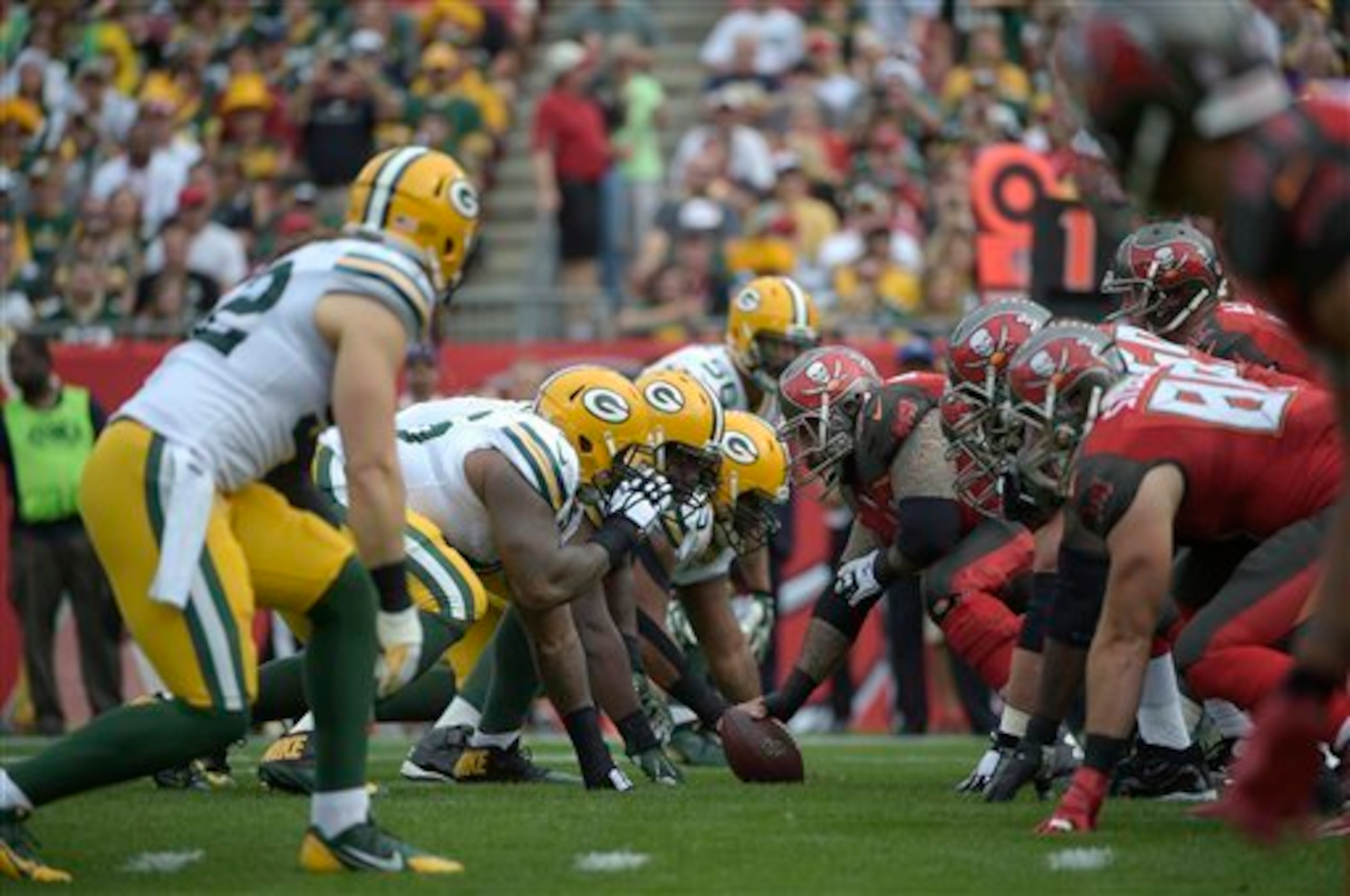
The depth of this front seven has been unmatched by any under Dom Capers in Green Bay.
At inside linebacker, A.J. Hawk was generally the stronghold, while Brad Jones, Clay Mathews, Sam Barrington and Jamari Lattimore were rotated in and out, due to talent, injury and situation. Jones, for example, wasn't thought of as talented enough to be a three-down player, but he did play on passing downs, when he could drop into coverage. Matthews was typically inside for the same reason, but to allow for multiple edge-rushers on the field at the same time as him, giving the team a nice pressure package.
On the edge, Julius Peppers, a 2014 addition, Mike Neal, a 2014 re-signing, and Nick Perry joined in on a four-man rotation that allowed for fresh legs in the second half and fourth quarters. Always looking well rested, the Green Bay outside linebackers were consistently turning up the heat on offenses throughout the year.
The defensive linemen were also talented. Letroy Guion stepped up big time for B.J. Raji, who was slated as the preseason starter. Mike Daniels was clearly the best defensive lineman on the team, playing 3-4 defensive end as an undersized but stout penetrator. Datone Jones, last season's first-round pick, filled a similar role but is much longer. A bit one-dimensional, Jones was a good passing-down player. On the other side of the coin, Josh Boyd was the big-body defensive end the Packers needed on run downs.
Overall, Green Bay got by through self-awareness. They didn't need three-down players at every position to have a functional front to their defense. They used role players in their designed roles, and the chemistry built down the stretch.
Eddie Lacy Is Still Eddie Lacy
7 of 8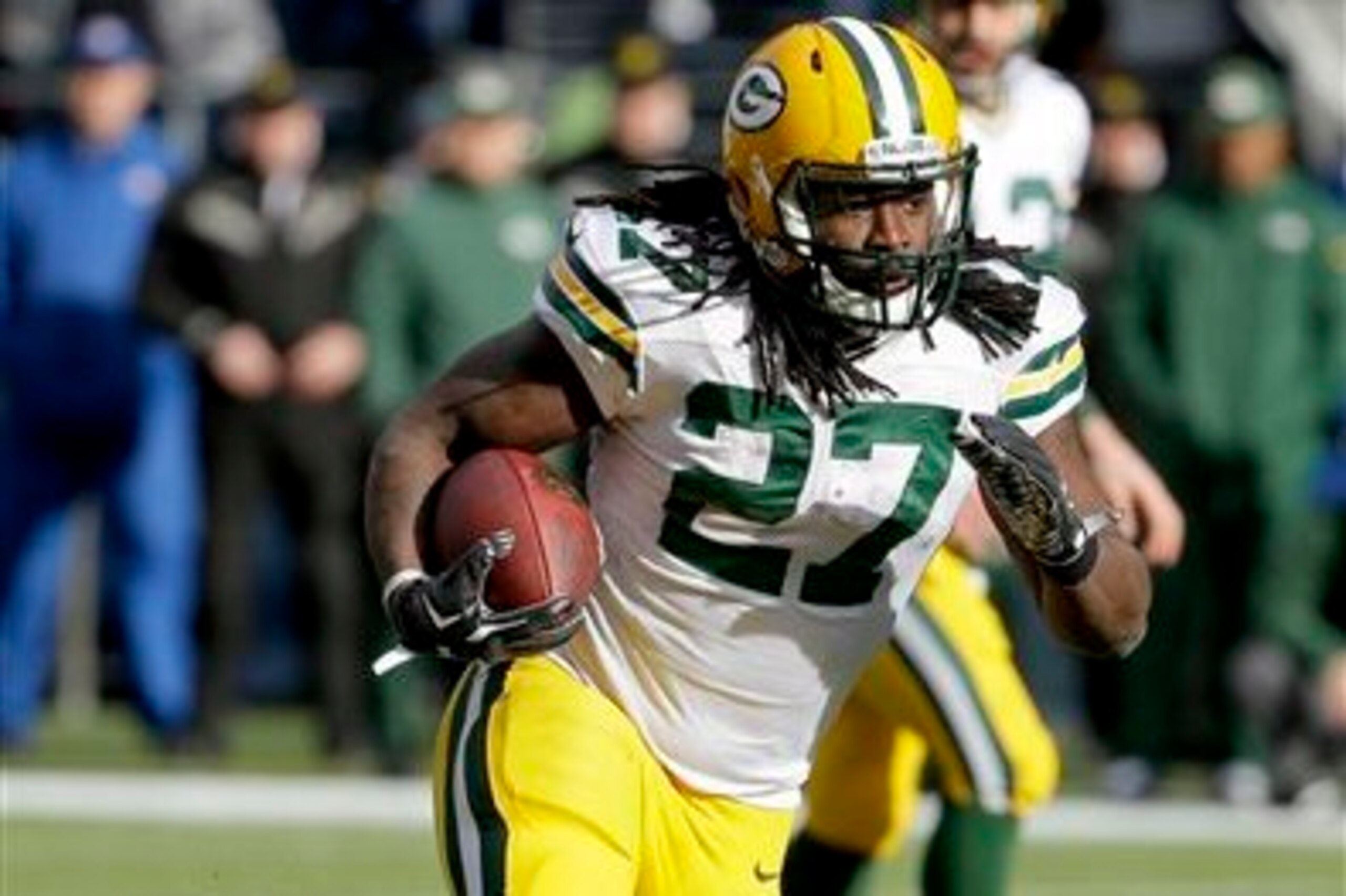
After an early-season slump, Eddie Lacy, the 2013 Rookie of the Year, proved doubters wrong down the stretch. Once labeled as a "fat" running back, he's proven his clear worth to the squad in back-to-back seasons.
He's not Marshawn Lynch, but he's about as close as one can get to him. In some ways he's very similar, a bigger type of running back with a second gear who is tough to bring down due to his balance, speed and size, but in some ways they're still different. He doesn't punish defenders like Lynch does, but that's more of an aesthetic attribute than a functional one.
With the help of an improved offensive line, Lacy was able to carry the load for the team at times, when defenses over-corrected toward the passing game. Some defenses were so frightened at times that they nearly went into two-high safety autopilot, freeing up space for the Alabama player to run through.
Aaron Rodgers is still the king of the offense for the team, but Lacy was a more-than-willing key contributor when coach Mike McCarthy called his name.
Healthy Rodgers Is Still the Best in the World
8 of 8
Before his injury, Aaron Rodgers looked like the best player in the league. Some may say that's J.J. Watt, but a 3-4 defensive end can only do so much. If Houston somehow ended up on a line with Ted Thompson trying to swap the two, the Texans organization would frantically try to get the deal done as quickly as possible, fist-bumping everyone in the building throughout the process.
Making incredible play after incredible play, Rodgers showed the NFL he had what it took to completely tilt a game's advantage toward the Packers' side for game-long stretches. With pinpoint accuracy, a wrist flick that could get the ball to any spot on the field and improv ability that extends plays longer than anyone other than Russell Wilson, he's exactly what 32 teams ask for in a quarterback.
After an MVP-worthy season, Rodgers needs to improve in only one area moving forward: health. After missing games in 2013 and playing through injury in 2014, the only thing that seems to stop the California Golden Bear is himself. Those extended plays look great, but as the television broadcast pans downfield, more often than not, Rodgers is taking a hit for bailing out his teammates.
.jpg?w=2560 "Raiders Saints Football")