Does Phillip Adams Have What It Takes to Replace Dee Milliner in Jets Secondary?
Injuries at the Jets' cornerback position can only be described as epidemic at this point. With Dee Milliner now out for the remainder of the season with an Achilles injury, the entire starting cornerback group the Jets anticipated on using in the preseason is now out of the picture.
Once again, the Jets will be forced to reach into their reserves, this time tapping into the talents of journeyman Phillip Adams.
A seventh-round selection by the San Francisco 49ers in the 2010 draft, the South Carolina State product had stops in New England and Oakland in addition to his two tours with the Seattle Seahawks. A camp casualty in Seattle, general manager John Idzik's familiarity with Adams from his days in the Seahawks front office undoubtedly aided the corner in getting a gig with the New York Jets.
TOP NEWS
.jpg?w=2560 "NFL Paris Football")
NFL House in Paris Closes for Protests
.jpg?w=2560 "Seahawks Chiefs Football")
Trevon Diggs Cut by Seahawks
.jpg?w=2560 "Colts Football")
Jonathan Taylor Landing Spots
Adams was never meant to be anything more than a reserve player, but Adams now finds himself in the limelight as one of the starting cornerbacks headed into Thursday's game. Far from a household name, Adams has held his own in recent weeks, making a handful of plays, including an interception, that are resembling of the last Jets defensive back to wear No. 24.
Adams may have survived the last few weeks in his expanded role, but can this Seahawks castoff be a long-term answer for the Jets as an outside cornerback?
Adams did not see his role expand into a meaningful one until Week 5's matchup against the San Diego Chargers, when Darrin Walls suffered an in-game injury. He returned to the lineup early in last week's loss to the Denver Broncos after Dee Milliner left early in the first quarter.
With Milliner out for the season and Antonio Allen back at his more natural position of safety, Adams is slated as the starter opposite Walls. The question Adams must answer is whether or not the Jets need to look for yet another replacement at the position.
By the Numbers
For a player who was barely drafted and unable to stick on an NFL roster, the results from Adams so far have met every reasonable expectation. Adams started off hot in his extended debut against the Chargers, intercepting a pass and only allowing two to be completed in his direction.
| San Diego Chargers | 4 | 2 | 17 | 0 | 1 | 21.9 |
| Denver Broncos | 10 | 7 | 113 | 1 | 0 | 140.8 |
He came back down to earth a bit against the Broncos, allowing 113 yards on his passes against his coverage—but the Denver Mannings have a way of giving opposing defensive backs a rough afternoon.
While he did play a significantly higher number of snaps against the Broncos (52 to 74), the difference in performance in just a week's time is still curiously high. Was Adams exposed in his second outing at cornerback, or was he just a victim of being in the wrong zone at the wrong time?
The Good
While he had played well all afternoon, Adams put himself on the radar with one huge play against the Chargers, lined up in one-on-one coverage against Keenan Allen.
Adams gives Allen plenty of cushion off the line of scrimmage, but in this case, it pays off. Quarterback Philip Rivers never looks in any other direction—as if he were planning on testing Adams before the ball was even snapped.

Allen is set to run a stutter-and-go, but Adams never bites on the fake. After the fake, Adams does a good job keeping Allen pinned against the sideline.
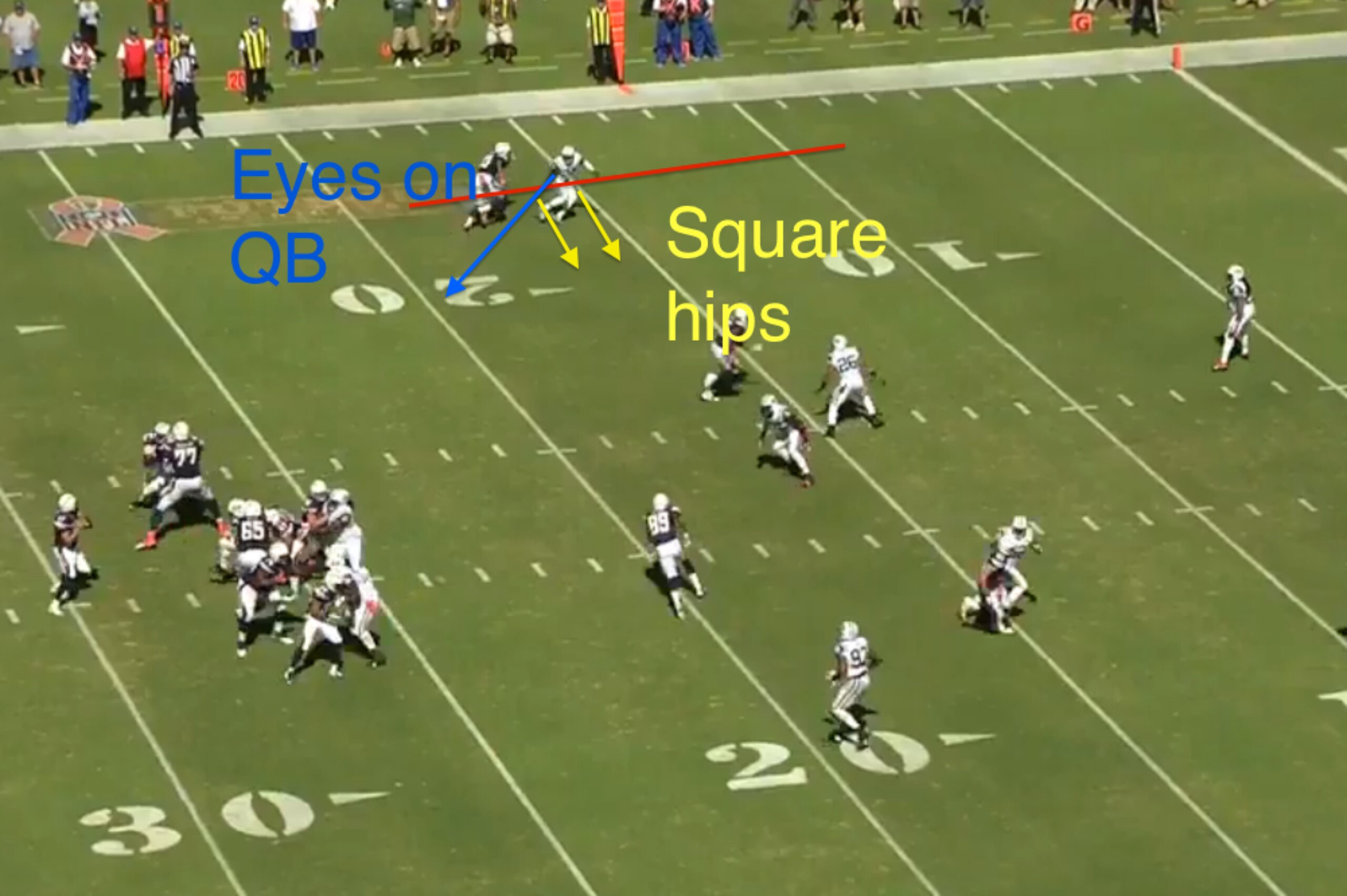
What is most impressive about this play is how Adams keeps his eyes on the ball the entire time without losing his man. By keeping his eye on the ball and his hips perpendicular to the sideline, Adams is in perfect position to make an outstanding play on the ball, as he "high-points" it out of the air for the interception.
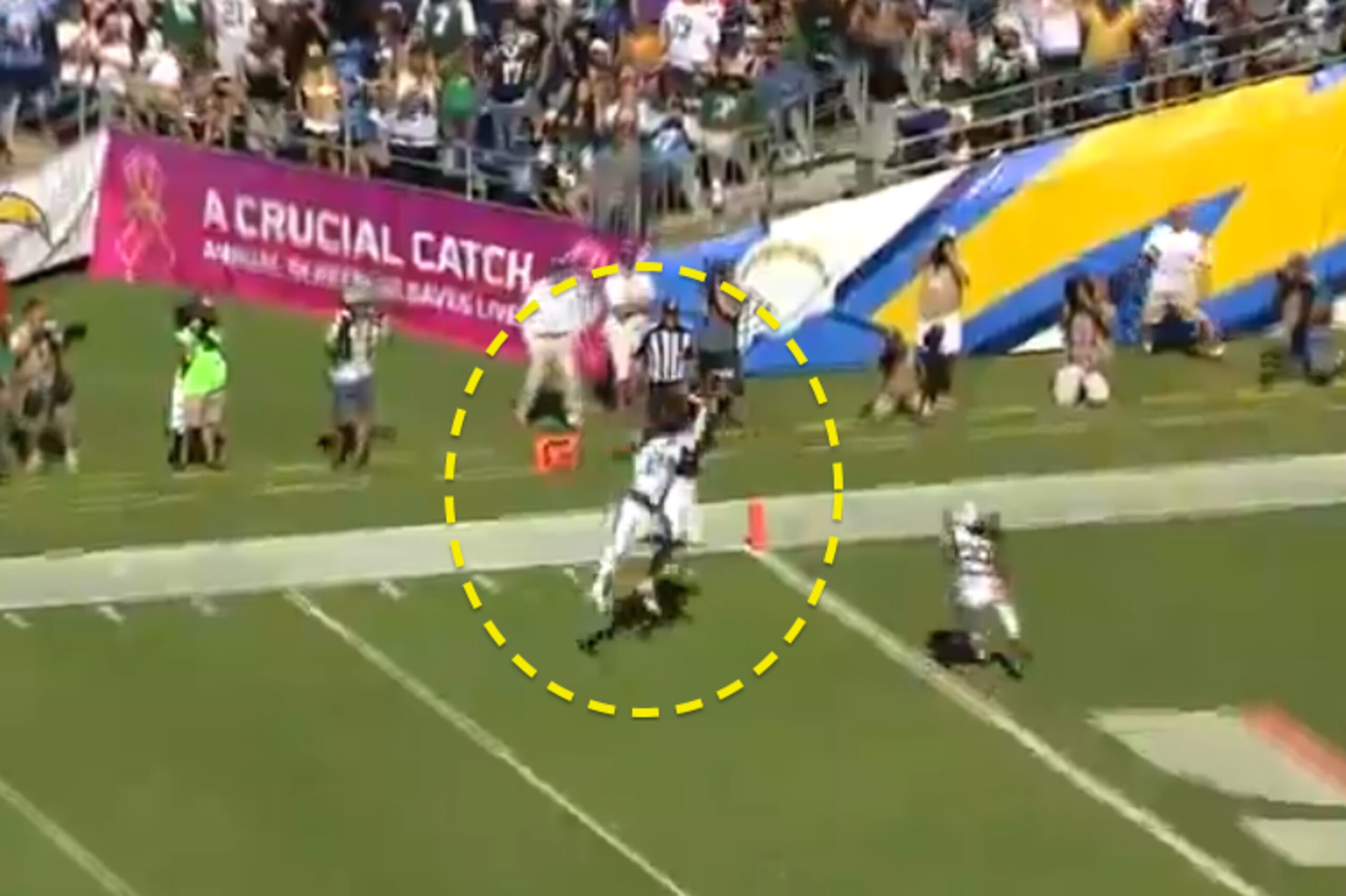
This play was the high point of Adams' two-week stretch while playing a starter's volume of snaps. But what happened the following week to cause such a steep statistical decline against Denver?
The Bad?
A major reason why Adam's numbers were so poor against the Broncos was because of his role in the coverage on a long completion to Demaryius Thomas that opened the game.
The Jets used the same tactic on Thomas that they used on Calvin Johnson and Alshon Jeffery in recent weeks. They asked outside linebacker Quinton Coples to get a jam on the receivers at the line so New York's overmatched cornerbacks can spend more time covering them without being too aggressive.
Meanwhile, the Jets appear to be dropping into a Cover 3 look, a coverage specifically designed to prevent big plays.
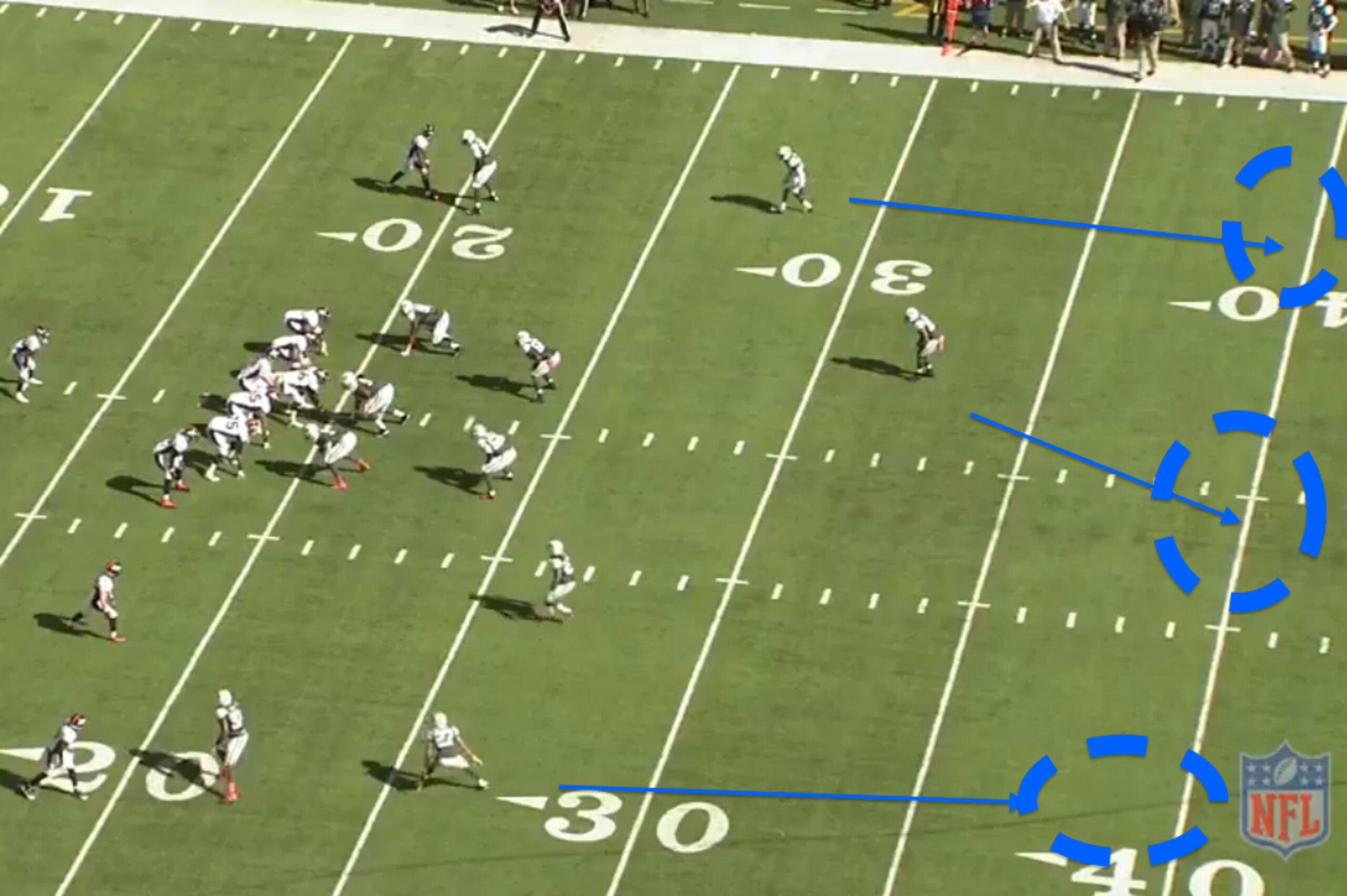
Adams covers his deep third of the field, but the pass rush is so slow to arrive that Thomas has enough time to cross the entire field. When Milliner moves up to cover another crossing receiver, Thomas is left wide open with Adams the only man left between the Pro Bowl wideout and the end zone.

At first glance, it appears as if Adams was beaten horrifically by Thomas, but no secondary should be asked to cover for as long as it did. Had Peyton Manning had less than an eternity to allow the routes to develop and make the pass, Adams would have never been in this situation.
Asking Adams to cover on an island like the last cornerback to wear No. 24 is unrealistic. Adams needs a fair amount of support to succeed against more experienced receivers, but he has shown the ability to use his help well and do his job as opposed to always trying to make a big play.
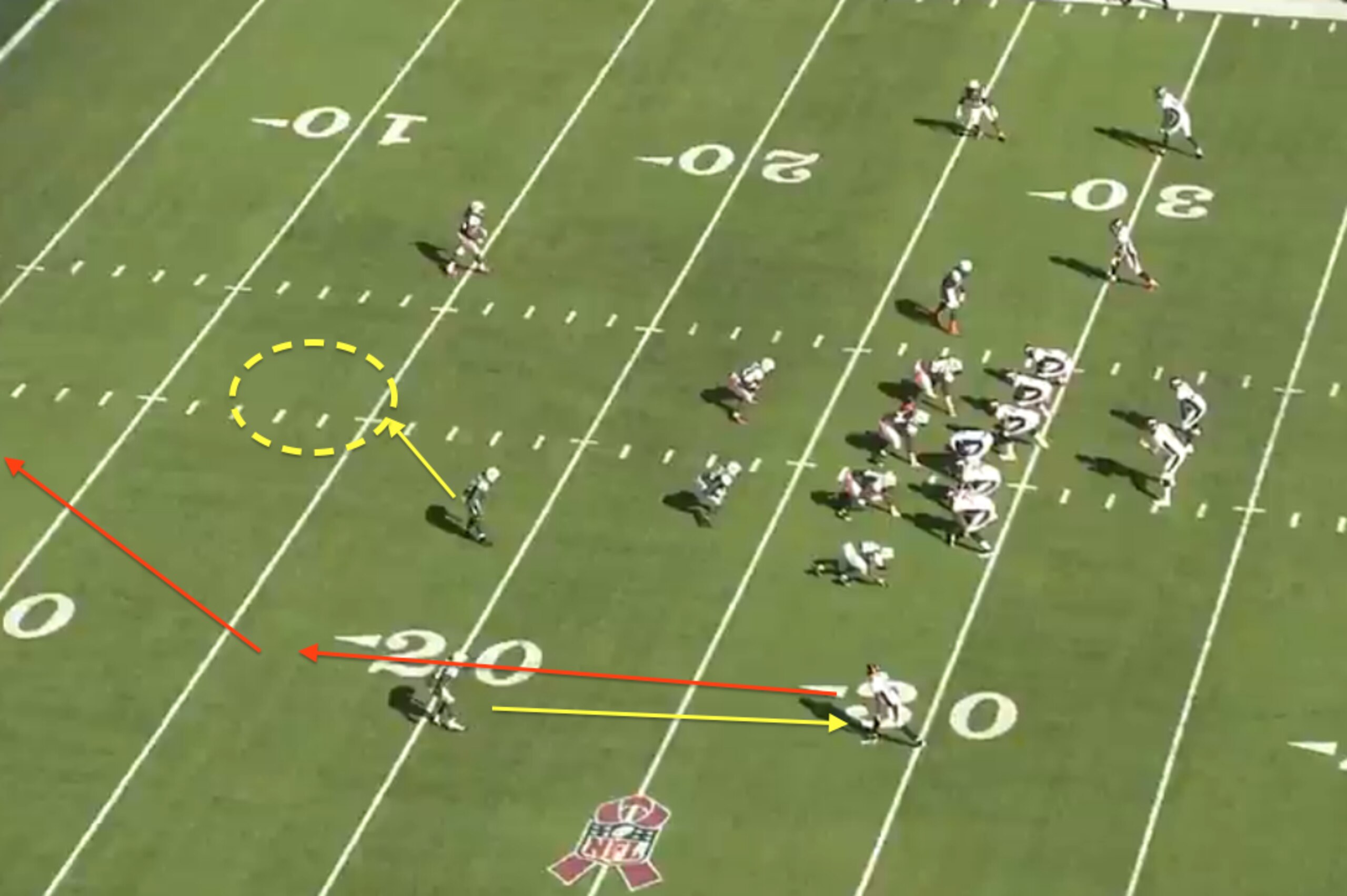
Here, the Jets give Emmanuel Sanders bracket coverage, while he runs a skinny post toward the end zone. The Jets safeties are in "robber" coverage, playing closer to the line of scrimmage. Adams gives Sanders plenty of room, knowing he has help from the safety, Dawan Landry.

Adams smartly takes an outside position, knowing that Landry will cover any throw to the inside. Manning tries to thread the needle between the two defenders, but Adams is in perfect position to make the play.
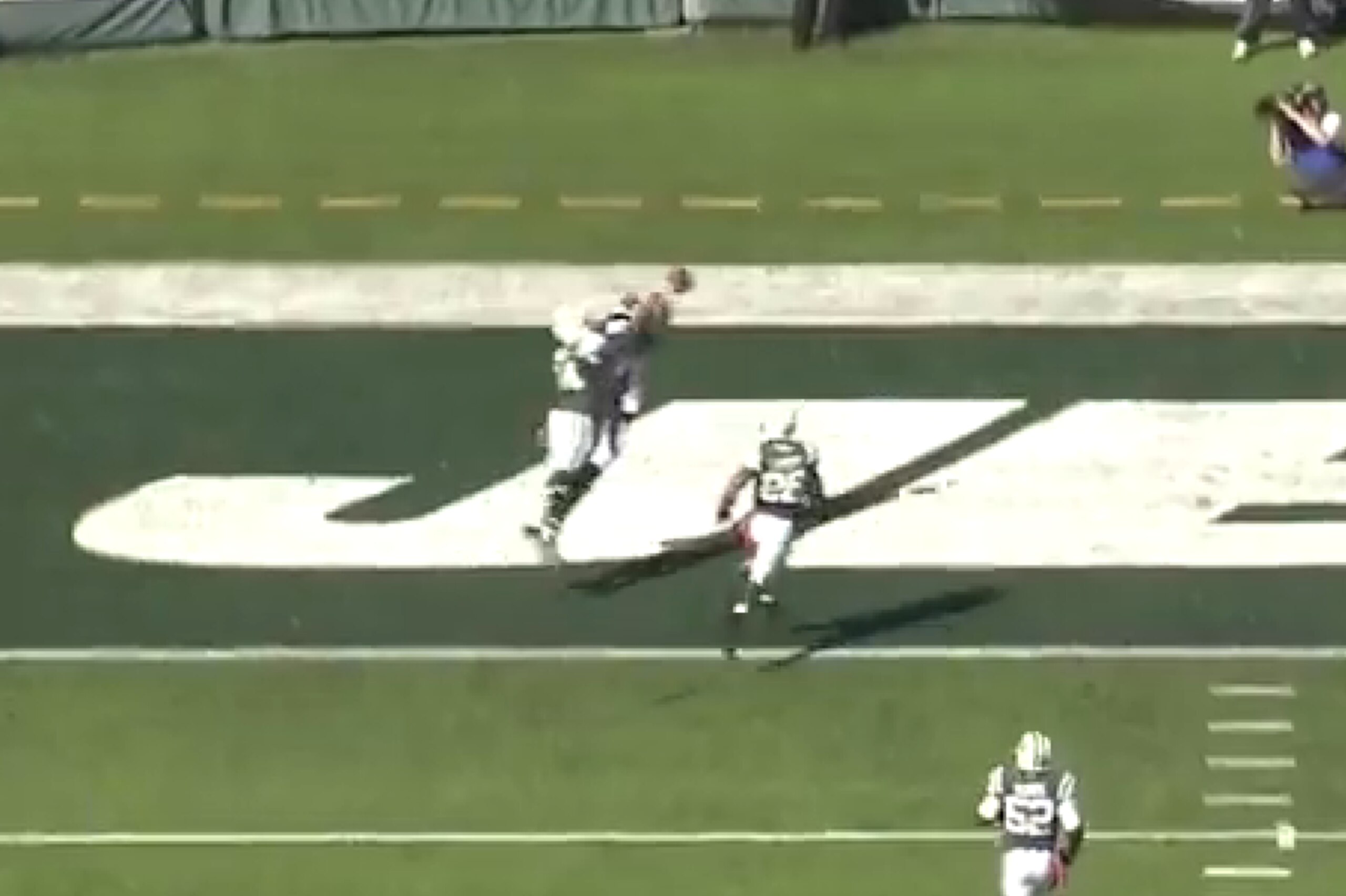
While this is still a small sample size to determine whether or not Adams can be a capable long-term NFL starter, he has made enough plays to assure Rex Ryan and his coaching staff that the defense's cornerback play won't see a major drop-off from Milliner (who was playing very well before his injury).
The Jets secondary is being held together by Elmer's glue, but at least they have some glue left in the bottle.
As much as this group has been painted as a weak point on the team, the New York secondary has quietly been sufficient for most of the season, no matter who lines up from week to week. If Adams can keep up this quality of play for another 10 weeks, the defensive backfield will be anything but the embarrassment it was expected to be at the beginning of the season, even as its situation becomes more grim with each passing game.
Advanced statistics provided by ProFootballFocus.com (subscription required).
.jpg?w=2560)