It Is Time to Admit the Champions League Has Become Boring and Predictable
The Champions League group stage will reach its climax this week with the final round-of-16 matches.
How do you feel about this? Excited? Intrigued? Or not that bothered?
Despite the relentless hype, it is fine to admit the Champions League has now become a little bit stale, and yes, even boring.


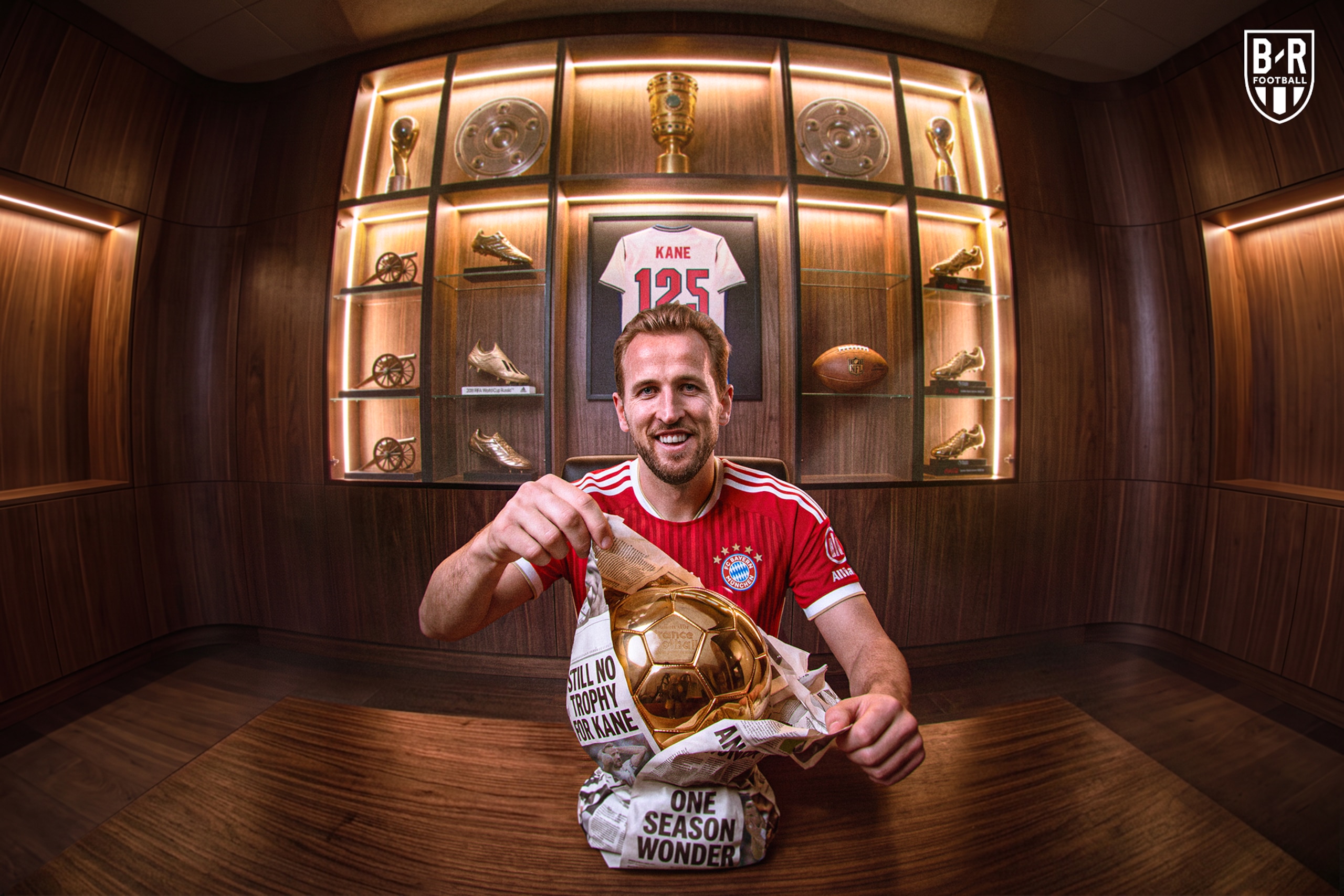
Ahead of the final group fixtures, 12 of the 16 places in the next round have already been taken, meaning the vast majority of the games this week will be played with nothing riding on them.
This will see 11 dull and drab games played out by weakened teams in front of disinterested and often half-empty stadiums.
Elsewhere, Sevilla, Lyon, Napoli, Benfica, Besiktas, Porto and FC Copenhagen will play for one of those remaining positions in the next round.
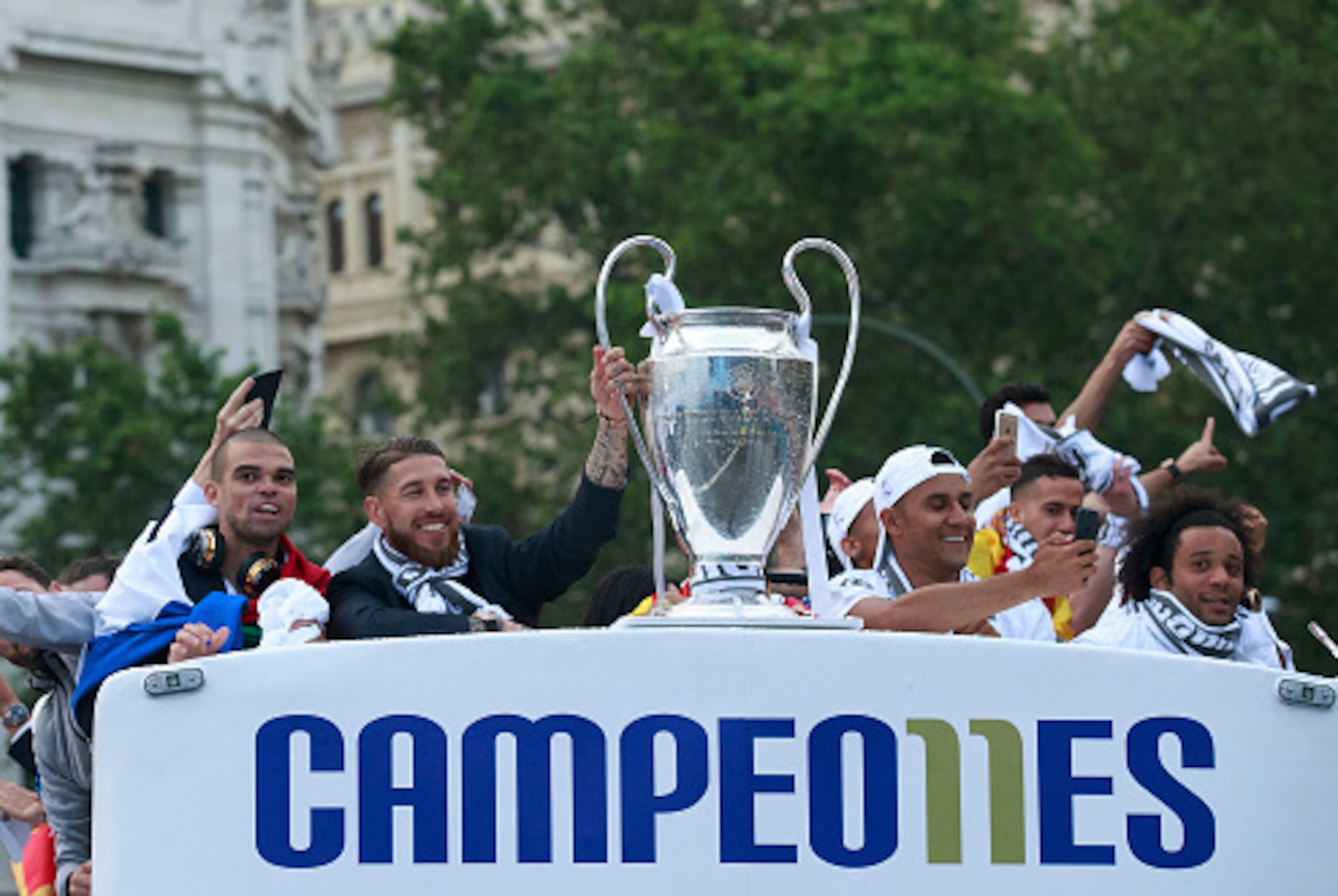
Whoever triumphs will live to fight beyond Christmas, but history tells us they will not survive for much longer, for the latter stages of the Champions League have become a private party for Europe’s elite teams and leagues.
Barcelona, Real Madrid, Bayern Munich, Arsenal, Juventus and all of the others have navigated their way through the group stages, which are designed to limit any upsets and safely usher them through to the next round.
The Champions League has become that film you have already watched countless times; you know the cast, the plot and exactly what will happen, and above all, you know it will have the same ending.
In the last five years, the leading European leagues, England, Spain, Italy and Germany, have taken every Champions League semi-finals place.
Real Madrid and Bayern Munich have been there every year, Barcelona three times, Chelsea and Atletico Madrid twice each, with one appearance each from Manchester City, Juventus and Borussia Dortmund.

It should come as no surprise that all of these teams, with the exception of Chelsea, are on course to reach the semi-finals yet again this season.
A team from outside the top four leagues has not been to the last four since Lyon met Bayern Munich at this stage in 2010.
Overall, even relatively strong leagues, like France, the Netherlands and Portugal have been pushed to the margins of the Champions League.
It wasn’t always like this, and as recently as 2004, Monaco and Porto contested the final, with the Portuguese triumphing in Gelsenkirchen.
During this era, between the 2001-02 and 2005-06 seasons, 15 different teams made it to the Champions League semi-finals, but a decade later, between the 2011-12 and 2015-16 seasons, that number has dramatically shrunk to just eight teams.

The Champions League needs a Leicester City story, something to provide a dose of wonderment and prove that the unexpected can still happen.
Leicester City themselves, playing in the tournament for the first time this season, could fill that role.
But as welcome as this would be, even Leicester would come from the Premier League, which is awash with more cash than any other league in history.
There was a time when the Champions League, even in the years after it was rebranded, still had a mystique about it; that anthem, the games under the lights and the simple concept of bringing together the best teams on the continent.
But after nearly two decades, the competition is beginning to lose some of its sheen, and it has become all too predictable.

In the UK, television viewing figures for the Champions League are in steep decline, possibly reflecting a growing indifference to the competition.
This has been largely caused by the competition’s live games now being shown exclusively by the subscription channel BT Sport.
In the last year, it was screened on the terrestrial and free-to-air ITV, the average peak viewing figure for a playoff or group-stage game featuring an English team was 4.96 million. However, the recent Leicester City vs. Club Brugge group-stage game on BT Sport attracted an audience of just 151,000.
This shows that if the Champions League disappears from fans' screens, they are less willing to chase it and shell out even more money to follow it to a pay channel.
What can be done to bring a sense of excitement back to the Champions League?
An obvious solution would be to scrap the group stage and return it to an knockout competition without any seeding.
Once again we could be treated to a first-round clash between the champions of Europe (Liverpool) and the champions of England (Nottingham Forest), as was witnessed in the 1978-79 season long before a group stage was introduced.
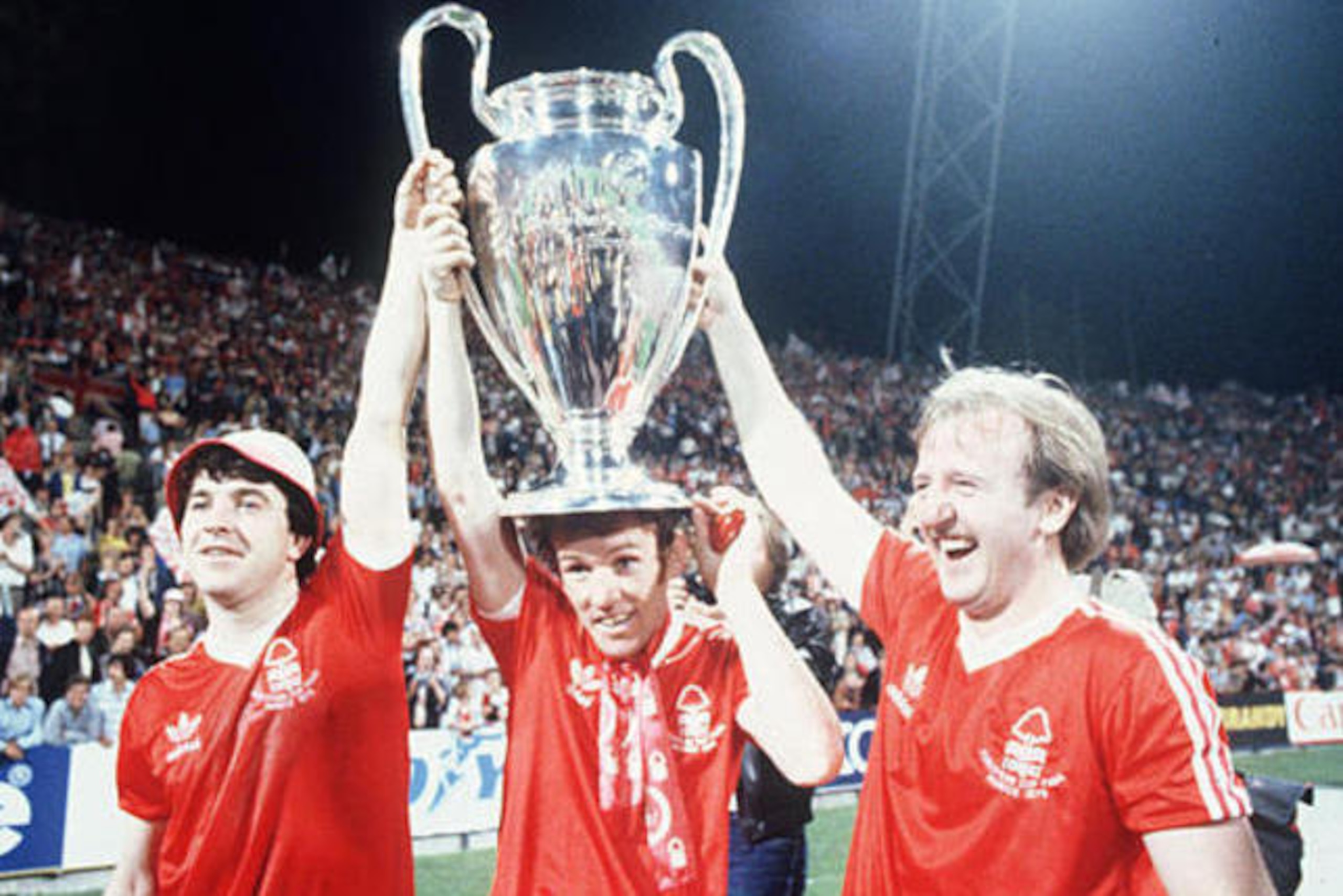
This would ensure each round, and most games, were infused with a new sense of drama, and even danger, that any side could be knocked out at any moment.
It would also provide a new collection of teams with entry to the later rounds, and in turn also likely create new winners of the tournament.
In short, we wouldn’t know the end of the film until we had finished watching.
But this isn’t going to happen.
The group stage provides teams with six guaranteed games every autumn, and for the bigger ones, a near-certain passage to the knockout stages.
Crucially, it also satisfies UEFA’s long roster of sponsors that these bigger teams will stay around for longer to attract the biggest television audiences possible.
It would be disastrous for UEFA’s own power base and future to create a competition where Barcelona or Bayern Munich could be knocked out in the first round in September.
If this were ever even suggested, Europe’s leading teams would immediately march out the door to create a new European Super League.
As the Daily Telegraph reported, the Premier League's leading five clubs have already held meetings earlier this year to explore breaking away from UEFA and creating a European Super League, similar to Super League in the world of rugby, in which there are 11 teams from England and another from France.
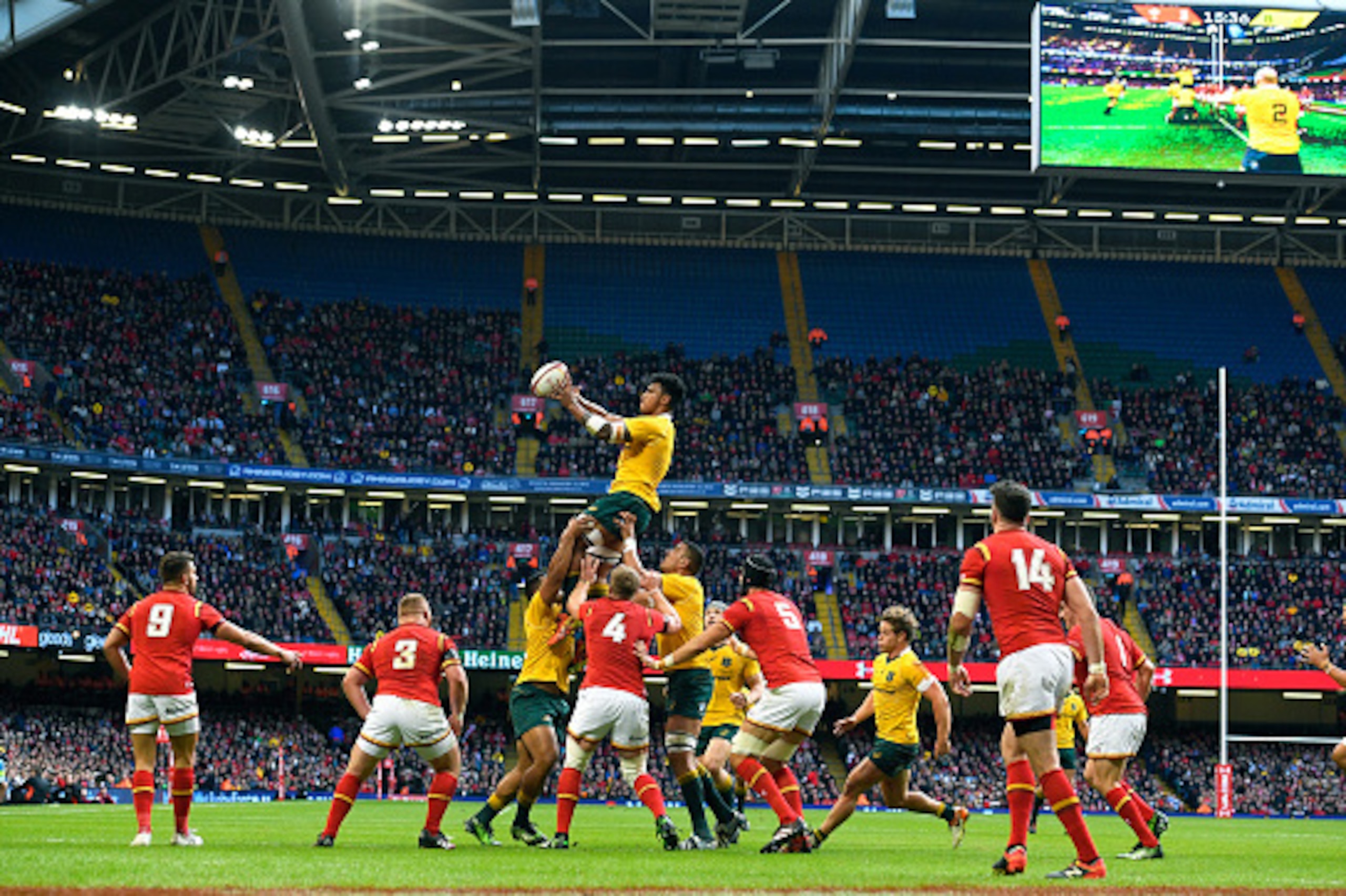
To placate these powerful clubs, the Champions League is already moving further towards them, with the leading four leagues, at the moment England, Spain, Italy and Germany, all set to receive four guaranteed places in the group stage from the 2018-19 season.
At the moment, the top three leagues have three guaranteed places in the group stage, and each enter a team the play-offs, while the fourth league have two guaranteed places, and two more in the play-offs.
So this will only cement the leading leagues’ dominance of the competition. No more perilous play-offs to navigate; now you get waved straight in.
It means from 2018, half of the Champions League, 16 of the 32 teams in the group stages, will be from England, Spain, Germany or Italy.
It also means less intrigue and less chance of a shock.
The sad truth is the Champions League will be delivering more of the same for years to come.