

Weekly Why: Manchester United, Louis Van Gaal and the 'Criminality of Different'
Welcome to Bleacher Report's Weekly Why, a place where we discuss world football's biggest questions that may go neglected and/or avoided. Ranging from the jovial to the melancholic, no subject matter is deemed off-limits.
Why Doesn't Different Football Translate?
I must admit there was something oddly satisfying—as a neutral—watching Manchester United play their way into the Europa League via the 3-2 defeat at VfL Wolfsburg.

.jpg?w=2560 "APTOPIX Morocco FIFA Infantino Soccer")
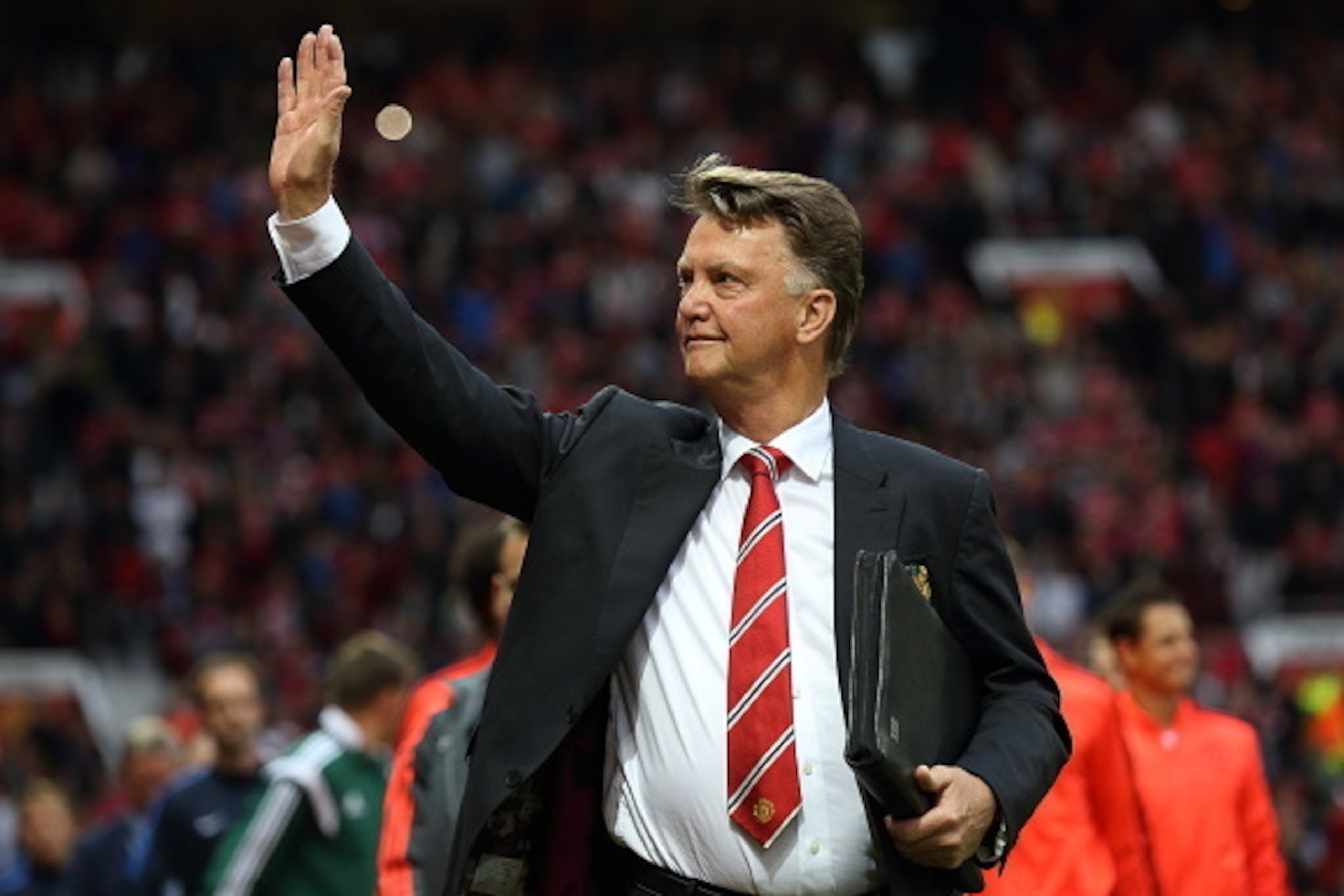
For months, United supporters have bemoaned the lack of attacking fervour as seen under Sir Alex Ferguson, they have bellowed against Louis van Gaal's "negative" tactics and besmirched even the faintest notion of defending being their calling card.
It backfired.

Once PSV Eindhoven secured their result against CSKA Moscow, we understood three points was the only way United would have progressed to the Champions League knockout stages, so a late goal wouldn't have been enough; but there was a point in the match where the English giants were up a goal.
Anthony Martial put his new employers ahead 1-0, after latching on to a marvellous Juan Mata through ball, and coolly slotted (as is becoming his trademark) past Wolfsburg's first-choice goalkeeper Diego Benaglio.
Three points would have seen the Red Devils progress as Group B winners, and they could have joined Arsenal, Chelsea and Manchester City as the Premier League's representation in the round of 16.
One-goal leads are admittedly precarious, and they can never be trusted, but one might expect Manchester United to keep the result for longer than three minutes. No sooner had they taken the slender advantage (and control of the group) then Brazilian defender Naldo volleyed Wolfsburg level, and the Germans—needing their own result—did what was necessary to progress.
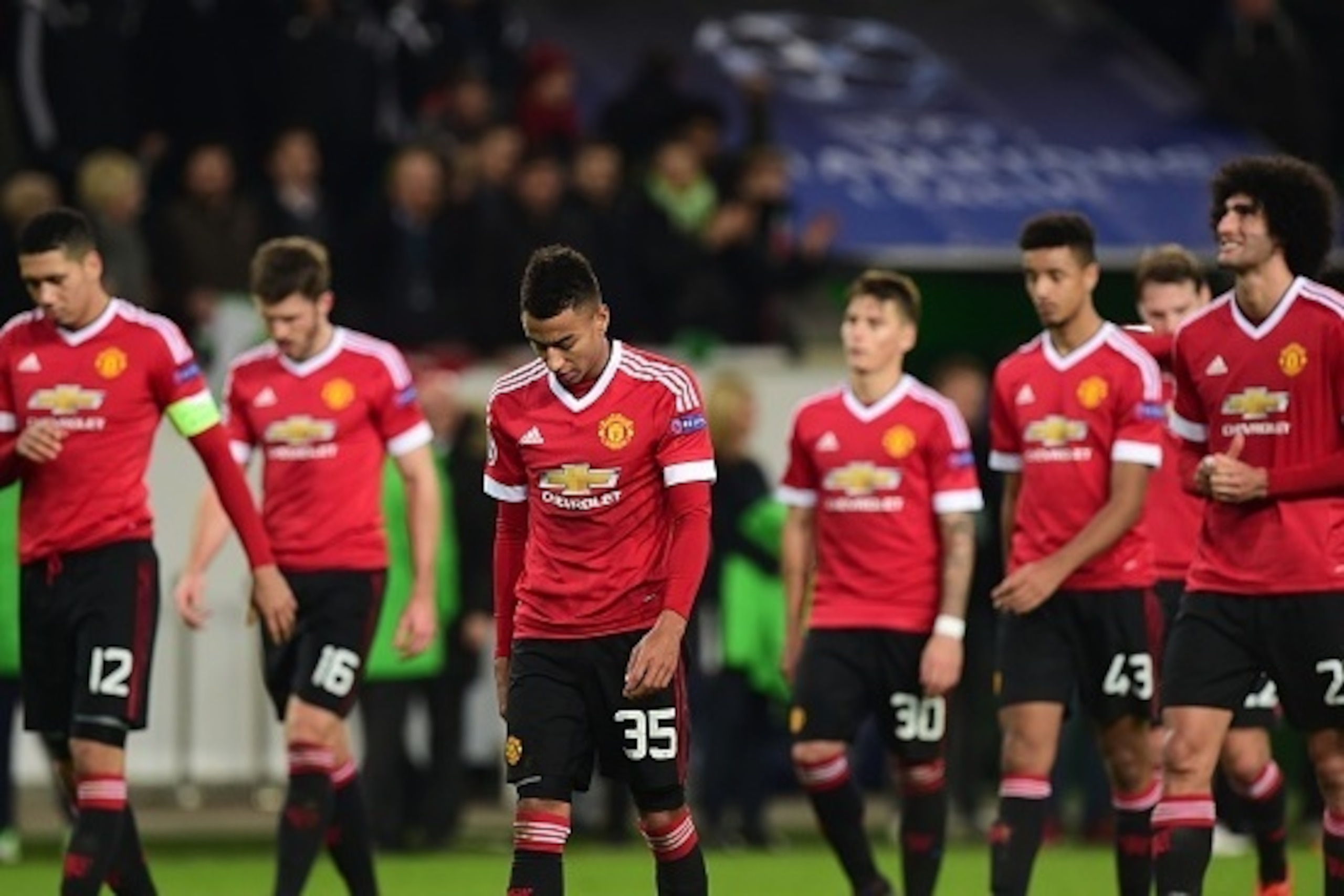
My finding satisfaction from the misery of other football supporters is deplorable, and I deeply apologise to any and all, but in my defence: The irony was too much.
Van Gaal's side have kept 14 clean sheets this season. Where I come from, a clean sheet means work well done. While winning is the motive, not losing beats losing any day of the week, and a clean sheet means you haven't lost (we, for sake of argument, shall avoid Middlesbrough and penalty shootouts).
At Manchester United, though, just a clean sheet isn't good enough. Neither is a 1-0. At Manchester United—as established from the days of black and white, to Ferguson and continuing to present day—entertaining, attacking football is the ethic. It appears to be so well-ingrained that 0-0 seems a loss and 1-0 seems a draw.
Forgive me a cruel chuckle as I type this, but it's utterly ridiculous.

If you will advance with a victory, your plans must change accordingly once you have the lead.
Since his arrival in summer 2014, Van Gaal has preached about "philosophy." As lofty as the word "philosophy" sounds, ambiguity tends to hide within it ignorance (and/or excuses).
If Manchester United's "philosophy" isn't winning matches—whether by one goal or seven—then what exactly is the point of it? Furthermore, if one's "philosophy" cannot be adapted to interpret the unpredictable, fluid nature of football matches, it should be discarded.
No manager would announce their "philosophy" as being oriented around possession for the sake of possession. The purpose of having possession is one, being sure your opponent cannot hurt you (control) and, two, creating chances.

If one's players cannot cause damage when in possession, then they are begging to be counter-attacked. As it stands, Manchester United don't have the requisite talent to play a possession-based style. They try, but the necessary talent to punish teams is non-existent.
This is where preaching "philosophy" becomes problematic: Van Gaal has promised a style his squad cannot execute on a weekly basis, varying by opponent. How does one combat this issue? By defending, then packaging solid defence as "control," the same product one receives from possession.
I have no issue with a solid, compact defensive effort—there is unity that comes from a great defensive performance. When knowledgeable support, though, understands the difference between control via possession and control via defending, and you've promised one and are delivering another, unity is the last thing that can be fostered.
Compounding Van Gaal's stress, if you defend well and win, most fanbases would accept whatever consequences of three points. Manchester United, however, enjoyed arguably the best brand of attacking football in recent English football under Ferguson; they are trained to expect certain qualities when watching their side.
It makes defending seem almost criminal.
The mentality feels: "How dare you rob us of attacking football to create stability." Play stable football and Manchester United likely beat Wolfsburg and advance. Instead, the Red Devils went the Wild, Wild West route—and gunslingers, unfortunately, tend to get shot.
Depending on your club's history, you expect distinguishable traits. This season Manchester United have deviated from usual patterns, and this cultural shock has proven a tough pill for some to swallow.
When you consider the amount of money Van Gaal's spent to create this team, and the players he has when fully fit, there's little excuse not to fulfill whatever ambitions to which the United support feel entitled.
That said, understanding what your club is—not necessarily what it used to be—is a crucial aspect to maintaining your own sanity.
Last Weekly: Premier League, Hierarchy and the Requisite of Managerial Presence | Why Is Aura More Important Than Accolades?
*Stats via WhoScored.com; transfer fees via Soccerbase where not noted.
.jpg?w=2560 "WCup FIFA Investors Soccer")

.jpg?w=2560 "Colts Giving Taylor $44M")



.jpg?w=2560 "Bucs GM Rules Out Vea Trade")

.jpg?w=2560 "Geno Wearing Red Contacts 🤨")