Weekly Why: Premier League, Hierarchy and the Requisite of Managerial Presence
Welcome to Bleacher Report's Weekly Why, a place where we discuss world football's biggest questions that may go neglected and/or avoided. Ranging from the jovial to the melancholic, no subject matter is deemed off-limits.
Why Is Aura More Important Than Accolades?
Did he mean to hit him with the bib?
TOP NEWS
World Cup 3rd-Place Game Could Be Barnburner
World Cup Winner Rings 💍
-(1).png?w=3840)
World Cup Final Details 📝
Only one person knows, and he surely won't admit to anything. Hence, the true intentions behind Diego Costa's flying pink warm-up top, which floated harmlessly behind manager Jose Mourinho in Chelsea's London derby with Tottenham Hotspur, will forever remain shrouded in mystery.
I have a feeling we'll survive nonetheless.
The most interesting emergence from Costa's petulant outburst was Mourinho's managerial integrity coming into question. Many viewed his centre-forward's actions as an indictment of Chelsea's dressing-room culture, that a proper environment wouldn't allow, nor breed, such cantankerous behaviour.

Though often forced into doing so for monetary gain, I'm not a terribly enthusiastic fan of armchair psychology. Speculation is convenient and, probably worse, dangerous. The particular inner workings of every situation are peculiar, making most thought avoidable guesswork.
What can be explored, though, without becoming a fiction writer, is the respect a manager should receive from his squad.
We like to assume reverence is bestowed on those placed in positions of power, but that utopian scenario is hardly reality. Respect is an earned commodity, something that fluctuates in value, depending on a confluence of factors—some components being one's mood, general temperament and previous relationships.
A manager, balancing multiple personalities of varying age, skill level and disposition, must be equal parts tactician and parent. Earning positive results is the primary mission, and that task can only be completed with players at their optimum level—which frequently takes coaxing.
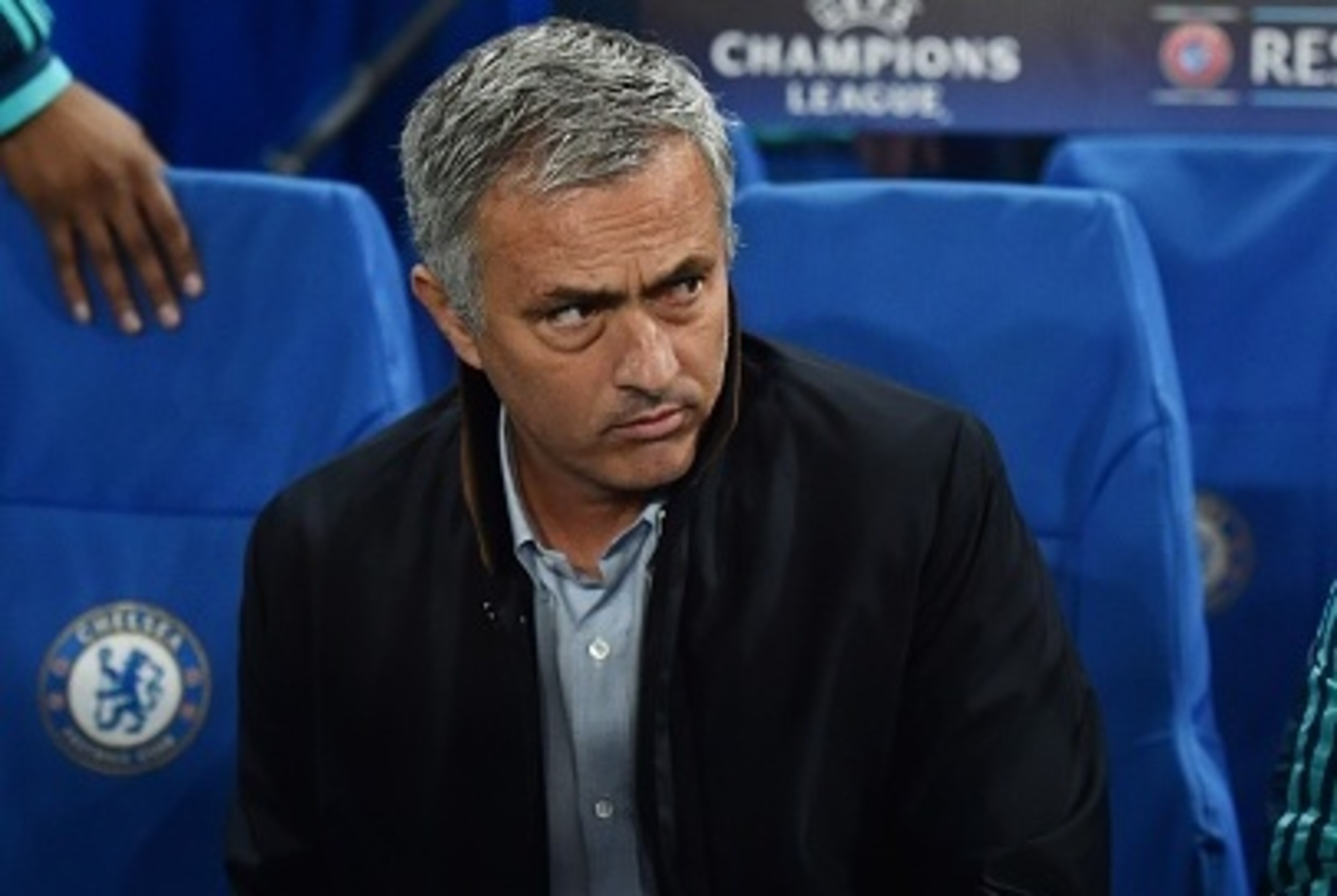
Using the weekend's particulars, Mourinho is an unquestioned mastermind.
The 52-year-old has found success with or without copious funds. Including his birth country of Portugal, Mourinho has won league titles in England (tactual football), Italy (tactical football) and Spain (technical football), with various European honours—including two Champions League trophies—scattered therein.
Little question exists to Mourinho's wealth of knowledge of the modern game; were respect given solely on accolades, only a handful of managers can boast a better record than Chelsea's current boss—although 2015/16's performances haven't shown this in ideal light.
What confounds from last weekend's miniature furor was Costa's blatant disregard for his manager's track record. Respect, though, isn't always a by-product of past achievement. It helps, but doesn't come with magical powers, as each individual is made differently.
Some footballers can look at one's trophy cabinet and instantly fall in line, others might require a more personal connection, built over time, to achieve the same result.
Not discounting the possibility of one-off bad days, deciphering which button(s) to press in an attempt to get the best possible from footballer(s) on matchdays often goes neglected when parsing a manager's duties.
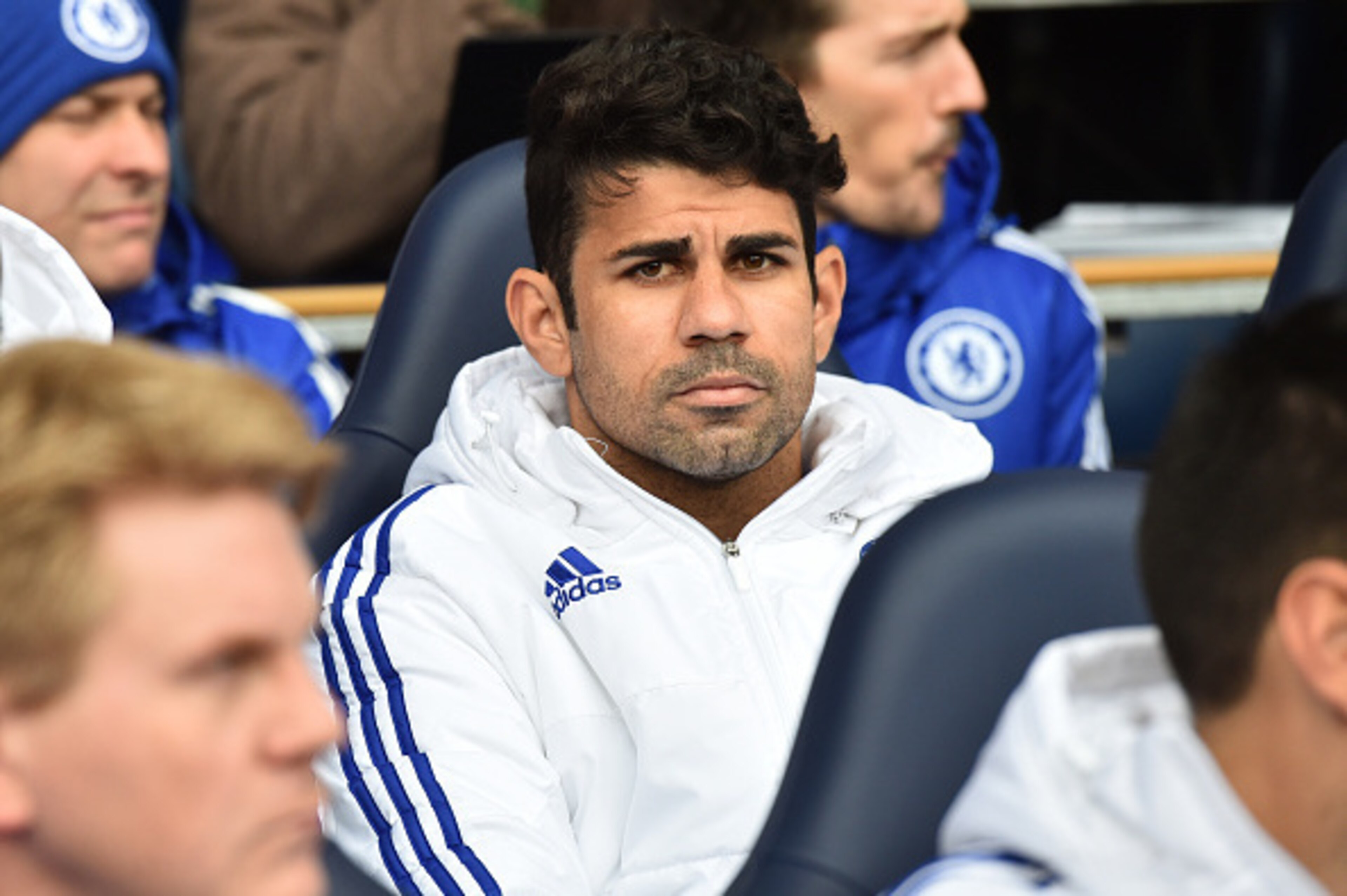
While Costa should've known better than to display his vexation, one could argue he was simply following suit.
I seem to remember his former Atletico Madrid boss, Diego Simeone, being red-carded in the 2013/14 Champions League final for losing his temper. Similarly, Mourinho was fined and received a stadium ban this season for swearing at match officials.
On one hand, the notion of personal responsibility is vital. Your actions are your actions, and they should be judged accordingly, but forgetting the climate would be unfair.
If a manager who rarely avoids an opportunity to speak his mind/show his disapproval creates an environment where others can do the same, blame (if there is any) cannot be announced by the manager, lest he become hypocritical.

Winning is the hallmark of a fantastic manager, and as such, we look at formations, substitution patterns and tactical idiosyncrasies when breaking down how astute a manager is, but what if I told you all of that is secondary to sights unseen?
Could it be a message delivered poorly—even if brilliant—is wasted?
Could it be a message delivered well—even if absurd—is used?
What if to receive a message at all, one must first be open to the messenger?
The key to modern management isn't necessarily having the best tactical brain, it is having a committed group willing to follow whatever is said. Hopefully what is being discussed then wins games, but better one manager on the touchline than one on the touchline and XI more on the pitch.

I've always been intrigued by managers, specifically in the Premier League.
The power they wield is similar to that in a kingdom. Many times they have the ability to sign, sell and/or suggest players in the transfer market. They have the final say on who plays, who sits and who trains—plus the responsibility of handling the media. Most decisions of consequence, in a multi-million enterprise, are placed on their heads.
Getting players on board is their biggest challenge. Costa's bib toss serves as a reminder that even the best among them—and England's current champion—isn't perfect when balancing the egos of his first team.
I'm not convinced one could ever have 25 players fully committed and on the same wavelength, but a manager is betting the desire to win matches provides chances to push things forward.
Their aura and—working in combination—their ability to extract the best from players when opportunities arrive (regardless of personal feelings) remains the paramount component to a functioning side.
Last Weekly: Premier League, Formation and the Gravity of Defensive Midfielders | Why Do No Goals Equal No Love?
*Stats via WhoScored.com; transfer fees via Soccerbase where not noted.

_0.png?w=3840 "Summer League Takeaways ✍️")