

2011 NBA Mock Draft: Which NCAA Star Will Make the Biggest Impact?
March Madness always brings new NCAA stars to the forefront of NBA Draft conversation. Although the 2011 NBA Draft pool contains a number of international talents, it is the college players who made their marks in the tournament who possess the most first-round intrigue.
Can Kemba Walker crack the top five? Is Kyrie Irving better than Derrick Williams? How good were players on Cinderella teams like Kenneth Faried and Shelvin Mack?
Although the draft is still over a month away, fans are already evaluating the pros and cons of each player. Here is a preliminary pre-lottery look at how the draft could shake out. Let me know in the comments what you think your team will do; I'll take it into consideration in my next mock.
No. 1 (Minnesota Timberwolves) Derrick Williams
1 of 30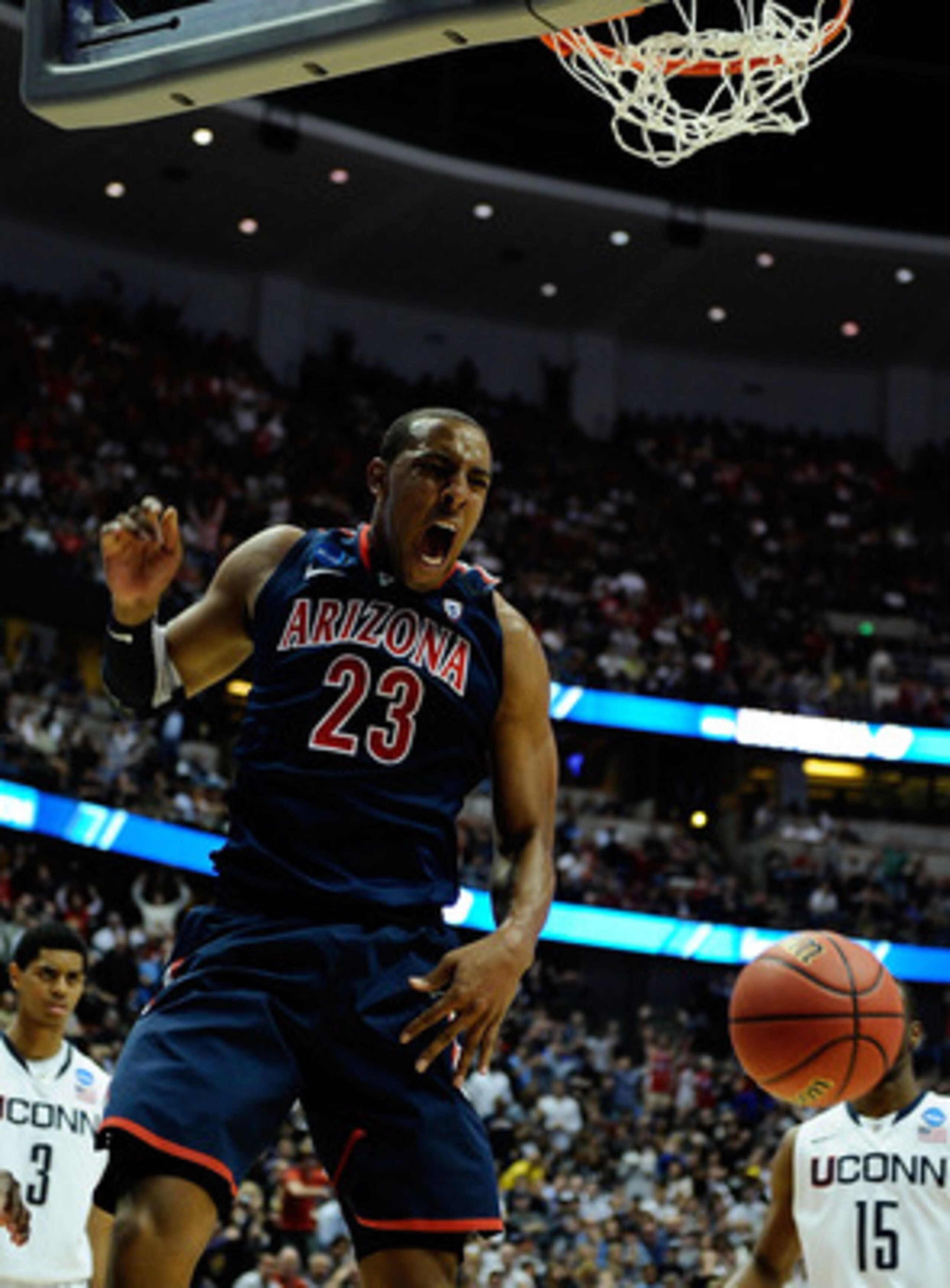
If the Minnesota Timberwolves get the No. 1 overall pick, they will be faced with a choice between two of the most talented players in the country: Derrick Williams and Kyrie Irving.
Derrick Williams had a spectacular tournament for Arizona and has a unique blend of size and skill. Minnesota will not be able to pass up the best pure scorer in the draft with pick No. 1.
No. 2 (Cleveland Cavaliers) Kyrie Irving
2 of 30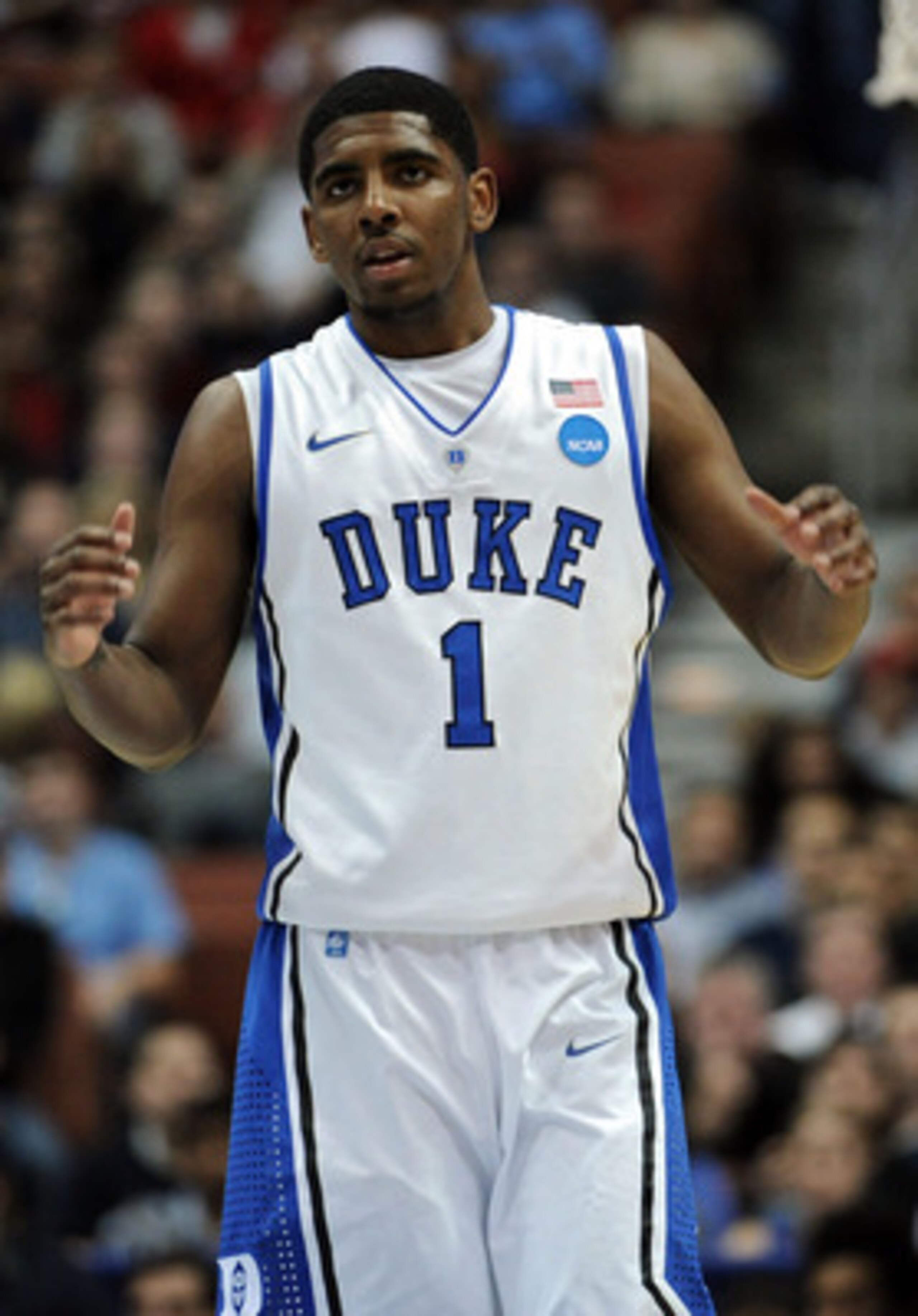
After LeBron James made his decision, the Cleveland Cavaliers struggled all through the 2010-2011 NBA season. With their first pick in the draft, which could come second, they will pick the best player available.
If Derrick Williams goes first, Kyrie Irving is a no-brainer. While Irving was hurt for much of the college basketball season, when he did play, he showed flashes of brilliance.
The Cavaliers will not likely be relevant next season. But if they get an exciting player, they can put people in seats. Look at what the Los Angeles Clippers have done with Blake Griffin—still a poor team, but now one of the more exciting teams in the NBA to watch.
Irving is one of the quickest players in the NCAA. He has range, shooting three-pointers from deep successfully on occasion throughout the season.
Irving won't immediately bring the Cavaliers back to where they were in the LeBron era, but he can start allowing the city to forget on his way to becoming remembered.
No. 3 (Toronto Raptors) Enes Kanter
3 of 30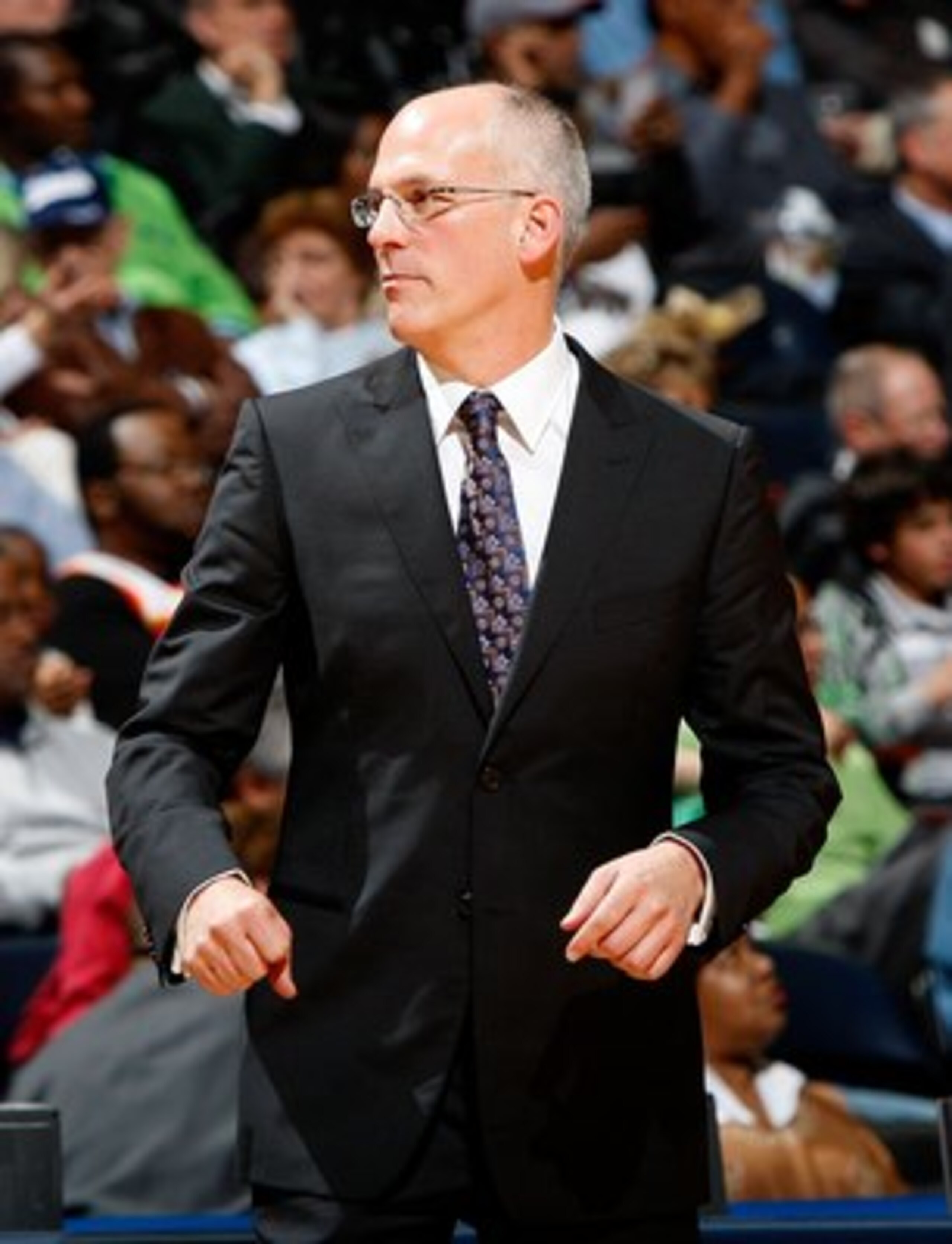
Enes Kanter is a 6'11" Turk who did not play for Kentucky in the 2010-2011 NCAA season. The NCAA declared him ineligible to play because he received money earlier in his career.
It's scary to think about how good Kentucky could have been last season had Kanter played. Kanter was one of the best big men in the country and was a highly recruited player when he came up for college eligibility.
While Kanter is a polished offensive player, like many young players, his defense leaves much to be desired. Kanter is not used to playing against players the likes of which he would see daily in the NBA. It will take him a season to become a competent defender.


No. 4 (Washington Wizards) Donatas Motiejunas
4 of 30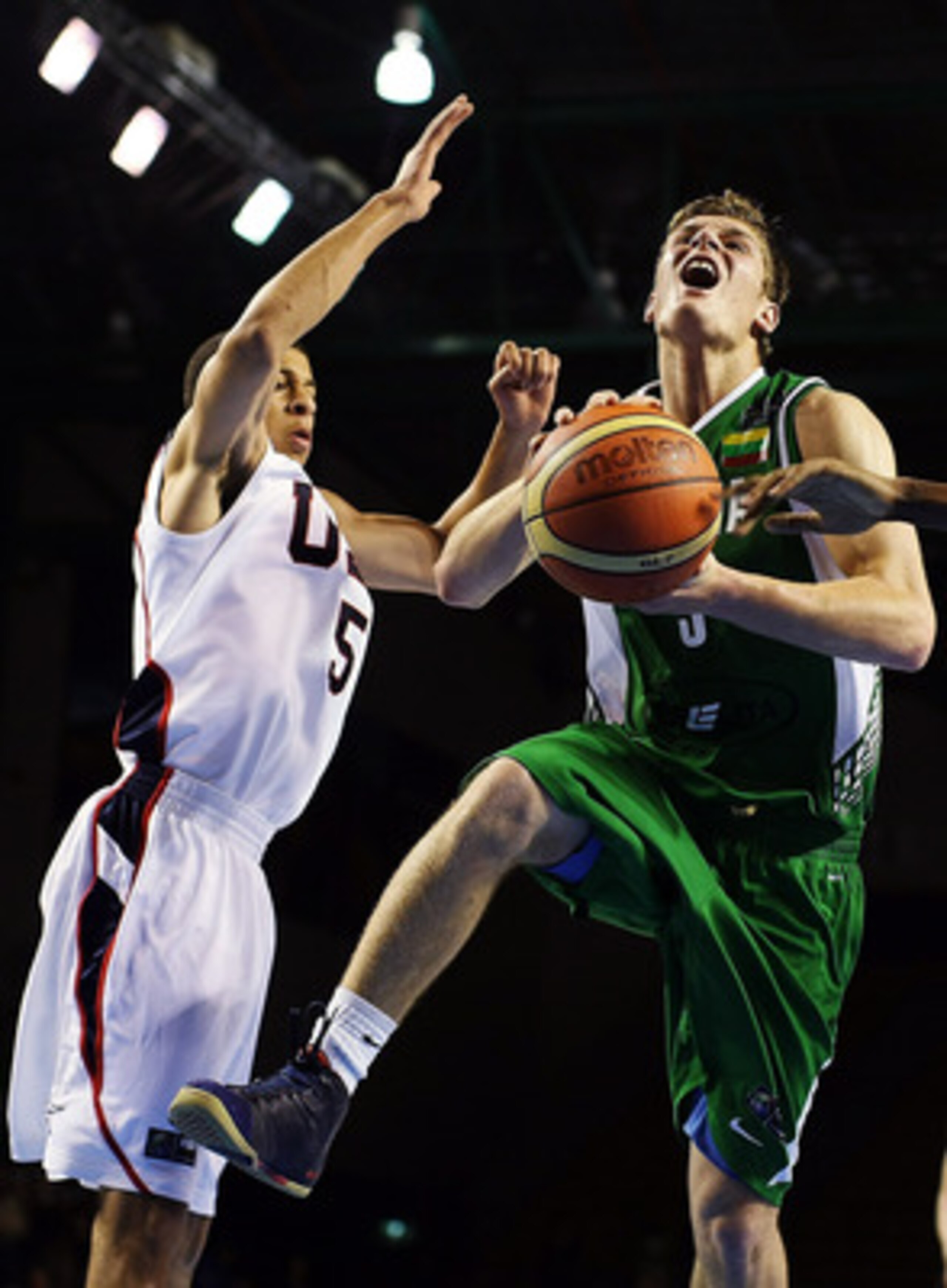
Motiejunas is a 7'0" big man out of Lithuania. There are a mix of European big men in the NBA; for every Dirk Nowitzki, there is another Andrea Bargnani.
Motiejunas is an aggressive scorer, unlike Bargnani when he entered the NBA. Motiejunas also is a more polished player defensively and in terms of basketball knowledge.
His biggest weakness is his build—he is a full 30 pounds lighter than Bargnani and weighs only 220.
Motiejunas could team up with John Wall to make up one of the better inside-outside threats in the NBA.
No. 5 (Sacramento Kings) Kemba Walker
5 of 30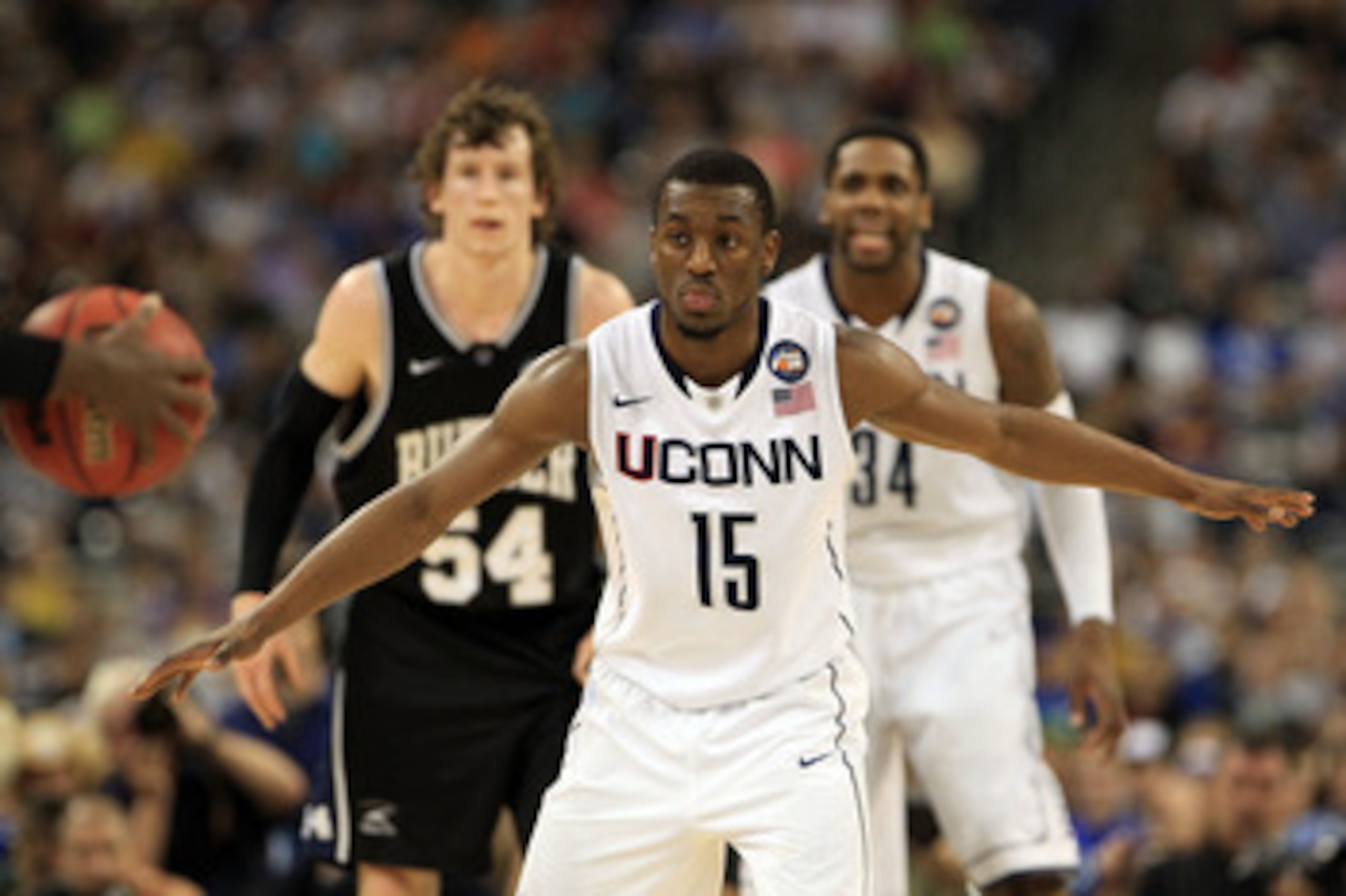
Life can't get much better for Kemba Walker these days. Not only did he win five games in five days to lead his team to the Big East Championship, and then win six games against the country's best teams to win the National Championship, but he has seen his draft stock rise significantly in recent weeks.
Walker has leadership skills, dribbling and shooting ability and defensive savvy that will make him an asset at the next level. Although the Kings already have a similar player in Tyreke Evans at guard, Walker's proven ability to win games make him the choice for a franchise that needs to re-find its winning ways.
It might be tough for Walker to go from a championship to the doldrums of the West, but at the beginning of the 2010-2011 NCAA season, Walker took a team of unranked nobodies to the promised land. To think a rookie could do the same thing in the NBA is little but a pipe dream, but Walker will significantly improve any team that chooses him.
No. 6 (Utah Jazz) Jonas Valanciunas
6 of 30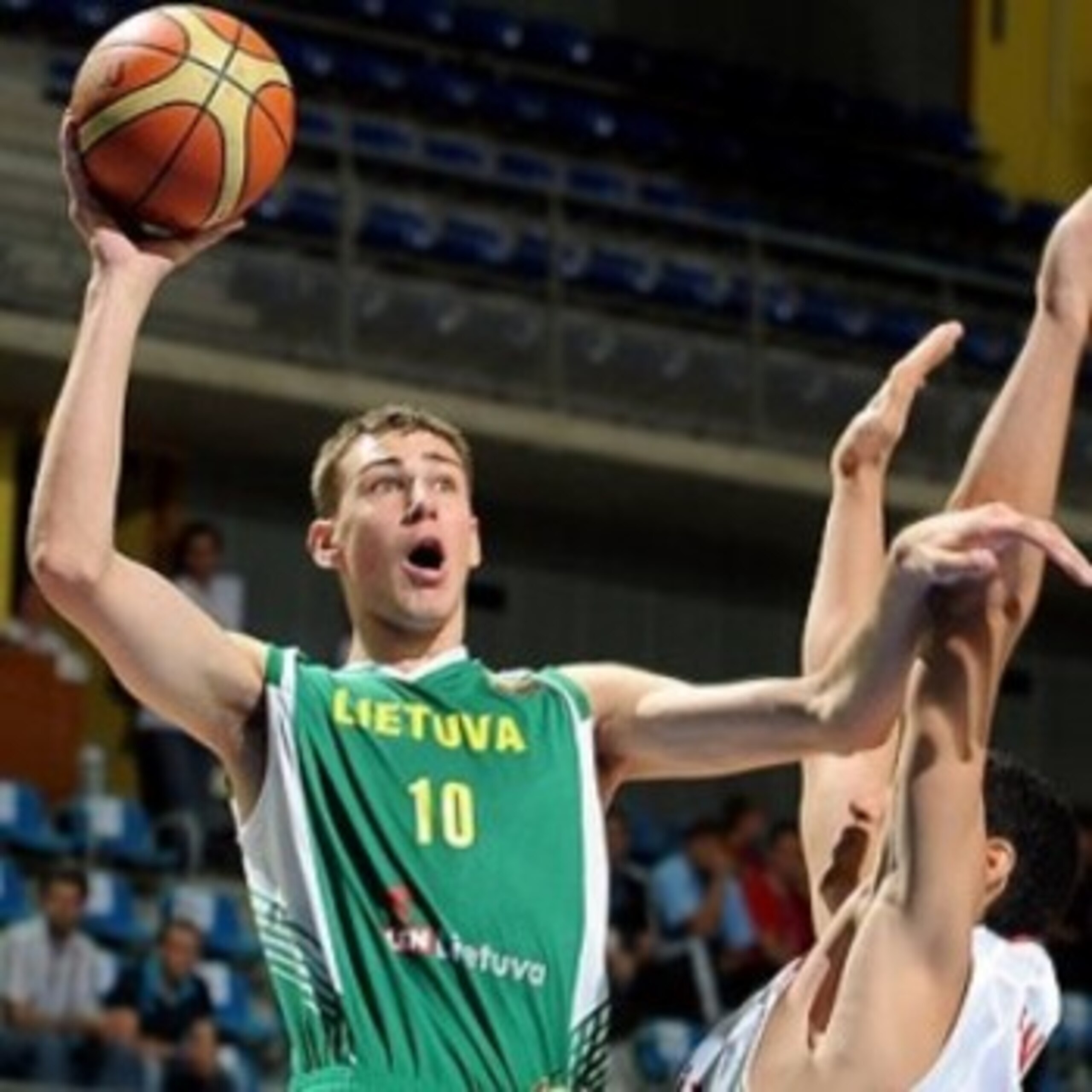
Valanciunas is another international center who stands 6'11." From Lithuania, Valanciunas is athletic and quick with good footwork for a player of his size. Like most other young European big men, he needs to get bigger.
Valanciunas is only 19 years old and still has time to grow. Young players have transitioned to the NBA early before and dominated (see James, LeBron), but Valanciunas is too much of an unknown to guarantee greatness.
The Jazz might take a flier on Valanciunas, although they already have a stable of big guys with Al Jefferson, Derrick Favors, Paul Millsap and Mehmet Okur. These guys would take the pressure off Valanciunas and give him time to the develop so many scouts think he can.
No. 7 (Detroit Pistons) Brandon Knight
7 of 30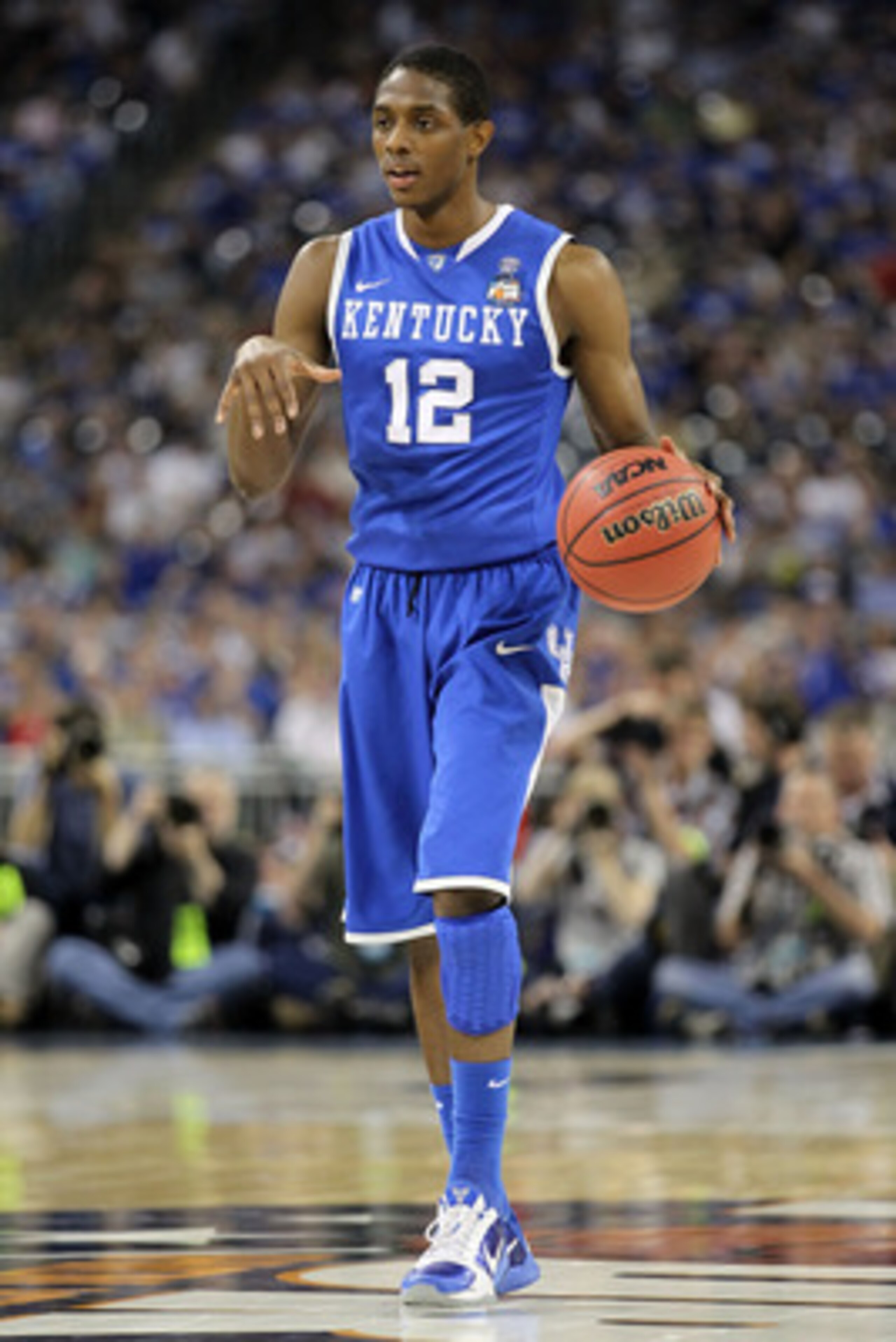
Rodney Stuckey may not return as the Pistons point guard in 2011-2012. They may choose his replacement in the 2011 NBA Draft in the person of Brandon Knight out of the University of Kentucky.
Knight was a clutch player at Kentucky and was a leader on a Wildcats team that made a run in the tournament before bowing out to the eventual champion UConn Huskies. If Knight joined the Pistons, he could join three UConn alumni in Richard Hamilton, Ben Gordon and Charlie Villanueva.
Knight would provide the Pistons with a talented guy to take the ball up and distribute to their other scorers. The Pistons and guys like Hamilton, Gordon, Ben Wallace and Tracy McGrady could provide Knight with a wealth of information about how the NBA works.
Knight has yet to hire an agent and can still withdraw from the draft, but should he enter, expect the Pistons to think long and hard about choosing their point guard of the future.
No. 8 (Cleveland Cavaliers) Bismack Biyombo
8 of 30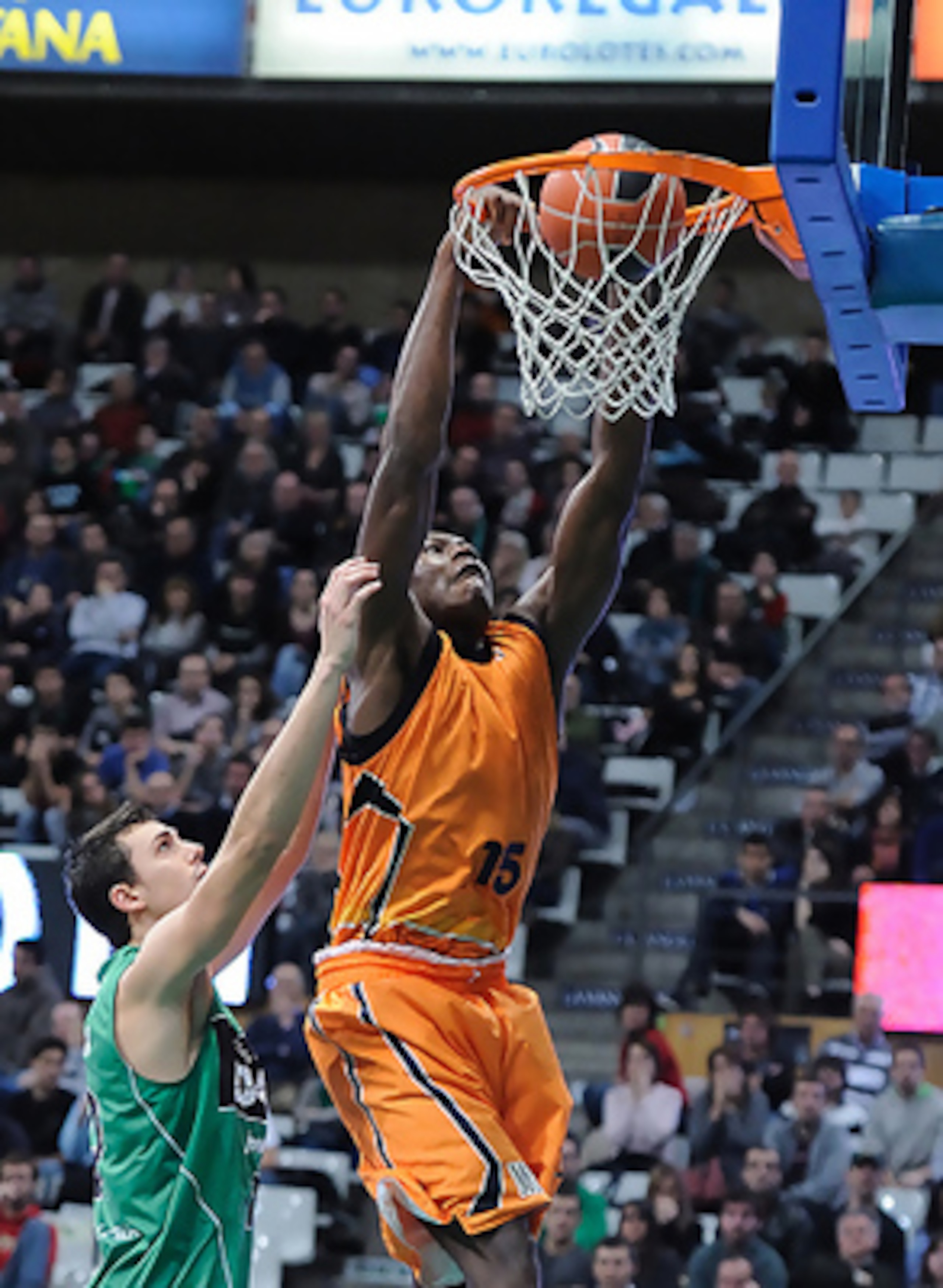
Biyombo is another international big man looking to make a splash in the NBA. With Cleveland's second first round pick, they will again be looking to take the best player on the board.
While picking Biyombo is risky, his talent will be too much for the Cavs to pass up with this pick. Although he stands "only" 6'9", Biyombo reportedly has a wingspan of 7'7" and has been blocking shots with reckless abandon.
Biyombo is an explosive player and his antics on the court are sometimes reminiscent of the emotion of NBA players like Kevin Garnett.
Biyombo still has significant room to improve his game. His passes are few and far between. When he does pass, or hold the ball for an extended period of time, he turns it over at a higher than average frequency. But Biyombo is still young and with the right training, he can become one of the NBA's best big men.
No. 9 (Charlotte Bobcats) Alec Burks
9 of 30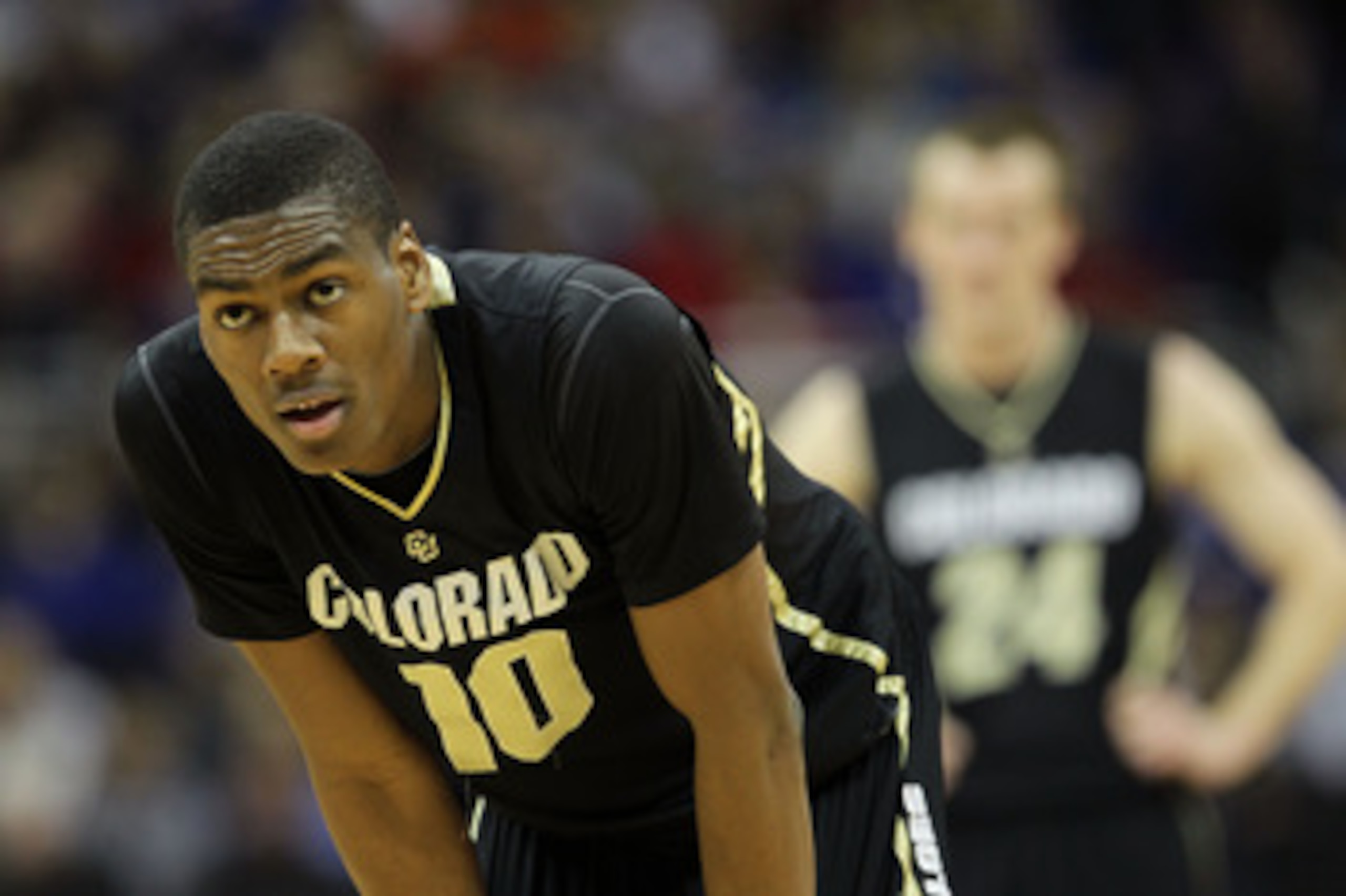
When the Bobcats get on the clock, they will have a number of reasonable choices, but the Colorado Buffaloes guard Alec Burks will be the pick.
Burks averaged over 20 points and six rebounds per game during the college season. He has size for a guard at 6'6" and combines it with quickness that allows him to beat his defenders off the dribble and make plays around the basket.
Burks is a slasher who has a great feel for the ball around the basket, but his jump shot needs some work. Burks is not a three-point shooter and some of his longer jump shots have a propensity for bouncing off the back rim.
Burks would add to the Bobcats' already athletic roster. Tyrus Thomas and Boris Diaw give the Bobcats versatility at bigger positions. Burks would give the Bobcats size from the guard position and would create a number of mismatches with his defender.
Although Gerald Henderson had a good season for Charlotte last year, Burks will be too good a value at this point in the draft for the Bobcats to pass up.
No. 10 (Milwaukee Bucks) Jimmer Fredette
10 of 30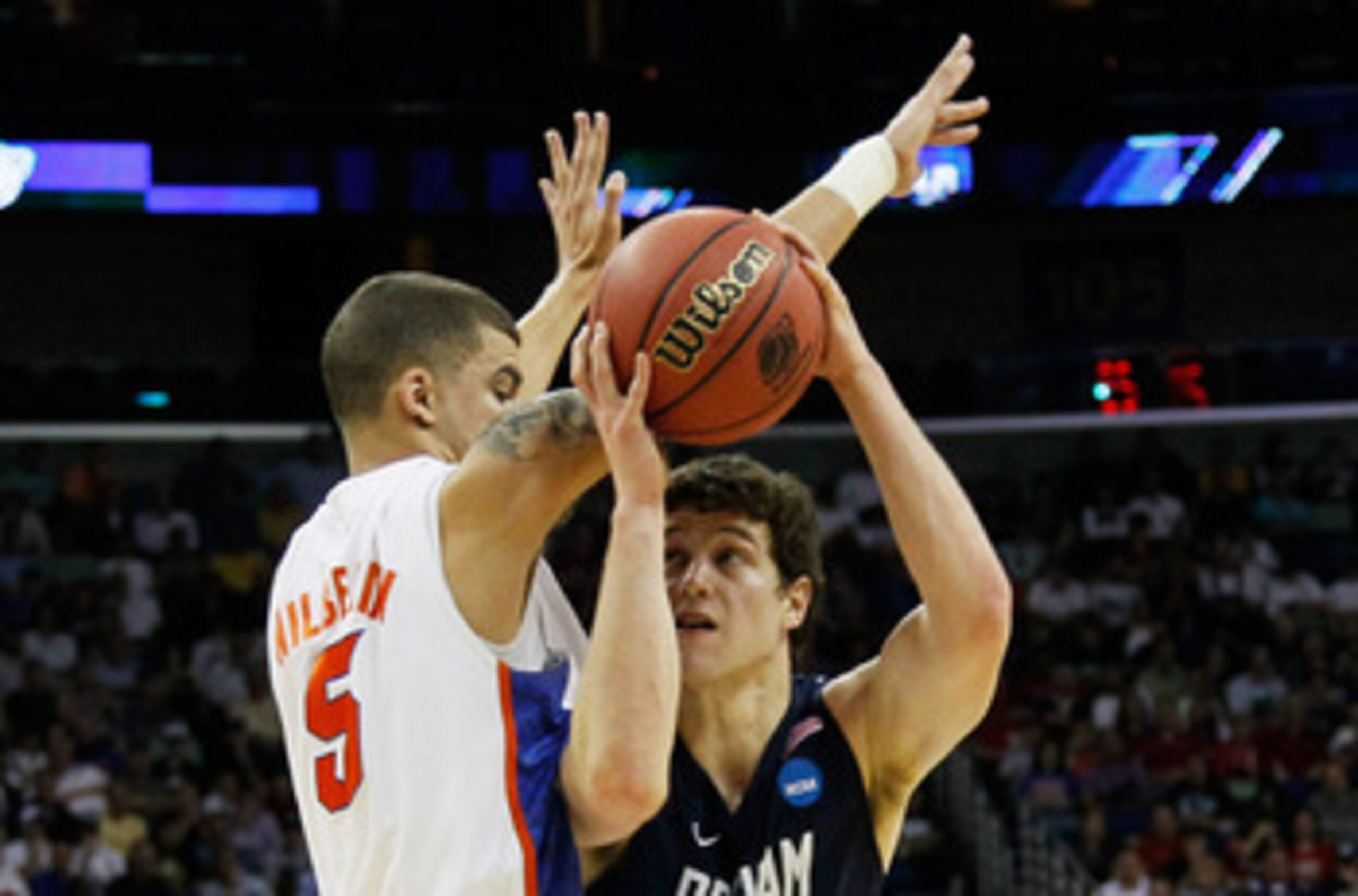
When the Milwaukee Bucks come on the clock, they will have to decide if they want to make a pick based on need or talent. The Bucks already have one of the best shooters in the NBA in Michael Redd.
Ray Allen also used to be a Bucks player. Jimmer Fredette could replace the aging Redd and become the next in a line of great shooters to wear the Bucks uniform. Fredette led his team farther than anyone expected this season and made a number of clutch, dramatic shots.
He also did it while going to one of the most conservative schools in the country. Fredette might be the least likely player in the draft to be corrupted by the glitz and glamor of the NBA.
Even the attention of being a first round draft pick will pale in comparison to Fredette's life at BYU, where he was asked to stop attending classes and instead take them online because he was a distraction to his peers.
Fredette could reinvigorate a Bucks fan base in need of a new player to hook their hopes on to. Redd's day is passing and a new shooter will come to Milwaukee.
No. 11 (Golden State Warriors) Terrence Jones
11 of 30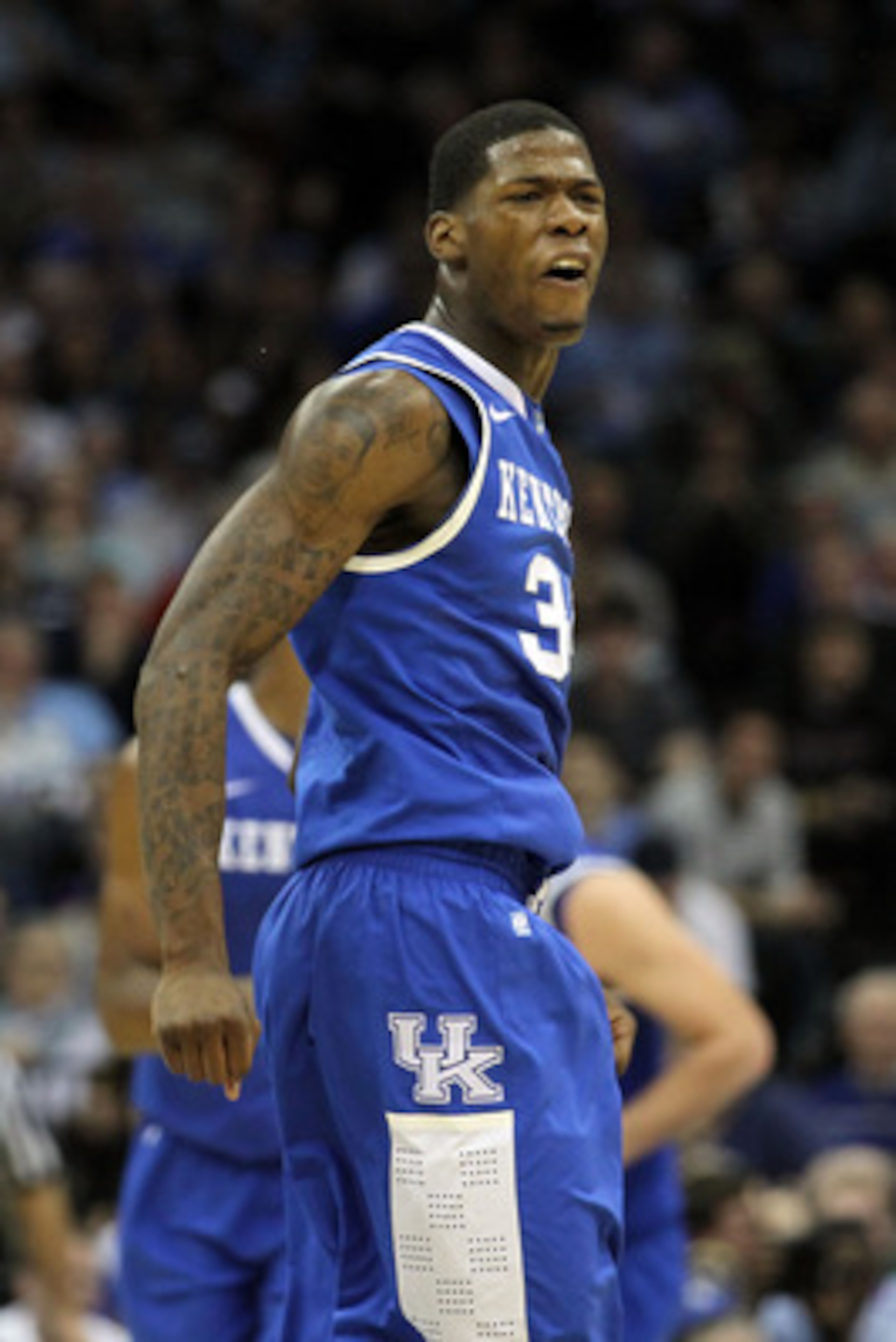
Another one-and-done Kentucky freshman, Jones has the build many other top big guys in this draft like. With 244 pounds on his 6'8" frame and a 7'2" wingspan, Jones already has the size to compete with a number of NBA players. Jones has yet to hire an agent, but should he enter the draft, he will have a number of suitors in the mid first round.
The Warriors need some size to go with the flash of their guard duo of Monta Ellis and Stephen Curry. Andris Biedrins is a good player, but he can't do it by himself.
Jones has the versatility to play swing positions. He's got ability dribbling, shooting, passing and rebounding. While his scoring ability is developed for a player of his age, Jones can get lazy at times and settle for outside shots when he could easily drive by his guy for a higher-percentage shot.
No. 12 (Utah Jazz) Kawhi Leonard
12 of 30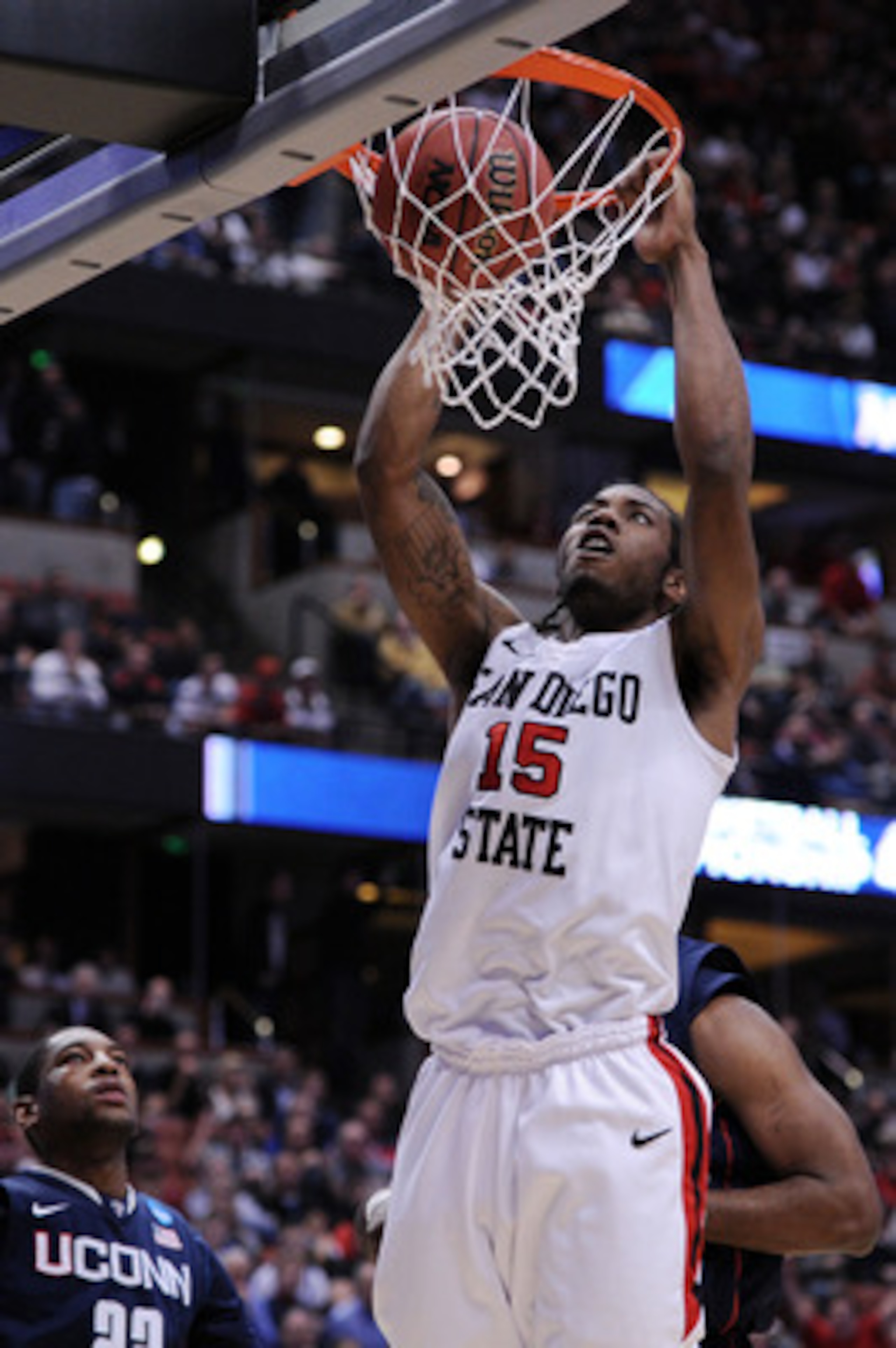
With their second pick in the first round, the Utah Jazz will take Kawhi Leonard. Overshadowed in league play by Jimmer Fredette, Leonard also led a mid-major to a high seed in the NCAA Tournament.
Leonard averaged a double-double in 2010-2011 with 15 points and 10 rebounds. He has all the unteachable ability a basketball player should have—he can jump through the arena, he has a disproportionately long wingspan allowing him to block more than his share of shots, and is always running so he can get easy scoring opportunities on fast breaks.
At only 6'7", Leonard might not have the size to compete with NBA bigs on a nightly basis. He is still a big raw and his offense is still developing. Leonard must work to improve his consistency at the next level.
The Jazz have a great foundation to make a run next season and the team can allow Leonard to take it easy and learn at first.
Also, don't be surprised to see the Jazz trade this pick for a future pick. This draft is not as strong as some figure to be in future years because of lockout fears.
No. 13 (Phoenix Suns) Jordan Hamilton
13 of 30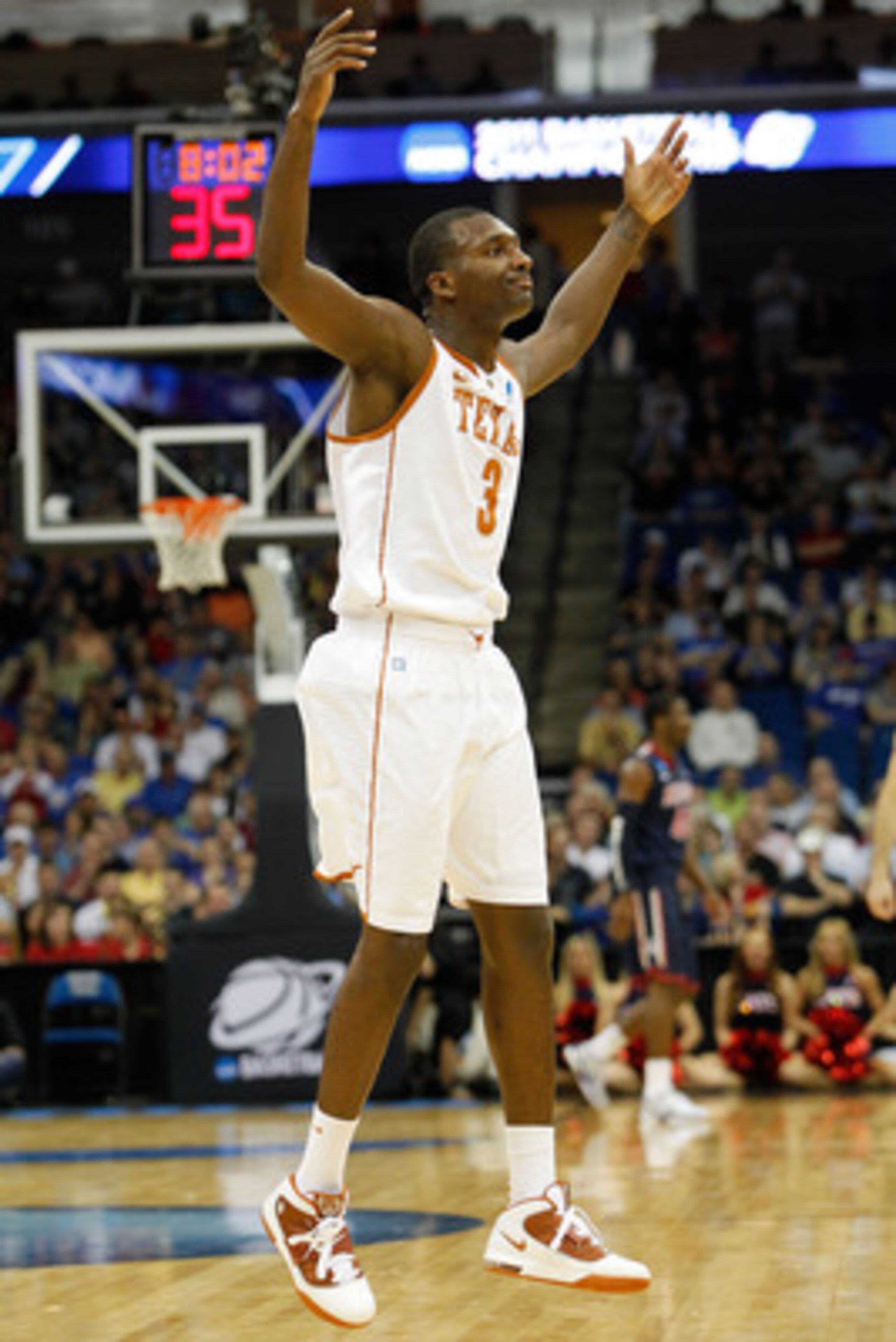
This Longhorns small forward has the size and speed to project to a successful NBA player. Hamilton scored nearly 19 points per game for the Longhorns and almost eight rebounds.
The sophomore is one of the better shooters in the draft and has the ability to catch and shoot or create a shot of his own. While his offensive game is fairly polished for a player of his age, Hamilton's defense can leave something to be desired.
Although he has the size and speed to stay with virtually anyone who plays his position, Hamilton sometimes has lapses that put his team down.
Hamilton's pairing with the Suns would be beneficial for both sides. Vince Carter has aged quickly lately and is a skeleton of his former self. If he takes Hamilton under his wing, it could help negate the learning curve.
Playing with Steve Nash will help get Hamilton easy scoring opportunities early in his career as well.
No. 14 (Houston Rockets) Jan Vesely
14 of 30
Vesely is a 6'11" forward from the Czech Republic. He is in the same mold of the other European big men in this draft—tons of talent and solid moves, but a little light in the weight department.
In order to bang up against the best forwards in the NBA, Vesely will have to add some weight to his 240-pound frame.
He has a well-developed offensive game with a shot that extends beyond the three-point line and dribbling moves that are surprising. He has good speed and runs plays out. Vesely is in the mold of Dirk Nowitzki and could help the Houston Rockets add versatility to their rotation.
Vesely has yet to develop into a star in the international game and might be better served taking more time to improve in Europe before coming to the NBA, but his promise is such that few teams with middling draft picks could pass him up.
Vesely could learn from Luis Scola how to play power forward against bigger players, and Vesely could eventually add depth to a Rockets rotation that has suffered from injuries in the last few seasons.
No. 15 (Indiana Pacers) Marcus Morris
15 of 30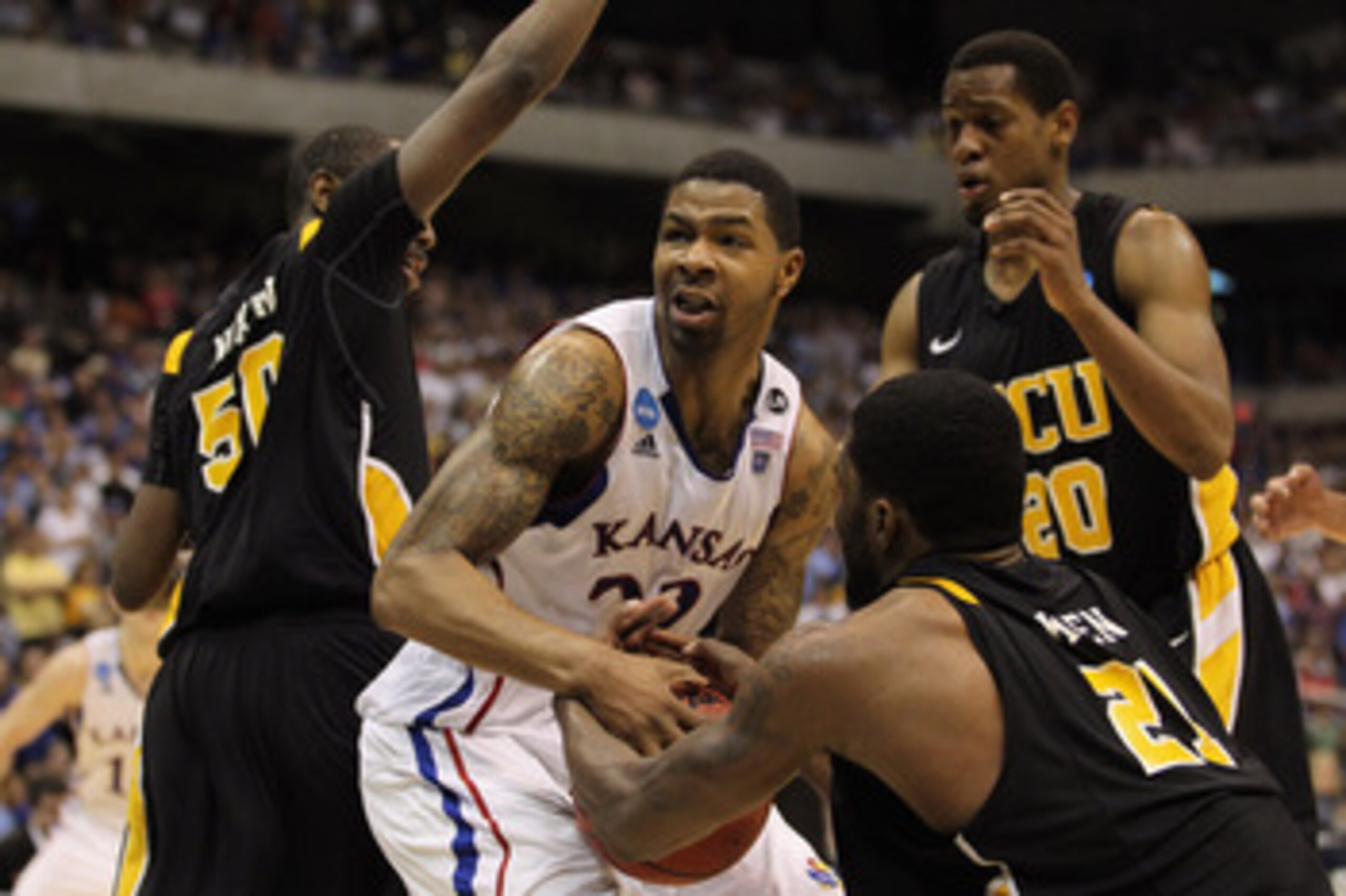
Marcus Morris, a power forward out of Kansas, averaged nearly 18 points per game in only 28 minutes per game in the 2010-2011 season.
The theme for this year's draft is undersized big men, and in Morris, teams will have yet another debate about how much size is necessary to compete at the power forward position in the NBA.
Sure, Morris is 6'9" and got seven rebounds per game in competitive basketball games at Kansas, but the story could change as soon as Morris looks up at guys like Dwight Howard and Kevin Garnett. Morris weighs only 235 pounds and needs to put on substantially more weight in order to compete with the NBA's biggest, meanest and baddest players.
The Indiana Pacers have a number of needs, and Morris figures to be the best, most proven player available at this point in the draft.
No. 16 (Philadelphia 76ers) Markieff Morris
16 of 30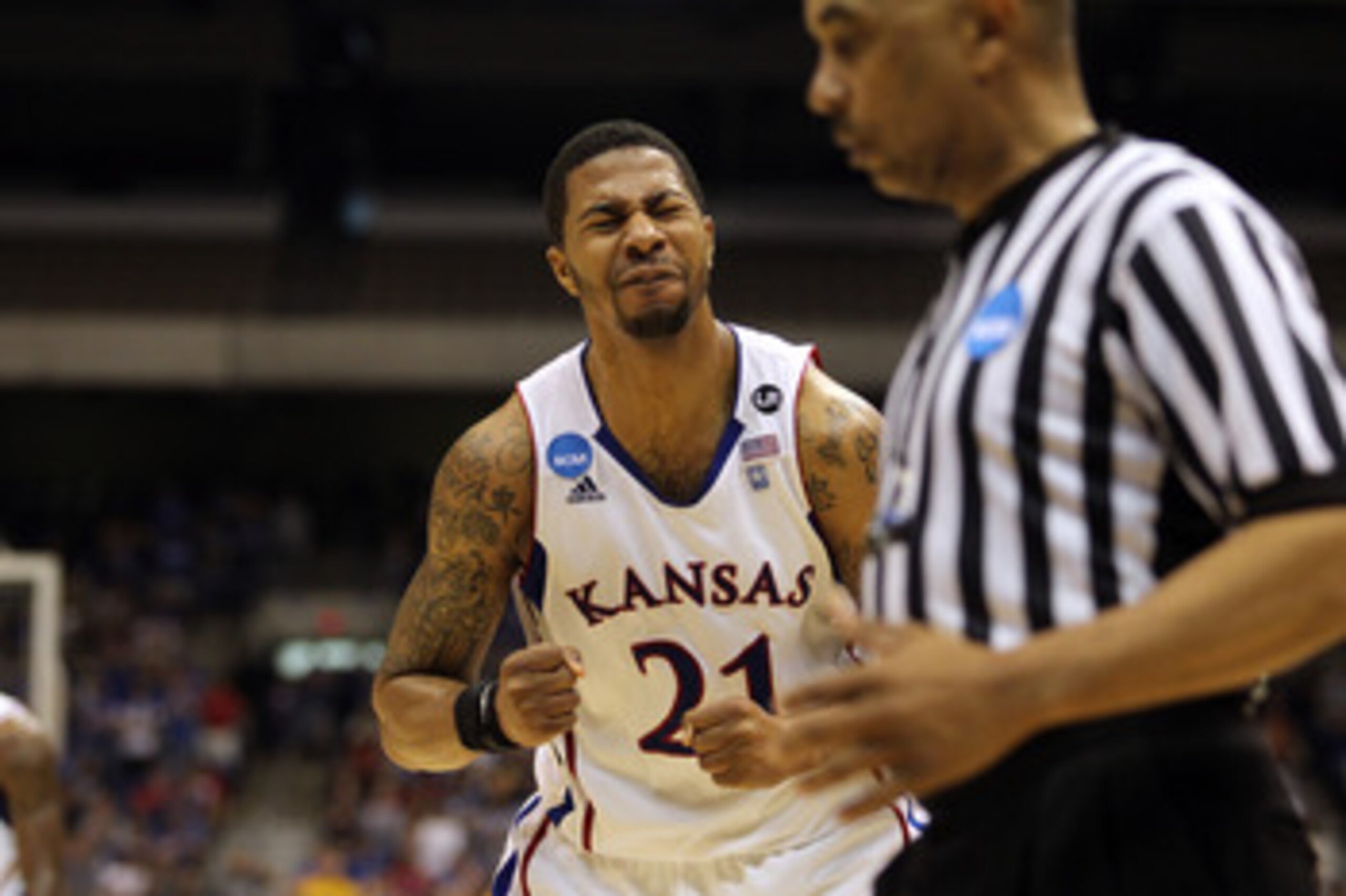
Wouldn't it be fitting for the Morris twins to be picked back-to-back? Markieff had a few less points per game than his brother at 13, but also had an additional rebound per—in five less minutes.
It would seem Markieff has a better build for the NBA game at well, measuring in at 6'10", 245 pounds. Markieff doesn't have the same skills as Marcus on the offensive end and his hands are less assured leading to more turnovers, but the potential is still there.
Unlike most of the other big men in this draft, Markieff Morris is a better defensive player than an offensive player at this point in his career. He gets good position on rebounds and moves his feet to stay with all the best big men in college.
Morris has a jump shot, and in the NBA his offense will only improve. The 76ers already have Elton Brand, but it wouldn't hurt them to provide him with a breather every now and then. Morris could give them depth and more size to a lineup that already had some success making the playoffs this season.
No. 17 (New York Knicks) Kenneth Faried
17 of 30
The New York Knicks will select Morehead State power forward Kenneth Faried with the seventeenth pick in the draft.
While many mock drafts have the Knicks taking a point guard, the smart move would be to keep veteran Chauncey Billups for at least one season and wait for a stronger 2012 draft or see if Chris Paul rumors could come true.
Faried is the best player available at this spot and could give the Knicks a better rebounding presence. Although neither Faried nor Amare Stoudemire are true centers, both could take the court at the same time and their styles of play would complement one another.
Faried is only 6'8" 225 pounds, but his rebounding instincts are off the charts. He averaged over 14 rebounds per game for Morehead State last season. Although many of these games were against less competitive teams, Faried's success in the NCAA tournament shows that his rebounding can translate to the NBA.
No. 18 (Washington Wizards) Klay Thompson
18 of 30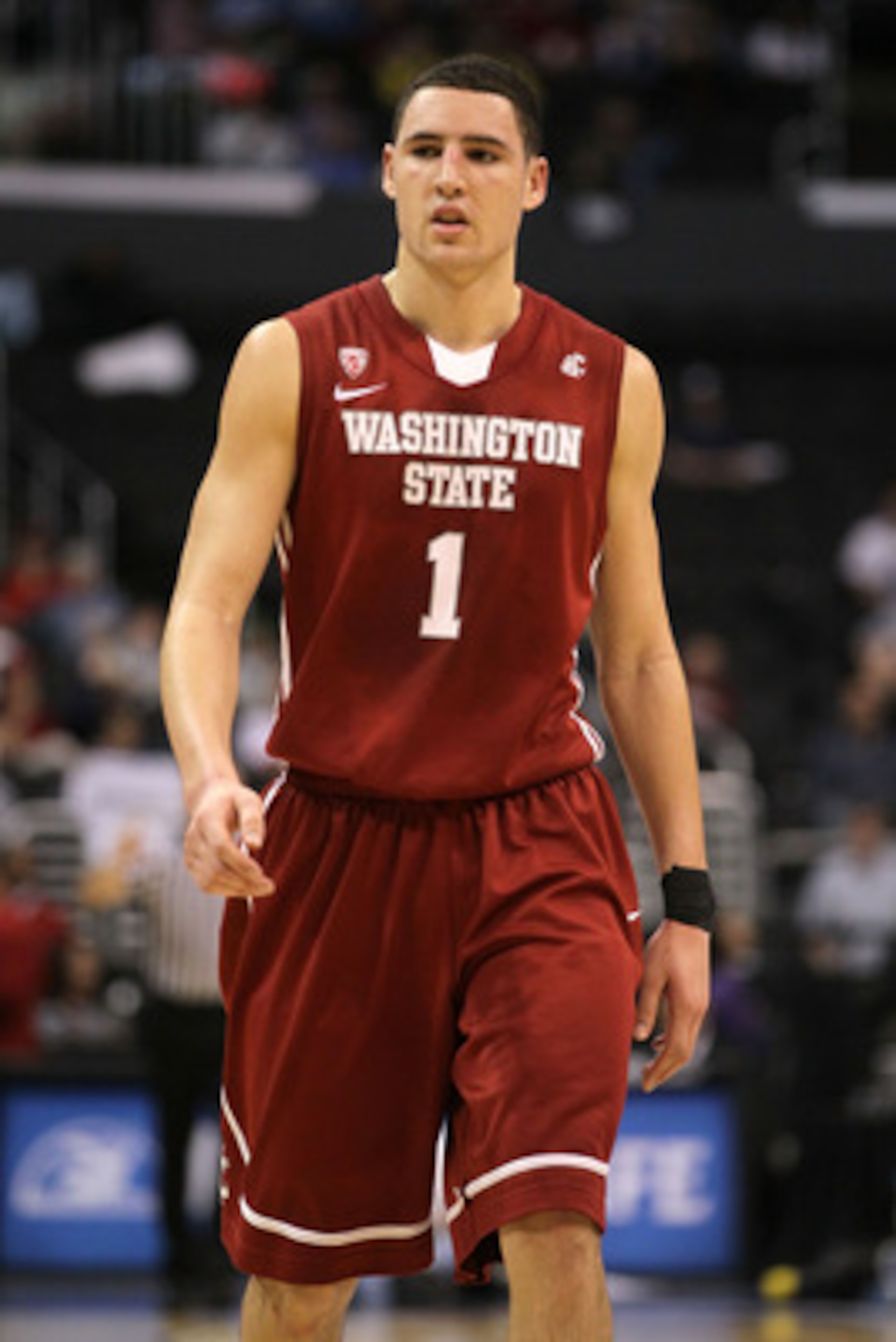
With the Wizards second first round pick, they will look to Washington State swing man Klay Thompson. At 6'6" 187 pounds, Thompson has some growing to do to compete against other NBA players.
Yet his scoring ability will allow him to get playing time early — especially on a team that often struggles to find scoring when John Wall is not on the court.
Thompson is a shooter. While he sometimes took ill-advised shots in college, they likely came because he thought he had to carry his team. In the NBA, Thompson will be surrounded by better players and will have to do less by himself.
He will put up more quality shots and his field goal percentage will improve.
Thompson's biggest weakness is speed. He is not a slasher like so many NBA small forwards. He relies primarily on his jump shot. His speed also hurts him on the defensive end of the court, where quicker players can often beat him with one move off the dribble.
Thompson has not yet hired an agent and can still pull out of the draft. He also has some character concerns NBA teams will look into with his name being linked to marijuana possession.
No. 19 (Charlotte Bobcats) Chris Singleton
19 of 30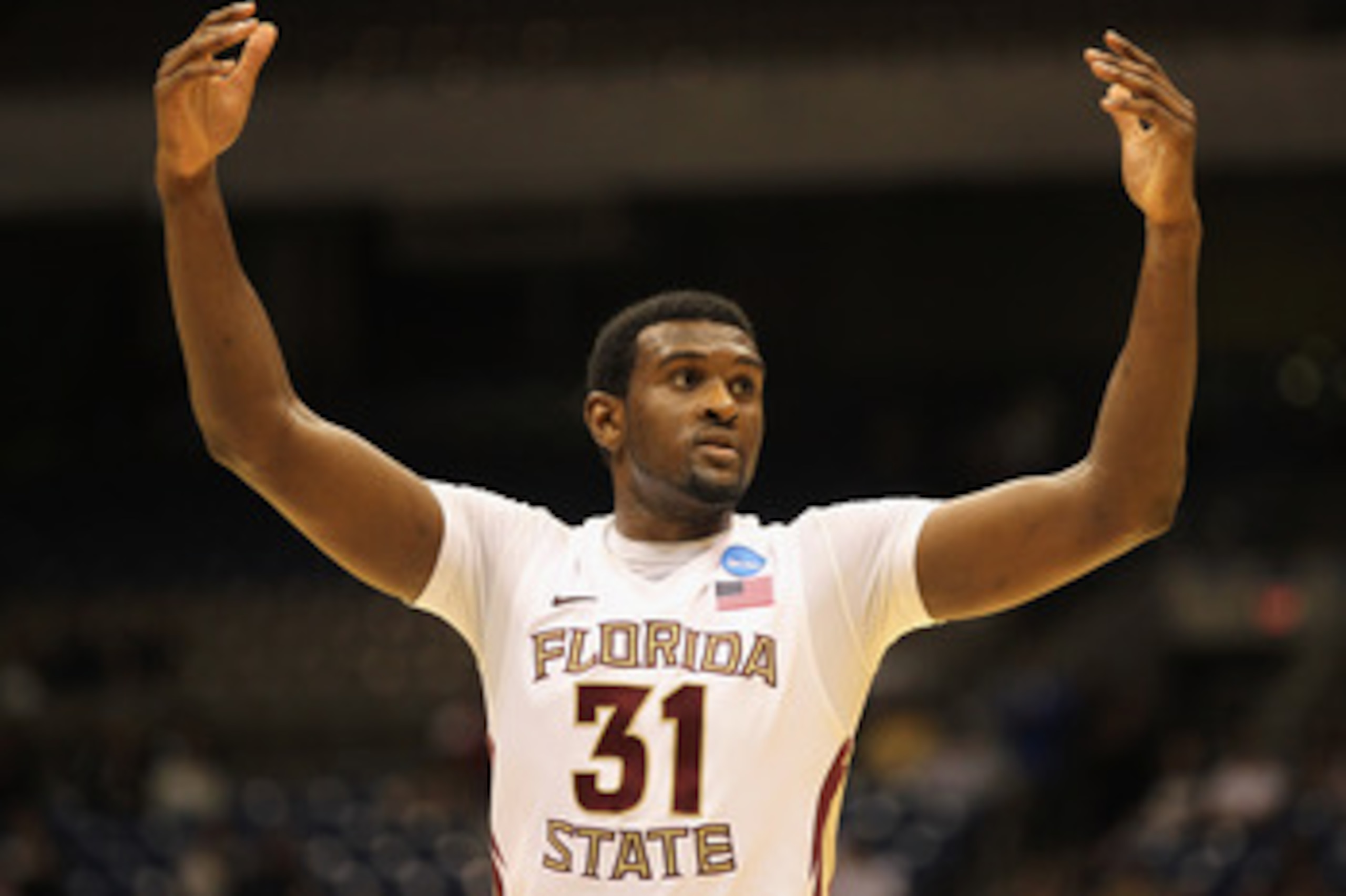
Standing 6'9" Chris Singleton is a tall small forward who has the ability to leave a mark on whichever team picks him during his rookie season.
The Charlotte Bobcats will pick him in the mid first round.
Singleton's defense separates him from the rest of the swingman prospects in the 2011 NBA Draft. He has the quickness to stay with the slashers, the height to deal with post players and the leaping ability to block a shot from the weak side.
Singleton also has an improving jump shot and is a good finisher around the rim. Singleton would help the Bobcats on both offense and defense and provide their team with depth next season.
No. 20 (Minnesota Timberwolves) Nolan Smith
20 of 30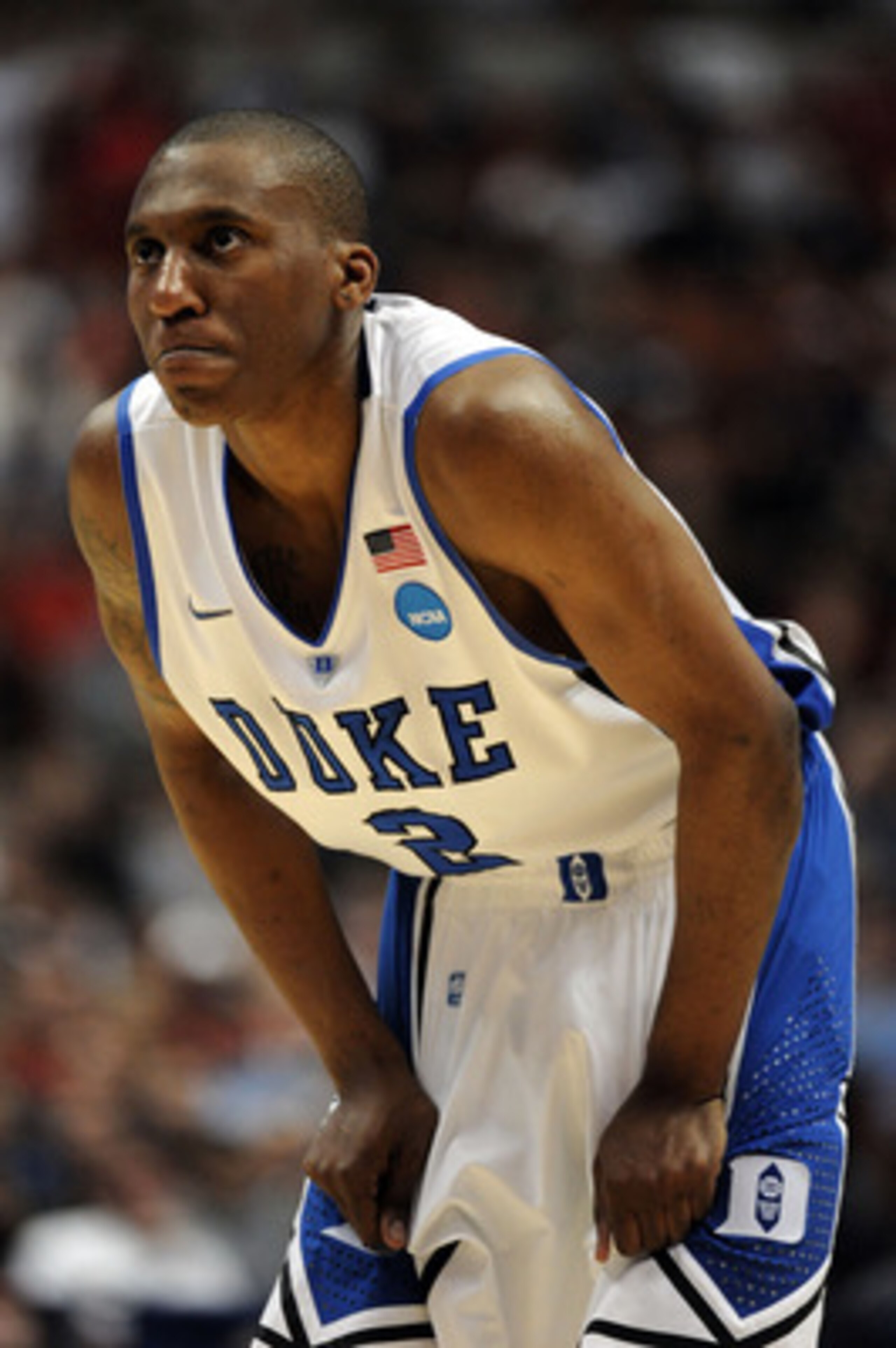
With the 20th pick in the 2011 NBA Draft, the Minnesota Timberwolves will select Nolan Smith.
Smith is the rare prospect who actually spent four years in school. He won a lot of games for Duke and that mentality might be able to help turn a team like Minnesota around.
Smith has incredible athleticism that allows him to drive by defenders with a dribble and quick steps. He has a streaky jump shot, pure from mid range. He also is a player who can come in and defend players immediately during his rookie season.
Smith has had experiences in his career including guarding players from Greivis Vasquez to Reggie Jackson. At the NBA level, he will be more accustomed to the level of play than many of the younger players coming out of school.
The Timberwolves need to improve their guard play and Smith could be the answer at shooting guard for next season and beyond.
No. 21 (Portland Trailblazers) Tobias Harris
21 of 30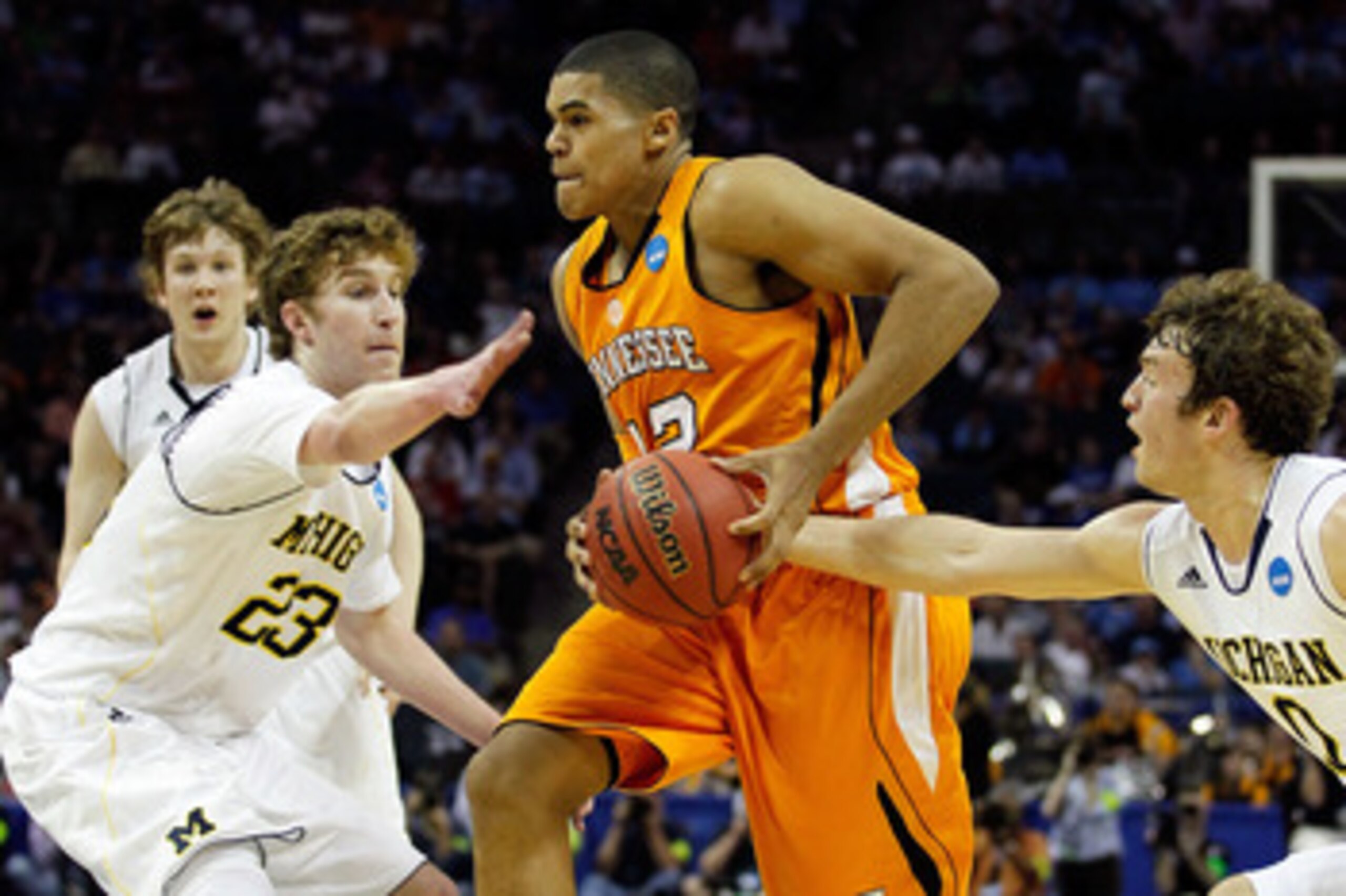
Tobias Harris was one of the most sought-after recruits prior to this season. The Portland Trailblazers will pick him with a late first round pick.
The best way to describe Harris is as a pure basketball player. He is not the most athletic guy in the world, nor does he have ideal size for the NBA, but he plays the game the way it was meant to be played.
Harris passes well and, although he often can find his way to the basket without much difficulty, he tries to make his teammates better.
In addition, Harris can play a number of positions. At 6'8", he has the size to compete at power forward, but with his dribbling, passing and shooting ability he can move to shooting guard. Small forward would probably be the most logical position for him to play at the next level.
The Trailblazers could use some depth and Harris would provide them with a high-ceiling player who already knows the game.
No. 22 (Denver Nuggets) Kyle Singler
22 of 30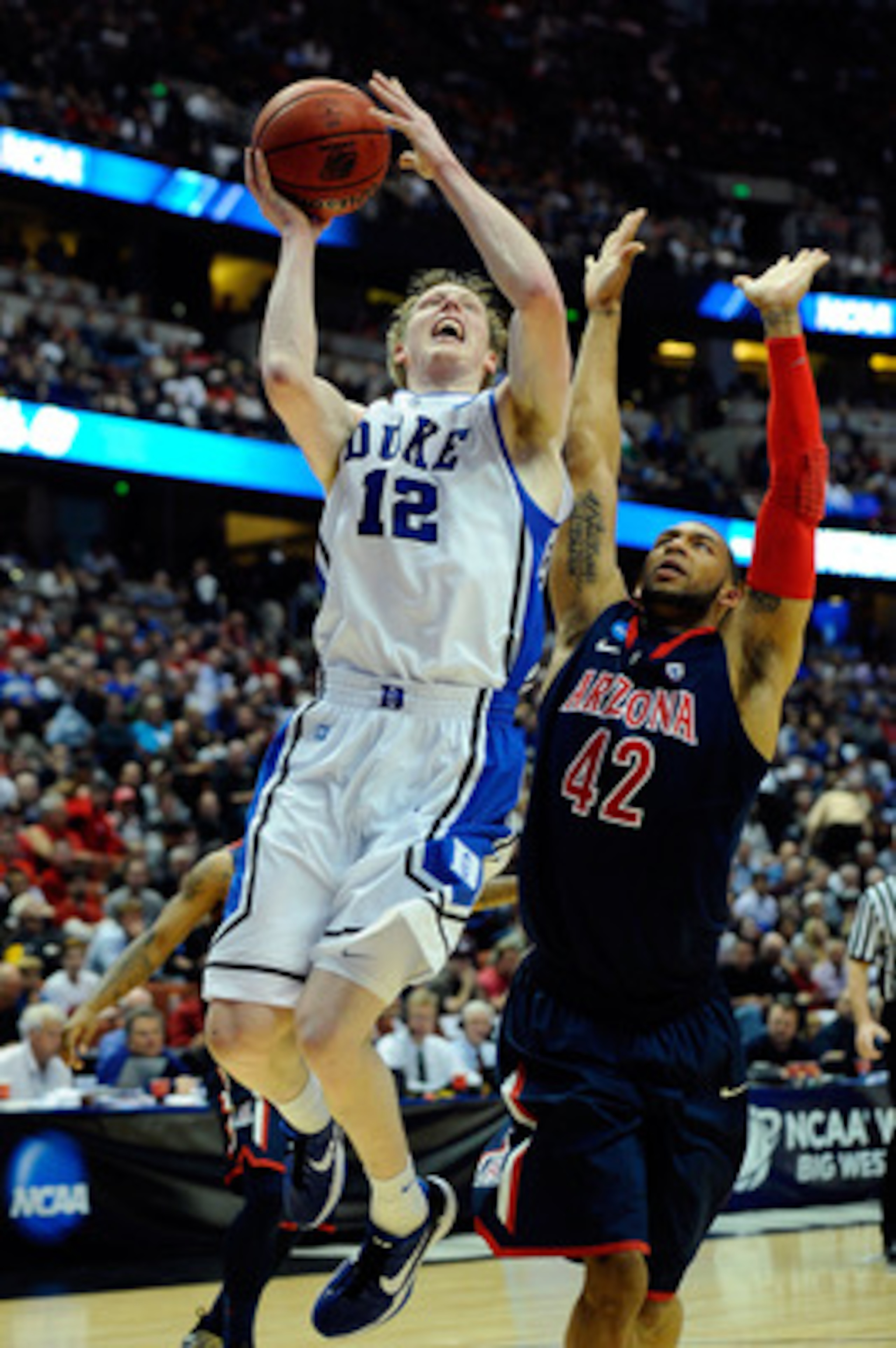
The Denver Nuggets will select Kyle Singler with their first round pick. Singler is a versatile player who averaged 17 points per game and seven rebounds for Duke in his senior season.
Singler was a leader on Duke and played a point forward kind of role. In college, the offense ran through Singler. In the pros, he will be more of a role player.
At 6'8" 230 pounds, Singler is a bit of a tweener. No one questions his toughness, but his leaping ability does not make up for his lack of size. He has the potential to be a quality forward (think Big Baby Davis, without the girth).
In the NBA, Singler will be more of a role player. Denver, freshly out of the playoffs, will have to consider what direction they want to go next season.
There will be no stars available at this point in the draft, but Singler can be a contributor on a successful NBA team.
No. 23 (Houston Rockets) Shelvin Mack
23 of 30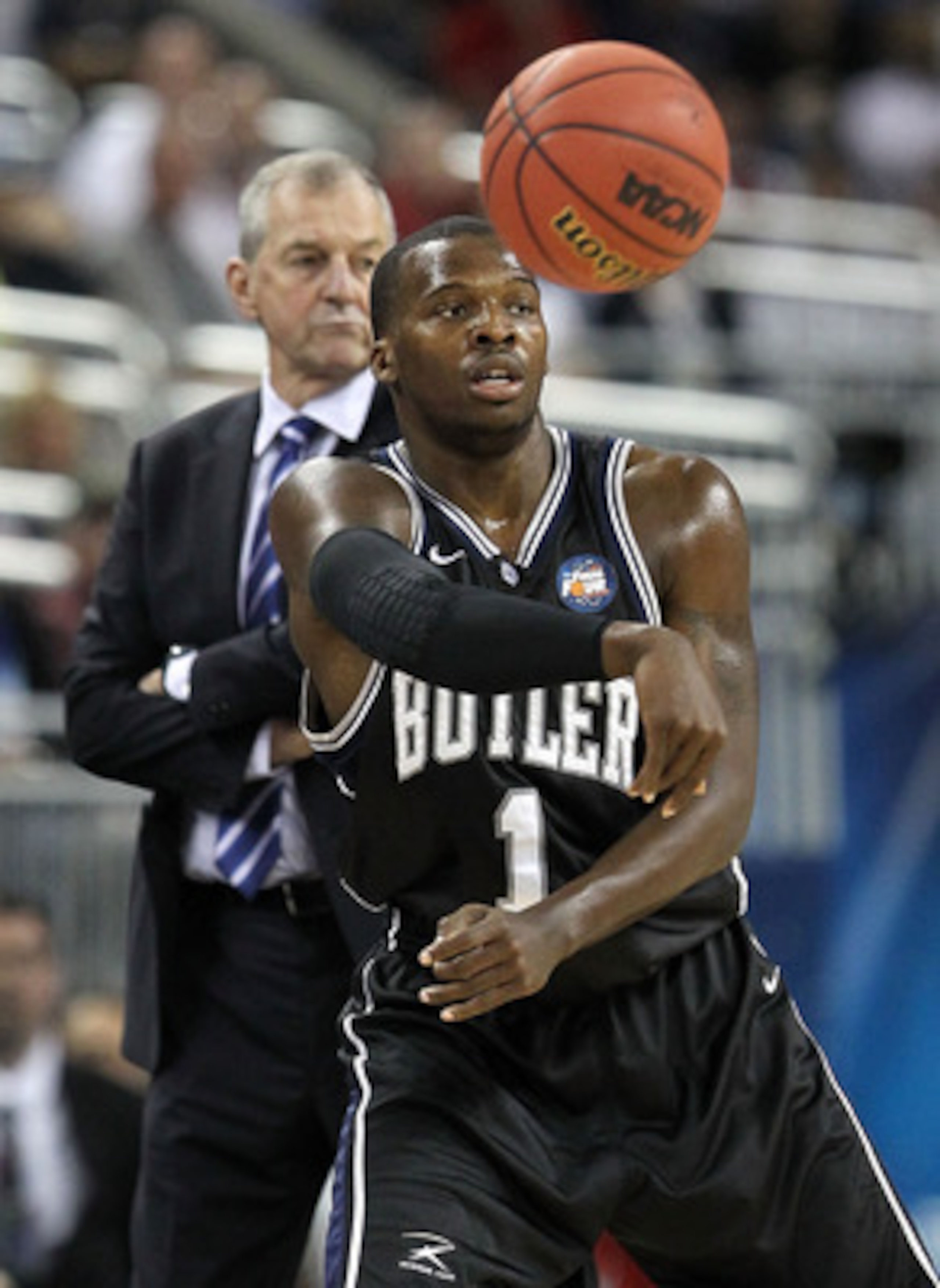
Shelvin Mack came to center stage as a point guard for the back-to-back Cinderella story of the year—the Butler Bulldogs.
The Houston Rockets will take a flier on the talented point guard with the No. 23 pick.
Mack did not play a prototypical point guard position in college. He was one of Butler's primary scorers, scoring 16 points per game. He didn't piled up assists, but still made three per game.
Mack's value can't be measured solely with statistics and skills. There is something to be said about a leader on a mid-major team that made the NCAA Championship in consecutive years.
Butler is the best Cinderella in history. They were seeded low two years in a row, which is rare in itself. If a low seed makes the finals one year, it takes key losses to bring the team down to a low seed again the next season.
No. 24 (Oklahoma City Thunder) Justin Harper
24 of 30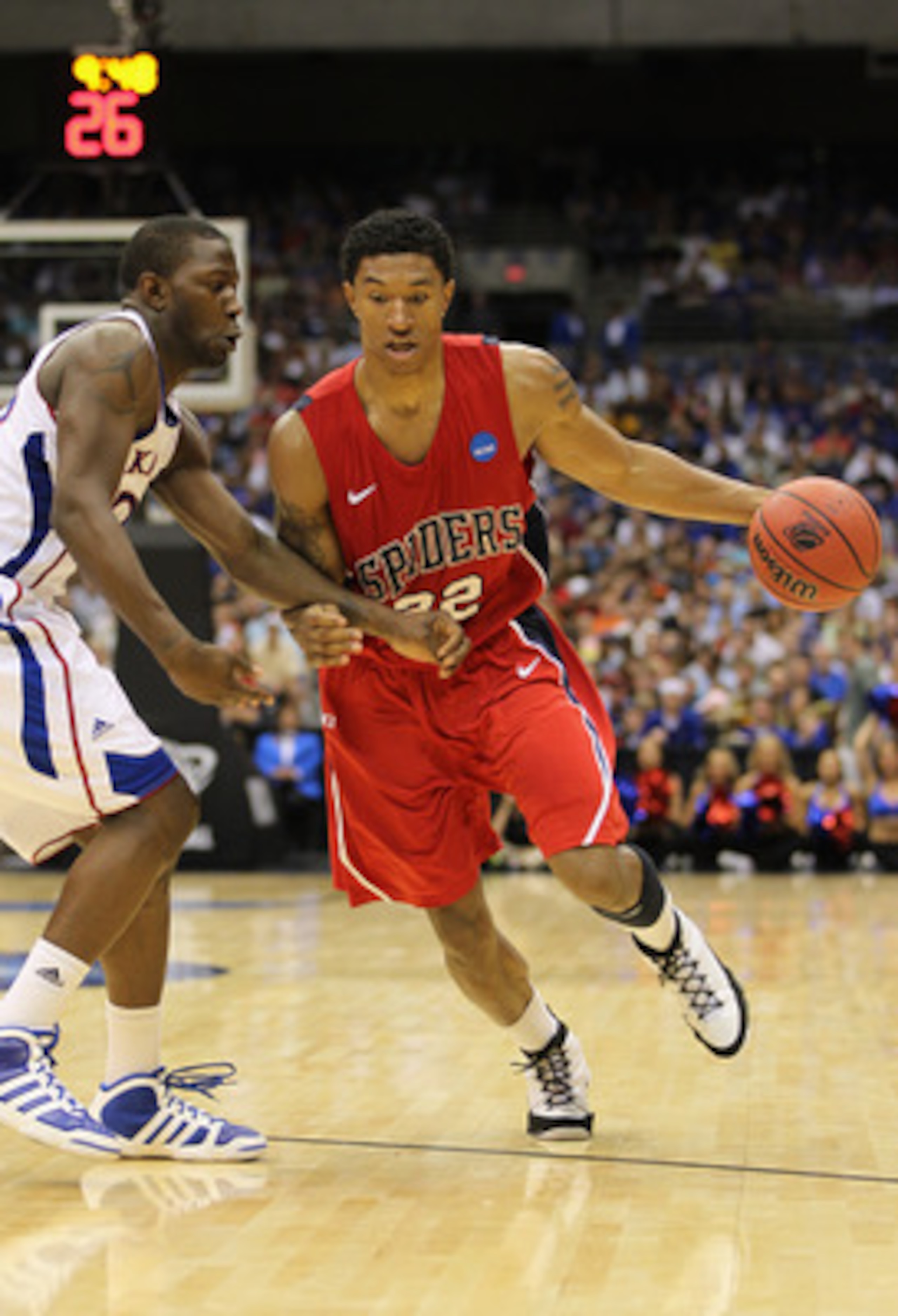
Richmond's Justin Harper is another player who led a mid-major team farther in the NCAA Tournament farther than many pundits thought.
Oklahoma City has great players in its starting lineup. Kevin Durant, Russell Westbrook and Kendrick Perkins form one of the outstanding trios in the NBA. Harper could help add depth to the power forward position.
Standing 6'10", Harper has great range on his shot and can extend defenses all the way out to the three-point line.
He is a bit soft, light (just 225 pounds) and doesn't rebound well for a guy with his height, but after banging up against Perkins enough in practice, Harper will soon learn how to compete with the league's biggest brutes.
No. 25 (Boston Celtics) Marshon Brooks
25 of 30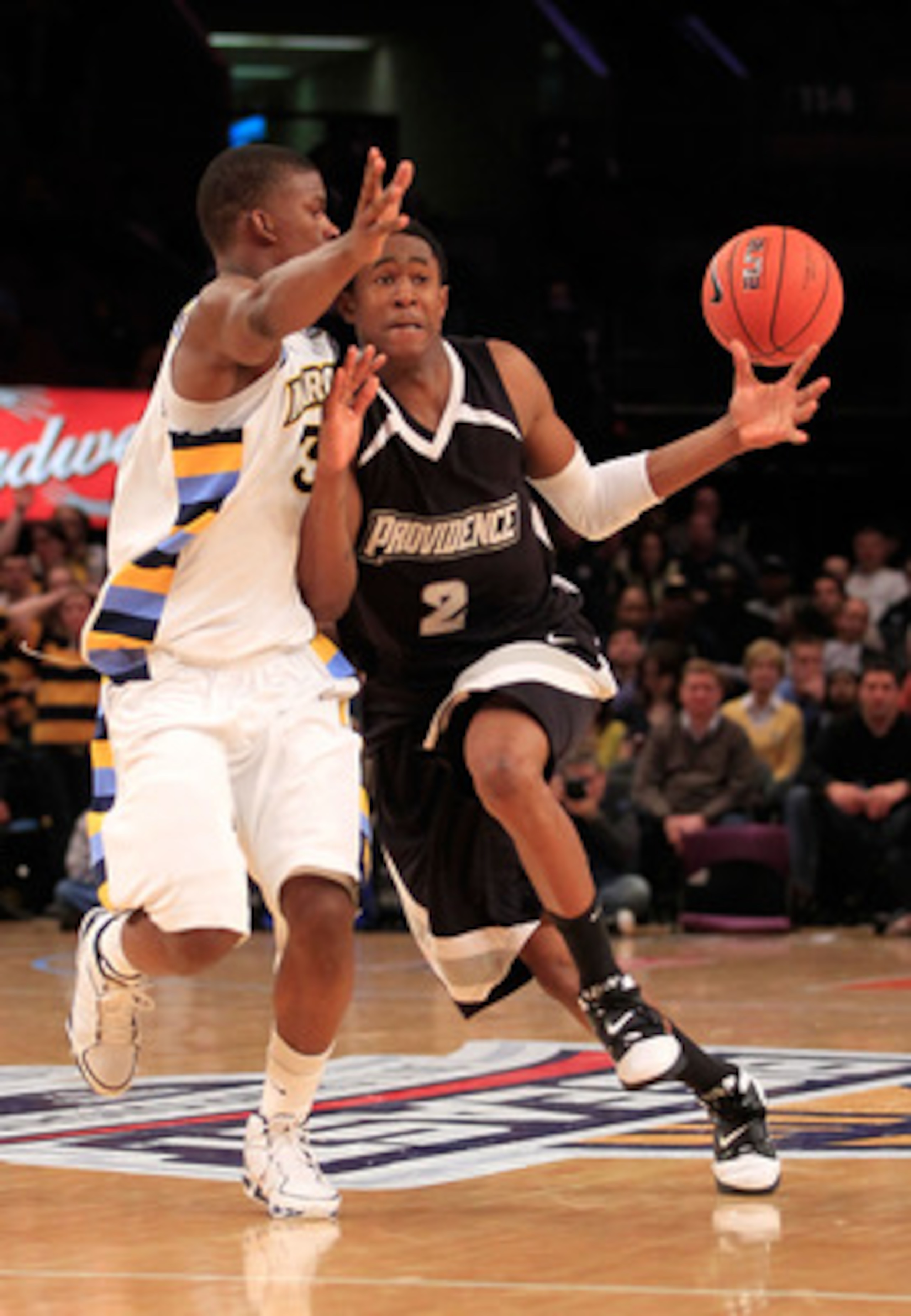
With the 25th pick in the 2011 NBA Draft, the Boston Celtics will select local guard Marshon Brooks out of Providence College.
Brooks is not widely considered a first round pick, but as draft time approaches, teams will begin to look closer at some of Brooks' better performances throughout the season.
Brooks set the Big East scoring record earlier in the season with 52 points against Notre Dame. He averaged nearly 25 points a game for the Friars and also got his fair share of rebounds with seven per game. He can slash, shoot and score in creative ways.
Brooks has picked up some bad habits at Providence as the predominant player on a bad team. The Celtics don't need a player that can play right away next season, but they need a guy with enormous scoring potential—and Brooks has that.
He might take a year or two with minimal playing time to adjust to playing with guys as good as himself, but with the right mix, Brooks could be a star.
No. 26 (Dallas Mavericks) Reggie Jackson
26 of 30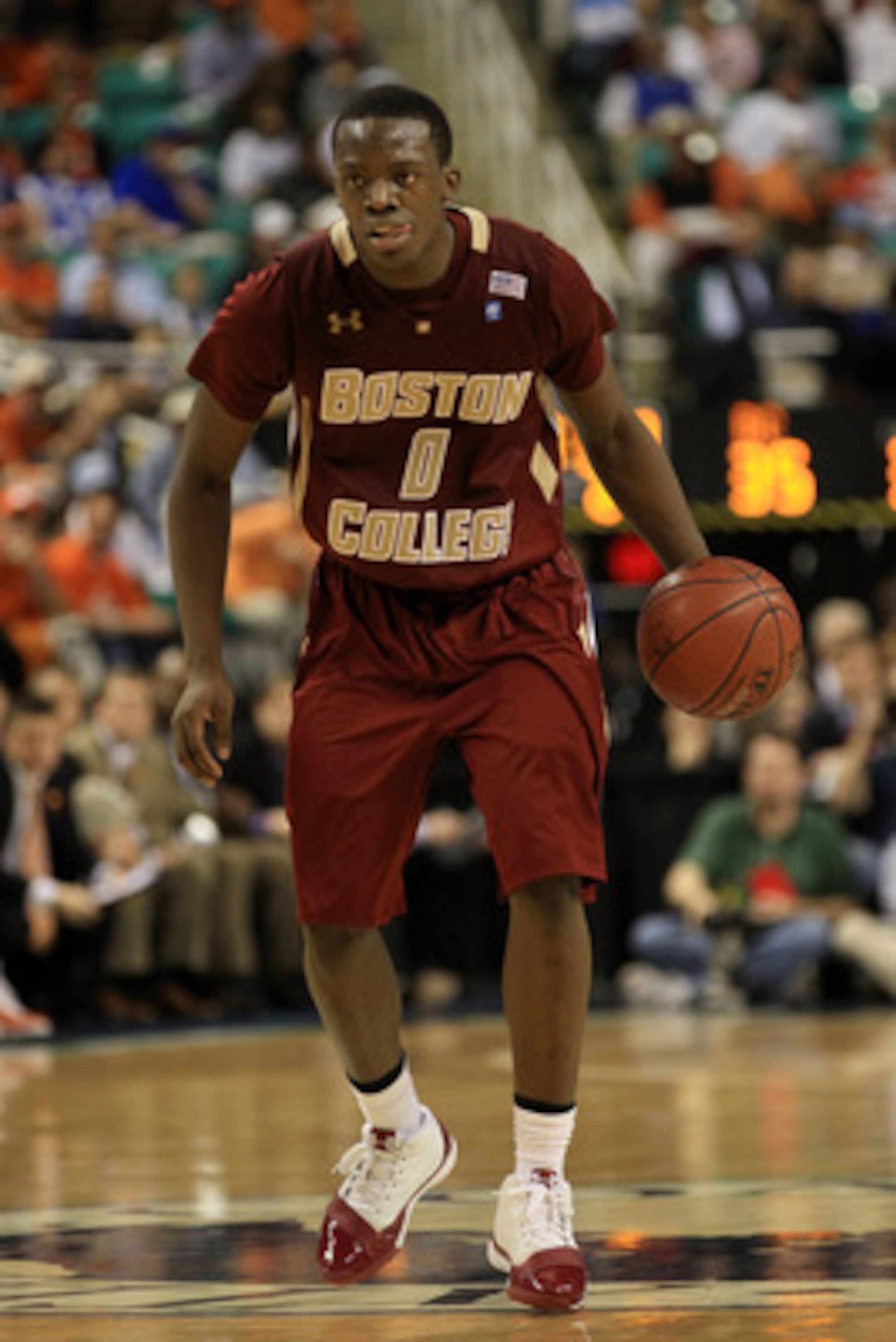
Reggie Jackson tore up the ACC last season and has the potential to score in bunches in the NBA. He could be a change of pace guard off the bench for the Mavs, and they will take him with the No. 26 pick.
Jackson has a 7'0" wingspan that will allow him to keep his hands up on defense against larger players and get in for steals. In the 2010-2011 season, Jackson scored 18 points per game and 4.5 assists.
Jackson has good athleticism, sees the court as a point guard, but when the game is on the line, Jackson has the ability to create his own shot or get to the basket to give his team a chance at winning.
Like Marshon Brooks, Jackson will need to improve his shot selection playing for the Mavericks, but there are few better point guards to learn from than starter Jason Kidd.
No. 27 (New Jersey Nets) Tyler Honeycutt
27 of 30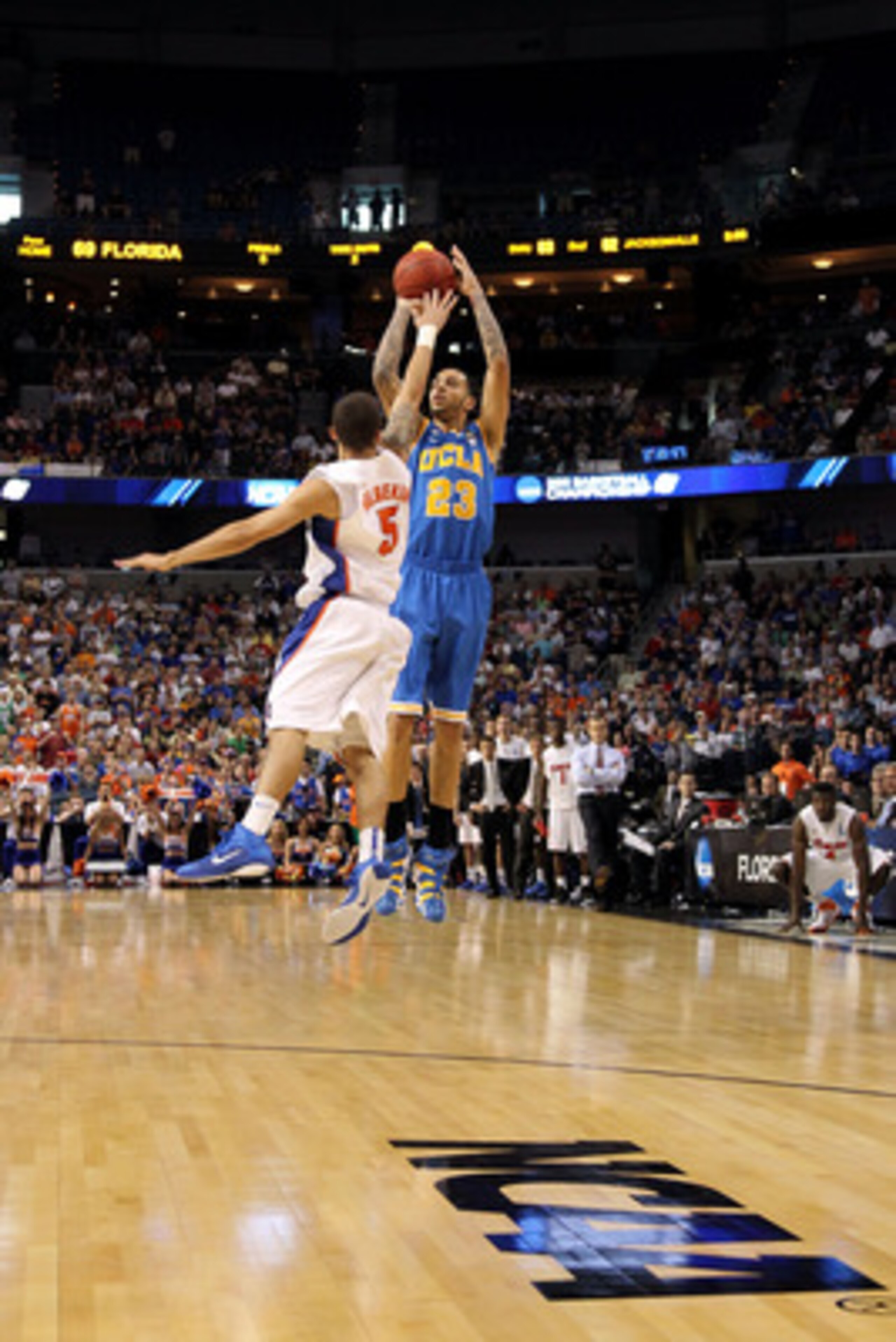
The New Jersey Nets will select UCLA's Tyler Honeycutt with their first round pick in the NBA Draft.
Although his production was not outstanding at UCLA last season (he only scored 13 points and brought down seven rebounds per game), the sophomore has a lot of potential.
Honeycutt is skinny for the NBA game, a 6'8" small forward who weighs just 188 pounds gets beat up by some of the bulkier small forwards (Think Paul Pierce).
Honeycutt makes up for his lack of bulk with great quickness and leaping ability. In addition, his knowledge of the game is superb and he seems to always know where his teammates are so he can make the right pass.
Honeycutt does not project as a top-flight NBA player, but he is a role player who will help add depth to the Nets' bench.
No. 28 (Chicago Bulls) Trey Thompkins
28 of 30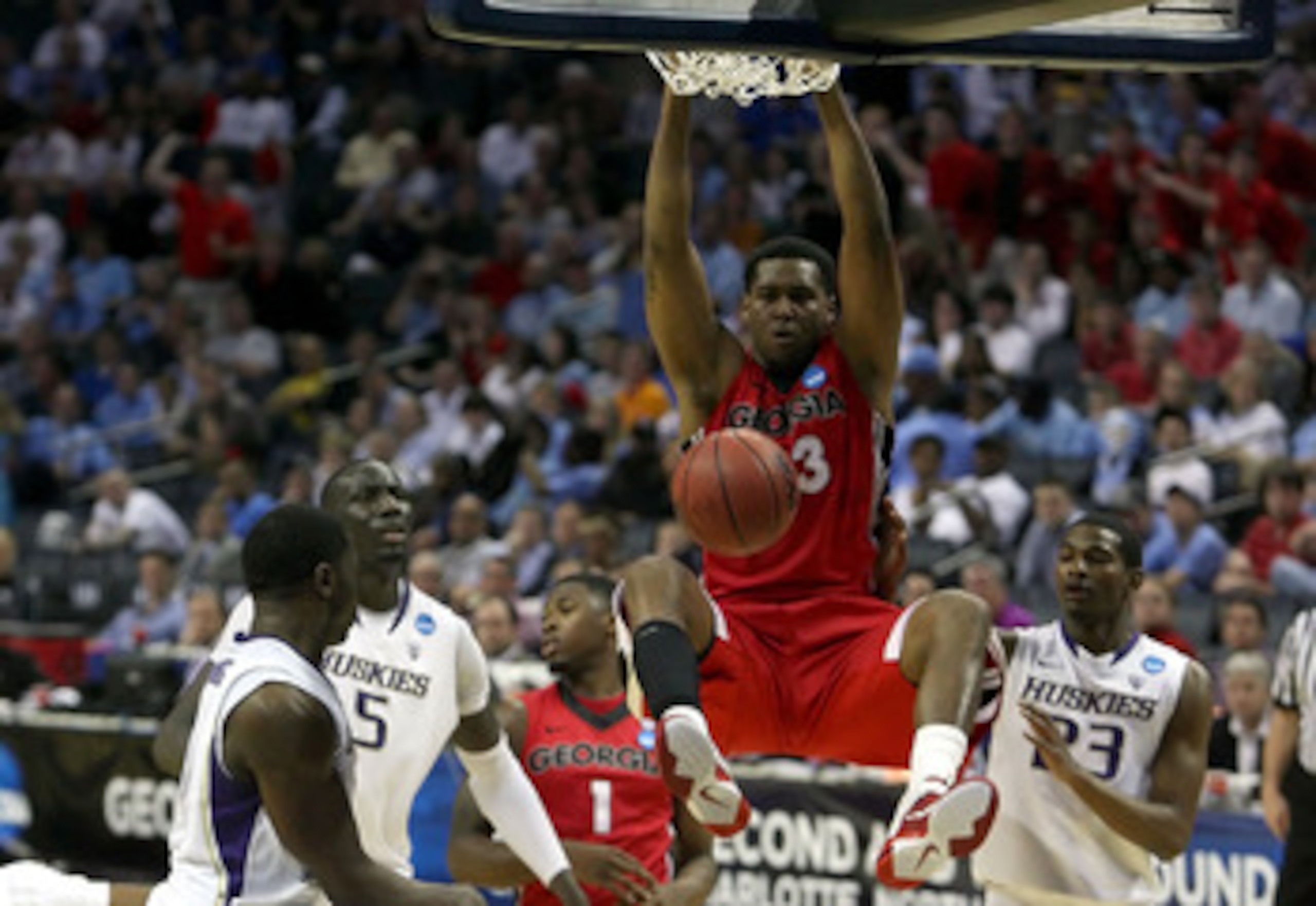
The Chicago Bulls are one of the best young teams in the NBA and many consider them a favorite to represent the East in the NBA Finals.
They will select Trey Thompkins with their late first round pick. Thompkins is a big power forward at Georgia. He is 6'10" 245 pounds and can get rebounds and block shots on a consistent basis.
Thompkins is a versatile player who can stretch out defenses with his shooting range and is an offensive player who is unafraid to handle the ball or show off his post moves around the basket.
No rookie will start for the Bulls next season, but a versatile rookie might have a shot of cracking the rotation. Thompkins' set of skills is unique enough to warrant a look by the Bull and could allow him to contribute to what appears to be one of the NBA's best teams.
No. 29 (San Antonio Spurs) Jordan Williams
29 of 30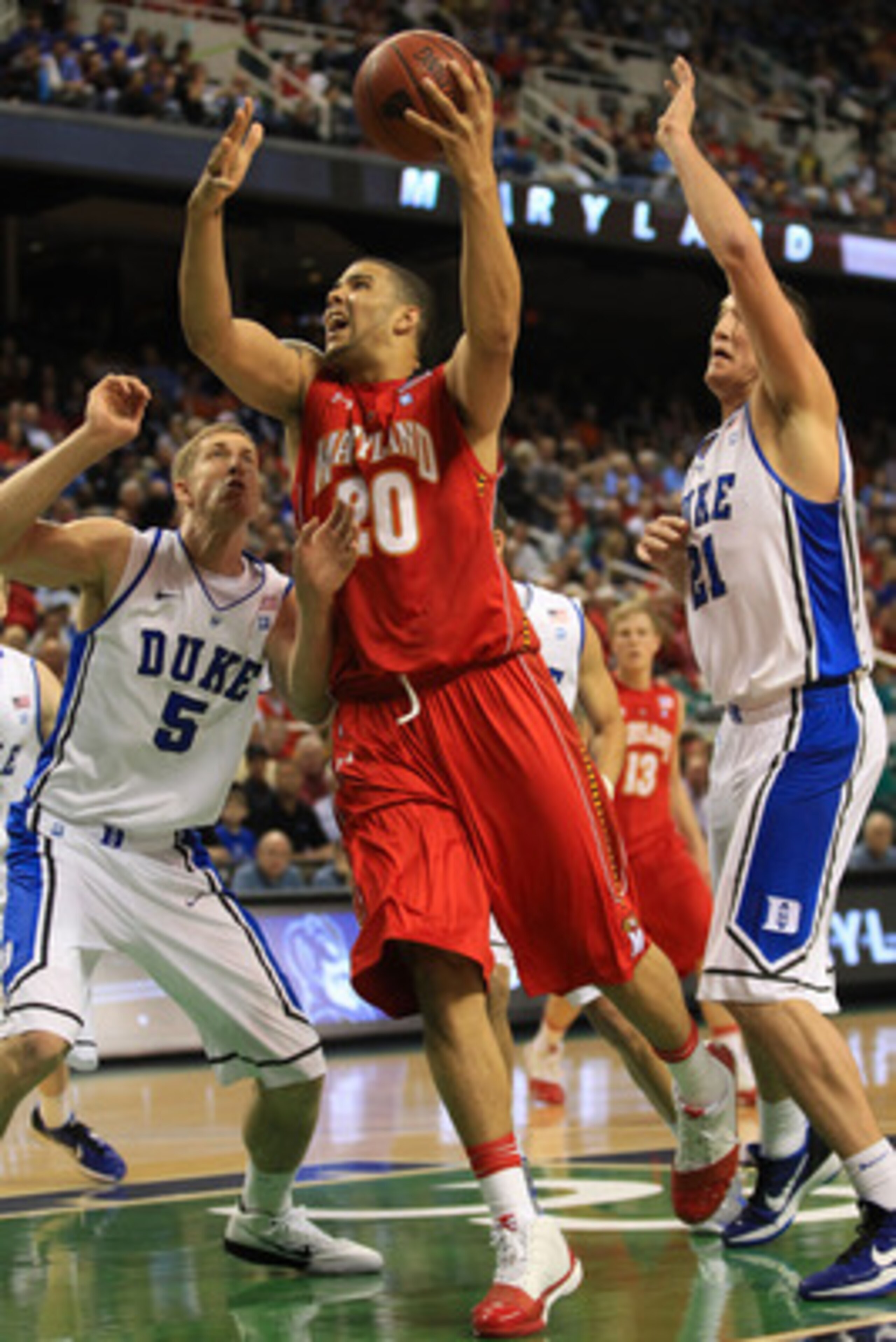
Jordan Williams was the best big man in the ACC this past season. Only a sophomore, Williams dealt with a loss of the team's best player (Greivis Vasquez) and took the team's load on his shoulders.
Williams developed a jump shot between his freshman and sophomore season that makes him even more dangerous on the offensive side of the court. He has a number of post moves and always finds a way to get the ball in the basket when close, even through double-teams that often came last season.
He is a tough rebounder as well who plays bigger than his height.
Williams is not the most athletic player, but he has proven he can play basketball.
The San Antonio Spurs are an aging team. Tim Duncan needs a reliable backup and the Spurs need young legs to start carrying the load. Williams would immediately give the Spurs additional size and, although he will never compare to the Spurs current power forward, he could help transition the Spurs from the Tim Duncan era.
No. 30 (Chicago Bulls) Travis Leslie
30 of 30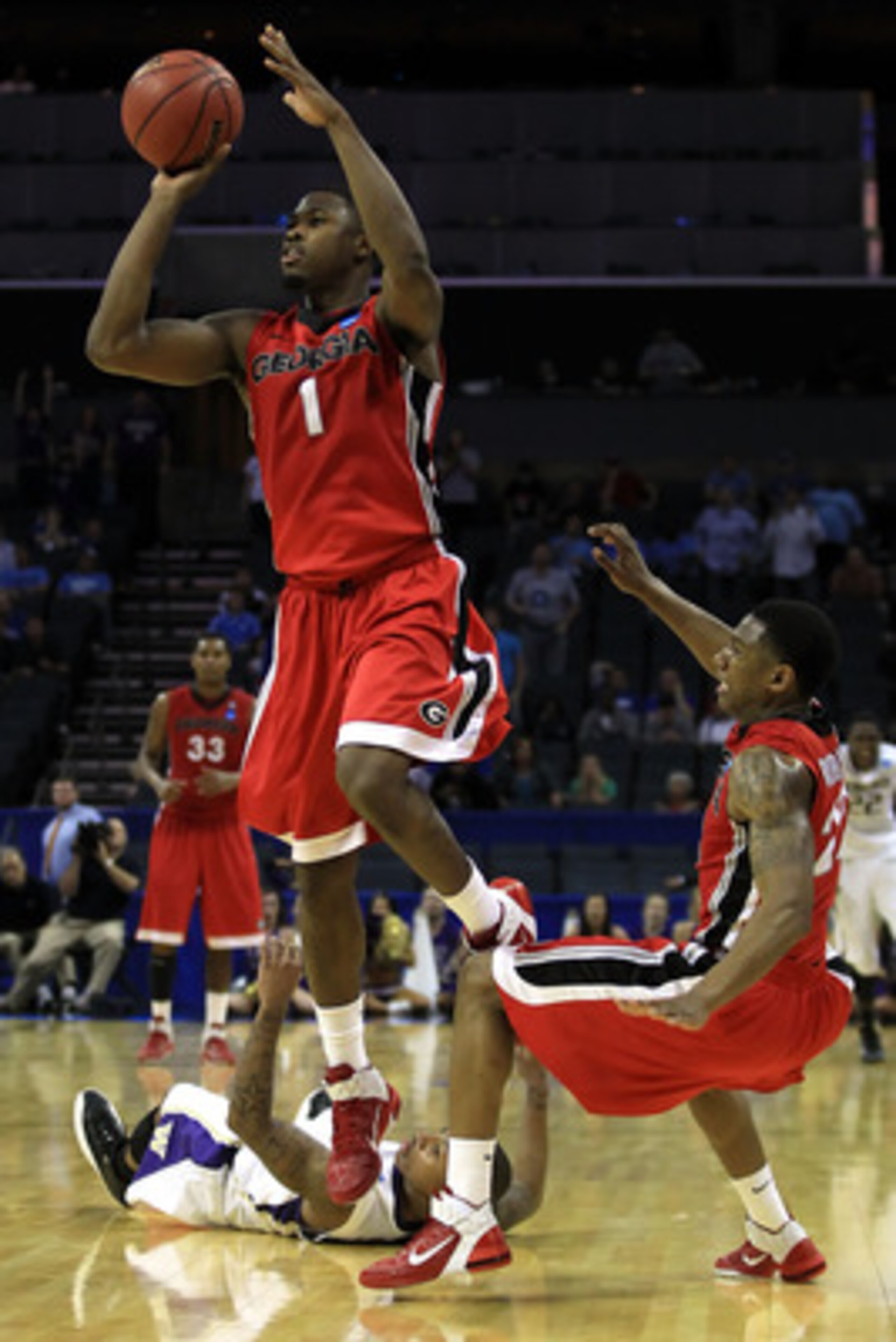
With the final pick in the first round of the 2011 NBA Draft, the Chicago Bulls will select Travis Leslie, a shooting guard from Georgia.
Leslie is one of the most athletic players in the draft and might win an NBA Dunk Contest. He is undersized for a shooting guard, but doesn't have the court vision to play point.
Despite his short stature, Leslie pulled down seven rebounds a game, a testament to his hustle and speed.
Leslie would give the Bulls an energy player off the bench who can score in bunches when the starters come out.
Although he is not a great ballhandler or shooter, Leslie could provide Bulls' fans with excitement with his fast-paced, high-flying style of play.

.jpg?w=2560)


.jpg?w=2560 "Latest Peyton-Colts Rumors")

.jpg?w=2560 "Landing Spots for Trade Candidates 📍")
.jpg?w=2560 "Ugly Jets Scoring Stat 😳")