NBA Free Agency: Best and Worst Case Scenarios for All 30 NBA Teams
There isn't a LeBron James, Chris Bosh, Amare Stoudemire or Joe Johnson among them, but the 2011 free agents have a chance to swing the fortunes of each NBA team.
Whether it's by losing a free agent or signing another, each team has an opportunity to improve or regress this summer in free agency.
Here is the best and worst case scenario for each team in this summer's free-agency period.
Atlanta Hawks
1 of 30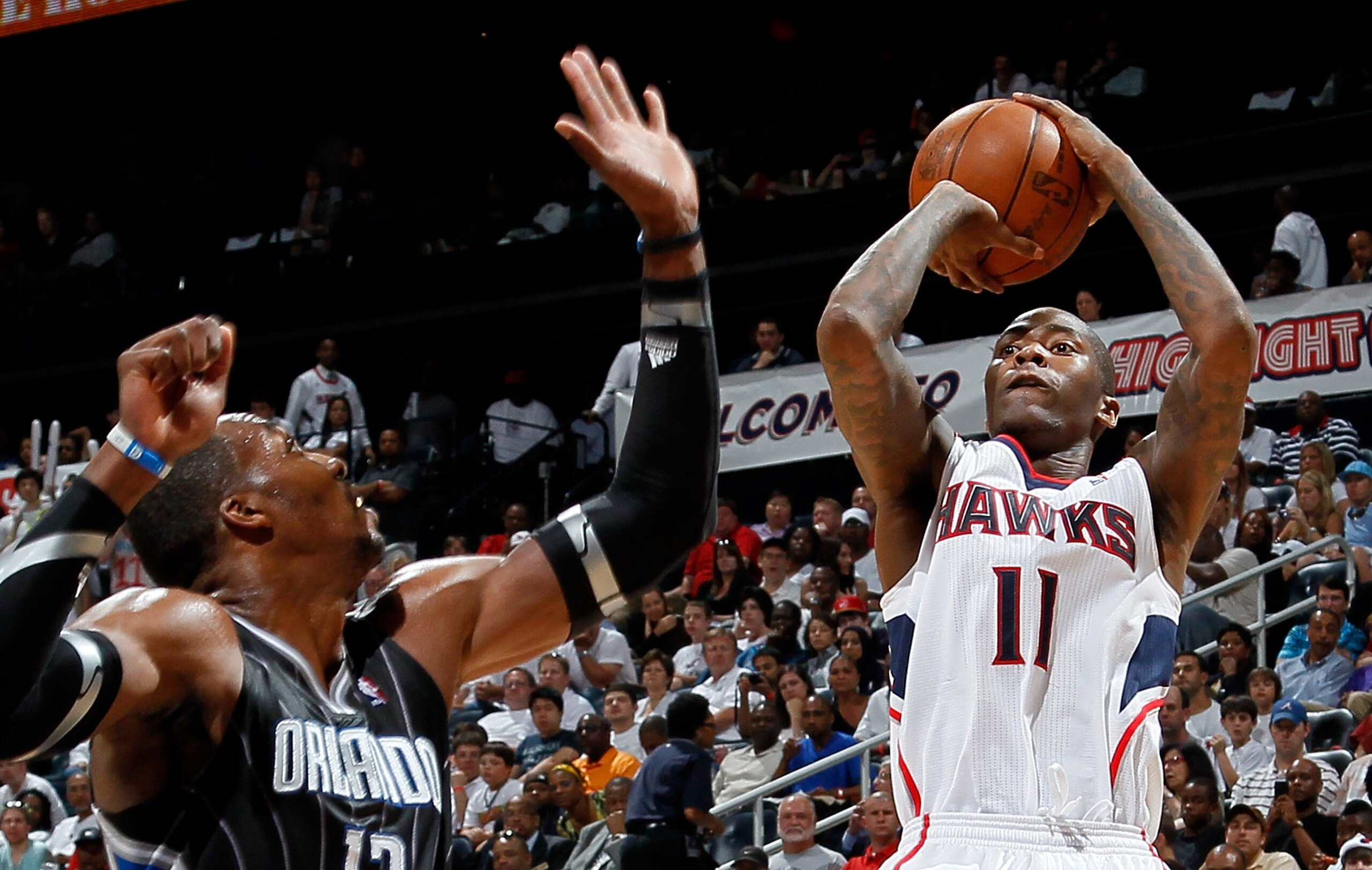
Best case: Sign a legitimate point guard like Rodney Stuckey, Aaron Brooks or T.J. Ford. Jeff Teague and Kirk Hinrich, whose contract expires after next year, are holding the team back from being a real threat to win the East.
They are hitting their stride right now, but how much better would the Hawks be if they could get consistent production from the point guard position?
Worst case: Losing Jamal Crawford. The former Sixth Man of the Year is a huge element of the Atlanta attack and the anchor of the second unit. Crawford isn't a true point, but if they lose him as a restricted free agent, the point guard situation will be even more desperate than it is already.
Fortunately, the Hawks will have the chance to match any offer that comes to Crawford from elsewhere.
Boston Celtics
2 of 30
Best case: Two-fold: re-sign Jeff Green without overpaying and inking a center, such as Nazr Mohammed, Tyson Chandler, DeAndre Jordan. Shaquille O'Neal and Jermaine O'Neal are not solutions to Boston's problem in the post, which only sprung up after the curious trade of Kendrick Perkins.
Worst case: Losing Glen Davis and not getting a big man. Davis has become an integral part of the short Celtic rotation and is just starting his career arc. The Celtics would be foolish to let him get away at this point, though he will demand a sizable salary increase.
Charlotte Bobcats
3 of 30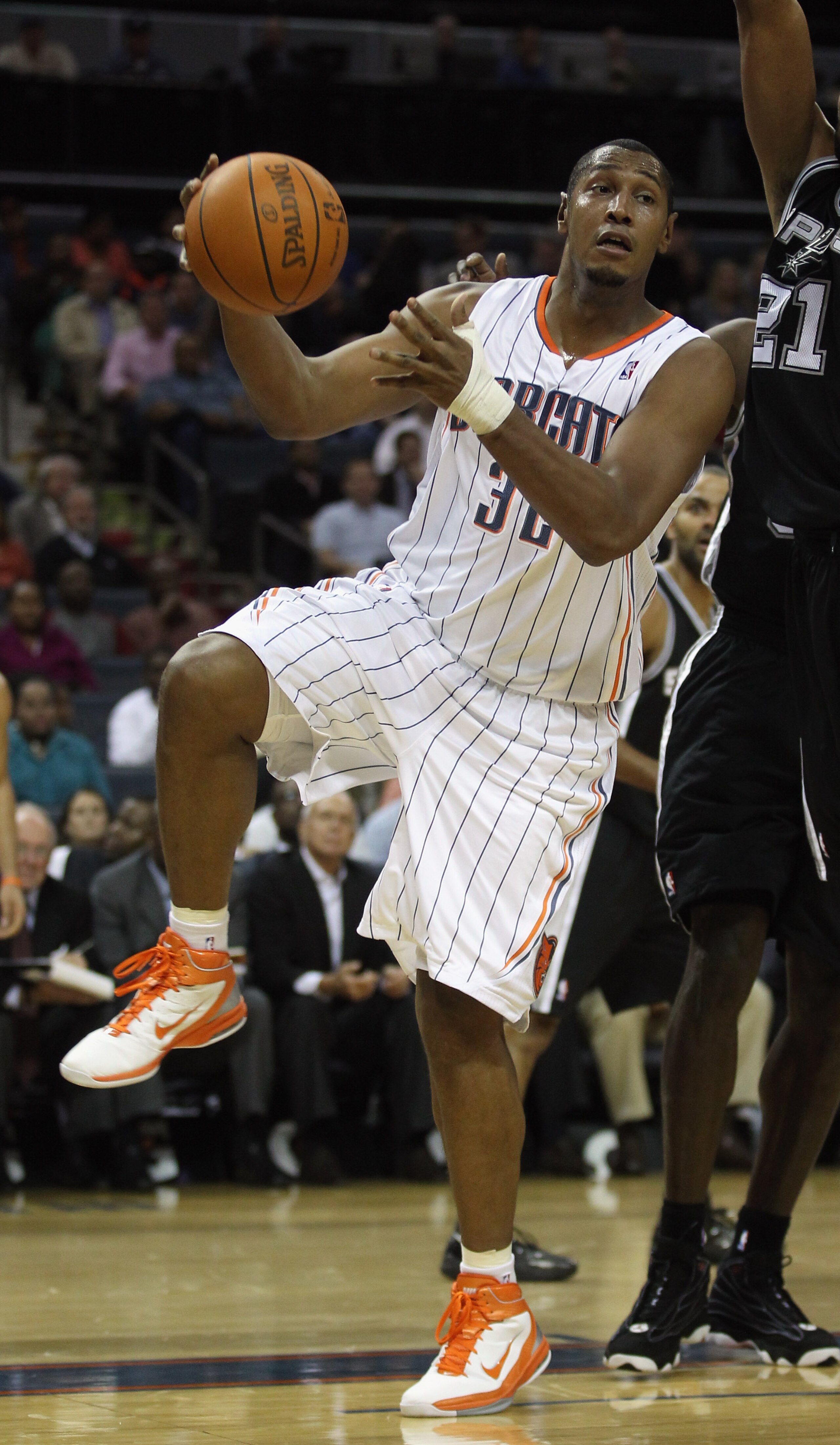
Best case: Boris Diaw declines his player option to become a free agent, freeing up $9 million. Diaw's averages of 11.3 points, 5.1 rebounds and 4.0 assists are pedestrian for a player making the salary that he is.
The 29-year-old has underwhelmed since his one revelatory year in Phoenix, and Charlotte would love to get out from under his burden.
Worst case: Entering opening night with Eduardo Najera, Tyrus Thomas and DeSagana Diop as their only bigs. The Bobcats must sign a marquee big man this summer.

Chicago Bulls
4 of 30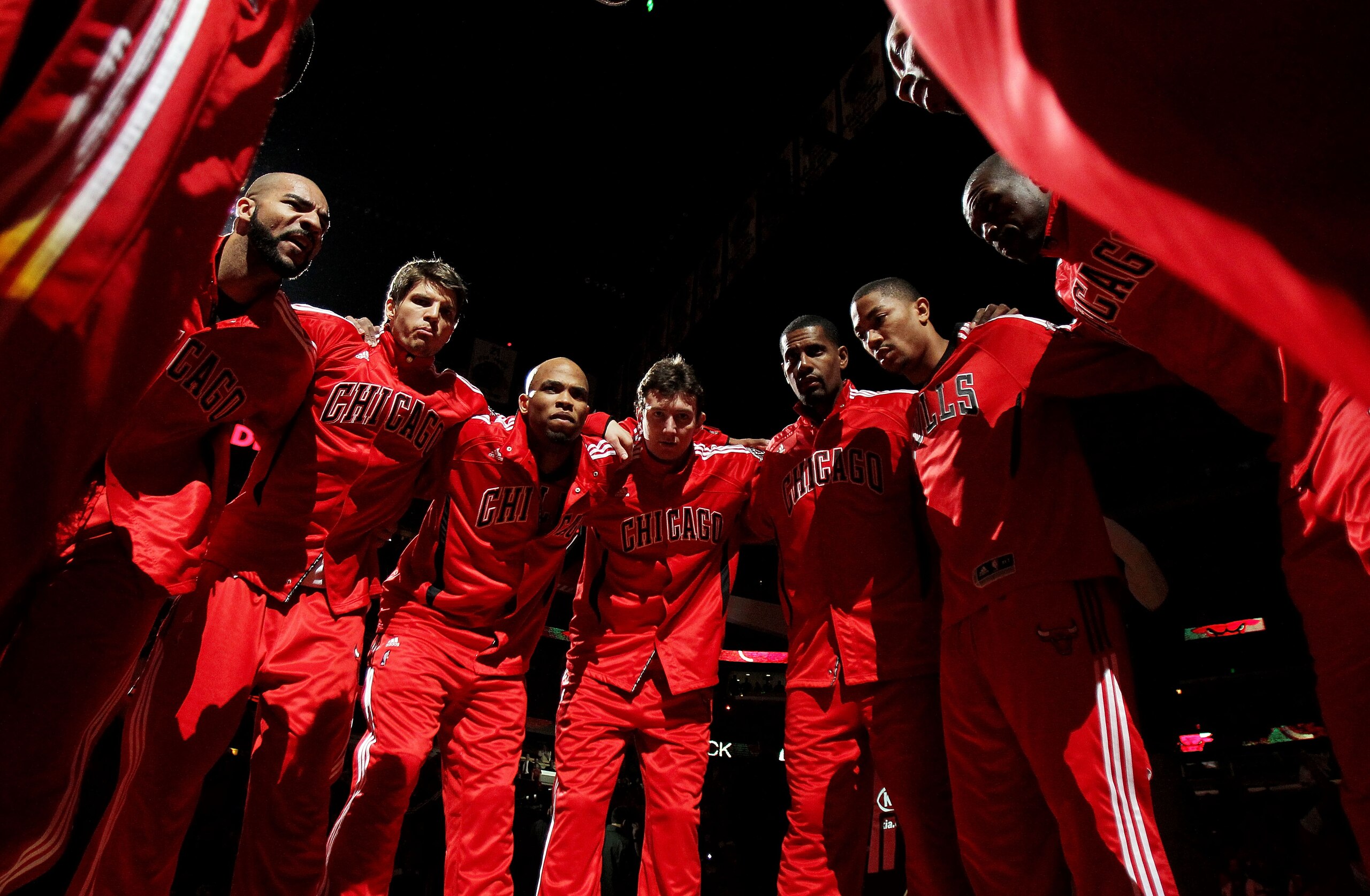
Best case: They re-sign Kurt Thomas, get another shooter (Mike Dunleavy? Shane Battier? Eddie House?) and don't overpay any other acquisitions. They need a shooter who can actually be on the court for more than 15 minutes, because Keith Bogans and Kyle Korver are incapable. Keith Bogans is quite possibly the worst of the 150 regular starters in the NBA.
The Bulls need to preserve whatever space they have to make an extension for newly minted MVP Derrick Rose next year. They don't have any high salaried players due for free agency, so all they need to do is keep things in line the way they are now to easily afford Rose.
Worst case: Overpaying for anyone. If they make runs at Dunleavy or Battier, they will be tempted to pay them upwards of $7-9 million, which is too much. They should pocket that money and give it to Rose next year, even if it means hesitating to improve this summer.
Cleveland Cavaliers
5 of 30
Best case: Signing any notable free agent. Cleveland is such an unfavorable free-agent destination that it would be a victory for this front office if they could rope anyone of note into joining the Cavs next year.
They have so many holes in their lineup that it almost doesn't matter what position the help comes to. It would likely be an improvement in any case or at least something they could work around.
Worst case: Taking themselves out of position to lock up J.J. Hickson and Ramon Sessions. These are the two currently rostered players that the team should build around. Both will be free agents next year, so the Cavs need to be frugal this summer and save money to offer extensions to both players before next summer.
They are unlikely to improve by free agency more than they can by keeping these two.
Dallas Mavericks
6 of 30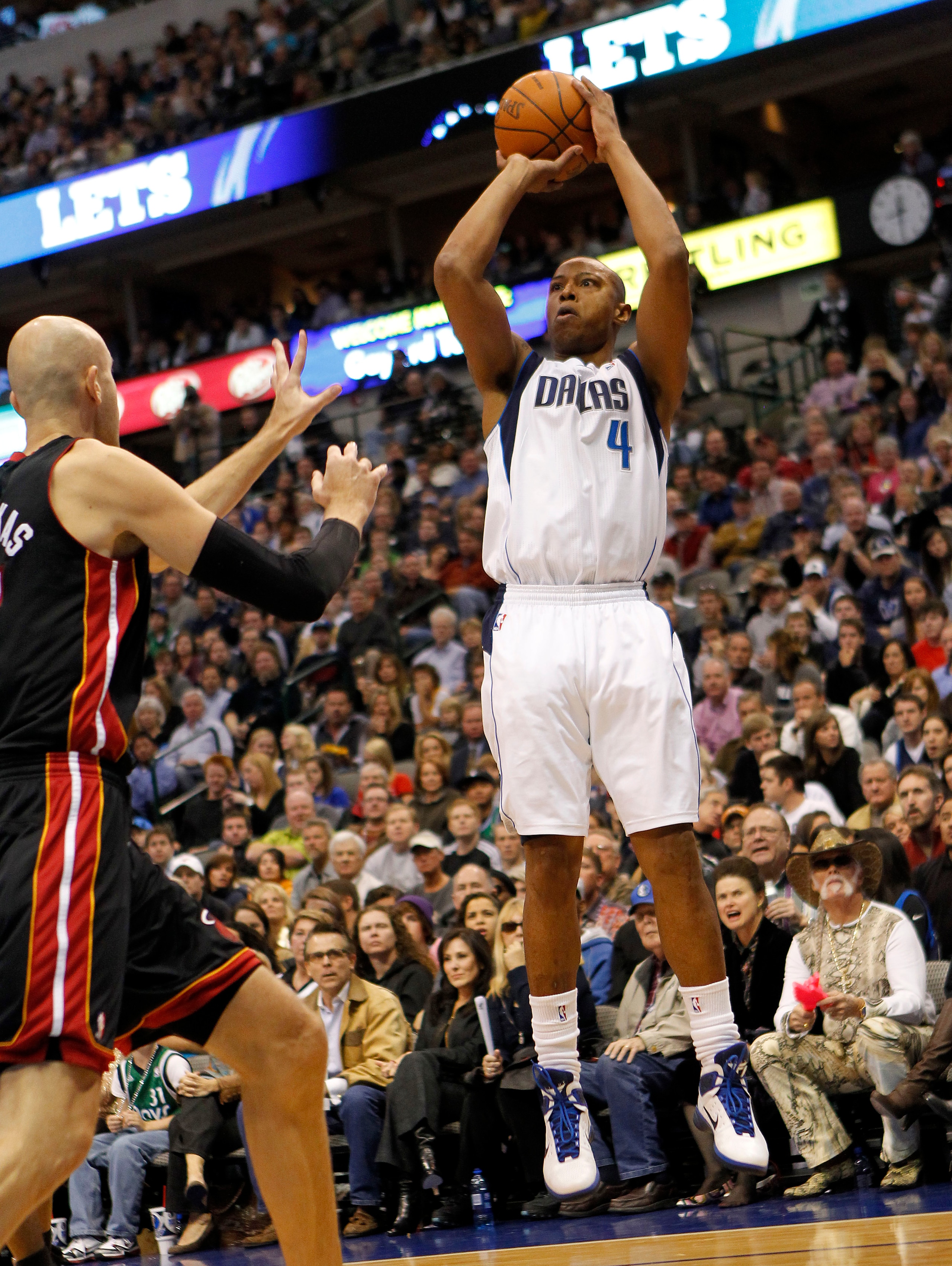
Best case: Let Tyson Chandler walk and re-sign Caron Butler and J.J. Barea. Chandler's $12.75 million deal expires July 1, freeing up a lot of needed money and allowing Brendan Haywood, he of the fresh contract, to finally get some minutes.
Butler is Dallas' No. 2 scorer and provides a nice complement to Dirk Nowitzki. He's expensive to re-sign, but can Dallas do better on the free-agent market?
Barea is a great change of pace and energy player off the bench. The Mavs want to keep him around in case Jason Kidd retires after next season's expiring deal. Mark Cuban doesn't want to lose Barea this summer and then Kidd next summer, leaving only the disappointing Roddy Beaubois at the point.
Worst case: The inability to re-up with Butler. The loss of Chandler and Barea are tolerable, but Butler is a key starter that would leave a big hole in the Mavs' lineup. They'd have a truck full of cash to spend if all three leave, but, again, who can they find on the market that is better than Butler?
Denver Nuggets
7 of 30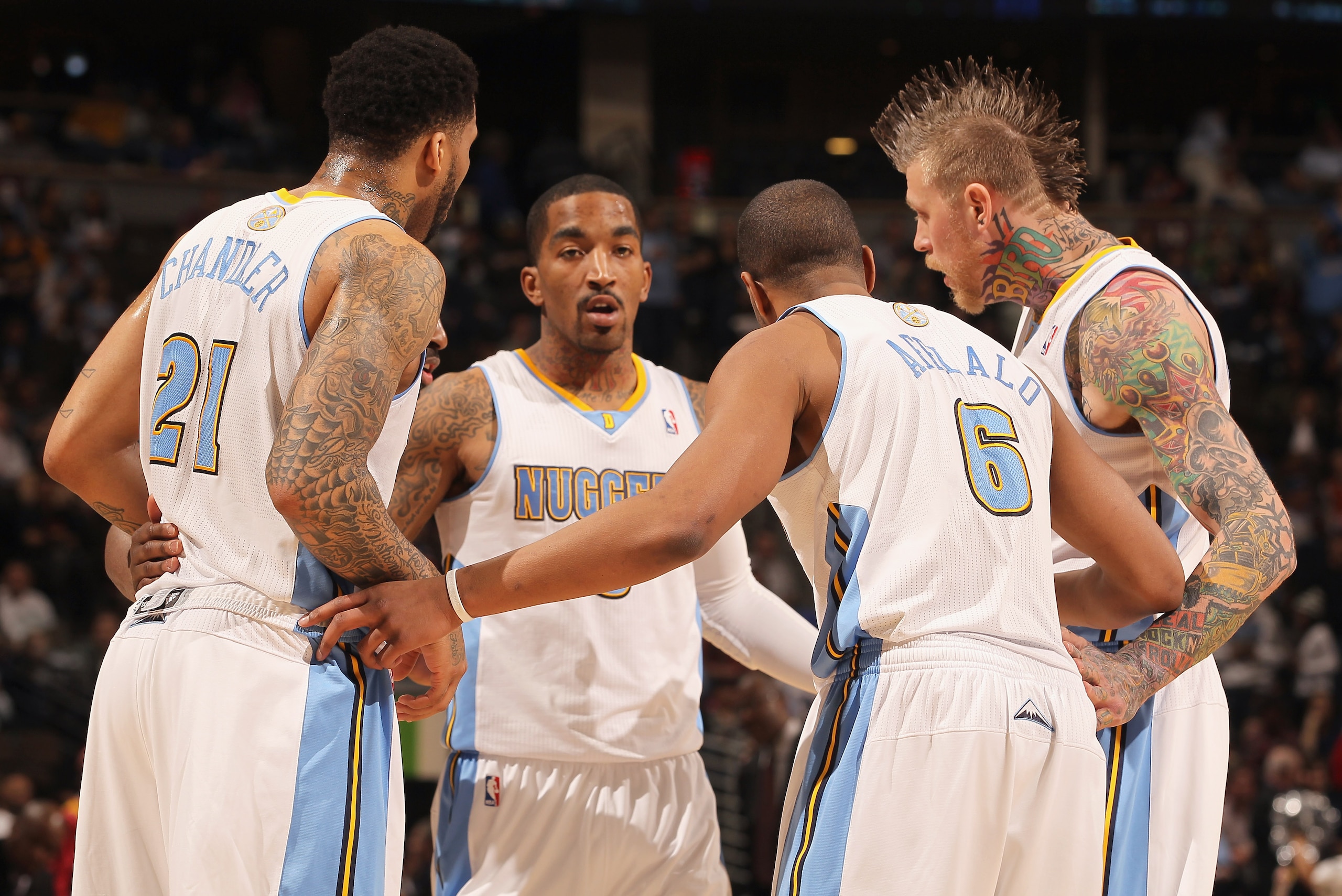
Best case: Re-sign Arron Afflalo, Wilson Chandler and Kenyon Martin. K-Mart is still a capable starter, but won't command anything near his $16.5 million salary this year. If the Nuggets can sign him for half of that, they will be in really good shape financially.
Afflalo and Chandler are both young, cheap talent that should cost Denver no more than $10 million per year combined. This allows George Karl to keep his core intact for the long term while accomplishing financial flexibility.
Worst case: Re-sign J.R. Smith. With Afflalo assuming a bigger role and the influx of Danilo Gallinari and Chandler, Smith's role has been blurred to the point that he's almost a non-factor in the team's plans. The time has come for the two parties to separate and for Smith to find a niche with another team that is willing to overpay him.
Detroit Pistons
8 of 30
Best case: Re-sign restricted free agent Rodney Stuckey, preferably before he becomes a free agent on July 1. If Detroit gets that done before the deadline, they won't be at the mercy of other teams escalating Stuckey's price by extending him lavish offer sheets.
Stuckey is the one contributing piece that is young and affordable, so the Pistons would do well to keep and build around him.
Worst case: Re-signing Tayshaun Prince. They can't win with him at $11.1 million, so what do they have to lose without him? The team will be under the cap without him and would have space to sign another free agent or work a sign-and-trade with one of their bad contracts (Richard Hamilton, Ben Gordon or Charlie Villanueva).
The problem is that Joe Dumars has done a pretty horrible job with free agents in the past few years. Gordon and Villanueva didn't make the team better at all and just saddled it with bad long-term deals.
Golden State Warriors
9 of 30
Best case: Finding a sign-and-trade partner for Andris Biedrins and his remaining three years and $27 million. Biedrins really disappointed this year and eventually gave way to promising rookie Ekpe Udoh at center. Udoh is a work in progress but is likely to assume most of the minutes going forward.
In order to make a sign-and-trade work, Golden State needs ample cap space carved out to likely receive a bad contract that another team wants to offload. In today's NBA, you have to take on somebody else's garbage to take out your own it seems.
Worst case: Lou Amundson exercises his $2.4 million option for next year, and Charlie Bell declines his early termination option to play under his $4.1 million for next year.
That's $6.5 million that the team has no control over whether they'll be paying it or not. Neither player is even peripherally involved in the team's plans.
Houston Rockets
10 of 30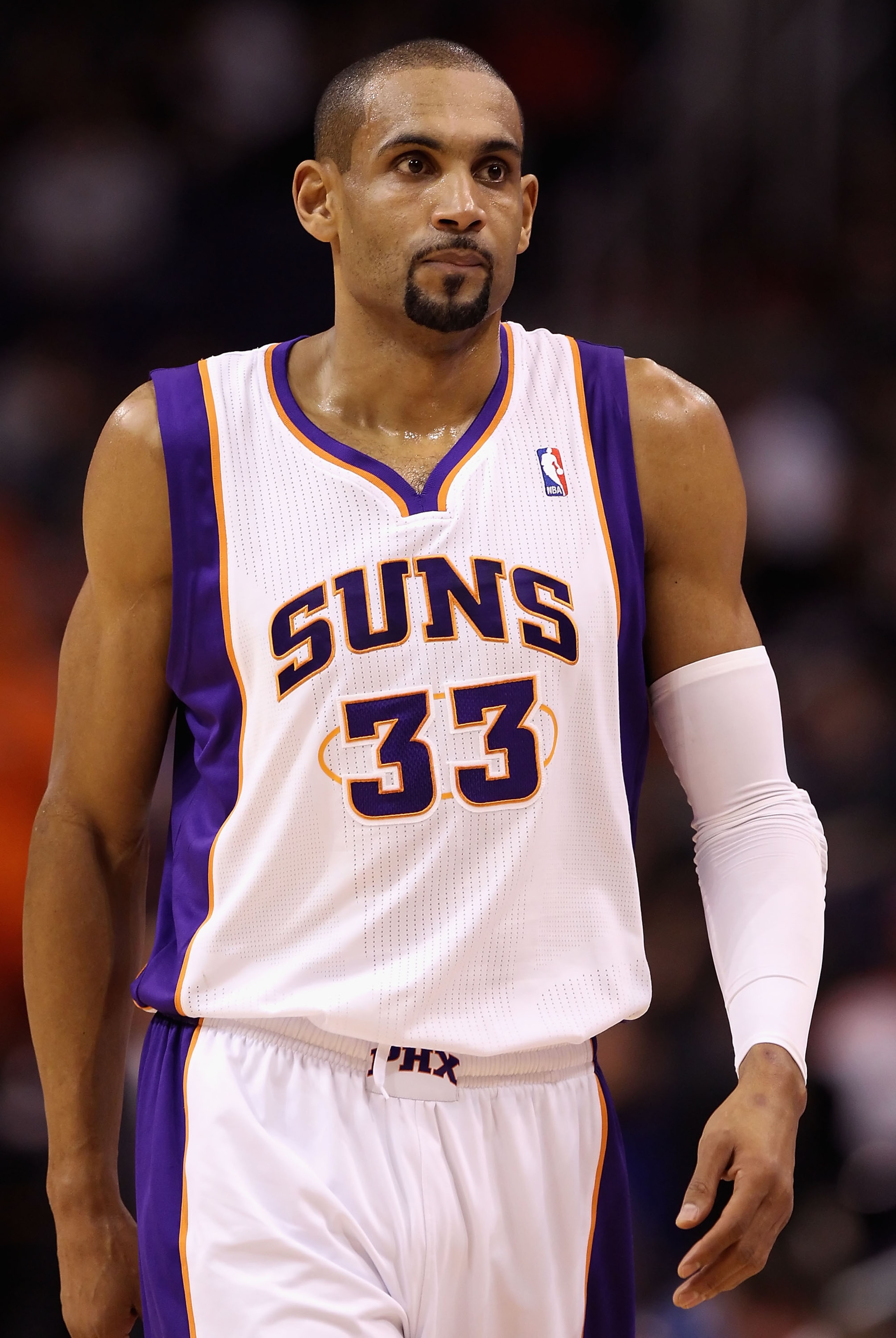
Best case: Pick up the option on Goran Dragic to back up Kyle Lowry and sign a starting small forward like Jeff Green, Andrei Kirilenko or Grant Hill. The Rockets have good or promising players at every position except the small forward, where none on the roster is of starter caliber.
Swiping a guy who brings a winner's mentality and can be a complementary scorer to Kevin Martin could bolster Houston significantly.
Worst case: Getting back together with Yao Ming. As sad as it is for such a good player and guy, Yao is done. He should retire, get his feet right for his personal comfort and leave the Rockets with dignity.
The Rockets shouldn't have to complicate their situation to be loyal to Yao. He should reach out to them, inform them of his retirement and allow both parties to move on.
By letting Yao walk, the Rockets could be under the cap enough to sign one of the above small forwards with a little more even left over under the cap.
Indiana Pacers
11 of 30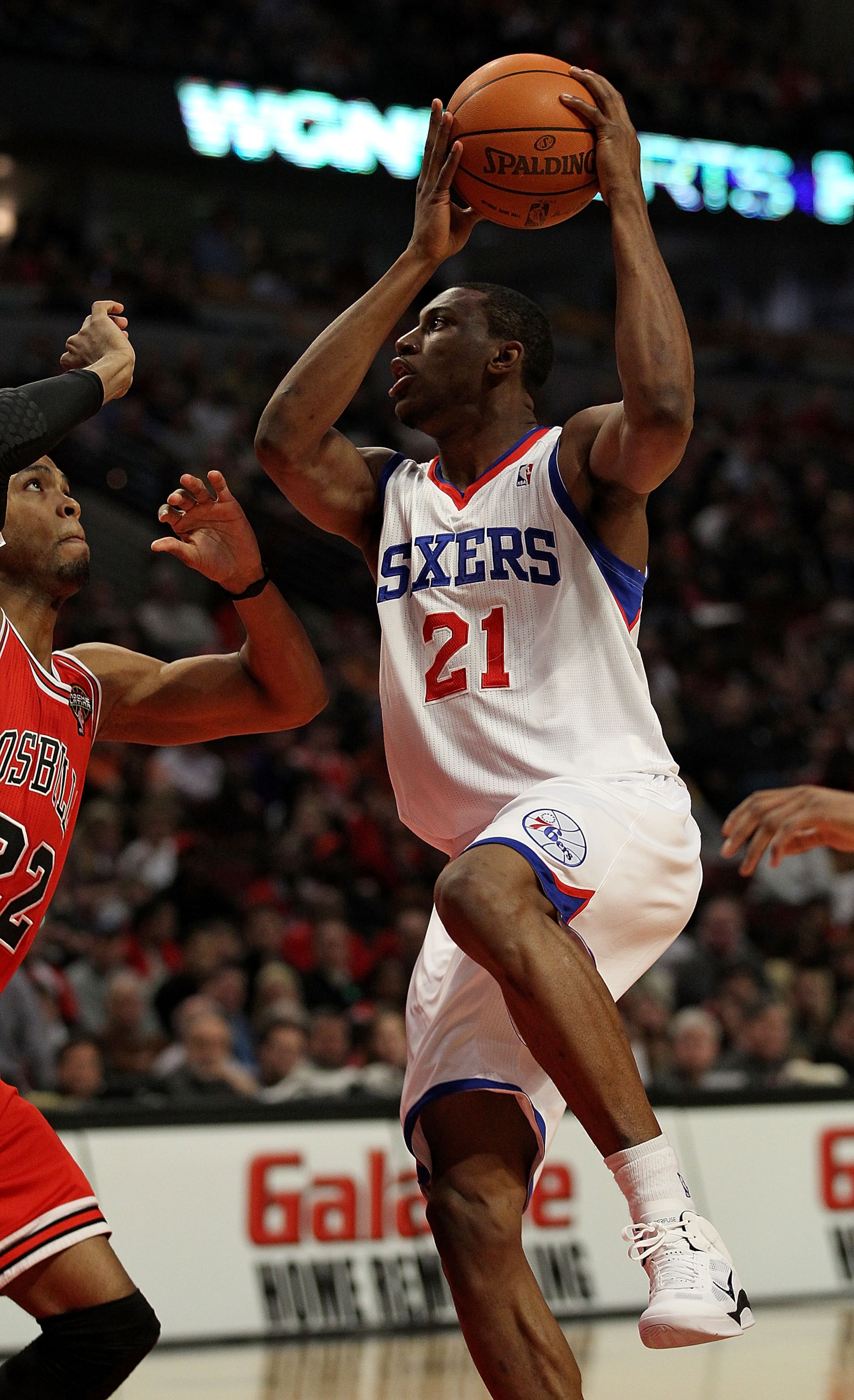
Best case: Pick up a scoring power forward like Carl Landry, Thaddeus Young or David West (if he terminates his contract). Indy has the point guard depth, solid role-playing shooting guards, Danny Granger at the 3 and Roy Hibbert and Tyler Hansbrough down low.
One of their biggest needs is another scorer who provides depth down low.
Worst case: Sign another role player. The Pacers have the opposite problem from a lot of contenders. Instead of lacking pieces to put around a superstar, they have great role players and no stars.
No, Danny Granger has not performed like a star or carried himself as one. The Pacers need fresh blood that leans more toward being an alpha dog than a follower. They need somebody who will take control and demand the ball and make the most money on the team.
They might not get that this offseason, but they can take steps toward that, which I think will improve them.
Los Angeles Clippers
12 of 30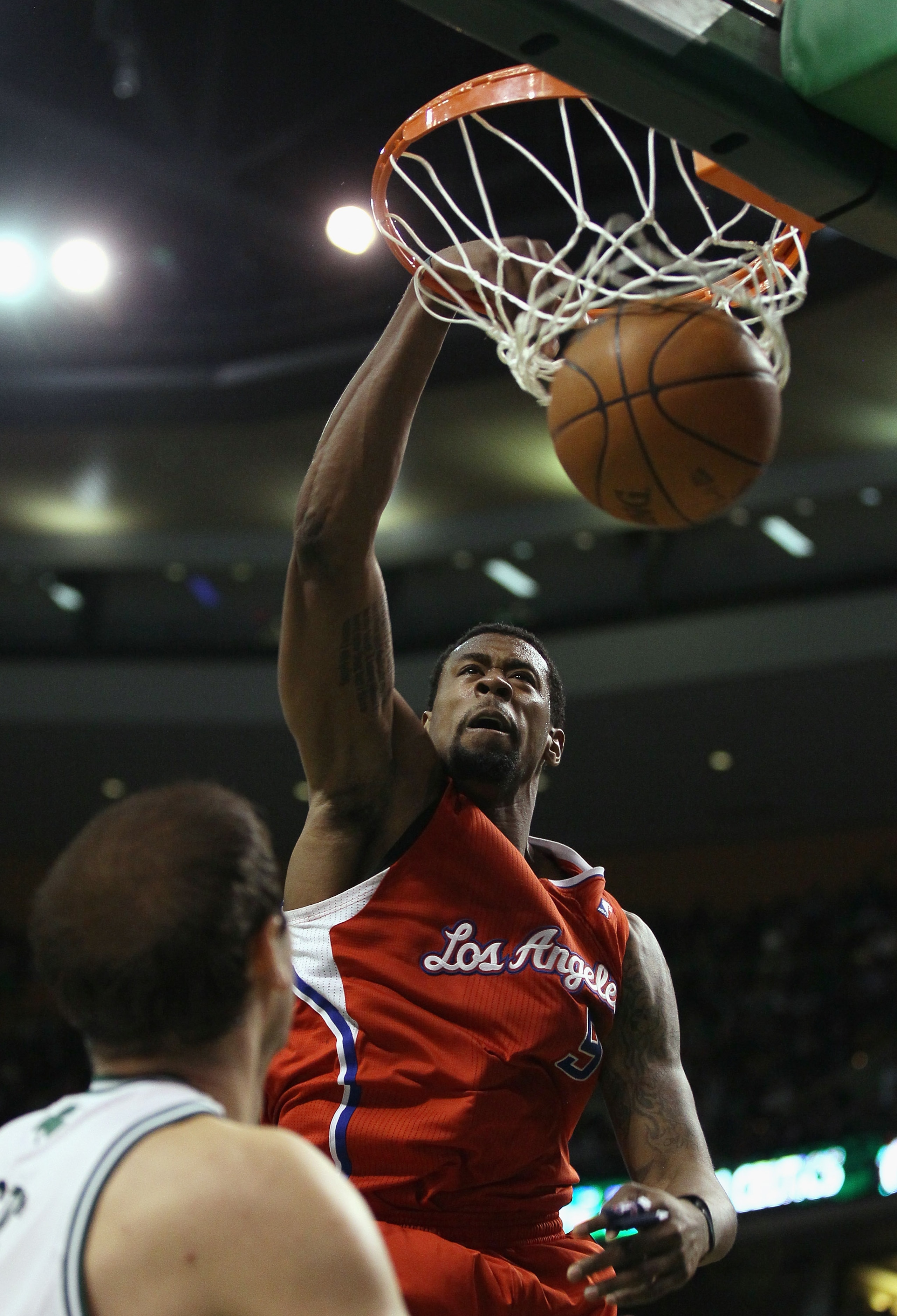
Best case: Re-sign budding center DeAndre Jordan. This is priority one for GM Neil Olshey. The Clips made a lot of progress this year and are a multi-year project to reach contention, so they shouldn't try to fix everything all at once.
Jordan is a building block player that answers the question, "What do we do about Chris Kaman?" The answer: let him walk.
Worst case: Fail to re-sign Jordan. The Clippers have made strides on the court and financially. They dumped Baron Davis' deal for an equally bad, but shorter, one with Mo Williams. The cap situation is very promising right now, and they need to lock Jordan in so that the Kaman question doesn't come back into play.
Kaman doesn't fit with the team's direction or personnel and being forced to re-sign him in 2012 to compete at center would set the team back significantly.
Los Angeles Lakers
13 of 30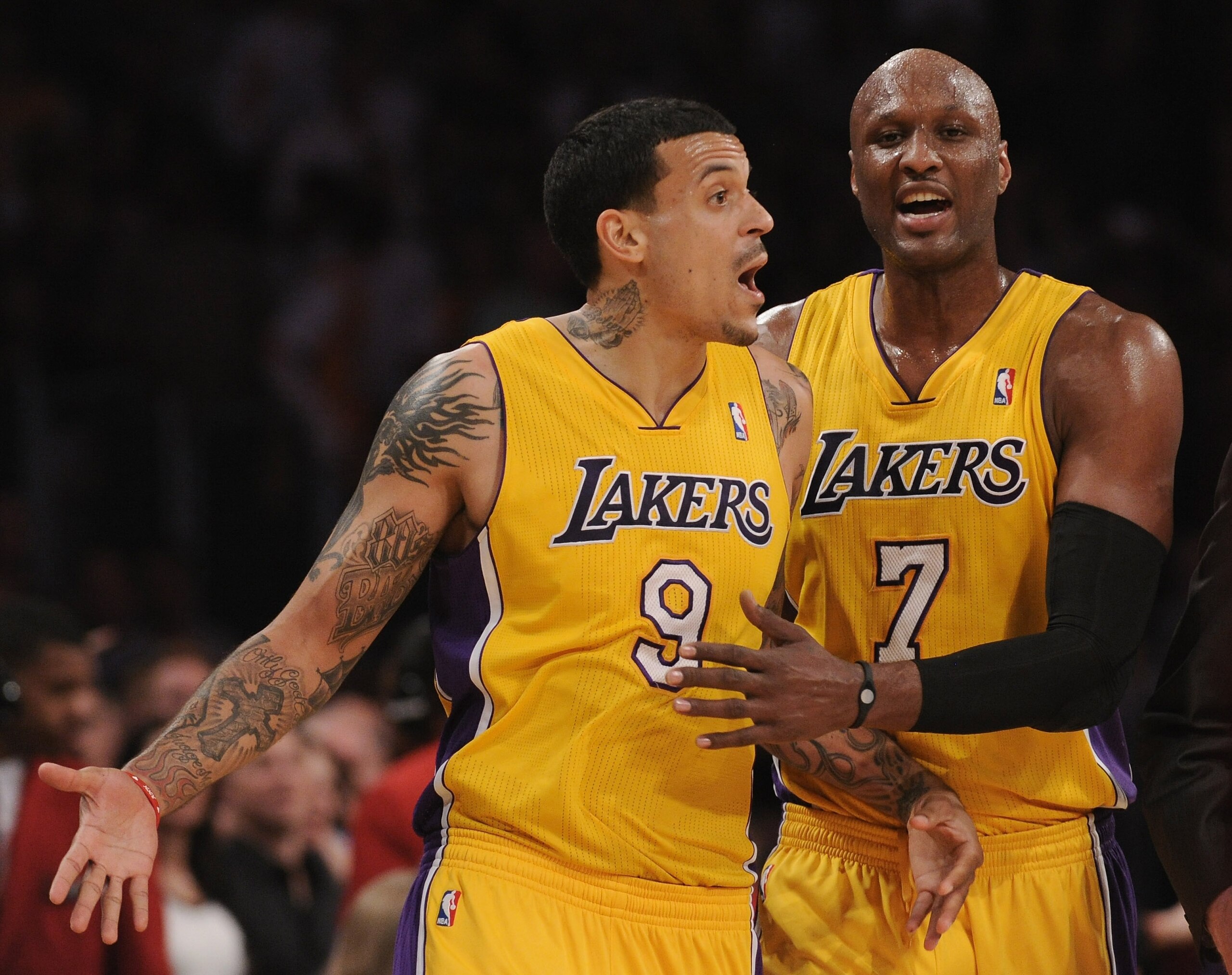
Best case: Convince Matt Barnes and Shannon Brown to pick up their options. Both players were given player options for a second year in exchange for playing at a discount rate this season.
Barnes has been a strong bench contributor this year, while Brown has been inconsistent. The chance to lock up two proven role players for a combined $4.3 million next season is vital.
The Lakers will be strapped to make moves this offseason, and the value they get with Brown and Barnes won't be replicated by any other free agent.
Worst case: Try to fix what isn't broken. The Lakers, when at their best, have the preeminent roster in the NBA, and I'm not convinced that any other team is even close.
General Manager Mitch Kupchak has made great personnel moves over the last few years, but there are always land mines in NBA free agency. The best way to avoid land mines is to stay out of the field, which is what Kupchak should do with the Lakers.
Memphis Grizzlies
14 of 30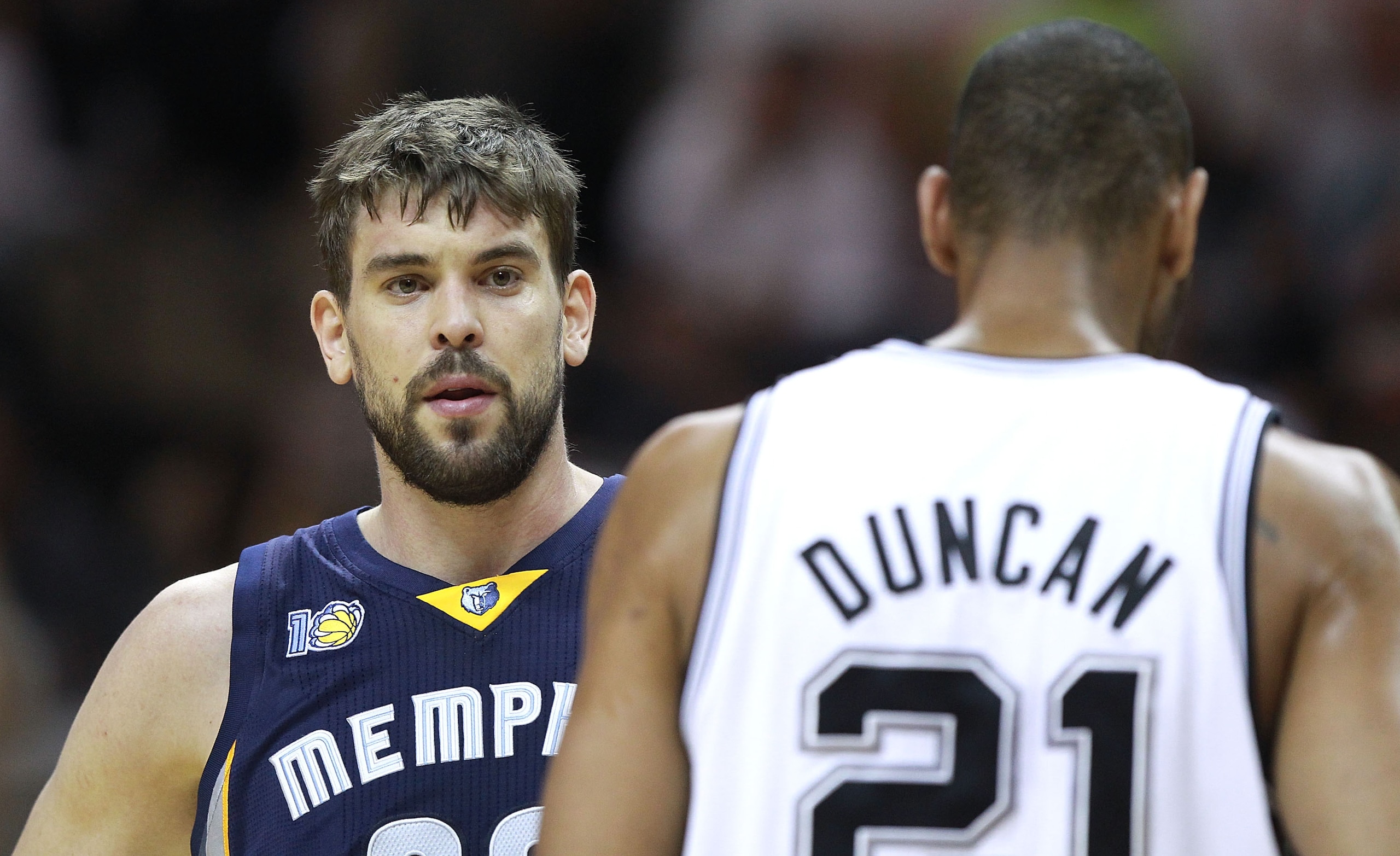
Best case: Re-sign Marc Gasol (a must) and Shane Battier (a should). The Grizzlies have done something curious since Rudy Gay went down for the season; they became unstoppable.
Gasol has found a great balance with Zach Randolph down low and has turned himself into a borderline All-Star at center. Battier came over in one of Chris Wallace's better moves and has toughened the Grizz on the perimeter even more.
He and Tony Allen are shutting down all perimeter threats and playing at a ridiculous level right now. Battier won't be cheap, and questions about his role upon Gay's return loom, but the results of the current Grizzlies' lineup are hard to argue with.
Worst case: Change anything. Memphis isn't perfect, but it has undergone a rapid transformation from also-ran to the team that nobody wants to play.
Gay's return creates issues and a perimeter logjam, but that is a great problem to have. They just locked up Zach Randolph who is content and balling. They're having success and shocking better teams in the West with a roster that is able to stay together. Why shake it up in free agency?
Miami Heat
15 of 30
Best case: Sign two cheap bigs and pray that they can play. The Heat have six players under contract for over $60 million next year, which means that there is very little to spend on free agency.
Three of the six are Joel Anthony, Chris Bosh and Udonis Haslem, none of whom are able to protect the rim or dominate the glass. It is common knowledge that winning in the playoffs is near impossible without a dominant big man, which the Heat are trying to dispel right now.
Whether it works or not this year, they need to find some muscle and size down low.
Worst case: Spend money on a point guard. It's become clear that this is the only team in the league that doesn't need a point guard. Dwyane Wade and LeBron James are such good ballhandlers and need the ball so much anyways that they can fill the role of a point guard.
Why spend your few millions on another guy who needs to touch the ball? There's already a scarcity of touches for these guys, and Miami would be smart to realize that there are more pressing needs.
Milwaukee Bucks
16 of 30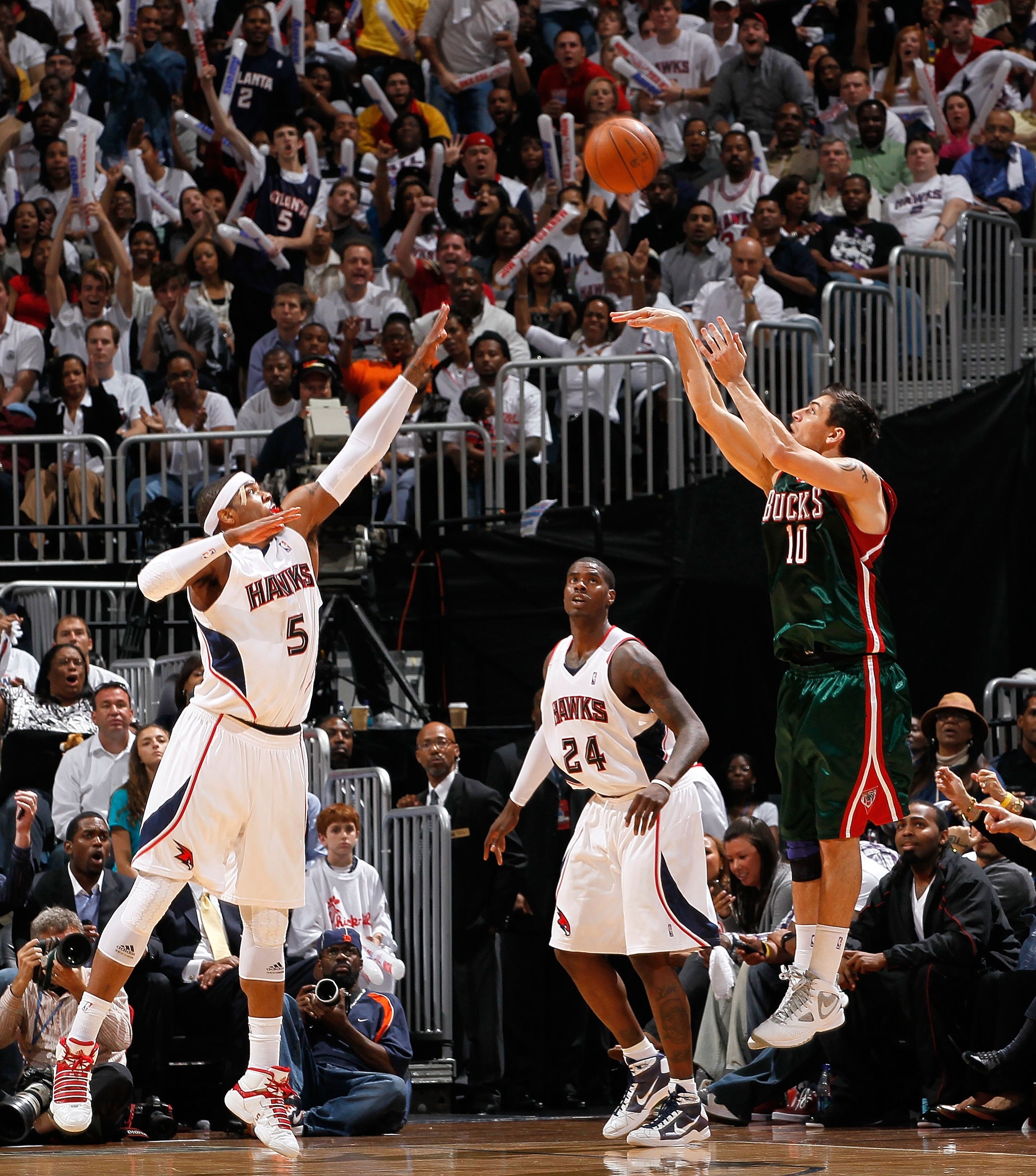
Best case: Don't add to the bevy of bad contracts and work on extending Carlos Delfino. Here's a list of Bucks who will make a combined $24.9 million next year: Drew Gooden, John Salmons and Corey Maggette. Half of the Milwaukee payroll serves to pay three players all outside the team's five best guys.
Carlos Delfino came back and lit the world on fire for the second half this year. He will be a free agent after next season and figures greatly in Milwaukee's future plans. They should spend some of the cap money they'll have to extend his contract now.
Worst case: Loyalty to Michael Redd. This is past the point of sentimental loyalty. Michael Redd has been a walking infirmary of career-ending injuries for two years straight, and his $18 million of dead salary has killed Milwaukee competitively.
They need to end the warm relationship on good terms before they let their heart get in the way of their head in decision making.
Minnesota Timberwolves
17 of 30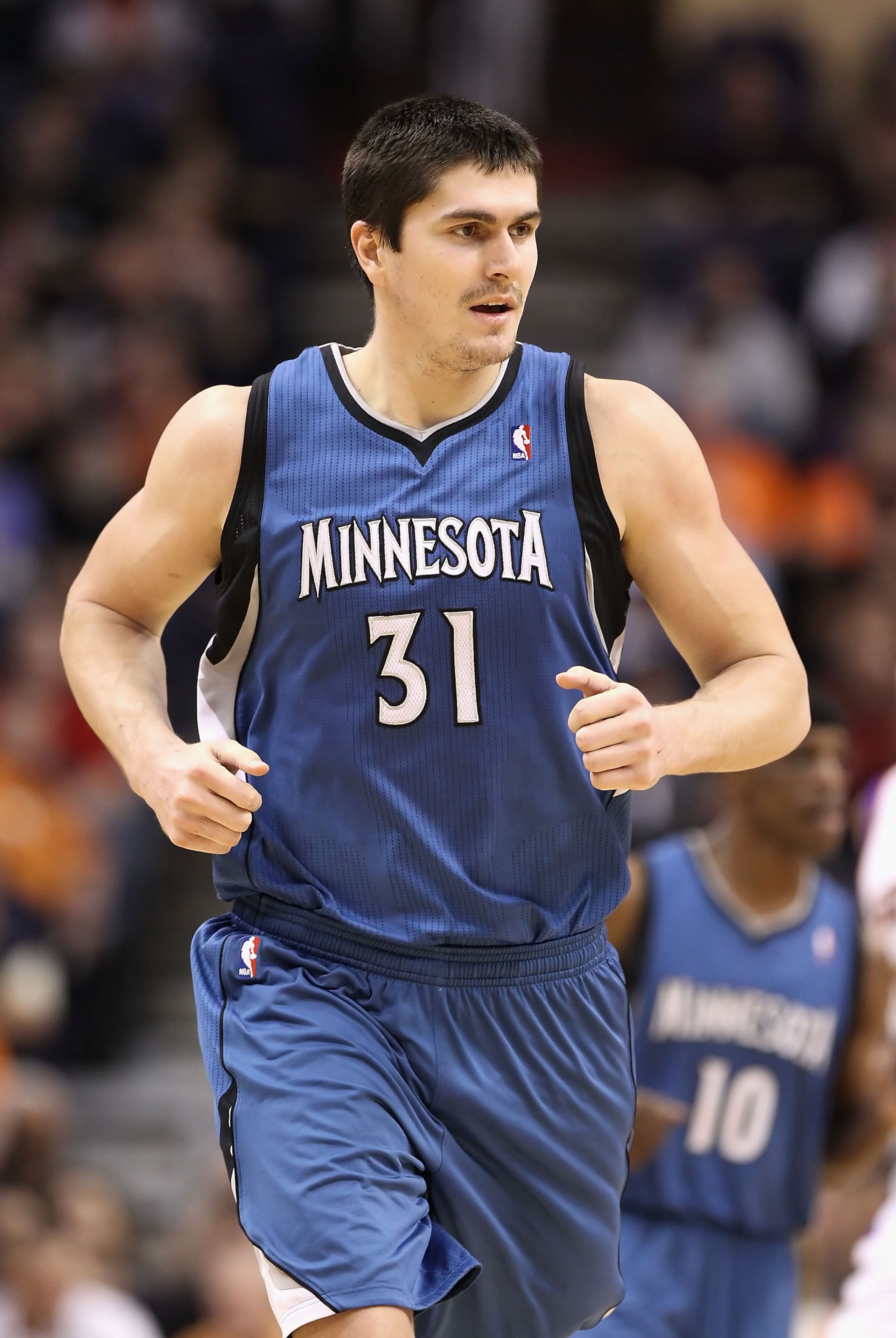
Best case: Trade. Minnesota is a perplexing team. Every player makes between $1.1 and $6.2 million next season, and the team is roughly $14 million under the cap. However, I don't see the benefit of spending big money on a No. 1, because they have decent talent at every position.
I feel that they are adequate at every position, and that an upgrade at any position would screw up a cohesive rotation.
Because of this, I feel that in order to create room for a star, they'll need to trade. Trading Darko Milicic and Jonny Flynn for a center, for example, would create a need a two positions that the Wolves have the money to fill. The team has tradeable assets with good contracts, so this might be within reason for David Kahn.
Worst case: Acquire a center that encroaches on Kevin Love. Love is a fixture of scoring and rebounding efficiency. If you brought in a back-to-the-basket, high volume center, it would smother Love's game, which is something the Wolves can't afford to do.
If they improve down low, it needs to be with a better version of Darko Milicic's defensive-minded game. Otherwise, they should look to land some legitimate shooting guards or small forwards.
New Jersey Nets
18 of 30
Best case: Re-sign Kris Humphries. Humphries was New Jersey's best player over the whole season and emerged just in time for the Nets to realize that he can be one of their building blocks.
The six-year veteran had a career year and made the Nets aware that they didn't need last year's No. 3 pick Derrick Favors. They need to get him back to keep their formidable 1-2 low post punch intact.
Worst case: Be content with Anthony Morrow and Travis Outlaw on the wing. The Nets don't have any reliable perimeter shooters. Sorry, but Anthony Morrow doesn't satisfy me.
The Nets need to go get a mid-level shooter/slasher that can score 12 points per game. A discounted Jason Richardson would be a great pickup to pair with Deron Williams or Mike Dunleavy or Shane Battier.
These are established players that would be upgrades over the weak guards the Nets employ now. This might be what Brook Lopez needs to return to his All-Star level: some good guards to divert some attention and create flow on offense.
New Orleans Hornets
19 of 30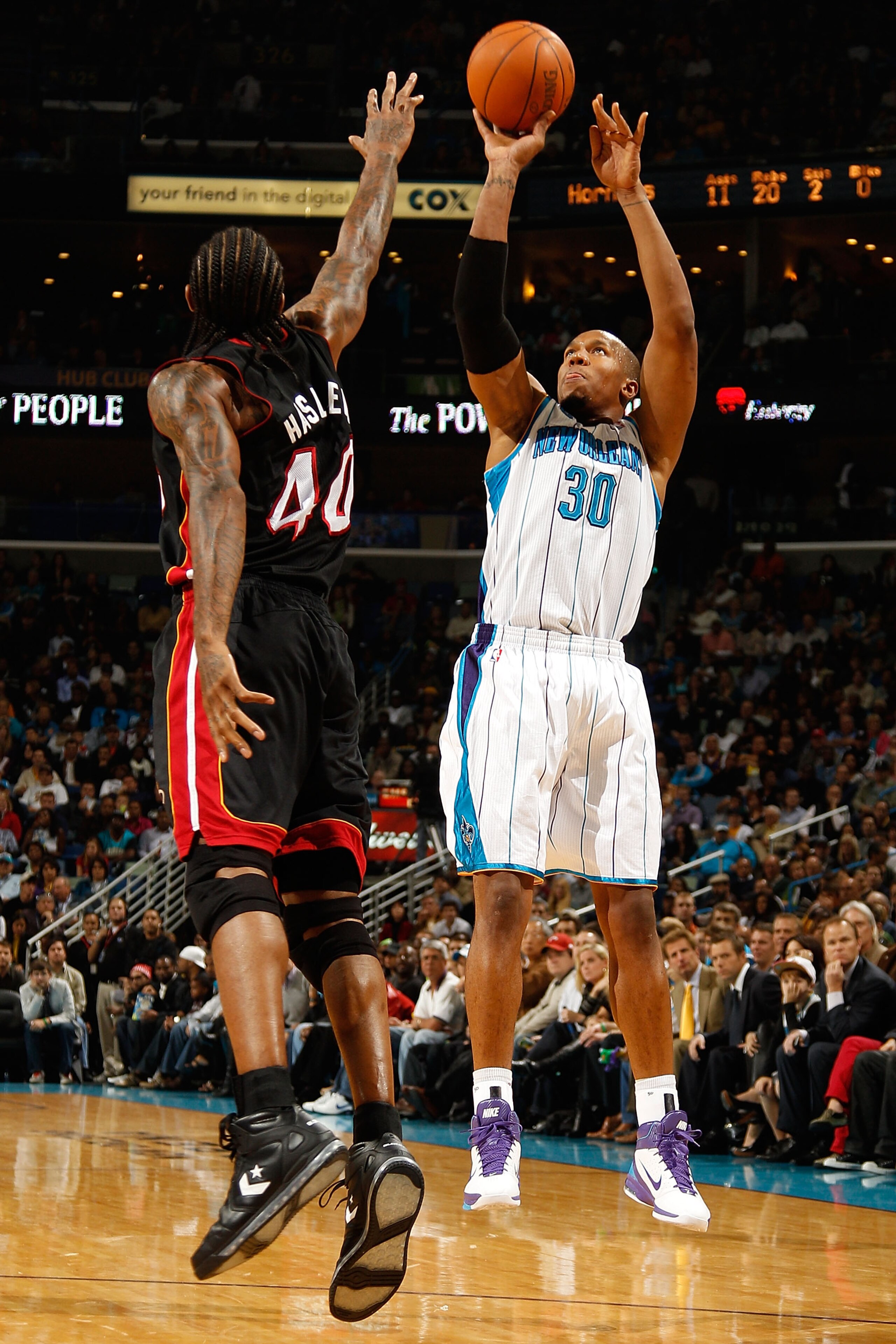
Best case: Re-sign Carl Landry and encourage David West to exercise his option. The Hornets have several holes, and this strategy would be a quick move to plug at least one hole.
By keeping the injured West, you minimize long-term commitment while keeping your All-Star power forward in the picture. You hedge your bet by committing to Landry, who always shines when given big minutes.
Worst case: Let Jason Smith and Marco Belinelli walk. That's almost $7 million in baseline qualifying offers that would be wasted on two non-factors. You can land one very good player for that money or spread it among a few to increase team depth.
New York Knicks
20 of 30
Best case: Encourage Ronny Turiaf to stay. The Knicks are a glorified D-League team after the Anthony-Stoudemire-Billups trio, and they lack desperately at center. Turiaf provides exactly what the Knicks need from a center: high-energy, hustle, toughness, rebounding and shotblocking.
Turiaf is happy with never touching the ball because his success isn't tied to scoring. He's the cheapest rim-protector that the Knicks are going to find, so they should dangle a new contract in front of him to get him to stay.
Worst case: Extend Landry Fields too early. The Knicks are strapped on cash for one more year until the payroll clears Chauncey Billups. That will be the time to re-sign Fields to a long-term deal worth a few million.
A starting lineup of Stoudemire, Carmelo, Ronny Turiaf, Landry Fields and Cheap Point Guard X is nothing to scoff at. If they pay Fields before the opportune time, they risk eliminating flexibility that they'll need heading into July 2012.
Oklahoma City Thunder
21 of 30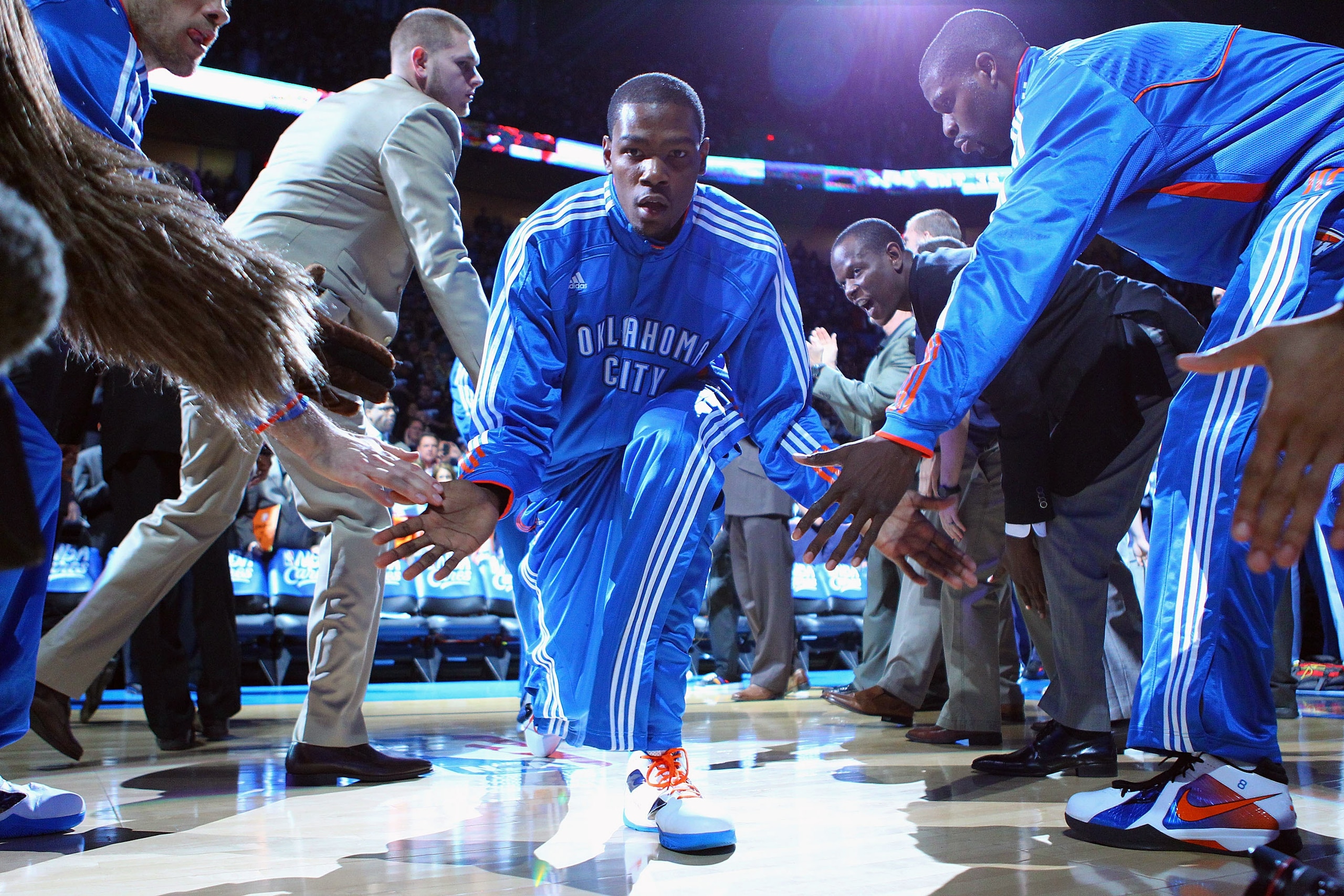
Best case: Don't touch the roster! This team is full of young players who earn way less than they deserve and are locked up for at least two more years.
Haven't we been saying they are good enough to win the title now? Can they improve without disrupting team chemistry?
I'm not convinced, which is why I think they need to be the quietest team this summer.
Worst case: Convince yourself that you need another big man. Serge Ibaka, Kendrick Perkins, Nick Collison and Cole Aldrich. Those guys should all get minutes in a 10-man rotation.
Orlando Magic
22 of 30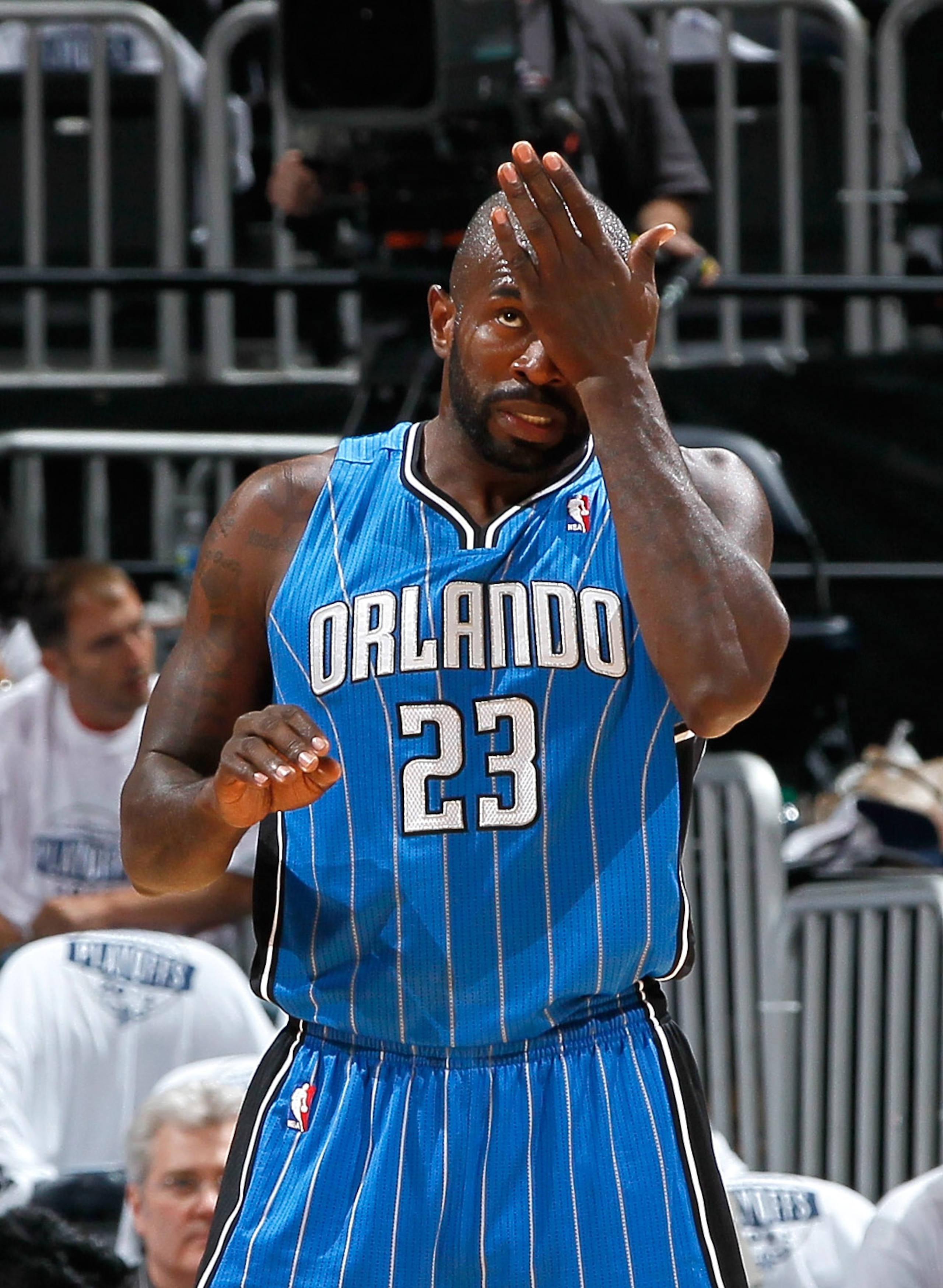
Best case: Re-sign Jason Richardson and cross your fingers that somebody takes a dumb contract off you in a trade. My rationale for keeping J-Rich is that the team is already helplessly over the cap with relief coming no sooner than two summers from now.
They could get it after next year if Dwight Howard leaves, but they're screwed anyway if that happens. They might as well keep their best shooter, who is a shell of his former self incidentally, and try to trade from depth at point guard, small forward and power forward.
Worst case: Reality. The Magic's current snapshot of cap space and personnel doesn't get much worse.
Philadelphia 76ers
23 of 30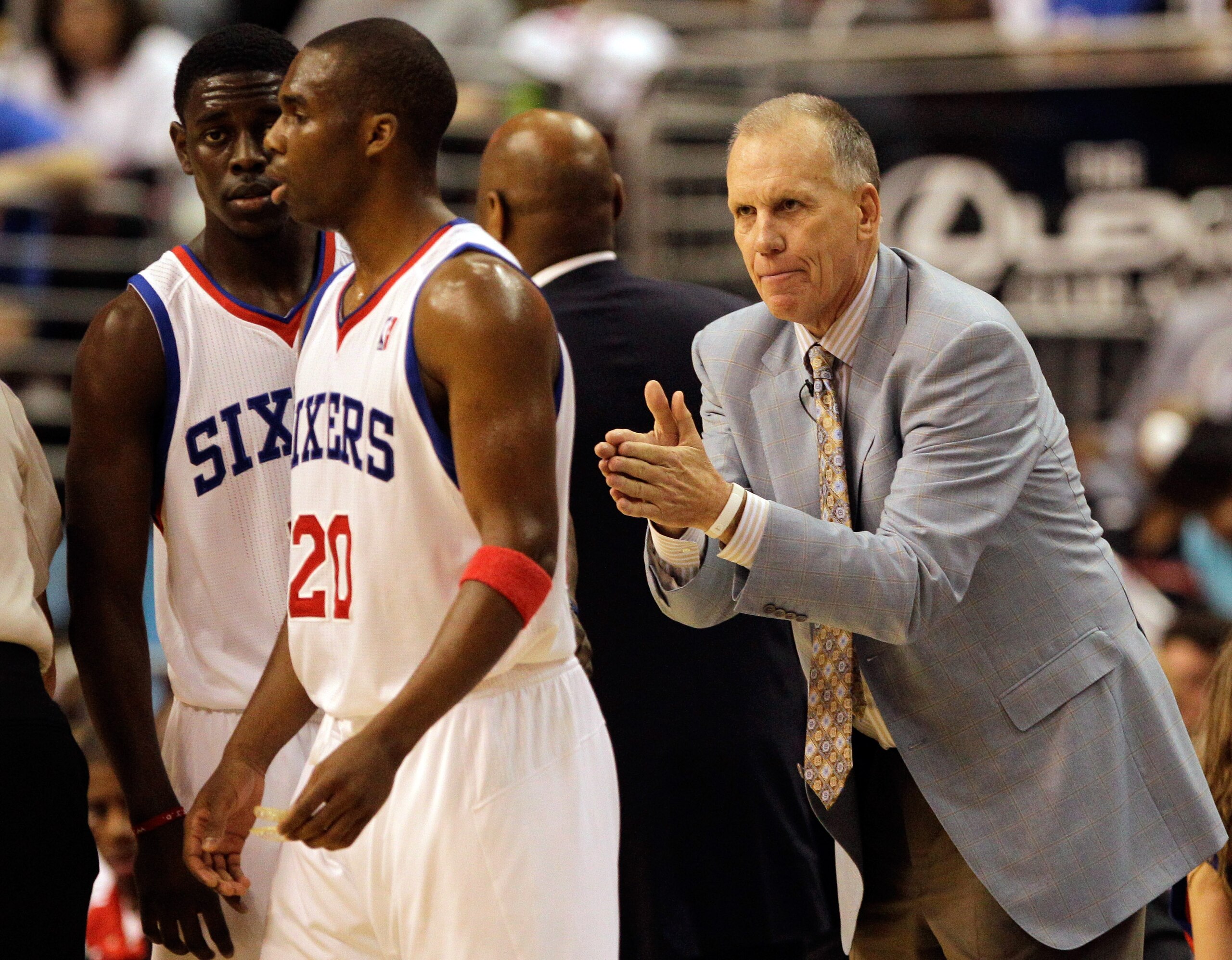
Best case: Pick up Jodie Meeks' option and let Spencer Hawes walk. Meeks was fantastic down the stretch as he found his role in the rotation. He can be brought back for $880,000, which is a bargain for his three-point shooting.
Hawes is a young center with potential, but for how long? He just finished his fourth season and hasn't shown near the quality that was expected. He'd be worth no less than $4 million next season, which could be much better allocated in other places.
Worst case: Trade Andre Iguodala. For a few years, the versatile Iggy struggled to settle into the correct roles. Was he a top scorer? Defensive specialist? Jack-of-all-trades? As Philly turned it on after the All-Star break, Iggy flourished in a sort of point-forward distributor role.
He wasn't playing outside himself, but his talents were still being fully used. The trade rumors have always swirled around him, but the Sixers are onto something with the lineup they have and should do their best to keep it together.
Phoenix Suns
24 of 30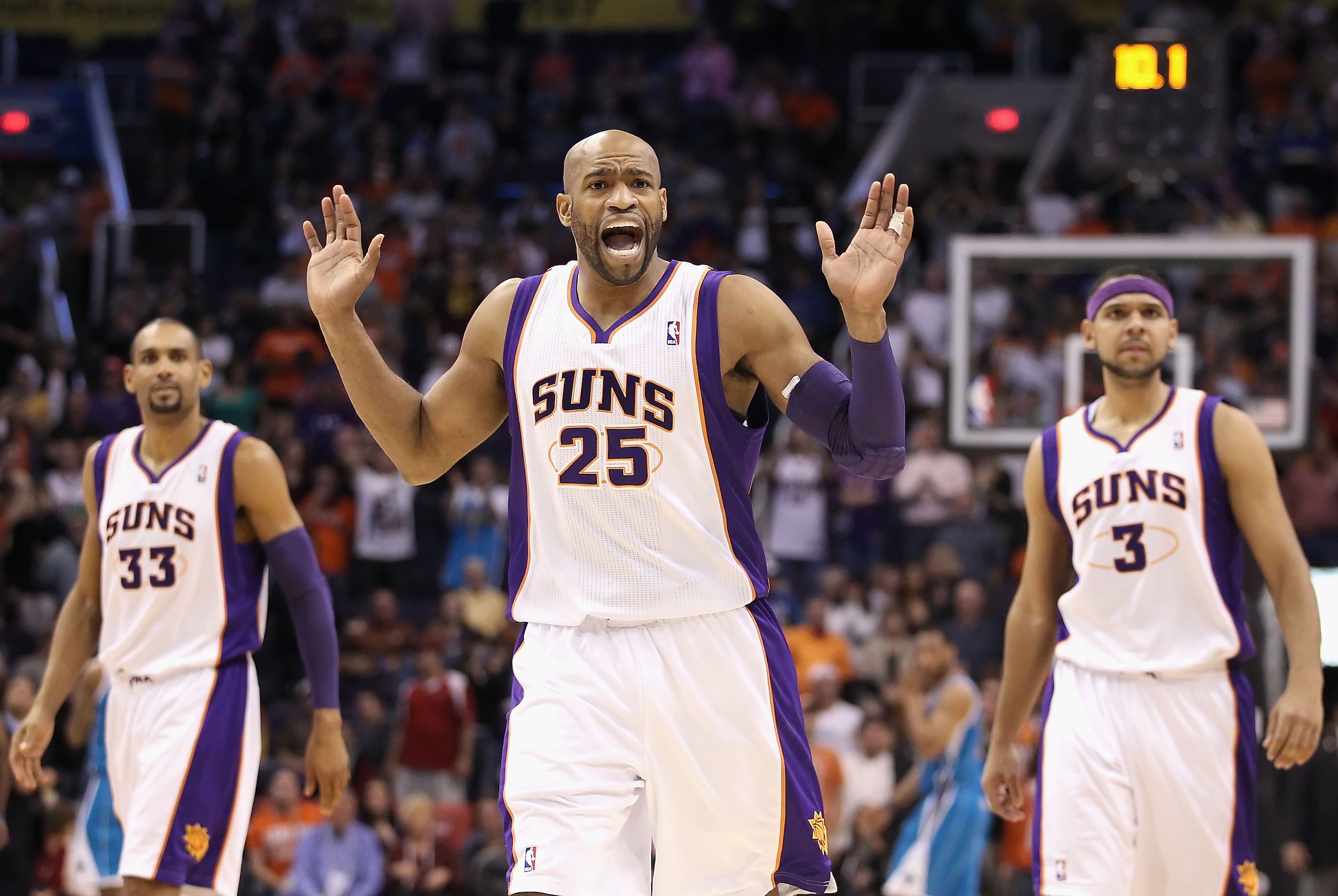
Best case: LET VINCE CARTER GO! In fact, kick him out the door! Is there any better best case scenario for any NBA team this summer than Phoenix being freed from the tyranny of Carter?
Worst case: Lose Grant Hill and retain Mickael Pietrus. Hill is an unrestricted free agent, and Pietrus has a player option worth $5.3 mil. One is productive, the other is not.
The one whose contract the Suns have no control over is the unproductive one. Here's to hoping that Phoenix can jump-start its rebuilding process by getting away from bad contracts like Pietrus'.
Portland Trail Blazers
25 of 30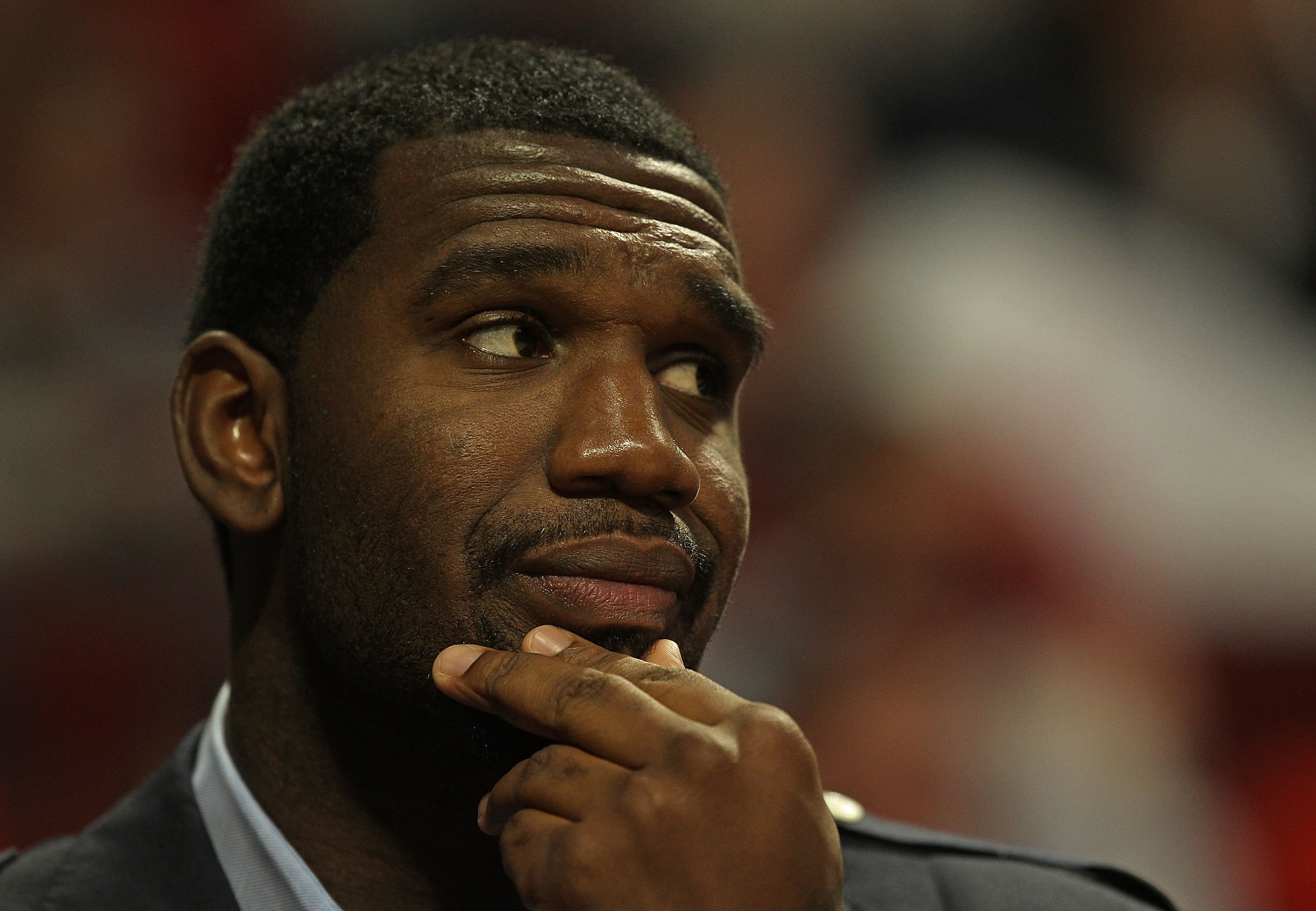
Best case: Shaking Greg Oden's hand as he walks out of the team facility for the last time. The Blazers don't gain a ton financially from Oden's departure, but the psychological burden of his colossal disappointment is enough to make this team better.
Other than that, I'm not sure whether picking up Andre Miller's $7 million option for next season is a best or worst case scenario. It depends on the health of Brandon Roy.
Worst case: Upsetting the team's rotation. The Blazers can't improve significantly without blowing up their roster with surprise blockbuster trades. Without Oden's $8.8 million qualifying salary, the Blazers have room to make in-season moves, but probably not anything substantial in free agency.
Sacramento Kings
26 of 30
Best case: Avoid relocation to Anaheim. The Kings already succeeded here with the news that the team's move has been delayed by a year in order to buy more time to stay in Sacramento permanently.
Aside from that great news for Kings fans, much can be done with the roster. The team must spend this summer to make the NBA payroll minimum, so help could come soon. The team needs a strong starting point guard (Aaron Brooks? Rodney Stuckey?) to push Beno Udrih to the second unit and force Tyreke Evans to stop trying to be a point guard.
The Kings also need to re-sign Marcus Thornton and add a power forward or center to add depth.
Worst case: Re-sign Sam Dalembert. The eight-figure number he draws greatly exceeds his production, plus he's just blocking Jason Thompson and Demarcus Cousins from developing. If they choose to re-up Dalembert, their flexibility, both long- and short-term, is greatly limited.
San Antonio Spurs
27 of 30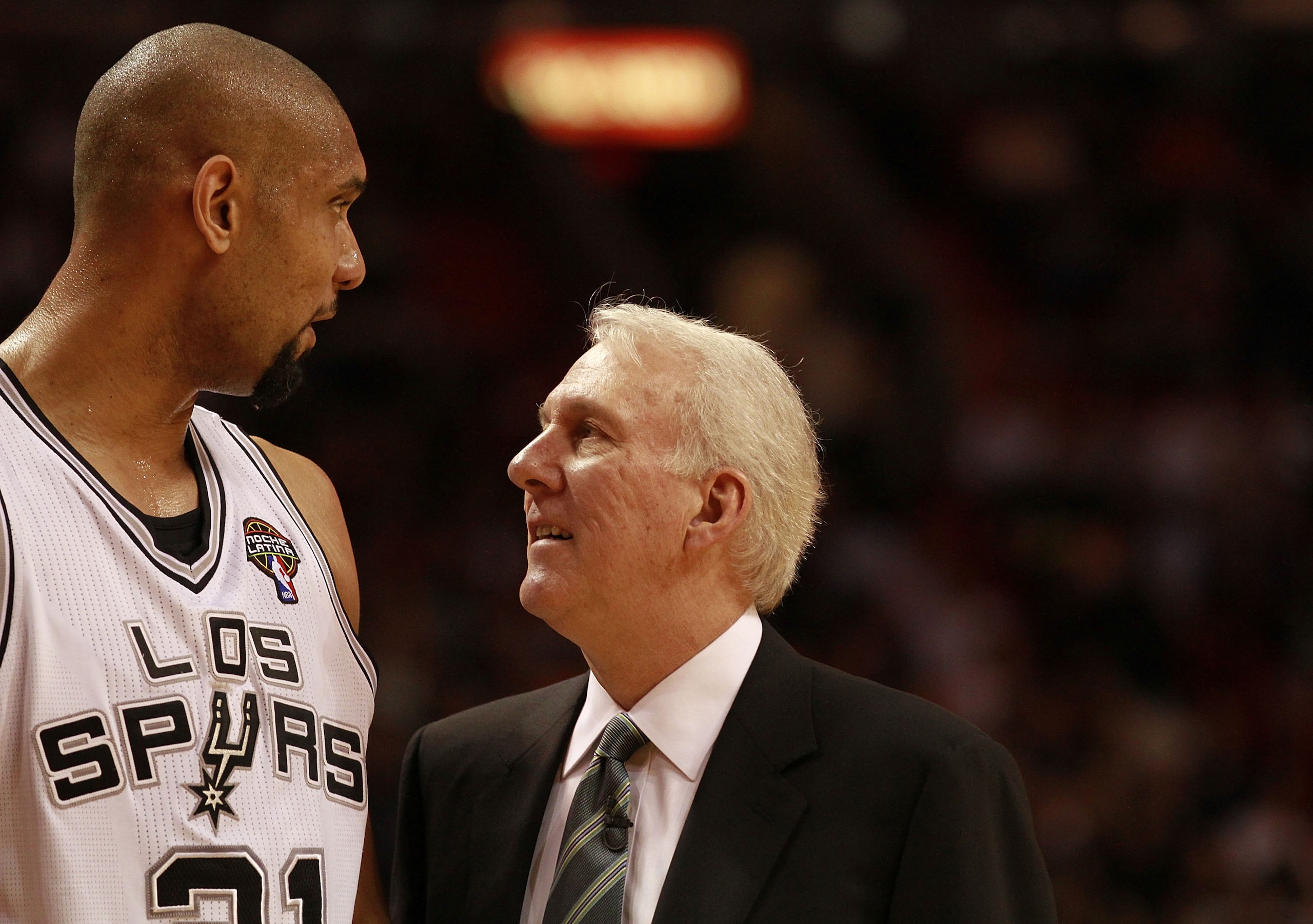
Best case: Tim Duncan, the greatest power forward in NBA history, retires without exercising his $21.3 million option. He's done. The Memphis series showed it.
We knew it was coming, but we didn't think it would happen so soon. This gives the Spurs a TON of flexibility for R.C. Buford to orchestrate some of his regular brilliance with the roster.
Worst case: Be held hostage by Duncan. Even if Tim decides to come back for next year, the Spurs shouldn't cater to or build around him anymore. He's not the team's core anymore.
They need to move on and make other arrangements in the post and hope that Duncan realizes they're not being disloyal to him. If he doesn't know when enough is enough, the Spurs shouldn't have to pay the penalty for that in years of lost competitiveness.
Toronto Raptors
28 of 30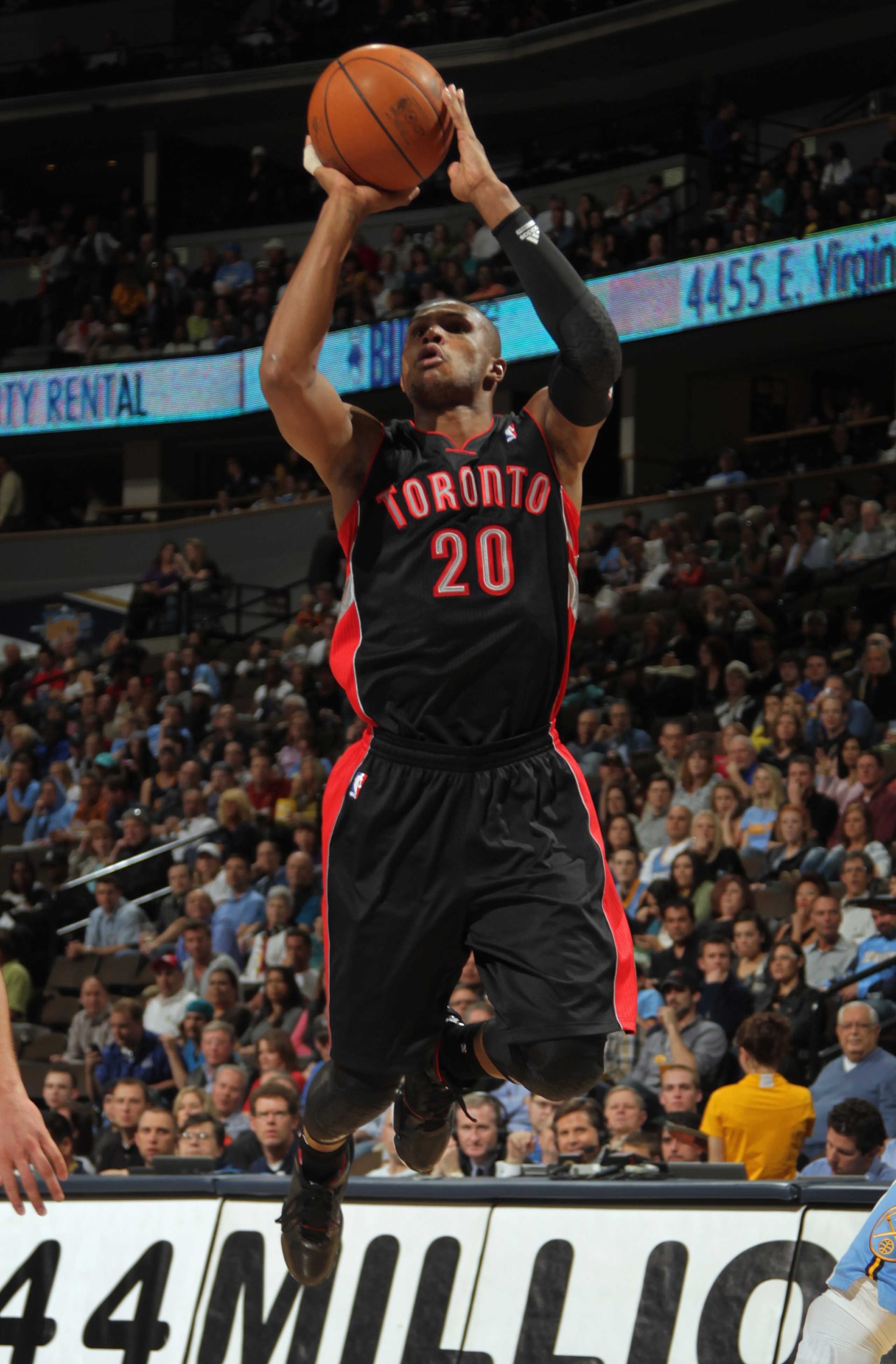
Best case: Hope Leandro Barbosa declines his option and signs elsewhere. The experiment of Barbosa playing anywhere away from Steve Nash has failed, and he's been a drag on Jay Triano's guard situation because of his salary.
Re-signing Reggie Evans to a lower price than his current $5.1 million would be a good move to solidify the strength and rebounding up front, because everyone knows Andrea Bargnani isn't going to do it.
Worst case: Barbosa exercises his option and eliminates Toronto's ability to spend in free agency, plain and simple.
Utah Jazz
29 of 30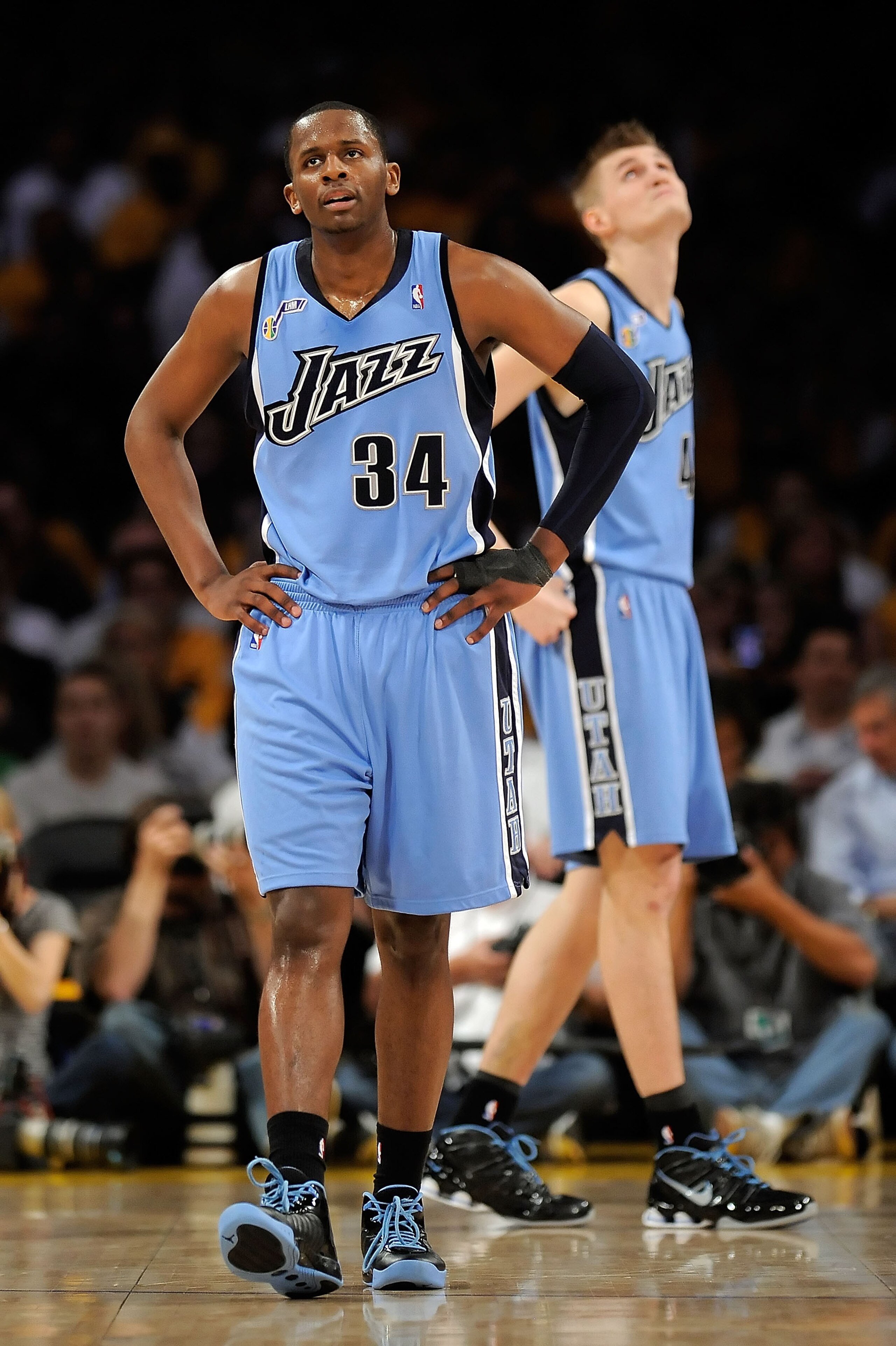
Best case: Pick up C.J. Miles' option and let Andrei Kirilenko go. Kirilenko's salary is simply not justified by his production, which is inferior to Miles' anyway. This is not a tough equation, though blinded Jazz fans would tell you that Kirilenko is a vital part of Utah's plans.
Worst case: Fail to find a backup point guard and starting shooting guard. There's not a whole lot of money to go to these positions because the Jazz are so frontcourt-heavy, but the needs in the backcourt are glaring.
Washington Wizards
30 of 30
Best case: Don't extend offers to Nick Young and Yi Jianlian. They stifle the Washington atmosphere, which is rebooting after ridding itself of the Gilbert Arenas stink. Doing so will free up roughly $25 million to chase the Wizards' many needs: a couple shooting guards (Jamal Crawford? Shannon Brown? Mike Dunleavy? Arron Afflalo?), a small forward (Shane Battier? Tayshaun Prince? Caron Butler?) and a couple backup bigs.
The Wiz have the money to do all that, and any stable, established veteran will upgrade their product.
Worst case: Re-sign any of the team's free agents: Al Thornton, Josh Howard, Mo Evans, Young or Jianlian. None of these players fit with the rebuilding model or provide a stabilizing and team-centered presence.
Players like Shane Battier do that, and the difference between the two types of players should be stark.
.jpg?w=2560 "Chiefs, Steelers Eye WR Trades")