
NBA Draft 2011: The 25 Biggest Lottery Selection Screw-Ups in NBA History
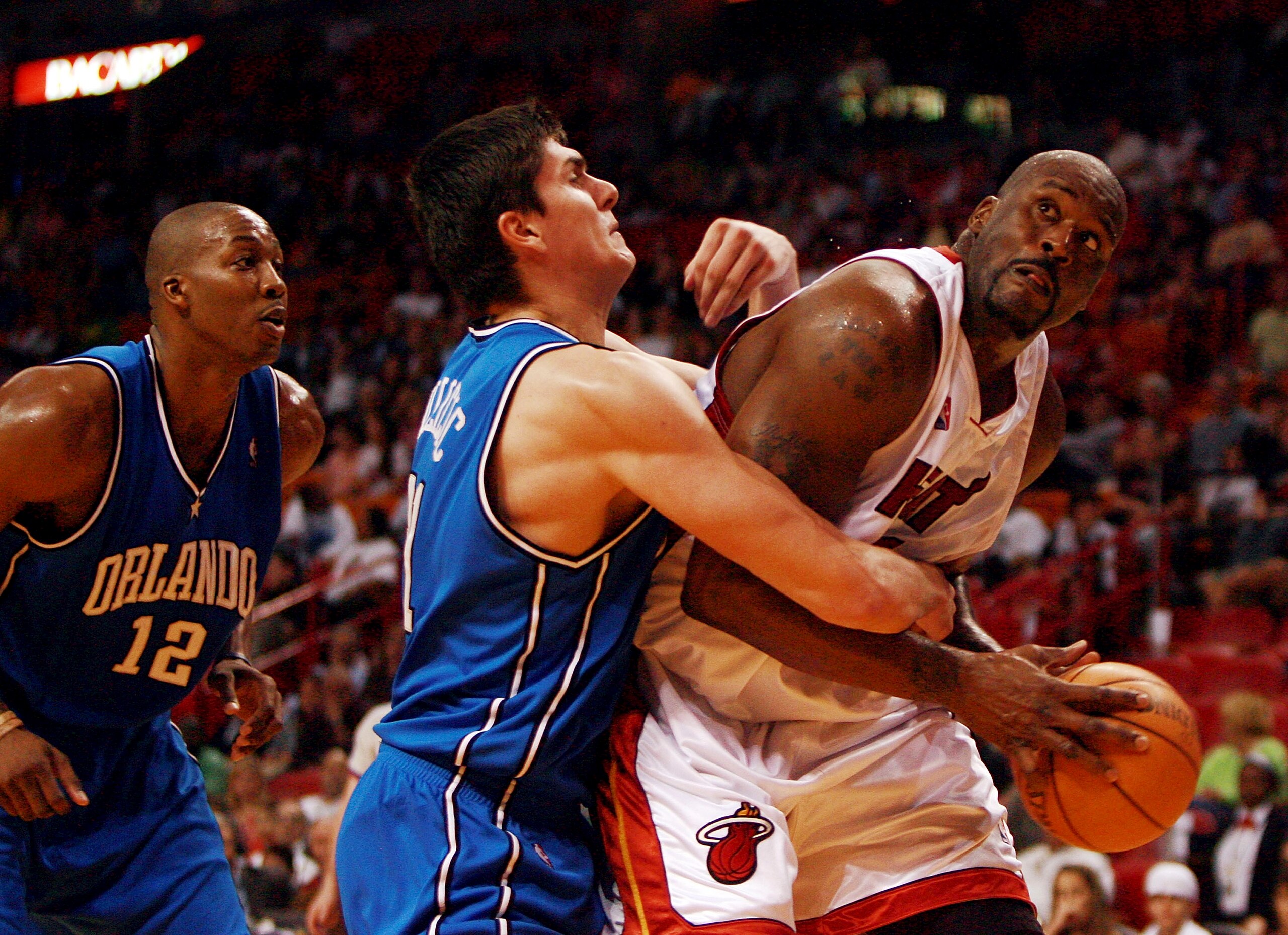
You're now staring at the best and worst of the NBA draft lottery. In one corner, you have Shaquille O'Neal, who was rightfully taken first overall by the Orlando Magic in the 1992 NBA Draft. In the other corner, Darko Milicic was picked over Carmelo Anthony, Chris Bosh and Dwyane Wade in 2003 by the Detroit Pistons. It seemed understandable at the time, since Darko was being hailed as the next great center, but that theory failed rather quickly.
The unpredictability of the careers of these prized prospects are more uncertain than the bounces of the ping-pong balls in a cordoned-off tub overseen by NBA security. Here we have the 25 biggest screw-ups since the lottery was instituted in 1985.
Draft results courtesy of NBA Hoops Online.
1984: Sam Bowie over MJ
1 of 26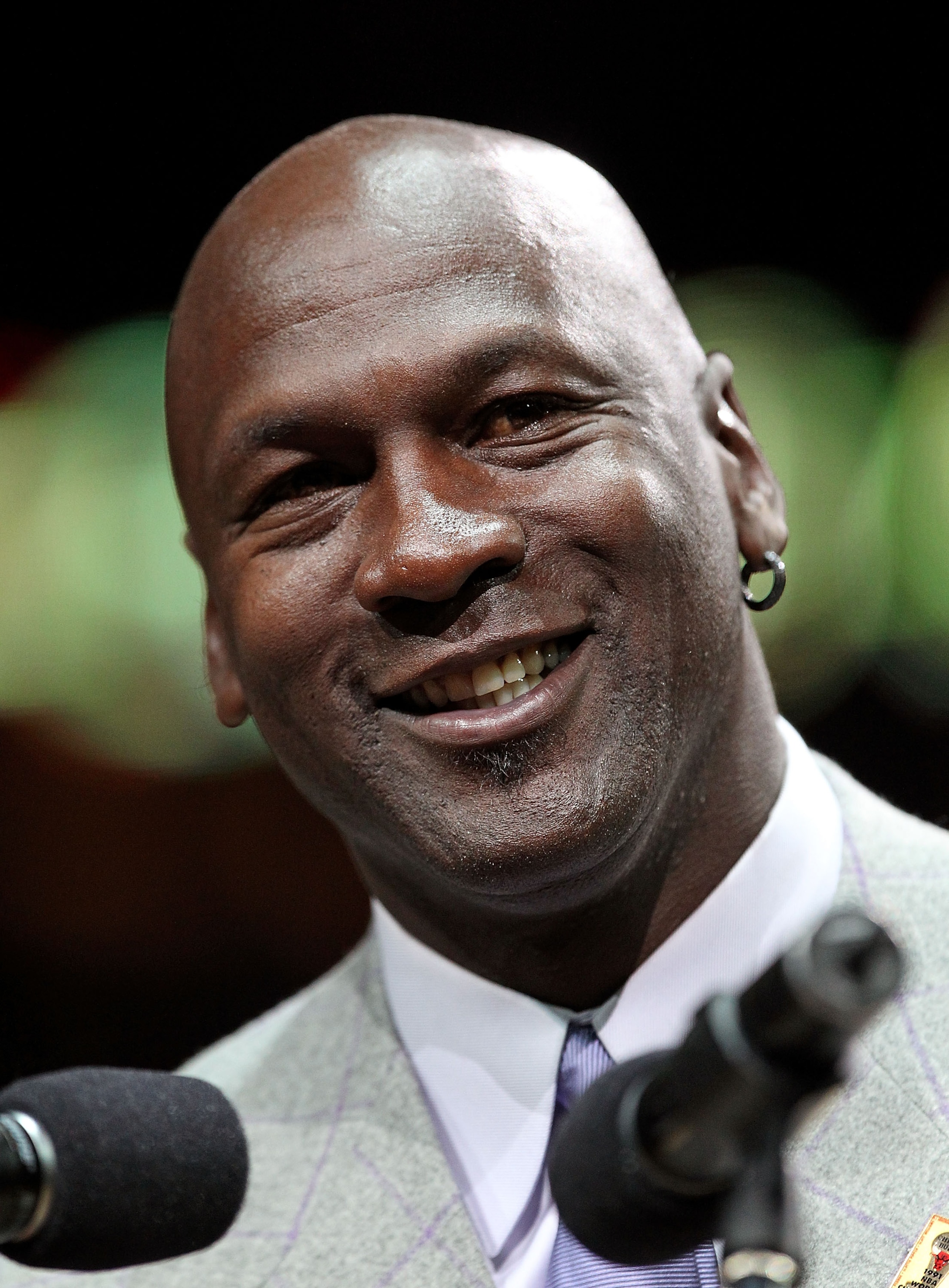
2. Sam Bowie: Portland Trail Blazers
3. Michael Jordan: Chicago Bulls
5. Charles Barkley: Philadelphia 76ers
16. John Stockton: Utah Jazz
Not a lottery pick, since 1984 was the last year of the coin-flip era, but it needs to make this list.
The Trail Blazers passed on three Hall of Famers to take Bowie, a center from the University of Kentucky with a history of injury problems. Trying to fill the void left by Bill Walton and already possessing a future Hall of Famer named Clyde Drexler at shooting guard, Portland went for Bowie. You know the rest.
1985: Chris Mullin Falls to No. 7
2 of 26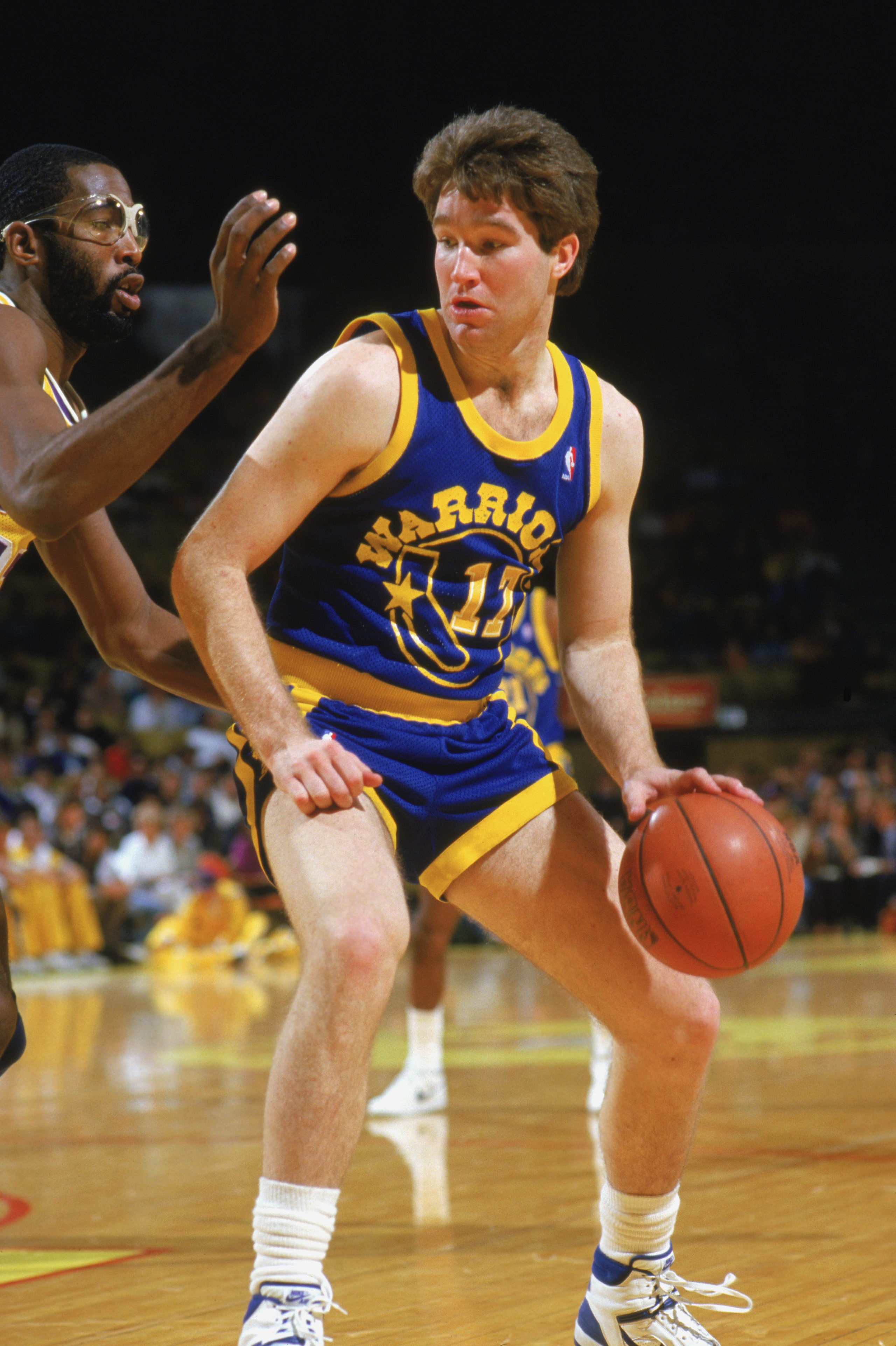
1. Patrick Ewing: New York Knicks
2. Wayman Tisdale: Indiana Pacers
3. Benoit Benjamin: LA Clippers
4. Xavier McDaniel: Seattle
5. John Koncak: Atlanta
6. Joe Kleine: Sacramento
7. Chris Mullin: Golden State
Mullin made five consecutive All-Star games from 1989 through 1993, averaging at least 25 points per game each season. The former St. John's star, who will be inducted into the Hall of Fame this year, made four more All-Star games than picks No. 2 through No. 6 did combined (Xavier McDaniel was selected in 1988).
1987: Pippen at No. 5, KJ at No. 7 and Miller at No. 11
3 of 26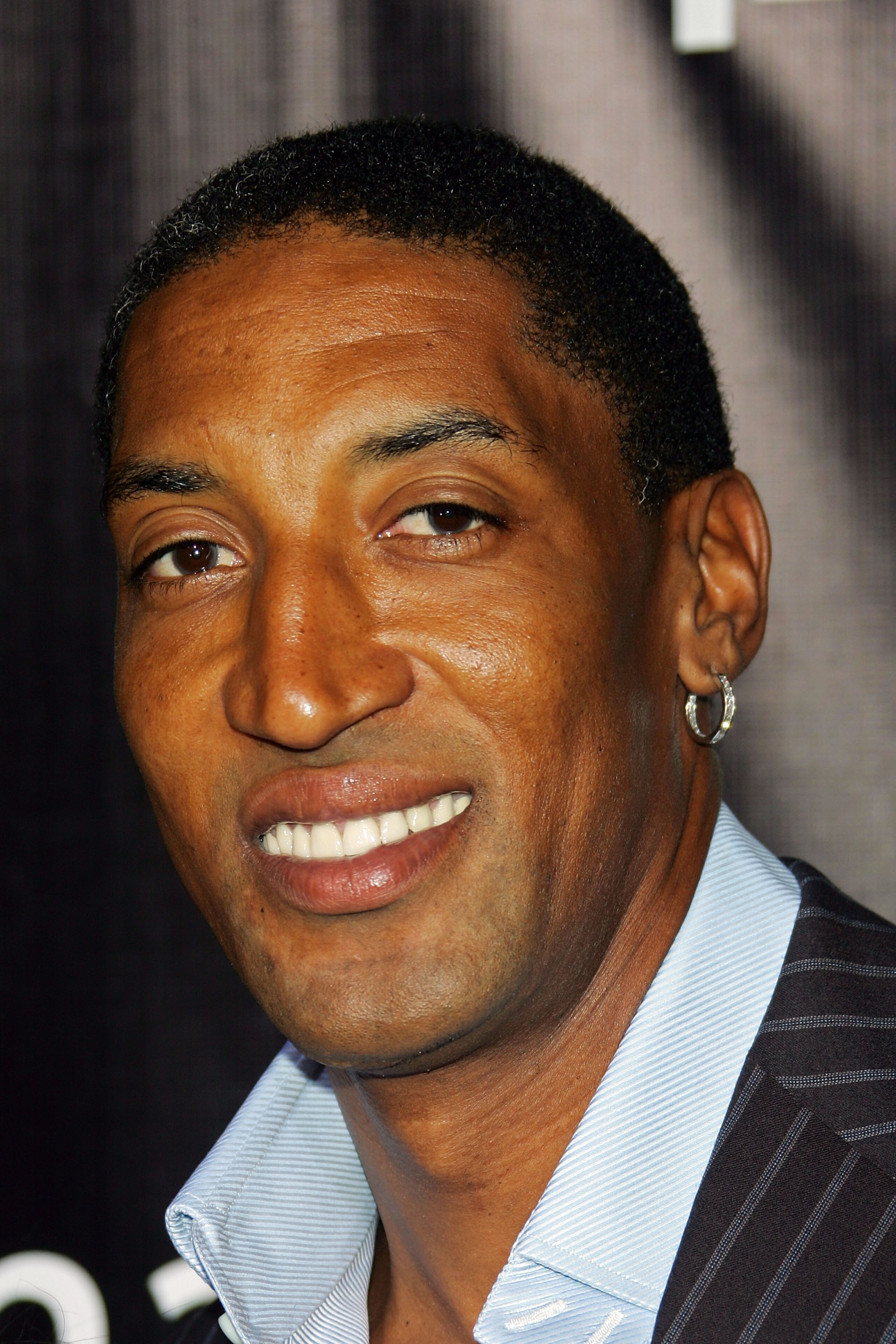
1. David Robinson: San Antonio Spurs
2. Armon Gilliam: Phoenix Suns
3. Dennis Hopson: New Jersey Nets
4. Reggie Williams: LA Clippers
5. Scottie Pippen: Seattle SuperSonics
6. Kenny Smith: Sacramento Kings
7. Kevin Johnson: Cleveland Cavaliers
8. Olden Polynice: Chicago Bulls
9. Derrick McKey: Seattle SuperSonics
10. Horace Grant: Chicago Bulls
11. Reggie Miller: Indiana Pacers
The Suns, Nets and Clippers could have all picked Scottie Pippen, Kevin Johnson and Cheryl Miller's younger brother. Furthermore, the Sonics could have kept Pippen, but traded him in a package deal with the Bulls for Olden Polynice.
All 11 of these players were serviceable veterans at the least, but looking past one Hall of Famer, a future Hall of Famer and a borderline Hall of Famer hurts.


1990: Derrick Coleman over Gary Payton
4 of 26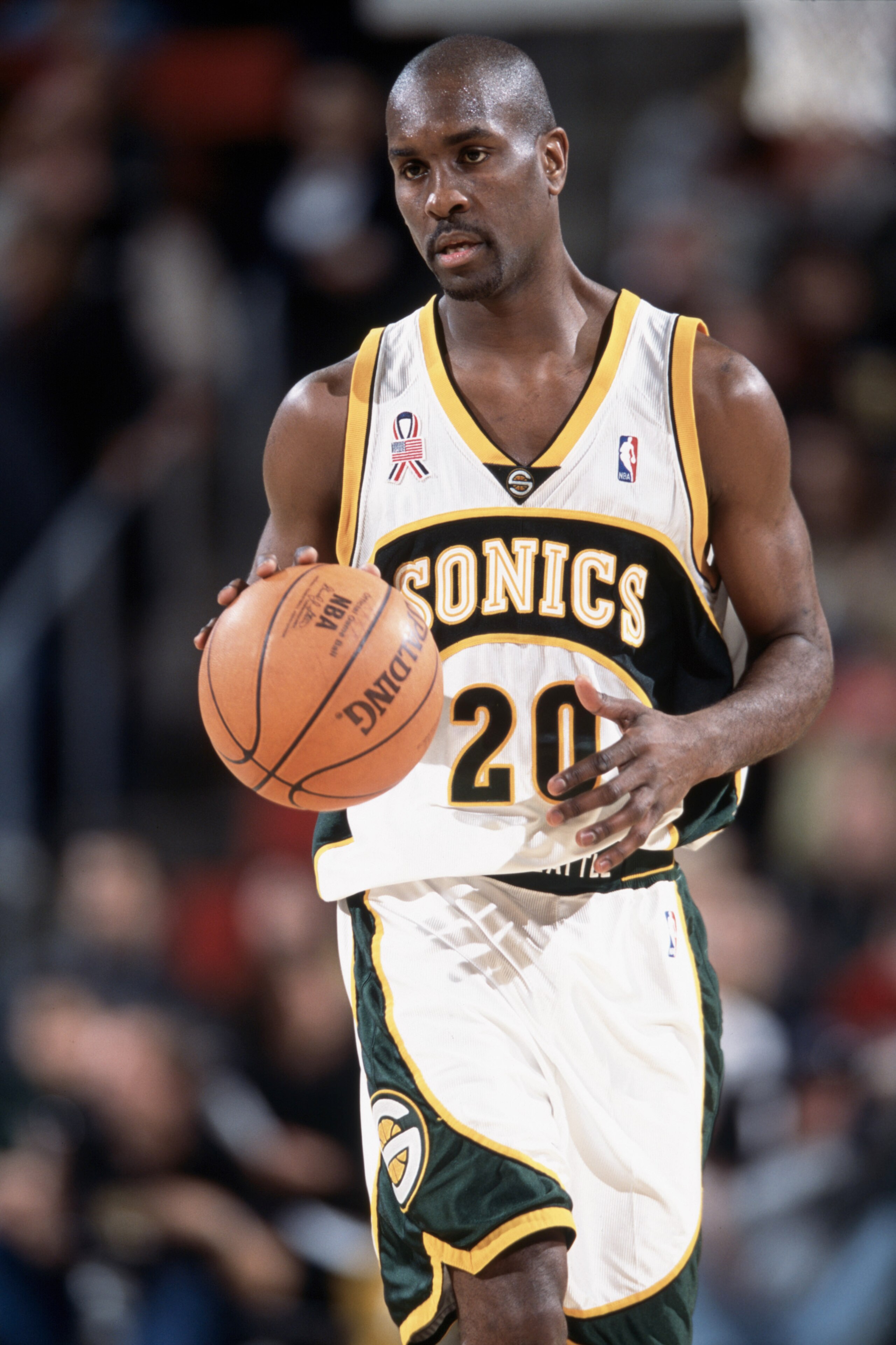
1. Derrick Coleman: New Jersey Nets
2. Gary Payton: Seattle SuperSonics
Proof that the old adage of taking a big man before a guard is absurd. Payton will be a Hall of Famer in 2012 and made nine All-Star games. Coleman was once voted as the worst NBA team cancer of all-time by over 1,500 ESPN readers.
1991: Billy Owens over Dikembe Mutombo, Steve Smith
5 of 26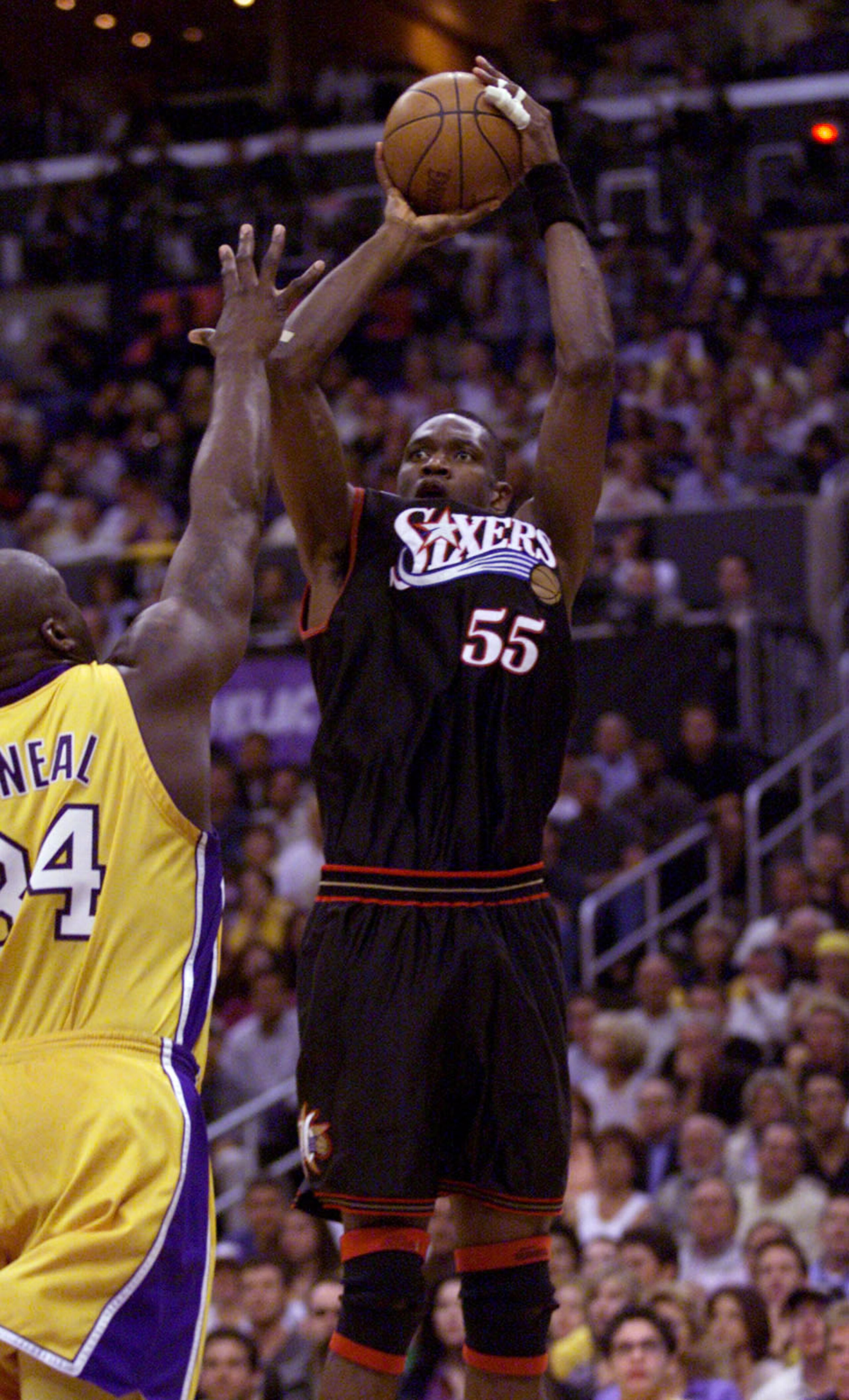
1. Larry Johnson: Charlotte Hornets
2. Kenny Anderson: New Jersey Nets
3. Billy Owens: Sacramento Kings
4. Dikembe Mutombo: Denver Nuggets
5. Steve Smith: Miami Heat
After averaging over 23 points per game in his junior year, Billy Owens was a big NBA disappointment, moving six times in 10 seasons. Dikembe Mutombo was a nomad as well, but he found success everywhere he went aside from a one-year stay in New York. Steve Smith, aside from being known as one of the NBA's best citizens, played 14 seasons and made one All-Star game. He also averaged over 20 points per game twice.
1993: Shawn Bradley over Penny Hardaway, Jamal Mashburn
6 of 26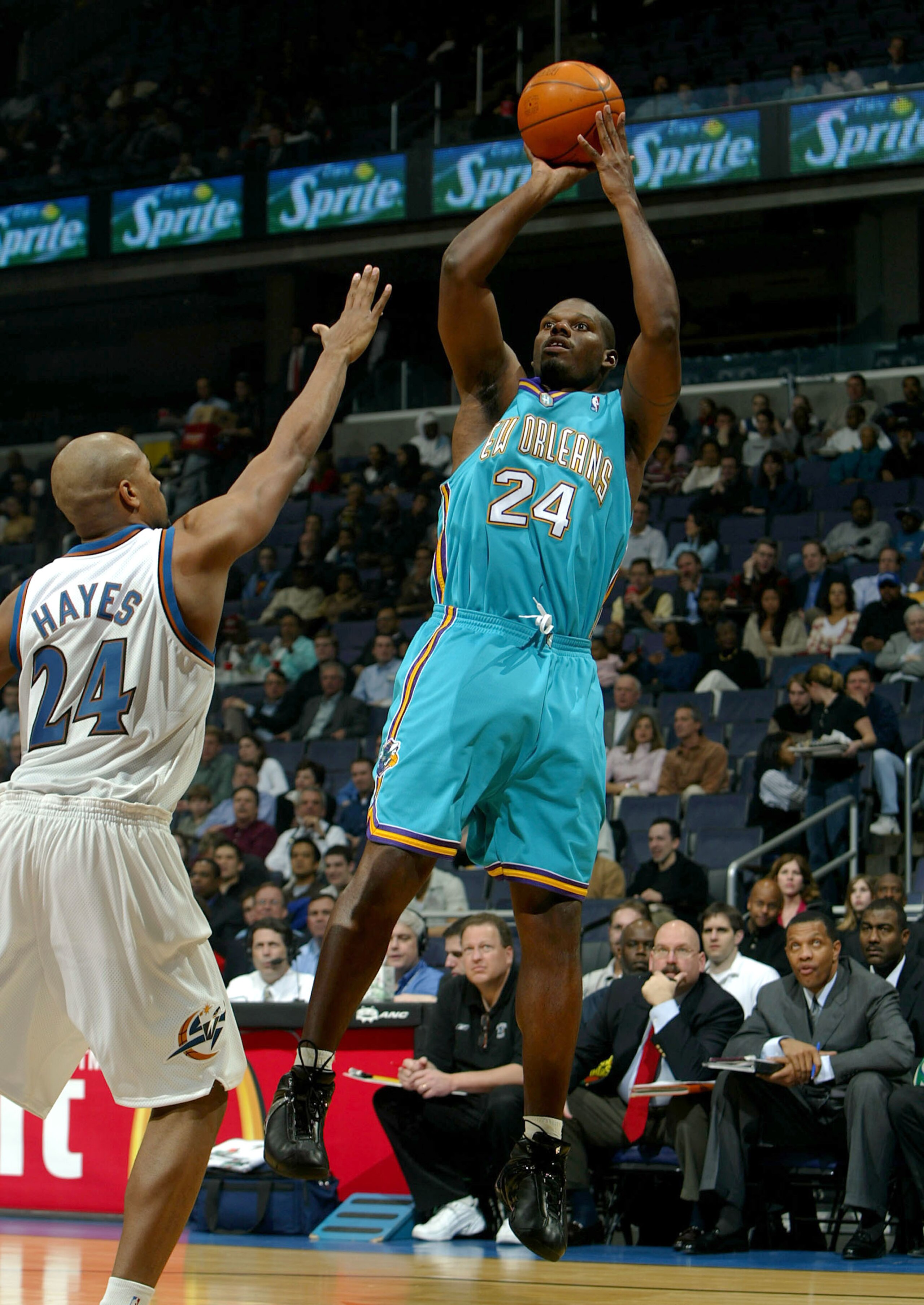
1. Chris Webber: Orlando Magic
2. Shawn Bradley: Philadelphia 76ers
3. Anfernee Hardaway: Golden State Warriors
4. Jamal Mashburn: Dallas Mavericks
Shawn Bradley was good for blocking shots and not much else. Before Penny Hardaway's injuries, he made four All-Star games and one NBA Finals. Jamal Mashburn averaged over 19 points and five rebounds for his career.
1995: Joe Smith over Everyone
7 of 26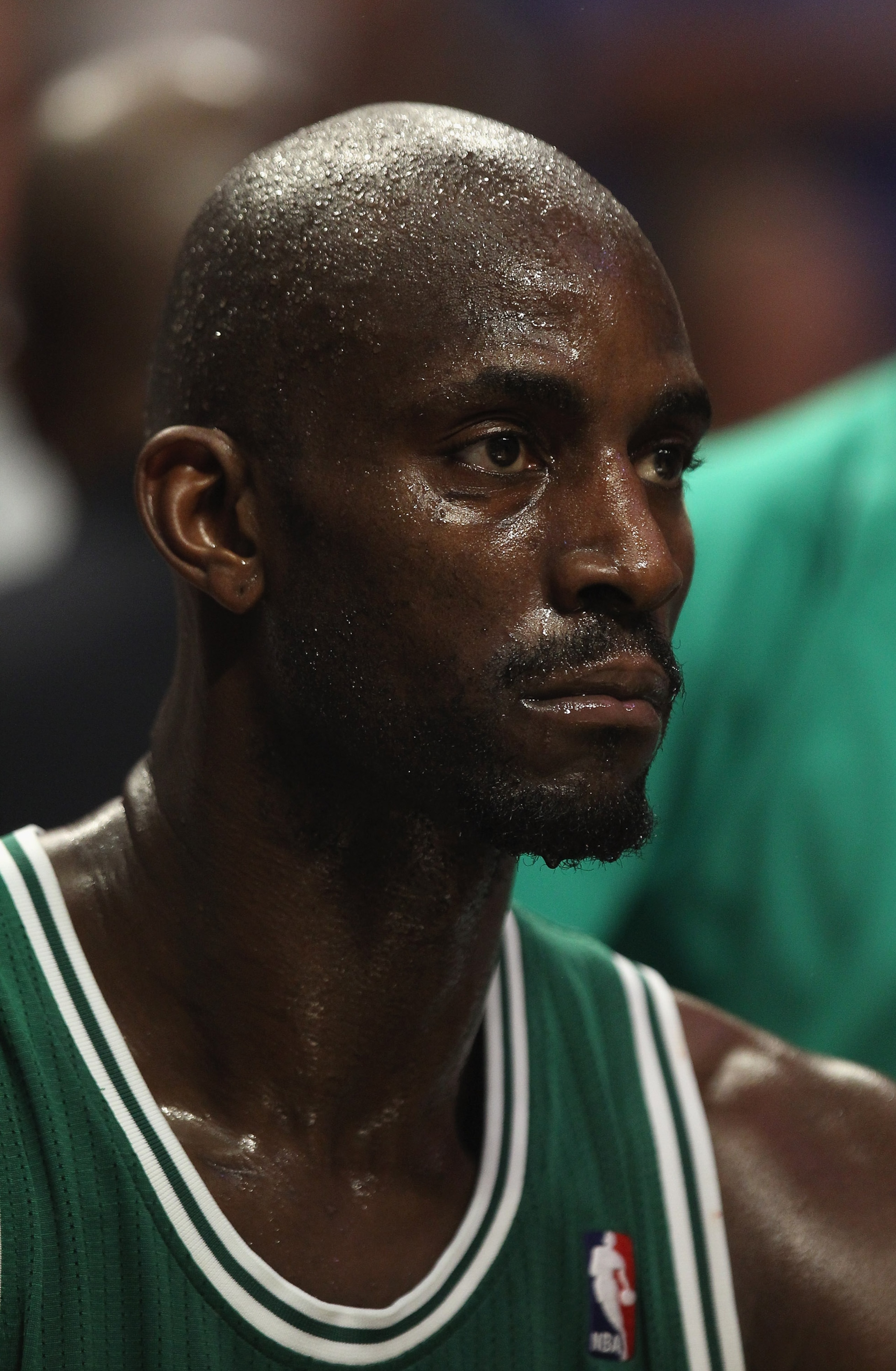
1. Joe Smith: Golden State Warriors
2. Antonio McDyess: LA Clippers
3. Jerry Stackhouse: Philadelphia 76ers
4. Rasheed Wallace: Washington Bullets
5. Kevin Garnett: Minnesota Timberwolves
Joe Smith is the living, breathing definition of an NBA journeyman, having played on 13 different teams. Any of the choices taken No. 2 through No. 5 would have been better selections than Smith.
Garnett is a future Hall of Famer. Wallace was a top guy on an NBA champion, and McDyess was an excellent backup on that same team. Before his devastating preseason knee injury in 2002, McDyess could be counted on for 20 points and 10 boards per game. McDyess has still averaged over 12 points and seven rebounds for his career. Stackhouse averaged 29.8 points per game in 2000-01 and 18 for his career.
1996: Picks No. 7-12 over Kobe Bryant
8 of 26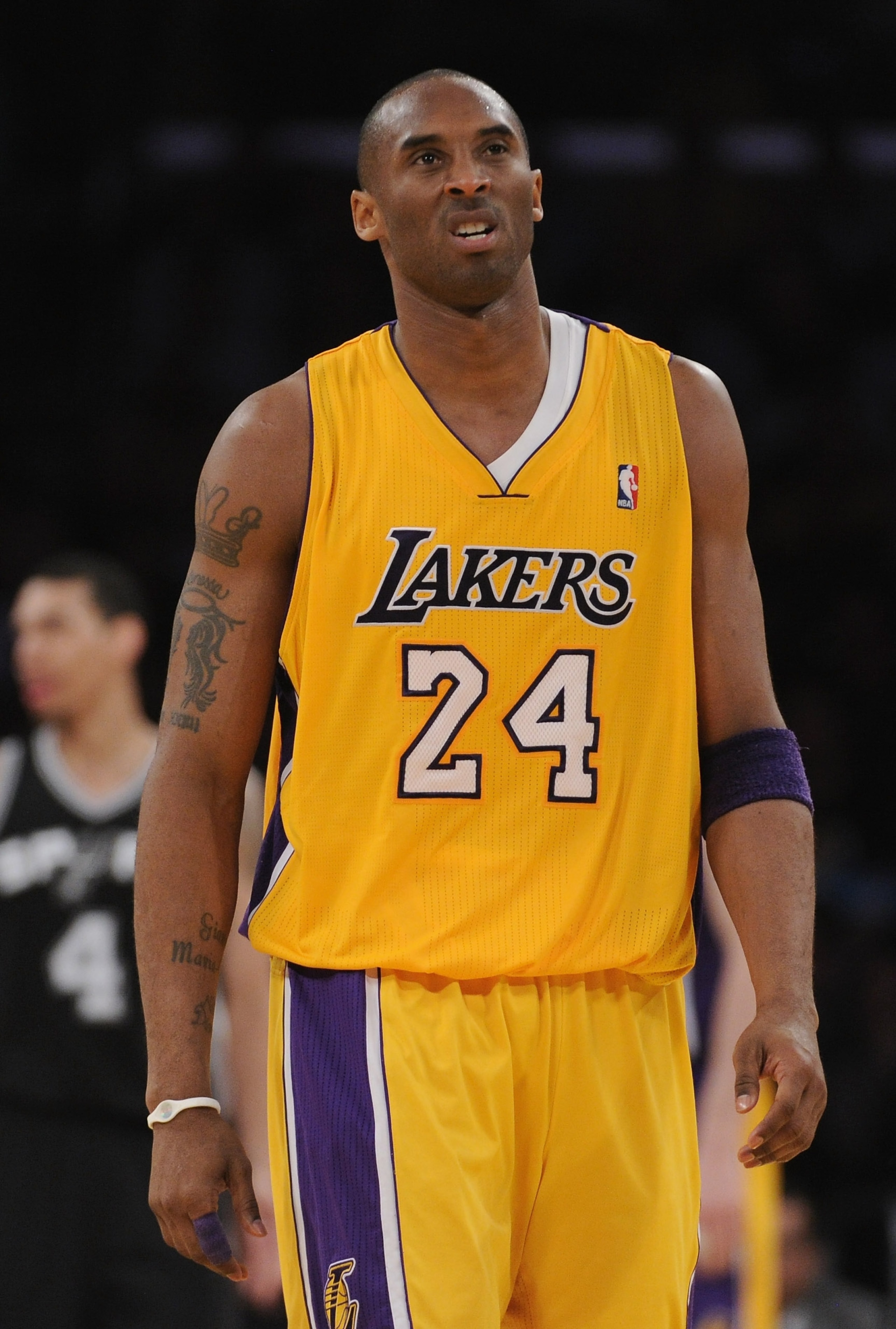
7. Lorenzen Wright: LA Clippers
8. Kerry Kittles: New Jersey Nets
9. Samaki Walker: Dallas Mavericks
10. Erick Dampier: Indiana Pacers
11. Todd Fuller: Golden State Warriors
12. Vitaly Potapenko: Cleveland Cavaliers
13. Kobe Bryant: Charlotte Hornets
Well, even though Kobe Bryant has had a better career than Allen Iverson, Marcus Camby, Shareef Abdul-Rahim, Stephon Marbury, Ray Allen and Antoine Walker—having won three more titles than all of them combined—the top six teams made reasonable picks. However, teams No. 7 through No. 12 dropped the ball hard, picking players who never lasted more than five years with their original teams. Today, it's no argument that Bryant is a top-10 NBA player in history.
1997: Tracy McGrady
9 of 26
4. Antonio Daniels: Vancouver Grizzlies
5. Tony Battie: Denver Nuggets
6. Ron Mercer: Boston Celtics
7. Tim Thomas: New Jersey Nets
8. Adonal Foyle: Golden State Warriors
9. Tracy McGrady: Toronto Raptors
After Tim Duncan, Keith Van Horn and Chauncey Billups were selected, five teams made five poor picks before scoring-maven Tracy McGrady was selected. Granted, McGrady made his mark with the Orlando Magic and Houston Rockets and not Toronto, but the talent disparity is quite stark between No. 4 through No. 9.
1998: The Kandi Man over Everyone
10 of 26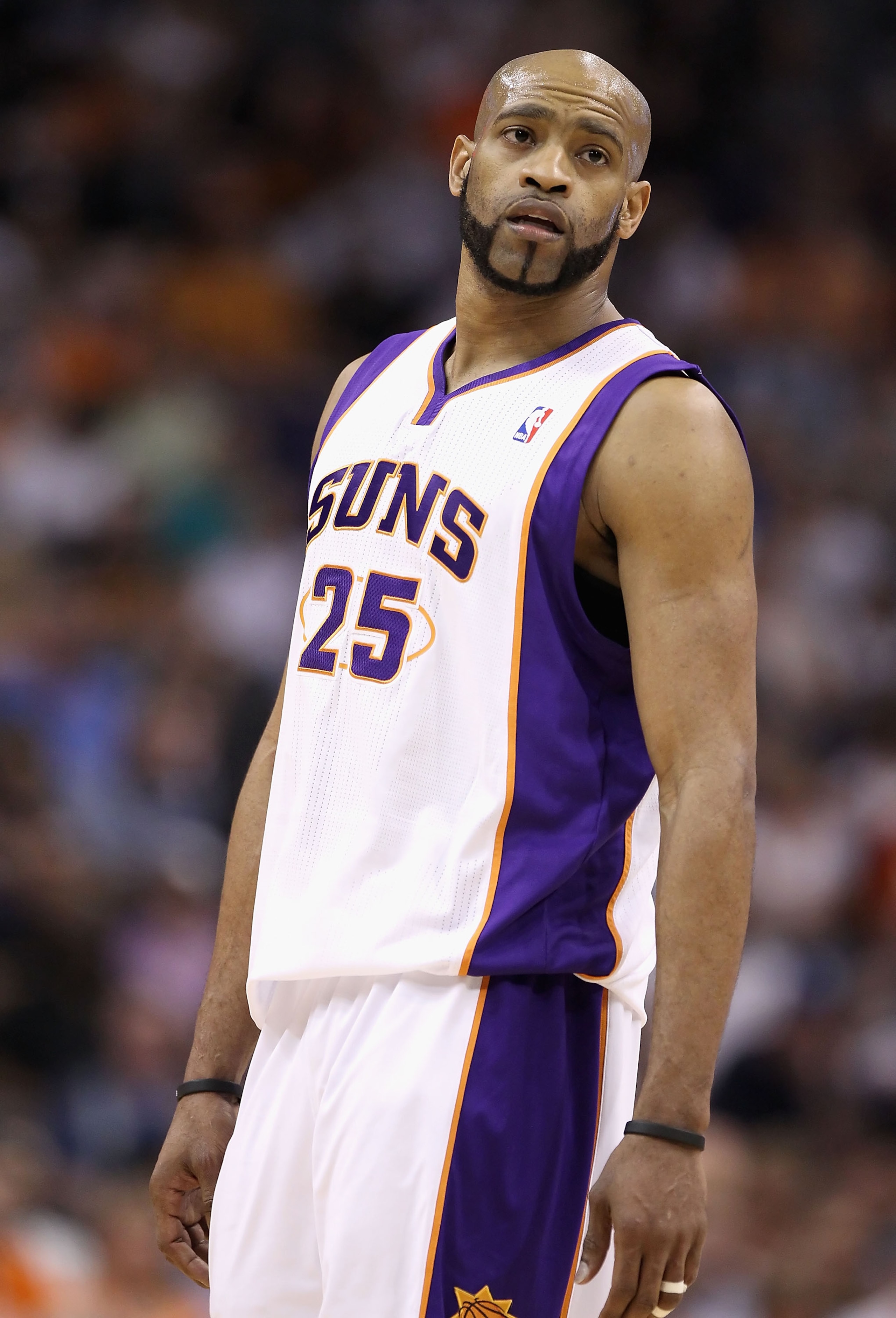
1. Michael Olowokandi: LA Clippers
2. Mike Bibby: Vancouver Grizzlies
3. Raef LaFrentz: Denver Nuggets
4. Antawn Jamison: Toronto Raptors
5. Vince Carter: Golden State Warriors
Rule No. 1 in drafting: If there is a less talented center on the board with a more talented forward or guard waiting, take the damn forward or guard. Centers are in short supply, and good ones can change the fortune of a franchise, but how often do we see teams put their chips in the wrong basket?
1998: Tractor Traylor over Dirk Nowitzki and Paul Pierce
11 of 26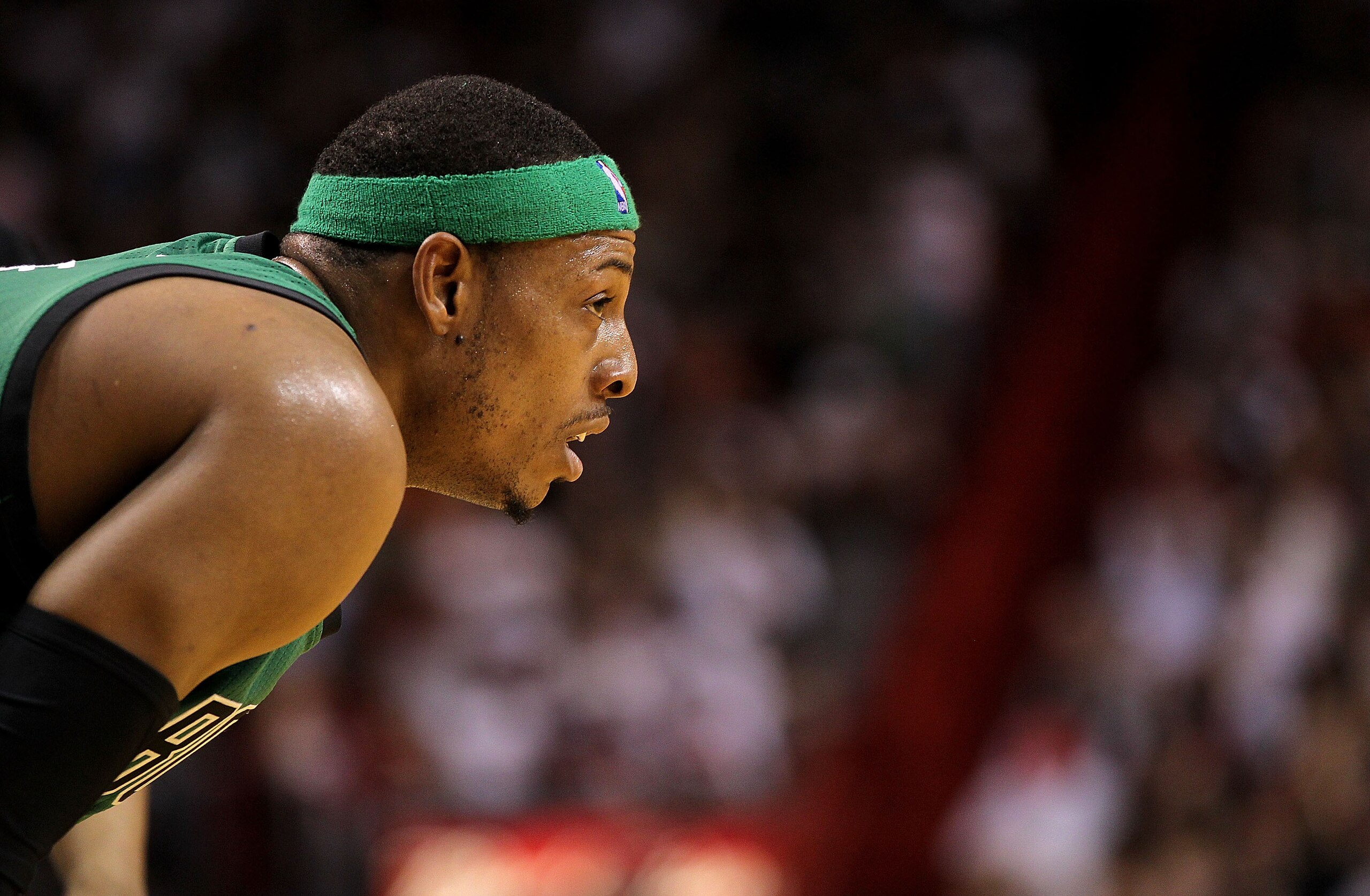
6. Robert Traylor: Dallas Mavericks
7. Jason Williams: Sacramento Kings
8. Larry Hughes: Philadelphia 76ers
9. Dirk Nowitzki: Milwaukee Bucks
10. Paul Pierce: Boston Celtics
Milwaukee and Dallas made the infamous swap. One franchise went one direction, and the other franchise actually hung around for some fleeting success in the Ray Allen/Sam Cassell era, but went on a downward spiral afterward. Jason Williams and Larry Hughes were good pros, but neither of them are future Hall of Famers like Nowitzki and (probably) Pierce.
1999: Jonathan Bender
12 of 26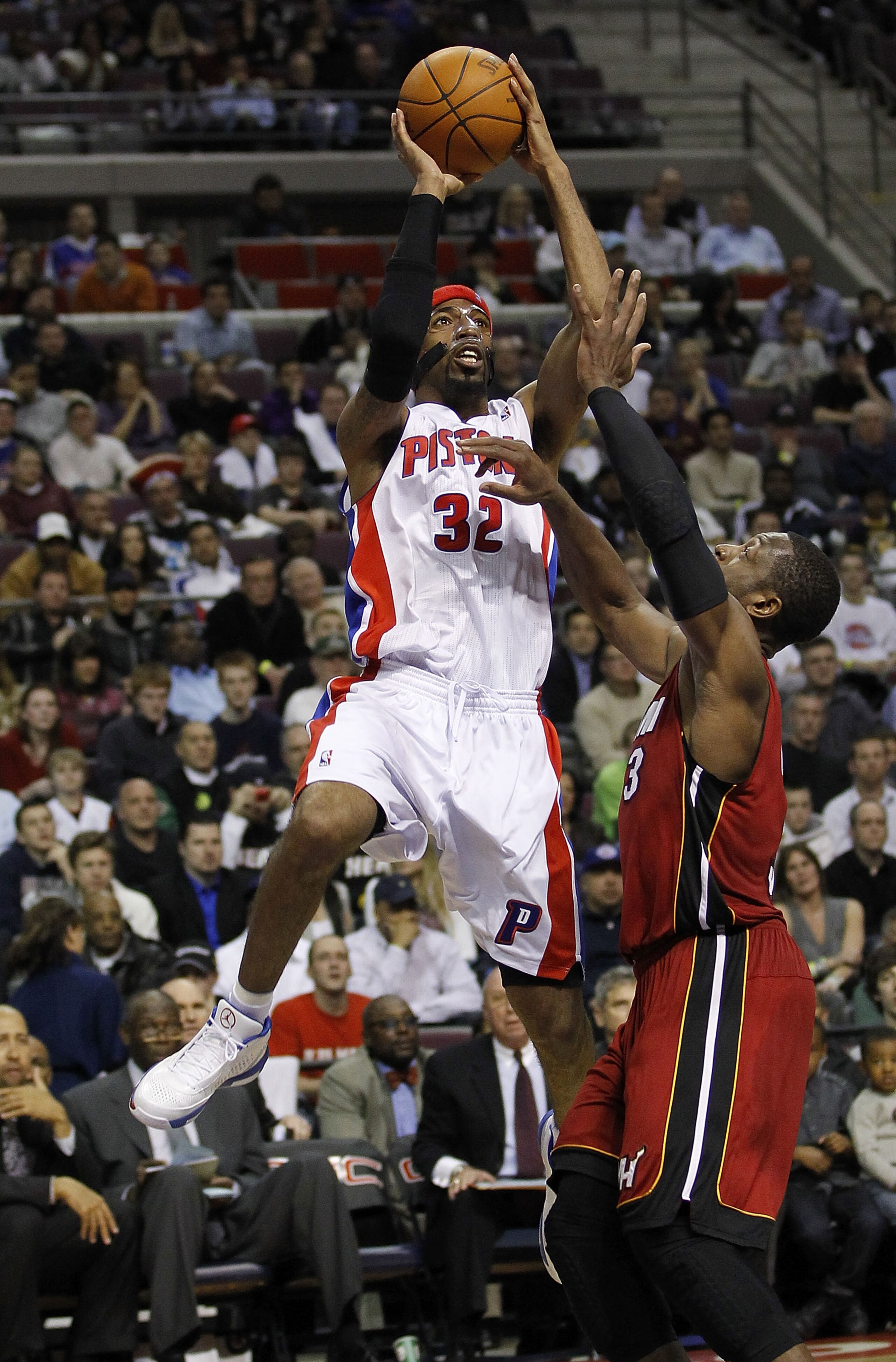
5. Jonathan Bender: Toronto Raptors
6. Wally Szczerbiak: Minnesota T-Wolves
7. Richard Hamilton: Washington Wizards
8. Andre Miller: Cleveland Cavaliers
9. Shawn Marion: Phoenix Suns
10. Jason Terry: Atlanta Hawks
The bottom four players are all still good pros in the NBA. Hamilton is an NBA champion, while the bottom three are playing prominent roles for playoff teams. Wally Szczerbiak had a nice NBA career and was Minnesota's No. 2 scoring option at one point behind Kevin Garnett.
Jonathan Bender was an unmitigated bust.
2001: Kwame Brown
13 of 26
1. Kwame Brown: Washington Wizards
2. Tyson Chandler: LA Clippers
3. Pau Gasol: Atlanta Hawks
Kwame Brown is still alive and kicking in the NBA, but he has failed in both Washington and Los Angeles. He is currently trying to keep his career alive in Charlotte. Tyson Chandler took a while to get his career going, but he has found great success in his defensive niche in Dallas. Pau Gasol is a two-time NBA champion and the No. 1 option on a Memphis Grizzlies team that made the playoffs twice.
2001: Eddy Curry
14 of 26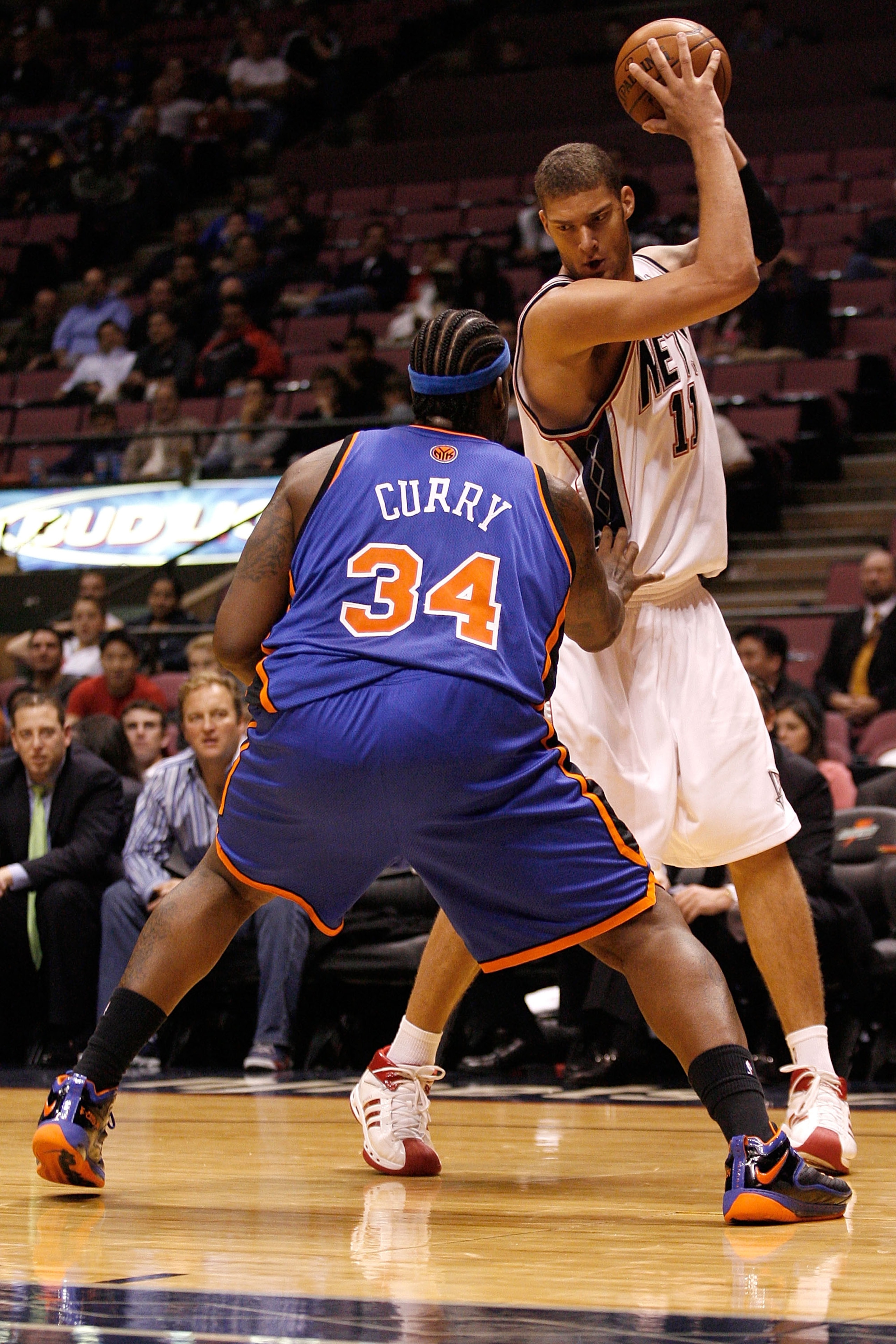
4. Eddy Curry: Chicago Bulls
5. Jason Richardson: Golden State Warriors
6. Shane Battier: Vancouver Grizzlies
The Baby Bulls experiment died a slow death. Jason Richardson and Shane Battier would have provided better options for the Bulls, with Richardson as a top scorer or Battier as a top defender.
2002: Amar'e Stoudemire Goes No. 9
15 of 26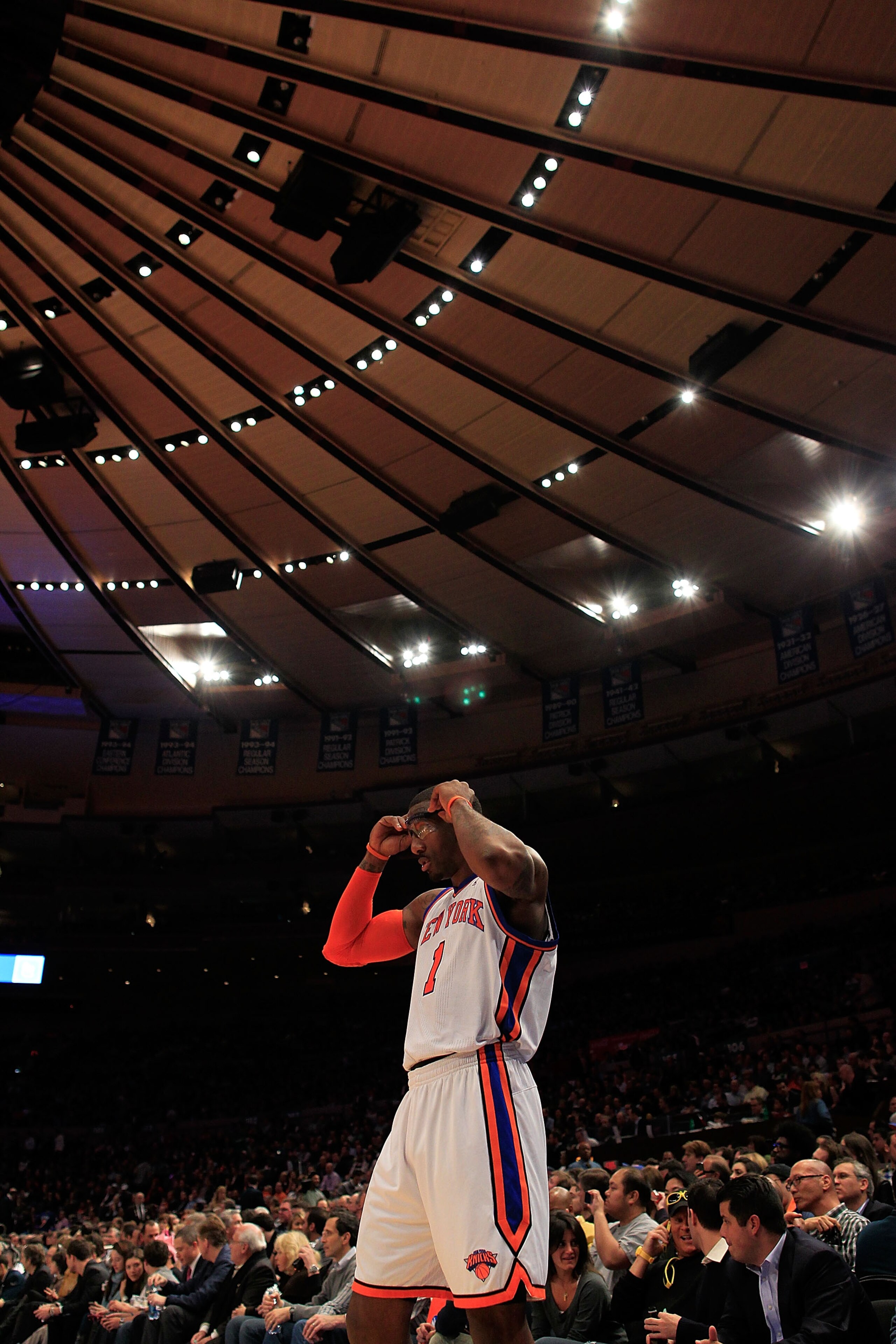
1. Yao Ming: Houston Rockets
2. Jay Williams: Chicago Bulls
3. Mike Dunleavy: Golden State Warriors
4. Drew Gooden: Memphis Grizzlies
5. N. Tskitishvili: Denver Nuggets
6. Dajuan Wagner: Cleveland Cavaliers
7. Nene Hilario: New York Knicks
8. Chris Wilcox: LA Clippers
9. Amar'e Stoudemire: Phoenix Suns
In what was considered a two-player draft in terms of elite talent, the Rockets took Yao first and the Bulls took Jason Williams second. Both players eventually succumbed to injuries, while picks No. 3 through No. 8 were a collection of busts (Dajuan Wagner) and good pros.
Ultimately, though, the Knicks made a double screw-up. They passed on drafting Nene, the second-best player from this draft, and instead traded his rights in a package to the Denver Nuggets that brought Antonio McDyess to New York. In the 2002-03 preseason, McDyess hurt his knee and was out for almost two years. He never played a full season in New York.
2003: Darko
16 of 26
1. LeBron James: Cleveland Cavaliers
2. Darko Milicic: Detroit Pistons
3. Carmelo Anthony: Denver Nuggets
4. Chris Bosh: Toronto Raptors
5. Dwyane Wade: Miami Heat
One can make a case that Darko Milicic was the fifth-worst player taken in the top 20 overall. Of note besides the aforementioned All-Stars, Kirk Hinrich is the starting point guard for the Atlanta Hawks, David West mans power forward for New Orleans and super-subs Mickael Pietrus and Nick Collison have made key contributions too.
2004: Shaun Livingston over Devin Harris
17 of 26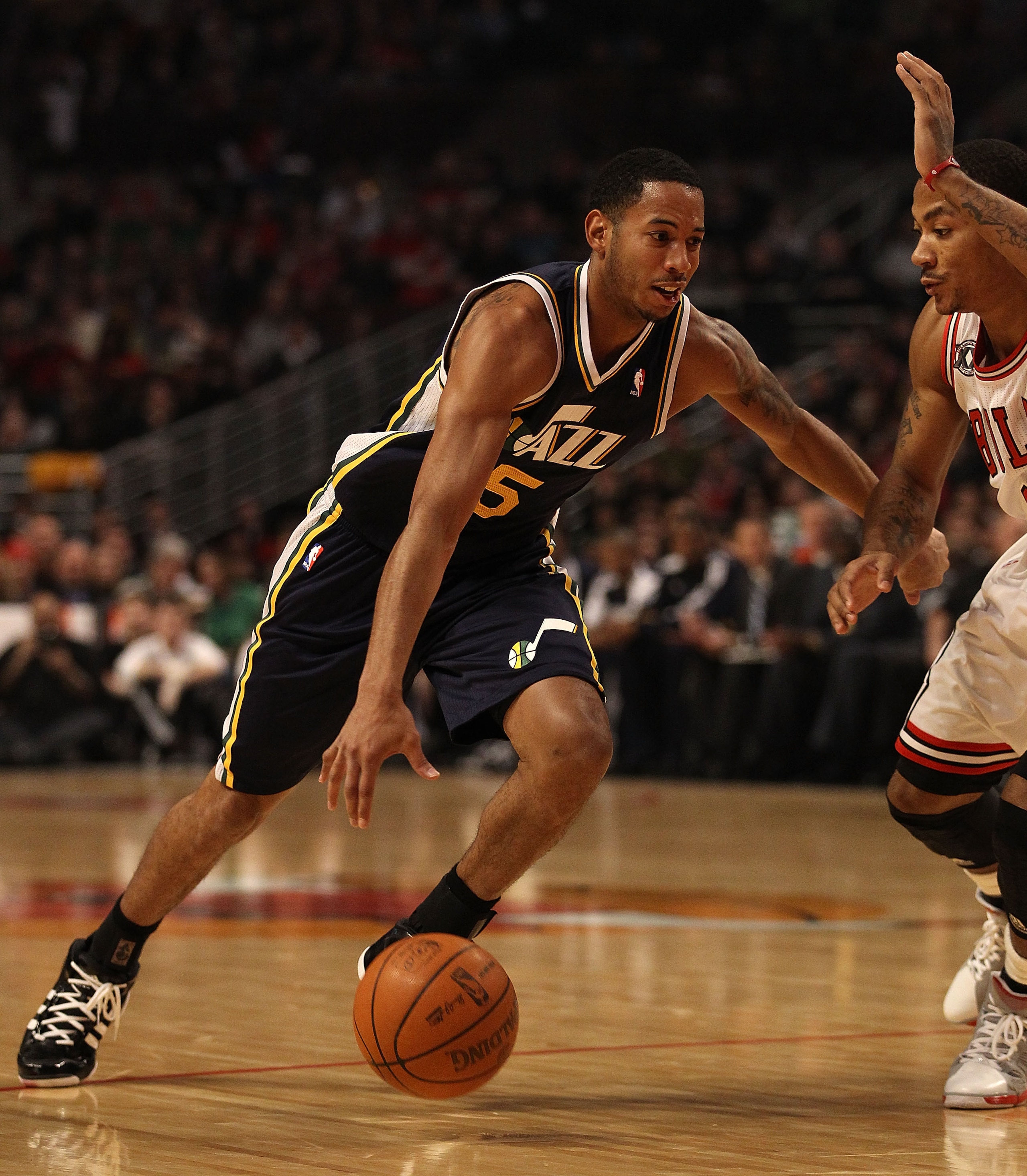
4. Shaun Livingston: L.A. Clippers
5. Devin Harris: Dallas Mavericks
The first of five awful moves made by lottery teams in the 2004 draft. Shaun Livingston showed flashes of potential but tore up his knee and was never the same. While Devin Harris didn't live up to his No. 5 billing, he has led 50-plus win teams and will have had a fruitful NBA career when it's over.
2004: Deng over Childress
18 of 26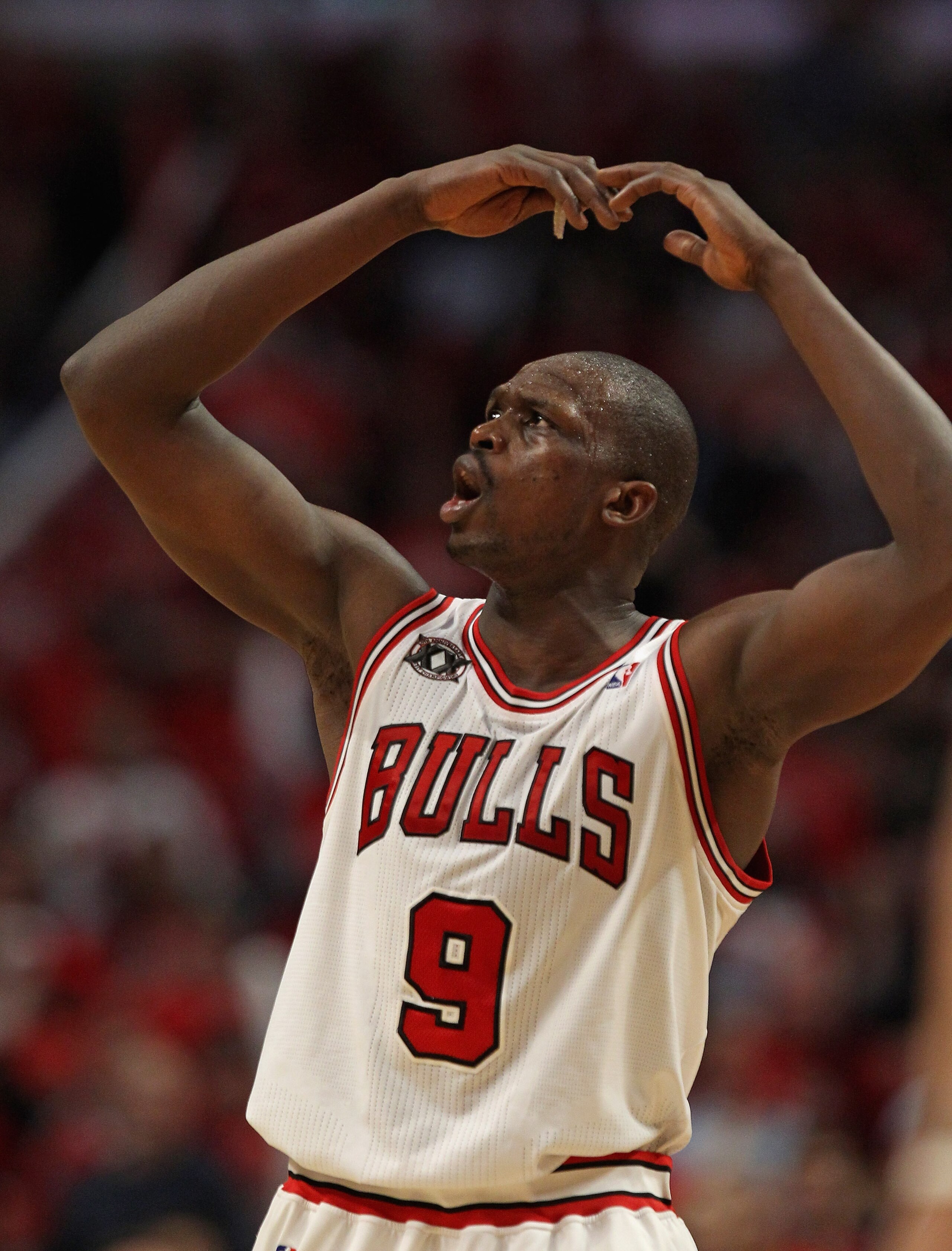
6. Josh Childress: Atlanta Hawks
7. Luol Deng: Chicago Bulls
The Hawks made the first of two horrible choices within the span of three drafts, taking Childress over Deng. Childress did so well in the NBA that he went to Greece. He is now back in the NBA with Phoenix. Deng is a wingman for the current favorite to make the Finals out of the East, in his seventh season with the team.
2004: Rafael Araujo, Robert Swift over Al Jefferson
19 of 26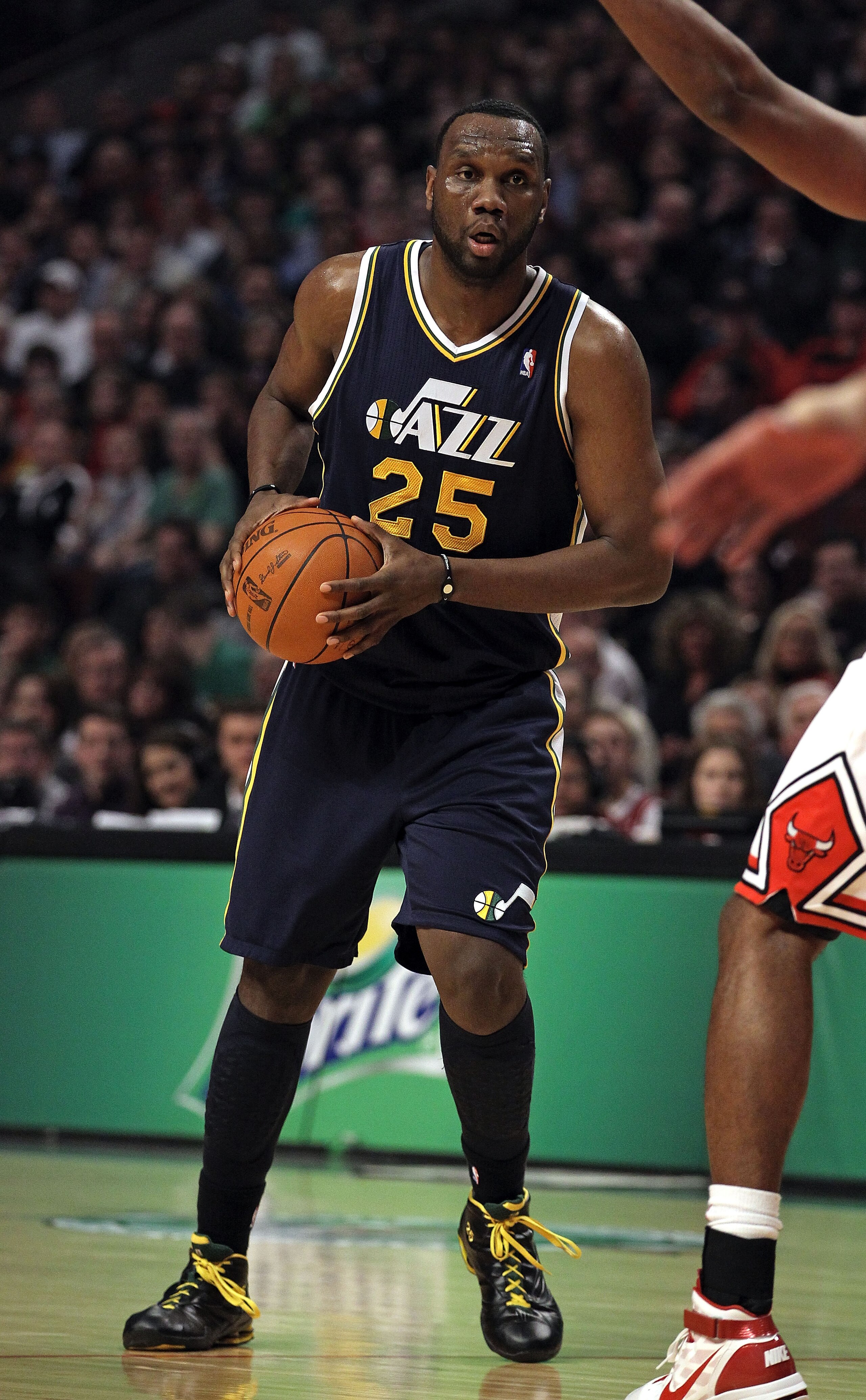
8. Rafael Araujo: Toronto Raptors
12. Robert Swift: Seattle SuperSonics
15: Al Jefferson: Boston Celtics
Al Jefferson has played in over twice as many games as Arajuo and Swift have combined. Moving on.
2004: Luke Jackson in the Parity-Stricken Draft
20 of 26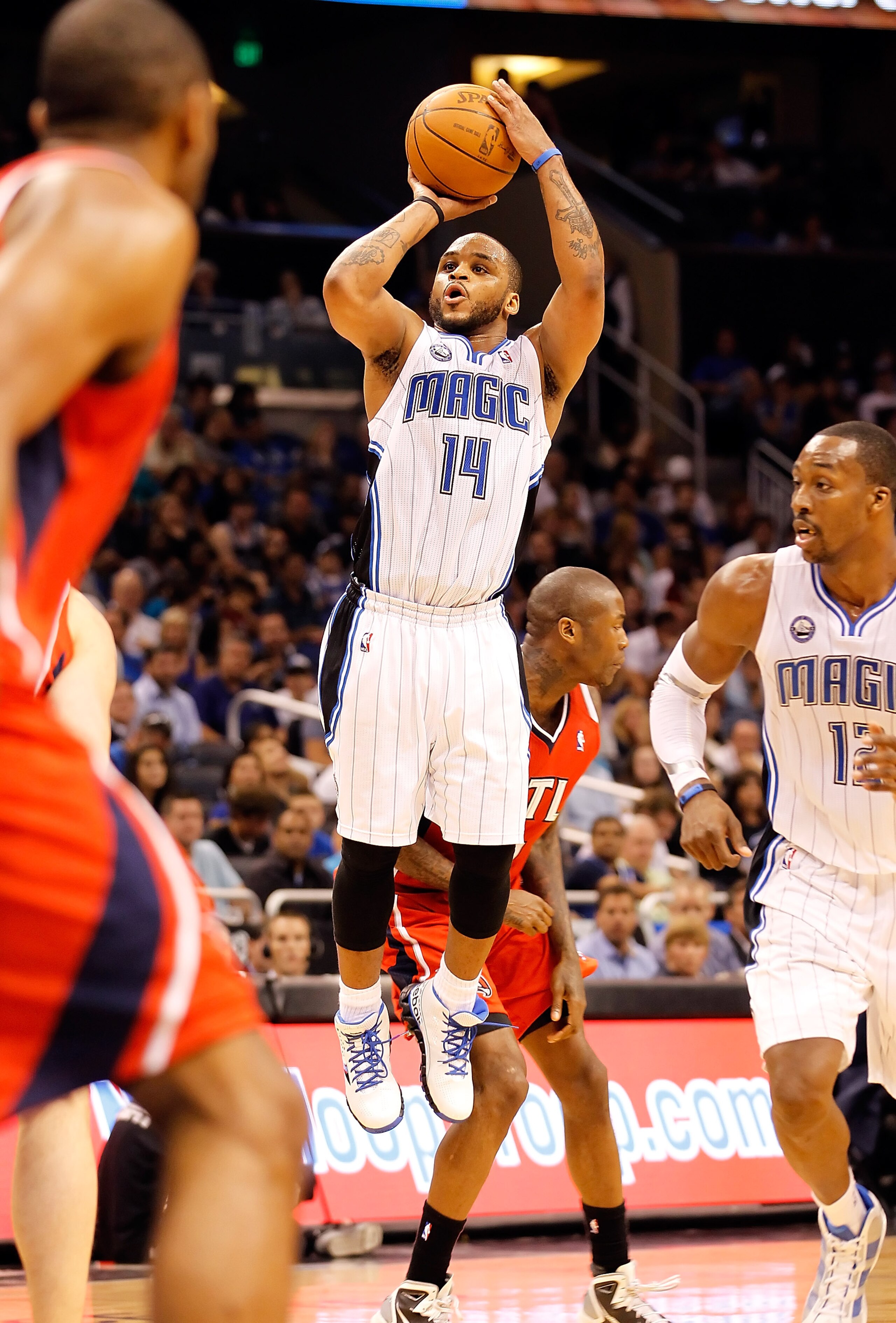
10. Luke Jackson: Cleveland Cavaliers
17. Josh Smith: Atlanta Hawks
18. JR Smith: New Orleans Hornets
20. Jameer Nelson: Orlando Magic
26. Kevin Martin: Sacramento Kings
Cleveland was never really able to find LeBron James complementary help. Any of the aforementioned four players in bold would have been better choices than Jackson.
2005: Marvin Williams
21 of 26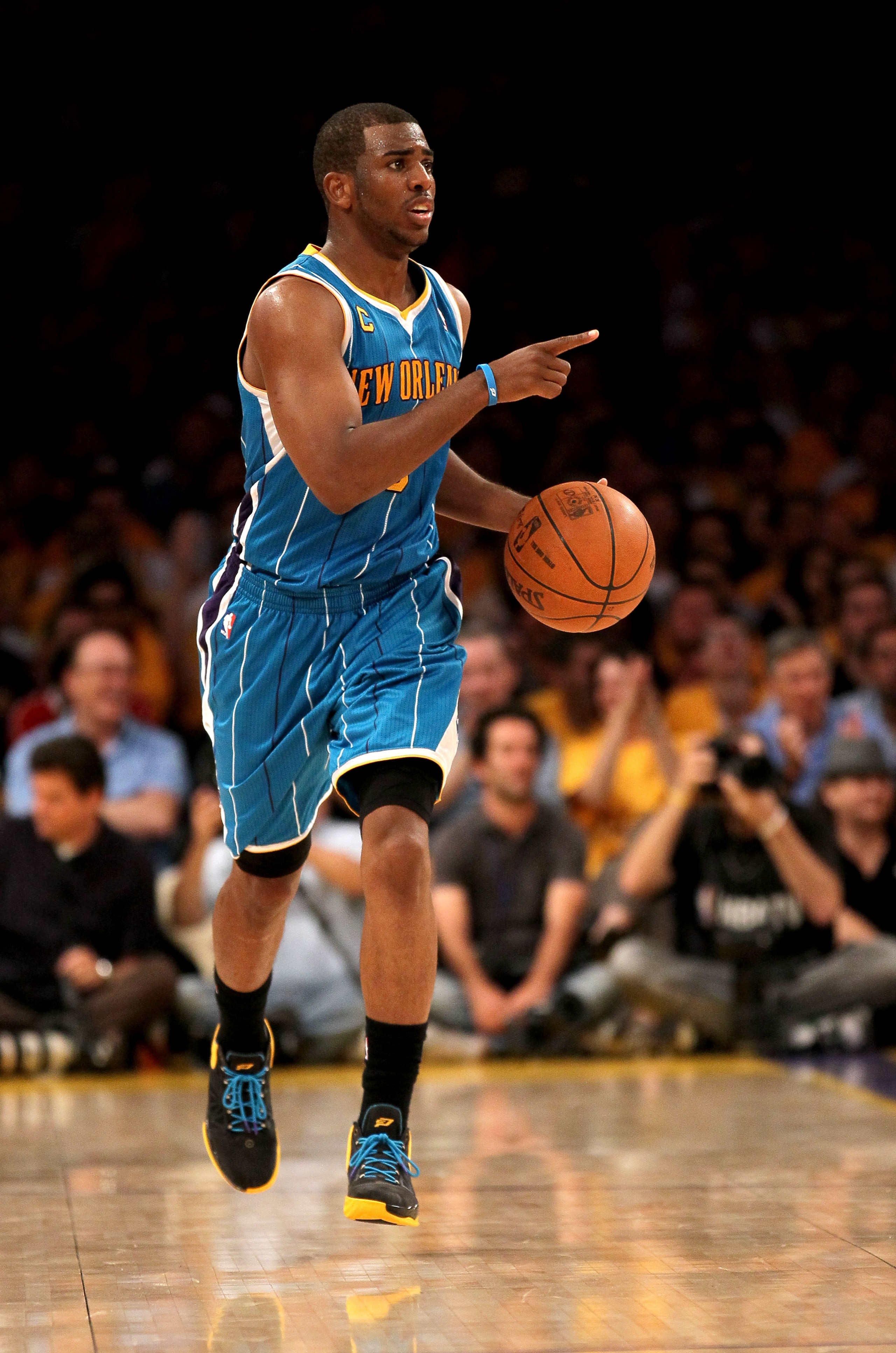
2. Marvin Williams: Atlanta Hawks
3. Deron Williams: Utah Jazz
4. Chris Paul: New Orleans Hornets
Marvin Williams was chosen second after an incredible amount of hype following his sixth-man role on the 2005 NCAA Division I championship team at North Carolina. Six years later, he is just another guy and is actually regressing.
Last night, Chris Paul proved why he will be a Hall of Famer if he stays healthy. Deron Williams isn't too shabby either.
2006: Adam Morrison over Brandon Roy and Rudy Gay
22 of 26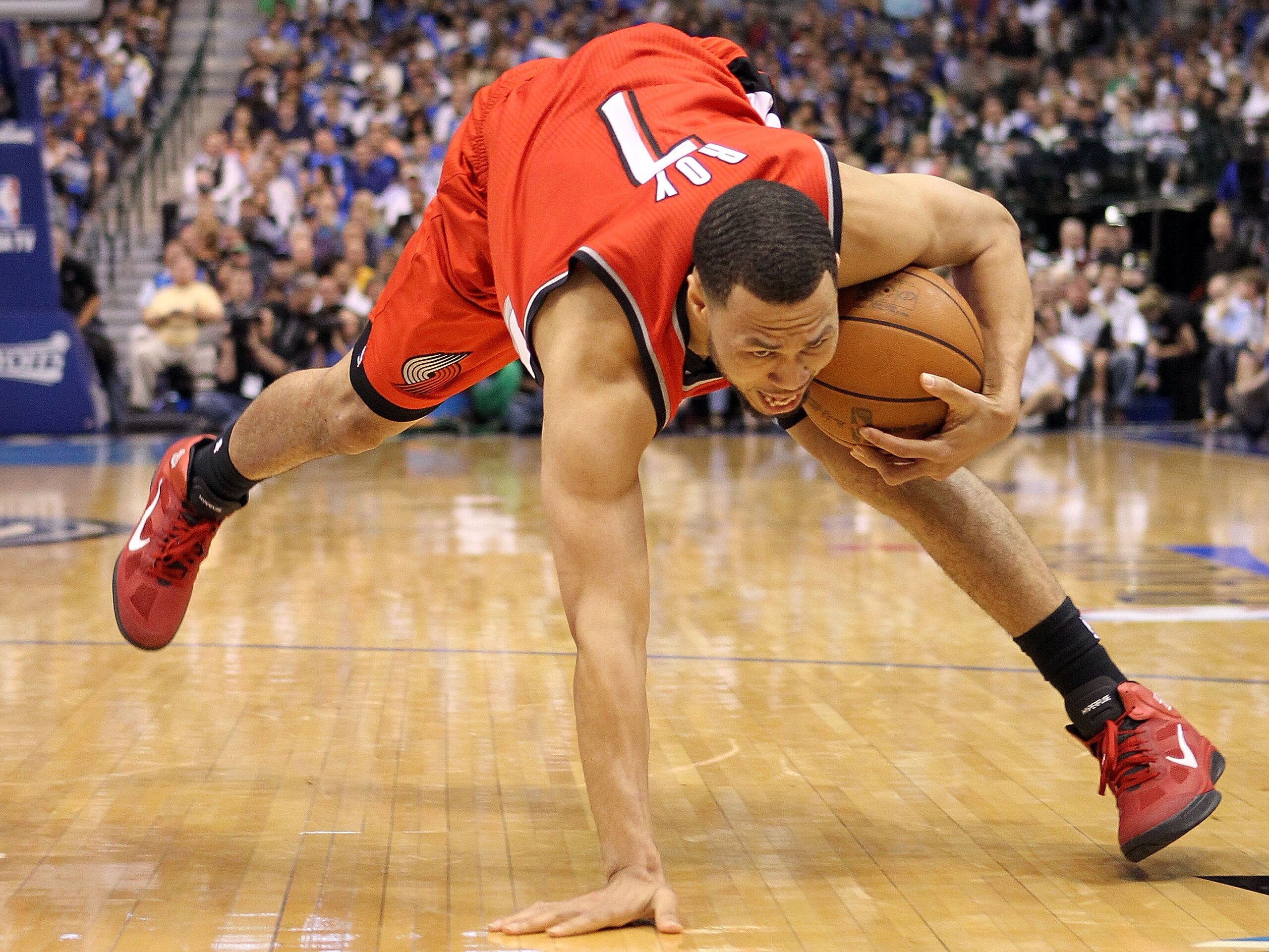
3. Adam Morrison: Charlotte Bobcats
6. Brandon Roy: Minnesota Timberwolves
8. Rudy Gay: Houston Rockets
Perhaps I was distracted by Morrison's unique and offbeat nature, but I thought he was going to make it in the NBA. Instead, Brandon Roy and Rudy Gay, two shooting guards taken after Morrison, turned out to be good to very good NBA players, while Morrison is trying to just stay on an NBA roster.
2007: Oden over Durant
23 of 26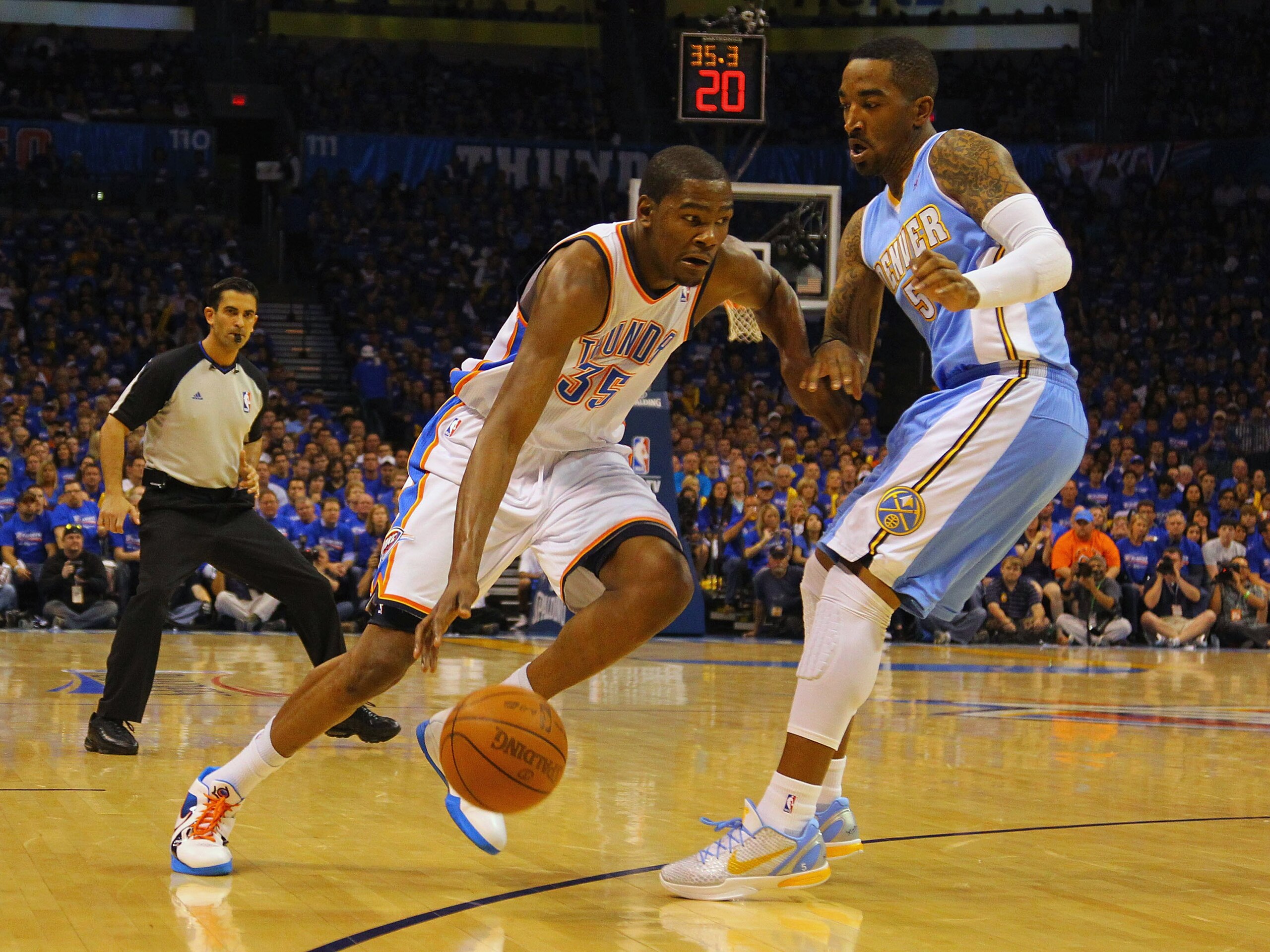
1. Greg Oden: Portland Trail Blazers
2. Kevin Durant: OKC Thunder (Seattle SuperSonics)
Is Portland more unlucky with injured centers or are the Detroit Lions more unlucky with wide receivers? Hard to say, but Oden has only played the equivalent of one full regular season since joining the NBA in 2007. Meanwhile, Kevin Durant will lead the NBA in scoring until he doesn't feel like doing so.
2007: Yi over Joakim Noah
24 of 26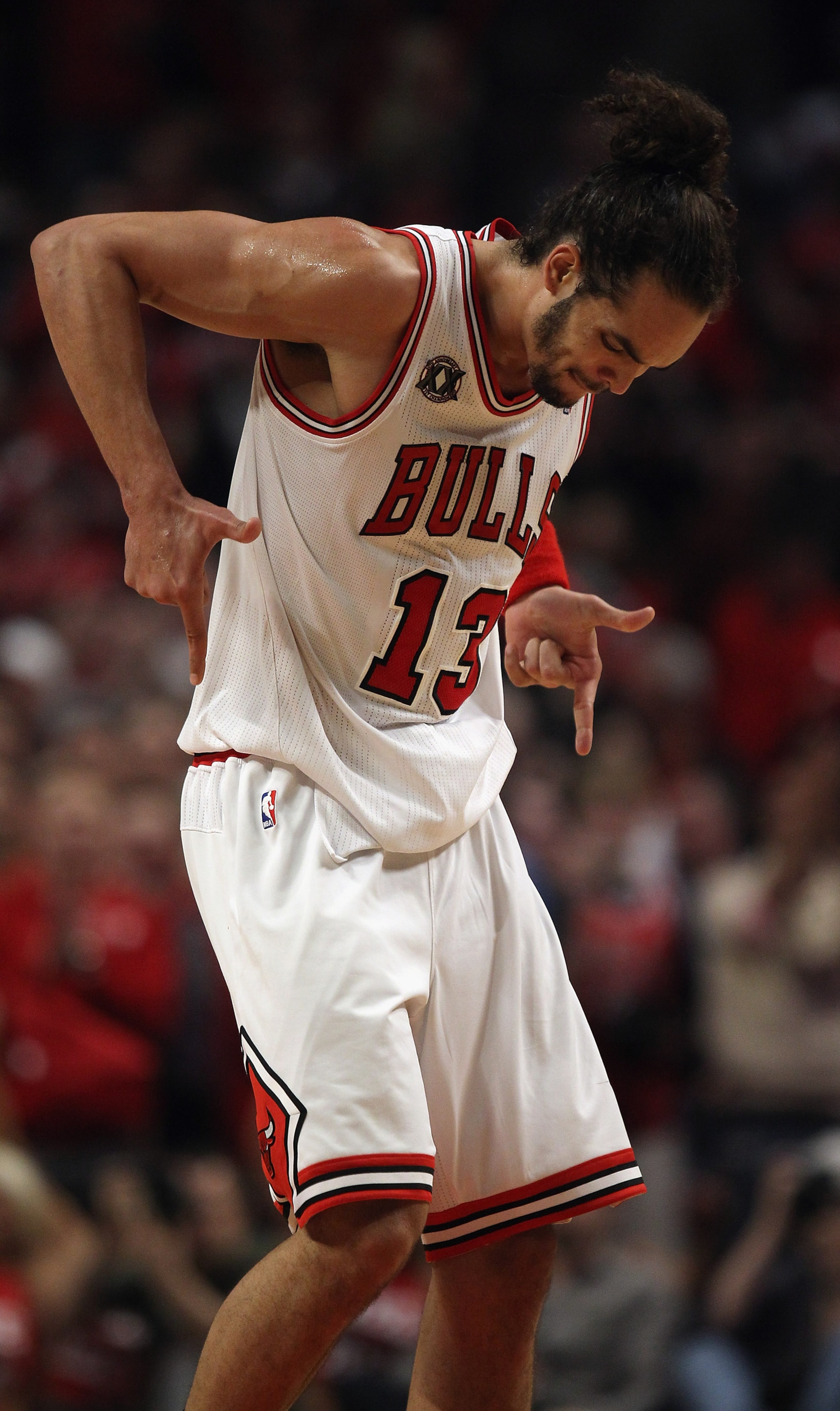
6. Yi Jianlian: Milwaukee Bucks
7. Corey Brewer: Minnesota Timberwolves
8. Brandan Wright: Charlotte Bobcats
9. Joakim Noah: Chicago Bulls
Yi is on his third team in four years. Corey Brewer is a nice defensive player off the bench, and yet the Knicks had no room for him. Wright has only played 77 career games.
Noah took two full seasons to mature, but he is now a guaranteed double-double and a long-term fixture on the Bulls along with Derrick Rose.
2009: Minnesota and New York Point Guard Fiascoes
25 of 26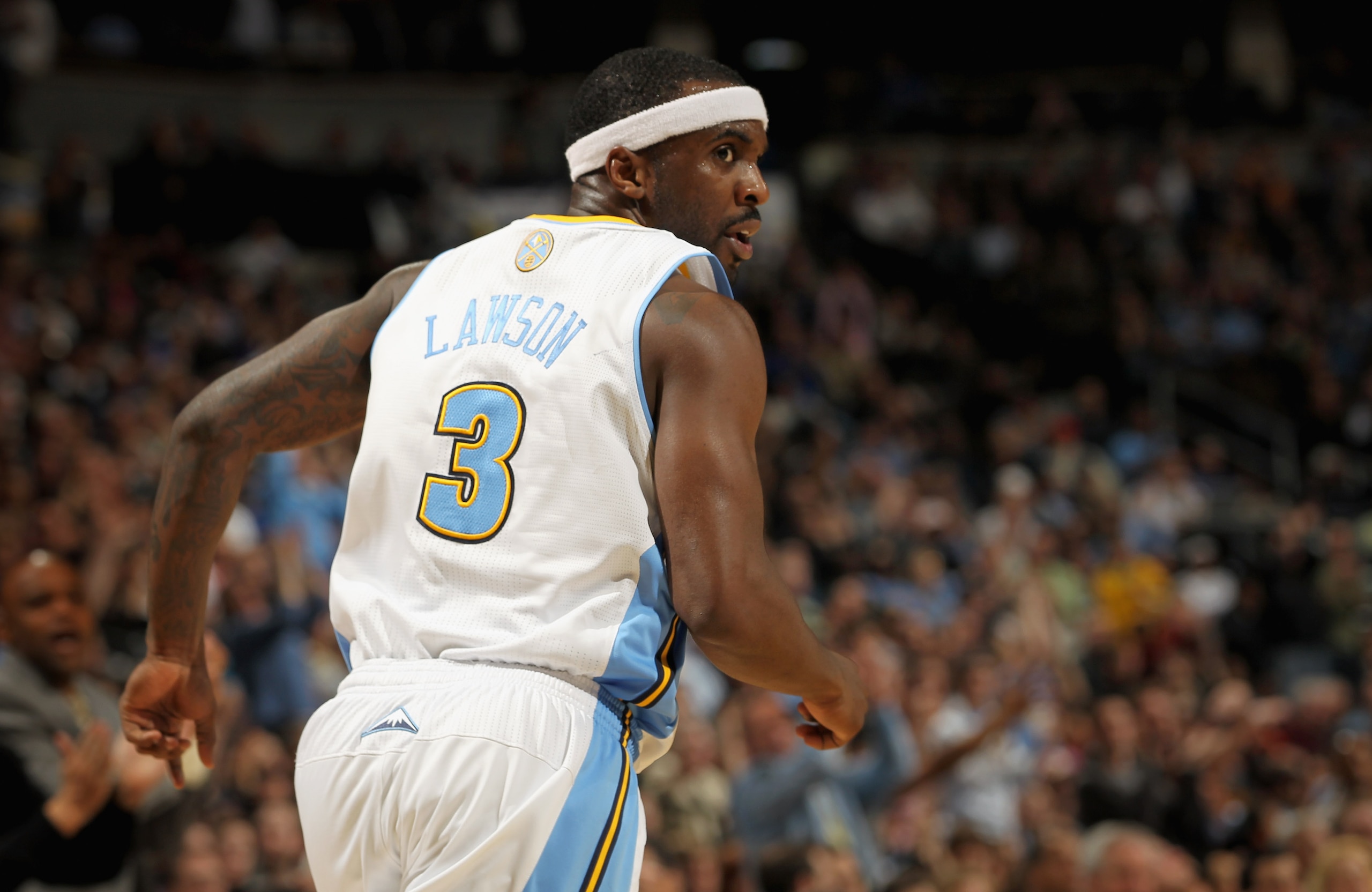
5. Minnesota Timberwolves: Ricky Rubio
6. Minnesota Timberwolves: Jonny Flynn
7. Golden State Warriors: Stephen Curry
8. New York Knicks: Jordan Hill
10. Milwaukee Bucks: Brandon Jennings
18. Minnesota Timberwolves (Traded to Denver): Ty Lawson
Combining two screw-ups into one:
One Minnesota point guard is still in Spain. The other can't beat out Luke Ridnour for the starting gig. Curry averages 18 points and six assists per game, Brandon Jennings led his team to the playoffs as a rookie last year and Ty Lawson is the starting point guard for the hottest team in the West.
Meanwhile, the Knicks benched Jordan Hill during the season and traded him in a cost-cutting move to Houston. They are still looking for a long-term point guard.
2009: Hasheem Thabeet to the D-League
26 of 26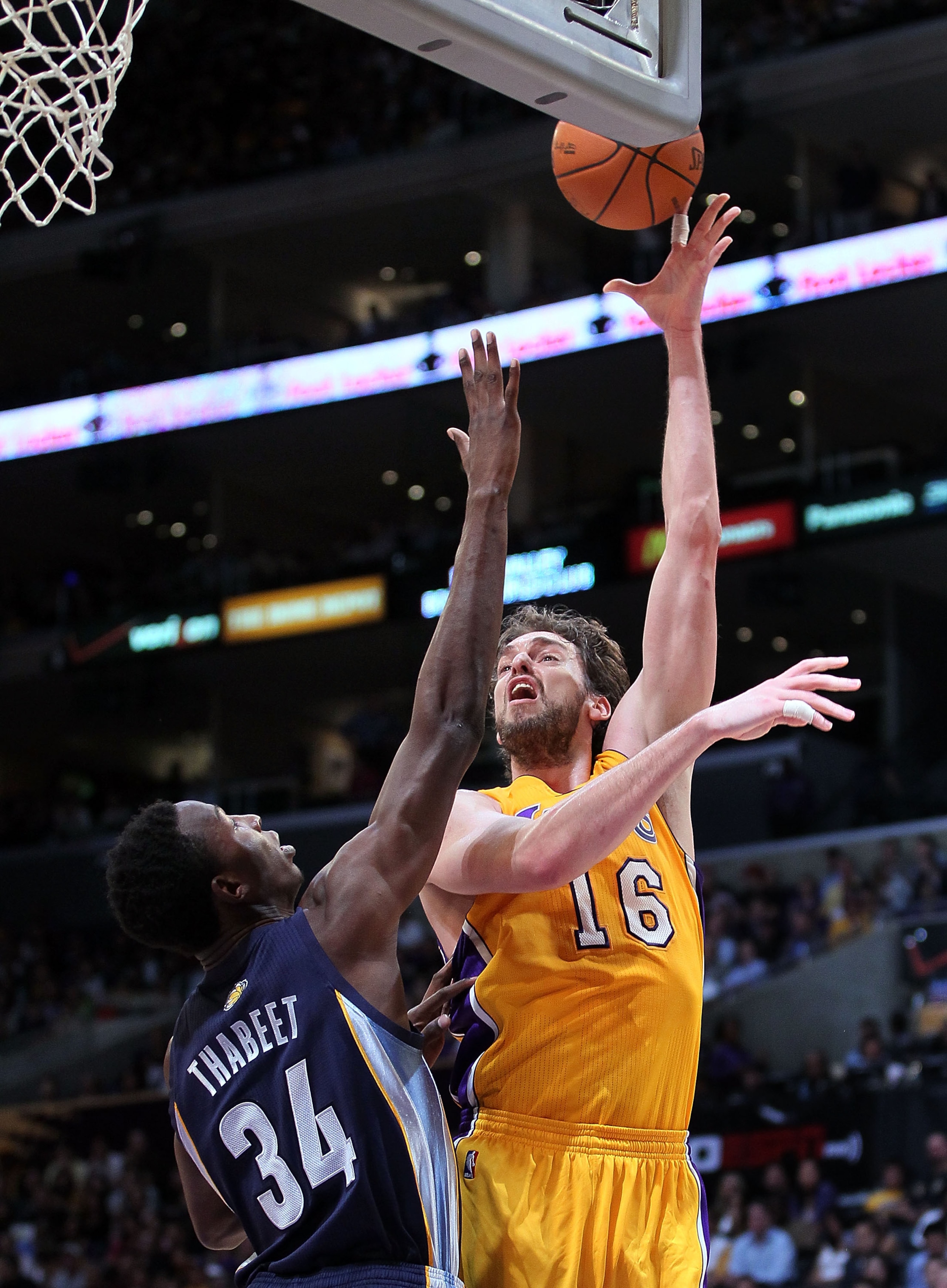
Hard to call this a screw-up, since Memphis was in the market for a big man in a year when the market for a big man was dire (B.J. Mullens was the only other center drafted in the first round and Memphis was set at guard), but how Thabeet ended up in the D-League so soon after being drafted is mildly perplexing.

.jpg?w=2560 "NFL investigating 2 referees for separate viral exchanges")
.jpg?w=2560 "Report: Chiefs Contact Hill's Agent")

.jpg?w=2560 "OBJ Calls Out Giants After Release")
.jpg?w=2560 "Tyreek makes another cryptic post amid Chiefs rumors")