New York Jets: Grading the Last 5 Years of Draft Selections
With the 2011 NFL draft in less than a month, it is time to look at what the Jets have done in the last half-decade. Since 2005, the Jets have had several top 10 draft picks and for the second year in a row, will have one of the last four picks of the first round.
The last five years have seen changes in drafting strategies; at first, the Jets wanted to rebuild their offensive line to support their running game and make sure their quarterback is protected. Then they began to work on their defense and later mixed the two.
In this slideshow, I've gone through the dozens of picks the Jets have made, grading them on several levels to see whether they've been successful or should reconsider how they should draft.
Players in bold played for the Jets during the 2010 season.
2010
1 of 6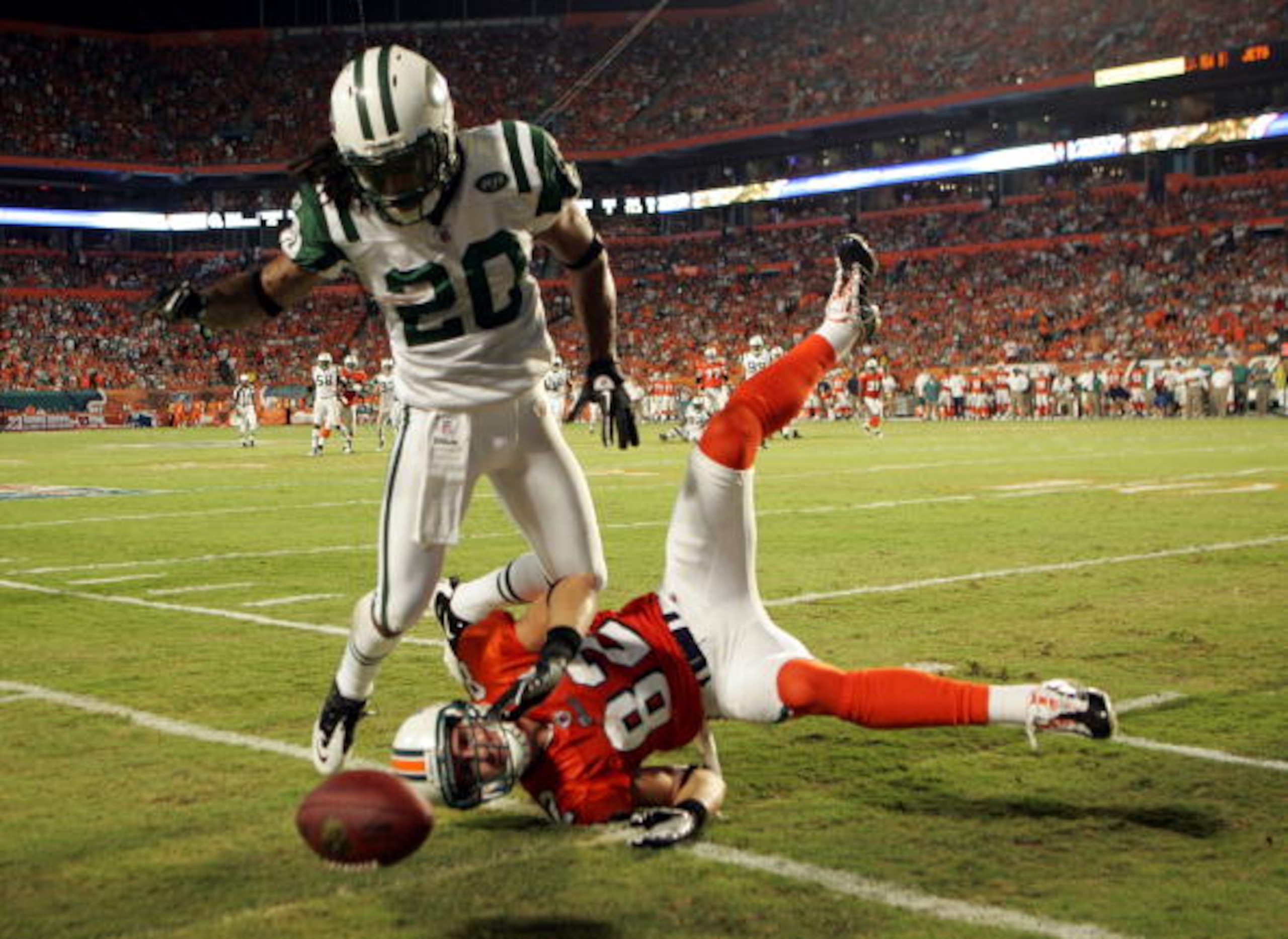
Grade: B+
Round 1: Kyle Wilson (Cornerback), Boise State
Round 2: Vladimir Duccasse (Offensive Lineman), Massachusetts
Round 4: Joe McKnight (Running Back), University of Southern California
Round 5: John Conner (Fullback), University of Kentucky
While these players may not seem like superstars, the Jets did a pretty good job in last year's draft. After their pass defense was embarrassed by the Colts in the AFC Championship game, the Jets decided to draft Kyle Wilson, who would be Darrelle Revis' other half.
In the second round, they went back to their old ways of drafting offensive lineman by drafting Duccasse. After a few years of training and watching the current Jets linemen, Duccasse could turn into a force.
Becoming a superstar after Hard Knocks premiered is fullback John Conner, the hard-hitting back out of Kentucky, who was a favorite of head coach Rex Ryan and will likely be Tony Richardson's replacement when he retires.
Because the Jets did not get the greatest picks, they made use of them by trying to draft players that may do well in the future.
To watch why Rex Ryan chose John Conner, go here.
2009
2 of 6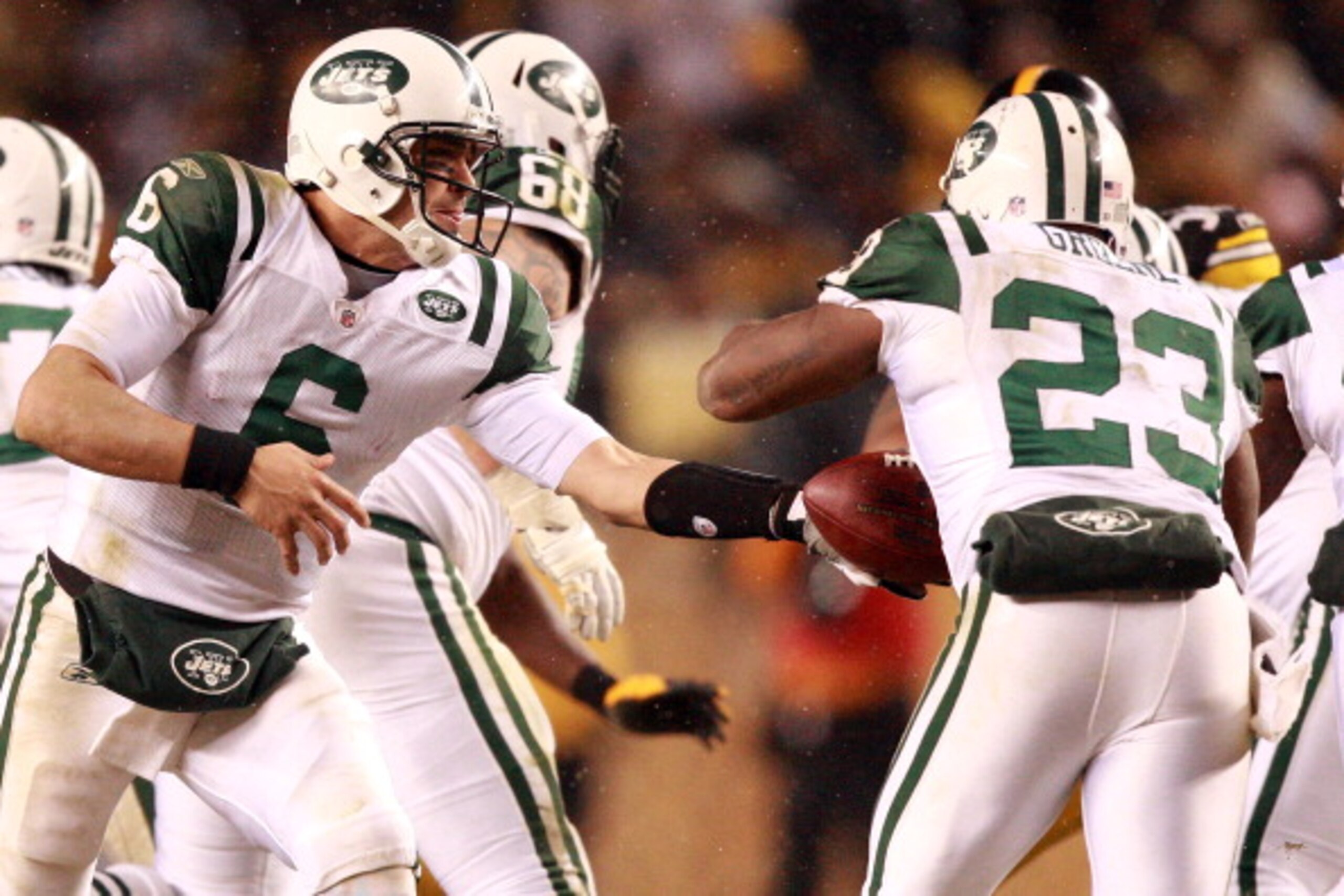
Grade: A
Round 1: Mark Sanchez (Quarterback), University of Southern California
Round 3: Shonn Greene (Running Back), Iowa
Round 6: Matt Slauson (Offensive Lineman), Nebraska
At first the draft choices the Jets made in 2009 were questionable, trading up to get Mark Sanchez was the biggest criticism. Now two years later, it seems to have paid off.
In his first two years, Sanchez has taken the Jets to the NFL playoffs twice, and both times they were one win short of the Super Bowl.
Not really seen as a big player coming out of the draft was Iowa running back Shonn Greene. After appearances later on in the 2009 season and great performances against the Bengals and Chargers in the 2010 playoffs, Greene was seen as the Jets' future running back. As a result, they released Thomas Jones after having two productive seasons for the Jets.
Since day one, Slauson has been a starter, replacing former left guard Alan Faneca (currently playing for Arizona Cardinals). He hasn't the greatest lineman, but over time he may be able to reach the level of Nick Mangold (center) or Brandon Moore (right guard).
Overall, this was a great draft year for the Jets. They were able to make use of their few picks to find players they can build their franchise around, no busts in this group. The only reason the grade is not an A+ is because they only had three picks, a few more would've been nice.
2008
3 of 6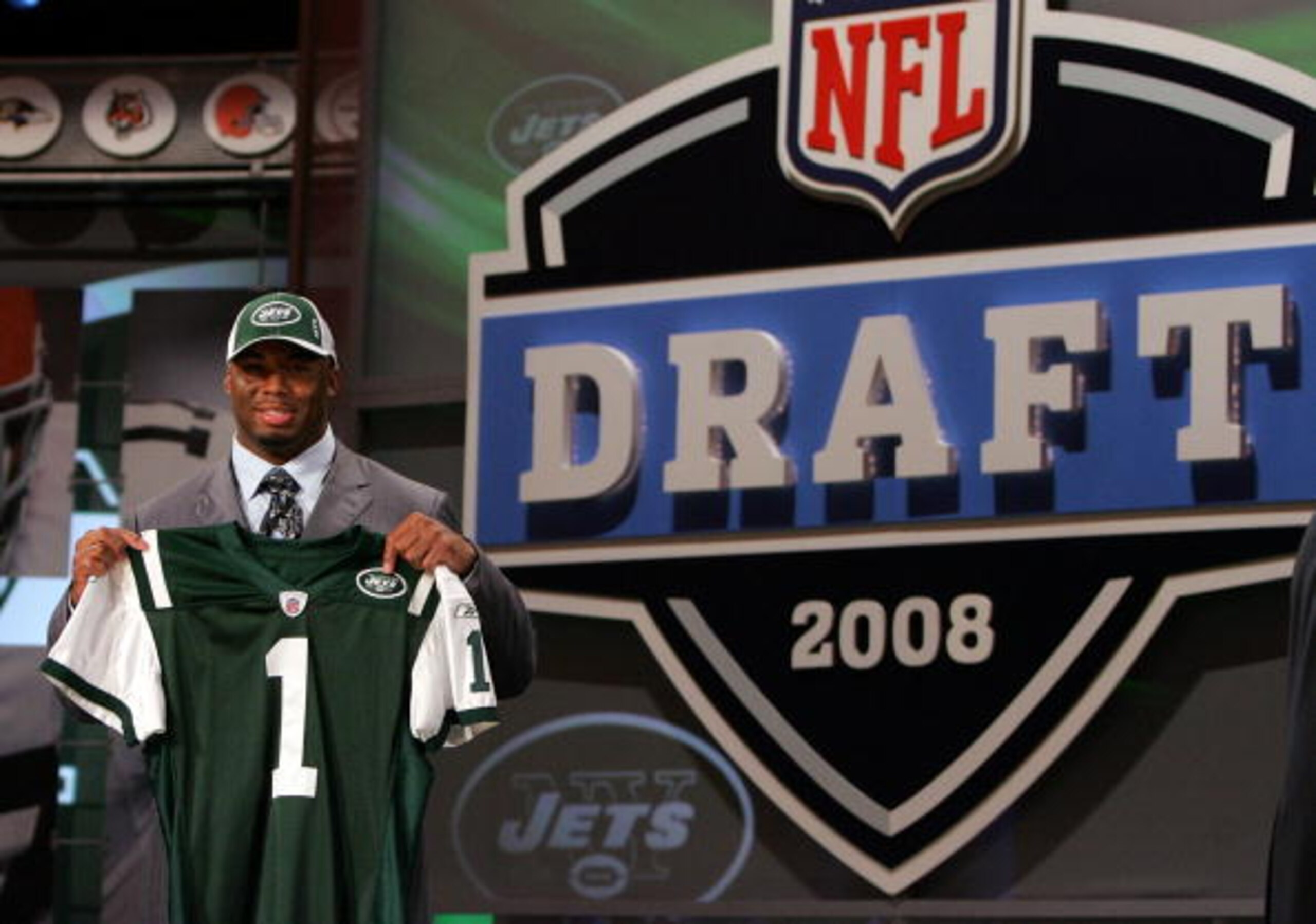
Grade: B-
Round 1: Vernon Gholston (Linebacker), Ohio State
Round 1: Dustin Keller (Tight End), Purdue
Round 4: Dwight Lowery (Cornerback), San Jose State
Round 5: Erik Ainge (Quarterback), Tennessee
Round 6: Marcus Henry (Wide Receiver), Kansas
Round 7: Nate Garner (Offensive Lineman), Arkansas
One of the biggest busts of all time for the Jets was linebacker Vernon Gholston. Year after year, the Jets gave him chances to prove that he was worthy of their first-round pick. In his three years as a Jet he did the exact opposite of what the front office wanted. His career statistics thus far are: 42 tackles (in 45 games) and zero sacks.
While Gholston was a complete bust, Dustin Keller has been a vital part of the Jets offense. After bringing in Mark Sanchez, Keller was utilized a lot more as they used a rollout bootleg play where he is open in most cases.
While he has not played as big a role as Keller, Lowery ended two games the Jets won in 2010. The first came with an interception against Brett Favre and the Vikings, the second was the following week when he recovered a fumble by Kyle Orton, against the Broncos.
You may be saying that the grade for this draft is a little harsh since two players have played well for the Jets since they've been drafted; Vernon Gholston being a bust makes a huge impact, though. Because Gholston was drafted as the sixth overall pick, the Jets had to give him an enormous contract that is now a total waste of money.
Not only was Gholston a bust, but Kristopher Jenkins (defensive tackle) has also been a bust. The Jets traded with Panthers in the third round for the nose tackle and after three years with the Jets, he has missed almost two full seasons.
.jpg?w=2560 "Cardinals Giants Football")
.jpg?w=2560 "Titans Giants Football")
2007
4 of 6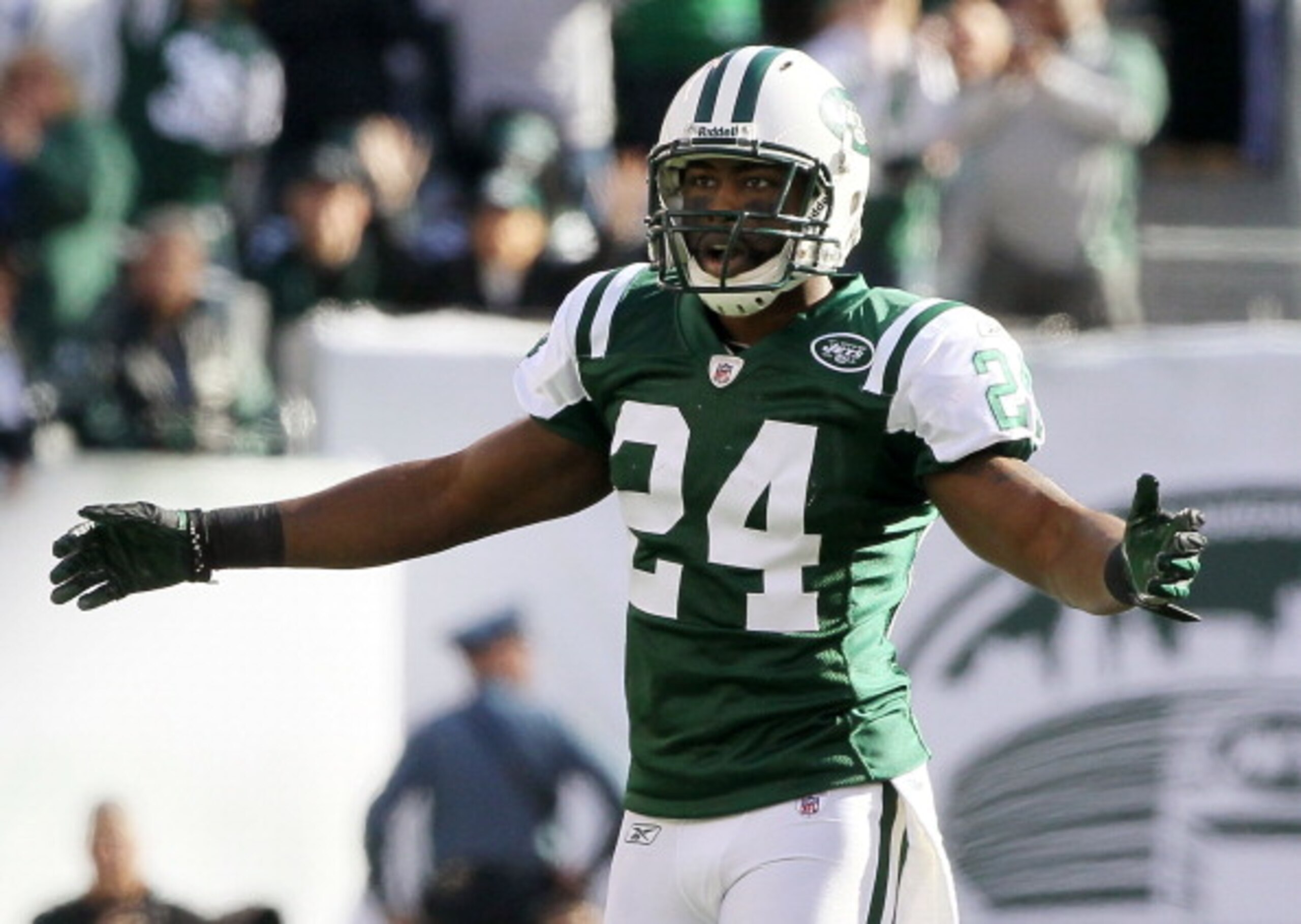
Grade: A-
Round 1: Darrelle Revis (Cornerback), Pittsburgh
Round 2: David Harris (Linebacker), Michigan
Round 6: Jacob Bender (Offensive Lineman), Nicholls State
Round 7: Chansi Stuckey (Wide Receiver), Clemson
Unlike 2008, the Jets made use of their top pick by drafting Darrelle Revis. Since then, Revis has been one of the best cornerbacks in the NFL. After an incredible 2009 season, he received the nickname "Revis Island" because when he went up against opposing receivers they would get lost on his island.
Second-round pick David Harris has been a vital part of the Jets defense since his rookie year. In this year's playoff, he led with the most tackles and has been a dominating force in the regular season.
The two make huge impacts on the field and will be leaders of the Jets defense for years to come.
2006
5 of 6
Grade: B
Round 1: D'Brickashaw Ferguson (Offensive Lineman), Virginia
Round 1: Nick Mangold (Offensive Lineman), Ohio State
Round 2: Kellen Clemens (Quarterback), Oregon
Round 3: Anthony Schlegel (Linebacker), Ohio State
Round 3: Eric Smith (Safety), Michigan State
Round 4: Brad Smith (Quarterback), Missouri
Round 4: Leon Washington (Running Back), Florida State
Round 5: Jason Pociask (Tight End), Wisconsin
Round 6: Drew Coleman (Cornerback), TCU
Round 7: Titus Adams (Defensive Lineman), Nebraska
Players they missed out on by trading: Cortland Finnegan (Round 7), Greg Jennings (Round 2), Maurice Jone-Drew (Round 2)
Of the 10 players the Jets drafted in 2006, six of them played for the Jets. Only two of them played key roles (Ferguson and Mangold).
Listed above are players now famous for their skills that the Jets passed on. In the second round and third rounds, the Jets had a plethora of picks, but they traded away: 35th overall pick, 53rd overall pick and 70th overall pick.
When the Jets drafted Kellen Clemens in the second round, they could've drafted Greg Jennings, and when they traded away their 53rd overall pick, they could've had Maurice Jones-Drew.
In this bunch the biggest waste of a pick in the group is Anthony Schlegel (whom I never heard of before writing this article).
While the Jets got some good players out of this bunch Washington, Coleman, Mangold, Ferguson and Brad Smith; they could have gotten much better players, which is why they receive an average grade of B.
In the End
6 of 6
Average Grade: B+
Even though they've had some unsuccessful stints with players, the Jets have drafted a good group of players since 2005. Overall, they've found players that make an impact on the field and will be able to consistently provide as they strive to bring the Lombardi Trophy back to New York.
If you want more on the draft, go to my profile. I will be covering the draft for the next few weeks until April 28th and will be covering the Jets as the preseason approaches and throughout the regular season.
Follow me on twitter: @chris_deezy
.jpg?w=2560 "Dolphins Bills Football")