

Where Every NBA Team Ranks as a Free-Agency Destination
Which teams should 2020 NBA free agents seek out, and which should they avoid?
In an offseason complicated by salary-cap uncertainty, the superior crop of 2021 free agents and the strictly stratified trio of spending classes, this is a trickier question than usual.
To answer it, we have to first acknowledge discrepancies in flexibility. Not every team can dump heaps of cash on whichever free agent it wants. So while cap space is sometimes the main factor determining an organization's desirability, that's not the case this year.
We'll separate teams into those that can realistically carve out cap space, those with only the mid-level exception to spend and taxpayers with the even smaller mini MLE at their disposal. That's the only way to differentiate between Stephen Curry's tax-hit Golden State Warriors and Jimmy Butler's cash-rich Miami heat, for example.
Once separated into those tiers, we can better weigh each team's talent, coach, front office, likelihood of on-court success and any other relevant considerations.
Just to get it out of the way, we'll mention here that every team with cap space (and even some without) may proceed cautiously this offseason. The bigger fish will be swimming around in 2021, and several clubs will prioritize that class over this one.
So, all things being unequal, here's how all 30 teams stack up as free-agent landing spots.
Cap Space Teams
1 of 14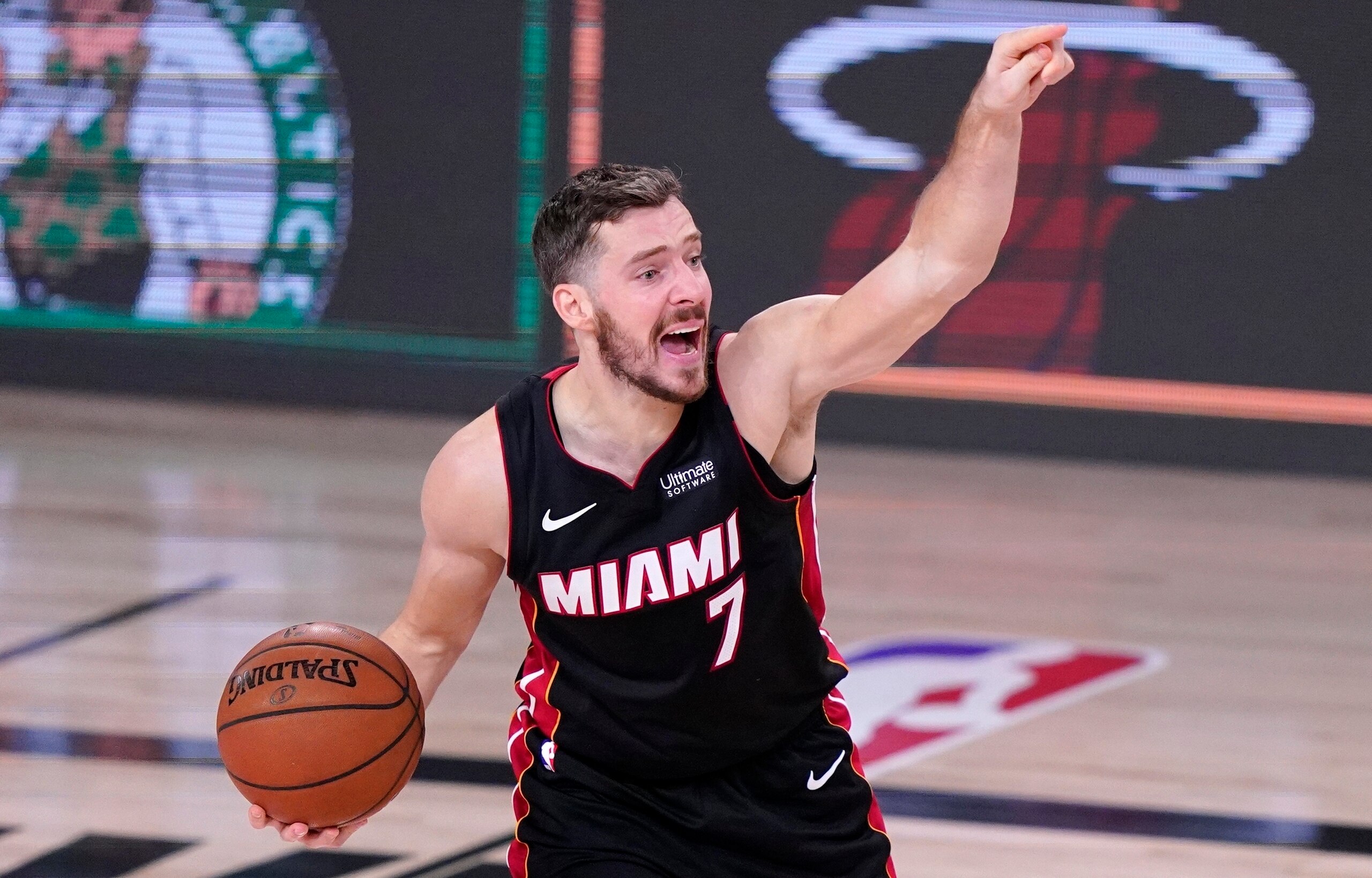
6. New York Knicks
The New York Knicks are going to have cap space. The only question is how much.
If they go full housecleaning mode by declining Bobby Portis' $15.7 million team option and cutting bait with every cent of inessential non-guaranteed salary (so, everyone's but Mitchell Robinson's), they can free up as much as $42 million. Only the Atlanta Hawks have a path to more spending power—and just barely.
That said, unless the outdated "it's a big market, it's the Mecca of basketball, it's the Knicks" set of sales pitches somehow regains its appeal, selling points are scarce here.
The Knicks are under new management with Leon Rose installed as team president, and new head coach Tom Thibodeau will again try to prove his old-school approach still works in the modern game. Rose, a former agent, has connections, which may help. But Thibodeau is the exact opposite of a free-agent draw, according to a 2019 player survey that ranked him, by far, the coach players least wanted to play for.
Talent-wise, New York is wanting. Robinson is intriguing, but RJ Barrett had a brutal rookie year, and...that's pretty much it. Any free agent considering New York will find no high-end on-court help, a longstanding culture of losing and mismanagement, and a coach with less appeal (according to players) than any other.
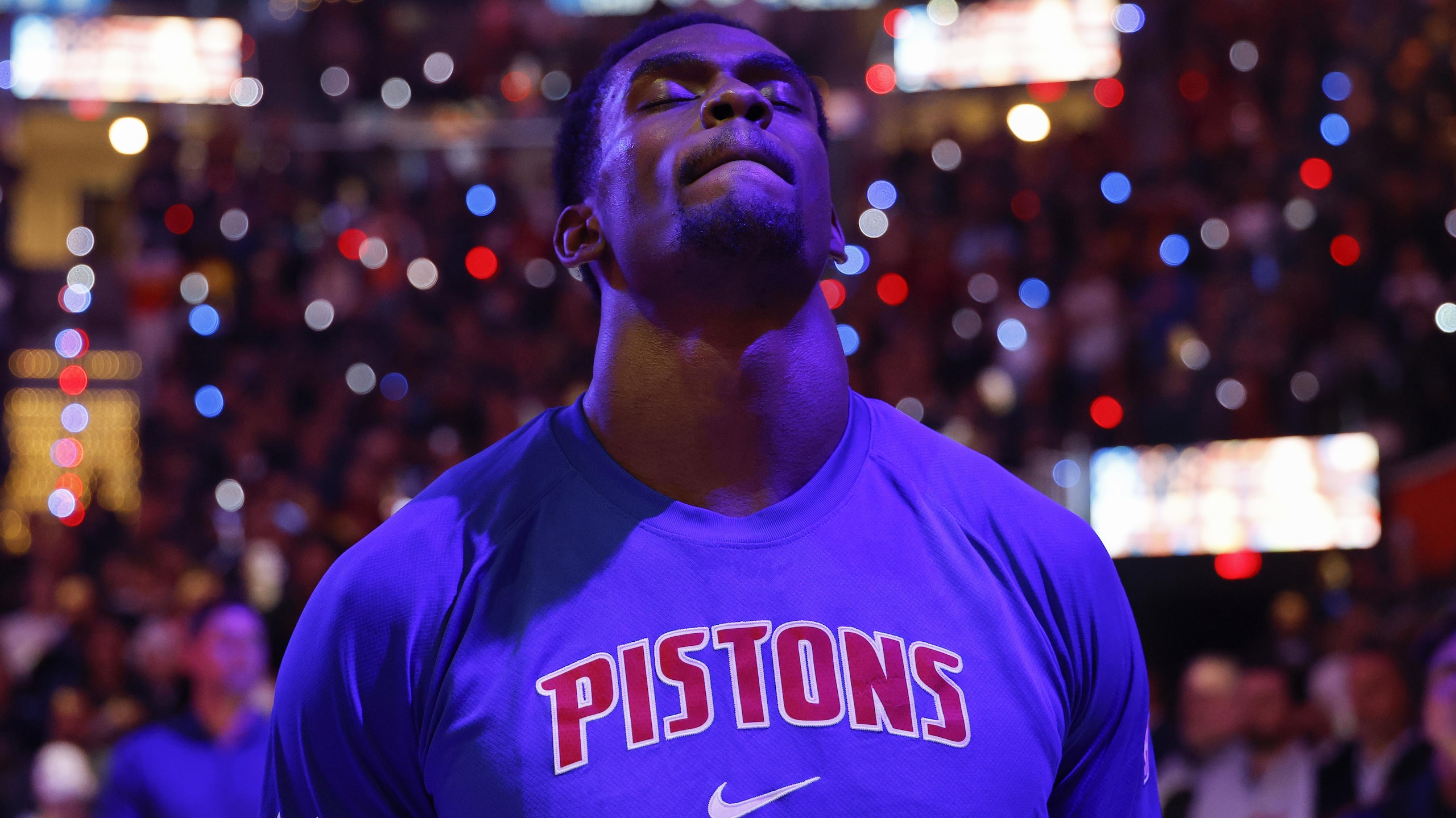
5. Detroit Pistons
A couple of key advantages nudge the Detroit Pistons ahead of the Knicks among teams with cap space, though pure spending power isn't one of them. Detroit projects to have up to $30 million in room beneath the cap if Tony Snell picks up his $12.2 million player option.
The Pistons should have Blake Griffin available. Though it's difficult to know how much star power he has left after so many significant injuries, the six-time All-Star is still a bigger name than anyone New York has on the roster.
Despite jettisoning Andre Drummond at the 2020 trade deadline, which precluded his opting in for $28.8 million (that's the Cleveland Cavaliers' problem now), the Pistons don't appear prepared to tear the whole thing down.
Per the Detroit Free Press' Omari Sankofa II:
"After being hired as general manager in June, Troy Weaver rejected the term 'rebuild,' instead referring to it as a 'restoring.' Last month, Blake Griffin said his conversations with head coach Dwane Casey gave him the impression that the Pistons want to compete next season. Casey said something similar a day before the draft lottery, noting that the Pistons will 'compete to win' in 2020-21."
Detroit has the 2017-18 Coach of the Year winner in Dwane Casey; a veteran core led by Griffin and Derrick Rose, emerging talent in Luke Kennard and Sekou Doumbouya, and a realistic chance to return to the playoffs.
4. Charlotte Hornets
Even after Nicolas Batum inevitably opts in to the final year and $27.1 million of his deal, the Charlotte Hornets will still have around $19 million in room below the cap. This organization has a recent history of financial malpractice (see: Batum and basically everything else that happened in 2016), which might paradoxically be attractive for free agents.
If you wind up in Charlotte, there's a good chance you've just been overpaid.
The Hornets got a breakout sophomore year from Devonte' Graham and a stellar debut from rookie forward P.J. Washington. Miles Bridges has bounce, and Terry Rozier proved many critics wrong as he turned in the most efficient scoring season of his career in the first year of a $58 million deal.
New York is a stay-away until proved otherwise, and Detroit is depending on some iffy vets. Charlotte, propelled mostly by young players and more firmly on the upswing, is a marginally better destination than either of those cold-weather spots.
3. Atlanta Hawks
Trae Young is a transformative offensive star who proved capable in his second season of single-handedly elevating his team's attack. The Atlanta Hawks scored 95.7 points per 100 possessions without their star guard on the floor and 111.2 when he played.
Defense was an issue for the Hawks, but with Clint Capela now in the middle, another year of seasoning for Young and growth from a handful of young wings, it should improve. Add to that John Collins' budding stardom, and it's clear that this is the time to get in with the Hawks. A free agent who signs now will enjoy the fruits of the last few seasons' struggles.
Lloyd Pierce solidified his position as one of the game's most respected young coaches, and any free agent with an eye toward enlisting in the fight for social justice will find himself in the right place under Pierce in Atlanta.
There's a lot of talent here—Young, Collins, Kevin Huerter, De'Andre Hunter and Cam Reddish—and the East should provide a clearer path to the playoffs. Atlanta missed the last three postseasons after making the previous 10. It seems committed to hitting the upslope of its growth trajectory in 2020-21.
2. Phoenix Suns
Toss out the Phoenix Suns' 8-0 bubble record, which served as an announcement that maybe they deserve recognition as a serious playoff threat in 2020-21, and this team still belongs in the No. 2 spot among cap-space teams.
Phoenix isn't guaranteed to have room. Among the key moves the Suns would have to make to reach roughly $19 million in space: renouncing their rights on Aron Baynes and Dario Saric, two useful rotation players, to clear their cap holds. Those will be tough calls.
Devin Booker is a superstar, Deandre Ayton took a leap on defense as a sophomore, and Mikal Bridges used the bubble's spotlight to prove himself as one of the NBA's premier wing stoppers. In other words: The pieces are in place.
Though the Suns have been pilloried for dysfunction over the last decade or so, there's still a winning tradition here. This franchise made the postseason in all but three years from 1989 to 2010. Like the Hawks, the Suns are on the upswing, driven by high-end young talent. And since we don't have to toss out that 8-0 bubble record (instead, we'll give it some weight), Phoenix has a significant momentum edge on Atlanta.
1. Miami Heat
We really should have a separate category for the Miami Heat. A squad on the verge of a title stands out starkly among five lottery teams.
The Heat may see their cap space evaporate on one-year balloon deals for key free agents Goran Dragic and Jae Crowder. Plus, there's Derrick Jones Jr., another free agent, to consider. The Heat have one of the largest incentives not to spend beyond 2021 because they'll be one of the hottest destinations for a deeper free-agent class next offseason. This year's playoff run complicates things a bit; it would be a tough look to let the likes of Dragic and Crowder walk after such a successful run.
But Miami, led by Pat Riley, has survived attrition before. And to say the Heat have been ambitious in talent acquisition under Riley would be an understatement as big as one of governor Micky Arison's cruise ships.
Forever an attractive landing spot because of weather, tax rates, lifestyle, universally admired professionalism and consistent success, Miami enters this offseason in a position of extreme power. If it chooses not to exercise that power, it'll only be because it knows it will wield even more in 2021.
Mini Mid-Level Exception Teams
2 of 14
5. Brooklyn Nets
Every team in this tier is paying the tax because its roster is loaded. These are, by definition, clubs with lofty goals and plenty to offer free agents; there's no bad destination here.
But of the options, the Brooklyn Nets are the least trustworthy. Their two superstars, Kevin Durant and Kyrie Irving, have yet to play together. Both carry significant injury concerns and a less-than-sterling reputation for creating uneasy locker-room vibes. Nobody can say for sure yet whether Steve Nash's leadership as a player will translate to coaching.
Everything might go right for the Nets. And whether they swing a deal for a third star or trust in the considerable depth on the current roster, wins could pile up quickly. There's downside, though, amid so many significant unknowns. We have to price that in against all the aforementioned positives (plus the bonuses of deep-pocketed ownership, Brooklyn being a cool place to live and an extreme win-now approach).
4. Philadelphia 76ers
You wouldn't be off base arguing the Philadelphia 76ers have more question marks than the Nets, but Philly has a critical advantage in the fact that Joel Embiid and Ben Simmons have—if sometimes messily—worked together to produce deep playoff runs before. Kawhi Leonard kept the Sixers out of the 2019 conference finals with an impossible shot; it's worth wondering how differently we'd think of this team if it had advanced a round further that year.
Undeniable on-floor talent tops everything, but we're all well-acquainted with the chemistry concerns between Embiid and Simmons. Those two have yet to prove they can truly thrive together, and we don't yet know if Doc Rivers will succeed where Brett Brown fell short.
Tobias Harris' contract is an albatross, and Al Horford's is only less onerous because of its shorter length. Both are cap-cripplers.
Life for a free agent in Philadelphia should be simple. The team's needs are so specific that incoming talent need only a) space the floor and defend the wing, or b) run the occasional pick-and-roll. Roles and jobs should be clearly defined here, which makes life easier on every member of the roster.
If the Sixers aren't just a couple of strategic tweaks and end-of-rotation additions away from unlocking something special, they belong behind the Nets. But it feels as though Philadelphia, already somewhat validated by three playoff trips with this core, might be closer than most think to figuring it out.
3. Los Angeles Clippers
Perhaps as we gain more distance from the Los Angeles Clippers' catastrophic blown series lead and second-round exit, this situation won't seem quite so fraught. For now, things are a little dicey.
Doc Rivers' departure only adds to the uncertainty.
If poor chemistry and conditioning were factors in L.A.'s collapse against the Denver Nuggets, why believe either will improve in 2020-21? Sure, another season together should help the former. But this roster will see significant turnover with Montrezl Harrell leading a handful of reserves who could depart in free agency.
New additions could put the Clips back at square one in the chemistry department. And it seems reasonable to expect a similar load-management approach for this roster's returning leaders next year. Los Angeles may have learned its lesson about treating the regular season as a dress rehearsal, but there's no way the new coach will turn taskmaster in what could be the final year of Kawhi Leonard and Paul George's tenure. Both can become free agents next offseason.
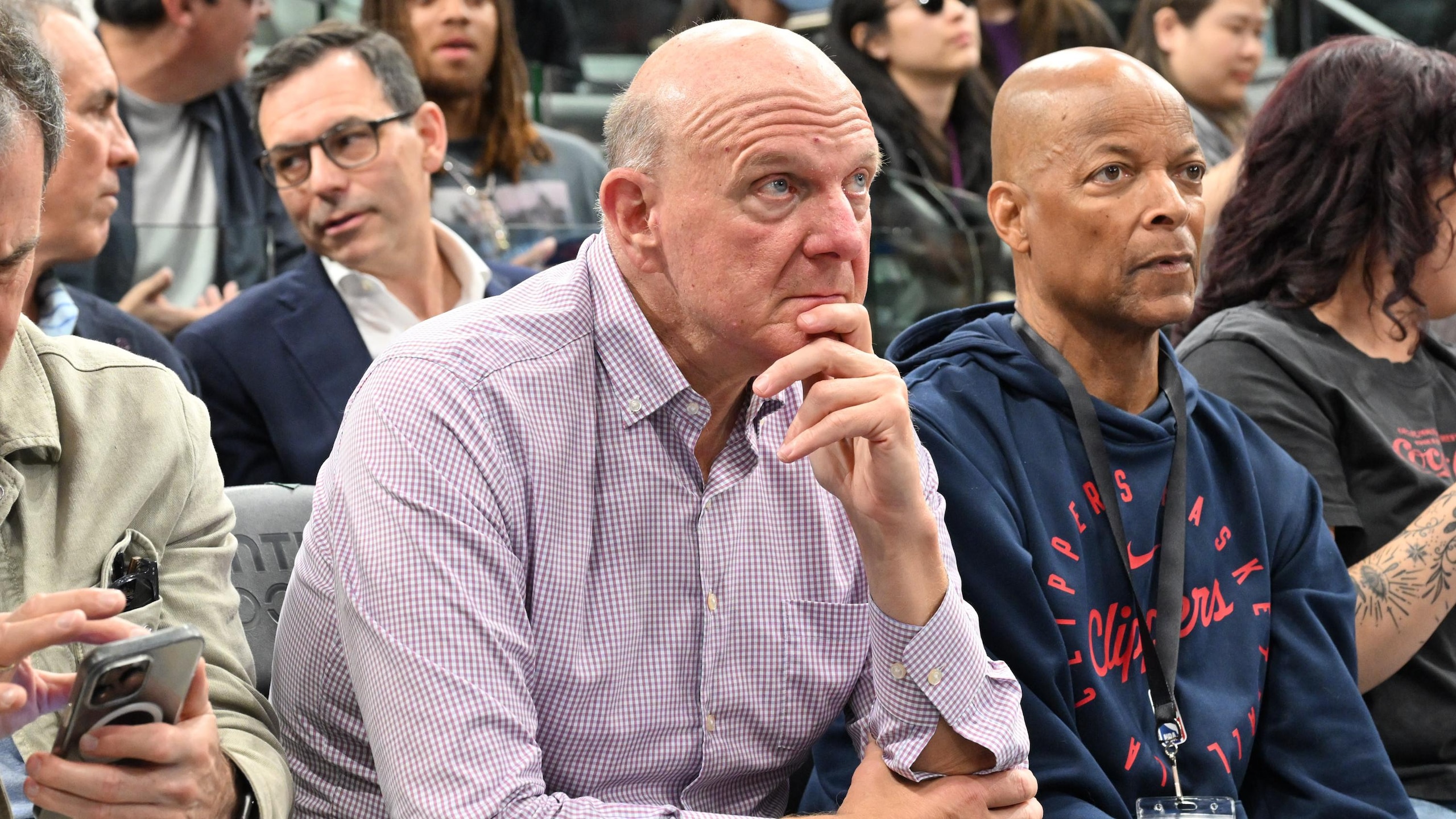
The Clips still have fantastically rich and ambitious governance from Steve Ballmer. That, combined with top-end talent in Leonard and George, means free agents can trust their experience with the organization will be one focused on winning at the highest level.
Finally, for the millionth time: Players like it in Los Angeles.
2. Boston Celtics
The Boston Celtics' conference finals ouster was a disappointment, but it speaks to the team's potential in a purely positive way. It's only disappointing when a team gets eliminated at that stage if there was a real chance it could have gone further.
Boston was right there, and it projects to move beyond "right there" in the near future.
As The Athletic's Jared Weis rhetorically asked, "How could anyone look at what Tatum and Brown did a season ago, compare that with what's happening now and not expect that growth to continue?"
Led by one of the league's top coaches in Brad Stevens, equipped with premium young talent and intelligent vets, and overseen by a front office that swings big, the Celtics should attract plenty of interest with their mini MLE. If Boston has a weakness, it's a playoff rotation that could have used one or two more reliable pieces.
The Celtics have as proud a tradition as any franchise in the league, but they don't have to market themselves on the past. Their present and future are enticing enough.
1. Golden State Warriors
How soon we all forget…
Though their write-off 2019-20 season removed the Golden State Warriors from the collective basketball consciousness for a year—and offered the Dubs a badly needed reprieve from the nonstop attention five straight Finals runs generate—we can’t let that brief disappearance fool us into thinking this organization lost any of the qualities that made it the envy of the league.
The Warriors still play in the Bay Area, a haven of diverse culture and unsurpassingly temperate weather. They still have Stephen Curry, Klay Thompson, Draymond Green and the draft capital to add significantly more talent—young or experienced, depending on the team’s aims.
They still have Steve Kerr presiding over a three-time champion core, an embarrassment of veteran-leadership riches and, most importantly, designs on an immediate return to glory.
It wasn’t so long ago that everyone took discounts to play in Golden State. Klay Thompson and Draymond Green both accepted less than the max on their first extensions a half-decade ago. Kevin Durant also signed for slightly less than he could have. Guys like David West and Leandro Barbosa took the minimum to come aboard.
There’s no beating the Warriors’ combination of success, quality of life, aggressive ownership, coaching and veteran talent. This was once almost unanimously regarded as the best place to play. A year out of the spotlight shouldn’t change that.
Mid-Level Exception Teams: 19-15
3 of 14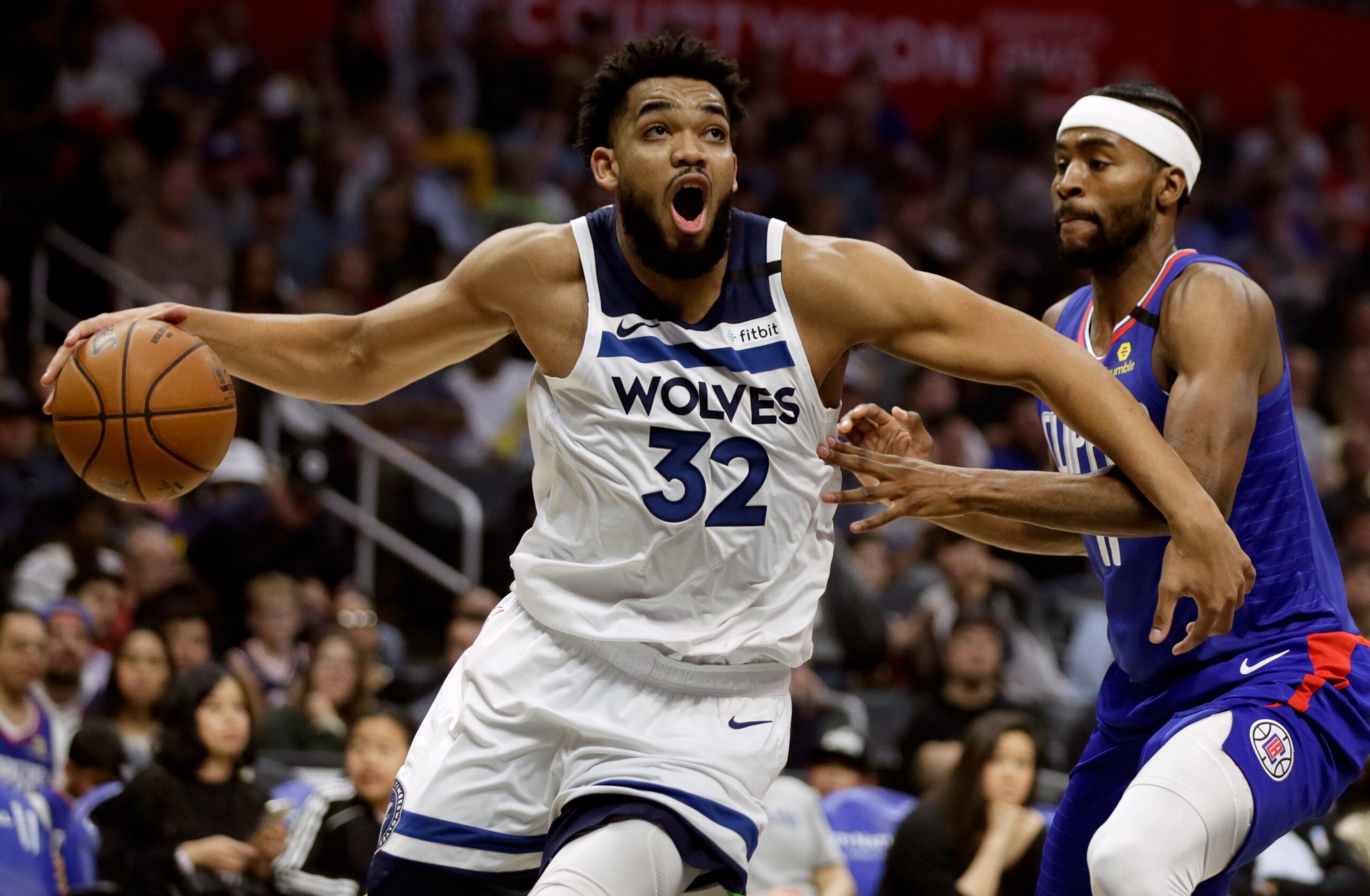
19. Cleveland Cavaliers
With just 19 wins in each of the past two seasons, a massive negative asset in Kevin Love's contract, no likely future stars in the young core, cold weather and a retread head coach in J.B. Bickerstaff, the Cleveland Cavaliers have little to offer free agents.
It's possible Darius Garland and Collin Sexton will improve, Kevin Porter Jr. will become the wing threat they need and the Kevin Love-Andre Drummond frontcourt will add some stability for the 2020-21 campaign. But Cleveland doesn't profile as a playoff threat anytime soon. Even worse, this is one of those rare situations in which a full rebuild can't even begin for at least another year. Who'd want to sign on for a wasted season with no promise of something better on the other side?
18. Washington Wizards
Because they're encumbered by the remaining three years and $133 million on John Wall's contract, the Washington Wizards' long-term outlook is even bleaker than the Cavs'. But Wall, though surely diminished after an Achilles tear and so much time off, will still probably be a more productive player than either Sexton or Garland. Bradley Beal is better than any player on either the Wizards or Cavs rosters.
That means Washington could be a solid team in 2020-21.
Davis Bertans will likely return; Washington would have traded the sweet-shooting forward at the last deadline if it didn't intend to re-sign him. Thomas Bryant, Rui Hachimura and Troy Brown Jr. are all rotation-caliber players on at-or-below-market deals.
Ultimately, though, it seems as though the Wizards are stuck in a holding pattern until they trade Beal and/or get out from under Wall's contract. Any player considering signing with Washington has to understand the team only has semi-realistic playoff hopes in 2020-21 and that things could get considerably worse in the subsequent few seasons.
17. Orlando Magic
Sunshine and no state income tax mean Florida will always have a quality-of-life draw. It's harder to find selling points for the Orlando Magic on the floor.
Jonathan Isaac's torn ACL will cost him all of the 2020-21 season and rob the Magic of their best chance at a franchise-altering star. Isaac, one of the league's very best defenders, may still reach that level someday. But his timeline keeps getting pushed back, and it's basically impossible to forecast what he'll look like and what his role may be as far out as the 2021-22 season.
Orlando has made the playoffs each of the last two years but as the seventh and eighth seed. Nikola Vucevic is a floor-raising starter capable of keeping a team with solid talent around .500, but he'll be 30 in 2020-21 and has yet to prove he can elevate a team beyond that level. With $72 million coming to him over the next three years, Vooch is an uninspiring cornerstone.
The Magic could very well keep this modest run going by squeaking into the playoffs (and getting smoked in the first round) for another year or two, but that's a best-case scenario. The upside here is limited.
16. Chicago Bulls
The Chicago Bulls' appeal spiked when the team cut ties with former head coach Jim Boylen, whose tenure started with a mutiny and never really recovered. Billy Donovan is hardly an inspiring replacement, but he tended to get performances from his Oklahoma City Thunder teams commensurate with their talent level.
The hope here is that he can do the same with the Bulls...and that the Bulls' talent level is actually higher than it appeared under Boylen.
Chicago is a flagship NBA franchise, and it wouldn't be a shock to see Zach LaVine, Lauri Markkanen, Wendell Carter Jr. and Coby White take significant steps forward. The 2021 playoffs are a realistic goal. And though it's difficult to get too enthused about a team with win totals in the 20s each of the last three years, new management led by former Denver Nuggets executive Arturas Karnisovas signals a new direction.
The Bulls may have hit bottom, but that just means the only way to go is up.
15. Minnesota Timberwolves
Say this for Minnesota Timberwolves President of Basketball Operations Gersson Rosas: He's not afraid to clean house.
For an executive taking over an organization with one playoff berth since 2004, it's wise to change as much as possible. But it's still staggering to note that between taking the job in May 2019 and the trade deadline this past season, Rosas cut bait with all but two players on the roster.
The Wolves will struggle to defend as long as they're built around Karl-Anthony Towns and D'Angelo Russell, who might as well be holding a giant banner inviting teams to run pick-and-rolls at them 100 times a night. But at least that simplifies the search for supporting talent. Minnesota needs low-usage defenders who can shoot.
Ownership is a variable here, which is actually a positive. Governor Glen Taylor is the lone constant in a multi-decade stretch of futility and mismanagement, but he's taking steps that indicate a sale may be on the horizon.
The Wolves have young talent, management that seems to understand things needed to change and the possibility of new leadership at the absolute top of the organization. We haven't seen results yet, but the process in Minnesota appears improved.


Mid-Level Exception Teams: 14-11
4 of 14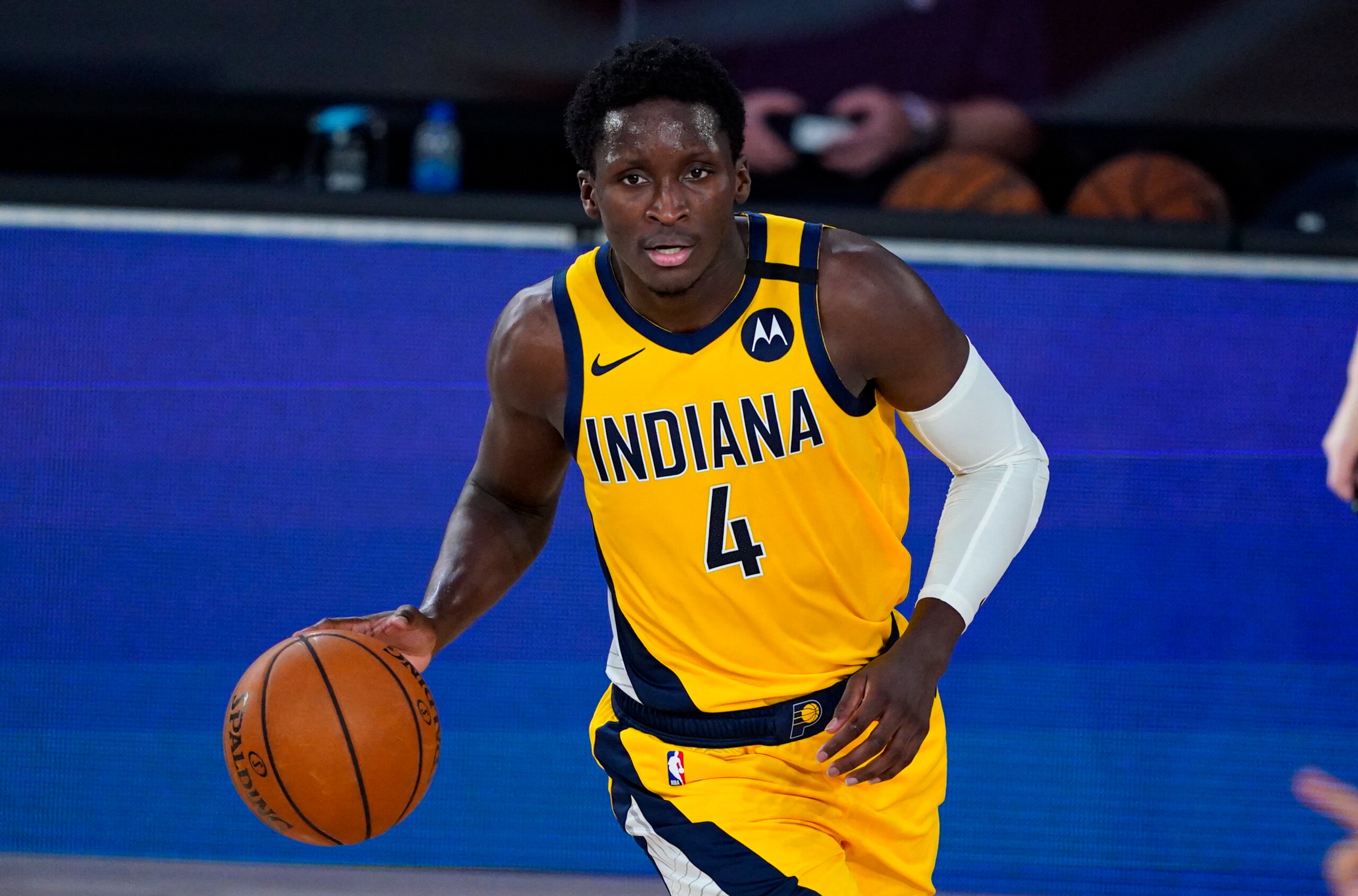
14. Sacramento Kings
You can't undo the mistake of taking Marvin Bagley III over Luka Doncic, but the Sacramento Kings proved you can move on from the man, Vlade Divac, who made that fateful call.
The Kings have the longest active playoff drought in the league, but they've sniffed the postseason in each of the last two seasons—despite Divac's questionable transactions. Buddy Hield's extension and the decision not to pick up Harry Giles III's fourth-year option may still be hurting the Kings, but new GM Monte McNair, a longtime understudy for Daryl Morey in Houston, should be able to avoid similar pain in the future.
De'Aaron Fox is ready to become an All-Star, Sacramento's Golden 1 Center is among the slickest new buildings in the league, and the fanbase is absolutely dying to see a playoff team. Any free agent who comes aboard and helps end the postseason drought might never have to buy a drink in Sacramento again.
Governor Vivek Ranadive has a well-earned reputation as a meddler, and the Kings have operated impatiently and often without a clear long-term vision on his watch. Free agents have to be wary of that.
13. San Antonio Spurs
Head coach Gregg Popovich is at the year-to-year stage of his storied coaching career, and both LaMarcus Aldridge and DeMar DeRozan are short-timers with expiring contracts (assuming DeRozan opts in). So while the San Antonio Spurs have some key players who look like fixtures—Dejounte Murray, Derrick White, Jakob Poeltl, Lonnie Walker IV and even Keldon Johnson—this organization feels poised for significant change.
The failure to make the 2020 playoffs, San Antonio's first absence from a postseason since 1997, is another indication transition is imminent.
Free agents could view that as an opportunity, a chance to be part of the next great Spurs team. Or, potential signees might want to stay away from an organization that, for the first time in decades, isn't a playoff lock and doesn't know for certain where it's headed.
In the end, Popovich and a tradition of trying to win as many games as possible make the Spurs desirable. But the days of San Antonio heading into each season certain of success are over.
12. Oklahoma City Thunder
Opportunity is the Oklahoma City Thunder's most attractive quality. Yes, that's a glass-half-full rebranding of OKC's impending rebuild, but few organizations have ever been better positioned to get a resurrection right.
Utterly brimming with high-value draft capital and soon to be unburdened by Chris Paul's salary (Billy Donovan's exit has to mean Paul and other vets are on the way out, right?), the Thunder can either use all those picks and swap rights to improve gradually over the next half-decade or fast-track a return to relevance. If OKC can move Paul without taking on long-term salary, it won't have a 2021-22 commitment to any one player over $6 million.
Incoming free agents might as well view OKC as a blank slate, a place they can expand their games and prove themselves.
The coaching vacancy injects uncertainty, but GM Sam Presti has built sustainable winners before. It may take a year of patience, but the payoff for free agents could be massive in Oklahoma City.
11. Indiana Pacers
With playoff trips in nine of the last 10 seasons and just six years in the lottery dating back to 1990, the Indiana Pacers offer free agents a level of predictability few organizations can match. If you sign with Indy, rest assured that winning comes first.
Free agents will have to balance that uncommon reliability with the creeping sense that Indiana's roster is in line for some turnover. Victor Oladipo is "looking to move on," sources told The Athletic's Jared Weiss, and it has long seemed inevitable that the Pacers would break up the Myles Turner-Domantas Sabonis frontcourt pairing.
The lack of a head coach also complicates free agents' decisions, but the Pacers should have that sorted out by the time they start making pitches to outside talent.
10. Houston Rockets
5 of 14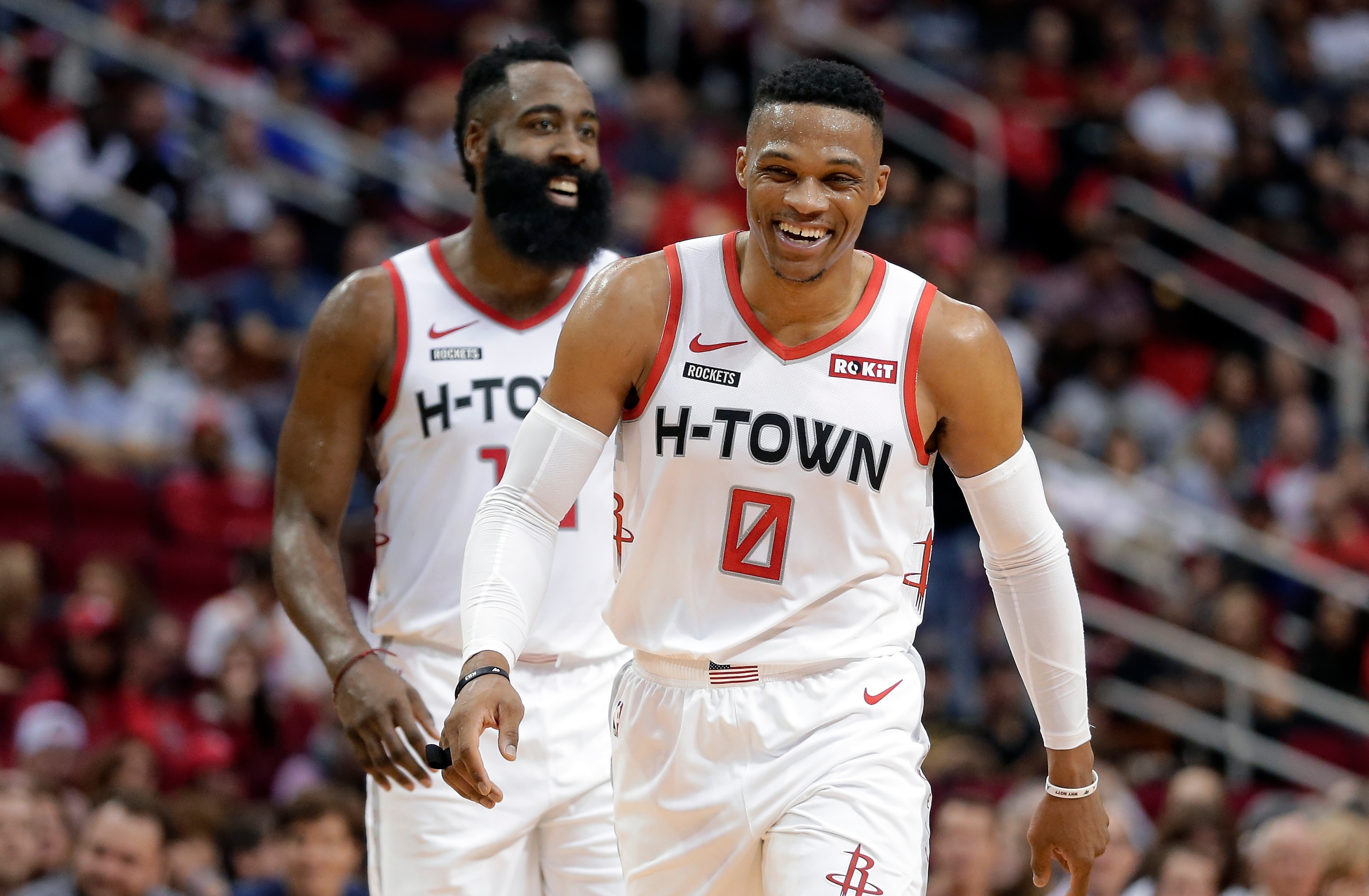
Assuming Mike D'Antoni's departure doesn't mean roster demolition and stylistic overhauls are imminent, free agents considering the Houston Rockets can count on knowing their roles. Though we could see Houston backpedal a bit from its extreme small-ball leanings, perhaps by inking someone over 6'8", for the most part, incoming players need only shoot open threes and defend.
Everything else is up to James Harden and Russell Westbrook (and sometimes Eric Gordon, when he's healthy).
The Rockets have massive long-term salary commitments that will compromise flexibility through at least 2022-23, when Harden and Westbrook can opt in for the final years of their deals at a combined $94 million. Both stars are entering their decline phases (Westbrook more conspicuously than Harden), so it wouldn't be a surprise to see Houston, forever tax-averse, reach a point next season or the one after when it decides this iteration of the team has run its course.
That level of potential instability should give signees pause. As should the fact that the Rockets didn't even use all of their MLE last offseason. Add that to the list of concerns, and agreeing to a deal with Houston feels increasingly risky.
That said, the Rockets are built to compete now and have never been much for tanking, making them more stable than most.
9. Memphis Grizzlies
6 of 14
The Memphis Grizzlies don't exactly have a track record of attracting free agents. Such is life for a transplanted small-market franchise far from the coasts and the major metropolitan areas that act as star magnets.
So what?
The Grizz have Ja Morant, Jaren Jackson Jr., Brandon Clarke and no bad long-term money on the books. This team reached respectability way ahead of schedule and is on the way up. Way, way up, in Morant's case.
Memphis should be high on every young free agent's list, mainly because the conditions for success are already in place. Morant is an unselfish playmaker, and Jackson's elite floor-stretching makes offense easier for every teammate with whom he shares the floor. Maybe it seems cynical to say free agents should view the Grizzlies as one of the best places to sign, put up numbers and then cash in on an even bigger deal down the line...but players should always prioritize a chance to show out.
Taylor Jenkins had a stellar first season as coach, and the front office acted aggressively by dealing for Justise Winslow instead of hoarding space for this offseason's weak free-agent class.
Young teams come with question marks, and there won't be many more in the top 10. But the Grizzlies are set up well for the future and can offer incoming players real chances to shine.
8. Utah Jazz
7 of 14
The Utah Jazz have won at least 61 percent of their games in three of the past four years (.585 winning percentage in 2017-18) and offer an intriguing combination of stability and potential.
For as long as Rudy Gobert is around, Utah is going to play capable defense and control the boards. That means incoming free agents will have less dirty work to do than they would on most other teams. From the Jazz's perspective, Gobert's presence allows them to target offense-first options that might not get the same opportunities in organizations that need two-way contributions from every position.
Gobert is heading into the last year of his current contract, which raises the possibility of a trade if he and the Jazz can't come to terms on an extension before the 2020-21 season. If he departs, Utah's identity changes.
At the same time, Gobert's exit and the expiration of Mike Conley's contract could position Utah for a huge talent upgrade via the 2021 free-agent class. Maybe that would threaten free agents signing this offseason, who'd probably prefer to keep similar roles and playing time to what they earned in 2020-21. But it could also register as an opportunity.
We're getting too deep into hypotheticals. The bottom line for Utah is that it consistently finishes in the 50-win neighborhood, projects to do that again, has a respected head coach in Quin Snyder and can lean on Donovan Mitchell as he makes the full transition into superstardom—probably starting next year.
Finally, although Salt Lake City has never been a sought-after NBA destination, the Jazz can point to Bojan Bogdanovic's career year as proof that players can come in and thrive on the court immediately.
7. New Orleans Pelicans
8 of 14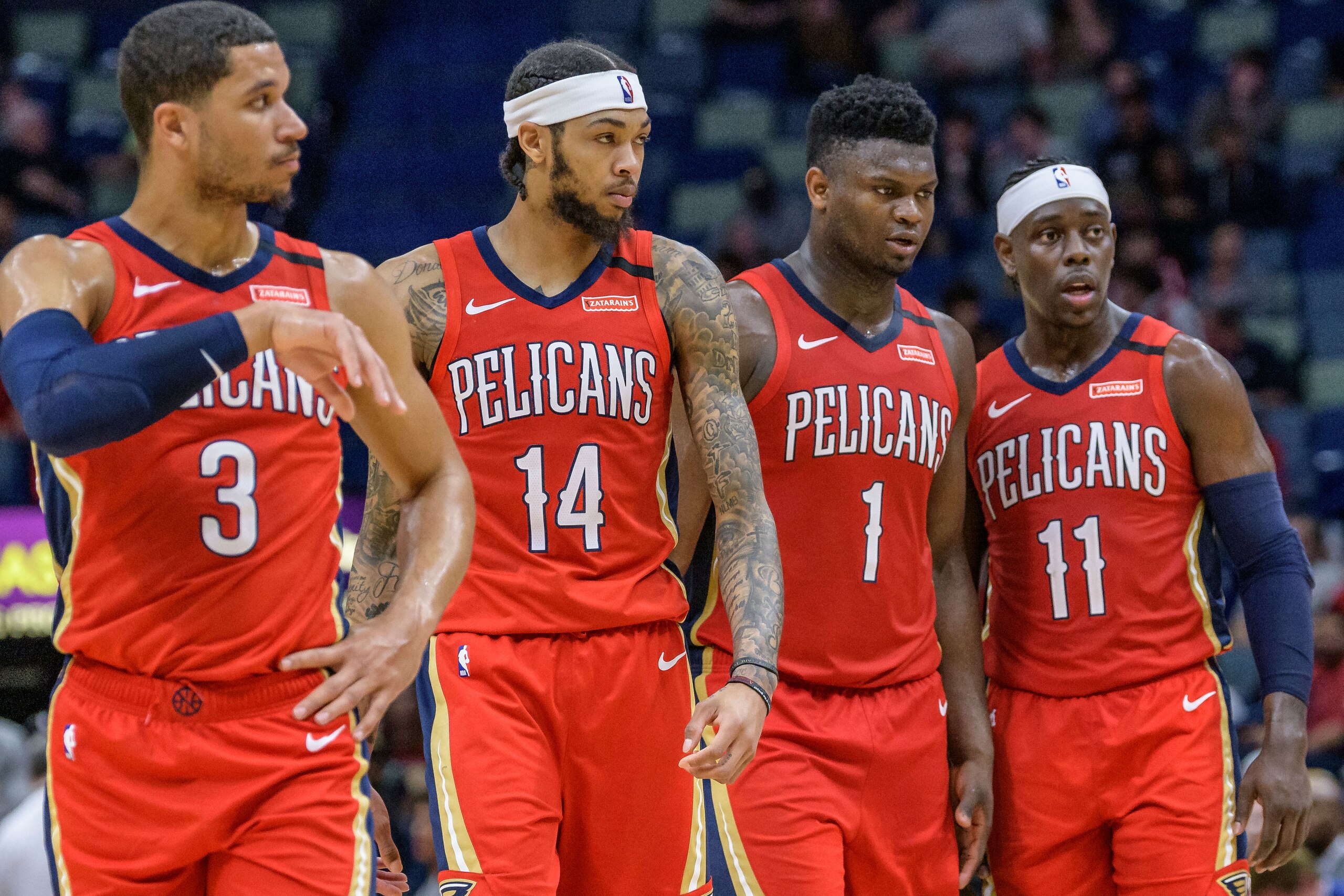
This is a high slot for a team with a coaching vacancy, considering all the variables we can't account for until the New Orleans Pelicans decide who'll succeed Alvin Gentry. But that just speaks to the wealth of selling points throughout the rest of the organization.
Youth and talent come first, and the Pels have plenty of both.
Zion Williamson had a roundly disappointing rookie season, but he still averaged 22.5 points and 6.3 rebounds with a 61.6 true shooting percentage. No first-year player has ever matched those numbers. Imagine what Williamson would have done without injury, poor conditioning and a pandemic derailing his season.
Brandon Ingram is due a max extension after becoming an All-Star in his age-22 season, and thanks to the asset haul David Griffin secured in a flurry of trades that started with sending Anthony Davis to the Los Angeles Lakers, New Orleans is flush with picks and cheap, promising pieces.
A Jrue Holiday trade could further swell that treasure trove.
Better health, better luck, better coaching and organic growth should put the Pels in the playoff picture next year. If all goes well, New Orleans' rise is primed to accelerate in 2020-21. Free agents should be lining up to get the Pelicans' MLE.
6. Portland Trail Blazers
9 of 14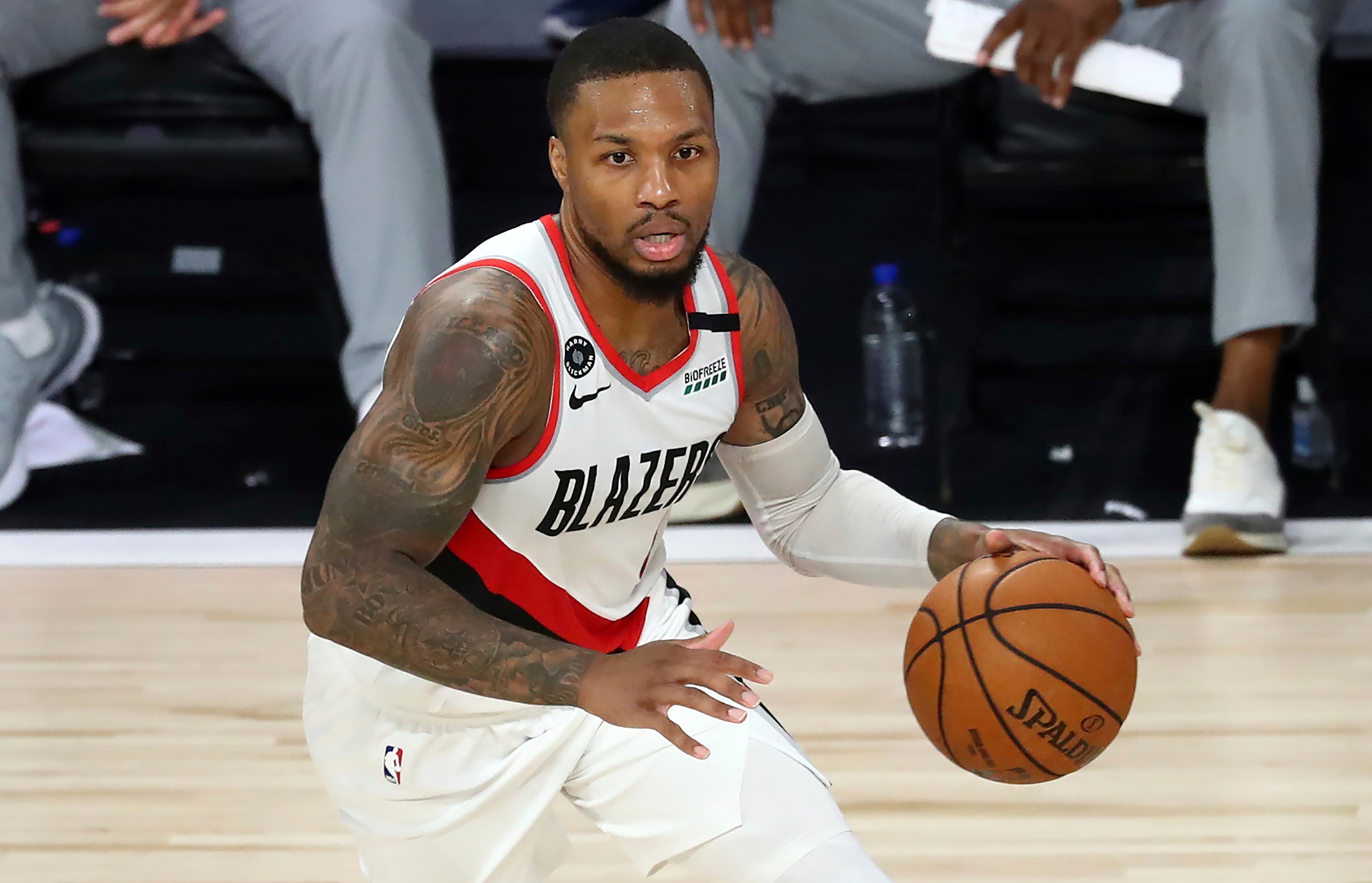
Free agents must proceed with caution in the era of player movement. Purported dynasties rise and fall in a two-year span these days. Superteams assemble and disintegrate just as fast.
The Portland Trail Blazers aren't a dynasty or a superteam, but they're the exception to the rule of perpetual instability. Damian Lillard is the reason why.
Many players profess loyalty, but Lillard lives it, always backing up his talk of trying to win a championship in Portland with action. He is among the league's premier leaders, a tone-setter who almost single-handedly assures the locker room will fall in line and team-wide effort won't dip below acceptable levels.
So while the Blazers don't land on the list of serious title threats, they're the obvious destination for any free-agent forwards (the guard and center spots are covered) seeking predictability in an unpredictable league.
Rarity determines value, and what the Blazers have is truly rare.
5. Milwaukee Bucks
10 of 14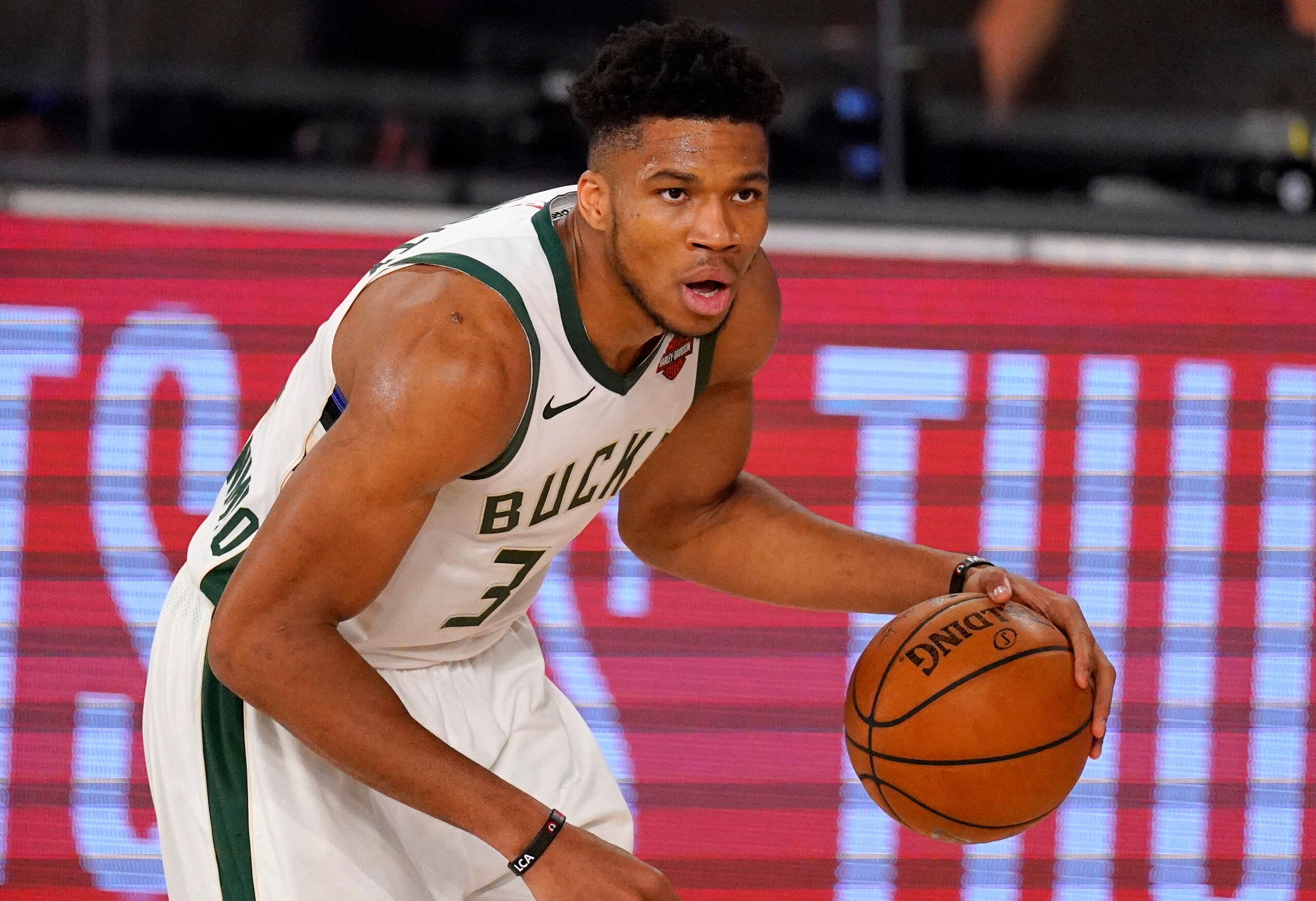
In several respects, the Milwaukee Bucks are the envy of the league. They have a two-time MVP giving indications he's in it for the long haul and a roster that will contend for a championship regardless of the tweaks it makes on the margins this offseason.
They're also under more pressure than most organizations because those enviable assets have yet to meet expectations. When a seemingly dominant team continues to fall short of the success many believe it should achieve, the potential for shocking change increases.
The Clippers cut ties with Doc Rivers, just to cite one recent example.
So, sure, Giannis Antetokounmpo might sign that supermax and put the worries about upheaval to bed. But incoming free agents may still find themselves in a tense environment where every perceived shortcoming or mild failure gets outsized scrutiny. The Bucks will win a ton of games, but they're expected to do that. And nobody's going to congratulate them for another 60-victory season. This is a championship-or-bust situation.
The upside to all that tension and pressure: If Milwaukee breaks through and shakes off its reputation as a system team that can't adjust, new signees will be lauded for getting it over the hump.
Also, it might be worth signing here just to witness Giannis' intensity and drive to improve after two straight seasons falling short. It'll be a sight to see.
4. Denver Nuggets
11 of 14
The chance to get hit right in the shooting pocket from any angle, with any kind of pass, at any time is beyond enticing. Nikola Jokic is the best facilitating big man the game's ever seen, but he's even more than that.
Playing with him is like having the basketball equivalent of a life coach. He inspires players to do all the things that produce personal and team success: cut hard, play unselfishly, move the ball, have fun. The Joker is a three-level scorer and genius playmaker who nudges teammates toward the best versions of themselves.
You want to play with Nikola Jokic. I want to play with Nikola Jokic. We all want to play with Nikola Jokic. Free agents are no different.
The Denver Nuggets are resilient, offensively electric (we haven't even talked about Jamal Murray's bubble ascent) and seem to be on the edge of reaching the league's true top tier. Plus, quality of life at 5,280 feet is, um, high.
3. Toronto Raptors
12 of 14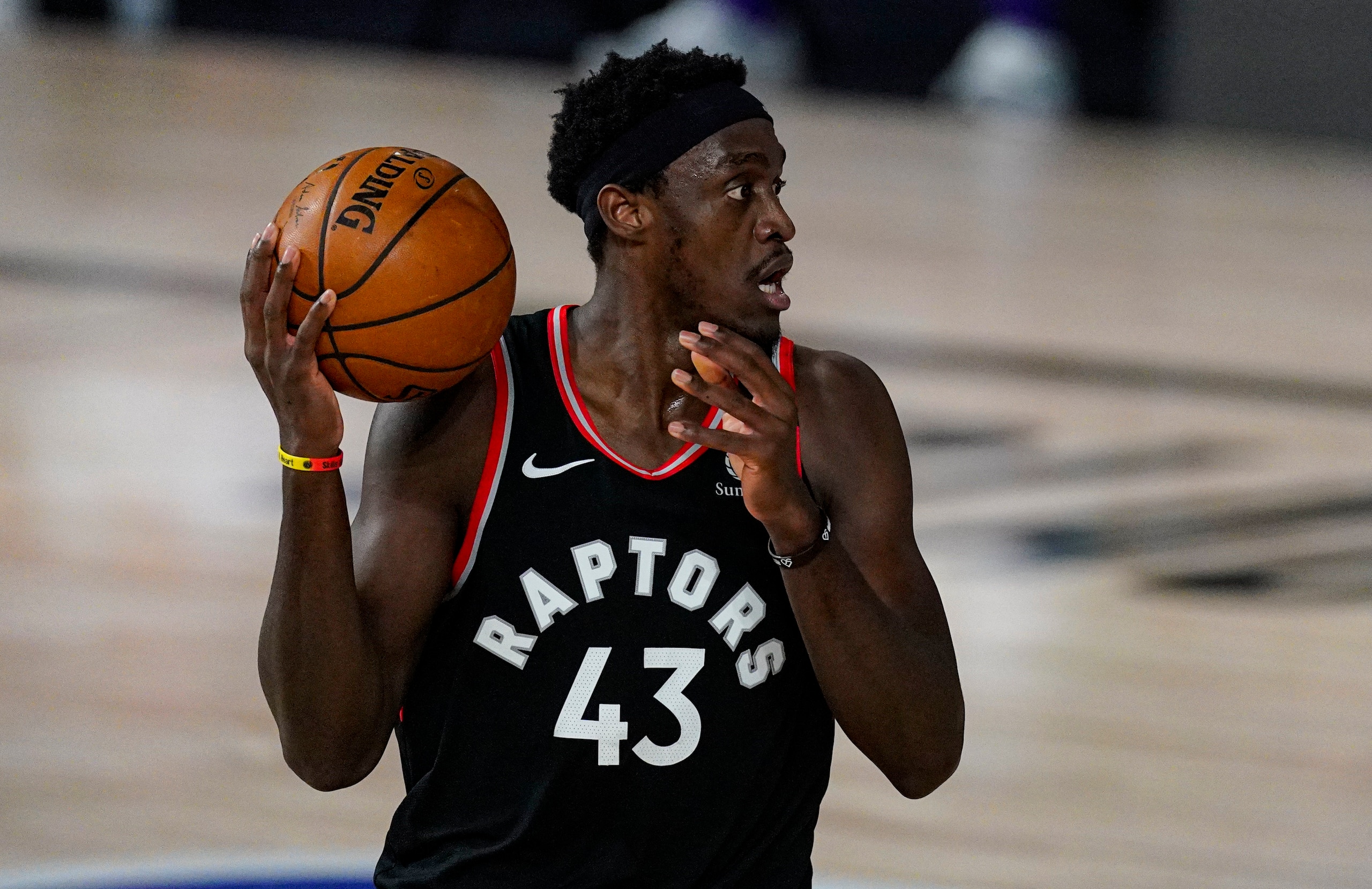
Free agents of all stripes could hardly do better than signing with the Toronto Raptors, an organization that excels at nurturing young talent and maximizing veteran value. President of Basketball Operations Masai Ujiri and head coach Nick Nurse presided over the rapid development of Pascal Siakam, OG Anunoby and Fred VanVleet while also bringing out the late-career best of Serge Ibaka and Kyle Lowry.
Free agents seeking to maximize their talents (and future earning power) should have the Raptors extremely high on their lists.
This offseason finds Toronto with more unknowns than you'd expect from a team ranked this high. Ujiri's contract status is up in the air, and his departure, while seemingly unlikely, would completely change the face of the organization. Add to that the free agency of Ibaka, Marc Gasol and VanVleet—plus Lowry playing the last year of his deal in 2020-21—and Toronto has some variables.
Nurse is locked into a new contract, though, which means that whichever players wind up in Raptors jerseys next year will be deployed optimally. His success following up a 2019 title run with an even better regular season this past year speaks to his tactical acumen and motivational skill.
If you're looking for the next Spurs-esque streak of sustained excellence, Toronto, a top-flight operation at every level, is the likeliest candidate.
2. Dallas Mavericks
13 of 14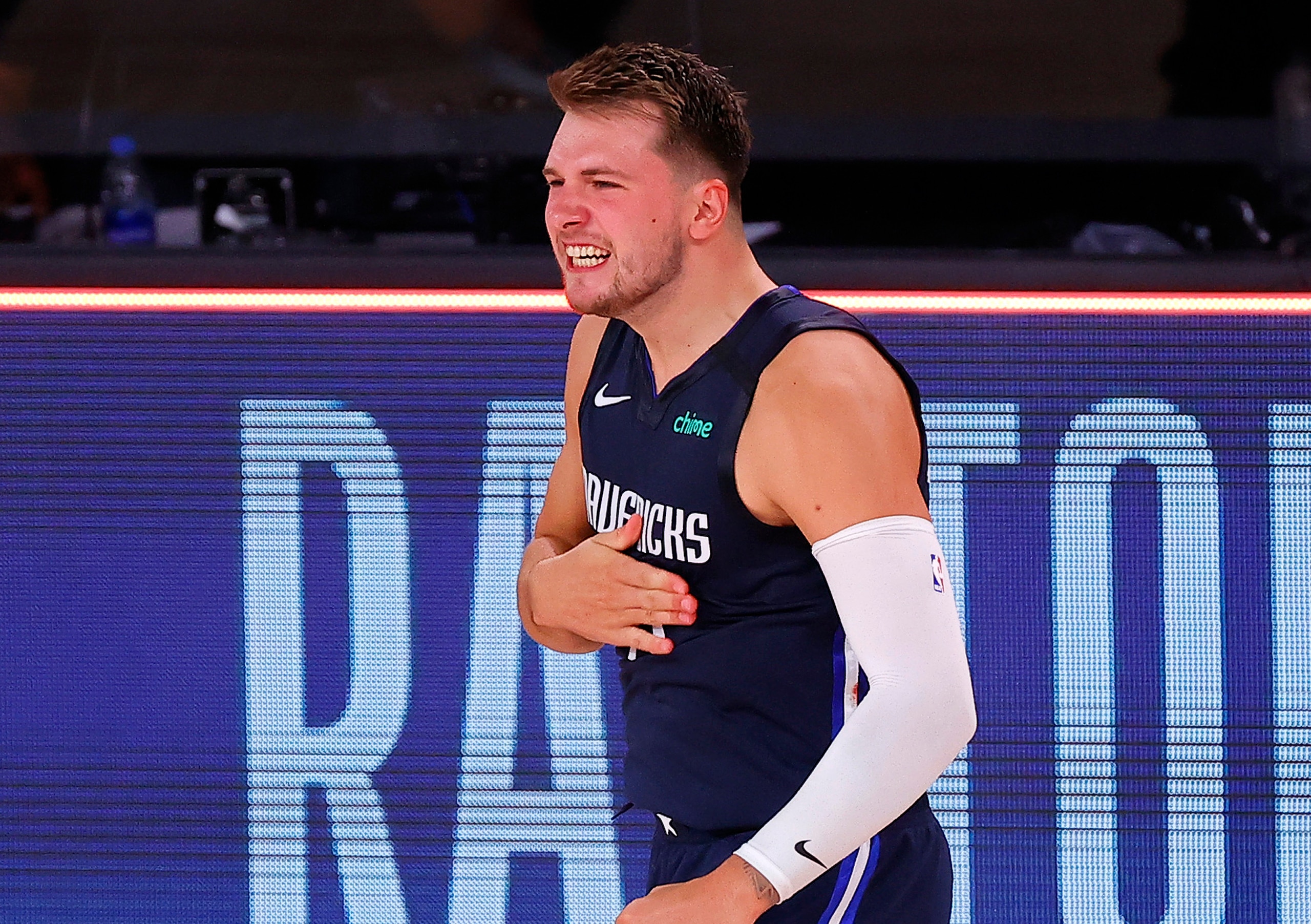
The Dallas Mavericks' aims are always high in free agency, but to this point, the organization is better known for the targets it's missed than the ones it's hit.
That should change.
Luka Doncic finished fourth in MVP voting and averaged 28.8 points, 9.4 rebounds and 8.8 assists in his age-20 season, all while leading the Mavs to the highest offensive rating in league history. He will improve, and his over/under on career MVPs should be at least 2.5. That might be underselling it, honestly.
With an all-time cornerstone already in place, one who makes offense exceedingly easy for everyone around him, Dallas has one of the single best selling points in the league. Doncic sets up the Mavs for deep playoff runs indefinitely.
Dallas also has deep-pocketed, aggressive governance from Mark Cuban, one of the NBA's most respected veteran coaches in Rick Carlisle and clean enough books to pursue a third star next offseason. Role-playing shooters and defenders, which are exactly what the Mavericks can expect to get with their MLE, should be bending over backward to get in before every free agent and disgruntled star starts agitating to join up.
1. Los Angeles Lakers
14 of 14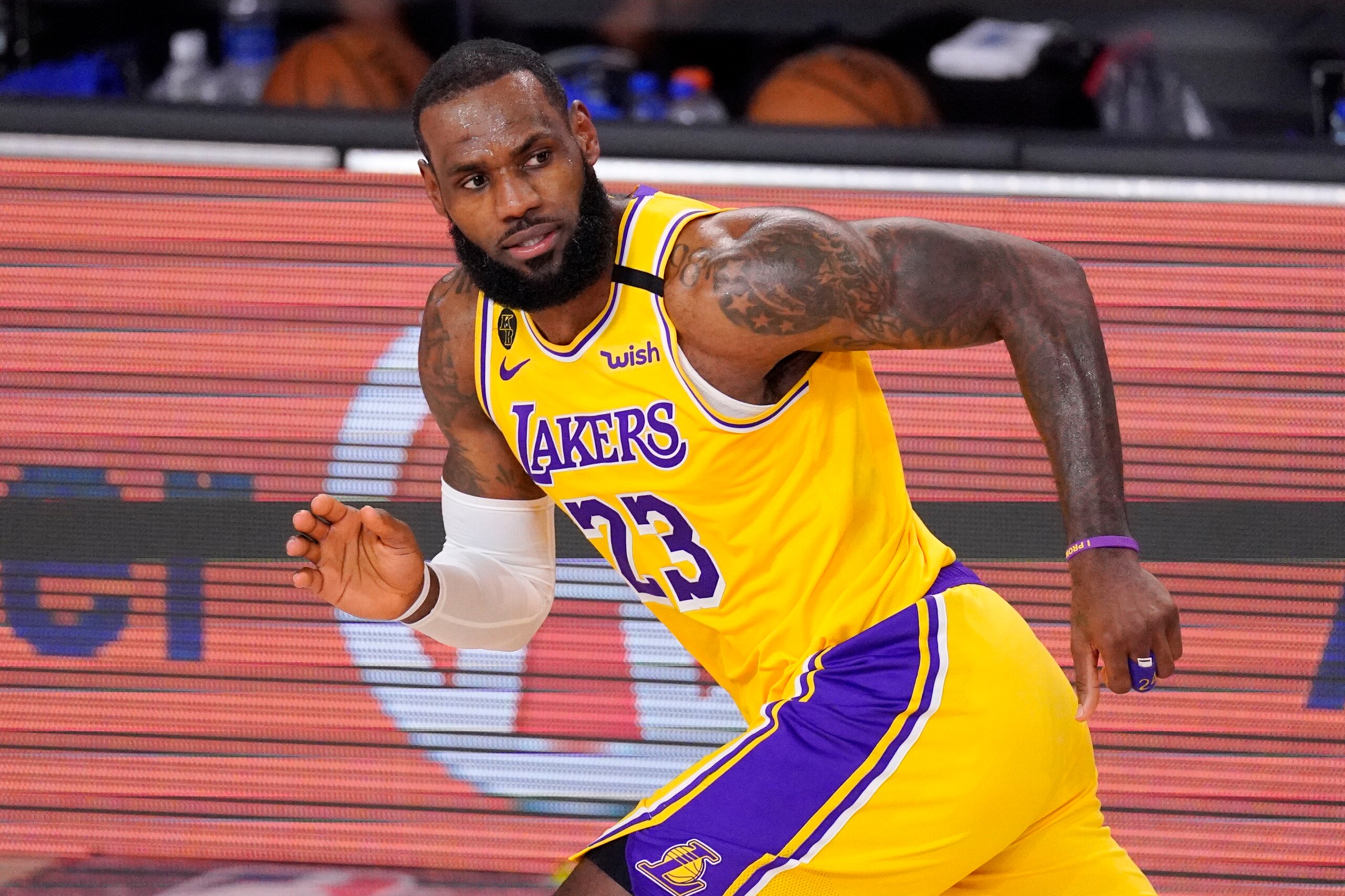
LeBron James has played in 10 NBA Finals, reaching the championship round in each of the last nine seasons in which he's been healthy. If winning matters at all to free agents, the best place to play is wherever James is.
At the moment, he's with the Los Angeles Lakers. So is Anthony Davis, which is perhaps the best evidence of James' ability to attract talent to his team. AD wasn't even a free agent, and LeBron tractor-beamed him in anyway.
We could embrace oversimplification and end the analysis there, but everyone knows L.A. has more to offer than the best odds to compete for a title. There's the storied tradition, the widest availability of off-court business and entertainment opportunities, the weather, the prestige, the media coverage and the colossal and devoted fanbase.
The organization has sometimes been guilty of believing its own hype, of trusting that Lakers exceptionalism can make up for shaky management and style-over-substance personnel decisions. Yet, much to the frustration of the rest of the league, the Lakers are exceptional. They do attract talent for reasons that often amount to little more than "mystique."
Maybe that's not fair, but that's the way it is. And LeBron's presence only reaffirms the Lakers' mythological status in the league.
Stats courtesy of NBA.com, Basketball Reference and Cleaning the Glass. Salary info via Basketball Insiders.
.jpg?w=2560 "Dart Believed to Have Sprained MCL")
.jpg?w=2560 "Rams troll Giants on social media")
.jpg?w=2560 "WWE Raw Live Grades 🔠")
.png?w=2560 "Davante's MONSTER MNF 🤯")

.png?w=2560 "McVay's Funny Travel Quote 🤣")