Chicago Bulls' Blueprint to Rebuilding Quickly Through NBA Draft, Free Agency
The minute the Chicago Bulls traded Jimmy Butler to the Minnesota Timberwolves on draft night last June, they made their plan for the next few years clear: a full-on rebuild with not a lot of wins.
They finished the season 27-55—the sixth-worst record in the NBA—but there were bright spots. Rookie forward Lauri Markkanen, a centerpiece of the Butler trade, made an immediate impact. They saw growth from big man Bobby Portis and guard Kris Dunn. Summer waiver-wire pickup David Nwaba was a pleasant surprise. And freed of the task of managing superstar egos, Fred Hoiberg proved to be an adept offensive coach well-suited for a rebuilding team.
TOP NEWS
.jpg?w=2560 "NBA Gambling Charges")
Malik Beasley Negotiating Plea Deal (AP)

Yaxel: Luka Not MJ 🗣️

Heat, Giannis were down by 20+ in each of their 3 losses
The upcoming offseason will be a crucial one for the Bulls, who must deal with Zach LaVine's restricted free agency while adding more young talent via the draft and avoiding the temptation to sign free agents to pricey long-term deals.
Here are the tasks vice president John Paxson and general manager Gar Forman have ahead of them this summer.
Nail the draft
The Bulls hurt their lottery position with a hot streak in December following the return of Nikola Mirotic, and they fell further on lottery night from their slotted No. 6 to No. 7. Coincidentally, No. 7 is the pick they traded into last draft night in the Butler deal, and their selection of Markkanen proved to be a good one.
In his rookie season, the Finnish power forward started all 68 games he played in, averaged 15.2 points and 7.5 rebounds in 29.7 minutes per game, and shot a solid 36.2 percent from three-point range. In Markkanen, the Bulls have one surefire core piece to build around. The seventh pick in the June 21 draft gives them a chance to draft another.
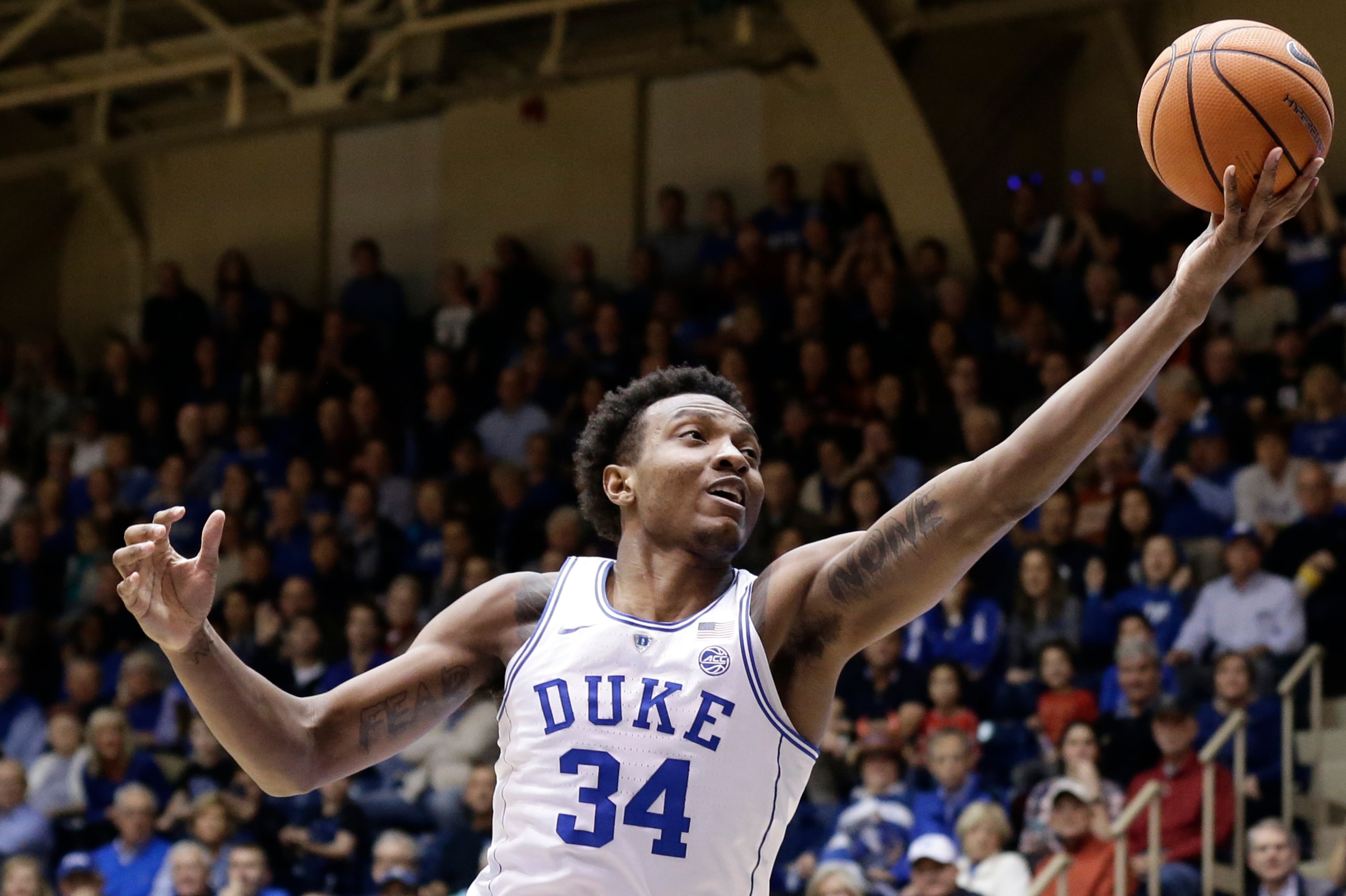
Assuming projected top picks Luka Doncic, Deandre Ayton and Marvin Bagley III are off the board, there isn't much clarity as to who will be available when that pick rolls around, but the Bulls will have good options. They could pair Markkanen with another big man like Duke's Wendell Carter or Michigan State's Jaren Jackson Jr. If Missouri wing Michael Porter Jr. is still available, they may decide he's worth a gamble despite undergoing back surgery. They could take a guard like Alabama's Collin Sexton or Oklahoma's Trae Young.
Chicago also owns the No. 22 overall pick, which it acquired from the New Orleans Pelicans in February’s Mirotic trade. It likely won't land a star with that pick, but there should be some solid talent available, like Boise State wing Chandler Hutchison or Creighton's Khyri Thomas.
The Bulls are still at the stage of their rebuild where they must draft the best player available at any slot, regardless of position. As much as they like Dunn, LaVine and Portis, no player on their roster outside of Markkanen is enough of a sure bet long-term to justify passing on a player because of positional redundancy.
The Bulls picked a winner in Markkanen to kick off their rebuild. With another high pick, they have to get it right again.
Make a decision on Zach LaVine
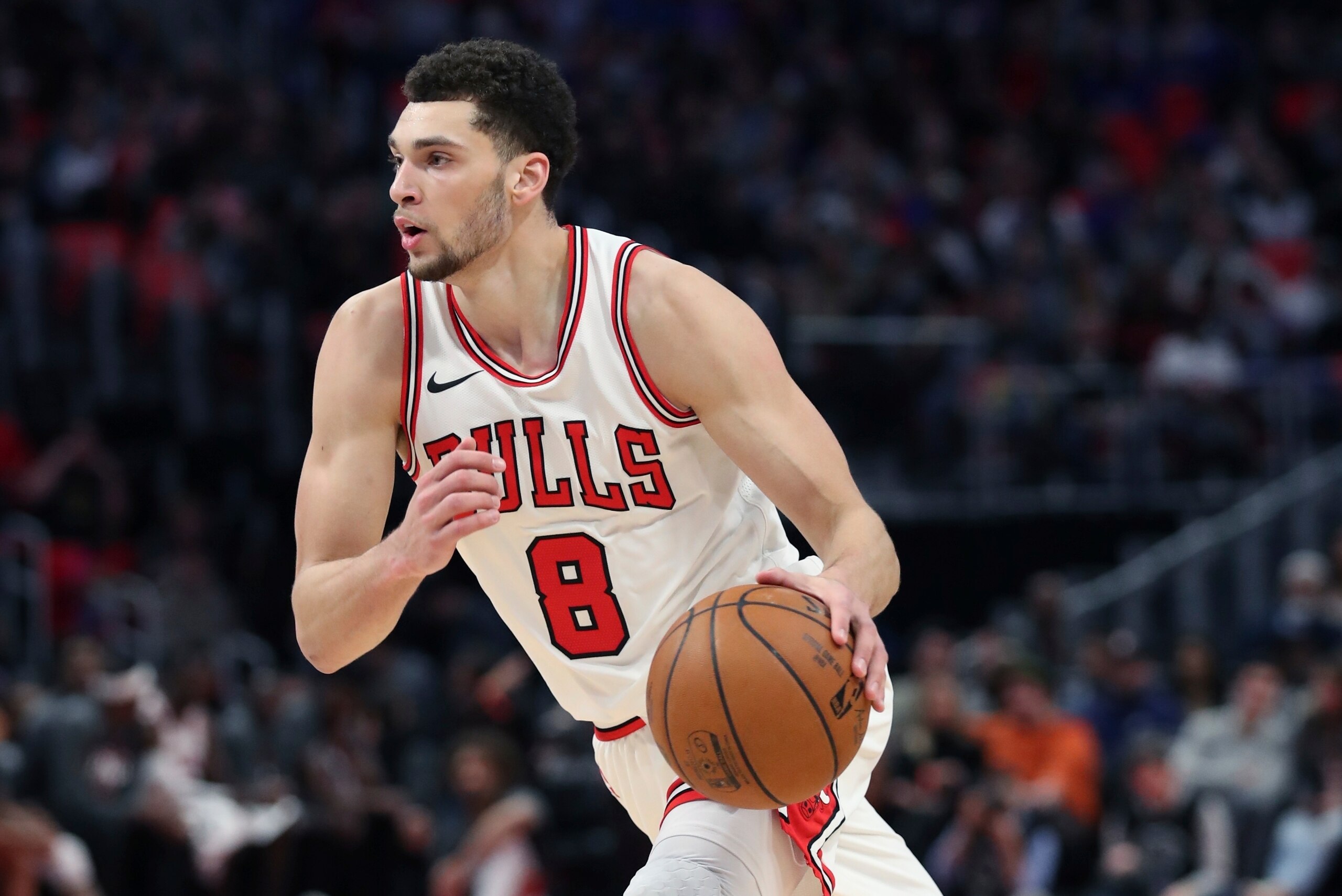
The Bulls traded for LaVine with one year left on his rookie contract and failed to agree to an extension before last October's deadline. He will be a restricted free agent this summer, giving the Bulls the ability to match any offer sheet he signs with another team.
LaVine's negotiations with the Bulls this summer will be fascinating on a number of levels. He appeared in just 24 games this season, spending most of the year rehabbing a torn ACL suffered last February. At times, he looked very good, but he shot just 38.3 percent from the field and 34.1 percent from three-point range. Some rust was to be expected after a serious knee injury, and the Bulls traded for him to be one of their centerpieces when they eventually contend again, not just in these next few rebuilding years.
Lavine still has enough athleticism and offensive potential for them to view him as a long-term piece, and at just 23 years old, there's plenty of upside left. It's hard to envision a scenario in which they don't agree to a long-term deal.
However, like most restricted free agents this summer, LaVine might not have much leverage. For the second consecutive offseason, the salary cap is expected to flatten out. Most teams still have big contracts on their books from the spending spree of the 2016 offseason, meaning not many franchises could make the Bulls think twice about matching a giant offer sheet for LaVine.
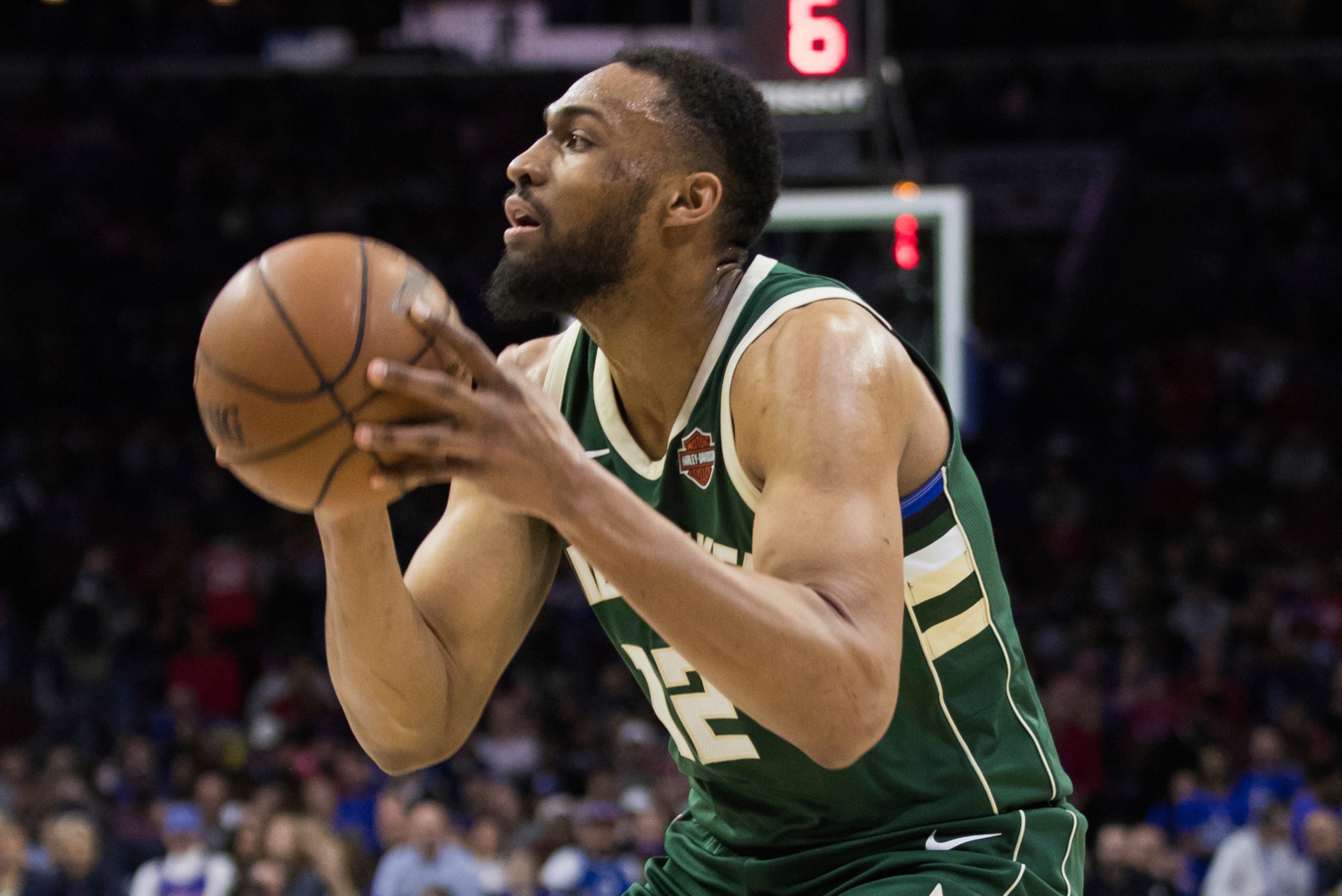
The top restricted free agent on the market will be Houston Rockets center Clint Capela, who will likely receive an offer sheet close to the max that Houston will undoubtedly match. Other than him, the likes of LaVine, Jabari Parker, Jusuf Nurkic, Aaron Gordon and Julius Randle could be out of luck.
Assuming the cap stays around the projected $101 million, a max deal for LaVine would start around $25 million per year, but the Bulls can likely take advantage of the depressed market and get him under contract for less than that. Anything below $20 million annually could be considered good value if they still believe in him long-term, and there's no reason to think they don't.
Use cap space wisely
The Bulls will be among the handful of teams this summer with serious cap space, but other than LaVine, they shouldn't spend it on expensive long-term contracts. They will have even more room in the summer of 2019, perhaps enough to sign two max players. That summer features a much stronger free-agent class than this one with Klay Thompson, Kawhi Leonard, Kyrie Irving and Khris Middleton set to hit the market.
By then, the existing young Bulls core of Markkanen, LaVine, Dunn, Portis and this year's draft pick will have had another year to grow, and the Bulls can more confidently expect to be players in free agency. This summer, they need to be judicious in how they use their cap space. If they do anything, it should be signing veterans to one-year stopgap deals (like the Los Angeles Lakers did last summer, giving Kentavious Caldwell-Pope $17 million for one year) or picking up expiring contracts from other teams to add extra draft picks.
This is going to be a transitional season for the Bulls—they're not quite ready to contend yet, but they're counting on legitimate growth and development from their young players under Hoiberg before they take the next step. How the upcoming season goes will determine a lot about the success of the rebuild.



.jpg?w=2560 "Aikman Blasts Cowboys WR 🫣")
.jpg?w=2560 "Jonathan Taylor Landing Spots")