

Bumbling Browns Blow Chance to Help Themselves in Wild, New Era of NFL Trades
Joe Banner and others had a simple name for the paperwork used to document a trade with another team.
"We just called them trade papers," said Banner, who once led front offices in Philadelphia and Cleveland, and served as a front office consultant for Atlanta.
The form has some easy asks. There is a place to fill out the date. There is a place to put what you are getting in the trade (say, a second-round pick) and what you are giving in exchange (say, Jimmy Garoppolo).
TOP NEWS
.jpg?w=2560 "Chiefs Giants Football")
Mahomes Told Teammate to Leave Meeting
.jpg?w=2560 "Steelers Buccaneers Football")
Baker Gets Glove From Rays 🧤
.jpg?w=2560 "Steelers Saints Football")
Steelers Roll Saints in Paris
There also is a space to add any details you'd like—maybe some language about the trade's being contingent upon a passed physical. And there's a spot for an authorizing signature. The form eventually gets sent electronically to the league office before the trade deadline. That's pretty much it. Easy peasy.
"Third-grade level of complication," said Banner in describing the process.
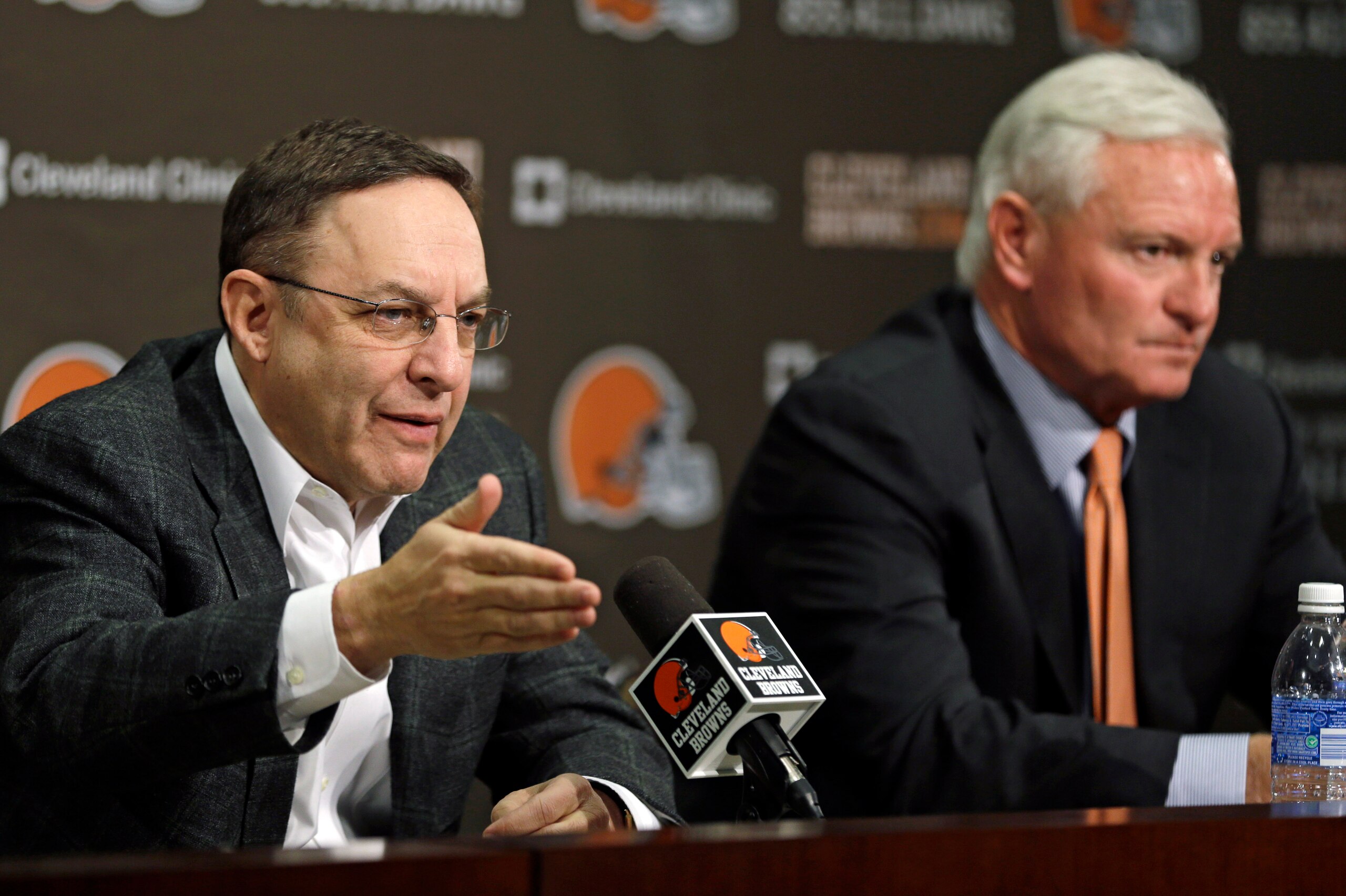
So how did the Browns mess up the NFL equivalent of write a sentence about this picture then color? How did the Browns screw up their trade with the Bengals for quarterback AJ McCarron? In part because they couldn't get the required paperwork to both the Bengals and the league, according to a report from Cleveland.com's Mary Kay Cabot.
"Not sure what happened in general, but I can say this," Banner told B/R: "When you make a trade, you fill out this very simple form. Every team I know then calls the league to make sure they got it and it is filled out correctly and good. The Browns can blame the Bengals if they want, but they can't explain away why they didn't call the league before deadline to confirm that the league got everything..."
If filling out a crazy-easy form is too much work, though, teams can separately notify the league office of terms of the trade via email, one league executive explained. Someone in the league then looks at the emails, checks if the terms match, and if they do, the trade is considered completed.
Then, both teams have 15 days to submit the trade papers. If the papers match the emails, this executive said, the deal is officially consummated. But it never takes 15 days. It's almost always done by the trade deadline.
This is why teams are so flabbergasted by the Browns. The league makes pulling off a trade close to idiot proof.
The Browns debacle is only one of the many stories surrounding this week's wild (in NFL terms) trade deadline, one that might have changed the way we think of NFL trading forever. It's possible from this point forward the NFL's trade action will resemble that of the NBA or Major League Baseball.
"I think the league has been evolving in this direction for a while," Banner said. "Started by a generation of decision-makers that have grown up on a variety of sports that helped them realize that there were untapped resources in football."
In some ways, NFL teams, when it comes to trading, are adopting a fantasy football-like mentality for immediate success.
That is a massive departure from the NFL's past.
For decades, the lack of deal-making was a symptom of a sport that was often frightened to take risks. The monumental Herschel Walker trade was a rare exception, but, mostly, upper-round draft picks were long seen as too valuable to give up.
Slowly, that's changed. More open-minded thinkers have entered the sport, and there is less draft-pick gluttony.
"We have seen increased in-season trades," Banner noted, "offseason trades and use of the [unrestricted free-agent] market. When I made the Trent Richardson trade, people asked if I thought that would lead to a change in the usage of the trade market. By no means was it because of that trade, but it was part of what started to open people's minds. I think this will continue in this direction. The league also moved the trade deadline back two weeks a few years ago, which helped create a market between short-term thinkers and long-term thinkers."
This isn't the 1970s any longer. Moving pieces and thinking outside the trade box are all the rage now.
We saw these teams use this newer philosophy in several latest transactions:
The 49ers
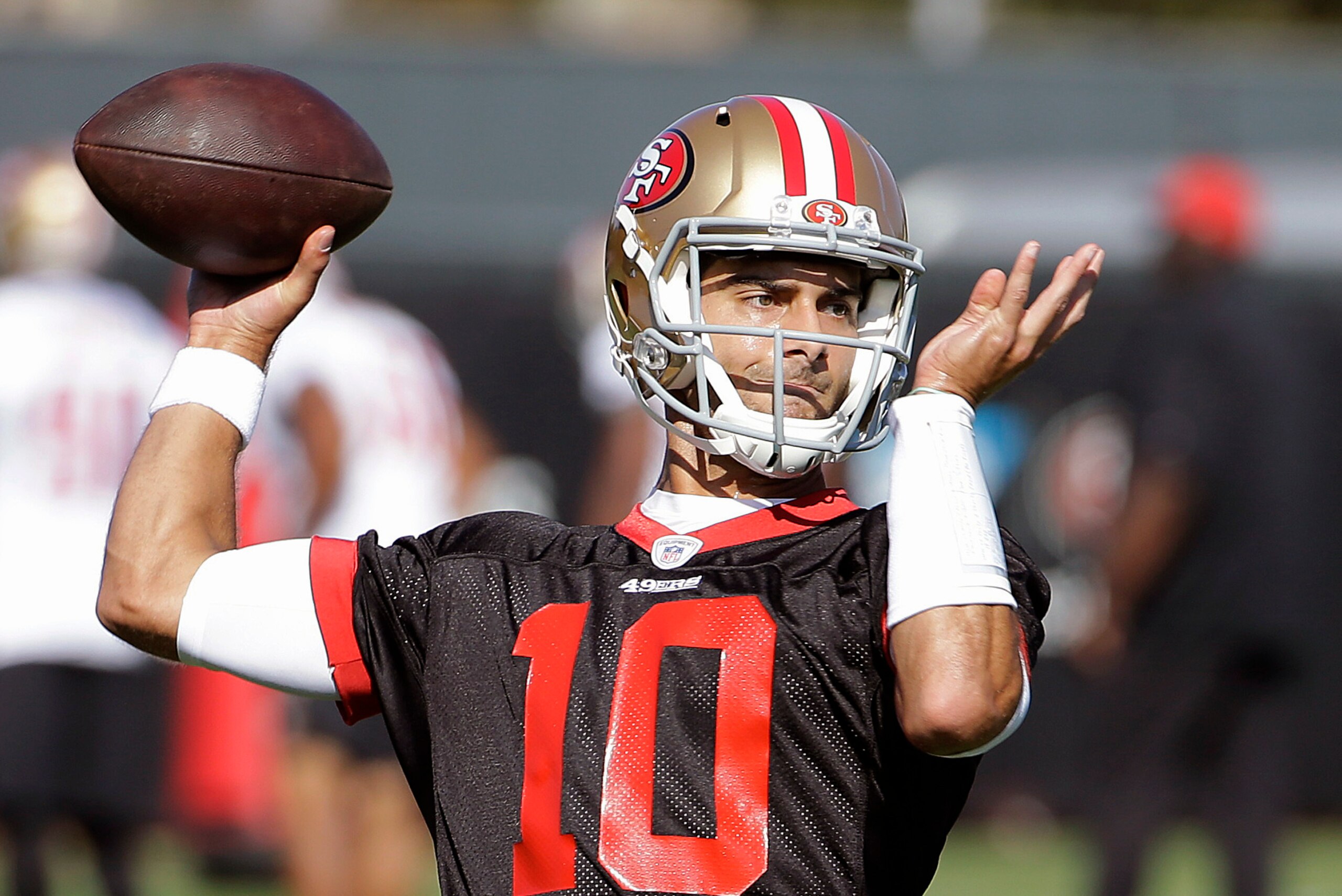
Second-round picks have always been seen as invaluable, but that belief is on the wane, which allowed San Francisco to trade one from the 2018 draft to New England for the highly sought-after Garoppolo. And he's had just two career starts.
The Seahawks
A win-now type of trade. Seattle sent a 2018 third-round pick and a 2019 second-rounder to Houston for left tackle Duane Brown and a 2018 fifth-rounder.
The Bills
The Bills needed a receiving threat, and they traded with Carolina to get Kelvin Benjamin. This move, several team executives said, stands as the second-riskiest—for both teams—behind the 49ers' decision to put its quarterback future in Garoppolo.
Benjamin is a flawed receiver (he's slow and sometimes lacks motivation) but his 6'5" height still makes him formidable. While giving up two picks (one in the third and one in the seventh round) is no bargain for the Bills, the Panthers, in the playoff hunt at 5-3, have to hope they don't pay a higher price for letting go of one of the few weapons Cam Newton had.
The Eagles
The Eagles' deal for physical runner Jay Ajayi was a fantasy football move but potentially a good one. One team executive told B/R: "One of the smarter moves a team has made in years. That offensive line is hurt, and one way to make an offensive line better is to get a physical runner. This, to me, is like the Seahawks getting Marshawn Lynch."
Like those teams above, the Browns had a chance to maybe change the direction of their franchise in this new era of transactions. Then the Browns realized something.
They were still the Browns.
Mike Freeman covers the NFL for Bleacher Report. Follow him on Twitter: @mikefreemanNFL.
.jpg?w=2560 "Eagles Jaguars Football")
.jpg?w=2560 "Titans Colts Football")
.jpg?w=2560 "🚨 Week 8 AP Top 25 Poll")

.jpg?w=2560 "Updates from EVERY Game")